
Home Blog Page 47

Metabolism Matters: Unveiling Weight Loss Supplements Designed to Boost Your Metabolic Health

Metabolism, often described as the body’s engine, refers to the complex biochemical processes that convert food and drink into energy essential for life. It encompasses various bodily functions, including digestion, breathing, circulation, and cellular repair. Central to weight management, metabolism plays a pivotal role in determining how efficiently calories are burned and stored as energy or fat.

Metabolic health, the efficiency and effectiveness of these processes, significantly influence weight management outcomes. Individuals with a faster metabolism tend to burn calories more efficiently, making it easier for them to maintain or lose weight. Conversely, those with a sluggish metabolism may struggle to shed excess pounds, leading to frustration and challenges in achieving weight loss goals.

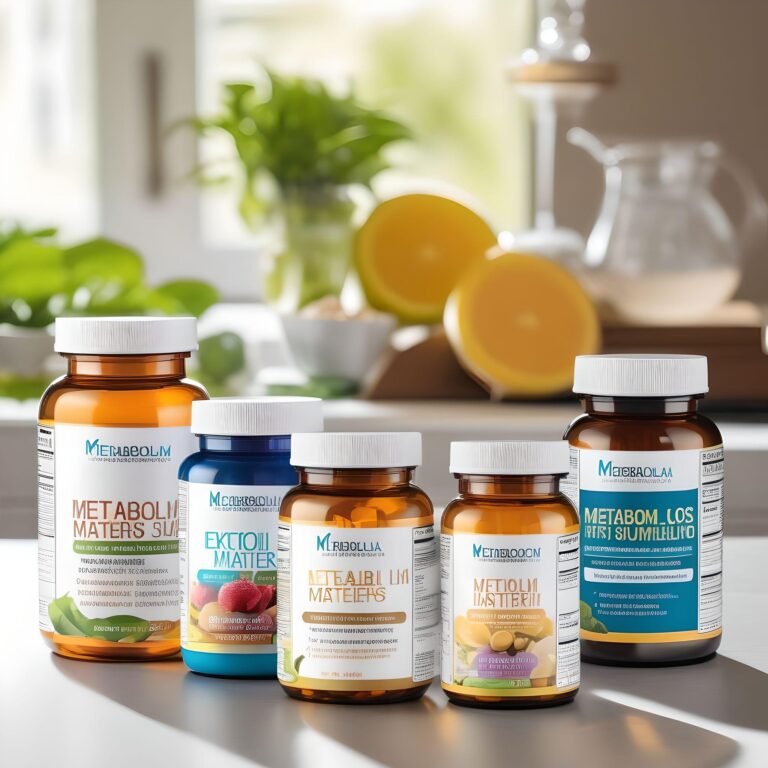
Recognizing the critical interplay between metabolism and weight management, the importance of supplements in supporting metabolic health becomes evident. Designed to enhance metabolic function, these supplements offer targeted support to optimize calorie burning, regulate appetite, and improve energy levels. By leveraging the power of carefully selected ingredients, supplements can complement healthy lifestyle choices and facilitate sustainable weight loss journeys.

Through this exploration of metabolism’s role in weight loss and the significance of supplements in supporting metabolic health, we embark on a journey to unveil the science behind effective weight management strategies. Join us as we delve deeper into the world of metabolic health and discover the transformative potential of supplementation.

The Science Behind Metabolic Boosting Supplements

Metabolic boosting supplements harness the power of various key ingredients, each carefully selected for its potential to enhance metabolic function and support weight loss goals. Among the most prominent ingredients are green tea extract, caffeine, and B vitamins, renowned for their metabolic-boosting properties.

Green tea extract contains potent antioxidants called catechins, notably epigallocatechin gallate (EGCG), which have been extensively studied for their ability to promote fat oxidation and increase calorie expenditure.

Caffeine, another widely recognized ingredient, stimulates the central nervous system, leading to increased energy expenditure and enhanced fat burning. Additionally, B vitamins, including B6, B12, and riboflavin, play essential roles in metabolic processes, such as carbohydrate metabolism and energy production.

Scientific research supports the efficacy of these ingredients in enhancing metabolism and facilitating weight loss. Numerous studies have demonstrated the thermogenic effects of green tea extract and caffeine, showing significant increases in metabolic rate and fat oxidation following supplementation. Similarly, B vitamins have been shown to support metabolic function, particularly in individuals with deficiencies or increased metabolic demands.

While metabolic boosting supplements offer promising benefits, it’s essential to acknowledge potential side effects or limitations associated with their use. Common side effects may include jitteriness, insomnia, and gastrointestinal discomfort, particularly with high doses of caffeine. Moreover, individual responses to supplements may vary, and certain ingredients may interact with medications or exacerbate underlying health conditions.

Understanding the science behind metabolic boosting supplements empowers individuals to make informed choices regarding their use. By incorporating evidence-based ingredients into their regimen and monitoring for potential side effects, individuals can maximize the benefits of supplementation while minimizing risks.

As with any dietary supplement, it’s advisable to consult with a healthcare professional before starting a new regimen, especially for those with pre-existing medical conditions or concerns.

Types of Metabolic Boosting Supplements

Metabolic boosting supplements can be categorized based on their distinct mechanisms of action, each targeting specific aspects of metabolism to support weight management goals. Common categories include thermogenic supplements, appetite suppressants, and fat burners.

  1. Thermogenic Supplements: These supplements increase the body’s core temperature, thereby enhancing calorie expenditure and promoting fat burning. Ingredients like caffeine, green tea extract, and capsaicin are known for their thermogenic properties. By stimulating metabolism, thermogenic supplements can help individuals burn more calories during rest and physical activity, potentially leading to greater weight loss over time.
  2. Appetite Suppressants: Designed to reduce feelings of hunger and curb appetite, appetite suppressant supplements help control calorie intake, promoting a negative energy balance conducive to weight loss. Ingredients such as glucomannan, fiber, and certain plant extracts work by increasing satiety and delaying gastric emptying, leading to reduced food consumption and calorie intake.
  3. Fat Burners: Fat burner supplements aim to accelerate the breakdown and utilization of stored fat for energy, thus facilitating weight loss. These supplements often contain ingredients like green tea extract, conjugated linoleic acid (CLA), and L-carnitine, which purportedly enhance fat metabolism and promote lipolysis. By supporting fat oxidation and utilization, fat burner supplements may help individuals achieve a leaner physique and improve body composition.

Understanding the distinct mechanisms of action and potential benefits of these metabolic boosting supplements empowers individuals to choose the most suitable option based on their unique needs and goals.

However, it’s important to use these supplements in conjunction with a balanced diet and regular exercise for optimal results. Consulting with a healthcare professional before starting any supplement regimen is recommended, particularly for individuals with underlying health conditions or concerns.

Choosing the Right Supplement for Your Needs

Selecting the most suitable metabolic boosting supplement requires careful consideration of individual goals, health status, and lifestyle factors. Here’s a guide to help you make an informed decision:

  1. Clarify Your Goals: Determine whether your primary objective is to boost metabolism, suppress appetite, or enhance fat burning. Understanding your specific weight management goals will guide your supplement selection process.
  2. Evaluate Ingredient Quality: Prioritize supplements made with high-quality, research-backed ingredients. Look for products that undergo rigorous testing and adhere to strict quality standards to ensure potency and purity.
  3. Consider Dosage and Formulation: Pay attention to the dosage and formulation of the supplement to ensure it aligns with your needs and preferences. Opt for products that provide transparent information on ingredient quantities and recommended dosage.
  4. Assess Brand Reputation: Choose supplements from reputable brands with a track record of producing safe and effective products. Research customer reviews, certifications, and endorsements to gauge brand credibility and reliability.
  5. Consult with a Healthcare Professional: Before starting any supplement regimen, consult with a qualified healthcare professional, especially if you have underlying health conditions or are taking medications. They can provide personalized advice and help mitigate potential risks or interactions.

By carefully considering these factors and seeking guidance from healthcare professionals, you can confidently select a metabolic boosting supplement that aligns with your goals and supports your journey towards improved metabolic health and weight management.

Remember to prioritize overall wellness by incorporating supplements as part of a balanced lifestyle that includes nutritious eating habits and regular physical activity.

Incorporating Supplements into a Healthy Lifestyle

Supplements play a valuable role in supporting metabolic health and weight management when integrated into a holistic approach to wellness. Here’s how to seamlessly incorporate them into your daily routine:

  1. Balanced Diet and Exercise: While supplements can enhance metabolic function, they work best when combined with a balanced diet and regular exercise. Prioritize nutrient-dense foods, such as fruits, vegetables, lean proteins, and whole grains, alongside a mix of cardiovascular and strength-training exercises to maximize results.
  2. Practical Integration: Make supplement intake a habit by incorporating it into your daily routine. Set a consistent time each day for consumption, such as with meals or before workouts, to ensure consistency and effectiveness.
  3. Synergistic Effects: Supplements complement other healthy lifestyle practices, amplifying their benefits. For example, combining metabolic boosting supplements with adequate hydration, sufficient sleep, and stress management techniques can create synergistic effects, promoting overall well-being and enhancing metabolic function.

By emphasizing the integration of supplements into a balanced lifestyle and highlighting their synergistic effects with healthy habits, individuals can optimize their metabolic health and achieve sustainable weight management goals. Remember to listen to your body, adjust supplementation as needed, and consult with a healthcare professional for personalized guidance.

Real-Life Success Stories and Testimonials

Meet Sarah, who struggled with weight loss despite diet and exercise. With the guidance of her healthcare provider, she incorporated metabolic boosting supplements into her routine. Within months, Sarah noticed significant improvements in her energy levels and metabolism, leading to a 20-pound weight loss.

Similarly, John, a busy professional, found success with these supplements, shedding stubborn fat and gaining muscle mass. Their stories highlight the transformative potential of metabolic boosting supplements when used responsibly.

Testimonials from satisfied users echo their experiences, emphasizing enhanced metabolism and sustainable weight loss. We maintain transparency by disclosing any sponsored content or affiliations with supplement brands.

Frequently Asked Questions (FAQs)

Are metabolic boosting supplements safe?

When used as directed and sourced from reputable brands, metabolic boosting supplements are generally safe for healthy individuals. However, it’s essential to consult with a healthcare professional before starting any supplement regimen, especially if you have underlying health conditions or are taking medications.

Do metabolic boosting supplements really work?

Scientific research supports the efficacy of certain ingredients found in metabolic boosting supplements, such as green tea extract and caffeine, in enhancing metabolism and facilitating weight loss. However, individual responses may vary, and supplements should be used in conjunction with a balanced diet and regular exercise for optimal results.

How should I use metabolic boosting supplements?

Follow the dosage and usage instructions provided on the supplement label or as recommended by your healthcare provider. It’s essential to incorporate supplements into a healthy lifestyle, including a balanced diet and regular exercise, for maximum effectiveness.

Are there any side effects associated with metabolic boosting supplements?

Some individuals may experience mild side effects, such as jitteriness, insomnia, or gastrointestinal discomfort, particularly with high doses of caffeine-containing supplements. It’s crucial to monitor for any adverse reactions and discontinue use if necessary. Additionally, consulting with a healthcare professional can help mitigate potential risks.

Can I take metabolic boosting supplements if I have underlying health conditions?

Individuals with underlying health conditions should consult with a healthcare professional before starting any supplement regimen, as certain ingredients may interact with medications or exacerbate health conditions. Your healthcare provider can provide personalized guidance based on your individual health needs and concerns.

Conclusion: Empowering Healthier Choices

In conclusion, metabolic boosting supplements can play a valuable role in supporting weight management by enhancing metabolism and promoting fat loss. Throughout this journey, we’ve explored the science behind these supplements, delving into their mechanisms of action and potential benefits.

It’s clear that when used responsibly and in conjunction with a balanced diet and regular exercise, metabolic boosting supplements can be effective tools for achieving weight loss goals.

However, it’s essential to make informed decisions about supplement use and prioritize overall health and well-being. Consulting with a healthcare professional before starting any supplement regimen is advisable, especially for individuals with underlying health conditions or concerns.

We encourage you to take control of your health journey by incorporating evidence-based strategies and making sustainable lifestyle changes. Your feedback and engagement are invaluable to us, and we invite you to share your experiences, questions, and insights. Together, let’s empower each other to make healthier choices and achieve lasting wellness.

Research References

https://www.ncbi.nlm.nih.gov/books/NBK572145

https://ods.od.nih.gov/factsheets/WeightLoss-HealthProfessional
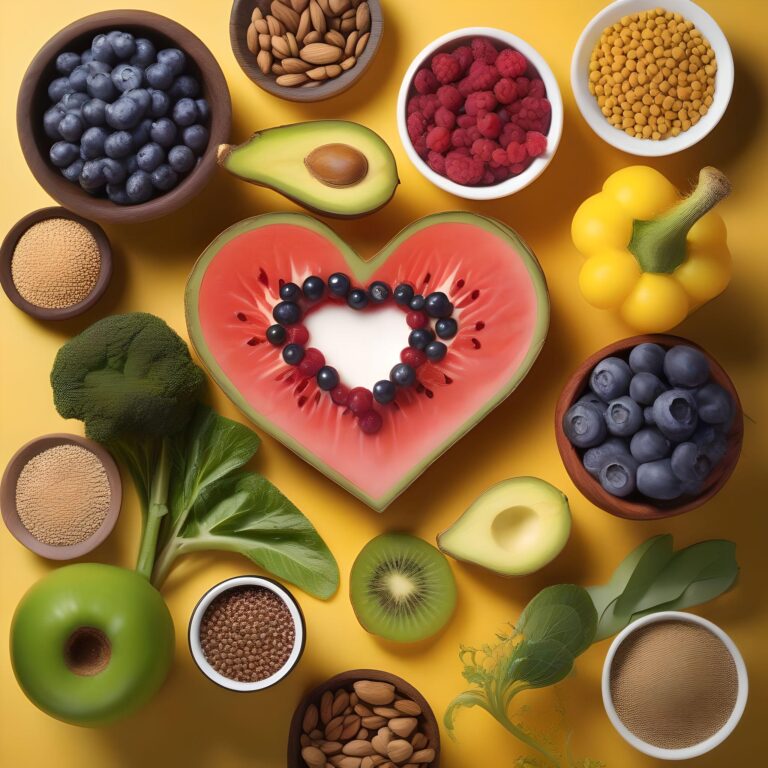
https://www.ncbi.nlm.nih.gov/pmc/articles/PMC7551574

Superfoods for Your Ears: The Best Nutrients for Hearing Health

0

Nutrition plays a crucial role in maintaining overall health, and its impact extends to the realm of hearing as well. Just as certain foods can support heart health or boost immunity, specific nutrients have been found to promote auditory wellness.

In this article, we’ll explore the concept of “superfoods” and their significance in preserving hearing health. Superfoods are nutrient-rich foods packed with vitamins, minerals, and antioxidants that offer exceptional benefits beyond basic nutrition.

By incorporating these superfoods into your diet, you can provide your ears with the essential nutrients they need to thrive and safeguard against age-related hearing loss and other auditory issues.

Let’s delve into the world of superfoods for your ears and unlock the secrets to optimal hearing health.

The Link Between Nutrition and Hearing Health

Scientific research has increasingly shed light on the intricate relationship between diet and auditory function.

Studies have revealed that certain nutrients play pivotal roles in supporting the delicate structures of the inner ear and promoting overall ear health.

For instance, antioxidants such as vitamins C and E, as well as minerals like zinc and magnesium, have been shown to protect against oxidative stress and cellular damage in the auditory system. Omega-3 fatty acids found in fish oil have also garnered attention for their anti-inflammatory properties, which can help reduce the risk of age-related hearing loss.

Furthermore, vitamins A, B-complex, and D are essential for maintaining the health of the auditory nerve and facilitating optimal signal transmission from the ear to the brain.

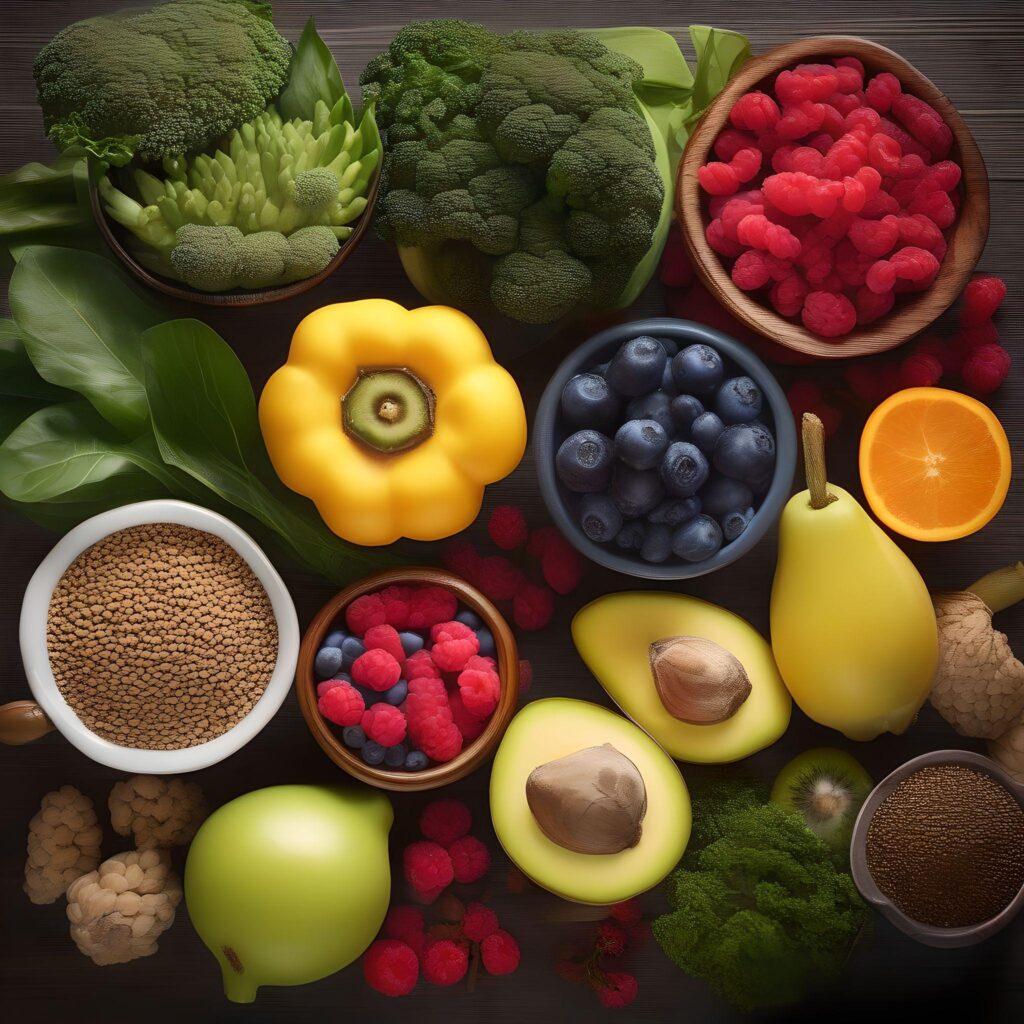
By incorporating foods rich in these nutrients into your diet, such as leafy greens, nuts, seeds, fish, and citrus fruits, you can provide vital support to your ears and potentially reduce the risk of hearing impairment.

Understanding the link between nutrition and hearing health underscores the importance of adopting a balanced diet rich in nutrient-dense superfoods for optimal auditory wellness.

Key Nutrients for Hearing Health:

a. Omega-3 Fatty Acids: Omega-3 fatty acids, abundant in fish like salmon and walnuts, offer a potent anti-inflammatory effect within the inner ear. By reducing inflammation, these healthy fats help safeguard the delicate structures of the auditory system, thereby potentially mitigating the risk of hearing loss. Moreover, omega-3s contribute to improved blood flow to the auditory system, enhancing nutrient delivery and waste removal processes crucial for optimal ear function.

b. Antioxidants: Antioxidants play a crucial role in protecting the ear from oxidative stress, which can damage cells and impair hearing. Vitamins A, C, and E are particularly important in this regard, as they neutralize harmful free radicals and support the health of auditory tissues. Foods rich in antioxidants, such as berries, leafy greens, and citrus fruits, provide essential nutrients that promote auditory wellness and reduce the risk of age-related hearing decline.

c. Magnesium: Magnesium plays a vital role in regulating blood flow and protecting against noise-induced hearing loss. This mineral helps maintain proper blood circulation to the inner ear, ensuring optimal nutrient delivery and waste removal processes. Additionally, magnesium acts as a natural blocker of excessive noise-induced damage to the auditory system, making it essential for preserving hearing health. Incorporating magnesium-rich foods like spinach, almonds, and avocados into your diet can help maintain optimal auditory function and protect against noise-related damage.

d. Zinc: Zinc is essential for supporting immune function and preventing age-related hearing loss. This mineral plays a crucial role in maintaining the integrity of auditory structures and facilitating signal transmission from the ear to the brain. Adequate zinc levels have been associated with reduced risk of hearing impairment and improved auditory function. Foods rich in zinc, such as oysters, beef, and pumpkin seeds, provide essential nutrients that support overall hearing health and contribute to maintaining optimal hearing abilities throughout life.

Incorporating Superfoods into Your Diet:

Enhancing your diet with superfoods for hearing health doesn’t have to be complicated. Here are some practical tips to help you incorporate nutrient-rich ingredients into your daily meals and snacks:

  1. Start your day with a nutrient-packed smoothie by blending together spinach, berries, Greek yogurt, and a handful of walnuts. This delicious concoction provides a powerful combination of antioxidants, omega-3 fatty acids, and magnesium to support auditory wellness.
  2. Include fish like salmon or trout in your weekly meal plan to boost your intake of omega-3 fatty acids. Baked or grilled salmon seasoned with herbs and lemon makes for a flavorful and heart-healthy dinner option.
  3. Snack on a handful of almonds or pumpkin seeds between meals to add a dose of magnesium and zinc to your diet. Pair them with dried fruits like apricots or raisins for a sweet and savory snack that supports hearing health.
  4. Incorporate antioxidant-rich foods like blueberries, strawberries, and oranges into your desserts or salads for a burst of flavor and nutritional benefits. Try adding sliced strawberries to your morning oatmeal or tossing blueberries into a spinach salad with feta cheese and balsamic vinaigrette.
Incorporating Superfoods into Your Diet

By incorporating these nutrient-rich superfoods into your daily meals and snacks, you can support auditory wellness while enjoying delicious and satisfying dishes that nourish your body from the inside out.

Lifestyle Factors for Hearing Health:

In addition to maintaining a nutrient-rich diet, several lifestyle factors play a crucial role in supporting optimal hearing health. Regular exercise and maintaining a healthy weight contribute to overall well-being, including auditory function. Exercise improves blood circulation throughout the body, including the inner ear, which helps deliver essential nutrients and oxygen to auditory structures.

Protecting your ears from loud noises is also vital for preserving hearing health. Exposure to loud sounds can cause irreversible damage to the delicate hair cells in the inner ear, leading to hearing loss or tinnitus. When exposed to noisy environments, such as concerts or construction sites, wearing ear protection like earplugs or earmuffs can help prevent damage.

Practicing good ear hygiene is another essential aspect of maintaining hearing health. Avoid inserting objects like cotton swabs or fingers into the ear canal, as this can push wax deeper and potentially damage the eardrum. Instead, gently clean the outer ear with a damp cloth and avoid using cotton swabs unless recommended by a healthcare professional.

By incorporating regular exercise, maintaining a healthy weight, protecting ears from loud noises, and practicing good ear hygiene, you can complement a nutrient-rich diet and promote optimal hearing health for years to come.

Conclusion

In conclusion, the link between nutrition and hearing health is undeniable, with superfoods playing a crucial role in preserving auditory wellness. Omega-3 fatty acids, antioxidants, magnesium, and zinc are essential nutrients that support the delicate structures of the inner ear and promote optimal auditory function. By incorporating nutrient-rich foods into your diet and adopting healthy lifestyle habits, you can protect your ears and enhance your overall well-being. Make informed dietary choices and prioritize superfoods to nourish your ears and enjoy a lifetime of healthy hearing.

FAQs

What are superfoods, and how do they benefit hearing health?

Superfoods are nutrient-rich foods that offer exceptional health benefits due to their high concentration of vitamins, minerals, antioxidants, and other essential nutrients. For hearing health, superfoods play a crucial role in supporting the structures of the inner ear and promoting overall auditory wellness. These foods help reduce inflammation, protect against oxidative stress, improve blood flow to the auditory system, and regulate essential minerals like magnesium and zinc, all of which are vital for maintaining optimal hearing function.

Can dietary changes alone improve hearing, or are other interventions necessary?

While dietary changes can significantly impact hearing health, they may not be the sole solution for addressing all auditory issues. Incorporating superfoods rich in nutrients like omega-3 fatty acids, antioxidants, magnesium, and zinc can undoubtedly contribute to better hearing health. 

However, other factors such as genetics, age-related changes, exposure to loud noises, and underlying medical conditions can also influence auditory function. Therefore, a holistic approach that includes dietary modifications along with regular hearing screenings and appropriate interventions is recommended for optimal results.

Are there specific foods or nutrients that can prevent age-related hearing loss?

Yes, certain foods and nutrients have been associated with a reduced risk of age-related hearing loss. Superfoods rich in antioxidants, omega-3 fatty acids, magnesium, zinc, and vitamins A, C, and E have shown potential in preserving hearing health as individuals age.

Regular consumption of these nutrient-dense foods, along with a balanced diet and healthy lifestyle, may help mitigate age-related declines in auditory function and promote overall well-being.

How can I incorporate superfoods for hearing health into my daily diet?

Incorporating superfoods for hearing health into your daily diet can be both simple and delicious. Start by adding foods like salmon, walnuts, spinach, berries, citrus fruits, almonds, avocados, oysters, beef, and pumpkin seeds to your meals and snacks.

These ingredients can be easily incorporated into various recipes, such as salads, smoothies, stir-fries, grilled dishes, and snacks. Experimenting with different combinations and cooking methods can make it enjoyable to consume these nutrient-rich foods regularly.

Are there any potential risks or side effects associated with consuming superfoods for hearing health?

While superfoods are generally safe and beneficial for hearing health, it’s essential to be mindful of potential risks or side effects, especially if you have allergies or medical conditions.

Some individuals may experience adverse reactions to certain foods or supplements, such as allergic reactions, gastrointestinal discomfort, or interactions with medications. It’s advisable to consult with a healthcare professional before making significant dietary changes or incorporating new foods into your routine, particularly if you have specific health concerns or dietary restrictions.

Research References:

https://www.ncbi.nlm.nih.gov/pmc/articles/PMC6930825

https://pubmed.ncbi.nlm.nih.gov/38440452

https://www.ncbi.nlm.nih.gov/pmc/articles/PMC6356655

https://pubmed.ncbi.nlm.nih.gov/28900017

https://www.ncbi.nlm.nih.gov/books/NBK507266

https://www.ncbi.nlm.nih.gov/pmc/articles/PMC10539547

https://www.ncbi.nlm.nih.gov/pmc/articles/PMC9405327

7 Best Valentine’s Day Snack Ideas

0

Valentine’s Day is a celebration of love, and what better way to show your affection than with delicious and thoughtful snacks?

Whether you’re planning a cozy night in with your sweetheart, hosting a Galentine’s Day gathering, or surprising your kids with a special treat, snacks add a touch of sweetness and fun to the occasion.

Ditch the standard hefty meals this year and opt for a delightful and playful spread of snacks that are sure to make hearts flutter.

Sweet and Savory Balance

The key to a successful Valentine’s Day snack spread is a tempting balance of sweet and savory flavors. A diverse selection caters to a range of preferences and makes the occasion more inclusive for everyone.

Picture yourself and your special someone cozying up on the couch with a mix of sweet treats and savory bites – it’s the perfect way to unwind and savor each other’s company.

Chocolate-Covered Strawberries

Chocolate-Covered Strawberries

A timeless Valentine’s Day classic, chocolate-covered strawberries are the epitome of simple indulgence. Their sweet and juicy nature, paired with the rich decadence of chocolate, creates an irresistible flavor combination. To make them at home:

  1. Ingredients: 1 pound of fresh strawberries, 12 ounces of high-quality semisweet chocolate chips, and optional toppings like sprinkles, chopped nuts, or white chocolate drizzle.
  2. Rinse and dry: Gently wash the strawberries and pat them completely dry. Any excess moisture will prevent the chocolate from adhering properly.
  3. Melt chocolate: Using a double boiler or microwave (be careful not to burn it), melt the chocolate chips until smooth.
  4. Dip and decorate: Hold a strawberry by the stem, dip it into the melted chocolate, and gently twist to coat. Sprinkle with your desired toppings while the chocolate is still wet.
  5. Let set: Place the dipped strawberries on parchment paper and refrigerate for at least 30 minutes to allow the chocolate to harden.

Heart-Shaped Treats

Heart-Shaped Treats

Nothing says ‘Valentine’s Day’ like adorable heart-shaped snacks. Here’s a simple idea for festive sugar cookies:

  • Ingredients: Your favorite sugar cookie dough, heart-shaped cookie cutter, pink and red frosting, and sprinkles.
  • Bake: Roll out the dough and use the cookie cutter to create heart shapes. Bake according to your recipe’s instructions.
  • Decorate: Let the cookies cool completely, then unleash your creativity! Frost them in pink or red, add sprinkles, or pipe messages of love for a personalized touch.

For a more savory option, create tea sandwiches and use the heart-shaped cookie cutter on slices of bread. Fill with classic combinations like cream cheese and cucumber or egg salad.

Romantic Charcuterie Board

Romantic Charcuterie Board

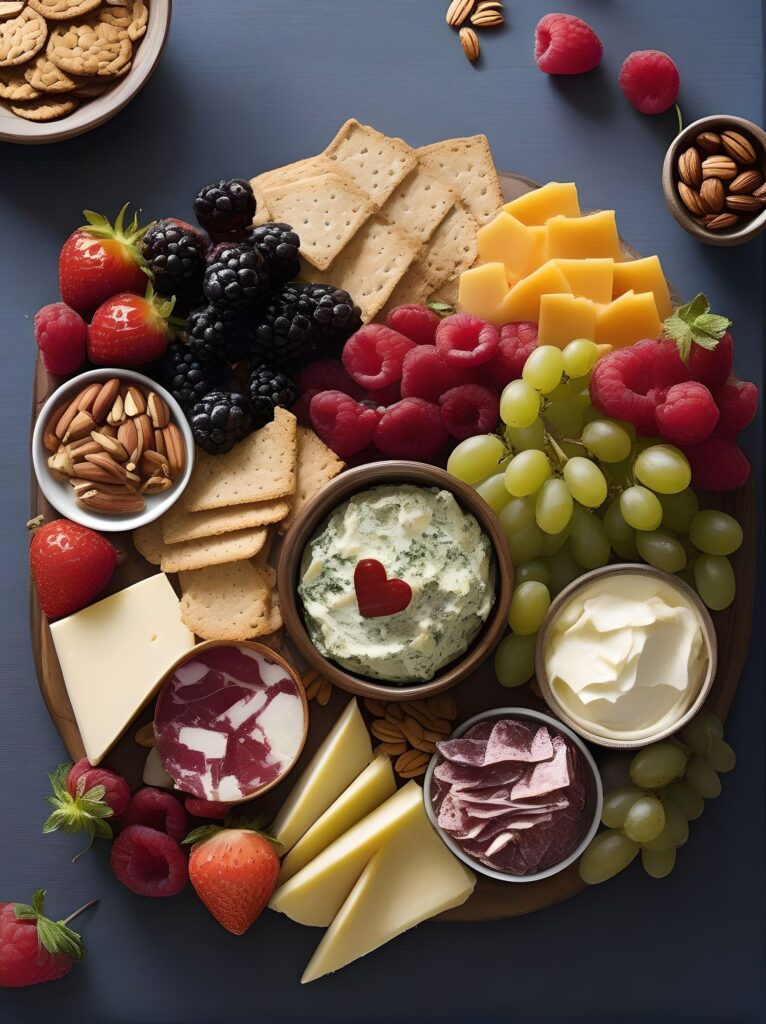
Elevate your snacking experience with a beautiful and customized Valentine’s theme charcuterie board. Here’s how to create a showstopper:

  • Cheeses: Include a soft cheese like brie, a semi-soft cheese like Gouda, and a hard cheese like aged cheddar. Add a pop of color with a flavored cheese like cranberry or herbed goat cheese.
  • Meats: Opt for a mix of cured meats like prosciutto, salami, or chorizo.
  • Fruits: Strawberries, raspberries, grapes, and sliced figs perfectly complement the other flavors and add a touch of sweetness.
  • Crunchy elements: Crackers (plain, flavored, and gluten-free options!), pretzels, and toasted nuts.
  • Spreads & Dips: Offer a sweet and savory option—fig jam or honey for the cheeses and a spinach-artichoke dip or hummus for dipping.
  • Arrangement: Start by placing small bowls for the spreads, then arrange the cheeses. Fan out the meats, form clusters of fruit, and fill the gaps with crackers and nuts. Add a few heart-shaped accents around the board for a festive touch.

DIY Love-Themed Popcorn

DIY Love-Themed Popcorn

Popcorn is a classic snack that can easily be transformed into a Valentine’s Day treat. Try this sweet and salty recipe:

  1. Pop it: Prepare a large batch of plain popcorn (air-popped or stovetop).
  2. Melt & Drizzle: Melt white chocolate chips and drizzle over the popcorn. Sprinkle with cinnamon, a pinch of salt, and small red candy hearts.
  3. Package: Toss to coat. Let cool, then package in cellophane bags tied with a ribbon.

Cupid’s Cocktail Hour

Cupid's Cocktail Hour

Pair your snacks with love-themed beverages. Here’s a simple and refreshing mocktail:

  • Ingredients: Pink lemonade, sparkling water, fresh raspberries, and mint leaves.
  • Combine: Fill a glass with ice, add equal parts pink lemonade and sparkling water. Garnish with a skewer of raspberries and a sprig of mint.

For a cocktail, try a sparkling strawberry mimosa made with champagne and strawberry puree.

Healthy Valentine’s Snack Alternatives

For those aiming for a healthier indulgence, offer a selection of vibrant and nutritious snacks:

  • Fruit skewers: Thread strawberries, raspberries, and melon cut into heart shapes onto skewers.
  • Yogurt parfaits: Layer vanilla yogurt with mixed berries and a sprinkle of granola.
  • Veggies & Dip: Create a colorful tray of heart-shaped cucumbers, bell pepper slices, and cherry tomatoes alongside a creamy hummus dip.

Conclusion

Snacking on Valentine’s Day can be as simple or as elaborate as you’d like. Whether you opt for classic chocolate-covered strawberries, a decadent charcuterie board, or a healthy selection of festive fruit, the most important element is the thoughtfulness and love you put into it.

This Valentine’s Day, surprise your loved ones with a thoughtful spread of snacks that are sweet, savory, and sure to melt their hearts.

Here are a few extra ideas to make your Valentine’s snacks even more special:

  • Set the mood: Dim the lights, light some candles, and play soft music to create a romantic ambiance.
  • Presentation is key: Use heart-shaped bowls, red and pink linens, and scattered rose petals for a touch of romance.
  • Personalized touches: Write love notes to accompany the snacks or create custom labels for your homemade treats.

Remember, Valentine’s Day is about celebrating love. Whether you’re sharing a whimsical snack spread with your romantic partner, best friends, or family, the time you spend together and the love you share is what truly makes the day special.

Takeout Sesame Chicken Recipe

0

Craving that familiar and irresistible flavor of Chinese takeout? Skip the delivery and make your own Chinese Takeout Sesame Chicken right at home!

This sweet and savory dish is a favorite at many Chinese restaurants, but with this easy-to-follow recipe, you can enjoy it in the comfort of your kitchen.

Let’s dive into the world of flavors and learn how to create this delectable dish.

Name:Chinese Takeout Sesame Chicken
Cuisine:Chinese
Prep Time:30 minutes
Cooking Time:20 minutes
Total Time:50 minutes
Servings:4
Yield:4 servings
Sesame Chicken Recipe

Ingredients:

  • 1 pound boneless, skinless chicken breasts, cut into bite-sized pieces
  • 2 tablespoons soy sauce
  • 2 tablespoons rice wine or dry sherry
  • 2 tablespoons cornstarch
  • 1 teaspoon sesame oil
  • 2 cups vegetable oil (for frying)
  • 1/2 cup all-purpose flour
  • 1/2 cup water
  • 1/2 cup sugar
  • 1/4 cup white vinegar
  • 1/4 cup ketchup
  • 2 tablespoons hoisin sauce
  • 1 teaspoon crushed red pepper flakes (adjust to your spice preference)
  • 2 tablespoons sesame seeds
  • 2 green onions, sliced for garnish

Instructions:

Marinate the Chicken

In a bowl, combine the soy sauce, rice wine, cornstarch, and sesame oil.

Add the chicken pieces and let them marinate for 20-30 minutes.

Prepare the Sauce

In a separate bowl, mix together the sugar, white vinegar, ketchup, hoisin sauce, and crushed red pepper flakes.

Set this sauce aside.

Coat and Fry the Chicken

Heat the vegetable oil in a deep pan or wok over medium-high heat.

In a separate bowl, whisk together the flour and water to create a smooth batter.

Dip each marinated chicken piece into the batter, ensuring it’s evenly coated.

Carefully drop the coated chicken pieces into the hot oil and fry until they are golden brown and crispy, about 5-6 minutes. Work in batches to avoid overcrowding the pan.

Remove the chicken with a slotted spoon and place them on paper towels to drain excess oil.

Combine Chicken and Sauce

In a clean wok or large pan, heat a small amount of oil over medium heat.

Add the sauce mixture you prepared earlier and bring it to a simmer.

Toss in the Chicken

Once the sauce is simmering, add the fried chicken pieces.

Stir the chicken in the sauce until it’s well coated and the sauce has thickened, about 2-3 minutes.

Garnish and Serve

Transfer the Sesame Chicken to a serving dish.

Sprinkle sesame seeds and sliced green onions on top for garnish.

Enjoy

Serve your homemade Chinese Takeout Sesame Chicken over steamed rice or noodles and enjoy the delicious, crispy, and sweet-savory flavors.

Estimated Nutrition Per Serving:

  • Calories: 380
  • Protein: 27g
  • Carbohydrates: 33g
  • Fat: 14g
  • Saturated Fat: 2g
  • Cholesterol: 65mg
  • Sodium: 780mg
  • Fiber: 1g
  • Sugar: 20g
Takeout Sesame Chicken Recipe

Conclusion

Making your own Chinese Takeout Sesame Chicken at home is not as intimidating as it may seem. With a few simple steps and readily available ingredients, you can create this restaurant-quality dish in the comfort of your own kitchen. Give it a try, and savor the delightful taste of homemade Chinese cuisine.

Whether it’s a weeknight dinner or a special occasion, this recipe is sure to please your taste buds and become a family favorite. So, put down the takeout menu and start cooking – you’ll be amazed at the delicious results!

Life Line Screening Reviews – Is It Legit And Worth The Money?

0

Life Line Screening is an American-based disease detection and prevention service with screening centers in approximately 100 cities across the United States, ensuring accessibility for all American citizens.

How often have you witnessed or heard of someone experiencing a sudden heart attack or stroke seemingly out of nowhere? According to the Centers for Disease Control, heart disease results in one death every 34 seconds in the United States. Heart disease and strokes have emerged as two significant global public health concerns, claiming about 17.5 million lives worldwide, according to the CDC.

To prevent deaths from heart and kidney diseases, one must stay vigilant about their internal organ health. The most effective way to avert untimely deaths from diseases is to detect problems before they escalate.

This article provides an in-depth review of the Life Line Screening service. In this comprehensive review, we cover all aspects of this health screening service, helping you determine if it lives up to the hype.

What is Life Line Screening?

  • Product Name: Life Line Screening
  • Type: Healthcare service
  • Benefits: Disease detection, prevention, precautions, affordability, convenience.
  • Results: 7 days
  • Price: $159-$249
  • Website: Visit Here
 Life Line Screening

Life Line Screening is an American-based disease detection and prevention service with screening centers in approximately 100 cities across the United States, making it accessible to all Americans. This service is particularly valuable for individuals with a history of heart, kidney diseases, or diabetes as it helps detect and prevent health issues before they become life-threatening.

The surge in heart diseases and sudden strokes can be attributed to our modern lifestyles. Our fast-paced lives in polluted urban environments, coupled with stressors and unhealthy diets, contribute to these deadly diseases. These factors play a significant role in causing fatal diseases that can go unnoticed until they become life-threatening.

The best approach to addressing this issue is early detection and prevention. Regular health screening is essential because often, we are unaware of our internal conditions or potential life-threatening issues. Neglecting the early signs of severe health conditions can lead to sudden heart failures and strokes.

Based on my assessment of the Life Line Screening service, it has the potential to save numerous lives. This disease detection and prevention service helps individuals assess their overall health and identify potential life-threatening issues.

How Does Life Line Screening Work?

The Life Line Screening service is straightforward. It employs certified physicians for screenings, ensuring accurate health assessments and providing guidance to prevent further complications. Here’s how it works:

  1. Choose one of the three available screening packages on the Life Line Screening website.
  2. Provide necessary information and your zip code.
  3. Life Line Screening will schedule an appointment at a nearby screening center based on your zip code.
  4. Visit the local screening center for your checkup.

To ensure accuracy, Life Line Screening experts cross-check screening results with other experts when they detect abnormalities.

Follow this Link to Get 50% off On Life Line Screening

The Story of Life Line Screening

Life Line Screening originated as a wellness enterprise in 1993, offering affordable health services to anyone seeking to detect and prevent life-threatening diseases.

Initially, the company conducted health screenings at churches, hospitals, and parks. In 2007, the company opened its own health screening facilities after successfully conducting public health screening events. These screening clinics expanded the range of services and made follow-up care affordable.

Since then, Life Line Screening has continued to grow, expanding its reach nationwide and saving millions of lives. They have also added ultrasound, EKG, and blood checks to their offerings.

In 2023, the company served approximately 8 million people in 48 states, recognizing its crucial role in American public health and its potential to prevent patient fatalities.

Is Life Line Screening Worth It?

In my opinion, Life Line Screening is unquestionably worth it. Regardless of how minor health issues may seem, they should never be underestimated. Often, what appears to be a sudden heart attack or stroke is the result of pre-existing health problems that gradually lead to these conditions.

Regular health screenings are essential to understand what’s happening inside your body and to take proactive steps to treat any potential diseases in their early stages, preventing severe health problems in the future.

Life Line Screening appoints certified experts to provide their services, ensuring that customers receive top-quality healthcare services. They employ cutting-edge medical technology for potentially life-saving screening tests, providing accurate results.

Compared to other healthcare providers offering similar services, Life Line Screening offers affordability that is hard to match.

I personally underwent screening with the Life Line Screening Service, and my experience was positive. I registered for an appointment at a nearby screening center, where I underwent heart and artery screening, along with kidney screening.

The environment was comfortable, and the healthcare professionals were professional. I received my results and a personalized health plan within a week.

Fortunately, my report didn’t reveal any serious issues; it indicated some stress-related concerns, and I received advice on managing stress.

Based on my experience, I have an even more favorable view of the screening service. I doubt you’ll find a more cost-effective option for comprehensive health screening than Life Line Screening. If you’re looking for an affordable way to monitor your health, Life Line Screening is an excellent choice.

Get the Life Line Health Checkup Bundle (Half Off the Regular Price)

What Are the Benefits of Life Line Screening?

Regular health screenings are essential for understanding your internal health and avoiding sudden diseases like heart attacks and strokes. Life Line Screening makes routine health screenings more affordable and accessible. Here are some key benefits of the Life Line Screening service:

Easy Health Screening

Life Line Screening simplifies the process of obtaining comprehensive health screenings. Typically, arranging multiple health checkups at different centers and booking appointments can be time-consuming and costly. Life Line Screening offers a convenient and cost-effective solution.

Detects Health Problems

The primary goal of health screening is to identify potential health issues before they worsen. Life Line Screening’s thorough tests can detect developing health problems and provide guidance on treating the condition and preventing future complications.

Prevents Life-Threatening Health Problems

Undetected underlying health conditions are a leading cause of sudden deaths. Many individuals with severe heart issues have never had their hearts checked until they suffer an attack. Life Line Screening helps detect health problems before they impact overall health, emphasizing the importance of prevention.

Affordable

The cost of comprehensive health screenings at other healthcare providers can be prohibitive. Life Line Screening offers affordable health screening packages, allowing individuals to monitor their overall health for a fraction of the cost.

Convenience

Booking a full health screening appointment independently can be a daunting task. Life Line Screening streamlines the process. Select a screening package, schedule your appointment on the website, and Life Line Screening handles the rest, providing the right healthcare professionals to perform the procedures and promptly diagnose your results.

Access to Healthcare Professionals

Life Line Screening ensures that customers receive care from some of the finest healthcare professionals in the United States. Accessing healthcare providers of this caliber elsewhere would cost significantly more. Through Life Line Screening, you can access these professionals at a fraction of the cost.

 Life Line Screening

Pros and Cons of Life Line Screening

To provide a balanced view, here are the pros and cons of choosing Life Line Screening:

Pros:

  1. Early Detection of Chronic Diseases
  2. Prevention of Complications
  3. Convenient Booking Near You
  4. Access to Top Healthcare Professionals
  5. Painless and Non-Invasive Procedures
  6. Peace of Mind About Your Health
  7. Affordability
  8. Wide Availability Across the US
  9. Regular Screening Events
  10. Stringent Audit of Screening Tests
  11. Peer Review of Screening Reports
  12. Comparable Vascular Screenings to Hospitals
  13. Easy Health Checkups

Cons:

  1. Not Covered by Insurance
  2. Potential for False Positives
  3. One-Week Results Delivery

Get Life Line Health Screening Package For Only $149 (Special Package Pricing 50% Off)

Scheduling a Health Screening Session on Life Line Screening

Scheduling a health screening appointment has never been easier, thanks to Life Line Screening. You can schedule your appointment on the official Life Line Screening website. Here’s how:

  1. Choose one of the three packages offered on the website.
  2. Provide your information and zip code.
  3. Receive a date and address for a Life Line Screening health center near you.
  4. Attend the appointment and await your results within a week.

Health Screening Packages Offered by Life Line Screening

Life Line Screening offers three packages on their website:

  1. Life Line Health Checkup Bundle (Half Off the Regular Price): Cardiovascular Disease Screening for $159, including carotid artery scan, PAD arterial disease scan, abdominal aortic aneurysm test, and atrial fibrillation test.
  2. Men’s Comprehensive Package: Priced at $249, this package includes everything in the primary package, along with kidney health screening, prostate health screening, testosterone screening, liver health screening, and comprehensive blood panel.
  3. Women’s Comprehensive Package: Also priced at $249, this package includes everything in the primary package, along with kidney disease screening, osteoporosis screening, HsC protein test, thyroid hormone test, A1c screening, and comprehensive blood panel.

Life Line Screening User Reviews

Here are some real-life user reviews of the Life Line Screening service:

  • “Life Line did an excellent job, and their crew was courteous and professional. They identified certain issues, leading me to seek medical attention and undergo surgery. In the long run, they might have saved my life.” – Donald.
  • “I received recommendations from several people to have my carotid artery checked for obstructions. I underwent testing with Life Line, which revealed minor obstructions based on their images.” – Erica.
  • “I’ve been using Life Line Screening on and off for the past ten years. Everything is efficient, quick, and professional. They transport you quickly, and the staff is pleasant. That’s why I keep coming back.” – Harold.

FAQs

How accurate are the life line screening tests?

Life Line Screening takes pride in its advanced ultrasound technology and highly skilled sonographers who conduct their screenings. The accuracy of their results is on par with what you’d receive at a reputable hospital vascular lab.

Nevertheless, it’s essential to remember that no test is flawless. While they strive for precision, there remains a slight chance of false positives or negatives.

False positives can cause unnecessary worry and interventions, whereas false negatives may overlook actual health issues.

What should I wear to life line screening?

When preparing for Life Line Screening, opt for comfortable, loose attire. You’ll need to remove your shoes, socks, and belt for certain tests, so wearing something easy to take off is practical.

What is annual key health 6 for life?

The “Annual Key Health 6 for Life” package offered by Life Line Screening comprises six crucial screenings:

  1. Carotid artery scan
  2. Abdominal aortic aneurysm (AAA) scan
  3. Peripheral arterial disease (PAD) screening
  4. Atrial fibrillation (AFib) screening
  5. Osteoporosis screening
  6. Kidney disease screening

These screenings are designed to provide a comprehensive assessment of your health, enabling early detection of potential issues. It’s a proactive step towards better health.

The benefits of screening are significant. Early identification of health problems increases the chances of successful treatment and ultimately saves lives.

However, it’s crucial to consider the pros and cons of screening. While it can be immensely beneficial, some screenings may occasionally yield false positives, causing unnecessary stress and medical procedures.

Balancing the benefits and potential risks is key to making informed decisions about your health.

Get the Life Line Health Checkup Bundle (Half Off the Regular Price)

Conclusion

Monitoring our health is imperative, as chronic diseases can silently develop in our bodies. Many individuals remain unaware of these conditions until it’s too late, resulting in untimely and unexpected deaths.

While it’s understandable to delay health screenings due to financial constraints, time constraints, or reluctance, our health does not understand these reasons.

Your health does not understand that you had financial difficulties, lacked time, or simply did not wish to see a doctor.

This Life Line Screening review has shown how this screening service offers a convenient, cost-effective solution, making health screenings easily accessible.

If you continue to postpone health screenings, you may only have yourself to blame when your health issues catch up with you.

Life Line Screening is a valuable resource for affordable, comprehensive health screenings. It provides an opportunity to stay proactive about your health and take control of your well-being.

References:

https://www.cdc.gov/heartdisease/facts.htm

https://www.outlookindia.com/outlook-spotlight/life-line-screening-reviews-is-life-line-screening-legit–news-274883

https://wholesomealive.com/life-line-screening-review/

Classic Italian Pastina Recipe

0

Pastina, those tiny pasta shapes, are a beloved staple in many Italian households. These miniature pasta pieces have a knack for bringing comfort and warmth to the dinner table.

Whether you’re cooking for kids or simply looking for a quick and easy meal, pastina is a versatile ingredient that can be transformed into a variety of delicious dishes.

In this article, we’ll explore some delightful pastina recipes that will please the entire family.

Name Classic Italian Pastina Recipe
Cuisine Italian
Prep Time 15 minutes
Cooking Time 25 minutes
Total Time 40 minutes
Servings6
Yield6

Ingredients

  • 1 cup pastina
  • 1 tablespoon olive oil
  • 1 small onion, finely chopped
  • 2 cups fresh spinach, chopped
  • 1 cup ricotta cheese
  • 1/2 cup grated mozzarella cheese
  • Salt and pepper to taste

Instructions

1. Prepare Your Ingredients

Begin by gathering and preparing all your ingredients. Chop the onion, carrot, celery, and garlic finely to ensure they cook evenly.

2. Sauté the Aromatics

In a large pot or saucepan, heat the olive oil over medium heat. Add the chopped onion, carrot, celery, and garlic. Sauté them until they become soft and translucent, usually taking about 5 minutes.

3. Add the Pastina

Pour in the Pastina pasta and continue to cook for another 2-3 minutes, stirring occasionally until the pasta starts to lightly toast.

4. Pour in the Broth

Now, it’s time to add the chicken or vegetable broth. Stir well to combine all the ingredients. Season with salt and pepper to taste.

5. Simmer

Bring the mixture to a gentle boil, then reduce the heat to low. Allow the Pastina to simmer in the broth for about 10-12 minutes or until it’s tender. Stir occasionally to prevent sticking.

6. Serve

Once the Pastina is cooked to your desired level of tenderness and the broth has thickened slightly, remove the pot from the heat.

7. Garnish and Enjoy

You can serve the Classic Italian Pastina in individual bowls. If desired, sprinkle with grated Parmesan cheese for added flavor and a touch of fresh chopped parsley for a burst of color.

These pastina recipes are just the beginning of your culinary journey with this versatile pasta. Feel free to experiment with different ingredients and flavors to create your own unique pastina dishes.

Whether it’s a comforting bowl of buttery pastina or a cheesy spinach and pastina bake, these recipes are sure to satisfy your cravings and bring smiles to your dining table. Buon appetito!

Estimated Nutrition Per Serving

  • Calories: 290 kcal
  • Protein: 10 g
  • Carbohydrates: 32 g
  • Dietary Fiber: 2 g
  • Sugars: 2 g
  • Fat: 14 g
  • Saturated Fat: 7 g
  • Cholesterol: 40 mg
  • Sodium: 360 mg

Please note that the estimated nutrition values are approximate and can vary based on specific brands and quantities of ingredients used.

10 Simple Classic Italian Pastina Recipes

Indulge in the world of pastina with these 10 simple and delicious recipes. From classic pastina with butter and Parmesan to creamy mushroom sauce and zesty lemon spinach, there’s a pastina dish for every palate. Quick to prepare and bursting with flavor, these recipes will become family favorites.

1. Acomforting Italian classic

 Acomforting Italian classic

this recipe combines pastina with tender peas. Cook the pastina until al dente, then sauté peas in butter until they’re vibrant green. Toss them together, season with salt and pepper, and finish with a sprinkle of grated Parmesan for a delightful, quick dish.

2. Pastina with Creamy Mushroom Sauce

Pastina with Creamy Mushroom Sauce

For a creamy twist, sauté sliced mushrooms in butter and garlic until they’re soft. Add heavy cream, simmer until it thickens, and then mix in cooked pastina. Finish with a sprinkle of grated Parmesan and chopped fresh parsley.

3. Pastina and Egg Drop Soup

 Pastina and Egg Drop Soup

Create a comforting soup by cooking pastina in chicken broth until tender. Then, whisk in beaten eggs to create delicate ribbons in the soup. Season with salt, pepper, and a touch of grated Parmesan for added flavor.

4. Pastina with Pesto

 Pastina with Pesto

Mix cooked pastina with your favorite pesto sauce, whether it’s classic basil or a unique sun-dried tomato variation. Toss until well coated, and garnish with pine nuts and extra grated Parmesan.

5. Pastina Primavera

Pastina Primavera

Combine cooked pastina with a medley of sautéed vegetables like bell peppers, zucchini, and cherry tomatoes. Finish with a drizzle of olive oil, fresh basil, and grated Parmesan for a fresh and colorful pasta dish.

6. Pastina Carbonara

Pastina Carbonara

For a twist on the classic carbonara, mix cooked pastina with a creamy sauce made from eggs, grated Pecorino Romano cheese, and pancetta or bacon bits. Season with black pepper and serve piping hot.

7. Pastina with Lemon and Spinach

 Pastina with Lemon and Spinach

Sauté fresh spinach in olive oil with minced garlic until wilted, then toss with cooked pastina. Add a squeeze of lemon juice and zest for a bright and zesty flavor. Top with grated Parmesan.

8. Pastina with Tomato and Sausage

Pastina with Tomato and Sausage

Brown Italian sausage in a pan, then stir in crushed tomatoes and simmer. Combine with cooked pastina, season with basil and red pepper flakes for a touch of heat, and garnish with fresh basil leaves.

9. Pastina Alfredo

Create a creamy Alfredo sauce with butter, heavy cream, and grated Parmesan cheese. Toss with cooked pastina until it’s coated in velvety richness, and finish with a sprinkle of parsley.

10. Pastina with Broccoli and Garlic

Sauté broccoli florets in olive oil with minced garlic until tender-crisp. Toss with cooked pastina, season with salt and pepper, and finish with a drizzle of extra-virgin olive oil.

These 10 simple pastina recipes offer a variety of flavors and styles, perfect for satisfying your pasta cravings in different ways. Enjoy experimenting with these quick and delicious dishes!

Cowboy Chicken Recipe: Hearty and Flavorful Cowboy Spaghetti Recipe

0

When it comes to hearty, flavorful dishes that capture the essence of the Wild West, Cowboy Chicken is a surefire winner.

This recipe combines tender chicken breasts with a mouthwatering blend of spices, vegetables, and beans to create a meal that’s not only delicious but also satisfying.

Whether you’re cooking for a crowd or simply craving a taste of the ranch, this Cowboy Chicken recipe is sure to please.

NameCowboy Chicken Recipe
CuisineMixed
Prep Time15 minutes
Cooking Time25 minutes
Total Time40 minutes
Servings4 servings
Yield4

Ingredients

  • 4 boneless, skinless chicken breasts
  • 2 tablespoons olive oil
  • 1 medium onion, chopped
  • 2 cloves garlic, minced
  • 1 red bell pepper, diced
  • 1 green bell pepper, diced
  • 1 can (15 ounces) black beans, drained and rinsed
  • 1 can (15 ounces) corn kernels, drained
  • 1 can (15 ounces) diced tomatoes
  • 1 cup chicken broth
  • 2 teaspoons chili powder
  • 1 teaspoon cumin
  • 1 teaspoon paprika
  • Salt and pepper to taste
  • Fresh cilantro, chopped (for garnish)
  • Shredded cheddar cheese (optional, for garnish)
  • Sour cream (optional, for garnish)

Instructions

Sear the Chicken

Season the chicken breasts with salt, pepper, and 1 teaspoon of chili powder. In a large skillet, heat the olive oil over medium-high heat. Add the chicken breasts and sear for 3-4 minutes per side until they’re nicely browned. Remove the chicken from the skillet and set it aside.

Sauté the Aromatics

In the same skillet, add the chopped onion and minced garlic. Sauté for 2-3 minutes until they become fragrant and translucent.

Add the Peppers and Spices

Stir in the diced red and green bell peppers. Add the remaining 1 teaspoon of chili powder, cumin, and paprika. Cook for another 3-4 minutes until the peppers start to soften.

Combine Beans, Corn, and Tomatoes

Add the black beans, corn kernels, and diced tomatoes (with their juice) to the skillet. Stir everything together, and let it simmer for a couple of minutes.

Return the Chicken

Place the seared chicken breasts back into the skillet, nestling them among the vegetables and beans. Pour in the chicken broth to create a flavorful sauce. Bring the mixture to a gentle simmer.

Simmer and Serve

Cover the skillet and let it simmer for 15-20 minutes, or until the chicken is cooked through and no longer pink in the center. Check for seasoning and adjust with salt and pepper if needed.

Garnish and Serve

To serve, sprinkle fresh chopped cilantro on top. If desired, add a generous sprinkle of shredded cheddar cheese and a dollop of sour cream for extra flavor.

Enjoy

Cowboy Chicken is best served hot. You can enjoy it on its own or pair it with rice, tortilla chips, or warm crusty bread.

This Cowboy Chicken recipe takes your taste buds on a journey to the Wild West, combining the bold flavors of chili, cumin, and paprika with tender chicken and hearty beans. It’s a dish that’s perfect for family dinners, gatherings with friends, or whenever you want to savor the robust flavors of the Old West.

Nutrition Facts

  • Calories: 350 calories
  • Protein: 30g
  • Carbohydrates: 30g
  • Dietary Fiber: 7g
  • Sugars: 6g
  • Fat: 12g
  • Saturated Fat: 2g
  • Cholesterol: 73mg
  • Sodium: 780mg

10 Simple Cowboy Chicken Recipes

Enjoy the flavors of the Wild West with these 10 simple cowboy chicken recipes. From tangy barbecue to spicy Tex-Mex, these hearty dishes will satisfy your cravings for a delicious, down-home meal in no time.

1. Cowboy Chicken Tacos

Turn your Cowboy Chicken into delicious tacos. Serve the seasoned chicken and bean mixture in soft tortillas, and top with shredded lettuce, diced tomatoes, and a dollop of sour cream. Garnish with fresh cilantro for a zesty kick.

2. Cowboy Chicken Bowl

Create a hearty bowl by layering Cowboy Chicken over cooked brown rice or quinoa. Add some diced avocado, corn kernels, and a drizzle of lime dressing for a nutritious and satisfying meal.

3. Cowboy Chicken Nachos

Make a Tex-Mex favorite by piling tortilla chips with Cowboy Chicken, black beans, and shredded cheddar cheese. Bake until the cheese is melted and bubbly, then top with diced onions, jalapeños, and sliced black olives.

4. Cowboy Chicken Chili

Transform your Cowboy Chicken into a rich and hearty chili by adding extra broth, diced green chilies, and a dash of cayenne pepper. Simmer until it’s thick and flavorful, and serve with cornbread.

5. Cowboy Chicken Salad

Create a fresh and vibrant salad by placing sliced Cowboy Chicken over a bed of mixed greens. Add cherry tomatoes, red onion, and a tangy ranch dressing for a delightful, healthy meal.

6. Cowboy Chicken Quesadillas

Make cheesy quesadillas by placing Cowboy Chicken and shredded cheese between two tortillas. Cook until golden and crispy, then slice into wedges. Serve with salsa and guacamole.

7. Cowboy Chicken Wrap

Wrap up the Cowboy Chicken mixture in a large tortilla with shredded lettuce, diced bell peppers, and a drizzle of barbecue sauce. Roll it tightly, slice, and enjoy a flavorful wrap.

8. Cowboy Chicken Stuffed Peppers

Halve bell peppers and stuff them with Cowboy Chicken and rice mixture. Top with grated cheese and bake until the peppers are tender and the cheese is bubbly.

9. Cowboy Chicken Pizza

Spread barbecue sauce on pizza dough, top with Cowboy Chicken, diced onions, and shredded mozzarella cheese. Bake until the crust is golden and the cheese is melted.

10. Cowboy Chicken Tater Tot Casserole

Create a comforting casserole by layering Cowboy Chicken with frozen tater tots and grated cheddar cheese. Bake until the tater tots are crispy and the cheese is gooey.

Cowboy chicken is a flavorful and hearty dish that combines the bold flavors of the Southwest with tender chicken. Whether you’re a seasoned chef or a beginner in the kitchen, these 10 simple recipes for cowboy chicken will satisfy your taste buds. From zesty BBQ versions to spicy Tex-Mex twists, these recipes offer a delicious journey into cowboy cuisine. So, grab your apron and get ready to rustle up some savory cowboy chicken tonight!

Delicious Canned Pear Recipe to Savor Year-Round

0

Canned pears are a versatile pantry staple that can add a touch of sweetness and natural flavor to a wide range of dishes.

Whether you’re looking to create a tasty dessert or add a unique twist to a savory meal, canned pears can be your secret ingredient.

In this article, we’ll explore some delightful canned pear recipes that will have your taste buds dancing with joy.

Name:Canned Pear Recipes
Cuisine:Mixed
Prep Time:15 minite
Cooking Time:25 minute
Total Time:40 minute
Servings:6 serving
Yield:1 tart

Feel free to adjust the times and servings based on your specific recipe and preferences. If you have any more details you’d like to add or modify, please let me know!

Ingredients

1 sheet of puff pastry

1 can of sliced pears, drained

1/2 cup almond paste

2 tablespoons honey

1/4 cup slivered almonds

Instructions

Preheat your oven to 375°F (190°C).

Roll out the puff pastry on a baking sheet.

Spread a thin layer of almond paste over the pastry.

Arrange the drained canned pear slices in a decorative pattern on top of the almond paste.

Drizzle honey over the pears and sprinkle slivered almonds on top.

Bake for 20-25 minutes or until the pastry is golden brown.

Serve warm with a scoop of vanilla ice cream or a dollop of whipped cream.

Nutrition Facts (per serving)

Calories:320 kcal
Protein:6g
Carbohydrates:52g
Dietary Fiber:3g
Sugars:24g
Fat:10g
Saturated Fat:3g
Cholesterol:60mg
Sodium:430mg
Potassium:220mg

Please adjust the nutrition facts based on the specific ingredients and serving sizes used in your recipe. If you have more details or specific nutritional information you’d like to include, feel free to provide them, and I can help you format the table accordingly.

10 simple canned pear recipes

Canned pears are a versatile kitchen essential. From salads to desserts, here are 10 quick and delightful recipes to make the most of canned pears. These easy-to-follow recipes will add a burst of flavor to your meals. Get creative in the kitchen and savor the sweetness of canned pears in every bite.

1. Pear and Yogurt Parfait

Pear and Yogurt Parfait

Layer canned pear slices with creamy yogurt and a sprinkle of granola for a delightful breakfast or dessert. It’s a nutritious and easy-to-make treat.

2. Pear Smoothie

Pear Smoothie

Blend canned pears with yogurt, a splash of milk, and a hint of honey for a refreshing and nutritious smoothie. Perfect for a quick energizing drink.

3. Caramelized Pear Oatmeal

Caramelized Pear Oatmeal

Enhance your morning oats by sautéing canned pear slices with a touch of brown sugar. Mix into your oatmeal for a warm, comforting breakfast.

4. Pear and Brie Grilled Cheese

Pear and Brie Grilled Cheese

Create a gourmet grilled cheese by adding slices of canned pears and creamy Brie cheese between slices of bread. Grill until golden and enjoy a sweet and savory delight.

5. Spiced Pear Salsa

Spiced Pear Salsa

Mix canned pear chunks with jalapeños, red onion, cilantro, lime juice, and a pinch of salt to make a zesty salsa. Perfect as a topping for tacos or grilled chicken.

6. Pear and Walnut Salad

Pear and Walnut Salad

Combine canned pear slices, fresh greens, crumbled blue cheese, and toasted walnuts. Drizzle with a light vinaigrette for a delightful and healthy salad.

7. Pear and Cinnamon Muffins

Pear and Cinnamon Muffins

Fold canned pear pieces and a dash of cinnamon into your muffin batter for a moist and flavorful twist on classic muffins. Perfect for breakfast or snacks.

8. Pear and Chicken Wraps

Pear and Chicken Wraps

Fill tortillas with canned pear slices, grilled chicken strips, spinach, and a drizzle of honey mustard. Roll up for a quick and satisfying lunch.

9. Pear and Ginger Infused Water

Pear and Ginger Infused Water

Add canned pear slices and a few slices of ginger to water for a refreshing and subtly flavored beverage, perfect for staying hydrated throughout the day.

10. Pear and Almond Butter Toast

Pear and Almond Butter Toast

Spread almond butter on whole-grain toast and top with canned pear slices. Drizzle with a touch of honey for a simple and tasty breakfast or snack.

Discover a world of flavor with canned pears. From parfaits to wraps, here are 10 easy recipes. Slice, dice, or blend—enjoy the sweet, juicy goodness of canned pears in various delectable dishes.

Bisquick Recipe For Crepes

0

Crepes are thin, delicate pancakes that have their origins in France but have become beloved all over the world for their versatility and deliciousness.

While making traditional crepes from scratch can be a bit intimidating, there’s a shortcut that’s just as tasty – using Bisquick!

We’ll show you how to whip up a batch of delightful Bisquick crepes that are perfect for breakfast, brunch, or even dessert.

NameBisquick Recipe For Crepes
CuisineMixed
Prep Time5 minutes
Cooking Time10 minutes
Total Time15 minutes
Servings4
YieldMakes about 12 crepes

Ingredients

  • 1 cup of Bisquick mix
  • 1 cup of milk
  • 2 large eggs
  • 1 tablespoon of sugar (for sweet crepes, optional)
  • 1/2 teaspoon of vanilla extract (for sweet crepes, optional)
  • Butter or oil for greasing the pan

Instructions

Mixing the Batter

In a mixing bowl, combine the Bisquick mix, milk, eggs, and sugar (if making sweet crepes).

Whisk the ingredients together until you have a smooth, lump-free batter. If you’re making sweet crepes, add the vanilla extract and mix it in.

Preparing the Pan

Heat a non-stick skillet or crepe pan over medium heat.

Add a small amount of butter or oil and swirl it around to coat the pan evenly.

Cooking the Crepes

Pour a small amount of the crepe batter into the hot pan, swirling it to spread it thinly and evenly across the bottom.

Cook for about 1-2 minutes or until the edges start to lift and the crepe is lightly browned on the bottom.

Flipping and Finishing

Gently flip the crepe using a spatula or your fingers (be careful not to burn yourself).

Cook for another 1-2 minutes on the other side until it’s golden brown.

Remove the crepe from the pan and repeat the process with the remaining batter.

Serving

Serve your Bisquick crepes with a variety of fillings and toppings. Some popular options include:

Fresh fruit and whipped cream (for sweet crepes)

Nutella and sliced bananas

Ham and cheese

Spinach and feta cheese

Making crepes with Bisquick is a fantastic way to enjoy this classic French treat without the hassle of a complicated batter. With a simple mix of Bisquick, eggs, milk, and a few optional ingredients, you can create a stack of thin, flavorful crepes that are ready to be filled with your favorite sweet or savory fillings. Whether you’re enjoying them for breakfast or dessert, Bisquick crepes are sure to satisfy your cravings for something both easy and delicious.

Nutrition Facts

Nutrition Information Per Crepe (Without Toppings)
Calories98
Total Fat4g
Saturated Fat1g
Cholesterol45mg
Sodium254mg
Total Carbohydrates13g
Dietary Fiber0g
Sugars3g
Protein3g

10 Simple Bisquick Recipe For Crepes

Bisquick makes crepe-making a breeze. With just a few ingredients and simple steps, you can create delicious, thin pancakes perfect for sweet or savory fillings. Elevate your breakfast or brunch with this quick and easy Bisquick recipe for crepes.

1. Classic Bisquick Crepes

These crepes are a simple and versatile option for any meal. Combine 1 cup of Bisquick mix, 1 cup of milk, and 2 eggs. Cook until golden and serve with your choice of fillings, such as Nutella and sliced strawberries for a sweet treat or ham and cheese for a savory twist.

2. Blueberry Bliss Crepes

Add a burst of flavor to your crepes by mixing fresh blueberries into the batter. Prepare as usual and serve with a dusting of powdered sugar or a dollop of whipped cream.

3. Cinnamon Sugar Crepes

Sweeten up your morning with these delightful crepes. Mix 1 cup of Bisquick with 1 cup of milk, 2 eggs, and a teaspoon of ground cinnamon. Cook, then sprinkle with cinnamon sugar for a warm, comforting breakfast.

4. Spinach and Feta Crepes

For a savory option, sauté spinach and mix it with crumbled feta cheese. Fill your crepes with this mixture and fold them into triangles. Serve with a drizzle of olive oil.

5. Apple Caramel Crepes

Thinly slice apples and sauté them with a bit of butter and brown sugar. Fill your crepes with the caramelized apples and top with a drizzle of caramel sauce.

6. Banana Nut Crepes

Mash ripe bananas and mix them into the crepe batter for a naturally sweet twist. Sprinkle with chopped nuts like walnuts or pecans for added crunch.

7. Lemon Blueberry Crepes

Add a zesty touch to your crepes by incorporating lemon zest and fresh blueberries into the batter. Serve with a drizzle of honey.

8. Chocolate Peanut Butter Crepes

Spread a layer of peanut butter and chocolate chips onto your crepes, then fold them in half. The heat will melt the chocolate, creating a gooey, irresistible filling.

9. Ham and Swiss Crepes

Layer slices of ham and Swiss cheese in the center of your crepes. Roll them up and heat in the oven until the cheese is melted and bubbly.

10. S’mores Crepes

Fill your crepes with mini marshmallows, chocolate chips, and crushed graham crackers. Fold them into squares and lightly toast them for a delicious dessert reminiscent of a campfire treat.

These 10 Bisquick crepe recipes offer a wide range of flavors, making them suitable for any occasion. Whether you prefer sweet or savory, there’s a Bisquick crepe recipe to satisfy your cravings. Enjoy experimenting with different fillings and toppings to create your perfect crepe.

Panchamrut Recipe: A Divine And Nutrient-Rich Offering

0
Panchamrut, often called the “nectar of the gods,” is a traditional Indian concoction that’s not only revered for its spiritual significance but also cherished for its delicious and nutritious qualities. 

This sweet and tangy mixture is a staple in Hindu rituals and festivals, and it’s a delightful treat that can be enjoyed anytime. 

Panchamrut combines five sacred ingredients, each symbolizing different elements, making it a unique and flavorful offering. Let’s dive into this recipe and explore the nutrition facts.

Cooking Time

Prep Time: 15 minutes 

Cook Time: 0 minutes 

Total Time: 15 minutes 

Servings:

Yield: Approximately 1 cup

Ingredients:

  • 1/2 cup honey
  • 1/4 cup fresh yogurt
  • 1/4 cup milk
  • 1/4 cup ripe banana, mashed
  • 2 tablespoons ghee (clarified butter)
  • 1/4 teaspoon cardamom powder
  • A pinch of saffron strands
  • 1 tablespoon chopped nuts (almonds, cashews, pistachios)
  • A few raisins

Instructions:

Prepare the Ingredients: Gather all the necessary ingredients. Make sure the banana is ripe and mashed, and the saffron strands are soaked in a teaspoon of warm milk to release their flavor and color.

Mix the Base: In a bowl, combine the fresh yogurt, milk, and honey. Stir well until the honey is fully dissolved into the mixture.

Add the Mashed Banana: Incorporate the mashed banana into the yogurt, milk, and honey mixture. This will add a natural sweetness and creaminess to the Panchamrut.

Infuse with Ghee: In a small pan, heat the ghee until it melts. Add the cardamom powder to the melted ghee and stir for a few seconds to release its aroma. Then, pour this fragrant ghee into the Panchamrut mixture and mix thoroughly.

Garnish: Sprinkle the soaked saffron strands, chopped nuts, and raisins over the top of your Panchamrut. These garnishes not only enhance the flavor but also add a delightful crunch and visual appeal.

Chill and Serve: Refrigerate the Panchamrut for about an hour before serving. Chilled Panchamrut is especially refreshing and enjoyable.

Nutrition Facts (per serving)

  • Calories: 220 calories
  • Protein: 3 grams
  • Fat: 9 grams
  • Carbohydrates: 36 grams
  • Fiber: 1 gram
  • Sugar: 30 grams
  • Vitamin C: 5% of the Daily Value
  • Calcium: 8% of the Daily Value
  • Iron: 2% of the Daily Value

Panchamrut is not just a delicious and nutritious treat but also a symbol of purity and devotion in Indian culture. This easy-to-make recipe allows you to create a divine offering or simply enjoy it as a delightful dessert. With its blend of honey, yogurt, banana, and aromatic spices, Panchamrut provides a taste of heaven right in your own home. So, whether you’re preparing it for a religious ceremony or as a sweet indulgence, relish the essence of tradition with this delightful recipe.

10 Simple Recipes Panchamrut

Panchamrut, a sacred concoction in Hindu rituals, combines five elements: honey, milk, yogurt, ghee, and sugar. Mix them in equal parts, add crushed fruits and nuts for texture, and serve as an offering or a sweet treat.

1. Fruit Medley Panchamrut

Fruit Medley Panchamrut

Combine diced apples, pears, and pomegranate seeds with the traditional Panchamrut base. The added fruits bring a refreshing and fruity twist to this sacred concoction.

2. Nuts and Dates Panchamrut

Nuts and Dates Panchamrut

Mix chopped dates, figs, and a variety of nuts like almonds, cashews, and walnuts into your Panchamrut. This version is packed with natural sweetness and a satisfying crunch.

3. Berry Bliss Panchamrut

Berry Bliss Panchamrut

For a burst of color and flavor, add mixed berries like strawberries, blueberries, and raspberries to your Panchamrut. It’s a delightful blend of sweet and tart.

4. Savory Panchamrut Dip

 Savory Panchamrut Dip

Create a savory version by replacing honey with a touch of jaggery and adding roasted cumin seeds and a pinch of black salt. Serve as a dip with crispy snacks.

5. Cardamom and Rose Panchamrut

Cardamom and Rose Panchamrut

Infuse your Panchamrut with the fragrance of rose water and the warmth of cardamom. This aromatic variation adds an exotic touch to the traditional recipe.

6. Mango Panchamrut

Mango Panchamrut

During mango season, dice ripe mangoes and mix them into your Panchamrut. The sweet and juicy mango chunks elevate the flavors.

7. Coconut Delight Panchamrut

Coconut Delight Panchamrut

Grated coconut and a splash of coconut milk bring a tropical twist to your Panchamrut. It’s creamy, rich, and utterly satisfying.

8. Saffron and Pistachio Panchamrut

Saffron and Pistachio Panchamrut

Enhance the elegance of your Panchamrut by adding saffron-infused milk and finely chopped pistachios. This version is a visual and culinary delight.

9. Spiced Panchamrut Smoothie

Spiced Panchamrut Smoothie

Blend your Panchamrut with ice and a hint of ground cinnamon for a cool and creamy spiced smoothie. Perfect for a quick and nutritious snack.

10. Chocolate Panchamrut Dessert

Indulge your sweet tooth by mixing cocoa powder and dark chocolate chips into your Panchamrut. It’s a heavenly dessert that combines tradition with decadence.

Chocolate Panchamrut Dessert

Panchamrut, a divine concoction from Indian cuisine, combines five essential ingredients – honey, yogurt, ghee, milk, and sugar. Its heavenly blend offers a symphony of flavors and is not only a traditional offering to deities but also a delightful treat for your taste buds.

Here are 10 simple recipes to create your own ambrosial Panchamrut variations, perfect for festive occasions and everyday indulgence.