

Home Blog Page 43

Is Fast Food Bad for Weight Loss? Healthy Alternatives

0

Fast food has become a global phenomenon. Its convenience and taste make it irresistible for many. However, for those aiming to lose weight, the role of fast food sparks debates. Is fast food bad for weight loss? This question arises as fast food is often high in calories, sugar, and unhealthy fats. 

While it’s tempting to blame fast food entirely, enjoying it occasionally and with the right choices might not sabotage weight loss goals. This article explores the impact of fast food on weight loss, strategies for moderation, and healthier alternatives. Let’s dive into an evidence-based analysis of this popular dilemma.

Why Is Fast Food Bad for Weight Loss?

Here are some potent reasons that make fast food bad for weight loss.

High Calories, Low Nutrient Density

Fast food is notorious for being calorie-dense. A single meal often contains over 1,000 calories, nearly half the daily caloric requirement for an average adult. For instance, a burger with fries and soda can easily exceed this limit. 

These meals lack essential nutrients like vitamins, fiber, and lean protein, which are vital for a balanced diet. Consuming more calories than your body needs results in fat accumulation, hindering weight loss.

Excess Sugar and Carbohydrates

Fast food is often loaded with refined sugars and simple carbohydrates. These components cause a rapid spike in blood sugar levels. This triggers the release of insulin, a hormone that promotes fat storage. 

Over time, constant sugar spikes can lead to insulin resistance, making it harder to lose weight. For example, sugary sodas and desserts are particularly harmful due to their empty calorie content.

Saturated Fats and Metabolism

Most fast food items are cooked using unhealthy oils rich in saturated fats. Consuming excess saturated fat slows down your metabolism. It also increases the risk of obesity-related conditions like heart disease and diabetes

Trans fats, commonly found in fried items, further impair your body’s ability to burn fat effectively. This makes it even more challenging to achieve weight loss goals.

Can You Eat Fast Food and Still Lose Weight?

When targeting weight loss, you must consider the considerations mentioned below before eating fast food.

Portion Control

Yes, you can eat fast food and still lose weight, but portion control is crucial. Instead of supersizing your meal, opt for smaller portions. For example, order a small burger or share fries with a friend. Controlling portion sizes helps reduce calorie intake while allowing you to enjoy your favorite foods.

Low-Calorie Options

Many fast food chains now offer low-calorie options. Salads, grilled chicken, or veggie wraps are better choices than fried items. Check for meals under 500 calories, and avoid adding high-calorie dressings or sides.

Avoid High-Fat and Sugary Items

Steer clear of creamy sauces, fried items, and sugary drinks. Opt for water or unsweetened tea instead of soda. This simple switch can save hundreds of calories.

How Often Can You Eat Fast Food on a Diet?

top view of fast-food consist of mozzarella-sticks-club-sandwich-hamburger-mushroom-pizza-caesar-shrimp-salad-french-fries-ketchup-mayo-cheese-sauces-

Eating fast food occasionally—once a week or less—is unlikely to derail your progress. Consistency is key when it comes to weight loss. Balancing fast food indulgence with nutrient-rich meals throughout the week ensures you stay on track.

Comparing Fast Food and Healthy Alternatives

Let’s compare fast food with healthy alternatives.

Nutritional Profiles

Fast food generally lacks balance. It’s high in calories, unhealthy fats, and sugars, but low in fiber and protein. In contrast, healthy alternatives like whole grains, lean protein, and fresh vegetables offer a better balance of macronutrients and support weight loss. 

For instance, a homemade quinoa bowl with grilled chicken and veggies is more filling and nutritious than a fast food burger.

NutrientFast Food (Burger Meal)Healthy Alternative (Grilled Chicken Salad)
Calories1,200+~400
Protein25g35g
Fiber3g8g
Saturated FatsHighLow

Healthier Options While Eating Out

Many fast-food chains now include healthier items on their menus. Opt for grilled chicken sandwiches, salad bowls, or yogurt parfaits instead of fried chicken or burgers. These options are lower in calories and provide more nutrients.

The Role of Meal Prep

Meal prep is an excellent alternative to fast food. Preparing your meals in advance ensures you control ingredients and portion sizes. You can include plenty of vegetables, lean proteins, and whole grains, which are essential for weight loss. Pre-packed meals also save time and money, making it easier to avoid the temptation of fast food.

To Read: Is McDonald’s Breakfast Healthy?

Low-Calorie Options at Fast Food Restaurants

Eating fast food doesn’t mean sacrificing your health. Most chains now offer lighter options under 500 calories. Look for meals that prioritize grilled proteins, fresh vegetables, and whole grains. For example:

  • Grilled Chicken Sandwiches: Opt for grilled instead of fried. Pair it with a side salad instead of fries.
  • Salads with Lean Proteins: Many chains offer salads topped with grilled chicken, shrimp, or even plant-based proteins.
  • Veggie-Focused Bowls: Burrito bowls and Mediterranean-inspired dishes often come packed with veggies and lean proteins.

Pay close attention to the nutrition facts displayed in menus or online. Chains like Chipotle, Panera, and Subway make it easy to customize meals to meet your calorie needs.

What Is the Healthiest Fast Food for Weight Loss?

Sticking to your weight loss plan at a fast-food restaurant can be easier than you think. Some great low-calorie options include:

  • McDonald’s: Try the Egg McMuffin or a six-piece Chicken McNugget with apple slices.
  • Chick-fil-A: Go for the Grilled Chicken Sandwich or Grilled Nuggets with a fruit cup.
  • Taco Bell: The Power Bowl (chicken or steak) is a customizable, nutrient-packed choice.
  • Starbucks: Pair an Egg White & Roasted Red Pepper Sous Vide Egg Bite with a tall black coffee.

These meals are not only low in calories but also provide a good balance of protein, fiber, and essential nutrients.

Tips for Avoiding High-Calorie Add-Ons

The hidden calorie traps in fast food lie in the extras. Here’s how to avoid them:

  1. Skip the Fries: A medium order of fries can add 300–400 calories. Swap them for a side salad or apple slices.
  2. Watch Out for Beverages: Sugary drinks like sodas and milkshakes are packed with empty calories. Opt for water, unsweetened iced tea, or a zero-calorie soda.
  3. Say No to Super-Sizing: Larger portions might seem like a deal, but they come with unnecessary calories and sodium.

Choosing smaller portions or skipping add-ons entirely can make a huge difference in keeping your meal light and nutritious.

How Does Fast Food Affect Metabolism and Cravings?

Fast food often contains trans fats, refined sugars, and processed carbohydrates. These ingredients can:

  • Slow Your Metabolism: Processed carbs cause blood sugar spikes and crashes, which may reduce your energy expenditure over time.
  • Increase Fat Storage: Trans fats, found in fried and processed items, are linked to increased belly fat and reduced calorie-burning efficiency.

Sticking to whole, nutrient-dense options can help your metabolism stay more active.

Understanding Fast Food Cravings

Fast food is engineered to be addictive. High levels of sugar, fat, and salt activate your brain’s reward system, leading to frequent cravings. Additives like MSG can enhance these effects, making it harder to stop after one meal.

To combat cravings, try eating smaller meals throughout the day to keep your blood sugar stable. When your body is nourished with whole foods, cravings naturally decrease.

Managing Cravings for Fast Food During Weight Loss

a burger box with a measuring tape depicting the person's weight variation due to fast food ingestion.

Curbing fast food cravings doesn’t mean depriving yourself. Here are some practical tips:

  1. Stay Hydrated: Thirst is often mistaken for hunger. Drinking water before meals can reduce the urge to overeat.
  2. Snack Smart: Keep nutrient-dense snacks on hand, like nuts, fruit, or yogurt, to prevent impulse purchases.
  3. Plan Ahead: Know what healthier options are available at your go-to fast-food chains so you can order confidently.

Balancing indulgence with healthier choices will help you stay on track without feeling deprived.

Breaking the Fast Food Habit and Avoiding It for Weight Loss

Reducing fast food consumption comes with a host of health benefits:

  • Improved Digestion: Processed foods can lead to bloating and discomfort, while fresh foods support gut health.
  • Increased Energy: Whole foods provide sustained energy, unlike the sugar crashes associated with fast food.
  • Weight Management: Avoiding high-calorie, low-nutrient meals makes it easier to maintain a healthy weight.

Breaking the habit isn’t about eliminating fast food completely but making it an occasional treat rather than a daily staple.

Strategies for Avoiding Fast Food

Building healthier habits is easier with actionable steps:

  1. Meal Prep: Prepare meals and snacks in advance so you’re less tempted by convenience food.
  2. Mindful Eating: Recognize emotional triggers for fast food cravings and address them with healthier alternatives.
  3. Have a Backup Plan: If you must eat out, research menus beforehand to identify the healthiest options.

Small changes can lead to a big impact over time.

The Role of Accountability in Weight Loss Success

Sticking to healthy eating is easier with support. Consider these strategies:

  • Partner Up: Share your goals with a friend or family member who can encourage you.
  • Track Your Progress: Use apps or journals to monitor meals and identify patterns.
  • Join Communities: Online forums, weight loss groups, or local fitness classes can provide motivation and accountability.

FAQs

1. Is it okay to eat KFC once a month?

Yes, eating KFC once a month is unlikely to affect weight loss if balanced with a healthy diet. Opt for grilled chicken and avoid high-calorie sides to minimize the impact.

2. Is junk food once a week ok?

Consuming junk food once a week in moderation can fit into a weight loss plan. Balance it with nutritious meals and avoid overeating during the week to maintain progress.

3. Is McDonald’s bad for weight loss?

McDonald’s can hinder weight loss if meals are calorie-dense and nutrient-poor. Opt for smaller portions, salads, or grilled options to minimize its impact on your diet.

4. Can you eat fast food and stay in shape?

Yes, staying in shape while eating fast food is possible by choosing healthier menu options, watching portion sizes, and incorporating regular physical activity into your lifestyle.

5. Is Subway good or bad for weight loss?

Subway can support weight loss if you select whole-grain bread, lean protein, and plenty of veggies while avoiding high-calorie sauces and processed meats.

6. Is Taco Bell healthy for weight loss?

Taco Bell can offer low-calorie options for weight loss, such as the Fresco menu. Avoid fried items, creamy sauces, and sugary beverages to keep meals diet-friendly.

Conclusion

So, is fast food bad for weight loss? The answer lies in how you approach it. While fast food is often high in calories, unhealthy fats, and sugar, enjoying it in moderation with smart choices can fit into a weight loss plan. Opting for low-calorie options, avoiding oversized portions, and balancing your diet with nutrient-rich meals can minimize its impact.

However, breaking the fast food habit entirely provides numerous benefits, including improved metabolism, better digestion, and fewer cravings. The key to success is moderation, mindful eating, and making healthier choices consistently.


Is Butter Bad for Cholesterol? Exploring the Facts and Alternatives

Butter has been a staple in kitchens worldwide for centuries. Its creamy texture and rich flavor make it a favorite in baking, cooking, and spreading. But is butter bad for cholesterol? The question arises due to butter’s high saturated fat content, which has been linked to elevated cholesterol levels and potential heart health risks.

In this article, we’ll explore how butter impacts cholesterol and cardiovascular health. We’ll also dive into alternatives, including margarine and grass-fed butter, to help you make informed dietary choices.

Is Butter Bad For Cholesterol And Heart?

Butter’s relationship with heart health primarily revolves around its saturated fat content. Saturated fats can contribute to increased levels of low-density lipoprotein (LDL), often called “bad cholesterol.” High LDL cholesterol levels are linked to an increased risk of cardiovascular diseases (CVD), including heart attacks and strokes.

Saturated Fat and Cholesterol

Health organizations like the American Heart Association (AHA) caution against excessive consumption of saturated fats. 

Studies reveal that diets high in saturated fats are associated with plaque buildup in arteries, leading to atherosclerosis—a key contributor to heart disease. Butter, being nearly 63% saturated fat, plays a significant role in this equation.

However, it’s not just about eliminating butter entirely. Portion size and dietary balance are equally important. Butter can be part of a healthy diet if consumed in moderation alongside heart-friendly foods like fruits, vegetables, and whole grains.

Saturated Fat in Butter

Butter contains about 7 grams of saturated fat per tablespoon. This accounts for more than a third of the recommended daily limit of saturated fat for a 2,000-calorie diet. According to the AHA, saturated fat intake should not exceed 5-6% of daily calories, or about 13 grams for most adults.

How Do Saturated Fats Affect LDL Cholesterol?

Saturated fats increase LDL cholesterol levels by stimulating the liver to produce more cholesterol. This added LDL cholesterol can deposit in blood vessel walls, forming plaques that narrow or block arteries. While not all saturated fats are equally harmful, those in butter are particularly potent in raising LDL levels.

For individuals at risk of heart disease, reducing saturated fat intake is crucial. Swapping butter for healthier fats like those in olive oil, avocado, or nuts can help lower LDL cholesterol while providing essential nutrients.

To Read: Is Peanut Butter Low in Carbs? A Comprehensive Guide

Impact of Butter on LDL Levels

Research consistently shows that butter consumption raises LDL cholesterol levels. However, the extent of the increase depends on portion size and overall dietary patterns. 

For instance, consuming small amounts of butter in a diet rich in fiber, lean protein, and healthy fats may have a minimal impact on cholesterol.

Portion Size Matters

One tablespoon of butter may not seem significant, but habitual overuse can quickly lead to excessive saturated fat intake. Instead of spreading butter generously on toast or using it liberally in recipes, consider measuring portions and combining butter with other flavorful ingredients like herbs or spices.

Dietary Context

The impact of butter on LDL levels also depends on what it replaces in your diet. If butter replaces trans-fat-laden margarine or processed oils, its effect might be less harmful. 

However, substituting butter for heart-healthy oils like olive or canola oil is a better choice for reducing LDL cholesterol and improving heart health.

Is Margarine Better Than Butter for Cholesterol?

butter slices with a parsely leave in a bowl.

The butter-versus-margarine debate has been ongoing for decades. Margarine was initially introduced as a heart-healthy alternative, but early versions contained trans fats—now known to be more harmful than saturated fats.

Trans Fats and Cholesterol

Trans fats, commonly found in partially hydrogenated oils, raise LDL cholesterol while lowering high-density lipoprotein (HDL), the “good” cholesterol. This dual effect significantly increases the risk of heart disease. Thankfully, trans-fat-free margarines are now widely available in the U.S.

Saturated Fats in Margarine

Modern margarine products often contain less saturated fat than butter, making them a better choice for cholesterol management. However, it’s important to read labels carefully, as some margarines still contain high levels of saturated fats or palm oil, which can also impact cholesterol levels negatively.

Grass-fed butter and Cholesterol

Grass-fed butter is often marketed as a healthier option due to its higher levels of omega-3 fatty acids and conjugated linoleic acid (CLA). Omega-3s are known for their anti-inflammatory properties and potential heart health benefits.

Nutritional Profile

Grass-fed butter contains more beneficial nutrients than conventional butter. It has a better omega-3 to omega-6 ratio and is richer in fat-soluble vitamins like A, D, and K2.

Is Grass-Fed Butter Heart-Healthy?

Despite its improved nutrient profile, grass-fed butter still contains significant amounts of saturated fat. While the omega-3s and CLA may offset some of the negative effects, grass-fed butter can still raise LDL cholesterol if consumed in large quantities.

Expert Opinions

Nutrition experts recommend treating grass-fed butter as a healthier alternative but not a heart-health miracle. Moderation remains key, and pairing grass-fed butter with a balanced diet rich in vegetables, whole grains, and lean proteins can help manage cholesterol levels effectively.

Healthy Fats vs. Saturated Fats

When it comes to dietary fats, not all are created equal. Saturated fats, like those found in butter, are known to increase LDL cholesterol, which can raise the risk of heart disease. In contrast, unsaturated fats—found in foods like olive oil, nuts, seeds, and fatty fish—are considered heart-healthy and can improve cholesterol profiles.

  • Saturated Fats: Found in animal products like butter, cheese, and red meat. They raise LDL cholesterol, which can contribute to artery-clogging plaques.
  • Unsaturated Fats: Include monounsaturated and polyunsaturated fats. These are found in foods like avocados, nuts, seeds, and fish. They help lower LDL cholesterol and may increase HDL (“good”) cholesterol.

Why Choose Healthy Fats?

Replacing saturated fats with unsaturated fats can significantly reduce the risk of heart disease. For example, using olive oil instead of butter for cooking provides similar richness while promoting better heart health. Adding nuts or seeds to your meals is another simple way to boost healthy fat intake.

To Read: Is Peanut Butter Good for You?: 5 Potential Health Benefits

Butter Alternatives for Cholesterol

If you’re looking to lower cholesterol, there are several butter alternatives that are both nutritious and delicious. These options allow you to maintain flavor in your meals without the risks associated with saturated fats.

Heart-Healthy Alternatives

  1. Olive Oil: A versatile option for cooking and drizzling, olive oil is rich in monounsaturated fats that help reduce LDL cholesterol.
  2. Avocado Oil: Great for high-heat cooking, it’s loaded with healthy fats and a mild flavor.
  3. Plant-Based Spreads: Products made from vegetable oils, often fortified with heart-friendly plant sterols, are excellent for replacing butter.

Pros and Cons of Plant-Based Butter Substitutes

  • Pros: Lower in saturated fats, often fortified with cholesterol-lowering ingredients, and better for heart health.
  • Cons: Some contain additives or palm oil, which may not be as beneficial. Always check labels for trans fats or unnecessary ingredients.

Switching to these alternatives doesn’t mean you have to sacrifice taste or texture. Experiment with these options to find the best fit for your dietary needs.

Cholesterol Levels and Dietary Fats

butter placed on a wooden board.

Your cholesterol levels are influenced by both the type and quantity of fats you consume. While some fats are essential for the body, others can lead to health complications when consumed in excess.

Understanding the Relationship

  • Excessive saturated fats from foods like butter can increase LDL cholesterol.
  • Unsaturated fats, on the other hand, can help reduce LDL levels and maintain healthy cholesterol balance.

The Importance of Moderation

Moderation is key. Instead of avoiding fats entirely, focus on incorporating a variety of healthy fats while limiting saturated fats. Balance is crucial—pair fat sources with nutrient-dense foods like vegetables, legumes, and whole grains for optimal health.

Butter Consumption Moderation

You don’t have to eliminate butter entirely from your diet to maintain healthy cholesterol levels. Instead, aim for mindful consumption and small adjustments to your eating habits.

Practical Tips for Limiting Butter

  1. Measure Portions: Stick to 1 teaspoon or less per serving.
  2. Pair with Healthier Foods: Combine butter with whole grains or steamed vegetables to add flavor without overindulging.
  3. Use as a Flavor Enhancer: Rather than relying on butter for cooking, use it sparingly to finish a dish, adding richness without overloading on saturated fat.
  4. Try Cooking Alternatives: Experiment with olive oil, avocado oil, or low-fat yogurt in recipes to cut back on butter usage.

By making these small changes, you can still enjoy the taste of butter while prioritizing heart health.

To Read: 100+ Best Foods That Burn Belly Fat Fast

FAQs

Is butter or oil worse for cholesterol?

Butter contains more saturated fats than most oils, which can raise LDL cholesterol. However, oils like coconut oil are also high in saturated fats. Opt for heart-healthy oils like olive oil for better cholesterol management.

Can I eat butter if I have high cholesterol?

If you have high cholesterol, butter should be consumed sparingly. Choose healthier fat sources like olive oil or avocado and monitor your overall saturated fat intake to support heart health.

Is it okay to eat butter every day?

Daily butter consumption is fine in small amounts for individuals with normal cholesterol levels. However, for those with high cholesterol or heart concerns, it’s best to limit butter and focus on healthier fat sources.

Is butter healthy or junk?

Butter isn’t inherently junk but is calorie-dense and high in saturated fats. When used in moderation and balanced with healthy fats, it can be part of a healthy diet.

Conclusion

So, is butter bad for cholesterol? The answer lies in how it’s consumed. While butter is high in saturated fat and can raise LDL cholesterol, its impact depends on portion sizes and overall dietary balance. Moderation is crucial. By limiting butter intake and replacing it with heart-healthy alternatives like olive oil or avocado oil, you can maintain flavor in your meals without compromising your cholesterol levels.

Is Olive Oil Good for Cooking? Benefits, Types, and Uses

Is olive oil good for cooking? This question often comes up among health-conscious cooks and culinary enthusiasts.

Olive oil, with its rich flavor and nutritional profile, has been a staple in kitchens worldwide for centuries. It’s praised not only for its versatility in cooking but also for its numerous health benefits

From sautéing vegetables to baking desserts, olive oil is a go-to ingredient for adding a touch of sophistication and wellness to meals. But what makes it so special?

Let’s explore why olive oil is a favorite for cooking and uncover its secrets for culinary success.

What Makes Olive Oil a Good Option for Cooking?

One of the primary reasons olive oil is favored for cooking is its impressive nutritional profile. Rich in monounsaturated fats, olive oil supports heart health by reducing bad cholesterol levels.

It also contains powerful antioxidants like vitamin E and polyphenols, which combat oxidative stress and inflammation in the body.

Olive oil is also a source of healthy energy. Unlike saturated fats found in butter or margarine, it provides a healthier alternative for daily cooking needs.

Regular use of olive oil in meals has been linked to improved cardiovascular health, weight management, and even better skin.

Why Use Olive Oil for Cooking?

  • Flavor and Aroma: Olive oil enhances dishes with its subtle nutty flavor and aroma, making it perfect for everything from pasta to grilled vegetables.
  • Versatility: Whether you’re frying, sautéing, or baking, olive oil adapts to various cooking methods.
  • Health Benefits: Regular use reduces inflammation, supports digestion, and may lower the risk of chronic diseases like diabetes and heart disease.

Incorporating olive oil into your cooking routine isn’t just about flavor—it’s a lifestyle choice rooted in health and wellness.

Types of Olive Oil and Their Uses

Not all olive oils are created equal. Each type has distinct qualities that make it suitable for specific culinary purposes. Let’s break them down:

  1. Extra Virgin Olive Oil (EVOO)
  2. Virgin Olive Oil
    • Best Use: Light sautéing and roasting.
    • Flavor Profile: Milder than EVOO but still flavorful.
  3. Light Olive Oil
    • Best Use: Frying and baking.
    • Flavor Profile: Neutral, ideal for dishes that don’t require strong flavors.
  4. Refined Olive Oil
    • Best Use: High-heat cooking like deep frying.
    • Flavor Profile: Minimal taste, suitable for industrial cooking purposes.

Best Olive Oil for Cooking

For everyday cooking, light or refined olive oil often works best due to its heat stability. EVOO is ideal for finishing dishes or preparing cold items, while virgin olive oil strikes a balance between flavor and functionality.

Read: Are Olives Healthy? Is it ok to eat olives every day?

Cooking Methods with Olive Oil

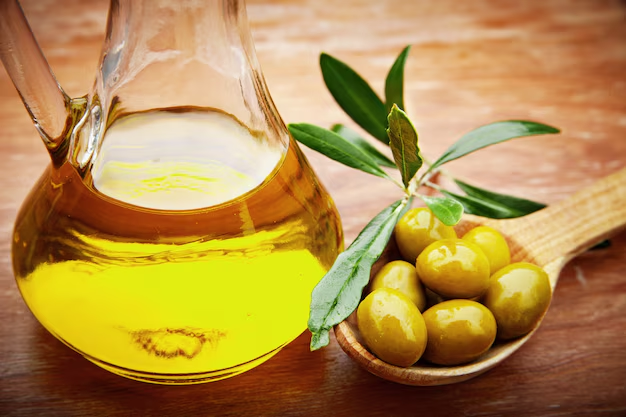
olive oil in a jug with olives.

Can you fry it with olive oil? Absolutely! Olive oil can be used for frying, especially light or refined versions. Unlike the myth that olive oil is unsafe for frying, studies show it remains stable at moderate frying temperatures.

Why choose olive oil for frying?

  • Adds a rich flavor to fried foods.
  • Contains heat-stable antioxidants that prevent harmful compounds from forming.

Baking with Olive Oil

Is olive oil good for baking? Yes, and it’s an excellent substitute for butter or other fats in recipes. It gives baked goods a moist texture and enhances their nutritional value. Try using it in cakes, muffins, or even cookies for a healthier twist.

Sautéing with Olive Oil

Sautéing with olive oil brings out the natural flavors of vegetables and proteins. Its quick heating properties make it perfect for achieving a golden-brown crust without overcooking.

Olive Oil Smoke Point and Heat Stability

The smoke point is the temperature at which an oil starts to break down, releasing smoke and harmful compounds. Different olive oils have varying smoke points:

  • Extra Virgin Olive Oil: ~375°F (190°C)
  • Virgin Olive Oil: ~420°F (215°C)
  • Light/Refined Olive Oil: ~465°F (240°C)

Does Olive Oil Lose Nutrients When Heated?

While heating olive oil can reduce some antioxidants, it retains its monounsaturated fats and general health benefits. Refined olive oils are especially stable at high temperatures, making them ideal for frying or roasting.

To Read: Grapefruit Olive Oil Loaf Snack Cake

Cooking with Olive Oil vs. Butter

When it comes to cooking, fats, olive oil, and butter are two of the most common choices. But how do they compare in terms of health and flavor?

  • Health Profile: Olive oil, especially extra virgin, is rich in monounsaturated fats and antioxidants, which support heart health. Butter, on the other hand, contains saturated fats that can raise cholesterol levels when consumed in excess. This makes olive oil a healthier choice for everyday cooking.
  • Flavor Impact: Butter has a rich, creamy flavor, which works well in baked goods and sauces. Olive oil offers a lighter, nutty taste, complementing Mediterranean and vegetable-based dishes.
  • Versatility: Olive oil adapts to a variety of cooking methods—frying, roasting, and even baking. Butter is best suited for recipes where its creamy texture and flavor are essential.

Choosing between olive oil and butter often depends on the recipe. For health-conscious cooks, however, olive oil takes the lead as the better choice.

Calorie Content and Healthy Usage Tips

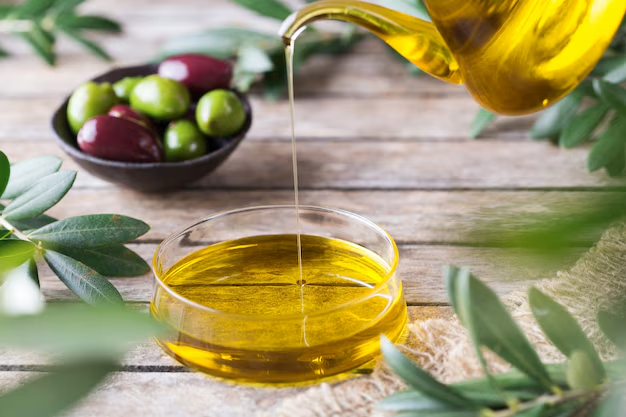
olive oil in a cup with olives and leaves scattered around it.

Let’s learn more about the calorie content of olive oil and its usage.

Olive Oil Calories in Cooking

Like all oils, olive oil is calorie-dense. One tablespoon contains about 120 calories. While it’s healthier than many other fats, portion control is essential to avoid unnecessary calorie intake.

How to Cook with Olive Oil Healthily?

To get the most out of olive oil without overdoing calories, follow these tips:

  1. Use a Spray Bottle: This helps control how much oil you’re using, especially when roasting or grilling.
  2. Measure Instead of Pouring: Avoid eyeballing quantities; use a spoon to measure your oil for precise portions.
  3. Combine with Other Liquids: Mixing olive oil with lemon juice or vinegar for marinades and dressings can reduce calorie density.

By using olive oil thoughtfully, you can enjoy its benefits without compromising your calorie goals.

Is Olive Oil Suitable for All Recipes?

Olive oil works beautifully in many dishes, but understanding its strengths ensures optimal use:

  • Cold Dishes: Extra virgin olive oil is perfect for salads, drizzles, and dips, retaining its raw nutrients and flavor.
  • Medium-Heat Cooking: Use virgin or extra virgin olive oil for sautéing, light frying, or roasting.
  • Light olive oil for Cooking: Refined or light olive oil excels in high-heat methods like deep frying or baking.

Best Temperature to Cook with Olive Oil

For the best results, keep cooking temperatures below 400°F (204°C) for extra virgin varieties. Refined olive oil can handle temperatures up to 465°F (240°C) without breaking down, making it ideal for frying or baking.

While olive oil is versatile, some recipes (like traditional puff pastries) may still benefit from butter or shortening for specific textures.

Is Olive Oil Bad for Frying?

A common misconception is that olive oil isn’t suitable for frying. In truth, light or refined olive oil has a high smoke point and is stable for frying at moderate temperatures. However, extra virgin olive oil is less ideal for prolonged high-heat frying due to its lower smoke point.

Potential Drawbacks

Misusing olive oil can lead to nutrient loss or undesirable flavors:

  • Overheating: This can cause the oil to smoke, producing harmful compounds.
  • Storage Issues: Olive oil should be kept in a cool, dark place to maintain its quality.

To maximize its benefits, pair the right olive oil type with the appropriate cooking method.

To Read: Blood Orange Olive Oil Loaf Cake with Yogurt Sauce

FAQs

Can I use olive oil for deep frying?

Yes, olive oil can be used for deep frying. Its smoke point is high enough for frying, especially refined olive oils. Extra virgin olive oil is less ideal due to its lower smoke point.

Is extra virgin olive oil safe for high-heat cooking?

Extra virgin olive oil is safe for moderate heat cooking, like sautéing, but not ideal for high-heat methods like deep frying. High heat can degrade its flavor and nutrients.

How should I store olive oil to maintain its quality?

Olive oil should be stored in a cool, dark place away from heat, light, and air. To preserve its freshness and prevent oxidation, use an airtight, dark glass or stainless-steel container.

Can I replace butter with olive oil in baking?

Yes, you can replace butter with olive oil in baking. Use ¾ cup of olive oil for every cup of butter. It adds moisture and a subtle flavor but may slightly alter the texture.

What’s the difference between light and extra virgin olive oil?

Light olive oil is more refined and neutral in flavor, with a higher smoke point. Extra virgin olive oil is unrefined, rich in flavor, and packed with nutrients, making it ideal for salads and low-heat cooking.

Conclusion

So, is olive oil good for cooking? Absolutely! It’s a versatile, health-enhancing option that suits a variety of culinary methods.

From its rich nutritional profile to its adaptability in frying, baking, and sautéing, olive oil remains a cornerstone of healthy, flavorful cooking.

Choosing the right type, whether extra virgin, virgin, or light, ensures you reap the maximum benefits while enhancing your meals.

Is Coconut Water Good for Hydration? A Detailed Guide

Coconut water has gained immense popularity as a natural and refreshing hydration drink. Known for its light taste and nutritional benefits, it is often marketed as a healthier alternative to sugary sports drinks. But the question arises: Is coconut water good for hydration?

Packed with natural electrolytes like potassium, sodium, and magnesium, coconut water provides the perfect balance to replenish fluids. Its low-calorie nature makes it appealing to those seeking hydration without added sugars or artificial ingredients. Whether consumed after exercise, during pregnancy or while recovering from illness, coconut water stands out as a versatile beverage. This article dives into the science behind its hydration benefits and explores its effectiveness across various scenarios.

What Makes Coconut Water Good for Hydration?

Here are some details about coconut water that make it good for hydration.

Natural Composition of Coconut Water

Coconut water is nature’s electrolyte drink. Its unique composition makes it a perfect hydrating option for people of all ages.

  • Electrolytes: Coconut water contains potassium, magnesium, calcium, and sodium, which help maintain fluid balance in the body. These are crucial for muscle function and nerve signaling.
  • Low-Calorie Content: With only 45 calories per cup, it’s a guilt-free way to stay hydrated.
  • Natural Sugars: The mild sweetness of coconut water comes from natural sugars, providing quick energy without the sugar spike of processed drinks.

Is Coconut Water Good for Hydration and Electrolytes?

Yes, it is an excellent source of hydration due to its balanced electrolyte content. Electrolytes play a vital role in maintaining the body’s fluid levels, especially during exercise or dehydration. Coconut water is often compared to sports drinks, but it lacks artificial additives, making it a healthier choice.

Is Drinking Coconut Water Good for Hydration?

Absolutely. Drinking coconut water helps restore hydration after intense physical activity, during hot weather, or after a mild illness. Its composition closely mimics the body’s natural fluids, making it easily absorbable.

Is Coconut Water Good for Hydration When Sick?

Yes, it is an excellent hydrating option when you’re sick. It replenishes lost electrolytes caused by diarrhea, vomiting, or fever. Unlike plain water, its electrolyte content helps maintain energy and balance in the body.

Is Coconut Water Good for Hydration During Pregnancy?

Coconut water is particularly beneficial during pregnancy. It helps maintain amniotic fluid levels and prevents dehydration. The potassium content can also alleviate pregnancy-related cramps. Since it is low in calories and free from artificial ingredients, it’s a safe and healthy option for expecting mothers.

To Read: Is Watermelon Good for Hydration? 

Comparing Coconut Water Brands for Hydration

coconut cocktail

Let’s compare different brands of coconut water for hydration.

Is Bai Coconut Water Good for Hydration?

Bai Coconut Water blends coconut water with natural flavors and antioxidants. But, the added ingredients might not suit those looking for pure coconut water. It’s a good option for casual drinkers but less ideal for post-exercise recovery.

Is Vita Coconut Water Good for Hydration?

Vita Coconut Water is one of the most popular brands for staying hydrated. It retains the natural electrolytes and flavors of fresh coconut water. It’s a reliable choice for both daily hydration and recovery from dehydration.

Is Pressed Coconut Water Good for Hydration?

Pressed coconut water is made by blending coconut water with coconut pulp. This gives it a creamier taste and a higher nutrient density. It’s a flavorful alternative to plain coconut water, offering the same hydrating benefits with added richness.

Is Organic Coconut Water Good for Hydration?

Organic coconut water is free from pesticides and artificial additives, making it a healthier option. It retains all the natural electrolytes and nutrients while minimizing exposure to harmful chemicals. If you’re seeking clean hydration, organic options are ideal.

Is Pure Coconut Water Good for Hydration?

Pure coconut water, without additives or sweeteners, is the best choice for hydration. It provides the full benefits of natural electrolytes without the risk of added sugars or preservatives. Its simplicity and purity make it suitable for people with dietary restrictions or allergies.

Coconut Water Benefits Beyond Hydration

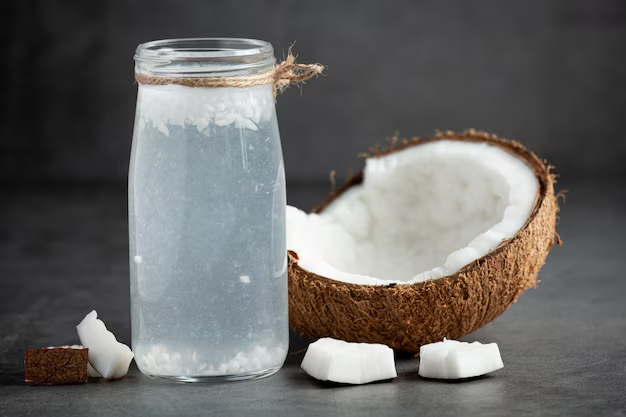
coconut with a coconut water bottle.

Coconut water is widely known for its hydration benefits, but its impact goes beyond quenching thirst. This nutrient-rich beverage offers numerous advantages for overall health and wellness.

Coconut Water Benefits for Skin

Coconut water’s hydration properties make it a natural ally for healthy skin. Its high water content helps maintain skin elasticity and reduces dryness, while its antioxidants combat free radicals that can cause premature aging. Regular consumption may lead to a natural glow and smoother skin texture.

Is Coconut Water Good for Kidneys?

Coconut water can be beneficial for kidney health when consumed in moderation. Its potassium content supports electrolyte balance, reducing the risk of kidney stones. However, individuals with kidney conditions that limit potassium intake should consult a doctor before consuming coconut water regularly.

General Health Advantages

Coconut water is a drink that comes with no added sugars, making it a healthier alternative to sugary sodas or juices. It can be added easily in low-calorie meal plan. Its refreshing taste makes it an ideal option for staying hydrated while enjoying a natural treat.

Side Effects of Coconut Water

While coconut water offers many benefits, there are potential drawbacks to consider:

High Potassium Content

Coconut water is naturally high in potassium, which is essential for heart and muscle function. However, excessive consumption can lead to hyperkalemia—a condition caused by elevated potassium levels in the blood. This can be harmful to individuals with kidney disease or those on potassium-restricted diets.

Risks of Overconsumption

  • Digestive Issues: Drinking too much coconut water may cause bloating or stomach upset in some individuals.
  • Caloric Intake: While low in calories, overconsumption can add up and impact weight management goals.
  • Blood Pressure Concerns: Its potassium content can lower blood pressure, which may not be suitable for individuals with certain medical conditions.

Moderation is key to enjoying the benefits without adverse effects.

What Happens if You Drink Coconut Water Every Day?

Drinking coconut water daily can offer long-term benefits, but it’s important to balance it with overall dietary needs.

Long-Term Benefits

  • Improved Hydration: Coconut water replenishes lost electrolytes, making it an excellent choice for those with an active lifestyle.
  • Heart Health Support: Potassium helps regulate blood pressure and supports cardiovascular health.
  • Skin Enhancement: Daily hydration and antioxidants from this water can improve skin clarity and elasticity.

Possible Side Effects

  • Potassium Overload: Daily consumption in excessive amounts can lead to high potassium levels.
  • Blood Sugar Levels: Although it contains natural sugars, diabetics should monitor their intake to avoid spikes in blood sugar.
  • Dependency for Hydration: Over-reliance on coconut water might reduce the intake of other essential fluids, like plain water.

Consuming coconut water as part of a balanced diet ensures you reap the benefits without encountering side effects.

FAQs

1. Is Coconut Water as Good as ORS?

Coconut water provides natural electrolytes like potassium and magnesium, aiding hydration. However, it lacks the precise sodium-glucose ratio of Oral Rehydration Solutions (ORS), which are medically formulated for severe dehydration and electrolyte imbalances.

2. Who Should Not Drink Coconut Water?

Individuals with chronic kidney disease, those on potassium-restricted diets, or those allergic to coconuts should avoid it. Excessive consumption may cause hyperkalemia (high potassium levels), which can affect heart health or worsen certain medical conditions.

3. What is the Best Time to Drink Coconut Water?

Coconut water is ideal after exercise, during illness, or on hot days to rehydrate and replenish lost electrolytes. It can also be consumed in the morning for an energizing start or anytime as a refreshing drink.

Conclusion

So, is coconut water good for hydration? Absolutely! Its natural electrolyte content and low-calorie profile make it one of the best beverages for maintaining hydration. Whether you’re recovering from illness, staying active, or just seeking a refreshing drink, coconut water is versatile and beneficial.

Its uses extend beyond hydration, offering advantages for skin health, kidney function, and general wellness. However, it’s crucial to consume it in moderation to avoid potential side effects. Whether pure, organic, or from trusted brands, coconut water is a fantastic addition to a healthy lifestyle.

Is Almond Milk Good for Lactose Intolerance? A Detailed Guide

Lactose intolerance affects millions of people worldwide, causing discomfort after consuming dairy products. With this condition on the rise, there’s been a growing demand for plant-based milk alternatives. Almond milk has emerged as a favorite choice among these options. But is almond milk good for lactose intolerance?

This article explores why almond milk is an excellent dairy substitute and the benefits it offers to those avoiding lactose.

Is Almond Milk Good for Lactose Intolerance?

Almond milk stands out as a fantastic option for individuals with lactose intolerance. Let’s dive into why this plant-based milk is ideal.

1. Lactose-Free and Dairy-Free

Almond milk is naturally lactose-free and free of any dairy components. This makes it a safe choice for those who can’t digest lactose, the sugar found in cow’s milk. Unlike some lactose-free cow’s milk, almond milk doesn’t require additional processing to remove lactose. Its natural composition makes it a go-to choice for individuals seeking a simple alternative.

2. Gentle on Digestion

For many people, consuming dairy leads to digestive issues like bloating, gas, or diarrhea. Almond milk, on the other hand, is easily digestible. It’s especially beneficial for individuals with sensitive stomachs who struggle with traditional dairy products. Its light texture and minimal fat content also contribute to easier digestion compared to full-fat dairy milk.

3. Free of Allergens for Some

In addition to being free from lactose, almond milk lacks the casein and whey proteins found in cow’s milk, which can trigger allergic reactions in some individuals. This makes it a versatile option not just for lactose-intolerant individuals but also for those with dairy protein sensitivities.

4. Versatile in Cooking and Baking

Almond milk isn’t just a replacement for drinking milk; it works seamlessly in recipes. Whether you’re making smoothies, soups, or desserts, its mild, nutty flavor enhances the taste without causing digestive discomfort.

Benefits of Almond Milk

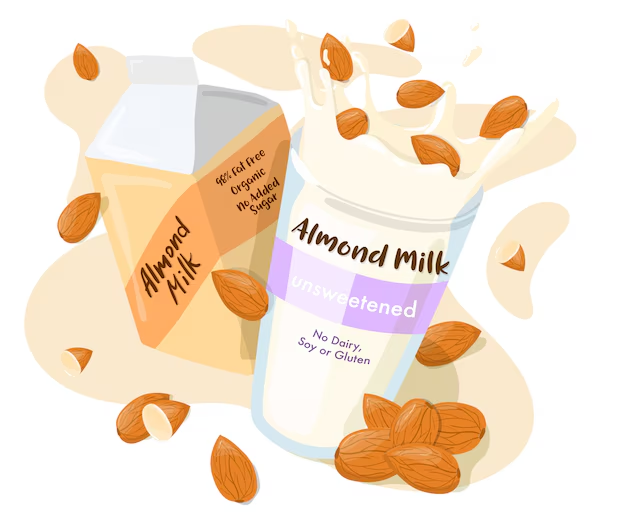
a packet of almond milk with a almond milk glass.

Almond milk offers more than just relief from lactose intolerance. It’s packed with nutrients and provides a range of benefits. Let’s break down almond’s health benefits.

1. Nutritional Advantages

Almond milk is fortified with essential vitamins and minerals. It often contains calcium, vitamin D, and vitamin E, all of which support bone health and immunity. Its low-calorie count also makes it a popular choice for people watching their weight. Unsweetened almond milk typically has fewer calories than cow’s milk, making it a guilt-free addition to your diet.

2. Promotes Skin Health

The vitamin E in almond milk acts as a powerful antioxidant, protecting your skin from damage caused by free radicals. Regular consumption may help improve skin elasticity, hydration, and overall appearance.

3. Supports Weight Management

Almond milk is naturally low in calories and sugar, especially in its unsweetened form. Swapping it for high-calorie beverages can help reduce overall calorie intake, making it easier to maintain or achieve a healthy weight.

4. Heart Health Benefits

Almond milk is cholesterol-free and contains healthy fats, which support cardiovascular health. Its low saturated fat content can help manage cholesterol levels, reducing the risk of heart disease.

5. A Solution for Dietary Restrictions

Almond milk is an excellent alternative for individuals following vegan or dairy-free diets. It’s also gluten-free, making it suitable for those with gluten sensitivities or celiac disease.

Almond Milk Side Effects and Concerns

While almond milk offers numerous benefits, it’s important to consider its potential drawbacks. Here are some side effects and concerns associated with almond milk consumption.

1. Allergies to Almonds

Almond milk is derived from almonds, making it unsuitable for individuals with nut allergies. Allergic reactions may include itching, swelling, or more severe symptoms like difficulty breathing. If you’re allergic to tree nuts, almond milk should be avoided entirely.

2. Stomach Upset

Though almond milk is generally easy to digest, some individuals may experience mild stomach upset. This could be due to additives like carrageenan, which is sometimes used as a thickener. Always check labels to ensure your almond milk contains minimal additives.

3. Kidney Health Concerns

Almonds are naturally high in oxalates, which can contribute to kidney stone formation in susceptible individuals. Those with existing kidney issues or a history of kidney stones may need to limit their almond milk consumption.

4. Added Sugars and Preservatives

Flavored and sweetened almond milk varieties often contain added sugars, which can negate its health benefits. Preservatives and artificial flavorings in some brands may also be concerning for health-conscious consumers. Opting for unsweetened, organic almond milk can help minimize these risks.

5. Not for Infants

Almond milk should not be given to infants as a substitute for breast milk or formula. It lacks the necessary nutrients for proper growth and development in young children.

To Read: Monday Musings + Almond Butter, Banana, and Chocolate Panini

Comparing Almond Milk and Regular Milk

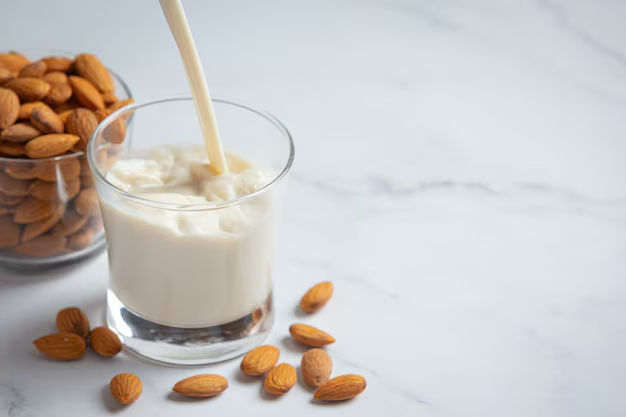
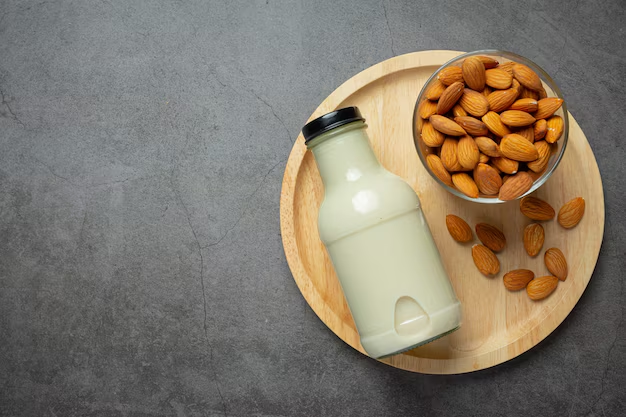
almond milk bottle with a small bowl filled with almonds.

Understanding the differences between almond milk and cow’s milk helps highlight their suitability for various dietary needs.

1. Nutritional Differences

Cow’s milk is rich in protein, calcium, and essential vitamins like B12. Almond milk, while fortified with similar nutrients, naturally contains less protein. For individuals who need higher protein intake, cow’s milk may be a better option. However, almond milk is lower in calories and fat, making it ideal for weight management.

2. Lactose Intolerance vs. Dairy Consumption

For those who are lactose intolerant, almond milk is a lifesaver. Its lactose-free nature ensures that it doesn’t cause digestive discomfort. In contrast, regular cow’s milk is off-limits unless specially treated to remove lactose. This makes almond milk more inclusive for those with dietary restrictions.

3. Taste and Versatility

Almond milk has a distinct nutty flavor that complements smoothies, cereals, and baked goods. Cow’s milk offers a more neutral taste, which some people may prefer. Both have unique qualities, but almond milk stands out for those seeking plant-based alternatives.

To Read: Almond & Coconut Macaroon Granola

Alternatives to Almond Milk for Lactose Intolerance

Almond milk isn’t the only option for lactose-intolerant individuals. Here are some other excellent substitutes:

1. Soy Milk

Soy milk is another popular plant-based option. It’s packed with protein and fortified with calcium and vitamins. Its creamy texture makes it suitable for coffee, cooking, and baking.

2. Oat Milk

Oat milk is a fantastic choice for those looking for a creamy and slightly sweet alternative. It’s naturally high in fiber and fortified with essential nutrients like calcium and vitamin D. Plus, it’s often preferred for its neutral flavor.

3. Lactose-free cow’s Milk

Lactose-free cow’s milk is a great solution for individuals who prefer the taste and nutritional profile of dairy milk. It undergoes a process to remove lactose while retaining the same nutrients.

FAQs

1. What Are The Side Effects Of Almond Milk on Kidneys?

Almond milk contains oxalates, which can contribute to kidney stone formation in susceptible individuals. If you have kidney issues, consult your doctor before consuming almond milk regularly.

2. Can I Drink Almond Milk If I Am Lactose-Intolerant?

Yes, almond milk is lactose-free, making it an excellent choice for individuals who are lactose-intolerant or have difficulty digesting dairy products.

3. Does Almond Milk Upset Your Stomach?

For some, almond milk can cause stomach upset due to added thickeners or preservatives. If you’re sensitive, opt for unsweetened or natural almond milk versions.

4. What Dairy Is Good for Lactose Intolerance?

Lactose-free dairy products, such as lactose-free milk, hard cheeses (like cheddar), and yogurt with live cultures, are generally suitable for lactose-intolerant individuals.

Conclusion

So, is almond milk good for lactose intolerance? Absolutely. Its lactose-free nature, ease of digestion, and versatile use make it an excellent choice for those avoiding dairy. While it has its drawbacks, such as potential allergies and added sugars, these can be managed by choosing high-quality, unsweetened options. For anyone looking to enjoy a plant-based lifestyle or manage lactose intolerance, almond milk remains a top contender.

Is Protein Powder Good for Building Muscle?

Protein powder plays a vital role in muscle building. Protein is the building block of muscles, helping repair and grow muscle tissues after workouts. For fitness enthusiasts and athletes, protein powder has become a go-to supplement to meet protein needs conveniently. 

Available in various forms, such as whey, casein, and plant-based options, protein powders cater to diverse dietary requirements. But how effective are they for muscle growth? Let’s dive into the science and determine whether protein powder truly supports your muscle-building goals.

The Role of Protein Powder in Muscle Building

Protein powder is more than just a convenient source of protein—it’s a tool to help muscles recover and grow. After intense exercise, muscles undergo tiny tears. Protein helps repair these tears, making muscles stronger and larger over time. This repair process is called muscle protein synthesis, and adequate protein intake is critical for it.

Is Protein Powder Good For Building Muscle?

Yes, protein powder is excellent for building muscles. It supplies high-quality proteins quickly. This is especially beneficial after workouts when the body’s ability to absorb nutrients is heightened. 

The amino acids in protein powders, particularly leucine, act as triggers for muscle repair and growth. Research shows that consuming protein after workouts enhances recovery and increases muscle mass over time.

Types of Proteins in Protein Powder

Not all protein powders are the same. The most common types include:

  • Whey Protein: Fast-absorbing and rich in essential amino acids, especially leucine. Ideal for post-workout recovery.
  • Casein Protein: Slow-digesting, making it a great option for nighttime use to support muscle repair during sleep.
  • Plant-Based Proteins: Derived from sources like pea, rice, or soy, these are excellent for vegans or those with dairy allergies.

Each type has its strengths, and your choice depends on your dietary needs and fitness goals.

Do You Need Protein Supplements?

Many wonder if protein powders are a necessity or just a marketing gimmick. The answer depends on your dietary habits, fitness level, and goals.

Do I Need Protein Supplements for Muscle Growth?

The human body requires sufficient protein to build and repair muscle. Supplements may not be essential if your diet already meets your protein needs through foods like chicken, eggs, fish, or legumes. 

However, supplements like protein powder is a practical solution for individuals who struggle to hit their protein targets. It provides a concentrated dose of protein without the need for meal prep or extra calories.

Is Protein Powder Good for You?

Protein powder can be a healthy addition to your diet when used correctly. It is generally safe, but quality matters. Look for brands with minimal additives and a high protein content per serving. 

For those with dietary restrictions, protein powders are a versatile option to ensure sufficient protein intake. That said, consuming protein powder in moderation is important as part of a balanced diet.

Protein Powder and Muscle Gain

To maximize muscle gain, understanding how and when to use protein powder is crucial. Timing, portion size, and overall nutrition all play a part in achieving optimal results.

Do Protein Shakes Help Build Muscles?

Yes, protein shakes are effective for muscle building. They provide essential amino acids that the body needs to repair and grow muscle tissues. Drinking a protein shake after workouts is particularly beneficial as it supports faster recovery. Studies show that pairing protein intake with strength training leads to significant increases in muscle size and strength.

To Read: 120 Grams of Protein: Does It Help with Weight Loss?

When Should You Take Protein Powder for Muscle Gain?

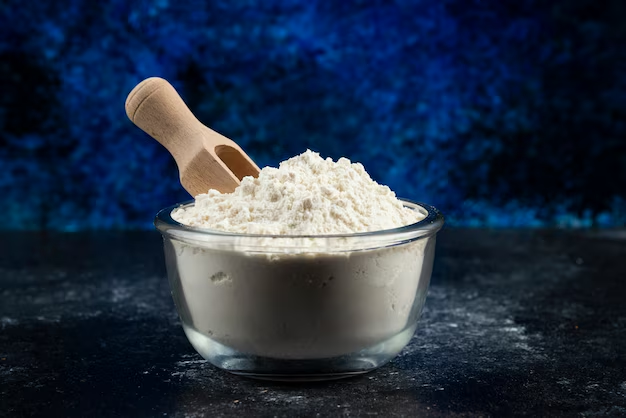
a scoop of protein powder for muscle buildup.

The timing of protein intake can influence its effectiveness. Here are some optimal times to consume protein powder:

  • Post-Workout: Within 30 minutes after exercise is the most effective time. This window allows your muscles to absorb nutrients quickly for recovery.
  • Morning: After an overnight fast, a protein shake can kickstart muscle recovery and repair.
  • Before Bed: Casein protein is ideal for nighttime use as it releases amino acids slowly, promoting muscle repair during sleep.

Benefits of Protein Powder

Protein powder offers numerous benefits for muscle gain and overall health:

  1. Convenience: Quick and easy to prepare, making it perfect for busy lifestyles.
  2. Controlled Calorie Intake: Provides protein without excess fats or carbs.
  3. Versatility: Can be added to smoothies, oatmeal, or even baked goods.
  4. Improved Recovery: Speeds up muscle repair, reducing soreness and fatigue.
  5. Customizable: Options like lactose-free or vegan powders cater to individual needs.

How Much Protein Do You Need?

Getting the right amount of protein is key to gaining muscle. The amount you need depends on factors like age, weight, activity level, and fitness goals.

Daily Protein Requirements for Muscle Gain

For most individuals aiming to build muscle, consuming 1.6 to 2.2 grams of protein per kilogram of body weight per day is effective. For example:

  • A person weighing 70 kg (154 lbs) should aim for 112–154 grams of protein daily.

How Much Protein Powder Per Day Can You Gain Muscles?

Protein powder is a supplement, not a replacement for whole foods. Typically, 1–2 scoops (20–40 grams) per day can help fill any dietary gaps. However, relying solely on protein powder isn’t recommended. Balance it with protein-rich foods like chicken, eggs, or beans.

Timing is also important. Use protein powder post-workout or during times when getting protein from food is difficult. This ensures your muscles have a steady supply of nutrients for recovery and growth.

Types of Protein Powders

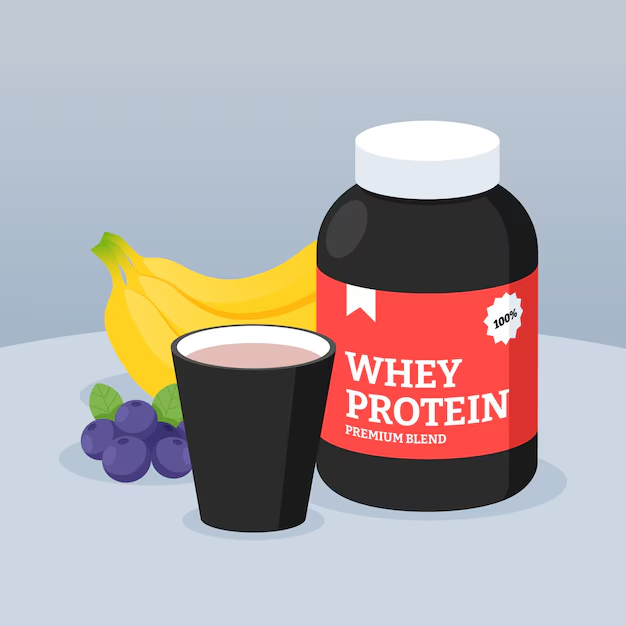
a bottle of whey protein powder with a glass and bananas and grapes in its background.

Choosing the right protein powder depends on your goals, preferences, and dietary needs. Here’s a breakdown of popular options:

1. Plant-Based Protein Powder

Derived from sources like peas, rice, or hemp, plant-based protein powders are ideal for vegans or those with dairy intolerance. They’re rich in fiber and often fortified with all essential amino acids.

2. Muscle Milk Protein Powder

Muscle Milk contains a blend of proteins like whey and casein. It’s marketed as a complete solution for muscle recovery and energy. It often includes added vitamins and fats, making it a good choice for those needing extra calories.

3. Collagen Protein Powder

Collagen protein supports joint health and skin elasticity. While it’s not as effective for muscle building due to its low leucine content, it’s great for overall recovery.

4. Whey Protein Powder

Whey is the gold standard for muscle building. It’s rich in essential amino acids and absorbs quickly, making it perfect for post-workout use. Whey isolate and hydrolysate are purer forms, ideal for those looking for low-lactose options.

5. Pea Protein Powder

Pea protein is a popular plant-based option. It’s high in BCAAs (branched-chain amino acids) and easily digestible. It’s a great choice for those allergic to dairy or soy.

6. Orgain Organic Protein Powder

Orgain offers organic, plant-based protein powders with minimal additives. They’re suitable for individuals seeking clean, non-GMO protein sources.

7. Hemp Protein Powder

Hemp protein is packed with fiber, omega-3 fatty acids, and essential nutrients. While its protein content is lower than whey or pea protein, it’s a nutritious option for overall health.

8. Bone Broth Protein Powder

Made from animal bones and connective tissues, this powder is rich in collagen and minerals. It supports joint health and recovery but isn’t ideal as a primary source of protein for muscle growth.

9. Ghost Protein Powder

Ghost is a lifestyle brand offering whey-based protein powders in unique flavors. It combines good taste with high-quality protein, appealing to fitness enthusiasts.

10. Garden of Life Protein Powder

Garden of Life produces organic, plant-based protein powders fortified with probiotics and digestive enzymes. They cater to individuals looking for a healthy, gut-friendly option.

Each protein powder has unique benefits. Your choice should align with your fitness goals, dietary preferences, and health needs.

To Read: Food is Medicine: Dietary Changes for a Healthier and Happier You

Potential Side Effects of Protein Powder

Protein powder is generally safe, but excessive use or low-quality products can cause issues. Here are some common side effects:

Digestive Issues

Many people experience bloating, gas, or diarrhea when consuming protein powders, especially whey. This is often due to lactose intolerance or added fillers.

Kidney Strain

For individuals with pre-existing kidney problems, excessive protein intake can put extra strain on the kidneys. However, this is rarely a concern for healthy individuals.

Allergies and Sensitivities

Some powders contain allergens like dairy, soy, or gluten. Choose products labeled hypoallergenic if you have sensitivities.

Weight Gain

While protein powders can aid muscle building, consuming too much may lead to unwanted calorie intake and weight gain.

To avoid these issues, use high-quality protein powders, follow recommended dosages, and consult a healthcare provider if you have underlying health conditions.

FAQs

What is the best protein powder for beginners to gain muscle?

Whey protein is ideal for beginners due to its fast absorption and high amino acid content. It’s versatile, easy to mix, and supports muscle recovery and growth effectively. Always choose high-quality brands for best results.

Is protein powder necessary for muscle growth?

Protein powder isn’t essential for muscle growth but is a convenient source of high-quality protein. It’s helpful for meeting protein requirements, especially for individuals with busy schedules or those struggling to consume enough dietary protein.

Do I need protein supplements?

If your dietary protein intake is insufficient to meet your fitness goals, you may need protein supplements. They provide a quick and easy way to boost protein consumption and support muscle repair and growth.

Can I gain muscle by drinking protein shakes?

Yes, protein shakes can help build muscle when combined with resistance training and a balanced diet. They provide essential amino acids that support muscle recovery, repair, and growth effectively.

Conclusion

So, is protein powder good for building muscle? Yes, when used wisely. It provides a convenient, high-quality source of protein that supports muscle growth, recovery, and overall health. However, it’s important to balance supplements with a nutritious diet and proper exercise routine. Choose the right protein powder for your needs, and enjoy the journey to achieving your fitness goals.

Is Orange Juice Good for the Immune System?

A strong immune system is the body’s frontline defense against illness and infection. To maintain optimal health, it’s essential to support your immune system with proper nutrition. One widely loved drink that often comes up in immune health discussions is orange juice. Known for its refreshing taste and association with wellness, orange juice is particularly popular during flu season. But is orange juice actually good for the immune system? And how does it contribute to immune health? Let’s dive into the details.

Nutritional Profile of Orange Juice

Orange juice is a nutrient powerhouse. While its sweet taste often steals the spotlight, its health benefits come from the rich array of nutrients it contains.

1. Packed with Vitamin C

The standout nutrient in orange juice is Vitamin C. One glass of orange juice can provide up to 120% of your daily recommended intake. Vitamin C is a key player in immune health as it enhances the production and function of white blood cells, the body’s natural infection fighters.

2. Rich in Flavonoids

Flavonoids, especially hesperidin, are abundant in orange juice. These plant-based compounds have antioxidant and anti-inflammatory properties, which can help the body combat harmful free radicals and reduce inflammation.

3. Other Essential Nutrients

Orange juice is also a good source of potassium, which supports healthy blood pressure and overall cell function. Additionally, folate, a B vitamin present in orange juice, aids in DNA repair and the production of new cells, keeping the immune system in top shape.

4. The Antioxidant Boost

Antioxidants in orange juice help neutralize oxidative stress, a condition that can weaken immune cells and make the body more susceptible to infections. Regular consumption of antioxidant-rich foods like orange juice can significantly support immune resilience.

Is Orange Juice Good for the Immune System?

Yes, orange juice is excellent for boosting the immune system. It is a rich source of Vitamin C, an essential nutrient that enhances white blood cell function and strengthens the body’s defense against infections. Flavonoids, antioxidants in orange juice, combat free radicals and reduce inflammation, further supporting immune health. Regular consumption can help prevent common illnesses like colds and flu, and it may even aid in faster recovery when sick.

Additionally, orange juice provides folate, which aids cell production and repair, and potassium, which regulates cellular function. Drinking it on an empty stomach or in the morning ensures maximum nutrient absorption, giving the immune system an early boost. However, moderation is key to avoiding excessive sugar intake, which could counteract its benefits.

Why Orange Juice Is Good For the Immune System?

orange slice, orange, a glass of orange juice and a jug of orange juice placed on a wooden table.

Now that we understand its nutrient profile let’s explore how orange juice actively bolsters immune health.

1. Vitamin C’s Role in Immunity

Vitamin C supports the immune system by stimulating the activity of phagocytes, specialized cells that engulf and destroy harmful pathogens. It also promotes the development of lymphocytes, which create antibodies to protect the body from future infections.

2. Reducing Inflammation

The antioxidants and flavonoids in orange juice are effective at reducing chronic inflammation. Inflammation is often a precursor to weakened immune function and increased susceptibility to illnesses like the common cold or flu.

3. Cold and Flu Recovery

Orange juice is often recommended when you’re under the weather—and for good reason. Vitamin C has been shown to shorten the duration of colds by supporting faster recovery and reducing the severity of symptoms.

To Read: Are oranges acidic? Orange and its juice for heartburn, good or bad

Benefits of Drinking Orange Juice at Specific Times

Timing can affect how effectively your body absorbs nutrients from orange juice. Consuming it at the right moments can maximize its benefits.

Orange Juice on an Empty Stomach

Drinking orange juice first thing in the morning can enhance nutrient absorption. On an empty stomach, the body is better equipped to absorb vitamins and minerals without interference from other foods. This practice can give your immune system an early-morning boost, especially during flu season.

As a Morning Drink

Starting your day with orange juice is not just refreshing—it’s also beneficial for your immune system. The natural sugars in orange juice provide a quick energy boost, while its nutrients kickstart immune function. Paired with a balanced breakfast, orange juice can set a healthy tone for the day ahead.

Choosing the Best Orange Juice for Immune Health

Not all orange juices are created equal. The type you choose can significantly impact the health benefits you get, particularly when it comes to supporting your immune system.

Freshly Squeezed vs. Store-Bought Orange Juice

Freshly squeezed orange juice is often the superior choice. It retains more of the natural nutrients, including Vitamin C and antioxidants, as it hasn’t undergone pasteurization, which can reduce nutrient levels. On the downside, freshly squeezed juice needs to be consumed quickly, as its nutritional value decreases with time.

Store-bought orange juice, while convenient, varies widely in quality. Many brands add preservatives and sugars, which can diminish its health benefits. However, some brands offer fortified options with added Vitamin D or calcium, which can provide extra immune support.

Choosing Low-Sugar Options

When selecting orange juice, look for products labeled “100% orange juice” with no added sugars. Sugary juices can lead to blood sugar spikes and undermine the immune-boosting benefits of the drink. Always check the label to ensure you’re choosing the healthiest option.

Benefits of Orange Juice Beyond Immunity

orange slices and a glass of orange juice on a wooden cutting board.

Orange juice is not just a go-to drink for immune health; it offers a variety of additional benefits that contribute to overall wellness. Here’s how:

1. Supports Heart Health

Orange juice is rich in potassium, a mineral essential for maintaining healthy blood pressure. Potassium helps counteract the effects of sodium, reducing the risk of hypertension and heart disease. Additionally, the flavonoids in orange juice may improve blood vessel function and reduce inflammation, further protecting the heart.

2. Enhances Skin Health

The antioxidants in orange juice, including Vitamin C, help combat oxidative stress, which can lead to premature aging. Vitamin C also supports collagen production, improving skin elasticity and reducing the appearance of wrinkles. Drinking orange juice regularly can help you achieve a glowing, youthful complexion.

3. Boosts Energy Levels

Natural sugars in orange juice provide a quick and sustained energy boost, making it an excellent pre-workout option or a pick-me-up during busy days. Unlike processed sugars, these natural sugars are accompanied by essential nutrients, offering a healthier energy source.

4. Aids Digestion

Orange juice’s citric acid can help stimulate digestive enzymes, aiding in the breakdown of food and promoting better nutrient absorption. Its fiber content, if consumed in fresh form, also supports gut health by preventing constipation.

5. Strengthens Bones

Fortified orange juice with added calcium and Vitamin D offers benefits for bone health. Calcium is essential for strong bones and teeth, while Vitamin D helps the body absorb calcium more effectively. This makes fortified orange juice an excellent choice for individuals who are lactose intolerant or prefer non-dairy calcium sources.

To Read: Is Watermelon Good for Hydration? 

Other Juices for Immune Support

While orange juice is a fantastic choice for immune health, other juices also pack a nutritional punch. Including a variety of juices in your diet can amplify the benefits and add diversity to your nutrient intake.

1. Pomegranate Juice

Pomegranate juice is rich in antioxidants, particularly polyphenols, which combat oxidative stress and inflammation. These properties make it a powerful ally for strengthening the immune system.

2. Carrot Juice

Carrot juice contains beta-carotene, a precursor to Vitamin A. This nutrient plays a crucial role in maintaining the health of the skin and mucous membranes, which act as barriers against pathogens.

3. Ginger Juice

Ginger juice has potent anti-inflammatory and antibacterial properties. When combined with orange juice, it creates a powerful drink that soothes inflammation and supports overall immune health.

Combining Orange Juice with Other Fruits and Vegetables

Mixing orange juice with other juices, such as those from berries, beets, or spinach, can create nutrient-rich blends. These combinations can boost your intake of vitamins, minerals, and antioxidants, offering even greater immune support.

Precautions and Potential Downsides

While orange juice has undeniable health benefits, it’s essential to consume it mindfully to avoid potential downsides.

Watch the Sugar Content

Many commercial orange juices contain added sugars, which can contribute to weight gain and increase the risk of developing conditions like diabetes. Even 100% orange juice contains natural sugars that, if consumed in excess, can affect blood sugar levels. Moderation is key to reaping the benefits without negative effects.

Importance of Moderation

Drinking too much orange juice can lead to excess calorie consumption and may cause digestive issues, such as acid reflux, for some people. One glass a day is typically sufficient to support immune health without overloading your system.

Consideration for Specific Health Conditions

Individuals with diabetes or those on low-sugar diets should approach orange juice cautiously. Diluting the juice with water or opting for smaller servings can help manage its sugar content while still providing a nutrient boost.

By choosing the right orange juice and consuming it in moderation, you can enjoy its immune-boosting properties without compromising your health. Pairing it with other healthy juices and maintaining a balanced diet will ensure your immune system stays robust and ready to fight off illnesses.

FAQs

Can orange juice help during the flu?

Yes, orange juice provides hydration and Vitamin C, which may strengthen immunity, reduce inflammation, and alleviate flu symptoms. Pair with other remedies for comprehensive support during illness.

What is the best juice for the immune system?

Orange juice is excellent, thanks to its Vitamin C and antioxidants. Other top choices include pomegranate, ginger, and carrot juices, which offer anti-inflammatory and immunity-boosting nutrients to enhance overall health.

What is the best orange juice for immune health?

Freshly squeezed orange juice or 100% pure orange juice without added sugars is best. Look for options fortified with Vitamin D or zinc for additional immune-boosting benefits.

How much orange juice should I drink daily to boost my immune system?

One 8-ounce (240 ml) glass daily provides sufficient Vitamin C to support immunity. Avoid excessive intake due to sugar content, especially if consuming other Vitamin C-rich foods.

Can I drink orange juice if I have diabetes?

Yes, but consume in moderation. Choose unsweetened, freshly squeezed options and monitor blood sugar levels. Pair orange juice with a protein or fiber-rich meal to minimize glycemic impact.

Conclusion

Orange juice is more than just a tasty drink—it’s a powerhouse of nutrients that can support your immune system in several ways. Its high Vitamin C content, antioxidant properties, and other essential nutrients make it a go-to choice for bolstering your body’s defenses, especially during cold and flu season. Whether consumed on an empty stomach or as part of a balanced breakfast, orange juice offers a refreshing way to nourish your immune health.

However, not all orange juices are the same. Choosing fresh or low-sugar fortified options ensures you maximize its benefits without the risks associated with excess sugar. Incorporating other nutrient-rich juices like pomegranate, carrot, and ginger into your diet can further enhance your immune system.

Is Tea Good for Your Heart? Different Teas Effects

0

Tea is one of the world’s most popular beverages, but is tea good for your heart? This question has intrigued researchers for decades. Various types of tea, including green, black, herbal, and decaffeinated, are celebrated for their potential heart health benefits. 

Packed with antioxidants and other beneficial compounds, tea may support cardiovascular health by improving cholesterol levels, reducing blood pressure, and enhancing blood vessel function. Let’s dive deeper into how different types of tea contribute to heart health.

Is Tea Good for Your Heart?

Tea contains powerful compounds like flavonoids and antioxidants, which are known to promote cardiovascular health. These compounds reduce oxidative stress, a major contributor to heart disease. 

Regular tea consumption has been linked to lower levels of LDL (bad cholesterol) and improved HDL (good cholesterol), which are critical for a healthy heart.

How does Tea Boost Heart Health?

  • Antioxidants: Compounds such as catechins in green tea fight free radicals, protecting the heart from damage.
  • Flavonoids: Found in many teas, flavonoids help reduce inflammation and improve blood vessel elasticity.
  • Cholesterol Management: Several studies suggest that tea can help lower LDL cholesterol, reducing the risk of plaque buildup in arteries.

Types of Tea and Heart Health

Different teas offer unique benefits. Green tea is renowned for lowering cholesterol and blood pressure. Black tea is known for its positive effects on blood vessel health. Herbal teas, such as hibiscus, have additional heart-friendly properties. Each variety of tea prevents cardiovascular diseases, making it an easy and enjoyable way to improve cardiovascular health.

Breakdown by Tea Type

Let’’s discuss the impact of different types of tea on heart health.

multiple cups filled with different types of tea.

Green Tea

It is perhaps the most studied when it comes to heart health. Its high content of catechins, a type of antioxidant, is key to its benefits.

  • Lowers Cholesterol: Green tea reduces LDL cholesterol levels while improving HDL cholesterol.
  • Improves Blood Flow: Catechins enhance the flexibility of blood vessels, which can lower blood pressure.
  • Reduces Inflammation: Chronic inflammation is linked to heart disease, and green tea helps combat this effectively.

Drinking 2–3 cups of green tea daily can be a simple step toward better heart health.

Black Tea

Black tea is rich in flavonoids, which have been shown to support heart function.

  • Improves Blood Vessel Health: Black tea helps relax blood vessels, improving blood circulation.
  • Reduces Heart Risks: Regular consumption can reduce the risk of heart attacks and strokes.
  • Low-Cost and Versatile: Black tea is widely available and can be consumed plain or with milk.

For optimal benefits, limit added sugar or sweeteners when enjoying black tea

Decaffeinated Green Tea

For those sensitive to caffeine, decaffeinated green tea is an excellent choice.

  • Maintains Benefits Without Caffeine: It still contains antioxidants like catechins, though in slightly reduced amounts.
  • Suitable for All Ages: It’s perfect for people avoiding caffeine due to heart conditions or personal preferences.
  • Promotes Relaxation: Without caffeine, it can be consumed at night for relaxation while still benefiting the heart.

Herbal Teas

Herbal teas are diverse and offer unique heart-health benefits.

Including a variety of herbal teas in your diet can provide a range of heart-friendly compounds.

To Read: Is Ginger Good for Acid Reflux?

Mint Tea

Mint tea, often considered a digestive aid, also benefits the heart.

  • Boosts Circulation: Peppermint contains menthol, which improves blood flow.
  • Relieves Stress: Stress management is crucial for heart health, and mint tea provides a calming effect.
  • Anti-Inflammatory: It helps reduce inflammation, which can damage blood vessels over time.

A refreshing cup of mint tea after meals can aid digestion and heart function simultaneously.

Milk Tea

Adding milk to tea is common in many cultures, but does it impact tea’s heart benefits?

  • Flavonoid Absorption: Studies suggest that milk may slightly reduce the absorption of flavonoids, but the overall benefits remain significant.
  • Calcium Boost: Milk adds calcium, which supports healthy blood pressure levels.
  • Balanced Choice: Opt for low-fat or plant-based milk alternatives to avoid added saturated fats.

While milk tea may not provide the same level of antioxidants as plain tea, it can still be part of a heart-healthy lifestyle when consumed in moderation.

Other Considerations

There are some other considerations that every person should keep in mind before taking tea.

Tea vs. Coffee for Heart Health

two hands; one holding a cup of tea and other holding a cup of coffee.

Coffee and tea both offer cardiovascular benefits but in different ways. Tea, particularly green and herbal varieties, is packed with antioxidants that reduce inflammation and improve blood pressure. Coffee contains chlorogenic acids, which can support heart health by improving cholesterol metabolism.

Key Comparisons:

  • Caffeine Levels: Coffee typically has more caffeine, which may not be ideal for people with heart conditions.
  • Antioxidant Content: Tea generally has a wider variety of heart-healthy antioxidants.
  • Heart Rate Impact: Coffee may temporarily raise heart rate, while tea is milder on the system.

If your priority is heart health, tea is often the gentler and more beneficial option.

To Read: Is Coffee Good for Liver Health? A Comprehensive Guide

Best Tea for Heart Health

If you’re looking for the top teas for cardiovascular wellness, here are the winners:

  1. Green Tea: Best for reducing cholesterol and improving blood flow.
  2. Hibiscus Tea: Effective in managing high blood pressure.
  3. Black Tea: Great for improving artery function.
  4. Peppermint Tea: Ideal for relaxation and circulation.

Choosing the right tea depends on your specific health goals and preferences.

Can Tea Clean Arteries and Reduce Plaque?

Tea can’t directly “clean” arteries, but its compounds play a supportive role. Flavonoids in green and black tea reduce oxidative stress, which prevents plaque buildup in arteries. Regular tea consumption has been linked to improved arterial flexibility, which may reduce blockages over time.

  • Plaque Reduction: The antioxidants in tea slow the oxidation of LDL cholesterol, a key factor in plaque formation.
  • Blood Vessel Health: Tea improves the health of endothelial cells lining blood vessels, ensuring better blood flow.

While tea isn’t a magic cure, it can significantly contribute to healthier arteries as part of a balanced diet.

Who Should Not Drink Tea?

While tea is generally safe, certain individuals should exercise caution.

  • Caffeine Sensitivity: People who are sensitive to caffeine may experience jitters or heart palpitations from caffeinated teas.
  • Iron Deficiency: Tea contains tannins, which can interfere with iron absorption. Avoid drinking tea with meals if you’re anemic.
  • Pregnant Women: Excessive caffeine intake may not be safe during pregnancy. Herbal teas should also be consumed cautiously.
  • Allergies: Some herbal teas may cause allergic reactions in sensitive individuals.

Can Tea Raise Blood Pressure or Cholesterol?

Tea’s impact on blood pressure and cholesterol is generally positive, but there are nuances to consider:

  • Blood Pressure: Excessive consumption of caffeinated tea may temporarily raise blood pressure in sensitive individuals. Herbal teas like hibiscus, however, are known to lower blood pressure.
  • Cholesterol: Tea primarily reduces LDL cholesterol, but sugar or high-fat milk additions can counteract these benefits.

Moderation is key to maximizing the health benefits of tea while avoiding potential risks.

FAQs

  1. Is ginger tea good for heart palpitations?

Ginger tea may help ease heart palpitations by calming the nervous system and improving blood flow. However, consult a doctor if palpitations persist, as underlying conditions might require specific treatment.

  1. Is green tea good for heart palpitations?

Green tea contains antioxidants that support heart health but also caffeine, which may trigger palpitations in sensitive individuals. Decaffeinated green tea is a safer alternative for those with irregular heartbeats.

  1. Does tea raise cholesterol?

Most teas, particularly green and black, help lower cholesterol. However, sugary or creamy tea variants might contribute to higher cholesterol levels. Opt for unsweetened, antioxidant-rich teas for heart health benefits.

Conclusion

Tea is a heart-healthy beverage that offers a wide range of benefits. From green tea’s cholesterol-lowering effects to herbal teas’ blood pressure management, there’s a tea for everyone. Antioxidants, flavonoids, and other beneficial compounds in tea work together to reduce cardiovascular risks, improve artery health, and support overall wellness.

Remember, moderation is essential. Too much of a good thing can lead to adverse effects. It’s also wise to consult a healthcare provider if you have specific health concerns or conditions that may interact with tea.

Enjoying a daily cup of tea isn’t just a delightful ritual—it’s a step toward better heart health.

Is Coffee Good for Liver Health? A Comprehensive Guide

0

Coffee is one of the world’s most consumed beverages, but is coffee good for liver health? This question intrigues both health enthusiasts and researchers alike. Coffee has long been associated with several health benefits, including improved brain function and reduced risk of certain diseases. However, its impact on liver health deserves special attention.

In recent years, studies have explored how coffee influences liver function, liver protection, and even recovery from liver damage. From its antioxidant properties to its potential to lower the risk of chronic liver diseases, coffee has drawn attention to more than just its taste. But what’s the scientific evidence? Can the type of coffee you drink make a difference? Let’s dive in to uncover the answers.

Is Coffee Good for Liver Health?

Yes, coffee is generally good for liver health. Research shows that moderate coffee consumption may offer protective benefits for the liver. It appears to reduce the risk of liver diseases like cirrhosis, liver fibrosis, and even liver cancer.

Coffee contains compounds such as caffeine, chlorogenic acid, and diterpenes. These substances have antioxidant and anti-inflammatory properties. Together, they may protect liver cells from damage caused by toxins and oxidative stress.

Moreover, drinking two to three cups of coffee daily has been linked to a reduced risk of non-alcoholic fatty liver disease (NAFLD). It also lowers liver enzyme levels, which indicates better liver function. But remember, balance is key. Too much coffee could lead to other health problems, so moderation is crucial.

Coffee and Liver Health

The relationship between coffee and liver health is supported by extensive research. Coffee contains hundreds of bioactive compounds. Among these, caffeine, cafestol, and kahweol stand out for their positive effects on liver function.

Evidence-Based Benefits

Several studies suggest that coffee can reduce liver inflammation. It does this by lowering levels of enzymes like ALT and AST, which are markers of liver damage. People who drink coffee regularly are less likely to develop conditions such as:

  • Cirrhosis
  • Chronic liver disease
  • Hepatocellular carcinoma (a type of liver cancer)

For individuals with hepatitis C or fatty liver disease, coffee can be particularly beneficial. In patients with NAFLD, coffee improves insulin sensitivity, which is crucial for reducing fat accumulation in the liver.

Mechanisms of Action

How does coffee benefit the liver? The antioxidants in coffee help neutralize free radicals. This reduces oxidative stress, which is a major contributor to liver damage. Additionally, coffee boosts the production of bile, which aids in digestion and prevents the buildup of toxins in the liver.

Many wonder if coffee is good for liver function or liver damage. The answer is yes. Regular coffee consumption enhances liver detoxification and slows the progression of liver fibrosis. However, avoiding excessive sugar or cream in your coffee is important, as these can negate its benefits.

Types of Coffee and Their Effects on the Liver

cups filled with different types of coffee on a black background.

Not all coffee is created equal. The type of coffee you consume can impact your liver health differently. Let’s examine the effects of various types of coffee.

1. Regular Coffee

Regular black coffee is rich in antioxidants and has the strongest liver-protective effects. It’s the most studied form and has consistently been linked to reduced risks of liver disease. Drinking black coffee without added sugar or cream is the best choice for liver health.

2. Decaf Coffee

For those who avoid caffeine, decaffeinated coffee is a good alternative. While it has fewer bioactive compounds, it still contains antioxidants that benefit the liver. Studies show that decaf coffee can also reduce liver enzyme levels, making it a viable option.

3. Mushroom Coffee

Mushroom coffee is gaining popularity for its health benefits. It often includes medicinal mushrooms like reishi or chaga, which have anti-inflammatory properties. But is mushroom coffee good for liver health? Early studies suggest it may support liver detoxification and reduce inflammation. However, more research is needed.

4. Milk Coffee

Adding milk to coffee is a common practice, but is milk coffee good for fatty liver? Unfortunately, milk and sugary creamers can add calories and fats that may worsen fatty liver. If you prefer milk, opt for plant-based, unsweetened alternatives like almond milk.

5. Nescafe Coffee

Instant coffees like Nescafe are convenient, but their impact on the liver depends on additives. Nescafe coffee is good for fatty liver if consumed without added sugar or cream. Stick to plain black instant coffee for the best results.

Which Type of Coffee is Best?

For overall liver health, black coffee is the top choice. It contains the highest concentration of beneficial compounds. Decaf is a close second for those who cannot tolerate caffeine. Mushroom coffee holds promise, but more studies are needed to confirm its efficacy.

To Read: Is Black Coffee Good For Weight Loss?

Coffee’s Role in Specific Liver Conditions

Coffee’s influence on liver health goes beyond general benefits. It plays a unique role in addressing specific liver conditions. From fatty liver disease to alcohol-induced liver damage, coffee proves to be a powerful ally for liver health.

Fatty Liver Disease

Non-alcoholic fatty liver disease (NAFLD) affects millions worldwide. It is characterized by fat accumulation in liver cells, leading to inflammation and potential liver damage. Coffee has shown promise in reducing these risks.

Regular coffee consumption improves insulin sensitivity, a key factor in managing fatty liver. It also reduces liver enzymes like ALT and AST, markers of inflammation. Caffeine and chlorogenic acid in coffee helps break down the stored fat in the liver, preventing further accumulation.

  • How to make coffee for fatty liver?

The best coffee preparation for fatty liver is black coffee without sugar or cream. Additives like sugar and high-fat milk can worsen the condition. For added benefits, try incorporating cinnamon or turmeric, as these spices have anti-inflammatory properties that complement coffee’s effects.

Alcohol-Induced Liver Damage

Alcohol-induced liver damage is a serious concern, often leading to cirrhosis. Can coffee reverse liver damage caused by alcohol? While coffee cannot completely reverse liver damage, it can slow the progression of alcohol-induced liver diseases.

Studies show that people who drink coffee are less likely to develop cirrhosis. Coffee helps by reducing liver inflammation and fibrosis caused by excessive alcohol consumption. The antioxidants in coffee repair damaged cells and neutralize toxins that accumulate due to alcohol use.

For those recovering from alcohol-related liver issues, drinking 2-3 cups of black coffee daily may offer protective benefits. However, it should not replace medical treatments or a commitment to abstinence from alcohol.

General Liver Health

Many believe coffee can cleanse the liver. Does drinking coffee help cleanse the liver? While the term “cleanse” is misleading, coffee does support the liver’s natural detoxification processes. It promotes bile production, which helps eliminate toxins and fats from the liver.

Coffee’s polyphenols combat oxidative stress, protecting the liver from damage caused by free radicals. Regular consumption may also lower the risk of developing gallstones, further aiding liver health. To maximize these benefits, pair coffee with a diet rich in vegetables and healthy fats.

To Read: The Gut-Liver Connection: How a Healthy Gut Microbiome Promotes Weight Loss and Liver Health

Coffee and Other Organs

cardiogram made with coffee beans.

Coffee doesn’t just benefit the liver; its impact extends to other vital organs, including the kidneys. A holistic view of coffee’s health benefits highlights its role in overall organ health.

Liver Health

We’ve already explored coffee’s remarkable benefits for the liver. But is coffee good for your liver and kidneys? The answer is yes, as long as it’s consumed in moderation.

For the liver, coffee reduces inflammation, supports detoxification, and lowers the risk of chronic diseases. By improving liver function, coffee indirectly benefits other organs as well. A healthy liver ensures proper filtration of toxins, which supports kidney health.

Kidney Health

The kidneys play a crucial role in filtering waste and maintaining fluid balance in the body. Coffee, rich in antioxidants, can improve kidney function and lower the risk of kidney stones. Studies have shown that regular coffee drinkers have a reduced likelihood of developing chronic kidney disease (CKD).

However, moderation is essential. Excessive caffeine intake can strain the kidneys, particularly in individuals with preexisting kidney issues. For people with kidney stones, black coffee is preferable, as milk can contribute to calcium buildup.

Other Organ Benefits

Beyond the liver and kidneys, coffee positively impacts other organs’ health:

  • Heart: Regular coffee consumption has been linked to a reduced risk of heart disease. It improves circulation and helps regulate blood pressure.
  • Brain: Coffee enhances cognitive function and lowers the risk of neurodegenerative diseases like Alzheimer’s and Parkinson’s.
  • Digestive System: By stimulating bile production, coffee supports digestion and helps prevent conditions like gallstones.

FAQs

Is black coffee good for fatty liver?

Yes, black coffee may reduce liver fat and improve fatty liver conditions due to its antioxidants and anti-inflammatory compounds. It is best consumed without sugar or cream for optimal benefits.

What is the best coffee for fatty liver?

Black coffee is considered the best for fatty liver as it is free from added fats and sugars. Decaf coffee is also a good alternative due to similar health benefits.

Does coffee improve liver function?

Yes, coffee may enhance liver function by reducing liver enzyme levels and inflammation. It also helps lower the risk of liver diseases, including cirrhosis and fibrosis.

Conclusion

So, is coffee good for liver health? Absolutely. Coffee is more than just a morning pick-me-up; it’s a powerful ally for liver protection. With its antioxidant and anti-inflammatory properties, coffee can reduce the risk of liver diseases, improve liver function, and even aid in recovery from liver damage.

The type of coffee you drink matters too. For the best results, stick to black coffee or try decaf if you’re sensitive to caffeine. While milk coffee and sugary additives should be avoided for fatty liver, alternatives like mushroom coffee could be worth exploring.

Moderation remains key. Drinking two to three cups of coffee daily can help you maintain optimal liver health. Always pair it with a healthy diet and regular exercise for the best outcomes.

Is Turmeric Good for Inflammation?

0

Inflammation is the body’s natural response to injury or infection. While it helps in healing, chronic inflammation can lead to serious health problems, including arthritis, heart disease, and even diabetes. Managing inflammation is essential to maintaining good health.

Turmeric, a bright yellow spice, is a popular natural remedy for inflammation. Its active compound, curcumin, has powerful anti-inflammatory properties. But is turmeric good for inflammation? Let’s explore why this golden spice has earned its place as a health booster.

What Makes Turmeric Good for Inflammation?

Curcumin, turmeric’s main active ingredient, gives it its powerful effects. It works by interacting with the body’s inflammation pathways. Specifically, curcumin blocks molecules like NF-kB, which trigger inflammation. This helps reduce swelling, redness, and pain.

Scientific studies strongly back turmeric’s benefits. Research shows that curcumin reduces inflammation in the body. For example, a study published in BioFactors found that curcumin significantly decreases levels of CRP, an indicator of inflammation. Its antioxidant properties further enhance its ability to fight oxidative stress.

Unlike many over-the-counter medications, turmeric provides these benefits naturally, with minimal side effects. This makes it a safe option for people seeking long-term inflammation relief.

Benefits of Turmeric for Inflammation

All of the turmeric benefits are explained below.

1. Pain Relief

Turmeric is widely praised for reducing pain caused by inflammation. People with arthritis often find relief by incorporating turmeric into their diets. Studies show it can reduce joint swelling and stiffness, especially in rheumatoid arthritis and osteoarthritis. Its anti-inflammatory effects also make it useful for muscle soreness and sports injuries.

2. Turmeric for Your Stomach

Inflammation in the stomach can lead to issues like bloating, gastritis, and irritable bowel syndrome (IBS). Turmeric helps calm the stomach lining by reducing inflammation and promoting healthy digestion. Its natural antibacterial properties also help fight infections that might aggravate stomach issues.

3. Turmeric for Lung Health

Chronic inflammation in the lungs is a common problem for people with asthma or chronic obstructive pulmonary disease (COPD). Turmeric can ease airway inflammation, making breathing easier. Studies suggest it may also help reduce oxidative damage caused by pollution and smoking.

4. Joint Pain and Arthritis Relief

Joint pain, whether due to arthritis or overuse, can severely affect mobility. Turmeric works wonders for inflamed joints by reducing swelling and improving flexibility. Many people report reduced pain when using turmeric supplements regularly. Combining turmeric with ginger can amplify its effects. Ginger is another natural anti-inflammatory powerhouse, and together, they provide even greater relief.

5. Overall Body Inflammation

Inflammation is not just limited to specific organs. Chronic inflammation can affect the whole body, leading to fatigue and weakness. By lowering systemic inflammation, turmeric helps you feel more energized and less achy.

Turmeric often works better when paired with other natural ingredients. For example, ginger and turmeric together provide enhanced relief from pain and swelling. Black pepper is another great addition. It contains piperine, which boosts the absorption of curcumin by up to 2,000%. This combination ensures you get the most out of turmeric’s healing properties.

 Turmeric Benefits for Women

It offers specific benefits tailored to women’s health needs.

Hormonal Balance

Turmeric supports hormonal balance by reducing inflammation in the endocrine system. This can help manage symptoms of polycystic ovary syndrome (PCOS) and other hormonal disorders.

Menstrual Relief

For menstrual pain, turmeric acts as a natural anti-inflammatory. It helps ease cramps, reduce bloating, and stabilize mood swings during the menstrual cycle.

Anti-Aging Properties

Its antioxidant properties protect the skin from oxidative stress, preventing wrinkles and maintaining a youthful glow. Turmeric also boosts collagen production, improving skin elasticity.

Inflammation-Related Conditions in Women

Turmeric can help manage chronic inflammation linked to endometriosis, uterine fibroids, and autoimmune diseases like lupus. By lowering inflammatory markers, it provides relief and improves quality of life.

How to Take Turmeric for Inflammation?

turmeric milk glass with turmeric powder in a small bowl for inflammation.

Turmeric comes in many forms, and each has its unique benefits. Here’s how you can incorporate it into your daily routine:

Ground Turmeric

Ground turmeric is the most versatile form. You can use it as a spice in curries, teas, or soups. But is ground turmeric good for inflammation? Absolutely! A teaspoon daily can help reduce inflammation in the body. Just remember to add a pinch of black pepper to boost its absorption.

Raw Turmeric

Raw turmeric is fresh and packed with curcumin. You can slice it, blend it into smoothies, or brew it into tea. Is raw turmeric good for inflammation? Yes, it’s one of the most potent forms, offering maximum benefits when consumed fresh.

Capsules and Supplements

Capsules are a convenient way to get a consistent dose of turmeric. They are especially useful for those who don’t enjoy the taste of turmeric. Look for supplements that include black pepper for better absorption.

Liquid Turmeric

Liquid turmeric extracts are highly concentrated and easy to take. You can mix them with water or add them to smoothies. Is liquid turmeric good for inflammation? Yes, it’s fast-absorbing and effective.

Fermented Turmeric

Fermentation enhances turmeric’s bioavailability, making it easier for your body to absorb. This form is excellent for gut health and reducing inflammation in the digestive system.

Turmeric Tea

Turmeric tea is a soothing way to reduce inflammation. Combine ground turmeric, ginger, and honey in hot water for a comforting, anti-inflammatory drink. Add a squeeze of lemon for extra flavor and vitamin C.

Dosage and Tips

  • Start Small: Begin with 500-1,000 mg of turmeric or 1-2 teaspoons of the spice daily.
  • Add Black Pepper: Always pair turmeric with black pepper to enhance absorption.
  • Consistency is Key: Take turmeric regularly for the best results.

Turmeric is a versatile and effective remedy for inflammation. Whether you choose capsules, tea, or raw slices, this golden spice can improve your health in numerous ways.

When to Take Turmeric for Inflammation?

The timing of turmeric intake can enhance its effectiveness. Morning is ideal for people looking to reduce inflammation and improve digestion. A dose with breakfast can boost metabolism and help start the day on a positive note. For those with joint pain or inflammation that worsens at night, taking turmeric in the evening can provide relief and improve sleep quality.

Recommended Dosage for Optimal Results

The standard dosage for turmeric varies based on the form you choose. For powdered turmeric, 1-3 grams per day (roughly ½ to 1 teaspoon) is effective. If you prefer curcumin supplements, 500-1,000 mg daily is a common recommendation. Always take turmeric with black pepper or a source of fat to enhance curcumin absorption. Avoid exceeding 2,000 mg daily to minimize the risk of side effects.

Potential Risks and Side Effects

top view of turmeric powder in a bowl.

Turmeric is generally safe, but excessive use or individual sensitivities can cause side effects. Here are 10 potential risks:

  1. Digestive Issues: High doses can cause bloating, nausea, or diarrhea.
  2. Gallbladder Problems: It may worsen gallstones or bile duct obstructions.
  3. Blood-Thinning Effects: Turmeric can increase the risk of bleeding, especially in people on anticoagulants.
  4. Liver Stress: Overuse can affect liver enzymes, particularly in sensitive individuals.
  5. Kidney Stones: The oxalates in turmeric may contribute to kidney stone formation.
  6. Allergic Reactions: Some people may experience rashes or itching.
  7. Lower Blood Sugar: It may cause hypoglycemia in people with diabetes.
  8. Iron Absorption Issues: Turmeric can interfere with the body’s ability to absorb iron.
  9. Heartburn: High doses may irritate the stomach lining.
  10. Drug Interactions: Turmeric can interact with medications like blood thinners, antacids, or diabetes drugs.

Medications to Avoid with Turmeric

If you’re taking medications like aspirin, warfarin, or ibuprofen, avoid turmeric supplements. It may amplify their blood-thinning effects. Additionally, those on diabetes or blood pressure medication should consult a doctor, as turmeric may enhance the effects of these drugs.

Comparing Different Types of Turmeric Products

Choosing the right product is crucial for effectiveness. Brands like Costco turmeric are popular for their affordability and quality. Supplements from trusted companies often include black pepper for better absorption.

Fermented Turmeric vs. Regular Spice

Fermented turmeric undergoes a process that enhances its bioavailability. This means the body absorbs it more efficiently than regular spice. It’s particularly beneficial for gut health and reducing inflammation in the digestive system.

How to Use the Spice?

The powdered form of turmeric is versatile. It’s perfect for cooking, tea, and smoothies. While it may take longer to show results than supplements, it remains an affordable and natural option.

20 Benefits of Turmeric Beyond Inflammation

Turmeric’s benefits extend far beyond managing inflammation. Here are 20 broader health advantages:

  1. Rich in Antioxidants: Fights free radicals, reducing oxidative stress.
  2. Boosts Digestion: Improves gut health and reduces bloating.
  3. Supports Heart Health: Lowers cholesterol and improves blood vessel function.
  4. Enhances Brain Health: Curcumin boosts memory and may reduce the risk of Alzheimer’s.
  5. Eases Depression: Helps balance mood by increasing serotonin and dopamine levels.
  6. Improves Skin Health: Reduces acne and soothes skin irritation.
  7. Strengthens Immunity: Its antimicrobial properties help fight infections.
  8. Supports Weight Loss: Aids in metabolism and reduces fat storage.
  9. Reduces Allergy Symptoms: Eases sinus inflammation and nasal congestion.
  10. Improves Liver Function: Detoxifies and reduces liver inflammation.
  11. Lowers Blood Pressure: Supports healthy blood flow and vessel function.
  12. Regulates Blood Sugar: Helps manage diabetes by improving insulin sensitivity.
  13. Prevents Cancer: Curcumin may inhibit tumor growth in certain cancers.
  14. Relieves PMS Symptoms: Reduces cramps and hormonal fluctuations.
  15. Boosts Athletic Performance: Reduces muscle soreness and speeds recovery.
  16. Supports Eye Health: Protects against oxidative damage to eye tissues.
  17. Improves Sleep: Reduces stress and promotes relaxation.
  18. Promotes Oral Health: Fights gum disease and oral infections.
  19. Aids in Wound Healing: Speeds up recovery by reducing inflammation.
  20. Balances Gut Flora: Supports healthy gut bacteria and reduces IBS symptoms.

FAQs

1. Can turmeric be taken daily for inflammation?

Yes, turmeric can be taken daily in recommended doses. It helps manage inflammation naturally, but consult a healthcare provider to ensure it’s safe for you and avoid potential interactions or side effects.

2. Is turmeric better than over-the-counter anti-inflammatory drugs?

Turmeric is a natural option with fewer side effects for managing mild inflammation. However, it may not provide immediate relief like OTC drugs. Combining turmeric with professional advice ensures effective and safe use.

3. How long does it take for turmeric to reduce inflammation?

Depending on the severity and individual response, turmeric may take several days to weeks to reduce inflammation. Consistent use of proper absorption techniques, like combining with black pepper, improves effectiveness over time.

4. Who should avoid turmeric?

Individuals with gallbladder issues, bleeding disorders, or those on blood-thinning medications should avoid turmeric. Pregnant women, diabetics, or people with allergies should consult a doctor before incorporating turmeric into their routine.

Conclusion

Turmeric is a natural and powerful tool for managing inflammation. Its active compound, curcumin, interacts with the body’s inflammation pathways to provide relief. From joint pain to lung health, turmeric offers numerous benefits. The best part? It’s safe, affordable, and easy to use in various forms.

By incorporating turmeric into your diet or routine, you can reduce inflammation naturally. Pair it with black pepper or ginger to maximize its effects. Give it a try and experience the difference it can make in your health.