

Home Blog Page 45

Is Ginger Ale Good for Your Stomach?

Ginger ale has long been a go-to remedy for stomach discomfort. It has been praised for easing nausea, gas, and other digestive issues for generations. But does it truly live up to its reputation? This article explores whether ginger ale is good for your stomach and separates myths from facts. By understanding its components, types, and alternatives, you’ll be better equipped to decide whether ginger ale is the right choice for digestive relief.

What Makes Ginger Ale Popular for Stomach Issues?

Ginger ale owes its popularity as a stomach-soothing drink to two main factors: ginger and carbonation.

The Role of Ginger in Digestive Health

Ginger is a well-known natural remedy for digestion. It contains compounds like gingerol and shogaol, which can reduce inflammation and improve gut motility. These properties make ginger beneficial for conditions like acidity, gas, and nausea. In fact, studies show ginger can alleviate morning sickness and post-surgery nausea, making it a versatile choice for gut health.

How Does Carbonation Contribute?

Carbonation in ginger ale offers another layer of relief. The bubbles can stimulate burping, which helps release trapped gas in the stomach. For some people, this can lead to quick relief from bloating. However, this effect depends on personal tolerance to carbonated drinks, as excessive gas from carbonation may worsen symptoms for certain individuals.

Is Drinking Ginger Ale Good for Your Stomach?

Combining ginger’s natural benefits with the soothing effect of carbonation explains why ginger ale is commonly used for upset stomachs. But the big question remains: is ginger ale soda good for your stomach? The answer lies in the quality and quantity of ginger in the drink, as well as individual reactions to sugar and carbonation.

Myths vs. Facts: Does Ginger Ale Really Help?

While ginger ale has a reputation for soothing upset stomachs, its actual effectiveness can vary. Let’s dive into the myths versus facts surrounding this popular remedy.

How Much Ginger Is in Commercial Ginger Ales?

Most store-bought ginger ales, like Schweppes or Canada Dry, contain minimal real ginger. In fact, the ginger flavor often comes from artificial or highly diluted extracts. These low concentrations of ginger may not provide enough of the active compounds needed for therapeutic benefits.

The Role of Sugar and Carbonation

Commercial ginger ales are often high in sugar. For example, a can of Schweppes ginger ale contains about 33 grams of sugar. While sugar can provide a quick energy boost, it may irritate sensitive stomachs or worsen issues like diarrhea. Diet ginger ale, which uses artificial sweeteners, might not fare much better as certain sweeteners can cause bloating or gas.

Carbonation, while helpful for some, can also be a double-edged sword. For those with acid reflux, the carbonated gas can exacerbate symptoms rather than relieve them. So, while flat ginger ale might be easier on the stomach, it loses the burping effect of carbonation.

Is Ginger Ale Good for Nausea?

When it comes to nausea, the effectiveness of ginger ale heavily depends on its ginger content. Homemade or specialty ginger ales with higher concentrations of real ginger might help more. However, commercial varieties with little real ginger and high sugar levels may not be as effective.

Is Ginger Ale Good for Your Upset Stomach?

Ginger ale may help mildly upset stomachs due to its soothing ingredients. But for significant relief, choosing a ginger ale with real ginger or opting for a natural ginger infusion might be more beneficial.

Different Types of Ginger Ale and Their Effects

ginger ale drink in a glass with ginger and lemon at its one side on a wooden table.

The type of ginger ale you choose matters. Let’s examine the differences and variations among popular brands.

1. Schweppes and Vernors

Schweppes and Vernors are widely available commercial brands. While they offer ginger flavor, the actual ginger content is minimal. Schweppes is lightly carbonated, making it less likely to cause gas build-up. On the other hand, Vernors is sweeter and more carbonated, which might not suit sensitive stomachs.

2. Reed’s Ginger Ale

Reed’s is a standout option for those seeking more authentic ginger content. It uses fresh ginger root, making it a stronger choice for therapeutic purposes. If you’re wondering, is Reed’s ginger ale good for your stomach? The answer is yes, especially if you want the benefits of real ginger.

3. Cranberry Ginger Ale

Cranberry ginger ale offers a fruity twist. Cranberries are rich in antioxidants and have mild anti-inflammatory properties. However, this variation often contains added sugars, which could counteract its potential benefits. If you’re considering whether cranberry ginger ale is good for your stomach, its benefits largely depend on the brand and sugar levels.

What’s the Best Ginger Ale for an Upset Stomach?

For digestive relief, opt for brands like Reed’s or homemade versions with fresh ginger. These contain higher levels of real ginger, providing the therapeutic benefits you’re looking for.

Comparing Remedies: Ginger Ale vs. Other Drinks

Ginger ale isn’t the only option for stomach relief. Here’s how it compares to other remedies.

Coke vs. Ginger Ale

Some people swear by Coke for upset stomachs. Coke’s acidity can help break down food, but its high sugar content and lack of therapeutic ingredients like ginger make it less effective than ginger ale.

Herbal Teas

Herbal teas like chamomile or peppermint offer excellent alternatives. These teas soothe the stomach without the added sugar or carbonation found in ginger ale. Peppermint, in particular, can relax the stomach muscles and ease bloating.

Plain Water and Electrolyte Drinks

For those with diarrhea or dehydration, plain water or electrolyte drinks like Pedialyte may be more effective. These replenish lost fluids without the risk of gas or sugar irritation.

What Is the Best Drink for an Upset Stomach?

It depends on your symptoms. If nausea is the main issue, real ginger ale or ginger tea is ideal. For dehydration, stick to water or electrolyte solutions.

Who Should Avoid Ginger Ale?

While ginger ale can offer stomach relief for some, it’s not suitable for everyone. Certain groups may experience adverse effects or need to exercise caution when consuming this drink.

Diabetics and Sugar-Sensitive Individuals

Most commercial ginger ales contain high levels of sugar, with some brands packing over 30 grams per serving. For patients suffering from diabetes, this spike in sugar can lead to increased blood sugar levels, posing health risks. Even diet ginger ale, which uses artificial sweeteners, might cause bloating or digestive discomfort for sensitive individuals. If you’re wondering, Can ginger upset your stomach?—the answer lies in these additives rather than the ginger itself.

People with Acid Reflux

Carbonation in ginger ale can exacerbate symptoms of acid reflux. The bubbles may increase stomach pressure, pushing acid back into the esophagus. For those prone to heartburn or GERD, ginger ale is often more irritating than soothing. Additionally, sugary varieties can make acid reflux worse.

Empty Stomach Concerns

Some people experience stomach irritation from drinking ginger ale on an empty stomach. While fresh ginger tea is generally safe, carbonated drinks can sometimes lead to bloating or mild nausea. So if you’re asking, Can I drink ginger on an empty stomach? Stick to fresh ginger or teas rather than soda-based drinks.

Tips for Using Ginger Effectively for Stomach Issues

ginger ale with ice cubes and coriander for stomach.

For those who want the benefits of ginger without the drawbacks of commercial ginger ale, there are alternative ways to incorporate ginger into your diet.

Opt for Natural Alternatives

Fresh ginger tea is an excellent substitute for ginger ale. Simply steep fresh ginger slices in hot water for 10 minutes and add honey for sweetness. This eliminates added sugars and carbonation, providing a more concentrated dose of gingerol—the active compound in ginger.

Ginger chews or capsules are also effective, particularly for motion sickness or nausea. These products offer controlled dosages and fewer additives compared to ginger ale.

Natural Ways to Reduce Acidity and Gas

If acidity or bloating is your main concern, you can try simple natural remedies.

  • Baking soda and water: Mix half a teaspoon of baking soda in a glass of water to neutralize stomach acid quickly.
  • Peppermint tea: It relaxes stomach muscles and reduces bloating naturally.
  • Smaller meals: Eating smaller portions and avoiding heavy, fatty foods can prevent gas and acidity.

If you’re curious about the fastest way to neutralize stomach acid, a combination of these tips and a calming herbal tea can provide quick relief.

FAQs

Is diet ginger ale good for your stomach?

Diet ginger ale may soothe mild stomach discomfort due to carbonation and ginger flavoring. However, it often lacks real ginger, which provides therapeutic benefits. Artificial sweeteners may also irritate sensitive stomachs. Fresh ginger or ginger tea is generally a better alternative for effective relief.

What is the best ginger ale for an upset stomach?

Ginger ales with real ginger, like Reed’s or Vernors, are often considered the best for an upset stomach. They provide natural ginger compounds that aid digestion and reduce nausea. However, always check the label to ensure authentic ginger content rather than artificial flavoring.

Can ginger ale replace ginger tea?

Ginger ale cannot fully replace ginger tea. Most commercial ginger ales contain minimal real ginger and added sugars, reducing their therapeutic benefits. Ginger tea, made with fresh or powdered ginger, offers concentrated gingerol, which effectively soothes digestive issues and reduces nausea, making it a superior choice.

Is flat ginger ale better for stomach issues?

Flat ginger ale may be gentler on the stomach compared to carbonated versions, as it avoids bloating caused by gas. However, like regular ginger ale, its benefits are limited without real ginger. Fresh ginger or tea remains a more effective remedy for stomach issues.

Conclusion

Ginger ale has its place as a potential remedy for mild stomach issues, but it’s not a one-size-fits-all solution. While it can help with bloating and nausea, its high sugar content, carbonation, and minimal ginger levels make it less effective than natural alternatives like fresh ginger tea. For those sensitive to sugar or prone to acid reflux, ginger ale might cause more harm than good.

So, Is there any benefit to drinking ginger ale? Yes, but primarily when it’s made with real ginger and consumed in moderation. As for Whether ginger ale is good for weight loss, the answer is no—its sugar content outweighs any negligible calorie-burning benefits.

Is Cranberry Juice Good for You?

Cranberry juice is a popular beverage known for its tangy flavor and potential health benefits. It is made from cranberries, small, bright red berries native to North America. It is available in various forms, including pure, unsweetened varieties, low-sugar diet options, and blends with other fruits. Each type serves different taste preferences and health goals.

The juice contains nutrients like vitamin C, antioxidants, and natural plant compounds. These make it a common choice for those looking to improve their health. Many people wonder, “is cranberry juice good for you?” The answer is yes when consumed in moderation. From supporting urinary tract health to improving skin and heart health, it offers a variety of benefits, which we’ll explore in detail.

Is Cranberry Juice Good for You?

Cranberry juice is not just a refreshing drink; it also supports your health in many ways. Its high content of vitamin C boosts your immune system, helping to protect against illnesses. It’s also loaded with antioxidants like polyphenols and flavonoids, which fight oxidative stress in the body.

One of its most famous benefits is its role in urinary tract health. Cranberries contain compounds called proanthocyanidins that prevent harmful bacteria from sticking to the walls of the urinary tract. This may help reduce the risk of urinary tract infections (UTIs).

However, myths surround this juice. Some believe it can cure UTIs or act as a detox drink, but neither claim is entirely accurate. While it may lower the risk of infections, it cannot treat them once they occur. And although it aids general health, it’s not a magical detoxifier. To enjoy its benefits, opt for unsweetened or low-sugar versions to avoid added calories.

Health Benefits

cranberry juice is being poured in a glass.

Cranberry juice offers multiple health benefits, as mentioned below:

A. Benefits for Males

It is particularly beneficial for men’s health. It supports urinary tract health, reducing the likelihood of infections. This is helpful for men prone to urinary issues or those with prostate concerns. Studies suggest that cranberries may also help reduce inflammation in the prostate, potentially lowering the risk of prostate enlargement or benign prostatic hyperplasia (BPH).

Cranberry juice also promotes heart health, which is vital for men as they age. Its antioxidants help lower bad cholesterol (LDL) and increase good cholesterol (HDL). This may reduce the risk of heart disease, a leading cause of death among men. Additionally, drinking it may improve blood vessel function and reduce blood pressure.

B. Benefits for Females

Women commonly use this juice to prevent urinary tract infections (UTIs). Its active compounds stop bacteria like E. coli from adhering to the urinary tract, making it a natural way to reduce UTI recurrence.

Cranberry juice also benefits skin health. Its high vitamin C content promotes collagen production, leading to firmer, healthier skin. Antioxidants in cranberries protect the skin from environmental damage, helping to reduce wrinkles and fine lines. Furthermore, it may help balance hormones, offering relief for women experiencing menopause or hormonal fluctuations.

Cranberry Supplements: Capsules vs. Tablets

For those who want the benefits of cranberries without drinking juice, supplements are a great alternative. Cranberry capsules and tablets are made from concentrated cranberry extract. Both forms are convenient and sugar-free.

  • Capsules

Capsules are easy to swallow and contain fewer additives. They provide a concentrated dose of cranberry’s active compounds, making them effective for urinary health. Capsules are also absorbed quickly, ensuring faster results.

  • Tablets

Tablets are often combined with other ingredients, like vitamin C or probiotics, for added benefits. However, they may be harder to digest or absorb compared to capsules.

Both forms are effective, but capsules may be slightly better for those looking for pure cranberry benefits. Tablets, on the other hand, can provide a multi-nutrient approach to health.

Is Cranberry Juice Good for You During Pregnancy?

Pregnant women often wonder whether cranberry juice is safe. The good news is that this juice can be beneficial during pregnancy when consumed in moderation. It helps prevent urinary tract infections, which are more common in pregnant women due to hormonal changes.

The juice is also rich in vitamin C, supporting the immune system of both the mother and the baby. Its mild diuretic properties can reduce bloating and water retention, which are common during pregnancy. However, pregnant women should choose unsweetened juice to avoid excessive sugar, which may contribute to weight gain or gestational diabetes.

It’s always wise to consult with a healthcare provider before adding this juice or supplements to your pregnancy diet.

Other Cranberry Juice Benefits

Let’s find out its further benefits

For Skin Health

Cranberry juice is a natural ally for healthy skin. Its antioxidants neutralize free radicals, which cause skin aging. Regular consumption may help reduce wrinkles, fine lines, and other signs of aging.

This juice also fights acne. Its anti-inflammatory properties calm irritated skin, while its natural acids help exfoliate and clear pores. Vitamin C in it boosts collagen production, improving skin elasticity and hydration. Drinking a glass of unsweetened juice daily can be beneficial for glowing skin.

For Heart Health

Cranberry juice has numerous cardiovascular benefits. Its polyphenols improve blood vessel elasticity, reducing the risk of high blood pressure. These antioxidants also lower LDL cholesterol levels while raising HDL cholesterol, promoting a healthier heart.

Studies suggest that this juice can reduce the risk of atherosclerosis, a condition where arteries narrow due to plaque buildup. Lowering inflammation and improving blood flow support overall heart function. Adding it to your diet can help protect your heart in the long run.

For Your Liver

This juice can support liver health. Its antioxidants help reduce oxidative stress, which can damage liver cells. These compounds also assist the liver in detoxifying harmful substances. While this juice is not a cure for liver conditions, it can complement a liver-friendly diet.

For Kidneys and Bladder

Cranberry juice is excellent for urinary tract health, including the kidneys and bladder. It prevents bacteria from sticking to the urinary tract, reducing the risk of infections. By lowering the chance of infection, it also indirectly supports kidney function. Additionally, its mild diuretic effect promotes the elimination of waste and toxins, keeping the kidneys and bladder healthy.

Different Types of Cranberry Juice: What’s Best for You?

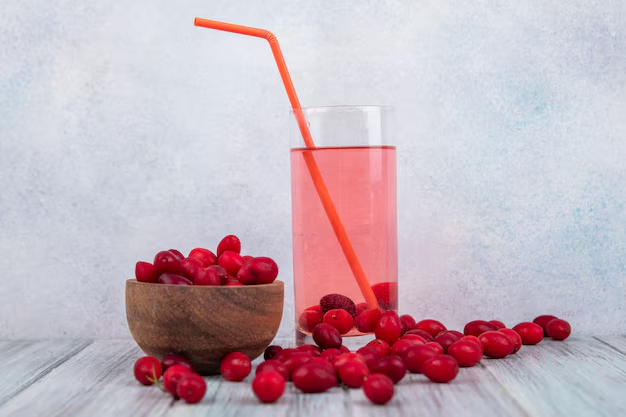
cranberry juice with berries in a woven basket at its one side on a cardboard.

Cranberry juice comes in various forms, and each type offers unique benefits depending on your health goals. Understanding the differences can help you make the best choice for your needs.

Is Diet Cranberry Juice Good for You?

It is a low-calorie option that uses artificial sweeteners instead of sugar. This makes it a good choice for those watching their calorie intake or managing diabetes. However, it’s essential to consider the type of artificial sweeteners used. Some, like aspartame, may not suit everyone.

The lower sugar content in diet cranberry juice reduces the risk of blood sugar spikes. But if you prefer natural options, you might find it less appealing. Always check the ingredient label for added chemicals or preservatives.

Is Pure Cranberry Juice Good for You?

Pure cranberry juice, made from 100% cranberries, is one of the healthiest options. It contains no added sugars, preservatives, or artificial flavors. The high concentration of antioxidants and vitamins makes it excellent for boosting immunity, supporting heart health, and preventing urinary tract infections (UTIs).

However, its tart taste may not be for everyone. Diluting it with water or mixing it with other natural juices can make it more palatable without compromising its health benefits.

Is Unsweetened Cranberry Juice Good for You?

It is the healthiest choice overall. It is free from added sugars, making it ideal for maintaining stable blood sugar levels and avoiding unnecessary calories. The lack of added ingredients ensures you’re consuming only the nutrients found in cranberries, such as vitamin C, potassium, and antioxidants.

For those focused on weight management or reducing sugar intake, unsweetened cranberry juice is the best option. Its natural tartness might take some getting used to, but its health benefits are worth it.

Is Zero Sugar Cranberry Juice Good for You?

Zero sugar cranberry juice is often made with artificial sweeteners to mimic the sweetness of regular juice. While it’s a good alternative for people avoiding sugar, the presence of artificial additives may be a concern for some.

Zero sugar options are lower in calories and sugar. However, reading the label is crucial to understand the type of sweeteners and their potential health effects.

Is White Cranberry Juice Good for You?

White cranberry juice is made from less-ripe cranberries, giving it a milder, sweeter flavor compared to traditional red cranberry juice. While it’s still rich in vitamins and antioxidants, its nutritional content is slightly lower due to the earlier harvesting of the berries.

White cranberry juice is a good option for those who dislike the tartness of red cranberry juice but still want some of the health benefits. However, it’s important to choose unsweetened versions to avoid excess sugar.

Flavored Cranberry Juices: Are They Healthy?

Flavored cranberry juices combine cranberries with other fruits for enhanced taste and added health benefits. However, not all flavored juices are created equal. The key is to choose those with no added sugars or artificial flavors.

Is Grape Cranberry Juice Good for You?

Grape cranberry juice offers a mix of antioxidants from both fruits. Grapes are rich in resveratrol, a compound that supports heart health and reduces inflammation. Combined with cranberry’s UTI prevention properties, this blend is both flavorful and nutritious.

However, many grape cranberry juices have added sugars. Opt for those labeled 100% juice to maximize the benefits without unnecessary calories.

Is Apple Cranberry Juice Good for You?

Apple cranberry juice is a balanced blend of tart and sweet flavors. Apples add fiber and pectin, which support digestion and lower cholesterol. Cranberries contribute their antioxidants and UTI prevention properties.

This juice blend is a family-friendly option with multiple health benefits. Again, choose unsweetened varieties for the best results.

What Happens If You Drink Cranberry Juice Every Day?

Drinking this juice daily can have several long-term benefits. It boosts immunity, supports urinary tract health, and provides a steady dose of antioxidants. Daily consumption may also improve heart health by lowering LDL cholesterol and enhancing blood flow.

However, there are potential risks if consumed in excess. Over-drinking it, especially sweetened varieties, can lead to high sugar intake, weight gain, or digestive issues. For people prone to kidney stones, excessive consumption may increase the risk due to its oxalate content.

Recommendations for Daily Consumption

  • Stick to 8–16 ounces of unsweetened or pure cranberry juice per day.
  • Pair it with a balanced diet for maximum health benefits.
  • Consult a doctor if you have specific conditions, such as diabetes or kidney issues

FAQs

What is the healthiest type of cranberry juice?

Unsweetened or pure cranberry juice is the healthiest option due to its high nutrient content and lack of added sugars.

Is it okay to drink cranberry juice every day?

Yes, in moderation. Stick to 8–16 ounces of unsweetened juice to enjoy its benefits without side effects.

Does cranberry juice help with weight loss?

It may support weight loss by reducing water retention and providing antioxidants, but it’s not a miracle solution. Choose low-calorie options.

Can children drink cranberry juice?

Yes, but opt for unsweetened or diluted versions to avoid excess sugar.

Are cranberry juice blends as healthy as pure cranberry juice?

Some blends, like apple-cranberry or grape-cranberry, are nutritious but check the labels for added sugars or artificial flavors.

Conclusion

Cranberry juice is a powerhouse of nutrients that can support your health in various ways. From urinary tract health and skin vitality to heart protection and organ support, it offers numerous benefits.

Unsweetened or pure varieties of this juice are the healthiest options when choosing a cranberry juice. They provide maximum antioxidants without added sugars. Flavored juices and diet options can be good choices but always check for artificial additives and sweeteners.

Is Apple Juice Good for Your Heart?

Apple juice is a popular beverage known for its refreshing taste and potential health benefits. Beyond its pleasant flavor, many people wonder: Is apple juice good for your heart? This question has drawn attention from researchers, nutritionists, and health enthusiasts alike. Let’s explore apple juice’s nutritional profile and its role in promoting heart health.

Nutritional Benefits of Apple Juice

Apple juice is more than just a sweet drink; it’s packed with essential nutrients. These include vitamins, minerals, and antioxidants that contribute to overall health.

Key Nutrients in Apple Juice

  1. Vitamin C:
    Apple juice is rich in vitamin C, a powerful antioxidant. This nutrient helps reduce oxidative stress in the body, which can protect your heart from damage caused by free radicals.
  2. Potassium:
    Potassium is a critical mineral found in apple juice. It supports heart health by maintaining healthy blood pressure levels and reducing the risk of cardiovascular issues.
  3. Phytonutrients:
    Apple juice contains phytonutrients like flavonoids and polyphenols. These compounds are known for their anti-inflammatory and antioxidant properties, which are beneficial for heart health.

Apple Juice vs. Whole Apples

While whole apples provide fiber, apple juice delivers concentrated nutrients that are quickly absorbed. This makes it a convenient option for boosting your intake of heart-friendly compounds. However, moderation is key due to its natural sugar content.

Apple Juice and Heart Health

So, how exactly does apple juice benefit the heart? Here are the ways apple supports cardiovascular wellness.

1. Reduces Oxidative Stress

Oxidative stress occurs when there’s an imbalance between free radicals and antioxidants in your body. This can damage cells, including those in the heart and blood vessels. Apple juice, rich in antioxidants like flavonoids and polyphenols, helps neutralize free radicals. This protects the heart from oxidative damage and promotes overall cardiovascular health.

2. Supports Healthy Blood Pressure

For individuals wondering, is apple good in high blood pressure? the answer is promising. The potassium content in apple juice plays a pivotal role in managing blood pressure levels. Potassium acts as a natural vasodilator, helping blood vessels relax and improving blood flow. This reduces strain on the heart and decreases the risk of hypertension.

Comparison with Other Heart-Friendly Juices

You might ask, what juice is best for your heart? While apple juice is beneficial, other juices like pomegranate, orange, and beetroot juice also offer heart-healthy properties. For instance:

  • Pomegranate juice: High in antioxidants, it fights inflammation and lowers cholesterol.
  • Orange juice: Provides vitamin C and folate, which support heart function.
  • Beetroot juice: Contains nitrates that improve blood flow and reduce blood pressure.

Each juice has unique benefits, but apple juice stands out for its balance of nutrients and pleasant taste.

Apple Juice and Specific Conditions

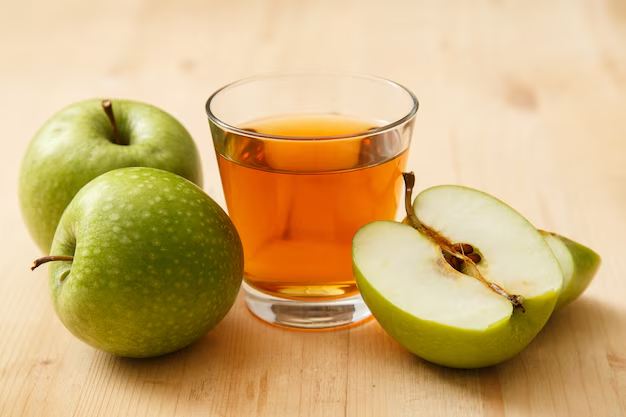
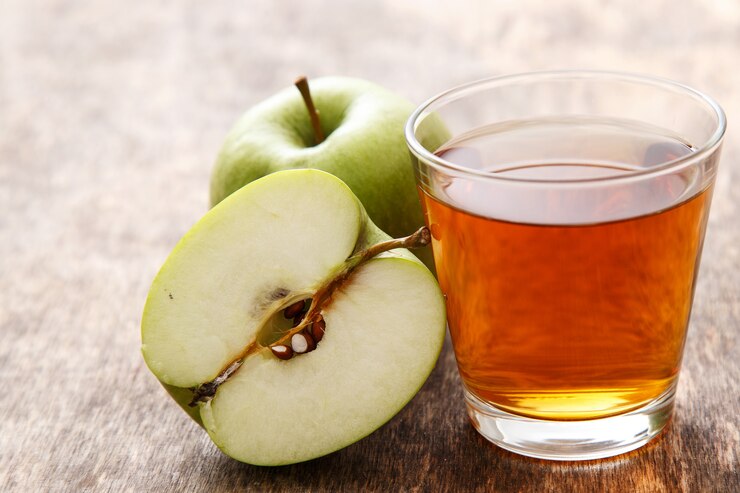
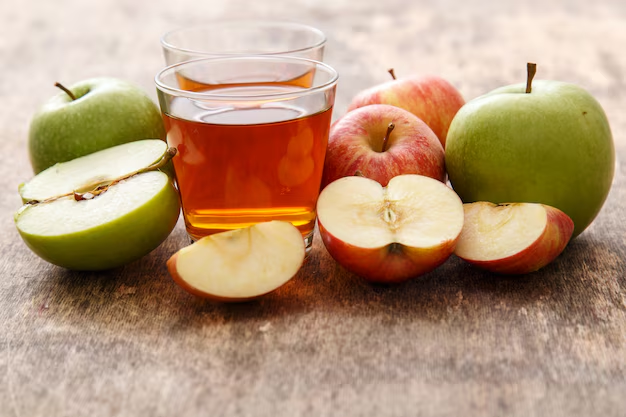
apple juice glass with apples residing at its sides.

Apple juice’s nutrient profile makes it a great choice for managing specific heart-related conditions.

Blood Pressure and Palpitations

Potassium, a star nutrient in apple juice, is vital for maintaining stable blood pressure levels. High blood pressure is a leading risk factor for heart disease, and consuming potassium-rich foods and drinks can help mitigate this risk.

Additionally, people often ask, is apple juice good for your heart palpitations? Potassium also supports normal heart rhythms, making apple juice a helpful addition for those experiencing irregular heartbeats or palpitations.

Heart Rate and Heart Attack Prevention

Antioxidants in apple juice can play a role in stabilizing heart rate. Free radicals and oxidative stress can disrupt the heart’s rhythm, but apple juice’s antioxidants help combat these issues. This improves overall heart rhythm and function.

Furthermore, these antioxidants reduce cholesterol buildup in arteries, lowering the risk of heart attacks. So, when people inquire, is apple juice good for your heart rate or heart attack prevention? the science suggests it’s a heart-healthy choice.

Other Health Benefits of Apple Juice

Apple juice is not only good for heart health but also offers various other health benefits. From supporting weight management to potentially aiding in platelet production, apple juice is a versatile drink.

1. Weight Loss Support

Apple juice can be a helpful addition to a weight-loss plan when consumed in moderation. It provides a refreshing option for maintaining a low-calorie meal plan.

Low-Calorie Content

An 8-ounce (240 mL) serving of apple juice typically contains around 100-120 calories. Compared to sugary sodas or calorie-dense snacks, it’s a lighter choice. Plus, its natural sugars provide a quick energy boost without excessive calories. For those asking, is apple juice good for weight loss? The answer lies in its ability to replace higher-calorie beverages while still satisfying sweet cravings.

Role in Satiety

Apple juice contains water and simple carbohydrates, which can create a feeling of fullness. While it lacks the fiber found in whole apples, its natural hydration properties can help reduce the urge to overeat. To maximize its weight-loss benefits, pair apple juice with fiber-rich foods like oats or nuts to stay fuller for longer.

2. Platelet Count

Some research suggests that apple juice might positively impact platelet levels, although more studies are needed to confirm this. Platelets are essential for blood clotting and overall health.

How does Apple Juice Affect Platelets?

Apple juice is rich in antioxidants, particularly flavonoids and polyphenols, which may promote healthy blood function. For those wondering, is apple juice good to increase platelets? anecdotal evidence suggests it may support platelet production by reducing oxidative stress and inflammation. However, it is not a substitute for medical treatments in conditions like thrombocytopenia.

Incorporating Apple Juice for Blood Health

While not a proven remedy, drinking fresh, natural apple juice can contribute to overall wellness and complement other strategies to maintain healthy platelet levels. Pair it with iron-rich foods like spinach for added benefits.

Apple Juice vs. Other Fruit Juices for Heart Patients

apples with heart shapes on their surfaces to indicate its importance for heart health.

Apple juice competes with other popular fruit juices in providing cardiovascular benefits. Let’s compare its advantages with those of pomegranate, orange, and grape juices.

1. Pomegranate Juice

  • Benefits: High in antioxidants like punicalagins and anthocyanins, pomegranate juice reduces arterial inflammation and improves cholesterol levels.
  • Best for: Lowering bad cholesterol and reducing plaque buildup.

2. Orange Juice

  • Benefits: Loaded with vitamin C and potassium, orange juice supports healthy blood pressure and boosts immunity.
  • Best for: Reducing blood pressure and fighting oxidative stress.

3. Grape Juice

  • Benefits: Contain resveratrol and flavonoids, which improve blood vessel health and promote better circulation.
  • Best for: Supporting healthy arteries and improving blood flow.

4. Apple Juice

  • Benefits: Balanced in antioxidants, potassium, and phytonutrients, apple juice is great for managing blood pressure and reducing oxidative stress.
  • Best for: General heart health and regulating blood pressure.

So, which juice is good for heart patients? Each has unique strengths, but apple juice stands out for its accessibility and overall nutrient profile.

How to Incorporate Apple Juice Into Your Diet?

Adding apple juice to your daily routine is easy and rewarding. By choosing the right type and using creative recipes, you can enjoy its health benefits while keeping your diet balanced.

Choosing the Healthiest Apple Juice

  • Look for 100% pure apple juice with no added sugars or preservatives.
  • Avoid juice cocktails or blends with artificial sweeteners.
  • Freshly squeezed or cold-pressed apple juice retains the most nutrients.

Ideas for a Heart-Healthy Lifestyle

  1. Morning Booster: Start your day with a glass of apple juice paired with a handful of almonds for a balanced breakfast.
  2. Smoothie Base: Use apple juice as a base for smoothies with spinach, kale, or berries for an antioxidant-rich drink.
  3. Salad Dressing: Combine apple juice with olive oil and vinegar for a sweet and tangy salad dressing.
  4. Dessert Substitute: Freeze apple juice into popsicles for a heart-healthy dessert alternative.

By incorporating apple juice thoughtfully, you can enhance its health benefits without overloading it with sugar.

FAQs

Does apple juice have vitamin C?

Yes, apple juice contains vitamin C, though in smaller amounts compared to citrus fruits. It helps support the immune system, promote skin health, and acts as an antioxidant. However, to get a significant dose of vitamin C, you may need to consume other sources like oranges or berries.

Is apple juice good for your stomach?

Apple juice can be gentle on the stomach and aid digestion due to its fiber content, especially when consumed in moderation. It may also help relieve constipation. However, consuming too much juice may lead to bloating or upset stomach due to its natural sugar content and acidity.


What happens if we drink apple juice daily?

Drinking apple juice daily in moderation can provide antioxidants, vitamins, and hydration, supporting heart and digestive health. However, excessive consumption may lead to weight gain due to its sugar content. It’s important to balance apple juice with whole fruits for optimal health benefits.

Conclusion

So, is apple juice good for your heart? The answer is a resounding yes—when consumed in moderation, apple juice offers a variety of nutrients and health benefits that support heart health. From reducing oxidative stress to improving blood pressure and cholesterol levels, apple juice provides valuable antioxidants, vitamins, and minerals that can protect the heart.

However, it’s essential to incorporate apple juice into a balanced diet that includes other heart-healthy foods and drinks. As with any food or beverage, moderation is key to enjoying its benefits while avoiding potential side effects.

Is Green Tea Good for Weight Loss?: A Detailed Guide

Green tea has long been praised as a natural remedy for improving health and aiding weight loss. Its popularity stems from its ability to support fat burning and metabolism, making it a common choice for those on a weight loss journey. But is green tea good for weight loss, and how can you use it effectively? This article explores the nutritional profile of green tea, its weight-loss benefits, the best times to drink it, and which varieties are most effective.

The Nutritional Profile of Green Tea

Green tea is more than just a zero-calorie beverage. It’s packed with powerful compounds that support weight loss and overall health.

Key Nutrients and Compounds in Green Tea

  • Calories: Green tea is calorie-free, making it ideal for losing weight.
  • Catechins: These antioxidants, particularly epigallocatechin gallate (EGCG), enhance fat oxidation and boost metabolism.
  • Caffeine: Though mild compared to coffee, green tea’s caffeine content works with catechins to burn calories.
  • Polyphenols and Antioxidants: These compounds reduce inflammation and protect cells from damage.

Together, these nutrients make green tea a potent ally for reducing weight.

How Does Green Tea Support Weight Loss?

Green tea’s weight loss benefits are well-documented, with its effects rooted in its ability to enhance metabolism and fat burning.

1. Boosting Metabolism

Green tea helps increase your metabolic rate, allowing your body to burn more calories at rest. EGCG plays a significant role here by targeting fat cells and breaking them down for energy.

2. Fat Oxidation

Green tea increases the body’s ability to use stored fat for fuel. Studies suggest that green tea can enhance fat oxidation during exercise, making workouts more effective.

3. Catechins and Caffeine Synergy

Catechins work with caffeine to enhance thermogenesis—the process of heat production in the body. This results in burning more calories, even during light activity.

4. Consistency is Key

For weight reduction, green tea isn’t a quick fix. Drinking it regularly over weeks or months is essential for noticeable results. Consuming 2–3 cups daily can help achieve a sustained calorie deficit.

While it alone won’t lead to significant weight loss, it can amplify the results of a healthy diet and exercise plan.

Best Times to Drink Green Tea for Weight Loss

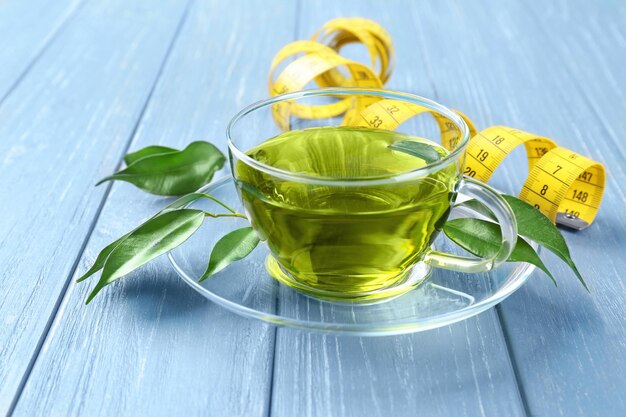
a cup of green tea with measuring tape and leaves at its one side.

The timing of your green tea consumption can impact its effectiveness for weight reduction.

Is Green Tea Good for Weight Loss in the Morning?

Yes, drinking green tea in the morning is highly effective. Its caffeine content provides a gentle energy boost, kickstarting your metabolism for the day. Pairing green tea with breakfast helps your body utilize calories more efficiently.

Is Green Tea Good for Weight Loss at Night?

Drinking green tea at night can be beneficial, but caution is needed. Its mild caffeine content may disrupt sleep in sensitive individuals. However, the catechins can support overnight fat burning. Decaf green tea is a better option for nighttime consumption.

Other Optimal Times

  • Before Exercise: Drinking green tea 30 minutes before a workout can enhance fat burning during exercise.
  • Between Meals: Sipping green tea between meals can reduce cravings and improve digestion.

Avoid drinking green tea on an empty stomach, as it may cause discomfort for some people.

Popular Green Tea Varieties for Weight Loss

Not all green teas are created equal. Here’s a look at how its different types impact the shedding of extra pounds.

1. Is Lipton Green Tea Good for Weight Loss?

Lipton green tea is a convenient and affordable option for losing weight. It contains catechins and antioxidants, making it effective for boosting metabolism. Opt for unsweetened varieties to avoid added calories.

2. Is Matcha Green Tea Good for Weight Loss?

Matcha green tea is one of the most potent options for weight reduction. Unlike regular green tea, matcha uses whole tea leaves, providing higher concentrations of EGCG and antioxidants. Its vibrant green powder can be consumed as a tea or added to smoothies for maximum fat-burning benefits.

3. Is Decaf Green Tea Good for Weight Loss?

Decaf green tea is a great choice for those sensitive to caffeine. While it contains fewer catechins, it still offers antioxidants and some weight loss benefits. Decaf varieties are especially useful for nighttime consumption.

4. Is Iced Green Tea Good for Weight Loss?

Iced green tea can support weight reduction as long as it’s unsweetened. Many commercial iced green teas contain added sugars, which negate their benefits. Brew your own iced green tea at home for a refreshing, calorie-free option.

5. Is Jasmine Green Tea Good for Weight Loss?

Jasmine green tea combines green tea with jasmine flowers, adding a floral aroma and flavor. It retains all the weight-reducing benefits of green tea while providing a calming effect. Choose unsweetened jasmine green tea for the best results.

6. Is Lemon Green Tea Good for Weight Loss?

    Lemon green tea is an excellent choice for weight loss. Lemon enhances the antioxidant properties of green tea and aids digestion. The added vitamin C also supports fat metabolism. Ensure the tea is unsweetened to keep it calorie-free.

    Green Tea for Specific Weight Loss Needs

    Green tea’s effects vary depending on individual health goals and conditions.

    Is Green Tea Good for PCOS Weight Loss?

    Yes, it can aid in losing weight for women with PCOS (Polycystic Ovary Syndrome). Its antioxidants, particularly catechins like EGCG, help improve insulin sensitivity and reduce inflammation. This can regulate weight and combat PCOS-related weight gain. Drinking 2–3 cups a day, paired with a healthy diet and exercise, can yield noticeable results.

    When to Drink Green Tea to Reduce Belly Fat?

    For targeting belly fat, drink green tea:

    • Morning: Kickstart your metabolism.
    • Before Workouts: Boost fat oxidation during exercise.
    • Mid-Afternoon: Prevent midday energy crashes and promote fat burning.

    Tailored Strategies for Different Goals

    • Diabetes: Green tea can help stabilize blood sugar levels, aiding weight management.
    • Stress Eating: Its calming effect helps control stress-related snacking.
    • Active Lifestyles: Drinking green tea before physical activities enhances fat burning.

    Commercial Brands and Green Tea for Weight Loss

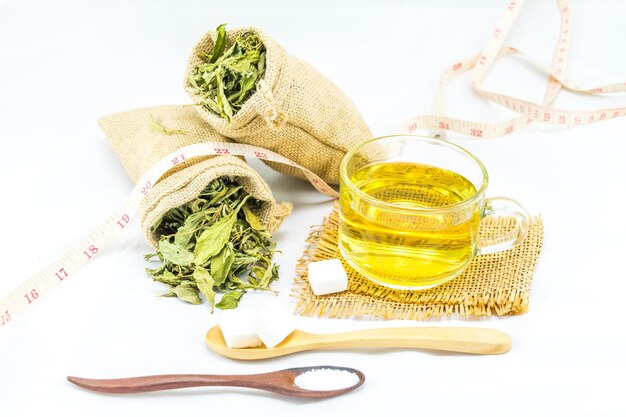
    a cup of green tea with leaves in two small sacks

    Not all green teas are equal. Quality and added ingredients greatly influence their effectiveness for weight loss.

    Is Tetley Green Tea Good for Weight Loss?

    Tetley green tea is a popular choice due to its affordability and availability. It’s effective for weight loss if consumed without added sugar. Its mild flavor and antioxidant content make it a solid everyday option.

    Is Arizona Green Tea Good for Weight Loss?

    Arizona green tea is not ideal for weight reduction. It often contains added sugars and artificial flavorings, which negate its benefits. For a healthier alternative, choose unsweetened bottled or freshly brewed green tea.

    Quality vs. Sugar Content

    High-quality green tea with minimal processing retains more catechins and antioxidants. Always check labels for sugar and calorie content. Unsweetened options are best for weight loss.

    Does Green Tea Help You Lose Weight Without Exercise?

    Green tea alone won’t magically shed pounds. It enhances fat burning and metabolism but works best when combined with:

    • A balanced diet low in processed foods.
    • Regular exercise, even light activities like walking.

    While it’s a helpful aid, relying solely on green tea without lifestyle changes limits its effectiveness.

    Green Tea vs. Other Weight Loss Aids

    Here’s a comparison between green tea and other weight-reducing aids.

    Green TeaBlack TeaHerbal TeaSupplements
    Contains less caffeine and more catechins. It supports weight loss and is more effective.Contains more caffeine but fewer catechins. It supports weight loss but isn’t as effective as green teaOften caffeine-free, herbal teas can aid digestion but lack the metabolism-boosting properties of green tea.Supplements often contain green tea extracts; they may include additives or higher caffeine levels that can cause side effects

    1 Cup of Green Tea Burns How Many Calories?

    A single cup of green tea burns approximately 70–100 calories daily when consumed regularly. Its thermogenic effect contributes to a calorie deficit over time.

    Lesser-Known Benefits of Green Tea

    Green tea’s health benefits extend far beyond weight loss, making it a versatile addition to your routine.

    FAQs

    Does honey in green tea help you lose weight?

    Honey in green tea can add a touch of sweetness, but it also adds calories. While honey has some health benefits, such as antioxidants, it doesn’t significantly contribute to weight loss. To reduce weight, it’s best to enjoy the tea without added sugar or honey.

    Is ginger in green tea good for losing weight?

    Ginger in green tea may aid in losing weight by improving digestion and increasing metabolism. It has anti-inflammatory properties and can reduce appetite. When combined with green tea, it may help burn fat, but results will vary depending on diet and lifestyle factors.

    Does green tea with lemon help you lose weight?

    Green tea with lemon can help with weight reduction due to the combined effects of its antioxidants and lemon’s vitamin C. The acidity of lemon may also enhance digestion. While it may support fat burning, it works best as part of a balanced diet and exercise routine.

    Conclusion

    Green tea is a powerful tool for weight loss and overall health. Its ability to boost metabolism, enhance fat oxidation, and support tailored health goals makes it invaluable. However, moderation is essential—2–3 cups a day is ideal. Choose high-quality, unsweetened varieties and pair them with a balanced diet and active lifestyle for the best results.

    Is Yogurt Good for Acid Reflux? A Complete Guide 

    0

    Acid reflux is a common digestive issue characterized by a burning sensation in the chest, often referred to as heartburn. It occurs when stomach acid flows back into the esophagus, causing discomfort and irritation. While medications are often used to manage symptoms, dietary changes can play a significant role. One food frequently discussed as a remedy for acid reflux is yogurt. But is yogurt good for acid reflux?

    In this article, we’ll explore the causes of acid reflux, the nutritional profile of yogurt, and how certain types of yogurt can help alleviate symptoms.

    What is Acid Reflux?

    Acid reflux happens when the lower esophageal sphincter (LES) fails to close properly, allowing stomach acid to escape into the esophagus. This condition can occur occasionally, but chronic acid reflux is called gastroesophageal reflux disease (GERD). GERD affects millions of people worldwide and can significantly impact quality of life.

    Symptoms of Acid Reflux

    Common symptoms include:

    • Heartburn (burning sensation in the chest).
    • Regurgitation of sour or bitter-tasting acid.
    • Difficulty swallowing.
    • A chronic cough or hoarseness.

    Triggers of Acid Reflux

    Certain foods and habits can worsen symptoms, such as:

    • Spicy, fatty, or acidic foods.
    • Overeating or lying down immediately after meals.
    • Obesity, smoking, and stress.

    Managing it often involves dietary adjustments, making yogurt a potential contender for symptom relief.

    Nutritional Profile of Yogurt

    Yogurt is a nutrient-rich food made from fermented milk. Its balance of macronutrients and beneficial compounds makes it a staple in many diets.

    • Macronutrients in Yogurt
    • Protein: Essential for tissue repair and maintaining muscle health. A typical serving of Greek yogurt provides 10–15 grams of protein.
    • Carbohydrates: Includes natural sugars from milk (lactose) and, in some cases, added sugars in flavored varieties.
    • Fats: Found in varying amounts depending on the type of yogurt. Low-fat and non-fat options are preferred for acid reflux.
    • Probiotics and Gut Health

    Yogurt contains live bacteria, or probiotics, which promote a healthy balance of gut microbiota. Probiotics like Lactobacillus and Bifidobacterium may help improve digestion and reduce inflammation in the gastrointestinal tract.

    • Calcium and Stomach Health

    Calcium in yogurt is essential for bone health but also plays a role in soothing the stomach lining. It may neutralize stomach acid to some extent, offering relief from acid reflux symptoms.

    Benefits of Yogurt for Acid Reflux

    It can be a helpful addition to a diet for managing acid reflux due to its cooling properties and nutrient profile.

    1. Cooling Effect on the Stomach Lining

    Yogurt’s creamy texture and cool temperature provide a soothing effect. This can help alleviate the burning sensation caused by stomach acid in the esophagus. Consuming it as a snack or dessert may bring immediate comfort.

    2. Probiotics and Gut Microbiota Balance

    The probiotics in yogurt support a healthy gut environment by reducing harmful bacteria and promoting digestion. A balanced gut microbiota can improve overall gastrointestinal health, reducing the frequency of acid reflux episodes.

    Probiotics also help enhance the function of the LES, which can prevent acid from escaping the stomach.

    3. Potential for Neutralizing Stomach Acid

    Yogurt’s mild acidity and calcium content may help buffer stomach acid. This can prevent the acid from irritating the esophagus and alleviate symptoms of heartburn. However, moderation is crucial, as excessive consumption of even beneficial foods can lead to bloating or discomfort.

    Best Types of Yogurt for Acid Reflux

    cherry flavored packed yogurt.

    Not all yogurts are created equal. The type you choose can significantly impact its ability to manage acid reflux.

    1. Plain Greek Yogurt

    Plain Greek yogurt is an excellent choice for acidity sufferers. It is:

    • High in Protein: Protein supports the repair of the esophageal lining and improves satiety, preventing overeating—a common acid reflux trigger.
    • Low in Sugar: Added sugars can exacerbate acidity by irritating the esophagus. Stick to plain varieties to avoid this issue.
    • Alkalizing Potential: Its lower acidity compared to traditional yogurt may help neutralize stomach acid, reducing symptoms.

    2. Low-Fat Yogurt

    High-fat foods can relax the LES, worsening acid reflux. Low-fat or non-fat yogurt is a better option. These varieties provide the same nutritional benefits without contributing to fat-related reflux triggers.

    3. Probiotic Yogurt

    Probiotic yogurt contains added live cultures to enhance its digestive benefits. Look for labels that specify strains like Lactobacillus acidophilus or Bifidobacterium bifidum. These probiotics can help improve LES function and reduce reflux episodes.

    Tips for Choosing Yogurt for Acid Reflux:

    • Avoid flavored or fruit-on-the-bottom yogurts with high sugar content.
    • Check for “live and active cultures” on the label to ensure probiotic benefits.
    • Stick to small portions (half a cup to one cup) to avoid overloading your stomach.

    Popular Yogurt Types for Acid Reflux

    Yogurt is often recommended for managing acid reflux, but not all of its types are equally effective. Here’s a breakdown of popular yogurt varieties and their potential impact on acid reflux.

    Is Greek Yogurt Good for Acid Reflux?

    Yes, plain Greek yogurt is a great choice for acid reflux. It is high in protein and low in sugar, making it a less acidic option. Greek yogurt’s probiotics also promote healthy digestion, reducing the likelihood of reflux episodes. However, opt for low-fat versions to avoid triggering symptoms linked to high-fat foods.

    Is Strawberry Yogurt Good for Acid Reflux?

    Strawberry yogurt can be a hit or miss. While yogurt itself may help soothe the stomach, added sugars and artificial flavors in many strawberry yogurts can worsen acidity symptoms. If you prefer fruity yogurt, look for natural or unsweetened options with real fruit.

    Is Yogurt Drink Good for Acid Reflux?

    Yogurt drinks can help with acidity, but only if they’re free of added sugars and artificial ingredients. Many yogurt drinks on the market contain sweeteners and flavorings that may trigger symptoms. A plain, probiotic-rich yogurt drink is a better option for managing reflux.

    Is Vanilla Yogurt Good for Acid Reflux?

    Vanilla yogurt can be soothing for acid reflux if it’s low in sugar and fat. However, many vanilla-flavored yogurts are heavily sweetened, which can aggravate symptoms. Always check the ingredient label and go for natural or lightly sweetened varieties.

    Is Chobani Greek Yogurt Good for Acid Reflux?

    Chobani Greek yogurt is generally a good option for acid reflux due to its high protein content and minimal sugar. Probiotic-rich and made with natural ingredients, it supports gut health and digestion. Choose plain or low-fat versions for the best results.

    Is Coconut Yogurt Good for Acid Reflux?

    Coconut yogurt, made from plant-based milk, is an alternative for those avoiding dairy. It can be soothing if it’s unsweetened and contains probiotics. However, some coconut yogurts are high in fat, which may worsen reflux. Low-fat options are preferable.

    Is Actimel Yogurt Good for Acid Reflux?

    Actimel yogurt drinks are fortified with probiotics and are generally suitable for acid reflux management. However, like other yogurt drinks, it’s essential to avoid those with high sugar content. Opt for natural flavors to minimize irritation.

    When to Avoid Yogurt for Acid Reflux?

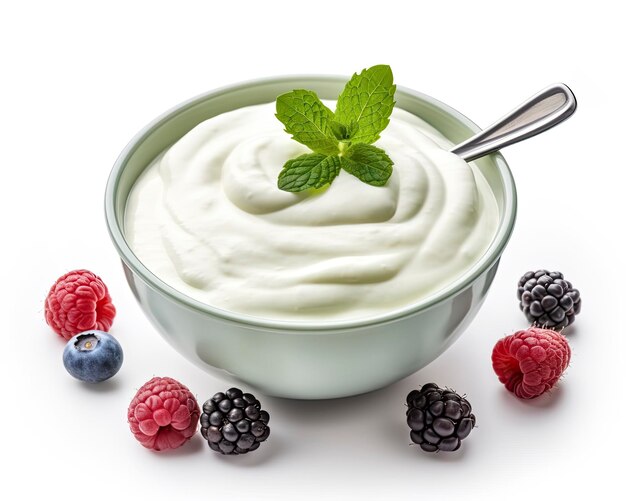
    yogurt in a wooden bowl for acid reflux

    There are some considerations about yogurt that every person should keep in mind when suffering from acidity.

    Can Greek Yogurt Cause Acid Reflux?

    Greek yogurt can occasionally trigger acidity in some individuals, particularly if it’s high in fat. The fat content may relax the lower esophageal sphincter (LES), allowing stomach acid to escape. Low-fat or fat-free options are a safer choice.

    The Role of Added Sugars and Flavors

    Flavored yogurts with added sugars can irritate the esophagus and increase acidity. Artificial flavors or sweeteners may also exacerbate reflux symptoms. Always choose plain or naturally flavored yogurt with minimal additives.

    When to Avoid Yogurt Altogether

    Avoid yogurt if you notice it consistently triggers symptoms. Some individuals may have lactose intolerance or sensitivity to dairy, which can mimic or worsen acid reflux. Non-dairy alternatives like almond or coconut yogurt may be better in such cases.

    Comparing Yogurt with Other Remedies for Acid Reflux

    Let’s compare yogurt with other food remedies when looking to recover immediately from acid reflux or GERD.

    What Foods Neutralize Stomach Acid Immediately?

    Certain foods like bananas, oatmeal, and almonds can neutralize stomach acid quickly. They create an alkaline environment in the stomach, reducing acidity.

    How does Yogurt compare?

    Yogurt is similar in its soothing properties. Its probiotics improve digestion and support gut health, which can reduce acidity frequency. Unlike some other remedies, it also offers protein and calcium, making it a nutrient-rich option for managing reflux.

    Bananas, for instance, are easy to digest but lack the probiotics found in them. Oatmeal provides fiber for digestion, but yogurt’s cooling effect is unique. Yogurt and these foods can complement each other in a reflux-friendly diet.

    Ten Worst Foods for Acid Reflux

    You must avoid these foods when suffering from acid reflux.

    1. Spicy foods (e.g., chili, hot peppers).
    2. Fried and fatty foods.
    3. Citrus fruits (e.g., oranges, lemons).
    4. Tomatoes and tomato-based sauces.
    5. Chocolate.
    6. Garlic and onions.
    7. Carbonated drinks.
    8. Alcohol.
    9. Caffeine (e.g., coffee, tea).
    10. Mint (e.g., peppermint, spearmint).

    These foods often relax the LES or increase stomach acid production, worsening acid reflux. Yogurt, when chosen correctly, provides a stark contrast as a soothing, nutrient-rich option.

    FAQs

    1. Is yogurt good for acid reflux at night?

    Yogurt, especially plain or low-fat options, may help reduce acidity symptoms at night due to its cooling and soothing properties. However, avoid flavored yogurts with added sugar, as they can worsen symptoms.

    2. Is Activia yogurt good for acid reflux?

    Activia yogurt contains probiotics that support gut health, which can potentially ease acid reflux symptoms. Choose the low-fat variety to avoid triggering reflux.

    3. Can Greek yogurt cause acid reflux?

    While Greek yogurt is generally considered good for acid reflux due to its high protein content and low acidity, consuming high-fat or flavored versions may worsen symptoms in some individuals.

    4. What foods neutralize stomach acid immediately?

    Foods like bananas, oatmeal, ginger, and almonds can neutralize stomach acid quickly. Yogurt, when plain and low-fat, is another great option to soothe acidity symptoms.

    Conclusion

    Yogurt can be a helpful addition to the diet for managing acid reflux. Its soothing properties, probiotics, and nutritional content make it a practical remedy for many people. Choosing the right type of yogurt—plain, low-fat, and rich in probiotics—is essential for maximizing its benefits while avoiding potential triggers. As with any dietary change, moderation is key, and it’s always best to consult a healthcare professional if symptoms persist or worsen.

    Is Peanut Butter Good for You?: 5 Potential Health Benefits

    0

    Peanut butter is a pantry staple that sparks both praise and debate in health discussions. Known for its creamy texture and rich flavor, it’s a beloved choice for snacks and breakfast. But is peanut butter good for you? That’s a question worth exploring.

     In this article, we’ll uncover its nutritional profile. We’ll dive into its health benefits and examine potential risks. Whether you’re a fitness enthusiast, a busy parent, or someone looking for a wholesome snack option, understanding how this butter fits into your diet can make all the difference.

    Peanut Butter Nutrition Overview

    It is packed with nutrients, making it a powerhouse for both energy and nourishment. A typical two-tablespoon serving provides approximately:

    • Calories: 190-210
    • Protein: 7-8 grams
    • Healthy Fats: 16 grams (mostly monounsaturated and polyunsaturated fats)
    • Carbohydrates: 6-8 grams (including 1-2 grams of fiber)
    • Vitamins and Minerals:
      • Vitamin E: A potent antioxidant.
      • Magnesium: Supports muscle and bone health.
      • Potassium: Balances sodium levels for heart health.
      • B Vitamins: Essential for energy metabolism.

    Macronutrient Highlights

    Peanut butter is celebrated for its balanced macronutrient profile. The high protein content supports muscle repair, while healthy fats provide sustained energy. The fiber aids digestion, keeping you full for longer. Additionally, its low sugar content (in natural varieties) makes it a healthier choice compared to processed spreads.

    When selecting this butter, opt for natural or organic versions with minimal added sugars or hydrogenated oils. This ensures you reap the full spectrum of its nutritional benefits.

    Health Benefits

    The health benefits of peanut butter are given below:

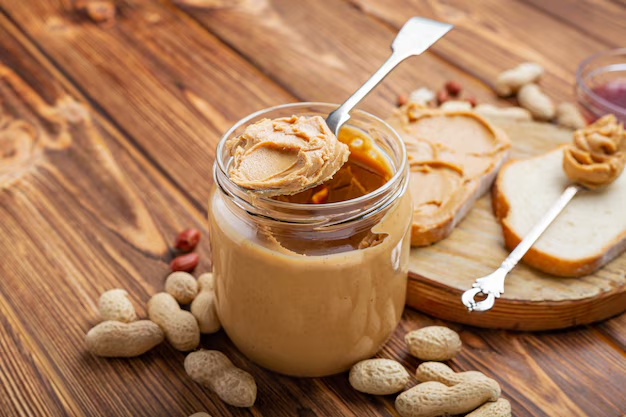
    peanut butter with a spoon in a glass jar with a bread toast and banana on a plate and scattered peanuts around it.

    1. Satiety and Weight Management

    Peanut butter is a satisfying snack that curbs hunger thanks to its protein and fiber. When consumed in moderation, it can help prevent overeating, making it a useful tool in weight management. Adding it to breakfast or a mid-day snack provides lasting energy and reduces cravings for less nutritious foods.

    2. Energy Boost for Active Lifestyles

    Packed with healthy fats and calories, it is an excellent energy source. Athletes and fitness enthusiasts often turn to it as a pre- or post-workout snack. It fuels exercise, aids recovery, and keeps blood sugar levels steady, ensuring peak performance throughout the day.

    3. Specific Benefits by Gender

    • For Females: Hormonal and Bone Health

    Women benefit from peanut butter’s nutrient-dense profile in several ways:

    • Hormonal Balance: The monounsaturated fats support hormone production, particularly during reproductive years.
    • Bone Strength: Magnesium and potassium work together to strengthen bones and prevent conditions like osteoporosis.
    • Sustained Energy: It provides a steady energy boost, especially during demanding phases like pregnancy or breastfeeding.
    • For Males: Muscle Recovery and Testosterone Support

    Men can rely on peanut butter for its unique advantages:

    • Muscle Recovery: Protein in this butter aids in muscle repair, especially after resistance training.
    • Testosterone Support: Healthy fats, particularly monounsaturated ones, promote testosterone production, which is crucial for overall vitality and strength.
    • Convenience: As a portable snack, it fits seamlessly into the diets of busy individuals looking for quick nutrition.

    4. Heart Health: Is Peanut Butter Good for Your Heart?

    Peanut butter contains monounsaturated fats, which are heart-friendly. These fats lower bad cholesterol (LDL) while boosting good cholesterol (HDL). Additionally:

    • Vitamin E and Antioxidants: Protect the heart by reducing oxidative stress.
    • Potassium: Helps regulate blood pressure, counteracting the harmful effects of sodium.

    When consumed in moderation, it supports cardiovascular health, making it a smart choice for those aiming to maintain a healthy heart.

    5. Liver Health: Is Peanut Butter Good for Your Liver?

    Moderate consumption of peanut butter can be beneficial for liver health. Its monounsaturated fats and antioxidants play a role in reducing fat accumulation in the liver, a common issue associated with conditions like non-alcoholic fatty liver disease (NAFLD). Additionally:

    • Low in Saturated Fat: It is relatively low in saturated fats compared to other spreads, preventing strain on liver function.
    • Rich in Magnesium: This mineral supports liver enzymes and aids detoxification processes.

    Incorporating it into a balanced diet promotes liver health and reduces the risk of chronic liver conditions.

    Peanut Butter and Weight Management

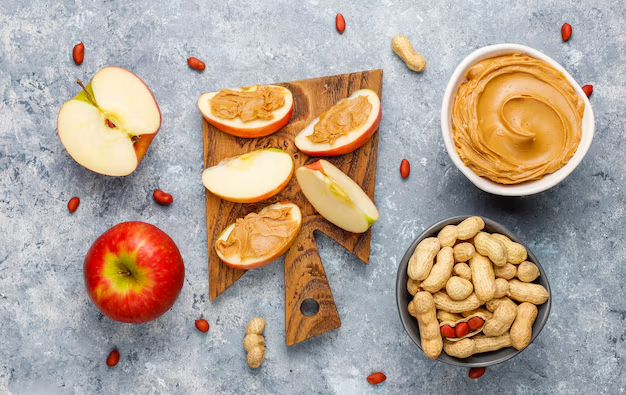
    homemade peanut butter with apple slices on a cardboard.

    This butter can play a role in both weight loss and weight gain. Its nutritional composition makes it a flexible addition to different dietary goals.

    For Weight Loss: Is Peanut Butter Healthy for Weight Loss?

    Yes, it can aid in weight loss when eaten in moderation. Its high protein and healthy fat content help control hunger and prevent overeating. The fiber in it also promotes satiety, making you feel full for longer. This reduces the chances of unhealthy snacking between meals.

    However, portion control is critical. This butter is calorie-dense, with about 190-210 calories per two tablespoons. Eating more than a serving can quickly add up, hindering weight loss goals. Stick to natural peanut butter, as added sugars in processed varieties can sabotage your efforts.

    For Weight Gain: Is Peanut Butter Good for Weight Gain?

    If you’re looking to gain weight, peanut butter is an excellent option. Its caloric density makes it easy to increase your daily calorie intake without consuming large portions. Spread it on whole-grain bread, mix it into smoothies, or use it as a topping for oatmeal.

    Peanut butter’s protein content also supports muscle building, making it a favorite among athletes and those following bulking diets. Choosing a natural one ensures that the calories come from healthy sources, not added sugars or hydrogenated oils.

    Special Considerations

    Peanut butter’s nutritional benefits extend to specific scenarios like pregnancy and nighttime snacking. However, some considerations must be taken into account.

    Is Peanut Butter Good for You While Pregnant?

    Yes, it is generally safe and beneficial during pregnancy. It provides essential nutrients like protein, healthy fats, and folate. Folate is crucial for fetal development as it helps prevent neural tube defects. The protein content supports the growth and repair of tissues, both for the baby and the mother.

    Its monounsaturated fats contribute to energy needs and hormonal balance. It also contains magnesium and potassium, which help regulate blood pressure—a common concern during pregnancy.

    For pregnant women with a history of peanut allergies, caution is necessary. Consult a doctor before adding it to your diet. Choose natural varieties to avoid added sugars and preservatives that may not be ideal for your health.

    Is Peanut Butter Good for You Before Bed?

    Peanut butter can be an excellent snack before bed. Its combination of protein and healthy fats helps stabilize blood sugar levels overnight. This prevents hunger pangs and promotes restful sleep.

    For those who exercise in the evening, it supports muscle recovery. It provides amino acids that repair and strengthen muscles during sleep. Pair it with a slice of whole-grain bread or a banana for a balanced nighttime snack.

    However, avoid consuming large portions. Overeating before bed can lead to indigestion or unnecessary calorie intake. A tablespoon of it is enough to reap the benefits.

    Risks and Side Effects

    While peanut butter is nutritious, overconsumption or certain conditions can pose risks. Let’s explore its potential downsides.

    Is Peanut Butter Bad for You?

    Peanut butter is not inherently bad, but issues arise with allergies and overconsumption. Peanut allergies can cause severe reactions, including swelling, difficulty breathing, or even anaphylaxis. Always check for allergies before consuming it.

    Overeating this butter can lead to excessive calorie intake, which may result in weight gain. Processed butter often contains added sugars and hydrogenated oils, which are harmful to health. Always opt for natural butter to avoid these risks.

    Is Peanut Butter Bad for Cholesterol?

    Natural peanut butter can actually improve cholesterol levels. It’s rich in monounsaturated fats, which help lower bad cholesterol (LDL) and increase good cholesterol (HDL). However, processed varieties containing trans fats can have the opposite effect. Trans fats raise LDL cholesterol, increasing the risk of heart disease.

    To support healthy cholesterol levels, stick to natural butter without added oils or artificial ingredients.

    Side Effects of Eating Peanut Butter Every Day

    Eating it daily in moderation is generally safe. However, excessive consumption can lead to:

    • Digestive Issues: Its high-fat content can strain digestion when eaten in large amounts.
    • Aflatoxin Risks: Peanuts can be contaminated with aflatoxins, toxic compounds produced by mold. While the risk is low in regulated products, consuming large quantities may increase exposure.
    • Excessive Calorie Intake: It is calorie-dense. Overeating can hinder weight management efforts, even in healthy diets.

    Moderation is key. A serving or two per day is sufficient to enjoy its benefits without adverse effects.

    FAQs

    Does peanut butter have protein?

    Yes, it is rich in protein, making it a great plant-based option for muscle maintenance and energy.

    Is peanut butter healthy for weight loss?

    It can support weight loss when eaten in moderation. Its protein and fiber content promote satiety and reduce overeating.

    Is peanut butter bad for cholesterol?

    Natural peanut butter is good for cholesterol. It lowers LDL and boosts HDL levels. However, avoid processed varieties with trans fats.

    Is peanut butter good for you while pregnant?

    Yes, it provides essential nutrients like protein, folate, and healthy fats, which are beneficial during pregnancy.

    Conclusion

    Peanut butter is a nutritious and versatile food with numerous health benefits. It supports weight management, energy levels, heart health, and more. However, moderation is essential to avoid potential risks. Choose natural butter to maximize its benefits and minimize unhealthy additives.

    Whether you’re pregnant, active, or simply looking for a healthy snack, peanut butter can be a great addition to your diet when consumed wisely.

    Is Kombucha Healthy? Nutrients, Benefits And Dangers

    Kombucha is a fizzy, fermented tea that has taken the health world by storm. Known for its tangy flavor and gut-friendly properties, this drink is celebrated as a natural way to support wellness. 

    Its origins date back centuries, but it has recently gained global popularity as a health drink. But is kombucha healthy? Let’s explore what makes it so special, its benefits, and any potential concerns you should know about.

    What is Kombucha?

    Kombucha is a fermented beverage made by combining tea, sugar, and a symbiotic culture of bacteria and yeast (SCOBY). This culture drives the fermentation process, turning the sugary tea into a tangy, slightly effervescent drink.

    Origins of Kombucha

    Kombucha is believed to have originated in East Asia over 2,000 years ago. It was traditionally brewed for its supposed healing properties and referred to as the “tea of immortality.”

    What is Kombucha Made Of?

    The basic ingredients in kombucha include:

    • Tea: Typically, black or green tea provides antioxidants.
    • Sugar: Essential to fuel the fermentation process.
    • SCOBY: A gelatinous colony of bacteria and yeast that ferments the tea.

    This simple process produces a complex, nutrient-rich beverage.

    Nutritional Profile of Kombucha

    Kombucha is more than just a tasty drink. It is packed with nutrients that contribute to its health benefits.

    Key Components

    • Probiotics: These are beneficial bacteria that support gut health.
    • Antioxidants: Kombucha contains polyphenols from tea, which help fight free radicals.
    • Vitamins: Particularly B vitamins, which support energy and metabolism.
    • Low-Calorie Content: A typical serving contains fewer calories than sugary sodas, making it a healthier alternative.

    How do These Nutrients Help?

    • Probiotics improve digestion and boost immunity.
    • Antioxidants reduce inflammation and oxidative stress.
    • Vitamins energize the body and support overall health.

    Is Kombucha Healthy?

     Kombucha bottle with lemon and salt in a small bowl.

    The healthiness of kombucha depends on several factors, including how it’s made and how much you drink.

    Is kombucha healthy for you? Yes, when consumed in moderation. The probiotics and antioxidants promote gut health and overall wellness. However, it’s essential to choose low-sugar options to avoid unnecessary calories.

    Daily Consumption

    Is kombucha healthy to drink every day? For most people, yes, but limit your intake to 4–8 ounces daily. Too much kombucha can lead to excess sugar and acidity, which may cause digestive issues.

    Pros of Kombucha

    Cons of Kombucha

    • May cause bloating or upset stomach in some people.
    • Can be high in sugar, depending on the brand.
    • Not recommended for those with compromised immune systems or pregnant women without doctor approval.

    Benefits of Kombucha

    Kombucha offers a wide range of health benefits, particularly for the gut, weight management, and specific health concerns.

    1. Probiotic Benefits

    Kombucha is a rich source of probiotics, which help maintain a healthy gut microbiome. This can improve digestion, reduce bloating, and even enhance nutrient absorption.

    2. Weight Management

    Is kombucha good for weight loss? Yes, it can help in reducing weight. Kombucha is low in calories and contains acetic acid, which may help regulate appetite. Replacing sugary drinks with kombucha can also lower your calorie intake.

    3. Digestive Health

    Kombucha contains probiotics, beneficial bacteria that help balance the gut microbiome. These probiotics support digestive health by promoting the growth of good bacteria, improving digestion, and alleviating symptoms of irritable bowel syndrome (IBS) or bloating.

    4. Immune System Boost

    The probiotics and antioxidants found in kombucha may also enhance your immune system, helping the body fight off infections. The presence of polyphenols from tea further supports this by reducing oxidative stress and inflammation in the body.

    5. Mental Clarity and Stress Reduction

    Kombucha contains compounds that support mental health. The B vitamins and amino acids produced during fermentation can help reduce stress and anxiety. Some studies suggest that drinking kombucha may promote a sense of well-being by balancing the brain’s neurotransmitters.

    6. Antioxidants and Detoxification

    Kombucha is rich in antioxidants, particularly polyphenols, which help detoxify the body. These antioxidants neutralize free radicals that can damage cells, potentially lowering the risk of chronic diseases.

    7. Sexual Health

    While research is limited, kombucha’s ability to improve gut health and reduce inflammation may have indirect benefits for sexual health by supporting energy levels and overall wellness.

    Kombucha Dangers

    Though kombucha has potential health benefits, it’s essential to be aware of the possible risks and side effects, especially if consumed in large quantities.

    Excess Sugar Content

    Kombucha can be high in sugar, especially if commercial brands add extra sweeteners during the fermentation process. Excess sugar intake can lead to weight gain, insulin resistance, and an increased risk of metabolic disorders.

    Alcohol Content

    Kombucha naturally contains trace amounts of alcohol, as it is a fermented beverage. However, alcohol levels in kombucha can vary, and drinking too much may lead to alcohol consumption, especially for those who are sensitive to it.

    Contamination Risks

    Improperly brewed kombucha can carry contamination risks, including harmful bacteria or mold. It’s essential to buy kombucha from reputable sources or follow safe brewing practices if making it at home.

    Groups at Risk

    While kombucha can be a healthy choice for many people, there are specific groups that need to be cautious.

    Pregnant Women

    Pregnant women are advised to limit their kombucha intake due to the alcohol content, caffeine, and the potential for contamination. It’s best to consult a doctor before consuming kombucha during pregnancy.

    Children

    Kombucha is not recommended for young children due to its alcohol content, acidity, and the presence of caffeine. Children’s digestive systems may also not tolerate the strong probiotics found in kombucha.

    Diabetics

    Diabetics should be mindful of kombucha’s sugar content, as it can spike blood sugar levels. Some kombuchas have higher sugar levels, so it’s important to monitor the sugar content and choose lower-sugar options.

    Types and Brands of Kombucha

    a man holding a Kombucha bottle.

    Kombucha comes in many different variations. Understanding the differences can help you choose the right option for your lifestyle.

    Hard Kombucha vs Regular Kombucha

    Hard kombucha is brewed in a way that increases its alcohol content. If you’re looking for a non-alcoholic beverage, regular kombucha may be a better option. However, if you enjoy a fizzy, alcoholic alternative to beer, hard kombucha might be the way to go.

    Popular Kombucha Brands

    There are many kombucha brands available, each offering a unique taste and health benefits.

    BrandsDescription
    Teazen KombuchaKnown for its refreshing flavors and balanced taste, Teazen Kombucha offers health enthusiasts a wide range of options.
    Remedy KombuchaA popular brand for its organic ingredients, Remedy Kombucha, is known for its low-sugar, gut-friendly brews.
    Rise KombuchaRise Kombucha is well-regarded for its bold flavors and high-quality, organic ingredients.
    Synergy KombuchaOne of the most recognizable kombucha brands, Synergy Kombucha, is loved for its variety and commitment to using raw ingredients.
    Kirkland KombuchaKirkland Kombucha, a Costco brand, offers kombucha at a more affordable price point without compromising on taste or quality.
    Raw KombuchaKnown for its minimal processing and natural flavors, Raw Kombucha is a go-to choice for kombucha purists.
    Kevita Kombucha
    Kevita offers a wide variety of kombucha, including flavors that cater to various dietary preferences, such as organic and low-sugar options.
    Nexba KombuchaA newer brand on the market, Nexba Kombucha boasts lower sugar content and is a great choice for health-conscious consumers.

    FAQs 

    Can kids drink kombucha?

    It’s not recommended for children due to its alcohol content, acidity, and caffeine. Children’s digestive systems may not tolerate kombucha’s strong probiotics.

    Is kombucha a scientifically proven beverage?

    Kombucha has shown some health benefits, such as improving gut health, but more research is needed to fully prove its effectiveness. Most claims are based on anecdotal evidence.

    What is the alcohol content of kombucha?

    Kombucha typically contains 0.5% to 2% alcohol by volume (ABV), with higher levels in hard kombucha. Most commercial kombuchas are considered non-alcoholic due to their low alcohol content.

    How beneficial is kombucha compared to probiotics?

    Kombucha offers some probiotic benefits, but it may not be as concentrated or specific as a dedicated probiotic supplement. While it can support gut health, supplements often contain higher doses of specific beneficial strains.

    Conclusion

    Kombucha offers many health benefits, including improved digestion and immune support, thanks to its probiotics and antioxidants. However, it’s important to be mindful of its potential risks, such as high sugar content, alcohol, and contamination, especially for pregnant women, children, and diabetics.

    With a variety of flavors and brands available, kombucha can be a great addition to a healthy lifestyle when consumed in moderation. Always consult a healthcare provider if you have concerns, particularly if you’re in a high-risk group.

    Is Cottage Cheese Good for You?

    0

    Cottage cheese has gained a reputation as a go-to food for health enthusiasts. But is it good for weight loss? Packed with protein, low in calories, and versatile in recipes, it’s a favorite among those aiming to shed pounds. 

    This creamy, nutrient-rich dairy product helps keep you full. It also supports muscle maintenance, making it an excellent addition to a balanced diet. Whether you enjoy it as a snack or in desserts, this cheese can fit seamlessly into your weight loss journey. Let’s dive deeper into how this simple food can help you achieve your fitness goals.

    What is Cottage Cheese?

    It is a fresh cheese made from curds of cow’s milk. Unlike aged cheeses, it doesn’t undergo a long maturation process, giving it a mild, creamy flavor. Its soft texture, combined with its slightly tangy taste, makes it a favorite in many recipes.

    How is Cottage Cheese Made?

    The process begins with curdling milk using an acid, such as vinegar or lemon juice. Once the curds form, they are separated from the whey, drained, and rinsed. Depending on the desired consistency, cream or milk is added to the curds. This results in the creamy product we know as cottage cheese.

    Types

    It comes in various forms to suit different preferences:

    • Regular: Higher in fat and creamier in texture.
    • Low-Fat: Contains less fat while retaining a creamy consistency.
    • Non-Fat: Fat-free but slightly less rich in flavor.

    Each type caters to specific dietary needs, ensuring that cheese can fit into almost any diet plan.

    Cottage Cheese Nutrition and Health Benefits

    It is packed with nutrients that offer a variety of health benefits. Let’s break down its key components and why they matter.

    1. Protein: 

    One of the standout features of cottage cheese is its protein content. It’s an excellent source of high-quality protein. This protein is essential for building and repairing muscles, supporting immune function, and keeping you feeling full.

    For athletes and fitness enthusiasts, the protein in it makes it a fantastic post-workout snack. A single cup can provide over 25 grams of protein, depending on the type.

    2. Calcium

    Calcium is crucial for maintaining strong bones and teeth and supporting nerve and muscle function. It is not rich in calcium as hard cheeses. However, it still provides a significant amount, particularly in the full-fat versions.

    Health Benefits

    It contributes to overall health in many ways. Here are its key benefits:

    • Weight Management: High protein and low-calorie content make it ideal for weight loss.
    • Digestive Health: It’s low in lactose compared to other dairy products, making it easier to digest for some people.
    • Heart Health: Low-fat and non-fat versions can help reduce saturated fat intake, which is good for heart health.

    Is Low-Fat Cottage Cheese Good for You?

    Low-fat cottage cheese strikes a balance between taste and health. It has fewer calories and less fat than regular varieties. This nutrient content makes it an excellent choice for those watching their fat intake. At the same time, it retains a good amount of protein and nutrients to ensure adequate nutrition provision.

    How to Include Cottage Cheese in Your Diet?

    a female making a recipe with cottage cheese

    Adding this cheese to your meals is easy, thanks to its versatility. Here are some creative ways to enjoy it:

    1. As a Breakfast Boost

    Start your day with a protein-packed breakfast. Add a dollop of this cheese to your scrambled eggs, or spread it on whole-grain toast with avocado. Pair it with fruits like berries, bananas, or melons for a sweet and satisfying start to your day.

    2. In Smoothies

    Blend cheese into your smoothies for a creamy texture and an extra dose of protein. Combine it with spinach, bananas, and almond milk for a nutrient-rich green smoothie.

     3. As a Snack

    Cottage cheese makes a quick and healthy snack. Sprinkle it with nuts, seeds, or a drizzle of honey for a tasty treat. For a savory twist, try it with chopped cucumbers, tomatoes, and a pinch of salt and pepper.

    4. In Salads

    Transform your salads by adding cottage cheese as a topping. It pairs well with leafy greens, roasted vegetables, and grains like quinoa or farro.

    5. In Main Dishes

    Use cottage cheese as a substitute for ricotta in lasagna or stuffed pasta. It also works as a base for creamy dips or spreads. 

    Who Can Benefit Most from this Cheese?

    It is a fantastic choice for various dietary needs. Here’s who benefits most:

    Athletes and Fitness Enthusiasts

    This cheese is high in casein, a slow-digesting protein. This makes it perfect for muscle repair and recovery, especially when consumed before bedtime. Its low-fat varieties also help athletes meet their nutritional goals without excess calories.

    Weight Watchers

    The combination of high protein and low calories makes cottage cheese ideal for weight management. It keeps you full for longer, reducing the temptation to snack on unhealthy options.

    Older Adults

    As people age, their bodies require more calcium and protein to maintain bone density and muscle mass. Cottage cheese offers both in an easily digestible form.

    Pregnant Women

    Cottage cheese is rich in protein and calcium. It contains essential nutrients for both mother and baby during pregnancy. Just ensure it’s made from pasteurized milk to avoid potential health risks.

    Common Concerns

    While cottage cheese is nutritious, there are some concerns to consider:

    1. Sodium Content

    Cottage cheese can be high in sodium. It is not suitable for individuals on low-sodium diets. Look for low-sodium varieties to reduce this risk.

    2. Lactose Intolerance

    Although it’s lower in lactose than many dairy products, it may still cause issues for those with lactose intolerance. Lactose-free versions are a great alternative.

    3. Additives in Flavored Varieties

    Pre-flavored cottage cheese often contains added sugars or artificial ingredients. Opt for plain versions and add your own natural flavors like fruit or spices.

    Tips for Choosing It

    Not all cottage cheeses are created equal. Here are some tips for picking the best one:

    • Check the Label: Look for products with minimal ingredients—just milk, cream, and salt.  
    • Opt for Low-Sodium Versions: If you’re watching your salt intake, choose a low-sodium option.  
    • Consider Fat Content: Decide based on your dietary needs—regular for creaminess, low-fat or non-fat for fewer calories.  
    • Go Organic: Organic varieties often come from cows raised without hormones or antibiotics.  

    Is Cottage Cheese Good for You?

    cottage cheese with seasoning in a wooden bowl

    It is a versatile dairy product that has earned a spot in many health-conscious diets. Its creamy texture, mild flavor, and impressive nutritional profile make it a favorite among fitness enthusiasts. But is cottage cheese good for you? Let’s explore its benefits, uses, and role in maintaining a healthy lifestyle.

     Weight Loss

    Is cottage cheese good for you to lose weight? Yes! it is high in protein and low in calories, making it ideal for weight loss. The protein keeps you full longer, reducing hunger and snacking. Choose low-fat or non-fat versions for fewer calories without sacrificing nutrition.

    Heart Health

    Low-fat cottage cheese is better for heart health since it contains less saturated fat. Saturated fats can raise cholesterol levels. So, opting for lower-fat options can reduce the risk of heart disease. Look for low-sodium varieties to protect your cardiovascular system.

    Digestive Health

    This cheese is easier to digest than many other dairy products, especially for people with mild lactose intolerance. It also contains probiotics in some brands, which promote gut health. However, high-sodium versions might not be suitable for sensitive stomachs.

    Liver Health

    Cottage cheese is rich in casein protein, which helps protect the liver. It also contains essential nutrients that support liver function. It also reduces the risk of fatty liver disease. Pair it with a balanced diet for maximum benefit.

    Diabetes Management

    Cottage cheese has a low glycemic index, meaning it won’t spike blood sugar levels. The high protein content helps regulate blood sugar. It makes it an excellent choice for diabetes management. Choose unsweetened and low-fat options for optimal results.

    Full-Fat vs. Low-Fat Options

    Full-fat cottage cheese contains more calories and saturated fat, which can contribute to weight gain if consumed in excess. Low-fat and non-fat versions are better for those aiming to control their calorie intake. Both options are rich in protein, so the choice depends on your dietary needs.

    When and How Much Cottage Cheese Should You Eat?

    Moderation is key when it comes to including cottage cheese in your diet.

    How much cottage cheese should I eat a day? 

    One to two servings a day (about half a cup per serving) is ideal. This amount provides essential nutrients without overloading calories or sodium.

    Is cottage cheese good for you before bed? 

    Cottage cheese is rich in casein protein, which digests slowly. Eating it before bed supports muscle repair and keeps you full through the night. It’s also a great snack between meals or as part of breakfast.

    Is Cottage Cheese Dairy?

    Yes, it is a dairy product made from cow’s milk. Its classification raises some questions for people with lactose intolerance. It contains less lactose than other dairy products. People with mild lactose intolerance may tolerate small amounts. Lactose-free options are available for those who are highly sensitive.

    FAQs

    1. Is cottage cheese fattening?

    No, not if consumed in moderation. Low-fat and non-fat varieties are lower in calories and fat, making them suitable for most diets.

    2. How much cottage cheese should I eat a day?

    Stick to 1–2 servings a day. This ensures you get its nutritional benefits without exceeding your daily calorie or sodium limits.

    3. Is cottage cheese good for you before bed?

    Yes, it’s a great nighttime snack. Its slow-digesting protein keeps you satisfied and aids in muscle recovery during sleep.

    Conclusion

    Cottage cheese is a nutritional powerhouse. It’s high in protein, packed with calcium, and adaptable to various diets and health goals. Whether you’re aiming to lose weight, support your heart, or manage diabetes, cottage cheese can play a vital role. Pair it with fruits, vegetables, or whole grains for a balanced meal. With so many benefits, it’s clear that cottage cheese deserves a spot in your diet.

    Is Black Coffee Good For Weight Loss?

    Black coffee is more than just a wake-up drink—it’s gaining fame as a popular aid in weight loss. With its natural metabolism-boosting properties and negligible calorie count, black coffee offers multiple benefits for those looking to shed extra pounds. But what makes it so effective? And how can you make the most of it? Let’s explore the science, timing, and preparation behind this potent beverage.

    What Makes Black Coffee Good for Weight Loss?

    Black coffee has emerged as a key player in weight management due to its unique nutritional profile and the role caffeine plays in metabolism.

    Caffeine

    Caffeine, the primary active compound in coffee, is a stimulant that activates your nervous system. It increases the release of adrenaline, encouraging your body to break down stored fat. This process, known as lipolysis, provides an energy boost by turning fat into fuel. 

    In addition, caffeine is known to:

    • Boost metabolic rate by 3–11%.
    • Enhance fat oxidation, especially during exercise.
    • Provide energy for physical activity, encouraging more calorie burn.

    If you’ve ever wondered, “Does black coffee burn fat?” the answer lies in this fat-breaking mechanism.

    Almost Zero Calories

    One of the most significant benefits of black coffee is its low-calorie count—just two calories per cup, provided you skip the milk and sugar. Compared to calorie-laden coffee beverages, black coffee supports calorie deficits without sacrificing taste or energy.

    Natural Appetite Suppressant

    Caffeine has appetite-suppressing effects, making you feel less hungry and reducing calorie intake. This is particularly useful when trying to manage cravings during a calorie-restricted diet.

    When to Drink Black Coffee for Losing Weight?

    black coffee with a bread piece and an inches tape

    Timing is crucial to maximizing the weight-loss potential of black coffee. Let’s find out the effects of black coffee at different times of day.

    Black Coffee In The Morning

    Starting your day with black coffee, particularly on an empty stomach, can give your metabolism the push it needs. This timing helps your body burn fat more efficiently, especially after fasting overnight.  

    However, some people might find drinking coffee on an empty stomach causes acidity or discomfort. In that case, pairing it with a light snack could help. So, people asking, “Is black coffee good for reducing weight in the morning on an empty stomach?” should always listen to their bodies.

    Black Coffee For Pre-Workout Energy Boost

    Black coffee is one of the best pre-workout drinks due to its ability to enhance performance and burn fat. Consuming it 30–60 minutes before exercising can:

    • Increase focus and endurance.
    • Improve physical performance by releasing fatty acids for energy.
    • Maximize calorie burn during your workout.

    Black Coffee In The Afternoon

    Fatigue often hits in the afternoon, and a cup of black coffee can revitalize you. This is also an effective way to keep your metabolism active. Be cautious, though—drinking coffee too late in the day can disrupt sleep, which is essential for weight loss.

    How to Prepare Black Coffee to Loss Weight?

    The preparation of black coffee plays a vital role in its health benefits. Here’s how to make it right.

    Step-by-Step Recipe

    To prepare the perfect cup of black coffee:

    • Select Quality Beans: Choose high-grade coffee beans for maximum flavor and benefits.
    • Grind Beans (Optional): Freshly ground beans produce a richer taste.
    • Boil Water: Heat water to 195–205°F (90–96°C).
    • Brew: Add the coffee grounds to your chosen brewing method (French press, pour-over, or drip machine). Use 1–2 teaspoons of coffee per cup.
    • Serve: Pour and enjoy as is—no sugar, cream, or additives.

    Cold Brew Option

    Are you also curious about “Is cold black coffee good for shedding extra pounds?”  Absolutely! Cold brew is a smooth, less acidic option. To make it:

    • Steep coarsely ground coffee in cold water for 12–24 hours.
    • Strain and serve over ice for a refreshing drink.

    Instant Coffee for Convenience

    For a quick fix, dissolve instant coffee in hot water. While less flavorful, it’s still low-calorie and effective.

    Avoid Additives

    Enhancing your black coffee with cream, sugar, or flavored syrups adds unnecessary calories. Stick to pure black coffee to maintain its benefits.

    Black Coffee vs. Other Coffee Options for Weight Loss

    black coffee with beans.

    How does black coffee compare to other popular beverages when it comes to reducing weight? Let’s take a closer look.

    Black Coffee vs. Milk Coffee

    Adding milk and sugar to coffee significantly increases its calorie count. For instance:

    Black coffee: 2 calories per cup.

    Milk coffee: 100–150 calories (depending on milk type and quantity).  

    Is milk coffee good for weight loss?

    It can be, but only if consumed sparingly and without sugar. Black coffee remains the better choice for calorie-conscious individuals.

    Black Coffee vs. Green Tea

    Green tea is another renowned weight-loss drink, thanks to its antioxidants like catechins. While green tea boosts metabolism similarly to coffee, black coffee contains more caffeine, making it a stronger fat burner.  

    Is black coffee good for reducing weight or green tea?

    Both are excellent, but coffee offers a more significant energy boost.

    Black Coffee vs. Decaf Coffee

    Decaf black coffee retains some of the coffee’s antioxidants but lacks caffeine, the primary driver of metabolism and fat oxidation.  

    Is decaf black coffee good for weight loss?

    Yes, but it’s less effective than regular black coffee.

    Black Coffee Benefits

    While black coffee is a standout choice for weight loss, it also offers a variety of other health advantages. Let’s dive deeper into its broader benefits.

    Improved Focus and Mental Clarity

    Caffeine, the key ingredient in black coffee, acts as a natural stimulant for the brain. It increases the production of dopamine and norepinephrine, which are neurotransmitters linked to mood, focus, and alertness. A cup of black coffee can:

    • Enhance concentration.
    • Boost productivity.
    • Combat mental fatigue.

    This makes it an excellent choice for students, professionals, or anyone needing a mental edge during a busy day.

    Rich Source of Antioxidants

    Black coffee is packed with antioxidants such as chlorogenic acid, which help protect the body against free radicals. These antioxidants:

    Including black coffee in your diet can contribute to better long-term health.

    Benefits of Black Coffee Sexually

    An interesting but lesser-known benefit of black coffee is its potential positive effect on sexual health. Regular consumption of coffee may:

    • Improve blood circulation, which is essential for sexual performance.
    • Boost energy levels, leading to enhanced stamina.
    • Reduce the risk of erectile dysfunction in men, as suggested by studies linking moderate caffeine intake to improved vascular function.

    While more research is needed, the link between coffee and improved sexual health is promising and adds another reason to love your daily brew.

    How Long Does It Take for Black Coffee to Show Weight Loss Results?

    When incorporating black coffee into your weight-loss routine, patience is key. While black coffee offers significant metabolic and fat-burning benefits, it’s not a magic solution for overnight weight loss. Let’s explore the timeline and factors involved.

    Setting Realistic Expectations

    • On its own, black coffee will not cause drastic weight loss. It is most effective when paired with a healthy diet and regular exercise.
    • You may begin noticing changes in energy levels and appetite suppression within a few days of consistent consumption.
    • Visible weight-loss results typically take a few weeks to months, depending on your body type, lifestyle, and adherence to a calorie deficit.

    If you’ve wondered, “Black coffee weight loss in how many days?” the answer varies for each person. Focus on consistency rather than quick fixes.

    Factors That Influence Results

    Several factors can affect how quickly you see weight-loss results with black coffee:

    • Diet: A balanced, calorie-controlled diet accelerates progress.
    • Exercise: Regular physical activity enhances fat oxidation.
    • Metabolism: People with faster metabolic rates may experience quicker results.

    While black coffee is an excellent support tool, your overall lifestyle determines the pace of weight loss.

    FAQs

    Does black coffee burn fat?

    Yes, black coffee aids fat burning by boosting metabolism and increasing fat oxidation. Its caffeine content helps the body break down fat more efficiently, especially when consumed before exercise.

    Is instant black coffee good for weight loss?

    Yes, instant black coffee can be effective for weight loss as long as it is consumed without added sugar, cream, or artificial flavors. While it may lack some of the richness of freshly brewed coffee, it retains the low-calorie and metabolism-boosting properties of regular black coffee.

    Is Americano black coffee good for weight loss?

    Yes, Americano—espresso diluted with hot water—is essentially black coffee and is equally effective for weight loss. Its bold flavor and lack of calories make it a great choice for those seeking a healthier coffee option.

    Conclusion

    Black coffee is more than just a weight-loss drink—it’s a powerhouse of health benefits. From improving focus and boosting metabolism to offering potential sexual health advantages, it’s a versatile addition to any lifestyle. To maximize its benefits:

    Drink black coffee strategically, such as in the morning or before a workout. Avoid additives like sugar and cream to keep it low-calorie. Also, pair it with a balanced diet and regular exercise for the best results.

    Is Apple Cider Vinegar Good for You?

    Apple cider vinegar (ACV) has become a buzzword in the world of health and wellness. People claim it can improve everything from digestion to skin health and even aid in weight loss. With its versatility, ACV has made its way into kitchens and medicine cabinets worldwide.  

    But is apple cider vinegar good for you? This article dives deep into its potential benefits, practical uses, and some precautions you should know about. Whether you’re curious about how it works, what it does, or how to use it safely, we’ve got you covered.  

    What is Apple Cider Vinegar?

    Apple cider vinegar is a type of vinegar made by fermenting apples. This process involves two steps:  

    • Fermentation: First, the sugars in apples are converted into alcohol by yeast.  
    • Acetic Acid Formation: The alcohol is then transformed into acetic acid by bacteria, which gives ACV its characteristic tangy flavor and smell.  

    ACV contains acetic acid, enzymes, probiotics, and trace minerals like potassium. These components contribute to its potential health benefits.  

    20 Benefits of Apple Cider Vinegar

    apple cider vinegar bottle with scattered apples.

    Here, we’ll discuss the benefits of apple cider vinegar by dividing it into specific groups.

    Benefits for Women

    1. Hormonal Balance: ACV may support hormonal balance by improving gut health, which plays a key role in hormone regulation.  
    2. PCOS Support: Some studies suggest it may help manage symptoms of polycystic ovary syndrome (PCOS) by improving insulin sensitivity.  
    3. Skin Health: ACV’s antibacterial properties can help reduce acne and improve skin clarity when applied topically (diluted).  

    Benefits for Men

    1. Weight Management: ACV may help lose weight, making it easier to stick to a calorie deficit.  
    2. Improved Digestion: Its ability to enhance stomach acid production can lead to better nutrient absorption.  
    3. Energy Boost: By stabilizing blood sugar levels, ACV may help maintain steady energy throughout the day.  

    Skin Health

    1. Acne Relief: Its antibacterial properties can reduce bacteria that cause acne.  
    2. Calms Irritation: Diluted ACV can soothe skin irritations like eczema or sunburn.  
    3. Balances pH: It helps maintain the skin’s natural acidity, promoting overall health.  

    Gut and Digestion 

    1. Supports Probiotics: ACV encourages the growth of good gut bacteria.  
    2. Reduces Bloating: It helps improve digestion by breaking down food more efficiently.  
    3. Aids in Acid Reflux: A small dose may balance stomach acid levels.  

    Heart Health

    1. Cholesterol Reduction: Some studies suggest ACV may lower LDL (“bad”) cholesterol.  
    2. Blood Pressure: It may contribute to heart health by relaxing blood vessels and improving circulation.  

    Other Benefits

    1. Immune Support: Its antimicrobial properties can help fight infections.  
    2. Detoxification: While research is limited, ACV is often used in detox diets for liver support.  
    3. Blood Sugar Control: ACV can reduce blood sugar spikes, particularly after meals.  
    4. Improves Hair Health: A rinse with diluted ACV can add shine and remove buildup.  
    5. Soothes Sore Throats: Its antibacterial properties make it a natural remedy for colds.  
    6. Natural Deodorant: ACV’s antibacterial nature can reduce body odor when applied to the skin.  

    How to Take Apple Cider Vinegar?

    apple cider vinegar in a glass.

    Follow the following steps to ensure the safe consumption of apple cider vinegar.

    • Dilution is Key: Always mix 1-2 tablespoons of ACV with at least 8 ounces of water to avoid burning your throat or damaging your teeth.  
    • Use a Straw: This minimizes contact with your teeth, protecting enamel.  

    Recipes

    • ACV with Honey: Mix one tablespoon of ACV with warm water and honey for a soothing drink.  
    • ACV with Lemon: Add lemon juice to boost vitamin C and enhance detoxification.  
    • ACV with Baking Soda: This combination helps balance body pH but should be used sparingly.  

    Best Timing

    • Morning: Kickstart digestion by taking it on an empty stomach.  
    • With Meals: Helps with blood sugar regulation and digestion.  

    How Much Apple Cider Vinegar Should You Take a Day? 

    The ideal daily dose of ACV is 1–2 tablespoons diluted in water. This amount is enough to enjoy its benefits while minimizing potential risks.  

    Why Moderation Matters?

    • Taking too much can lead to side effects like enamel erosion, throat irritation, or upset stomach.  
    • Always start with smaller doses to see how your body reacts.  

    Apple Cider Vinegar for Specific Situations

    Apple cider vinegar (ACV) has become a wellness staple for many thanks to its versatility and potential health benefits. But does it live up to the hype in all situations? Let’s explore how ACV may help in specific scenarios, its benefits, and the precautions you need to take.

    Is Apple Cider Vinegar Good For Weight Loss?

    apple cider vinegar and apple and inches tape onto table.

    Apple cider vinegar is frequently touted as a weight loss aid. But what’s the science behind these claims?

    ACV contains acetic acid, a compound believed to curb appetite and help you feel full longer. When consumed before meals, ACV may reduce calorie intake, contributing to gradual weight loss. 

    Additionally, studies suggest that acetic acid can improve metabolism by enhancing fat-burning processes. This, combined with a healthy diet and regular exercise, can amplify your weight management efforts.

    A hidden bonus of ACV is its role in stabilizing blood sugar levels. When your blood sugar is balanced, you’re less likely to experience energy crashes and sugar cravings—common culprits behind overeating.

    How to Use ACV for Weight Loss?

    • Dilute 1-2 tablespoons of ACV in a glass of water.
    • Drink it 15-20 minutes before meals.
    • Pair it with a balanced diet and exercise for optimal results.

    Remember, ACV isn’t a magic potion—it works best as part of a holistic approach to weight management.

    Is Apple Cider Vinegar Good For You In Pregnancy?

    Pregnancy often comes with a host of digestive issues like bloating and indigestion. Can apple cider vinegar offer relief?

    Easing Bloating and Indigestion

    ACV’s mildly acidic nature can aid digestion by promoting stomach acid production. This can help pregnant women combat common discomforts like heartburn and gas. A teaspoon of ACV diluted in water can be a simple remedy.

    Safety Concerns

    Pregnancy is a delicate phase, and not all health trends are safe. While unpasteurized ACV may carry a risk of harmful bacteria, pasteurized versions are safer. Always consult your doctor before adding ACV to your routine during pregnancy.

    Practical Tips

    • Stick to pasteurized ACV.
    • Limit consumption to small, diluted amounts.
    • Monitor how your body responds and discontinue use if discomfort occurs.

    Is Apple Cider Vinegar Good For You When Sick?

    Feeling under the weather? Apple cider vinegar may help ease certain symptoms thanks to its antibacterial properties.

    IllnessBenefits Of Apple Cider Vinegar
    Fighting Colds and Sore ThroatsThe acetic acid in ACV can help kill bacteria in the throat, providing relief from sore throats. A warm gargle made of diluted ACV and water may reduce inflammation and soothe irritation.
    Clearing SinusesACV’s natural enzymes can thin mucus, potentially clearing nasal congestion. Mixing a teaspoon of ACV into a warm drink can work wonders when you’re battling a cold.
    Boosting ImmunityWith its antioxidant properties and trace nutrients, ACV might give your immune system a small boost. However, it’s not a substitute for proper rest, hydration, and medical care.

    Pro Tip: Avoid consuming ACV on an empty stomach when sick, as it may irritate the stomach lining.

    Is Apple Cider Vinegar Good For You In the Morning?

    Starting your day with ACV has become a popular trend, but does it really offer benefits? Let’s find it out.

    • ACV can help kickstart your digestive system by stimulating stomach acid production. This can lead to better nutrient absorption throughout the day.
    • Morning ACV consumption might support a more active metabolism. Some users report increased energy levels after incorporating ACV into their morning routines.

    How to Drink ACV in the Morning?

    • Mix 1 tablespoon of ACV with warm water and a teaspoon of honey for taste.
    • Drink it about 15 minutes before breakfast to set the tone for the day.

    Precautions

    • Always dilute ACV to avoid damaging your teeth or irritating your stomach.
    • Monitor how your body reacts, and discontinue use if discomfort arises.

    Is Apple Cider Vinegar Good For Kidneys and Liver?

    ACV may help flush out toxins by promoting hydration and stimulating natural detox processes. While there’s limited scientific evidence, some studies suggest that acetic acid supports liver health and reduces fat accumulation.

    How to Use for Organ Support?

    • Stick to moderate amounts—1-2 tablespoons daily.
    • Combine with plenty of water to enhance hydration.

    Always consult a healthcare provider before using ACV for detox purposes, especially if you have existing kidney or liver issues.

    Is Apple Cider Vinegar Good For Gut Health?

    A healthy gut microbiome is crucial for digestion and overall immunity. ACV, rich in probiotics and acetic acid, can help balance gut bacteria, aiding digestion and reducing bloating.

    Benefits for the Gut

    • Supports beneficial bacteria.
    • Helps reduce harmful pathogens.
    • May relieve mild constipation.

    Apple Cider Vinegar Side Effects

    apple cider vinegar with scattered apples.

    Despite its benefits, ACV isn’t without risks. Overuse or improper consumption can lead to side effects that outweigh the advantages.

    Tooth Enamel Erosion

    ACV is highly acidic, and prolonged exposure can weaken tooth enamel. To minimize this risk:

    • Always dilute ACV with water.
    • Use a straw to avoid direct contact with your teeth.
    • Rinse your mouth with plain water after drinking.

    Stomach Irritation

    Drinking too much ACV can irritate your stomach lining, leading to acid reflux, nausea, or even ulcers. Stick to recommended dosages and never consume it undiluted.

    Medication Interactions

    ACV may interact with certain medications, such as:

    • Diuretics: May cause low potassium levels.
    • Insulin: Can affect blood sugar levels.

    Always speak to your doctor if you’re on medication and considering ACV as a supplement.

    FAQs

    Is ACV good for daily use?

    Yes, as long as it’s consumed in moderation—1-2 tablespoons diluted in water daily.

    How does ACV help skin?

    ACV’s antibacterial and anti-inflammatory properties make it effective for acne and irritation. Use it topically as a diluted toner or in DIY face masks.

    Can ACV improve heart health?

    ACV may help lower cholesterol and blood pressure, but more research is needed. Always use it alongside a heart-healthy lifestyle.

    Are there any ACV side effects?

    Side effects include enamel erosion, stomach irritation, and potential interactions with medications. Dilution and moderation are key to avoiding these issues.

    How much ACV is safe to take daily?

    1-2 tablespoons diluted in a large glass of water is considered safe and effective for most people.

    Conclusion

    Apple cider vinegar is a versatile addition to your wellness routine, offering benefits from weight management to improved digestion and potential organ support. However, it’s not a miracle cure. Use it wisely, dilute it properly, and always consult your doctor if you have health concerns or are on medication. With the right approach, ACV can be a beneficial ally in your journey toward better health.