

Home Blog Page 2

Are Pomegranates Healthy? Exploring its Health Benefits

Pomegranates are vibrant, nutrient-packed fruits cherished for their rich taste and numerous health benefits. Originating in ancient Persia, this ruby-red fruit has long been regarded as a symbol of health and vitality. But are pomegranates healthy? This article explores their nutritional profile and highlights the many ways they support overall health. Whether you’re a health enthusiast or just curious, let’s dive into why pomegranates deserve a spot in your diet.

Nutritional Profile of Pomegranates

Pomegranates are a nutritional powerhouse. They offer a unique combination of vitamins, minerals, and antioxidants that promote health and well-being.

Vitamins and Minerals

Pomegranates are loaded with essential nutrients. They are an excellent source of vitamin C, which supports immunity and collagen production. Vitamin K aids blood clotting and bone health, while folate is crucial for cell repair and growth. Potassium in pomegranates helps maintain healthy blood pressure.

Macronutrient Composition

Despite their sweetness, pomegranates are surprisingly low in calories and fat. A single cup of seeds contains around 140 calories, making it a guilt-free snack. They are also rich in dietary fiber, which aids digestion and keeps you feeling full longer.

Antioxidant Content

Pomegranates are packed with antioxidants like polyphenols, including flavonoids, tannins, and anthocyanins. These compounds combat oxidative stress and neutralize harmful free radicals, reducing the risk of chronic diseases.

Related to Read: Tart Pomegranate Frozen Yogurt

Health Benefits of Pomegranate

Pomegranates are not just visually appealing; they are also packed with nutrients and antioxidants that offer a multitude of health benefits. From supporting heart health to enhancing skin glow, this vibrant fruit has been celebrated for its medicinal properties for centuries. Let’s explore the incredible health benefits of pomegranates and why you should consider including them in your diet.

pomegranates

1. Rich in Antioxidants

Pomegranates are loaded with powerful antioxidants such as polyphenols, flavonoids, and tannins. These compounds help fight free radicals, reducing oxidative stress and preventing cell damage. The antioxidants in pomegranates are believed to be three times more potent than those in green tea.

2. Supports Heart Health

Pomegranates are excellent for your heart. They may help lower bad cholesterol (LDL) levels and increase good cholesterol (HDL). The fruit’s polyphenols also promote healthy blood vessels and prevent plaque buildup in arteries, reducing the risk of atherosclerosis. Studies suggest that regular consumption of pomegranate juice can help lower blood pressure, further supporting cardiovascular health.

3. Anti-Inflammatory Properties

Chronic inflammation is a contributing factor to many diseases, including arthritis and diabetes. Pomegranates contain bioactive compounds that combat inflammation in the body. These compounds work by suppressing inflammatory markers and enzymes, providing relief for those with conditions like rheumatoid arthritis.

4. Improves Digestive Health

High in dietary fiber, pomegranates are great for digestion. Fiber supports regular bowel movements, prevents constipation, and nourishes beneficial gut bacteria. Drinking pomegranate juice or eating the seeds can keep your digestive system functioning smoothly.

5. Boosts Immunity

Rich in vitamin C and other immune-boosting nutrients, pomegranates can help strengthen your body’s defenses against infections. Vitamin C promotes the production of white blood cells, which are essential for fighting off harmful pathogens.

6. Enhances Skin Health

Pomegranates are a natural boon for the skin. The antioxidants in the fruit help combat damage from UV rays and environmental pollutants, reducing signs of aging like wrinkles and fine lines. Pomegranate extracts can also promote skin elasticity and hydration.

7. Supports Brain Health

Research suggests that pomegranates may help protect brain health. Their antioxidants can reduce inflammation and oxidative stress in the brain, which are linked to neurodegenerative diseases like Alzheimer’s and Parkinson’s. Drinking pomegranate juice has been associated with improved memory and cognitive function.

8. Aids in Weight Management

Pomegranates are low in calories and rich in fiber, making them a perfect snack for those looking to manage their weight. The fiber content helps you feel full longer, reducing unnecessary cravings and overeating.

9. Promotes Exercise Endurance

Pomegranates contain nitrates, which improve blood flow and oxygen delivery to muscles during physical activity. This can enhance exercise performance, reduce fatigue, and aid recovery after workouts.

10. May Help Prevent Cancer

The antioxidants in pomegranates have shown potential in reducing the risk of certain cancers, such as breast, prostate, and colon cancer. They work by slowing the growth of cancer cells and promoting apoptosis (cell death) in harmful cells.

Related to Read: Pomegranate-Glazed Roasted Root Vegetables

Pomegranate Seeds: Edible and Nutritious

Pomegranate seeds are more than just a colorful addition to your plate—they’re packed with nutrients and health benefits. These tiny jewels are edible, versatile, and contribute significantly to overall health. From their safety and nutrient profile to creative ways to include them in your diet, let’s explore everything you need to know about pomegranate seeds.

pomegranate with red pomegranate seeds

Safety of Consumption

Pomegranate seeds, also known as arils, are entirely safe to eat. These juicy seeds are enclosed in a hard shell, but the edible part is the sweet, tangy arils.

Safe and Beneficial

Eating pomegranate seeds is both safe and nutritious for most people. They are not only flavorful but also easy to incorporate into various dishes. The fiber-rich seeds can aid digestion and promote gut health, making them a great addition to your diet.

Nutrient Density

Pomegranate seeds are small but mighty when it comes to nutrients. They are an excellent source of fiber, vitamin C, vitamin K, and antioxidants like polyphenols. These compounds play a vital role in reducing oxidative stress, supporting the immune system, and improving overall health.

Incorporating Pomegranates into Your Diet

Pomegranate seeds are versatile and can enhance the taste and nutritional value of your meals. Here’s how to choose, store, and prepare them effectively.

Selecting and Storing Pomegranates

To enjoy the freshest pomegranate seeds, select fruits that are heavy for their size with a vibrant, unblemished skin. Store whole pomegranates in a cool, dry place or refrigerate them for extended freshness. Once deseeded, the arils can be refrigerated for up to a week or frozen for longer storage.

Preparation Methods

Deseeding a pomegranate may seem daunting, but it’s simple with the right technique. Slice the fruit in half, hold it over a bowl, and tap the back with a spoon to release the seeds. For juicing, blend the seeds and strain the mixture to separate the juice from the pulp.

Recipe Ideas

Pomegranate seeds are incredibly versatile. Sprinkle them over salads for a burst of color and flavor. Add them to yogurt, smoothies, or oatmeal for a nutritious breakfast. They also pair beautifully with desserts like chocolate or ice cream and can be used as a garnish for savory dishes like roasted vegetables or grilled meats.

Potential Side Effects and Considerations

While pomegranate seeds are generally safe, it’s essential to be aware of potential side effects and limitations.

Allergies

Although rare, some individuals may experience allergic reactions to pomegranates. Symptoms can include itching, swelling, or difficulty breathing. If you suspect an allergy, discontinue use and consult a healthcare professional.

Interactions with Medications

Pomegranates may interact with certain medications, such as blood thinners or medications for high blood pressure. If you’re on any prescribed drugs, it’s best to consult your doctor before consuming large quantities.

Sugar Content

Pomegranates contain natural sugars, so individuals with diabetes should consume them in moderation. Pairing pomegranate seeds with fiber-rich or protein-packed foods can help balance blood sugar levels.

Conclusion

Pomegranate seeds are a delightful and nutritious addition to any diet. Packed with fiber, vitamins, and antioxidants, they offer numerous health benefits, from supporting digestion to improving heart health. By incorporating them into your meals, you can enjoy both their taste and their nutritional advantages. Whether you eat them fresh, juice them, or use them in recipes, pomegranates are a superfood worth celebrating. Add them to your grocery list today and reap the rewards of their health-boosting properties.

FAQs

1. Are pomegranate seeds safe to eat for everyone?

Yes, pomegranate seeds are safe for most people. However, individuals with specific allergies or sensitivities should exercise caution and consult a healthcare provider if they experience any adverse reactions.

2. Can I eat pomegranate seeds daily?

Absolutely! Eating pomegranate seeds daily is a great way to get essential nutrients like fiber, vitamin C, and antioxidants. Moderation is key, especially for people with dietary restrictions.

3. How do I store leftover pomegranate seeds?

Store pomegranate seeds in an airtight container in the refrigerator for up to a week. For long-term storage, freeze the seeds in a sealed bag for up to six months.

4. Is pomegranate juice as healthy as eating the seeds?

Pomegranate juice retains many of the fruit’s antioxidants but lacks the dietary fiber found in the seeds. Eating the seeds provides more comprehensive health benefits.

5. Can pomegranate seeds help with weight loss?

Yes, pomegranate seeds can support weight loss. Their fiber content promotes satiety, helping you feel full longer, and their low-calorie profile makes them a healthy snack option.


Are Bagels Healthy? Exploring the Health Impacts

Bagels are a breakfast classic enjoyed worldwide. They are versatile, delicious, and easy to pair with various spreads and toppings. But have you ever wondered, are bagels healthy? While they are undeniably satisfying, their healthiness largely depends on their ingredients, preparation, and portion sizes.

This article dives into the nutritional profile of bagels, compares different types, and explores their impact on health. By the end, you’ll have a clear answer to whether bagels can fit into a balanced diet.

Nutritional Profile of Bagels

Understanding the nutrition of bagels is key to determining their health benefits. Let’s break down the essential components of a standard bagel.

Calories in a Standard Bagel

A typical plain bagel contains approximately 250-300 calories. This number can vary depending on its size and ingredients. Mini bagels may contain fewer calories, while larger, bakery-style bagels can exceed 400 calories.

Macronutrient Breakdown

  • Carbohydrates: Bagels are high in carbohydrates, with a plain bagel providing about 50-60 grams. Carbs are the primary energy source for the body, but excessive consumption can lead to weight gain or blood sugar spikes.
  • Protein: Most bagels offer around 8-10 grams of protein, making them a moderate protein source. Adding toppings like cream cheese or peanut butter can increase protein content.
  • Fat: A standard plain bagel is low in fat, usually containing 1-2 grams. However, the fat content rises significantly with toppings like butter or flavored spreads.

Vitamins and Minerals in Bagels

Bagels are not particularly rich in micronutrients. However, enriched bagels may contain added vitamins like folic acid, iron, and B vitamins. Whole-grain bagels offer more fiber, magnesium, and selenium compared to their refined counterparts.

Related to Read: Is Salmon Healthy? Exploring Its Nutritional Benefits and Risks

Types of Bagels and Their Health Impact

Bagels come in many varieties, each with a unique nutritional profile. Here’s how they stack up health-wise.

Whole Grain Bagels vs. Regular Bagels

Whole grain bagels are often touted as a healthier option. They are made from whole wheat flour, retaining the grain’s bran and germ, which provide added nutrients.

  • Benefits of Whole-Grain Options
    Whole-grain bagels are high in dietary fiber, which supports digestion, promotes satiety, and helps regulate blood sugar levels. They also contain more vitamins, minerals, and antioxidants than regular bagels.
    Choosing whole-grain bagels can help reduce the risk of heart disease and improve gut health.
  • Regular Bagels
    Regular bagels, made from refined white flour, lack fiber and essential nutrients. They can cause rapid blood sugar spikes due to their high glycemic index.

Flavored Bagels and Added Sugars

Flavored bagels are a tempting treat, but they often come with hidden health risks.

  • The Sugar Content
    Bagels like blueberry, cinnamon raisin, or chocolate chip contain added sugars, which increase calorie content and can contribute to weight gain and insulin resistance.
  • Potential Health Risks
    Excessive sugar consumption is linked to obesity, type 2 diabetes, and heart disease. Flavored bagels may also contain artificial ingredients and preservatives, further reducing their health appeal.

Gluten-Free and Keto Bagels

For those with dietary restrictions, gluten-free and keto-friendly bagels offer alternatives. But are they truly healthier?

  • Gluten-Free Bagels
    Gluten-free bagels cater to people with celiac disease or gluten sensitivity. While they avoid wheat, they are often made with refined flours like rice or tapioca, which may lack fiber and nutrients. Some gluten-free options are fortified with vitamins, making them a better choice.
  • Low-Carb and Keto Bagels
    Keto bagels are made with low-carb ingredients like almond flour or coconut flour. They are high in healthy fats and low in carbs, making them suitable for ketogenic diets. However, they may lack fiber and some essential nutrients found in whole grains.

Related to Read: Homemade Onion Bagels Recipe

Are Bagels Good for Weight Loss?

Bagels can be part of a weight-loss plan if consumed mindfully. While they are calorie-dense due to their carbohydrate content, managing portion sizes and choosing healthier spreads can make a big difference.

bagels on a handkerchief

Portion Control and Calorie Considerations

A standard bagel ranges from 250 to 400 calories, depending on its size and type. If weight loss is your goal, opt for smaller bagels or even mini bagels. Pair them with high-protein or high-fiber foods to increase satiety without adding excess calories.

  • Smart Choices for Weight Loss
    Stick to whole-grain bagels as they are higher in fiber and more filling. Avoid flavored bagels, which often contain hidden sugars and unnecessary calories.

Alternatives to Traditional Spreads

Traditional spreads like cream cheese and butter can significantly increase calorie intake. Instead, try these healthier alternatives:

  • Low-Fat Cream Cheese: Offers the same creamy texture with fewer calories and fat.
  • Avocado: A nutrient-dense option loaded with healthy fats, vitamins, and fiber.
  • Hummus or Nut Butter: Add protein and flavor while staying within a calorie-conscious diet.

Are Bagels Healthy for Specific Diets?

Bagels can be adapted to fit various dietary needs, but their compatibility depends on individual health goals and requirements.

Bagels for Diabetics

For diabetics, bagels pose a challenge due to their high carbohydrate content. A plain bagel contains 50-60 grams of carbs, which can cause blood sugar spikes if not paired with protein or fiber.

  • Tips for Diabetics
    Choose whole-grain bagels with higher fiber content, as fiber slows the absorption of sugar. Pair bagels with protein-rich toppings like eggs or lean turkey to balance blood sugar levels.

Bagels for Athletes

Athletes often rely on carbohydrates for energy. Bagels can serve as an excellent pre-workout meal, providing a quick and efficient fuel source.

  • Energy Benefits for Athletes
    Whole-grain bagels provide sustained energy due to their fiber content, making them a great choice before long workouts or endurance events. Adding a protein-rich topping like peanut butter or Greek yogurt ensures a balanced snack.

Bagels for Kids

They can be a convenient option for children, but they need to be balanced with other nutrients.

  • Pros and Cons
    Bagels are easy to prepare and pair well with kid-friendly toppings like nut butter or cream cheese. However, flavored bagels with added sugars should be avoided. Whole-grain mini bagels are a healthier choice for kids.

How to Make Bagels Healthier

Bagels can be transformed into a nutrient-rich option with a few thoughtful choices. Here’s how to make them healthier.

Tips for Choosing Healthier Bagel Varieties

  • Opt for whole-grain or whole-wheat bagels to boost fiber intake.
  • Avoid flavored bagels with added sugars or artificial ingredients.
  • Look for smaller or thinner bagels to manage portion sizes.

Adding Nutrient-Dense Toppings

Instead of calorie-heavy spreads, choose toppings that add nutritional value:

  • Hummus: Hummus provides plant-based protein and healthy fats.
  • Smoked Salmon: It is a source of omega-3 fatty acids and protein.
  • Vegetables: Add vitamins and fiber with toppings like cucumber, tomatoes, or arugula.

Baking Your Own Healthy Bagels at Home

Making bagels at home allows you to control ingredients and avoid unnecessary additives. Use whole-grain flours, limit added sugar, and incorporate seeds like flax or chia for extra nutrients.

FAQs About Bagels

Are Bagels Bad for Your Heart?

Bagels made from refined flour and high in sugar can increase heart disease risk. Whole-grain bagels, on the other hand, may support heart health by providing fiber and nutrients.

Can I Eat Bagels Every Day?

Eating bagels daily can fit into a balanced diet if portion sizes are controlled and whole-grain varieties are chosen. However, variety is key to a well-rounded diet.

What’s the Healthiest Type of Bagel?

The healthiest type of bagel is a whole-grain or sprouted grain option. These varieties are high in fiber, vitamins, and minerals, making them a nutrient-dense choice.

Conclusion

Bagels can be both a convenient and nutritious breakfast option when chosen wisely. Opt for whole-grain varieties, manage portion sizes, and pair them with nutrient-rich toppings for a balanced meal. While they are calorie-dense, bagels can fit into a healthy lifestyle with moderation and mindful choices. Remember, the key is balance and portion control.

Is Miso Soup Healthy? Exploring the Nutritional Benefits 

Miso soup is a beloved staple of Japanese cuisine, celebrated for its comforting flavor and cultural significance. Made with a savory blend of miso paste and dashi broth, this traditional dish has been cherished for centuries. Beyond its delicious taste, many people wonder, is miso soup healthy?

The answer is a resounding yes. Packed with essential nutrients, miso soup offers numerous health benefits. In this article, we’ll explore what makes miso soup so unique, break down its ingredients, and uncover its impressive nutritional profile.

What Is Miso Soup?

Miso soup is a traditional Japanese dish that combines umami flavors with wholesome ingredients. It’s enjoyed worldwide for its simplicity and versatility. Each bowl reflects the harmonious balance of taste and nutrition.

Ingredients of Miso Soup

The key components of miso soup contribute both to its flavor and its health benefits:

  • Miso Paste: The heart of the dish, made from fermented soybeans. It’s rich in probiotics and adds a salty, savory depth.
  • Dashi (Broth): A light stock typically made from kombu (seaweed) and katsuobushi (fermented fish flakes). It’s low in calories but full of umami.
  • Tofu: A plant-based protein source that’s soft and nutrient-dense.
  • Seaweed: Commonly wakame, which is a source of iodine and antioxidants.
  • Green Onions: Add freshness and a mild onion flavor, while providing vitamins like vitamin C.

Types of Miso Paste

Miso paste comes in different varieties, each with its own unique taste and nutritional properties:

  • White Miso (Shiro): Mild and slightly sweet, it’s ideal for lighter soups.
  • Red Miso (Aka): Aged longer, it has a stronger, saltier flavor. It’s rich in nutrients due to its fermentation.
  • Mixed Miso (Awase): Combines the best of white and red miso, offering a balanced taste.

Each type of miso brings its own character to the soup, enhancing its versatility.

Nutritional Profile of Miso Soup

Miso soup is more than a warm, comforting dish; it’s a nutritional powerhouse. It provides essential macronutrients and micronutrients that support overall health.

Macronutrients

Miso soup contains a balanced mix of macronutrients:

  • Protein: The soybeans in miso and the tofu provide a plant-based protein source. This makes it a great addition to vegetarian diets.
  • Carbohydrates: These come primarily from the miso paste. The fermentation process makes them easier to digest.
  • Fats: Miso soup is naturally low in fat, with any fats present being heart-healthy unsaturated fats.

Micronutrients

Miso soup is also rich in vitamins and minerals:

  • B Vitamins: Vital for energy production and overall cellular health.
  • Vitamin K: Found in seaweed, it plays a key role in blood clotting and bone health.
  • Minerals:
    • Manganese and Zinc: Support immune function and metabolism.
    • Iodine: Essential for thyroid function, sourced from the seaweed.

Together, these nutrients make miso soup a nourishing choice that benefits the body in many ways.

Related to Read: Chili’s Potato Soup Recipe

Health Benefits of Miso Soup

Miso soup is more than just a comforting dish—it’s a nutrient-rich addition to a balanced diet. Its unique combination of ingredients offers numerous health benefits, making it a great choice for promoting overall wellness. Let’s explore some of the key advantages.

miso soup in a bowl

Supports Digestive Health

Miso paste is made through the fermentation of soybeans, a process that produces probiotics. These beneficial bacteria, such as Lactobacillus, help maintain a healthy gut microbiome.

  • Probiotics: Aid digestion and improve nutrient absorption.
  • Seaweed: Contains soluble fiber, which promotes regular bowel movements and supports gut health.

A bowl of miso soup is a soothing way to boost digestion and enhance gut health.

Strengthens the Immune System

Miso soup’s ingredients contain nutrients that enhance the immune system:

  • Zinc and Selenium: Found in miso, these minerals are crucial for immune function.
  • Antioxidants: Seaweed contains compounds that combat free radicals, reducing oxidative stress.
  • Probiotics: Help regulate the immune system by promoting gut health.

By consuming miso soup regularly, you can strengthen your body’s natural defenses.

Promotes Heart Health

Miso soup can contribute to cardiovascular wellness. Here’s how:

  • Low in Saturated Fat: Tofu and miso paste contain heart-friendly fats.
  • Iodine: Seaweed supports healthy thyroid function, which indirectly impacts heart health.
  • Isoflavones: Compounds in soy can help lower bad cholesterol (LDL) and improve blood pressure.

These properties make miso soup a heart-healthy choice for regular consumption.

Boosts Energy Levels

The vitamins and minerals in miso soup contribute to sustained energy:

  • B Vitamins: Vital for converting food into energy.
  • Iron: Supports oxygen transport in the blood, reducing fatigue.

This makes miso soup an excellent addition to your diet when you need a natural energy boost.

Supports Bone Health

Miso soup contains nutrients that promote strong and healthy bones:

  • Calcium and Vitamin K: Found in tofu and seaweed, these nutrients are essential for bone density.
  • Manganese: Plays a role in bone formation and maintenance.

Regularly consuming miso soup can help reduce the risk of osteoporosis and support overall bone strength.

May Aid Weight Management

Miso soup is low in calories but high in nutrients, making it a satisfying addition to a weight-conscious diet.

  • High Water Content: Helps you feel full, reducing the chances of overeating.
  • Protein and Fiber: Promote satiety and stabilize blood sugar levels.

Including miso soup in your meals is a simple way to enjoy delicious food while managing your weight.

Potential Cancer-Preventive Properties

Some studies suggest that miso may offer protective effects against certain cancers.

  • Isoflavones and Saponins: Found in soy, these compounds have anti-cancer properties.
  • Antioxidants in Seaweed: Help neutralize harmful free radicals, reducing cell damage.

Although more research is needed, miso soup shows promise as a supportive food in cancer prevention.

Related to Read: Vitamix Soup Recipe

Potential Health Considerations

While miso soup offers numerous health benefits, it’s important to consider some potential drawbacks. Being aware of these factors can help you make informed choices about how often and how much to consume.

Sodium Content

One of the primary concerns with miso soup is its high sodium content.

  • Miso Paste: Contains significant amounts of salt, which is essential for its flavor and preservation.
  • Sodium Levels: A typical serving of miso soup can provide up to 600-1,000 mg of sodium, which is a substantial portion of the daily recommended limit.

How to Moderate Sodium Intake:

  • Opt for low-sodium miso paste or reduce the amount used in recipes.
  • Balance your diet with other low-sodium meals to avoid excessive intake.
  • Drink plenty of water to support healthy sodium levels.

While sodium is necessary for the body, overconsumption can contribute to high blood pressure and other cardiovascular issues.

Allergies and Sensitivities

Miso soup contains ingredients that may trigger allergies or sensitivities in some individuals:

  • Soy Allergies: Soy is the primary ingredient in miso paste and tofu. Those with soy allergies should avoid miso soup or seek soy-free alternatives.
  • Gluten Sensitivity: Some miso pastes contain barley or wheat, making them unsuitable for those with gluten intolerance or celiac disease. Always check the label for gluten-free options.
  • Seaweed Sensitivity: Although rare, some people may experience mild allergic reactions to seaweed.

If you’re uncertain, consult a healthcare provider or allergist before adding miso soup to your diet.

Incorporating Miso Soup into a Healthy Diet

Miso soup is a versatile dish that fits well into various dietary plans. To maximize its health benefits, you can follow some simple strategies.

Serving Suggestions

Miso soup is perfect as a starter or a light meal. Here’s how to enjoy it as part of a balanced diet:

  • Pair It With Vegetables: Add leafy greens, mushrooms, or root vegetables for extra nutrients.
  • Include Lean Proteins: Shrimp, chicken, or additional tofu can make it more filling.
  • Combine With Whole Grains: Serve alongside brown rice or quinoa for a complete meal.
  • Use Moderation: Keep portion sizes moderate, especially if you’re watching your sodium intake.

Customizing your miso soup can enhance its nutritional value and make it a wholesome part of your diet.

Homemade vs. Store-Bought Miso Soup

When deciding between homemade and store-bought miso soup, it’s essential to consider the differences in nutritional quality:

  • Homemade Miso Soup: Allows for full control over ingredients. You can choose low-sodium miso paste, fresh vegetables, and high-quality dashi.
  • Store-Bought Miso Soup: Often convenient but may contain preservatives, artificial flavors, and higher sodium levels.

Tip:

If you prefer store-bought options, check the ingredient list and nutrition label for healthier choices.

Related to Read: Shiitake Mushroom Soup Recipe

Conclusion

Miso soup is a nutritious and flavorful dish that offers a variety of health benefits. Rich in probiotics, vitamins, and minerals, it supports digestion, immunity, and overall wellness. However, it’s important to consume it in moderation due to its sodium content and potential allergens.

Incorporating miso soup into your diet can be a delightful way to enhance your health. Whether you make it at home or choose a store-bought option, this traditional Japanese soup is a versatile addition to a balanced lifestyle.

Frequently Asked Questions (FAQs)

Is miso soup good for weight loss?

Yes, miso soup is low in calories and high in nutrients, making it a great choice for weight management. It’s filling and can help curb hunger between meals.

Can I consume miso soup daily?

You can enjoy miso soup daily, but monitor your sodium intake. Opt for low-sodium miso paste and balance your diet with other low-sodium meals.

Is miso soup suitable for vegetarians or vegans?

Miso soup can be vegetarian or vegan if made with kombu-based dashi and without fish-based ingredients like katsuobushi. Check the recipe or label to ensure it meets your dietary preferences.

Does miso soup help with digestion?

Yes, the probiotics in miso paste and fiber from seaweed support a healthy digestive system by promoting gut-friendly bacteria and regular bowel movements.

Are there any side effects of eating miso soup?

Potential side effects include high sodium intake and allergic reactions to soy, gluten, or seaweed. Consume in moderation and choose gluten-free or low-sodium options if needed.

Is Kimchi Healthy? Exploring Its Nutritional Benefits

Kimchi, a staple in Korean cuisine, has gained immense popularity worldwide, especially in the U.S. This fermented vegetable dish is more than just a side dish; it’s a nutritional powerhouse with a unique flavor. But the question many ask is: is kimchi healthy?

Packed with vitamins, minerals, and probiotics, kimchi offers numerous health benefits. It has caught the attention of health-conscious individuals seeking nutritious and flavorful food options. Let’s dive into the world of kimchi to uncover its origins, ingredients, and impressive nutritional value.

What Is Kimchi?

Kimchi is more than a dish; it’s a cultural icon and a symbol of Korea’s rich culinary heritage. Its vibrant flavors and health benefits make it a global favorite.

Origins and Cultural Significance

Kimchi’s history dates back thousands of years in Korea. Originally a method to preserve vegetables for harsh winters, it became a cornerstone of Korean cuisine.

The traditional preparation process involves fermenting vegetables like napa cabbage or radishes in a spicy mixture. This fermentation not only enhances the taste but also creates beneficial probiotics. Over time, kimchi became a cultural treasure, often featured in Korean festivals and family gatherings. It symbolizes resilience, community, and the art of preserving food.

Common Ingredients

Kimchi’s ingredients vary, but some staples are consistent. Napa cabbage and radishes serve as the base. Garlic and ginger add depth to the flavor, while Korean red chili pepper gives it its iconic spiciness.

These ingredients are not just flavorful but also highly nutritious. Variations exist, with some including seafood, carrots, or green onions. Each ingredient adds its own set of nutrients, creating a dish that is both delicious and beneficial for health.

Nutritional Profile of Kimchi

Kimchi stands out not only for its taste but also for its impressive nutritional value. It is packed with essential nutrients that support overall health.

Macronutrient Composition

One of kimchi’s key benefits is its low calorie and fat content. A typical serving contains only a small number of calories, making it an excellent choice for weight management.

Kimchi also provides moderate amounts of fiber, which helps maintain a healthy digestive system. This fiber promotes gut health and keeps you feeling full longer. Its balance of macronutrients makes it a great addition to a variety of diets, including low-calorie and plant-based plans.

Micronutrient Content

Kimchi is a rich source of vitamins and minerals essential for good health. It contains high levels of:

  • Vitamin A: Supports vision and immune function.
  • Vitamin B6: Helps in energy metabolism and brain function.
  • Vitamin C: Boosts immunity and promotes skin health.
  • Vitamin K: Essential for blood clotting and bone health.

Additionally, kimchi is loaded with minerals like iron, calcium, and potassium. These support oxygen transport, strong bones, and healthy blood pressure. The fermentation process also increases the bioavailability of these nutrients, making them easier for your body to absorb.

Health Benefits of Kimchi

Kimchi is not just a flavorful addition to your meals; it’s a powerhouse of health benefits. Its unique combination of fermented vegetables, spices, and probiotics contributes to a wide range of positive effects on the body.

Promotes Gut Health

One of kimchi’s standout benefits is its ability to support digestive health. The fermentation process creates probiotics, which are beneficial bacteria that enhance gut flora.

  • These probiotics help improve digestion and prevent common issues like bloating and constipation.
  • A healthy gut is also linked to a stronger immune system and better mental health.

Adding kimchi to your diet can work wonders for maintaining a balanced microbiome.

Boosts Immunity

Kimchi is rich in nutrients like vitamin C and antioxidants, which play a crucial role in strengthening the immune system.

  • Vitamin C protects against infections and promotes faster healing.
  • The antioxidants combat free radicals, reducing inflammation and lowering the risk of chronic diseases.

A daily serving of kimchi can help your body stay resilient against illnesses.

Supports Weight Management

If you’re looking to manage your weight, kimchi can be a valuable addition to your diet.

  • It’s low in calories but high in fiber, helping you feel full for longer.
  • Probiotics in kimchi may also help regulate appetite and metabolism.

Studies suggest that fermented foods like kimchi may aid in reducing body fat, especially when paired with a healthy lifestyle.

Improves Heart Health

Kimchi may contribute to cardiovascular health in several ways:

  • It contains potassium, which helps regulate blood pressure.
  • The probiotics in kimchi are linked to lower cholesterol levels.
  • Anti-inflammatory properties of the ingredients may reduce the risk of heart disease.

These benefits make kimchi a heart-friendly addition to your diet.

Enhances Skin Health

Kimchi’s nutrient content also benefits your skin.

  • Vitamins A and C help maintain a clear, glowing complexion.
  • Probiotics reduce inflammation, which may help with acne and other skin conditions.

Including kimchi in your meals can support healthier skin from the inside out.

Potential Anti-Cancer Properties

Some studies suggest that kimchi contains compounds that may have anti-cancer effects.

  • Garlic, ginger, and chili peppers are rich in antioxidants, which help protect cells from damage.
  • Fermented foods like kimchi may also promote cell repair and reduce inflammation, both of which are linked to cancer prevention.

While more research is needed, kimchi shows promise as part of a cancer-preventive diet.

Manages Blood Sugar Levels

Kimchi may help regulate blood sugar levels, making it beneficial for people with diabetes or at risk of developing the condition.

  • Probiotics improve insulin sensitivity.
  • Ingredients like garlic and ginger may enhance glucose metabolism.

Incorporating kimchi into a balanced diet can support stable blood sugar levels over time.

Enhances Mental Health

Did you know your gut health is closely tied to your brain health?

  • The probiotics in kimchi support a healthy gut-brain axis, which can improve mood and reduce stress.
  • Nutrients like B vitamins and antioxidants further promote cognitive function.

Eating kimchi may help you feel better both physically and mentally.

Related to Read: Potato Noodles Recipe

Potential Risks and Considerations

Kimchi offers a plethora of health benefits, but it’s important to be aware of potential risks. Consuming it mindfully ensures you reap the benefits without encountering drawbacks.

ready-to-eat kimchi in a white bowl

High Sodium Content

One notable concern with kimchi is its high sodium content.

  • The salt used during fermentation can make kimchi problematic for individuals with hypertension or those monitoring their sodium intake.
  • Overconsumption may lead to water retention or increase the risk of cardiovascular issues.

Recommendations:

  • Opt for low-sodium versions if available.
  • Consume in moderation, balancing it with other low-sodium foods.

Fermentation-Related Concerns

Fermentation requires precision. Improper methods can lead to foodborne illnesses.

  • Inadequate hygiene or incorrect storage can introduce harmful bacteria.
  • Improper sealing during fermentation may allow mold growth.

Guidelines for Safety:

  • Always use sterilized equipment and fresh ingredients.
  • Store kimchi at appropriate temperatures (below 40°F in the fridge after fermentation).

Incorporating Kimchi into Your Diet

Kimchi is versatile and can elevate a wide variety of meals. From simple pairings to complex recipes, it adds flavor and nutrition to your diet.

Culinary Uses

Kimchi’s tangy, spicy profile makes it a great addition to meals.

  • Serve it as a side dish with rice, noodles, or grilled meats.
  • Use it as a condiment in tacos, burgers, or sandwiches.
  • Incorporate it into soups, stews, or stir-fries for added depth.

Pairing Suggestions:

  • Pair kimchi with mild-flavored dishes to balance the spice.
  • Add it to scrambled eggs or fried rice for an easy twist.

Purchasing and Storage Tips

If you prefer store-bought kimchi, knowing how to choose and store it is essential.

  • Selecting Quality: Look for vibrant color, a balanced aroma, and no signs of spoilage.
  • Storage Tips: Keep unopened kimchi refrigerated. After opening, ensure the lid is tightly sealed to prevent air exposure and maintain freshness.

How to Make Kimchi at Home

Making kimchi at home is a rewarding process that allows you to customize it to your taste.

Step-by-Step Guide

  1. Prepare Ingredients: Gather napa cabbage, radishes, garlic, ginger, Korean chili powder, salt, and any optional add-ins.
  2. Salt the Vegetables: Cut the cabbage and radish, then salt them to draw out moisture. Let it sit for 2–3 hours.
  3. Make the Paste: Blend garlic, ginger, chili powder, and optional fish sauce or sugar to form a paste.
  4. Combine: Mix the paste with the salted vegetables, ensuring even coating.
  5. Ferment: Pack the mixture tightly into a clean jar, leaving space for expansion. Cover and ferment at room temperature for 1–2 days.
  6. Store: Transfer to the refrigerator and let the flavors develop over time.

Tips for Beginners

  • Adjust the chili powder to suit your spice tolerance.
  • Use gloves when mixing to avoid skin irritation from the chili.
  • Taste the kimchi daily during fermentation to determine your preferred tanginess.

Related to Read: Are Stir-Fried Noodles Healthy? Tips for Making Healthier Stir-Fry

Conclusion

Kimchi is a flavorful, nutrient-rich food with deep cultural roots. Its probiotics, vitamins, and minerals make it a valuable addition to any diet. However, being mindful of sodium content and fermentation safety is essential.

Incorporating kimchi into your meals, whether store-bought or homemade, can enhance your health while delighting your taste buds. Explore the versatility of this dish and enjoy its unique benefits as part of a balanced lifestyle.

Frequently Asked Questions (FAQs)

Is kimchi suitable for vegetarians or vegans?

Yes, kimchi can be vegetarian or vegan if it excludes ingredients like fish sauce or shrimp paste. Check labels or make it at home to ensure it meets dietary preferences.

How does kimchi compare to other fermented foods like sauerkraut?

While both are fermented, kimchi is spicier and more complex in flavor. Sauerkraut is made primarily from cabbage and salt, whereas kimchi includes a variety of vegetables and spices.

Can kimchi aid in digestive issues like IBS?

Kimchi’s probiotics may help with digestion and gut health, but those with IBS should introduce it gradually, as spicy foods can sometimes trigger symptoms.

What is the recommended daily intake of kimchi for health benefits?

Consuming 1–2 small servings (about 50–100 grams) daily is sufficient to enjoy its benefits without overdoing sodium.

Is Oat Milk Healthy? Exploring Its Benefits and Drawbacks

Oat milk has become a staple in coffee shops and grocery aisles, especially in the U.S., thanks to its creamy texture and plant-based appeal. It is often marketed as a healthier and more sustainable alternative to dairy milk. But is oat milk truly healthy? This article delves into its nutritional profile, health benefits, and potential downsides to provide a comprehensive understanding.

What Is Oat Milk?

Oat milk is a plant-based alternative to dairy milk that has gained immense popularity in recent years. It is celebrated for being vegan-friendly, lactose-free, and environmentally sustainable.

How Is Oat Milk Made?

The production process of oat milk is simple yet effective:

  1. Blending Oats with Water: Whole oats are soaked and blended with water until smooth.
  2. Straining the Mixture: The liquid is then strained to separate the milk from oat pulp, resulting in a creamy, nutrient-rich beverage.
  3. Fortification: Many manufacturers add vitamins and minerals like calcium and vitamin D to enhance nutritional value.

This straightforward method preserves the oats’ natural nutrients while creating a versatile product suitable for various dietary needs.

Nutritional Profile of Oat Milk

Understanding the nutritional makeup of oat milk is essential to assess its health impact.

Caloric Content and Macronutrients

  • Calories: A standard cup of unsweetened oat milk contains around 120 calories. Sweetened varieties may have significantly more.
  • Carbohydrates: Oat milk is rich in carbohydrates, mainly from natural sugars found in oats. A single serving may provide 16–19 grams of carbs.
  • Fats and Proteins: It is relatively low in fat (2.5–5 grams) and protein (2–3 grams), depending on the brand.

Comparison With Other Milks

  • Cow’s Milk: Oat milk has fewer proteins but is comparable in calories to 2% cow’s milk.
  • Other Plant-Based Milks: Almond and soy milk often have fewer calories and more protein, respectively. However, oat milk stands out for its creaminess and carbohydrate content.

Fortified Nutrients

Commercial oat milk is often fortified with essential nutrients such as:

  • Calcium: Critical for bone health.
  • Vitamin D: Enhances calcium absorption.
  • Vitamin B12: Essential for vegans, as it supports nerve function and red blood cell production.

Health Benefits of Oat Milk

Oat milk offers several health advantages, thanks to its nutrient composition.

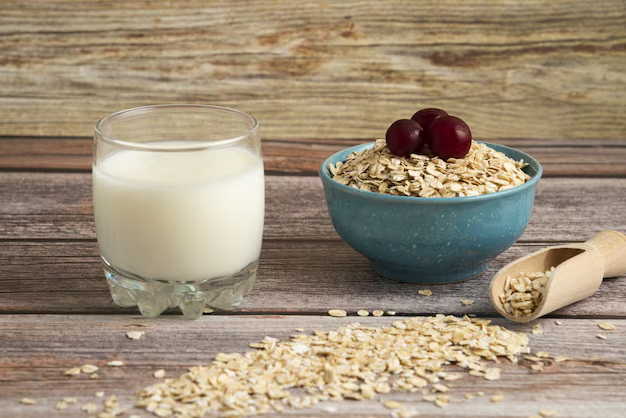
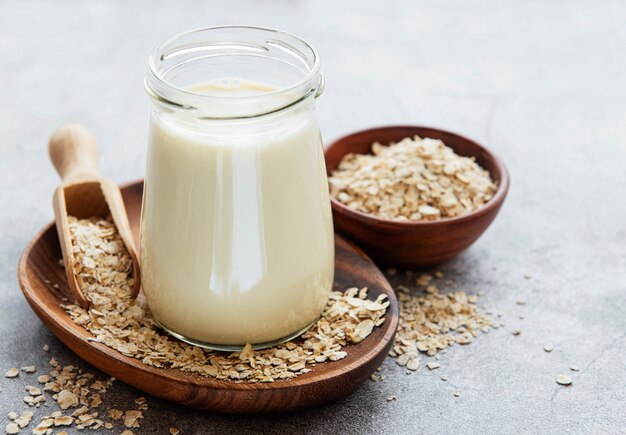
a glass of oatmeal milk with oatmeal grains on a wooden spoon

Heart Health

Oat milk is a heart-healthy choice due to its beta-glucan content.

  • Beta-Glucans: These are soluble fibers that form a gel-like substance in the gut.
  • Cholesterol Reduction: Beta-glucans help reduce LDL (“bad”) cholesterol by binding to it and removing it from the body. Regular consumption may lower the risk of heart disease.

Digestive Health

The fiber content in oat milk promotes a healthy digestive system.

  • Gut Health: Fiber aids in maintaining a balanced gut microbiome.
  • Bowel Regularity: It can prevent constipation by supporting regular bowel movements.

Bone Health

Oat milk supports bone health through its fortified nutrients.

  • Calcium: Essential for maintaining strong bones and preventing osteoporosis.
  • Vitamin D: Enhances calcium absorption and supports overall bone density.
    Fortified oat milk is particularly beneficial for individuals who avoid dairy products.

Potential Downsides of Oat Milk

Despite its benefits, oat milk is not without its drawbacks. Consumers should be aware of certain limitations.

Added Sugars

Some oat milk varieties contain added sugars, which can diminish its health benefits.

  • Health Risks: Excess sugar can lead to weight gain, increased blood sugar levels, and a higher risk of diabetes.
  • Tips: Opt for unsweetened versions to minimize sugar intake.

Gluten Contamination

Although oats are naturally gluten-free, cross-contamination can occur during processing.

Lower Protein Content

Oat milk contains less protein compared to cow’s milk and soy milk.

  • Impact on Satiety: Lower protein levels may not keep you feeling full for as long as other milk alternatives.
  • Considerations: For those needing higher protein intake, oat milk may not be the best choice.

Related to Read: Leftover Oatmeal Recipe

Environmental Impact of Oat Milk

Oat milk stands out as a more sustainable option compared to dairy and other plant-based milks. Its production requires fewer resources, making it a preferred choice for environmentally conscious consumers.

Comparison With Dairy Milk and Other Plant-Based Milks

  1. Water Usage:
    • Dairy milk production uses significantly more water than oat milk. Producing one liter of oat milk requires about 48 liters of water, while cow’s milk can use up to 628 liters.
    • Almond milk, another popular plant-based alternative, requires about 371 liters per liter due to the high water demand of almond farming.
  2. Land and Greenhouse Gas Emissions:
    • Dairy farming demands extensive land use and is a significant source of methane emissions.
    • Oat milk has a lower carbon footprint than dairy milk and plant-based milks like almond and soy. Oats are grown in cooler climates, requiring fewer pesticides and fertilizers, reducing emissions.

Sustainability Considerations for U.S. Consumers

In the U.S., many oat milk brands source oats from North American farms, reducing transportation emissions. Choosing brands that prioritize sustainable farming practices and recyclable packaging can further minimize environmental impact.

Who Should Consider Oat Milk?

Oat milk isn’t just a trendy beverage; it’s a practical choice for many people based on dietary and ethical considerations.

Individuals With Lactose Intolerance or Dairy Allergies

For those who cannot digest lactose or have a dairy allergy, oat milk offers a safe and tasty alternative. It’s naturally lactose-free and less likely to trigger allergic reactions compared to nut-based milks.

Vegans and Those Following Plant-Based Diets

As a completely plant-based product, oat milk fits seamlessly into vegan and vegetarian diets. It’s an ethical choice for individuals avoiding animal products.

People Seeking to Reduce Their Environmental Impact

If you’re looking to lower your carbon footprint, switching from dairy to oat milk is a significant step. Its minimal resource usage makes it one of the most sustainable milk options available.

How to Choose the Best Oat Milk

With so many oat milk brands on the market, it’s essential to select one that aligns with your health and dietary needs.

Opt for Unsweetened and Fortified Options

Read Labels for Additives and Preservatives

Some brands include thickeners, stabilizers, or oils, which may not suit everyone. Checking the ingredient list ensures you’re avoiding unnecessary additives.

Consider Certified Gluten-Free Products

If you have celiac disease or gluten sensitivity, choose oat milk labeled “certified gluten-free” to avoid cross-contamination during processing.

Related to Read: Monday Musings + Super Healthy Oatmeal Raisin Cookies

Making Oat Milk at Home

Making oat milk at home is simple, cost-effective, and gives you control over the ingredients.

Simple Recipe

Ingredients:

  • 1 cup rolled oats
  • 4 cups water
  • Optional: a pinch of salt, sweetener (like dates), or vanilla extract

Steps:

  1. Combine oats and water in a blender. Blend for 30–45 seconds.
  2. Strain the mixture using a fine-mesh strainer or cheesecloth.
  3. Pour the milk into a bottle and refrigerate. Shake well before use.

Advantages of Homemade Oat Milk

  • No Additives: You control exactly what goes into your milk.
  • Cost-Effective: Homemade oat milk is often cheaper than store-bought options.
  • Customizable: Adjust sweetness, thickness, and flavor to your liking.

Incorporating Oat Milk Into Your Diet

Oat milk is incredibly versatile and works well in a variety of dishes and beverages.

How to Use Oat Milk

  • Coffee and Tea: Its creamy texture makes it an excellent choice for lattes and cappuccinos.
  • Smoothies: Add it to your favorite smoothie for a boost of creaminess.
  • Cereal and Oatmeal: Pour it over cereal or use it to cook oatmeal for a double-oat breakfast.
  • Baking: Substitute oat milk for dairy milk in recipes like muffins, pancakes, and cakes.

Flavor Pairings

Oat milk’s neutral flavor pairs well with ingredients like:

  • Vanilla, cinnamon, and nutmeg for sweet dishes.
  • Spinach, kale, and parsley in savory smoothies.

Related to Read: Cream of Wheat Vs Oatmeal: The Differences Will Surprise You!

Conclusion

Oat milk is a nutritious, eco-friendly alternative to dairy milk that suits a wide range of dietary needs. Its creamy texture, health benefits, and minimal environmental impact make it a favorite among consumers. While it has some downsides, such as lower protein content and potential added sugars, these can be managed by choosing the right products or making it at home. Whether you’re vegan, lactose-intolerant, or simply looking to try something new, oat milk is worth considering.

FAQs

1. Is oat milk healthier than cow’s milk?

Oat milk is healthier for individuals who are lactose-intolerant or allergic to dairy. It’s also lower in saturated fat. However, cow’s milk has more protein, making it a better choice for muscle building and satiety.

2. Can I drink oat milk every day?

Yes, oat milk can be consumed daily as part of a balanced diet. Opt for unsweetened and fortified versions to maximize its benefits.

3. Is homemade oat milk better than store-bought?

Homemade oat milk allows you to control ingredients and avoid additives. However, store-bought versions often contain added nutrients like calcium and vitamin D.

4. Does oat milk work well in coffee?

Yes, oat milk’s creamy texture makes it an excellent choice for coffee. Many baristas prefer it for lattes and cappuccinos.

5. Is oat milk safe for children?

Oat milk can be a safe option for children, especially those with dairy allergies. Ensure the product is fortified to meet their nutritional needs.

Are Sesame Seeds Healthy? A Complete Guide

Sesame seeds are tiny but mighty when it comes to nutrition and versatility. These seeds have been used in global cuisines and traditional medicine for centuries. Whether sprinkled on top of dishes or ground into a flavorful paste, sesame seeds offer remarkable health benefits. But are sesame seeds healthy? This article delves into their nutritional profile, potential health benefits, and best ways to enjoy them while staying mindful of possible side effects.

Sesame Seeds Nutrition: A Nutritional Powerhouse

Sesame seeds pack a powerful nutritional punch in a small package. They are rich in essential nutrients, making them a valuable addition to any diet. These seeds provide a balanced mix of macronutrients and vital micronutrients.

Sesame Seeds’ Macronutrient Profile

Sesame seeds are calorie-dense and nutrient-rich. They contain healthy fats, plant-based protein, and carbohydrates. Here’s a breakdown of their macronutrient composition:

  • Calories: A tablespoon contains approximately 52 calories.
  • Protein: They are an excellent plant-based protein source, with around 1.6 grams per tablespoon.
  • Fats: Rich in healthy unsaturated fats, including omega-6 fatty acids.
  • Carbohydrates: They contain a small amount of carbohydrates, mainly fiber.

Sesame Seeds Protein Content: A Plant-Based Protein Source

For vegetarians and vegans, sesame seeds offer a valuable source of protein. They also contain essential amino acids like methionine and tryptophan, which support muscle repair and overall health. Incorporating sesame seeds into your meals can help meet your daily protein needs without relying on animal products.

Are Sesame Seeds Good for Weight Loss?

Sesame seeds can aid weight loss due to their high fiber content. Fiber helps you feel full longer, reducing the urge to snack unnecessarily. Additionally, the healthy fats in sesame seeds can curb cravings and provide sustained energy throughout the day.

Related to Read: Are Chia Seeds Healthy? Exploring Their Benefits

Health Benefits of Sesame Seeds

Sesame seeds are tiny, nutty-flavored seeds with a wealth of nutrients packed into their small size. They have been cultivated for thousands of years and are prized in both culinary and medicinal contexts worldwide. These seeds are rich in essential nutrients, antioxidants, and compounds that contribute to overall health. Here’s a detailed look at the numerous health benefits sesame seeds offer.

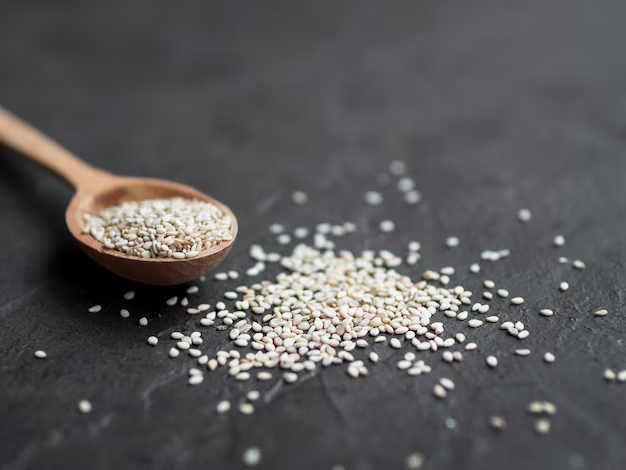
sesame seeds in a small bowl and wooden spoon

1. Rich Source of Essential Nutrients

Sesame seeds are a nutritional powerhouse. They provide a variety of vitamins and minerals essential for maintaining good health.

  • Calcium: Promotes strong bones and teeth.
  • Magnesium: Supports muscle and nerve function.
  • Iron: Aids in oxygen transport and energy production.
  • Vitamin B Complex: Improves brain health and energy metabolism.

2. Heart Health

The healthy fats in sesame seeds, especially polyunsaturated fatty acids (PUFAs), contribute to cardiovascular well-being.

  • Lower LDL Cholesterol: Sesame seeds contain lignans and phytosterols, which can reduce levels of “bad” LDL cholesterol.
  • Rich in Antioxidants: Compounds like sesamin and sesamol protect the heart by reducing oxidative stress.
  • Control Blood Pressure: The magnesium in sesame seeds helps lower blood pressure naturally.

3. Bone Strength

Sesame seeds are an excellent source of calcium, magnesium, and phosphorus, all of which are crucial for maintaining healthy bones.

  • Beneficial for preventing osteoporosis, especially in postmenopausal women.
  • Regular consumption supports bone density and reduces the risk of fractures.

4. Improved Digestion

The high fiber content in sesame seeds aids digestion and promotes gut health.

  • Relieves Constipation: Fiber improves bowel regularity.
  • Supports a Healthy Gut Microbiome: Encourages the growth of beneficial bacteria in the digestive system.

5. Boosts Immune Function

Sesame seeds contain zinc and selenium, which are essential for maintaining a strong immune system.

  • Helps the body fight infections.
  • Promotes the production of immune cells.

6. Benefits for Skin and Hair

Sesame seeds are a natural beauty booster thanks to their nutrient content.

  • Healthy Skin: Vitamin E and antioxidants protect skin from aging and damage caused by free radicals.
  • Hair Growth: The nutrients in sesame seeds, particularly iron and zinc, strengthen hair follicles and encourage growth.

7. Blood Sugar Control

Sesame seeds have a low glycemic index, making them a suitable choice for individuals with diabetes.

  • Magnesium and lignans help regulate blood sugar levels.
  • Can improve insulin sensitivity over time.

8. Anti-Inflammatory Properties

Sesame seeds contain sesamin, a lignan with anti-inflammatory effects.

  • Helps reduce chronic inflammation linked to conditions like arthritis and cardiovascular diseases.
  • Can alleviate joint pain and improve mobility in those with inflammatory disorders.

9. Hormonal Balance

Sesame seeds are rich in phytoestrogens, plant-based compounds that mimic estrogen in the body.

  • Beneficial for women during menopause as they may help regulate hormonal fluctuations.
  • Supports overall reproductive health.

10. Mental Well-Being

Nutrients in sesame seeds contribute to improved brain function and mental health.

  • Tryptophan: An amino acid in sesame seeds helps produce serotonin, which enhances mood and promotes relaxation.
  • Thiamine and Niacin: Improve nerve function and reduce stress.

11. Weight Management

Despite being calorie-dense, sesame seeds can aid in weight management when consumed in moderation.

  • High fiber content keeps you full for longer and reduces overeating.
  • Healthy fats provide sustained energy and curb cravings.

12. Supports Detoxification

Sesame seeds help detoxify the body by supporting liver health.

  • Rich in antioxidants that help flush toxins.
  • Sesamin promotes liver function and protects it from oxidative damage.

Related to Read: Are Sunflower Seeds Healthy? Exploring Their Nutritional Benefits

How to Eat Sesame Seeds

Sesame seeds are incredibly versatile and easy to incorporate into meals. Their nutty flavor and crunchy texture make them a popular choice for a wide range of dishes.

sesame seeds on a wooden spoon

Ways to Incorporate Sesame Seeds Into Your Diet

  1. Toppings: Sprinkle toasted sesame seeds on salads, soups, or rice dishes for added texture and flavor.
  2. Smoothies: Blend sesame seeds into your smoothies for a boost of nutrients and a nutty taste.
  3. Tahini: Use sesame seed paste (tahini) in dressings, dips, or as a spread for bread and vegetables.
  4. Sesame Oil: Drizzle sesame oil over stir-fried vegetables or use it as a marinade for an aromatic kick.

Tips for Maximizing Nutrient Absorption

  • Toast the Seeds: Lightly toasting sesame seeds enhances their flavor and makes it easier for the body to absorb their nutrients.
  • Grind Them: Grinding the seeds into a paste or powder improves digestibility.
  • Combine with Vitamin C-Rich Foods: Pair sesame seeds with fruits or vegetables high in vitamin C to enhance iron absorption.

Side Effects of Sesame Seeds

While sesame seeds are generally safe, they may cause side effects in certain individuals. Being aware of these potential issues is important.

Possible Allergic Reactions and Sensitivities

Sesame seeds are a common allergen. Symptoms of an allergic reaction may include:

  • Skin rash or hives
  • Difficulty breathing
  • Stomach upset or diarrhea

If you suspect an allergy, consult a healthcare provider before consuming sesame seeds.

Moderation Advice Due to High-Calorie Density

Despite their health benefits, sesame seeds are calorie-dense. Overeating can lead to unwanted weight gain. A tablespoon or two per day is usually sufficient for most people.

Sesame Seeds and Specific Health Goals

Sesame seeds can support specific health goals, from managing blood sugar levels to improving bone health.

Are Sesame Seeds Good for You If You Have Diabetes?

Sesame seeds may help stabilize blood sugar levels. They have a low glycemic index, meaning they cause a slower rise in blood sugar compared to high-carb foods. Additionally, magnesium in sesame seeds plays a role in improving insulin sensitivity.

Sesame Seeds for Bone Health: Calcium and Magnesium Benefits

Sesame seeds are rich in calcium and magnesium, two minerals essential for strong bones. A tablespoon of sesame seeds provides about 9% of the daily recommended calcium intake. Regular consumption may reduce the risk of osteoporosis, especially in postmenopausal women.

FAQs About Sesame Seeds

1. Are sesame seeds good for weight loss?

Yes, they support weight loss due to their fiber and healthy fat content, which help control hunger and cravings.

2. Can you eat sesame seeds every day?

Yes, but moderation is key. Around 1–2 tablespoons daily is sufficient for most people.

3. Are sesame seeds good for cholesterol?

Yes, they contain lignans and phytosterols, which help reduce LDL (bad cholesterol) levels.

4. Do sesame seeds have any side effects?

Possible side effects include allergic reactions and weight gain if consumed in excess.

Conclusion

Sesame seeds are undeniably healthy. They are rich in nutrients, versatile in cooking, and provide numerous health benefits. From improving heart and bone health to aiding weight management, sesame seeds can be a valuable addition to your diet. Just remember to enjoy them in moderation to avoid potential side effects. So, sprinkle some sesame seeds on your meals and reap their incredible health benefits!

Are Scallops Healthy? Exploring Their Nutritional Benefits

Scallops are a popular seafood choice, prized for their delicate flavor and versatility in cooking. These small, tender mollusks are not just delicious; they pack a significant nutritional punch. But how healthy are scallops, really? This article explores the nutritional profile, health benefits, and potential risks of consuming scallops to help you make an informed decision.

Nutritional Profile of Scallops

Scallops boast an impressive nutritional profile, making them a valuable addition to a balanced diet. Let’s dive into their macronutrient composition, vitamins, minerals, and beneficial fats.

Macronutrient Composition

Scallops are low in calories yet rich in essential nutrients.

  • High-Quality Protein Content
    Scallops are an excellent source of lean protein. A 3-ounce serving contains about 20 grams of protein, helping to build and repair tissues.
  • Low in Fats and Carbohydrates
    With less than 1 gram of fat and negligible carbohydrates per serving, scallops are ideal for those watching their calorie intake or following low-carb diets.

Vitamins and Minerals

Scallops are nutrient-dense, offering several vital vitamins and minerals.

  • Vitamin B12
    Scallops are rich in Vitamin B12, essential for red blood cell production and neurological health.
  • Magnesium and Potassium
    Both minerals are vital for maintaining proper muscle function and regulating blood pressure.

Omega-3 Fatty Acids

Scallops provide omega-3 fatty acids, which support heart and brain health. These essential fats help reduce inflammation and lower the risk of chronic diseases.

Related to Read: Seafood Stuffing Recipe

Health Benefits of Eating Scallops

Incorporating scallops into your diet can lead to numerous health benefits, thanks to their rich nutrient content.

scallops in a plate

Supports Heart Health

Scallops contribute significantly to cardiovascular well-being.

Aids in Weight Management

Scallops are perfect for those seeking weight control or muscle maintenance.

  • Lean Protein
    The high protein content in scallops promotes a feeling of fullness, curbing unnecessary snacking. Additionally, protein supports muscle growth and repair, aiding in weight management.

Enhances Cognitive Function

The nutrients in scallops play a role in keeping your brain sharp.

  • Vitamin B12
    This vitamin is crucial for brain health. It supports nerve function and may reduce the risk of cognitive decline with age.

Provides Antioxidant Protection

Scallops contain antioxidants that fight oxidative stress.

  • Cellular Damage Prevention
    Antioxidants protect cells from free radicals, potentially reducing the risk of chronic diseases like cancer.

Potential Risks and Considerations

While scallops are packed with nutrients, there are a few risks to be aware of when consuming them.

Allergic Reactions

Shellfish allergies are common and can lead to severe symptoms.

  • Symptoms to Watch For
    These include itching, swelling, difficulty breathing, and, in severe cases, anaphylaxis. Anyone with a known shellfish allergy should avoid scallops.

Purine Content

Purines in scallops can be problematic for some individuals.

  • Risk for Gout and Kidney Stones
    Purines break down into uric acid, which may trigger gout attacks or kidney stone formation in susceptible individuals.

Heavy Metal Contamination

Scallops can contain trace amounts of heavy metals like mercury and cadmium.

  • Importance of Sourcing
    Opt for scallops sourced from reputable suppliers to minimize exposure to these harmful substances.

Diarrhetic Shellfish Poisoning

Consuming scallops from contaminated waters poses health risks.

  • Proper Sourcing Matters
    Always ensure scallops are harvested from safe and regulated waters to avoid toxins How to Select and Prepare Scallops: A Comprehensive Guide

Scallops are a delicious and nutritious seafood choice that can elevate any meal. To fully enjoy their health benefits, it’s important to know how to select, store, and prepare them properly. This guide provides practical tips on purchasing, handling, and cooking scallops, compares them with other seafood, and discusses their role in a balanced diet.

Related to Read: Are Mushrooms Healthy?

How to Select and Prepare Scallops

Scallops are a delicious and nutritious seafood choice that can elevate any meal. To fully enjoy their health benefits, it’s important to know how to select, store, and prepare them properly. This guide provides practical tips on purchasing, handling, and cooking scallops, compares them with other seafood, and discusses their role in a balanced diet.

Purchasing Tips

Selecting fresh, high-quality scallops is the first step to enjoying their taste and nutritional benefits.

  • Choosing Fresh Scallops
    Look for scallops with a firm texture and a mild, fresh ocean scent. Avoid scallops with a fishy or sour odor, as this indicates spoilage. Fresh scallops are typically off-white or slightly pink in color, with no signs of browning.
  • Opting for Dry-Packed Scallops
    Choose dry-packed scallops over wet-packed ones. Dry-packed scallops are untreated and retain their natural flavor and texture, while wet-packed scallops are soaked in a solution that can affect their taste.

Storage Guidelines

Proper storage ensures scallops remain fresh and safe to eat.

  • Refrigeration
    Store fresh scallops in the refrigerator at a temperature below 40°F (4°C). Place them in an airtight container on a bed of ice to keep them cool. Use them within 1-2 days of purchase.
  • Freezing
    If you’re not cooking them right away, freeze scallops in a vacuum-sealed bag or airtight container. Frozen scallops can be stored for up to three months. Thaw them in the refrigerator overnight before use.

Preparation Methods

Healthy cooking techniques bring out the best in scallops while preserving their nutritional value.

  • Healthy Cooking Techniques
    Steaming, grilling, and baking are excellent methods to cook scallops without adding unnecessary fats. These techniques retain their natural sweetness and delicate texture.
  • Limit Heavy Ingredients
    Avoid using excessive butter, cream, or oil. Instead, season scallops with herbs, lemon juice, or a light drizzle of olive oil for a healthier option.
  • Quick Cooking
    Scallops cook quickly, usually in 2-3 minutes per side. Overcooking can make them rubbery and less enjoyable.

Comparisons with Other Seafood

How do scallops stack up against other popular seafood choices? Let’s compare.

top view of scallops

Scallops vs. Shrimp

  • Nutritional Profile
    Both scallops and shrimp are low in calories and high in protein. However, scallops contain more omega-3 fatty acids, which support heart health, while shrimp have slightly higher cholesterol levels.
  • Culinary Versatility
    Both are versatile in recipes, but scallops offer a sweeter, more delicate flavor compared to the savory taste of shrimp.

Scallops vs. Oysters

  • Health Benefits
    Oysters are richer in zinc, which supports immune function, while scallops provide more magnesium and potassium for heart health. Both are excellent sources of vitamin B12.
  • Flavor and Texture
    Scallops have a firmer texture and a sweeter taste, while oysters are softer with a brinier flavor.

Incorporating Scallops into a Balanced Diet

Scallops can be a valuable part of a healthy diet when eaten in moderation and paired with nutritious sides.

Serving Sizes and Frequency

  • Portion Recommendations
    A 3-ounce serving of scallops is sufficient for most people. This provides around 100 calories and 20 grams of protein.
  • Frequency
    It’s safe to consume scallops 1-2 times per week as part of a varied seafood intake.

Complementary Foods

  • Balanced Pairings
    Pair scallops with fiber-rich vegetables like asparagus, broccoli, or spinach. Add a serving of whole grains like quinoa, brown rice, or farro for a complete meal.
  • Healthy Sauces
    Use light sauces made from lemon, garlic, or olive oil to enhance their flavor without adding excessive calories.

Conclusion

Scallops are a nutrient-packed seafood option with numerous health benefits. Their high-quality protein, omega-3 fatty acids, and essential vitamins make them a great addition to a balanced diet. By selecting fresh scallops, storing them correctly, and using healthy cooking methods, you can maximize their flavor and nutritional value. Enjoy scallops in moderation alongside other healthy foods to support your overall well-being.

FAQs

1. How can I tell if scallops are fresh?

Fresh scallops have a mild ocean scent and a firm, moist texture. Avoid scallops with a strong fishy odor, discoloration, or sliminess.

2. Are frozen scallops as nutritious as fresh ones?

Yes, frozen scallops retain most of their nutritional value if properly frozen. They are a convenient option when fresh scallops are not available.

3. Can scallops be part of a weight-loss diet?

Absolutely. Scallops are low in calories and high in lean protein, which can help you feel full and support muscle maintenance during weight loss.

4. What’s the best way to thaw frozen scallops?

Thaw frozen scallops in the refrigerator overnight. For quicker thawing, place them in a sealed plastic bag and submerge them in cold water.

5. How do scallops compare to other seafood in terms of sustainability?

Scallops are generally considered a sustainable seafood choice, especially when sourced from responsibly managed fisheries. Look for certifications like MSC (Marine Stewardship Council) when purchasing.

Is Sparkling Water Healthy? A Comprehensive Guide

Sparkling water has become a favorite beverage for many in the U.S., thanks to its fizzy, refreshing nature. But its rising popularity has also sparked debates about its health effects. From hydration to dental and digestive health, many wonder: is sparkling water healthy? Let’s dive into the science behind this effervescent drink.

What Is Sparkling Water?

Sparkling water is water infused with carbon dioxide gas under pressure, giving it a bubbly texture. It comes in various forms, each with unique properties.

Types of Sparkling Water

  • Seltzer: Plain carbonated water without added minerals.
  • Club Soda: Similar to seltzer but includes added minerals like sodium bicarbonate or potassium sulfate.
  • Mineral Water: Naturally carbonated water sourced from mineral springs, often containing trace minerals.
  • Tonic Water: Carbonated water with quinine and added sugars, commonly used in cocktails.

The Carbonation Process

Carbonation occurs when carbon dioxide is dissolved in water under high pressure. This process creates bubbles and a slightly acidic taste due to the formation of carbonic acid. While it enhances flavor, this acidity often raises concerns about health effects.

Hydration Benefits of Sparkling Water

Hydration is essential for overall health, and sparkling water can be a great way to stay hydrated. But how does it compare to regular water?

Hydration Levels

Studies show that sparkling water hydrates just as effectively as still water. The carbonation does not impact the body’s ability to absorb fluids.

Myths About Carbonation and Dehydration

There is a common misconception that carbonation leads to dehydration. This is untrue—carbonated water is just as hydrating as plain water. However, excessive intake of sugary or caffeinated carbonated beverages can have diuretic effects.

Why Choose Sparkling Water?

For people who find plain water unappealing, sparkling water offers an enjoyable alternative. Its fizz can make staying hydrated easier and more fun.

Related to Read: Is Sparkling Ice Good for You? Know these 9 Truth Before Drink

Impact on Dental Health

Dental health is a major concern when it comes to sparkling water. Its acidity often raises questions about potential harm to teeth.

Acidity Levels in Sparkling Water

Plain sparkling water is slightly acidic, with a pH ranging from 3 to 4. This acidity comes from carbonic acid formed during carbonation. While this level of acidity is mild, it can still contribute to enamel erosion over time.

Effects on Tooth Enamel

  • Plain Sparkling Water: Minimal impact on enamel if consumed in moderation.
  • Flavored Sparkling Water: Often contains added sugars or citric acid, which can significantly increase acidity and the risk of tooth decay.

Preventive Measures

  • Use a straw to minimize contact with teeth.
  • Rinse your mouth with plain water after drinking.
  • Avoid brushing your teeth immediately after consuming sparkling water, as softened enamel can be more prone to damage.

Digestive Health Considerations

The carbonation in sparkling water can influence digestion in both positive and negative ways. Let’s explore its effects on the gut.

How Carbonation Affects Digestion

The bubbles in sparkling water can stimulate the release of gastric juices, aiding digestion. This can be especially beneficial after a heavy meal.

Benefits for Constipation

Research suggests that sparkling water may help alleviate constipation by improving bowel movement frequency. This makes it a potential remedy for individuals with mild digestive issues.

Possible Drawbacks

While it has benefits, carbonation can also cause:

  • Bloating: The gas from carbonation can lead to a feeling of fullness.
  • Excess Gas: Some people may experience burping or flatulence after consuming sparkling water.

Related to Read: Does Sprite Contain Aspartame? An In-Depth Guide

Bone Health and Carbonated Beverages

Concerns about carbonation weakening bones have been widely debated. However, the science paints a clearer picture.

Debunking the Bone Density Myth

A long-standing myth suggests that carbonation leaches calcium from bones, leading to osteoporosis. However, studies indicate no link between sparkling water and bone density loss. This misconception likely stems from research on cola beverages, which contain phosphoric acid, not carbonation itself.

Cola vs. Non-Cola Drinks

  • Cola Drinks: High phosphoric acid levels in colas may disrupt calcium absorption and contribute to bone density issues.
  • Non-Cola Carbonated Beverages: Sparkling water lacks phosphoric acid, making it a safe choice for bone health.

Weight Management and Appetite

Sparkling water can play a role in supporting weight management by promoting a sense of fullness and reducing calorie consumption.

Role in Promoting Satiety

The bubbles in sparkling water can create a feeling of fullness. This effect may reduce the urge to snack between meals, making it a helpful addition to weight management plans. Drinking a glass before meals may also help control portion sizes by curbing appetite.

Comparison with Sugary Sodas

Unlike sugary sodas, which are packed with empty calories, plain sparkling water has zero calories. Opting for sparkling water over sugary beverages can significantly reduce daily calorie intake. For example, replacing a 12-ounce soda (containing about 140 calories) with sparkling water can result in a notable calorie deficit over time.

Additives and Artificial Sweeteners

Flavored sparkling waters often contain additives or artificial sweeteners. While these can enhance taste, they may raise some health concerns.

Common Additives in Flavored Sparkling Waters

  • Artificial Sweeteners: Found in “diet” or “zero-calorie” versions, sweeteners like aspartame or sucralose can affect taste without adding calories.
  • Natural Flavorings: Derived from fruits or herbs, these provide flavor but may sometimes include hidden sugars.
  • Preservatives: Ingredients like potassium sorbate may extend shelf life but are generally safe in small amounts.

Health Implications

  • Artificial Sweeteners: While generally recognized as safe, excessive consumption of artificial sweeteners may impact gut health or lead to a preference for sweeter tastes over time.
  • Sugars: Added sugars in some flavored sparkling waters can contribute to weight gain, blood sugar spikes, and increased risk of metabolic disorders.

When choosing sparkling water, read labels carefully to avoid unnecessary additives.

carbonated water in a glass with ice cubes

Environmental and Lifestyle Factors

While sparkling water is a delightful drink, its environmental impact is worth considering.

Environmental Impact of Bottled Sparkling Water

The production and transportation of bottled sparkling water leave a significant carbon footprint. Additionally, single-use plastic bottles contribute to pollution. Recycling can help, but not all bottles make it to recycling facilities.

Home Carbonation Systems

Home carbonation systems, like SodaStream, provide a sustainable alternative. These systems reduce plastic waste and transportation emissions. Plus, they allow you to control the ingredients in your sparkling water, ensuring a healthier choice.

Lifestyle Considerations

Sparkling water can be a great substitute for unhealthy beverages. Whether you’re hosting a party or looking for a mid-day refreshment, it offers a versatile, low-calorie option for any lifestyle.

Recommendations for Consumption

When incorporating sparkling water into your diet, it’s essential to make informed choices that prioritize health and sustainability.

Guidelines for Healthier Choices

  • Choose Plain Varieties: Opt for plain sparkling water without added sugars or artificial sweeteners.
  • Read Labels: Look for products with minimal additives and avoid those with high sugar content.
  • Limit Flavored Options: If you enjoy flavored sparkling water, consume it occasionally and brush your teeth afterward to prevent enamel damage.

Tips for Moderation

  • Stick to 1–2 servings daily to avoid potential bloating or discomfort.
  • Balance your intake with plain still water for optimal hydration.
  • Use sparkling water as a treat rather than your sole hydration source.

Related to Read: Does Sprite Contain Sugar? A Complete Detail

Conclusion

Sparkling water is a refreshing, low-calorie beverage that offers several benefits, from hydration to aiding digestion. While concerns about dental health and additives exist, these can be managed with informed choices and moderation. Whether you’re looking to replace sugary drinks or add variety to your hydration routine, sparkling water can be a healthy addition to your diet. So, is sparkling water healthy? Absolutely—just sip smartly!

FAQs

1. Does sparkling water cause bloating?

Yes, the carbonation in sparkling water can cause bloating or gas in some individuals. If you’re prone to these issues, limit your intake or sip it slowly.

2. Is flavored sparkling water bad for you?

Flavored sparkling water can be healthy if it doesn’t contain added sugars or harmful additives. Always check the label for ingredients and avoid overly sweetened options.

3. Can sparkling water damage your teeth?

Plain sparkling water has minimal impact on teeth. However, flavored versions with added sugars or citric acid can erode enamel over time. Using a straw and rinsing with water can help protect your teeth.

4. Is sparkling water better than soda?

Yes, plain sparkling water is a healthier alternative to soda. It has no sugar, fewer calories, and doesn’t contain harmful additives like phosphoric acid.

5. Can I drink sparkling water every day?

Yes, you can enjoy sparkling water daily. Just ensure you choose plain varieties and balance it with regular still water for a well-rounded hydration routine.

Is Kefir Healthy? Exploring Its Nutritional Profile

Kefir has gained significant attention in the health and wellness world, and for good reason. But the question remains—is kefir healthy? This tangy, fermented drink, often compared to yogurt, boasts a robust nutritional profile and a myriad of health benefits. Its popularity stems from its rich probiotic content, which promotes gut health and overall well-being. Kefir is available in various forms, from milk kefir to water kefir, each offering unique benefits. Packed with protein, calcium, and essential vitamins, kefir is a powerful addition to any diet. Let’s explore why this fermented powerhouse is gaining momentum as a staple in health-conscious households.

What Is Kefir?

Kefir is a fermented beverage made by culturing milk or water with kefir grains. These grains are a combination of bacteria and yeast that transform the liquid into a probiotic-rich drink.

Types of Kefir

  • Milk Kefir: Made from cow, goat, or sheep milk, it has a creamy texture and tangy taste. It’s rich in protein and calcium.
  • Water Kefir: Made using water, sugar, and kefir grains, it offers a lighter, slightly fizzy option. It’s ideal for those avoiding dairy.

Both types provide gut-friendly probiotics, but their nutrient profiles differ. Milk kefir is protein-packed, while water kefir caters to those seeking a vegan-friendly option.

Nutritional Profile of Kefir

Kefir stands out as a nutrient-dense food, offering an impressive mix of macronutrients, micronutrients, and probiotics.

Macronutrients

A typical serving of milk kefir (1 cup or 240 ml) contains:

  • Calories: Around 100–150, depending on the milk used.
  • Protein: 6–8 grams, supporting muscle repair and growth.
  • Carbs: 7–12 grams, primarily from natural lactose.
  • Fat: 2–6 grams, depending on fat content (low-fat vs. full-fat versions).

Micronutrients

Kefir is a rich source of:

  • Calcium: Essential for strong bones and teeth.
  • Vitamin D: Supports bone health and immune function.
  • B Vitamins: Such as B12 and riboflavin, which boost energy metabolism.
  • Magnesium: Important for muscle and nerve function.

Probiotics and Their Role

Kefir is teeming with live probiotics, such as Lactobacillus and Bifidobacterium strains. These beneficial bacteria:

  • Aid digestion.
  • Enhance nutrient absorption.
  • Strengthen the gut lining.

Health Benefits of Kefir

Kefir and Gut Health

Probiotics in kefir play a critical role in maintaining a healthy gut microbiome. They:

  • Promote digestion by breaking down complex nutrients.
  • Relieve symptoms of irritable bowel syndrome (IBS), such as bloating and gas.
  • Combat harmful bacteria and prevent infections.

Regular consumption of kefir can create a balanced gut environment, essential for overall health.

Kefir for Immunity

Kefir is a potent immunity booster. Its probiotics and nutrients work together to strengthen your body’s defenses:

  • Probiotics: Enhance the production of immune cells and reduce inflammation.
  • Vitamins: Vitamin D and B12 support the immune response, making it easier to fight off infections.

Incorporating kefir into your daily routine can provide long-term immunity benefits.

Kefir and Bone Health

Bone health relies on key nutrients, and kefir delivers them in abundance:

  • Calcium: Vital for bone density.
  • Vitamin D: Helps the body absorb calcium effectively.
  • Phosphorus: Supports the structural integrity of bones.

These nutrients collectively make kefir a powerful ally against osteoporosis and bone fractures.

Kefir for Weight Management

Kefir can aid in weight management by:

  • Keeping you full due to its protein content, which curbs overeating.
  • Supporting metabolism through probiotics, which optimize digestion and nutrient usage.

Whether your goal is weight loss or maintenance, kefir fits seamlessly into a balanced diet.

Kefir and Skin Health

Gut health and skin health are deeply connected, a phenomenon known as the gut-skin axis. Kefir’s probiotics:

  • Reduce skin inflammation and conditions like acne.
  • Support the repair of the skin barrier, enhancing hydration.

By improving gut health, kefir indirectly contributes to clearer, healthier skin.

Kefir and Heart Health

Kefir can play a role in promoting cardiovascular health through several mechanisms:

  • Cholesterol Reduction: Probiotics in kefir may help reduce LDL (bad cholesterol) levels while increasing HDL (good cholesterol).
  • Blood Pressure Regulation: Kefir contains bioactive peptides that can help relax blood vessels and improve circulation.
  • Anti-inflammatory Effects: Chronic inflammation is a key contributor to heart disease. Kefir’s probiotics and antioxidants help reduce inflammation in the body.

Incorporating kefir into your diet can be a step towards maintaining a healthy heart.

Related to Read: Is Yogurt Good for Acid Reflux? A Complete Guide

How to Add Kefir to Your Diet

Adding kefir to your daily routine is simple and versatile. Here are some easy ways to enjoy it:

a jug full of kefir

Drink It Plain

Kefir can be consumed on its own as a refreshing drink. Choose between plain or flavored options, but opt for unsweetened varieties for maximum health benefits.

Blend It in Smoothies

Kefir makes a creamy base for smoothies. Combine it with fruits, greens, and a touch of honey for a nutritious treat.

Use It in Recipes

  • Salad Dressings: Replace mayonnaise or sour cream with kefir for a tangy twist.
  • Baking: Use kefir instead of buttermilk in pancakes, muffins, or bread.
  • Soups: Stir kefir into chilled soups like gazpacho for added creaminess.

Who Should Avoid Kefir?

While kefir offers numerous health benefits, it may not be suitable for everyone:

  • Lactose Intolerance: Though kefir has less lactose than regular milk, some individuals may still experience discomfort.
  • Allergies: Those allergic to dairy or yeast should avoid milk kefir.
  • High Sugar Content: Some flavored kefir products contain added sugars, which can counteract the health benefits.

Always consult with a healthcare professional before making significant dietary changes.

How to Choose the Right Kefir

Selecting the right kefir product is crucial for reaping its benefits. Keep these tips in mind:

  • Check Labels: Look for unsweetened, organic options with live and active cultures.
  • Examine Ingredients: Avoid products with added sugars, artificial flavors, or preservatives.
  • Milk vs. Water Kefir: Choose based on your dietary preferences and needs (e.g., vegan or lactose-free).

Homemade kefir is also an option for those who prefer full control over the ingredients.

Potential Side Effects of Kefir

While kefir is a health-promoting beverage, it may not suit everyone. Understanding its potential side effects can help you consume it wisely.

Lactose Intolerance Considerations

Kefir contains less lactose than milk due to fermentation, making it easier to digest for many. However, individuals with severe lactose intolerance might still experience discomfort such as bloating or gas. For these cases:

  • Opt for water kefir, which is entirely lactose-free.
  • Start with small amounts to assess tolerance.

Overconsumption and Digestive Issues

Drinking excessive amounts of kefir can lead to temporary digestive discomfort, including:

  • Diarrhea: High probiotic content may overwhelm your gut.
  • Bloating: Especially for those new to fermented foods.

It’s best to start with a half-cup per day and gradually increase as your body adjusts.

Allergies or Sensitivities

Kefir contains yeast and dairy, which can trigger allergic reactions in sensitive individuals. Symptoms to watch for include:

  • Itching or swelling.
  • Stomach upset.
  • Breathing difficulties in severe cases.

Consult a healthcare provider if you suspect an allergy.

How to Incorporate Kefir Into Your Diet

Adding kefir to your routine is simple and versatile. Whether you’re a first-timer or an experienced enthusiast, here’s how to make the most of it.

a jar full of kefir

Best Ways to Consume Kefir

  1. As a Standalone Drink: Sip plain kefir as a refreshing, nutritious beverage.
  2. In Smoothies: Blend kefir with fruits, spinach, and a drizzle of honey for a creamy smoothie.
  3. Breakfast Bowls: Pour kefir over granola or oats, topped with fresh fruits and nuts.

Tips for First-Time Kefir Drinkers

  • Start Small: Begin with a half-cup to avoid digestive discomfort.
  • Choose Unsweetened Varieties: They offer maximum health benefits without added sugar.
  • Experiment: Try flavored options if plain kefir is too tangy for your taste.

Creative Recipes Using Kefir

  • Salad Dressing: Mix kefir with olive oil, lemon juice, and herbs.
  • Baked Goods: Use kefir as a substitute for buttermilk in pancakes or muffins.
  • Chilled Soups: Add kefir to cold soups like cucumber or beet gazpacho for a creamy texture.

Kefir vs. Other Fermented Foods

How does kefir compare to other popular fermented foods like yogurt and kombucha? Let’s dive into the details.

Kefir vs. Yogurt

  • Probiotic Content: Kefir contains a broader range of probiotics, including yeast strains.
  • Texture: Kefir is thinner and drinkable, while yogurt is spoonable.
  • Lactose Digestion: Kefir is more suitable for individuals with mild lactose intolerance.

Kefir vs. Kombucha

  • Base Ingredient: Kefir is dairy- or water-based, while kombucha is made from tea and sugar.
  • Probiotic Variety: Kefir offers more diverse probiotics compared to kombucha.
  • Taste: Kombucha is fizzy and tangy, while kefir is creamy or lightly fizzy (in the case of water kefir).

Key Nutritional Differences

FeatureKefirYogurtKombucha
ProbioticsHigh varietyModerateModerate
ProteinHigh (milk kefir)HighLow
Sugar ContentVaries (unsweetened preferred)Low (plain yogurt)Moderate

Frequently Asked Questions (FAQs)

1. Is Kefir Good for You Every Day?

Yes, you can drink kefir daily. Regular consumption promotes gut health, boosts immunity, and supports digestion. If you’re new to kefir, start with small portions and gradually increase to avoid potential side effects.

2. Can You Drink Kefir if You’re Lactose Intolerant?

Many people with lactose intolerance can tolerate kefir due to its low lactose content. Fermentation breaks down most of the lactose, making it easier to digest. Alternatively, opt for water kefir if you’re highly sensitive.

3. What’s the Best Time to Drink Kefir?

The best time to drink kefir is:

  • Morning: To start your day with probiotics and energy.
  • After Meals: Aids digestion and nutrient absorption.

Experiment with timing to find what works best for your body.

4. Is Store-Bought Kefir as Healthy as Homemade?

Both options are nutritious, but homemade kefir allows you to control ingredients and avoid added sugars or preservatives. Store-bought kefir is convenient but choose unsweetened varieties with live cultures for maximum benefits.

5. Does Kefir Help with Bloating or Gas?

Yes, kefir can alleviate bloating and gas by promoting a healthy gut microbiome. However, overconsumption or intolerance can lead to temporary discomfort.

Conclusion

So, is kefir healthy? Absolutely. With its impressive nutritional profile, rich probiotic content, and numerous health benefits, kefir is a versatile superfood that can enhance gut health, immunity, weight management, and more. Whether you prefer the creaminess of milk kefir or the lightness of water kefir, this fermented drink can easily fit into your daily routine. Start small, explore recipes, and discover the positive changes kefir can bring to your health journey.

Are Blackberries Healthy? A Comprehensive Look

Blackberries are a beloved fruit, cherished for their sweet-tart flavor and versatility in recipes. Popular across the United States, they are not just delicious but also packed with nutrients. Rich in vitamins, minerals, and antioxidants, blackberries are a powerhouse of health benefits. But are blackberries healthy enough to make a regular part of your diet? This article delves into their nutritional profile and explores the many ways they contribute to overall well-being.

Nutritional Profile of Blackberries

Blackberries are low in calories but high in essential nutrients, making them an excellent choice for a healthy diet.

Macronutrients

Blackberries are primarily composed of carbohydrates, with about 14 grams per cup. They also contain a small amount of protein, approximately 2 grams per cup, and negligible fat content. This macronutrient balance makes them a light and satisfying snack.

Key Vitamins and Minerals

Blackberries are a rich source of essential vitamins and minerals:

  • Vitamin C: A single cup of blackberries provides about half the recommended daily intake, supporting skin health and immune function.
  • Vitamin K: This vitamin is crucial for bone health and blood clotting. Blackberries supply a significant portion of your daily needs.
  • Manganese: Important for metabolism and bone development, blackberries are an excellent source of this mineral.
  • Dietary Fiber: With about 8 grams of fiber per cup, blackberries promote digestive health and support heart health.

Related to Read: Carrabba’s Blackberry Sangria Recipe

Health Benefits of Blackberries

Blackberries offer a range of health benefits due to their unique nutritional composition.

Benefits for Digestive Health

Blackberries are a rich source of dietary fiber, providing nearly 8 grams per cup. This high fiber content helps regulate bowel movements, prevent constipation, and promote a healthy digestive tract.

The fiber in blackberries also acts as a prebiotic, feeding the beneficial bacteria in your gut. A balanced gut microbiome is essential for optimal digestion, nutrient absorption, and even immune health.

Support for Immune System

Vitamin C isn’t just for fighting colds—it plays a critical role in strengthening your immune system. The high vitamin C content in blackberries supports the production of white blood cells, helping your body ward off infections and illnesses.

Blackberries contain natural compounds with antibacterial properties, which may help inhibit the growth of harmful bacteria. Including them in your diet can provide an extra layer of protection against common infections.

Cardiovascular Health Benefits

Blackberries have been shown to support heart health by reducing levels of bad cholesterol (LDL). The soluble fiber in blackberries binds with cholesterol in the digestive system, preventing it from entering the bloodstream. Over time, this process can significantly lower the risk of heart disease and stroke.

Rich in potassium, blackberries help maintain healthy blood pressure levels. Potassium works as a natural vasodilator, relaxing blood vessels and improving blood flow. This effect reduces the strain on the heart, helping to prevent conditions such as hypertension.

Benefits for Skin and Hair

Blackberries are a fantastic ally for maintaining radiant and youthful skin. Their high vitamin C content supports collagen production, which keeps the skin firm and elastic. Additionally, the antioxidants in blackberries help neutralize damage from UV rays and pollution, reducing signs of aging like wrinkles and dark spots.

Stronger, shinier hair is another perk of adding blackberries to your diet. The vitamins and minerals in these berries, including vitamin C and manganese, promote better blood circulation to the scalp, nourishing hair follicles and encouraging growth. Regular consumption can also help combat hair thinning and breakage.

Bone Health Benefits

Blackberries are an excellent source of vitamin K, a nutrient essential for bone health. Vitamin K aids in calcium absorption, ensuring that your bones remain strong and dense. This is particularly important as you age, as it can reduce the risk of fractures.

Consuming blackberries regularly can help prevent osteoporosis, a condition characterized by weak and brittle bones. The combination of vitamin K, manganese, and other bone-supporting nutrients makes blackberries an ideal food for maintaining skeletal health.

Cognitive Benefits

Blackberries are often referred to as “brain berries” for a reason. Their rich supply of antioxidants protects brain cells from oxidative stress, which can impair memory and cognitive functions. Anthocyanins, in particular, have been linked to improved neural function.

Studies suggest that a diet rich in blackberries may lower the risk of cognitive decline and neurodegenerative diseases like Alzheimer’s. These berries support healthy communication between brain cells and improve overall brain health.

Weight Management and Blackberries

If you’re looking for a snack that’s both satisfying and low in calories, blackberries are a perfect choice. A single cup contains just 62 calories, making it easy to enjoy them without worrying about overindulging.

Thanks to their high fiber content, blackberries help you feel full for longer. The fiber slows down digestion, preventing sudden spikes in blood sugar and curbing hunger. This makes them an excellent addition to weight loss or maintenance plans.

Anti-Inflammatory Properties

Chronic inflammation is a common contributor to conditions like arthritis, diabetes, and cardiovascular disease. Blackberries are rich in anti-inflammatory compounds, including anthocyanins and ellagic acid, which help reduce inflammation and protect against these conditions.

For individuals dealing with arthritis or joint pain, blackberries can be particularly beneficial. Their anti-inflammatory properties help alleviate symptoms, making them a natural remedy for maintaining joint health.

Blackberries and Pregnancy

Expecting mothers can benefit greatly from the folate in blackberries. Folate is crucial for fetal development, particularly in the early stages of pregnancy, as it helps prevent neural tube defects.

Blackberries provide a wide array of essential vitamins and minerals that support both the mother’s and baby’s health. Their high antioxidant content also helps combat oxidative stress during pregnancy, ensuring a healthier experience.

Blackberries and Disease Prevention

Blackberries are more than just tasty—they can play a significant role in preventing various chronic diseases.

top view of blackberries in a cup

Anti-Inflammatory Properties

Inflammation is linked to many chronic diseases, including arthritis, heart disease, and diabetes. Blackberries are rich in antioxidants like anthocyanins, which reduce inflammation throughout the body.

  • These compounds protect tissues from oxidative stress, which can trigger inflammation.
  • Regular blackberry consumption may help lower the risk of diseases driven by chronic inflammation, according to research cited by WebMD.

Cancer-Fighting Potential

Blackberries contain compounds like ellagic acid and anthocyanins, which show promise in cancer prevention.

  • Ellagic Acid: This antioxidant inhibits the growth of cancer cells and promotes their destruction.
  • Studies on berries, including blackberries, suggest they may help prevent cancers of the colon, esophagus, and breast.
  • While more human studies are needed, the current findings underline the potential of blackberries as a dietary ally in cancer prevention.

Incorporating Blackberries into Your Diet

Adding blackberries to your meals is both easy and versatile. They are delicious fresh, frozen, or as part of various recipes.

Fresh vs. Frozen Blackberries

Both fresh and frozen blackberries retain most of their nutrients.

  • Fresh Blackberries: Ideal for immediate consumption, they are rich in flavor and texture. Look for berries that are firm, plump, and deep purple.
  • Frozen Blackberries: A convenient option, especially when blackberries are out of season. Freezing preserves their antioxidants and vitamins, making them equally nutritious.

Storage Tips: Keep fresh blackberries in the refrigerator and consume them within a few days. For longer storage, freeze them on a baking sheet before transferring them to an airtight container.

Delicious Ways to Enjoy Blackberries

Blackberries can be incorporated into every meal of the day.

  • Smoothies: Blend blackberries with yogurt, a banana, and a splash of almond milk for a refreshing drink.
  • Salads: Add blackberries to a green salad with spinach, goat cheese, and walnuts for a sweet-savory twist.
  • Desserts: Use blackberries as a topping for ice cream, yogurt, or in pies and cobblers.
  • Breakfast Options: Sprinkle blackberries on oatmeal, pancakes, or waffles for a healthy start to your day.

Potential Side Effects and Considerations

While blackberries are generally safe and nutritious, there are a few considerations to keep in mind.

Allergic Reactions

Although rare, some individuals may experience allergic reactions to blackberries. Symptoms include itching, swelling, or difficulty breathing.

  • Those with known berry allergies should exercise caution and consult a healthcare provider if symptoms occur.

Interaction with Medications

Blackberries are high in Vitamin K, which is important for blood clotting.

  • Individuals on blood-thinning medications, like warfarin, should monitor their blackberry intake to avoid interfering with their treatment.
  • Consult with your doctor to determine a safe amount for your diet.

Frequently Asked Questions (FAQs)

Are blackberries keto-friendly?

Yes, blackberries are low in net carbs and high in fiber, making them an excellent choice for a keto diet.

How do blackberries compare to other berries in terms of health benefits?

Blackberries are one of the richest berries in fiber and Vitamin K. While blueberries and raspberries also have unique benefits, blackberries stand out for their antioxidant content.

Can blackberries aid in weight loss?

Absolutely! Their low calorie and high fiber content make them filling and beneficial for weight management. They satisfy sweet cravings without adding excessive calories.

Conclusion

Blackberries are a nutritional powerhouse with numerous health benefits. From their role in disease prevention to their versatility in meals, blackberries deserve a spot in your diet. Rich in fiber, antioxidants, and essential vitamins, they support heart health, digestion, and brain function. Whether fresh or frozen, blackberries are easy to incorporate into your daily routine. With minimal side effects and significant health advantages, these little fruits are a delicious way to enhance your overall well-being.