
Home Blog Page 78

Is Subway Healthy? Health Benefits and Weight Loss!

Imagine this: it is lunchtime after a long morning shift, and you suddenly have a craving for a delicious sub sandwich. And that footlong from Subway is all you can think of right now.

The best part is you can find a Subway right around the corner. No need to walk too far. For their convenient locations, delicious sandwiches, (and so many ads!) Subway has become very popular among people.

With this much popularity, you may be wondering, is Subway healthy for us? Let us try to find the answer and see how we can eat healthy from Subway.

You may also like: Are Burritos Healthy

What Is in the Subway Sandwich?

is subway healthy for weight loss

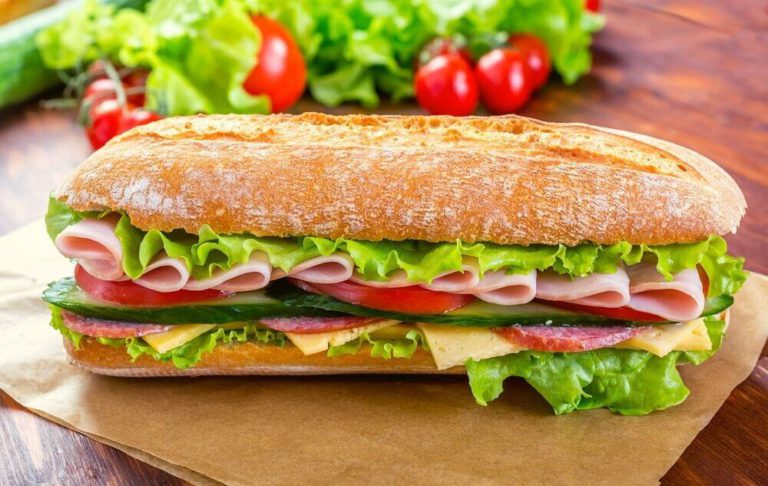
Subway is mainly famous for its signature item, the footlong. This sandwich is made from twelve-inch-long bread. Customers may customize their sandwiches by selecting their choice of bread, meats, vegetables, cheeses, and sauces. For bread, Subway offers you 16 different options to choose from.

The meat options for a Subway sandwich are turkey breast, chicken breast, ham, roast beef, tuna, turkey salami, bacon, meatballs, beefsteak, pepperoni, turkey bologna, shaved steak, etc.

The veggie options available are lettuce, tomatoes, red onions, green peppers, pickles, black olives, cucumbers, banana peppers, jalapeño peppers, etc.

Is Subway Healthy – What Happens When You Eat Their Sandwich?

Is Subway Healthy

Based on your choices, Subway can be good or bad. We’ll discuss the drawbacks  and benefits:

Drawbacks of Subway:

Let’s get to know the negative points first.

A Rise in Blood Sugar Spike:

A footlong sub cooked with 9-grain wheat bread contains 76-104 grams of carbohydrates. This many carbohydrates may induce a spike in blood sugar. Including enough protein and healthy fats in your sandwich can help lessen the meal’s glycemic load and thus regulate blood sugar.

Gain Weight:

Choosing high-fat and high-calorie subs may result in weight gain. A footlong sandwich like the Chicken and Bacon Ranch sub has over 1,000 calories and 51 grams of fat. With a side of chips and a standard drink, you might consume all your daily calorie requirements in one session.

This is very harmful to your health, and you do not want to eat only one meal a day.

Increasing the Risk of High Blood Pressure, Heart Disease, and Stroke:

Subway always claims that their subs are healthy. But that’s not true for all the subs in their menu. Some of the sandwiches contain a high level of sodium in them. When you consume a high-sodium diet frequently, you might raise your chance of developing conditions such as high blood pressure, heart disease, or stroke.

The sodium intake of those who already have these problems should be monitored with more care. When it comes to Subway, the Tuna or Veggie Delight subs are a good choice because they are lower in salt.

Feeling Bloated or Nauseated:

What happens when you eat more than your body can take in one sitting? You will start to feel sick. That is what happens when you eat a sizeable footlong sub in one sitting, which your body is not used to.

You will feel bloated, nauseous and may even feel heartburn. Considering the sodium amount, it can even make your fingers and toes bloat as well.

Benefits of Subway

is subway really healthy

Let’s get acquainted with the benefits now.

Lose Weight:

You may lose weight by choosing low-calorie sandwiches like a foot-long vegetarian with low-calorie sauces. When you choose a Veggie Delite sub sandwich of 9-grain wheat bread or brown bread, only vegetables, and no cheese or sauce, this meal will be under 400 calories.

Replacing your lunch with a Footlong Veggie Delite sub saves you roughly 600 calories. If you choose a 6-inch sub instead of the 12-inch one, it will cut your calorie and fat consumption in half.

Healthy Bowel Movements:

According to recommended amounts, most individuals should consume roughly 28 grams of fiber per day for a healthy bowel movement. A footlong served with brown bread, and all the veggies can contain 10 grams of fiber which is almost 40% of the fiber you need for the whole day.

A Perfect Healthy Combo for the Body:

Subway’s sandwich can be the best combo for your body if you choose the ingredients wisely. When you add more vegetables to your meal, you are making it more fiber and antioxidant rich.

The whole-grain buns are fully rich in fiber, and they can fulfill 20% of the daily required fiber for women and 13% for males. If you choose turkey breast as your protein option, it has its own benefits too.

Turkey breasts are good for the heart as they are low in fat and have high protein. With the low-calorie selections, more vegetables, and avoiding fatty sauces and cheese, Subway is an excellent choice.

Frequently Asked Questions (FAQs)

Is Subway healthier than McDonald’s?

Subway foods have less sugar and more vegetabes than MacDonalds, and thus have a slight edge in terms of the health factor.

Is Subway chicken processed?

Yes, they are processed as they have additives.

Does Subway use fake chicken?

No, they use 100% real chicken.

Conclusion

You may again ask yourself the question should I go to Subway again? The answer is definitely yes! But keep in mind that you must take care of your body and follow a nutritious and balanced diet. So, order according to that. If your friends ask, Is Subway Healthy? Please do not wait and send them this article to find out.
Is Guacamole Keto? Health Benefits and Recipes!

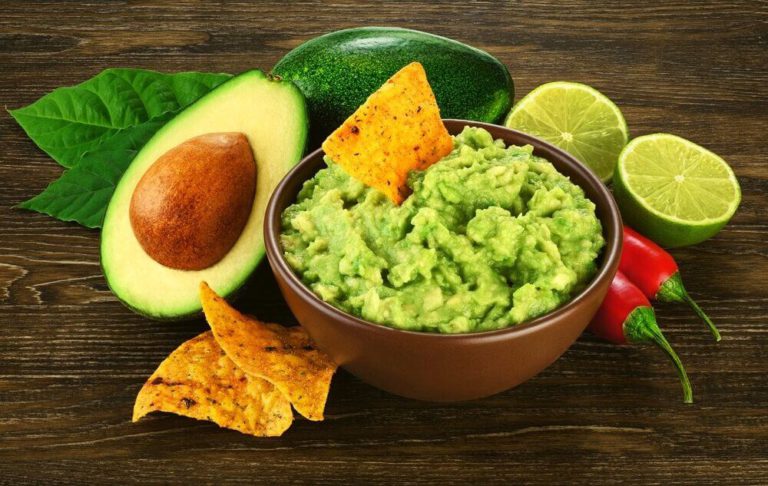
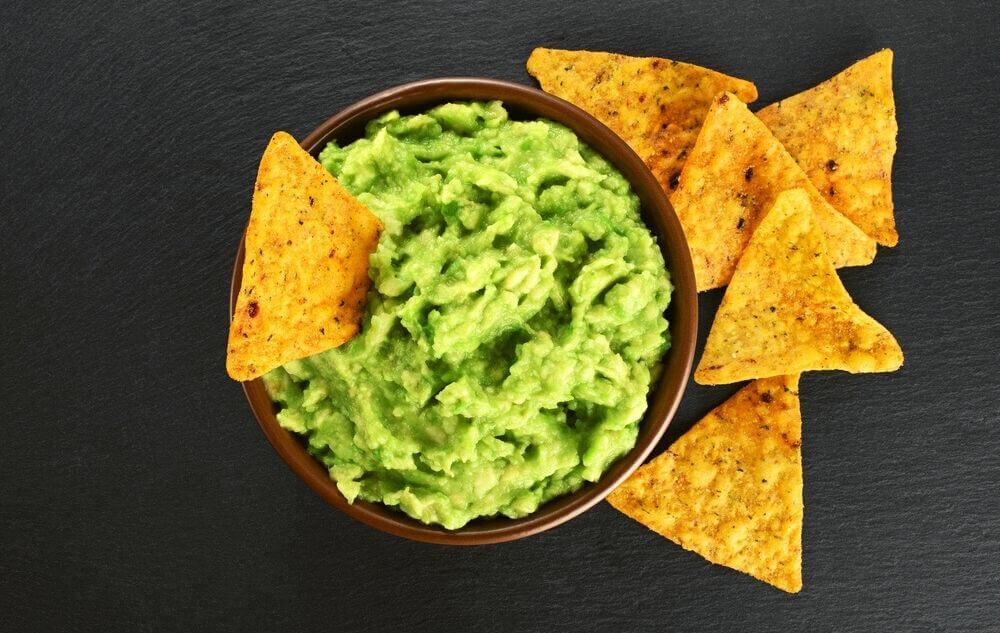
Health-conscious individuals frequently ponder the following questions: Is guacamole keto? Yes, absolutely. Guacamole is low in carbohydrates and high in monounsaturated fats. Because of this, it’s a great keto snack when paired with low-carb chips or raw vegetables. 

Avocados, the most popular fruit on the keto diet, are the main ingredient in guacamole. Guacamole is, therefore, a Keto-friendly food item! 

We often have problems figuring out its health benefits, nutrition facts, delicious recipes, preservation process, and answers to other important FAQs. Hopefully, in this article, you will find all the best possible solutions to all these crucial points by the time we are done.

You may also like: 500 Calories a Day for a Month

Guacamole’s Health Benefits

is guacamole healthy for you

For a good reason, guacamole has become increasingly popular lately. It is now a mainstay of American cuisine. Because of the increased popularity of healthy lifestyle, more and more people choose food like guacamole instead of alternatives like mayonnaise.

Guacamole has several health benefits, and some of them should be mentioned-

Full of Fiber: 

Many people don’t get enough fiber in their diets, which can cause their stools to be heavier and softer. 1/4 of an adult’s daily fiber requirement is found in half an avocado.

High in Beneficial Fats: 

A dream come true for those who follow a low-carb, low-fat diet. It has been linked to reducing inflammation and fighting cancer because it is rich in oleic acid, a monounsaturated fatty acid.

Helps Maintain a Healthy Skin Condition: 

Vitamin C is found in Avocados, lime juice, and tomatoes, which are the main ingredients in guacamole. It is required for immune and skin health. As a result, consumption of Vitamin C makes the skin appear younger and healthier as collagen production increases.

Improves Nutrient Absorption: 

Nutritional absorption is as essential as nutrient intake. The body can’t digest some nutrients without fat. 

This is important because fat-soluble vitamins E, K, A, and D must be consumed with healthy fat sources. As guacamole is loaded with nutrients, your body will be able to absorb them and run smoothly.

High Potassium Content: 

Guacamole is one of the most nutritious low-carb fruits on the planet, giving 500 mg of potassium per serving! 

While following a low-carb, high-fat ketogenic diet, it’s important to watch your potassium intake. If you want to avoid the keto flu, you need to keep your potassium levels in check by eating a variety of foods that are high in it.

You may also like: Is Losing 10 Pounds in a Month Healthy

Keto Guacamole Recipe: Easy & Tasty

is guacamole keto

Keto Guacamole (no sugar added) is a rich source of fiber and potassium. Get ready to whip up a delicious and simple keto guacamole recipe.

Ingredients:

  • Avocado (1 piece)
  • Lime Juice (2 teaspoons)
  • Salt (2 pinches)
  • Peeper (2 pinches)
  • Cumin (¼ teaspoon)
  • Garlic (1 clove)
  • Chili Powder (⅛ teaspoon)
  • Smoked Paprika (⅛ teaspoon)
  • Cilantro (1 teaspoon)
  • Scallions (2 tablespoons)
  • Sour Cream (1 tablespoon)

Instructions:

  1. Remove the seeds from the avocados by spitting them out. Add lime juice to a bowl and scoop out the avocado flesh into it.
  2. With a fork, mash the avocado until it is almost entirely smooth.
  3. Mix in the remaining ingredients until well-combined.
  4. Enjoy keto guacamole with Flaxseed Crackers or keto pepperoni.

Nutrition:

Keto guacamole is nutrient-dense. We don’t have to think twice about incorporating it into our diet. This keto guacamole recipe is broken down as follows:

Calories115kcal
Carbohydrates7g
Protein 2g
Fat10g
Saturated Fat2g
Polyunsaturated Fat1g
Monounsaturated Fat6g
Cholesterol3mg
Sodium14mg
Potassium364mg
Fiber5g
Vitamin A600IU
Sugar 1g
Vitamin C14.9mg
Calcium10mg
Iron 0.6mg

Frequently Asked Questions (FAQs)

How do we keep guacamole from turning brown?

The first step is to store the guacamole airtight. Spray lemon juice or water on top. This creates a barrier between the air and the guacamole, preventing oxidation. When you add lemon juice, which is full of Vitamin C and is a powerful antioxidant, it helps fight browning.

Then cover the container with a lid or plastic wrap and refrigerate for up to three days. Take out any extra water or lemon juice before eating, and enjoy!

How many avocados for guacamole?

How much guacamole you want to eat is a matter of personal preference. When adjusting the ingredients listed above, you only need to keep their proportions the same. More avocados can be used if you need them.

Can I omit the tomato?

Definitely! There is a lot of debate about whether or not tomatoes should be included in guacamole. Guacamole is delectable in either case.

What are the other keto foods I can pair with guacamole?

Keto Tortilla Chips: Make some low-carb tortilla chips if you want some tortilla chips. Shape triangles out of the tortillas and fry them until golden brown in avocado oil.

Eggs: The combination of scrambled or fried eggs with guacamole is a great way to start the day.

Veggies: To scoop up your guacamole, use celery, cauliflower, or sliced cucumbers.

Conclusion

Due to an increased interest in healthy living and keto diets, more and more people are choosing to eat nutrient-dense foods instead of processed carbohydrates as a snack. 

And guac seems to be a popular choice. So, is guacamole keto? Yes, definitely! It is a superfood rich in potassium, vitamin C, and healthy fats that belong in everyone’s pantry, regardless of diet.

There is no doubt that guacamole is a great way to add some taste to your ketogenic journey. That means it’s time to kick-start a healthy lifestyle with guacamole.

Is Garlic Bread Healthy? Health Benefits and Recipes!

Do you often find yourself munching on garlic breadsticks? Trust us; this delicious snack is a go-to pick for many people. So, you are not the only one! However, when you have too much garlic bread, whether garlic bread is healthy or not might go through the back of your mind.

Well, not compromising on food while staying healthy is the new-gen eating notion. So, you cannot blame yourself for having that thought. And let us face it, breadsticks smeared with generous garlic butter and perfect oven toast crisp are unavoidable. But are the garlic toasts healthy? Let’s find out!

You may also like: Is Hawaiian Bread Healthy

What Does Healthy Food Actually Mean?

is garlic bread good for weight loss

While determining healthy foods, most of us would rely on the calorie count. But that is just the tip of the iceberg. The number of calories alone cannot determine whether a food is healthy

Take oven-bake potato chips, for example. They contain significantly low calories compared to regular chips. And they are still considered to be junk food! So, instead, you need to consider the number of carbs, trans-fat, sugar, and other nutritional factors.

That said, a healthy diet will usually contain food that meets all of the nutritional criteria while offering your body the required amount of energy.

So, while you determine whether a food is healthy or not, you need to compare it with a proper diet. The food will be healthy for you if it does not make you exceed the daily number of sugar, fat, carbs, and other factors. 

Additionally, you need to consider if it offers you the right amount of energy and nutritional goodness.

You may also like: Chocolate Chip Banana Bread

Nutritional Values of Garlic Toasts

healthy garlic bread

Now, let us focus on garlic bread. So, what does the average nutritional value of garlic toasts look like? For this, we will take a standard store-bought version. And here is the list for one serving (24 grams):

  • Fat: 4.1 grams
  • Sodium: 123 milligrams
  • Carbs: 9.8 grams
  • Sugar: 0.6 grams
  • Protein: 1.6 grams
  • Calories: 82

Let us now compare these values with dietary reference intake. So, an adult should get 20 to 35 percent of total calories from fat. And if you consider the average 2000 calories diet, it should be somewhere between 44 grams and 77 grams. 

Compare that to the amount of fat that garlic bread offers, and you will see that you have at least 39.9 grams of headroom. It is just one serving, after all. 

Furthermore, consider the sodium count. Dietary Guidelines for America state that adults limit their sodium intake to less than 2300 milligrams. Well, that checks out for garlic bread too.

According to Mayo Clinic, a healthy diet should offer 45 to 65 percent of total calories from carbs. That is about 225 to 325 grams of carbohydrates for a 2000 calorie diet. Again, per serving has to offer only 9.8 grams of carbs. So, you still have a lot of headroom.

The case is the same for protein, calorie intake, and sugar. Even with two servings of garlic bread, you will still have a lot of headroom in terms of those nutritional factors.

Is Garlic Bread Healthy?

Is Garlic Bread Healthy

Garlic toasts are that one serving does not tell you the whole story. It will seem a lot less than the recommended daily nutritional values. But you should note that most garlic loaves will have hidden sugar and a high amount of fat. Also, don’t deny; you can not be satisfied with one serving sometimes.

Let us not forget that those garlic toasts will have a higher calorie count than usual. Nonetheless, loads of store-bought versions will contain much more trans-fat and added sugar than the one we talked about earlier. So, if you strictly rely on garlic bread for a meal, you should reconsider.

In short, to determine whether garlic bread is healthy or not, you need to consider your food habits. Go for it if these toasts fit perfectly on your daily food intake limit! But if they do not, limit yourself to one serving per day. That includes calories, sugar, carbs, and sodium limits, by the way.

Healthy Garlic Toast Recipe

Did you know that you can lower the calorie and sugar count when switching to whole wheat garlic bread? But getting a proper whole wheat version in the store can be daunting. Well, the good news is making healthier garlic bread is pretty straightforward. Just follow these steps:

Step 1: Mix the Right Ingredients

So, you will need brown flour, salt, jaggery powder, yeast, Italian seasoning, olive oil, water, and most importantly, garlic. After getting the ingredients, get yourself a bowl and add some warm water to it. 

Drop some jaggery and instant yeast into the water and leave it for about 7 minutes. While waiting, chop some garlic. Then, combine the chopped garlic with brown flour, salt, and Italian seasoning into the bowl. Mix well.

Step 2: Knead the Mixture

Add more yeast to the bowl and knead until the dough is smooth. Mix in some olive oil and knead the dough a little more. 

Form a ball, grease it with olive oil, and leave the dough inside the bowl. Cover the top and let it sit for about 2 hours. 

Step 3: Bake the Dough

Once poofed, you need to knock out the air from the dough. Then, grease a clean surface with olive oil and divide the dough into equal halves. Roll them into two balls, grease them again with oil, and leave them for another 15 minutes.

Transfer them into a baking tray and season them with olive oil and seasoning. Put the balls into a preheated oven at 180 degrees Celsius for 10 to 15 minutes. 

Pop open the oven, and you should end up with healthy garlic toasts packed with health and nutritional benefits!

Frequently Asked Questions (FAQs)

Can you eat too much garlic bread?

Excessive consumption isn’t recommended as it can cause side effects such as digestive issues, bad breath, and other health problems. 

Is garlic bread good for gym?

I wouldn’t suggest eating garlic bread before going to the gym as it can cause digestive problems. 

Can garlic bread give you headaches?

If you are garlic-intolerant, then it can give you headaches.

Final Words

To answer whether garlic bread is healthy, you cannot just consider the calorie count. There is more to it! But the short version is that if you are leading a healthy lifestyle, one serving per day will not be an issue.

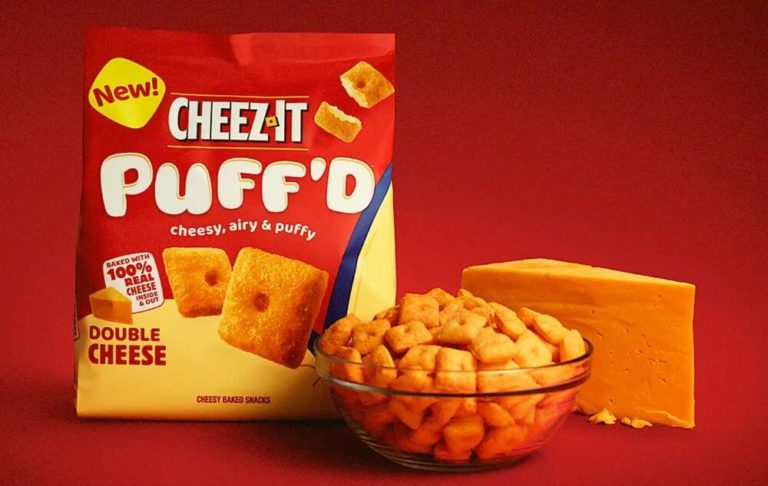
Is Cheez Its Healthy?

If you have a habit of cramming snacks down, there is a fair bit of possibility that you have heard about—or even tried Cheez-Its at least once. And if you have, you already know the crunchy sound of the crackers paired with the cheesy flavor of each bite. 

And to top it off, the overwhelming saltiness is a signature, and it stays on your tongue for as long as it stays in your mind. But just like most other processed food, there remains a question needed to be answered: Is Cheez-Its healthy? Today we will answer this question.

You may also like: Are Ritz Crackers Healthy

Is Cheez-Its Healthy?

Is Cheez-Its Healthy

The shorter answer would be a no. Cheez-Its are not the best snacks for you if you are concerned about health factors. And it is not unlike most other snacks you will find yourself looking at while walking through the aisles of the big super shops. 

But what makes Cheez-Its specifically so unhealthy?

Lacking in Nutritional Values:

To consider any food healthy, you have to consider the nutritional facts. And if you do that with Cheez-Its, it is clear that it is not the most wholesome ingestible you can get for your money.

Cheez-Its contain an insignificant amount of essential minerals, like Potassium, just 30 milligrams. It also packs a minimal quantity of dietary fibers, just 0.5 grams. The crackers also accommodate a minuscule protein of just 3 grams per serving. 

But only lack of good minerals does not contribute to it being this unhealthy. It also is filled with harmful amounts of sodium and fat. There are 8 grams of total fat in one serving—of which 1.5 grams are saturated. 

Further, there is a copious amount of sodium in these crackers, making up to 10% of the daily sodium requirement from just one serving. 

Now, these numbers might seem to be small and insignificant. But you cannot ignore the sheer addictiveness of the crackers. For most people, it is practically impossible to practice self-restraint when it comes to these. 

And if you are one of them, you will end up mindlessly devouring one after another pack of these crackers—the cumulative effect of which is pretty harmful.

While nutritional facts on the packaging body say 0 cholesterol, there is a catch. The excessive amount of saturated fat will increase bad cholesterol in your blood vessels, which will inevitably lead to a heart attack or even a stroke in the long run.

And the excessive quantity of sodium can too lead to heart issues, stroke, or even stomach cancer. Sodium can also contribute to fluid retention in your body, causing kidney problems and uncontrolled blood pressure.

You may also like: Are Pop Tarts Healthy

Number of Calories in these:

Each serving of Cheez-Its contains approximately 150 calories. And it is to be kept in mind that each serving is only 30 grams. Even though a serving of 27 crackers sounds like a big number, as the weight of a serving suggests, they are pretty small. You can fit around 10 of these in your palm with ease.

If the math is done, each small cracker contains 5.56 calories. Considering the size of the crackers, that is a significant number. And as mentioned earlier, they are incredibly addictive, leading to most people munching on them without keeping any count. So, it is pretty easy to over-eat these if you are not wary.

It will take you around 40 minutes of moderate pace walking to burn off just 150 calories to put things into perspective. And if you have consumed more than the suggested serving, it may take you more!

The total calories taken in a single session might be way over 150. In that case, it becomes nearly impossible to spend all the calories consumed, leading to weight and fat gain.

Harmful Preservatives:

If you have been wandering around the snacks aisle in super shops, you might have noticed that the shelf life of Cheez-Its is pretty long. And the reason behind it is the preservative that is used in them.

The preservative goes by the name of tert-butylhydroquinone; TBHQ in short. It is a synthetic food antioxidant made from butane. TBHQ is used to prevent foods from being oxidized and getting inedible. It elongates the lifespan of the food, but it does come with a cost.

As per the tests done on lab animals, it can cause enlargement of the liver, paralysis, and disruption of the nervous system. In some cases, it can even cause an imbalance in eyesight. 

Even though these tests were done on animals, they say a lot about what they can do to the human body—if consumed over the limit.

So, at this point, it’s safe to say that Cheez-Its is not very secure—but it is also to be remembered that it is not different from any other processed snack out there today. Most of the snacks contain little to no healthy ingredients and tend to be filled with harmful preservatives.

But after all, these are not meant to be consumed regularly or in a large quantity. Even though they are taken beyond the limit, they should not be. And neither are they supposed to be. 

You may also like: Are Nutri Grain Bars Healthy

Frequently Asked Questions (FAQs)

Does Cheez-It make you fat?

Chees-It can make you fat due to the high calorie count. 

Are Cheez-Its better than chips?

Compared to chips, they have smaller amount of saturated fat. However, they’ve similar  amount of sodium and other additives which are unhealthy.

Why are Cheez-Its addictive?

It can be addictive as its diary proteins often work as mild opiates.

Final Words

Cheez-Its is nothing but comfort food. And if you enjoy them, it is your responsibility to do so in moderation. Nothing can be wrong within reasonable limits—and Cheez-Its is no exception. 

To find a tasty, processed snack that is healthy is like catching lightning in a bottle, and Cheez-Its is not that. So, to answer the question: Is Cheez-Its Healthy? The answer is a no in every world. But through moderation and being responsible, we can lower the harm it can do to us—while still enjoying this tasty snack now and then.

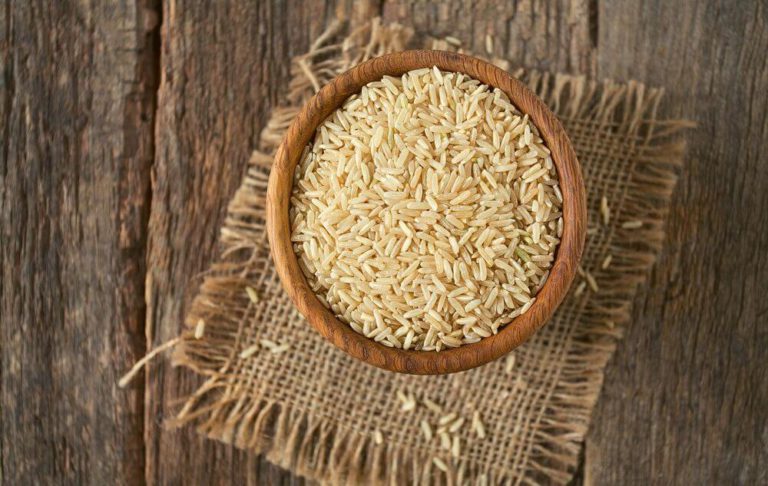
Is Brown Rice Healthy? Health Benefits, Weight Loss and Nutrition

Whether fried or rolled in sushi, rice is a carb you must have had many times in your life. The soft, shiny, and white grains of goodness is something we all recognize instantly. But many of us are not familiar with brown rice and its properties.

You may have seen people raving about it on social media, but is brown rice healthy? While carbs are still the lesser of the beneficial food groups for your health, the attributes of brown rice are somewhat unusual in this case. 

Fitness gurus like to include this in their diet, but let’s find out how beneficial this type of grain is for your health. 

The Rice Supremacy: Brown or White?

brown rice vs white rice

To find out the nutritional benefits of brown rice, let’s compare it with its lighter-shaded and more prominent counterpart.   

Movement by Fiber:

In general, rice is rich in nutrients that aid in developing your cells. Even though its primary building blocks are carbohydrates, rice has significantly high fiber.

The grain in brown rice is whole, meaning the bran, endosperm, and germ have not been removed. On the other hand, white rice is refined and does not have these components, and it keeps all the grain parts intact, resulting in a higher amount of fiber.

In a serving size of 100 grams of cooked rice, brown rice has 1.6 grams of dietary fiber, whereas the white equivalent has 0.4 grams. It may seem like a tiny amount, but the difference is enormous!

Fiber is a great contributor to smooth bowel movement. It absorbs water better and makes the stool bulky, making it easier to pass through as waste. This greatly helps relieve constipation and keep a clean-running digestive system overall. 

All the Good Nutrients:

Despite being a food item rich in carbohydrates, rice contains many nutrients that are useful for bodily functions. Brown rice and the white type both contain different nutrients in varying amounts.

Compared to white rice, brown rice has higher percentages of niacin, vitamin B6, magnesium, phosphorus, and zinc. All of these vitamins and minerals are incredibly beneficial for the body.

Niacin aids in lowering cholesterol levels in the blood and enhances the function of the brain. Phosphorus and magnesium are significant contributors to strong bones, teeth, muscle, and heart function. So, with brown rice, you are getting these essential nutrients in a tremendous amount all at once. 

The Heart is Happy:

Studies have shown that brown rice has a lower glycemic index than its white equivalent. Glycemic index or GI is measured from 0 to 100 of how fast a carbohydrate can increase blood sugar levels when it breaks down. Brown rice has a GI of around 50-55, whereas white rice has 70-89.

This shows that brown rice works its way into your bloodstream slower, making you stay fuller for a longer time. A lower glycemic index also means that it results in decreased cholesterol levels. In the end, your heart will thank you for choosing brown rice.  

Sometimes Loss is Good:

If you’re looking to lose weight with reduced effort, what you’re about to read is good news. Brown rice has qualities that allow it to reduce cholesterol significantly. There is a smaller chance of excess fat buildup under the skin and around the internal organs with low cholesterol levels.

Given the smaller glycemic index of brown rice, it keeps your stomach full and leaves you feeling less hungry throughout the day. This way, you won’t be reaching for snacks as often as you usually.

Many researchers have proven that consumption of brown rice is directly linked to loss of belly fat and a slimmer waistline. Contrarily, white rice doesn’t quash your hunger as quickly and can leave you feeling bloated. You can guess which the better option is in this case.

Is Brown Rice Healthy All the Time?

Is Brown Rice Healthy

It’s surprising how a grain so concentrated in carbs can still sound like food sent from heaven. Sounds too good to be true. Unfortunately, when not controlled, it is.  

A Cupful of Calories:

Even though most dieticians and nutritionists recommend brown rice, it contains many calories. One cup of cooked brown rice has 219 calories, whereas white rice has around 200. The difference is slight, but when you’re counting calories in your diet, it makes a huge deal. 

So, if you’ve already had your fill of brown rice for one meal, you better make sure that’s your last one for the rest of the day. It is still a carb, and too much of it is terrible for your health. 

Literal Grains of Poison:

Yes, you should be alarmed – because brown rice has arsenic, a toxic element! Due to its unrefined nature, brown rice has 80% more arsenic compared to white rice. If you eat this grain type regularly, it is no doubt potentially dangerous for your health. 

All types of rice have some traces of arsenic. But it has been found that brown rice holds the highest amount of it. So, you should be careful about how much of this you eat in a day.

Frequently Asked Questions (FAQs)

How much is brown rice okay to eat in a day?

It is safe to eat around 3-6 ounces of brown rice daily. You can try and divide this measurement among different meals.

Will washing the brown rice get rid of the arsenic?

Only a tiny amount of arsenic will go away if you wash the brown rice well enough. But since the grain is intact, most of its initial elements will remain unless it is refined.

Does brown rice have any side effects?

Brown rice, in general, is good for your health. But some people find it hard to digest the whole grain, so you might sometimes feel gassy or bloated.

Is fried rice okay to eat if made with brown rice?

Fried rice has a lot of calories itself, regardless of the type of grain you use. There will only be a slight shortage of calories compared to fried white rice.

Final Words

You discovered many good things about brown rice and its rich nutrients and fiber content. But then you also found out rather scary news about it having plenty of calories and even toxic constituents. This now leaves you wondering, is brown rice healthy? 

All the good things you have found out are still there, and no one will ever say that brown rice is as bad as junk food. In the end, it depends on the quantity you choose to consume daily. A standard service size once a day is excellent, but more than that would be highly questionable. 

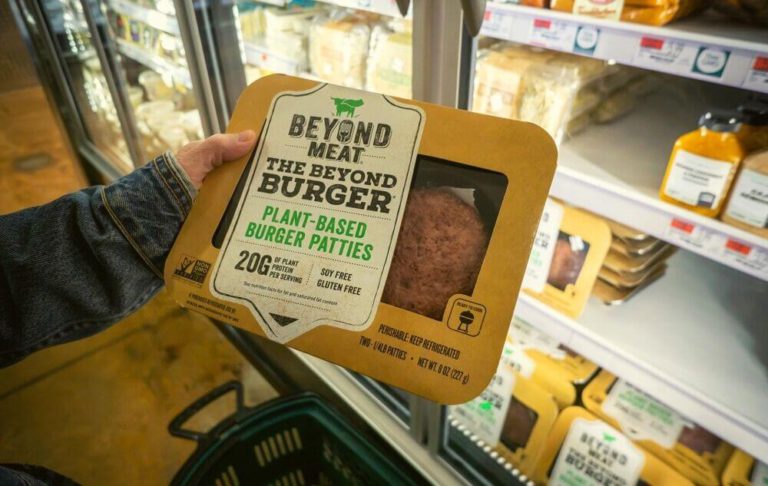
Is Beyond Meat Healthy? And Is Beyond Meat Healthier Than Beef?

With the recent rise in veganism, there has been a demand for meat substitutes. One of these substitutes is plant-based meats from makers such as Beyond Meat. While due to making use of plant-based meats, you would think the answer to the question, is Beyond Meat healthy, would be a resounding yes. However, there’s a bit more to it.

So, in this article, we’ll look at what plant-based meats are and what they contain. We’ll also be looking at how healthy this particular type of meat is.

You may also like: Is Bacon Healthy?

What is Beyond Meat?

what is beyond meat

Beyond Meat is a plant-based meat producer that initially started in Los Angeles. They now serve around 80 countries with various animal meat substitutes for vegans worldwide. Their products include sausages, meatballs, and burgers with their aim to emulate the texture and taste of chicken or beef products while providing health benefits.

Some fast-food chains have even ended up adopting Beyond Meat’s products into their menu. So now you might wonder how they make these? Let’s look at the details now.

What Ingredients Does Beyond Meat Use?

is beyond meat healthier than beef

As we’ve said before, Beyond Meat uses various plant ingredients to substitute for meat. The most important part of their ingredients is ensuring the same protein and mineral content level as other meat-based products. Their ingredients include:

You may also like: Are Tacos Healthy?

Peas and Beans:

Probably the best source of protein; Beyond meat incorporates peas and fava beans to ensure the protein content of their sausages and burger patties are comparable to their meaty counterparts. This is a core ingredient in many of the Beyond Meat burger patties.

Some of their products also use brown rice for additional protein content. Brown rice is a whole grain and relatively healthy. It is a decent source of fiber.

Canola Or Coconut Oil:

To ensure that the meat is healthier, it is cooked in either canola or coconut oil. Canola oil is one of the most nourishing oils as it contains minimal saturated fats and healthy cholesterol. Coconut oil, in contrast, is less healthy than Canola oil but is often used to add a better taste to the food. 

Refine coconut oil is often used with a lower melting temperature and contains less harmful fats. However, when cooking it, it is easy to burn it and lose the good fats, so keep that in mind.

Cocoa Butter:

A significant source of calories comes from this one ingredient since it has high-calorie content. Cocoa butter is also another source of fat in Beyond Meat products. It is less healthy than canola and coconut oil and is usually used in tiny amounts to add a bit of flavor.

Potato Starch:

Potato starch gives the burger patties a better texture and the appropriate thickness. It is also a source of carbohydrates and gives you a decent amount of energy to burn throughout the day. Without potato starch, burger patties and sausages won’t have the same feeling as their meat counterparts when you bite into them.

Apple and Pomegranate Extract:

Some of Beyond Meat’s products have added a tinge of apple extract. It helps with flavoring and acts as an anti-oxidant, so you’ll remain safe from cancer. Alternatively, pomegranate can also be used since it does a similar job to apple extract, only differing in slight taste.

Methylcellulose:

It is an essential ingredient, not for its health benefits but because it holds everything together. This chemical compound ensures your sausage or burger patty does not crumble or break down. It also helps in conjunction with potato starch to give the right texture to your food.

However, there is a point of contention with this particular ingredient. Methylcellulose acts as a laxative, and while it can help people with existing bowel problems, it can be detrimental for other people. It can lead to flatulence problems and feeling bloated after eating.

One thing to note about Beyond Meat is that they do not use any artificial coloring or flavors. To give the meat a distinct color, they use beet juice to give the dark reddish tint. 

Beet juice also helps lower your blood pressure and helps strengthen your muscles. It is a helpful addition for people struggling with heart issues or hypertension. 

How Healthy is Beyond Meat?

is beyond meat healthy

Since we’ve covered some of the essential ingredients of Beyond Meat products, we’ll now look at how healthy they are in terms of protein, mineral, fat content, etc. Then we’ll come to a verdict.

Protein:

You won’t notice much change in your protein intake if you switch to Beyond Meat food. As mentioned before, the presence of peas, brown rice, and beans does mean that Beyond Meat products have a high degree of protein content. They are generally the exact animal meat counterparts, only slightly behind beef.

Fat:

Since they are usually cooked in Canola oil, the saturated fat levels of their plant-based meat are relatively low. Due to possessing less harmful fats, people consuming Beyond Meat food tend to have a lower risk of heart attacks and high blood pressure. 

As a result, they are much safer to consume than their regular animal meat versions, which often have saturated fat at higher levels.

Sodium:

Plant-based meat has lower sodium content than animal meat ones. While sodium is essential for the human body, higher sodium content in beef patties and sausages can have adverse and harmful effects. 

Mineral Content:

While it may seem that plant-based meat might lack minerals, they do not. The mineral content tends to be the same as the animal meat counterparts. They have a decent amount of calcium, iron, and potassium chloride. A proper serving can often contribute to a decent amount of your daily recommended intake of minerals.

Carbohydrates:

Beyond Meat burger patties tend to contain about 7g of carbohydrates which is a decent amount. This is generally equal to if not slightly higher than beef patties.

Verdict: Should You Eat Beyond Meat?

Overall, we can see that Beyond meat products have similar protein, mineral, and carbohydrate content to animal-based products of similar nature. The main differing factor to consider is that you’re gaining the same amount of protein, mineral, and carbohydrate but less sodium and minimal harmful fats. 

The lack of artificial flavoring and color of any kind is a huge plus. This does make it seem like Beyond Meat is very much a healthier option, especially for people who suffer from hypertension. In addition, beet juice and apple extract help your muscles regulate blood pressure and work as anti-oxidants.

If you don’t mind or don’t face issues from it, there are very few problems you’ll face when switching to Beyond Meat. However, one thing to note is the presence of Methylcellulose. When you consume it, it can create discomfort for you, so keep that in mind. So overall, Beyond Meat is a healthy option.

Any More Questions?

Can you eat Beyond Meat every day?

Ultimately, it’s processed food and shouldn’t be consumed regularly. 

Can you lose weight eating Beyond Meat?

Not only Beyond Meat, but any processed food is unlikely to help you much in losing weight. 

Does Beyond Meat have carrageenan?

Yes, it does. 

Conclusion

Is Beyond Meat healthy? Although it may take some getting used to the different tastes of plant-based meat, it is generally the healthier option. We hope this article has provided a satisfactory answer to the question.

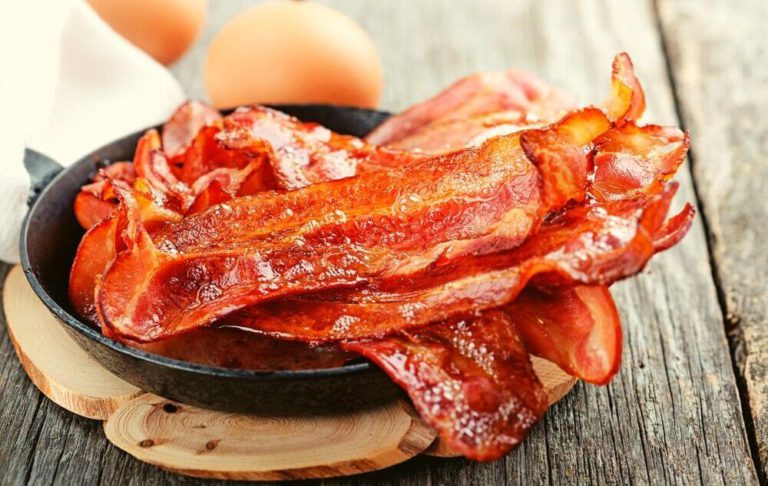
Is Bacon Healthy? Find Out the Health Benefits and Drawbacks!

If you follow the craze of food trends these days, you’ll see bacon at the top. Be it pizza or burger or even a flavored packet of crisps, bacon seems to be everywhere. As much as it has its reputation for its rich and classy taste, Is bacon healthy?

Let’s dig into some pros and cons to see whether bacon is as bad as the nutritionists suggest or are bacon healthy.

What Is Bacon Made of?

is bacon healthy protein

Let’s start with what bacon is made of. Usually, we know it’s made of pork slices, but what else does it include? Bacon is not made of any part of the pork meat. Chefs or professionals usually take the pork belly meat, which has less fat in it, and cut it into very thin slices. 

Then the meat is soaked in brine with dry salt, and it is left to dry for weeks or months. They even smoke it for better flavor.

Sometimes nitrates are added to the bacon slices to speed up the drying or curing process and stabilize the meat color. After the curing or drying process is done, the bacon is ready to serve or get cooked. Bacon tastes salty and rich in flavor. Its smoky texture adds up to the flavor. People love bacon for its smoky and rich flavor.

You may also like: Is corned beef healthy for weight loss

What Are the Nutrients of Bacon?

Although nutritionists often tell us to avoid bacon due to a large number of unsaturated fats, it is packed with a lot of nutrients. Let us talk about the other healthy nutrients present in bacon. 

Firstly, let’s talk about protein. Bacon is a source of a huge amount of protein. For three regular slices of bacon, you get to have 12g of protein. The protein that comes from bacon provides energy to all of your cells and strengthens your muscles. 

As a whole, the protein which comes from bacon would help you build your body.

Then comes another must-have nutrient that bacon provides us – B-vitamins. B vitamins help your body resist any kind of heart and kidney disease. Many B vitamins help to break the fats inside your body. It also helps in the digestion process of your body.

Positive Aspects of Bacon

is bacon healthy

Here are the positive impacts of bacon on your body –

Healthy Fats:

Bacon contains unsaturated fats and oleic acid as well. These two nutrients are known to cure heart diseases. Although it contains saturated fats, which are bad for your health, unsaturated fats are beneficial for health if you eat bacon in a balanced way and not too much. 

Usually, weight loss diets contain a bit of bacon to balance the amount of fat and protein along with other nutrients. 

Another beneficial fatty acid inside bacon is Omega 3. Omega 3 is usually known as fish oils, but it is also found in a large amount inside bacon. This fatty acid also helps in reducing the risks of heart-related diseases like heart attack, stroke, etc.

Low Carb:

Bacon has comparatively low carbs than other processed meats. Bacon contains almost no carbs in it or a small amount of it. You would take in approximately 1.4g carbs in 100 grams of bacon. So, it is well suited for weight loss and low carb diets but in a small amount of course.

High Metabolism:

The combination of a high amount of protein and low carb inside bacon gives a good boost to the metabolism inside your body. The protein inside your body burns calories because of a lot of thermic effects and other factors, which create a high metabolism inside your body. 

That is why bacon is a great source of increasing the metabolism inside your body.

Is Bacon Healthy and Should It Be Included in Healthy Diets?

Although bacon has some good nutrients, it is still a lump of red meat and processed food. These kinds of foods are best to not include in your diet. But you can also include it for a little change in the protein intake in your diet.

You can eat bacon and still try to lose weight. But the amount you intake must be very little. Bacon might cause an increase in your weight if you keep eating it, and it would be difficult for you to regain your fitness that easily.

What Are the Downsides of Bacon?

is bacon unhealthy

Now that we are done defending the useful sides of bacon being a healthy food let us discuss some of its negative sides as well. Red meats and processed meats are always suggested to be taken in a small amount to avoid any type of casualties related to our health. 

So, let’s find out what type of health risk factors are associated with people’s most wanted and craved food, bacon.

Causes Different Diseases:

Bacon is prone to many diseases, which can also be deadly. Firstly let us talk about skin diseases. There are kinds of nitrates found in bacon that causes carcinogen in the human body. 

These carcinogens produce deadly skin diseases like colon cancer. It is also responsible for many heart diseases and also diabetes. The high level of unsaturated fats inside the bacon leads to bad cholesterol inside your body, which is very harmful to your health.

Allergic Reaction:

Anything containing protein can trigger allergic reactions to your body, pork being one of the most common ones as an example.

Bacon contains sodium and nitrates, and many people are allergic to these minerals. The allergy caused by bacon is usually called ‘Pork Allergy.’ A runny nose, itching around your eyes, headache, hives, etc., are the symptoms of this allergy. 

Sodium and nitrates are mostly used while curing pork meat to bacon. That is why many doctors would ask you not to take in processed foods like bacon to avoid allergies of such kinds.

Speeds Up Weight Gain:

Bacon contains a lot of calories. 100 grams of bacon would contain approximately 540 calories in it. That is why bacon lets your body absorb all the fats to increase the rate of weight gain. 

Usually, an adult body needs 1600-2000 calories each day to function. If you intake more than this amount of calories each day, the excess fat would accumulate and increase your weight. The excess weight in your body would make you suffer from obesity and overweight problems.

Being obese or overweight doesn’t stop your worries right there. These two come with severe diseases. Health problems such as type 2 diabetes, high blood pressure, stroke, etc., life-threatening diseases might attack you if you are obese or overweight. 

That’s the reason doctors and nutritionists always warn you to avoid eating more calories than your body needs. 

Threat to Reproductive Health:

Many of you might not know about this but intaking a large amount of bacon leads to male infertility. Any processed food, including bacon, might lead to a low sperm count. This was found in a research conducted by The American Society for Reproductive Medicine, and they found that intake of red meat and processed meat would lead you to poor quality sperm. 

This causes a lot of problems while conceiving a child.

Studies also found that men who eat bacon regularly have 30% lesser sperm counts than any normal or regular man’s sperm count. 

Intake of processed meats is lowered when men face problems with fertility as prevention is always better than cure; it’s best for you to avoid the situation by being a bit cautious about eating any kind of processed meat, especially bacon.

Frequently Asked Questions (FAQs)

Is it OK to eat bacon every day?

No, it isn’t. You’re gonna gain weight rapidly, and it would have an adverse effect on your health

Are bacon and eggs healthy?

Though each one has its own nutritional benefits, both of them together can pose a problem for digestion. 

Is uncured bacon healthy?

It’s certainly better than cured bacon, but it still contains a high amount of saturated fat and sodium.

Final Words

So, is bacon healthy? The answer to this would be both yes and no. 

Yes, when you take in a balanced amount of it regularly, and no when you just keep eating it in a large amount without thinking about its bad effects on your health

As we listed a few of bacon’s good sides, we can’t say bacon is inherently a bad food to consume. All we can do is be cautious about the amount we take in.

Have a baconlicious day!

Best Meal Plan for Eating 500 Calories a Day for a Month

Looking to lose weight? Thinking about eating 500 calories a day for a month? But wondering if it’s worth the try? 

Well, you have chosen the correct read! The 500-calorie diet plan is usually recommended to people with extreme obesity or health risks. It can be advantageous for individuals looking to improve their health. Otherwise, this diet has also been life-threatening for some people.

So, before trying out this weight-loss method, let us tell you about all the perks and cons of this low-calorie diet to ensure your health and safety.

Read on to know more!

A Little Bit About Calories

Eating 500 Calories a Day for a Month

It would help if you had a basic understanding of calories to understand this article better. So, did you know that a vast number of calories can be found in everyday foods?  

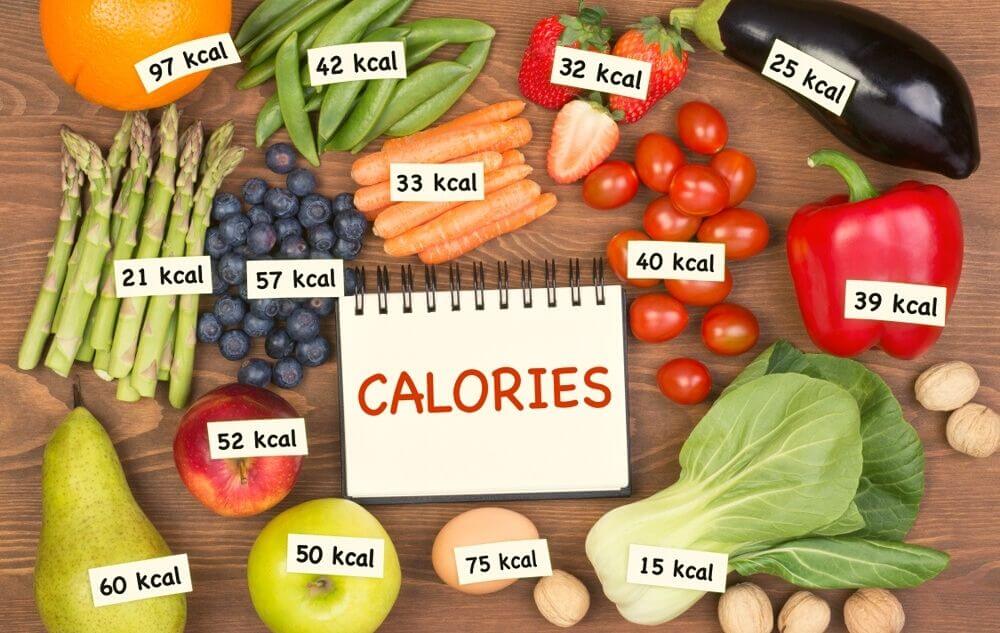
For example, about 250 calories can be found in a serving of peanuts or a slice of pepperoni pizza. This is according to the USDA. While an apple has less than 80 calories, fried chicken has more than 400. 

You can almost guess how much or how little your everyday calorie intake is, right? But that is not it; you should also know how many calories you are burning. According to the Harvard Medical School, sitting in a one-hour meeting burns 72 calories. 

What is a 500-Calorie Diet?

eating 500 calories a day meal plan

The 500-calorie diet is an extremely low-calorie diet that aims to restrict your caloric intake. The diet replaces typical everyday food with liquid supplements, bars, and shakes. It will aid your body to utilize stored fat as a fuel source. You’ll be able to lose weight as a result of this drastically.

Remember, each body is different and needs to consume different amounts of calories to perfectly function and achieve the desired result. Without a medically prescribed diet plan, it is impossible to reach your goal.

So, acknowledge consultation with your doctor before trying out any diet chart. 

Now, let’s get right to the pros.

You may also like: Is Losing 10 Pounds in a Month Healthy?

The Pros:

VLCDs, standing for Very Low-Calorie Diet, can assist you to reshape your body’s metabolism. It helps you lose weight by increasing fat oxidation. It is possible to lose weight quickly on a 500-calorie diet. 

If you’re concerned about your health, this is a terrific option. However, the 500-calorie diet does not offer many advantages because of its extreme caloric limits.

But, what if you’re on this diet even though you don’t have to be on it? This diet can be detrimental to your health and come with several dangers. Health risks might occur if you do this without medical supervision.

The Cons:

There are more than a few drawbacks to this diet. They are:

Risk of Nutritional Deficiency: 

The increased risk of nutritional inadequacies is a trait of nearly all very-low-calorie diets. Consuming only 500 or fewer calories per day for a month may put your nutritional status in danger. 

According to a study published in Nutrition Journal, following this diet for a month may result in a deficiency in several vital vitamins and minerals like Serum vitamin D, vitamin C, and zinc levels. 

Constipation might result from a deficiency of fiber in your diet. It will weaken your body’s immune system, making you more susceptible to various illnesses. Diarrhea and vomiting are also possible side effects, including exhaustion and a change in the menstrual cycle.

People in specific demographics may be at greater risk. Older individuals may be more vulnerable since their tiny intestines are more likely to absorb poor nutrients.

Remember that malnutrition can lead to various health issues, even if you lose weight. Eating fewer calories than you expend, exercising regularly, and limiting the amount of food you eat are essential components of a healthy weight loss plan.

Decrease in Bone Health:

Due to the short-term nature of VLCD consumption, it is impossible to determine the long-term consequences on bone health. However, a study found that those who lose weight on a low-calorie diet also lose bone mass. 

An analysis of 48 adults on calorie restriction for an extended length of time found decreased bone mineral density and diminished bone strength, resulting from weight reduction.

Moreover, the bones can get weaker over time if they do not receive the necessary minerals and nutrients. 

Decrease in Muscle:

So, you’d like to shed some weight. Then, focus on losing fat, not muscular mass. Muscle loss is a possibility if you stick to a 500-calorie diet. If it is continued for a more extended period, it can make your skin appear loose and floppy, giving you the appearance of being slim.

But practicing this, your metabolism might also be significantly impacted by a decrease in muscle mass. Keep in mind that while muscle loss may initially appear to be a weight loss, not all weight loss is good. 

Muscle building is essential for good health. Fat is a primary energy source whose loss can cause help shed those extra pounds when following a nutritious diet. 

Meanwhile, you should know that a person’s capacity to avoid injury is harmed due to this unwelcome side effect. When it comes to long-term weight loss, building lean muscle and eating a healthy diet is frequently the best strategy for success.

Production of Gallstones:

Gallstones are more likely to form in people who eat a diet of fewer than 500 calories each day. Researchers in the International Journal of Obesity found that adopting a VLCD diet for more than one year resulted in stones in the gall bladder. 

They can obstruct the bile duct, resulting in discomfort in the abdomen. As a result, many adults had to have their gallbladders removed. 

Gallstones can be prevented by eating meals high in fiber and cutting back on refined carbohydrates and sweets.

Decreased Consumption of Healthy Fats:

Fat is the most caloric of the three macronutrients (fat, protein, and carbs). Feeling full and maintaining good health is enhanced when you consume healthy fats in small, frequent servings.

Deficiency in fat-soluble vitamins like A, D, E, and K can occur while following a low-calorie diet. Vitamin E deficiency and inadequate antioxidant absorption can occur on a low-fat diet, as can vitamin D deficiency.

This diet also restricts the intake of beneficial fats, as healthy fats are omitted from a low-calorie diet to cut back on calories that aren’t necessary. 

The high caloric content of fats, like Salmon and lentils, which are vital in unsaturated fats, are beneficial to the human body. But it becomes challenging to consume these good fats on such a limited calorie diet. 

VLCD Can be Expensive:

Surprisingly, no matter how much you cut off whole meals, the price per pound of VLCD is significantly higher on the 500-calorie diet, even if you consume less.

Meal replacements, such as Optifast, can be rather expensive compared to the same amount of real food.

Supplements are Not a Solution:

Now you have understood that meal replacements are occasionally used as a one or two-meal replacement option for people on a low-calorie diet. Consuming these for a month can harm your health.

When you eat whole foods that contain vitamins, minerals, and micro-nutrients, they interact in the body in crucial ways. Artificial foods cannot replace these essential interactions. And by that, we mean supplements and bars can never be a solution.

Inadvisable for People with Illness:

Doctors do not recommend VLCD and meal replacement products for obese or morbidly obese patients with specific medical issues. A 500-calorie diet is not safe for many people because of its excessive restriction. 

It should not be attempted without a doctor’s advice and supervision. If you have any of the following conditions, you should steer clear of this diet:

Type 1 diabetes, thyroid illness, kidney disease, heart disease etc.

You may also like: Are Sumo Wrestlers Healthy?

How to Safely Lose Weight

can i eat 500 calories a day for a month

Losing weight safely takes time, and it usually involves healthy eating. But these diets usually entail a 500-calorie cut every week, rather than only eating 500 calories per day. Instead of trying out these extreme diets, take time to understand your body and nutrition. 

Maintaining a diet to lose weight works best when paired with adequate exercise. Pick an activity that you enjoy and get moving. Start by working out ten minutes before increasing it gradually. 

Frequently Asked Questions (FAQs)

What are signs of not eating enough?

There are numerous signs including lack of energy, constant hunger, sleep problems, constipation, hair loss, and irritability.

How much weight will one lose on 500 calories a day?

You’ll lose around 1 pound a week. 

Will my stomach shrink if I eat less?

No, it won’t. 

Get the Right Diet for Yourself Now!

One of the most restricted diets on the market is a 500-calorie diet. It is a risky and harmful method of losing weight. 

Although, a 500-calorie diet for a month may help those who are obese or preparing for surgery. But if you want to lose weight, you should focus on making long-term lifestyle changes. 

Now that you have figured out the benefits, and risks of eating 500 calories a day for a month, spend time picking the proper diet!

Can You Eat Peach Skin? The Complete Guide

One of the most extensive and delicious fruits you can enjoy in the summer is peaches. While they are naturally grown in the summer, you can find peaches in your local grocery store all year long.

Peaches are delicious and beneficial to our bodies, but what about their skin? Can you eat peach skin? Are there any benefits or drawbacks of eating the skin?

We have got you covered if these are the questions roaming around in your mind. In this article, we will go through all the details so that you can find the answer about whether or not you can eat peach skin.

So, without further ado, let’s examine whether you should eat peach skin or ignore them, shall we?

You may also like: Top 10 Best Boba Drink Flavors

Is Peach Skin Edible?

can you eat peach skin while pregnant

Yes, you can eat peach skins, and they are entirely edible to get straight to the point. Actually, they offer much-needed fibers, minerals, and antioxidants.

If you want to lead a healthy lifestyle, you cannot, but having these critical components in your diet and peach skins can be a great option to obtain them quickly.

But that being said, there are certain advantages and disadvantages of eating peach skin, and how you plan to eat them also plays a role in this matter.

You may also like: Are SpaghettiOs Healthy?

Advantages of Eating Peach Skin

can you eat peach skin

There are quite a few advantages that you will enjoy if you start eating peach skins. Their list of health benefits is quite long, and we recommend that you try them out at least once. The benefits of eating peach skins are:

A Great Source of Fiber:

One of the most significant advantages of eating peach skins is getting a lot of much-needed fiber for your body. You can expect at least three grams of fiber on a large peach.

For this reason, eating peach skin allows you to have a better bowel movement as fibers allow your bowel transition to be better. Having rich fiber also will enable you to have a reduced chance of facing heart diseases. And all of this can be gained by just eating peach skin.

Provides Antioxidants for the Body:

Peach skin provides antioxidants for your body, which later helps you prevent free radicals from doing oxidative damage, leading to many diseases. This is because free radicals target nearby molecules like lipids or proteins and take their electron.

This stolen electron becomes another free radical and does the process to another nearby molecule, thus creating a chain reaction. This damages our DNA, triggering premature aging and leading to heart diseases.

Moreover, free radicals are created naturally, so we can’t just grow. But antioxidants can fight them off. And that’s where peach skins with loads of antioxidants come into play.

Research also shows that having a good number of antioxidants in your body helps the human brain relieve stress and anxiety. This also ensures that you can fight off eye diseases that we start to face as we grow old.

Antioxidants also reduce oxidative stress, especially in vital body parts like the brain, liver, and kidneys. This will make your body healthier and allow you to lead a more comfortable life.

Have More Polyphenols Than the Flesh:

Another advantage of eating peach skins is that it has more polyphenols than the flesh of the peach. Polyphenols offer a variety of benefits, and the most common ones are reducing blood sugar levels, preventing blood clots, improving blood flow, and guaranteeing a lower rate of heart attacks.

And you get double the amount if you eat peach skin than the flesh. So, a combo of them means you will gain many polyphenols in your diet.

Another advantage of having polyphenols in your diet is that they are great for your skin. Plant-based polyphenols have anti-inflammatory properties that can prevent various skin disorders, especially those caused by overexposure to UV sun rays.

They are Delicious:

Unlike other fruit skins, peach skins are pretty tasty and can be used to make various delicious dishes like jams or pies. You can also eat them raw but clean them before you start to eat.

And there you have it; these are the advantages of eating peach skin. As we can see, the benefits of eating peach skin are pretty vital if you want to lead a healthy life.

You may also like: Are Tacos Healthy?

Is Peach Skin Toxic?

are peaches good for you

Many have this false idea that peach skins are toxic to the body, and that’s not true. Instead, peach skins are rich in fiber and contain essential antioxidant ingredients that can help the human body.

When peaches are grown in batches, pesticides are used to improve the overall growth and prevent potential damage from insects. But yes, there are some cases where the peach skin can be regarded as toxic. And this is due to the presence of pesticides on the peach skin.

Most of the time, the skins of the peach have a more intense form of pesticides compared to the flesh. This is why some think that the skin of a peach isn’t edible because consumption of high concentration pesticides can lead to diseases like Parkinson’s and cancers.

A simple solution is to clean the peach skins properly before eating them. If you plan to cook them, then blanching them beforehand will cover the pesticides issue.

Frequently Asked Questions (FAQs)

Do you need to remove peach skin?

If you’re gonna eat the fruit, there’s no need to remove the skin. But if you want to make a pie or use them in a recipe, it’s recommended that you remove the skin first.

How do you take the skin off of peaches?

First, boil the peaches in hot water, and afterward, immerse them in cold water. Next, use a paring knife to remove the skin.

How can you tell if peaches are ripe?

When the peach is ripe, it’ll turn into a dark yellow color. 

Try Out Peach Skins

Peach skins are incredibly beneficial to your body and delicious to eat. If you haven’t tried, we suggest that you give it a go. There aren’t any downsides to eating peach skins, but to be sure, clean them properly and check if they have any chemicals.

Hopefully, this answers all your concerns regarding whether you can eat peach skin. So, try out peach skins the next time you get peach.

Top 10 Best Boba Drink Flavors

Joining the ranks of teas and coffees, Boba drinks have recently taken the world by storm. Only one sip of this iced milk tea beverage with chewy tapioca pearls is enough to get people addicted. 

Although, long gone are the days of Boba drinks, aka bubble teas, being just milk teas. With different vendors introducing different flavors, avid bubble tea drinks are now at war with one another about picking the best boba drink flavors. 

If you’ve yet to try this beverage (it’s okay, I don’t judge. Okay, maybe a little), I have some of the best recommendations. Trust me, this list has been curated after countless drinks and will not disappoint. 

You may also like: Is Passion Fruit Tea Good for You?

How to Find the Best Boba Drink Flavor? 

best bubble tea flavor

As the name suggests, Boba drinks, also known as bubble tea, is a tea-based drink. And did you know that it originated in Taiwan? But we are not going to talk about the history of it, rather the more important topic which is finding the best boba drink flavors there are. 

From over 250 different varieties, we decided to pick the most popular flavors. And, of course, our favorites! But before we start, here are a few tips on choosing your next bubble tea. 

Tip 1: Start with What You Like

Don’t go on and order every flavor you see. Start with the most basic one, something like your favorite flavors. If you love chocolate, find the boba drinks in chocolate flavors and try them out. 

In this way, you can’t be disappointed. Because you already love chocolate and a boba drink on top of that is just a match made in heaven. The same goes for your other favorite flavors.

Tip 2: Keep it Light

Try to find a boba drink with fewer toppings and light ingredients. Choosing too many toppings can undermine the taste of the actual tea. It may also alter the flavor of your beverage. 

Tip 3: Customize

This may be contradictory to tip 2, but don’t be afraid to experiment with different flavors. Mix and match different combinations and toppings. If the bestsellers fail to impress you, you can even add or change an ingredient to see if you like it. 

Top 10 Best Boba Drink Flavors

Best Boba Drink Flavors

Among the hundred different flavors of boba drink, finding the best one can be a little challenging. And that’s why to make it easy for you, here is a list:

  1. (Black) Milk Tea: This is the most original form of bubble tea. Black milk tea is a classic with just tea, milk sugar, and tapioca. And, also the best.
  2. Mango Milk tea: If you are also a mango lover like me, this drink is just for you!
  3. Green Milk Tea
  4. Matcha Milk
  5. Taro Milk Tea: If you have a sweet tooth and love cookies and cream, this drink is a blessing.
  6. Thai Milk Tea
  7. Strawberry Milk Tea
  8. Honeydew Milk Tea: The best of the best and the most refreshing drink you can ever find.
  9. Coffee Milk Tea: Coffee itself is the best. And coffee with chewy toppings and cream is like the cherry on the cake.
  10. And last but not least, Almond Milk tea

You can go and order these ten flavors any day, any time. And you won’t be disappointed at all! 

Is Boba Drink Healthy?

Is Boba Drink Healthy

Boba drink is undoubtedly the tastiest drink. But, if you ask me if it is healthy or not, I would say no. Not all boba drinks are healthy enough to drink daily. 

Bubble teas have a high sugar content which overshadows every health benefit that the beverage could have offered, such as the reduced risk of heart diseases and cancer due to antioxidants. 

From 75% to 50%, most vendors offer reduced sugar options to even zero sugar. However, a single cup of milk tea with boba can be nearly 400 calories even without sugar! 

Your Homemade Boba Drink

boba tea flavors

Sometimes buying a boba drink can be a little costly. And, you don’t know about all the ingredients that go into your drink. If you’re craving that hydrating milk tea and are willing to add a little effort, you can even make it at home!

Here’s everything you might need to make a mango boba tea (my favorite!):

  1. 4 sliced mangoes
  2. Crushed Ice
  3. 1/5 cup of whole milk
  4. Your choices of toppings.
  5. And vanilla syrup to serve!

Blend all the ingredients and serve it in a tall glass. Just like that, you can enjoy your very own homemade boba drink.

Can Children Drink Boba Drinks?

Any child under 13 shouldn’t drink boba with chewy toppings or tapioca pearls because it can get stuck in their throat and cause them to choke. 

As I said before, boba drinks are not that healthy and not for everyone. Too much sugar and milk can cause health problems from an early age. Boba drinks can also cause problems for their digestion. That’s why boba drinks and children are always not a good match.

Frequently Asked Questions (FAQs)

How many types of Boba are there?

You can find around 250 kinds of Boba flavors on the market. 

Do you chew on Boba?

Yes, we chew on Boba so that we can easily swallow it. 

Why is my Boba sour?

If you undercook or overcook the Tapioca pearls, then the Boba can taste sour. 

Conclusion

There you go – welcome to the boba tea lover family! You know just what to order the next time you see a cute little bubble tea shop by the road. Save this list of the best boba drink flavors on your phone so that you can tick them off one by one. 

If you’re up for some fun, try mixing and matching two different flavors. Who knows, you might find the next best thing! Remember, boba drink lover members look out for each other. And if you do, don’t be selfish and keep it to yourself.