



For generations, the chicken egg has been the undisputed king of the refrigerator. It is the gold standard for breakfast scrambles, baking recipes, and protein shakes. But recently, a new challenger has waddled into the spotlight: the duck egg.
Once reserved for high-end French bistros or Asian specialty markets, duck eggs are appearing in farmers’ markets and grocery stores with increasing frequency. This shift has sparked a debate among foodies, health enthusiasts, and home cooks: Duck eggs vs chicken eggs—which is better?
Are duck eggs simply a larger version of their chicken counterparts? Are they a nutritional superfood that surpasses chicken eggs? Or are they too rich and “gamey” for the average palate?
In this extensive guide, we will break down the battle of duck eggs vs chicken eggs. We will explore the nutritional science, culinary advantages (especially for bakers), safety concerns, and price differences.
Whether you are a bodybuilder looking for more protein, a baker seeking the fluffiest sponge cake, or someone managing an egg allergy, this article will help you decide which egg deserves a spot in your carton.
Duck Eggs vs Chicken Eggs: Key Differences at a Glance

Before we dive into the microscopic nutritional details, let’s address the most obvious question: what are the physical differences between duck eggs vs chicken eggs?
If you hold a chicken egg in one hand and a duck egg in the other, the differences are immediately apparent.
Shell Thickness & Appearance
Duck eggs are significantly tougher than chicken eggs.
- Chicken Eggs: The shell is relatively thin and easy to crack against the side of a bowl. Colors range from white to brown (and occasionally blue/green).
- Duck Eggs: The shell is thick, porcelain-like, and requires a firm, deliberate tap to break. This thickness gives them a longer shelf life (up to 6 weeks) compared to chicken eggs. They are typically pearly white or pale off-white, though some breeds lay charcoal or greenish eggs.
Size Comparison
When discussing duck eggs vs chicken eggs size, the duck egg is the clear heavyweight.
- Chicken Egg (Large): Approx. 50 grams (1.7 oz).
- Duck Egg (Average): Approx. 70–90 grams (2.5–3.2 oz).
A single duck egg is roughly 50% larger than a standard chicken egg.
Yolk-to-White Ratio
This is where the magic happens for chefs.
- Chicken Eggs: Have a balance of white and yolk. The yolk is usually a pale to medium yellow.
- Duck Eggs: Have a massive yolk relative to the amount of white. The yolk is a deep, vibrant orange (often described as “sunset orange”) and feels firmer and creamier. The white (albumen) is clearer and significantly thicker than chicken egg whites.
Duck Eggs vs Chicken Eggs Nutrition Comparison
For the health-conscious reader, the decision often comes down to the numbers. Let’s analyze the duck eggs vs chicken eggs nutrition facts.
Because duck eggs are larger, a direct “one egg to one egg” comparison can be misleading. However, even gram-for-gram, duck eggs are more nutrient-dense.
Duck Eggs vs Chicken Eggs Nutrition Facts (Per 100g)
| Nutrient | Chicken Egg (100g) | Duck Egg (100g) | Winner |
| Calories | 143 kcal | 185 kcal | Chicken (lighter) / Duck (energy) |
| Protein | 12.6 g | 12.8 g | Tie (Duck has slightly more per egg) |
| Total Fat | 9.5 g | 13.8 g | Chicken (leaner) |
| Saturated Fat | 3.1 g | 3.7 g | Chicken |
| Cholesterol | 372 mg | 884 mg | Chicken |
| Vitamin B12 | 0.89 µg (37% DV) | 5.40 µg (225% DV) | Duck (Landslide) |
| Selenium | 30.7 µg | 64.0 µg | Duck |
| Iron | 1.75 mg | 3.85 mg | Duck |
| Vitamin A | 540 IU | 4740 IU | Duck |
Calories and Energy
The nutritional value of duck eggs vs chicken eggs shows that duck eggs are an energy powerhouse. Because they have a larger yolk (where the fat lives), they are higher in calories.
If you are on a keto diet or looking to gain mass, duck eggs are superior. If you are strictly cutting calories, chicken eggs are the “lighter” option.
Protein in Duck Eggs vs Chicken Eggs
While the gram-for-gram protein is similar, because of the size difference, a single duck egg provides about 9 grams of protein, whereas a large chicken egg provides 6 grams.
For athletes asking about duck eggs vs chicken eggs protein, eating two duck eggs is roughly equivalent to eating a three-egg chicken omelet.
Micronutrients: The Duck Egg Advantage
This is where duck eggs truly shine.
- Vitamin B12: Duck eggs contain nearly five times the Vitamin B12 of chicken eggs. This is crucial for nerve health and DNA synthesis.
- Selenium: Duck eggs have double the selenium, a powerful antioxidant that supports thyroid health.
- Iron: The darker yolk of the duck egg is rich in iron, making it an excellent food for those combating anemia.
Duck Eggs vs Chicken Eggs: Cholesterol & Health Impacts
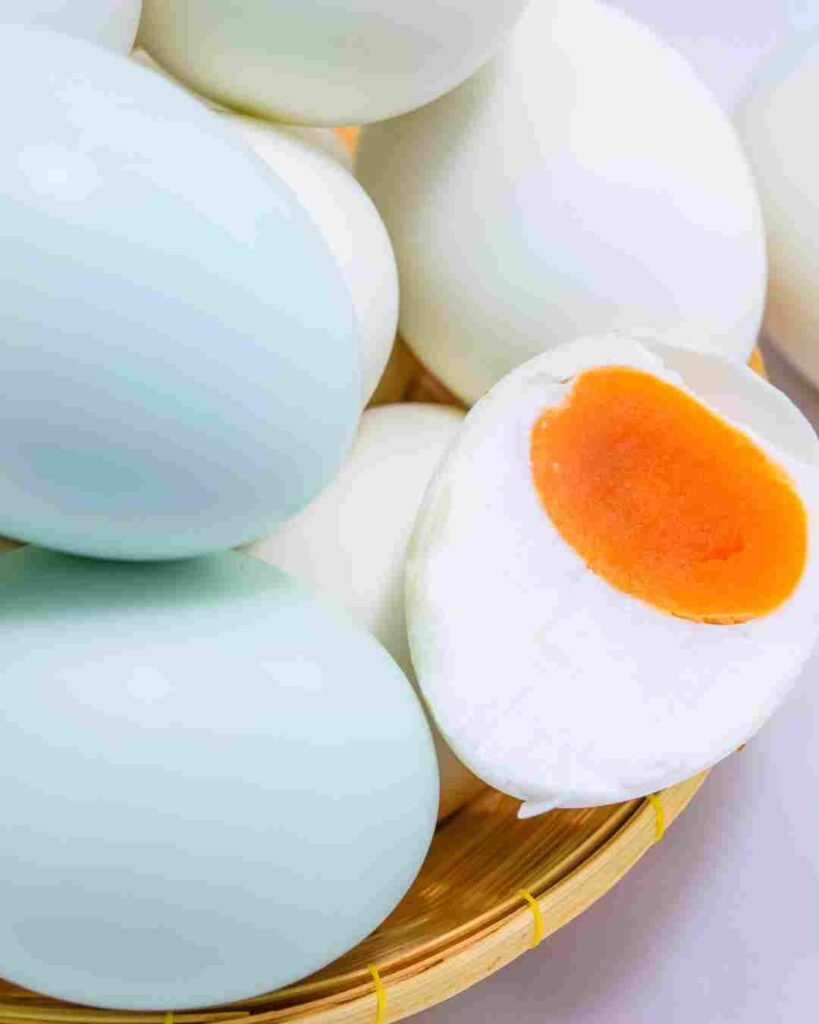
The elephant in the room regarding duck eggs is cholesterol. Search queries for duck eggs vs chicken eggs cholesterol are among the most common.
Cholesterol Levels
There is no sugar-coating it: Duck eggs are high in cholesterol.
- Chicken Egg: ~186 mg of cholesterol per egg.
- Duck Egg: ~620 mg of cholesterol per egg.
That is more than twice the recommended daily limit (300mg) in a single shell.
Duck Eggs vs Chicken Eggs: Health Impacts
Does this make duck eggs dangerous? Not necessarily. Modern nutrition science distinguishes between dietary cholesterol and blood cholesterol.
For most healthy people, consuming dietary cholesterol does not significantly raise blood cholesterol levels or heart disease risk. The liver adjusts its own cholesterol production based on what you eat.
However, for “hyper-responders” (people whose genetics make them sensitive to dietary cholesterol) or those with pre-existing heart conditions, the cholesterol in duck eggs vs chicken eggs is a serious factor.
The Verdict:
- Healthy Population: Duck eggs are safe in moderation (3-4 per week) and provide superior healthy fats (Omega-3s).
- High-Risk Population: Stick to chicken eggs or use duck egg whites, which are cholesterol-free.
Duck Eggs vs Chicken Eggs Taste & Texture
We’ve covered the science; now let’s talk about the experience. Do duck eggs taste different than chicken eggs?
The Flavor Profile
Yes, there is a distinct difference.
- Chicken Eggs: Mild, sulfurous, familiar. The taste is neutral enough to blend into any dish.
- Duck Eggs: Rich, creamy, and “gamey.”
How do duck eggs taste?
Imagine a chicken egg, but with the volume turned up. The flavor is intense and savory. Some people describe it as “earthy” or “meaty.” This is largely due to the duck’s diet (often bugs, snails, and aquatic plants) and the higher fat content in the yolk.
Texture: The “Creaminess” Factor
The texture is where most converts are won over. Because duck eggs have less water and more fat, the yolk is incredibly creamy. When cooked over-easy, the yolk flows like thick, heavy cream rather than the runny liquid of a chicken egg.
The white is also firmer and has a more rubbery “snap” if overcooked, which some consumers love, and others dislike.
Duck Eggs vs Chicken Eggs Size & Yield
If you are switching to duck eggs, you cannot simply swap them 1:1 in every scenario without adjustments.
How Many Chicken Eggs Equal One Duck Egg?
The general rule of thumb for conversion is: 2 Duck Eggs ≈ 3 Large Chicken Eggs
If a recipe calls for a specific weight of eggs, use a kitchen scale.
- Jumbo Chicken Egg: ~63g
- Duck Egg: ~70-90g
If you are frying eggs for breakfast, one duck egg might fill you up as much as two small chicken eggs. This impacts the duck eggs vs chicken eggs size value proposition—you might pay more per dozen, but you eat fewer of them.
Duck Eggs vs Chicken Eggs in Cooking & Baking
This is perhaps the most exciting section for culinarians. Cooking with duck eggs vs chicken eggs changes the chemistry of your food.
Baking with Duck Eggs
Bakers consider duck eggs a secret weapon. Why?
- More Fat (Yolk): Adds richness and moisture to cakes and custards.
- More Protein (White): The proteins in duck egg whites create a stronger structure. This helps cakes rise higher and hold their shape better.
Best For:
- Sponge Cakes & Angel Food Cake: The higher protein creates a loftier, lighter crumb.
- Custards & Crème Brûlée: The massive, fatty yolks create a silkier mouthfeel than chicken eggs ever could.
- Gluten-Free Baking: The extra protein in duck eggs helps bind gluten-free flours (like almond or rice flour) better than chicken eggs, preventing crumbly disasters.
Hard-Boiled Duck Eggs vs Chicken Eggs
Boiling a duck egg requires patience. Because the shell is thicker and the mass is larger, they take longer to cook.
- Soft Boiled: 6–7 minutes (Duck) vs 4–5 minutes (Chicken).
- Hard Boiled: 10–12 minutes (Duck) vs 8–9 minutes (Chicken).
Warning: The whites of hard-boiled duck eggs can become very rubbery if overcooked. They are best enjoyed soft-boiled or poached.
Scrambled Duck Eggs vs Chicken Eggs
Scrambled duck eggs are decadent. They result in a brighter orange scramble that is dense and creamy. However, due to the low water content, they cook faster than you expect. Chefs recommend adding a splash of water or milk to duck eggs before scrambling to keep them fluffy.
Why Do Chefs Prefer Duck Eggs?
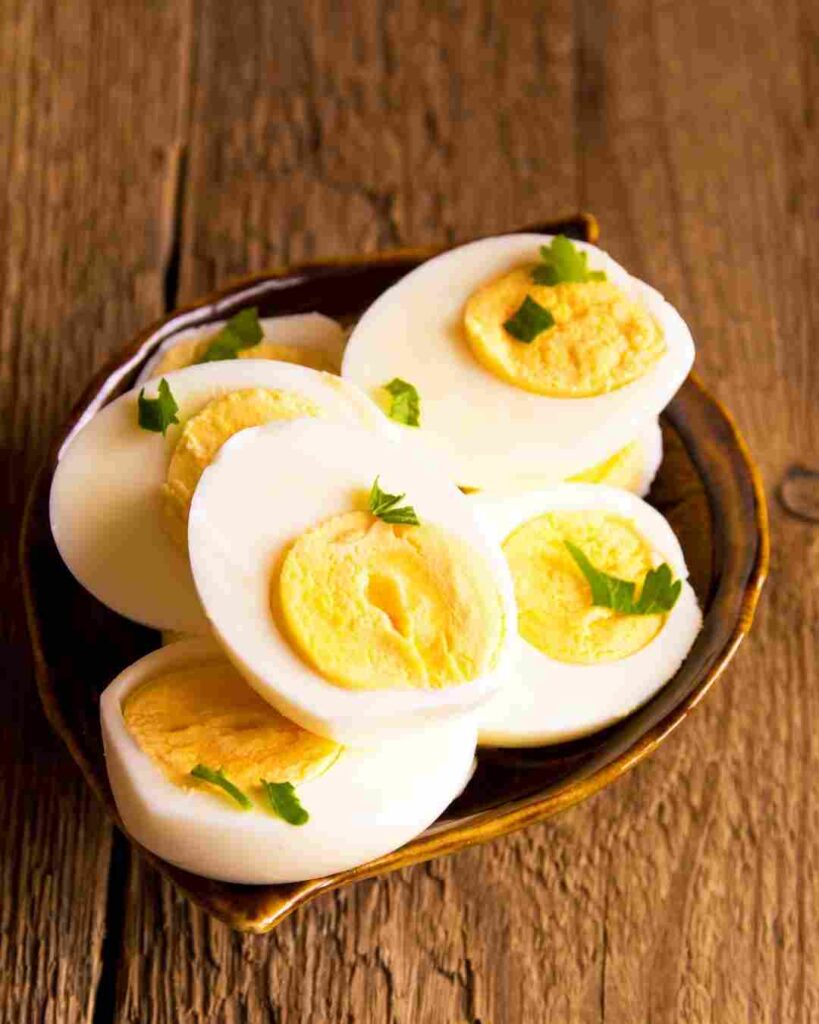
You will often see “Duck Egg Carbonara” or “Duck Egg Ravioli” on Michelin-star menus. Why do chefs prefer duck eggs?
- Aesthetics: The vibrant orange yolk creates a stunning visual presentation, especially for pasta dough, turning it a deep golden color without artificial dyes.
- Richness: In dishes like Carbonara or hollandaise sauce, fat is flavor. The higher fat content of duck yolks creates a more stable and luxurious emulsion.
- Differentiation: Offering duck eggs signals to the diner that the establishment uses premium, specialty ingredients.
Are duck eggs better to eat than chicken eggs for fine dining? In terms of luxury and mouthfeel, absolutely.
Duck Eggs vs Chicken Eggs: Allergy & Safety
For some families, the switch to duck eggs isn’t about taste—it’s about medical necessity.
Duck Eggs vs Chicken Eggs Allergy
This is a critical distinction. Many people diagnosed with an egg allergy are allergic specifically to certain proteins in the chicken egg white (like ovalbumin or ovomucoid). Duck eggs have different protein structures. While cross-reactivity exists, some people who are allergic to chicken eggs can safely eat duck eggs.
- Caution: If you have a severe anaphylactic reaction to chicken eggs, consult your allergist before trying duck eggs. But for those with mild sensitivities or digestive issues with chicken eggs, duck eggs are often a safe, digestible alternative.
Salmonella Risk
Do not let the “farm-fresh” label fool you; the dangers of eating duck eggs exist. Ducks lay eggs in wetter, dirtier environments than chickens (often near mud or ponds). This increases the risk of Salmonella on the shell.
- Tip: Never wash duck eggs until right before you use them (washing removes the protective bloom).
Always cook duck eggs thoroughly if you are immunocompromised. However, the thicker shell of the duck egg does offer better protection against bacteria penetrating the inside than the thin chicken shell.
Duck Eggs vs Chicken Eggs Price & Availability
Duck eggs vs chicken eggs price is usually the dealbreaker for the average consumer.
The Cost Breakdown
- Chicken Eggs (Conventional): $2.00 – $4.00 per dozen.
- Chicken Eggs (Pasture-Raised): $5.00 – $8.00 per dozen.
- Duck Eggs: $6.00 – $12.00 per dozen (often sold in half-dozens for $4–$6).
Duck eggs are significantly more expensive. Why?
- Ducks Eat More: A duck eats much more feed than a chicken to produce a single egg.
- Laying Frequency: While high-production chickens lay almost every day (300+ eggs/year), ducks are more seasonal and may lay fewer eggs depending on the breed.
- Farming Difficulty: Ducks require water and more space; they cannot be crammed into battery cages as easily as chickens.
Availability
You generally cannot find duck eggs at a 7-Eleven.
- Chicken Eggs: Ubiquitous.
- Duck Eggs: Whole Foods, Asian markets (often salted), farmers’ markets, or direct from local farms.
Duck Breeds: Muscovy, Pekin & Runner Duck Eggs vs Chicken Eggs
Just as a Leghorn chicken differs from a Rhode Island Red, the breed of duck matters.
Pekin Duck Eggs vs Chicken Eggs
The Pekin is the most common commercial duck (think Aflac duck). They lay large, white eggs.
- Comparison: Pekin eggs are the standard “duck egg” described in this article—large, mild flavor, great for baking.
Muscovy Duck Eggs vs Chicken Eggs
Muscovy ducks are huge birds. Their eggs are massive (often 50% larger than a standard duck egg) and have a very rich, almost muskier flavor.
- Best For: Savory dishes, not delicate sweets.
Runner Duck Eggs vs Chicken Eggs
Indian Runner ducks are prolific layers (often 300 eggs/year), rivaling chickens. Their eggs are slightly smaller than Pekin eggs but often have a greenish tint.
- Flavor: Mildest of the duck eggs, closest to chicken eggs in taste.
Why Don’t We Eat Duck Eggs Instead of Chicken Eggs?
If duck eggs are bigger, richer, and more nutritious, why don’t we eat duck eggs instead of chicken eggs?
The answer lies in economics and convenience.
- Industrial Farming: Chickens are easier to industrialize. They don’t need water for swimming, they are smaller, and they are docile in coop environments. Ducks are messy, water-loving, and harder to automate.
- Price: The average consumer prioritizes cost. The feed-conversion ratio for chickens is far superior.
- Taste Familiarity: The “gamey” taste of duck eggs can be off-putting to children or those accustomed to the neutral taste of commercial chicken eggs.
- Salmonella Perception: Historically, duck eggs were associated with higher Salmonella rates in Europe, leading to public health warnings that lingered in the cultural memory, although modern standards have improved this.
Duck Eggs Recipes & Best Uses
If you have bought your first carton, here is how to use it.
Best Cooking Methods
- The Fried Egg: Fry a duck egg in butter. The massive yolk makes for a dipping sauce all on its own. Serve over sourdough toast.
- The Baker’s Swap: Substitute duck eggs in your favorite pound cake recipe. Use 2 duck eggs for every 3 chicken eggs.
- Asian Cuisine: Try “Salted Duck Eggs,” a staple in Chinese congee. The salt curing transforms the yolk into a firm, umami bomb.
Simple Recipe: Creamy Duck Egg Scramble
- Whisk 3 duck eggs with 1 tbsp heavy cream.
- Melt butter in a non-stick pan over low heat.
- Pour in eggs. Stir constantly with a spatula.
- Remove from heat while they still look slightly wet (carryover heat will finish them).
- Season with chives and flaky salt.
Duck Eggs vs Chicken Eggs: Reddit, Pictures & Real-World Opinions
A quick search for duck eggs vs chicken eggs on Reddit reveals a passionate community.
Common Misconceptions on Social Media
- “Duck eggs taste fishy.”
- Reality: Only if the ducks are fed fish meal or have access to stagnant pond water. Farm-raised ducks fed grain and bugs taste savory, not fishy.
- “They are hard to crack.”
- Reality: True. Users often post videos of themselves failing to crack duck eggs one-handed.
The “Game Changer” Consensus
Most Redditors and forum users agree: Once you try a fried duck egg with a runny yolk, it is hard to go back to chicken eggs. The richness is often described as “luxury on a plate.”
Frequently Asked Questions
Do duck eggs have more cholesterol than chicken eggs?
Yes. A duck egg contains roughly 620mg of cholesterol compared to 186mg in a chicken egg. However, they also contain more healthy Omega-3 fatty acids.
Are duck eggs better to eat than chicken eggs?
“Better” is subjective. Nutritionally, duck eggs are superior in Vitamin B12, Iron, and Selenium. For baking, they produce better cakes. For low-calorie diets, chicken eggs are better.
Which is healthier duck eggs or chicken eggs?
Duck eggs are more nutrient-dense (more vitamins per gram), but also more calorie and fat-dense. If you need nutrients and energy, duck eggs are healthier. If you need to restrict fat, chicken eggs are healthier.
How many chicken eggs equal one duck egg?
Two duck eggs are roughly equal to three large chicken eggs. A single duck egg is about 30-50% larger than a chicken egg.
What are the major health impacts of duck eggs vs chicken eggs?
Duck eggs provide significantly more Vitamin B12 (supporting nerve health) and antioxidants. However, their high cholesterol content means individuals with heart disease should consume them in moderation.
Final Verdict: Duck Eggs vs Chicken Eggs – Which Is Better for You?
The battle of duck eggs vs chicken eggs doesn’t have a single winner—it depends entirely on your goals.
Choose Chicken Eggs If:
- You are on a budget.
- You prefer a mild, neutral flavor.
- You are watching your daily cholesterol or calorie intake strictly.
- You want convenience and widespread availability.
Choose Duck Eggs If:
- You are a baker wanting higher-rising cakes and richer custards.
- You follow a Paleo or Keto diet and want maximum healthy fats.
- You are allergic to chicken eggs but want an alternative.
- You are an athlete or anaemic looking for a dense source of B12 and Iron.
- You want to elevate your brunch with a richer, creamier yolk.
The Takeaway: Duck eggs are not just “big chicken eggs.” They are a distinct culinary ingredient with a unique nutritional profile. While they may not replace the affordable chicken egg as the daily staple for everyone, they are a powerful addition to a healthy diet and a secret weapon in the kitchen.
Next time you see that carton of large, pearly white eggs at the farmers’ market, pick them up. Your Sunday morning omelet will never be the same.
References
- Healthline: Duck Eggs: Nutrition, Benefits, and Side Effects. https://www.healthline.com/nutrition/duck-eggs-vs-chicken-eggs
- WebMD: Health Benefits of Duck Eggs. https://www.webmd.com/diet/health-benefits-duck-eggs
- USDA FoodData Central: Egg, Duck, Whole, Fresh vs Egg, Chicken, Whole, Fresh. https://fdc.nal.usda.gov/
- The Spruce Eats: Baking with Duck Eggs. https://www.thespruceeats.com/baking-with-duck-eggs-1135432