



Walk down the refrigerated aisle of any modern grocery store, and you will notice a significant shift. Where once there were only rows of cow’s milk tubs, there is now a colorful explosion of plant-based alternatives. From almond and oat to coconut and soy, the options seem endless. But for the uninitiated, this variety can be overwhelming. This surge in popularity raises a fundamental question: What is dairy-free yogurt, and who is it really for?
What Is Dairy-Free Yogurt?
At its core, dairy-free yogurt is a cultured product made from plant-based milk rather than animal milk. It is designed to mimic the creamy texture, tangy flavor, and probiotic benefits of traditional yogurt without using lactose, whey, or casein.
While it was once a niche product found only in health food co-ops, it has now gone mainstream. The audience for these products is vast and varied.
It includes the millions of people worldwide who are lactose intolerant, those with severe milk protein allergies, vegans avoiding animal products for ethical reasons, and the “flexitarian” consumers simply looking to reduce their dairy intake for health or environmental reasons.
However, confusion remains. Is yogurt dairy free by default? (No). Is it the same as lactose-free yogurt? (Also no). If you are looking for a non-dairy yogurt that fits your lifestyle, understanding these nuances is critical.
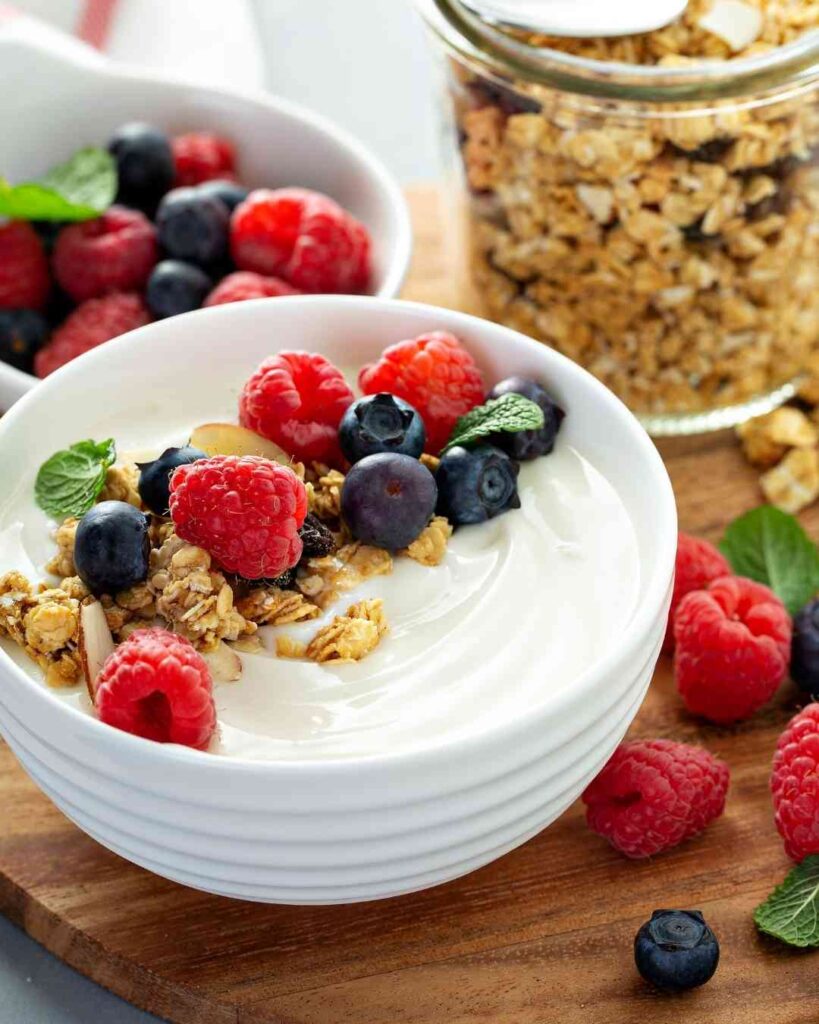
Whether you are hunting for a high-protein dairy-free yogurt to fuel your workout or a creamy coconut treat for dessert, this guide will serve as your ultimate resource for navigating the plant-based yogurt aisle.
Is Yogurt Dairy Free? (The Clear Answer)
Let’s tackle the most common query immediately: Is yogurt dairy free?
The Short Answer: No. Traditional yogurt is not dairy-free.
Standard yogurt is made by fermenting animal milk—usually cow’s milk, but sometimes goat or sheep milk—with bacterial cultures. This means it inherently contains dairy proteins (casein and whey) and dairy sugars (lactose), unless processed otherwise. If you grab a random tub of yogurt off the shelf without checking the label, it is almost certainly a dairy product.
Is there dairy free yogurt? Yes, absolutely.
Is there a dairy free yogurt that tastes good? Yes, but they are specifically formulated products. You must look for labels that explicitly say “Plant-Based,” “Non-Dairy,” “Vegan,” or specify the base ingredient (e.g., “Almondmilk Yogurt”).
The Spectrum of Yogurt Types
To help you avoid an upset stomach or an allergic reaction, here is a breakdown of the three main categories you will encounter:
| Feature | Traditional Yogurt | Lactose-Free Yogurt | Dairy-Free (Plant-Based) Yogurt |
| Primary Ingredient | Cow/Goat/Sheep Milk | Cow Milk (modified) | Almond, Soy, Coconut, Oat, Cashew, etc. |
| Contains Milk Protein? | Yes (Casein/Whey) | Yes (Casein/Whey) | No |
| Contains Lactose? | Yes | No (Enzymes added) | No |
| Safe for Vegans? | No | No | Yes |
| Safe for Milk Allergy? | No | No | Yes |
If you have a milk allergy, you must strictly stick to the dairy-free yogurt category. If you are only intolerant to the sugar in milk (lactose), you have more flexibility, which leads us to our next important distinction.
Dairy-Free vs. Lactose-Free Yogurt (Important Clarification)
One of the biggest sources of confusion for consumers is the difference between lactose-free yogurt and dairy-free yogurt. Many people use the terms interchangeably, but they are chemically very different.
Is lactose free yogurt dairy free? No.
Lactose-free yogurt is real dairy yogurt. It is made from cow’s milk, but manufacturers add an enzyme called lactase during processing. This enzyme breaks down the milk sugar (lactose) into glucose and galactose, making it digestible for those with lactose intolerance.
However, it still contains milk proteins. If you are vegan or allergic to milk proteins, lactose free yogurt will still cause a reaction or violate your dietary ethics.
Who Should Choose Which?
Choose Lactose-Free Yogurt If:
- You love the specific taste and texture of cow’s milk yogurt.
- You want the natural protein and calcium density of dairy without the stomachache.
- You are not vegan and do not have a dairy allergy.
Choose Dairy-Free Yogurt If:
- You have a Milk Allergy: Even a trace of casein or whey can trigger a reaction.
- You are Vegan: You avoid all animal by-products.
- You are avoiding hormones: You prefer plant-based sources to avoid potential hormones found in some industrial dairy.
- You want strictly plant-based nutrition: You are looking for yogurt for lactose-intolerant people that also aligns with a plant-forward diet.
Understanding this distinction ensures you don’t accidentally buy a product that could harm your health or break your diet.
What Is Dairy-Free Yogurt Made Of?
If there is no cow’s milk involved, what is dairy free yogurt made of?
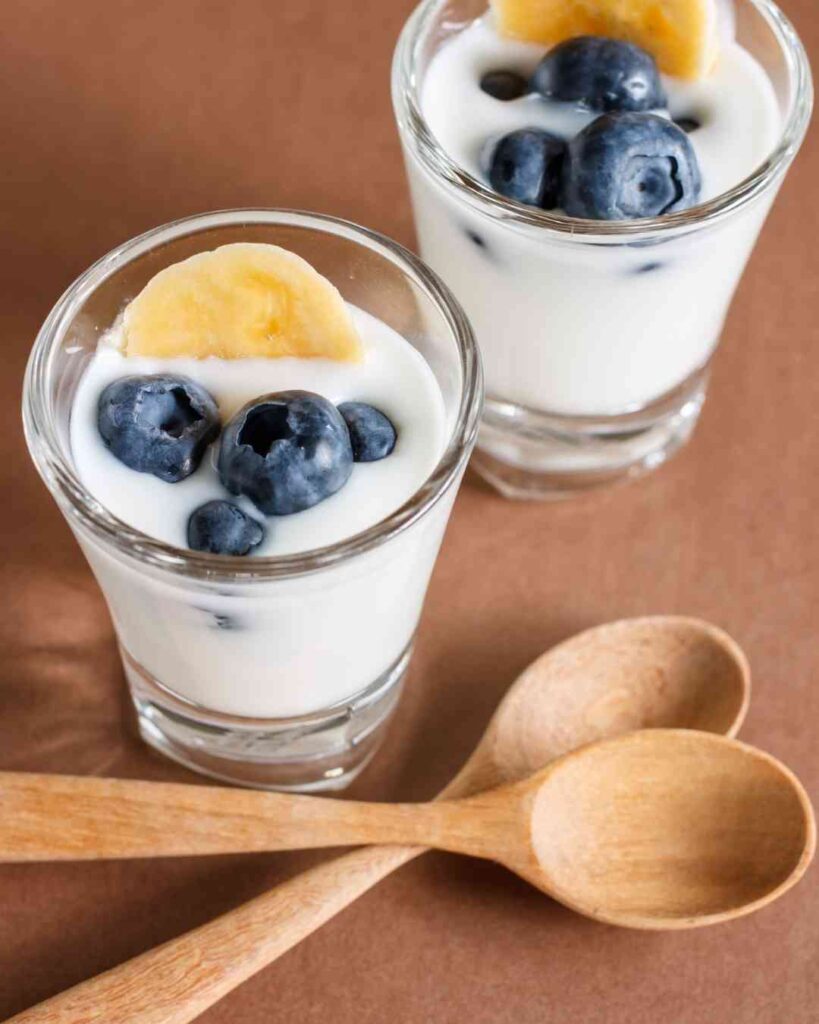
How is dairy free yogurt made to look and feel like the real thing?
Non-dairy yogurts are essentially cultured plant milks. However, because plant milks (like almond or oat water) are generally thinner and lower in protein and fat than cow’s milk, they don’t curdle and thicken naturally in the same way.
To achieve that spoonable, creamy texture, brands use a combination of bases, thickeners, and cultures.
Here are the most common bases you will find, each with distinct characteristics:
1. Coconut Milk
Texture: The thickest and creamiest option due to high saturated fat content.
Flavor: Strong coconut undertone.
Best For: Dessert-like yogurts and those who want a rich mouthfeel.
Note: Often lower in protein.
2. Almond Milk
Texture: Thinner and lighter, similar to a traditional low-fat yogurt.
Flavor: Subtle nuttiness, though often masked by fruit flavors.
Best For: Low-calorie diets.
Note: What is dairy free yogurt made out of when it’s almond-based? Usually, almonds, water, and thickeners like agar or pectin are used to stabilize it.
3. Soy Milk
Texture: Smooth and creamy; the closest nutritional match to dairy.
Flavor: Mild, sometimes “beany” if not flavored well.
Best For: Protein seekers. Soy is naturally high in protein.
4. Oat Milk
Texture: Starchy and slightly gooey, but very popular for its sustainability.
Flavor: Sweet and grainy (in a pleasant way).
Best For: Nut-free allergy sufferers.
5. Cashew Milk
Texture: rich and decadent, similar to coconut but with a more neutral flavor.
Flavor: Buttery and mild.
Best For: Making savory dips or cream sauces.
The Role of Thickeners
Because plant milks don’t coagulate like dairy, you will often see ingredients like:
- Starches: Tapioca starch, arrowroot powder, or corn starch.
- Gums: Locust bean gum, guar gum, xanthan gum, or agar-agar.
- Proteins: Pea protein or fava bean protein (added to boost structure and nutrition).
Does Dairy-Free Yogurt Have Probiotics?
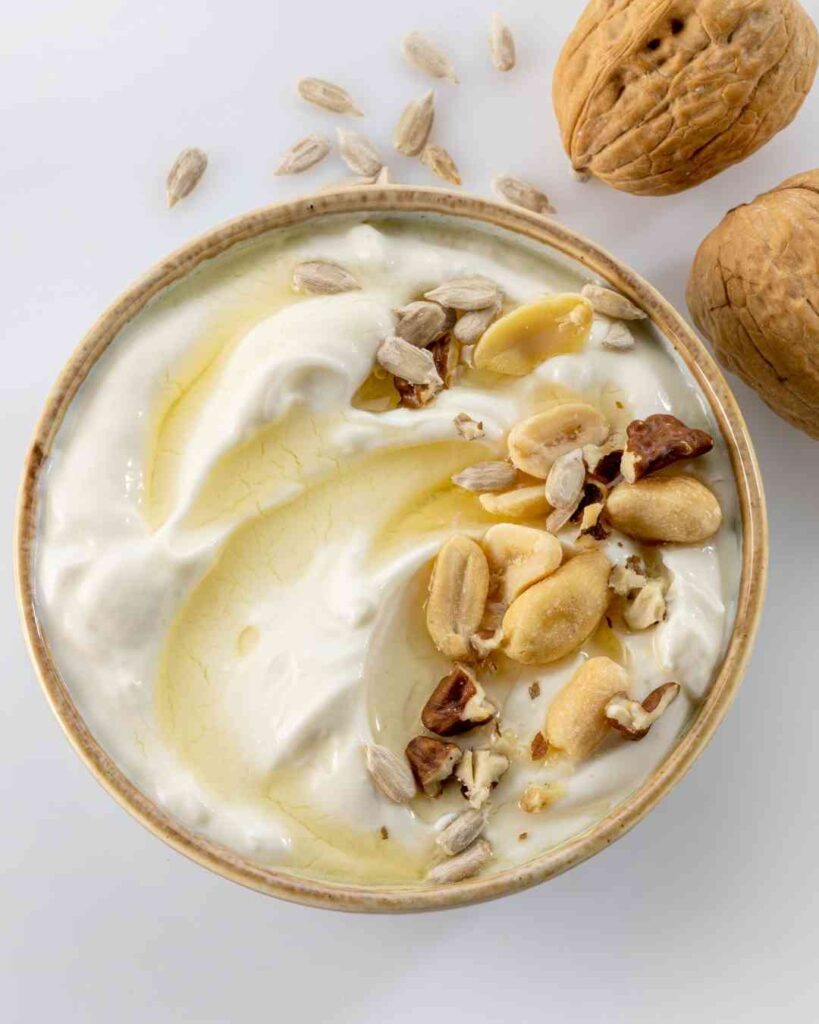
The primary health benefit of traditional yogurt is its live active cultures, which support gut health. Naturally, you might wonder: Does dairy free yogurt have probiotics?
Yes.
The fermentation process for dairy-free yogurt is virtually the same as dairy yogurt. Manufacturers add specific bacterial strains—such as Lactobacillus bulgaricus, Streptococcus thermophilus, Lactobacillus acidophilus, and Bifidobacterium—to the plant base.
These bacteria ferment the sugars in the plant milk, producing lactic acid. This acid gives the yogurt its signature tangy flavor (though often less tart than dairy yogurt) and preserves it.
Label Reading for Gut Health
However, not all plant-based yogurts are created equal. Some are heat-treated after fermentation to extend shelf life, which kills the beneficial bacteria. To ensure you are getting the gut-health benefits:
- Check the Seal: Look for the “Live & Active Cultures” seal (though this is less common on vegan products, the text claim is usually there).
- Read the Ingredients: Look for a list of specific bacterial strains.
- Avoid Shelf-Stable: Buy yogurt from the refrigerated section. Shelf-stable versions rarely contain live probiotics.
So, when you ask, “Is there a dairy free yogurt that helps digestion?” The answer is yes, provided you choose brands committed to traditional fermentation methods.
Protein in Dairy-Free Yogurt (Major Keyword Cluster)
One of the biggest criticisms of plant-based yogurt is the lack of protein. A cup of dairy yogurt can pack 8-12g of protein, while a standard almond yogurt might have only 1g. For athletes or those tracking macros, finding dairy free yogurt with protein is a priority.
Does dairy free yogurt have protein?
It depends entirely on the base ingredient and fortification.
The Protein Breakdown by Base
- Soy Yogurt: The original protein king. Soy is a complete protein.10 Expect 6–9g of protein per serving.
- Pea Protein Fortified: Many modern brands (like Ripple or specific high-protein lines from Silk/Kite Hill) add pea protein isolate.11 These are excellent high protein dairy free yogurt options, often boasting 10g+.
- Almond & Coconut: Naturally very low in protein (often <1g to 3g). If you rely on these, you aren’t getting a protein source; you’re getting a fat/carb source.
- Oat: Moderate protein, usually 3–4g.
Finding the Best Dairy-Free Protein Yogurt
If you are looking for dairy free greek yogurt high protein options, you have to read labels carefully. The texture of “Greek” style plant yogurt is usually achieved by adding thickeners rather than straining (which concentrates protein in dairy).
Therefore, a “Greek Style” coconut yogurt might still only have 1g of protein unless it says “Protein Added.”
Top Picks for Protein:
- Siggi’s Plant-Based: Uses a blend of coconut, macadamia, and pea protein to hit 10g of protein.
- Kite Hill Protein: A specific line fortified with soy/pea protein for 10g+.
- Silk Greek Style: Uses pea protein to achieve thick texture and 10g of protein.
If protein is your goal, avoid standard coconut or almond yogurts and look specifically for “Soy” or “Protein” on the front of the tub.
Is Dairy-Free Yogurt Healthy?
With all the processing and additives mentioned, is dairy free yogurt healthy? Or is dairy free yogurt good for you compared to the real thing?
The answer is nuanced and depends on the brand.
The Pros:
- No Cholesterol: Unlike full-fat dairy, plant yogurts have zero cholesterol.
- Heart Healthy Fats: Nut-based yogurts contain monounsaturated fats which are good for heart health.
- Digestibility: Easy on the stomach for the 65% of the global population with lactose malabsorption.
- Fiber: Some oat and nut yogurts contain natural fiber, which dairy lacks.
The Cons (and What to Watch For):
- Added Sugars: This is the biggest trap. Because plant milks can taste plain or vegetal, brands often load them with cane sugar. Some flavored cups have 15-20g of sugar. Always look for “Unsweetened” or “Plain” varieties.
- Nutrient Gaps: Dairy provides calcium, Vitamin D, and B12 naturally.12 Healthiest non dairy yogurt options are fortified with these vitamins to match the nutritional profile of milk. If it isn’t fortified, it’s just empty calories.
- Additives: If you are a clean-eater, the list of gums and stabilizers might be a turn-off, though they are generally recognized as safe.
Conclusion: The healthiest non dairy yogurt is one that is unsweetened, fortified with Calcium and Vitamin D, and contains live cultures.
Is Greek Yogurt Dairy Free?
Is Greek yogurt dairy free?
Authentic Greek yogurt is strained cow’s milk, so traditional Greek yogurt is not dairy-free.
However, is there dairy free greek yogurt? Yes.
Brands have recognized the massive demand for the thick, spoonable texture of Greek yogurt.
Is there a dairy free greek yogurt that replicates this?
Yes, but the method is different. Traditional Greek yogurt is strained to remove whey (liquid), making it thick and protein-dense. Dairy free greek yogurt is usually thickened with starches, agar, or higher fat content (like coconut cream) to replicate the texture.
Recent innovations have improved this category significantly. Brands like Kite Hill and Silk now offer “Greek Style” plant-based yogurts. They are incredibly thick and often fortified with almond or pea protein to mimic the satiety factor of real Greek yogurt.
6 Best Dairy-Free Yogurt Brands (Mini-Reviews)
If you are wondering what is the best dairy free yogurt, the answer is subjective based on your taste buds. However, several brands consistently top the charts for texture, flavor, and availability. Here are the top dairy free yogurt options currently on the market.
1. Silk Dairy-Free Yogurt
Base: Almond, Soy, Oat, or Coconut.
Verdict: The reliable veteran. Silk yogurt is available almost everywhere. Their “Greek Style” Coconut/Pea blend is a standout for texture lovers. Their almond milk versions are decent but can be thin.
Best For: Availability and variety.
2. So Delicious Dairy-Free Yogurt
Base: Coconut mostly (also offers Oat).
Verdict: True to their name. So Delicious dairy free yogurt is known for being dessert-like.16 Their coconut base is incredibly creamy and rich. However, watch the sugar content in the flavored versions.
Best For: Taste and dessert replacements.
3. Kite Hill Dairy-Free Yogurt
Base: Almond Milk.
Verdict: The artisan choice. Kite Hill dairy free yogurt uses traditional culturing methods with almond milk.17 The texture is gelatinous but smooth, and the flavor is tangier and more sophisticated than others. Their “Protein” line is excellent.
Best For: Clean ingredients and tangy flavor profile.
4. Siggi’s Plant-Based
Base: Coconut, Macadamia, and Pea Protein.
Verdict: Siggi’s dairy free yogurt changed the game. It is thicker than almost any other plant yogurt and boasts high protein (10g) and low sugar. It has a very specific, nutty flavor profile that some love and others find gritty.
Best For: High protein and low sugar.
5. Oatly Dairy-Free Yogurt (Oatgurt)
Base: Oat Milk.
Verdict: Oatly dairy free yogurt is a sustainability winner. It tastes very much like oats—sweet and earthy. The texture is smooth but can be a bit “stretchy” due to oat beta-glucans.
Best For: Nut-free diets and eco-conscious shoppers.
6. Chobani Non-Dairy
Base: Coconut or Oat.
Verdict: The dairy giant entered the chat. Chobani dairy free yogurt is exceptionally creamy.18 Their coconut blend is one of the best “dupes” for the mouthfeel of dairy yogurt.
Best For: People transitioning from dairy who want a familiar brand experience.
Is Popular Yogurt Dairy Free? (Brand Specifics)
Shoppers often search for specific major brands to see if they offer options.
- Is Chobani Greek Yogurt Dairy Free?
No. Standard Chobani Greek Yogurt is dairy. However, Chobani has a specific line called “Chobani Non-Dairy” (purple packaging) and “Chobani Oat” which are dairy-free.19 - Is Fage Yogurt Dairy Free?
Currently, no. Fage is known for traditional strained Greek dairy yogurt and has not released a widely available non-dairy version in the US market yet. - Is Silk Yogurt Dairy Free?
Yes. Silk is exclusively a plant-based brand. All Silk yogurt products are 100% dairy-free and vegan. - Is Oikos Dairy Free?
No. Oikos (by Danone) is a dairy Greek yogurt brand. However, Danone owns Silk and So Delicious, so they channel their dairy-free efforts there.20
Best Dairy-Free Greek Yogurt & High-Protein Picks
If you are strictly hunting for that thick texture and gym-friendly macro profile, here is a quick comparison of the best dairy free greek yogurt and dairy free greek yogurt high protein contenders.
| Brand | Style | Protein per Cup | Base | Texture Note |
| Siggi’s Plant-Based | Skyr / Greek | 10g | Coconut/Pea | Very thick, slightly textured. |
| Kite Hill Greek Style | Greek | 11–17g | Almond/Soy | Smooth, closest to dairy Greek. |
| Silk Greek Style | Greek | 10g | Coconut/Pea | Creamy, very thick. |
| Trader Joe’s Cultured Cashew | Regular | 3g | Cashew | Creamy, but low protein. |
Winner: For pure protein-to-calorie ratio, Kite Hill Greek Style is currently the market leader for dairy free yogurt high protein.
Where to Buy Dairy-Free Yogurt
Gone are the days of specialty health food stores. You can find dairy free yogurt options in most major retailers.
- Dairy Free Yogurt Walmart: Walmart carries a massive selection, including Silk, So Delicious, Chobani, and even budget-friendly generic store brands in some locations.
- Dairy Free Yogurt Aldi: Aldi has an excellent proprietary line called “Earth Grown.” Their coconut and almond yogurts are affordable and surprisingly tasty.
- Dairy Free Yogurt Tesco / Sainsbury’s (UK): The UK market is huge for Alpro (soy-based) and The Coconut Collaborative brands.
- Dairy Free Yogurt Plain: Finding plain, unsweetened versions can be harder than vanilla. Look on the top shelves of the natural foods aisle in stores like Whole Foods or Sprouts for large tubs of Plain Unsweetened Kite Hill or Forager Project.
Tip: Check both the traditional yogurt aisle AND the separate “Natural/Organic” refrigerated section. Stores often split the stock.
Dairy-Free Yogurt for Special Needs
Dairy Free Yogurt for Babies
Pediatricians often recommend yogurt as an early food, but what if your baby has a milk protein allergy?
Dairy free yogurt for babies should be:
- Unsweetened: Avoid sugar bombs.
- High Fat: Babies need fat for brain development. Coconut milk yogurts (like Cocojune) are excellent here.
- Fortified: Look for calcium and Vitamin D.
Yogurt Dairy Free and Sugar Free
If you are diabetic or Keto, look for brands using Stevia or Monkfruit, or simply stick to Plain Unsweetened varieties. Kite Hill Plain Unsweetened contains 0g of added sugar and is very low carb.
How to Make Dairy-Free Yogurt at Home
If you are tired of paying premium prices for small plastic cups, learning how to make dairy free yogurt is a game changer. It is cheaper, and you control the ingredients.
The Basic Dairy Free Yogurt Recipe
Ingredients:
- Milk: 1 quart of high quality canned coconut milk (full fat) or homemade high-concentration soy/almond milk. (Carton milk often has too much water).
- Thickener: 1 tsp Agar agar powder or 2 tbsp tapioca starch (optional, but recommended for texture).
- Culture: A vegan yogurt starter powder OR 2 tablespoons of a store-bought dairy-free yogurt containing live cultures.
- Sweetener: (Optional) Maple syrup or honey (if not vegan).
Instructions:
- Heat the Milk: Pour milk into a saucepan. If using thickeners, whisk them in now. Heat the milk to roughly 180°F (82°C) to kill off wild bacteria and activate thickeners.
- Cool Down: Let the milk cool to roughly 110°F (43°C). This is crucial. If it’s too hot, you kill the probiotics. If it’s too cold, they won’t wake up.
- Inoculate: Whisk in your starter culture or store-bought yogurt.
- Incubate: Keep the mixture warm (110°F) for 8–12 hours. You can use a yogurt maker, an oven with the light on, or an Instant Pot (see below).
- Chill: The yogurt will be soft when warm. Put it in the fridge for at least 6 hours to set and firm up.
Troubleshooting: If it’s too runny, you likely didn’t use enough thickener or the milk fat content was too low.
How to Make Dairy-Free Yogurt in an Instant Pot
The Instant Pot is the easiest tool for this job because it maintains a consistent temperature.
- Sanitize: Ensure your inner pot is very clean.
- Scald (Optional): Use the “Sauté” function to heat milk to 180°F if using raw nut milk. If using canned coconut milk, you can often skip this.
- Cool: Allow milk to reach 110°F.
- Whisk: Add your starter culture/probiotic powder.
- Program: Press the “Yogurt” button. Set the timer.
- Coconut/Almond: 12–15 hours (needs longer than dairy).
- Soy: 8–10 hours.
- Finish: Once the timer beeps, remove the pot, cover, and refrigerate. Do not stir it while it is warm, or it will lose its structure.
FAQs
Which yogurt is dairy free?
Any yogurt labeled “Plant-Based,” “Vegan,” or made from Almond, Soy, Coconut, Oat, Cashew, or Peas. Popular brands include Silk, So Delicious, Kite Hill, and Forager.
What kind of yogurt is dairy free?
Non-dairy yogurt is a cultured product made from plants. It is not “milk” in the biological sense, but it is fermented similarly to create a tangy, creamy food.
Is coconut yogurt dairy free?
Yes, almost always. Coconut yogurt is made from coconut milk and cultures.25 However, always double-check the label to ensure no dairy proteins were added for texture (rare, but possible).
Does dairy-free yogurt have probiotics?
Yes, most refrigerated brands contain live active cultures like L. acidophilus and Bifidobacterium to support gut health.
Does dairy-free yogurt have protein?
Soy and Pea-protein fortified yogurts have high protein (8-10g). Standard almond or coconut yogurts have very low protein (1g) unless fortified.
Is Greek yogurt dairy free?
Traditional Greek yogurt is not. You must buy “Greek Style” plant-based yogurt to get a dairy-free version.
Conclusion & Buying Tips
The world of dairy free yogurt has evolved from watery, flavorless experiments into a robust market of creamy, delicious, and nutritious options. Whether you need a high protein dairy free yogurt for your post-workout shake or a rich coconut yogurt for a parfait, there is a tub out there for you.
Quick Buying Checklist:
- Check the Sugar: Aim for <8g of sugar per serving.
- Check the Protein: If you want a meal replacement, look for Soy or Pea protein bases (10g+).
- Check the Cultures: Ensure the label mentions “Live Active Cultures.”
- Check Vitamins: Look for Vitamin D and Calcium fortification (at least 10-15% DV).
By making informed choices, you can enjoy all the versatility of yogurt—creamy sauces, breakfast bowls, and smoothies—without the dairy.
References & Further Reading
- Nutrition & Allergens: Food Allergy Research & Education (FARE) – Milk Allergy
- Lactose Intolerance: NIDDK – Lactose Intolerance Definition & Facts
Probiotics in Non-Dairy Foods: National Institutes of Health (NIH) – Probiotics Fact Sheet