
Home Blog

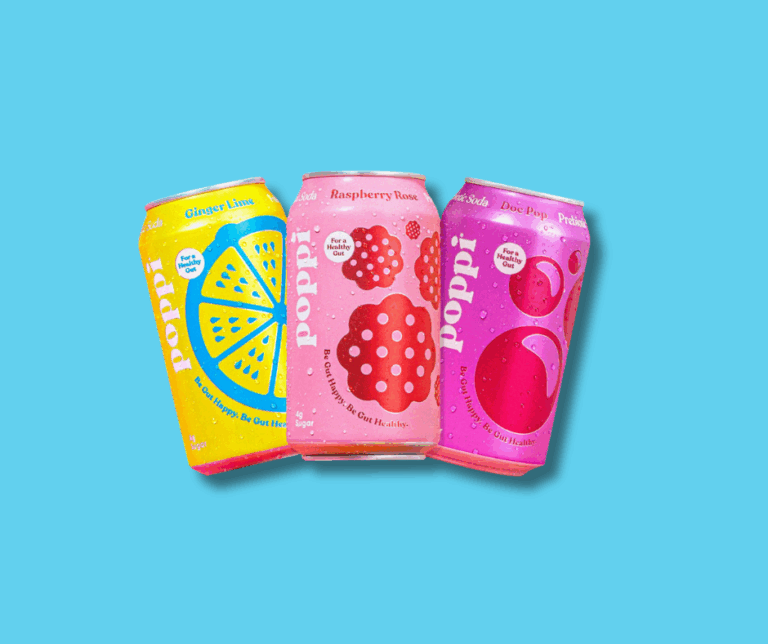
Does Poppi Have Caffeine? A Complete Guide to Every Flavor

0

In the ever-expanding world of “better-for-you” beverages, Poppi has emerged as a vibrant, social-media-famous contender, positioning itself as a modern, gut-friendly alternative to traditional soda.

With its candy-colored cans, promises of prebiotic benefits from apple cider vinegar, and a range of nostalgic flavors, it’s captured the attention of health-conscious consumers and soda lovers alike.

But as with any new wellness trend, the questions come fast and thick. Consumers today are label-savvy; they want to know exactly what they’re putting into their bodies. One of the most persistent questions floating around the internet, from Reddit threads to parenting blogs, is: Does Poppi have caffeine?

The Nuance Behind the Caffeine Question

It’s a simple question with a surprisingly nuanced answer. The confusion is understandable. We’re conditioned to associate certain flavors, like “cola,” with a caffeinated kick.

When you see Poppi Classic Cola or Doc Pop on the shelf, your brain likely files it next to Coke, Pepsi, or Dr Pepper. But what about the fruity flavors, like the ultra-popular Strawberry Lemon or Watermelon? Do they also contain hidden stimulants?

This question is a major purchasing decision for many people. For someone sensitive to caffeine, a new parent navigating pregnancy, or a person looking for a relaxing evening drink, the presence of caffeine is a deal-breaker.

For others, a can of Poppi might be a potential replacement for their afternoon coffee, and they want to know if it will provide that gentle lift.

The Definitive Answer: Which Poppi Flavors Have Caffeine?

Most Poppi flavors are caffeine-free.

However, select “soda staple” varieties like Classic Cola, Doc Pop, and Cherry Cola do contain a small amount of natural caffeine, typically around 40mg per can, sourced from ingredients like green tea. Always check the specific flavor’s label to be certain.

What You Will Learn in This Guide

This comprehensive guide is here to definitively answer every question you have about what’s inside a can of Poppi. We will dive deep into the full product line to provide a complete breakdown of:

  • Caffeine Content: Which Poppi flavors have caffeine, and exactly how much?
  • Flavor-Specific Answers: Does Strawberry Lemon Poppi have caffeine? What about Doc Pop?
  • Sugar & Alcohol: We’ll tackle the “does Poppi have sugar?” and “does Poppi have alcohol?” questions head-on.
  • Ingredient Deep Dive: What’s really in the Classic Cola Poppi, and how does it taste? We’ll provide a full Poppi Classic Cola review.
  • Community Opinion: We’ll summarize the ongoing “does Poppi have caffeine” Reddit debates so you don’t have to.

By the end of this article, you will be a Poppi expert, armed with all the information needed to decide which flavor—if any—is the perfect fit for your lifestyle.

What Is Poppi? (Brand Background & Ingredients)

Before we dissect the caffeine content, it’s important to understand what Poppi is and what it isn’t. Poppi isn’t just another soda; its entire brand identity is built on a foundation of gut health, low sugar, and clean ingredients.

Poppi’s Purpose: Gut Health + Prebiotic Soda

The Poppi story is a classic entrepreneurial tale. It began when co-founder Allison Ellsworth was struggling with chronic health issues. She discovered that drinking fresh apple cider vinegar (ACV) helped, but the taste was… less than pleasant.

She and her husband, Stephen, began experimenting in their home kitchen, mixing ACV with fresh fruit juices and sparkling water to create a beverage that was both delicious and functional.

What started as a local farmer’s market favorite eventually landed them on Shark Tank, where they secured an investment and catapulted into the national spotlight.

The “functional” part of Poppi comes from its two core selling points:

  1. Apple Cider Vinegar (ACV): Each can of Poppi contains about one tablespoon of ACV. ACV is a fermented food that has been used for centuries and is prized in wellness circles for its potential (though not all claims are clinically proven). It also aids digestion, helps control blood sugar, and supports a healthy gut microbiome.
  2. Prebiotics: Poppi is specifically a prebiotic soda. This is a crucial distinction. Prebiotics are a type of dietary fiber (in Poppi’s case, from sources like agave inulin) that feed the “good” bacteria (probiotics) already living in your gut. Think of them as fertilizer for your internal garden.

The core ingredients are generally simple and consistent across the flavor lineup:

  • Sparkling Filtered Water
  • Apple Cider Vinegar (Organic)
  • A blend of real fruit juices (for flavor and color)
  • Natural Sweeteners (like organic cane sugar and stevia leaf extract)
  • Prebiotic Fiber (Agave Inulin or Cassava Root Fiber)
  • Natural Flavors

This simple formula is the foundation of their entire brand.

Poppi vs. Traditional Soda

Poppi’s primary mission is to “un-junk” your favorite nostalgic soda flavors. The brand positions itself as a direct competitor to traditional carbonated soft drinks by highlighting what it doesn’t have.

A head-to-head comparison makes the difference clear:

FeaturePoppi (Typical 12 oz Can)Traditional Soda (e.g., 12 oz Coke)
Calories20–35140–150
Sugar4–5 grams39–41 grams
SweetenersOrganic Cane Sugar, Stevia, Fruit JuiceHigh Fructose Corn Syrup or Cane Sugar
Artificial IngredientsNo artificial sweeteners, flavors, or colorsOften contains artificial flavors, colors (like Caramel Color), and preservatives (like phosphoric acid)
Gut HealthContains Prebiotics (Agave Inulin) & ACVNone. Can be detrimental to gut health due to high sugar.
CarbonationLight to medium carbonationHigh, sharp carbonation

For consumers looking to cut back on sugar without resorting to diet sodas, which often contain controversial artificial sweeteners like aspartame or sucralose, Poppi presents a compelling middle ground. It’s bubbly, sweet (but not too sweet), and comes with the bonus of potential gut health support.

Does Poppi Have Caffeine? (Full Answer)

This is the central question, and the answer is a critical one: It depends entirely on the flavor.

This “yes and no” answer is the source of most consumer confusion. Unlike a brand like Coca-Cola, where you assume all brown-colored sodas are caffeinated, Poppi’s lineup is split.

Short Answer

Here is the simple, “need-to-know” answer:

Yes, Poppi has caffeine, but only in its cola-style flavors.

Most Poppi flavors (the vast majority, in fact) are completely caffeine-free. If you are drinking any of the fruit-based flavors—like Strawberry Lemon, Watermelon, or Orange—you are drinking a caffeine-free beverage.

Why Only Some Flavors Have Caffeine

The decision to add caffeine to some flavors and not others is entirely intentional and based on two factors: flavor profile and customer expectation.

  1. Authentic Flavor Profile: To create a convincing “cola” or “Dr Pepper” alternative, a certain flavor note is required. In traditional colas, this complex, slightly bitter, and spicy note comes from the kola nut

The kola nut is a natural source of caffeine. While Poppi doesn’t explicitly state they use kola nut extract, they add natural caffeine (sourced from green tea extract) to replicate that classic, energizing cola taste. A cola without that “kick” just doesn’t taste like a cola.

  1. Customer Expectation: When a customer buys a “Classic Cola,” they are expecting the experience of drinking a cola. This experience, for 99% of consumers, includes a small caffeine boost. 

It’s a functional expectation. Removing it would make the product feel like a “decaf” version, which might not satisfy the person looking for a true soda replacement.

Conversely, no one expects a can of strawberry lemonade or orange soda to contain caffeine. Adding it to those flavors would be bizarre, unnecessary, and would alienate the many customers who drink Poppi specifically as a caffeine-free-friendly beverage.

Which Poppi Flavors Have Caffeine?

Let’s clear up all confusion with a definitive list. If you are trying to avoid caffeine, you only need to remember the two flavors on this “caffeinated” list.

Caffeinated Poppi Flavors

As of late 2025, only two (2) flavors in the entire Poppi lineup contain caffeine.

  1. Classic Cola Poppi
  2. Doc Pop

Both of these flavors are part of Poppi’s “Soda Classics” line, which is designed to mimic the most popular traditional sodas in the world. The caffeine is added to ensure an authentic taste and experience.

How Much Caffeine Is in Poppi Cola Flavors?

This is the next logical question. If you’re drinking a Classic Cola Poppi for a little boost, how much are you actually getting?

According to the brand’s official information, both Classic Cola Poppi and Doc Pop contain 40 mg of natural caffeine per 12-oz can.

The caffeine is sourced from green tea extract, which is known for providing a “cleaner” energy boost with less of the “jitters” or “crash” associated with the synthetic caffeine or heavy doses found in energy drinks.

How does 40 mg stack up against other common beverages? It’s a very moderate amount, best described as a “light pick-me-up” rather than a “jolt.”

Caffeine Content Comparison (Approximate Values)

Beverage (12 oz serving)Approximate Caffeine (mg)
Poppi Classic Cola40 mg
Poppi Doc Pop40 mg
Coca-Cola Classic~34 mg
Diet Coke~46 mg
Dr Pepper~41 mg
A “Short” Cup of Coffee (8 oz)~95–150 mg
Green Tea (8 oz)~30–50 mg
Red Bull (12 oz)~111 mg

As you can see, the caffeine in Poppi’s cola flavors is right in line with traditional sodas. It’s slightly less than a Diet Coke but slightly more than a Classic Coke. It’s roughly equivalent to a standard cup of green tea.

This makes it a perfect swap for someone who wants to replace their Diet Coke habit but still needs that little afternoon boost to get through the 3 PM slump.

Who Should Be Mindful of Caffeinated Poppi?

Even though 40 mg is a low-to-moderate dose, certain individuals should still be cautious:

  • Highly Caffeine-Sensitive People: If even a cup of green tea makes you jittery or anxious, the Poppi cola flavors will likely have the same effect.
  • Those with Sleep Issues: If you’re drinking Poppi with dinner, 40 mg could be just enough to disrupt your sleep patterns. It’s best to switch to a caffeine-free flavor in the evening.
  • Pregnant Individuals: The American College of Obstetricians and Gynecologists (ACOG) recommends limiting caffeine intake to less than 200 mg per day during pregnancy. A single Poppi (40 mg) fits well within this limit, but it does count toward your daily total. (As always, consult your doctor.)
  • Children: The American Academy of Pediatrics recommends no caffeine for children under 12.

Does Strawberry Lemon Poppi Have Caffeine?

Let’s address this directly, as it’s one of the most-searched questions about the brand.

No, Strawberry Lemon Poppi does not contain any caffeine.

This flavor, along with all other fruit-based Poppi flavors, is 100% caffeine-free. You can drink it at 10 PM without any fear of it keeping you awake.

The fruit flavor category is Poppi’s largest and most popular. These drinks are designed to be light, refreshing, and sessionable. Their ingredients list—sparkling water, apple cider vinegar, fruit juices (like strawberry and lemon), and natural sweeteners—has no natural or added source of caffeine.

The purpose of a flavor like Strawberry Lemon is to be a refreshing, hydrating, gut-friendly tonic. It’s a replacement for a sugary lemonade, a LaCroix, or another sparkling water. The flavor profile is bright, tangy, and sweet, and it doesn’t “need” caffeine to deliver on its promise.

This “caffeine-free” status applies to the entire fruit-forward lineup:

  • Strawberry Lemon
  • Watermelon
  • Raspberry Rose
  • Cherry Limeade
  • Grape
  • Orange
  • Ginger Lime
  • …and all other non-cola varieties.

If it’s not “Classic Cola” or “Doc Pop,” you can be 99.9% certain it is caffeine-free. (As always, it’s smart to “trust but verify” by glancing at the ingredients label if you’re ever in doubt).

Does Poppi Have Caffeine? (Reddit Conversations Summary)

If you type “does Poppi have caffeine Reddit” into a search engine, you’ll find dozens of threads from confused but curious consumers. Reddit is a modern-day focus group, and the conversations there provide a perfect snapshot of public perception.

Here’s a summary of what real users on Reddit are saying, asking, and—most importantly—getting wrong.

What Reddit Users Say

The most common thread is simple: “I bought a Poppi, am I going to get a caffeine buzz?”

  • The Confused New Buyer: “I just bought a 4-pack of the ‘Soda Classics,’ and my partner asked if they had caffeine. I looked all over the can and couldn’t find it. Does the Classic Cola have caffeine? Help!”
  • The Hopeful Soda-Quitter: “I’m trying to quit Diet Coke (a 4-can-a-day habit). I need a replacement. Which Poppi has caffeine so I can avoid a withdrawal headache?”
  • The Anxious Drinker: “I’m 5 months pregnant, and my friend gave me a Strawberry Lemon Poppi. I drank the whole thing, and now I’m panicking—does it have caffeine? Please tell me it doesn’t.”

These threads are filled with helpful users chiming in, but the sheer volume of questions shows how unclear the brand’s “split-lineup” is to the average person.

Common Reddit Misconceptions

The Reddit threads are also full of well-intentioned but often incorrect assumptions.

  • Misconception 1: “All soda has caffeine.” Many users, particularly those older or less familiar with the wellness-drink space, operate under the (false) assumption that all sodas, especially dark-colored ones, must contain caffeine. They are often surprised to learn the fruit flavors are caffeine-free.
  • Misconception 2: “Cola = High Caffeine.” Another group assumes that because the Classic Cola Poppi is a “cola,” it must have a high amount of caffeine, similar to an energy drink or a large coffee. They are pleasantly surprised to learn it’s a modest 40 mg.
  • Misconception 3: “Poppi vs. Olipop Confusion.” There is massive confusion between Poppi and its main competitor, Olipop. Users will often ask about Poppi’s caffeine, and someone will answer with Olipop’s caffeine content (which is different! Olipop’s “Vintage Cola” has 50mg). This adds another layer of conflicting information to the discussion.

Real Reddit User Concerns

Beyond simple curiosity, the Reddit threads reveal the real-life implications of this question.

  • Sleep Impact: “I’ve been having trouble sleeping. I realized I was drinking a Doc Pop around 7 PM every night. Could this be the culprit? Is 40mg enough to mess with my sleep?” (The answer, for many, is yes).
  • Pregnancy & Breastfeeding: This is perhaps the most high-stakes topic. “I’m breastfeeding and looking for a treat. Which Poppi flavors are caffeine-free and safe?” These threads are full of anxious parents trying to do the right thing and looking for a clear, definitive list.
  • Anxiety and Jitters: “I have an anxiety disorder and am extremely sensitive to caffeine. I want to try Poppi for the gut health benefits, but I’m terrified of triggering a panic attack. Which flavors are 100% safe for me?” (The answer: all the fruit flavors).

The consensus on Reddit is clear: Poppi’s fruit flavors are a beloved, caffeine-free treat, while the cola flavors are a great, low-caffeine alternative for former soda drinkers.

Poppi Classic Cola Review

Given the focus on the caffeinated options, the Classic Cola Poppi deserves its own standalone review. Is it a worthy replacement for a Coke or Pepsi? Or is it just a healthy imitation that misses the mark?

We tried it and broke it down by taste, ingredients, and overall experience.

Taste Profile & First Impressions

Upon cracking the can, you get a light, familiar cola scent. It’s less “syrupy” and “spicy” than a traditional Coke and smells… well, cleaner.

The first sip is where the difference becomes clear.

  • Flavor: The initial taste is definitely “cola.” It has those familiar caramel and spice notes, but they are much more subtle. It’s not a flavor bomb.
  • Sweetness: This is the biggest difference. It is not very sweet. If you drink a regular Coke right before this, the Poppi will taste watery. But if you’re used to sparkling water or have been off traditional soda for a while, it’s the perfect, balanced level of light sweetness. There is zero “diet” aftertaste, which is a massive plus.
  • Tang: The “Poppi” signature hits a second later. The apple cider vinegar provides a very slight, bright, acidic tang on the finish. It’s not vinegary or unpleasant; it just cuts the sweetness and makes the drink feel refreshing and crisp, rather than cloying or heavy.
  • Carbonation: The carbonation is soft and bubbly, not the sharp, aggressive fizz of a traditional soda. This makes it highly drinkable and less likely to cause bloating.

Verdict: It is a light cola. It’s a refreshing, crisp, grown-up version of the soda you loved as a kid.

Ingredients Breakdown

The label on the Classic Cola Poppi tells the whole story:

  • Base: Sparkling Filtered Water
  • Prebiotics & ACV: Apple Cider Vinegar, Cassava Root Fiber
  • Sweeteners: Organic Cane Sugar (just 5g for the whole can), Stevia Leaf Extract
  • Flavor & Color: Natural Flavors, Apple Juice Concentrate, “Natural” (not artificial) Caramel Color
  • The Kicker: Natural Caffeine (from Green Tea Extract)

The ingredient list is remarkably clean. There’s no high-fructose corn syrup, no phosphoric acid, and no aspartame. You can pronounce everything on the list. The 5 grams of sugar and 25 calories make it a guilt-free indulgence.

Pros

  • A Perfect “Soda-Swap”: This is the ideal transition beverage for someone trying to quit a heavy Diet Coke or regular Coke habit.
  • Low Sugar: With only 5g of sugar, it satisfies a craving without the sugar crash.
  • Clean Caffeine: The 40 mg of natural caffeine provides a gentle, jitter-free lift, perfect for an afternoon pick-me-up.
  • No “Diet” Aftertaste: The stevia is used with a light hand, so you don’t get that lingering, chemical sweetness.
  • Gut Health Bonus: You get the prebiotic fiber and ACV, turning your “soda” into something that’s actively working for your body.

Cons

  • Not a 1:1 Replacement (for some): If you are a die-hard Coca-Cola purist and want that exact, syrupy-sweet, high-carbonation taste, this will not satisfy you. It’s a different drink.
  • The ACV Tang: While very subtle, some people are more sensitive to the ACV tang than others.
  • Still Caffeinated: For those who want a cola flavor but with zero caffeine, this isn’t the one for you. You’d have to find a caffeine-free “root beer” from Poppi or a competitor.

Overall: The Poppi Classic Cola review gets a solid A-. It’s a fantastic, functional, and modern take on a classic. It’s the perfect “3 PM on a Tuesday” drink to get you through the end of the workday.

Does Poppi Have Sugar? (Yes, But Low Amounts)

This is the second most common question after caffeine. In a world obsessed with “zero sugar,” the sight of any sugar on a “healthy” drink label can be confusing.

How Much Sugar Is in Poppi?

Yes, Poppi does have sugar, but in very low amounts.

A typical 12-oz can of Poppi contains 4–5 grams of total sugar and only 20–35 calories.

To put this in perspective, let’s look at that comparison chart again:

Beverage (12 oz)Total Sugar (grams)
Poppi (e.g., Strawberry Lemon)4g
Poppi (e.g., Classic Cola)5g
Coca-Cola Classic39g
Dr Pepper40g
Healthy” Orange Juice28g
“Healthy” Kombucha (avg)12–18g

As you can see, Poppi’s sugar content is dramatically lower than traditional soda. It’s even significantly lower than many popular kombuchas or pressed juices.

Why Poppi Adds Real Fruit Sugar

The 4-5 grams of sugar in a Poppi don’t just come from one place. It’s a deliberate blend:

  • Real Fruit Juice: A small amount of sugar comes naturally from the fruit juice concentrates (like apple or lemon juice) used for flavoring.
  • Organic Cane Sugar: Poppi adds a very small amount of organic cane sugar to provide a clean, traditional sweetness.
  • Stevia Leaf Extract: This natural, zero-calorie sweetener is used to round out the flavor profile, allowing them to achieve a “fully sweet” taste without relying on more sugar.

By using a tiny bit of real sugar, Poppi completely avoids the chemical aftertaste of artificial sweeteners like aspartame and sucralose, which are common in “zero sugar” diet sodas. This is a trade-off (a few calories for a much better taste) that most consumers happily accept.

Sugar Misconceptions

The main misconception is that “healthy” must equal “zero sugar.” Poppi is not a “zero sugar” drink. It is a “low sugar” drink. This is an important distinction. The brand chose to prioritize real, clean ingredients and a superior taste over a “zero” on the label.

For diabetics or those on a strict ketogenic diet, the 4-5g of sugar (and corresponding 7-9g of carbs) might be a factor to consider and would need to be accounted for in their daily totals. However, for the average person, it’s a negligible amount.

Does Doc Pop Have Caffeine?

This question deserves its own section because “Doc Pop” is a very specific flavor, and those searching for it want a specific answer.

Breakdown

Yes, absolutely. Doc Pop does have caffeine.

Just like the Classic Cola, Poppi’s Doc Pop is designed to be a direct, “better-for-you” alternative to Dr Pepper. And just like Dr Pepper, the authentic flavor and experience demand a caffeine kick.

  • Flavor Profile: Doc Pop has that unique, hard-to-describe “spicy cherry” or “amaretto” flavor that Dr Pepper fans love. It’s complex, a little fruity, and a little spicy.
  • Caffeine Content: It contains the same 40 mg of natural caffeine per 12 oz can as the Classic Cola.
  • Sugar Content: It contains 5g of sugar.

Poppi’s Doc Pop and Classic Cola are “sister” products. If you see one, you can assume the rules for the other apply. They are the two caffeinated “Soda Classics” in the lineup.

Who Should Drink It?

Doc Pop is for the devoted Dr Pepper fan who can’t (or won’t) drink a 40-gram-sugar soda anymore. It’s for the person who wants something more complex and interesting than a standard cola.

Because it has 40 mg of caffeine, it’s an excellent choice for:

  • A morning soda (to replace a sugary coffee)
  • An afternoon pick-me-up
  • A pre-workout (if you just need a very light boost)

However, just like the Classic Cola, it’s probably not the best choice for a late-night dessert drink if you’re sensitive to caffeine.

Does Poppi Have Alcohol?

With all the talk of “apple cider vinegar” and “fermentation,” another common question pops up: Does Poppi have alcohol?

Simple Answer: No

No. Poppi is a non-alcoholic beverage.

A can of Poppi contains 0.0% alcohol. It is completely safe for all ages, for pregnant individuals (from an alcohol perspective), and for anyone who avoids alcohol for religious or personal reasons.

Why People Wonder About Alcohol Content

The confusion is understandable and comes from a few places:

  1. Apple Cider Vinegar: ACV is made from fermented apple juice. The word “fermented” often makes people think of alcohol. However, in the case of vinegar, the fermentation process is a two-step process. First, yeast turns sugar into alcohol. Then, a second fermentation occurs where bacteria (acetobacter) convert that alcohol into acetic acid—the tangy stuff that makes vinegar. By the time it’s “vinegar,” the alcohol is gone.
  2. Kombucha Confusion: The “healthy drink” aisle is full of kombucha, which is a fermented tea. Due to the fermentation process, kombucha often contains trace amounts of alcohol (typically <0.5%) and is sometimes sold as “hard kombucha” with higher alcohol content. People new to the space often lump Poppi and kombucha together, but they are very different drinks. Poppi is not fermented in the can.
  3. Hard Soda Trend: The rise of hard seltzers and “hard sodas” means consumers are (rightly) more cautious and are checking labels to see if their “healthy soda” is actually a cocktail.

Rest assured, Poppi is a soft drink.

Could Poppi Be Used in Alcoholic Mixes?

Absolutely! This is one of the best “off-label” uses for Poppi. Because it’s low in sugar and has complex, bright flavors, it makes a fantastic, low-calorie mixer.

  • Poppi “Ranch Water”: Tequila + soda water + a splash of Ginger Lime Poppi.
  • Low-Cal “Vodka-Cran”: Vodka + a splash of water + Raspberry Rose Poppi.
  • Spicy Margarita: Tequila + lime juice + a jalapeño slice + Watermelon Poppi.
  • Rum & “Cola”: A shot of dark rum + a can of Classic Cola Poppi for a low-sugar classic.

It’s a versatile tool for creating lighter, more refreshing cocktails and mocktails.

Full Flavor List: Caffeinated vs. Caffeine-Free Poppi Flavors

To make it as simple as possible, here is the definitive list.

Caffeinated Flavors (40 mg per can)

These are the only two flavors with caffeine.

  • Classic Cola
  • Doc Pop

Caffeine-Free Flavors (0 mg per can)

Every other flavor in the Poppi lineup is caffeine-free. This includes all the fruit-based flavors.

The rule of thumb is simple: If it’s not a classic dark soda (Cola or Doc Pop), it’s caffeine-free.

FAQs About Poppi Caffeine & Sugar

Let’s answer some of the most frequently asked, rapid-fire questions about the brand.

1. Is Poppi safe to drink during pregnancy?

This is a two-part answer.

  • Caffeine: The caffeinated flavors (Classic Cola, Doc Pop) contain 40 mg. This is well below the 200 mg daily limit recommended by ACOG, but it does count toward your total. The fruit flavors are caffeine-free, which makes them a great choice.
  • ACV & Ingredients: Poppi’s ACV is pasteurized, which is the main safety concern with products during pregnancy. However, some doctors are cautious about herbal ingredients or new products. The best answer is to show the ingredients label to your OB/GYN and get their personal recommendation.

2. Can kids drink Poppi?

  • Caffeine-Free: The fruit flavors are a fantastic alternative to sugary sodas or juices. They are essentially a sparkling, low-sugar, fiber-added drink. Many parents on Reddit report that their kids love them.
  • Caffeinated: Most pediatricians recommend against any caffeine for children under 12. You should avoid giving them Classic Cola or Doc Pop.

3. Is Poppi a probiotic?

No. This is a key distinction. Poppi is a prebiotic soda. Prebiotics are the food for the good bacteria in your gut. Probiotics are the live bacteria themselves. Poppi helps feed the good bacteria you already have.

4. Will Poppi make me bloated or gassy?

It’s possible. The “prebiotic” in Poppi is a type of fiber (agave inulin or cassava root fiber). For most people, this is great. But if you’re not used to fiber or if you drink several Poppis in one day, it can cause some temporary bloating or gas as your gut bacteria feast on the new fiber. This is usually a sign it’s “working,” but it can be uncomfortable. The advice is to start slow—maybe one a day—and see how you feel.

5. Is Poppi keto-friendly?

Not strictly. The 4-5 grams of sugar (7-9g total carbs) in a can might be too high for someone on a strict ketogenic diet, which often requires staying under 20g of carbs for the entire day. It’s “keto-friendly” than a regular soda, but not truly “keto.”

6. Does Poppi help you lose weight?

Poppi is not a weight-loss drink. It’s a low-sugar, low-calorie soda alternative. It can support weight loss if you use it to replace a high-calorie, sugary soda. Swapping a 150-calorie, 39g-sugar Coke for a 25-calorie, 5g-sugar Poppi every day will save you almost 900 calories and 240g of sugar a week, which can absolutely contribute to a calorie deficit and lead to weight loss over time.

7. Poppi vs. Olipop: What’s the difference in caffeine?

This is a major source of confusion. They are competitors with different formulations.

  • Poppi: 40 mg of caffeine in its two cola flavors.
  • Olipop: 50 mg of caffeine in its “Vintage Cola” and 30 mg in its “Dr. Goodwin” (their Dr. Pepper analog).
    Olipop also has a much higher fiber content (9g), which is more likely to cause the bloating mentioned in FAQ #4.

8. Can you drink Poppi every day?

Yes. Poppi is designed to be a daily-use beverage. A single can (especially a caffeine-free one) is a perfectly healthy, low-sugar way to get some prebiotics and apple cider vinegar.

9. Why does Poppi “burn” my throat?

That’s the apple cider vinegar! That slight “zing” or “burn” on the finish is the characteristic tang of the ACV. It’s the same sensation you’d get from a potent ginger beer. Most people find it refreshing, but it can be surprising on the first sip.

10. Where can I buy Poppi?

Poppi is now widely available. You can find it at most major grocery stores (Kroger, Target, Whole Foods, Publix, Sprouts), convenience stores, and online at Amazon or the Poppi website.

Final Thoughts: Should You Choose Caffeinated or Caffeine-Free Poppi?

The journey into the world of Poppi reveals a smart, deliberate brand that has created a product for almost everyone. The confusion around its caffeine content is understandable but easily cleared up once you know the brand’s simple “rule.

Summary: The Poppi Caffeine Rule

Poppi’s product line is split into two clear categories:

  • If you want a caffeine boost: Choose the “Soda Classics” line. Classic Cola, Poppi, and Doc Pop all contain a moderate 40 mg of natural caffeine. This is ideal for replacing a morning or afternoon soda, giving you a gentle lift without the jitters.
  • If you want a caffeine-free drink, choose any other flavor. Strawberry Lemon, Watermelon, Raspberry Rose, Orange, Grape, and all the other fruit-forward options are 100% caffeine-free. They are safe to drink any time of day or night.

Beyond caffeine, Poppi has established itself as a true disruptor. It’s a non-alcoholic, low-sugar, low-calorie beverage that’s a genuinely delicious alternative to the sugary drinks of the past. It offers a functional benefit (prebiotics for gut health) without sacrificing taste.

So, whether you’re a tired parent looking for a 3 PM boost, a pregnant person craving a guilt-free bubbly treat, or just someone who wants a smarter soda, Poppi has a can for you. You just need to know which one to reach for.

References

Here are the official sources and health guidelines that support the information on Poppi’s caffeine, sugar, and ingredient content.

Are Artichokes Healthy? A Comprehensive Guide 

Artichokes have become a popular choice in the world of healthy eating. For their unique flavor and impressive nutritional profile, artichokes are gaining popularity across the United States. But are artichokes healthy, and how can they improve your well-being?

This article explores everything you need to know about artichokes, including their origins, nutritional value, and significant health benefits. By the end, you’ll understand why this vegetable is a must-have in your diet.

What Are Artichokes?

Artichokes have an intriguing history and multiple culinary uses. They are actually a type of thistle, known scientifically as Cynara scolymus.

A Brief History of Artichokes

Artichokes were first cultivated in the Mediterranean region thousands of years ago. Ancient Greeks and Romans prized them for their medicinal properties and rich flavor. Today, they are a staple in Italian, French, and Mediterranean cuisines.

Types of Artichokes

There are several varieties of artichokes, including:

  • Globe Artichoke: The most common type, large and round.
  • Baby Artichoke: Smaller and easier to cook, with tender leaves.
  • Purple Artichoke: A vibrant, colorful variety with a slightly sweeter taste.

Culinary Uses in American Cuisine

Artichokes are versatile and used in various dishes:

Artichoke Nutrition Facts

Artichokes are a powerhouse of essential nutrients. Below is a breakdown of their nutritional content per 100 grams:

NutrientAmount per 100g
Calories47
Carbohydrates11g
Dietary Fiber5.4g
Protein3.3g
Vitamin C15mg (20% DV)
Vitamin K14mcg (18% DV)
Folate68mcg (17% DV)
Potassium370mg (8% DV)
Magnesium50mg (12% DV)

Key Takeaways

Related to Read: Stuffed Artichokes Recipe

Health Benefits of Artichokes

Artichokes are more than just a delicious addition to your meals—they’re a nutritional powerhouse that offers a wide range of health benefits. Packed with vitamins, minerals, and unique compounds, artichokes can support your overall health in numerous ways. In this article, we’ll dive into the remarkable health benefits of artichokes and why they deserve a place on your plate.

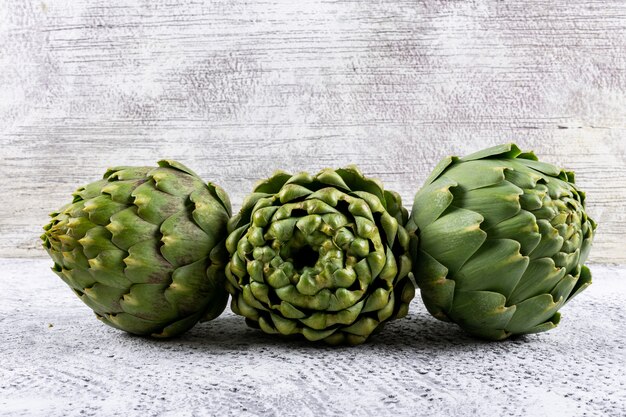
side view of three artichokes placed horizontally

Rich Source of Nutrients

Artichokes are nutrient-dense, offering a variety of vitamins and minerals in a single serving.

Essential Vitamins and Minerals

Artichokes are rich in:

  • Vitamin C: Supports immune health and skin repair.
  • Vitamin K: Plays a role in blood clotting and bone health.
  • Folate: Crucial for cell growth and brain function.
  • Magnesium and Potassium: Help maintain healthy muscle and nerve function.

Low in Calories

With just 47 calories per 100 grams, artichokes are an excellent choice for those looking to maintain or lose weight without compromising on nutrition.

Boosts Digestive Health

One of the standout benefits of artichokes is their ability to support digestion.

High in Dietary Fiber

Artichokes contain about 5.4 grams of dietary fiber per 100 grams. Fiber promotes regular bowel movements and prevents constipation.

Prebiotic Properties

Artichokes are rich in inulin, a type of prebiotic that feeds the beneficial bacteria in your gut. This improves gut health and enhances nutrient absorption.

Reduces Bloating

By improving digestion and gut balance, artichokes can help alleviate bloating and discomfort.

Supports Heart Health

Artichokes contribute to heart health in multiple ways.

Lowers Bad Cholesterol

The antioxidants cynarin and luteolin in artichokes help lower LDL (bad) cholesterol levels, reducing the risk of heart disease.

Maintains Healthy Blood Pressure

Artichokes are rich in potassium, which helps regulate blood pressure and prevents hypertension.

Enhances Liver Function

Artichokes are well-known for their liver-protective properties.

Detoxifies the Liver

Compounds like cynarin and silymarin support liver detoxification by promoting bile production. This helps the liver eliminate toxins more efficiently.

Helps Manage Fatty Liver

Artichokes have shown potential in improving liver health in people with non-alcoholic fatty liver disease (NAFLD).

Promotes Weight Loss

If you’re looking to shed some pounds, artichokes are a great addition to your low-calorie diet.

Low-Calorie, High-Fiber Food

Artichokes are filling yet low in calories, making them ideal for weight management. Their high fiber content helps control appetite and reduces overeating.

Keto-Friendly

Artichokes are low in carbohydrates, making them a suitable option for keto and low-carb diets.

Strengthens the Immune System

Artichokes are rich in antioxidants, which help protect the body against infections and diseases.

Antioxidant Powerhouse

Compounds like quercetin, rutin, and gallic acid combat oxidative stress, reducing inflammation and supporting immune health.

Supports Bone Health

Artichokes provide essential nutrients for strong and healthy bones.

Vitamin K and Magnesium

Both nutrients are crucial for maintaining bone density and preventing osteoporosis.

Improves Skin Health

Artichokes’ high antioxidant content can also benefit your skin.

Combats Aging

Antioxidants help protect your skin from free radical damage, keeping it youthful and radiant.

Supports Collagen Production

Vitamin C in artichokes boosts collagen production, which is vital for skin elasticity and repair.

Regulates Blood Sugar Levels

Artichokes are a diabetic-friendly food, thanks to their fiber and specific compounds.

Fiber for Sugar Control

The fiber in artichokes slows down the absorption of sugar, helping to regulate blood sugar levels.

Insulin Sensitivity

Some studies suggest artichokes may improve insulin sensitivity, making them beneficial for individuals with type 2 diabetes.

May Reduce Cancer Risk

Preliminary research has shown that artichokes may have cancer-fighting properties.

Rich in Polyphenols

Polyphenols in artichokes have been linked to reduced risk of certain cancers by neutralizing harmful free radicals.

Promotes Cellular Repair

The antioxidants and nutrients in artichokes help repair DNA and maintain healthy cell function.

Are Canned Artichokes Healthy?

Canned artichokes are a convenient option when fresh ones aren’t available. But are they as healthy as their fresh counterparts?

Pros of Canned Artichokes

  • Convenience: Ready to use, saving time on preparation.
  • Nutrient Retention: Canning preserves most nutrients, including fiber and minerals.

Cons of Canned Artichokes

  • High Sodium Content: Many canned artichokes contain added salt or preservatives, with sodium levels ranging from 300–500 mg per serving.
  • Potential Preservatives: Some brands include additives that may reduce their overall health value.

Health Tip: Look for canned artichokes labeled “low-sodium” or “no salt added” for a healthier choice.

Related to Read: Is Garlic a Vegetable? A Comprehensive Guide

Are Marinated Artichokes Healthy?

Marinated artichokes are often packed with flavorful oils and spices. While they’re tasty, their healthiness depends on the ingredients used.

Benefits of Marinated Artichokes

  • Rich Flavor: Ideal for adding a tangy taste to salads and antipasti.
  • Retains Nutrients: Fiber and essential minerals remain intact.

Potential Downsides

  • Added Oils and Fats: Marinated artichokes are often preserved in oil, increasing calorie content.
  • High Sodium Levels: Many varieties contain added salt for flavor and preservation.

Health Tip: Choose marinated artichokes packed in water or with minimal oil and salt.

Are Frozen Artichokes Healthy?

Frozen artichokes are another convenient option. They are often flash-frozen at peak freshness, preserving their nutrients.

Preservation of Nutrients

  • Nutrient Retention: Freezing maintains the fiber, vitamins, and minerals of fresh artichokes.
  • No Preservatives: Frozen artichokes are typically free of added salt or preservatives.

Comparison to Fresh Artichokes

  • Frozen artichokes are nearly as nutritious as fresh ones, making them a great alternative when fresh artichokes are out of season.

Health Tip: Opt for plain frozen artichokes without sauces or seasonings for maximum health benefits.

Artichokes and Special Diets

Artichokes are versatile and fit into many special diets, from keto to vegan.

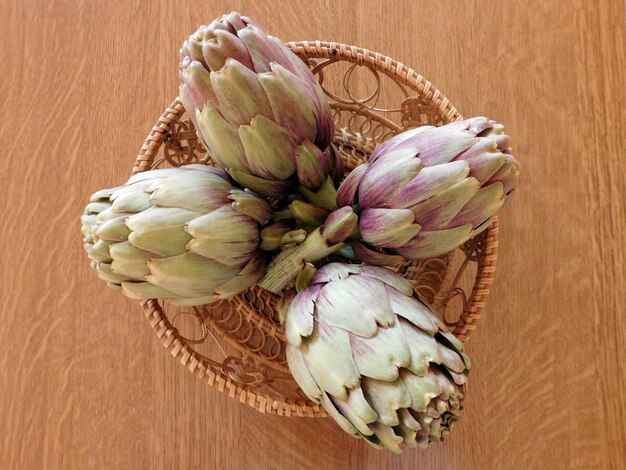
four artichokes in a basket on the wooden surface

Are Artichokes Good for Keto and Low-Carb Diets?

  • Artichokes are low in net carbs, making them suitable for keto diets when eaten in moderation.
  • High fiber content helps reduce the impact of carbs on blood sugar levels.

Vegan and Gluten-Free

  • Artichokes are naturally vegan and gluten-free, making them a perfect addition to plant-based and gluten-free diets.

Artichoke Side Effects and Precautions

While artichokes are generally safe and healthy, some individuals may experience side effects.

Possible Allergic Reactions

  • People allergic to plants in the daisy family (e.g., chamomile, ragweed) may react to artichokes.

Risks of Overconsumption

Who Should Avoid Artichokes?

  • Individuals with gallstones or bile duct obstruction should consult a doctor before eating artichokes, as they may stimulate bile production.

How to Incorporate Artichokes into Your Diet

Artichokes are delicious and versatile, suitable for a variety of recipes and preparations.

Easy Recipes and Serving Suggestions

  • Grilled Artichokes: Brush with olive oil, season with herbs, and grill until tender.
  • Artichoke Dip: Combine artichokes with spinach, cheese, and spices for a creamy dip.
  • Artichoke Salad: Toss marinated artichokes into salads with greens, tomatoes, and olives.

Tips for Selecting and Storing Artichokes

  • Fresh Artichokes: Look for tightly packed leaves and a vibrant green color.
  • Storage: Refrigerate fresh artichokes in a plastic bag and use within a week.

Frequently Asked Questions (FAQs)

Are Artichokes Good for Digestion?

Yes, artichokes are high in dietary fiber, which supports gut health and regular bowel movements.

Do Artichokes Help with Weight Loss?

Absolutely! Artichokes are low in calories and high in fiber, making them filling and weight-loss-friendly.

Are Artichokes High in Fiber?

Yes, they are among the most fiber-rich vegetables, with about 5.4 grams per 100 grams.

Are Canned or Frozen Artichokes as Healthy as Fresh Ones?

Canned and frozen artichokes retain most of their nutrients, but choose low-sodium or unseasoned options for maximum health benefits.

What Are the Side Effects of Eating Artichokes?

Artichokes may cause bloating or gas if consumed in excess and may trigger allergic reactions in some individuals.

Conclusion

Artichokes, in all their forms—fresh, canned, marinated, or frozen—offer incredible health benefits when consumed mindfully. From supporting digestion to enhancing heart and liver health, they are a versatile and delicious addition to any diet.

Whether you grill them, toss them into a salad, or enjoy them as a dip, artichokes are a superfood worth exploring.

Ready to add artichokes to your meals? Share your favorite recipes or tips in the comments below!

Is Stevia Healthy? A Comprehensive Guide

Stevia, a natural sweetener, has gained popularity as a sugar substitute in recent years. Extracted from the leaves of the Stevia rebaudiana plant, it is known for its intense sweetness without the calories. But is stevia healthy? This question has sparked debates among health experts and consumers alike. While some tout its benefits for managing blood sugar and weight, others raise concerns about its safety and long-term effects. Let’s dive into what stevia is, its nutritional profile, and the health benefits it may offer.

What Is Stevia?

Stevia is a plant-based sweetener that comes from the Stevia rebaudiana plant, native to South America. It has been used for centuries by indigenous people as a sweetening agent and herbal remedy.

Origin and Extraction

  • Stevia leaves contain compounds called steviol glycosides, which are responsible for their sweetness.
  • These compounds are extracted and purified to produce stevia in forms suitable for consumption.
  • Unlike artificial sweeteners, stevia is derived from a natural source, making it appealing to those seeking healthier alternatives.

Forms Available

  • Stevia is sold in various forms, including powders, liquids, and tablets.
  • It is often blended with other sweeteners or bulking agents to reduce its intense sweetness.
  • Common brands include Truvia, PureVia, and SweetLeaf.

Nutritional Profile of Stevia

Stevia is prized for being calorie-free and suitable for those looking to cut down on sugar. Its unique nutritional properties make it stand out among sweeteners.

Caloric Content

  • Unlike sugar, which contains 4 calories per gram, stevia has zero calories.
  • This makes it an excellent option for weight management and calorie-conscious individuals.

Vitamins and Minerals

  • Stevia itself does not provide significant amounts of vitamins or minerals.
  • However, its lack of calories and carbohydrates makes it beneficial for individuals with dietary restrictions.
NutrientStevia (per 1g)Sugar (per 1g)
Calories04
Carbohydrates (g)01
Glycemic Index065

Health Benefits of Stevia

Stevia offers a range of health benefits, particularly for those managing conditions like diabetes, hypertension, or obesity. Let’s explore these benefits in detail.

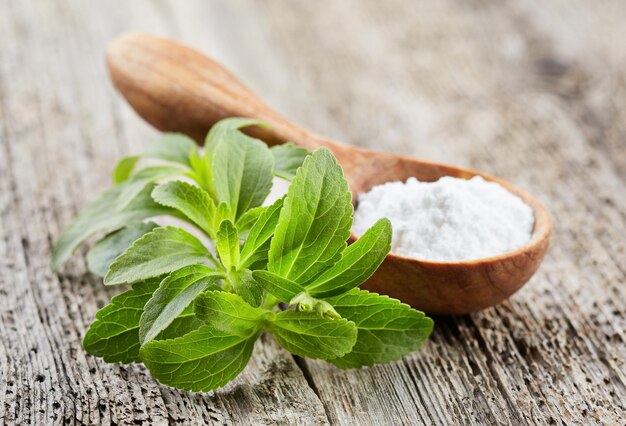
stevia powder in a wooden spoon

Blood Sugar Regulation

Stevia has a minimal impact on blood sugar levels, making it a safe choice for individuals with diabetes.

  • How It Works: Steviol glycosides do not affect insulin secretion or glucose metabolism.
  • Studies: Research shows that stevia can lower postprandial glucose levels in individuals with type 2 diabetes.
  • Implications for Diabetes: By replacing sugar, stevia helps diabetics enjoy sweetened foods without worrying about blood sugar spikes.

Weight Management

As a zero-calorie sweetener, stevia plays a vital role in weight loss and maintenance.

  • Calorie Savings: Replacing a single teaspoon of sugar with stevia saves about 16 calories.
  • Appetite Control: Some studies suggest that stevia can reduce cravings for high-calorie foods.
  • Research Support: A 2010 study published in the Appetite Journal found that stevia consumption led to reduced overall calorie intake.

Blood Pressure Reduction

Stevia may benefit individuals with hypertension by helping to lower blood pressure.

  • Mechanisms: Certain compounds in stevia act as natural vasodilators, relaxing blood vessels.
  • Evidence: A 2003 study in Planta Medica reported significant blood pressure reductions in hypertensive patients who consumed stevia extracts regularly.
  • Additional Benefits: By improving blood flow, stevia may also reduce the risk of heart disease.

Dental Health

Unlike sugar, stevia is non-cariogenic, meaning it does not promote tooth decay.

  • Cavity Prevention: Stevia does not ferment in the mouth, preventing acid production that damages enamel.
  • Comparative Advantage: Studies have shown that replacing sugar with stevia significantly reduces the risk of cavities.
  • Children’s Dental Care: Its safety and non-cariogenic properties make stevia an excellent choice for children.

Related to Read: Does Sweet Tea Have Caffeine?

Potential Side Effects and Concerns

While stevia is celebrated for its health benefits, it’s important to understand its potential side effects and limitations. Below are key concerns associated with its consumption.

Digestive Issues

Stevia can occasionally cause gastrointestinal discomfort.

  • Reported Symptoms: Some individuals report bloating, gas, or nausea after consuming stevia. These reactions are often linked to overconsumption or sensitivity to certain stevia blends that include sugar alcohols like erythritol.
  • Recommended Limits: To avoid these issues, stick to the recommended daily intake—typically no more than 4 mg of steviol glycosides per kilogram of body weight.

Allergic Reactions

Allergies to stevia are rare but can occur.

  • Incidence: People with allergies to plants in the Asteraceae family (like ragweed or daisies) may be at higher risk.
  • Symptoms: Reactions may include itching, rashes, or respiratory symptoms like wheezing. Severe cases are extremely rare.
  • Management: If you experience symptoms, discontinue use immediately and consult a healthcare provider.

Blood Pressure Considerations

Stevia’s effects on blood pressure can be beneficial but may pose risks for certain individuals.

  • Low Blood Pressure Risk: Stevia can further lower blood pressure in people already prone to hypotension.
  • Medication Interactions: Individuals taking antihypertensive drugs should use caution, as stevia may amplify the effects of these medications. Consult your doctor before adding stevia to your diet if you have low blood pressure.

Hormonal Impacts

Concerns about stevia’s influence on hormones have emerged, though evidence is limited.

  • Potential Effects: Some animal studies suggest stevia may affect hormone levels, particularly those related to reproductive health.
  • Relevance to Humans: Human studies are inconclusive, but current evidence suggests that moderate consumption is unlikely to have significant hormonal effects.

Stevia vs. Other Sweeteners

Stevia is often compared with other sweeteners for its health benefits, taste, and safety profile. Let’s look at how it stacks up.

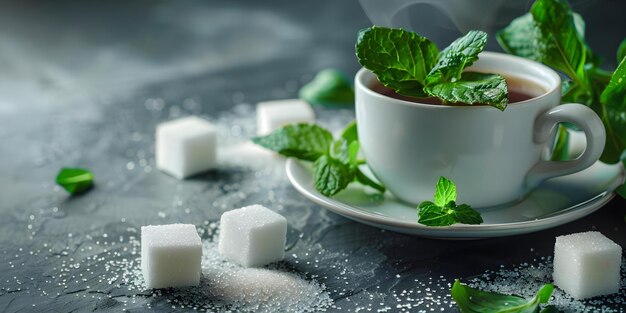
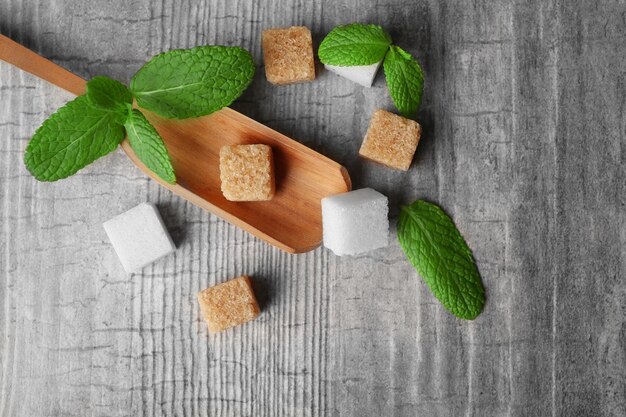
stevia cubes with stevia plant leaves

Stevia vs. Sugar

Stevia is vastly different from traditional sugar in several ways.

  • Caloric Comparison: Stevia has zero calories, while sugar contains 4 calories per gram.
  • Glycemic Index: Sugar has a high glycemic index (65), causing blood sugar spikes. Stevia, with a glycemic index of zero, has no such effect.
  • Metabolic Health: Over time, replacing sugar with stevia can reduce the risk of obesity, diabetes, and heart disease.

Stevia vs. Artificial Sweeteners

Artificial sweeteners like aspartame and sucralose are common, but how do they compare to stevia?

  • Safety Profiles: Stevia, as a natural product, is generally considered safer, with fewer long-term health concerns than artificial sweeteners.
  • Regulation: Both stevia and artificial sweeteners are approved by regulatory agencies, but consumer trust in natural products often gives stevia an edge.
  • Taste Differences: Stevia’s taste can sometimes be slightly bitter, while artificial sweeteners tend to mimic sugar more closely.

Stevia vs. Other Natural Sweeteners

Natural sweeteners like honey, agave nectar, and monk fruit also compete with stevia.

SweetenerCalories (per tsp)Glycemic IndexKey BenefitsDrawbacks
Stevia00Zero-calorie, diabetes-friendlyBitter aftertaste in some forms
Honey2158Antioxidant-richHigh in calories and sugar
Agave Nectar2115Low glycemic indexHigh fructose content

Regulatory Status in the U.S.

The U.S. Food and Drug Administration (FDA) has specific guidelines for stevia products.

  • Approved Forms: Highly purified steviol glycosides, such as rebaudioside A, are classified as “Generally Recognized as Safe” (GRAS).
  • Restrictions: Raw or unprocessed stevia leaves and extracts are not approved for food use due to insufficient safety data.
  • Consumer Safety: Stevia products meeting FDA standards are safe when consumed within recommended limits.

Related to Read: Is Intermittent Fasting Safe for Diabetics? 6 Proven Ways Backed by Science

Incorporating Stevia into Your Diet

Stevia can easily replace sugar in many recipes and beverages. Here are some tips to get started:

Tips for Substituting Sugar

  • Use stevia in baking, but adjust for its intense sweetness—1 teaspoon of stevia is equivalent to 1 cup of sugar in sweetness.
  • Try it in coffee, tea, smoothies, or homemade desserts.

Recommended Daily Intake

Stick to the acceptable daily intake (ADI) of 4 mg per kilogram of body weight. This ensures you enjoy the benefits without overconsumption.

Conclusion

Stevia is a natural, calorie-free sweetener with numerous health benefits, including blood sugar regulation, weight management, and improved dental health. However, potential side effects like digestive discomfort and interactions with medications highlight the importance of moderation. Comparing stevia with other sweeteners shows its versatility and health advantages, making it a great choice for many. Informed and moderate use ensures you can enjoy the benefits of stevia while minimizing risks.

FAQs

  1. Is stevia better than sugar for diabetes?

Yes, stevia does not raise blood sugar levels, making it ideal for diabetics.

  1. Can stevia cause bloating?

In some cases, overconsumption of stevia blends with sugar alcohols may lead to bloating.

  1. Is raw stevia safe to consume?

Raw stevia leaves are not FDA-approved for food use but are often used in herbal teas.

  1. How much stevia is too much?

Consuming more than the recommended daily intake of 4 mg per kilogram of body weight may lead to side effects.

  1. Can I use stevia in baking?

Yes, but remember that stevia is much sweeter than sugar, so use it sparingly.

Is Turkey Bacon Healthy? A Detailed Nutritional Overview

Turkey bacon has become a popular choice for those looking for a healthier alternative to traditional pork bacon. But is it really a better option? This article explores the nutritional value, ingredients, and potential health benefits of turkey bacon, helping you decide if turkey bacon is healthy for your diet.

Overview of Turkey Bacon: A Popular Alternative

Turkey bacon is often marketed as a healthier substitute for regular bacon. Made from turkey meat, it mimics the flavor and texture of pork bacon while boasting fewer calories and less fat. But does it deliver the same nutritional benefits?

Why People Consider Turkey Bacon a Healthier Option

Many choose turkey bacon because it’s lower in fat, especially saturated fat. It also appeals to those avoiding pork for dietary or religious reasons. However, it’s essential to understand its nutritional profile before assuming it’s a healthier choice.

What is Turkey Bacon?

Turkey bacon is a processed meat product made from turkey. Unlike pork bacon, which comes from pork belly, turkey bacon is made by combining finely ground turkey meat with seasonings, preservatives, and flavorings to resemble traditional bacon.

How is Turkey Bacon Made?

Turkey bacon undergoes a process that includes:

  1. Grinding: Turkey meat, sometimes including skin, is ground into a fine mixture.
  2. Flavoring: Seasonings like salt, sugar, and smoke flavor are added.
  3. Forming: The mixture is shaped into strips to mimic the appearance of bacon.
  4. Cooking: It is pre-cooked or smoked, ready for reheating at home.

Ingredients in Turkey Bacon: Natural vs. Processed

The ingredients in turkey bacon vary by brand. Some brands prioritize natural, simple ingredients, while others use additives. Common ingredients include:

  • Turkey meat: The primary ingredient.
  • Salt and sugar: For flavor and preservation.
  • Preservatives: Such as sodium nitrate to extend shelf life.
  • Smoke flavoring: To mimic the taste of traditional bacon.

Tip: Always check the label for added preservatives or high sodium content if you’re looking for a healthier option.

Related to Read: Is Turkey Sausage Healthy? Find Out the Health Benefits and Drawbacks!

Nutritional Breakdown of Turkey Bacon

Understanding the nutrition of turkey bacon is crucial for determining its health value. Here’s a comparison of the typical nutritional content in one slice of turkey bacon versus pork bacon:

NutrientTurkey Bacon (per slice)Pork Bacon (per slice)
Calories3043
Total Fat2g3.5g
Saturated Fat0.7g1.1g
Protein2g3g
Sodium190mg200mg

Calories and Fat Content in Turkey Bacon

Turkey bacon has fewer calories and less fat than pork bacon. However, it’s still a processed food and should be consumed in moderation.

Turkey Bacon Protein Content: Is it a Good Source of Protein?

While turkey bacon provides some protein, it is not a significant source. One slice typically contains about 2 grams of protein, compared to 3 grams in pork bacon. For high-protein diets, turkey bacon may not be the best option.

Does Turkey Bacon Have Nitrates or Preservatives?

Most turkey bacon contains nitrates or nitrites, which are preservatives used to maintain color and flavor. Excessive consumption of nitrates has been linked to health risks, including cancer. Opt for brands labeled “nitrate-free” for a safer choice.

Related to Read: Is Bacon Healthy? Find Out the Health Benefits and Drawbacks!

Is Turkey Bacon Healthy?

Turkey bacon has both benefits and drawbacks. Let’s explore further.

cooked turkey bacons in a wooden tray

Comparing Turkey Bacon vs. Regular Bacon: Health Benefits and Risks

Turkey bacon has less fat and fewer calories, making it suitable for those watching their weight or cholesterol levels. However, it is high in sodium and lacks the same protein content as regular bacon.

Is Turkey Bacon Heart-Healthy?

Turkey bacon’s lower saturated fat content may make it a better choice for heart health compared to pork bacon. However, the high sodium levels can increase blood pressure, so it should be eaten sparingly.

Is Turkey Bacon Good for Weight Loss?

Turkey bacon is lower in calories, which can benefit weight loss. For example, replacing two slices of pork bacon with turkey bacon saves about 26 calories and 3 grams of fat. However, portion control remains critical.

Does Turkey Bacon Fit Into Keto and Low-Carb Diets?

Turkey bacon is compatible with keto and low-carb diets because it’s low in carbohydrates. However, those on these diets should watch for added sugars in certain brands. Opt for unsweetened varieties to keep your carb intake minimal.

Potential Health Concerns with Turkey Bacon

While turkey bacon is lower in fat than pork bacon, it is not free from health concerns. Understanding these can help you make informed dietary choices.

Is Turkey Bacon Processed? What You Need to Know

Yes, turkey bacon is a processed meat product. It contains additives, flavorings, and preservatives to enhance taste and shelf life. Regular consumption of processed meats has been linked to certain health risks, including heart disease and cancer.

Sodium Content in Turkey Bacon: Should You Be Concerned?

Turkey bacon is high in sodium, with some brands containing over 200 milligrams per slice. Excess sodium can lead to hypertension, increasing the risk of heart disease and stroke. If you’re monitoring sodium intake, choose low-sodium options.

The Role of Additives and Nitrates in Turkey Bacon

Many turkey bacon products include nitrates or nitrites as preservatives. These compounds maintain freshness and color but may pose health risks when consumed excessively. Look for “nitrate-free” or “no added nitrates” labels when shopping for turkey bacon.

Turkey Bacon and Special Diets

Turkey bacon’s nutritional composition makes it suitable for some diets but not ideal for others.

Is Turkey Bacon Suitable for Diabetic Patients?

Turkey bacon can be consumed by diabetics in moderation. It has a low carbohydrate content, which helps regulate blood sugar levels. However, its high sodium and saturated fat levels could affect heart health, which is a concern for diabetics.

Turkey Bacon for Weight Loss: How to Incorporate It Responsibly

Turkey bacon is lower in calories than pork bacon, making it a better choice for weight loss. However, portion control is critical. Pair it with nutrient-rich foods like vegetables or whole grains to create a balanced meal.

Is Turkey Bacon Keto-Friendly?

Yes, turkey bacon is keto-friendly due to its low carbohydrate content. It can be a protein-rich snack or meal addition for those on a keto or low-carb diet. Be cautious of added sugars in flavored varieties, which can increase the carb count.

Alternatives to Turkey Bacon

If turkey bacon doesn’t meet your health needs, several alternatives are available.

Comparing Turkey Bacon with Plant-Based Bacon

Plant-based bacon is made from ingredients like soy, peas, or coconut. It is often lower in fat and sodium than turkey bacon, making it a suitable option for vegetarians or those avoiding animal products.

Other Healthier Bacon Options

  • Uncured Pork Bacon: Contains no added nitrates.
  • Canadian Bacon: Lower in fat and calories than traditional bacon.
  • Beef Bacon: A leaner alternative to pork bacon.

How to Choose the Healthiest Turkey Bacon

Selecting the right turkey bacon can minimize its health risks while maximizing its benefits.

cooked turkey bacons in a black circular plate

Tips for Selecting Low-Sodium or Nitrate-Free Turkey Bacon

  1. Read Labels: Look for brands labeled “low sodium” or “nitrate-free.”
  2. Check Ingredients: Choose options with fewer additives and preservatives.
  3. Compare Nutritional Values: Opt for brands with lower sodium and higher protein content.

Cooking Methods to Make Turkey Bacon Healthier

  • Bake or Air Fry: Reduce added fats by avoiding frying in oil.
  • Blot Excess Fat: Use a paper towel to absorb extra grease after cooking.
  • Pair with Healthy Foods: Serve with vegetables or whole-grain bread to balance the meal.

Related to Read: Leftover Beef Tenderloin Recipes

FAQs About Turkey Bacon

1. Is turkey bacon good for you on a daily basis?

No, due to its high sodium and processed nature, it’s best consumed in moderation.

2. Does turkey bacon have less cholesterol than regular bacon?

Yes, turkey bacon typically contains less cholesterol than pork bacon, making it a better option for heart health.

3. Can turkey bacon be eaten on a keto diet?

Yes, turkey bacon is low in carbs and fits well into a keto diet.

4. Is turkey bacon high in sodium?

Yes, most turkey bacon products are high in sodium, which can be a concern for people with hypertension or other health issues.

5. Is turkey bacon good for your heart?

Turkey bacon has less saturated fat than pork bacon, but its high sodium content can still pose risks to heart health.

Conclusion

Is Turkey Bacon a Healthy Choice for You?

Turkey bacon offers a lower-calorie, lower-fat alternative to pork bacon. However, it’s still processed and high in sodium, which means it should be enjoyed occasionally rather than daily.

Final Thoughts on Turkey Bacon’s Role in a Balanced Diet

Turkey bacon can fit into a healthy diet when consumed in moderation and paired with nutrient-rich foods. Choose low-sodium, nitrate-free options and prepare it using healthier cooking methods for the best results.

Are Veggie Straws Healthy? A Comprehensive Analysis

Veggie straws have become a popular snack option in recent years. Known for their vibrant colors and crunchy texture, they’re marketed as a healthier alternative to traditional potato chips. With increasing demand for “better-for-you” snacks, veggie straws have secured a significant spot in the U.S. snack market. But are veggie straws truly a healthy choice, or do they just seem like one? Let’s explore their nutritional value, ingredients, and potential health benefits to uncover the truth.

Nutritional Profile of Veggie Straws

Understanding the nutritional content of veggie straws can provide insights into their health impact.

Caloric Content and Serving Size

A standard serving size of veggie straws (approximately 1 ounce or 28 grams) contains about 130 calories. While this is similar to potato chips, the serving size can be deceptive. It’s easy to consume multiple servings in one sitting, leading to higher calorie intake. Moderation is key to preventing overeating.

Macronutrient Breakdown: Carbohydrates, Proteins, and Fats

Veggie straws primarily consist of carbohydrates. A single serving typically contains:

  • Carbohydrates: 17 grams
  • Proteins: 1 gram
  • Fats: 7 grams

Most of the fats are unsaturated, making them relatively healthier. However, the low protein content makes them less satiating compared to high-protein snacks.

Fiber Content Analysis

Despite their vegetable-based name, veggie straws are low in dietary fiber. On average, they provide less than 1 gram of fiber per serving. Whole vegetables, in contrast, offer significantly more fiber, which aids digestion and promotes satiety.

Sodium Levels and Daily Intake Recommendations

One serving of veggie straws contains approximately 220-250 mg of sodium. While this might seem low, it can quickly add up if you consume multiple servings. For comparison, the American Heart Association recommends a daily sodium intake of no more than 2,300 mg. Excess sodium can contribute to high blood pressure and cardiovascular issues.

Ingredients in Veggie Straws

Examining the ingredients in veggie straws reveals more about their nutritional quality.

veggie straws in a blue bowl on wooden surface

Primary Ingredients: Potato Starch, Corn Starch, and Vegetable Powders

The main ingredients in veggie straws are processed starches, such as potato starch and corn starch, mixed with vegetable powders. These powders, derived from spinach, tomato, or beetroot, give veggie straws their distinct colors but contribute little nutritional value.

Additives and Preservatives: What Consumers Should Know

Veggie straws often contain additives like salt, sugar, and natural or artificial flavors. Preservatives are used to extend shelf life. While these ingredients are FDA-approved, they may not align with a “whole food” diet, which emphasizes natural and minimally processed foods.

Comparison with Whole Vegetables

Whole vegetables are rich in vitamins, minerals, and fiber. Veggie straws, on the other hand, lose most of these nutrients during processing. For example, eating raw spinach or carrots provides more vitamin A, C, and iron than veggie straws ever could.

Related to Read: Are Frozen Vegetables Healthy? – Everything You Need to Know

Health Benefits of Veggie Straws

Veggie straws do have some positive aspects, but their health benefits depend on how they’re consumed.

Low-Fat Content: A Heart-Healthy Choice?

Veggie straws contain less saturated fat compared to many fried snacks. This makes them a better choice for those monitoring their fat intake. However, they are not completely fat-free and should still be consumed in moderation.

Gluten-Free Options: Catering to Dietary Restrictions

Veggie straws are naturally gluten-free, making them suitable for individuals with celiac disease or gluten intolerance. This broadens their appeal among people with dietary restrictions.

Allergen Information: Safe for Peanut and Tree Nut Allergies?

Veggie straws are typically free of peanuts and tree nuts. This makes them a safe choice for people with these common food allergies. However, always check the packaging for potential cross-contamination warnings.

Table: Nutritional Comparison – Veggie Straws vs. Whole Vegetables

NutrientVeggie Straws (1 oz)Whole Vegetables (1 cup)
Calories13025-50 (varies by vegetable)
Carbohydrates17 g5-10 g
Protein1 g2-3 g
Fat7 g<1 g
Fiber<1 g2-4 g
Sodium220-250 mg<50 mg

This table highlights the nutritional gap between veggie straws and whole vegetables, emphasizing the latter as a healthier choice.

Potential Health Concerns

Veggie straws may seem like a healthier snack, but they come with certain drawbacks that deserve attention.

High Sodium Intake: Risks and Recommendations

Veggie straws contain significant sodium levels, with up to 250 mg per serving. Consuming multiple servings can push your sodium intake beyond daily recommendations. High sodium levels are linked to high blood pressure and cardiovascular issues. For those on low-sodium diets, veggie straws may not be an ideal choice.

Lack of Essential Nutrients Compared to Whole Vegetables

Despite their vegetable-derived ingredients, veggie straws lack the vitamins, minerals, and fiber found in whole vegetables. This nutrient deficit is due to the heavy processing involved, which strips away most natural goodness. Choosing fresh or minimally processed vegetables is always a better option.

Presence of Additives: Are They Safe?

Veggie straws often include preservatives, artificial flavors, and other additives. While these substances are approved for consumption, some individuals may experience sensitivities or long-term health concerns. Reading ingredient labels can help you make more informed choices.

Veggie Straws vs. Traditional Potato Chips

How do veggie straws stack up against traditional potato chips? Let’s break it down.

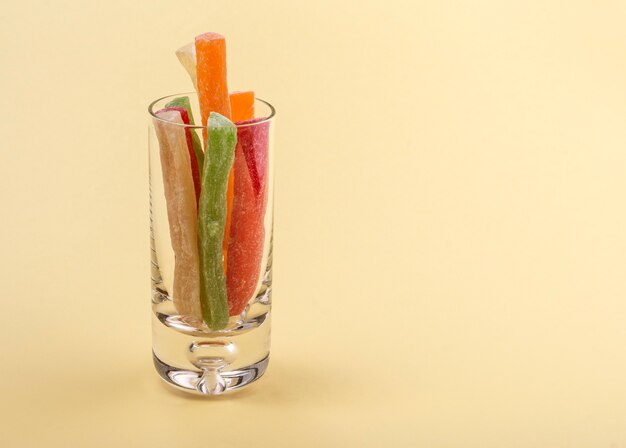
veggie straws in a glass

Nutritional Comparison: Calories, Fats, and Sodium

Both veggie straws and potato chips are processed snacks, but veggie straws are slightly lower in saturated fats. However, their sodium and calorie content are comparable. For example:

  • Veggie Straws (1 oz): 130 calories, 7g fat, 250 mg sodium
  • Potato Chips (1 oz): 150 calories, 10g fat, 180-200 mg sodium

While veggie straws may appear lighter, they don’t offer a significant health advantage over potato chips.

Taste and Texture: Consumer Preferences

Veggie straws are known for their airy crunch and mild flavor. This appeals to consumers seeking a lighter snack. Potato chips, with their bold flavors and dense texture, tend to satisfy cravings more effectively.

Cost Analysis: Are Veggie Straws Worth the Price?

Veggie straws are often priced higher than traditional chips, mainly due to their marketing as a “healthier” option. Considering their minimal nutritional benefit, the added cost may not be justified for budget-conscious consumers.

Expert Opinions on Veggie Straws

Healthcare professionals and dietitians have mixed views on veggie straws as a snack option.

Dietitian Insights: Are They a Healthy Snack?

Dietitians often caution against assuming that veggie straws are equivalent to vegetables. While they can fit into a balanced diet as an occasional treat, relying on them for nutritional value is not recommended. Opting for snacks with higher protein and fiber content is often advised.

Medical Community Perspectives on Processed Snacks

Medical experts agree that processed snacks like veggie straws are not substitutes for whole, unprocessed foods. They stress the importance of moderation and highlight potential long-term health risks from high sodium and low nutrient content.

Recommendations for Health-Conscious Consumers

For those looking to maintain a healthy lifestyle, experts recommend choosing whole vegetables, nuts, seeds, or homemade snacks. These options provide more nutrients and help curb hunger more effectively.

Related to Read: Is Boiling Vegetables Healthy? Benefits, Drawbacks, and Tips for Nutrient Preservation

Healthier Alternatives to Veggie Straws

There are plenty of alternatives that offer better nutrition and satisfy your snack cravings.

Homemade Vegetable Chips: Recipes and Benefits

Making your own vegetable chips at home is simple and healthier. Thinly slice sweet potatoes, kale, or zucchini, lightly season, and bake until crispy. Homemade chips are free of preservatives and allow you to control the sodium content.

Whole Vegetable Snacks: Carrot Sticks, Celery, and More

Raw vegetables like carrot sticks, celery, cucumber slices, and bell pepper strips are nutrient-dense and low in calories. Pair them with hummus or Greek yogurt dip for added flavor and protein.

Nuts and Seeds: Protein-Packed Options

Almonds, walnuts, sunflower seeds, and pumpkin seeds are excellent snack options. They’re rich in protein, healthy fats, and essential nutrients, making them a satisfying and nourishing alternative.

Conclusion

Veggie straws can be enjoyed as an occasional treat but shouldn’t be mistaken for a healthy snack. Their low fiber and nutrient content, combined with high sodium levels, limit their health benefits. To make informed snack choices, consider incorporating whole, minimally processed foods into your diet. Remember, balance and moderation are key to a healthier lifestyle.

Frequently Asked Questions (FAQs)

1. Are Veggie Straws Suitable for Weight Loss Diets?

Veggie straws can fit into a weight-loss plan when consumed in moderation. However, their low fiber and protein content make them less filling than other snacks, potentially leading to overeating.

2. Do Veggie Straws Count as a Serving of Vegetables?

No, veggie straws do not count as a serving of vegetables. They lack the vitamins, minerals, and fiber found in fresh vegetables.

3. Can Children Safely Consume Veggie Straws?

Yes, veggie straws are generally safe for children. However, they should be given as a treat rather than a regular snack due to their low nutritional value.

4. Are Veggie Straws Vegan-Friendly?

Most veggie straws are vegan-friendly, but it’s essential to check the packaging for any animal-derived ingredients or flavorings.

5. How Do Veggie Straws Affect Blood Pressure?

Veggie straws contain high sodium levels, which can contribute to elevated blood pressure if consumed in large quantities. Opt for low-sodium snacks if this is a concern.

Are Cranberries Healthy? A Comprehensive Guide

Cranberries are more than just a holiday staple; they’re a nutritional powerhouse. But are cranberries healthy? Absolutely! These small, tart, red berries are packed with nutrients and antioxidants that can support your overall health. From fresh cranberries to juices and supplements, their versatility and benefits make them a must-add to your diet. Let’s dive deeper into what makes cranberries so unique.

Overview

Cranberries are small, round, and vibrant red berries with a tangy taste. They’re native to North America and have been valued for centuries by Indigenous peoples for their medicinal and culinary uses. Today, cranberries hold cultural significance as a festive ingredient and a key component of health supplements.

Forms of Cranberries

Cranberries are available in various forms, each offering unique uses and benefits:

  • Fresh Cranberries: Used in cooking and baking; these are low in sugar and nutrient-dense.
  • Dried Cranberries: Sweetened and dehydrated, making them perfect for snacks or salads.
  • Cranberry Juice: Popular for its refreshing taste and health benefits. Look for options without added sugar.
  • Supplements of cranberries: Convenient capsules or tablets containing concentrated cranberry extracts.

Nutritional Profile of Cranberries

Cranberries are rich in nutrients that benefit your body in multiple ways. Let’s break down cranberry’s nutritional highlights:

Key Nutrients

Cranberries are low in calories but high in essential vitamins and minerals:

NutrientAmount (per 1 cup raw cranberries)Benefit
Calories~50Low-calorie, weight-friendly snack.
Vitamin C14 mg (~24% of daily needs)Boosts immunity and skin health.
Vitamin A70 IU (~2% of daily needs)Supports vision and immunity.
Vitamin K5 mcg (~4% of daily needs)Aids in blood clotting and bone health.
Potassium85 mgHelps regulate blood pressure.
Manganese0.36 mg (~18% of daily needs)Essential for metabolism and bone health.

Antioxidants

Cranberries are loaded with antioxidants, which fight oxidative stress and protect cells:

 Fiber Content

One cup of cranberries contains about 4 grams of dietary fiber. This supports digestive health by improving gut function and promoting regular bowel movements. Fiber also helps manage blood sugar levels and reduces cholesterol.

Related to Read: Are Blackberries Healthy? A Comprehensive Look

Health Benefits of Cranberries

Cranberries offer several health benefits supported by science. Let’s explore their remarkable impact on various aspects of health:

Urinary Tract Health

Cranberries are famous for their role in preventing urinary tract infections (UTIs).

  • How It Works: Proanthocyanidins in cranberries prevent harmful bacteria from adhering to the urinary tract lining.
  • Evidence: Studies have shown that regular cranberry consumption can reduce the frequency of UTIs, especially in women.

Heart Health

Cranberries can benefit your heart in multiple ways:

  • Cholesterol Levels: They help lower LDL (bad cholesterol) while increasing HDL (good cholesterol).
  • Blood Pressure: The potassium and antioxidants in cranberries contribute to better vascular health and reduced blood pressure.
  • Research: Clinical trials suggest that cranberry consumption may reduce the risk of cardiovascular diseases over time.

Digestive Health

Cranberries are great for your gut.

  • Fiber: Promotes bowel regularity and supports healthy digestion.
  • Polyphenols: Act as prebiotics, encouraging the growth of beneficial gut bacteria.
  • Gut Microbiome: Improved gut health can lead to better nutrient absorption and immunity.

Immune System Support

Cranberries are a natural immunity booster.

  • Vitamin C: Enhances the immune system’s ability to fight infections.
  • Antioxidants: Protect cells from damage, reducing the risk of chronic illnesses.
  • Everyday Impact: Adding cranberries to your diet can help you stay healthier year-round.

Potential Anti-Inflammatory Effects

Inflammation is linked to many chronic diseases, and cranberries may help combat this.

  • Polyphenols: These compounds have been shown to reduce inflammation in the body.
  • Joint Health: Regular consumption may alleviate symptoms of arthritis and other inflammatory conditions.

Potential Risks and Considerations

While cranberries provide numerous health benefits, there are a few potential risks to keep in mind. Understanding these considerations will help you enjoy cranberries safely and responsibly.

cranberries in a grey circular plate.

Kidney Stones

Cranberries contain compounds that can increase oxalate levels in the urine.

  • Risk: High urinary oxalate levels may contribute to kidney stone formation, particularly in individuals prone to this condition.
  • Advice: If you have a history of kidney stones, it’s best to consult your doctor before adding large amounts of cranberries or cranberry products to your diet. Moderation is key.

Added Sugars in Processed Products

Many cranberry products, such as cranberry juice and dried cranberries, contain hidden sugars.

  • Concerns: Processed cranberry juice and snacks are often sweetened to counteract the fruit’s natural tartness, leading to excess calorie and sugar intake.
  • Tip: Choose unsweetened cranberry juice or dried cranberries with minimal added sugars. Always read product labels to ensure you’re making healthier choices.

Interactions with Medications

Cranberries may interact with certain medications, especially blood thinners.

  • Blood Thinners: Research suggests that cranberries can enhance the effects of medications like warfarin, increasing the risk of bleeding.
  • Advice: If you’re taking blood-thinning medications or other prescriptions, consult your healthcare provider before consuming large amounts of cranberry products.

How to Incorporate Cranberries into Your Diet

Cranberries are versatile and easy to include in various meals and snacks. Here are some practical ways to enjoy them:

Fresh Cranberries

Fresh cranberries are nutrient-dense and ideal for cooking and baking.

  • Uses: Add them to salads for a tangy flavor, blend them into smoothies, or bake them into muffins and bread.
  • Benefits: Whole cranberries retain their natural nutrients, including fiber and antioxidants, offering maximum health benefits.

Dried Cranberries

Dried cranberries are convenient for snacking or enhancing dishes.

  • Ideal Uses: Sprinkle them over oatmeal, yogurt, or granola. They also pair well with nuts in trail mixes.
  • Tips: Look for options with no or low added sugar to enjoy their benefits without unnecessary calories.

Cranberry Juice

Its juice is a refreshing way to gain the health benefits of cranberries.

  • Best Choice: Opt for 100% unsweetened cranberry juice to avoid extra sugar.
  • Serving Size: Limit consumption to about 1–2 cups daily to manage sugar intake and get the desired benefits.

Cranberry Supplements

For those who dislike the tartness of cranberries, supplements are a convenient alternative.

  • Benefits: Cranberry supplements provide concentrated proanthocyanidins, which are beneficial for urinary and overall health.
  • Dosage: Follow the label or consult your doctor for recommended daily amounts. Supplements are especially useful for people managing specific health conditions, like UTIs.

Related to Read: Are Blueberries Healthy? A Comprehensive Guide to Their Benefits

FAQs 

Are cranberries safe for everyone?

Cranberries are generally safe, but individuals with specific conditions should exercise caution.

  • Allergies: Rare but possible, so watch for reactions if you’re trying cranberries for the first time.
  • Kidney Stones: People prone to oxalate-related kidney stones should moderate their intake.

How much cranberry should I consume daily?

The recommended intake depends on your health goals.

  • For general health: 1 cup of fresh cranberries or 1–2 cups of cranberry juice daily.
  • For urinary tract health: Supplements can be taken as directed.

Can cranberries replace medical treatments?

No, cranberries should complement medical treatments, not replace them.

  • Example: While they help prevent UTIs, they cannot treat an active infection.
  • Advice: Always consult your healthcare provider for proper diagnosis and treatment.

Conclusion

Cranberries are a nutritional powerhouse packed with vitamins, antioxidants, and other beneficial compounds. While they offer significant health benefits, it’s important to consume them in moderation, especially if you have certain health conditions or take medications. Whether fresh, dried, juiced, or as supplements, cranberries can easily become a tasty and healthy addition to your diet. Just remember to choose minimally processed options and consult your doctor for personalized advice.

Are Pumpkin Seeds Healthy? A Comprehensive Guide

Pumpkin seeds have long been a favorite snack in many cultures. In recent years, they’ve gained popularity in the U.S. diet due to their impressive nutritional value. But are pumpkin seeds healthy? The answer is a resounding yes. These small seeds pack a big punch when it comes to health benefits. Let’s dive into their nutritional profile and explore why you should include them in your diet.

Nutritional Profile of Pumpkin Seeds

Pumpkin seeds, also known as pepitas, are a powerhouse of nutrients. They are rich in macronutrients, micronutrients, and antioxidants, making them a versatile and beneficial addition to your meals.

Macronutrients in Pumpkin Seeds

Pumpkin seeds are an excellent source of essential macronutrients:

  • Protein: They provide about 7 grams of protein per ounce, helping with muscle repair and growth. This makes them a great plant-based protein source for vegetarians and vegans.
  • Healthy Fats: Rich in unsaturated fats, including omega-6 and omega-9 fatty acids, pumpkin seeds support heart and brain health.
  • Carbohydrates: They are low in carbohydrates, making them ideal for those on low-carb diets.

Micronutrients in Pumpkin Seeds

Packed with essential vitamins and minerals, pumpkin seeds contribute to overall well-being:

  • Magnesium: Vital for muscle function, heart health, and energy production.
  • Zinc: Supports the immune system and plays a role in wound healing.
  • Iron: Essential for oxygen transport in the blood, helping to combat fatigue.

Antioxidants in Pumpkin Seeds

Pumpkin seeds are a rich source of antioxidants, including carotenoids and vitamin E. Antioxidants help neutralize free radicals, protecting your cells from damage. This can lower the risk of chronic diseases and boost overall health.

Related to Read: Are Sesame Seeds Healthy? A Complete Guide

Health Benefits of Pumpkin Seeds

The nutritional components of pumpkin seeds translate into numerous health benefits. Here’s a detailed look at how they promote wellness.

Heart Health

The healthy fats and magnesium in pumpkin seeds are excellent for your heart.

  • Healthy Fats: Unsaturated fats help reduce bad cholesterol levels, improving heart function.
  • Magnesium: This mineral relaxes blood vessels, reducing blood pressure and supporting a steady heartbeat.

Blood Sugar Regulation

Pumpkin seeds can help stabilize blood sugar levels:

  • Low Glycemic Impact: They have a minimal effect on blood sugar, making them suitable for people with diabetes.
  • High Magnesium Content: Magnesium improves insulin sensitivity, which helps regulate blood sugar.

Prostate and Bladder Health

These seeds have specific benefits for urinary and prostate health:

  • Prostate Support: Pumpkin seed oil is known to reduce symptoms of benign prostatic hyperplasia (BPH).
  • Bladder Function: Compounds in pumpkin seeds improve bladder control, reducing urinary issues.

Sleep Improvement

Struggling to sleep? Pumpkin seeds may help:

  • Tryptophan: They contain this amino acid, which your body converts into serotonin and melatonin, hormones that promote sleep.
  • Magnesium: It also relaxes muscles and nerves, improving sleep quality.

Anti-Inflammatory Properties

Pumpkin seeds are a natural way to combat inflammation:

  • Antioxidants: Vitamin E and carotenoids reduce oxidative stress.
  • Phytosterols: These compounds lower inflammation markers, benefiting people with arthritis or other inflammatory conditions.

Nutritional Value of Pumpkin Seeds (Per 1 Ounce)

NutrientAmountDaily Value (%DV)
Calories151
Protein7 grams14%
Total Fat13 grams20%
Magnesium150 mg37%
Zinc2.2 mg20%
Iron2.7 mg15%

Related to Read: Pumpkin Recipes For Diabetics

Pumpkin Seeds and Weight Management

Pumpkin seeds can play a significant role in managing weight. Their fiber content and nutrient density make them a valuable addition to a weight-conscious diet.

green pumpkin seeds coming out of pink bowl

Satiety and Fiber Content

The fiber in pumpkin seeds promotes a feeling of fullness, reducing overall calorie intake:

  • High Fiber Levels: Fiber slows digestion, keeping you satisfied for longer periods. Just one ounce of pumpkin seeds contains nearly 1.7 grams of fiber.
  • Protein Content: Along with fiber, the 7 grams of protein per ounce help curb hunger pangs.
  • Control Over Cravings: Including them as a snack or meal addition can reduce late-night snacking and unhealthy cravings.

Caloric Considerations

While pumpkin seeds are nutrient-rich, their calorie content requires mindful portioning:

  • Calories in Moderation: One ounce contains about 150 calories. Overeating them may add unnecessary calories to your diet.
  • Ideal Portion Size: Stick to a handful or one ounce per serving to enjoy the benefits without overindulging.
  • Calorie Replacement: Use pumpkin seeds to replace less nutritious snacks like chips or cookies.

Incorporating Pumpkin Seeds into Your Diet

Pumpkin seeds are easy to include in various dishes, offering both flavor and nutrition. Whether you prefer them raw or roasted, there are endless ways to enjoy them.

Raw vs. Roasted

Both raw and roasted pumpkin seeds are nutritious, but there are differences:

  • Raw Seeds: They retain more antioxidants and nutrients. They’re ideal for those looking for maximum health benefits.
  • Roasted Seeds: Roasting enhances the flavor but may reduce some heat-sensitive nutrients, such as vitamin E. Roast at a low temperature to retain maximum nutritional value.

Culinary Uses

Pumpkin seeds are versatile and complement many dishes:

  • Salads: Sprinkle them over your favorite salads for a crunchy texture.
  • Yogurt: Add a handful to yogurt or smoothie bowls for extra protein and healthy fats.
  • Baked Goods: Incorporate them into bread, muffins, or granola bars for added flavor and nutrition.
  • Soups: Garnish creamy soups with roasted seeds for a gourmet touch.

Homemade Protein Powder

Pumpkin seeds can be used to create a DIY protein powder:

  1. Roast or use raw seeds: Choose your preference based on taste and nutritional needs.
  2. Grind to a fine powder: Use a blender or food processor.
  3. Mix with other seeds or nuts: Combine with flaxseeds or chia seeds for a nutrient-dense blend.

This protein powder is perfect for smoothies, oatmeal, or even pancake batter.

Related to Read: Are Chia Seeds Healthy? Exploring Their Benefits

Potential Side Effects and Considerations

While pumpkin seeds are generally safe for most people, it’s essential to be aware of potential side effects and how to mitigate them.

Allergies

Although rare, pumpkin seed allergies can occur:

  • Symptoms: Allergic reactions may include itching, swelling, or difficulty breathing.
  • Precautions: If you’re unsure, introduce them gradually and monitor for any reactions.

Digestive Issues

The high fiber content in pumpkin seeds can sometimes cause discomfort:

  • Gas or Bloating: Eating too many seeds at once may lead to digestive distress.
  • Moderation: Stick to small portions, especially if you’re not used to high-fiber foods.

Phytic Acid Content

Pumpkin seeds contain phytic acid, which can interfere with mineral absorption:

  • Impact: Phytic acid binds to minerals like zinc and iron, reducing their bioavailability.
  • Solutions: Soak or sprout the seeds before consumption. These methods reduce phytic acid levels, enhancing nutrient absorption.

Related to Read: Are Sunflower Seeds Healthy? Exploring Their Nutritional Benefits

Conclusion

Pumpkin seeds are a nutritional gem with benefits ranging from weight management to overall health improvement. Their rich fiber and protein content make them a fantastic snack for controlling hunger, while their versatility ensures they can be incorporated into countless dishes. By consuming them in moderation and preparing them mindfully, you can enjoy their full benefits.

FAQs

1. Are pumpkin seeds good for weight loss?

Yes, pumpkin seeds are excellent for weight loss. Their high protein and fiber content promote satiety, reducing overeating. However, consume them in moderation due to their calorie density.

2. Can I eat pumpkin seeds every day?

Absolutely! Eating a small portion daily, about one ounce, provides essential nutrients like magnesium, zinc, and healthy fats. Ensure you’re not exceeding your calorie goals.

3. Should I eat raw or roasted pumpkin seeds?

Both options are healthy. Raw seeds retain more nutrients, while roasted seeds offer a richer flavor. Choose based on your preference and dietary needs.

4. Can pumpkin seeds help with muscle building?

Yes, their high protein content supports muscle repair and growth. They’re a great addition to post-workout snacks or meals.

5. How do I store pumpkin seeds to keep them fresh?

Store pumpkin seeds in an airtight container in a cool, dry place. For extended freshness, keep them in the refrigerator or freezer.

Is Pita Bread Healthy? A Comprehensive Guide

Pita bread is a beloved staple in many cultures, known for its versatility and unique pocket-like structure. Originating from the Middle East, it has found its way onto tables worldwide. But is pita bread healthy? This question has sparked curiosity among health-conscious individuals. In this guide, we’ll explore its nutritional profile, potential health benefits, and how to choose the healthiest options.

Nutritional Profile of Pita Bread

To understand if pita bread is healthy, we first need to examine its nutritional composition. It all starts with its ingredients and the types available.

What Is Pita Bread Made Of?

Traditional pita bread contains simple ingredients, including:

  • Flour (often white or whole wheat)
  • Water
  • Yeast
  • Salt

These ingredients come together to create a soft, airy bread. Variations exist, but the basic recipe remains consistent across cultures.

Whole Wheat Pita Bread Nutrition

Whole wheat pita bread is often considered the healthier option compared to its white counterpart. Why? Let’s break it down:

  • Calories: Approximately 170-200 per serving (one large pita).
  • Carbohydrates: Around 35g, offering energy for daily activities.
  • Protein: About 5-7g per serving.
  • Fiber: 4-6g, promoting digestive health.

In contrast, white pita bread has less fiber and nutrients, making whole wheat the superior choice for health-conscious eaters.

Related to Read: Is Bread Bad for Diabetes? A Detailed Guide for Diabetics

Health Benefits of Pita Bread

Beyond its delicious taste, pita bread offers a range of health benefits. Let’s dive into why it can be a great addition to your diet.

Is Whole Wheat Pita Bread Healthy?

Whole wheat pita bread is loaded with essential nutrients like:

  • Fiber: Supports digestion and helps maintain blood sugar levels.
  • B Vitamins: Boosts energy production.
  • Minerals: Includes magnesium, iron, and zinc for overall health.

Its nutrient density makes it a fantastic choice for individuals seeking a balanced diet.

Is Pita Bread Good for Digestion?

Pita bread, especially the whole wheat variety, is rich in fiber. Fiber plays a key role in gut health by:

  • Preventing constipation.
  • Feeding beneficial gut bacteria.
  • Promoting regular bowel movements.

Eating fiber-rich foods like whole wheat pita bread can help maintain a healthy digestive system.

Does Pita Bread Support Weight Loss?

Weight loss often comes down to managing calories and portion sizes. Pita bread can help because:

  • It’s low in calories compared to other bread options.
  • Its compact size encourages portion control.
  • The fiber content helps you feel full longer, reducing overeating.

Is Pita Bread Good for Diabetics?

Managing blood sugar levels is critical for diabetics. Whole wheat pita bread has a lower glycemic index (GI) compared to white bread, meaning:

  • It leads to a slower rise in blood sugar levels.
  • It provides steady energy release.
  • It’s a better alternative to highly processed bread options.

Nutritional Comparison Table

NutrientWhole Wheat Pita BreadWhite Pita Bread
Calories170-200180-220
Fiber4-6g1-2g
Protein5-7g4-6g
Glycemic Index (GI)Low-MediumHigh

As the table shows, whole wheat pita bread outshines white pita bread in key health metrics.

Pita Bread vs. Regular Bread

When deciding between pita bread and regular bread, it’s essential to consider nutrition, carb content, and overall health benefits.

pita bread on a black circular plate

Which Is Healthier?

The answer depends on the type of bread you choose. Let’s compare:

  • Whole Wheat Pita Bread: Higher in fiber and essential nutrients, supporting digestion and blood sugar control.
  • White Bread: Often made from refined flour, low in fiber, and quickly spikes blood sugar.
  • Multigrain Bread: Offers a balance of nutrients depending on the grains used.

Pita bread often contains fewer ingredients and is naturally lower in calories compared to many types of regular bread, making it a great option for those seeking a lighter choice.

Pita Bread Carbs vs. Regular Bread Carbs

Carbohydrates play a vital role in energy levels, but their source matters.

TypeCarb Content (per serving)Glycemic Index (GI)
Whole Wheat Pita~35gLow-Medium
White Pita~37gHigh
White Bread~40gHigh

Whole wheat pita bread’s lower GI makes it better for managing blood sugar levels than white bread.

Is Pita Bread Suitable for Special Diets?

Pita bread can fit into various dietary plans, but certain considerations are needed.

Is Pita Bread Low Carb?

Traditional pita bread is not considered low-carb, as one serving contains approximately 30-40g of carbs. While this is suitable for balanced diets, it may not align with ketogenic or strict low-carb plans. However, low-carb pita options made from almond or coconut flour are available for keto enthusiasts.

Is Pita Bread Gluten-Free?

Traditional pita bread is made from wheat flour, making it unsuitable for individuals with gluten intolerance or celiac disease. Fortunately, gluten-free pita bread is readily available, often made with rice, almond, or chickpea flour, offering a similar texture and taste.

Calories in Pita Bread

The calorie count in pita bread varies by type. Here’s a breakdown:

  • Whole Wheat Pita: ~170-200 calories per serving.
  • White Pita: ~180-220 calories per serving.
  • Stuffed Pita: Can range from 250-400 calories, depending on the fillings.

To fit pita bread into a balanced diet, pair it with nutrient-rich toppings like hummus, lean protein, and vegetables. Mindful portion control is key to avoiding calorie overconsumption.

Tips for Choosing and Eating Healthy Pita Bread

To maximize the health benefits of pita bread, follow these tips:

  1. Choose Whole Wheat or Multigrain Options: These varieties provide more fiber, vitamins, and minerals.
  2. Pair with Healthy Fillings: Use hummus, grilled chicken, or fresh veggies for a nutrient-packed meal.
  3. Watch Portions: Stick to one serving and avoid overloading with high-calorie spreads.
  4. Avoid High-Sodium Varieties: Check labels to ensure sodium levels are within a healthy range.

Potential Downsides of Pita Bread

While pita bread offers many benefits, some potential downsides exist:

  • High Sodium Content: Some store-bought varieties contain excessive sodium. Choose low-sodium options whenever possible.
  • Allergens: Pita bread contains gluten, and some recipes may include dairy or eggs, which can trigger allergies in sensitive individuals.

Related to Read: Cornbread Pudding Recipe

FAQs About Pita Bread

Is pita bread high in fiber?

Whole wheat pita bread is high in fiber, with approximately 4-6g per serving, aiding digestion and promoting fullness.

Is pita bread good for weight loss?

Yes, due to its low calorie and high fiber content, pita bread can support weight loss when consumed in moderation.

Can diabetics eat pita bread?

Diabetics can enjoy whole wheat pita bread as it has a lower glycemic index compared to white bread, helping manage blood sugar levels.

Is pita bread better than regular bread?

Whole wheat pita bread often outshines regular white bread in fiber and nutrient content, making it a healthier choice for most people.

How many carbs are in pita bread?

A serving of pita bread typically contains 30-40g of carbs, with whole wheat options offering more complex, slower-digesting carbs.

Conclusion

Pita bread can be a healthy addition to your diet when chosen wisely. Whole wheat varieties provide fiber, essential nutrients, and digestive benefits, making them a great alternative to white bread. However, portion control and selecting low-sodium options are crucial for maximizing its health potential. Enjoy pita bread as part of a balanced diet, paired with nutrient-rich fillings for a delicious and wholesome meal.

Are Prunes Healthy? A Comprehensive Guide

Prunes, often hailed as nature’s candy, are more than just a sweet treat. They have gained significant popularity in the U.S. for their versatility and health benefits. These dried plums are not only delicious but also pack a punch in terms of nutrition. But the question arises—are prunes healthy? Let’s delve deeper into their nutritional profile and the impressive health benefits they offer.

Nutritional Profile of Prunes

Prunes are celebrated for their dense nutrient content, making them a valuable addition to a balanced diet. They offer a mix of macronutrients, vitamins, minerals, and antioxidants.

Macronutrient Composition

Prunes are relatively low in calories, with a serving of five prunes containing about 100 calories. They are primarily composed of carbohydrates, including natural sugars, which provide quick energy. While low in protein and fat, prunes make up for it with their high fiber content, promoting satiety and aiding digestion.

Rich Source of Vitamins and Minerals

Prunes are a powerhouse of essential vitamins and minerals:

  • Vitamin K: Crucial for blood clotting and bone health.
  • Vitamin A: Supports eye health and a strong immune system.
  • Potassium: Helps maintain healthy blood pressure levels and muscle function.
  • Magnesium: Vital for nerve function and maintaining strong bones.

Antioxidant Properties

Prunes are rich in phenolic compounds, powerful antioxidants that combat free radicals in the body. These compounds help reduce oxidative stress, which is linked to chronic diseases like heart disease and cancer. Including prunes in your diet can significantly boost your antioxidant intake.

Related to Read: Are Pomegranates Healthy? Exploring its Health Benefits

Health Benefits of Prunes

Health Benefits of Prunes

Prunes, or dried plums, are a nutritional powerhouse with a wide array of health benefits. These sweet, chewy fruits are more than just a delicious snack—they can positively impact various aspects of your health. Here’s an in-depth look at why you should consider adding prunes to your diet.

1. Supports Digestive Health

Prunes are best known for their ability to promote healthy digestion. They are packed with dietary fiber, which helps regulate bowel movements and prevent constipation. Additionally, prunes contain sorbitol, a natural sugar alcohol that acts as a mild laxative. Together, these components make prunes a natural remedy for digestive issues.

Prunes also promote a healthy gut microbiome by feeding beneficial bacteria in the intestines, improving overall gut health and reducing inflammation.

2. Improves Bone Health

Prunes are a boon for bone health, particularly in postmenopausal women who are at higher risk of osteoporosis. They are rich in bone-friendly nutrients like potassium, magnesium, and vitamin K, which play crucial roles in maintaining bone density.

Several studies suggest that eating prunes daily can reduce bone loss and even help improve bone mineral density. This makes prunes a natural choice for supporting skeletal health.

3. Promotes Heart Health

Prunes are excellent for heart health due to their fiber, potassium, and antioxidant content. Soluble fiber in prunes helps lower LDL (bad) cholesterol levels, reducing the risk of plaque buildup in arteries.

Potassium, an essential mineral found in prunes, helps regulate blood pressure by counteracting the effects of sodium. Additionally, antioxidants in prunes protect the heart by reducing oxidative stress and inflammation, which are linked to cardiovascular disease.

4. Regulates Blood Sugar Levels

Despite their natural sweetness, prunes have a low glycemic index. This means they don’t cause rapid spikes in blood sugar levels. The fiber in prunes slows the absorption of sugar into the bloodstream, making them a diabetic-friendly snack.

Moreover, prunes can improve insulin sensitivity, aiding in long-term blood sugar management. They are an excellent choice for those looking to balance energy levels throughout the day.

5. Aids in Weight Management

Prunes can be a great ally in weight management. Their high fiber content promotes satiety, helping you feel full for longer periods. By curbing hunger and reducing the urge to snack on unhealthy foods, prunes support a calorie-controlled diet.

Research also shows that prunes may have appetite-suppressing properties, making them an effective snack for those looking to maintain or lose weight.

6. Boosts Antioxidant Intake

Prunes are rich in phenolic compounds, which are powerful antioxidants. These compounds neutralize free radicals in the body, protecting cells from damage and reducing the risk of chronic diseases like cancer and heart disease.

Antioxidants in prunes also support skin health by combating premature aging and promoting a youthful appearance.

7. Enhances Energy Levels

Prunes are a natural source of carbohydrates, making them an excellent energy-boosting snack. They are particularly beneficial for athletes or individuals needing quick energy during the day. Unlike sugary snacks, prunes provide sustained energy without causing a sugar crash.

8. Improves Vision and Skin Health

Prunes are a good source of vitamin A, which is essential for eye health. Vitamin A helps maintain clear vision, especially in low light, and supports the health of the retina.

The antioxidants and vitamins in prunes also contribute to skin health, reducing oxidative stress and promoting a radiant complexion.

9. Supports Immune Function

Prunes are packed with nutrients like vitamin C, iron, and zinc, which strengthen the immune system. Regular consumption of prunes can help the body fight off infections and reduce inflammation, keeping you healthy year-round.

10. May Reduce Cancer Risk

The antioxidants and fiber in prunes may help lower the risk of certain cancers. Antioxidants fight oxidative damage, a known factor in cancer development, while fiber promotes a healthy digestive system, potentially lowering the risk of colon cancer.

Potential Side Effects and Considerations

While prunes are undeniably nutritious, consuming them in excess or under certain conditions may have drawbacks. It’s important to be mindful of these potential side effects.

prunes with white background

Digestive Discomfort

Prunes are high in dietary fiber and sorbitol, which can lead to bloating or gas when consumed in large quantities. Individuals with sensitive digestive systems or conditions like irritable bowel syndrome (IBS) should moderate their intake to avoid discomfort.

Caloric Density

Though prunes are nutrient-dense, they are also calorie-dense due to their natural sugars. Consuming too many can contribute to a calorie surplus, potentially leading to weight gain. Moderation is key, especially for those watching their caloric intake.

Acrylamide Content

Acrylamide, a compound formed during the drying process of some foods, is a potential carcinogen. While levels in prunes are typically low, it’s a factor to consider if you consume large amounts regularly. Choosing high-quality prunes and practicing portion control can mitigate this risk.

Medication Interactions

Prunes are rich in vitamin K, which plays a role in blood clotting. Individuals on blood-thinning medications, such as warfarin, should be cautious as prunes might interfere with the medication’s efficacy. Consulting a healthcare professional is advisable for those in this category.

Recommended Daily Intake

To reap the benefits of prunes while avoiding potential side effects, moderation is essential. A recommended serving size is about 4–5 prunes per day, which equates to approximately 100 calories.

This amount provides ample fiber, vitamins, and minerals without exceeding caloric or sugar intake guidelines. For those new to prunes, start with a smaller portion and gradually increase to allow your body to adjust.

Incorporating Prunes into Your Diet

Prunes are incredibly versatile and can easily be added to your daily meals or snacks. Their natural sweetness makes them a popular ingredient in both savory and sweet recipes.

Culinary Uses

Prunes can be incorporated into:

  • Breakfasts: Add chopped prunes to fiber-rich oatmeal or smoothies.
  • Snacks: Enjoy them on their own or with nuts for a nutrient-packed snack.
  • Baking: Use pureed prunes as a substitute for sugar or fat in baked goods.
  • Cooking: Add prunes to stews, tagines, or salads for a touch of sweetness.

Prune Juice

Prune juice is another popular way to enjoy the benefits of prunes. It’s particularly effective for improving digestion.

However, it lacks the fiber content found in whole prunes, so it may not offer the same satiety or blood sugar benefits. Stick to unsweetened versions to avoid added sugars.

Prunes vs. Plums: A Comparative Analysis

Prunes and plums come from the same fruit family, but their nutritional profiles differ significantly due to the drying process.

  • Calories and Fiber: Prunes have more calories and fiber than fresh plums.
  • Antioxidants: The drying process concentrates antioxidants in prunes, making them more potent.
  • Shelf Life: Prunes last much longer than fresh plums, making them more convenient for storage and travel.

While both are nutritious, prunes offer unique health benefits due to their high nutrient content.

Conclusion

Prunes are a nutrient-dense food that can enhance your overall health. From improving digestion and strengthening bones to supporting heart health and regulating blood sugar, their benefits are far-reaching.

However, moderation is essential to avoid side effects like digestive discomfort or excess calorie intake. Including prunes in your diet, whether whole or as juice, is an easy and delicious way to boost your nutritional intake.

Frequently Asked Questions (FAQs)

1. Can prunes help with weight loss?

Yes, prunes promote satiety due to their high fiber content, helping control appetite and reducing overall calorie intake.

2. Are prunes suitable for diabetics?

Prunes have a low glycemic index, making them a safe choice for most diabetics. However, portion control is crucial.

3. How should prunes be stored?

Store prunes in an airtight container in a cool, dark place. Refrigeration can further extend their shelf life.

4. How quickly do prunes alleviate constipation?

Prunes typically show results within 12–24 hours due to their fiber and sorbitol content.

5. Can children eat prunes?

Yes, prunes are safe for children and can help with constipation. Start with a small portion to prevent digestive discomfort.

Are Plums Healthy? A Complete Guide

Plums are a delicious fruit that has gained popularity in many diets across the United States. They are not just sweet and juicy but also packed with nutrients that make them a healthy choice. But are plums healthy? The answer is a resounding yes. From their rich nutritional profile to the numerous health benefits they offer, plums deserve a spot in your daily diet. Let’s dive into the details to understand why plums are such a powerhouse of health.

Nutritional Profile of Plums

Plums boast a variety of nutrients that contribute to their health-boosting properties. They are low in calories and high in essential vitamins, minerals, and antioxidants, making them an ideal addition to a balanced diet.

Vitamins and Minerals

One of the standout features of plums is their abundance of vitamins and minerals.

  • Vitamin A: Supports eye health and boosts immunity.
  • Vitamin C: Strengthens the immune system and promotes healthy skin.
  • Vitamin K: Essential for blood clotting and bone health.
  • Potassium: Helps regulate blood pressure and maintain proper heart function.
  • Magnesium: Aids in muscle function and bone health.

These nutrients make plums a versatile fruit that caters to various health needs.

Antioxidants

Plums are loaded with powerful antioxidants like anthocyanins and polyphenols.

  • Anthocyanins: Provide the vibrant color of plums and protect cells from damage.
  • Polyphenols: Reduce inflammation and lower the risk of chronic diseases.

Antioxidants are crucial for neutralizing harmful free radicals, which can lead to aging and disease.

Dietary Fiber

Plums are an excellent source of dietary fiber, particularly soluble fiber.

  • Fiber promotes regular bowel movements and prevents constipation.
  • It feeds beneficial gut bacteria, enhancing gut health.

Including fiber-rich foods like plums in your diet can significantly improve digestion and overall well-being.

Related to Read: Are Pomegranates Healthy? Exploring its Health Benefits

Health Benefits of Plums

Plums are more than just a sweet and juicy fruit—they’re a treasure trove of nutrients that can significantly benefit your health. Whether eaten fresh or dried (as prunes), plums are packed with vitamins, minerals, fiber, and antioxidants. Let’s explore how incorporating plums into your diet can enhance your well-being.

1. Boosts Digestive Health

Plums are excellent for digestion, thanks to their high fiber and sorbitol content.

  • Dietary Fiber: Plums, especially prunes, are rich in soluble and insoluble fiber. This promotes healthy bowel movements and prevents constipation.
  • Sorbitol: This natural sugar alcohol acts as a mild laxative, further aiding digestive health.

Regular consumption of plums can support a healthy gut microbiome, improving overall digestive function.

2. Supports Heart Health

Plums are heart-friendly, offering nutrients that contribute to cardiovascular health.

  • Potassium: This mineral helps regulate blood pressure by balancing sodium levels in the body.
  • Antioxidants: Plums contain anthocyanins and polyphenols, which reduce oxidative stress and lower the risk of heart disease.
  • Cholesterol Management: Studies suggest that plums may help lower LDL (bad cholesterol) levels, further protecting heart health.

Including plums in your diet can help keep your heart strong and healthy.

3. Enhances Bone Health

Plums are particularly beneficial for maintaining strong bones and preventing osteoporosis.

  • Vitamin K: Plays a key role in bone formation and repair.
  • Magnesium: Supports bone density and strength.
  • Prunes for Bones: Research shows that dried plums can reverse bone loss in postmenopausal women, making them an essential food for bone health.

Plums are a natural way to support your skeletal system as you age.

4. Regulates Blood Sugar Levels

Plums have a low glycemic index, making them a smart choice for blood sugar control.

  • Natural Sugars: The natural sugars in plums are released slowly, preventing spikes in blood sugar.
  • Fiber Content: Fiber slows down the digestion of carbohydrates, stabilizing blood sugar levels.

These properties make plums suitable for individuals with diabetes or those at risk of developing it.

5. Aids in Weight Management

Looking for a weight-loss-friendly snack? Plums might be your answer.

  • Low in Calories: A medium-sized plum contains just about 30 calories, making it a guilt-free treat.
  • High in Fiber: The fiber content promotes satiety, reducing hunger and preventing overeating.

Snacking on plums can help curb cravings while keeping your calorie intake in check.

6. Strengthens the Immune System

The vitamins in plums, particularly vitamin C, are key to a strong immune system.

  • Vitamin C: Boosts the production of white blood cells and strengthens the body’s defenses against infections.
  • Antioxidants: Fight off free radicals that can weaken the immune system.

Eating plums regularly can help you stay healthy year-round.

7. Improves Skin Health

Want glowing, youthful skin? Plums can help with that.

  • Vitamin C: Promotes collagen production, improving skin elasticity and reducing wrinkles.
  • Antioxidants: Protect the skin from damage caused by UV rays and pollution.

Incorporating plums into your diet is a delicious way to enhance your skin’s natural glow.

8. Protects Against Chronic Diseases

The antioxidants in plums play a vital role in reducing the risk of chronic diseases.

  • Cancer Prevention: Antioxidants like anthocyanins and polyphenols help protect cells from damage that can lead to cancer.
  • Anti-Inflammatory Properties: These reduce inflammation in the body, lowering the risk of diseases like arthritis and Alzheimer’s.

Eating plums can be a preventive measure for long-term health.

9. Supports Brain Health

Plums are beneficial for cognitive health and memory.

  • Antioxidants: Reduce oxidative stress in the brain, which can lead to cognitive decline.
  • Anti-Inflammatory Effects: Help protect the brain from neurodegenerative conditions like Alzheimer’s disease.

Adding plums to your diet can keep your mind sharp and focused.

10. Promotes Better Sleep

Struggling with sleep? Plums may help.

  • Melatonin: Prunes naturally contain melatonin, a hormone that regulates sleep.
  • Magnesium: This mineral promotes relaxation and helps the body maintain a healthy sleep cycle.

Enjoying a serving of plums or prunes before bed can contribute to restful sleep.

Plums vs. Prunes: What’s the Difference?

Plums and prunes are closely related, but they have distinct differences in form and use. Let’s break it down.

dark purple plums

Defining Plums and Prunes

  • Plums: Fresh, juicy fruits that are available in a variety of colors, from red and purple to yellow and green. They are a popular choice for fresh consumption or in desserts.
  • Prunes: Dried plums, typically from specific plum varieties with a higher sugar content. They are chewy, sweet, and known for their concentrated nutrients.

Nutritional Differences

  • Calories: Prunes are more calorie-dense due to their lower water content.
  • Fiber: Prunes contain significantly more fiber than fresh plums, making them particularly effective for improving digestion.
  • Sugar: The drying process concentrates the sugars, giving prunes a sweeter taste than fresh plums.
  • Antioxidants: Prunes have higher antioxidant levels, offering greater protection against oxidative stress.

Health Benefits

  • Plums: Excellent for hydration and snacking, offering a fresh source of vitamins and minerals.
  • Prunes: A digestive aid that also supports bone health, heart health, and blood sugar regulation.

Both plums and prunes are nutritional powerhouses, but prunes pack a more concentrated punch due to their drying process.

Incorporating Plums Into Your Diet

Plums and prunes are versatile and easy to add to your meals. Here are some ideas for enjoying them fresh or dried.

Fresh Plums

  • Selection: Choose plums that are firm but slightly soft to the touch, with vibrant skin free of blemishes.
  • Storage: Keep plums at room temperature until ripe, then store them in the refrigerator to maintain freshness.
  • Usage Ideas:
    • Add sliced plums to fruit salads for a burst of sweetness.
    • Enjoy them as a standalone snack.
    • Use plums in savory dishes like grilled chicken or pork for a hint of natural sweetness.

Dried Plums (Prunes)

  • Adding to Meals:
    • Chop prunes and mix them into your morning cereal or yogurt.
    • Use prunes as a natural sweetener in baked goods like muffins or cookies.
    • Blend them into smoothies for a nutrient boost.
  • On-the-Go Snack: Prunes are an excellent portable snack for busy days.

Recipes

Here are two simple ways to enjoy plums:

  1. Plum and Spinach Salad
    • Ingredients: Fresh plums (sliced), baby spinach, feta cheese, walnuts, balsamic vinaigrette.
    • Instructions: Combine all ingredients, toss with dressing, and enjoy.
  2. Prune Energy Balls
    • Ingredients: Prunes (pitted), oats, almond butter, honey, chia seeds.
    • Instructions: Blend all ingredients, roll into small balls, and refrigerate.

These recipes are easy to prepare and showcase the versatility of plums and prunes.

Potential Risks and Considerations

While plums and prunes are generally safe and healthy, there are a few things to keep in mind.

Allergies

Although rare, some individuals may experience an allergic reaction to plums. Symptoms could include itching, swelling, or gastrointestinal discomfort. Consult a doctor if you suspect an allergy.

Digestive Issues

Prunes are high in sorbitol, a sugar alcohol that can cause bloating or diarrhea if consumed in excess. Moderation is key to avoiding these side effects.

Medication Interactions

Plums are rich in vitamin K, which may interfere with blood-thinning medications like warfarin. If you’re on such medications, speak to your doctor before adding large amounts of plums to your diet.

Related to Read: Are Blackberries Healthy? A Comprehensive Look

Conclusion

Plums are a delightful and nutritious fruit that offers a wealth of health benefits. From improving digestion and supporting heart health to regulating blood sugar and aiding weight management, plums are a must-have in any balanced diet. Whether fresh or dried, they can be enjoyed in countless ways, making them a versatile choice for meals and snacks.

So, why not add plums to your shopping list today? Your body will thank you!

FAQs

1. Are plums good for weight loss?

Yes, plums are low in calories and high in fiber, which promotes a feeling of fullness and prevents overeating. They are an excellent snack for weight management.

2. Can people with diabetes eat plums?

Plums have a low glycemic index, meaning they cause a slow rise in blood sugar levels. They are a suitable fruit choice for people with diabetes when eaten in moderation.

3. How many plums should I eat in a day?

Eating 2-3 medium-sized plums a day is generally considered safe and provides a good dose of vitamins, minerals, and antioxidants.

4. Are prunes better than fresh plums?

Prunes are more concentrated in fiber, antioxidants, and calories. They are especially beneficial for digestive health, but fresh plums are hydrating and lower in calories. Both have unique benefits.

5. Can plums improve skin health?

Yes, the high vitamin C content in plums helps boost collagen production, improving skin elasticity and reducing signs of aging.