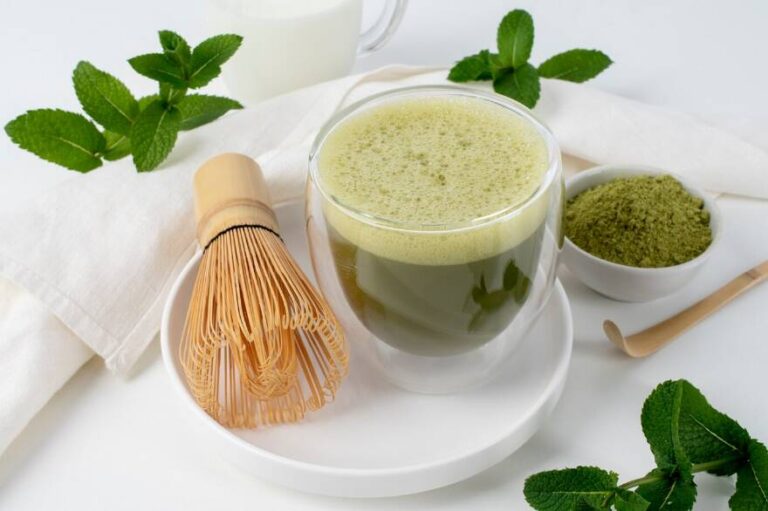
Matcha has quickly grown from a ceremonial Japanese tea to a global wellness staple, appearing in lattes, smoothies, desserts, and even supplements. But as its popularity has soared, so has curiosity about whether this vibrant green powder truly delivers on its health promises. Many ask: Is matcha healthy, or is it just another wellness fad?
Unlike regular green tea, where leaves are steeped and discarded, matcha is made by finely grinding entire green tea leaves into a powder. This unique preparation means you consume the whole leaf, providing a concentrated dose of nutrients, antioxidants, and caffeine. Supporters highlight its ability to boost focus, support metabolism, promote heart health, and even improve skin. At the same time, questions about caffeine sensitivity, digestive side effects, and product quality remain.
This article explores the health benefits, risks, and practical ways to enjoy matcha—with evidence-based insights to help you decide how it fits into your daily routine.
Matcha and Its Health Benefits
Matcha originates from Japan, where it has been part of tea ceremonies for centuries. It is made by shading tea plants before harvest to boost chlorophyll and amino acid content, then steaming, drying, and stone-grinding the leaves into a fine powder. Unlike steeped tea, matcha delivers the full nutritional profile of the leaf.
Origins & How It’s Made vs Green Tea
Matcha comes from the Camellia sinensis plant, the same source as regular green tea. The difference lies in cultivation and preparation. Tea plants for matcha are shade-grown for 3–4 weeks before harvest, which boosts chlorophyll and amino acid levels. After harvesting, the leaves are steamed, dried, and stone-ground into a fine powder. Unlike green tea, which is steeped and discarded, matcha is consumed in its entirety—delivering a more concentrated dose of nutrients.
Rich in Antioxidants
Matcha is exceptionally high in catechins, particularly EGCG (epigallocatechin gallate), a powerful antioxidant linked to reduced inflammation and lower risk of chronic disease. Antioxidants protect cells from oxidative stress, a factor in aging, cancer, and cardiovascular problems. Matcha’s antioxidant content is far higher than that of regular green tea.
Boosts Energy and Focus
Matcha provides about 70 mg of caffeine per serving, but thanks to L-theanine, its effects are smoother than coffee. L-theanine promotes calm alertness, creating a balanced state of focused energy without jitters or crashes.
Supports Weight Loss
Research suggests that matcha enhances thermogenesis (the body’s calorie-burning process) and supports fat oxidation during exercise. Drinking matcha before workouts may improve endurance and calorie burn, making it a popular aid for weight management.
Promotes Heart Health
Studies link matcha consumption to improved cholesterol profiles—lower LDL and higher HDL—as well as better blood pressure regulation. Together, these effects can help reduce cardiovascular risk when part of a balanced lifestyle.
Benefits for Skin Health
Matcha’s antioxidants help protect against UV damage, inflammation, and premature aging. Drinking it may reduce redness and improve skin elasticity. Some skincare products also use matcha extracts for their soothing, anti-inflammatory effects.
Matcha contains more caffeine than regular green tea—about 30–70 mg per serving, depending on preparation. For most people, this amount is energizing, but for others it can cause:
Insomnia or restless sleep (especially when consumed late in the day)
Jitters, anxiety, or irritability
Heart palpitations or faster heart rate
👉 Those with anxiety, arrhythmias, or caffeine sensitivity should limit intake to ½ serving daily or avoid it altogether.
Digestive Upset
Matcha contains tannins, which may increase stomach acid and cause nausea when consumed on an empty stomach. Overconsumption can also lead to bloating or mild diarrhea.
✅ To reduce risk: drink matcha with food and stick to 1–2 cups daily.
Heavy Metal Contamination
Because matcha involves consuming the whole leaf, contaminants such as lead or arsenic—absorbed from soil—can be ingested in higher amounts. Low-quality or non-certified products carry greater risk.
✅ Choose organic, ceremonial-grade Japanese matcha from trusted suppliers with third-party testing.
👉 Bottom line: Matcha is safe for most adults when limited to 1–2 servings of high-quality powder daily.
How to Incorporate Matcha into Your Diet
Adding matcha to your daily routine can be both enjoyable and beneficial, but balance is key. Here are the best ways to include it without overdoing it.
Best Ways to Consume Matcha
Traditional tea: Whisk ½–1 teaspoon of matcha powder with hot (not boiling) water for a smooth, frothy drink.
Smoothies: Add matcha powder to fruit- or protein-based smoothies for extra antioxidants.
Baking & cooking: Matcha works well in muffins, pancakes, energy bites, and even savory recipes.
Supplements & powders: Some prefer capsules or pre-mixed powders, but whole-leaf matcha offers the most benefits.
When to Drink Matcha
Morning or early afternoon: Ideal for steady energy and focus during the day.
Pre-workout: Can improve endurance and fat burning when consumed before exercise.
Avoid late evenings: Caffeine content may interfere with restful sleep.
How Much Matcha is Safe Daily?
General guideline: 1–2 teaspoons (1–2 grams) per day is considered safe for most healthy adults.
Caffeine sensitivity: Those prone to jitters, anxiety, or sleep disruption may prefer just ½ teaspoon daily.
Pregnant or breastfeeding: Limit intake and consult a doctor, as caffeine should be restricted to <200 mg/day.
👉 Bottom line: Matcha can be versatile and health-supportive when enjoyed in moderation, especially when paired with balanced meals.
How to Incorporate Matcha into Your Diet
Adding matcha to your daily routine can be both enjoyable and beneficial, but balance is key. Here are the best ways to include it without overdoing it.
Best Ways to Consume Matcha
Traditional tea: Whisk ½–1 teaspoon of matcha powder with hot (not boiling) water for a smooth, frothy drink.
Smoothies: Add matcha powder to fruit- or protein-based smoothies for extra antioxidants.
Baking & cooking: Matcha works well in muffins, pancakes, energy bites, and even savory recipes.
Supplements & powders: Some prefer capsules or pre-mixed powders, but whole-leaf matcha offers the most benefits.
When to Drink Matcha
Morning or early afternoon: Ideal for steady energy and focus during the day.
Pre-workout: Can improve endurance and fat burning when consumed before exercise.
Avoid late evenings: Caffeine content may interfere with restful sleep.
How Much Matcha is Safe Daily?
General guideline: 1–2 teaspoons (1–2 grams) per day is considered safe for most healthy adults.
Caffeine sensitivity: Those prone to jitters, anxiety, or sleep disruption may prefer just ½ teaspoon daily.
Pregnant or breastfeeding: Limit intake and consult a doctor, as caffeine should be restricted to <200 mg/day.
👉 Bottom line: Matcha can be versatile and health-supportive when enjoyed in moderation, especially when paired with balanced meals.
Frequently Asked Questions (FAQs)
Is matcha healthier than coffee?
Matcha and coffee both have unique benefits. Coffee contains more caffeine per cup (about 90–120 mg vs. 30–70 mg in matcha), making it a stronger stimulant. Matcha, however, combines caffeine with L-theanine, which provides calm focus without jitters. It’s also richer in antioxidants, especially EGCG, compared to coffee. For those seeking a gentler energy boost plus added nutritional value, matcha may be considered the healthier choice.
Can matcha help with weight loss?
Yes, when combined with a healthy diet and exercise. Matcha contains catechins that may boost thermogenesis (calorie burning) and improve fat oxidation during workouts. While matcha isn’t a magic weight-loss drink, research supports its role in helping with metabolism and endurance. Drinking 1–2 cups daily before exercise can enhance results.
Does matcha detox the body?
The idea of “detox” is often misunderstood. Matcha doesn’t literally flush toxins from your system. Instead, its antioxidants support the liver and cellular health, reducing oxidative stress and inflammation. This contributes to the body’s natural detoxification processes. So while matcha is beneficial, it should be seen as part of an overall balanced diet rather than a detox cure.
Is it okay to drink matcha every day?
For most healthy adults, yes. 1–2 servings per day is generally safe and provides maximum benefits without excess caffeine. More than 3–4 servings may lead to sleep issues, digestive upset, or nutrient absorption concerns. Moderation and quality sourcing are key.
Can pregnant women drink matcha?
Pregnant women should limit caffeine intake to under 200 mg per day. Since matcha contains about 30–70 mg per cup, one small serving is usually safe, but it’s important to consult a healthcare provider. Avoid low-quality matcha, as contaminants like lead can pose risks during pregnancy.
Conclusion
Matcha is more than just a trendy drink — it’s a nutrient-dense tea with a long history of use and a growing body of scientific support. Thanks to its concentrated levels of antioxidants (especially EGCG), L-theanine, and caffeine, matcha can offer unique benefits for energy, focus, weight management, heart health, and even skin wellness. Its gentle, sustained boost makes it a great alternative to coffee for many people.
Still, matcha isn’t without risks. Too much can lead to caffeine-related side effects, digestive discomfort, or nutrient absorption issues. Quality also matters: since you consume the whole leaf, low-grade powders may contain contaminants like lead or heavy metals. That’s why choosing ceremonial-grade Japanese matcha from reputable sources is essential.
The bottom line? 1–2 servings per day of high-quality matcha is safe for most adults and can be a valuable addition to a balanced diet. Whether you enjoy it as a traditional tea, a frothy latte, or blended into smoothies, matcha can be both a healthy and enjoyable daily ritual.
Dairy Queen has been a household name for decades, cherished for its creamy soft-serve, decadent Blizzards, and nostalgic sundaes. Whether you’re celebrating a milestone or simply craving a sweet treat, Dairy Queen is a go-to spot for ice cream enthusiasts of all ages.
However, for individuals with gluten intolerance or celiac disease, indulging in a dessert isn’t always straightforward. Gluten, a protein found in wheat, barley, and rye, can sneak into many foods, including those you might not suspect, like ice cream toppings or mix-ins. This makes it crucial for people with dietary restrictions to carefully evaluate their options.
So, is Dairy Queen ice cream gluten-free? Let’s dive into the ingredients, menu options, and potential risks to help you enjoy a safe and delicious dessert.
What is Gluten and Why Does It Matter?
Gluten is a type of protein found in grains such as wheat, barley, and rye. It plays an important role in giving bread and other baked goods their structure and chewy texture. While gluten is harmless for most people, it can cause serious health issues for others.
For individuals with celiac disease, an autoimmune disorder, consuming gluten triggers an immune response that damages the small intestine. This can lead to a host of problems, including malabsorption of nutrients, gastrointestinal discomfort, and long-term complications like osteoporosis or infertility if left untreated.
People with non-celiac gluten sensitivity also experience adverse reactions to gluten, though their symptoms are less severe and do not involve intestinal damage. Common symptoms include bloating, fatigue, and headaches after consuming gluten-containing foods.
Because gluten is present in many food products, including sauces, breaded items, and even some processed snacks, identifying safe options can be challenging. For those with gluten-related disorders, even a small amount of gluten can cause discomfort, making it essential to understand what’s in their food—even when it comes to something as seemingly simple as ice cream.
Analyzing Dairy Queen’s Ice Cream for Gluten
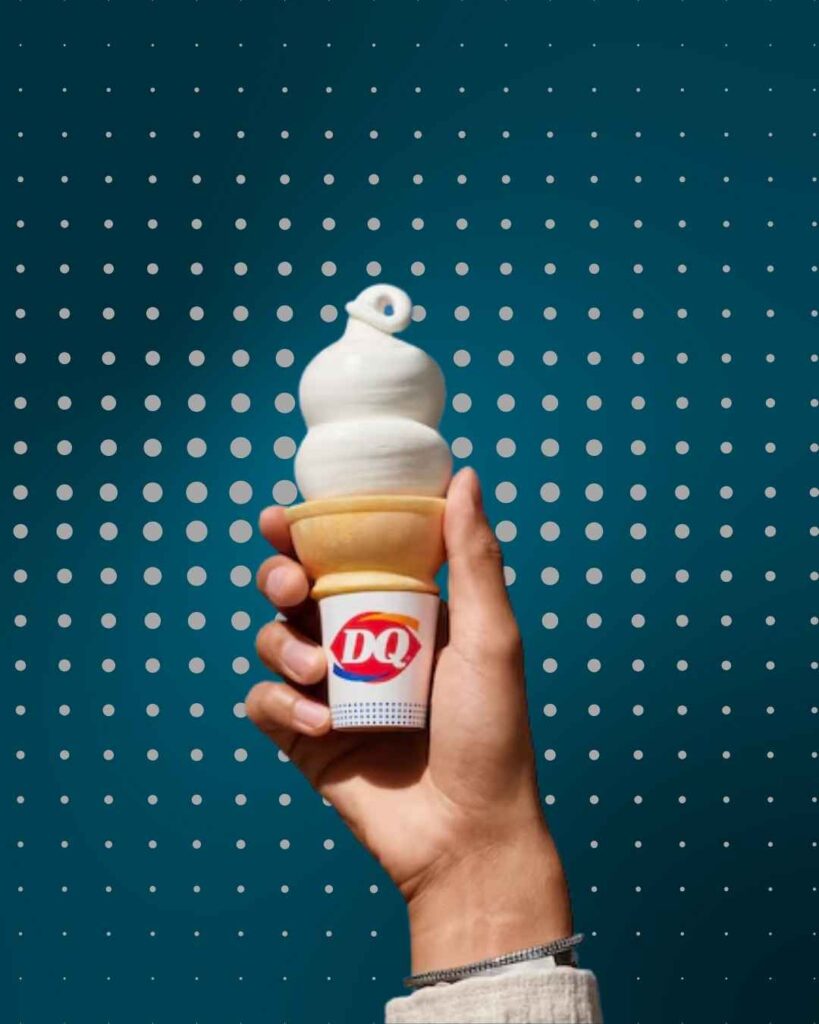
Dairy Queen’s signature soft-serve ice cream, available in vanilla and chocolate, is made with a base of milk, sugar, and other ingredients that are generally considered gluten-free. For those with gluten intolerance or celiac disease, plain soft-serve can be a safe choice when served in a cup.
However, the story doesn’t end there. While the base ice cream itself is gluten-free, many of Dairy Queen’s toppings, mix-ins, and cones may contain gluten. For example:
Gluten-Free Options:
Plain soft-serve (vanilla or chocolate) served in a cup.
Certain sundaes, such as those with simple toppings like hot fudge or caramel.
Potential Gluten-Containing Ingredients:
Cones, including standard and waffle cones, are made with wheat and are not gluten-free.
Mix-ins for Blizzards, such as cookie dough, brownie pieces, and certain candies, often contain gluten.
Some sauces or syrups, like specific chocolate or fruit toppings, might include gluten as a thickening agent.
For those looking to enjoy a treat at Dairy Queen, it’s essential to double-check the allergen menu and avoid items that could introduce gluten into your dessert. Additionally, be aware of cross-contamination risks, especially with shared equipment like Blizzard mixers, which we’ll discuss further.
Dairy Queen’s Gluten-Free Menu Options
Dairy Queen offers several menu items that are typically considered gluten-free, making it possible for individuals with gluten intolerance or celiac disease to enjoy a sweet treat. Here are some options and tips to help you navigate their menu safely:
Gluten-Free Items at Dairy Queen
Soft-Serve Ice Cream:
Plain vanilla or chocolate soft-serve, served in a cup.
Sundaes:
Simple sundaes with gluten-free toppings like:
Hot fudge
Caramel
Strawberry, pineapple, or chocolate syrup
Shakes and Malts:
Made with vanilla soft-serve and gluten-free flavor syrups.
Dilly Bars:
Pre-packaged, individually wrapped Dilly Bars labeled as gluten-free are a safe option.
Safe Choices and Allergen-Free Toppings
Stick to toppings that are explicitly labeled gluten-free, such as hot fudge, caramel, or fruit sauces.
Avoid crunchy or textured mix-ins like cookie dough, brownie pieces, or crushed candy bars, as these often contain gluten.
Consulting the Allergen Menu
While Dairy Queen provides a helpful allergen menu, ingredient formulations can vary by location. It’s always a good idea to:
Review the Allergen Guide: Visit Dairy Queen’s website or ask for an allergen menu at your local store.
Ask the Staff: Speak with the staff or manager to confirm whether your chosen item is gluten-free. They can provide insights into how items are prepared and whether cross-contamination is a concern.
By carefully selecting your dessert and consulting available resources, you can enjoy a delicious Dairy Queen treat while minimizing the risk of gluten exposure.
Cross-Contamination Risks at Dairy Queen
While Dairy Queen offers gluten-free options, cross-contamination is a significant concern for individuals with celiac disease or gluten sensitivity. This occurs when gluten-containing ingredients come into contact with gluten-free items, often through shared equipment or preparation areas.
Key Sources of Cross-Contamination
Blizzard Mixers:
Dairy Queen’s Blizzard machines mix a variety of ingredients, many of which contain gluten (e.g., cookie dough, brownie pieces, or crushed cookies). Even if a gluten-free mix-in is used, remnants of previous batches may remain in the equipment.
Serving Utensils:
Spoons, scoops, or other utensils used for serving sundaes and toppings might be shared between gluten-containing and gluten-free items.
Preparation Areas:
Toppings and mix-ins are often stored in close proximity, increasing the risk of cross-contamination during assembly.
Tips for Minimizing Cross-Contamination Risks
Order Plain Soft-Serve in a Cup:
Plain vanilla or chocolate soft-serve served in a cup is the safest option, as it avoids potential exposure to gluten-containing cones or mix-ins.
Avoid Blizzards and Other Customized Desserts:
Skip items that require use of the Blizzard mixer or include mix-ins that may have come into contact with gluten.
Speak with the Manager or Staff:
Inform the staff of your gluten intolerance or celiac disease and ask about preparation practices. They may be able to take extra precautions, such as using a clean scoop or ensuring your dessert is prepared separately.
Check for Pre-Packaged Options:
Consider individually wrapped treats like gluten-free Dilly Bars, which are prepared in controlled environments to minimize the risk of cross-contamination.
By being mindful of cross-contamination risks and taking proactive steps, you can enjoy Dairy Queen’s gluten-free offerings with greater confidence.
Alternative Gluten-Free Dessert Ideas
For those seeking gluten-free dessert options beyond Dairy Queen, there are plenty of delicious and safe treats available. Whether you prefer making your own creations at home or exploring other dessert providers, here are some ideas to satisfy your sweet tooth:
Gluten-Free Desserts to Enjoy at Home
Homemade Ice Cream Sundaes:
Use certified gluten-free ice cream from brands like Breyers, Häagen-Dazs, or Ben & Jerry’s.
Top with gluten-free options like fresh fruit, caramel sauce, or whipped cream.
Gluten-Free Baked Goods:
Bake your own cookies, brownies, or cakes using gluten-free flour blends from brands like Bob’s Red Mill or King Arthur Baking.
Pair them with ice cream for a decadent treat.
Pre-Packaged Gluten-Free Treats:
Try certified gluten-free frozen desserts, such as So Delicious Dairy-Free, Halo Top, or Coconut Bliss.
Enjoy gluten-free cookies, like those from Enjoy Life or Pamela’s, as a standalone snack or crumbled over ice cream.
Alternative Chains with Gluten-Free Practices
Ben & Jerry’s Scoop Shops:
Many flavors are naturally gluten-free, and allergen menus are available to guide your choices.
Pinkberry or Menchie’s:
These frozen yogurt chains offer gluten-free options, and toppings are often labeled for allergens.
Cold Stone Creamery:
Offers a variety of gluten-free ice cream flavors and toppings. To avoid cross-contamination, request your treat be prepared in a clean bowl with fresh utensils.
Local Artisan Ice Cream Shops:
Many small, locally owned ice cream shops cater to dietary restrictions and may offer certified gluten-free options.
By exploring these alternative desserts and providers, you can expand your options and find gluten-free treats that suit your preferences. Whether you make your own or support brands with transparent gluten-free practices, there’s no shortage of delicious ways to indulge.
Conclusion
So, is Dairy Queen ice cream gluten-free? The answer largely depends on what you order and how it’s prepared. While the base soft-serve ice cream (vanilla and chocolate) is gluten-free, many toppings, mix-ins, and cones contain gluten, and cross-contamination remains a significant concern due to shared equipment.
For individuals with celiac disease or gluten sensitivity, plain soft-serve in a cup or pre-packaged gluten-free options like Dilly Bars can be safe choices. However, always review Dairy Queen’s allergen menu and communicate with the staff at your local store to ensure your dessert is prepared with care.
If cross-contamination risks make you hesitant, there are plenty of alternative gluten-free dessert options, from certified ice cream brands to other chains known for their gluten-free practices. With a bit of caution and the right choices, you can enjoy a sweet treat without compromising your health.
Always remember: when in doubt, ask questions, check labels, and prioritize safety. Your dessert experience should be as worry-free as it is delicious!
Yes, Marshmallow Fluff (the specific brand made by Durkee-Mower) is gluten-free.
It does not contain any wheat, barley, rye, or oat products. Its ingredients typically include corn syrup, sugar, dried egg white, and vanillin, none of which contain gluten.
However, if you are buying a different brand of marshmallow creme (like Kraft Jet-Puffed), you should always check the label. While most marshmallow cremes are naturally gluten-free, ingredients and manufacturing processes can vary.
In recent years, there has been a growing demand for gluten-free products as more people are diagnosed with gluten sensitivities or celiac disease. For individuals with these conditions, avoiding gluten is essential to maintain their health and well-being. When it comes to processed foods like marshmallow fluff, a common question arises: Is marshmallow fluff gluten-free?
This seemingly innocent treat may cause concern for those with dietary restrictions, making it crucial to understand the ingredients, manufacturing processes, and potential risks of gluten contamination in marshmallow fluff. Let’s dive into whether this popular spread is safe for those following a gluten-free lifestyle.
What is Marshmallow Fluff?
Marshmallow fluff, also known as marshmallow creme, is a sweet, spreadable confection that is typically used as a topping or ingredient in various desserts. It has a light, airy texture, much like a thick, gooey syrup, and is often found in recipes for s’mores, peanut butter fluff sandwiches, or layered in cakes and pies. Originally introduced in the early 20th century, it quickly became a beloved pantry staple due to its versatility and sweetness.
Ingredients Commonly Found in Marshmallow Fluff
Marshmallow fluff is made from a few basic ingredients that contribute to its signature taste and texture:
Sugar: The primary sweetener, giving marshmallow fluff its sugary taste.
Corn Syrup: A viscous liquid sweetener that helps to maintain the fluff’s smooth consistency and prevents crystallization.
Egg Whites: These contribute to the light and airy texture by helping the fluff to hold its shape.
Vanilla Extract: For flavor, giving marshmallow fluff its classic, sweet aroma.
Xanthan Gum or Gelatin (in some recipes): Used as a stabilizer to help maintain the fluff’s consistency and prevent separation.
These ingredients come together to create the thick, spreadable texture that makes marshmallow fluff such a popular ingredient in both homemade and store-bought treats. While the ingredients themselves do not inherently contain gluten, it’s important to check labels for potential cross-contamination or gluten-based additives, especially in commercially produced products.
Is Marshmallow Fluff Gluten-Free?
When it comes to marshmallow fluff, many individuals with gluten sensitivities or celiac disease wonder if it’s safe for them to consume. The good news is that marshmallow fluff is generally made from ingredients that do not contain gluten. The core ingredients—sugar, corn syrup, egg whites, and vanilla—are naturally gluten-free. However, as with any packaged food, it’s essential to examine the product carefully before consumption.
Most popular brands of marshmallow fluff, such as Kraft Marshmallow Fluff, do not contain gluten. Kraft’s version, for example, lists its ingredients as sugar, corn syrup, egg whites, and vanilla, all of which are free of gluten.
However, Kraft does provide a disclaimer that consumers should be aware of potential cross-contamination risks, as their products may be processed in facilities that handle gluten-containing foods. Therefore, individuals with severe gluten sensitivity must look for certified gluten-free labels to ensure safety.
Cross-Contamination Risk
Even though the primary ingredients in marshmallow fluff do not contain gluten, cross-contamination during manufacturing is always a risk. For example, marshmallow fluff made in a facility that processes gluten-containing foods may come into contact with traces of gluten.
For people with celiac disease or severe gluten intolerance, this can be problematic. As a result, checking for certifications or labels that indicate the product is gluten-free is highly recommended.
Scientific Evidence and Expert Opinions
Several studies and expert opinions have highlighted the importance of cross-contamination as a concern for individuals with celiac disease or gluten sensitivity. A 2019 study published in The Journal of Clinical Gastroenterology noted that even minute amounts of gluten (less than 20 parts per million) can trigger adverse reactions in those with celiac disease. This underscores the necessity of carefully reading labels and verifying gluten-free certifications.
Additionally, food safety experts emphasize the importance of transparency from manufacturers in indicating whether their products are processed in facilities that handle gluten.
Studies on Gluten-Free Labeling and Consumer Safety
Research conducted by the Gluten Intolerance Group and other celiac disease organizations supports the view that properly labeled and certified gluten-free foods offer the safest option for consumers.
These organizations have also advised individuals with gluten intolerance to avoid generic claims of “gluten-free” unless the product has been tested and certified to meet specific gluten-free standards.
In conclusion, while marshmallow fluff itself is naturally gluten-free, individuals with celiac disease or severe gluten sensitivity should always check for gluten-free certifications and be mindful of the potential risk of cross-contamination.
Can People with Celiac Disease Eat Marshmallow Fluff?
For people with celiac disease or gluten sensitivity, the safety of eating marshmallow fluff largely depends on its ingredients and the manufacturing process. Core ingredients of marshmallow fluff (sugar, corn syrup, egg whites, and vanilla) do not contain gluten.
But the risk of gluten contamination during production is a key concern. Cross-contamination in shared facilities can introduce trace amounts of gluten into products. Those can cause adverse reactions for individuals with celiac disease or gluten sensitivity.
Approach for People with Celiac Disease
Celiac disease is an autoimmune disorder where the ingestion of gluten (a protein found in wheat, barley, and rye) leads to inflammation and damage in the small intestine. For people with celiac disease, even small amounts of gluten can trigger a severe immune response. Therefore, when consuming products like marshmallow fluff, it’s essential to ensure that the product is free of gluten.
To reduce the risk, individuals with celiac disease or gluten sensitivity should prioritize marshmallow fluff that is clearly labeled as “Certified Gluten-Free.” Certification means that the product has been tested and meets the FDA’s gluten-free standard. It requires to contain less than 20 parts per million (ppm) of gluten. This level is considered safe for most people with celiac disease, according to health experts.
Scientific Content Research and Studies on Gluten-Free Labeling and Celiac Disease
Scientific research and expert opinion underscore the importance of certified gluten-free products for people with celiac disease. A 2020 study published in The American Journal of Gastroenterology highlighted that even trace amounts of gluten, less than 20 ppm, can cause adverse health effects in individuals with celiac disease.
This emphasizes the need for carefully verified gluten-free labeling, especially for foods like marshmallow fluff, which are not inherently gluten-free but could be at risk of cross-contamination during manufacturing.
Additionally, a report from the Celiac Disease Foundation outlines the risks of consuming products without proper certification. The foundation states that even foods that appear to be gluten-free could contain hidden gluten if they are processed in shared facilities or have not been tested for gluten contamination.
Studies also suggest that individuals with non-celiac gluten sensitivity may experience symptoms from even trace amounts of gluten, though the response can vary.
A 2019 research article in The Journal of Celiac Disease and Gluten Sensitivity reinforces the idea that consumers with celiac disease should trust products that are certified gluten-free by reliable organizations.
Certification ensures that products have undergone rigorous testing for gluten content, providing peace of mind for those who must avoid gluten entirely.
In summary, while marshmallow fluff made from standard ingredients is generally gluten-free, people with celiac disease or gluten sensitivity should take extra precautions. Always check for certified gluten-free labeling to ensure that the product meets safety standards and is free from cross-contamination.
Marshmallow Fluff Ingredients: Are They Gluten-Free?
Marshmallow fluff is made from a combination of simple ingredients, most of which are naturally gluten-free. However, the key concern for people with celiac disease or gluten sensitivity lies not just in the ingredients themselves, but also in how they are processed. Let’s break down the common ingredients found in marshmallow fluff and examine their gluten-free status.
1. Sugar
Sugar, whether it’s granulated or powdered, is a naturally gluten-free product. It’s derived from sugar cane or sugar beets, and gluten, a protein found in wheat, barley, and rye, is not present in these sources. Therefore, sugar itself does not pose any gluten-related concerns.
2. Corn Syrup
Corn syrup, another primary ingredient in marshmallow fluff, is also gluten-free. Made from cornstarch, it does not contain wheat or gluten. However, it’s always important to check the source of corn syrup, as some less common variations may be processed differently. Standard corn syrup, however, is safe for individuals with gluten sensitivity or celiac disease.
3. Egg Whites
Egg whites, which contribute to the fluffiness and texture of marshmallow fluff, are naturally gluten-free. Eggs come from poultry and do not contain gluten. As long as the eggs are handled and processed in a clean, gluten-free facility, they remain safe for people with celiac disease or gluten sensitivity.
4. Vanilla Extract
Vanilla extract is typically made from vanilla beans and alcohol, which are naturally gluten-free. However, it’s important to note that some cheaper or imitation vanilla extracts may use alcohol derived from grains that contain gluten. If you’re concerned, it’s best to choose certified gluten-free vanilla extract to avoid any potential issues.
5. Xanthan Gum or Gelatin (Optional)
Xanthan gum, used as a stabilizer in some marshmallow fluff recipes, is gluten-free. It’s derived from fermented sugars (often corn-based) and does not contain gluten. Likewise, gelatin, sometimes used as a thickening agent in some marshmallow fluff recipes, is derived from animal collagen and is naturally gluten-free. Both of these ingredients are safe for those following a gluten-free diet.
6. Other Potential Ingredients
In some homemade or store-bought marshmallow fluff products, additional stabilizers or preservatives may be added. These can vary depending on the brand or recipe. It’s always wise to check the ingredient list, particularly if there are additives that may contain gluten. However, most common additives used in marshmallow fluff do not contain gluten.
Concerns About Processing and Cross-Contamination
While the individual ingredients in marshmallow fluff are mostly gluten-free, the real concern arises during the manufacturing process. Many commercial products, including marshmallow fluff, are made in facilities that also process gluten-containing foods. This poses a risk of cross-contamination, where small amounts of gluten may accidentally be introduced into the product.
For individuals with celiac disease, even tiny amounts of gluten (as little as 20 parts per million) can trigger an immune response, leading to severe health issues. As such, it is essential to look for certified gluten-free labeling when purchasing marshmallow fluff, as this certification guarantees that the product has been tested for gluten contamination and meets the FDA’s gluten-free standard.
Key Takeaways:
The core ingredients in marshmallow fluff (sugar, corn syrup, egg whites, vanilla extract, xanthan gum, or gelatin) are naturally gluten-free.
Cross-contamination during manufacturing remains a concern, as many marshmallow fluff products are produced in facilities that process gluten-containing products.
Always check for certified gluten-free labels to ensure the product is safe for people with celiac disease or gluten sensitivity.
In conclusion, while marshmallow fluff itself does not inherently contain gluten, the potential for cross-contamination makes it crucial to read labels and opt for certified gluten-free versions to ensure it’s safe for those with gluten-related disorders.
Are There Gluten-Free Alternatives to Marshmallow Fluff?
For individuals with celiac disease or gluten sensitivity who need to avoid marshmallow fluff, there are several gluten-free alternatives available. These can be store-bought or homemade, ensuring that you can still enjoy the sweet, fluffy texture in your desserts without the risk of gluten contamination. Here’s a look at some great options:
1. Gluten-Free Brands of Marshmallow Fluff
While many mainstream marshmallow fluff brands may be at risk of cross-contamination due to shared production facilities, there are several brands that offer gluten-free certified marshmallow fluff. Here are some options to consider:
Kraft Marshmallow Fluff (Gluten-Free Version): As mentioned earlier, Kraft’s marshmallow fluff is generally made without gluten-containing ingredients. However, it’s essential to check for the Certified Gluten-Free label to ensure it meets safety standards.
Dandies Marshmallows: Dandies offers marshmallows that are not only gluten-free but also vegan and made without artificial colors or flavors. While this is technically marshmallow candy, it can be a great alternative for recipes that call for marshmallow fluff.
Sweet Earth Marshmallows: Sweet Earth also provides gluten-free marshmallows, and their products are generally produced in dedicated gluten-free facilities, reducing the risk of cross-contamination.
2. Homemade Gluten-Free Marshmallow Fluff Recipe
If you prefer to make your own marshmallow fluff at home, you can easily do so using naturally gluten-free ingredients. Here’s a simple homemade recipe:
Ingredients:
1 cup granulated sugar
1/2 cup corn syrup
2 large egg whites
1/2 teaspoon vanilla extract
1/4 teaspoon cream of tartar (optional, helps stabilize egg whites)
Instructions:
In a medium saucepan, combine the sugar and corn syrup. Heat over medium heat, stirring occasionally until the sugar dissolves completely.
While the sugar mixture is heating, beat the egg whites and cream of tartar (if using) with an electric mixer until soft peaks form.
Once the sugar mixture reaches a boil, carefully pour it into the egg whites while mixing on low speed. Gradually increase the speed to medium-high and continue to beat until stiff peaks form.
Add the vanilla extract and mix until fully combined.
Let the marshmallow fluff cool before using. Store it in an airtight container at room temperature.
This homemade version of marshmallow fluff is naturally gluten-free and allows you to control the ingredients, ensuring there’s no risk of cross-contamination.
3. Alternative Recipes for Marshmallow Fluff
If you’re looking for other alternatives, consider making marshmallow fluff-like substances with other ingredients that replicate the texture and taste:
Vegan Marshmallow Fluff: If you’re following a vegan diet, you can make a fluff-like product using aquafaba (the liquid from canned chickpeas), which can be whipped into a meringue-like consistency. Combined with sugar and vanilla, it creates a fluffy, egg-free alternative to marshmallow fluff.
Whipped Coconut Cream: For a dairy-free, gluten-free option, whipped coconut cream can be an alternative in some recipes. While it’s not a true marshmallow fluff, it works well in desserts where you need a thick, airy topping.
4. Other Commercial Gluten-Free Alternatives
Wholesome Chow Marshmallow Fluff Mix: This product allows you to create a homemade marshmallow fluff using a simple powder mix. It’s certified gluten-free and suitable for vegan diets, making it a great option for a quick, gluten-free marshmallow fluff alternative.
Marshmallow Creme by Peeps: Some stores carry Peeps-branded marshmallow cream, which may be gluten-free, but always check for the gluten-free certification before use.
Whether you prefer to buy gluten-free marshmallow fluff or make your own, there are plenty of options for those avoiding gluten. From store-bought brands like Kraft and Dandies to homemade recipes using simple, naturally gluten-free ingredients, you can still enjoy the light, sweet texture of marshmallow fluff without worrying about gluten.
Always look for certified gluten-free products to ensure safety, and feel free to get creative with homemade alternatives if you prefer a more tailored approach!
What to Look for When Buying Marshmallow Fluff
When shopping for marshmallow fluff, it’s important to ensure the product is safe for those with gluten sensitivities or celiac disease. While marshmallow fluff may seem like a straightforward product, there are a few key things to look for when buying to avoid potential gluten exposure.
1. Reading the Label: Key Indicators
To identify gluten-free marshmallow fluff, the first step is to carefully read the product label. Manufacturers are required to list all ingredients, and any gluten-containing ingredients must be clearly noted. Here’s what you should pay attention to:
Ingredients List: Make sure the ingredients do not include any wheat, barley, rye, or other gluten-containing grains. Common ingredients like sugar, corn syrup, egg whites, and vanilla are gluten-free, but always check for hidden gluten in additives.
Gluten-Free Certification: The most reliable way to ensure that marshmallow fluff is safe for a gluten-free diet is by looking for a Certified Gluten-Free label. This certification means the product has been tested and meets the FDA’s standard of less than 20 parts per million (ppm) of gluten, which is considered safe for people with celiac disease or gluten sensitivity.
Gluten-Free Claims: Some products might claim to be gluten-free without the official certification. While these claims may indicate that the product doesn’t contain gluten, they are not as reliable as certified gluten-free labels. If you see a gluten-free claim, look for any warnings about cross-contamination or shared manufacturing facilities.
2. Checking for Cross-Contamination Risks
Cross-contamination is a significant concern for individuals with celiac disease or severe gluten sensitivity. Even trace amounts of gluten, introduced through shared equipment or facilities, can cause a reaction. Here’s how to look for signs of cross-contamination:
Manufacturing Facility Information: Check the packaging for any statement or disclaimer about the product being made in a facility that processes gluten-containing foods. This information is often found in small print on the label. Phrases like “may contain traces of wheat” or “produced in a facility that also processes wheat” signal a potential risk of cross-contamination.
Warning Statements: Look for warning statements on the packaging such as “may contain gluten” or “produced on equipment that processes wheat.” These disclaimers are important for people with celiac disease, as even small amounts of gluten can cause harm.
Dedicated Gluten-Free Facilities: Some brands go a step further to ensure safety by manufacturing their products in facilities that are entirely gluten-free or dedicated to producing gluten-free foods. If this information is available, it will often be highlighted on the packaging, offering reassurance for those with severe gluten sensitivity.
3. What to Avoid: Ingredients and Cross-Contamination Hazards
While reading labels, here are specific items to watch out for:
Wheat, Barley, or Rye: These grains contain gluten, so any marshmallow fluff containing these ingredients should be avoided.
Additives or Fillers: Some brands may use additives or fillers that could contain gluten or be processed in facilities that handle gluten. Be sure to check the full list of ingredients for any unfamiliar items and research their gluten-free status.
Shared Manufacturing Equipment: If the label doesn’t specify the use of dedicated gluten-free facilities, there may be a risk of cross-contact with gluten during production. This is particularly important for people with celiac disease, as even trace amounts can trigger a severe reaction.
4. Why Certified Gluten-Free Is Best
While many brands of marshmallow fluff do not contain gluten-containing ingredients, the most reliable and safest option for individuals with celiac disease or gluten sensitivity is to buy products that are Certified Gluten-Free.
Certification means that the product has been rigorously tested to ensure it meets safety standards for gluten-free foods. Without this certification, even if the product doesn’t list any gluten-containing ingredients, cross-contamination could still be a concern.
When buying marshmallow fluff, always read the label carefully to ensure it doesn’t contain gluten-containing ingredients. Look for a Certified Gluten-Free label for the best assurance of safety, and be mindful of any potential cross-contamination risks indicated on the packaging. By paying attention to these details, individuals with gluten sensitivities or celiac disease can enjoy marshmallow fluff without worry.
Conclusion
In conclusion, while marshmallow fluff is often made from ingredients that are naturally gluten-free, it’s essential for individuals with gluten sensitivity or celiac disease to exercise caution when purchasing or consuming it.
Always check the ingredients list for any hidden sources of gluten and look for Certified Gluten-Free labels to ensure the product is safe. Additionally, be mindful of potential cross-contamination risks during the manufacturing process, especially if the product is made in a facility that also processes gluten-containing foods.
By carefully reading labels, choosing certified gluten-free brands, or opting for homemade alternatives, individuals with celiac disease or gluten sensitivity can enjoy marshmallow fluff without worry. Ultimately, awareness and vigilance are key to maintaining a gluten-free diet and preventing accidental exposure to gluten.
Dairy Queen, a beloved fast-food chain recognized for its signature soft-serve ice cream and tasty fast-food offerings, has been a go-to destination for those craving sweet treats and quick meals since its founding in 1940.
From iconic Blizzards to crispy fries and hearty burgers, Dairy Queen’s diverse menu appeals to a wide range of tastes and preferences. However, for individuals with celiac disease or gluten sensitivity, dining out can be a challenge, especially when gluten is a common ingredient in many fast food items.
For those who need to avoid gluten due to medical conditions like celiac disease or non-celiac gluten sensitivity, finding safe and satisfying meal options is essential for both health and well-being. Gluten, a protein found in wheat, barley, and rye, can trigger serious health issues in individuals with celiac disease, while those with gluten sensitivity may experience discomfort or digestive issues.
As the demand for gluten-free options grows, many restaurants and fast-food chains, including Dairy Queen, are being asked to accommodate these dietary needs.
In this article, we will explore Dairy Queen’s gluten-free offerings, discuss how to safely navigate the menu, and provide helpful tips to ensure a delicious and worry-free dining experience for those avoiding gluten.
Understanding Gluten-Free Diets
Gluten is a group of proteins found in wheat, barley, rye, and other grains. It gives dough its elasticity and helps it rise and maintain its shape. While gluten is harmless for most people, it can cause serious health issues for certain individuals, making a gluten-free diet essential.
For those with celiac disease, consuming gluten triggers an autoimmune response that damages the small intestine. This damage can prevent the absorption of essential nutrients, leading to a range of symptoms such as fatigue, abdominal pain, and diarrhea.
Over time, continued gluten consumption can result in long-term health problems, including nutritional deficiencies, bone disorders, and even an increased risk of certain cancers. For individuals with celiac disease, avoiding gluten is not just a dietary choice—it is a crucial part of managing their health.
Gluten sensitivity, also known as non-celiac gluten sensitivity (NCGS), is another condition in which individuals experience symptoms similar to celiac disease after consuming gluten, such as bloating, headaches, or fatigue.
However, unlike celiac disease, gluten sensitivity does not cause damage to the small intestine. While the exact cause of gluten sensitivity is still unclear, it can significantly impact the quality of life for those affected.
While avoiding gluten is not as critical as it is for those with celiac disease, many people with gluten sensitivity find that removing gluten from their diet helps alleviate their symptoms.
Finally, some people choose to follow a gluten-free diet for reasons unrelated to medical conditions. These individuals may believe that a gluten-free lifestyle improves their overall health, energy levels, or digestive function, though scientific evidence supporting these claims in people without gluten sensitivity or celiac disease is limited.
Understanding these differences is key when dining at restaurants like Dairy Queen, as they cater to both medical and personal dietary preferences. For individuals with celiac disease or gluten sensitivity, ensuring that gluten is completely avoided is essential, while those following a gluten-free diet for other reasons may have a bit more flexibility in their choices.
Dairy Queen has provided allergen information to help guide gluten-free choices, but they also caution that the presence of gluten in their kitchens makes it difficult to guarantee that all products are free from trace amounts of gluten.
Dairy Queen’s Stance on Gluten-Free Products Dairy Queen acknowledges the importance of gluten-free options for customers with celiac disease or gluten sensitivity. According to their official allergen guide, Dairy Queen provides a list of menu items that do not contain gluten ingredients. However, they also note that cross-contact between gluten-containing products and gluten-free items may occur, so customers with severe sensitivities should exercise caution and speak with the staff about their specific needs.
Gluten-Free Ice Cream and Treats The good news for gluten-free diners is that Dairy Queen offers a number of gluten-free ice cream treats. Their softserve ice cream is gluten-free, which is the base for a variety of sundaes, cones, and other desserts. Additionally, Blizzards—one of Dairy Queen’s signature items—can be customized with gluten-free ingredients, though it’s crucial to avoid certain mix-ins that contain gluten.
While many of their Blizzard flavors are inherently gluten-free, some include cookie crumbs, cake, or other wheat-based ingredients, so it’s important to check each option carefully.
Gluten-Free Toppings and Sauces Dairy Queen offers several gluten-free toppings and sauces for their ice cream and other menu items. Safe options include:
Fruit toppings like strawberries, blueberries, and bananas.
Gluten-Free Drinks and Beverages Many of Dairy Queen’s drinks are gluten-free, including their shakes, smoothies, and soft drinks. However, when it comes to specialty drinks like the Amazin’ Blasts or any drink that involves mix-ins (such as candy or cookies), you should confirm that the specific ingredients used are gluten-free.
Dairy Queen’s milkshakes and smoothies can generally be considered safe for those avoiding gluten, but customers should always check with staff to ensure there are no hidden gluten-containing elements in the mix-ins.
Cross-Contamination Risks Although Dairy Queen does offer gluten-free options, it’s essential to keep in mind that their kitchen is not entirely gluten-free. The potential for cross-contamination exists due to the shared equipment and preparation areas used for both gluten and gluten-free items.
For example, utensils, ice cream machines, and preparation surfaces may come into contact with gluten-containing ingredients. Dairy Queen’s staff may be able to take precautions, like sanitizing utensils and surfaces, but customers with severe gluten sensitivities or celiac disease should exercise caution and inquire about specific practices at their local Dairy Queen.
Gluten-Free Menu Breakdown
Dairy Queen offers several menu items that are considered gluten-free, although availability may vary depending on location. It’s always a good idea to double-check with the staff about potential cross-contact risks, especially if you have a severe sensitivity or celiac disease. Below is a breakdown of common gluten-free items you can find at Dairy Queen.
Gluten-Free Ice Cream and Treats
Soft Serve Ice Cream: The foundation for many Dairy Queen treats, the classic vanilla soft serve is gluten-free. It can be enjoyed in sundaes, cones, or as part of other creations like milkshakes and Blizzards.
Sundaes: Many sundaes are gluten-free if you select toppings that do not contain gluten. Options like chocolate syrup, caramel, strawberries, and whipped cream are typically safe.
Milkshakes & Smoothies: Dairy Queen’s milkshakes and smoothies, made with their gluten-free soft serve, are generally safe. You can choose from a range of flavors, such as vanilla, chocolate, strawberry, and peach, but be mindful of any mix-ins that could contain gluten (e.g., cookie crumbs).
Blizzards: While many Blizzard flavors are gluten-free, you should avoid ones containing wheat-based mix-ins, such as cookie dough, brownie pieces, or cake crumbles. Gluten-free Blizzard options may include flavors like:
Oreo (with caution; check for cross-contamination)
Dairy Queen offers some pre-packaged treats that can be gluten-free:
DQ Sandwich: The classic ice cream sandwich with a chocolate wafer (confirm with your local Dairy Queen to ensure it is gluten-free at your location).
DQ Bakes: Dairy Queen’s gluten-free packaged options may include a few select baked items (again, check for regional variations).
Gluten-Free Beverages
Soft Drinks: Most sodas (Coca-Cola, Pepsi, etc.) are gluten-free, so enjoy a refreshing soft drink with your meal.
Iced Teas & Lemonades: These are typically gluten-free, though it’s a good idea to check for any added flavorings or syrups that could contain gluten.
Regional Variations
While many of Dairy Queen’s gluten-free offerings are consistent across locations, some menu items may vary regionally. For example:
Seasonal Flavors: Dairy Queen often introduces limited-time flavors or seasonal treats (such as pumpkin or peppermint-flavored options). Be sure to ask about the ingredients and confirm they are gluten-free before ordering.
Local Menu Items: Depending on the region, Dairy Queen might offer regional menu items or collaborations that may or may not be gluten-free. For example, certain promotional Blizzards or sundaes might include gluten-containing items like cake pieces or local favorites that contain wheat.
Other Considerations
Gluten-Free Cones: Dairy Queen does not currently offer gluten-free cones, so it’s best to stick with a cup or dish if you need to avoid gluten.
Cross-Contamination: Always be mindful of the potential for cross-contamination in fast-food kitchens. If you have celiac disease or a severe gluten sensitivity, inquire about how your food is prepared to ensure the risk is minimized.
Tips for Eating Gluten-Free at Dairy Queen
While Dairy Queen offers several gluten-free options, it’s important to take extra steps to ensure a safe and enjoyable dining experience. Here are some helpful tips for navigating the menu and minimizing the risk of gluten exposure.
1. Communicate Your Dietary Needs Clearly
When dining at Dairy Queen, it’s important to communicate your gluten-free needs to the staff. Be specific about your dietary restrictions and let them know if you have celiac disease or a severe gluten sensitivity. This will help the staff understand the importance of taking precautions to avoid cross-contamination.
Ask questions: Inquire about specific ingredients or preparation methods to ensure that the item you want to order is truly gluten-free. For example, ask if the ice cream machines or utensils are shared with gluten-containing products.
Alert the staff: When placing your order, tell them that you require a gluten-free meal and ask if they can take extra steps to avoid cross-contact.
2. Minimize Cross-Contact Risks
Even though Dairy Queen offers gluten-free items, cross-contamination can still occur, especially in shared kitchen spaces. Here are some tips to reduce the risk of cross-contact:
Avoid gluten-containing cones: Dairy Queen does not currently offer gluten-free cones, so it’s best to request your ice cream in a cup or dish. This eliminates the risk of cross-contact from the cone.
Ask for sanitized utensils: Request that your food be prepared with freshly sanitized utensils and equipment. This includes spoons, scoops, and machines that may come into contact with gluten.
Check for shared equipment: Dairy Queen uses shared equipment for preparing both gluten-containing and gluten-free items. If you are particularly sensitive to gluten, you might want to ask if they can use dedicated equipment or take extra cleaning precautions to minimize cross-contamination.
3. Refer to Dairy Queen’s Allergen Guide
Dairy Queen provides an allergen guide, available online and in-store, that lists ingredients and potential allergens in their menu items. Be sure to consult the guide before ordering to verify the gluten-free status of any menu item. The allergen guide is an invaluable resource, especially if you need to check specific ingredients in a Blizzard or other mixed treats.
Download the guide: You can download Dairy Queen’s allergen guide from their website or access it on their app, which helps review ingredients on the go.
4. Carry an Allergen Card
For those who have strict dietary needs, carrying an allergen card can be an easy way to communicate your gluten-free requirements to restaurant staff. The card can clearly state your dietary restrictions and request that all precautions be taken to avoid cross-contamination. This is particularly useful when dining at locations where you may not be familiar with the staff or procedures.
Create a personalized card: A simple allergen card that lists your gluten intolerance or celiac disease can help restaurant staff understand the seriousness of your dietary needs.
Show the card before ordering: Present the card when you order to ensure staff are aware of your needs from the start.
5. Confirm Gluten-Free Status with the Staff
Even though Dairy Queen provides allergen information, it’s always a good idea to confirm with the staff about your specific order. Ask if any steps are being taken to prevent cross-contamination or if there are any changes to the menu items that may affect gluten-free status. The more informed you are, the better prepared you’ll be to make safe choices.
Alternatives and Competitors
While Dairy Queen offers a variety of gluten-free options, it’s worth considering other fast-food chains that also cater to gluten-free dietary needs. Many well-known brands are making strides in providing safe and delicious meals for those avoiding gluten, allowing individuals with celiac disease or gluten sensitivity to have more dining choices.
1. McDonald’s
McDonald’s offers a number of gluten-free options, although cross-contamination remains a concern in their kitchens. McDonald’s provides an allergen guide that helps customers identify gluten-free items. Some gluten-free options include:
Fries (though cooked in the same fryer as gluten-containing products, making cross-contact possible)
Apple Slices
McFlurry (some flavors, without cookie mix-ins)
McDonald’s has a greater focus on providing clear allergen information and offers a more diverse range of gluten-free food options compared to Dairy Queen, especially for individuals seeking a more savory meal. However, much like Dairy Queen, McDonald’s uses shared equipment, so customers with extreme sensitivities should be cautious.
2. Baskin-Robbins
Baskin-Robbins is known for its ice cream and offers a range of gluten-free flavors. Many of their sorbets and ice creams are naturally gluten-free, and they have a helpful allergen guide to identify which flavors are safe for those avoiding gluten. Some gluten-free ice cream options at Baskin-Robbins include:
Baskin-Robbins tends to have a larger selection of gluten-free ice cream options than Dairy Queen, especially for customers looking for variety in flavors. However, similar to Dairy Queen, customers should avoid mix-ins like cookie dough, cake pieces, and other baked goods that contain gluten.
3. Chipotle
Chipotle is a popular fast-casual option that offers an entirely customizable menu, making it easy for customers to order gluten-free items. Many of their menu choices are naturally gluten-free, and they are transparent about the ingredients used. Some gluten-free options at Chipotle include:
Burrito Bowls (with rice, beans, meat, and toppings)
Salads (with a gluten-free dressing)
Chips (which are fried separately from gluten-containing items)
Chipotle stands out for its focus on fresh, customizable meals, and its allergen information is readily available, making it a great option for people avoiding gluten.
4. Five Guys
Five Guys offers a variety of gluten-free options, including burger patties (without the bun) and fries (fried in a dedicated fryer). They also allow customers to build their own burger or sandwich, substituting the bun with lettuce, making it a great gluten-free choice.
While Dairy Queen offers ice cream and treats that are gluten-free, Five Guys’ emphasis on savory gluten-free options makes it a standout alternative for individuals looking for a full meal.
5. Shake Shack
Shake Shack, known for its burgers and milkshakes, offers gluten-free buns for their burgers, which can be a major plus for gluten-free diners looking for a classic fast-food experience. Additionally, their crinkle-cut fries are cooked in a dedicated fryer, making them safe for those avoiding gluten.
Comparison: Dairy Queen vs. Competitors
While Dairy Queen provides a selection of gluten-free ice cream and some treats, it is more limited compared to competitors like Baskin-Robbins, which has a broader range of gluten-free ice cream flavors and mix-ins.
For those looking for a full meal, chains like McDonald’s, Chipotle, and Five Guys offer more substantial gluten-free options, with more savory choices like burgers, fries, and customizable bowls.
Gluten-Free Ice Cream: Dairy Queen and Baskin-Robbins are both strong contenders in this area, but Baskin-Robbins has a larger selection of gluten-free flavors and sorbets, while Dairy Queen has a more limited offering of Blizzards and sundaes.
Savory Options: While Dairy Queen’s gluten-free offerings are mostly centered around their ice cream and sweet treats, competitors like Chipotle and Five Guys provide full gluten-free meal options, which may be preferable for customers with gluten sensitivities looking for more than just dessert.
Cross-Contamination: Both Dairy Queen and its competitors like McDonald’s and Shake Shack take measures to prevent cross-contamination, but the shared kitchen equipment and preparation surfaces in most fast food environments mean that some risk remains. For individuals with severe sensitivities, Chipotle and Five Guys stand out with their clearer distinctions between gluten-free and non-gluten-free ingredients and cooking processes.
FAQs
1. Are Dairy Queen Blizzards gluten-free?
Not all Dairy Queen Blizzards are gluten-free. While the base soft serve is gluten-free, many of the mix-ins contain gluten, such as cookie dough, brownies, or cake pieces. However, there are certain Blizzard options that can be considered gluten-free, such as Peanut Butter Cup, Reese’s Peanut Butter Cups, and M&M’s.
Always confirm with the staff to ensure there is no cross-contamination during preparation, especially if you have severe gluten sensitivities.
2. Does Dairy Queen have a gluten-free allergen guide?
Yes, Dairy Queen provides an allergen guide that lists gluten-free items and potential allergens in their menu. The allergen guide is available both online and at their locations.
It is a valuable resource for customers looking to make informed choices about what they can safely eat. Be sure to check the allergen guide for any specific ingredient updates or changes, especially for seasonal menu items.
3. How does Dairy Queen handle cross-contamination?
Dairy Queen does take precautions to reduce cross-contamination, but since they use shared equipment for preparing both gluten-containing and gluten-free items, cross-contact remains a potential risk.
For customers with celiac disease or severe gluten sensitivities, it’s important to ask the staff about specific steps they can take to minimize this risk, such as using sanitized utensils or dedicated machines. Some locations may be able to take extra care to prevent cross-contamination upon request.
4. Are Dairy Queen’s fries gluten-free?
Dairy Queen’s fries are generally considered not gluten-free. While the fries themselves may not contain gluten, they are typically cooked in a fryer shared with gluten-containing products. This increases the risk of cross-contact.
If you are sensitive to gluten, it’s best to avoid the fries or ask about the specific cooking process at your local Dairy Queen to determine if they can accommodate your needs.
5. Can I request a gluten-free cone at Dairy Queen?
Currently, Dairy Queen does not offer gluten-free cones. If you need to avoid gluten, it’s recommended to ask for your ice cream to be served in a cup or dish instead of a cone to reduce the risk of gluten exposure.
6. What are the best gluten-free options at Dairy Queen?
Some of the best gluten-free options at Dairy Queen include:
Soft Serve Ice Cream (plain or with safe toppings like caramel, chocolate syrup, and fruit).
Milkshakes (with safe flavor choices).
Sundaes (with gluten-free toppings like whipped cream and fruit).
Blizzards (without gluten-containing mix-ins like cookie dough, cake, or brownies).
Always confirm the ingredients and ask staff about specific concerns regarding cross-contamination before ordering.
7. Can I customize my Dairy Queen order to be gluten-free?
Yes, you can customize many items to be gluten-free at Dairy Queen. For example, you can order a Blizzard with safe mix-ins, choose gluten-free toppings for your sundae, or request that your ice cream be served in a cup instead of a cone. Be sure to communicate your needs clearly with the staff and ask about potential cross-contamination risks.
8. Are Dairy Queen’s milkshakes gluten-free?
Yes, Dairy Queen’s milkshakes made with their gluten-free soft serve ice cream are generally safe for those avoiding gluten. However, if you’re adding mix-ins like cookie crumbs or cake pieces, these would contain gluten. Always verify the ingredients of the specific milkshake flavor you’re interested in, and make sure there’s no cross-contact with gluten-containing ingredients.
Conclusion
In conclusion, Dairy Queen offers several gluten-free options, particularly for those looking to enjoy ice cream treats. Their soft serve, sundaes, milkshakes, and select Blizzards can be customized to fit a gluten-free diet, making it possible to indulge in some classic favorites.
However, it’s important to keep in mind that cross-contamination is a risk in shared kitchen environments, so individuals with celiac disease or severe gluten sensitivities should take extra precautions.
For the safest experience, communicate your dietary needs to the staff, refer to the allergen guide, and consider avoiding cones and certain mix-ins that contain gluten.
If you’re looking for more variety, consider other fast-food chains that offer gluten-free meals and desserts, such as McDonald’s, Baskin-Robbins, or Chipotle, which provide broader options for gluten-free dining.
Ultimately, Dairy Queen can be a great choice for those seeking a gluten-free treat, but as with any restaurant, it’s essential to stay informed, ask questions, and be mindful of cross-contamination risks.
Always check with your local Dairy Queen for the most accurate and up-to-date information about their gluten-free menu and practices.
Bud Light, one of the most popular beers in the United States, has become a staple for many beer drinkers. Known for its light, crisp flavor, it’s often the go-to choice for casual gatherings, sports events, and barbecues.
However, as more people adopt gluten-free diets due to sensitivity or celiac disease, they are increasingly questioning whether their favorite beers, including Bud Light, fit into this lifestyle. With the rise of gluten-free beverages and the growing awareness of gluten intolerance, it’s no surprise that consumers are more conscious of what’s in their drinks.
This brings us to a critical question: Is Bud Light gluten-free? Whether you’re someone with gluten sensitivity, celiac disease, or simply trying to reduce gluten intake, it’s important to understand what goes into the making of this widely enjoyed beer.
While gluten-free options have exploded in popularity, not all beers can be classified as safe for those avoiding gluten. Bud Light’s ingredients, brewing process, and any statements from the manufacturer all play a role in answering this question.
In this article, we’ll dive into whether Bud Light contains gluten, what that means for your health, and explore safe alternatives for those looking for gluten-free options.
Understanding Gluten
Gluten is a group of proteins found in certain grains that helps give dough its elasticity and structure. It is naturally present in wheat, barley, and rye, and can also be found in foods made from these grains. Common sources of gluten include bread, pasta, cereals, beer, and other baked goods.
For most people, gluten is harmless and can be easily digested. However, for individuals with gluten intolerance, gluten sensitivity, or celiac disease, consuming gluten can lead to significant health issues. Gluten intolerance and sensitivity can cause symptoms like bloating, diarrhea, stomach cramps, and fatigue. These symptoms arise because the body has trouble digesting or processing gluten, resulting in discomfort and digestive distress.
Celiac disease, a more serious condition, is an autoimmune disorder where the ingestion of gluten triggers an immune response that damages the small intestine lining. Over time, this damage can impair nutrient absorption and lead to complications such as malnutrition, osteoporosis, and infertility. For individuals with celiac disease or severe gluten sensitivity, even trace amounts of gluten can cause harmful reactions.
This is why many people with these conditions need to avoid foods and beverages that contain gluten, including many beers.
Bud Light Ingredients and Brewing Process
Bud Light, like most traditional beers, is brewed using a few key ingredients that contribute to its signature light and crisp flavor. The main ingredients in Bud Light are:
Water
Barley Malt
Rice
Hops
While these ingredients come together to create a refreshing beer, the key concern for those following a gluten-free diet is the presence of barley malt. Barley is one of the three primary grains that naturally contain gluten, alongside wheat and rye.
Barley malt is used in the brewing process to provide the sugars necessary for fermentation, giving the beer its alcohol content and helping with flavor and color.
Because barley contains gluten, Bud Light is not gluten-free. Even though barley malt plays a central role in brewing, it contains the gluten proteins that can trigger reactions in people with gluten intolerance or celiac disease.
The brewing process itself, which includes fermentation and filtration, does not completely remove gluten from the final product. While some processes might break down gluten to smaller fragments, trace amounts of gluten often remain in the beer.
This means that, even though the brewing process can reduce gluten levels somewhat, it doesn’t eliminate the protein entirely. As a result, Bud Light may not be safe for those with gluten sensitivities or celiac disease, and people following a gluten-free diet should avoid it.
Is Bud Light Gluten-Free?
The simple answer is no, Bud Light is not gluten-free. Despite its popularity and light profile, this beer contains gluten because one of its key ingredients is barley malt, which is derived from barley, a grain that naturally contains gluten. As a result, Bud Light does not meet the standards for a gluten-free product.
Official Statements from Anheuser-Busch Anheuser-Busch, the company behind Bud Light, has not marketed the beer as gluten-free. While the company is transparent about the ingredients in its products, it does not offer any indication that Bud Light is safe for those avoiding gluten.
In fact, Anheuser-Busch has released a statement in the past clarifying that Bud Light, along with other traditional beers, should not be consumed by individuals with gluten sensitivity or celiac disease, as the gluten content is not fully removed during brewing.
Suitability for Individuals with Celiac Disease or Severe Gluten Sensitivity For people with celiac disease or severe gluten sensitivity, consuming Bud Light is not recommended. Even small amounts of gluten can trigger harmful reactions in these individuals, causing symptoms like digestive distress, inflammation, and long-term damage to the intestines in the case of celiac disease.
If you’re following a gluten-free diet due to medical reasons, it’s best to seek out certified gluten-free beers or other alternatives that are specifically brewed to meet gluten-free standards.
Gluten-Free Alternatives to Bud Light
If you follow a gluten-free diet or have gluten sensitivity, there are plenty of delicious alternatives to Bud Light that allow you to enjoy a refreshing beverage without the gluten. Here are some popular gluten-free beer options, as well as non-beer alternatives for variety:
Gluten-Free Beer Brands
Omission Brewing Co. Omission beers are brewed with traditional ingredients like barley but undergo a special process that removes the gluten, making them safe for most people with gluten sensitivities (though not suitable for those with celiac disease). Popular options include Omission Lager and Omission Pale Ale.
Redbridge (Anheuser-Busch) Redbridge is a gluten-free beer made from sorghum and is brewed specifically for those avoiding gluten. It has a distinct, malty flavor and is a great alternative to traditional beers like Bud Light.
Glutenberg Glutenberg is a craft brewery dedicated to producing 100% gluten-free beers, using alternative grains like millet, buckwheat, and quinoa. Their beers are certified gluten-free and come in a variety of styles, including Pale Ale, IPA, and Stout.
New Belgium Glutiny This gluten-reduced beer from New Belgium offers a smooth, malty flavor. While it is brewed with gluten-containing ingredients, it undergoes a special process to reduce the gluten levels, making it suitable for people with mild gluten sensitivity (but not for those with celiac disease).
Non-Beer Alternatives
If you’re in the mood for something different, there are several gluten-free alcoholic beverages that are great choices:
Hard Seltzers: Many hard seltzers, including Bud Light Seltzer, are gluten-free, as they are typically made with fermented sugar or fruit, rather than grains. These offer a refreshing, bubbly alternative to beer and come in a variety of flavors.
Cider: Most ciders are naturally gluten-free, as they are made from fermented apples. Popular brands include Angry Orchard, Woodchuck, and Magners, offering a crisp and fruity option for those avoiding gluten.
Tips for Finding Certified Gluten-Free Beverages
Look for Certified Gluten-Free Labels: When searching for gluten-free alcohol, always check the product label for the “Certified Gluten-Free” seal, which ensures that the beverage has been tested and verified to contain less than 20 parts per million of gluten, the standard for gluten-free certification.
Check Ingredients Carefully: Some beers may be labeled as “gluten-removed,” but these are not safe for individuals with celiac disease, as they might still contain trace amounts of gluten. Always opt for beverages that are truly gluten-free from the start of the brewing process.
Research New Products: With the rise in gluten-free demand, many brands are now offering gluten-free options. Don’t hesitate to check online retailers or local craft breweries for new, certified gluten-free alternatives.
By choosing certified gluten-free beers or non-beer alternatives, you can still enjoy a cold, refreshing beverage without the worry of gluten.
Conclusion
In conclusion, Bud Light is not gluten-free due to its use of barley malt, which contains gluten. While the beer may be suitable for those who don’t have gluten intolerance or celiac disease, it is not a safe choice for individuals with these conditions.
Even though the brewing process may reduce gluten levels, it doesn’t eliminate it entirely, making Bud Light unsuitable for those who must strictly avoid gluten.
For those following a gluten-free diet, there are plenty of delicious alternatives to enjoy. Certified gluten-free beers, such as Omission, Redbridge, and Glutenberg, offer a safe and enjoyable drinking experience. Additionally, hard seltzers like Bud Light Seltzer provide a refreshing, gluten-free option.
When choosing a gluten-free beverage, always look for certified gluten-free labels and be cautious of gluten-removed beers, as they may still contain trace amounts of gluten. Remember, consulting a healthcare professional can provide personalized advice if you’re unsure about what’s safe for your diet.
Ultimately, while Bud Light may be a beloved choice for many, those on a gluten-free diet can find great alternatives that meet their needs without compromising on taste or refreshment.
FAQs
Q: Can celiacs drink Bud Light? A: No, celiacs should not drink Bud Light. Bud Light contains barley malt, which is made from barley, a gluten-containing grain. For people with celiac disease, even trace amounts of gluten can trigger harmful reactions, including intestinal damage. It is recommended to avoid Bud Light and other beers made with gluten-containing grains.
Q: What’s the difference between gluten-free and gluten-removed beer? A: The difference between gluten-free and gluten-removed beer lies in the brewing process and ingredients used:
Gluten-Free Beer: Made with gluten-free grains such as sorghum, rice, or millet. These beers are safe for individuals with celiac disease and severe gluten sensitivity.
Gluten-Removed Beer: Made with traditional grains like barley or wheat, but treated with an enzyme to break down gluten. While this process reduces gluten, it doesn’t eliminate it completely, meaning gluten-removed beers may still contain trace amounts of gluten. They are not safe for those with celiac disease, though they may be suitable for people with mild gluten sensitivity.
Q: Is Bud Light Seltzer safe for gluten-free diets? A: Yes, Bud Light Seltzer is generally considered safe for people following a gluten-free diet. It is made from fermented sugar or fruit, which do not contain gluten. As a result, hard seltzers like Bud Light Seltzer are naturally gluten-free. However, it’s always a good idea to check the product label for any potential cross-contamination risks or other disclaimers, although Bud Light Seltzer should generally be a suitable option for those avoiding gluten.
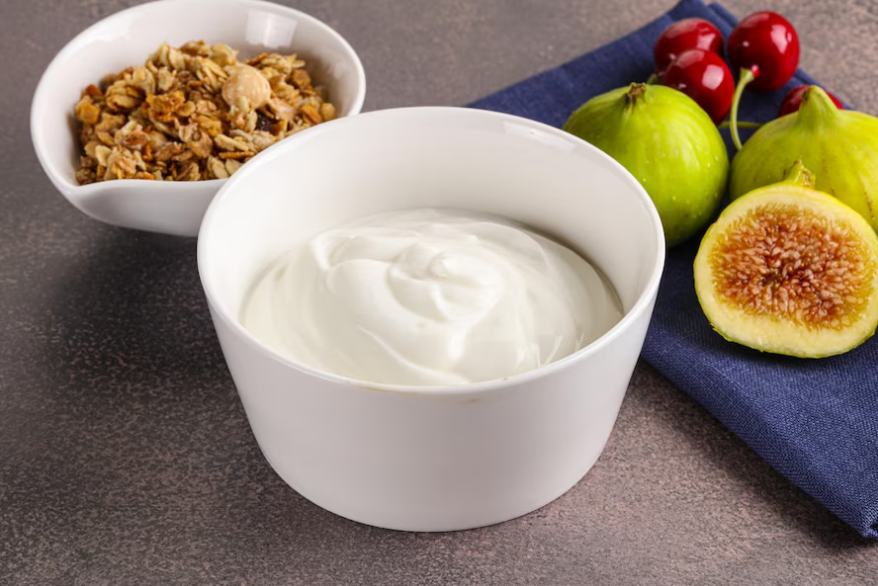
Greek yogurt has become a staple in many households, celebrated for its creamy texture, rich taste, and impressive nutritional benefits. It’s packed with protein, probiotics, and essential nutrients like calcium.
It’s a versatile food enjoyed in breakfast bowls, smoothies, and even savory recipes. Its popularity stems not only from its health perks but also from its ability to fit into a variety of dietary lifestyles, including gluten-free diets.
But is Greek yogurt truly gluten-free? For individuals with celiac disease or gluten sensitivity, this is an important question. The answer, fortunately, is that most plain Greek yogurts are naturally gluten-free, as they are made with just milk and live cultures.
However, some varieties—especially flavored or processed ones—may contain gluten due to added thickeners, flavorings, or cross-contamination during production.
For those who need to avoid gluten, reading labels carefully is essential. A trusted “certified gluten-free” label can provide peace of mind, but knowing what to look for in ingredient lists is equally important.
In this guide, we’ll explore everything you need to know about Greek yogurt and gluten, helping you make informed choices that suit your dietary needs.
What Is Gluten?
Gluten is a group of proteins found in certain grains, including wheat, barley, and rye. It acts as a binding agent, giving dough its elasticity and helping baked goods maintain their shape. While gluten is harmless for most people, it can pose serious health challenges for those with gluten-related disorders.
Celiac disease is an autoimmune condition where the ingestion of gluten triggers the immune system to attack the lining of the small intestine.
This can lead to symptoms such as diarrhea, abdominal pain, fatigue, and malabsorption of nutrients. Left unmanaged, celiac disease can result in long-term complications, including osteoporosis and anemia.
Non-celiac gluten sensitivity (NCGS) is another condition that causes adverse reactions to gluten, though it does not involve the immune system attacking the gut. Symptoms of NCGS can include bloating, brain fog, and joint pain.
Unlike celiac disease, there are no definitive tests for NCGS, and diagnosis is typically made by ruling out other conditions.
For those with either condition, adhering to a strict gluten-free diet is essential. This means avoiding foods containing wheat, barley, rye, and their derivatives.
Even small amounts of gluten—such as those found in cross-contaminated products—can trigger symptoms, making label reading and product knowledge vital for maintaining good health.
Is Greek Yogurt Naturally Gluten-Free?
Plain Greek yogurt, made from just milk and live active cultures, is naturally gluten-free. Its simple ingredients make it a safe and healthy choice for individuals with celiac disease or gluten sensitivity.
The fermentation process used to create Greek yogurt involves straining out excess whey, resulting in a thicker and creamier texture compared to regular yogurt, without the need for additional ingredients.
However, not all Greek yogurt products on the market are guaranteed to be gluten-free. There are several potential sources of gluten contamination to be aware of:
Additives and Flavorings Many flavored Greek yogurts contain added ingredients such as thickeners, starches, or artificial flavorings. Some of these additives may be derived from gluten-containing grains, making the yogurt unsafe for individuals with gluten sensitivity. For example, flavored varieties like cookie dough or granola-topped yogurts often include ingredients made from wheat.
Cross-Contamination Cross-contamination can occur during the manufacturing process if the yogurt is produced in facilities that also handle gluten-containing products. Shared equipment or storage areas can lead to trace amounts of gluten being present, which is enough to trigger symptoms for those with celiac disease.
To ensure safety, it’s crucial to read labels carefully. Look for plain Greek yogurt made with just milk and live cultures or products that carry a “certified gluten-free” label.
This certification indicates that the product has been tested and meets stringent standards for gluten-free compliance.
For added assurance, some consumers may opt for trusted brands known for their gluten-free practices or even consider making their own Greek yogurt at home.
For individuals with celiac disease or gluten sensitivity, selecting the right Greek yogurt requires careful consideration.
While plain Greek yogurt is typically gluten-free, not all products are guaranteed safe due to potential additives, flavorings, or cross-contamination. Here are some practical tips to help you identify gluten-free Greek yogurt and make confident choices:
Look for Certified Gluten-Free Labels The easiest way to ensure a product is gluten-free is to look for a “certified gluten-free” label. This certification means the product has undergone testing to meet strict gluten-free standards.
It typically contains less than 20 parts per million (ppm) of gluten. Trusted certifications provide added peace of mind for those with severe gluten intolerance. Read Ingredient Lists Carefully. Always check the ingredient list for hidden sources of gluten.
Some thickeners, starches, or flavoring agents may be derived from wheat, barley, or rye. Be especially cautious with flavored or specialty yogurts, as they often include ingredients like cookie crumbles, granola, or syrups that may contain gluten.
Avoid Flavored Varieties with Gluten-Containing Additives Stick to plain Greek yogurt or carefully selected flavored options that explicitly state they are gluten-free. Yogurts with dessert-inspired flavors or added toppings, such as granola, are more likely to contain gluten.
If you enjoy flavored yogurt, consider adding your own gluten-free toppings, such as fresh fruit, nuts, or honey, to a plain base.
By taking these steps, you can confidently choose Greek yogurt that fits your gluten-free diet. Trusted brands, certified labels, and a keen eye on ingredients will help you enjoy this versatile food without compromising your health.
Top Gluten-Free Greek Yogurt Brands
Finding gluten-free Greek yogurt is easier than ever, thanks to the growing awareness and availability of certified options. Here are some of the most popular brands known for their gluten-free offerings, along with tips on identifying trusted products.
FAGE FAGE is a widely trusted brand that offers plain and flavored Greek yogurt options. Most of their products, especially the plain varieties, are naturally gluten-free as they consist of just milk and live cultures. FAGE does not use gluten-containing additives, and its production process is designed to minimize the risk of cross-contamination. Always check the label for confirmation, especially with flavored options.
Chobani Chobani is another popular choice among gluten-free consumers. Most of their Greek yogurt varieties are gluten-free, including their plain and fruit-on-the-bottom options. Chobani clearly labels products that are gluten-free, making it easier to identify safe options. However, some specialty flavors or products with mix-ins, such as granola, may not be gluten-free, so it’s important to read labels carefully.
Siggi’s Siggi’s specializes in Icelandic-style yogurt, which is similar to Greek yogurt in its thickness and protein content. Their plain and flavored options are widely recognized as gluten-free, and Siggi’s uses simple, clean ingredients without artificial additives. Look for the gluten-free label on their packaging to ensure your selection is safe.
Trusted Certifications and Seals
When shopping for gluten-free Greek yogurt, look for certifications such as the “Certified Gluten-Free” seal or other clearly marked gluten-free labels. These certifications indicate that the product has been tested and meets strict gluten-free standards, providing added peace of mind.
By choosing brands like FAGE, Chobani, and Siggi’s, and checking for gluten-free labels, you can enjoy the creamy goodness of Greek yogurt without worrying about gluten. Whether you prefer plain yogurt or flavored varieties, these trusted brands offer options to suit your dietary needs.
DIY Greek Yogurt: A Safe Gluten-Free Option
Making your own Greek yogurt at home is a simple and cost-effective way to ensure it’s 100% gluten-free.
By controlling the ingredients and preparation process, you can eliminate the risk of gluten contamination often associated with store-bought options. Here’s a quick guide to creating creamy, delicious Greek yogurt in your kitchen.
Ingredients
1 quart of whole milk (or your preferred milk variety)
2 tablespoons of plain Greek yogurt (with live active cultures) as a starter
Equipment
A heavy-bottomed saucepan
A food thermometer
A fine mesh strainer or cheesecloth
A large bowl
Instructions
Heat the Milk Pour the milk into a saucepan and slowly heat it to 180°F (82°C), stirring occasionally. This step kills any unwanted bacteria and prepares the milk for fermentation.
Cool the Milk Remove the saucepan from the heat and let the milk cool to about 110°F (43°C). Use a thermometer to monitor the temperature, as this is ideal for the live cultures to thrive.
Add the Starter Yogurt Mix 2 tablespoons of plain Greek yogurt with live active cultures into the cooled milk. Stir gently but thoroughly.
Ferment the Yogurt Pour the mixture into a container, cover it, and let it sit undisturbed in a warm place (like an oven with the light on) for 8-12 hours. The longer it ferments, the tangier the yogurt will be.
Strain to Make Greek Yogurt Line a fine mesh strainer with cheesecloth and place it over a bowl. Pour the yogurt into the strainer and let it drain for 2-4 hours, depending on your desired thickness.
Enjoy! Transfer your homemade Greek yogurt to a container and refrigerate. Add your favorite gluten-free toppings for a personalized treat.
By following these steps, you can enjoy fresh, gluten-free Greek yogurt made with love and confidence.
FAQs
Here are answers to some common questions about Greek yogurt and gluten:
1. Can flavored Greek yogurt contain gluten?
Yes, some flavored Greek yogurts may contain gluten. Ingredients like cookie crumbles, granola, or certain flavorings and thickeners can be derived from gluten-containing grains. Always read the ingredient list and look for a “gluten-free” label on flavored options to ensure safety.
2. Is lactose-free Greek yogurt also gluten-free?
Lactose-free and gluten-free are separate dietary concerns. Most lactose-free Greek yogurts are naturally gluten-free as long as no gluten-containing ingredients are added. However, it’s still important to check the label for confirmation.
3. What about toppings like granola?
Granola is a common topping for Greek yogurt, but often contains gluten from oats or added flavorings. If you love granola, look for certified gluten-free varieties or make your own at home using gluten-free oats and safe ingredients.
4. Is cross-contamination a concern with Greek yogurt?
Yes, cross-contamination can occur if yogurt is processed in facilities that also handle gluten-containing products. Look for brands that label their products as gluten-free or use certified gluten-free seals to minimize risk.
5. Are all Greek yogurt brands gluten-free?
No, not all Greek yogurt brands are gluten-free. While plain varieties are typically safe, flavored or specialty options may contain gluten. Trusted brands like FAGE, Chobani (selected varieties), and Siggi’s are good options, but always double-check the label.
6. Can I make Greek yogurt gluten-free at home?
Absolutely! Homemade Greek yogurt is naturally gluten-free as it’s made with just milk and live cultures. By controlling the ingredients, you can ensure there’s no risk of gluten contamination.
If you have other questions, feel free to ask or consult with your healthcare provider for personalized advice.
Conclusion
Greek yogurt is a versatile and nutritious food that can fit into a gluten-free lifestyle. While plain Greek yogurt made from milk and live active cultures is naturally gluten-free, flavored and processed varieties may pose risks due to additives or cross-contamination.
For individuals with celiac disease or gluten sensitivity, it’s crucial to read labels carefully and look for certified gluten-free products to ensure safety.
Brands like FAGE, Chobani (selected varieties), and Siggi’s offer trusted gluten-free options, but for ultimate control, making your own Greek yogurt at home is an excellent alternative. By using simple ingredients and a straightforward process, you can enjoy fresh, gluten-free yogurt tailored to your preferences.
With the right knowledge and precautions, you can confidently enjoy Greek yogurt as part of your gluten-free diet. Don’t hesitate to explore new recipes, add gluten-free toppings, or incorporate it into your meals for a nutritious boost.
For more gluten-free tips and recipes, be sure to check out related resources and share your own experiences in the comments!