



If you have recently been diagnosed with Celiac disease or gluten sensitivity, navigating the aisles of the grocery store can feel like walking through a minefield. You pick up a bag of flour or a box of pasta, and you see the word “Semolina.” It sounds exotic, perhaps even distinct from “wheat.”
This leads to one of the most common questions in the gluten-free community: Is semolina gluten free?
Here is the direct answer: No, semolina is not gluten free.
Semolina is simply a coarse flour made from durum wheat. Because it is derived entirely from wheat, it is loaded with gluten. In fact, semolina is prized specifically because of its high gluten content, which gives pasta its shape and chewiness. For anyone with Celiac disease, non-celiac gluten sensitivity, or a wheat allergy, semolina is strictly off-limits.
In this extensive guide, we will unpack exactly what semolina is, why it is dangerous for the gluten-free community, and the best, safe alternatives that allow you to keep cooking your favorite dishes.
What Is Semolina?
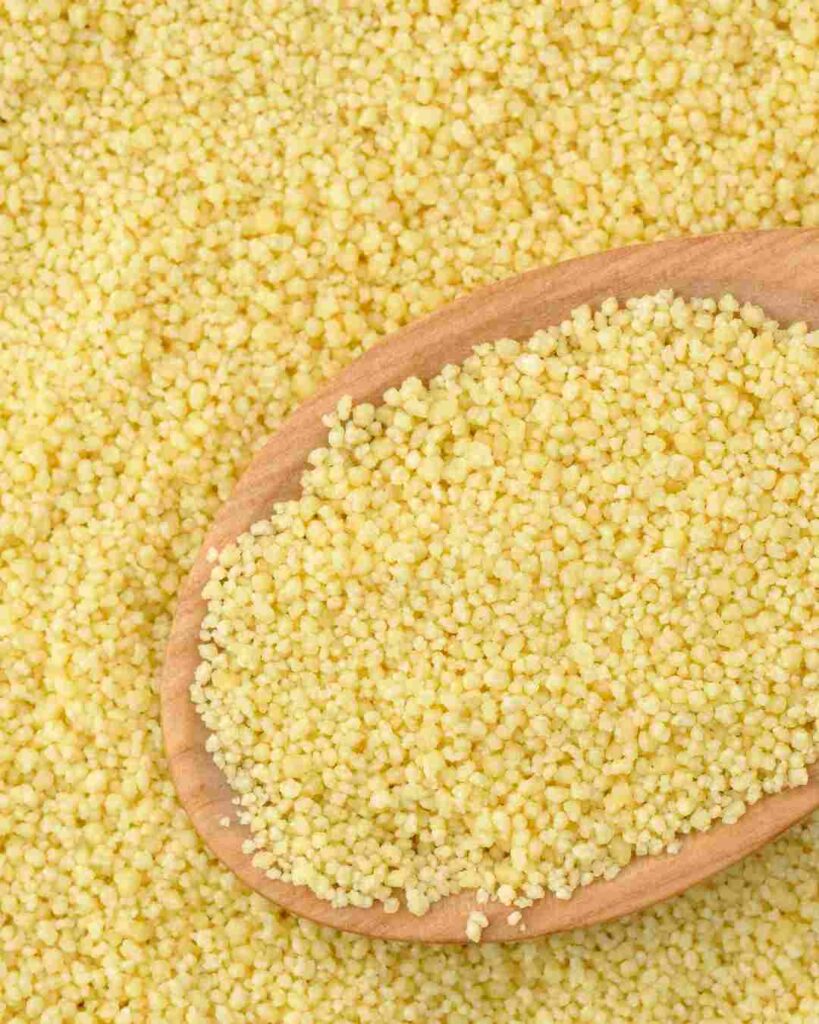
To understand why semolina is not safe for a gluten-free diet, we must first answer: What is semolina?
Semolina (often referred to as durum semolina or semolina flour) is the coarse, purified wheat middlings of durum wheat. When wheat is milled into flour, it goes through a grinding process. Semolina refers to the specific texture and grind of the grain.
The Origin and Culinary Uses
The word “semolina” comes from the Italian word semola, derived from the Latin simila, meaning “flour.” Historically, it has been the backbone of Italian cuisine, particularly in pasta making.
While you might associate white flour with soft wheat (used for cakes and pastries), semolina comes from the hardest of all wheat classes: Durum.
Common uses include:
- Pasta: It is the primary ingredient in high-quality Italian pasta.
- Couscous: North African couscous is essentially tiny balls of moistened semolina.
- Puddings: Sweet desserts like semolina pudding.
- Bread: Used to crust the bottom of pizza or artisan loaves to prevent sticking and add crunch.
Difference Between Semolina & Flour
Readers often search for “what is durum wheat semolina” versus standard flour. The difference lies in the wheat variety and the grind:
- Standard All-Purpose Flour: Made from common wheat (Triticum aestivum). Fine, powdery texture.
- Semolina: Made from durum wheat (Triticum turgidum). Coarse, sandy, and yellow in color.
Key Takeaway: Regardless of the texture or name, if the label says “Semolina,” it is a wheat product.
What Is Semolina Made Of?
When we ask, “What is semolina made of?” or “What is semolina flour made of?”, the answer points directly to the gluten issue.
Durum Wheat Explained
Semolina is made exclusively from the endosperm of Durum Wheat. Durum is a “hard” wheat. In the world of milling, “hard” refers to the force required to crush the kernel and the high protein content within.
The Milling Process
During the milling process, the durum wheat kernels are ground. The bran and germ are removed (unless it is whole-wheat semolina), leaving the starchy endosperm.
- Coarse Grind: This results in Semolina (sandy texture).
- Fine Grind: If semolina is ground further into a fine powder, it becomes “Durum Flour.”
Why Protein & Gluten Content is High
Durum wheat is selected specifically for its density and high protein content. Gluten is a family of proteins (gliadin and glutenin). Because semolina is packed with protein, it is inherently packed with gluten. This structure is what allows pasta to stretch without breaking and hold its shape in boiling water.
Does Semolina Have Gluten? (The Core Verdict)
Let’s address the primary keyword cluster: does semolina have gluten, is wheat semolina gluten free, and is semolina flour gluten-free.
The Science of Gluten in Semolina
Yes, semolina contains gluten. In fact, it contains more gluten than your average all-purpose flour.
Gluten is the binding agent that acts like “glue” in baking and cooking.
- Soft Wheat (Cake Flour): Low gluten (approx. 7–9% protein).
- Hard Red Wheat (Bread Flour): High gluten (approx. 12–14% protein).
- Durum Semolina: Very high gluten (approx. 13% or higher).
Why All Wheat Semolina Contains Gluten
There is no such thing as “gluten-free wheat semolina.” By biological definition, semolina is the product of wheat. For a product to be labeled “gluten-free,” it must contain less than 20 parts per million (ppm) of gluten. Semolina contains thousands of ppm.
Consumer Warning:
Sometimes, packaging can be confusing. You might see a package labeled “Semolina Flour” next to “Almond Flour.” Do not let the similar packaging fool you. Unless it is explicitly made from a non-wheat source (like corn semolina or rice semolina), semolina flour. Is it gluten free? Absolutely not.
Is Durum Wheat Semolina Gluten Free?
This is a specific query that often trips people up: is durum wheat semolina gluten free? or is durum semolina flour gluten free?
Some consumers mistakenly believe that “Durum” is a separate grain from “Wheat,” similar to how Buckwheat is distinct from Wheat. This is a dangerous misconception.
Durum Wheat vs. Common Wheat
- Durum is simply a species of wheat.
- Common Wheat is another species.
- Both belong to the Triticum genus.
- Both contain gluten.
Myths Around “Hard Wheat”
You may hear that hard wheat is easier to digest or processed differently. While the glycemic index may vary slightly, for someone with Celiac disease, the immune system does not distinguish between the gluten in soft wheat vs. hard durum wheat. The autoimmune reaction is identical.
Semolina vs Durum Wheat Gluten Free Status:
Neither is gluten-free. They are effectively the same thing regarding safety for Celiacs.
Myth Buster: There is a rumor that ancient wheats or specific types of durum are safe for Celiacs. This is false. While some people with mild intolerance to modern processing might handle organic ancient grains better, they are toxic to Celiacs.
Can Celiacs Eat Semolina?
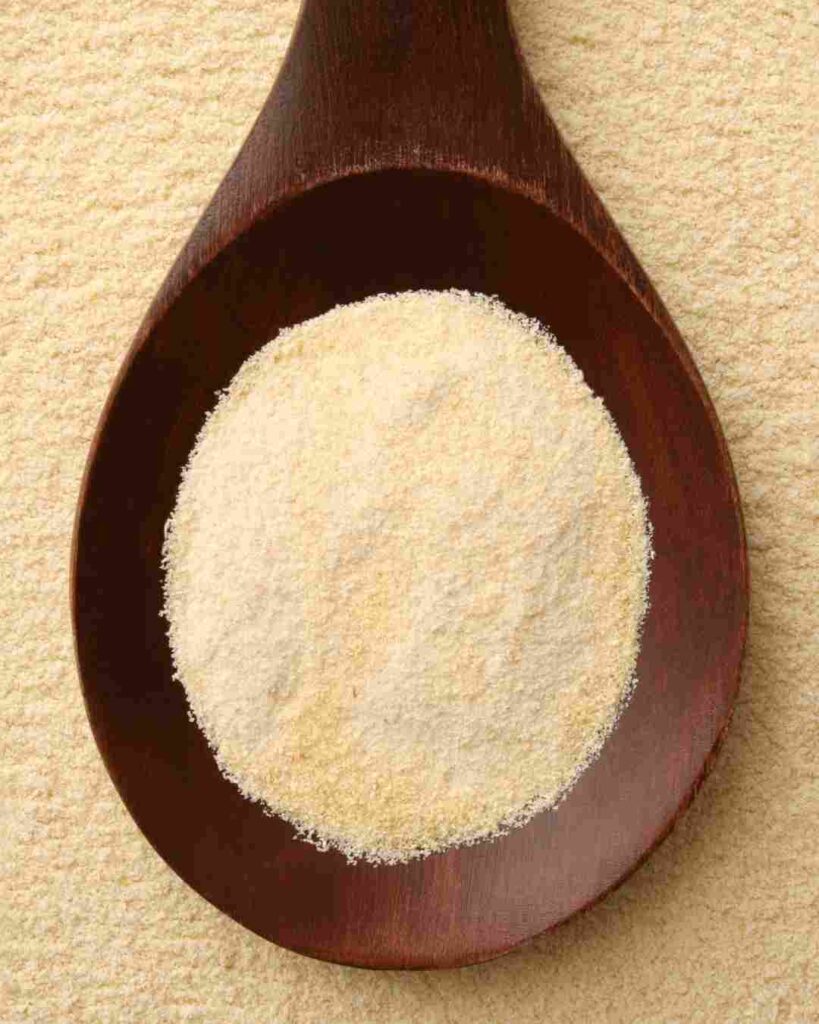
No. Consuming semolina will trigger an autoimmune reaction in anyone with Celiac disease.
Celiac Disease Safety
For a Celiac, ingesting gluten damages the villi in the small intestine, leading to malabsorption of nutrients, pain, and long-term health complications. Because semolina is pure wheat protein, it is one of the most potent sources of gluten you can eat.
Cross-Contamination Risks
Even if you find a product that uses “Corn Semolina” (polenta), you must be vigilant. Semolina is a dusty, flying flour. Factories that mill durum semolina often have gluten dust in the air.
- Strictly Avoid: Bulk bins at grocery stores containing semolina or polenta. The risk of scoop cross-contamination is nearly 100%.
- Label Reading: Always look for the “Certified Gluten-Free” label on any semolina substitute.
What is Considered Gluten Free?
To be safe for Celiacs, a food must:
- Be naturally free of wheat, barley, and rye.
- Be processed in a facility that prevents cross-contact.
- Test below 20ppm for gluten.
Is Semolina Pasta, Bread & Porridge Gluten Free?
When people ask “is semolina pasta gluten free” or “is semolina gluten free bread”, they are asking about the end products.
Pasta
Most traditional Italian pasta found in the supermarket—spaghetti, penne, fettuccine—is made from durum wheat semolina and water.
- Is durum wheat semolina pasta gluten free? No.
- Alternative: Look for pasta made from brown rice, quinoa, corn, or chickpeas.
Bread
What is semolina bread? It is a loaf made with a high percentage of semolina flour, giving it a golden hue, a chewy crust, and a nutty flavor.
- Safety: It is not safe for gluten-free diets.
Porridge (Semolina Pudding)
How do you make semolina porridge? Traditionally, it is semolina boiled in milk with sugar. In the US, this is often sold as “Cream of Wheat.”
- Safety: Cream of Wheat is not gluten-free.
- Alternative: “Cream of Rice” is the safe, gluten-free equivalent.
Is Semolina Healthy or Bad for You?
Putting aside the gluten issue for a moment, many readers ask: Is semolina healthy? Is semolina good for you, or is semolina bad for you?
For the general population (those without Celiac disease or gluten intolerance), semolina is considered a nutritious ingredient.
Nutrition Profile
Semolina is rich in:
- Protein: Higher than standard flour.
- B Vitamins: Specifically, Thiamine and Folate.
- Iron: Essential for blood health.
- Selenium: An antioxidant that supports the immune system.
Is Semolina Healthier Than Flour?
Generally, yes. Because durum wheat is harder, semolina digests somewhat slower than ultra-refined white cake flour. It provides more sustained energy. However, it is still a carbohydrate-rich food.
Is Semolina Healthy for Weight Loss?
- Pros: The high protein content promotes satiety (feeling full), which can help control appetite.
- Cons: It is calorie-dense. If you are eating large bowls of semolina pasta covered in cheese, it may hinder weight loss.
For Gluten-Free Readers:
Is semolina bad for you? Yes. Regardless of the vitamins, the immune damage caused by the gluten far outweighs any nutritional benefit. You can get these same B vitamins and iron from gluten-free grains like quinoa, buckwheat, and fortified rice.
Semolina Benefits & The Whole Grain Debate
Semolina Benefits
For those who can tolerate gluten, semolina benefits include supports for heart health (due to selenium) and muscle mass maintenance (due to protein).
Is Semolina Whole Grain?
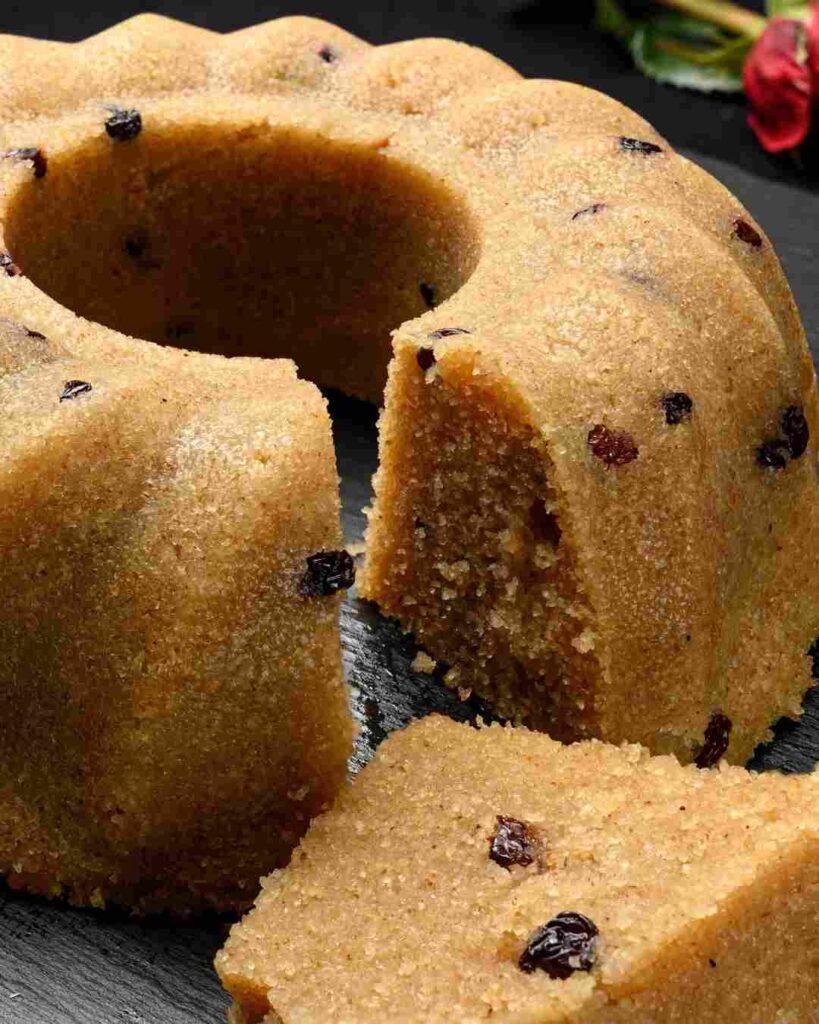
This is a common point of confusion: is semolina whole grain or is durum wheat semolina whole grain?
- Standard Semolina: Usually, it is refined. The bran and germ are removed, leaving only the endosperm. It is not a whole grain.
- Whole Wheat Semolina: You can buy “Whole Grain Durum Semolina,” where the bran and germ are retained. This version is much higher in fiber.
Digestibility:
Refined semolina has a moderate Glycemic Index. Whole grain semolina has a lower Glycemic Index. However, both contain gluten and are unsafe for the target audience of this article.
Gluten-Free Semolina Substitutes
If a recipe calls for semolina, do not panic. You can achieve similar textures and flavors with gluten free semolina substitutes.
When searching for “what is a gluten free substitute for semolina” or a “gluten free alternative to semolina”, texture is your main priority. You need something gritty and coarse, not a fine powder.
Top 5 Gluten-Free Semolina Substitutes
| Substitute | Base Ingredient | Texture Match | Best Used For |
| Corn Semolina (Polenta) | Corn | 9/10 (Excellent) | Pizza crust dusting, porridge, puddings |
| Rice Semolina (Cream of Rice) | Rice | 8/10 (Good) | Porridge, dusting baking pans |
| Millet Grits | Millet | 7/10 (Nutty) | Hot cereal, adding crunch to bread |
| Nut Flours (Almond) | Almonds | 5/10 (Softer) | Baking cakes (adds density but not crunch) |
| Sorghum Flour | Sorghum | 6/10 (Smooth) | Pasta making (mixed with starches) |
1. Corn Semolina (Polenta)
This is the holy grail for replacing semolina. Often labeled as “Corn Grits” or “Polenta,” it mimics the sandy texture perfectly.
- Usage: Use it to dust your pizza stone to prevent sticking, just like a pizzeria uses wheat semolina.
2. Rice Semolina
Also known as Idli Rava in Indian cooking or Cream of Rice in the West.
- Usage: Perfect for gluten-free “semolina” puddings. It creates that creamy yet slightly grainy texture.
3. Chickpea Flour (Garbanzo Bean Flour)
While the texture is finer, chickpea flour mimics the protein structure of semolina better than rice does. It is excellent for making gluten-free pasta because it binds well.
Is There a Wheat Free Substitute for Semolina?
Yes, all the options listed above are wheat-free. Just ensure you buy brands that are certified gluten-free to avoid cross-contamination.
Gluten-Free Flour Guide
Understanding gluten free flour is essential for replacing semolina in complex recipes like pasta dough.
What is Considered Gluten Free Flour?
Unlike wheat flour, which does everything (structure, binding, chew), gluten-free baking usually requires a blend.
- The Structure: Rice flour, Sorghum flour, Millet flour.
- The Starch: Tapioca starch, Potato starch, Cornstarch.
- The Binder: Xanthan gum or Psyllium husk (these replace the gluten).
To replicate semolina flour for pasta:
A mix of Brown Rice Flour, Tapioca Starch, and Xanthan Gum is usually the standard. However, adding Corn Flour (finely ground cornmeal) adds that yellow color and “bite” associated with durum semolina.
Semolina Recipes & Gluten-Free Alternatives
Here is how to adapt your favorite semolina recipes using a semolina substitute.
1. Gluten-Free “Semolina” Porridge
- Ingredients: 1/2 cup Coarse Cornmeal (Polenta) or Rice Semolina, 2 cups Milk (dairy or plant-based), sugar, vanilla.
- Method: Whisk the grain into boiling milk. Simmer on low heat until thickened (about 10-15 mins for corn, 5 mins for rice).
- Result: A warm, comforting bowl that rivals Cream of Wheat.
2. Gluten-Free Pasta (The Semolina Swap)
- Ingredients: 1 cup Gluten-Free All-Purpose Flour blend (ensure it contains xanthan gum), 2 large eggs.
- Method: Make a well in the flour, crack eggs, whisk, and knead.
- Tip: If the dough is too soft, add a tablespoon of fine corn flour to mimic the hardness of semolina dough.
3. Pizza Peel Dusting
Never use flour to slide your gluten-free pizza into the oven—it burns. Never use wheat semolina.
- Swap: Use coarse cornmeal. It acts as “ball bearings” allowing the dough to slide easily onto the hot stone.
Where to Buy Semolina Flour & Gluten-Free Options
If you are shopping for the rest of your family, you can find semolina in the baking aisle. But for where to buy semolina flour alternatives:
Grocery vs. Specialty Stores
- Standard Supermarkets: Look in the “Natural Foods” or “Gluten-Free” aisle. You will find Bob’s Red Mill Corn Grits or Cream of Rice.
- Indian Grocers: Look for “Idli Rava” (Rice Semolina). Warning: Always read the label to ensure it is not “Sooji” (Wheat Semolina).
- Online: Amazon and specialized gluten-free retailers offer the widest variety of certified grains like millet grits and sorghum.
Label Warnings
Always look for the “Certified Gluten-Free” seal. A product labeled merely “Wheat-Free” might still contain barley or rye, or be processed on shared equipment with semolina.
Country-Specific Gluten-Free Searches
Food labeling laws vary globally. Here is a breakdown for international readers searching is semolina gluten free Australia, the UK, or NZ.
United Kingdom & Europe (UK/EU)
In the UK and EU, allergens must be bolded on the ingredients list.
- If you see Semolina (Wheat) or Durum Wheat, it contains gluten.
- Is semolina gluten free UK? No. The rules are strict; it is unsafe.
Australia & New Zealand (AU/NZ)
Australia has some of the strictest gluten-free labeling laws in the world.
- Is semolina gluten free Australia? No. A product cannot be labeled “Gluten-Free” if it contains any detectable gluten. You will clearly see “Contains: Wheat/Gluten” on semolina packets.
Common Reddit Myths
If you browse Reddit threads, you might find users claiming that “imported Italian semolina doesn’t hurt my stomach.”
- The Reality: This is anecdotal and scientifically dangerous for Celiacs. Imported wheat still contains gluten. Do not base your medical diet on forums.
Is Semolina Gluten Free and Dairy Free?
- Dairy Free? Yes. Semolina is a grain; it contains no milk products naturally.
- Gluten Free? No.
- Wheat Free? No.
FAQs
Q: Does semolina contain gluten?
A: Yes. Semolina is made from durum wheat, which naturally contains high levels of gluten protein.
Q: Is semolina flour healthy?
A: For those without gluten intolerance, yes. It is high in protein, B vitamins, and iron. For Celiacs, it is harmful.
Q: Is semolina gluten free flour?
A: No. Do not confuse it with gluten-free flour blends. Semolina is 100% wheat.
Q: What is surprisingly not gluten-free?
A: Couscous. Many people think couscous is a grain like rice, but it is actually tiny pasta made from semolina wheat.
Q: Is semolina healthier than flour?
A: It is generally considered healthier than refined white flour due to higher protein content and a lower glycemic index, but it is nutritionally similar to other wheat products.
Q: Is polenta the same as semolina?
A: No. Polenta is made from corn (naturally gluten-free). Semolina is made from wheat (contains gluten). However, they have similar textures and are often used as substitutes for one another.
Final Verdict: Is Semolina Gluten Free?
Let’s summarize the facts clearly for your safety:
- Is semolina gluten free? NO.
- Is semolina flour gluten free? NO.
- Is durum wheat semolina gluten free? NO.
Semolina is the coarse milling of durum wheat. It is the very definition of a gluten-rich ingredient, essential for traditional pasta and pizza crusts.
For the Celiac and Gluten-Free Reader:
You must strictly avoid semolina. Consuming it will cause intestinal damage and symptoms. However, you do not have to sacrifice texture.
- Best Substitute: Corn Semolina (Polenta) for texture/dusting.
- Best Baking Swap: Rice Semolina or a high-quality Gluten-Free Flour Blend containing Xanthan gum.
Always read labels carefully. If you see the word “Semolina” without the word “Corn” or “Rice” preceding it, put it back on the shelf. Stay safe, and enjoy the many delicious, gluten-free alternatives available today!
References
1. Celiac Disease Safety & Gluten Content
These sources confirm that semolina is derived from wheat and is strictly unsafe for individuals with Celiac disease.
- Coeliac UK (Grains Checklist): Explicitly lists semolina and durum wheat as grains to avoid.
- Beyond Celiac (Couscous & Semolina): Explains that couscous (made of semolina) is not gluten-free despite looking like a grain.
- Celiac Disease Foundation (Sources of Gluten): Lists durum, semolina, and spelt as forms of wheat to avoid.
2. Nutrition & Definition of Semolina
These sources cover the botanical definition of semolina (Durum Wheat) and its nutritional profile (high protein/gluten).
- Healthline (Semolina Nutrition, Benefits, and Downsides): A medical review confirming semolina is high in gluten and listing specific health benefits for non-celiacs.
- WebMD (Health Benefits of Semolina Flour): Confirms semolina is milled from durum wheat and discusses glycemic index and gluten content.
3. Gluten-Free Substitutes
These sources provide verified lists of safe alternatives to semolina, such as buckwheat, amaranth, and rice flour.
- Everyday Health (5 Gluten-Free Alternatives to Semolina Flour): detailed breakdown of substitutes like Garbanzo flour and Rice flour.
Reference: https://www.everydayhealth.com/gluten-free-diet/is-semolina-flour-gluten-free/