

Home Blog

Is Indian Tonic Water Healthy? Health Benefits, Risks and More!

Indian tonic water is not considered very healthy due to its added sugars and calories. While it contains quinine, which gives it a bitter taste, the sugar content can impact blood sugar and weight if consumed in excess. Opt for diet or low-sugar versions for a healthier alternative.

Indian tonic water is a carbonated beverage known for its distinctively bitter flavor, primarily due to the inclusion of quinine, a natural compound derived from the bark of the cinchona tree. Quinine has historically been used to treat malaria, and it was originally added to tonic water as a medicinal remedy. Over time, tonic water evolved from its medicinal roots into a popular mixer, particularly in alcoholic drinks like the gin and tonic.

The key ingredients of Indian tonic water typically include carbonated water, quinine, and sweeteners such as sugar or artificial sweeteners. The amount of quinine in Indian tonic water is regulated by health authorities, but it still provides the characteristic bitterness that differentiates it from other carbonated drinks. Some brands may also include added flavors like citrus or herbs to enhance the taste.

While regular tonic water and Indian tonic water share similar ingredients, the term “Indian tonic water” often refers to a specific style that emphasizes the use of quinine as a defining element. In contrast, regular tonic water can sometimes be less bitter and may have variations in its flavor profile. The prominence of quinine is what primarily distinguishes Indian tonic water from its more generic counterparts.

Indian Tonic Water: Exploring the Health Benefits

Indian tonic water, though often enjoyed as a refreshing beverage, also offers some potential health benefits. Beyond its use as a mixer in cocktails, this drink may support hydration, promote digestive health, and even contribute to skin wellness. Let’s dive into the health benefits it may provide:

Hydration Support

  • Benefit: Indian tonic water is a carbonated drink made primarily from water, which contributes to daily hydration. Hydration is essential for maintaining energy levels, regulating body temperature, and supporting overall bodily functions.
  • Research: While tonic water shouldn’t replace water for hydration, it can serve as an enjoyable supplement to your daily fluid intake.

Digestive Health

  • Benefit: Quinine, the active ingredient in Indian tonic water, is known to have mild digestive properties. It has traditionally been used to relieve symptoms of indigestion and to stimulate appetite.
  • Research: Some studies suggest that quinine may have a mild soothing effect on the stomach and can help with the digestion of food, particularly when consumed in moderation.

Skin Health

Indian tonic water may offer more than just a refreshing taste. From aiding hydration to supporting digestive health and even improving skin conditions, it can be a beneficial addition to your diet. However, moderation is key, as excessive consumption of tonic water—especially due to its quinine content—could have side effects. Always consider consulting a healthcare provider if you have specific health concerns.
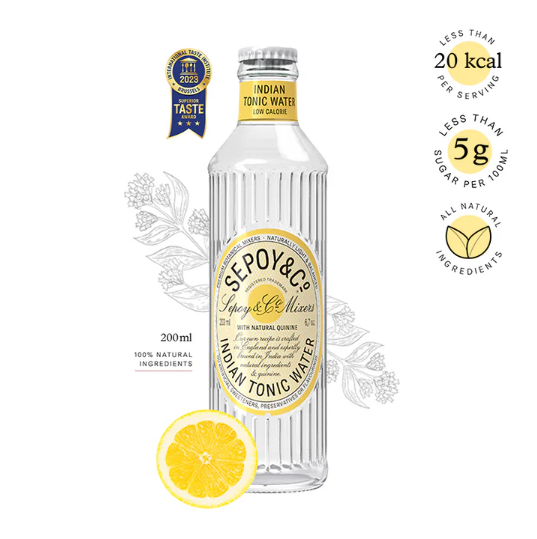
Sugar Content & Calorie Info in Indian Tonic Water

When considering whether Indian tonic water is a healthy option, it’s important to look at its sugar content and calorie count. While it offers a unique flavor and potential health benefits, the sugar and calorie content may be a concern for some consumers, especially those monitoring their calorie intake or sugar levels.

Sugar Content 

Regular Indian Tonic Water: Most commercially available Indian tonic waters contain a significant amount of sugar. A typical 8-ounce serving of regular tonic water can contain around 20-30 grams of sugar, depending on the brand and recipe. This can contribute to a considerable portion of your daily sugar intake, especially if consumed in large quantities.

Calorie Count

Calories in Indian Tonic Water: With the sugar content, Indian tonic water also provides calories. An 8-ounce serving usually contains between 80 to 120 calories. While this isn’t excessively high compared to sugary sodas, it is still a consideration for those trying to limit their calorie intake.

Sugar-Free

For those watching their sugar intake, there are sugar-free versions of Indian tonic water available. These versions use artificial sweeteners or other low-calorie sweeteners to replicate the flavor of traditional tonic water without the added sugar and calories. While these options can be a good alternative for calorie-conscious individuals, it’s essential to consider the potential impact of artificial sweeteners on your health.

Indian tonic water, while a refreshing choice, contains a notable amount of sugar and calories, especially in its regular form. For those concerned about their sugar intake, sugar-free options are available, though it’s important to be mindful of artificial sweeteners. As with any beverage, moderation is key to balancing health benefits with calorie and sugar consumption.

Health Risks & Side Effects of Indian Tonic Water

While Indian tonic water may offer some health benefits, it’s important to be aware of potential risks and side effects, especially when consumed in excess. Understanding these health concerns can help you make informed choices about including tonic water in your diet.

Dehydration Concerns

Tonic Water and Dehydration: One of the common misconceptions about tonic water is that it can lead to dehydration. While the quinine in tonic water is known for its medicinal properties, it’s unlikely to cause dehydration in moderate amounts. However, if consumed in excess or in combination with alcohol (as is often the case in cocktails), it may have a mild diuretic effect. This could potentially increase urine output and lead to fluid loss, which may contribute to dehydration.

High Sugar Intake

Sugar and Health Risks: As discussed earlier, regular Indian tonic water can be high in sugar. Excessive sugar consumption can lead to various health issues such as weight gain, increased risk of diabetes, and poor dental health. For individuals with blood sugar concerns, such as those with diabetes or insulin resistance, consuming too much sugary tonic water could exacerbate these conditions.

Side Effects of Quinine

Quinine-Related Side Effects: Quinine is the primary ingredient in Indian tonic water that gives it its characteristic bitterness. While quinine is generally safe in the small amounts found in tonic water, excessive intake can cause side effects like nausea, dizziness, headaches, and even more serious issues like arrhythmias or allergic reactions. Individuals who are sensitive to quinine should limit their intake and consult a healthcare provider if they experience any adverse reactions.

Tonic Water & Pregnancy

Safety During Pregnancy: Pregnant women are often advised to avoid large quantities of quinine due to its potential effects on pregnancy. While tonic water contains a very small amount of quinine, it’s still recommended that expectant mothers consume it in moderation. High doses of quinine may pose risks, including potential harm to the fetus. It’s always best to consult a healthcare provider before consuming tonic water during pregnancy.

While Indian tonic water can be a refreshing beverage, it’s important to consume it mindfully. The risks associated with dehydration, excessive sugar intake, and quinine side effects should be taken into consideration, particularly for individuals with certain health conditions or those who are pregnant. Moderation is key to enjoying tonic water safely without experiencing negative health effects.

Indian Tonic Water and Weight Loss Management

When it comes to weight loss, many people are seeking low-calorie, low-sugar alternatives to sugary sodas and other high-calorie beverages. Indian tonic water, despite its unique bitter taste and carbonated appeal, may not be the ideal choice for weight loss due to its calorie and sugar content.

Calorie and Sugar Content

Indian tonic water typically contains around 80-120 calories per 8-ounce serving, along with 20-30 grams of sugar. While these numbers are lower than those found in sugary sodas, they still add up if consumed regularly. Consuming excess sugar can hinder weight loss efforts, as it may contribute to weight gain and increased insulin resistance over time.

Metabolism and Hydration

Tonic water’s primary ingredient, quinine, is not directly linked to boosting metabolism or aiding in fat loss. However, staying hydrated is an important factor in weight management, and since tonic water is primarily water-based, it can contribute to hydration. Proper hydration supports metabolism and helps with the efficient breakdown of fats. But for optimal weight loss, focusing on water, herbal teas, and other low-calorie beverages without added sugar is recommended.

While Indian tonic water might not directly contribute to weight loss due to its sugar and calorie content, it can play a small role in hydration, which is crucial for overall health. If you’re looking to lose weight, moderation is key, and it’s best to choose lower-calorie, sugar-free options to avoid hindering your progress.

Myths About Indian Tonic Water: Debunking the Misconceptions

Indian tonic water has garnered a reputation for various health benefits, but there are several myths that need to be cleared up. Let’s debunk some of the most common misconceptions about this bubbly beverage.

Tonic Water is a Miracle Weight-Loss Drink

  • Fact: While tonic water is low in calories compared to sugary sodas, it’s still not a weight-loss miracle. Its sugar content (especially in regular versions) can hinder weight loss efforts. Consuming it in excess can contribute to unwanted calories and sugar intake, making it unsuitable for a weight-loss regimen.

Tonic Water Can Cure Digestive Issues

  • Fact: Some people believe that the quinine in tonic water can alleviate indigestion or help with stomach problems. While quinine was historically used for medicinal purposes, the small amount found in tonic water is unlikely to have a significant effect on digestion. For digestive health, it’s better to focus on a balanced diet and seek professional medical advice for any ongoing issues.

Tonic Water is a Health Elixir

  • Fact: Although tonic water offers some hydration and contains quinine, it should not be viewed as a cure-all for health problems. It is not a replacement for proper medical treatment or a balanced diet. Relying on tonic water for health benefits is misguided and could prevent you from addressing underlying health concerns effectively.

All Tonic Water is Sugar-Free

  • Fact: Many brands of Indian tonic water contain significant amounts of sugar, contributing to its calorie count. Sugar-free versions are available, but they use artificial sweeteners. It’s important to read the label before making assumptions about the sugar content.

Indian tonic water may have some health benefits, but it’s important not to fall for myths that overstate its effects. It is not a miracle drink for weight loss or digestion, and moderation is key to enjoying it responsibly.

Frequently Asked Questions About Indian Tonic Water

Is Tonic Water Good for You?

Tonic water can be enjoyed in moderation, offering hydration and a unique flavor due to its quinine content. However, it should not be seen as a health beverage on its own. The sugar and calorie content in many tonic waters, particularly regular versions, can negate some of the potential benefits. If consumed occasionally and in moderation, tonic water can be part of a balanced diet, but it’s important not to rely on it for health improvement.

Does Tonic Water Have Quinine?

Yes, tonic water contains quinine, which is the ingredient responsible for its characteristic bitter taste. Historically, quinine was used as a treatment for malaria, and it remains a defining component in tonic water. However, the amount of quinine in modern tonic water is much lower than the quantities once used for medicinal purposes, making it safe for general consumption. People sensitive to quinine should limit their intake.

Is Indian Tonic Water Good for Blood Pressure?

There is no definitive evidence to suggest that Indian tonic water has a significant impact on blood pressure. While quinine has been linked to some cardiovascular effects, the small amounts present in tonic water are unlikely to have any meaningful effect on blood pressure. However, if you have concerns about your blood pressure, it’s always best to consult with a healthcare provider before incorporating tonic water into your routine.

Can Tonic Water Be Consumed Daily?

Drinking tonic water every day in moderation is generally safe for most people. However, its sugar content and quinine may cause issues if consumed excessively. For those with underlying health conditions or concerns about sugar intake, it’s advisable to limit daily consumption or opt for sugar-free varieties. As with any beverage, variety and moderation are key.

Conclusion: Is Indian Tonic Water Healthy or Fake?

Indian tonic water can be an enjoyable and refreshing beverage, offering some potential health benefits when consumed in moderation. Its hydration properties, thanks to its water content, can help maintain fluid balance, and the quinine in tonic water may provide mild digestive support and even benefits for the skin. However, it’s important to note that the health benefits of tonic water are often overstated, and it should not be relied upon as a miracle cure for digestion or other health issues.

While the quinine content is safe in small amounts, excessive consumption may lead to side effects like headaches or dizziness, especially for those sensitive to quinine. Additionally, tonic water is often high in sugar, which could contribute to weight gain, increased blood sugar levels, and other health risks, especially for individuals with diabetes or those trying to maintain a calorie-conscious diet.

For those concerned about sugar intake, sugar-free versions of Indian tonic water are available, but these often contain artificial sweeteners, which come with their own set of considerations.

Final Recommendation: Indian tonic water can be safely consumed in moderation as an occasional treat. However, if you have specific health concerns—such as diabetes, high blood pressure, or pregnancy—it’s important to monitor your intake and opt for alternatives like sparkling water or herbal teas. Always consult a healthcare professional if you’re unsure about how tonic water might affect your health.

Is kefir milk healthy? An Ancient Drink with Modern Health Benefits!

Kefir milk has been consumed for centuries and is now gaining popularity as a superfood due to its rich probiotic content and numerous health benefits. Made by fermenting milk with kefir grains, this tangy, yogurt-like drink is packed with beneficial bacteria, protein, vitamins, and minerals that support overall well-being.

But is kefir milk healthy? Yes, Kefir milk is healthy. It is a probiotic-rich fermented dairy product that supports gut health, digestion, and immunity. Packed with beneficial bacteria, vitamins, and minerals like calcium, B vitamins, and protein, kefir can aid in digestive balance and lactose digestion.

Research suggests that its probiotic strains promote gut health, digestion, and immune function, while its calcium and vitamin K2 content supports bone health. It is also a great option for those who are lactose intolerant, as fermentation reduces lactose levels, making it easier to digest.

In this article, we’ll explore the nutritional benefits of kefir, its potential side effects, and whether it deserves a spot in your daily diet. Let’s dive into why this ancient fermented drink is still relevant for modern health!

Kefir Milk Nutritional Profile

Kefir milk is a nutrient-dense beverage that offers a variety of health benefits, thanks to its rich content of probiotics, vitamins, and minerals.

Caloric Breakdown:

A typical 1-cup (240ml) serving of plain kefir milk contains around 100 calories, making it a relatively low-calorie option for those looking to maintain or lose weight.

Macronutrients:

  • Fat: Approximately 3-4 grams of fat, most of which is healthy unsaturated fat.
  • Protein: A serving provides about 6-8 grams of high-quality protein, which is beneficial for muscle repair and satiety.
  • Carbohydrates: Kefir contains roughly 12 grams of carbohydrates, primarily from naturally occurring sugars, such as lactose, which are broken down during fermentation.

Vitamins & Minerals:

  • Calcium: Kefir is a great source of calcium, contributing about 20% of your daily recommended intake, which supports bone health.
  • Vitamin B12: It provides approximately 20% of the recommended daily intake, essential for energy production and nerve health.
  • Riboflavin (Vitamin B2): Kefir is a good source of riboflavin, which helps convert food into energy and promotes healthy skin and eyes.

Probiotics:

Kefir is rich in probiotics, including strains such as Lactobacillus acidophilus, Bifidobacterium, and Saccharomyces kefir. These probiotics contribute to gut health by promoting a healthy balance of gut bacteria, improving digestion, and supporting immune function. The diverse range of probiotics in kefir can enhance digestion more effectively than many other fermented dairy products like yogurt.

Kefir Milk Health Benefits

Kefir milk is renowned for its impressive health benefits, primarily due to its high probiotic content and rich nutrient profile. Below are some of the key health advantages of including kefir in your diet:

Gut Health and Digestion

Kefir is packed with probiotics—beneficial bacteria that support a healthy gut microbiome. The fermentation process helps break down lactose, making kefir easier to digest than regular milk. Regular consumption of kefir can promote a balanced gut flora, improve digestion, and reduce symptoms of digestive disorders like bloating and constipation.

Immune System Support

Kefir is a powerful immune booster, thanks to its probiotics and bioactive compounds. The probiotics in kefir help regulate the immune system, reduce inflammation, and promote the body’s natural defense mechanisms. Studies suggest that regular consumption of kefir can reduce the frequency and severity of infections and colds.

Bone Health

Kefir is an excellent source of calcium and vitamin D, two essential nutrients for bone health. Calcium helps maintain bone density, while vitamin D enhances calcium absorption. Together, they contribute to stronger bones, reducing the risk of conditions like osteoporosis and fractures as we age.

Weight Management

Kefir can be a helpful addition to a weight management plan. The high protein content in kefir promotes feelings of fullness, reducing overall calorie intake. Additionally, the probiotics may aid in digestion and metabolism, supporting healthy weight loss when combined with a balanced diet and regular exercise.

Lactose Intolerance

Because of the fermentation process, kefir contains much lower levels of lactose than regular milk. The beneficial bacteria break down most of the lactose, making kefir a more tolerable option for those with lactose intolerance. It provides the benefits of milk without the digestive discomfort associated with lactose.

Kefir milk offers a variety of health benefits, from improving digestion and gut health to supporting bone strength and aiding weight management. With its unique combination of probiotics, vitamins, and minerals, kefir is a nutritious, versatile beverage that can be a great addition to a balanced diet, particularly for those seeking digestive and immune support.

Kefir Milk Good for Your Skin

Kefir milk isn’t just beneficial for your gut and overall health—it may also have notable benefits for your skin. The probiotic-rich beverage contains bioactive compounds that can help improve skin health in various ways.

Anti-Inflammatory

One of the key ways kefir supports skin health is through its anti-inflammatory effects. Chronic inflammation is often linked to skin conditions such as acne, eczema, and psoriasis. The probiotics in kefir help regulate the immune system and reduce inflammation, which can lead to clearer, healthier skin. By balancing the gut microbiome, kefir may help alleviate skin flare-ups that are often triggered by gut imbalances.

Skin Hydration

The nutrients in kefir, particularly vitamin B12 and riboflavin, can help nourish the skin and promote its repair. These vitamins are vital for maintaining healthy skin cells and may aid in healing skin damaged by environmental stressors or aging.

Antioxidant Effects

Kefir also contains antioxidants, which help fight free radicals and protect the skin from oxidative damage. This can reduce premature aging, wrinkles, and skin dullness caused by sun exposure and environmental pollution.

Acne Prevention

The probiotics in kefir can improve skin health by balancing the body’s natural oils and preventing clogged pores. In some cases, consuming kefir regularly has been linked to fewer acne outbreaks, as probiotics contribute to a healthier skin microbiome.

Kefir milk’s anti-inflammatory properties, combined with its rich content of vitamins, antioxidants, and probiotics, can contribute to healthier, more hydrated skin. It may help reduce inflammation, prevent acne, and even slow signs of aging, making it a beneficial addition to a skin-friendly diet.

Is kefir milk healthy

Kefir Milk vs. Yogurt: Which is Healthier?

Kefir milk and yogurt are both popular fermented dairy products, offering a range of health benefits. However, they differ in several key aspects, including their probiotic content, calories, and specific health advantages. Here’s a comparison of the two to help determine which is healthier for your needs.

Probiotics

  • Kefir: Kefir contains a wider variety of probiotics, including both bacteria and yeast, which makes it a more diverse source of beneficial microorganisms. These probiotics contribute to a healthy gut microbiome, improved digestion, and enhanced immune function.
  • Yogurt: While yogurt is also rich in probiotics, it typically contains fewer strains of bacteria (primarily Lactobacillus and Bifidobacterium). Though it offers significant digestive benefits, it does not have the same diversity of beneficial microbes as kefir.

Winner: Kefir — Due to its broader probiotic spectrum, kefir may offer superior benefits for gut health and overall immune support.

Caloric and Nutrient Content

  • Kefir: A typical serving (1 cup) of plain kefir contains around 100 calories, with 3-4 grams of fat, 6-8 grams of protein, and 12 grams of carbohydrates. It is also rich in calcium, vitamin B12, and riboflavin, making it a nutrient-dense option.
  • Yogurt: Plain yogurt typically contains 100-150 calories per serving, with a similar nutrient profile in terms of protein and calcium, but slightly higher fat content, depending on the variety. Greek yogurt, in particular, tends to have higher protein content than regular yogurt.

Winner: Tie — Both kefir and yogurt are relatively low-calorie and nutrient-rich. However, yogurt may be a better option for those seeking higher protein, especially Greek yogurt, while kefir provides a more diverse array of probiotics.

Health Benefits

  • Kefir: Known for its gut health benefits, kefir is more effective in promoting a balanced microbiome due to its diverse probiotic content. It also has immune-boosting properties, helps with bone health (due to calcium and vitamin D), and can be easier to digest for those with lactose intolerance.
  • Yogurt: Yogurt is also excellent for digestive health and provides probiotics, but it tends to be more beneficial for gut regularity and is slightly less effective in terms of boosting immunity compared to kefir. It is also beneficial for bone health due to its high calcium content.

Winner: Kefir — If you are looking for a broader range of probiotics and enhanced immune support, kefir is the better choice. However, yogurt is still an excellent option for digestive health and bone support.

Which is Better for Specific Health Concerns?

  • For Gut Health: Kefir is superior due to its wider variety of probiotics, which can support better gut flora and digestion.
  • For Immune System Support: Kefir is more effective in boosting the immune system because of its diversity of probiotics and bioactive compounds.
  • For Bone Health: Both kefir and yogurt are good sources of calcium and vitamin D, so they both support bone health. However, kefir’s added benefit of probiotics may make it a slightly better option for overall health.
  • For Weight Management: Yogurt (especially Greek yogurt) may be a better choice for those seeking higher protein content to curb hunger, though kefir’s high protein can also support satiety.

While both kefir and yogurt offer significant health benefits, kefir tends to be superior for overall gut health, immune system support, and the diversity of probiotics it provides. Yogurt, particularly Greek yogurt, is an excellent source of protein and also supports digestive and bone health. Choosing between the two depends on your specific health goals—whether you’re after a more diverse probiotic intake or a higher protein option.

Potential Side Effects of Kefir Milk

While kefir milk offers numerous health benefits, it may not be suitable for everyone. In some cases, excessive consumption or sensitivity to its ingredients can lead to mild side effects.

Mild Bloating or Digestive Discomfort

Kefir contains a variety of probiotics, which can significantly impact gut health. However, for some individuals, especially those who are new to probiotics or have a sensitive digestive system, the introduction of these bacteria may cause temporary bloating, gas, or digestive discomfort. This is usually a result of the body adjusting to the increased probiotic load. Gradually introducing kefir into your diet and consuming it in moderate amounts can help mitigate these symptoms.

Overconsumption & Dairy Sensitivity

For individuals with dairy sensitivities or lactose intolerance, consuming large amounts of kefir may cause digestive distress, including stomach cramps, diarrhea, or nausea. Although kefir is typically easier to digest than regular milk due to the fermentation process, it still contains trace amounts of lactose. Those with severe dairy allergies should avoid kefir, as it may trigger allergic reactions, such as skin rashes, hives, or respiratory issues.

While kefir milk is generally considered safe and beneficial for most people, mild digestive discomfort or bloating may occur, especially for those new to probiotics. Additionally, individuals with severe dairy allergies or lactose intolerance should exercise caution or avoid kefir altogether to prevent adverse reactions.

How to Incorporate Kefir Milk into Your Diet?

Kefir milk is versatile and can easily be added to a variety of meals and snacks. Here are some creative ways to incorporate kefir into your diet:

Kefir Smoothies

One of the easiest and most popular ways to enjoy kefir is by adding it to smoothies. Its creamy texture and tangy flavor blend well with fruits, vegetables, and other smoothie ingredients.

  • Recipe idea: Combine kefir with berries, spinach, a banana, and a spoonful of honey or chia seeds for a nutrient-packed smoothie. You can also add protein powder for an extra boost.

As a Salad Dressing Base

Kefir can serve as a tangy and creamy base for a variety of salad dressings. Use it instead of buttermilk or mayonnaise to create a healthier dressing that’s rich in probiotics.

  • Recipe idea: Mix kefir with olive oil, garlic, lemon juice, and your favorite herbs (such as dill or parsley) for a creamy, probiotic-packed dressing that pairs perfectly with fresh greens.

Baking with Kefir

Kefir can be used in baking to add moisture and a slight tang to recipes. The acids in kefir also help activate baking soda, making it a great addition to pancakes, muffins, and cakes.

  • Recipe idea: Substitute kefir for milk or buttermilk in recipes for pancakes, waffles, or quick breads for a fluffy, tender result.

Kefir Parfaits

Layer kefir with fresh fruit, granola, or nuts for a simple, nutritious breakfast or snack. The probiotics in kefir, combined with fiber-rich fruits and granola, make for a satisfying and healthy treat.

As a Substitute for Sour Cream

Kefir can be used as a healthier alternative to sour cream or crème fraîche in dishes like baked potatoes, tacos, or soups. It adds a tangy flavor and creamy texture while providing a probiotic boost.

Recommended Serving Sizes

For general health benefits, a typical serving of kefir is around 1 cup (240ml) per day. This amount provides sufficient probiotics and nutrients without overloading your system. If you’re new to kefir, you might want to start with a smaller serving, such as 1/2 cup, and gradually increase the amount to allow your digestive system to adjust.

Incorporating kefir into your diet is easy and enjoyable. Whether blended into smoothies, used as a salad dressing base, or added to baked goods, kefir offers endless possibilities. A standard serving size of about 1 cup per day is ideal for most individuals looking to enjoy the benefits of this probiotic-rich beverage.

FAQs 

What are the benefits of drinking kefir milk every day?

Drinking kefir milk daily can support gut health, improve digestion, boost the immune system, and provide essential vitamins and minerals. It’s also beneficial for people looking to enhance bone health and manage weight due to its rich calcium, vitamin D, and protein content.

Can kefir milk help with lactose intolerance?

Yes, kefir is often easier to digest for people with lactose intolerance because the fermentation process breaks down most of the lactose, making it more tolerable for those with digestive sensitivity to lactose.

How is kefir milk different from regular milk?

Kefir milk is fermented with beneficial probiotics (bacteria and yeast) that improve digestion and overall gut health. Unlike regular milk, which lacks these probiotics, kefir supports a healthy gut microbiome and offers additional health benefits like enhanced immunity and better nutrient absorption.

Is kefir milk better than yogurt?

Kefir generally contains more probiotic strains than yogurt, providing broader benefits for gut health and immune function. However, both kefir and yogurt are healthy options, and the best choice depends on your specific health goals and personal preferences.

Can I make kefir milk at home?

Yes, you can make kefir milk at home by adding kefir grains to milk and allowing it to ferment. Homemade kefir gives you more control over the fermentation process, and you can customize the flavor and consistency to your liking.

Does kefir milk help with weight loss?

While kefir milk is not a magic solution for weight loss, its high protein content and ability to promote digestion can support satiety, reduce overall calorie intake, and be a healthy addition to a weight-loss diet when combined with other balanced lifestyle practices.

What are the side effects of kefir milk?

Some people may experience mild digestive discomfort, such as bloating or gas, particularly if they are not used to consuming probiotics. To reduce the risk of digestive upset, it’s best to start with small amounts of kefir and gradually increase intake.

Is kefir milk safe for children?

Kefir milk can be a healthy option for children, providing beneficial probiotics that support immune function and digestion. However, it’s important to check for any potential milk allergies or sensitivities before introducing it into a child’s diet.

What is Kefir Milk?

Kefir milk is a fermented dairy product made by adding kefir grains to milk, resulting in a tangy, probiotic-rich beverage. It contains beneficial bacteria and yeast that support gut health, improve digestion, and boost immunity, making it a nutritious alternative to regular milk.

Conclusion

Kefir milk offers a wide range of health benefits, making it a valuable addition to a balanced diet. Its rich probiotic content promotes gut health, boosts the immune system, supports bone strength, and can even aid in weight management. Additionally, kefir is more easily digestible than regular milk, especially for individuals with lactose intolerance, thanks to the fermentation process.

For those seeking a nutritious, probiotic-packed beverage that offers diverse health benefits, kefir is a great choice. Its versatility allows you to enjoy it in smoothies, as a salad dressing base, or even in baking, making it easy to incorporate into your daily routine.

Whether you’re looking to improve digestion, support your immune system, or simply add a healthy and delicious food to your diet, kefir milk is definitely a worthy option to consider.

Is Cucumber Healthy for You? Benefits, Risks and Everything!

Cucumbers are a widely popular vegetable known for their refreshing taste and low-calorie content. Often included in salads, sandwiches, and even smoothies, they provide a cool and hydrating crunch that many people enjoy. Despite being low in calories, cucumbers are packed with essential nutrients, making them a healthy choice for anyone looking to improve their diet. But the question remains: Is cucumber healthy for you?

Cucumbers are a healthy, low-calorie food packed with hydration, fiber, and essential nutrients like vitamin K and antioxidants. They support digestion, promote hydration, and may aid in weight management.

Enjoy them raw, in salads, or as a refreshing snack to boost your overall health. Cucumbers are also low in carbs, making them a popular choice for weight-conscious individuals and those following a low-carb or ketogenic diet.

In this article, we’ll dive into the numerous health benefits of cucumbers, debunk common misconceptions, and address frequently asked questions. Whether you’re curious about how cucumbers affect weight loss, hydration, or even pregnancy, we’ll cover it all and provide the answers to determine: Is cucumber good for you?

Nutritional Powerhouse: What’s in Cucumber That’s Good for You?

Cucumbers are not only refreshing and hydrating but also packed with essential nutrients that promote overall health. Here’s a closer look at the key nutrients found in cucumbers and how they benefit your body:

Vitamins:

  • Vitamin K: Essential for blood clotting and bone health, Vitamin K supports proper circulation and aids in maintaining strong bones.
  • Vitamin C: Known for its immune-boosting properties, Vitamin C helps protect cells from damage, promotes collagen production for skin health, and strengthens the immune system.

Minerals:

  • Potassium: This mineral plays a key role in regulating blood pressure and fluid balance, reducing the risk of stroke and heart disease. It also supports muscle function and nerve signaling.

Antioxidants:

  • Cucumbers contain antioxidants like beta-carotene and flavonoids, which help neutralize free radicals in the body. These antioxidants support overall health by reducing oxidative stress and inflammation.

Fiber:

  • Cucumbers are a good source of soluble and insoluble fiber, promoting healthy digestion. Fiber helps regulate bowel movements, prevent constipation, and improve gut health. Additionally, fiber contributes to feelings of fullness, making cucumbers a great addition to weight loss diets.

Low-Calorie Content:

  • At just 16 calories per cup, cucumbers are an excellent choice for those looking to maintain or lose weight. Their high water content also supports hydration while keeping your calorie intake low.

So, Is Cucumber Healthy for You?

Yes, cucumbers are healthy for you! They are low in calories and sugar, packed with vitamins like C and K, and rich in minerals like potassium and magnesium. With their high water content, cucumbers support hydration, aid digestion, and reduce inflammation. Eating cucumbers regularly contributes to overall wellness when included in a balanced diet.

Overall, cucumbers are a nutrient-dense, low-calorie vegetable that contributes to hydration, digestive health, skin wellness, and immune function, making them an ideal food for anyone looking to enhance their diet.

Cucumber

The Health Benefits of Cucumbers: A Power-Packed Vegetable

Cucumbers are much more than a crunchy snack; they offer a range of health benefits that support overall wellness and specific health conditions. Here’s how cucumbers contribute to maintaining a healthy body:

Hydration and Skin Health

Cucumbers are composed of approximately 95% water, making them one of the most hydrating foods you can consume. Proper hydration is crucial for maintaining healthy skin, preventing dryness, and reducing the appearance of wrinkles. The high water content helps keep the skin moisturized from the inside out, promoting a radiant complexion.

Weight Loss and Fat Loss

Low in calories (just 16 calories per cup) and high in fiber, cucumbers are ideal for those looking to shed pounds or reduce body fat. The fiber content helps promote feelings of fullness, reducing the temptation to snack between meals. This makes cucumbers a great food to incorporate into a weight loss plan, as they fill you up without adding excessive calories or fat.

Healthy for Pregnancy

Cucumbers are rich in folate, a vital nutrient for pregnant women. Folate is crucial for fetal development, particularly in preventing neural tube defects. Additionally, cucumbers’ high water content helps with hydration, which is essential during pregnancy.

Staying hydrated supports healthy amniotic fluid levels and aids in digestion, reducing the risk of constipation, a common issue during pregnancy.

Blood Sugar Regulation

Cucumbers have a low glycemic index, making them suitable for individuals with diabetes or those looking to maintain stable blood sugar levels. They help stabilize blood sugar by reducing insulin spikes, which is crucial for people managing diabetes or preventing its onset. Their fiber content also supports healthy digestion and better regulation of glucose in the bloodstream.

Antioxidants & Anti-inflammatory

Cucumbers are packed with antioxidants, such as beta-carotene, flavonoids, and tannins, which help combat free radicals in the body. These antioxidants reduce oxidative stress and inflammation, supporting overall health and potentially lowering the risk of chronic diseases like heart disease and cancer.

Incorporating cucumbers into your diet can provide a variety of benefits, from aiding in weight loss and improving skin health to offering crucial nutrients for pregnant women and regulating blood sugar levels. This versatile vegetable is truly a powerhouse for maintaining good health.

Cucumbers and Specific Diets: A Nutrient-Dense Food for All

Cucumbers are not only a refreshing snack but also an excellent addition to various diet plans. Thanks to their low-calorie, high-water, and nutrient-packed profile, cucumbers offer benefits for people following low-carb, ketogenic, weight loss, and diabetes-friendly diets. Here’s how cucumbers fit seamlessly into these popular diets:

Low-Carb and Keto Diets

  • Cucumbers are a perfect fit for low-carb and ketogenic diets due to their very low carbohydrate content. A typical cucumber contains only about 4 grams of carbohydrates per cup, making it a suitable choice for anyone trying to limit their carb intake.
  • Their minimal carbohydrate content helps prevent blood sugar spikes, a key concern for those on low-carb and keto diets. Cucumbers allow you to enjoy a crunchy, hydrating snack without disrupting ketosis or derailing your diet plan.
  • The high water content (95%) in cucumbers also helps with hydration, which is especially important for those on keto, as it can help mitigate some of the dehydration symptoms associated with the diet.

Cucumber for Weight Loss

  • If you’re looking to shed a few pounds, cucumbers are an ideal addition to your weight loss plan. They are low in calories (only 16 calories per cup), making them a guilt-free snack that won’t contribute to excess calorie consumption.
  • Cucumbers are also high in water and fiber, both of which contribute to satiety. This means you’ll feel full longer, reducing the likelihood of overeating or reaching for unhealthy snacks between meals. Their fiber content supports healthy digestion and can help keep bloating and constipation at bay, which is especially important when trying to maintain a healthy weight.
  • Due to their low-calorie density, cucumbers can be added to meals in large portions without increasing calorie intake, making them a great choice for people looking to fill up without gaining weight.

Diabetes & Blood Sugar Control

  • Cucumbers play an important role in stabilizing blood sugar levels, making them a great option for people with diabetes or those looking to manage their blood sugar more effectively. Their low glycemic index (GI) means they don’t cause rapid spikes in blood sugar after consumption.
  • The fiber content in cucumbers helps slow down the digestion process and the absorption of sugars, preventing sharp increases in blood glucose levels. This can be particularly beneficial for those with diabetes or pre-diabetes, helping them maintain more consistent energy levels throughout the day.
  • Additionally, cucumbers are rich in antioxidants, which help reduce oxidative stress and inflammation in the body. This can have a positive impact on long-term blood sugar management and overall health.

Incorporating cucumbers into a low-carb, ketogenic, or diabetes-friendly diet offers multiple benefits, including promoting weight loss, controlling blood sugar levels, and ensuring proper hydration. With their versatility and nutrient content, cucumbers are a valuable food choice for anyone looking to improve their health and manage their weight or blood sugar levels.

Is Eating Cucumber Daily Healthy? Exploring the Benefits and Risks

Eating cucumbers daily can offer several health benefits, making them a great addition to a balanced diet. Let’s break down the advantages of consuming cucumbers every day and explore any potential risks.

Daily Benefits

  • Hydration: Cucumbers are made up of 95% water, helping you stay hydrated throughout the day. Proper hydration supports healthy bodily functions, including temperature regulation, digestion, and nutrient absorption.
  • Skin Health: The high water content, along with antioxidants like Vitamin C, makes cucumbers great for skin health. They help keep your skin moisturized, reduce the appearance of wrinkles, and combat inflammation.
  • Digestive Health: With a good amount of fiber, cucumbers aid in digestion and help prevent constipation. Fiber promotes regular bowel movements and supports a healthy gut microbiome, contributing to overall digestive health.

Potential Risks

While cucumbers are generally safe to eat daily, consuming them in excessive amounts might lead to digestive upset due to the high fiber content. This could cause bloating or discomfort in sensitive individuals, particularly if they are not accustomed to a high-fiber diet.

Additionally, cucumbers are often treated with pesticides, and consuming them in large quantities without washing thoroughly could expose you to these chemicals. To minimize this risk, opt for organic cucumbers or peel them before eating.

Moderation and Variety

While cucumbers are nutritious, it’s important to remember that variety is key to a healthy diet. Eating cucumbers every day can be part of a healthy, well-rounded diet, but it’s essential to include other fruits, vegetables, and proteins for a balanced nutritional profile.

In conclusion, eating a cucumber daily is generally good for health, as long as it’s part of a varied diet and consumed in moderation. With their hydration and digestive benefits, cucumbers make an excellent daily snack or meal addition.

Is It Healthy to Eat Cucumber Skin? Understanding the Benefits & Considerations

The skin of a cucumber often gets overlooked, but it actually holds numerous health benefits, making it a valuable part of the vegetable to eat. Let’s explore why cucumber skin is beneficial and what precautions to take when consuming it.

  • Nutrient Density: Cucumber skin is rich in essential nutrients, including fiber, antioxidants, and vitamins. The skin contains a significant amount of fiber, which aids in digestion and helps maintain a healthy gut. It also provides antioxidants, like flavonoids, which help combat free radicals in the body and reduce inflammation.
  • Pesticides and Washing: One of the main concerns with eating cucumber skin is the presence of pesticides. Non-organic cucumbers may be treated with pesticides to prevent pests and improve yield. To avoid consuming harmful chemicals, it’s crucial to wash cucumbers thoroughly before eating the skin. 
  • Digestive Benefits: The high fiber content in cucumber skin promotes healthy digestion by supporting regular bowel movements and preventing constipation. The skin also helps maintain a balanced gut microbiome, which is crucial for overall digestive health.

In conclusion, eating cucumber skin is generally beneficial for your health due to its high fiber and nutrient content, as long as you ensure proper washing to remove any pesticides. It’s a great choice for boosting digestion and increasing your intake of essential vitamins and antioxidants.

Pickled Cucumbers: Healthy or Not? Understanding the Pros and Cons

Pickled cucumbers are a popular snack, but whether they are healthy or not depends on several factors, including the pickling method and consumption habits. Let’s examine the health benefits and potential risks of pickled cucumbers.

Nutritional Value

  • Pickling cucumbers can alter their nutritional content. While cucumbers retain many of their nutrients, the pickling process leads to a reduction in certain vitamins, particularly Vitamin C. However, pickled cucumbers still offer fiber and essential minerals like potassium.
  • One of the significant changes during pickling is the increase in sodium content. The brine solution used in pickling often contains large amounts of salt, which can raise sodium levels in the final product.

Health Benefits & Risks

  • Probiotics: When cucumbers are fermented as part of the pickling process, they can develop beneficial bacteria, or probiotics. These probiotics can support gut health by promoting the growth of good bacteria in the digestive system. This can improve digestion and enhance immune function.
  • Sodium Risks: While the probiotics in fermented pickles provide some health benefits, the high sodium content can be a concern, especially for individuals with high blood pressure or those trying to manage their sodium intake. Excessive sodium consumption can lead to water retention, increased blood pressure, and other cardiovascular risks.

Moderation:

  • Pickled cucumbers can certainly be part of a healthy diet, but it’s important to consume them in moderation. The high salt content means that eating pickled cucumbers too frequently may contribute to excess sodium in your diet, which could outweigh the benefits.

In conclusion, pickled cucumbers can be healthy in moderation, particularly if fermented, as they provide probiotics for gut health. However, it’s essential to be mindful of their high sodium content and enjoy them as part of a balanced diet.

Cucumber in Different Forms: Raw, Juiced, and in Salads – Which is Best?

Cucumbers are versatile and can be enjoyed in various forms, each offering distinct health benefits. Whether you prefer them raw, juiced, or in a salad, cucumbers provide essential nutrients. Let’s break down how each preparation method impacts their nutritional value.

Raw Cucumbers

Eating cucumbers raw is one of the healthiest ways to consume them, as they retain the most nutrients. Raw cucumbers are rich in fiber, which aids in digestion and promotes gut health.

They also maintain high levels of antioxidants like Vitamin C and beta-carotene, which protect against oxidative stress and inflammation. Additionally, raw cucumbers provide a significant amount of water, helping with hydration and keeping the skin moisturized.

Cucumber Juice

Juicing cucumbers offers a refreshing and hydrating drink, perfect for staying hydrated, especially on hot days. Cucumber juice is packed with water and essential vitamins like Vitamin K, but it may lose some of its fiber during the juicing process.

While the juice is still beneficial for promoting hydration, detoxification, and skin health, it lacks the digestive support that the fiber in whole cucumbers provides. To make the juice even more nutritious, consider adding other hydrating fruits or vegetables like lemon or celery.

Cucumber Salads

Cucumber salads are a delicious way to enjoy cucumbers, and when combined with other healthy ingredients, they become a powerhouse of nutrients. Pairing cucumbers with tomatoesolive oil, and herbs creates a nutrient-rich dish.

Tomatoes add Vitamin C and lycopene, while olive oil offers healthy fats that support heart health. The combination enhances the overall health benefits, providing a balanced mix of antioxidants, healthy fats, and hydration.

In conclusion, whether you choose to eat cucumbers raw, juiced, or in a salad, each form offers its own unique health benefits. For maximum nutritional value, raw cucumbers are the best choice, but juicing and salads are still excellent ways to incorporate this hydrating vegetable into your diet.

FAQs

Is cucumber fattening?

No, cucumbers are not fattening. In fact, cucumbers are low in calories, making them an excellent choice for those looking to manage their weight. A medium-sized cucumber contains only about 16 calories, making it a hydrating and low-calorie option for snacking or adding to meals without contributing to weight gain.

Is cucumber good for you in a low-carb diet?

Yes, cucumbers are ideal for low-carb diets. They are naturally low in carbohydrates, with just 4 grams of carbs per cup of sliced cucumber. This makes them a great addition to ketogenic and other low-carb eating plans, supporting blood sugar control and promoting weight loss without spiking insulin levels.

Is cucumber good for pregnant women?

Yes, cucumbers are beneficial for pregnant women. They are hydrating due to their high water content and provide important nutrients like folate, which is essential during pregnancy. Cucumbers can also help with morning sickness and support digestion, making them a nutritious and refreshing snack during pregnancy.

Can eating a lot of cucumbers be harmful?

While cucumbers are healthy, eating too many cucumbers in one sitting can lead to some digestive discomfort due to their fiber content. It’s best to consume them in moderation to avoid bloating or gas. Additionally, cucumbers may contain pesticide residues, so it’s important to wash them thoroughly or buy organic cucumbers if you’re concerned about pesticide exposure.

Is cucumber skin good for you?

Yes, the skin of the cucumber is rich in fiber and contains additional nutrients such as Vitamin K and antioxidants. However, it’s important to wash cucumber skin thoroughly to remove any pesticides. If you’re not a fan of the skin’s texture, you can peel it off, but eating the skin will provide extra health benefits, particularly for digestion and skin health.

Are Cucumbers Good for Inflammation?

Yes, cucumbers contain anti-inflammatory compounds, including flavonoids and tannins, which help reduce inflammation in the body. This makes them beneficial for soothing skin irritation, supporting joint health, and promoting overall wellness.

What Is the Healthiest Part of a Cucumber?

The skin is the healthiest part of a cucumber, as it contains the highest concentration of fiber, antioxidants, and nutrients. When eating cucumbers, it’s best to leave the skin on, but make sure to wash it thoroughly to remove pesticides or choose organic options.

Do cucumbers have a lot of sugar?

Not at all. Their naturally low sugar content makes them an excellent choice for those managing blood sugar levels or seeking low-calorie snacks.

How Do You Keep Cucumbers Fresh Longer?

To keep cucumbers fresh longer, store them in the refrigerator wrapped in a paper towel to absorb excess moisture, then place them in a plastic bag or container. Avoid storing them near fruits like apples or bananas, as they release ethylene gas that can cause cucumbers to spoil faster.

Are Cucumbers Healthier Than Strawberries?

Cucumbers and strawberries offer different health benefits. Cucumbers are excellent for hydration and low in calories, while strawberries are rich in antioxidants, vitamin C, and natural sugars. Both are healthy, but strawberries provide more vitamins and nutrients per serving, whereas cucumbers are ideal for hydration and a low-calorie diet.

Conclusion

Cucumbers are a low-calorie, hydrating vegetable that offers a wide range of health benefits. From promoting hydration to supporting weight loss and even assisting with diabetes management, cucumbers are packed with essential nutrients like fiber, vitamins, and minerals. Their high water content helps keep the skin moisturized and supports digestion, making them an excellent choice for overall well-being.

The versatility of cucumbers is another reason why they’re such a valuable addition to any diet. Whether you enjoy them rawjuiced, or in a salad, cucumbers can be easily incorporated into meals in various ways.

You can also opt for pickled cucumbers, though it’s important to consume them in moderation due to their higher sodium content. No matter how you choose to eat them, cucumbers are a nutritious and refreshing option that complements many types of diets.

So, why not add cucumbers to your daily meals? Whether you’re looking for a healthy snack, a refreshing addition to your salads, or a hydrating beverage, cucumbers can help you stay nourished and hydrated. Embrace the benefits of cucumbers and enjoy their refreshing crunch as part of a balanced and nutritious diet.

Is Ghee Healthy for You? Nutrition, Benefits, and Risks Explained

Ghee, a golden clarified butter traditionally used in South Asian cuisine and Ayurvedic medicine, has been a dietary staple for centuries. Known for its rich flavor and high smoke point, ghee is now making its way into kitchens worldwide as a versatile and nutrient-dense cooking ingredient. But as its popularity grows, so do questions about its health implications: is ghee healthy for you?

Ghee is healthy when consumed in moderation. It’s rich in healthy fats, vitamins A, D, E, and K, and supports digestion, heart health, and weight management. Ghee’s high smoke point makes it ideal for cooking, but excessive consumption may lead to weight gain due to its calorie density.

By exploring ghee nutrition facts and understanding the balance of its pros and cons, you can determine how to incorporate this ancient ingredient into your diet safely.

In this article, we’ll delve into the health benefits of ghee, its potential risks, and how to make it part of a modern, healthy lifestyle. Whether you’re curious about its role in digestion, weight management, or heart health, this guide has all the answers.

Ghee Nutrition Facts

Ghee is a concentrated source of energy, with approximately 112 calories per tablespoon. It contains about 14 grams of fat, of which 9 grams are saturated fats, along with trace amounts of monounsaturated and polyunsaturated fats.

Ghee is also rich in fat-soluble vitamins such as vitamin A, D, E, and K, which are crucial for immunity, bone health, and skin rejuvenation. Unlike butter, ghee is lactose- and casein-free, making it a suitable option for those with dairy sensitivities.

NutrientAmount per 100g% Daily Value (DV)
Calories884 kcal
Total Fat100g128%
Saturated Fat79g396%
Polyunsaturated Fat5g
Monounsaturated Fat37g
Cholesterol330mg110%
Sodium3mg0%
Total Carbohydrates0g0%
Dietary Fiber0g0%
Sugars0g
Protein0g
Vitamin D0mcg0%
Calcium0.5mg0%
Iron0mg0%
Potassium0.6mg0%
Caffeine0mg

Note: The % Daily Values (DV) are based on a 2,000 calorie diet. Individual needs may vary.

Health Benefits of Ghee

The saturated fats in ghee often spark debate, but they play a vital role in providing energy, supporting hormonal balance, and enhancing brain function. Ghee also contains conjugated linoleic acid (CLA), a compound linked to weight management and reduced inflammation, as well as butyrate, a short-chain fatty acid known for improving gut health and digestion.

pure desi ghee in a glass jar

Ghee for Heart Health

The relationship between ghee and heart health has been a subject of debate. Ghee contains saturated fats, which were once thought to contribute to heart disease.

However, recent studies challenge this notion. A 2018 study published in Lipids in Health and Disease suggested that moderate consumption of ghee may have a neutral or even beneficial effect on cholesterol levels when part of a balanced diet.

The study highlighted that the short-chain and medium-chain fatty acids in ghee may help increase HDL (“good”) cholesterol while having minimal impact on LDL (“bad”) cholesterol.

Ghee and Digestion

Ghee is celebrated in Ayurveda for its ability to support gut health. It contains butyrate, a short-chain fatty acid that plays a vital role in maintaining intestinal health. Research in the World Journal of Gastroenterology (2017) indicates that butyrate supports the growth of beneficial gut bacteria, reduces inflammation, and improves overall digestion.

This makes ghee a valuable addition for those dealing with digestive issues such as irritable bowel syndrome (IBS) or leaky gut syndrome.

Ghee for Brain Health

Ghee’s high content of healthy fats, including omega-3 and omega-9 fatty acids, supports brain health. In Ayurveda, ghee is revered as a “medhya rasayana,” or a brain tonic.

Modern research supports this, with studies suggesting that healthy fats improve cognitive function and mental clarity. Additionally, the fat-soluble vitamins in ghee, particularly vitamin A, contribute to neural repair and development.

Support Weight Loss

Despite its high calorie content, ghee can play a role in weight management. The CLA in ghee has been shown in studies (Journal of Nutritional Biochemistry, 2016) to promote fat loss and improve body composition.

Moreover, the medium-chain triglycerides (MCTs) in ghee provide quick energy and can enhance metabolic activity, making it a popular choice for ketogenic and low-carb diets. However, excessive consumption can lead to weight gain, so portion control is crucial.

Incorporating ghee into your daily diet can offer several benefits, including improved immunity, enhanced skin health, and increased energy levels. The vitamin E in ghee acts as a powerful antioxidant, protecting cells from damage and slowing the signs of aging.

Moreover, the high caloric density of ghee makes it an excellent source of sustained energy for active individuals. However, as with any high-fat food, balance and moderation are critical to reaping these benefits without adverse effects.

Is Ghee Healthier Than Butter?

The debate between ghee vs butter often arises when choosing a cooking fat that is both nutritious and practical. Both are rich in calories and fats, but their nutritional profiles, culinary uses, and health impacts differ significantly.

Ghee vs Butter

While both ghee and butter share similar calorie and fat content, ghee has a significant edge due to its higher smoke point (485°F vs. butter’s 350°F), making it more stable for high-temperature cooking. Additionally, the removal of milk solids during the ghee-making process eliminates lactose and casein, which can cause digestive issues for some individuals.

Nutritional Comparison

Ghee and butter are both calorie-dense, with approximately 112 calories per tablespoon. However, ghee is made by simmering butter to remove water, lactose, and casein, leaving behind pure butterfat. This makes ghee suitable for those with lactose intolerance or dairy sensitivities, whereas butter still contains trace amounts of milk solids.

Fat Composition:

  • Ghee: Contains more saturated fats (~62%), along with monounsaturated fats and beneficial compounds like conjugated linoleic acid (CLA) and butyrate, which support digestion and inflammation reduction.
  • Butter: Similar fat composition, but with less CLA and butyrate compared to ghee due to the retained milk solids.

Cooking Uses

One key advantage of ghee is its high smoke point (485°F), which makes it ideal for frying, sautéing, and baking without breaking down into harmful compounds. Butter, with a lower smoke point (350°F), is better suited for low-heat cooking or as a spread.

Health Impact

Is ghee healthier than butter? Research suggests that both fats can be part of a healthy diet when consumed in moderation. Ghee’s lack of lactose and casein makes it easier to digest, and its rich antioxidant content may provide additional health benefits. On the other hand, butter retains its natural milk solids, which contain nutrients like calcium and phosphorus.

If you’re looking for a versatile, lactose-free cooking fat with digestive and anti-inflammatory benefits, ghee is the better choice. However, for those who enjoy the creamy taste and added nutrients from milk solids, butter remains a good option for occasional use. Ultimately, the choice depends on your dietary needs, cooking habits, and personal preferences.

ghee in a glass jar with wooden spoon.

Specific Benefits of Ghee for Women

Hormonal Balance and Menstrual Health

Ghee plays a significant role in balancing hormones, especially for women. According to a study published in The Journal of Clinical Endocrinology and Metabolism (2015), healthy fats like those found in ghee can promote the production of essential hormones, including estrogen and progesterone.

These hormones are critical for regulating menstrual cycles and supporting overall reproductive health. Ghee’s rich content of butyrate also helps reduce inflammation, which is beneficial for women suffering from conditions like polycystic ovary syndrome (PCOS) or endometriosis.

Ghee During Pregnancy

Ghee is considered a beneficial food during pregnancy in many traditional practices, particularly in Ayurveda. A 2017 study in the Journal of Ayurvedic and Integrative Medicine found that consuming ghee during pregnancy can support fetal development and improve maternal health.

Ghee is rich in vitamin A, which is essential for the development of the baby’s eyes and skin. It also helps enhance nutrient absorption, allowing pregnant women to get the most from their food.

Furthermore, ghee’s anti-inflammatory properties can help reduce pregnancy-related discomfort, such as swelling and joint pain.

Skin Health and Aging

The healthy fats in ghee are also known to support skin health. Ghee’s high vitamin E content acts as an antioxidant, protecting skin cells from oxidative damage and premature aging.

A study published in The Journal of Dermatological Treatment (2018) confirmed that ghee helps retain moisture and elasticity in the skin, preventing dryness and promoting a youthful appearance.

The omega-3 fatty acids in ghee also support the healing of skin conditions like eczema and psoriasis. Regular consumption of ghee can help maintain smooth, hydrated skin, which is particularly beneficial for women as they age.

In summary, ghee provides multiple benefits for women, from balancing hormones and supporting pregnancy to enhancing skin health. With its rich nutritional profile and proven benefits, ghee can be a valuable addition to a woman’s diet.

Ghee in Modern and Ayurvedic Perspectives

Why Ayurveda Considers Ghee a Superfood

In Ayurveda, ghee is revered as a powerful medhya rasayana—a substance that promotes mental clarity, cognition, and overall vitality.

According to ancient Ayurvedic texts, ghee is considered not only a nutritious food but also a healing remedy that nourishes the body, mind, and spirit. Ayurveda views ghee as an essential element for balancing the body’s doshas (vata, pitta, and kapha) and promoting optimal digestion and immune health.

The healthy fats in ghee are believed to support tissue regeneration, improve memory, and enhance the body’s absorption of vital nutrients. Furthermore, ghee is considered a natural detoxifier, helping to remove toxins (ama) from the body and purify the digestive system.

Is Ghee a Healthy Fat for Keto Diet?

From a modern perspective, ghee is increasingly popular among those following low-carb, high-fat diets such as the ketogenic (keto) diet. The keto diet emphasizes the consumption of healthy fats to induce a state of ketosis, where the body burns fat for fuel instead of carbohydrates.

Ghee, being rich in medium-chain triglycerides (MCTs), is an excellent source of these beneficial fats. Studies have shown that MCTs can promote fat loss, improve brain function, and provide a quick source of energy.

Since ghee contains minimal to no carbohydrates and is packed with healthy fats, it aligns well with the principles of the keto diet. Thus, ghee is not only healthy in Ayurveda but also a perfect fit for those looking to maintain or lose weight on a keto regimen.

By combining ancient Ayurvedic wisdom with modern nutrition science, ghee continues to be recognized as a highly nutritious and versatile fat that supports both traditional health practices and contemporary dietary needs.

Side Effects of Ghee

While ghee offers numerous health benefits, it’s important to recognize that, like any food, it should be consumed in moderation. Overconsumption of ghee can lead to some potential side effects, particularly for individuals with specific health conditions.

Who Should Avoid Ghee?

People with heart disease, high cholesterol, or those at risk for these conditions should be cautious with ghee due to its high content of saturated fats. Although ghee contains healthy fats like CLA and butyrate, excessive intake can contribute to increased levels of LDL (“bad”) cholesterol, which may elevate the risk of heart-related issues.

Similarly, individuals with lactose intolerance or milk protein allergies may experience digestive discomfort, even though ghee is generally considered lactose- and casein-free.

What Are the Side Effects of Ghee Consumption?

Overconsumption of ghee can also lead to unwanted weight gain due to its high-calorie density. Excessive intake of ghee may contribute to a calorie surplus, which, if not balanced by physical activity, can lead to an increase in body fat.

Additionally, individuals with gallbladder issues or those prone to gallstones should limit their ghee intake, as the high-fat content can put additional strain on the gallbladder.

How Much Ghee Is Healthy to Consume Daily?

Moderation is key when incorporating ghee into your diet. The general recommendation for daily ghee consumption is about 1 to 2 tablespoons per day. This amount provides health benefits without overloading the body with excess fat.

However, this should be adjusted based on individual calorie needs and health conditions. If you are unsure about how much ghee is suitable for you, it’s always a good idea to consult with a healthcare professional or nutritionist.

In summary, while ghee can offer multiple health benefits, it is crucial to be mindful of portion size and individual health considerations. Moderation ensures you can enjoy the advantages of ghee without the potential downsides.

Cooking with Ghee

Is Ghee Healthy for Everyday Cooking?

Ghee is not only a flavorful addition to dishes but also a highly nutritious cooking fat. Its high smoke point (485°F) makes it ideal for high-temperature cooking methods like frying, sautéing, and roasting, without the risk of producing harmful free radicals, which are common with many oils.

Unlike many vegetable oils, which can oxidize when exposed to heat, ghee retains its nutritional value even at high temperatures. This makes ghee a better choice for daily cooking, especially when compared to other oils that break down at lower temperatures.

Additionally, ghee is rich in healthy fats, including medium-chain triglycerides (MCTs) and omega-3 fatty acids, which support metabolism and overall health. Unlike traditional oils, ghee also contains no trans fats and is free of hydrogenated oils, which are often used in processed cooking fats.

Because of its digestive benefits and anti-inflammatory properties, ghee can improve nutrient absorption and enhance gut health when used regularly in cooking.

Is Ghee Better Than Oil for Health?

Compared to many vegetable oils, ghee is considered a healthier fat. While oils like sunflower, canola, and vegetable oils often contain a higher proportion of polyunsaturated fats and omega-6 fatty acids, ghee contains more saturated fats and short-chain fatty acids, such as butyrate, which are linked to various health benefits like improved digestion and heart health.

Research shows that the balance of fats in ghee promotes a healthier fat profile and supports overall wellness. Furthermore, unlike some oils, ghee is free of additives, preservatives, and synthetic chemicals, making it a cleaner, more natural option for cooking.

It also provides a richer flavor, which can enhance the taste of your dishes without requiring additional fats or oils.

Tips for Choosing Quality Ghee

When selecting ghee, quality is paramount to ensure you’re receiving the full range of benefits. Here are a few tips for choosing high-quality ghee:

  1. Look for Grass-Fed Ghee: Grass-fed ghee is typically more nutrient-dense, containing higher levels of omega-3 fatty acids and CLA.
  2. Choose Organic Ghee: Organic ghee is free from pesticides, antibiotics, and hormones, which can be present in conventionally raised dairy products.
  3. Check for Purity: Ensure that the ghee is free of additives, artificial flavorings, and preservatives, as pure ghee should only contain butterfat.
  4. Smell and Color: Quality ghee should have a golden color and a rich, nutty aroma. If the ghee has a rancid or off smell, it may not be fresh.

Incorporating ghee into everyday cooking provides a rich, healthy alternative to refined oils and fats, enhancing both the flavor and nutritional value of your meals. By choosing the right quality ghee, you can enjoy its full health benefits while making your dishes tastier and more nutritious.

FAQs

Is Ghee Good or Bad for Your Heart?

Ghee, when consumed in moderation, can be beneficial for heart health. It contains healthy fats such as monounsaturated fats and omega-3 fatty acids, which support cardiovascular function. However, excessive intake of ghee, like any saturated fat, may increase cholesterol levels. It’s important to use ghee in moderation and as part of a balanced diet to support heart health.

Can Ghee Reduce Inflammation?

Yes, ghee has anti-inflammatory properties due to its content of butyrate, a short-chain fatty acid that has been shown to reduce inflammation in the body. Consuming moderate amounts of ghee regularly can help lower chronic inflammation and promote joint and gut health.

How Much Ghee Should You Consume Daily?

The recommended daily intake of ghee is about 1 to 2 tablespoons. This amount provides health benefits without contributing to excessive calorie intake. It’s essential to adjust your ghee consumption based on your overall calorie needs and dietary goals.

Can Ghee Cause Weight Gain?

Ghee is calorie-dense and, if consumed in excess, can contribute to weight gain. However, when eaten in moderation as part of a balanced diet, ghee can support weight management due to its healthy fats and ability to enhance metabolism. It’s important to control portion sizes to avoid an excess of calories.

Conclusion

Ghee, a traditional fat with deep roots in Ayurvedic practices, offers a variety of health benefits when consumed in moderation. Its high nutritional value, including healthy fats like omega-3 fatty acids and butyrate, makes it a beneficial addition to your diet. Ghee supports heart health, aids in digestion, boosts brain function, and can even help manage weight when used appropriately.

However, like any fat, excessive consumption of ghee can lead to potential downsides, such as weight gain or increased cholesterol levels. It’s important to be mindful of portion sizes—typically 1 to 2 tablespoons per day—to maximize its benefits without overdoing it.

Incorporating ghee into a healthy, balanced diet can provide flavor, nourishment, and numerous health advantages, particularly when you choose high-quality, organic, grass-fed ghee. Whether used for cooking, adding to smoothies, or even as a skin moisturizer, ghee can be a valuable tool for enhancing both your health and culinary experience. Always consider your individual health needs and consult with a healthcare professional if you have concerns regarding its inclusion in your diet.

Is Oatmeal Healthy? Benefits, Drawbacks, and Nutritional Insights

Is oatmeal healthy? Absolutely! Packed with fiber, vitamins, and essential nutrients, oatmeal is widely regarded as one of the healthiest breakfast options. Its simplicity, affordability, and adaptability make it a popular choice for people of all ages. Whether you’re looking to fuel your mornings or improve your overall well-being, oatmeal stands out as a superfood that delivers both nutrition and flavor.

Beyond its health benefits, oatmeal is incredibly versatile. From classic hot bowls topped with fruits and nuts to overnight oats infused with unique flavors, it’s a food that can be tailored to suit any taste or lifestyle. Its nutritional profile supports heart health, aids digestion, and helps maintain steady energy levels throughout the day.

In this article, we’ll explore everything you need to know about oatmeal—from its types and health benefits to its role in weight management. Whether you’re a seasoned oatmeal enthusiast or just curious about its impact on your diet, you’ll discover why this humble grain deserves a spot in your daily routine.

Nutritional Profile of Oatmeal

Oatmeal is a nutrient-dense food that serves as a powerhouse of energy and essential nutrients. Its balance of macronutrients and vitamins makes it a popular choice for those aiming to maintain a healthy diet. Here’s a closer look at the nutritional value of oatmeal and the differences between its types.

Macronutrient Composition

  • Carbohydrates: Oatmeal is primarily composed of carbs, with about 27 grams per 1/2 cup (dry). While oatmeal is high in carbs, its complex carbohydrates and soluble fiber help provide sustained energy and keep you feeling full.
  • Protein: Oatmeal offers about 5 grams of protein per serving, which supports muscle repair and overall health. Pairing oatmeal with protein-rich toppings like nuts or seeds can further boost its benefits.
  • Fat: Naturally low in fat, oatmeal contains around 2 grams per serving, mainly from heart-healthy unsaturated fats.

Key Vitamins and Minerals

  • Fiber: Oatmeal is rich in soluble fiber, particularly beta-glucan, which helps lower cholesterol, improve heart health, and promote satiety.
  • Iron: A single serving of oatmeal provides about 10% of the daily iron requirement, essential for oxygen transport in the blood.
  • Magnesium: Oatmeal contains magnesium, which supports bone health, energy production, and muscle function.
Oatmeal

Nutritional Table for One Cup of Dry Oats (Based on DV %)

NutrientAmount% Daily Value (DV)
Calories307 kcal
Total Fat5.3 g7%
Saturated Fat0.9 g5%
Polyunsaturated Fat1.9 g
Monounsaturated Fat1.6 g
Cholesterol0 mg0%
Sodium4.9 mg0%
Total Carbohydrates55 g20%
Dietary Fiber8.2 g29%
Sugars0.8 g
Protein11 g22%
Potassium293.2 mg6%

The nutritional value of oatmeal makes it a healthy choice, particularly when opting for less processed varieties like steel-cut or rolled oats. While oatmeal is high in carbs, its fiber and nutrient content ensure long-lasting energy and health benefits. For a balanced meal, choose steel-cut oats for maximum nutrition and pair them with healthy toppings.

What Makes Oatmeal Healthy?

Oatmeal is more than just a comforting breakfast; it’s a powerhouse of nutrition with several health benefits. Here’s why oatmeal is considered a healthy food:

  • Rich in Fiber: Oatmeal is packed with soluble fiber, specifically beta-glucan, which helps improve digestion, keeps you feeling full longer, and promotes healthy gut bacteria.
  • Heart Health Support: The soluble fiber in oatmeal helps reduce LDL (“bad”) cholesterol levels, which can lower the risk of heart disease.
  • Nutrient-Dense: Oatmeal is a great source of essential vitamins and minerals like magnesium, phosphorus, zinc, and B vitamins, all of which contribute to energy production, bone health, and overall well-being.
  • Blood Sugar Regulation: The slow-digesting carbs in oatmeal help stabilize blood sugar levels, making it a great option for people with diabetes or those aiming to avoid sugar spikes.
  • Weight Management: Thanks to its high fiber content, oatmeal keeps you satiated for longer periods, reducing overeating and supporting weight loss goals.
  • Versatility and Simplicity: Eating plain oatmeal is inherently healthy as it’s free from added sugars, unhealthy fats, or artificial ingredients. It can be customized with nutritious toppings like fresh fruits, nuts, or seeds for added flavor and benefits.
  • Improved Digestion: Oatmeal promotes regular bowel movements and reduces constipation due to its fiber content.

So, how is oatmeal good for you? Its balanced nutritional profile supports various aspects of health, from heart health to weight management.

Types of Oatmeal: Which Is the Healthiest?

When it comes to oatmeal, not all types are created equal. Each variety offers its own set of benefits, but some are nutritionally superior depending on your goals. Let’s compare the most popular types of oatmeal to help you determine which is the healthiest for you.

Steel-Cut Oats

  • What It Is: Steel-cut oats are whole oat groats that have been chopped into pieces. They’re the least processed, making them the healthiest option.
  • Health Benefits: Due to their minimal processing, steel-cut oats retain more fiber and nutrients than other types. They have a low glycemic index, which helps regulate blood sugar levels, making them an excellent choice for heart health and weight management.
  • Is Steel-Cut Oatmeal Good for You? Yes, it’s packed with fiber and vitamins, making it a nutrient-dense breakfast.

Rolled Oats

  • What It Is: Rolled oats are steamed and flattened into flakes, making them quicker to cook than steel-cut oats.
  • Health Benefits: While still a healthy option, rolled oats are slightly less nutrient-dense than steel-cut oats because of the additional processing. However, they still provide significant amounts of fiber and essential minerals.
  • Is Oatmeal a Healthy Food? Yes, rolled oats remain a nutritious food choice, providing similar heart-health and digestion benefits.

Instant Oats

  • What It Is: Instant oats are pre-cooked, dried, and then pressed into thin flakes for a super-fast cooking time.
  • Health Benefits: Instant oats are the most processed and often have added sugar or preservatives. While they still provide some fiber and nutrients, they lack the fullness of unprocessed oats like steel-cut or rolled oats.
  • Is Original Oatmeal Good for You? While instant oatmeal can be a quick option, it may be less healthy due to the added ingredients, so it’s best to choose plain, unsweetened versions.

Overnight Oats

  • What It Is: Overnight oats are raw oats that have been soaked in liquid (like milk or yogurt) overnight. This no-cook method makes them quick and convenient.
  • Health Benefits: Soaking oats overnight helps break down the starches, making them easier to digest. This preparation can also increase the availability of nutrients like antioxidants and minerals.
  • Is Overnight Oats a Healthy Breakfast? Yes, when prepared with healthy ingredients (like fruits and nuts), overnight oats offer a well-balanced, nutritious meal that supports digestion and provides lasting energy.

Which Is the Healthiest Oatmeal?

If you’re asking, “Is oatmeal a healthy food?” the answer is yes—especially when you choose options with minimal processing like steel-cut oats or overnight oats. These types retain the most nutrients and offer the best benefits for digestion, heart health, and weight management.

Is Oatmeal Good for Weight Loss?

Oatmeal is a fantastic addition to any weight loss plan, thanks to its unique combination of nutrients that help control hunger and promote fat loss. When prepared correctly, oatmeal can be a low-calorie, satisfying meal that supports your weight loss goals.

  • Keeps You Full Longer: Oatmeal is rich in soluble fiber, particularly beta-glucan, which slows digestion and helps you feel fuller for longer. This fiber helps curb hunger pangs and reduces the likelihood of overeating, making it a perfect option for weight loss.
  • Aids Digestion: The high fiber content in oatmeal also aids in digestion, promoting regular bowel movements and reducing bloating. A healthy digestive system is essential for weight management, and oatmeal’s fiber helps keep things running smoothly.
  • Low-Calorie and Nutrient-Dense: When prepared with water or unsweetened milk, oatmeal is naturally low in calories but high in nutrients. This makes it a great choice for those looking to create a calorie deficit while still getting essential vitamins and minerals.
  • What Oatmeal Is Good for Weight Loss? Steel-cut oats or rolled oats are the best options for weight loss, as they are less processed and have a low glycemic index, helping regulate blood sugar and insulin levels.
  • Is Oatmeal Good for Fat Loss? Yes, oatmeal can be an excellent food for fat loss, especially when combined with healthy toppings like fresh fruit, nuts, or seeds. These additions boost the nutritional value of your meal while maintaining a calorie-conscious approach.

Incorporating oatmeal into your daily routine can be an effective, sustainable way to support weight loss. Its ability to promote fullness, regulate digestion, and provide essential nutrients makes it a top choice for anyone looking to lose weight or maintain a healthy body.

Daily Oatmeal: Breakfast, Dinner, or Both?

Oatmeal is a versatile food that can be enjoyed at any time of the day, whether for breakfast, dinner, or even both. Its nutritional benefits extend throughout the day, supporting your health and wellness at every meal. Let’s explore the advantages of incorporating oatmeal into both your morning and evening routines.

Oatmeal for Breakfast

  • Is Oatmeal Good for Breakfast Every Morning? Absolutely! Starting your day with oatmeal provides a nutrient-packed, filling meal that fuels your body with sustained energy. The fiber in oatmeal slows digestion, keeping you satisfied throughout the morning and preventing mid-morning hunger. It’s also an excellent source of complex carbohydrates that provide lasting energy, making it an ideal option for a healthy, balanced breakfast.
  • Digestive Benefits: Eating oatmeal in the morning kick-starts your digestive system. The fiber helps regulate bowel movements, reducing bloating and discomfort. It also promotes a steady release of energy, preventing blood sugar spikes and crashes.

Oatmeal for Dinner

  • Is Eating Oatmeal for Dinner Healthy? Yes, eating oatmeal for dinner can be a great choice, especially if you’re looking for a light yet nourishing meal in the evening. Oatmeal is easy to digest, so it won’t weigh you down before bedtime. Additionally, the carbohydrates in oats help increase serotonin levels, which can promote relaxation and improve sleep quality.
  • Evening Benefits: Oatmeal for dinner offers the added benefit of being low-calorie and high in fiber, which helps with digestion overnight. The magnesium content in oats also supports muscle relaxation and a good night’s rest, making it a perfect bedtime meal.

Both Breakfast and Dinner

Is Eating Oatmeal Every Day Healthy? Eating oatmeal both in the morning and at night can be incredibly beneficial if balanced with other nutrients throughout the day. Whether you enjoy it as a hearty breakfast or a soothing dinner, oatmeal provides sustained energy, digestive benefits, and a steady supply of essential vitamins and minerals. You can also vary your toppings to keep the flavors interesting while still reaping the health benefits.

Incorporating oatmeal into both your breakfast and dinner routines offers a wide range of health benefits, from steady energy in the morning to improved digestion and relaxation at night. Whether you’re looking for a healthy way to start your day or a light dinner option, oatmeal fits seamlessly into any diet.

Daily Oatmeal: Breakfast, Dinner, or Both

Pros and Cons of Eating Oatmeal

Oatmeal is a popular breakfast choice due to its impressive nutritional profile and versatility. However, like any food, it comes with its advantages and disadvantages. Understanding the pros and cons of eating oatmeal can help you determine if it’s the right fit for your diet.

Pros of Eating Oatmeal

  1. Rich in Fiber:
    Oatmeal is packed with soluble fiber, particularly beta-glucan, which can lower cholesterol levels, improve heart health, and enhance digestion. Its high fiber content also promotes satiety, helping with weight management.
  2. Heart Health Benefits:
    The cholesterol-lowering properties of oatmeal, combined with its low saturated fat content, make it a heart-healthy choice. Regular consumption can help reduce the risk of cardiovascular diseases.
  3. Supports Weight Management:
    Oatmeal is low in calories and high in volume, making it a filling food that can help control appetite. It’s also versatile and pairs well with healthy toppings like fruits, nuts, and seeds.
  4. Nutritional Benefits:
    Packed with vitamins and minerals like magnesium, iron, and potassium, oatmeal supports overall health and provides lasting energy.

Cons of Eating Oatmeal

  1. High Carb Content:
    For low-carb dieters or those with conditions like diabetes, oatmeal’s carbohydrate content can be a concern. With around 27 grams of carbs per serving, it may not fit into certain dietary restrictions.
  2. Digestive Sensitivities:
    While oatmeal’s fiber can be beneficial, it may cause bloating or discomfort in individuals with sensitive stomachs or conditions like irritable bowel syndrome (IBS). This is one of the potential disadvantages of eating oatmeal for some people.
  3. Not Suitable for All Diets:
    Is oatmeal bad for you? Not inherently, but for those on ketogenic or strict low-carb diets, oatmeal may not align with their nutritional goals due to its carb density.

Understanding the pros and cons of eating oatmeal is key to making it work for your diet. While it offers numerous health benefits like fiber, heart health, and weight management, its disadvantages, such as high carbs or potential bloating, may make it unsuitable for some individuals. Assess your dietary needs to decide if oatmeal is right for you.

FAQs

Is Cooked Oatmeal Good for You?

Yes, cooked oatmeal is very good for you! It retains all the fiber, vitamins, and minerals from oats, making it a nutritious option. Cooking oatmeal also makes it easier to digest, allowing your body to absorb the nutrients more efficiently. Just be mindful of your toppings to keep it healthy!

Is Oatmeal Unhealthy?

No, oatmeal is not unhealthy when prepared correctly. It’s packed with fiber, vitamins, and antioxidants that support heart health, digestion, and weight management. The key is to avoid adding too much sugar or unhealthy fats. Stick to natural toppings like fruits, nuts, and seeds to keep it nutritious.

Is Oatmeal Good for Weight Loss?

Yes, oatmeal is an excellent choice for weight loss. It’s high in fiber, which helps you feel full for longer, reducing the chances of overeating. When prepared with healthy ingredients and without excessive sugar, oatmeal can help keep your calorie intake in check while providing essential nutrients.

Is Oatmeal Good for Your Heart?

Absolutely! Oatmeal is heart-healthy because it contains beta-glucan, a type of soluble fiber that helps lower cholesterol levels. Regular consumption of oatmeal can help reduce your risk of heart disease by improving cholesterol profiles and supporting healthy blood pressure.

Can You Eat Oatmeal Every Day?

Yes, you can eat oatmeal every day! It’s a versatile, nutritious meal that can be enjoyed regularly without any negative effects. As long as you keep your toppings healthy and vary your preparations, oatmeal is a great addition to your daily diet.

Is Oatmeal Good for Digestion?

Yes, oatmeal is great for digestion. The high fiber content helps regulate bowel movements and promotes gut health. Eating oatmeal regularly can prevent constipation and keep your digestive system functioning smoothly.

Is Oatmeal Healthy for Breakfast?

Yes, oatmeal is a fantastic choice for breakfast. It provides sustained energy, keeps you feeling full, and helps stabilize blood sugar levels. Plus, it’s easy to customize with a variety of healthy toppings like fresh fruit, nuts, and seeds.

Is Oatmeal Good for Skin?

Oatmeal can be beneficial for your skin, both when eaten and applied topically. It contains antioxidants and anti-inflammatory properties that help soothe irritated skin. Eating oatmeal may support overall skin health by reducing inflammation and boosting hydration.

Is Oatmeal Better Than Cereal?

When comparing oatmeal vs cereal health, oatmeal is often the superior choice. Many cereals are highly processed and contain added sugars, which can lead to blood sugar spikes and reduced nutritional value. In contrast, oatmeal is a whole grain that provides sustained energy and more dietary fiber. Choosing minimally processed oats, like steel-cut or rolled oats, further boosts its health benefits.

Does Oatmeal Help Lower Cholesterol?

Definitely, making it a heart-healthy food choice for those looking to improve cardiovascular health. Its beta-glucan fiber binds to cholesterol in the digestive tract, preventing its absorption and promoting heart health. Studies show that consuming oatmeal regularly can reduce LDL (bad cholesterol) levels.

Conclusion

Oatmeal is a nutrient-packed food that offers a wide range of health benefits. Its rich fiber content, vitamins, and minerals make it an excellent choice for people of all ages. Whether you’re aiming for heart health, weight management, or sustained energy, oatmeal fits seamlessly into a balanced diet.

Is oatmeal healthy? Absolutely! From helping to lower cholesterol to improving digestion and promoting satiety, it’s a powerhouse of nutrients. For those looking to shed a few pounds, is oatmeal good for weight loss? Yes, when paired with the right toppings and portion control, oatmeal can keep you full and reduce cravings, making it a valuable tool in weight management.

Choosing the right type of oatmeal—such as steel-cut or rolled oats—ensures maximum nutritional value. Avoid processed or flavored varieties with added sugars to get the best out of this versatile grain. Experiment with creative recipes like savory oatmeal bowls or overnight oats to keep things interesting.

Incorporating oatmeal into your routine is a delicious and healthy way to enjoy a nutritious meal while reaping its many oatmeal health benefits. Make it your go-to breakfast or snack for a satisfying, energy-boosting start to your day!