Milk chocolate is a beloved sweet treat enjoyed by people of all ages. Its creamy texture and rich flavor make it a staple in desserts, snacks, and celebrations. However, a common question often arises: does milk chocolate have caffeine? This query is particularly relevant for those sensitive to caffeine or looking to manage their intake.
To address this, it’s essential to explore what caffeine is, why it’s present in milk chocolate, and how its levels compare to other sources like dark chocolate and coffee. Let’s dive into the facts and clear up any confusion.
What Is Caffeine?
Caffeine is a natural stimulant found in many plants, including coffee beans, tea leaves, and cacao pods. It works by stimulating the central nervous system, helping people feel more alert and awake.
Caffeine is not just limited to coffee or tea. It’s also present in energy drinks, soft drinks, and chocolate. In chocolate, caffeine originates from the cocoa solids used during its production. However, the amount varies depending on the type of chocolate.
Does Milk Chocolate Contain Caffeine?
Yes, milk chocolate contains caffeine, but the amount is relatively low. The caffeine in this chocolate comes from cocoa solids, which are a key ingredient in chocolate-making. However, it typically has less cocoa compared to dark chocolate, which explains its lower caffeine content.
To put this into perspective:
A standard 1.55-ounce (43 grams) bar of milk chocolate contains about 9 milligrams of caffeine.
By contrast, the same amount of dark chocolate can have around 12–20 milligrams or more, depending on the cocoa content.
A cup of brewed coffee, on the other hand, averages around 95 milligrams of caffeine per 8 ounces.
This comparison shows that the caffeine levels in this chocolate are quite small, especially when viewed alongside other common sources.
Factors Influencing Caffeine Levels in Milk Chocolate
1. Cocoa Content
The amount of caffeine in milk chocolate is directly linked to its cocoa content. Cocoa solids are the main source of caffeine in chocolate, so products with more cocoa have higher caffeine levels.
It generally contains less cocoa than dark chocolate, which is why it’s milder in both taste and caffeine content. Dark chocolate can have up to 70–85% cocoa solids, whereas milk chocolate typically ranges between 10–20%.
2. Brand and Recipe Variations
Not all milk chocolates are created equal. Different brands use varying amounts of cocoa in their recipes. Some premium brands may include slightly higher cocoa percentages, leading to marginally more caffeine. On the other hand, mass-produced milk chocolates often prioritize sugar and milk over cocoa, resulting in lower caffeine levels.
These variations mean that the caffeine content in milk chocolate can fluctuate slightly depending on the product.
The caffeine content in milk chocolate is generally too low to have a noticeable impact on most people. For context:
A small bar of it contains less caffeine than a decaffeinated cup of coffee, which can still have about 2–5 milligrams.
To match the caffeine in a single cup of coffee, you’d need to eat at least 10–11 bars of milk chocolate—a quantity most people wouldn’t consume in one sitting.
Milk chocolate is often misunderstood as a significant source of caffeine. In reality, its levels are minimal and unlikely to cause caffeine-related side effects for the average person.
Can Milk Chocolate Affect You?
Here are mentioned the affects of milk chocolate on the body.
1. Effects on Caffeine-Sensitive Individuals
For those who are extremely sensitive to caffeine, even small amounts can cause mild effects. These may include restlessness, a slight increase in heart rate, or difficulty concentrating. However, the caffeine in it is unlikely to trigger such reactions due to its low levels.
Caffeine sensitivity varies from person to person. If you notice any effects after consuming this chocolate, it’s more likely due to the sugar content or individual sensitivity rather than the caffeine itself.
2. Milk Chocolate and Sleep
Worried about milk chocolate disrupting your sleep? For most people, eating milk chocolate close to bedtime won’t interfere with sleep patterns. Its caffeine content is too small to keep you awake.
However, individuals who are highly sensitive to caffeine or who consume large quantities of this chocolate late in the evening might experience slight difficulties falling asleep. If you’re in this category, consider limiting chocolate consumption a few hours before bed.
Who Should Limit Milk Chocolate Consumption?
While milk chocolate is generally safe, some individuals may need to monitor their intake.
1. Children
Milk chocolate is often a favorite treat for children, but their smaller body size makes them more sensitive to caffeine. Even small amounts of caffeine may lead to restlessness, hyperactivity, or trouble sleeping in some kids. Experts recommend limiting their overall chocolate intake to moderate amounts.
2. Pregnant Women
During pregnancy, women are often advised to limit their caffeine consumption. Although milk chocolate’s caffeine content is low, every little bit adds up. Pregnant women should enjoy milk chocolate in moderation, keeping in mind other sources of caffeine they consume daily.
3. Caffeine-Sensitive Individuals
People who are especially sensitive to caffeine might experience mild effects even from the small amount in milk chocolate. These effects might include jitteriness, an increased heart rate, or slight sleep disturbances.
Tips for Enjoying Milk Chocolate Responsibly
Opt for smaller portions if you’re managing caffeine intake.
Balance chocolate consumption with other foods to avoid overindulgence.
Choose milk chocolates with lower cocoa content for minimal caffeine exposure.
Caffeine-Free Alternatives to Milk Chocolate
If you’re looking to avoid caffeine altogether, there are plenty of tasty alternatives to milk chocolate.
White Chocolate
White chocolate is a popular choice for those avoiding caffeine. It’s made from cocoa butter rather than cocoa solids, which means it contains no caffeine.
Non-Cocoa-Based Treats
Other caffeine-free options include candies, gummies, and caramel-based treats. These provide sweetness without any stimulants.
Homemade Substitutes
For a creative alternative, you can make your own chocolate-inspired desserts using carob, a naturally caffeine-free ingredient with a chocolate-like flavor.
By choosing these alternatives, you can enjoy sweet treats without worrying about caffeine consumption.
Health Benefits
Milk chocolate isn’t just a delightful treat; it also offers some surprising health benefits when consumed in moderation.
Rich in Nutrients
Calcium: Supports bone health and strong teeth.
Magnesium: Helps with muscle function and energy production.
Antioxidants: Found in cocoa, they can help combat free radicals in the body.
Boosts Mood
Milk chocolate contains small amounts of theobromine and phenylethylamine, which may enhance mood and reduce stress.
Does milk chocolate contain more caffeine than coffee?
No, milk chocolate has much less caffeine than coffee. A single chocolate bar has about 9 milligrams, while a cup of coffee averages around 95 milligrams.
How does the caffeine in milk chocolate compare to dark chocolate?
Milk chocolate has less caffeine than dark chocolate due to its lower cocoa content. Dark chocolate can have 2–3 times more caffeine.
Is milk chocolate safe for kids and pregnant women?
Yes, but in moderation. Children and pregnant women should limit consumption due to their sensitivity to caffeine and other dietary considerations.
Can eating milk chocolate at night affect my sleep?
For most people, the low caffeine content in milk chocolate won’t disrupt sleep. However, caffeine-sensitive individuals might want to avoid it close to bedtime.
Are there truly caffeine-free chocolates?
Yes, white chocolate is caffeine-free because it contains no cocoa solids, the source of caffeine in chocolate.
Conclusion
Milk chocolate does contain caffeine, but the amount is quite small. Derived from the cocoa solids used in its production, caffeine levels in it are much lower than those in dark chocolate or coffee. This makes milk chocolate an unlikely source of significant caffeine intake.
For most people, enjoying milk chocolate as a treat is safe and won’t lead to noticeable caffeine-related effects. However, those who are caffeine-sensitive should remain mindful of their overall intake. So, the next time you savor a piece of it, you can rest assured that its caffeine levels are minimal and unlikely to interfere with your day—or night.
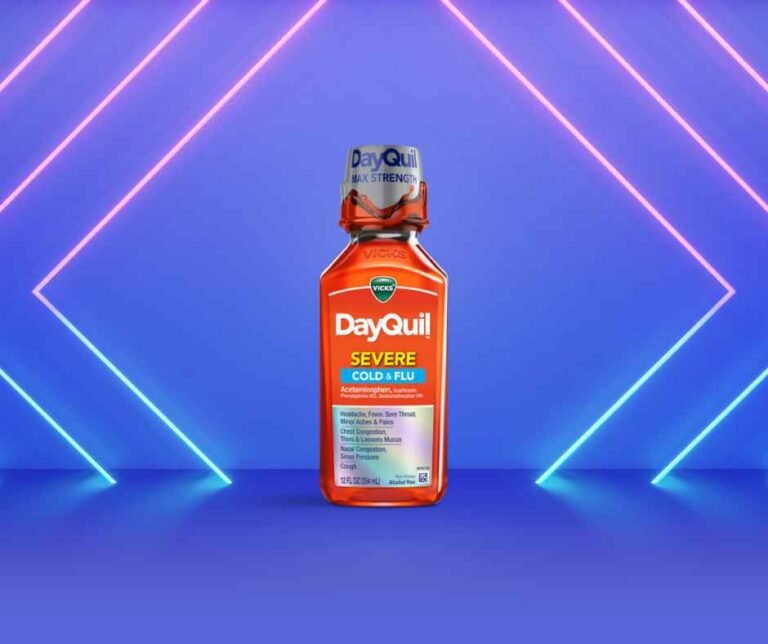
DayQuil is a household name for daytime cold relief. It promises to clear your symptoms without knocking you out. This popular medicine is explicitly marketed as a non-drowsy formula. Many users, however, report feeling surprisingly lethargic after taking it.
The question, “Does DayQuil Make You Sleepy?” remains a pervasive concern, sparking countless discussions on platforms like Reddit. People want to know the truth. They need to manage their cold symptoms while remaining alert enough for work or daily tasks.
This article will meticulously explore the science behind the medicine. We will investigate the common ingredients and potential individual sensitivities. We will examine why some people feel wide awake, while others succumb to unexpected drowsiness.
We will look at whether it makes you sleepy or awake. Ultimately, this comprehensive guide aims to settle the debate. We will provide a definitive answer on the effects of DayQuil on your alertness.
What Is DayQuil & How It Works
DayQuil is an over-the-counter (OTC) medication. It is specifically formulated to combat common cold and flu symptoms during the day.
The medicine does not cure the cold itself. Instead, it temporarily relieves bothersome symptoms. This relief helps you feel significantly better and function normally.
The effectiveness of DayQuil stems from a combination of active ingredients. Each ingredient serves a distinct therapeutic purpose. The standard DayQuil formulation typically includes three primary components:
Acetaminophen (Pain Reliever/Fever Reducer): This compound is a common analgesic and antipyretic. It blocks chemical messengers in the brain. These messengers signal pain and high temperature. Acetaminophen is generally not associated with sedation.
Dextromethorphan HBr (Cough Suppressant): Often abbreviated as DXM, this ingredient controls the cough reflex. It works by reducing activity in the part of the brain that triggers coughing. High doses of DXM can cause confusion or lethargy.
Phenylephrine HCl (Nasal Decongestant): This substance is a vasoconstrictor. It shrinks swollen blood vessels in the nasal passages. This action reduces congestion and pressure. Phenylephrine has stimulant-like properties. It is intended to counteract any potential drowsiness.
DayQuil is used to treat nasal congestion, cough, minor aches, headache, sore throat, and fever. The combination of these ingredients aims to provide robust symptom relief. The formula is designed to achieve this without the sedative effects. The goal is a formula that works well.
DayQuil Variations
Vicks offers different DayQuil product variations. These variations address specific symptom profiles.
DayQuil Cold & Flu: This is the standard, basic formula.
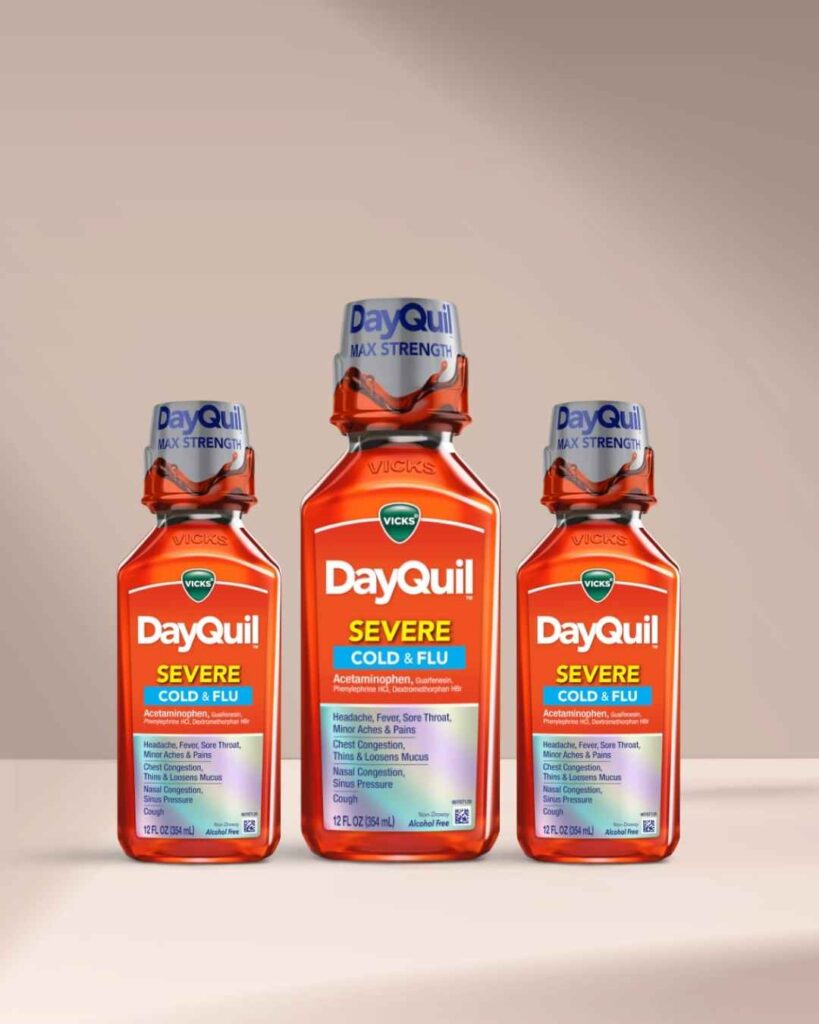
DayQuil Severe: This variation often contains a higher dose of one or more ingredients. It may also include Guaifenesin (expectorant). The stronger formulation carries an increased potential for side effects.
DayQuil Pills vs. Liquid: The active ingredients are generally the same. Liquid formulas may be absorbed faster. They often contain sugars or artificial sweeteners. This can contribute to a sugar crash and subsequent fatigue.
Does DayQuil Make You Sleepy? The Short Answer
DayQuil is definitely marketed as a non-drowsy cold medicine. The inclusion of Phenylephrine reinforces this label. This ingredient is known for its mild, stimulant-like qualities. Therefore, the official, intended answer is no, DayQuil should not make you sleepy.
However, the real-world experience for many people is different. A significant minority of users—estimates suggest between 15% and 30%—report some degree of drowsiness.
They mention feeling groggy or lethargic after a dose. Does taking DayQuil make you drowsy? For this group, the answer is a qualified yes.
It is important to understand this phenomenon. The feeling of sleepiness is not considered a normalside effect of the medication. It is a possible, though uncommon, side effect. This drowsiness is generally mild and temporary. It is usually not a cause for serious alarm.
Common Causes of Reported Drowsiness
Individual Sensitivity: Some people are naturally more sensitive to Dextromethorphan’s effects.
Dehydration: Cold symptoms cause fluid loss. Dehydration causes fatigue.
Underlying Illness: The fatigue from the cold or flu itself is often misattributed to the medication.
Drug Interactions: Taking DayQuil alongside other sedating substances can enhance sleepiness.
The feeling of tiredness after DayQuil is not the intended outcome. You should not plan to take DayQuil as a sleep aid. The possibility of drowsiness is a real concern for a noticeable portion of the population.
Why Does DayQuil Make Some People Sleepy?
When people ask, “Why does DayQuil make me sleepy?” they are seeking a scientific explanation. Several factors, both pharmacological and physiological, contribute to this side effect. Understanding these mechanisms is key to using the medication safely.
The Overlap of Illness and Medication Fatigue
The most common reason for feeling tired is the cold or flu infection itself. Fighting a viral infection requires immense energy from your body. The body releases cytokines. These signaling molecules often trigger a profound sense of fatigue.
This natural exhaustion is frequently mistaken for a medication side effect. Will DayQuil make you sleepy? It may be the cold.
The Role of Dextromethorphan (DXM)
DXM is primarily a cough suppressant. It is generally not considered a sedative. Nevertheless, DXM interacts with various receptors in the central nervous system. At therapeutic doses, it has a low potential for causing sleepiness.
Science-Based Explanation for Mild Sedation: DXM is a non-competitive antagonist of the N-methyl-D-aspartate (NMDA) receptor. It also acts as a sigma-1 receptor agonist. This complex interaction can, in certain individuals, produce mild effects.
These effects include lightheadedness, dizziness, or a feeling of being “heavy.” These sensations can easily be interpreted as drowsiness. This is an example of why can DayQuil make you sleepy.
Phenylephrine’s Paradoxical Effect
Phenylephrine is a mild stimulant. It is a key ingredient to keep DayQuil “non-drowsy.” For a small number of people, stimulant effects can lead to a subsequent “crash.” Others may experience a slight drop in blood pressure as the decongestant effect wears off.
This drop can temporarily cause lightheadedness or fatigue. This explains why does Vicks DayQuil make you sleepy for some people.
Dehydration and Metabolic Factors
Illness often leads to dehydration. This is due to a fever and a runny nose. Dehydration is a significant cause of fatigue and sluggishness. DayQuil is a diuretic for some people. This can contribute to fluid loss.
Also, individual metabolism plays a role. The body metabolizes DXM using the CYP2D6 enzyme. Some individuals are “poor metabolizers.” They process the drug slowly.
This results in higher and longer-lasting concentrations of DXM in the system. Consequently, they are more likely to experience side effects, including drowsiness.
Other Contributors to Drowsiness
Sugar Content: Liquid DayQuil formulas contain significant amounts of sugar. This leads to a temporary energy spike. A subsequent sharp sugar crash can result in sudden, severe tiredness.
Empty Stomach: Taking any strong medication on an empty stomach can increase the intensity of side effects. This includes feelings of weakness or sleepiness.
Drug-Drug Interactions: Combining DayQuil with other medications or alcohol is dangerous. It can intensify the sedating effects of both substances.
The feeling that does Vicks make you sleepy or why does Vicks cause drowsiness stems from one or a combination of these factors. The medicine’s ingredients, the severity of the illness, and personal body chemistry all intersect.
Why Does DayQuil Make Me Sleepier Than NyQuil?
This is one of the more puzzling experiences for users. NyQuil is famously known for its sleep-inducing properties. It is a dedicated nighttime formula.
For a small population, DayQuil seems to cause more pronounced drowsiness. This happens even though NyQuil is designed to promote sleep. Why does DayQuil make me sleepier than NyQuil?
The core of the difference lies in the active ingredients.
The Sedating Antihistamine: NyQuil contains an antihistamine, typically doxylamine succinate or diphenhydramine. These are potent sedatives. They cross the blood-brain barrier easily. They block histamine receptors.
This action is the primary reason NyQuil causes powerful, reliable drowsiness. DayQuil deliberately excludes this ingredient.
Paradoxical Reactions: Some individuals experience a rare, paradoxical reaction. This means the intended non-drowsy formulation of DayQuil causes the opposite effect.
This is similar to how some children become hyperactive on sedating cough medicines. Their unique biological pathways may intensify the subtle sedative qualities of Dextromethorphan.
The Burden of Illness: People generally take NyQuil when they are already ready for bed. The sleepiness is reinforced by the natural sleep cycle.
DayQuil is taken during the day. The user is actively fighting both the side effects of the drug and the full fatigue of the illness. The feeling of exhaustion can feel more jarring and intense during the day than at night.
The DXM Effect: The concentration of Dextromethorphan in DayQuil might be higher than in some NyQuil formulations. For an individual sensitive to DXM, this could translate to a more noticeable “heavy” or groggy feeling.
In essence, while NyQuil is chemically engineered to induce sleep, DayQuil’s unexpected drowsiness for some is a result of ingredient sensitivity and metabolic factors.
Does DayQuil Make You Awake Instead?
For every person asking if DayQuil causes sleepiness, another is wondering the opposite: does DayQuil keep you awake? This opposing experience is also very common. It is entirely consistent with the drug’s formulation.
The Stimulant-Like Decongestant
The key to DayQuil’s energizing effect is Phenylephrine. This decongestant stimulates adrenergic receptors. This action mimics the effects of mild stimulants. It causes blood vessels to constrict, reducing swelling.
Why DayQuil Can Feel Energizing: When your congestion and headache are gone, the body experiences significant relief. The mild stimulation from Phenylephrine combined with the relief from symptoms can create a noticeable boost in energy and alertness. Will DayQuil help me wake up? For many, the answer is yes, simply because it clears the physical obstacles to alertness.
On forums like Reddit, users often share experiences of feeling “wired” or “too keyed up” to rest. The feeling is not a genuine energy boost.
It is a feeling of heightened awareness or restlessness that makes sleep difficult. The medicine is effectively doing its job: treating symptoms without the sedating antihistamine.
DayQuil Reddit Experiences
Online forums like Reddit are rich with anecdotal evidence about DayQuil’s effects. The discussions often highlight the polarizing nature of the medicine. The collective experience proves there is no single, universal reaction.
Summarizing the Online Discourse
The Knock-Out: Many posts detail the unexpected drowsiness. Phrases like “DayQuil knocks me out” or “it makes me instantly groggy” are frequent. These users likely represent the subset with DXM sensitivity or paradoxical reactions. They may mistakenly think does DayQuil make you sleepy too.
The Wired Effect: On the other side, users are surprised by their inability to relax. They describe feeling “wired” or “jittery.” These reports support the stimulant-like effects of Phenylephrine. They are asking will DayQuil keep you awake Reddit.
The Grogginess: A middle ground exists where users report a feeling of general malaise. They feel neither energized nor deeply sleepy. Instead, they feel “grogginess” or “brain fog.” This is often the body fighting off the illness while processing the medication.
The Push-Through: A significant number of users affirm the medication’s intended purpose. They report that DayQuil “helps me push through my workday.” It provides sufficient symptom relief without impairing focus.
These opposing experiences confirm that DayQuil’s effect is highly individualized. What works as a non-drowsy aid for one person can be an accidental sedative for another.
DayQuil Formulas Compared: Which Ones Cause Sleepiness?
Not all DayQuil products are identical. The difference in ingredients and dosage can significantly alter the risk of side effects, including drowsiness. Understanding these distinctions is crucial for selecting the right product.
Includes an expectorant and often higher doses of active ingredients.
Moderate (Higher doses increase side effect risk)
DayQuil Cough
Dextromethorphan (Cough Suppressant)
Focuses heavily on cough relief; often excludes the decongestant/fever reducer.
Moderate to High (DXM is the only active ingredient; if sensitive, sleepiness is more likely)
DayQuil LiquiCaps (Pills)
Same as standard Cold & Flu
Pill form is generally absorbed more slowly than liquid.
Low (Less potential for a sugar crash compared to liquid)
Does DayQuil Severe make you sleepy? Because the “Severe” formula contains more active drug per dose, the potential for a side effect—like the DXM-induced grogginess—is statistically higher. People with high sensitivity should proceed with caution.
Does DayQuil Cold and Flu make you sleepy? This standard version has the lowest overall risk. It has a balanced combination of ingredients. Does DayQuil pills make you sleepy? Whether you take pills or liquid, the active ingredients are the same.
However, the liquid form can lead to a more rapid onset of both effects and side effects, including the sugar-crash fatigue. Pills are generally viewed as slightly less likely to cause sudden drowsiness.
Does DayQuil Help You Sleep or Put You to Sleep?
DayQuil’s primary purpose is daytime symptom relief. It is not, under any circumstances, a sleep aid.
The feeling of drowsiness experienced by some users is a side effect. It is not a reliable or consistent therapeutic effect. Does DayQuil make you sleep? No. It does not contain the potent sedatives found in sleep medicines.
Inconsistent Effect: You cannot rely on it to make you sleep. You may end up feeling weird instead.
Overdosing: Taking DayQuil to induce sleep may lead to taking higher-than-recommended doses. This can cause liver damage from excessive Acetaminophen or neurological side effects from too much DXM.
Restful Sleep: Even if DayQuil makes you drowsy, it may not facilitate restful or quality sleep. It does not replicate the natural process of falling asleep.
If your primary goal is to sleep and recover, you should switch to NyQuil or another dedicated nighttime formula. Will DayQuil help me sleep? It may allow you to sleep by relieving symptoms, but it won’t force you to sleep.
Can I Take DayQuil at Night?
The short answer is: You can take DayQuil at night, but you should not use it as a substitute for a nighttime medicine.
Pros & Cons of Nighttime DayQuil
Pros
Cons
Symptom Relief: It will still treat pain, fever, and cough.
Wakefulness: Phenylephrine can keep you awake.
Non-Sedating: If you need to be alert at night (e.g., caring for a child).
Dosing Risk: There is a risk of confusion with daytime/nighttime dosing.
No Antihistamine: Avoids the potential “hangover” effect of sedating antihistamines.
Unnecessary Struggle: You may struggle to fall asleep and get poor rest.
Can DayQuil make you sleepy at night? If you are one of the people who experience the grogginess side effect, it might. However, this is not a reliable outcome.
Key Nighttime Considerations
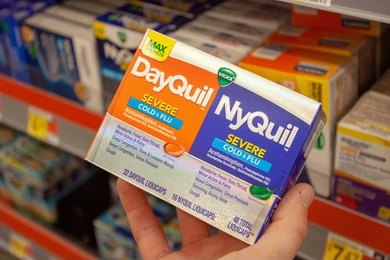
Do Not Combine with NyQuil: Never take DayQuil and NyQuil at the same time or too close together. They share common ingredients like Acetaminophen and DXM. This significantly increases the risk of overdose.
Nighttime Alternatives: If sleep is the priority, use NyQuil or a similar product containing a dedicated sedating antihistamine.
Timing: If you must take DayQuil at night, take it at least 4 hours before you plan to go to sleep. This gives the stimulating effects of Phenylephrine time to wear off.
How Long Does DayQuil Last?
Understanding the pharmacokinetics of DayQuil is essential for safe and effective use. This involves three key time frames: onset, duration, and clearance.
Onset of Action (How long does it take for DayQuil to work?)
Average: 20 to 30 minutes
Liquids: Generally, liquid formulations are absorbed more quickly by the stomach. They often take effect closer to the 20-minute mark.
Pills/Capsules: These take slightly longer for the capsule to dissolve. Onset may be closer to the 30-minute mark.
Symptom relief is usually felt within half an hour.
Duration of Action (How many hours does DayQuil last?)
Average: 4 to 6 hours
The recommended dosing interval for DayQuil is every 4 hours. This is because the effectiveness of the pain reliever and decongestant begins to wane after this period.
You should not take more than the recommended dosage within 24 hours.
System Clearance (How long does DayQuil stay in your system?)
Total Clearance: 24 to 48 hours
The half-life of DayQuil’s primary ingredients varies. Acetaminophen has a relatively short half-life. Dextromethorphan’s half-life can be longer.
Most active ingredients will be metabolized and excreted by the kidneys and liver within 24 hours. Full clearance, meaning the trace elements are entirely gone, can take up to 48 hours. This is an important consideration for drug testing or interaction risk.
How Long Do DayQuil Side Effects Last?
Fortunately, the side effects of DayQuil are usually mild and temporary. They are directly tied to the concentration of the drug in your bloodstream.
Drowsiness/Irritability: If experienced, these usually last for the duration of the drug’s action, 4 to 6 hours. They will typically resolve as the medication is metabolized. If you feel drowsy, avoid driving or operating heavy machinery.
Dry Mouth: This is a common side effect of many cold medications. It can persist for a few hours. Staying hydrated helps alleviate this.
Upset Stomach/Nausea: This is also dose-dependent. It can last a few hours after the dose. Taking the medication with food can reduce this.
When to Seek Medical Help
Most side effects are manageable. However, you should stop taking DayQuil and consult a healthcare professional immediately if you experience:
Severe dizziness or confusion
Rapid or pounding heartbeat
Hives, rash, or signs of an allergic reaction
Persistent nausea or vomiting
Inability to urinate
Does DayQuil Interact With Other Medications?
DayQuil’s ingredients can interact with a wide range of prescription and over-the-counter medications. These interactions can increase the risk of side effects, including profound sleepiness.
Increased Risk of Sleepiness
Combining DayQuil with any of the following can dangerously increase sedation:
Alcohol: Alcohol is a central nervous system depressant. Combining it with DayQuil amplifies the sedating effects of both. It also severely stresses the liver. Never mix DayQuil and alcohol.
Antihistamines (e.g., Diphenhydramine, Benadryl): Even non-drowsy antihistamines can contribute to sedation when combined with DXM. Sedating antihistamines will almost certainly cause strong drowsiness.
Sleep Aids: OTC and prescription sleep medications (e.g., Z-drugs, melatonin) will have their sedating effects magnified.
Other Serious Interactions
Antidepressants (SSRIs, MAOIs): DayQuil’s Dextromethorphan (DXM) has a low risk of causing Serotonin Syndrome when combined with MAOIs (Monoamine Oxidase Inhibitors) or certain SSRIs (Selective Serotonin Reuptake Inhibitors).
This is a serious, potentially fatal condition. Avoid DayQuil if you are on an MAOI. Consult your doctor about SSRIs.
Anxiety Medications (Benzodiazepines): The risk of profound CNS depression and severe drowsiness is high.
Always consult your pharmacist or doctor before taking DayQuil if you are on any other medications.
Does Vicks VapoRub Make You Sleepy?
Vicks VapoRub is an entirely different product. It is a topical mentholated cream. It is applied externally to the chest, throat, and back.
Active Ingredients: Menthol, Camphor, and Eucalyptus oil. These are aromatic compounds, not systemic drugs.
Mechanism: When inhaled, the vapors of menthol and eucalyptus create a cooling sensation. They interact with receptors in the nasal passages. This sensation gives the feeling of opening up the airways.
Drowsiness: Vicks VapoRub does not contain any ingredients that cause medical drowsiness. Why does Vicks make you sleepy? It doesn’t.
Improved Sleep:Does Vicks help you sleep? It can help you sleep because it opens your airways. This allows for easier, less-congested breathing. Better breathing leads to improved sleep quality, not drug-induced sleepiness.
Does DayQuil Make You Feel Better?
Yes, DayQuil is highly effective at making you feel better. This is its primary and intended purpose.
Symptom Relief: It successfully treats the core symptoms that make you miserable: fever, aches, pain, cough, and nasal congestion.
Quality of Life: By temporarily eliminating these symptoms, DayQuil dramatically improves your quality of life. It allows you to focus, work, and complete daily tasks.
Not a Cure: It is critical to remember that DayQuil is not a cure. It does not kill the virus. It only provides symptomatic relief. The illness is still present. This temporary relief is enough to help you feel better and carry on.
Who Should Avoid DayQuil?
DayQuil is safe for most healthy adults. However, certain medical conditions and demographics require caution or complete avoidance.
High-Risk Groups
Children: DayQuil is not recommended for children under the age of 4. Always use children-specific formulas and follow pediatric dosing guidelines.
Pregnancy/Breastfeeding: Consult a doctor. Acetaminophen is generally considered safe. However, the decongestant (Phenylephrine) is often avoided, especially in the first trimester.
Heart Disease/Hypertension (High Blood Pressure): Phenylephrine is a vasoconstrictor. This raises blood pressure. It can be dangerous for people with high blood pressure or other heart conditions.
Thyroid Conditions (Hyperthyroidism): People with an overactive thyroid can be sensitive to stimulants. Phenylephrine may worsen symptoms like palpitations or anxiety.
Those on Antidepressants (MAOIs): As discussed, the risk of Serotonin Syndrome is too high. DayQuil must be avoided.
Glaucoma: The decongestant can exacerbate certain types of glaucoma.
Diabetes: The sugar content in the liquid formula is a concern for blood sugar control.
Always disclose your full medical history to a healthcare provider or pharmacist before taking DayQuil.
Safe DayQuil Tips
Using DayQuil correctly minimizes the risk of side effects, including unexpected drowsiness.
Stay Hydrated:Drink plenty of water. This combats the dehydration that contributes to fatigue.
Avoid Stimulants and Depressants: Do not mix DayQuil with alcohol, excessive coffee, energy drinks, or other sedating medicines.
Don’t Double Dose: Follow the 4-hour interval strictly. Never exceed the maximum dose in a 24-hour period. Never mix DayQuil with NyQuil at the same time.
Take with Food: If you experience an upset stomach or lightheadedness, take your dose with a light meal.
Know Your Reaction: The first time you take DayQuil, do not drive or operate heavy machinery until you know how your body reacts.
Alternatives to DayQuil
If DayQuil makes you too sleepy or too wired, or if you have a medical condition that prohibits its use, alternatives are available.
NyQuil (Nighttime): The best option for recovery and sleep. It contains a sedating antihistamine.
Single-Ingredient Relief: Take Acetaminophen for pain/fever and a dedicated cough medicine (without DXM) or a different decongestant (like pseudoephedrine) for targeted relief.
Natural Remedies:
Hot Steam/Humidifier: Excellent for congestion.
Honey/Herbal Tea: Soothes a sore throat and cough.
Saline Nasal Spray: Effectively clears nasal passages without systemic drug effects.
Single-Agent Decongestant (e.g., Sudafed): This provides strong decongestant action without the cough suppressant. Use caution due to stimulant effects.
DayQuil Sleep Aid Reviews
As established, DayQuil is not a sleep aid. Searching for DayQuil sleep aid reviews online will yield results from people who mistakenly or deliberately used it for this purpose.
User Misuse: Many reviews will be negative. They will describe a restless night or poor-quality sleep.
The Paradoxical User: A small number of reviews will praise it. These users are the rare population that experiences the strong sedative side effect.
The Recommendation: The vast majority of healthcare professionals and reliable sources will advise against this use. Do not use DayQuil as a sleep medicine. It does not contain the correct ingredients. It puts you at risk of accidental overdose from the other active components, particularly Acetaminophen.
Final Verdict
DayQuil is explicitly formulated and marketed as a non-drowsy daytime cold and flu medication. Its core ingredients are intended to relieve symptoms while maintaining alertness.
Does DayQuil Make You Sleepy?
The Intended Answer: No, it should not.
The Real-World Reality: Yes, for a noticeable minority of people, drowsiness can and does occur. This is usually due to:
The overwhelming fatigue of the cold or flu.
An individual’s unique metabolic sensitivity to Dextromethorphan (DXM).
A sugar crash from the liquid formula.
If you feel mild, temporary drowsiness, it is usually just a side effect of the drug or your illness. If you experience severe, debilitating, or prolonged sleepiness, or if you feel sleepier than on NyQuil, this indicates a strong personal sensitivity. In this case, you should switch to a single-ingredient medication.
Use DayQuil to manage daytime symptoms. Switch to NyQuil for nighttime rest and recovery. Always consult your doctor or pharmacist if you have concerns about drowsiness or potential drug interactions.
References
1. Dextromethorphan (DXM) and Sedation/Interactions
Pineapple is a popular fruit enjoyed worldwide for its sweet and tangy flavor. Yet, many wonder, is pineapple a citrus fruit? While its taste shares similarities with citrus fruits, pineapple belongs to a different botanical family. This confusion arises from its tropical origin and high vitamin C content. In this article, we’ll clarify what makes a fruit “citrus,” explain pineapple’s unique classification, and explore its health benefits.
What is a Citrus Fruit?
Citrus fruits are a specific group of fruits from the botanical family Rutaceae. They are known for their juicy flesh, tangy flavor, and high vitamin C content.
Common Examples of Citrus Fruits
Some of the most recognizable citrus fruits include:
Oranges: Known for their sweet and refreshing flavor.
Lemons: Popular for their tartness and culinary versatility.
Limes: Small, green fruits with a sharp tang.
Grapefruits: Larger citrus fruits with a bittersweet taste.
Citrus fruits typically grow on flowering trees or shrubs in subtropical climates. They have a characteristic thick, leathery rind and segmented interior. Pineapple, despite its flavor, does not belong to this group.
What Kind of Fruit is Pineapple?
Pineapple is a tropical fruit from the botanical family Bromeliaceae. Unlike citrus fruits, it is not part of the Rutaceae family.
Origin of Pineapple
Pineapple originated in South America, specifically in regions like Brazil and Paraguay. Indigenous peoples cultivated it for its sweetness and nutritional value. Today, it is grown in tropical climates worldwide.
Unique Botanical Characteristics
Pineapple is a multiple fruit, meaning it forms from the fusion of multiple flowers on a single stem. This gives it its spiky appearance and dense, fibrous core. Unlike citrus fruits that grow on trees, pineapples grow on low-lying plants, known as bromeliads.
Citrus vs. Tropical Fruits
The key difference lies in their botanical families and growth habits:
Citrus fruits grow on trees or shrubs and have segmented interiors.
Tropical fruits like pineapple grow on herbaceous plants and have a solid flesh structure.
Despite these differences, their flavors share some similarities, which often causes confusion.
Pineapple vs. Citrus: A Side-by-Side Comparison
Let’s break down how pineapple and citrus fruits compare in taste, nutrients, and cultivation.
Taste Profile
Both pineapples and citrus fruits are loved for their sweet and tangy flavors. However:
Pineapple: Its sweetness is more pronounced, with a tropical undertone.
Citrus Fruits: These often have a stronger acidic taste, especially lemons and limes.
The overlapping flavor profiles can make them seem related, but their differences become clear upon closer examination.
Nutritional Content
Both fruit types are rich in nutrients, but they have distinct compositions:
Nutrient
Pineapple
Citrus Fruits
Vitamin C
High levels (78.9 mg per cup)
Very high (varies by fruit)
Calories
Moderate (82 kcal per cup)
Lower in most citrus
Fiber
2.3 g per cup
Varies, but often lower
Enzymes
Contains bromelain
No significant enzymes
While both are great sources of vitamin C, pineapple offers additional digestive benefits due to bromelain, an enzyme unique to the fruit.
Growth and Cultivation
Pineapples grow on bromeliads in tropical climates. Each plant produces a single fruit at a time.
Citrus fruits grow on trees in subtropical regions, often yielding multiple fruits per tree.
These differences in growth further emphasize their unique classifications.
Like citrus fruits, pineapple is an excellent source of vitamin C, which supports:
Immune system function.
Collagen production for healthy skin and tissues.
Antioxidant activity to combat free radicals.
Anti-inflammatory Properties
Pineapple contains bromelain, an enzyme with powerful anti-inflammatory effects. Bromelain is often used to reduce swelling, ease pain, and promote healing after injuries or surgeries.
Digestive Support
Bromelain also aids protein digestion, making it beneficial for those with digestive issues. Including pineapple in your diet can support a healthy gut.
Immunity Boost
Pineapple’s antioxidants, including vitamin C and flavonoids, help strengthen the immune system. Regular consumption may reduce the risk of infections and illnesses.
Why is Pineapple Often Confused with Citrus Fruits?
The misconception about pineapple being a citrus fruit largely stems from its flavor and culinary use. However, understanding the key differences can help dispel these myths.
Shared Tropical Flavor Profile
Both pineapples and citrus fruits share a sweet, tangy flavor that adds brightness to dishes. This flavor profile is why they’re often paired together in recipes. Drinks, desserts, and even savory dishes use these fruits to enhance taste, leading to their perceived similarity.
Culinary Pairings
Pineapple is frequently paired with citrus fruits like oranges or limes in smoothies, marinades, and cocktails. This combination enhances the zesty, tropical notes, reinforcing the idea that pineapple might belong to the citrus family. However, the pairing is more about complementing flavors than shared biology.
Acidity and Citric Acid Content
One key reason for the confusion is acidity. Citrus fruits are rich in citric acid, which gives them their tartness and acts as a natural preservative. Pineapple, while tangy, contains malic acid as its primary acid, not citric acid. This difference explains why pineapple’s tartness feels different and why it doesn’t technically belong to the citrus group.
Pineapple is a low-calorie fruit, making it ideal for healthy eating:
Calories: 82 per cup (165 grams)
Carbohydrates: 21.6 grams
Protein: 0.9 grams
Fat: 0.2 grams
Fiber Content
Pineapple provides about 2.3 grams of dietary fiber per cup, aiding digestion and supporting gut health. Fiber helps regulate blood sugar and promotes a feeling of fullness, which can assist in weight management.
Vitamins and Minerals
Pineapple is packed with essential nutrients:
Vitamin C: Boosts immunity, supports skin health, and acts as a powerful antioxidant.
Manganese: Strengthens bones and supports metabolic processes.
Vitamin B6: Helps in brain development and red blood cell production.
Potassium: Regulates blood pressure and fluid balance.
Health Benefits
Weight Loss: Low in calories and high in water content, pineapple makes a satisfying, guilt-free snack.
Digestive Health: Bromelain, a natural enzyme in pineapple, aids in breaking down proteins and improving digestion.
Bone Health: Manganese plays a vital role in strengthening bones and preventing osteoporosis.
Incorporating pineapple into a balanced diet can enhance overall health and well-being.
Culinary Uses of Pineapple
Pineapple’s versatility in the kitchen is unmatched. Its sweet and tangy flavor makes it a favorite in both sweet and savory dishes.
Popular Sweet Recipes
Pineapple Upside-Down Cake: A classic dessert showcasing caramelized pineapple rings.
Smoothies: Blended with bananas, yogurt, and citrus fruits for a refreshing drink.
Fruit Salads: Adds a tropical twist to mixed fruit medleys.
Savory Applications
Grilled Pineapple: Perfect as a side dish or topping for burgers and tacos.
Hawaiian Pizza: Combines pineapple with ham or bacon for a unique flavor.
Stir-Fry: Adds sweetness to chicken or shrimp dishes, balancing savory flavors.
Pairings with Citrus Fruits
Pineapple pairs exceptionally well with citrus fruits like oranges, limes, and grapefruits. This combination is common in:
Cocktails: Margaritas, piña coladas, and tropical punches.
Marinades: Lime and pineapple juice tenderize meats while enhancing flavor.
Desserts: Citrus zests are often added to pineapple-based treats for an extra zing.
These pairings amplify pineapple’s tropical profile while showcasing its compatibility with citrus.
The confusion arises from pineapple’s tangy flavor, similar to citrus fruits like oranges or lemons. However, pineapple contains malic acid, not citric acid, and belongs to the Bromeliaceae family, not Rutaceae.
What makes pineapple different from citrus fruits?
Pineapple grows on low-lying plants called bromeliads, while citrus fruits grow on trees. Pineapple also contains bromelain, a unique enzyme, and malic acid instead of citric acid.
Can pineapple replace citrus fruits in recipes?
Yes, pineapple can replace citrus fruits in many recipes due to its tangy flavor. However, its sweetness and texture differ, which may slightly alter the dish.
Does pineapple have more vitamin C than citrus fruits?
Pineapple is rich in vitamin C, but citrus fruits like oranges and lemons typically have higher levels. Both are excellent sources of this essential nutrient.
Is pineapple good for weight loss?
Yes, pineapple is low in calories and high in water and fiber, making it a satisfying, weight-loss-friendly snack. Its natural enzymes also aid digestion.
Conclusion
Although pineapple and citrus fruits share some similarities, they belong to entirely different botanical families. Pineapple is a tropical fruit from the Bromeliaceae family, while citrus fruits come from the Rutaceae family. Their growth habits, nutritional profiles, and health benefits highlight their unique identities.
Pineapple stands out for its rich vitamin C content, bromelain’s anti-inflammatory properties, and digestive support. While it’s not a citrus fruit, its versatility and health benefits make it a valuable addition to any diet. Next time someone asks, is pineapple a citrus fruit?, you’ll have all the facts to clear up the confusion.
Have you ever experienced chest pain and wondered, can gas cause chest pain? Surprisingly, the answer is yes. Gas-related chest pain occurs when excess gas builds up in the stomach or intestines, leading to discomfort that can feel surprisingly similar to more serious conditions.
This article explores the causes of gas-related chest pain, common symptoms, and critical signs that require medical attention. Read on to understand how to identify and manage this uncomfortable condition effectively.
Can Gas Cause Chest Pain?
Yes, gas can cause chest pain. This occurs when excess gas builds up in the stomach or intestines, creating pressure that can mimic the discomfort of heart-related pain. Common causes include consuming gas-producing foods like beans, cabbage, or carbonated drinks, eating too quickly, or having underlying conditions like GERD or irritable bowel syndrome (IBS).
Gas-related chest pain often feels sharp and localized, sometimes accompanied by bloating or burping. However, since chest pain can also signal serious conditions like heart problems, it’s essential to consult a healthcare provider if symptoms are persistent or severe.
What Causes Gas-Related Chest Pain?
Gas-related chest pain arises from a variety of triggers. Understanding these factors can help you identify and address the root cause.
1. Gas-Producing Foods
Certain foods are notorious for causing excess gas. These include:
Beans: Packed with complex carbohydrates that are hard to digest.
Carbonated Drinks: The bubbles in soda and sparkling water release gas into your digestive system.
Cabbage and Broccoli: These vegetables contain sulfur, which can increase gas production.
2. Digestive Disorders
Some medical conditions can make you more prone to gas-related chest pain, such as:
Gastroesophageal Reflux Disease (GERD): Stomach acid flows back into the esophagus, leading to gas and chest tightness.
Irritable Bowel Syndrome (IBS): This disorder disrupts normal digestion, often causing bloating and gas.
3. Overeating and Poor Eating Habits
Eating too much or too quickly can trap air in your stomach. This can lead to bloating, burping, and chest discomfort.
4. Stress and Anxiety
Did you know stress affects digestion? Anxiety can slow or speed up digestion, causing gas buildup and discomfort.
5. Lactose Intolerance and Food Sensitivities
If you’re lactose intolerant or have sensitivities to certain foods, you may struggle to digest them properly. This can lead to gas, bloating, and sometimes sharp chest sensations.
Symptoms of Gas-Induced Chest Pain
Gas-related chest pain can mimic other serious conditions, making it vital to recognize its unique signs.
Common Symptoms
Bloating: A feeling of fullness or tightness in the stomach.
Burping: Frequent belching as your body releases trapped gas.
Sharp or Cramping Sensations: Discomfort that can feel like a stabbing pain in the chest.
Diagnosing gas-related chest pain involves a step-by-step approach to rule out serious conditions and pinpoint the cause. Here’s how doctors typically evaluate this condition.
1. Patient History and Physical Examination
Your doctor will start by asking about:
Symptoms: Onset, duration, and triggers of chest pain.
Dietary Habits: Foods and drinks you consume frequently.
Lifestyle Factors: Stress levels and activity patterns.
During a physical exam, they may check for abdominal bloating, tenderness, or other signs of digestive discomfort.
2. Imaging Studies
Imaging tests help exclude other causes of chest pain, such as heart or lung issues. Common tests include:
X-rays: Can identify air trapped in the digestive tract.
CT Scans: Provide a more detailed view of abdominal and chest structures.
3. Tests for Specific Conditions
Additional testing may include:
GERD Testing: Acid reflux can be diagnosed through endoscopy or pH monitoring.
Lactose Intolerance Tests: These detect your body’s inability to process lactose.
Blood or Stool Tests: May identify infections or inflammation in the digestive tract.
By combining these diagnostic methods, doctors can confirm whether gas is the culprit or if further investigation is needed.
Addressing gas-induced chest pain involves a combination of home remedies, over-the-counter medications, and, if necessary, medical or herbal treatments.
1. Home Remedies for Immediate Relief
Home remedies are often the first line of treatment for managing gas-related chest pain. They are easy to implement and provide relief for most individuals.
a) Adjust Your Diet
Avoid foods that produce excessive gas, such as beans, cabbage, broccoli, carbonated drinks, and fried or fatty foods.
Incorporate digestion-friendly options like yogurt, bananas, and herbal teas.
b) Eat Smaller, Frequent Meals
Overeating can exacerbate gas buildup. Opt for smaller meals throughout the day to reduce pressure on your digestive system.
Chew food thoroughly to minimize air swallowing.
c) Stay Active
Light exercises, like walking after meals, help move gas through the digestive tract.
Yoga poses, such as the “Child’s Pose” or “Wind-Relieving Pose,” can relieve gas-related discomfort.
d) Stay Hydrated
Drinking warm water can soothe the digestive tract and encourage the release of trapped gas.
Avoid sugary or carbonated beverages that can worsen gas.
e) Apply Warm Compresses
Place a warm compress or heating pad on the abdomen to relax muscles and ease the movement of gas.
f) Burp and Pass Gas
Allowing your body to release gas naturally can provide immediate relief. Avoid holding it in to prevent further discomfort.
2. Over-the-Counter Medications
OTC solutions can provide quick and effective relief from gas-related chest pain.
a) Simethicone
A common anti-gas medication that breaks down gas bubbles, making it easier to release.
Available in tablet, capsule, or liquid form.
b) Antacids
Help neutralize stomach acid and relieve heartburn often associated with gas-related chest pain.
Examples include Tums, Maalox, or Rolaids.
c) Activated Charcoal
Can absorb gas in the digestive system, reducing bloating and discomfort.
d) Digestive Enzymes
Enzymes like lactase or alpha-galactosidase assist in breaking down hard-to-digest foods, particularly for those with lactose intolerance or sensitivities.
3. Medical Treatments
If home remedies and OTC options don’t work, or if the gas-related chest pain is recurring, it may be linked to an underlying condition that requires medical attention.
a) GERD Treatment
Prescription medications like proton pump inhibitors (PPIs) or H2 blockers reduce stomach acid production.
Lifestyle modifications, such as elevating the head while sleeping, are often recommended.
b) Irritable Bowel Syndrome (IBS) Management
Antispasmodics or fiber supplements may be prescribed to regulate bowel movements and reduce gas.
c) Testing for Food Intolerances
If certain foods trigger gas and bloating, a dietitian or doctor may suggest an elimination diet or tests for intolerances like lactose or gluten.
d) Probiotics
Probiotic supplements can improve gut health and prevent excessive gas formation by balancing digestive flora.
4. Herbal Treatments
For those preferring natural remedies, herbs offer a safe and effective way to manage gas-related chest pain.
a) Peppermint Oil
Known for its soothing properties, peppermint oil can relax the digestive muscles and reduce gas.
Use enteric-coated capsules to avoid heartburn.
b) Ginger
Ginger aids digestion and alleviates bloating.
Sip ginger tea or chew fresh ginger slices for relief.
c) Fennel Seeds
Chewing fennel seeds or drinking fennel tea can help release trapped gas and reduce bloating.
d) Chamomile Tea
Chamomile reduces inflammation in the digestive system and relaxes muscles, helping with gas-related pain.
e) Turmeric
Turmeric contains curcumin, an anti-inflammatory compound that improves digestion and reduces gas.
Add turmeric to meals or consume it in tea form.
FAQs
How can I differentiate gas pain from a heart attack?
Gas pain often improves after burping or passing gas, while heart attack pain may radiate to other areas and is usually accompanied by sweating, nausea, or shortness of breath.
Which foods are most likely to cause gas-related chest pain?
Foods like beans, carbonated drinks, broccoli, cabbage, and dairy products in lactose-intolerant individuals are common triggers of gas-related discomfort.
Can gas pain last for hours?
Yes, gas pain can persist for hours, especially if the trapped gas isn’t released. However, long-lasting or severe pain should be evaluated by a doctor.
Is gas-related chest pain dangerous?
Gas-related chest pain is usually harmless. However, if symptoms are severe or resemble heart-related issues, consult a doctor immediately.
What is the best way to relieve gas-related chest pain?
Dietary changes, drinking water, gentle physical activity, and over-the-counter remedies like simethicone can provide quick relief.
Conclusion
Gas-related chest pain, while uncomfortable, is usually manageable with simple lifestyle and dietary adjustments. Early recognition of symptoms is crucial to avoid unnecessary worry and ensure proper treatment. However, persistent or severe chest pain warrants medical evaluation to rule out serious conditions. Adopting a balanced diet, managing stress, and staying active can go a long way in preventing this condition.
Prime drinks have become a sensation among teens and young adults. But a common question arises: does Prime have caffeine? The answer depends on the product.
Prime Hydration is caffeine-free, while Prime Energy packs a hefty dose of caffeine. Understanding the differences is essential for making informed choices.
This article dives into the details of Prime drinks, their caffeine content, and the health implications of consuming caffeinated beverages like Prime Energy. Let’s get started.
What Is Prime?
Prime is a brand of functional beverages created by influencers Logan Paul and KSI. It entered the market in 2022 and quickly gained popularity. The brand focuses on drinks designed to hydrate or energize, appealing to health-conscious consumers and those seeking a boost.
Origin and Background of the Brand
Prime was founded to challenge established drink brands like Gatorade and Red Bull. Its launch was backed by a massive online campaign, leveraging the influence of its celebrity founders. This branding helped Prime gain a significant foothold in the competitive beverage market.
Overview of Prime Product Lines (Hydration vs. Energy)
Prime offers two distinct product lines:
Prime Hydration: A sports drink containing electrolytes, coconut water, and B vitamins. It is caffeine-free and designed for hydration and recovery.
Prime Energy: An energy drink with 200 mg of caffeine per 12-ounce serving, targeting those seeking a quick energy boost.
Each product line serves a different purpose, catering to a broad audience.
Why Prime Drinks Are Popular?
Prime’s success owes much to aggressive marketing by its founders, Logan Paul and KSI. Their massive social media following has driven awareness and sales. Viral campaigns, challenges, and collaborations further solidify the brand’s appeal.
Prime’s Appeal Among Teens and Young Adults
Teens and young adults are drawn to Prime due to its colorful packaging, relatable branding, and association with celebrities. The drinks are marketed as trendy, making them a status symbol in schools and among peer groups.
Prime Energy vs. Prime Hydration
Prime Energy contains 200 mg of caffeine per 12-ounce can. This is a high caffeine dose, equivalent to about two cups of coffee. It’s formulated to enhance focus, alertness, and physical performance.
Prime Hydration drinks, on the other hand, contain zero caffeine. They’re designed to replenish electrolytes and hydrate the body, making them a safe option for children and those avoiding stimulants.
How Prime Energy’s Caffeine compare to Other Beverages?
Here is given a comparison between the caffeine content of different energy drinks.
Prime Energy vs. Coffee
A typical 8-ounce cup of coffee has about 95 mg of caffeine. Prime Energy, with 200 mg per 12 ounces, has more than double the caffeine content of a single coffee serving. This makes it much stronger for those seeking a quick jolt.
Prime Energy vs. Red Bull and Monster
Red Bull contains 80 mg of caffeine per 8.4-ounce can, while Monster Energy has 160 mg per 16-ounce can. Prime Energy surpasses both, packing a higher caffeine punch in a smaller serving.
Prime Energy vs. Tea and Soda
Tea and soda are mild caffeine sources. Black tea has 40-70 mg of caffeine per cup, while a can of cola averages 35 mg. Prime Energy is significantly stronger, placing it firmly in the high-caffeine category.
Health Implications of Caffeine in Prime Energy
Caffeine present in Prime Energy offers the following benefits.
Boosting Energy and Focus
Caffeine is well-known for increasing alertness and combating fatigue. Prime Energy provides a quick energy boost, making it a favorite for workouts, long drives, or demanding tasks.
Caffeine as a Natural Stimulant
Caffeine is a natural stimulant that enhances the release of neurotransmitters like dopamine. This can improve mood, reaction time, and physical performance.
Consuming high doses of caffeine, like the 200 mg in Prime Energy, can raise heart rate and blood pressure. This may pose risks for individuals with cardiovascular conditions or those consuming other sources of caffeine.
Anxiety, Insomnia, and Jitters
Excessive caffeine can overstimulate the nervous system, leading to anxiety, restlessness, or insomnia. Jitters are a common side effect, especially for those unaccustomed to high caffeine intake.
Safety Concerns for Kids, Pregnant Women, and Caffeine-Sensitive Individuals
Prime Energy is not recommended for children, pregnant women, or individuals sensitive to caffeine. The high caffeine content could cause adverse reactions, including disrupted sleep and heightened anxiety.
Other Ingredients in Prime Energy Drinks
These ingredients include:
Sweeteners Used in Prime
Prime Energy drinks use artificial sweeteners like sucralose and acesulfame potassium to create a sweet taste without adding sugar. These sweeteners are calorie-free, making them suitable for those monitoring their caloric intake. Sucralose is commonly found in many diet beverages, while acesulfame potassium adds extra sweetness and stability.
Prime Energy drinks include electrolytes like sodium, potassium, and magnesium. These minerals help maintain fluid balance, regulate nerve function, and support muscle performance.
Electrolytes are especially beneficial for athletes or individuals who sweat excessively during workouts.
Other Additives Like Citric Acid and Ester Gum
Prime Energy drinks also contain citric acid, which enhances flavor and preserves freshness. Ester gum is used to stabilize the drink, ensuring the ingredients mix well. While these additives are safe for consumption, excessive intake of processed additives might not suit everyone.
Caffeine -Free Alternatives to Prime Energy
Prime Hydration Drinks
Prime Hydration drinks are a great alternative for those seeking a caffeine-free option. These beverages offer electrolytes, coconut water, and vitamins to support hydration without stimulants. They’re ideal for children and caffeine-sensitive individuals.
Natural hydration options include coconut water, infused water, and herbal teas. These provide hydration without any caffeine or artificial additives, making them a wholesome choice for all age groups.
DIY Energy Drinks
Creating your own energy drinks at home allows you to control the ingredients and caffeine content. Here’s a simple recipe:
Does Prime Energy Contain More Caffeine Than Coffee?
Yes, Prime Energy contains 200 mg of caffeine per 12-ounce can, which is more than a standard 8-ounce cup of coffee that typically has 95 mg of caffeine.
Is Prime Safe for Teens and Kids?
Prime Hydration is safe for teens and kids as it is caffeine-free. However, Prime Energy is not recommended for these groups due to its high caffeine content, which may cause adverse effects.
How Does the Caffeine in Prime Compare to Other Energy Drinks?
Prime Energy has 200 mg of caffeine, which is higher than Red Bull (80 mg) and comparable to Monster Energy (160 mg per 16 oz). It stands out for its high caffeine concentration in a smaller serving size.
Can You Mix Prime Drinks with Other Caffeinated Beverages?
It’s best to avoid mixing Prime Energy with other caffeinated beverages to prevent excessive caffeine intake. High doses of caffeine can lead to anxiety, rapid heart rate, and insomnia.
What Are the Long-Term Effects of Drinking Prime Energy?
Consuming Prime Energy regularly may lead to dependence on caffeine, increased tolerance, and potential health risks such as high blood pressure or sleep disturbances. Moderation is key to avoiding these issues.
Conclusion
Prime Hydration and Prime Energy cater to different needs. Prime Hydration focuses on replenishing electrolytes without caffeine, making it suitable for all age groups.
On the other hand, Prime Energy, with 200 mg of caffeine, is designed for an energy boost but should be consumed cautiously.
Hot chocolate is a beloved comfort drink, often associated with cozy winter nights. But have you ever wondered, does hot chocolate have caffeine? While commonly considered caffeine-free, hot chocolate does contain a small amount of caffeine due to its cocoa content.
The caffeine levels are much lower than coffee or tea, but understanding its composition and effects can help you make informed choices. In this article, we’ll explore the basics of caffeine, the ingredients in hot chocolate, and how its caffeine content compares to other beverages. Let’s dive in.
What Is Caffeine?
Caffeine is a natural stimulant found in over 60 plant species, including coffee beans, tea leaves, and cocoa beans. It belongs to a class of compounds called methylxanthines and acts on the central nervous system. People consume caffeine to boost energy and improve alertness.
In moderate amounts, caffeine can enhance mental focus, but excessive intake may lead to negative side effects. Understanding its sources and how it affects the body is key to managing your consumption.
Common Sources of Caffeine
Caffeine is widely consumed worldwide, often in beverages like coffee, tea, and energy drinks. It’s also present in chocolate and some medications, such as pain relievers and weight-loss pills. Here are the main sources:
Coffee: The most common source, with about 95 mg of caffeine per cup.
Tea: Contains between 20-70 mg of caffeine per cup, depending on the type.
Cocoa Products: Includes hot chocolate, milk chocolate, and dark chocolate.
Energy Drinks: Often pack 50-300 mg of caffeine per serving.
Cocoa products like hot chocolate have a lower caffeine content compared to coffee and tea, making them a milder choice.
How Caffeine Works in the Body?
Caffeine works by blocking adenosine, a chemical in the brain that promotes sleepiness. This blockage increases the release of neurotransmitters like dopamine and norepinephrine, which elevate mood and energy levels. That’s why a cup of coffee or hot chocolate can help you feel more awake.
In moderate amounts, caffeine is generally safe and can improve concentration, memory, and even physical performance. However, excessive intake may cause:
Insomnia
Increased heart rate
Anxiety
Digestive issues
For individuals sensitive to it, even its small amounts can have noticeable effects.
The Composition of Hot Chocolate
Here is mentioned the composition of hot chocolate in detail.
Ingredients in Hot Chocolate
Hot chocolate typically consists of cocoa powder, milk, sugar, and sometimes cream. Store-bought mixes may include additional additives for flavor and texture.
Cocoa Powder or Chocolate Content
Cocoa powder, the primary ingredient in hot chocolate, is derived from cocoa beans, which naturally contain caffeine. Dark chocolate contains more caffeine than milk chocolate due to its higher cocoa content.
Additives in Store-Bought Mixes
Commercial hot chocolate mixes often include ingredients like:
Sugar
Stabilizers
Artificial flavors
These additives do not affect the caffeine content but can alter the overall nutritional profile.
How Much Caffeine Is in Cocoa Beans?
Cocoa beans naturally contain about 0.1-0.7% caffeine by weight. A single tablespoon of cocoa powder may contain approximately 12 mg of caffeine. The caffeine levels vary depending on the type of cocoa and its processing.
Variations Between Milk and Dark Chocolate
Dark chocolate, with its higher cocoa concentration, contains more caffeine than milk chocolate. A 1-ounce serving of dark chocolate can have up to 20 mg of caffeine, while the same amount of milk chocolate has only about 5 mg.
How Much Caffeine Is in Hot Chocolate?
Let’s compare the caffeine content with different drinks.
Hot Chocolate vs. Coffee
Hot chocolate is a mild choice for those seeking a comforting drink with less caffeine. Here’s a comparison:
Hot Chocolate: About 5-15 mg of caffeine per cup.
Coffee: Approximately 95 mg of caffeine per cup.
Clearly, hot chocolate is far gentler on the caffeine scale than coffee.
Hot Chocolate vs. Tea
Tea generally has more caffeine, with black tea containing 40-70 mg per cup and green tea 20-45 mg. Herbal teas, however, are caffeine-free, making them a comparable alternative to hot chocolate.
Hot Chocolate vs. Energy Drinks
Energy drinks are designed to provide a caffeine boost, with 50-300 mg per serving. Hot chocolate, with its minimal caffeine, is a much less stimulating choice.
Factors Affecting Caffeine Content in Hot Chocolate
There are some factors that affect the caffeine content as discussed.
Homemade Recipes
The caffeine content in homemade hot chocolate depends on the type and amount of cocoa used. Recipes with dark chocolate or extra cocoa powder will have higher caffeine levels.
Instant Mixes and Branded Options
Pre-packaged chocolate mixes usually contain less caffeine than homemade versions. Brands often use lower cocoa percentages, reducing the caffeine content. Always check the label for detailed information.
Caffeine-Free Alternatives to Hot Chocolate
Here are options for the people looking for caffeine-free alternatives.
Decaffeinated Hot Chocolate Options
If you’re sensitive to caffeine or want a bedtime treat without the stimulant, decaffeinated options are perfect. These beverages are made using low-caffeine or cocoa-free ingredients, providing the same comforting experience without any unwanted effects.
Popular Brands Offering Caffeine-Free Choices
Several brands cater to caffeine-free preferences. Look for labels advertising “caffeine-free” or “carob-based” hot chocolate. Notable options include:
Swiss Miss Caffeine-Free Mix: A popular choice for families.
Land O’Lakes Cocoa Classics: Offers a variety of flavors, some without caffeine.
Carob-Based Mixes: These use carob instead of cocoa for a chocolate-like flavor with no caffeine.
Recipes for Homemade Caffeine-Free Hot Chocolate
Making your own caffeine-free hot chocolate lets you control ingredients for a healthier, stimulant-free option.
Substitutes for Cocoa Powder
For caffeine-free versions, swap cocoa powder with carob powder. Carob mimics the chocolate flavor and is naturally caffeine-free. Here’s a quick recipe:
Ingredients:
2 tablespoons carob powder
2 cups milk (or a dairy-free alternative)
1 tablespoon sugar or honey
A pinch of cinnamon (optional)
Instructions:
Warm the milk in a saucepan.
Mix the carob powder and sugar in a bowl.
Gradually whisk the dry mix into the milk.
Add cinnamon, stir, and serve warm.
This recipe offers a rich, satisfying alternative without the caffeine.
Hot chocolate isn’t just delicious—it can have some surprising health benefits.
Antioxidants in Cocoa
Cocoa is rich in flavonoids, a type of antioxidant that helps reduce inflammation and improves heart health. Drinking hot chocolate can boost your immune system and protect cells from damage caused by free radicals.
Mood-Boosting Properties
Hot chocolate can elevate your mood due to its phenylethylamine (PEA) content. This compound triggers the release of endorphins, the body’s natural “feel-good” chemicals. The warmth and sweetness also add to its comforting effect.
Potential Downsides
While hot chocolate has its perks, it’s not without drawbacks.
High Sugar Content
Most commercial hot chocolate mixes contain significant amounts of sugar, which can lead to weight gain, insulin resistance, and other health concerns if consumed excessively. Opt for unsweetened or low-sugar options to reduce these risks.
Allergens or Sensitivities in Mixes
Store-bought mixes often include milk, soy, or other additives that can trigger allergies or sensitivities. Always read ingredient labels carefully, especially if you have dietary restrictions or food allergies.
FAQs
Does Hot Chocolate Keep You Awake?
Hot chocolate is unlikely to keep you awake as it contains only trace amounts of caffeine. However, the sugar content might provide a temporary energy boost before settling into a more relaxed state.
Is Hot Chocolate Safe for Children or Pregnant Women?
Yes, hot chocolate is generally safe for children and pregnant women. Choose low-sugar, caffeine-free options to avoid excess sugar and stimulant effects, which may not be ideal for sensitive individuals.
What’s the Difference Between Hot Cocoa and Hot Chocolate?
Hot cocoa is made with cocoa powder, while hot chocolate uses melted chocolate, giving it a richer texture. Both contain caffeine, but hot chocolate usually has more due to the chocolate’s higher cocoa content.
Can You Make Hot Chocolate with Caffeine Boosters?
Yes, you can add caffeine boosters like espresso shots or matcha to hot chocolate for a customized drink. This blend combines the creaminess of hot chocolate with the energizing effects of caffeine.
How Does the Temperature of Hot Chocolate Affect Caffeine Levels?
The temperature of hot chocolate does not affect its caffeine levels. However, hotter beverages might make the caffeine absorption feel quicker due to increased blood flow during consumption.
Conclusion
Hot chocolate offers a comforting, lower-caffeine alternative to coffee and tea, with versatility in recipes to suit any preference. Whether you enjoy the subtle energy boost from cocoa or prefer caffeine-free options, this classic drink is adaptable to your needs. By exploring its benefits, downsides, and alternatives, you can make the most of your hot chocolate experience.
If you’re a fan of Starbucks Refreshers, you might be wondering: do these fruity, vibrant beverages contain caffeine? The short answer is yes—Starbucks Refreshers do have caffeine, but in a lighter dose compared to traditional coffee drinks. These refreshing beverages owe their energy-boosting properties to green coffee extract, which provides a subtle caffeine kick without the boldness of coffee.
In this article, we’ll explore the caffeine content of Starbucks Refreshers, how they compare to other drinks on the Starbucks menu, and whether there are options for those looking to avoid caffeine altogether. Whether you’re seeking a pick-me-up or just curious about what’s in your favorite Refresher, keep reading to learn everything you need to know!
What Are Starbucks Refreshers?
Starbucks Refreshers are fruit-based iced beverages made with green coffee extract. Unlike traditional coffee, green coffee extract provides caffeine without the strong, roasted flavor. This gives Refreshers their light, fruity taste while still offering a mild pick-me-up.
What Is in Starbucks Refreshers?
Refreshers typically include:
Green Coffee Extract: Provides natural caffeine.
Fruit Juices: These form the base of the drink, giving it a vibrant flavor.
Freeze-Dried Fruit Pieces: These add texture and enhance the fruity theme.
Water or Lemonade (Optional): Customize the drink’s sweetness and tartness.
The appeal lies in their balance—refreshing, slightly sweet, and less intense than coffee. They’re a great choice for hot days or when you want something lighter than a latte.
Do Starbucks Refreshers Have Caffeine?
Yes, Starbucks Refreshers do have caffeine. The caffeine comes from green coffee extract, a natural source derived from unroasted coffee beans. However, the amount of caffeine in these drinks is lower than traditional coffee, making them a lighter option for those seeking a gentle energy boost. These fruit-based iced drinks are popular for their refreshing flavors and mild caffeine levels.
Caffeine Content in Starbucks Refreshers
Starbucks Refreshers have moderate caffeine levels, which vary depending on the drink size and flavor. Let’s break it down.
For comparison, a standard cup of brewed coffee contains around 235 mg of caffeine in a Grande size. This means Refreshers offer significantly less caffeine, making them ideal for those seeking a milder boost.
Yes, but they fall into the “low caffeine” category. Their gentle energy boost makes them perfect for people sensitive to caffeine or those who want a mid-afternoon refreshment without the jitters.
Starbucks Drinks With Low Caffeine
If you’re seeking alternatives with low caffeine, consider iced teas, decaf lattes, or steamed milk beverages. Refreshers strike a good balance by being flavorful and lightly caffeinated.
Are There Any Caffeine-Free Starbucks Refreshers?
All Starbucks Refreshers contain caffeine because they are made with green coffee extract, a natural source of caffeine. This extract is an essential ingredient, giving the drinks their mild energy boost. Unfortunately, Starbucks does not offer caffeine-free Refreshers.
Caffeine-Free Starbucks Options
If you’re looking for caffeine-free alternatives, consider these options:
Iced Passion Tango Tea: A herbal tea blend with zero caffeine.
Steamed Milk or Lemonade: Perfect for a cozy or refreshing option.
Caffeine-Free Frappuccinos: Try crème-based options like Vanilla Bean or Strawberries & Crème.
These choices let you enjoy delicious beverages without caffeine while exploring Starbucks’ diverse menu.
Benefits of Choosing Starbucks Refreshers
Starbucks Refreshers are a favorite for many reasons. Here are some key benefits:
Low-Caffeine Option
Refreshers are a lighter choice compared to regular coffee. With just 45 mg of caffeine in a Grande size, they provide a gentle energy boost without overwhelming effects.
Light and Hydrating
Made with fruit juices, water, and green coffee extract, Refreshers are hydrating and easy to sip on hot days. They feel lighter on the stomach than milk-based drinks.
Fruity and Customizable Flavors
Refreshers come in vibrant flavors like Mango Dragonfruit, Strawberry Açaí, and Pineapple Passionfruit. They cater to various taste preferences and offer a refreshing alternative to traditional coffee-based drinks.
Tips for Customizing Your Starbucks Refresher
Starbucks Refreshers are highly customizable. Here’s how you can tweak them to suit your preferences:
Reduce Caffeine Content
You can ask your barista to use half the amount of green coffee extract to lower the caffeine content. This is a good option if you’re sensitive to caffeine but still want the refreshing taste.
Add Lemonade
Swap water for lemonade to give your Refresher a tangy and slightly sweeter profile. This option pairs well with Strawberry Açaí and Mango Dragonfruit flavors.
Try Coconut Milk
Adding coconut milk makes your Refresher creamier and enhances the tropical vibe. It’s an excellent choice for Pineapple Passionfruit Refreshers.
Adjust Sweetness
Ask for fewer pumps of liquid cane sugar if you prefer a less sweet drink. You can also request sugar-free syrups to modify the taste.
FAQs
Do all Starbucks Refreshers have caffeine?
Yes, all Starbucks Refreshers contain caffeine due to the green coffee extract in their base. This ingredient provides a mild energy boost while maintaining the drink’s fruity flavor.
What is the lowest-caffeine drink at Starbucks?
Herbal teas like Iced Passion Tango Tea are caffeine-free. For drinks with minimal caffeine, try decaf coffee or low-caffeine options like hot chocolate or steamed milk.
Can I reduce the caffeine in a Starbucks Refresher?
Yes, you can request your barista to use half the amount of green coffee extract. This adjustment lowers the caffeine content without affecting the drink’s core flavors.
What’s the most popular Starbucks Refresher flavor?
Strawberry Açaí Refresher is the most popular choice. Its sweet and tangy flavor, combined with freeze-dried strawberry pieces, makes it a refreshing favorite for many customers.
Conclusion
Starbucks Refreshers do have caffeine, thanks to the green coffee extract in their formula. With about 45 mg of caffeine in a Grande size, Refreshers are much less caffeinated than brewed coffee or lattes, making them an excellent choice for those wanting a mild energy boost. Their fruity flavors, refreshing texture, and customizable options make them a versatile and enjoyable drink.
Whether you’re cutting back on caffeine or just looking for a flavorful alternative to traditional coffee, Starbucks Refreshers offer the perfect middle ground. Explore their variety and find the one that suits your taste and caffeine needs!
DayQuil is a popular over-the-counter medication designed to ease cold and flu symptoms like fever, cough, and nasal congestion. Its non-drowsy formula makes it a convenient choice for daytime relief, allowing users to stay productive. However, some people wonder: Does DayQuil keep you awake?
This question arises due to the potential stimulating effects of certain ingredients. Understanding how DayQuil works and how it may impact your sleep can help you make informed decisions about its use.
Does DayQuil Keep You Awake?
DayQuil is a popular over-the-counter medication used to relieve symptoms of colds and flu, such as nasal congestion, cough, and mild aches or fever. It does not contain any sedating ingredients, which means it is designed to be non-drowsy and safe to take during the day. However, whether or not it keeps you awake depends on individual sensitivity to its components.
What Ingredients Are in DayQuil?
DayQuil contains three main active ingredients, each serving a specific purpose. Let’s break them down:
Acetaminophen
Acetaminophen is a pain reliever and fever reducer. It helps alleviate headaches, muscle aches, and fever associated with colds or the flu. This ingredient is generally considered neutral in terms of its impact on sleep. It doesn’t stimulate or sedate, making it safe for daytime use.
Dextromethorphan
Dextromethorphan is a cough suppressant. It reduces the urge to cough by acting on the brain’s cough center. While effective, it’s important to note that dextromethorphan can sometimes cause mild dizziness or drowsiness in sensitive individuals. However, this effect is rare and not strong enough to significantly disrupt daytime activities.
Phenylephrine
Phenylephrine is a decongestant that shrinks swollen blood vessels in the nasal passages. This action helps reduce nasal congestion, allowing you to breathe more easily. Phenylephrine’s stimulating effects are often the reason people question whether DayQuil might keep them awake. In some individuals, this ingredient may cause restlessness or a slight increase in energy.
Can DayQuil Affect Your Sleep Patterns?
DayQuil’s ingredients are designed for daytime use, but individual reactions can vary.
The Role of Phenylephrine
Phenylephrine, as a decongestant, can sometimes stimulate the nervous system. This stimulation may lead to restlessness or difficulty falling asleep in sensitive people. It’s worth noting, though, that these effects are not universal. Many people use DayQuil without experiencing any sleep disturbances.
Individual Sensitivity
How your body processes medications plays a significant role. Factors such as metabolism, age, and overall health can influence how DayQuil affects you. If you’re prone to sensitivity to stimulants, you might notice a mild alertness or difficulty winding down if you take DayQuil later in the day.
Timing Matters
Taking DayQuil in the evening or close to bedtime increases the chances of experiencing restlessness. For this reason, it’s generally recommended to use DayQuil during the day and switch to nighttime-specific medications like NyQuil for evening relief.
Does DayQuil Contain Stimulants Like Caffeine?
A common misconception is that DayQuil contains caffeine or other strong stimulants.
No Caffeine in DayQuil
DayQuil does not contain caffeine or traditional stimulants like those found in coffee or energy drinks. Its formula is designed to treat cold and flu symptoms without causing jitteriness for most users.
Clearing Misconceptions
The stimulating effects some people report are usually linked to phenylephrine. While it may mimic the alertness associated with caffeine in certain individuals, its action is much milder. The misconception likely stems from the “non-drowsy” label, which some interpret as meaning “stimulating.”
Can You Take DayQuil at Night?
Taking DayQuil at night can be a mixed bag. Here are the pros and cons:
Pros of Nighttime Use
Symptom Relief: If DayQuil is the only cold medicine available, it will still help alleviate symptoms like fever, cough, and congestion.
Non-Drowsy Formula: The non-drowsy formula ensures that you won’t feel overly sedated if you need to stay up late for work or caregiving duties.
Cons of Nighttime Use
Restlessness: Phenylephrine might interfere with your ability to fall asleep.
Better Alternatives Available: NyQuil, a sister product of DayQuil, contains antihistamines that promote drowsiness. It is specifically designed for nighttime symptom relief and restful sleep.
The Bottom Line
If your symptoms persist into the evening, consider using a medication better suited for nighttime. DayQuil works best when taken as intended—for daytime use. For uninterrupted sleep, opt for NyQuil or similar products.
How to Minimize Sleep Disruption While Taking DayQuil?
If you’re concerned about DayQuil affecting your sleep, there are several ways to minimize disruptions.
Time Your Doses Earlier in the Day
The simplest way to avoid potential sleep issues is to take DayQuil in the morning or early afternoon. Its effects typically last 4 to 6 hours. Avoid taking it within 4 hours of your bedtime to give your body enough time to process the active ingredients.
Manage Sensitive Reactions to Phenylephrine
Phenylephrine’s stimulating effects vary between individuals. If you notice restlessness, consider reducing other stimulants, such as caffeine, during the day. Some people might experience fewer side effects with alternative decongestants, so consult a healthcare provider to explore other options.
Space Out Doses
DayQuil should be taken every 4 to 6 hours, but not more than the recommended daily limit. Spacing out doses can help prevent an overlap of symptoms and potential restlessness in the evening.
Comparing DayQuil to Other Cold Medications
DayQuil stands out in the cold medication aisle, but how does it compare to alternatives?
DayQuil vs. NyQuil: Key Differences
DayQuil: A non-drowsy formula for daytime use. Contains phenylephrine, acetaminophen, and dextromethorphan.
NyQuil: Specifically designed for nighttime relief. It includes doxylamine, an antihistamine that promotes drowsiness, along with acetaminophen and dextromethorphan.
The biggest difference lies in their effects on alertness. DayQuil keeps you functioning during the day, while NyQuil helps you rest at night.
Other Over-the-Counter Medications
Sudafed (Pseudoephedrine): A powerful decongestant that may cause even stronger stimulating effects than phenylephrine.
Tylenol Cold & Flu: Offers similar symptom relief but may include variations in active ingredients.
Each product is tailored for specific needs, so understanding the formulations can help you make the best choice for daytime or nighttime use.
Getting quality sleep while sick is vital for recovery. Here are some strategies to improve your rest:
Use a Humidifier
Dry air can worsen congestion, making it harder to breathe and sleep. A humidifier adds moisture to the air, soothing irritated nasal passages and reducing coughing.
Elevate Your Head
Sleeping with your head elevated can help reduce nasal congestion. Use an extra pillow or adjust your bed slightly to keep your airways open.
Maintain Good Sleep Hygiene
Stick to a consistent sleep schedule.
Keep your bedroom dark, quiet, and cool.
Avoid screen time before bed, as the blue light can interfere with melatonin production.
Stay Hydrated
Drinking plenty of fluids keeps mucus thin and easier to clear, which can improve breathing and help you sleep better.
Natural Sleep Aids Compatible with DayQuil
For those who prefer natural remedies, several options can enhance sleep without conflicting with DayQuil.
Melatonin
Melatonin is a hormone that helps regulate the sleep-wake cycle. It’s safe to use with DayQuil and can help counteract any mild restlessness caused by phenylephrine.
Yes, you can take DayQuil at night as it lacks strong stimulants. However, the phenylephrine may cause restlessness in sensitive individuals. Consider alternatives like NyQuil for better nighttime relief.
Does DayQuil have caffeine?
No, DayQuil does not contain caffeine. Its ingredients, such as acetaminophen and phenylephrine, are designed to alleviate cold symptoms without causing significant stimulation.
Why does DayQuil sometimes make me restless?
Phenylephrine, a decongestant in DayQuil, can cause restlessness in some individuals. Sensitivity varies, so adjust dosage timing if this occurs.
Can I combine DayQuil with natural sleep aids?
Yes, DayQuil can generally be used alongside natural sleep aids like melatonin or chamomile tea. Always consult a doctor if unsure about interactions.
Conclusion
DayQuil is a trusted medication for daytime cold and flu relief. While its non-drowsy formula is ideal for staying productive, phenylephrine can cause mild restlessness in some individuals. Timing your doses earlier in the day and managing personal sensitivities can help reduce any potential sleep disturbances.
For nighttime relief, NyQuil or other sleep-friendly medications are better alternatives. Pairing DayQuil with good sleep hygiene and natural aids like melatonin or herbal teas can further enhance your rest. By tailoring your approach to your individual needs, you can get through cold and flu season with minimal disruption.
DayQuil is a popular over-the-counter medication used to relieve symptoms of colds and flu. It helps manage issues like cough, fever, and congestion. While DayQuil provides quick relief, it’s crucial to follow the dosage guidelines for safe and effective use. Taking it improperly can lead to unwanted side effects or even severe health risks. So, let’s dive into understanding how often you can take DayQuil and its proper usage.
How Often Can You Take DayQuil?
DayQuil is designed for short-term relief from cold and flu symptoms. For adults and children aged 12 years and older, the recommended dosage is every 4 to 6 hours as needed. However, you should not exceed 4 doses within a 24-hour period. This guideline ensures safe use and minimizes the risk of side effects, especially those associated with acetaminophen.
For children aged 6 to 12 years, it’s essential to follow specific pediatric dosing guidelines listed on the package or prescribed by a healthcare professional. For children under 6, it is generally not recommended unless directed by a doctor.
Avoid doubling doses even if symptoms persist, as this could lead to adverse effects or overdose. If your symptoms don’t improve after a few days of using DayQuil, consult your healthcare provider for further advice.
What Does DayQuil Do?
It is designed to tackle multiple cold and flu symptoms at once. It contains a combination of active ingredients that work together to provide relief. Here’s what you need to know about what DayQuil does.
Key Ingredients and Their Effects
Acetaminophen: This ingredient reduces fever and alleviates minor aches and pains. It’s commonly used for its effectiveness and safety when taken in appropriate doses.
Dextromethorphan: It’s a cough suppressant that reduces the urge to cough, providing relief from constant irritation.
Phenylephrine: This nasal decongestant shrinks blood vessels in the nasal passages, relieving congestion and sinus pressure.
How Does It Work?
The ingredients work synergistically to combat flu symptoms like headaches, sore throat, and congestion.
It doesn’t make you drowsy, which makes it suitable for daytime use.
By addressing these symptoms, it helps you carry on with your day, even while battling a cold or flu.
It typically provides relief for about 4 to 6 hours. Its active ingredients work steadily during this period to suppress symptoms like congestion, cough, and fever.
Timing for Taking the Next Dose
You can take your next dose once 4 to 6 hours have passed from the last dose. However, ensure you don’t take more than 4 doses in a 24-hour period. Maintaining this interval is crucial to avoid overconsumption of acetaminophen or other active components.
For long-lasting relief, consider complementing it with adequate hydration, rest, and other doctor-recommended remedies.
Side Effects of DayQuil
Like any medication, it can cause side effects. While most are mild, some can be more serious and require immediate medical attention.
Common Side Effects
Drowsiness: Although DayQuil is non-drowsy, some people may experience slight fatigue.
Nausea or Upset Stomach: This can occur, especially if taken on an empty stomach.
Headache: Mild headaches may develop in some individuals.
Serious Side Effects
Allergic Reactions: Symptoms include hives, swelling, or difficulty breathing. Seek emergency care immediately.
Liver Damage: Excessive acetaminophen use can harm the liver, presenting symptoms like jaundice or severe fatigue.
Cardiovascular Issues: Rarely, phenylephrine may cause an increased heart rate or high blood pressure.
If you experience serious side effects, stop taking it and consult a healthcare professional right away.
Precautions When Taking DayQuil
To use it safely and effectively, it’s essential to follow specific precautions.
Warnings About Alcohol and Other Medications
Avoid Alcohol: Consuming alcohol while taking DayQuil can increase the risk of liver damage due to acetaminophen.
Medication Interactions: Don’t combine this medication with other medications containing acetaminophen or decongestants, as this may lead to overdosing.
When to Consult a Doctor
If you have pre-existing conditions like liver disease, heart problems, or high blood pressure, seek medical advice before using DayQuil.
Pregnant or breastfeeding individuals should also consult their doctor to confirm it’s safe to use.
These precautions ensure you get relief without compromising your health.
FAQs
How often can you take DayQuil in a day?
Adults can take DayQuil every 4–6 hours as needed, but not more than 4 doses in 24 hours. Follow the package instructions carefully.
How long does it take DayQuil to work?
DayQuil typically starts working within 30 minutes to an hour. Its effects may vary depending on individual factors like metabolism and severity of symptoms.
Can children take DayQuil?
DayQuil is not recommended for children under 12 years unless specified by a doctor. Always check the product label for specific age-related guidelines.
What are common side effects of DayQuil?
Common side effects include dizziness, nausea, and dry mouth. If you experience severe reactions like rash or difficulty breathing, seek medical help immediately.
Conclusion
DayQuil is a trusted option for managing cold and flu symptoms, offering relief from fever, congestion, and cough. However, knowing how often can you take DayQuil is key to its safe and effective use. Stick to the recommended dosage, be aware of potential side effects, and follow all precautions. If your symptoms persist or worsen, always consult a healthcare provider. By using DayQuil responsibly, you can get back to feeling better faster
Heartburn and acid reflux are common digestive issues that affect millions of people worldwide. These conditions often arise due to excessive stomach acid moving into the esophagus, causing a burning sensation in the chest. Many people believe that drinking milk can alleviate heartburn symptoms. But does milk actually help heartburn? This article will delve into whether milk truly helps with heartburn and acid reflux, analyzing medical evidence and offering practical advice for managing these conditions.
Does Milk Help Heartburn?
Milk has long been considered a natural remedy for heartburn. Its soothing texture and neutral taste make it seem like an ideal choice for relief. But does it truly work?
Why Is Milk Thought to Help Heartburn?
Milk contains calcium and protein, which can temporarily neutralize stomach acid. Many people feel immediate relief after consuming milk because it coats the esophagus and stomach lining. This creates a protective barrier against acidic contents. The belief that milk helps heartburn likely stems from these soothing properties.
What Does Research Say About Milk For Heartburn?
Scientific studies reveal mixed results. Milk can initially neutralize stomach acid, providing short-term comfort. However, its effects may not last long. Whole milk, in particular, is high in fat, which can relax the lower esophageal sphincter (LES). A relaxed LES allows stomach acid to flow back into the esophagus, worsening heartburn in the long run.
Low-fat or skim milk may offer better results for some individuals. However, this depends on the person’s overall health, diet, and the severity of their heartburn symptoms.
Does Milk Help Acid Reflux?
Acid reflux occurs when stomach acid flows backward into the esophagus. Like heartburn, milk is often suggested as a remedy. Let’s explore how milk interacts with acid reflux symptoms.
Temporary Relief from Acid Reflux
Milk’s alkaline nature can help neutralize stomach acid temporarily. Drinking milk may reduce the burning sensation associated with acid reflux. The protein content in milk might also enhance its buffering effect, further soothing the stomach lining.
Potential Drawbacks
Despite its temporary benefits, milk is not a long-term solution for acid reflux. The fat content in milk, especially whole milk, can slow down digestion. This may increase the chances of acid reflux episodes. Additionally, drinking too much milk can stimulate acid production in some individuals, potentially aggravating symptoms.
For people with lactose intolerance, milk may exacerbate digestive discomfort, leading to bloating or gas.
Does Cold or Warm Milk Help Acid Reflux?
The temperature of milk can influence its effects on acid reflux. Is there a difference between drinking it cold or warm?
Effects of Cold Milk
Cold milk is often preferred for its immediate soothing effect. It can reduce the burning sensation in the esophagus by cooling inflamed tissues. However, cold milk may cause the stomach muscles to contract, potentially leading to discomfort for some individuals.
Effects of Warm Milk
Warm milk can be more relaxing and easier to digest. It may help the body produce more digestive enzymes, improving stomach function. However, warm milk’s heat might relax the LES, increasing the likelihood of acid reflux.
The choice between cold and warm milk depends on personal preference and how an individual’s body reacts to temperature changes.
How Does Milk Help Acid Reflux?
Milk’s soothing effects are primarily due to its composition. Here’s how it interacts with the digestive system:
Coating the Stomach Lining
Milk coats the stomach lining, which may reduce irritation caused by stomach acid. This barrier effect can temporarily alleviate symptoms, especially during mild reflux episodes.
Neutralizing Stomach Acid
Calcium in milk neutralizes stomach acid, creating a more alkaline environment. This can be beneficial for brief periods but does not address the underlying causes of acid reflux.
Triggering Digestive Hormones
Protein in milk can stimulate the release of digestive hormones like gastrin. While this might aid digestion, it could also lead to increased stomach acid production if consumed in excess.
How To Drink Milk for Acid Reflux
If you choose to use milk as a remedy for acid reflux, moderation is key. Here’s how to incorporate it effectively:
Drinking milk alongside meals can help buffer stomach acid without overwhelming your digestive system. Avoid drinking large amounts on an empty stomach, as this might stimulate acid production.
Limit Portions
Stick to small portions of milk rather than drinking it in excess. Overconsumption can backfire, leading to discomfort and increased acid reflux symptoms.
Does Milk Help Acid Reflux at Night?
Nighttime acid reflux is a common concern, and many wonder whether milk can provide relief before bedtime.
Benefits of Milk at Night
Drinking a small amount of milk before bed might soothe the esophagus and reduce burning sensations. This can help some individuals sleep better by alleviating discomfort.
Potential Downsides
For others, consuming milk at night could worsen reflux symptoms. Lying down soon after drinking milk might increase the risk of acid moving back into the esophagus. To reduce this risk, avoid lying down immediately after consuming milk.
Does Milk Help Heartburn During Pregnancy?
Pregnant individuals often experience heartburn due to hormonal changes and the growing baby pressing against the stomach. Milk is commonly suggested as a remedy, but how effective and safe is it during pregnancy?
Benefits of Milk for Pregnancy-Related Heartburn
Milk can provide temporary relief for heartburn during pregnancy. Its soothing properties may help neutralize stomach acid and reduce the burning sensation in the esophagus. Low-fat or skim milk is often recommended as it is easier to digest and less likely to trigger additional symptoms.
Concerns with Milk Consumption During Pregnancy
While milk is generally safe for pregnant individuals, excessive consumption might lead to bloating or discomfort, particularly for those with lactose intolerance. Drinking large quantities of milk might also stimulate stomach acid production in some cases.
Recommendations for Pregnant Individuals
Pregnant individuals should consume milk in moderation and pair it with meals to avoid triggering reflux. Opting for lactose-free or plant-based alternatives, such as almond milk, can also be beneficial. It’s important to consult a healthcare provider before relying on milk or any remedy for heartburn during pregnancy.
Natural Remedies for Heartburn
Milk is one of many natural remedies for heartburn, but exploring other options can expand your toolkit for relief. Here are some tried-and-tested methods:
Ginger
Ginger is a well-known digestive aid that can soothe the stomach and reduce inflammation. It’s effective in relieving nausea and mild heartburn. Drinking ginger tea or adding fresh ginger to meals can be beneficial.
Apple Cider Vinegar
Although acidic, apple cider vinegar may help balance stomach acidity in some cases. Dilute one to two teaspoons of apple cider vinegar in a glass of water and sip it slowly for relief. Always use it sparingly to avoid irritation.
Herbal Teas
Herbal teas, such as chamomile and licorice root, can calm the digestive tract and alleviate heartburn. Avoid peppermint tea, as it might relax the LES and worsen symptoms for some individuals.
Lifestyle Modifications
In addition to natural remedies, making small lifestyle changes can greatly improve heartburn symptoms:
Eat smaller, more frequent meals to avoid overloading your stomach.
Avoid common triggers like spicy foods, caffeine, and alcohol.
Don’t lie down immediately after eating; wait at least two to three hours before going to bed.
What Foods Neutralize Stomach Acid Immediately?
Certain foods can act as natural antacids, helping to neutralize stomach acid and provide instant relief. Here are some examples:
Milk
Milk can soothe the esophagus and temporarily neutralize acid, but its effects are short-lived and depend on the type of milk consumed.
Bananas
Bananas are naturally alkaline and gentle on the stomach. They help coat the stomach lining and reduce acid production.
Oatmeal
Oatmeal is a low-acid, high-fiber food that can absorb stomach acid and reduce irritation. It’s an excellent choice for a reflux-friendly breakfast.
Ginger
Ginger’s anti-inflammatory properties help reduce acid reflux and soothe the stomach lining. It’s versatile and can be used in teas, soups, or as a cooking ingredient.
Yogurt
Plain, low-fat yogurt contains probiotics that promote gut health and may reduce heartburn symptoms. Avoid flavored or high-fat varieties, as they can worsen reflux.
These foods, along with milk, provide options for immediate symptom relief. However, they should complement a balanced diet and not replace professional medical advice.
FAQs
Are plant-based milks effective for heartburn relief?
Yes, almond milk and other low-fat plant-based options can soothe acid reflux without the drawbacks of dairy milk.
Can milk cause heartburn instead of relieving it?
Yes, whole milk or drinking milk in excess can relax the LES, leading to increased acid reflux in some cases.
Are there better alternatives to milk for heartburn relief?
Ginger tea, aloe vera juice, and oatmeal are effective natural remedies for managing heartburn and acid reflux.
What foods should I avoid if I have acid reflux?
Avoid spicy, fatty, and acidic foods like tomatoes, citrus, and fried items to minimize reflux symptoms.
Does lactose-free milk help with acid reflux?
Lactose-free milk can be a better option for those with lactose intolerance, reducing digestive discomfort while still offering soothing effects.
Conclusion
So, does milk help heartburn? The answer isn’t straightforward. Milk can provide temporary relief by neutralizing stomach acid and soothing irritation. However, its long-term effectiveness depends on factors like fat content, timing of consumption, and individual tolerance. While milk might work for some, others may find it worsens symptoms.
Instead of relying solely on milk, consider integrating other natural remedies and lifestyle changes for more comprehensive heartburn management. For chronic symptoms, consult a healthcare provider to explore tailored treatment options. Remember, understanding your triggers and making mindful dietary choices are key to preventing heartburn and acid reflux.