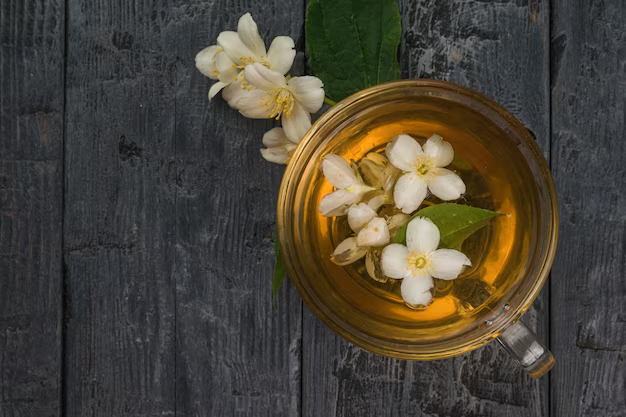
Chamomile tea is a popular herbal infusion loved for its soothing properties. Many people ask, does chamomile tea have caffeine? The answer is crucial for those trying to avoid caffeine. In the United States, chamomile tea has become a go-to drink for relaxation and overall well-being.
Caffeine is a natural stimulant found in coffee, tea, and certain soft drinks. It helps boost alertness and energy but can also lead to jitteriness or sleep issues in sensitive individuals. Common sources include coffee beans, tea leaves, and cocoa.
Is Chamomile Tea Naturally Caffeine-Free?
Chamomile tea is naturally caffeine-free. This is because it is made from the dried flowers of the chamomile plant, not traditional tea leaves like green or black tea. Its lack of caffeine makes it an excellent choice for those avoiding stimulants.
Comparing Chamomile Tea to Other Teas
Chamomile tea differs significantly from caffeinated teas:
Green Tea: Contains about 20-50 mg of caffeine per cup.
Black Tea: Offers even more caffeine, ranging from 40-70 mg per cup.
Herbal Teas (like chamomile): Almost always caffeine-free since they are made from plants, fruits, or flowers rather than tea leaves.
Chamomile stands out for its calming effects, making it a favorite among herbal teas. Its caffeine-free nature is perfect for relaxation, unlike the energizing effects of green or black
Chamomile Tea vs. Caffeinated Beverages
Chamomile tea and caffeinated beverages like coffee or energy drinks serve very different purposes. Each has its own set of benefits, but chamomile tea stands out for its calming properties and lack of caffeine. Here’s a closer look at how chamomile tea compares to caffeinated drinks.
Why Choose Chamomile Over Coffee or Energy Drinks?
Caffeinated beverages, such as coffee and energy drinks, are popular for their quick energy boost. However, they come with downsides, including jitteriness, increased heart rate, and potential sleep disruptions. Chamomile tea, on the other hand, provides relaxation without any of these drawbacks. Here are some reasons why chamomile tea is an excellent alternative:
Gentle on the Nervous System: Coffee and energy drinks stimulate the central nervous system, which can lead to heightened anxiety or stress. Chamomile tea works the opposite way, calming the nerves and helping the body relax.
No Energy Crash: Caffeine provides a temporary boost but often results in a crash. This sudden drop in energy can leave you feeling tired and unfocused. Chamomile tea maintains balance and prevents such energy fluctuations.
Better for Sleep: Consuming caffeine later in the day can interfere with sleep cycles. Chamomile tea is the perfect evening drink because it promotes restful sleep without stimulating effects.
Healthier Long-Term Option: Excess caffeine can lead to dependency, dehydration, and increased blood pressure. Chamomile tea’s anti-inflammatory and antioxidant properties make it a healthier choice for long-term consumption.
Can Chamomile Tea Be a Caffeine-Free Alternative for Productivity?
Absolutely. While chamomile tea doesn’t give the immediate jolt of energy that caffeine provides, it can still enhance productivity in its own way.
Stress Reduction: High stress can hinder focus and efficiency. The calming effects of chamomile tea help reduce stress, clearing your mind for better concentration.
Balanced Energy: Chamomile tea promotes a steady and calm mental state, ideal for creative tasks or detailed work.
Digestive Comfort: Many caffeinated drinks can irritate the stomach. Chamomile tea soothes digestive discomfort, allowing you to work comfortably.
Choosing chamomile tea for productivity is like pacing yourself for a marathon instead of sprinting—you maintain focus and energy without burning out.
Benefits of Drinking Chamomile Tea
Chamomile tea is more than just a tasty herbal drink. It offers a range of health benefits that make it an essential part of a wellness routine.
Promotes Relaxation and Sleep
Chamomile tea is renowned for its calming effects. Its natural compounds, like apigenin, bind to receptors in the brain to promote sleep and relaxation. This makes it an ideal remedy for people with insomnia or those who find it hard to wind down after a long day.
Natural Sleep Aid: A warm cup of chamomile tea before bedtime helps signal to your body that it’s time to rest.
Reduces Anxiety: Regular consumption has been linked to reduced symptoms of mild to moderate anxiety.
Soothes Digestive Discomfort
Chamomile tea’s antispasmodic properties can ease digestive issues like bloating, cramps, and indigestion. Whether you’ve had a heavy meal or are experiencing an upset stomach, chamomile tea provides relief.
Supports Gut Health: Its anti-inflammatory effects calm the digestive tract.
Eases Nausea: Chamomile can be a gentle remedy for nausea, especially during pregnancy or after overeating.
Antioxidant and Anti-inflammatory Properties
Chamomile tea is packed with antioxidants like flavonoids, which protect the body from free radicals. These harmful molecules can damage cells and contribute to chronic conditions.
Fights Inflammation: Chamomile’s anti-inflammatory properties can reduce pain and swelling.
Boosts Immunity: Antioxidants in chamomile help strengthen the immune system, reducing the risk of colds and infections.
Gentle on the Body
Unlike caffeinated beverages, chamomile tea is gentle and suitable for all age groups. It doesn’t dehydrate the body and can be consumed any time of the day.
Who Can Benefit Most from Chamomile Tea?
People Sensitive to Caffeine
Some individuals experience adverse effects from even small amounts of caffeine. Chamomile tea is a safe, caffeine-free choice for these individuals. It provides a soothing drink without the unwanted side effects.
Pregnant and Nursing Women: Is Chamomile Safe?
Chamomile tea is generally safe for most pregnant and nursing women when consumed in moderation. However, it’s always best to consult a healthcare provider before adding it to your routine. Its calming properties can help with stress and mild digestive discomfort during pregnancy.
Ideal for Evening Routines
Chamomile tea is perfect for winding down after a long day. Its calming effects make it an excellent addition to evening rituals, helping you prepare for a restful night’s sleep.
Brewing Chamomile Tea the Right Way
Brewing chamomile tea is an art that enhances its flavor and maximizes its health benefits. Whether you prefer tea bags or loose-leaf chamomile, preparing it correctly ensures you enjoy the best it has to offer.
Loose Leaf: Loose-leaf chamomile tea offers the purest flavor and contains whole dried chamomile flowers. It’s an excellent choice for tea connoisseurs who want a richer, fresher taste.
Tea Bags: Chamomile tea bags are convenient and easy to use, making them perfect for quick brewing. While the flavor might be milder than loose leaf, they are still a popular choice.
Blends: Chamomile is often blended with other herbs like lavender, mint, or lemon balm. These blends can add unique flavors and additional health benefits. Always check for caffeine-free blends if you want to avoid stimulants.
For the best chamomile tea, look for organic and pesticide-free options. High-quality teas often have a stronger aroma and more vibrant flowers.
How to Brew for Maximum Flavor and Benefits?
Follow these simple steps to brew the perfect cup of chamomile tea:
Boil Fresh Water: Use filtered water and bring it to a gentle boil. For herbal teas like chamomile, the ideal temperature is around 200°F (93°C).
Measure the Tea: Use 1-2 teaspoons of loose-leaf chamomile or 1 tea bag per 8-ounce cup.
Steep Properly: Pour hot water over the tea and let it steep for 5-7 minutes. Cover the cup while steeping to retain the essential oils for maximum benefits.
Strain and Serve: If using loose-leaf tea, strain the flowers before drinking.
The longer you steep, the stronger the flavor. Avoid over-steeping to prevent bitterness.
Enhancing Chamomile Tea with Natural Additives
Chamomile tea is delightful on its own but can be enhanced with natural additives for variety and additional health benefits:
Honey: Adds natural sweetness and complements chamomile’s soothing properties.
Lemon: Enhances flavor with a tangy twist while boosting vitamin C content.
Cinnamon or Ginger: Perfect for adding a warm, spicy note, especially in colder months.
Experiment with these additions to find the combination that suits your taste and health goals.
No, chamomile tea is unlikely to keep you awake. In fact, it is famous for its calming and sleep-promoting properties. Its natural compounds, like apigenin, help reduce anxiety and prepare the body for rest. Drinking chamomile in the evening can help you relax and fall asleep more easily.
Is Decaffeinated Tea the Same as Herbal Tea?
No, decaffeinated tea and herbal tea are not the same. Decaffeinated tea is made by removing caffeine from regular tea leaves, which still contain trace amounts of caffeine. Herbal teas, like chamomile, are naturally caffeine-free since they are made from herbs, flowers, or fruits rather than traditional tea leaves.
Can I Drink Chamomile Tea Every Day?
Yes, chamomile tea is safe for daily consumption for most people. Drinking it daily can improve sleep, reduce stress, and support digestion. However, it’s essential to consume it in moderation.
Potential Side Effects: People allergic to plants in the daisy family (like ragweed) should avoid chamomile.
Pregnancy: Pregnant women should consult their doctor before consuming chamomile tea regularly.
Chamomile tea is a caffeine-free herbal drink celebrated for its calming and health-promoting properties. It’s an excellent choice for people of all ages and lifestyles, providing a natural way to relax, improve sleep, and support digestion. Whether you enjoy it in the morning or before bedtime, chamomile tea fits seamlessly into any routine.
By choosing high-quality chamomile and brewing it with care, you can maximize its flavor and benefits. Experiment with natural additives like honey or lemon to customize your cup. Unlike caffeinated beverages, chamomile tea is gentle on the body and can be enjoyed throughout the day.
Make chamomile tea a part of your wellness journey—it’s a simple, natural step toward a healthier, calmer life.
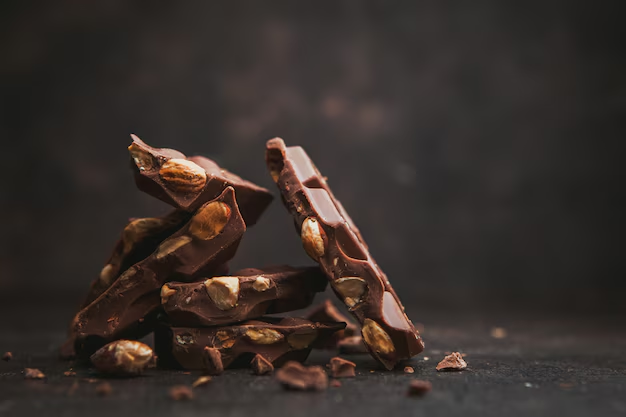
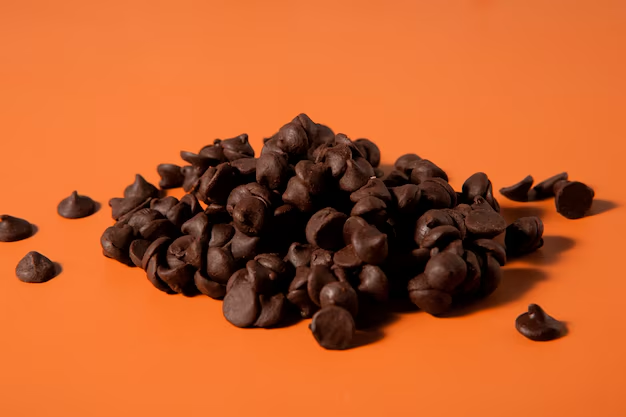
Dark chocolate is a beloved treat, known for its rich taste and potential health benefits. It has gained immense popularity across the U.S., not just for its flavor but also for its reputation as a healthier chocolate option. Yet, many wonder, does dark chocolate have caffeine? The short answer is yes, but the levels can vary depending on the type and brand.
Dark chocolate is a type of chocolate with a higher cocoa content compared to milk or white chocolate. Its rich flavor and darker color come from the cocoa solids, which form its base. Unlike milk chocolate, which contains more sugar and milk solids, dark chocolate focuses on simplicity with three main ingredients: cocoa solids, cocoa butter, and sugar.
Difference Between Dark, Milk, and White Chocolate
The primary difference lies in the cocoa content:
Dark chocolate: High cocoa content (50–90%), minimal sugar, no milk solids.
Milk chocolate: Contains cocoa solids (10–50%), sugar, and milk.
Dark chocolate is the least sweet and has a more robust flavor, making it a favorite among health-conscious consumers.
How Is Dark Chocolate Made?
The journey of dark chocolate begins with cocoa beans, harvested from cacao trees. Here’s the process:
Fermentation and drying: Fresh cocoa beans are fermented to develop flavor, then dried.
Roasting: Beans are roasted to bring out their rich, chocolatey taste.
Grinding and processing: The beans are ground into a paste called cocoa liquor, which contains cocoa solids and cocoa butter.
Mixing and refining: The cocoa liquor is mixed with sugar and other ingredients.
Molding and cooling: The mixture is molded into bars and cooled.
This manufacturing process, along with the percentage of cocoa solids, directly affects the caffeine levels in the final product.
The Caffeine Content
Does Dark Chocolate Contain Caffeine?
Yes, dark chocolate contains caffeine. This is because caffeine is naturally found in cocoa beans. The more cocoa in the chocolate, the higher the caffeine content.
How Much Caffeine Is in Dark Chocolate?
The amount of caffeine in dark chocolate varies based on its cocoa percentage. Higher cocoa percentages mean more caffeine. Here’s a breakdown:
70–85% cocoa: ~80 mg caffeine per 100 grams.
45–59% cocoa: ~43 mg caffeine per 100 grams.
Milk chocolate (10–20% cocoa): ~20 mg caffeine per 100 grams.
White chocolate: Almost no caffeine, as it contains no cocoa solids.
For comparison:
A cup of brewed coffee contains 95–200 mg of caffeine.
A can of cola has about 35 mg of caffeine.
So while dark chocolate has less caffeine than coffee, consuming large amounts can still contribute to your daily intake.
Factors Affecting Caffeine Levels
Cocoa Percentage: The Higher, the Stronger
The caffeine content is directly linked to the percentage of cocoa in the chocolate. For instance:
A 90% cocoa dark chocolate bar will have significantly more caffeine than a 50% bar.
Milk and white chocolates, with less cocoa, have minimal to no caffeine.
Brand Variations
Different brands produce chocolates with varying caffeine levels due to their unique recipes and cocoa sourcing practices. Examples include:
Ghirardelli Intense Dark (86%): Approximately 86 mg caffeine per 40 grams.
Lindt Excellence (85%): Around 80 mg caffeine per 40 grams.
Hershey’s Special Dark (45%): Roughly 20 mg caffeine per 40 grams.
Serving Size and Packaging
The serving size also plays a big role. A larger bar or a higher serving portion will naturally increase caffeine intake. Some brands offer individually wrapped pieces, making it easier to control consumption.
Health Implications
Dark chocolate is a beloved treat that combines rich flavor with potential health benefits. However, like coffee, dark chocolate contains caffeine, and understanding its effects can help consumers make informed choices. This article will explore the health benefits, potential downsides, and essential insights into caffeine levels, especially for sensitive groups and comparisons between dark and milk chocolate.
Benefits of Caffeine in Dark Chocolate
Caffeine, naturally found in cocoa beans, offers various advantages when consumed in moderation. The dark chocolate benefits include:
Enhanced Alertness and Improved Focus
Caffeine is a well-known stimulant that can help boost mental alertness, increase focus, and improve cognitive performance. A moderate intake of caffeine from dark chocolate can provide an energy boost during midday slumps or when staying mentally sharp is essential.
Rich Source of Antioxidants
Dark chocolate is packed with flavanols—powerful antioxidants that can offer numerous health benefits. Flavanols can combat oxidative stress in the body, support heart health, and lower the risk of chronic diseases by reducing inflammation.
Antioxidants found in dark chocolate have been linked to improved cardiovascular health, better blood flow, and even cognitive function. These benefits, combined with caffeine, make dark chocolate a unique and nutritious treat.
Potential Downsides
While moderate caffeine consumption has benefits, excessive intake can lead to certain drawbacks. Some common concerns include:
Jitters and Anxiety
Too much caffeine can lead to feelings of restlessness, nervousness, and jitters. Individuals sensitive to caffeine should monitor their consumption carefully.
Sleep Disruption
Caffeine blocks adenosine, a neurotransmitter responsible for sleep regulation. Therefore, consuming dark chocolate late in the day could interfere with sleep quality.
Caffeine Sensitivity
Some individuals are more sensitive to caffeine than others, with even small amounts causing adverse effects like headaches or increased heart rate.
Who Should Monitor Caffeine in Dark Chocolate?
Understanding the effects of caffeine is especially critical for certain groups of people. Monitoring caffeine intake is recommended for the following groups:
Sensitive Groups
Pregnant Women: Caffeine intake during pregnancy should be limited to ensure fetal health.
Children: Excessive caffeine can affect a child’s growth and development.
Individuals with Heart Conditions: High caffeine intake can worsen heart palpitations or increase blood pressure.
Recommended Daily Caffeine Limits
The general recommendation for safe daily caffeine consumption is 200-400 mg for most adults. However, caffeine from other dietary sources like tea, coffee, or sodas should also be factored into this total.
Comparing Caffeine in Dark and Milk Chocolate
The caffeine content in chocolate can vary depending on its type. Let’s break it down:
Which Has More Caffeine?
Dark chocolate contains significantly more caffeine than milk or white chocolate because of its higher cocoa content. For comparison:
Dark Chocolate: Contains 50-70% cocoa, with approximately 70-100 mg of caffeine per 1 oz.
Milk Chocolate: Contains 20-40% cocoa, with 20-30 mg of caffeine per 1 oz.
White Chocolate: Generally contains little to no caffeine due to the absence of cocoa solids.
Why Does Milk Chocolate Have Less?
Milk chocolate has lower cocoa content and higher milk solids, which directly reduce its caffeine levels. This makes it a milder alternative for those monitoring their caffeine intake.
Tips for Choosing Low-Caffeine Chocolate Options
If you’re sensitive to caffeine or aiming to reduce its intake, here are some helpful tips:
How to Read Labels for Cocoa Content
Look at the cocoa percentage on chocolate labels. The higher the percentage, the more caffeine the chocolate is likely to contain. Opt for dark chocolate with lower percentages if you want to manage caffeine intake.
Alternative Low-Caffeine Treats
White Chocolate: Lacks cocoa solids, making it a great choice for those avoiding caffeine.
Chocolate-Free Desserts: Consider other alternatives like fruit-based or vanilla-flavored sweets.
FAQs
Does all chocolate have caffeine?
Yes, all types of chocolate—dark, milk, and even white—contain some level of caffeine, although the amounts vary. Dark chocolate has the highest caffeine content due to higher cocoa solids.
How does caffeine in chocolate compare to tea or coffee?
Caffeine levels in dark chocolate are generally lower than those in a cup of coffee but can be higher than that in tea. For example, one cup of coffee contains around 95 mg of caffeine, while dark chocolate has about 70-100 mg per ounce.
Can caffeine in chocolate disrupt sleep?
Yes, consuming dark chocolate late in the day may interfere with sleep quality due to caffeine’s ability to block the sleep-promoting effects of adenosine.
Conclusion
Dark chocolate is a flavorful and beneficial treat with antioxidant properties and the stimulating effects of caffeine. While it has proven health benefits, it’s important to monitor caffeine intake, especially for individuals sensitive to its effects.
Jasmine tea has gained immense popularity among tea enthusiasts for its delightful aroma and unique taste. But does jasmine tea have caffeine? This is a crucial question for health-conscious consumers looking to balance their caffeine intake.
Understanding the caffeine content in jasmine tea is essential, as it combines the natural fragrance of jasmine flowers with tea bases like green, white, or black tea. Let’s dive deeper to uncover the facts.
What is Jasmine Tea?
Jasmine tea originated in China over 1,000 years ago during the Song Dynasty. Its refreshing floral aroma made it a favorite among royalty and tea lovers alike. Over time, it became a staple in traditional Chinese tea culture and spread across the globe.
How Is Jasmine Tea Made?
Jasmine tea is created by blending jasmine flowers with a base tea, usually green, white, or black. Fresh jasmine flowers are layered with tea leaves during processing. The tea absorbs the natural oils from the flowers, infusing it with their sweet fragrance.
Green Tea Base: Most common; offers a balanced, mildly grassy flavor.
White Tea Base: Delicate and subtly floral, for those who prefer lighter teas.
Black Tea Base: Bold and robust, complementing the rich jasmine scent.
Types of Jasmine Tea
The type of base tea determines the flavor and caffeine content. Common types include:
Jasmine green tea (most popular).
Jasmine white tea (milder option).
Jasmine black tea (stronger and more caffeinated).
Each variety caters to different taste preferences and caffeine needs.
Does Jasmine Tea Have Caffeine?
Yes, jasmine tea does contain caffeine. Its caffeine content comes from the tea leaves used as the base. Since jasmine flowers themselves are caffeine-free, the caffeine levels depend entirely on whether the base is green, white, or black tea.
Green Tea Base: Moderate caffeine levels.
White Tea Base: Lower caffeine content.
Black Tea Base: Highest caffeine levels among the three.
Comparatively, jasmine tea’s caffeine content is lower than coffee but varies significantly depending on its preparation and the type of base used. If you’re comparing “caffeine in jasmine tea vs green tea,” the two are quite similar, as most jasmine teas use green tea as a base.
How Much Caffeine is in Jasmine Tea?
On average, a cup of jasmine tea contains between 15 to 60 milligrams of caffeine, depending on the base tea. Here’s how it compares:
Type of Base Tea: Green tea has moderate caffeine; black tea has more.
Steeping Time: Longer steeping extracts more caffeine.
Water Temperature: Hotter water releases more caffeine.
Tea Leaf Quality: High-grade loose-leaf tea often has slightly more caffeine than tea bags.
For example, steeping jasmine green tea for 2 minutes will yield lower caffeine levels compared to steeping black tea for 5 minutes.
Is Jasmine Tea a Good Choice for Low-Caffeine Drinkers?
Jasmine tea is an excellent choice for those who want a gentle energy boost without the jitters associated with coffee. It’s perfect for:
Individuals seeking a balanced caffeine intake.
People sensitive to high caffeine but not entirely caffeine-free drinks.
Those looking for a midday pick-me-up without disrupting their sleep cycle.
Is Jasmine Tea Good for Sleep?
Jasmine tea, particularly with a green or white tea base, is considered a soothing option for the evening. While it does contain caffeine, its calming aroma can promote relaxation. However, if you’re highly sensitive to caffeine, you might want to switch to herbal or decaffeinated teas before bed.
Decaffeinated jasmine tea, which retains its floral essence but has almost no caffeine.
Caffeine Comparison With Other Teas
When comparing jasmine tea to other teas, caffeine levels vary significantly based on the type of tea used as a base. Here’s how jasmine tea stacks up against popular teas:
Jasmine Tea vs Green Tea
Jasmine tea often uses green tea as its base, so its caffeine levels are similar, around 20-40 mg per cup. However, jasmine tea’s floral aroma can make it feel lighter and less stimulating than plain green tea.
Jasmine Tea vs Black Tea
Black tea, known for its bold flavor, contains more caffeine than jasmine tea—roughly 40-90 mg per cup. Jasmine tea with a black tea base sits on the higher end of caffeine levels among jasmine varieties.
Jasmine Tea vs White Tea
White tea has the least caffeine of all tea bases, around 15-30 mg per cup. Jasmine tea with a white tea base is ideal for those seeking a mild caffeine intake with a delicate floral note.
Jasmine Tea vs Herbal Teas
Herbal teas like chamomile or peppermint are naturally caffeine-free, making them excellent alternatives for evening relaxation. When comparing “jasmine tea vs chamomile caffeine,” chamomile wins for those avoiding caffeine entirely.
Tea Type
Caffeine Content (mg per 8oz)
Jasmine Green Tea
20-40
Jasmine Black Tea
40-60
Jasmine White Tea
15-30
Regular Black Tea
40-90
Herbal Teas (e.g., Chamomile)
0
Understanding these differences helps tea drinkers choose based on their caffeine tolerance and preferences.
Benefits of Jasmine Tea (Beyond Caffeine)
Jasmine tea offers more than just a moderate caffeine boost. Its health benefits make it a popular choice among tea enthusiasts. Let’s explore its key advantages:
Rich in Antioxidants
Jasmine tea, particularly with green or white tea bases, is packed with polyphenols like catechins. These antioxidants combat free radicals, reducing oxidative stress and promoting overall health. Antioxidants in jasmine tea also support heart health and may reduce the risk of chronic diseases.
Aids in Stress Relief
The floral aroma of jasmine tea has a natural calming effect. It can help reduce anxiety and improve mood. Drinking a warm cup of jasmine tea can be a soothing ritual that encourages relaxation after a long day.
Supports Digestive Health
Compounds in jasmine tea may aid digestion and support gut health. It’s gentle on the stomach, making it suitable for those with mild digestive concerns.
Boosts Immunity
Jasmine tea contains immune-boosting properties thanks to its antioxidants. It helps the body fend off illnesses and maintain better health overall.
Secondary Benefits
Weight Management: Green tea-based jasmine tea may enhance metabolism and help in weight loss.
Relaxation for Sleep: While not entirely caffeine-free, jasmine tea can encourage relaxation in the evening.
Incorporating jasmine tea into your routine can offer a variety of benefits for both mind and body.
Side Effects of Jasmine Tea
While jasmine tea is generally safe, there are some potential downsides to consider, especially for those sensitive to caffeine or prone to overconsumption.
Caffeine Sensitivity
Jasmine tea contains moderate amounts of caffeine. For individuals sensitive to caffeine, drinking too much can lead to:
Insomnia or disrupted sleep patterns.
Nervousness or jitteriness.
Increased heart rate in extreme cases.
Is Jasmine Tea Safe During Pregnancy?
Pregnant women can enjoy jasmine tea in moderation but should be cautious about caffeine intake. Excess caffeine during pregnancy may increase the risk of complications. Consulting a doctor is always recommended.
Overconsumption Risks
Drinking large quantities of jasmine tea can lead to:
Dehydration due to its diuretic properties.
Acid reflux, especially when consumed on an empty stomach.
Tips for Safe Consumption
Limit to 2-3 cups per day if you’re sensitive to caffeine.
Opt for decaffeinated jasmine tea if needed.
While jasmine tea offers numerous health benefits, moderation is key to avoiding side effects.
Yes, jasmine tea can keep you awake due to its caffeine content. However, the effect is milder compared to coffee. Opt for white tea-based jasmine tea or decaffeinated versions for evening use.
Can you drink jasmine tea while pregnant?
Yes, but only in moderation. Pregnant women should limit caffeine intake to under 200 mg daily. One or two cups of jasmine tea per day is generally safe, but consulting a doctor is advised.
Is jasmine tea good for stress relief?
Yes, the calming aroma of jasmine tea can help reduce stress and anxiety. Despite its caffeine, the tea’s relaxing properties make it a popular choice for stress relief.
What are caffeine-free jasmine tea options?
Decaffeinated jasmine tea is an excellent option for those avoiding caffeine. Alternatively, herbal teas like chamomile mimic the soothing effect of jasmine without caffeine.
Is jasmine tea better than coffee for energy?
Jasmine tea provides a gentler energy boost compared to coffee. Its moderate caffeine content energizes without causing jitters, making it a good option for those seeking balance.
Conclusion
Jasmine tea is a delightful beverage with moderate caffeine levels, offering a perfect middle ground for tea lovers. Its caffeine content depends on the tea base, allowing you to choose the variety that best suits your needs. Beyond caffeine, jasmine tea’s antioxidants and calming aroma offer a range of health benefits.
For those sensitive to caffeine, decaffeinated or herbal options provide similar relaxation without stimulating effects. Whether you’re sipping for energy, health, or relaxation, jasmine tea is a versatile choice for every lifestyle.
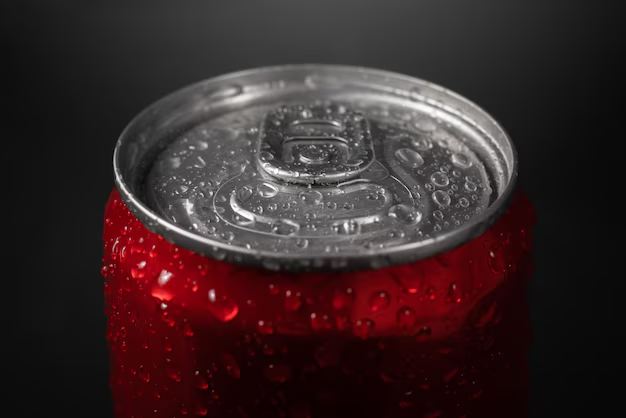
Coke Zero, now rebranded as Coke Zero Sugar, has become a favorite among soda lovers. Its zero-calorie formula appeals to those looking for a guilt-free indulgence. But does Coke Zero have caffeine? This is a common question, especially for people who monitor their caffeine intake. In this article, we’ll explore the caffeine content in Coke Zero, its ingredients, and the role caffeine plays in this drink.
Let’s dive into everything you need to know about Coke Zero and its caffeine levels.
What is Coke Zero?
Coke Zero was first launched in 2005 as a sugar-free alternative to classic Coca-Cola. The goal was to offer the same great taste as regular Coke without the calories or sugar. Over the years, it has undergone rebranding and is now officially called Coke Zero Sugar.
The drink stands out from other diet sodas because of its flavor profile. Unlike Diet Coke, which has its unique taste, Coke Zero Sugar aims to mimic the flavor of classic Coca-Cola more closely. Its popularity stems from its ability to deliver that nostalgic Coca-Cola experience while being calorie-free.
Differences Between Coke Zero and Diet Coke
Though both drinks are sugar-free and calorie-free, they have distinct formulas. Diet Coke uses a different blend of artificial sweeteners, giving it a lighter taste. Coke Zero Sugar, on the other hand, uses a combination of aspartame and acesulfame potassium, which closely replicates the taste of original Coke.
For fans of zero-sugar drinks, Coke Zero Sugar offers an appealing choice. Whether you’re cutting down on sugar or simply exploring diet soda options, it’s worth trying.
Does Coke Zero Contain Caffeine?
Yes, Coke Zero contains caffeine, but the amount is moderate. If you’re someone who keeps an eye on their caffeine consumption, knowing the specifics is important.
Caffeine Content in Coke Zero
A 12-ounce can of Coke Zero contains about 34 milligrams of caffeine. This is less than the caffeine found in a regular cup of coffee, which typically ranges from 80 to 100 milligrams per 8-ounce serving. It’s also slightly lower than the caffeine content in regular Coca-Cola, which has around 38 milligrams per 12-ounce can.
Here’s a quick comparison of caffeine levels:
Beverage
Caffeine Content (per 12 fl oz)
Coke Zero
34 mg
Regular Coca-Cola
38 mg
Diet Coke
46 mg
Coffee
80-100 mg
As you can see, Coke Zero’s caffeine content is mild compared to coffee or energy drinks. This makes it a good option if you want a slight energy boost without overdoing it.
You might wonder why caffeine is included in a soda like Coke Zero. The answer lies in its role as a flavor enhancer and consumer preference.
Caffeine as a Flavor Enhancer
Caffeine is not just a stimulant; it also enhances the overall taste of soft drinks. It adds a subtle bitterness that complements the sweetness of the soda, creating a balanced flavor profile. For Coke Zero, caffeine helps mimic the familiar taste of classic Coca-Cola.
Consumer Preferences
Caffeine is a key selling point for many beverages. While some people consume it for the energy boost, others enjoy it for its effect on alertness. Coke Zero caters to those who want a refreshing drink with a touch of caffeine to keep them going.
Ingredients in Coke Zero
Coke Zero’s formula is designed to deliver flavor without calories. It’s made with a mix of artificial sweeteners and other ingredients that make it unique. Understanding these components can help you make informed choices.
Full List of Ingredients
Here’s what you’ll find in a can of Coke Zero Sugar:
Carbonated Water: The base of the soda that gives it its fizz.
Caramel Color: Adds the iconic dark color associated with Coca-Cola products.
Phosphoric Acid: Provides a tangy flavor.
Aspartame and Acesulfame Potassium: Artificial sweeteners that replace sugar.
Caffeine: Adds a mild stimulant effect and enhances flavor.
Natural Flavors: A proprietary blend that creates the signature Coke taste.
Potassium Citrate: Helps regulate acidity.
The Role of Artificial Sweeteners
Coke Zero Sugar uses a combination of aspartame and acesulfame potassium to achieve its sweetness. Aspartame is about 200 times sweeter than sugar, so only a small amount is needed. Acesulfame potassium enhances the sweetness and provides a more rounded flavor.
Artificial sweeteners are calorie-free, making them ideal for those watching their calorie intake. However, some people may prefer to limit their consumption due to concerns about taste or health effects.
How Does Coke Zero Compare to Other Zero-Calorie Drinks?
When it comes to zero-calorie beverages, Coke Zero faces stiff competition. Let’s compare it with Diet Coke, Pepsi Zero Sugar, and sparkling waters.
Coke Zero vs. Diet Coke
Taste: Coke Zero replicates classic Coca-Cola, while Diet Coke has a lighter, tangier flavor.
Caffeine: Coke Zero has 34 mg per can, while Diet Coke contains 46 mg.
Sweeteners: Coke Zero uses aspartame and acesulfame potassium; Diet Coke uses only aspartame.
Coke Zero vs. Pepsi Zero Sugar
Taste: Pepsi Zero Sugar is slightly sweeter and more intense than Coke Zero.
Caffeine: Pepsi Zero Sugar has nearly double the caffeine (69 mg per can).
Sweeteners: Similar to Coke Zero, it uses a blend of aspartame and acesulfame potassium.
Coke Zero vs. Sparkling Waters
Taste: Sparkling waters have a light, unsweetened flavor.
Caffeine: Most sparkling waters are caffeine-free, though some varieties include caffeine.
Sweeteners: Sparkling waters are usually unsweetened, making them a natural alternative.
Each drink caters to different preferences, but Coke Zero stands out for its balance of taste, caffeine, and sweetness.
Health Considerations
While Coke Zero is a popular choice, it’s essential to consider its health impacts. Moderation is key to enjoying it as part of a balanced lifestyle.
Caffeine Sensitivity
For those sensitive to caffeine, even the 34 mg in Coke Zero can cause jitteriness or insomnia. It’s important to monitor your total daily caffeine intake to avoid these effects.
Artificial Sweeteners and Health
Coke Zero’s artificial sweeteners, aspartame and acesulfame potassium, are FDA-approved and considered safe. However, excessive consumption of artificial sweeteners may lead to digestive discomfort in some individuals.
Moderation is Key
Like all sodas, Coke Zero should be enjoyed in moderation. Overconsumption can contribute to dietary imbalances and excessive caffeine intake. Balance it with water and other healthier beverage options for optimal hydration.
Does Coke Zero have more or less caffeine than regular Coke?
Coke Zero has slightly less caffeine than regular Coke. A 12-ounce can of Coke Zero contains about 34 mg of caffeine, while regular Coke has around 39 mg. Both have much less caffeine than coffee.
How much caffeine is safe to consume daily?
The FDA recommends a maximum of 400 mg of caffeine daily for most adults, roughly equivalent to four 8-ounce cups of coffee. Individual sensitivity varies, so moderation is key, especially for those with caffeine sensitivity or medical conditions.
Are there caffeine-free Coke Zero alternatives?
Coca-Cola offers a caffeine-free version of Coke Zero, labeled as “Caffeine-Free Coke Zero Sugar.” It delivers the same taste without caffeine, catering to consumers seeking a zero-sugar and caffeine-free beverage option.
Conclusion
Coke Zero Sugar is a great option for those who love the classic Coca-Cola taste but want to avoid calories and sugar. It does contain caffeine, but in moderate amounts, making it a viable choice for a light energy boost. Its artificial sweeteners and carefully crafted formula make it unique among zero-calorie drinks.
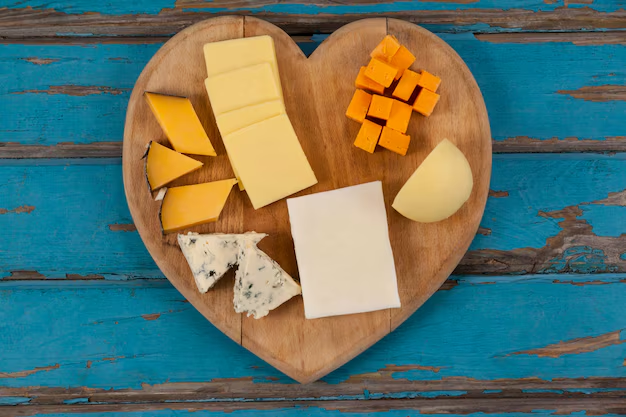
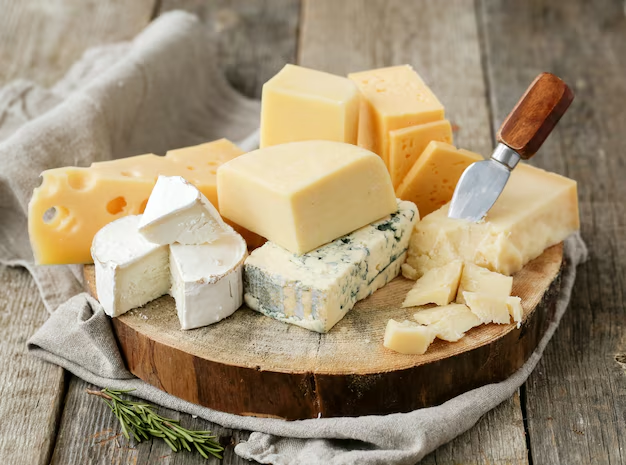
Cheese is a beloved food enjoyed worldwide, but many wonder about its carbohydrate content. Does cheese have carbs? This question is especially important for those following low-carb or ketogenic diets. Cheese, derived from milk, is nutrient-dense and versatile. However, its carb count varies depending on the type.
This article explores the nutritional composition of cheese, focusing on its carbohydrates and how they differ among various varieties. Let’s dive into the details.
Nutritional Composition of Cheese
Cheese is packed with nutrients, making it a great addition to many diets. Its macronutrient profile primarily includes protein, fat, and a small amount of carbohydrates. While these nutrients vary across different types of cheese, they generally provide essential energy and support overall health.
Macronutrients in Cheese
The macronutrients in cheese include protein, fat, and carbohydrates. Each plays a unique role in nutrition.
Protein Content
Cheese is a rich source of high-quality protein. It provides essential amino acids that help build and repair tissues. The protein content in cheese varies, but harder cheeses like Parmesan often have higher protein levels compared to soft cheeses.
Fat Content
Cheese is also high in fat, with saturated fat being the most common type. This gives cheese its creamy texture and rich flavor. Fat content ranges from low-fat options to full-fat varieties, providing energy and helping the body absorb fat-soluble vitamins.
Carbohydrate Content
Cheese is naturally low in carbohydrates. Most of the carbs in cheese come from lactose, a natural sugar in milk. The fermentation process during cheese-making reduces lactose levels, especially in aged cheeses. This makes many cheeses suitable for low-carb diets.
Yes, but only in small amounts. The sugar in cheese comes from residual lactose. Aged cheeses, such as Parmesan or cheddar, have minimal to no lactose, making them nearly sugar-free. Softer cheeses like ricotta or cream cheese may contain slightly higher amounts of natural sugar.
Why Is Cheese a Popular Low-Carb Option?
Cheese is a favorite for low-carb and keto diets due to its minimal carb content and high-fat profile. It is also satisfying and versatile, fitting into various meals and recipes. From hard cheeses to soft spreads, there’s a low-carb cheese option for almost everyone.
Carbs in Different Types of Cheese
Not all cheeses are created equal when it comes to carbs. The carbohydrate content depends on the type and preparation of the cheese. Let’s explore this further.
Hard Cheeses
Hard cheeses are typically aged, which reduces their carbohydrate content. They are an excellent choice for low-carb diets.
Carbs in Cheddar Cheese
Cheddar cheese is a popular hard cheese with about 0.4 grams of carbs per ounce. Its long aging process breaks down lactose, making it nearly carb-free.
Carbs in Parmesan Cheese
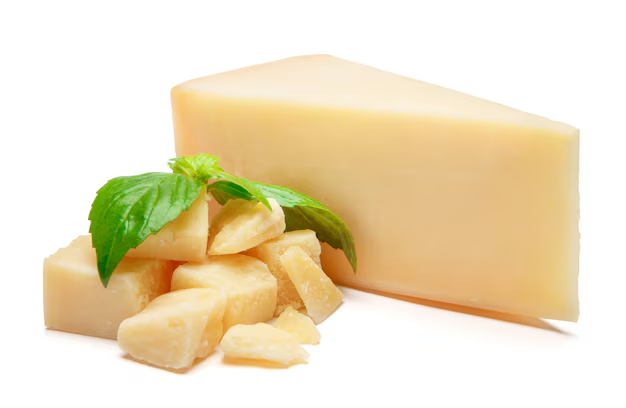
Parmesan cheese, another aged variety, contains even fewer carbs—approximately 0.9 grams per ounce. Its intense flavor means a small amount goes a long way.
Soft Cheeses
Soft cheeses are creamy and spreadable, often containing slightly more carbs than hard cheeses.
Carbs in Cream Cheese
Cream cheese contains about 1 gram of carbs per ounce. It’s a favorite in keto recipes due to its low carb count and rich texture.
Carbs in Brie
Brie is a soft, creamy cheese with only 0.1 grams of carbs per ounce. Its low-carb nature makes it perfect for pairing with nuts or low-carb crackers.
Fresh Cheeses
Fresh cheeses are less processed and typically have a mild flavor. They may have a slightly higher carb content than aged cheeses.
Carbs in Mozzarella Cheese
Mozzarella cheese contains around 1 gram of carbs per ounce. It’s a staple in Italian dishes and works well in salads and low-carb pizzas.
Carbs in Ricotta Cheese
Ricotta cheese is slightly higher in carbs, with about 3 grams per half-cup serving. It’s often used in desserts and pasta dishes, so portion control is key.
Flavored and Processed Cheeses
Flavored and processed cheeses often contain added ingredients, which can increase their carb content.
Carbs in Cheese Spreads
Cheese spreads typically contain 2–3 grams of carbs per ounce due to added thickeners or flavoring agents. Check labels carefully if you’re watching your carb intake.
Carbs in Flavored Cheese Slices
Flavored cheese slices may have higher carb counts, ranging from 1–4 grams per slice. Additives like spices, herbs, or even sweeteners can contribute to the carb content.
What Makes Cheese Suitable for Keto Diets?
Cheese is a keto-friendly food thanks to its low carbohydrate and high-fat content. The ketogenic diet emphasizes minimal carbs and moderate protein, which fits perfectly with most types of cheese. Additionally, cheese provides essential nutrients like calcium and vitamin D, supporting overall health while keeping you in ketosis.
Best Low-Carb Cheeses for Keto Diets
Not all cheeses are equal when it comes to carb content. Some varieties are especially suitable for the keto lifestyle.
Hard Cheeses
Hard cheeses like Parmesan, cheddar, and Gouda are aged, which reduces their lactose (and carb) levels. These cheeses often contain less than 1 gram of carbs per ounce, making them a keto favorite.
Creamy Cheeses
Creamy cheeses, including cream cheese, mascarpone, and Brie, are rich and indulgent with minimal carbs. For example, cream cheese has about 1 gram of carbs per ounce, while Brie contains nearly zero carbs.
How to Incorporate Cheese Into a Keto Meal Plan?
Cheese is versatile, making it easy to add to any keto meal plan. Use shredded cheese as a topping for casseroles or keto pizzas. Pair creamy cheeses with low-carb vegetables like celery or cucumber for snacks. For breakfast, try scrambled eggs with grated cheddar. The possibilities are endless!
How Many Carbs Are in Cheese?
The carb content in cheese varies significantly by type. Hard cheeses like Parmesan and cheddar have less than 1 gram of carbs per ounce. Softer cheeses like ricotta may have up to 3 grams of carbs per serving. Flavored or processed cheeses can contain higher amounts.
Comparison of Carbs in Popular Cheeses
Let’s compare popular cheeses.
Cheddar vs. Mozzarella
Cheddar has approximately 0.4 grams of carbs per ounce, while mozzarella contains about 1 gram. Both are excellent options for low-carb diets, but cheddar edges out mozzarella for the lowest carb count.
Cream Cheese vs. Cottage Cheese
Cream cheese contains about 1 gram of carbs per ounce, making it a keto staple. Cottage cheese, on the other hand, has around 3-4 grams of carbs per half-cup, so it’s better suited for moderate low-carb diets.
Can Cheese Be Part of a Low-Carb Diet?
Cheese offers numerous benefits for those on a low-carb diet. It is nutrient-rich, providing protein, calcium, and healthy fats. It’s also highly satisfying, helping to curb cravings and keep hunger at bay. Plus, its versatility makes it a meal-prep superstar.
Common Misconceptions About Cheese and Carbs
Many people think all cheese is high in carbs due to its milk origin. However, the cheese-making process reduces lactose, leaving most cheeses with minimal carbs. Another misconception is that processed cheese is carb-free; it often contains additives that increase the carb count.
Tips for Choosing Low-Carb Cheeses
Opt for aged or hard cheeses like cheddar or Gouda for the lowest carbs.
Avoid processed or flavored varieties with hidden sugars.
Check nutrition labels for accurate carb counts.
Choose full-fat options to maximize flavor and keep you satiated.
FAQs
Is Cheese High in Carbs?
No, cheese is generally low in carbs. Most hard and aged cheeses contain less than 1 gram of carbs per ounce.
Can I Eat Cheese on Keto?
Yes, cheese is a keto-friendly food. Its low-carb and high-fat profile makes it ideal for maintaining ketosis.
Hard cheeses like Parmesan and creamy options like Brie are excellent low-carb choices, each containing less than 1 gram of carbs per ounce.
Are Processed Cheeses Higher in Carbs?
Yes, processed cheeses often contain added ingredients like starches and sugars, which can increase their carb content.
Conclusion
Cheese is an excellent choice for both keto and low-carb diets. Its low carb content, high fat, and rich flavor make it a versatile ingredient. From hard cheeses like Parmesan to creamy ones like Brie, there’s a low-carb cheese for every palate. Understanding the differences in carb content among cheese varieties helps you make smarter dietary choices. Whether you’re snacking or cooking, cheese can be a delightful and nutritious part of your low-carb journey.
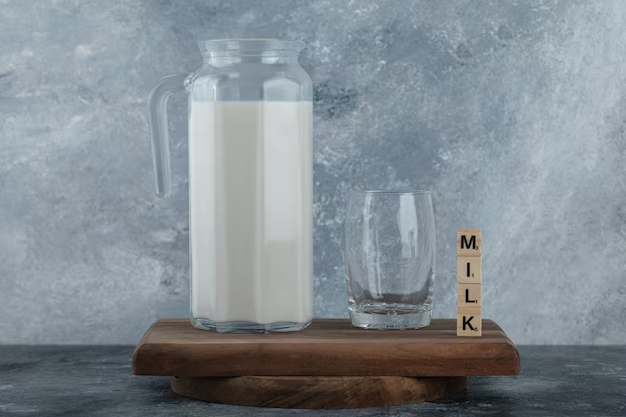
Acid reflux can be a troublesome condition, causing discomfort that disrupts daily life. If you’ve ever wondered, “does milk help acid reflux?”, you’re not alone. This question often arises because milk has long been touted as a home remedy for soothing acid reflux. But does it work, and is it a long-term solution?
In this article, we’ll explore the relationship between milk and acid reflux, breaking down the science, nutritional facts, and whether certain types of milk are better than others.
What Is Acid Reflux?
Acid reflux, also known as gastroesophageal reflux (GER), is characterized by the backward movement of stomach contents into the esophagus. This happens when the lower esophageal sphincter (LES), a muscular valve at the entrance of the stomach, does not close properly.
What Causes Acid Reflux?
Several factors can trigger acid reflux. These include overeating, lying down after meals, obesity, and consuming certain foods or drinks. Smoking and stress can also weaken the LES, contributing to acid reflux.
Common Symptoms of Acid Reflux
Symptoms of acid reflux vary but typically include heartburn, regurgitation, and a sour taste in the mouth. Some people may also experience chest pain, difficulty swallowing, or chronic coughing.
How Does Diet Impact Acid Reflux?
Diet plays a crucial role in managing acid reflux. What you eat can either trigger or alleviate symptoms, making dietary choices an essential part of treatment.
Foods That Trigger Acid Reflux
Certain foods are known to worsen acid reflux by increasing stomach acid production or irritating the esophagus. These include:
Milk has been a go-to remedy for acid reflux for decades. Its creamy texture is thought to coat the esophagus and provide relief. However, the relationship between milk and acid reflux is more complex than it seems.
Nutritional Components of Milk
Milk contains several nutrients, including calcium, protein, and fat. These components can have varying effects on acid reflux, depending on the type of milk.
Types of Milk: Whole, Skim, Plant-Based Alternatives
Whole Milk: High in fat, which can aggravate acid reflux in some individuals.
Skim Milk: Lower in fat, often considered a better option for acid reflux.
Plant-Based Milk: Options like almond, soy, and oat milk are often gentler on the stomach.
How Milk Interacts with Stomach Acid
Milk initially neutralizes stomach acid, providing temporary relief. However, its fat and protein content may stimulate the stomach to produce more acid later, potentially worsening symptoms.
Does Drinking Milk Soothe Acid Reflux?
Many people reach for milk to calm acid reflux, but its effects can be both positive and negative.
Over time, milk may actually exacerbate acid reflux. The fat in milk can relax the LES, allowing stomach acid to flow back into the esophagus. Additionally, milk’s protein content may stimulate gastric acid production, leading to a rebound effect.
Does the Type of Milk Matter for Acid Reflux?
Not all milk is created equal when it comes to managing acid reflux. The type of milk you choose can significantly impact your symptoms.
Whole Milk vs. Skim Milk
Whole milk contains higher fat levels, which can aggravate acid reflux by relaxing the LES and slowing digestion. Skim milk, on the other hand, is much lower in fat and less likely to trigger reflux. For individuals with acid reflux, skim milk is generally the safer choice.
Almond milk is alkaline, which can help neutralize stomach acid and reduce acid reflux symptoms. Its low-fat content makes it a suitable choice for those with GERD.
Soy Milk and Acid Reflux
Soy milk is a high-protein, low-fat alternative. However, some individuals may find soy difficult to digest, which can worsen reflux in sensitive cases.
Oat Milk for Acid Reflux: Is It Helpful?
Oat milk is often well-tolerated due to its soothing texture and low acidity. It is a good option for managing acid reflux, especially for those with dairy sensitivities.
Coconut Milk and Acid Reflux: Pros and Cons
Coconut milk has a creamy texture but is high in fat, which may aggravate acid reflux in some individuals. However, its anti-inflammatory properties can be beneficial in certain cases.
Scientific Evidence: What Studies Say About Milk and Acid Reflux
While milk is commonly associated with soothing acid reflux, scientific studies offer varying perspectives. Research and medical opinions help clarify whether milk is a helpful remedy or a potential trigger for some individuals.
Studies Supporting Milk as a Remedy
Some studies highlight milk’s ability to provide short-term relief from acid reflux. The initial neutralizing effect of milk on stomach acid may reduce heartburn symptoms temporarily. Research shows that milk can act as a buffer, especially for individuals with mild reflux.
Studies Suggesting Milk May Worsen Acid Reflux
Other research contradicts the idea of milk as a long-term solution. Studies indicate that milk’s fat content can relax the lower esophageal sphincter (LES), allowing stomach acid to reflux into the esophagus. Additionally, milk’s protein can stimulate acid production, potentially leading to a rebound effect.
What do Doctors Say About Using Milk for Acid Reflux Relief?
Many healthcare professionals caution against relying on milk for acid reflux relief. While it may provide temporary comfort, milk’s long-term effects could worsen symptoms. Doctors often recommend low-fat or plant-based alternatives as safer options.
They also stress the importance of understanding individual triggers, as milk affects people differently.
How to Use Milk Safely for Acid Reflux Relief?
If you choose to use milk to manage acid reflux, moderation and timing are key. Here’s how to do so safely without exacerbating symptoms.
Best Times to Drink Milk for Acid Reflux
Drinking milk during or after meals may help coat the stomach and reduce immediate discomfort. However, avoid consuming milk just before bed, as lying down can increase reflux symptoms.
Portion Sizes to Avoid Overconsumption
Stick to small portions, such as half a glass (4–6 ounces) at a time. Overconsumption can lead to excessive fat or protein intake, potentially aggravating acid reflux.
Recipes Using Milk for Acid Reflux Relief
Warm Milk with Honey: A Soothing Remedy
Mix warm skim milk with a teaspoon of honey for a calming, low-fat beverage. Honey’s natural anti-inflammatory properties may enhance relief.
Low-Fat Smoothies with Milk and Alkaline Fruits
Blend skim or almond milk with alkaline fruits like bananas or melons. These smoothies can be a refreshing, reflux-friendly option.
Alternative Remedies for Acid Reflux
Milk is not the only remedy for acid reflux. Many natural and over-the-counter treatments can provide effective relief.
Other Natural Remedies
Ginger Tea
Ginger tea is a well-known remedy for digestive issues. Its anti-inflammatory properties can soothe the stomach and reduce acid reflux symptoms.
Aloe Vera Juice
Aloe vera juice has cooling and anti-inflammatory effects. Consuming a small amount before meals may help prevent acid reflux.
Over-the-Counter Options
Over-the-counter antacids can neutralize stomach acid quickly. They are especially useful for occasional reflux but should not replace long-term management strategies.
Cold milk may provide temporary relief by cooling the esophagus and neutralizing acid. However, its fat content could worsen symptoms over time.
Can Milk Worsen Acid Reflux Symptoms in Some People?
Yes, especially whole milk. Its high fat content can relax the LES and increase acid production, leading to more severe reflux symptoms.
What Kind of Milk Is Best for Acid Reflux?
Skim milk or plant-based alternatives like almond or oat milk are generally better choices due to their lower fat content.
How Much Milk Should I Drink for Acid Reflux?
Small portions, such as half a glass, are recommended. Avoid consuming large amounts to prevent triggering reflux.
Can Children Use Milk to Manage Acid Reflux?
Children can drink milk for short-term relief, but parents should monitor their symptoms and consult a pediatrician for persistent reflux issues.
Conclusion
Milk can be a double-edged sword when it comes to acid reflux. While it may provide temporary relief, its long-term effects can vary depending on the type of milk and individual sensitivities.
Low-fat and plant-based milk alternatives are often safer options for managing reflux symptoms. Ultimately, a balanced diet and understanding your triggers are key to controlling acid reflux effectively.
If symptoms persist, consult a healthcare professional for tailored advice.
Apples are a globally popular and highly nutritious fruit. For those managing diets (keto, low-carb, or diabetic), knowing the exact carb count is essential. The quick answer is that a medium-sized apple (about 182g, with skin) contains approximately 25 grams of total carbohydrates.
Crucially, this fruit is packed with 4.4 grams of dietary fiber, which is not digested, meaning the apple provides only 20.6 grams of net carbohydrates (the carbs that impact blood sugar).
The final count varies by size and variety—for instance, a large, sweet Honeycrisp can exceed 27g total carbs, while a tart Granny Smith is closer to 23.5g. This guide details the full nutritional profile by size, variety, and preparation to help you fit this staple into any lifestyle.
How Many Carbs Are in an Apple? (Quick Answer Table)
Before diving into the detailed explanations, the table below provides a concise, at-a-glance summary of the carbohydrate and nutritional values for common apple sizes, serving as a powerful reference point for calculating your daily intake.
The figures below are based on an average, commercially available red apple, consumed with the skin on, which contains the bulk of the beneficial fiber. This answers the most direct searches for how many carbs does an apple have and how many grams of carbs in an apple.
Apple Size
Approximate Weight
Total Carbs (g)
Dietary Fiber (g)
Net Carbs (g)
Sugar (g)
Calories (kcal)
Small
~130g (4.6 oz)
19.5 g
3.0 g
16.5 g
14.5 g
68
Medium
~182g (6.4 oz)
25.0 g
4.4 g
20.6 g
19.0 g
95
Large
~220g (7.8 oz)
30.5 g
5.3 g
25.2 g
23.0 g
116
Half Medium Apple
~91g (3.2 oz)
12.5 g
2.2 g
10.3 g
9.5 g
47
The data confirms that the answer to how many carbs is in an apple largely depends on its physical size. A medium apple (approximately the size of a baseball) typically contains around 25 grams of total carbohydrates.
Carbs in an Apple by Size
The most significant factor influencing an apple’s carbohydrate count is its size. When asking how many carbs in an apple, it’s crucial to specify whether you are referring to a small snack apple or a large baking variety. The sheer volume difference can translate to an 11-gram variation in total carbs between the smallest and largest sizes.
Carbs in a Small Apple
A small apple is generally defined as one weighing between 100 and 130 grams, roughly the size of a billiard ball or a tennis ball. These are often the preferred choice for controlled snacking or for inclusion in low-carb diets due to their manageable size and carb content.
When considering how many carbs in a small apple, the count is significantly lower than a medium or large fruit. A small apple contains approximately 19.5 grams of total carbohydrates. With about 3.0 grams of dietary fiber, the net carbs in a small apple come in at approximately 16.5 grams.
The smaller size allows you to enjoy the benefits of the fruit—including its vitamins, antioxidants, and a burst of satisfying sweetness—while maintaining tight control over your sugar and carb intake. For example, a small Gala apple falls into this category and is an excellent, light snack.
Carbs in a Medium Apple
The medium apple is the standard serving size used in the USDA and most commercial nutrition data. It weighs roughly 150 to 182 grams. If you pick up an apple in a grocery store without specific size labeling, it will most likely fall into this range.
For those wondering how many carbs in a medium apple or a medium-sized apple, the total carbohydrate count hovers around 25 grams. This serving provides a balanced mix of sugar, fiber, and water, making it very satiating. The 25 grams of total carbs include roughly 4.4 grams of fiber, leaving you with about 20.6 grams of net carbohydrates. This size is ideal for a post-workout snack to replenish glycogen stores or as a fiber-rich addition to breakfast.
Carbs in a Large Apple
A large apple is typically a substantial fruit, weighing 200 to 220 grams or more. These are often the varieties used for baking, pressing juice, or slicing for a full meal supplement.
The question of how many carbs in a large apple yields the highest number. A large apple contains approximately 30.5 grams of total carbohydrates. Given that this size is over 50% larger than a small apple, the carb count reflects that increase, with roughly 5.3 grams of fiber and 25.2 grams of net carbs. While still a healthy food choice, individuals on very strict low-carb diets need to account for this higher count, as one large apple can account for a significant portion of a daily carb allowance.
Carbs in Half an Apple
If you are particularly mindful of your carb consumption, or simply looking for a light snack, eating only half of an apple is a perfect solution. This allows you to reap the nutritional benefits of the fruit while precisely halving the macronutrient load.
How many carbs in half an apple? Taking a medium apple as the baseline (25g total carbs), half an apple provides approximately 12.5 grams of total carbohydrates. This serving size also offers about 2.2 grams of dietary fiber and roughly 9.5 grams of sugar, making it an excellent, low-glycemic, and satisfying treat. Splitting an apple is an easy way to manage blood sugar spikes and integrate fruit into a moderate, low-carb eating plan.
Eating an apple with the skin is generally recommended by nutritionists due to the concentrated benefits found just beneath the surface. This is where the highest concentration of insoluble fiber, soluble fiber, antioxidants (like quercetin), and phytochemicals resides.
How many carbs in an apple with skin? The skin itself holds a small amount of both carbohydrates and fiber. In a medium apple (182g), the total carbohydrates, including the skin, are approximately 25.0 grams. Crucially, the skin provides a substantial portion of the total dietary fiber (around 4.4 grams). When you eat the skin, you increase the fiber, which in turn lowers the overall glycemic load and helps regulate digestion. Therefore, the fiber-to-carb ratio is more favorable when the skin is consumed.
Carbs in an Apple Without Skin
When the skin is removed, the nutritional profile changes slightly, primarily by reducing the fiber content. Some people may prefer to eat apples without the skin due to texture preference, specific digestive sensitivities, or when preparing purees and sauces.
How many carbs in an apple without skin? The total carbohydrate count of a peeled medium apple drops very slightly to approximately 23.5 grams. However, the key difference is the dramatic reduction in dietary fiber, which decreases from 4.4 grams to about 2.5 grams.
This reduction in fiber has two important consequences:
Increased Net Carbs: By losing 1.9 grams of fiber, the net carbsincrease slightly, shifting from 20.6 grams (with skin) to 21.0 grams (without skin). The loss of non-digestible fiber means a higher percentage of the remaining carbohydrate is sugar, which is quickly absorbed.
Higher Glycemic Load: The reduced fiber means the sugars are absorbed more quickly into the bloodstream. This can lead to a slightly higher and faster spike in blood sugar compared to eating the whole apple.
Therefore, for optimal health benefits and blood sugar control, consuming the apple with its skin on is the superior choice, despite the minimal change in total carb count.
Carbs in Different Types of Apples (Varieties Section)
Not all apples are created equal. Different varieties—from the tart Granny Smith to the sweet Honeycrisp—have distinct sizes, water content, density, and sugar-to-acid ratios. These factors directly impact the carbohydrate and calorie totals. This section details the carbohydrate breakdown for the most popular apple varieties, based on a standardized medium-sized fruit (approximately 182g).
Honeycrisp
The Honeycrisp apple is a modern marvel, renowned for its exceptional sweetness and explosive crunch. This sweetness is a direct indicator of its sugar content, which means it tends to rank among the higher-carb varieties.
For those counting, how many carbs in a Honeycrisp apple is a crucial question. A medium Honeycrisp apple typically weighs slightly more and has a higher sugar density than average.
Variety
Total Carbs (g)
Dietary Fiber (g)
Net Carbs (g)
Sugar (g)
Honeycrisp (Medium)
27.0 g
4.4 g
22.6 g
21.0 g
Because of its high sugar (and therefore, higher carb) content, the Honeycrisp should be enjoyed in moderation if you are closely monitoring your intake, although the fiber content remains high, helping to mitigate the sugar impact. If you are curious about how many carbs are in a Honeycrisp apple, always err on the side of a slightly higher estimate.
Granny Smith
The Granny Smith apple is the quintessential “green apple,” easily recognizable by its bright green skin and characteristically tart, acidic flavor. This tartness is a tell-tale sign that it contains less sugar and often fewer total carbohydrates than its sweeter red counterparts.
How many carbs in a Granny Smith apple? Due to its lower sugar concentration, the Granny Smith is frequently the top choice for low-carb dieters.
Variety
Total Carbs (g)
Dietary Fiber (g)
Net Carbs (g)
Sugar (g)
Granny Smith (Medium)
23.5 g
4.8 g
18.7 g
17.0 g
The Granny Smith offers one of the lowest net carb counts among common varieties, making it an excellent choice for those managing type 2 diabetes or following keto-friendly guidelines. The substantial dietary fiber also contributes to better gut health and sustained energy release. If you are specifically tracking how many carbs in granny smith apple, the result is a favorable one.
Gala
Gala apples are among the most popular red varieties, known for their distinct sweetness and slight floral flavor. They are generally considered a medium-sweet apple, placing their carb count squarely in the middle of the apple spectrum.
How many carbs in a Gala apple? A medium Gala apple aligns very closely with the average figures discussed earlier.
Variety
Total Carbs (g)
Dietary Fiber (g)
Net Carbs (g)
Sugar (g)
Gala (Medium)
25.0 g
4.0 g
21.0 g
18.5 g
The Gala apple is a versatile, balanced choice. When looking for how many carbs are in a Gala apple, you can use the standard medium apple figures as a reliable estimate. A small Gala apple will naturally contain fewer carbohydrates (around 19.5g total carbs).
How many carbs in a Fuji apple? Like other intensely sweet apples, the Fuji sits at the upper end of the carb scale.
Variety
Total Carbs (g)
Dietary Fiber (g)
Net Carbs (g)
Sugar (g)
Fuji (Medium)
26.5 g
4.2 g
22.3 g
20.5 g
The Fuji apple’s elevated carbohydrate count makes it an excellent choice for endurance athletes or those needing a quick, natural energy boost, but it should be noted for strict dieters.
Pink Lady
The Pink Lady (Cripps Pink) apple is known for its effervescent, slightly tangy-sweet flavor and firm texture. It offers a great balance between sweetness and tartness, placing its carb content in a moderate range.
How many carbs in a Pink Lady apple? It provides a nutritional middle ground, making it a very popular everyday choice.
Variety
Total Carbs (g)
Dietary Fiber (g)
Net Carbs (g)
Sugar (g)
Pink Lady (Medium)
24.5 g
4.5 g
20.0 g
18.0 g
The slightly higher fiber content relative to its sugar makes the Pink Lady a fantastic, balanced option for a nutritious snack.
Red Delicious
The Red Delicious is perhaps the most recognizable variety, characterized by its deep, uniform red color and distinct shape. While once the most popular apple in the U.S., its texture and flavor profile tend to be milder and less acidic than modern varieties.
How many carbs in a Red Delicious apple? Its mild sweetness places it near the average for total carbs.
Variety
Total Carbs (g)
Dietary Fiber (g)
Net Carbs (g)
Sugar (g)
Red Delicious (Medium)
25.5 g
4.8 g
20.7 g
19.0 g
The Red Delicious is a solid choice, providing good fiber content (4.8g) for digestive health. When referencing how many carbs in red apple generically, the Red Delicious serves as a very good representative example.
Cosmic Crisp
The Cosmic Crisp is a relatively new, highly-marketed hybrid known for its long shelf life, firm texture, and balanced, juicy sweetness. It’s a cross between the Honeycrisp and Enterprise varieties.
How many carbs in a Cosmic Crisp apple? Given its lineage and sweetness, it has a total carbohydrate profile similar to the Honeycrisp and Fuji.
Variety
Total Carbs (g)
Dietary Fiber (g)
Net Carbs (g)
Sugar (g)
Cosmic Crisp (Medium)
26.8 g
4.3 g
22.5 g
20.8 g
The high quality and crisp texture of the Cosmic Crisp make it a premium snack, and its carb count is manageable for most healthy diets, even if slightly higher than average.
Green Apples (General)
While the Granny Smith is the most famous example, “green apples” can sometimes refer to other tart, green-hued varieties. Generally, any apple with a strong, tart flavor profile is indicative of lower sugar and, consequently, lower total carbohydrates.
How many carbs in a green apple? When you ask how many carbs in a green apple, the answer is reliably less than red varieties, reflecting their higher acid-to-sugar ratio.
Type
Total Carbs (g)
Dietary Fiber (g)
Net Carbs (g)
Sugar (g)
Green Apple (Average)
23.8 g
4.5 g
19.3 g
17.5 g
This general figure confirms that how many carbs are in a green apple is consistently on the lower end, making them beneficial for managing blood glucose. They are a great snack if you are conscious of your carb intake.
Net Carbs in an Apple
Understanding the concept of net carbohydrates is paramount for anyone on a low-carb, keto, or diabetic diet. Net carbs are the carbohydrates that are actually digested and converted into glucose (sugar) in the body.
Dietary fiber is a non-digestible carbohydrate. It passes through the small intestine largely intact and does not contribute to blood sugar spikes. In fact, fiber plays a critical role in slowing the absorption of the digestible sugars (glucose and fructose) in the apple. This moderating effect is why the actual glycemic response to an apple is much lower than the response to a high-sugar, zero-fiber food like candy.
The fiber found in apples, particularly pectin, acts as a prebiotic, promoting healthy gut bacteria. This makes the net carbs concept vital: you subtract the fiber because it is not only non-caloric/non-glycemic, but it actively improves the way your body handles the remaining digestible carbs. For those tracking how many net carbs are in an apple, remember the fiber is your friend.
Apple Nutrition per 100g (Comprehensive Section)
To allow for precise comparison with other foods and accurate serving size adjustments, nutrition is often standardized to a 100-gram serving. This section provides a detailed breakdown of an average apple’s nutrition at the 100-gram benchmark.
100g Apple Nutrition Facts
A 100-gram serving of apple is slightly less than two-thirds of a medium apple. This measurement is particularly useful for precise dietary tracking.
Component
Amount per 100g (with skin)
Calories
52 kcal
Water
85.56 g
Total Carbohydrates
13.81 g
Dietary Fiber
2.4 g
Sugars (Total)
10.39 g
Protein
0.26 g
Total Fat
0.17 g
Potassium
107 mg
Vitamin C
4.6 mg
Iron
0.12 mg
When calculating 100 gm apple calories, the number is very favorable at just 52 kcal, making it one of the most calorie-efficient natural snacks available. The majority of the calories come from the apple sugar per 100g (10.39 g), and apple protein per 100g (0.26 g) is low, indicating that apples should be paired with a source of lean protein like nuts or yogurt for a balanced meal. The apple iron content per 100g is modest but contributes to daily requirements.
Red Apple Nutrition per 100g
Red apples (such as Gala, Fuji, Red Delicious, and Honeycrisp) are often slightly sweeter than their green counterparts due to a longer maturation process and higher sun exposure. This subtle difference is reflected in their 100g data.
Component
Amount per 100g (Red Apple)
Total Carbohydrates
14.2 g
Sugars (Total)
10.8 g
Fiber
2.2 g
Vitamin A
54 IU
Anthocyanins
High (Antioxidants responsible for red color)
The red apple nutrition per 100g shows a slightly elevated sugar and carb count compared to the average, although the differences are marginal. The main benefit of red skin is the high concentration of anthocyanins, powerful antioxidants linked to heart health and reduced inflammation.
White Apple Nutrition per 100g
While there is no true “white apple” variety, this term is often used colloquially to refer to the flesh of the apple, or sometimes to pale-skinned varieties like Golden Delicious. Since the inner flesh makes up the bulk of the fruit, its nutrition is very representative of the whole.
Component
Amount per 100g (Apple Flesh Only)
Total Carbohydrates
13.5 g
Sugars (Total)
10.1 g
Fiber
1.8 g
Pectin
High Concentration
The white apple nutrition per 100g demonstrates that removing the skin (which is mostly non-white) leads to a slight decrease in fiber but doesn’t drastically change the total carbohydrate content. This flesh is rich in soluble fiber (pectin), which is crucial for lowering cholesterol and stabilizing blood sugar.
Whole Apple Nutrition (1 Medium Apple)
Looking at the full picture of a single medium apple (182g) helps contextualize its role in a daily diet. It is an excellent source of essential micronutrients and hydration.
1 Apple Calories, Protein, Sugar, Fiber
A medium apple is a nutrient-dense food that provides a significant amount of water and fiber with a relatively low-calorie impact.
Nutrient
Amount in 1 Medium Apple (182g)
% Daily Value (DV)
Calories
95 kcal
–
Total Carbs
25.0 g
9%
Dietary Fiber
4.4 g
16%
Sugars (Natural)
19.0 g
–
Protein
0.5 g
1%
Total Fat
0.3 g
<1%
Vitamin C
8.3 mg
9%
Potassium
195 mg
4%
Vitamin K
3.5 µg
3%
Understanding 1 apple nutrition involves recognizing its primary function as a fiber and antioxidant delivery system. While the total 1 apple calories and protein are low, its high water content (over 85%) contributes to hydration, and the fiber ensures satiety, making it a powerful tool for weight management. The 19 grams of natural sugar should be viewed in context: they are packaged with 4.4 grams of beneficial fiber, which slows absorption.
Related Foods & Products
Apples are a whole food, but they are also used as a primary ingredient in many popular processed products. The nutritional profile of these products, particularly the carb count, changes drastically due to processing, the removal of fiber, and the addition of refined sugars.
Carbs in Apple Juice
Apple juice is one of the most common products derived from apples. While it retains some of the vitamins, the processing removes virtually all the beneficial dietary fiber and often concentrates the sugars.
How many carbs in apple juice? A single 8-ounce (240ml) serving of 100% apple juice contains approximately:
Total Carbs: 28 – 31 grams
Sugars: 26 – 28 grams
Dietary Fiber: 0.5 grams (or less)
Notice that a glass of juice has a higher carb count than a whole medium apple, but almost no fiber. This means the net carbs are nearly identical to the total carbs, resulting in a significantly faster and higher spike in blood sugar.
Carbs in McDonald’s Apple Pie
Fast-food desserts often provide a clear example of how adding refined ingredients dramatically increases the carbohydrate and fat content compared to the whole fruit.
How many carbs in a McDonald’s apple pie? A single baked apple pie from McDonald’s (as of current data) contains:
Total Carbs: ~33 grams
Sugars: ~13 grams
Total Fat: ~11 grams
Calories: ~230 kcal
The carb count is higher than a whole apple, but a significant portion of the calories comes from the added fat in the crust and deep-frying process, making it far less nutritionally dense than the fresh fruit.
Carbs in Busch Light Apple
The increasing popularity of flavored alcoholic beverages has led to products like Busch Light Apple. These drinks add apple flavoring and often high-fructose corn syrup or other sugars to a light beer base, altering the carb profile significantly.
How many carbs in Busch Light Apple? A standard 12-ounce serving of Busch Light Apple contains approximately:
Total Carbs: ~9.5 grams
Sugars: ~8.3 grams
Calories: ~130 kcal
While lower in carbs than a whole apple, almost all of the carbohydrates are digestible sugars, and these calories come without any nutritional benefit (vitamins, minerals, or fiber).
FAQs (Use Keyword Variations)
Here are the answers to some of the most common questions regarding the carbohydrate content of apples.
Does an apple have carbs?
Yes, absolutely. An apple is primarily composed of water (about 85%) and carbohydrates (about 15%), which include natural sugars (fructose, glucose, sucrose) and essential dietary fiber.
How many carbs is an apple?
A typical, medium-sized apple weighs around 182 grams and contains approximately 25 grams of total carbohydrates, of which about 4.4 grams are dietary fiber.
How many carbs are in one apple?
For standard reference, one apple (medium size, with skin) contains 25.0 grams of total carbohydrates, 4.4 grams of fiber, and 20.6 grams of net carbs.
How much carbs does an apple have?
An average medium apple has approximately 25 grams of total carbohydrates, mainly in the form of natural sugars. This makes apples a moderate-carb fruit, suitable for most balanced diets.
Are apples keto-friendly?
Apples are generally not considered keto-friendly. With an average of 20.6 grams of net carbs per medium apple, this single fruit can easily exceed the typical daily keto limit of 20–50 grams. They are better suited for moderate, low-carb or paleo diets.
Which apple has the lowest carbs?
The Granny Smith apple consistently ranks as having the lowest carbohydrate and sugar content among common varieties, offering approximately 23.5 grams of total carbs and 18.7 grams of net carbs in a medium fruit.
Is a green apple lower in carbs than red?
Yes, generally speaking, green apples (like Granny Smith) are lower in sugar and total carbohydrates than the sweeter red varieties (like Honeycrisp or Fuji) due to their higher natural acidity.
Best Apples for Low-Carb Diets
For individuals closely managing their carbohydrate intake, the variety of apples they choose can make a measurable difference. Here is a ranking of common apples from lowest to highest net carbs (per medium apple), making it easier to select the best apples for low-carb diets.
Rank
Apple Variety
Net Carbs (g)
Total Carbs (g)
Reason
1
Granny Smith
18.7 g
23.5 g
Highest acidity, lowest sugar content.
2
Pink Lady
20.0 g
24.5 g
Excellent balance of sugar and fiber.
3
Red Delicious
20.7 g
25.5 g
Solid fiber content offsets the sugar.
4
Gala
21.0 g
25.0 g
Standard average, versatile choice.
5
Fuji
22.3 g
26.5 g
High sweetness means higher digestible carbs.
6
Honeycrisp
22.6 g
27.0 g
Highest sugar content, resulting in the highest net carbs.
If you are on a moderate low-carb diet (e.g., 100-150g per day), any of these apples can be incorporated easily. For stricter diets, opt for the Granny Smith or simply enjoy a small apple of any variety to keep the carb count under 20 grams.
Final Summary
Apples are a nutritional powerhouse, delivering essential fiber, vitamins, and antioxidants. The question of how many carbs are in an apple is answered by acknowledging the average medium apple contains 25 grams of total carbohydrates and 20.6 grams of net carbs. The fiber (about 4.4 grams) is the key component that transforms the fruit’s natural sugars into a slow-releasing energy source, beneficial for blood sugar control and digestive health.
Key Nutritional Highlights:
Size Matters: Total carbs range from approximately 19.5g (small) to 30.5g (large).
Skin is Essential: Consuming the skin ensures maximum fiber intake, leading to the lowest net carb impact.
Variety Varies: Tart varieties like Granny Smith are lowest in carbs, while sweeter apples like Honeycrisp are highest.
Steak is one of the most popular protein-rich foods worldwide. Whether you enjoy it grilled, pan-fried, or roasted, steak offers an indulgent and satisfying meal. However, for those tracking their diet or maintaining a healthy lifestyle, understanding its calorie content is essential. Knowing how many calories are in a steak can help you make smarter choices and balance your meals effectively.
From its cut to its cooking method, many factors influence steak’s nutritional profile. This guide will dive into steak nutrition facts, examine different cuts, and provide tips for making healthier steak choices. By the end, you’ll have a clear picture of which options work best for your dietary needs.
How Many Calories Are In A Steak?
The number of calories in a steak can vary depending on the cut and portion size. On average, a 3-ounce serving of lean beef steak, such as sirloin or tenderloin, contains approximately 180 to 250 calories.
Fatty cuts like ribeye or T-bone can have more calories, with a 3-ounce portion providing around 250 to 350 calories or more. Additionally, the way the steak is cooked (grilled, pan-fried, or roasted) and any added oils or sauces can influence the total calorie content.
Factors That Affect the Calorie Count of Steak
The calorie count of a steak is not static. It changes depending on various factors, such as the cut, cooking method, and trimming. Let’s explore these influences in detail.
Type of Cut
Not all steak cuts are created equal. Each cut has its unique balance of fat and protein, which affects the calorie content. For example:
Ribeye is known for its marbled fat, making it one of the highest-calorie cuts.
Sirloin, on the other hand, offers a leaner profile with moderate calories.
Filet mignon is a luxurious yet lower-calorie option due to its low-fat content.
Cooking Method
How you prepare steak can significantly alter its calorie count:
Grilled steak is often the healthiest because excess fat drips away during cooking.
Pan-fried steak absorbs additional oil or butter, adding calories.
Braised steak may retain more fat, especially when cooked in rich sauces.
Trimming and Fat Content
Removing visible fat before cooking reduces calories significantly. A well-trimmed steak contains less fat and fewer calories than one cooked with all its trimmings. Choosing leaner cuts also supports a lower-calorie meal while still providing plenty of protein.
Calories in Different Types of Steak
Every steak cut offers a distinct calorie profile. Below, we examine the calorie count for popular types of steak to help you make informed choices.
Ribeye Steak
Ribeye is prized for its rich marbling and bold flavor. However, this marbling translates to a higher fat and calorie content.
Calories per 3-ounce serving: ~240-300 calories.
Ribeye is ideal for those looking for a decadent treat but may not be the best choice for calorie-conscious eaters.
Sirloin Steak
Sirloin is a versatile cut, striking a balance between flavor and calorie control.
Calories per 3-ounce serving: ~180-210 calories.
It’s a leaner option compared to ribeye and works well for grilling or pan-frying.
Filet Mignon
Filet mignon is known for its tenderness and mild flavor. It’s also one of the leanest steak cuts available.
Calories per 3-ounce serving: ~150-180 calories.
If you’re looking for a low-calorie yet indulgent choice, filet mignon is a great option.
T-Bone Steak
The T-bone combines the tenderness of filet mignon and the boldness of strip steak.
Calories per 3-ounce serving: ~220-270 calories.
Its calorie content varies depending on the ratio of tenderloin to strip steak in the cut.
Flank and Skirt Steak
Flank and skirt steaks are long, flat cuts with a robust beefy flavor. They are leaner than most and perfect for low-calorie meals.
Calories per 3-ounce serving: ~160-200 calories.
These cuts are great for tacos, stir-fries, or as a standalone steak dish.
Steak Calorie Chart
Here’s a handy summary of the average calorie content per 3-ounce (85-gram) serving:
Cut
Calories
Fat (grams)
Ribeye
240-300
18-22
Sirloin
180-210
10-12
Filet Mignon
150-180
6-9
T-Bone
220-270
16-20
Flank/Skirt
160-200
7-10
How Do Cooking Methods Impact Calorie Counts?
Cooking plays a crucial role in determining the calorie content of a steak. The method you choose can either increase or reduce its overall calories.
Grilling
Grilling is one of the healthiest cooking methods for steak. The intense heat melts away much of the fat, leaving a flavorful yet lean final product.
Grilled steak typically contains fewer calories than fried or braised options.
It’s also a great way to avoid adding extra oil or butter.
Pan-Frying
Pan-frying steak adds richness but can also increase the calorie count. Oils, butter, or cooking sprays often contribute significant calories.
Using healthier oils like olive or avocado oil can reduce this impact.
Alternatively, non-stick pans can help minimize the need for additional fats.
Slow Cooking and Braising
These methods enhance tenderness, especially for tougher cuts. However, the fat may remain in the dish, increasing calorie density.
Adding vegetables or low-calorie broths can help balance the meal.
Avoid heavy creams or sugary sauces for a healthier preparation.
Not all steak cuts are equal when it comes to calorie content. Understanding the difference between lean and fatty cuts can help you make better dietary choices.
Lean Steak Options
Lean cuts like tenderloin and sirloin are excellent choices for those watching their calorie intake.
Tenderloin (also known as filet mignon) is one of the leanest options, with ~150-180 calories per 3-ounce serving.
Top sirloin offers a great balance of flavor and low fat, with ~180-210 calories per serving.
These cuts are perfect for maintaining protein levels while keeping fat content low.
Fatty Steak Cuts
Fatty cuts like ribeye and T-bone, while rich in flavor, have higher calorie counts due to their marbled fat content.
Ribeye contains ~240-300 calories per 3-ounce serving, thanks to its significant marbling.
T-bone, combining tenderloin and strip steak, has ~220-270 calories per serving, depending on its fat composition.
Opting for fatty cuts occasionally is fine but may not suit calorie-conscious diets.
Steak and Weight Management
Steak can fit well into a balanced diet, even if you’re trying to lose weight. It’s about choosing wisely and moderating portions.
Low-Carb and Keto-Friendly Nature of Steak
Steak is naturally low in carbohydrates, making it a favorite for low-carb and ketogenic diets. Its high-fat cuts provide energy, while lean cuts are great for protein-focused meals.
Tips for Reducing Calories in Steak
Portion Control: Stick to a 3-4 ounce serving size to manage calorie intake.
Tenderloin and sirloin are among the healthiest options. They are low in fat, high in protein, and perfect for calorie-conscious eaters.
Does steak work for weight loss?
Yes, when eaten in moderation. Choose lean cuts, control portions, and pair steak with vegetables to create a balanced meal.
What is the protein content of steak?
A 3-ounce serving of steak contains ~25-30 grams of protein, making it an excellent source for muscle repair and growth.
How does cooking impact steak calories?
Grilling reduces fat and keeps calories low, while frying or braising can increase calorie content due to added oils or sauces.
What are good steak alternatives?
Chicken breast, pork tenderloin, and salmon are great alternatives. They provide high protein with fewer calories and different nutritional profiles.
Conclusion
Steak is a delicious and nutritious addition to any meal plan. Whether you prefer lean cuts like sirloin and tenderloin or indulge in marbled cuts like ribeye, understanding how many calories are in a steak is key to making informed choices.
Balance is essential. Opt for portion control, healthy cooking methods, and complement your steak with nutrient-dense sides. By doing so, you can enjoy steak while maintaining your health goals. Choose your cuts wisely, savor the flavors, and let steak be a part of your balanced lifestyle.
Flour tortillas are a staple in many households, particularly in American cuisine. From burritos to wraps, their versatility makes them a favorite for various dishes. However, knowing about how many calories in a flour tortilla is crucial for anyone aiming to maintain a balanced diet.
Whether you’re watching your weight, managing health conditions, or simply staying informed, understanding the caloric makeup of these tortillas is a great step toward healthier eating habits. Let’s delve into the specifics of flour tortillas, their calorie counts, and their nutritional profile.
Calories in Flour Tortillas
Flour tortillas come in different sizes and types, and their calorie counts vary accordingly. Whether you’re enjoying a small 6-inch tortilla or a large 12-inch one, the calorie count can significantly impact your overall diet.
Calories by Size
The size of a flour tortilla plays a significant role in determining its calorie content. Here’s a breakdown by popular sizes:
6-inch tortilla: A small tortilla typically contains about 94 calories. These are commonly used for tacos or mini wraps.
8-inch tortilla: A medium tortilla has approximately 150 calories, making it a popular choice for quesadillas and small burritos.
12-inch tortilla: The largest of the three, often used for burritos or wraps, contains about 330 calories.
These calorie counts can vary slightly depending on the brand and specific recipe. Smaller tortillas are a better option if you’re counting calories, while larger ones are better suited for hearty meals.
Factors Influencing Calorie Count
Several factors influence the calorie count of a flour tortilla beyond just its size:
Thickness: Thicker tortillas often have more calories due to the increased quantity of dough used.
Ingredients: Traditional flour tortillas are made with enriched wheat flour, water, fat, and leavening agents. Substituting ingredients like whole wheat flour or using gluten-free alternatives can alter the calorie count. For instance:
Whole wheat tortillas generally have slightly more calories but are richer in fiber.
Gluten-free tortillas may contain fewer calories, depending on the ingredients.
Choosing a tortilla that aligns with your dietary goals requires considering these details.
Flour Tortilla Nutrition Facts
While calorie content is essential, understanding the nutritional profile of a flour tortilla offers deeper insights into its health impact. Flour tortillas provide a mix of macronutrients, vitamins, and minerals but vary significantly depending on size and preparation.
Macronutrient Breakdown
Let’s take a closer look at the macronutrient content of a 6-inch flour tortilla:
Fat: 2.3 grams
Carbohydrates: 15.4 grams
Protein: 2.5 grams
Larger tortillas naturally contain more macronutrients. For instance:
8-inch tortilla: 4.5 grams of fat, 24 grams of carbs, and 4 grams of protein.
12-inch tortilla: 8 grams of fat, 51 grams of carbs, and 8 grams of protein.
The carbohydrate content in flour tortillas is notable, making them an energy-rich food. However, they are low in fiber compared to whole wheat options, which is worth considering if you’re looking to improve digestion or manage blood sugar levels.
Vitamins and Minerals
Flour tortillas also offer small amounts of essential nutrients. Key vitamins and minerals include:
Calcium: Helps in maintaining strong bones and teeth.
Iron: Supports healthy blood circulation by aiding in hemoglobin production.
The percentages of these nutrients can vary by tortilla size and ingredients used. For example, a 6-inch tortilla provides modest amounts of calcium and iron, while larger tortillas proportionally offer more.
However, it’s worth noting that flour tortillas are generally low in fiber and may not be as nutrient-dense as whole wheat or vegetable-based tortillas.
Calories in Different Types of Tortillas
Not all tortillas are created equal. Various types have distinct calorie counts and nutritional benefits, catering to different dietary needs and preferences. Let’s compare the most common options.
Flour vs. Corn Tortillas
Corn tortillas and flour tortillas differ significantly in their calorie and nutrient profiles. Here’s how they stack up:
Corn Tortillas: Typically lower in calories, with around 50-60 calories per 6-inch tortilla. Corn tortillas are also higher in fiber, which helps improve digestion and provides a feeling of fullness. They are gluten-free by nature, making them suitable for individuals with gluten sensitivities.
Flour Tortillas: While softer and more pliable, flour tortillas have nearly twice the calories of corn tortillas due to added fat and refined flour. Their lower fiber content makes them less filling in comparison.
Choosing between the two depends on your dietary goals. If you’re watching calories or need a gluten-free option, corn tortillas are the better pick.
Low-Calorie Alternatives
If you’re looking to reduce your calorie intake, several tortilla alternatives are worth considering:
Whole Wheat Tortillas: These are slightly higher in calories than traditional flour tortillas but are packed with fiber, which promotes satiety. A 6-inch whole wheat tortilla typically contains 100-110 calories.
Low-Carb Tortillas: Popular among those on keto or low-carb diets, these tortillas contain fewer calories, often ranging from 50-80 calories, depending on the brand.
Gluten-Free Tortillas: Made from ingredients like almond flour or cassava, these tortillas are suitable for those with gluten intolerance. Calorie content varies widely but can range between 70-150 calories per tortilla.
These alternatives make it easier to enjoy tortillas without compromising your dietary preferences or health goals.
Tips for Including Flour Tortillas in a Healthy Diet
Flour tortillas can fit into a healthy diet with a little planning. Here are some practical tips to keep them nutritious and calorie-conscious.
Portion Control
Managing portion sizes is one of the simplest ways to enjoy flour tortillas without overindulging. Opting for smaller tortillas, like a 6-inch size, helps limit calorie intake while still providing the versatility you love. If you’re craving a larger tortilla, consider splitting it in half or sharing it with someone.
Incorporating flour tortillas into balanced meals can be both delicious and healthy. Here are some ideas:
Veggie Wrap: Fill a 6-inch tortilla with spinach, shredded carrots, cucumbers, and a dollop of hummus.
Grilled Chicken Burrito: Use a medium tortilla and fill it with grilled chicken, brown rice, black beans, and a sprinkle of low-fat cheese.
Breakfast Wrap: Combine scrambled eggs, spinach, and avocado in a whole wheat tortilla for a nutritious start to the day.
Calorie Burn Estimates
Wondering how long it takes to burn off the calories from a tortilla? Here’s a rough estimate based on common activities:
Walking: A brisk 30-minute walk burns around 150 calories, enough to offset a small tortilla.
Jogging: Running for 15-20 minutes burns about 200-300 calories, depending on speed and body weight.
Cycling: Moderate cycling for 30 minutes can burn about 250 calories.
These activities can help balance out your calorie intake while improving overall fitness.
FAQs
1. Are flour tortillas healthier than corn tortillas?
Not necessarily. Corn tortillas are lower in calories and higher in fiber. Flour tortillas are softer and larger but have more calories and less fiber.
2. What is the best tortilla for a low-calorie diet?
Low-carb or whole wheat tortillas are excellent choices. They are often lower in calories and higher in nutrients compared to traditional flour tortillas.
3. Can flour tortillas fit into a gluten-free diet?
Traditional flour tortillas are not gluten-free, but there are gluten-free alternatives made with almond or cassava flour that are just as tasty.
4. How can I make my tortilla-based meals healthier?
Choose smaller tortillas, fill them with vegetables and lean proteins, and avoid high-calorie sauces. Opting for whole wheat or low-carb tortillas also helps.
Conclusion
Flour tortillas are a delicious and versatile food, but their calorie content varies by size and type. Choosing smaller tortillas, exploring low-calorie alternatives, and pairing them with nutrient-rich fillings are great ways to enjoy them healthily. Remember, mindful consumption is key to making tortillas a part of a balanced diet.
Sweet tea is a beloved beverage, particularly in the Southern United States. Known for its refreshing sweetness and iced presentation, it’s a staple on many tables. But does sweet tea have caffeine? The short answer is yes. Most sweet tea is made with black tea, which naturally contains caffeine.
This article delves into sweet tea, its caffeine content, and the available options for those who prefer less or no caffeine. Let’s explore everything you need to know about this classic drink.
What is Sweet Tea?
Sweet tea is more than just a drink; it’s a cultural phenomenon. It’s a type of iced tea traditionally brewed with black tea and sweetened generously with sugar. The resulting beverage is served cold, making it a perfect choice for hot summer days.
The History of Sweet Tea
Sweet tea originated in the Southern United States. Its roots can be traced back to the early 19th century, when tea was a popular import, and sugar was widely used as a sweetener. By the 20th century, sweet tea had become synonymous with Southern hospitality.
Variations of Sweet Tea
While black tea is the most common base, sweet tea isn’t limited to this variety. Some people use green tea for a lighter flavor or herbal teas for a caffeine-free option. Flavored syrups, lemon, or mint are often added to elevate its taste, making it even more versatile.
Does Sweet Tea Contain Caffeine?
Yes, sweet tea typically contains caffeine. The caffeine comes from the tea leaves used as its base. However, the amount of caffeine can vary depending on several factors. Let’s take a closer look.
Caffeine in Black Tea
Black tea, the primary ingredient in most sweet tea recipes, naturally contains caffeine. On average, one cup of black tea contains about 40–70 milligrams of caffeine per 8-ounce serving. This is significantly less than coffee but enough to provide a mild energy boost.
Factors Influencing Caffeine Levels
The caffeine content in sweet tea can vary based on a few key factors:
Type of Tea: Black tea has the highest caffeine levels, followed by green tea. Herbal teas are generally caffeine-free.
Steeping Time: Longer steeping increases caffeine content as more of it is extracted from the tea leaves.
Brewing Method: The temperature of the water and the concentration of tea leaves also affect caffeine levels.
How Much Caffeine is in Sweet Tea?
The exact amount of caffeine in sweet tea depends on the brand and brewing method. To help you understand, here’s a breakdown of the caffeine content in popular sweet tea brands.
Caffeine Levels in Common Brands
Lipton Sweet Tea: Around 24 mg per 8-ounce serving.
Snapple Sweet Tea: Approximately 37 mg per 8-ounce serving.
Homemade Sweet Tea: Can range from 20–60 mg per 8-ounce serving, depending on the recipe.
Comparison to Other Beverages
To put things in perspective:
A standard 8-ounce cup of coffee contains 95–200 mg of caffeine.
A can of cola has around 35 mg.
Energy drinks often have 80–100 mg per serving.
Sweet tea falls in the middle range, offering a milder caffeine boost compared to coffee or energy drinks.
Decaf Sweet Tea Options
If you’re trying to reduce your caffeine intake, don’t worry! There are several ways to enjoy sweet tea without the buzz.
Decaffeination Processes
Decaf teas undergo a process to remove most of their caffeine content. There are three main methods:
Chemical Solvents: Common but leaves trace amounts of caffeine.
CO2 Extraction: Uses carbon dioxide to strip caffeine naturally.
Water Processing: A chemical-free method, ideal for organic tea lovers.
Caffeine in sweet tea can boost your alertness and energy levels. It helps you stay focused and combats fatigue. For some, it even improves mood and enhances physical performance. These effects make sweet tea a great pick-me-up.
Potential Drawbacks of Caffeine
Excess caffeine can lead to insomnia, anxiety, and dehydration. For some, it may also trigger heart palpitations or an upset stomach. If consumed in large amounts, it might even cause dependency or withdrawal symptoms like headaches.
Recommendations for Daily Caffeine Intake
Experts suggest that healthy adults consume no more than 400 mg of caffeine daily. This is roughly equivalent to four cups of coffee or six to eight cups of sweet tea. Pregnant women and those with health conditions should aim for less.
Sweet Tea Alternatives for Low Caffeine or Sugar
Not a fan of caffeine or sugar but love sweet tea? There are plenty of alternatives to fit your dietary preferences while still enjoying a refreshing drink.
Herbal Tea and Other Caffeine-Free Options
Herbal teas like chamomile, hibiscus, or rooibos are naturally caffeine-free. These teas make great bases for sweet tea alternatives. You can also try unsweetened tea or fruit-infused water for a naturally flavorful option.
Natural Sweeteners for a Healthier Twist
Replace sugar with natural sweeteners like stevia, honey, or maple syrup. These options provide sweetness without a heavy calorie load. Experimenting with natural sweeteners allows you to craft a beverage that satisfies your sweet tooth guilt-free.
Sweet tea can be part of a healthy diet if consumed thoughtfully. Small tweaks can make your beverage both enjoyable and balanced.
Reducing Sugar Without Losing Flavor
Gradually reduce the sugar in your sweet tea recipe. Add natural flavor enhancers like lemon, mint, or berries to keep the drink refreshing. Opting for spices like cinnamon can also add depth without the need for extra sugar.
Brewing Techniques for a Customizable Taste
Brew sweet tea to suit your preferences. Use fewer tea leaves or a shorter steeping time for a lighter drink. Adjust the sugar during preparation rather than adding extra later to maintain balance.
FAQs
1. How much caffeine is safe to consume daily?
Healthy adults can safely consume up to 400 mg of caffeine daily, which equates to around six to eight cups of sweet tea.
2. Can sweet tea cause dehydration?
In moderation, sweet tea does not dehydrate. However, excessive caffeine acts as a diuretic, increasing urination and potentially leading to dehydration.
3. What are the best caffeine-free alternatives to sweet tea?
Herbal teas like chamomile, hibiscus, or rooibos are excellent caffeine-free options. You can also enjoy fruit-infused water or unsweetened iced tea.
4. How can I make my sweet tea healthier?
Reduce the sugar content gradually and use natural sweeteners like stevia or honey. Add lemon or mint for extra flavor without adding calories.
5. Is caffeine in sweet tea addictive?
Caffeine can be mildly addictive, especially if consumed frequently in large amounts. Gradually reducing intake helps avoid withdrawal symptoms like headaches or fatigue.
Conclusion
Sweet tea is a flavorful beverage that contains caffeine, with amounts depending on preparation. It offers benefits like increased alertness but can have drawbacks when consumed excessively. By exploring caffeine-free alternatives, reducing sugar, and adopting mindful brewing techniques, sweet tea can remain a cherished, balanced part of your diet.