
Home Blog Page 11

Does Hot Cocoa Have Caffeine? Everything You Need to Know

Hot cocoa is a beloved drink enjoyed by people of all ages. Its comforting warmth and sweet flavor make it a go-to beverage on chilly days or cozy evenings. But for many, a curious question arises—does hot cocoa have caffeine?

This question is common, especially for those who are caffeine-sensitive or watch their intake. Hot cocoa, made from cacao beans, naturally contains caffeine. However, the amount is significantly lower compared to coffee or tea.

In this article, we’ll explore how much caffeine is in hot cocoa, compare it to other beverages, and discuss the factors that affect its caffeine levels. Let’s uncover the facts about this delicious drink.

What Is Caffeine and Its Sources?

Caffeine is a natural stimulant that affects the brain and central nervous system. It helps you stay alert and combats tiredness. This compound is found in various plants, including cacao, coffee, and tea.

  • Natural Sources of Caffeine:
    1. Cacao Beans: The primary source of caffeine in chocolate and hot cocoa.
    2. Coffee Beans: Used to brew coffee, one of the most popular caffeine sources.
    3. Tea Leaves: Contains moderate amounts of caffeine, varying by type (green, black, white).

Cacao beans, the main ingredient in hot cocoa, naturally contain caffeine. When these beans are processed into cocoa powder, some caffeine remains. This is why this drink has small but detectable amounts of caffeine.

Does Hot Cocoa Contain Caffeine?

Yes, it does contain caffeine, but in much smaller amounts compared to coffee or tea. The caffeine in it comes directly from cacao beans used to make cocoa powder.

The exact caffeine content of hot cocoa depends on the recipe and preparation method. On average, a cup of hot cocoa contains 5 to 25 mg of caffeine:

  • Homemade Hot Cocoa: 5–10 mg of caffeine.
  • Store-Bought Mixes: 10–15 mg per serving.
  • Dark Chocolate Variants: Can reach 20–25 mg per cup.

For comparison, a standard cup of coffee contains about 95 mg of caffeine. This makes hot cocoa a low-caffeine alternative for those looking to enjoy a warm beverage without the buzz.

Comparison With Other Beverages

When comparing hot cocoa to other popular drinks, its caffeine content is much lower. Below is a table to help you understand how it stacks up:

BeverageCaffeine Content (per cup)
Hot Cocoa5–25 mg
Coffee95 mg
Black Tea26–47 mg
Espresso (1 oz shot)63 mg
Mocha Coffee70–80 mg

Caffeine Levels in Flavored Hot Chocolate

Flavored hot chocolates, such as those from Starbucks, often have higher caffeine levels. For instance, a Starbucks Grande Hot Chocolate contains about 25 mg of caffeine. This is due to the use of dark chocolate syrup or cocoa powder, which increases the caffeine content.

If you’re sensitive to caffeine, look for decaf options or mixes labeled caffeine-free alternatives.

Factors Influencing Caffeine Content

The amount of caffeine in hot cocoa can vary depending on several factors:
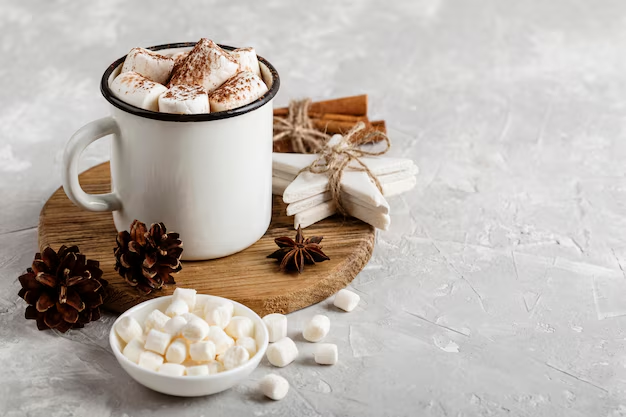
hot cocoa with marshmallows in a white cup.

1. Type of Chocolate Used

  • Dark Chocolate: Contains more caffeine due to its higher cacao content. Hot cocoa made with dark chocolate can have up to 25 mg of caffeine per serving.
  • Milk Chocolate: Has less cacao, resulting in lower caffeine levels (5–10 mg per cup).

2. Amount of Cocoa Powder

  • Homemade recipes using more cocoa powder will naturally have higher caffeine levels.
  • Adding extra chocolate or using high-cacao content powders boosts the caffeine content.

3. Brand and Serving Size

Different brands use varying recipes, which affect caffeine levels. For example:

  • Swiss Miss Hot Cocoa: About 5–12 mg of caffeine per serving.
  • Starbucks Hot Chocolate: Around 20–25 mg per cup.

Pay attention to serving sizes, as larger portions contain more caffeine.

Caffeine-Free Hot Chocolate Alternatives

For those looking to avoid caffeine altogether, there are several options:

These alternatives allow you to enjoy the creamy, comforting taste of hot cocoa.

Caffeine-Sensitive Options

For caffeine-sensitive individuals, enjoying hot cocoa can be tricky. But there are easy ways to make this comforting drink without the caffeine buzz.

1. Use White Chocolate

White chocolate is an excellent base for caffeine-free option. It’s made from cocoa butter without the cacao solids that contain caffeine. A cup of white chocolate hot cocoa delivers the creamy texture you crave, with no caffeine at all.

2. Choose Processed Cocoa Powders

Highly processed cocoa powders often have much of their caffeine content removed during production. Look for brands labeled “alkalized” or “Dutch-processed,” as these typically contain lower levels of caffeine.

3. Opt for Milk-Based Recipes

Skip water-based preparations and go for milk. Whole milk not only enhances flavor and creaminess but also dilutes the caffeine concentration compared to darker chocolate varieties.

4. Add Natural Flavor Enhancers

Instead of relying on high-caffeine cocoa, consider adding cinnamon, nutmeg, or vanilla extract to your drink. These flavor boosters are caffeine-free and can elevate your experience.

Low-Caffeine Recipe Example

  • 1 cup warm milk.
  • 1 tbsp white chocolate chips or low-caffeine cocoa powder.
  • A pinch of cinnamon and sugar to taste.
    Warm the milk, stir in the chocolate and spices, and enjoy a relaxing, caffeine-free treat!

Related to Read: Are Cocoa Puffs Healthy? Find Out the Health Benefits and Drawbacks!

Health Considerations

While hot cocoa contains only small amounts of caffeine, it’s worth considering its health effects, especially for sensitive individuals.

hot cocoa in a red cup

Benefits of Low Caffeine

  • Mild Energy Boost: The small caffeine content can help you feel slightly more alert without causing jitters.
  • Improved Focus: For some, a small dose of caffeine enhances concentration.
  • Comforting Ritual: Hot cocoa provides a soothing moment of relaxation.

Drawbacks for Caffeine-Sensitive People

  • Even small amounts of caffeine may disrupt sleep for highly sensitive individuals.
  • Drinking hot cocoa late at night could cause mild restlessness or difficulty falling asleep.

When to Drink Hot Cocoa?

For those watching their caffeine intake, the best times to enjoy hot cocoa are:

  • Morning or Early Afternoon: Perfect for a gentle pick-me-up without overstimulation.
  • Early Evening: Enjoyable after dinner, as long as you avoid stronger chocolate options that may contain higher caffeine.

Tip: If you’re highly sensitive to caffeine, stick to white chocolate or decaffeinated options.

Tips for Enjoying Hot Cocoa Without Caffeine Concerns

Hot cocoa can be a delightful treat without the stress of caffeine. Here are some tips to make it even better:

1. Get Creative With Toppings

Instead of relying on darker chocolates, elevate your hot cocoa with fun toppings. Add marshmallows, whipped cream, or a sprinkle of caramel sauce. These ingredients enhance the flavor without adding any caffeine.

2. Experiment With Flavored Syrups

Vanilla, hazelnut, or pumpkin spice syrups can transform a simple cup of hot cocoa into a decadent dessert drink.

3. Choose the Right Time to Drink

Avoid drinking this drink right before bedtime if you’re caffeine-sensitive. Even though the caffeine content is low, theobromine in cacao may keep you awake. Stick to morning or early evening.

4. Explore Decaf Options

Brands like Swiss Miss and Nestlé offer decaffeinated hot chocolate mixes. These products provide the same cozy experience with zero caffeine.

By following these tips, you can enjoy hot cocoa worry-free while tailoring it to your preferences.

FAQs

Does hot chocolate contain caffeine?

Yes, hot chocolate contains caffeine, but in very small amounts compared to coffee or tea. On average, a cup of hot chocolate has 5–25 mg of caffeine, depending on the type of chocolate and preparation method used. For a caffeine-free option, consider using white chocolate or specific decaf hot chocolate mixes.

How does hot cocoa compare to coffee in caffeine levels?

Hot cocoa has significantly less caffeine than coffee. While a cup of it contains 5–25 mg of caffeine, a cup of coffee has around 95 mg. This makes hot cocoa a great alternative for people seeking a gentler energy boost.

What are caffeine-free alternatives to hot chocolate?

Caffeine-free alternatives include:

  • White Chocolate Hot Cocoa: Made from cocoa butter, it contains no caffeine.
  • Decaf Hot Chocolate Mixes: Available from brands like Swiss Miss and Nestlé.
  • Carob Powder: A natural chocolate substitute that is entirely caffeine-free.

Can you drink hot cocoa at night?

Yes, but it’s best to choose low-caffeine or caffeine-free options if you’re sensitive. Drinking hot cocoa made with milk chocolate or processed cocoa powder is ideal for evening consumption, as it contains only trace amounts of caffeine.

Does Starbucks offer caffeine-free hot chocolate?

Starbucks hot chocolate contains about 20–25 mg of caffeine per cup. However, you can customize your drink by asking for white chocolate instead of regular cocoa or opting for a smaller serving size to minimize caffeine content.

Conclusion

So, does hot cocoa have caffeine? Yes, but the amount is minimal compared to coffee or tea. For those who are caffeine-sensitive or monitoring their intake, hot cocoa remains a gentle and enjoyable option.

By choosing the right type of chocolate and portion size, you can control how much caffeine you consume. If you prefer a caffeine-free treat, there are plenty of alternatives available. Whether it’s a homemade cup or a store-bought mix, hot cocoa offers a cozy escape without the jitters.

Does Ranch Have Gluten? A Comprehensive Guide

Ranch dressing is one of the most popular condiments in the United States. From salads to pizza dips, its creamy and tangy flavor is loved by millions. However, with the growing awareness of celiac disease and gluten sensitivity, many people are questioning whether ranch dressing is gluten-free.

If you’re someone avoiding gluten, you’re probably wondering, Does ranch have gluten? The answer isn’t always straightforward. Let’s explore the facts about ranch dressing and its content to help you make informed decisions.

What is Gluten?

Gluten is a protein found in wheat, barley, and rye. It helps bind food, giving bread its chewy texture. While harmless for most, gluten can cause serious issues for some people.

For individuals with celiac disease, gluten triggers an autoimmune response that damages the small intestine. Others with gluten intolerance or sensitivity experience digestive distress, fatigue, or headaches. Avoiding gluten is essential for these groups.

Common Sources of Gluten in Foods

Gluten isn’t just in bread and pasta—it’s hidden in many processed foods, including sauces and dressings. Items like soy sauce, malt vinegar, and thickened gravies often contain gluten. That’s why it’s critical to read ingredient labels carefully.

Dressings like ranch may include gluten-containing ingredients or be processed in facilities that handle gluten. This makes it essential to verify their gluten-free status before consuming them.

Is Ranch Dressing Gluten-Free?

Ingredients in Ranch Dressing

Traditional ranch dressing is made with simple ingredients like buttermilk, mayonnaise, herbs, and spices. These are naturally gluten-free. However, certain ingredients in some recipes may introduce gluten.

For example:

Always check the ingredient list carefully to identify potential gluten-containing additives.

Gluten Contamination

Even if the ingredients seem gluten-free, there’s still a risk of cross-contamination. During manufacturing, this dressing may come into contact with gluten if processed in shared facilities. This is especially concerning for people with celiac disease, as even trace amounts of gluten can cause symptoms.

In the US, products labeled as “gluten-free” must contain less than 20 parts per million (ppm) of gluten. Look for this label to ensure the product meets safety standards.

Homemade Ranch Dressing

Making your own ranch dressing is a great way to control the ingredients. Start with basic, gluten-free ingredients like plain buttermilk, mayonnaise, and fresh herbs. Avoid using premixed seasoning packets unless they’re certified gluten-free.

By preparing it at home, you can ensure it’s safe and delicious for everyone at the table.

Related to Read: Is Tapioca Gluten Free? Find Out the Truth!

Gluten-Free Ranch Brands

ranch dressing in a plastic container.

Popular Gluten-Free Ranch Brands in the US

Luckily, many brands cater to gluten-free consumers. Here are some popular options:

  • Hidden Valley Ranch: Many Hidden Valley products are gluten-free, including their Original Ranch Dressing. Check the label for confirmation.
  • Primal Kitchen: Known for its clean ingredients, Primal Kitchen Ranch is both gluten-free and dairy-free.
  • Annie’s Naturals: Offers Certified Gluten-Free ranch dressings made with organic ingredients.

Look for certifications like “Certified Gluten-Free” or “USDA Organic” to ensure the product meets stringent quality standards.

How to Identify Gluten-Free Brands

When choosing a gluten-free ranch, follow these tips:

  1. Read the Label: Look for a “gluten-free” claim on the front or back of the packaging.
  2. Check Allergen Statements: Some brands clearly mention if their product contains wheat or gluten.
  3. Inspect Ingredient Lists: Look out for hidden sources of gluten, such as malt or modified starch.
  4. Look for Certifications: Labels like “Certified Gluten-Free” provide an extra layer of assurance.

If you’re unsure about a product, contact the manufacturer directly for clarification.

Is Ranch Gluten-Free at Restaurants?

Dining Out Challenges for Gluten-Free Diets

Dining out on a gluten-free diet can be tricky, especially when it comes to salad dressings like ranch. Many restaurant kitchens handle a variety of ingredients, increasing the risk of cross-contamination. Even if the ranch dressing itself is made with gluten-free ingredients, it may come into contact with surfaces or utensils used for gluten-containing foods.

Restaurants may also use proprietary recipes for ranch dressing. Some of these recipes could include gluten-containing ingredients, such as:

  • Malt vinegar
  • Modified food starch sourced from wheat
  • Premixed seasoning packets that contain gluten

These risks make it essential for people with celiac disease or gluten sensitivity to communicate their needs clearly. Asking about ingredient sourcing and preparation methods is vital to avoid accidental gluten exposure.

Gluten-Free Options at Popular Restaurant Chains

Several restaurant chains now offer gluten-free menu options. Here are some examples:

  • Chick-fil-A: Their ranch dressing is gluten-free and safe for individuals avoiding gluten.
  • Outback Steakhouse: Offers gluten-free menu items, and their ranch dressing is considered safe.
  • Red Robin: Known for gluten-free options, including several dressings like ranch.

Tips for dining out gluten-free:

  1. Ask detailed questions: Inquire about the specific ingredients used in their ranch dressing.
  2. Check the restaurant’s gluten-free menu: Many chains provide allergen guides online or in-store.
  3. Be proactive about cross-contamination: Request clean utensils and separate preparation for your meal.

Taking these steps can help you enjoy a safe and delicious meal without compromising your gluten-free diet.

Other Gluten-Free Salad Dressings

If ranch dressing isn’t an option or you’re looking to switch things up, there are plenty of salad dressings available. Some popular choices include:

  • Vinaigrettes: Classic dressings like balsamic or Italian vinaigrette are typically gluten-free.
  • Honey Mustard: A tangy and sweet alternative, often made without gluten.
  • Blue Cheese: Many brands offer gluten-free varieties, but double-check for additives.

Making your own salad dressing is another great option. A simple vinaigrette made with olive oil, vinegar, and fresh herbs is naturally gluten-free. You can also create creamy alternatives by mixing Greek yogurt with lemon juice and seasonings.

What to Look for in Gluten-Free Salad Dressings

Choosing gluten-free dressings requires careful attention to detail. Here’s what to watch for:

  1. Avoid These Ingredients:
    • Malt vinegar
    • Soy sauce (unless gluten-free)
    • Modified starch derived from wheat
  2. Check for Certifications:
    Look for labels like “Certified Gluten-Free” or “Gluten-Free Verified.” These guarantee the product meets strict gluten-free standards.
  3. Inspect Allergen Statements:
    Some products clearly state if they contain wheat or other gluten-containing ingredients.
  4. Read the Fine Print:
    Gluten can hide in unexpected places, so scrutinize every ingredient.

By being vigilant, you can enjoy a variety of gluten-free dressings that fit your dietary needs.

FAQs 

Is ranch dressing gluten-free?

Most ranch dressings are gluten-free, but there’s no guarantee. It depends on the brand and recipe. Some may include gluten-containing ingredients like malt vinegar or modified food starch. To be safe, always read the label and look for “gluten-free” certification.

Is Hidden Valley Ranch gluten-free?

Yes, most varieties of Hidden Valley Ranch are gluten-free. The company explicitly states that many of its products meet gluten-free standards. However, it’s always a good idea to verify the label of the specific product you’re purchasing to avoid any risk.

Is store-bought ranch gluten-free?

Some store-bought ranch dressings are gluten-free, while others are not. Always check the label for gluten-free certification or allergen information. Popular brands like Primal Kitchen and Annie’s Naturals are great options for safe, store-bought gluten-free ranch.

What ranch is gluten-free?

Many brands offer gluten-free ranch dressing. Examples include:

  • Hidden Valley Ranch: Offers multiple gluten-free varieties.
  • Primal Kitchen: Known for its gluten-free, dairy-free, and paleo-friendly ranch.
  • Annie’s Naturals: A Certified Gluten-Free brand using organic ingredients.

Look for labels indicating “Certified Gluten-Free” for added peace of mind.

Is ranch gluten-free at restaurants?

Not always. Some restaurant ranch dressings may contain gluten, and cross-contamination is a risk. Before ordering, ask your server about the ingredients and preparation methods. Many chain restaurants provide gluten-free options, but it’s always wise to double-check.

Conclusion

So, does ranch have gluten? The answer depends on the specific brand and recipe. While many ranch dressings are gluten-free, some may contain hidden gluten or face contamination risks during processing. By understanding the ingredients and checking for gluten-free labels, you can safely enjoy dressing without worry.

When in doubt, consider making your own gluten-free dressing at home. With the right ingredients and a little preparation, you can enjoy this creamy, tangy favorite while staying gluten-free.

Does DayQuil Have Acetaminophen? A Comprehensive Guide

0

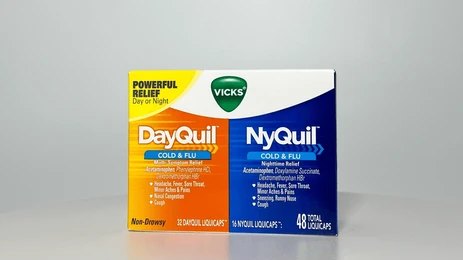
DayQuil is a popular over-the-counter medication known for providing relief from cold and flu symptoms. It’s trusted by millions to ease discomfort during those challenging days when you’re feeling under the weather. However, understanding what’s inside the medicines we take is essential for safe use. One ingredient in particular, acetaminophen, often sparks curiosity among users.

Does DayQuil have acetaminophen? The answer is yes, and it plays a crucial role in the product’s effectiveness. This article will explore what acetaminophen is, its presence in DayQuil, and why it’s such a vital component of this widely used remedy.

What Is Acetaminophen?

Acetaminophen is a widely used medication known for its ability to reduce pain and lower fever. It’s an essential ingredient in many over-the-counter remedies and is often recognized by the brand name Tylenol in the United States.

This versatile drug works by blocking specific chemicals in the brain that signal pain and regulate body temperature. It’s commonly used to treat mild to moderate pain, including headaches, muscle aches, toothaches, and menstrual cramps. Additionally, it’s highly effective in bringing down fevers caused by illnesses like colds or the flu.

Acetaminophen is known for its safety when used correctly. However, exceeding recommended dosages can lead to severe side effects, including liver damage. That’s why it’s crucial to understand how much acetaminophen is in any medication you’re taking, such as DayQuil.

Does DayQuil Contain Acetaminophen?

Yes, DayQuil contains acetaminophen. In fact, acetaminophen is one of the primary active ingredients in this medication, making it a powerful tool for tackling cold and flu symptoms.

DayQuil’s formulation includes three main active ingredients:

  • Acetaminophen: Relieves pain and reduces fever.
  • Dextromethorphan: Suppresses cough.
  • Phenylephrine: Acts as a nasal decongestant to ease stuffy noses.

These ingredients work together to provide comprehensive relief. Acetaminophen, in particular, is the key player when it comes to alleviating the aches, pains, and fevers that often accompany colds and the flu.

How Much Acetaminophen Is in DayQuil?

The amount of acetaminophen in DayQuil varies depending on the product formulation. Generally, DayQuil contains:

  • DayQuil LiquiCaps: 325 mg of acetaminophen per capsule (two capsules are typically recommended per dose).
  • DayQuil Liquid: 650 mg of acetaminophen per 30 mL dose (two tablespoons).

These dosages are carefully measured to provide effective relief while staying within safe limits. However, it’s essential to follow the dosing instructions on the product label to avoid taking too much acetaminophen, especially if you’re using other medications containing the same ingredient.

Why Is Acetaminophen Included in DayQuil?

Acetaminophen plays a critical role in DayQuil’s ability to alleviate cold and flu symptoms. Here’s why it’s included:

  1. Reduces Fever: When you’re sick, a high fever can leave you feeling weak and uncomfortable. Acetaminophen helps lower body temperature, making you feel more at ease.
  2. Relieves Headaches: Many people experience headaches when battling a cold or the flu. Acetaminophen targets these aches directly, providing fast relief.
  3. Eases Muscle and Body Aches: Illness often brings widespread body pain. Acetaminophen’s pain-relieving properties help reduce this discomfort, allowing you to focus on recovery.

Its inclusion in DayQuil ensures that the product provides comprehensive relief for some of the most common and frustrating symptoms of cold and flu.

Is Acetaminophen the Same as Tylenol?

Yes, acetaminophen is the active ingredient in Tylenol, a well-known over-the-counter medication. While Tylenol is a brand name, acetaminophen is the generic term used to describe this pain-relieving and fever-reducing compound.

Acetaminophen is present in many medications besides Tylenol, including cold and flu remedies like DayQuil. This makes it essential to check ingredient labels, especially if you’re taking multiple medications. Combining products with acetaminophen can increase the risk of unintentional overdose. Always monitor your intake to stay within safe daily limits.

Related to Read: Does DayQuil Have Caffeine? A Comprehensive Guide

Can You Take DayQuil With Tylenol or Other Medications Containing Acetaminophen?

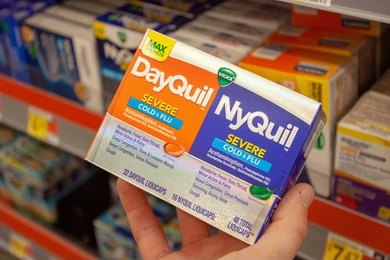
a hand holding DayQuil packet.

No, you should avoid taking DayQuil with Tylenol or any other medications containing acetaminophen. Combining these can lead to an excessive intake of acetaminophen, significantly increasing the risk of liver damage.

For adults, the maximum recommended daily dose of acetaminophen is 4,000 mg. Exceeding this amount can cause severe complications, including liver toxicity. Since DayQuil already contains a substantial dose of acetaminophen, it’s crucial to avoid doubling up with other products.

If you’re unsure about safe medication combinations, consult a healthcare provider. They can guide you based on your specific health needs and current medications.

Potential Risks and Side Effects of Acetaminophen in DayQuil

Acetaminophen is generally safe when used as directed, but misuse or overuse can lead to several risks and side effects. These include:

  • Nausea and Vomiting: Some people experience mild stomach upset after taking acetaminophen.
  • Liver Damage: This is the most serious risk associated with acetaminophen, particularly if taken in high doses or combined with alcohol.
  • Allergic Reactions: Although rare, some individuals may experience hives, swelling, or difficulty breathing.

It’s essential to follow the recommended dosage instructions on the DayQuil packaging. If you suspect an overdose or experience unusual symptoms, seek medical attention immediately.

Who Should Be Careful When Using DayQuil?

Certain groups of people need to exercise caution when using DayQuil or any acetaminophen-containing medication. These include:

  • People with Liver Conditions: Since acetaminophen is metabolized in the liver, individuals with liver disease should use it only under a doctor’s supervision.
  • Those Taking Other Medications: Combining multiple products with acetaminophen increases the risk of overdose.
  • Pregnant or Breastfeeding Individuals: While acetaminophen is generally considered safe during pregnancy, consult your healthcare provider before using DayQuil.

Always inform your doctor about any existing health conditions or medications you’re taking to ensure safe use.

Related to Read: Does DayQuil Make You Sleepy?

FAQs

Does DayQuil have acetaminophen?

Yes, DayQuil contains acetaminophen as one of its active ingredients. It helps reduce fever and relieve aches and pains associated with cold and flu symptoms.

How much acetaminophen is safe to take in a day?

For adults, the maximum safe daily limit of acetaminophen is 4,000 mg. However, it’s best to stay below this limit to minimize the risk of liver damage.

What happens if I take too much acetaminophen?

Taking too much acetaminophen can lead to severe liver damage. Symptoms of overdose include nausea, vomiting, abdominal pain, confusion, and yellowing of the skin or eyes. Seek immediate medical help if you suspect an overdose.

Can I take DayQuil with ibuprofen?

Yes, you can generally take DayQuil with ibuprofen, as they work in different ways and don’t contain overlapping active ingredients. However, consult a healthcare provider if you’re unsure.

What are the symptoms of acetaminophen overdose?

Symptoms of an acetaminophen overdose include nausea, vomiting, loss of appetite, abdominal pain, confusion, and jaundice (yellowing of the skin or eyes). Seek emergency medical care immediately if these occur.

Conclusion

DayQuil is an effective medication for managing cold and flu symptoms. Acetaminophen is one of its key ingredients. It helps reduce fever and relieve pain.

Understanding the role and dosage of acetaminophen is crucial for safe use. Always follow the recommended guidelines. If you are unsure, consult a healthcare provider for advice.

Do Pickles Have Calories? An In-Depth Look

Pickles are a staple in many households across the United States. Known for their tangy flavor and satisfying crunch, they are a favorite addition to burgers, sandwiches, and snack plates. But for those mindful of their caloric intake, one pressing question often arises: Do pickles have calories? 

While pickles are often thought of as a low-calorie food, their calorie content can vary. This article dives into the nutritional makeup of pickles, including their caloric content and how they fit into different diets and meal plans.

Do Pickles Have Calories?

The answer is yes—pickles do have calories. However, their calorie count is relatively low compared to many other foods. The caloric content of pickles depends on the type of pickle and its preparation method.

  • Vinegar-Based Pickles: Dill pickles, for instance, are typically low in calories because they are made with cucumbers, vinegar, and spices. These ingredients contribute minimal calories.
  • Sugar-Added Pickles: On the other hand, sweet pickles and bread-and-butter pickles have added sugar, which increases their calorie content.

Different preparation styles also play a significant role. For example, fermented pickles might have slightly fewer calories than those soaked in sugar brine. Let’s explore how these differences translate to numbers.

How Many Calories Are in Pickles?

Calories in One Medium-Sized Pickle

A single medium-sized dill pickle contains approximately 4 to 7 calories. These calories primarily come from the cucumber and the small amounts of spices and vinegar used in the pickling process. For anyone tracking calories, dill pickles are a guilt-free option for snacking.

Calories in Different Types of Pickles

The type of pickle determines its calorie count. Here’s a quick comparison:

  • Dill Pickles: 4-7 calories per medium pickle.
  • Sweet Pickles: 20-30 calories per medium pickle, due to added sugar.
  • Bread-and-Butter Pickles: Around 30-35 calories per medium pickle, as they contain both sugar and additional seasonings.

This variation is crucial to understand, especially if you’re managing your calorie intake.

Calories in Pickle Juice

Pickle juice, often consumed for its health benefits, has a minimal calorie count. One ounce of pickle brine contains about 1-5 calories. It’s a popular choice among athletes and fitness enthusiasts due to its electrolyte content, particularly sodium. However, it’s important to watch your sodium intake if you consume pickle juice frequently.

Nutritional Value of Pickles

Pickles offer more than just flavor. They also provide essential nutrients, though some come with trade-offs.

Sodium

Pickles are notoriously high in sodium. One medium-sized dill pickle can contain over 500-1000 milligrams of sodium, which is a significant portion of the recommended daily intake. While sodium helps with hydration and electrolyte balance, excessive amounts can contribute to high blood pressure.

Vitamins and Minerals

Pickles are a modest source of some vitamins and minerals, including:

  • Vitamin K: Essential for blood clotting and bone health.
  • Potassium: Helps regulate blood pressure.
  • Antioxidants: Found in spices like dill and garlic used during pickling.

Fermented vs. Non-Fermented Pickles

Fermented pickles, made using natural bacteria, offer additional health benefits. They are rich in probiotics, which support gut health. Non-fermented pickles, however, lack these probiotics but still retain most of their vitamins and minerals.

Do Pickles Have Calories or Carbs?

While pickles are low in calories, their carbohydrate content can vary, particularly in sweetened varieties.

  • Low-Carb Pickles: Dill pickles and other vinegar-based options are keto-friendly, containing less than 1 gram of carbs per serving.
  • High-Carb Pickles: Sweet pickles can have 5-10 grams of carbs per serving due to added sugars. These are less suitable for low-carb diets like keto.

For individuals following a ketogenic or other low-carb diets, choosing sugar-free pickles is key to staying within carb limits.

Low-Calorie Snack for Dieters

Pickles are a dieter’s dream snack. Why? They’re low in calories, making them an ideal choice for those watching their weight. A medium-sized dill pickle has just 4-7 calories. That’s almost negligible compared to other snacks like chips or crackers.

Their crunchiness also makes them satisfying to eat. Unlike some bland, low-calorie foods, pickles pack a tangy flavor that can curb cravings. Whether you’re on a calorie-restricted plan or just looking to avoid processed snacks, pickles can be a handy option. Plus, they’re easy to carry and require no preparation—perfect for busy lifestyles.

Just be cautious with portion sizes, as pickles can be high in sodium. Eating too many might lead to water retention, temporarily masking weight-loss progress. But when eaten in moderation, pickles are a fantastic snack for weight-conscious individuals.

Related to Read: Lime Pickles Sweet Recipe

Do Pickles Help You Lose Weight?

Pickles won’t magically melt away pounds, but they can help with appetite control. Their sour taste and crunch can satisfy your palate, reducing the desire for higher-calorie foods. Many people find that a small pickle or two can curb cravings for salty snacks like chips or pretzels.

Additionally, pickles are hydrating. They’re made from cucumbers, which are 95% water, and the brine contains electrolytes. Staying hydrated is crucial for weight loss because dehydration can sometimes be mistaken for hunger.

However, sweet pickles or sugar-added varieties don’t offer the same benefits. Their higher calorie and sugar content may work against your goals. Stick to low-calorie options like dill or fermented pickles to maximize their weight-loss potential.

Are Pickles Fattening?

No, pickles are not fattening—if chosen wisely. Dill pickles are incredibly low in calories and contain no fat. The only concern comes with sweet pickles, which can have added sugars, and sodium levels in general.

While pickles themselves don’t cause weight gain, eating too many sugary or salty varieties might lead to indirect effects. For instance, high sodium levels can cause bloating, and sugary pickles add unnecessary calories. But when eaten as part of a balanced diet, pickles are far from fattening. Instead, they’re a healthy addition to most meal plans.

Health Benefits of Eating Pickles

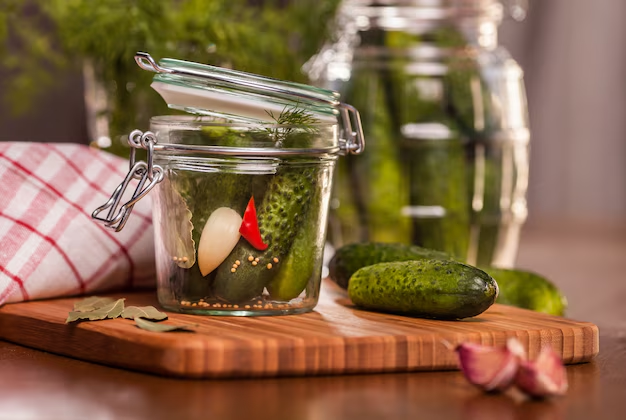
pickled cucumber in a glass jar placed on a wooden cardboard.

Rich in Probiotics (for Fermented Pickles)

Fermented pickles are a powerhouse for gut health. They’re rich in probiotics—beneficial bacteria that help maintain a healthy gut microbiome. Probiotics improve digestion, boost immunity, and may even reduce inflammation.

Unlike vinegar-based pickles, fermented varieties undergo natural fermentation. This process creates live cultures similar to those in yogurt or kimchi. These “good bacteria” promote a balanced gut environment, which is essential for overall health.

If you’re choosing pickles for their probiotic benefits, look for labels that specify “fermented” or “raw.” Pasteurized pickles typically don’t contain live probiotics.

High Sodium Levels – Good or Bad?

Sodium in pickles is a double-edged sword. On one hand, it helps maintain hydration and electrolyte balance. This makes pickles popular among athletes and those recovering from dehydration.

However, excessive sodium can be problematic, especially for individuals with high blood pressure. A single pickle can contain 500-1000 mg of sodium, close to half the recommended daily intake. Overconsumption may lead to water retention or exacerbate hypertension.

The key is moderation. If you enjoy pickles but need to manage sodium intake, opt for low-sodium versions or limit your portion sizes.

Vitamin C and Antioxidants in Pickles

Pickles, especially those made with cucumbers and herbs like dill, contain small amounts of Vitamin C and antioxidants. Vitamin C is essential for immune support and skin health. Antioxidants help neutralize free radicals, reducing oxidative stress in the body.

While pickles aren’t a major source of these nutrients, every little bit counts. Spices and herbs used in pickling, such as garlic and turmeric, can also add a nutritional boost. These compounds have anti-inflammatory properties and may contribute to better overall health.

Are Pickles Healthy or Unhealthy?

Pickles can be both healthy and unhealthy, depending on how they are consumed. Their benefits include being low-calorie, offering gut-friendly probiotics, and containing vitamins and antioxidants. They’re a great option for those following low-carb diets, and pickle juice can help with hydration.

However, their high sodium content can be a concern, especially for those with hypertension or kidney issues. Sweet pickles are also less healthy due to their added sugar.

Moderation is the golden rule. For the healthiest choice, opt for low-sodium, sugar-free, or fermented pickles. This way, you can enjoy their flavor and benefits without the downsides.

Related to Read: Cinnamon Pickles Recipe

FAQs 

How many calories in a pickle spear?

A single dill pickle spear has about 4-5 calories, making it a very low-calorie snack.

Can I eat pickles every day on a low-calorie diet?

Yes, but monitor sodium intake to avoid bloating or other side effects from excess salt.

Are sweet pickles higher in calories?

Yes, sweet pickles contain added sugar, raising their calorie count to 20-30 calories per serving.

Do pickles help with hydration?

Yes, due to their water content and electrolytes, pickles can aid in hydration.

What are the benefits of pickle juice?

Pickle juice replenishes electrolytes, supports hydration, and may help reduce muscle cramps.

Conclusion

Pickles are a versatile food that can fit into most diets, thanks to their low-calorie content and unique flavor. They offer various health benefits, from probiotic support to hydration and antioxidant intake. However, it’s important to be mindful of their sodium and sugar content. To maximize their health benefits, choose fermented or low-sodium pickles and enjoy them in moderation.

For anyone looking for a crunchy, satisfying snack that won’t derail their weight-loss goals, pickles are an excellent choice. Whether eaten on their own or as part of a meal, they’re a tasty way to stay on track.

Does Soy Sauce Have Alcohol? A Detailed Guide

Soy sauce is one of the most beloved and versatile condiments worldwide. Whether drizzled on sushi, used in marinades, or added to soups, it enhances flavors with its salty and umami taste. But have you ever wondered what goes into making soy sauce? Given its fermentation process, a common question arises: does soy sauce have alcohol? This article dives into the origins of soy sauce, its fermentation process, and whether it’s safe for those avoiding alcohol.

What is Soy Sauce?

Soy sauce originated in ancient China over 2,500 years ago. It later became a staple in Japanese, Korean, and other Asian cuisines. Traditionally, soy sauce was used to season and preserve food. Today, it remains an essential ingredient in various dishes, from stir-fries to dipping sauces.

Ingredients of Soy Sauce

Soy sauce is made from a few simple ingredients: soybeans, wheat, water, and salt. However, its complex flavor is developed through fermentation. This process allows natural microorganisms to break down the soybeans and wheat, creating a rich, savory liquid.

The Role of Fermentation

Fermentation is key to producing authentic soy sauce. During this process, yeast converts some of the sugars in the wheat into alcohol. This makes alcohol a natural byproduct of fermentation. This is why the question of whether soy sauce contains alcohol often comes up when discussing its production.

Does Soy Sauce Contain Alcohol?

Yes, soy sauce contains alcohol, but only in small amounts. Alcohol is formed during the natural fermentation process. When soybeans and wheat are fermented with specific microbes, sugars are broken down into alcohol and acids. This gives soy sauce its unique depth of flavor.

Typical Alcohol Content

The alcohol content in soy sauce usually ranges between 1% and 3%, depending on the type and brand. For example, naturally brewed soy sauces may have higher alcohol levels compared to chemically processed versions. Despite these small amounts, the alcohol content in this sauce is considered negligible for most people.

Light vs. Dark Soy Sauce

Light soy sauce, commonly used in dipping and seasoning, tends to have slightly less alcohol than dark one. Dark soy sauce, which is richer and thicker, may contain slightly more alcohol due to a longer fermentation process. However, both light and dark soy sauces fall within the same general alcohol range of 1% to 3%.

Related to Read: Homemade Pear Sauce Canning Recipe

Is Soy Sauce Safe for People Avoiding Alcohol?

For No-Alcohol Diet

For individuals on a strict no-alcohol diet, even small amounts of alcohol may be a concern. While the alcohol in soy sauce is minimal, some people may prefer to avoid it entirely. Fortunately, many brands now offer alcohol-free or non-fermented soy sauces, catering to those with dietary or religious restrictions.

For Individuals in Alcohol Recovery

Since the alcohol levels are extremely low, this sauce is unlikely to trigger a relapse. However, individuals with concerns should consult their healthcare provider or choose alcohol-free alternatives.

Health and Religious Considerations

For those avoiding alcohol for health or religious reasons, the trace amounts in soy sauce are generally not significant. However, reading labels and checking for “alcohol-free” options is recommended. It’s always better to err on the side of caution if alcohol is strictly prohibited in your lifestyle.

Does Cooking Evaporate Alcohol in Soy Sauce?

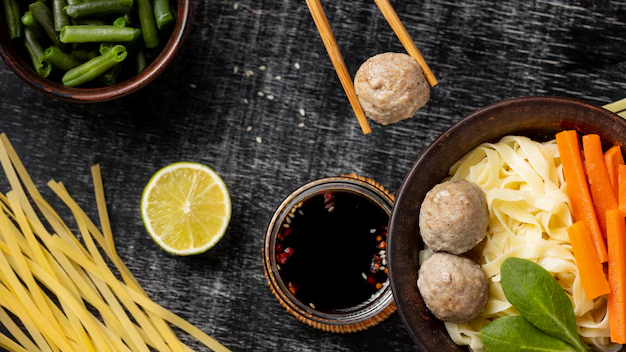
soy sauce with meatballs and spaghetti on a black mat.

How Heat Reduces Alcohol Content

When the sauce is heated during cooking, much of the alcohol it contains evaporates. This is due to alcohol’s lower boiling point compared to water. Alcohol begins to vaporize at 173°F (78.5°C), meaning that as the dish simmers or boils, the alcohol diminishes. However, the process depends on both the cooking temperature and duration.

How Much Alcohol Remains After Cooking?

The exact amount of alcohol remaining depends on how long the sauce is heated. For instance, brief stir-frying or low-temperature simmering will leave behind small traces of alcohol. On the other hand, prolonged high-heat cooking (such as boiling for over an hour) can reduce the alcohol content to almost undetectable levels. For recipes requiring strict alcohol removal, longer cooking times are recommended.

Does Heating Soy Sauce Enhance Flavor?

Cooking this sauce not only reduces alcohol but also enhances its flavor. Heat intensifies the umami taste, deepens the savory notes, and makes dishes richer. Whether it’s a stir-fry, soup, or marinade, the interaction of heat with the soy sauce ingredients results in a robust flavor profile.

Non-Alcoholic Alternatives to Soy Sauce

Introduction to Alcohol-Free Options

For those avoiding alcohol entirely, several non-alcoholic substitutes for soy sauce are available. Tamari, coconut aminos, and specially formulated alcohol-free soy sauces provide similar taste profiles without the alcohol content. These alternatives cater to dietary restrictions, health concerns, and religious practices.

Top Alcohol-Free Soy Sauce Brands Available in the U.S.

Many brands offer alcohol-free sauce options that mimic the flavor of traditional soy sauce. Popular choices include:

  • San-J Tamari Soy Sauce: Gluten-free and alcohol-free.
  • Bragg Liquid Aminos: A soy-based alternative free from alcohol.
  • Coconut Secret Coconut Aminos: Derived from coconut sap, with a naturally sweet and salty taste.

Homemade Substitutes

You can also make soy sauce substitutes at home using simple ingredients. Combine vegetable broth, molasses, apple cider vinegar, and a pinch of salt to mimic the salty and umami flavor of soy sauce. Adding spices like garlic and onion powder can further enhance the taste.

Related to Read: Lightened Tartar Sauce

FAQs 

Can you get drunk from soy sauce?

No, this sauce contains only trace amounts of alcohol, which is too minimal to cause intoxication.

Is soy sauce safe for children or pregnant women?

Yes, it is generally safe when used in moderation, but check for alcohol-free options if you have concerns.

Will soy sauce trigger a breathalyzer test?

Unlikely. The alcohol content in soy sauce is too low to impact a breathalyzer reading.

Conclusion

Soy sauce, a product of fermentation, naturally contains small amounts of alcohol. However, the levels are minimal, and cooking further reduces the content. For most people, soy sauce remains a safe and versatile condiment. Those avoiding alcohol can explore alcohol-free alternatives like tamari or coconut aminos. Whichever option you choose, soy sauce continues to add depth and flavor to countless dishes worldwide.

Does Lemonade Have Caffeine? A Comprehensive Guide 

0

Lemonade has always been a go-to drink for many, especially during summer. Its refreshing citrus flavor makes it a favorite among adults and kids alike. But if you’re wondering, does lemonade have caffeine?, the answer is mostly no—traditional lemonade is caffeine-free. 

However, there are exceptions, especially with modern twists on this classic beverage. Knowing whether lemonade contains caffeine is crucial for health-conscious individuals, particularly those sensitive to stimulants. Let’s dive deeper into the world of lemonade and caffeine.

What Is Lemonade?

Before we explore caffeine content, let’s understand what lemonade is.

Definition and History of Lemonade

Lemonade is a beverage made from lemon juice, water, and sugar. Its origins date back to medieval times when lemons were first cultivated in the Mediterranean. Over the centuries, lemonade evolved into a globally recognized drink, loved for its tangy yet sweet taste.

Common Ingredients in Lemonade

Traditional lemonade consists of three simple ingredients:

  • Fresh lemon juice
  • Water
  • Sugar or sweetener

However, modern versions may include added flavors, carbonated water, or even artificial ingredients.

Different Types of Lemonade

Today, lemonade comes in various forms, including:

  1. Traditional Lemonade: The classic mix of lemon juice, sugar, and water.
  2. Sparkling Lemonade: A fizzy version made with carbonated water.
  3. Flavored Lemonade: Infused with flavors like raspberry, strawberry, or mint.
  4. Sugar-Free Lemonade: Designed for health-conscious consumers, sweetened with alternatives like stevia.

Does Lemonade Have Caffeine?

Now, let’s address the big question: does lemonade have caffeine?

Traditional Lemonade Is Naturally Caffeine-Free

Lemonade, in its most basic form, is free of caffeine. This is because its primary ingredients—lemon juice, water, and sugar—don’t contain any caffeine. For those looking to avoid stimulants, traditional lemonade is a safe and refreshing choice.

Exceptions: Lemonade Products That Might Contain Caffeine

Not all lemonade is created equal. Some commercial brands and modern variations include caffeine. For example:

  • Energy Lemonades: These are marketed as beverages that combine the refreshing taste of lemonade with an energy boost. They often contain added caffeine, similar to energy drinks.
  • Certain Bottled Lemonades: Some brands add caffeine to their products to appeal to consumers who want a mild stimulant.

Examples of Lemonades That May Contain Caffeine

  • Energy Lemonades: Brands like Monster or Rockstar offer lemonade-infused energy drinks.
  • Specialty Bottled Lemonades: Some boutique or limited-edition lemonades may include tea or coffee extracts, which naturally contain caffeine.

Always check the label to confirm caffeine content.

Related to Read: Is Lemonade Good for You?: A Detailed Guide

Does Minute Maid Lemonade Have Caffeine?

Minute Maid Lemonade is a widely recognized brand in the US. Its ingredients include filtered water, lemon juice concentrate, high fructose corn syrup, and natural flavors.

  • Caffeine Content: Traditional Minute Maid Lemonade does not contain caffeine.
  • For Caffeine-Sensitive Individuals: It’s safe to consume for those avoiding stimulants, but always double-check the product label for variations or flavored versions that might include tea extracts.

Does Pink Lemonade Have Caffeine?

Pink lemonade is a colorful twist on the classic. It’s typically made with added fruit juice or coloring, giving it a pink hue.

  • Ingredients: Common ingredients include lemon juice, sugar, water, and a splash of strawberry, cranberry, or raspberry juice.
  • Caffeine Comparison: Pink lemonade is naturally caffeine-free. However, commercially produced versions may vary, especially if additional flavors or tea extracts are included.

Caffeine-Free Alternatives

If you’re avoiding caffeine altogether, there are plenty of refreshing options to consider.

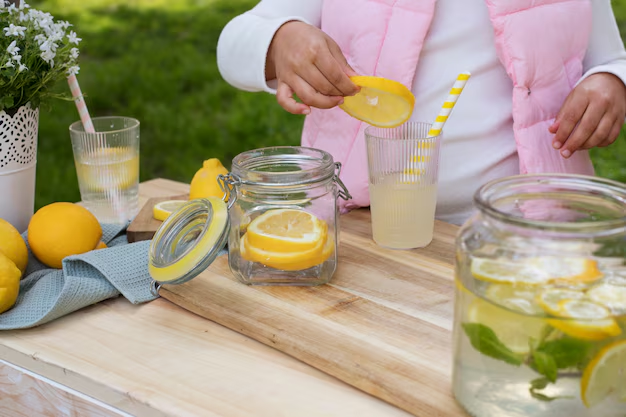
a person preparing caffeine-free lemonade.

Popular Caffeine-Free Beverages

Here are a few alternatives:

How does Lemonade compare to Other Drinks?

When compared to other caffeine-free drinks, lemonade stands out for its simplicity and versatility. It’s easy to make at home and can be adjusted to suit individual tastes, whether you prefer it sweeter, tangier, or sparkling.

Nutritional Information of Lemonade

Lemonade’s nutritional profile can vary based on its ingredients and preparation method. Traditional homemade lemonade is simple, but commercial versions may include added sugar or artificial flavors. Let’s look at its typical nutritional breakdown.

Typical Nutritional Profile of Lemonade

A standard 8-ounce glass of lemonade may contain:

  • Calories: 100–150 (depending on sugar content).
  • Sugar: 25–30 grams.
  • Vitamin C: About 20% of the recommended daily intake.
  • Carbohydrates: 26–32 grams.

Does Lemonade Contain Sugar?

Yes, most lemonade recipes rely on sugar for sweetness. However, the amount of sugar varies:

  • Homemade Lemonade: Allows control over sugar levels.
  • Commercial Lemonade: Often contains high-fructose corn syrup, leading to higher sugar content.

Tips for Healthier Choices:

  • Opt for low-sugar or sugar-free lemonade options.
  • Use natural sweeteners like stevia or honey in homemade recipes.
  • Dilute lemonade with water or sparkling water for a lighter drink.

How to Identify Caffeine in Lemonade Products

Not all lemonade products are caffeine-free. Identifying caffeine in these beverages can be tricky, but product labels can help.

Reading Product Labels for Caffeine Content

Manufacturers list ingredients on the label. Look for these:

  • “Added Caffeine”: Explicit mention of caffeine as an ingredient.

Recognizing Caffeinated Lemonade Varieties

  1. Energy Lemonades: Usually marketed as caffeine-enhanced beverages.
  2. Specialty Products: Lemonades with tea or coffee extracts as ingredients.

Popular Lemonade Brands in the US and Their Caffeine Content

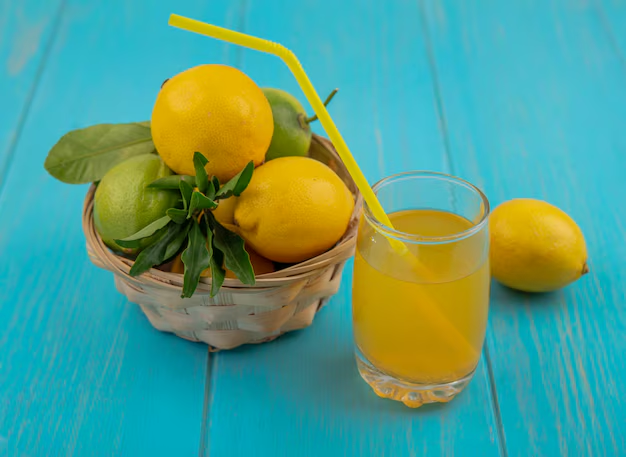
a glass of lemon juice with a basket full of lemons.

Lemonade brands vary widely in terms of ingredients and caffeine content. Let’s explore some of the most popular ones.

Does Simply Lemonade Have Caffeine?

Simply Lemonade is a well-loved brand for its natural ingredients. It contains:

  • No Caffeine: Traditional Simply Lemonade is caffeine-free.
  • Sugar Levels: Around 27 grams per serving.

Does Chick-fil-A Lemonade Have Caffeine?

Chick-fil-A’s lemonade is a customer favorite, made with fresh lemon juice, sugar, and water.

  • No Caffeine: Their classic lemonade does not include caffeine.
  • Unique Appeal: Freshly squeezed daily, it’s known for its rich citrus flavor.

Other Popular Brands to Consider

  • Minute Maid: Mostly caffeine-free, except specialty blends.
  • Hubert’s Lemonade: Known for fruity variations, typically caffeine-free unless labeled otherwise.

Health Benefits and Concerns of Drinking Lemonade

Lemonade is a versatile and beloved beverage, but like anything, it has its pros and cons. Understanding these can help you make informed choices about including it in your diet.

Health Benefits of Drinking Lemonade

  1. Hydration: Lemonade helps keep you hydrated, especially on hot days. The combination of water and electrolytes from lemons can aid in replenishing lost fluids.
  2. Vitamin C: Lemons are an excellent source of vitamin C, which supports the immune system, promotes collagen production, and enhances skin health.
  3. Digestive Aid: Lemon juice may aid digestion by stimulating stomach acid production, which can help in breaking down food effectively.
  4. Alkalizing Properties: Despite being acidic, lemons can have an alkalizing effect on the body, which may support overall health.
  5. Low-Calorie Options: When prepared without excessive sugar, lemonade can be a low-calorie, refreshing drink suitable for weight management.

Concerns of Drinking Lemonade

  1. High Sugar Content: Many commercial lemonades are loaded with sugar, contributing to weight gain, diabetes risk, and dental issues.
  2. Acidity: The acidic nature of lemon juice may erode tooth enamel if consumed in excess. Drinking through a straw or rinsing your mouth afterward can minimize this risk.
  3. Artificial Additives: Some store-bought brands contain artificial flavors, preservatives, and colors, which may have health implications over time.
  4. Caffeine in Certain Types: While traditional lemonade is caffeine-free, some energy lemonades contain caffeine, which could be unsuitable for caffeine-sensitive individuals.
  5. Potential Allergens: Additives in flavored or bottled lemonades may cause reactions in sensitive individuals.

Tips for Healthier Consumption

  • Make lemonade at home to control sugar and avoid artificial ingredients.
  • Opt for low-sugar or sugar-free versions.
  • Dilute lemonade with water to reduce acidity and calorie content.

FAQs

1. Is Lemonade Good for You?

Yes, lemonade is good when consumed in moderation. It provides hydration, vitamin C, and antioxidants. Homemade or low-sugar options are better for maintaining health.

2. Does Sparkling Lemonade Have Caffeine?

Typically, sparkling lemonade does not contain caffeine. However, specialty or energy versions might include caffeine. Always check the label to be sure.

3. Can You Drink Lemonade While Pregnant?

Yes, lemonade is generally safe during pregnancy if made with fresh, clean ingredients and without excessive sugar or caffeine. It can also help with nausea.

4. Does Lemonade Keep You Awake?

Traditional lemonade does not have caffeine and won’t keep you awake. However, energy lemonades with added caffeine may have stimulating effects.

5. Is Lemonade Considered a Healthy Beverage?

Yes, it can be healthy, especially when prepared with natural ingredients and less sugar. Lemonade offers hydration and vitamin C but should be consumed in moderation.

6. Are There Energy Lemonades with Caffeine?

Yes, some brands offer energy lemonades infused with caffeine to provide a mild energy boost. Check the label for details on caffeine content.

Conclusion

So, does lemonade have caffeine? Traditional lemonade is a safe bet for anyone avoiding caffeine. While some modern variations may include caffeine, they are exceptions rather than the norm. Always read the label to be sure.

With its refreshing and natural ingredients, lemonade remains a top choice for caffeine-conscious individuals. If you’re looking for a tasty, caffeine-free beverage, lemonade is hard to beat!

Does Mocha Have Caffeine? Everything You Need to Know

Mocha coffee is a beloved choice for coffee lovers across the United States. Known for its creamy texture and chocolatey flavour, it has a dedicated fan base. But many coffee enthusiasts often wonder, Does mocha have caffeine? This question arises as caffeine content varies across different types of coffee drinks. 

Whether you’re trying to manage your caffeine intake or just curious, understanding what goes into a mocha can help clear up the confusion.

What is a Mocha?

A mocha, often called a “caffe mocha,” is a delightful coffee-based beverage. It combines three key ingredients: espresso, chocolate, and steamed milk. This combination creates a drink that is both rich and indulgent.

The unique flavor profile of mocha stands out due to its blend of coffee’s boldness and chocolate’s sweetness. It’s a perfect pick for those who enjoy dessert-like coffee without sacrificing the caffeine kick. With variations in recipes worldwide, the mocha continues to be a go-to choice in cafés and coffee shops.

Does Mocha Have Caffeine?

Yes, mocha does have caffeine. The primary source of caffeine in it is espresso, which is made by forcing hot water through finely-ground coffee beans. A standard shot of espresso contains about 63 milligrams of caffeine on average.

Additionally, the chocolate used in this drink contains a small amount of caffeine. While not as potent as coffee, cocoa naturally includes caffeine, contributing to the drink’s overall caffeine content. The final caffeine level depends on the type of chocolate used and the number of espresso shots included.

How Much Caffeine is in a Mocha?

The caffeine content in a mocha varies based on its preparation. On average, a standard mocha contains 90 to 175 milligrams of caffeine per serving. This range depends on the size of the drink and the number of espresso shots used.

For instance, at Starbucks, a tall (12-oz) mocha has approximately 95 milligrams of caffeine. A grande (16 oz) mocha increases to about 175 milligrams due to its larger size and additional espresso. Other chains like Dunkin’ and local cafés may have different caffeine levels based on their recipes.

Here’s a quick comparison of caffeine content:

Coffee ChainDrink SizeCaffeine (mg)
StarbucksTall (12 oz)95 mg
StarbucksGrande (16 oz)175 mg
Dunkin’Medium (14 oz)~120 mg
Local CaféVaries~100-160 mg

Factors Influencing Caffeine Content

Here are the factors that influence Mocha’s caffeine content.

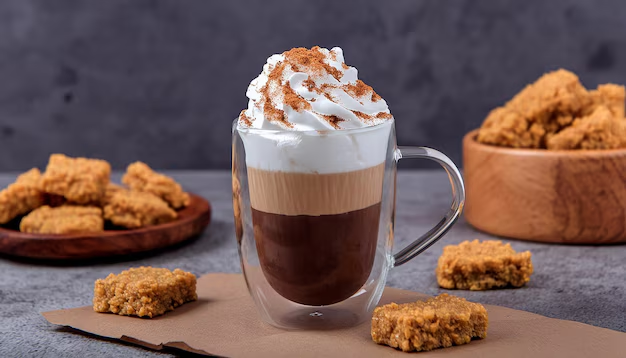
a cup of mocha with whipped cream at its top.

1. Number of Espresso Shots

Espresso is the primary contributor to caffeine in a mocha. Most mochas are made with one or two shots of espresso. The more shots included, the higher the caffeine content.

For example:

  • One espresso shot adds about 63 mg of caffeine.
  • Two shots double that to roughly 126 mg.

When ordering your mocha, you can customize the number of shots to adjust the caffeine level.

2. Type of Chocolate Used

The chocolate component in a mocha also affects its caffeine content. Dark chocolate contains more caffeine than milk or white chocolate.

  • Dark chocolate has about 12 milligrams of caffeine per ounce.
  • Milk chocolate contains around 6 milligrams per ounce.
  • White chocolate, however, has no caffeine since it lacks cocoa solids.

So, if you prefer a mocha with a stronger chocolate taste and a slight caffeine boost, opting for dark chocolate is the way to go.

3. Serving Size of the Mocha

The size of your mocha significantly impacts the amount of caffeine. Larger sizes typically include more espresso shots and additional chocolate.

For instance:

  • A small mocha (8 oz) may have a single espresso shot and minimal chocolate, with about 90 mg of caffeine.
  • A medium mocha (12 oz) often contains two shots and more chocolate, averaging 150 mg.
  • A large mocha (16 oz or more) could exceed 175 mg due to additional ingredients.

Choosing a smaller serving size can help reduce your caffeine intake if you’re trying to limit consumption.

4. Customizations and Add-Ons

Cafés offer a variety of customizations that can alter a mocha’s caffeine content. These include:

  • Decaf espresso: Reduces the caffeine to a negligible amount.
  • Extra shots: Boosts caffeine significantly.
  • Alternative chocolate sauces: Some may have more or less caffeine compared to traditional syrups.

If you want to tailor your mocha to your preferences, discussing these options with your barista can make a big difference.

Related to Read: White Chocolate Mocha Ice Cream

Does White Mocha Have Caffeine?

White mochas contain caffeine, but the amount is minimal compared to traditional mochas. The primary caffeine in a white mocha comes from the espresso shots used in the drink, not the white chocolate.

White chocolate lacks cocoa solids, the main source of caffeine in regular chocolate. However, the espresso base ensures that a white mocha still provides a caffeine boost. On average, a tall white mocha from a popular chain like Starbucks contains 70 to 150 milligrams of caffeine, depending on the number of espresso shots added.

Comparison with Traditional Mocha

When compared to a traditional mocha, a white mocha generally has slightly less caffeine. This is because regular mochas benefit from both espresso and the caffeine present in cocoa. A white mocha offers a smoother, creamier flavour and is an excellent option for those who prefer a milder chocolate taste.

Mocha vs Latte: Which Has More Caffeine?

When comparing caffeine levels, mochas often have slightly more caffeine than lattes. This difference comes from the added chocolate in mochas, which contributes a small amount of caffeine to the beverage.

Caffeine in a Latte

A latte typically consists of espresso and steamed milk, with no additional ingredients contributing to its caffeine content. A single-shot latte contains around 63 milligrams of caffeine, while a double-shot version has 126 milligrams.

Caffeine in a Mocha

A mocha starts with the same espresso base as a latte but includes chocolate. The caffeine from chocolate adds an extra 10-30 milligrams, depending on the type and quantity used. For instance, a mocha with dark chocolate will have more caffeine than one with milk or white chocolate.

Key Takeaway

If you’re choosing between a mocha and a latte based on caffeine, mochas offer a slightly stronger kick. However, the difference is minor and often influenced by serving size or customizations.

Caffeine in Starbucks Mocha: A Closer Look

Starbucks mochas are a popular choice for coffee lovers. They offer a variety of sizes and customizations, making it easy to adjust your caffeine intake.

Caffeine Levels by Size

Here’s a breakdown of caffeine content in Starbucks mochas:

  • Tall (12 oz): ~95 milligrams
  • Grande (16 oz): ~175 milligrams
  • Venti (20 oz): ~180 milligrams

The caffeine content increases with larger sizes due to more espresso shots and additional chocolate syrup.

Decaf Options

Starbucks also offers decaf mochas, where regular espresso is swapped for decaf espresso. While decaf espresso isn’t entirely caffeine-free, it reduces the caffeine level to under 20 milligrams per shot, making it a great choice for those sensitive to caffeine.

Health Considerations of Caffeine in Mocha

a person holding a cup of mocha

Benefits of Caffeine in Moderation

Caffeine, when consumed in moderation, has several benefits:

  • Boosts cognitive abilities.
  • Improves physical performance.
  • Increases energy levels throughout the day.

A mocha’s combination of espresso and chocolate provides a double dose of energy, making it a popular pick-me-up.

Risks of Excessive Caffeine Consumption

Too much caffeine can lead to:

  • Jitters and feelings of restlessness.
  • Sleep disturbances, especially when consumed late in the day.
  • Increased heart rate or anxiety in some individuals.

To avoid these risks, stick to a moderate caffeine intake of 200-400 milligrams per day, as recommended by health experts. Customizing your mocha with fewer espresso shots or opting for decaf can help keep your consumption in check.

Related to Read: Mocha Banana Smoothie

FAQs

1. Does mocha coffee have caffeine?

Yes, mocha coffee contains caffeine from its espresso base and chocolate component. The exact amount depends on the number of espresso shots and the type of chocolate used.

2. Is mocha coffee caffeinated?

Absolutely. Mocha is a caffeinated coffee drink that combines espresso with chocolate and steamed milk, offering a balanced energy boost.

3. How much caffeine is in a mocha latte?

A mocha latte typically contains 90 to 175 milligrams of caffeine, depending on the size and number of espresso shots included.

4. Does white mocha have caffeine?

Yes, white mocha has caffeine from the espresso shots. However, it has less caffeine than traditional mochas since white chocolate lacks cocoa solids.

5. Can I order a decaf mocha coffee?

Yes, decaf mocha is an option. It uses decaf espresso, significantly lowering the caffeine content while keeping the same delicious flavor.

6. Is mocha a good option for those sensitive to caffeine?

It can be, especially if ordered with fewer espresso shots or as a decaf version. White mocha is also a milder option due to its lower caffeine content.

Conclusion

Mochas are a delicious way to enjoy the boldness of coffee combined with the sweetness of chocolate. While they do contain caffeine, the exact amount varies based on the type of mocha, the serving size, and the number of espresso shots.

White mochas, with their creamy flavor, offer a slightly lower caffeine option compared to traditional mochas.

Next time you order a mocha, you’ll have a clearer picture of what goes into your cup. Customize it to fit your caffeine preferences and enjoy this indulgent treat at your favorite café!

Is Grape Juice Good for You? A Comprehensive Guide

Grape juice is a popular beverage praised for its potential health benefits. Packed with a rich blend of vitamins, minerals, and antioxidants, it’s often marketed as a healthy choice for people of all ages. Many individuals turn to this juice as a convenient way to include fruit in their diet. But how healthy is grape juice, really? Does it live up to the hype? 

In this article, we’ll explore the nutritional profile, health benefits, and considerations to help answer the question: Is grape juice good for you? Let’s dive in and uncover the science behind this popular drink.

Nutritional Profile

Let’s breakdown the nutritional profile of grape juice.

Calories

A standard 8-ounce glass of it contains about 150-160 calories. This can vary slightly depending on the brand and whether it’s made from Concord or white grapes. These calories primarily come from natural sugars in the juice, which give it its sweet flavor.

Sugar Content

This juice is naturally high in sugar. One glass may contain 36-38 grams of sugar, similar to a serving of soda. While these sugars are natural, excessive consumption can contribute to weight gain and other health issues if not balanced with physical activity and a healthy diet.

Vitamins and Minerals

Grape juice is a good source of essential vitamins and minerals. It contains:

Additionally, this juice contains small amounts of iron, magnesium, and calcium, contributing to its overall nutritional value.

Is 100% Grape Juice Healthy?

100% pure juice is healthier than processed juices with added sugars and artificial ingredients. However, even 100% juice should be consumed in moderation due to its high natural sugar content. Opt for unsweetened varieties to maximize benefits.

Health Benefits

grape juice with grapes placed on a wooden board.

The health benefits of grapes are mentioned in detail here.

Is It Good for Your Heart?

Yes, it is often considered heart-healthy. It contains powerful antioxidants that can support cardiovascular health.

How Antioxidants Support Cardiovascular Health?

Grape juice is rich in polyphenols, compounds that improve blood flow and reduce the risk of blood clots. These antioxidants protect the heart by reducing oxidative stress and inflammation in blood vessels.

Role of Resveratrol in Improving Heart Health

Resveratrol, found in grape skins, is a key antioxidant. It helps lower bad cholesterol (LDL), increase good cholesterol (HDL), and reduce the risk of heart disease.

Is It Good for Weight Loss?

This juice can fit into a weight-loss plan when consumed in moderation. Its natural sugars provide quick energy, but its calorie content can add up if overconsumed.

Calories vs. Benefits: Is It Worth It?

For those managing weight, the key is balance. A small serving can provide antioxidants and nutrients without overloading on calories. Pair grape juice with fiber-rich foods for better satiety.

Does It Have Antioxidants?

Yes, it is packed with antioxidants like flavonoids and resveratrol. These compounds protect the body from free radicals that can damage cells.

How Antioxidants Help with Inflammation and Immunity?

Antioxidants in grape juice reduce inflammation, boost immunity, and support overall health. They may also lower the risk of chronic diseases such as arthritis and certain cancers.

Is It Good for Your Skin?

Yes, it can promote healthier, glowing skin. Its high antioxidant content combats free radicals that lead to skin damage.

How Antioxidants Fight Signs of Aging?

The antioxidants in grape juice, such as resveratrol and vitamin C, help reduce wrinkles, improve skin elasticity, and protect against UV damage.

Is It Good for Diabetics?

It can be tricky for diabetics. Its high sugar content may cause blood sugar spikes if not consumed carefully.

Can Sugar Content Impact Blood Sugar Levels?

Yes, the natural sugars in it can raise blood sugar levels. Diabetics should consult a healthcare provider before including grape juice in their diet and opt for small servings if allowed.

Is It Safe During Pregnancy?

It is generally safe during pregnancy when consumed in moderation. Its vitamins and antioxidants can benefit both the mother and baby.

Nutritional Benefits for Expecting Mothers

The vitamin C in grape juice supports immune health, while potassium helps manage blood pressure. However, pregnant women should monitor sugar intake and choose 100% juice options without additives.

Potential Side Effects

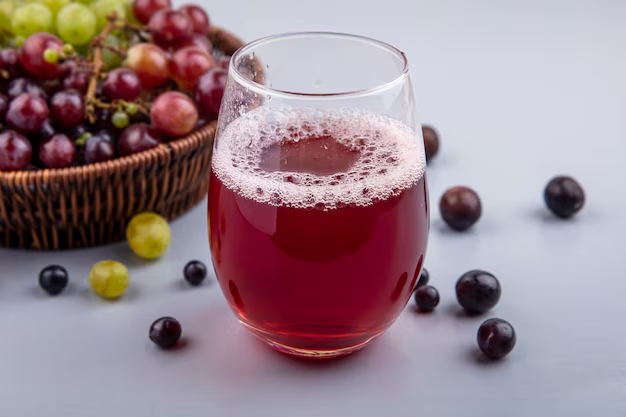
grape juice in a glass with grapes in a basket.

While grape juice is celebrated for its health benefits, it’s not without drawbacks. Its high antioxidant content supports heart health, skin rejuvenation, and immune function. However, excessive consumption can lead to potential health concerns, such as weight gain or increased blood sugar levels. Striking the right balance is key to enjoying its benefits without the risks.

Sugar Overload: Concerns for Diabetics and Weight Watchers

Grape juice is naturally high in sugars. A single 8-ounce glass can contain up to 38 grams of sugar. For diabetics, this can cause blood sugar spikes, increasing the risk of complications. For those watching their weight, the calorie-dense nature of this juice may lead to unwanted pounds if not consumed moderately.

Allergies and Intolerances

Some individuals may experience allergic reactions to grape juice. Symptoms like itching, swelling, or stomach discomfort could indicate an intolerance to components in the juice. If these occur, it’s best to stop consumption and consult a healthcare provider.

Comparing Grape Juice Brands

Is Welch’s Grape Juice Good for You?

Welch is a widely recognized brand. It’s made from Concord grapes, known for their high antioxidant content, including resveratrol. While it is a good option for a nutrient-rich drink, it’s still high in natural sugars. Choosing Welch’s 100% grape juice over their juice cocktails or blends ensures you avoid added sugars.

Differences Between 100% Juice and Juice Drinks

100% grape juice contains only the juice of grapes with no added sugars or artificial ingredients. Juice drinks or cocktails, on the other hand, often contain added sugars, preservatives, and flavorings. These can dilute the health benefits of the beverage.

How to Choose the Healthiest Grape Juice

Look for products labeled “100% purity” and check the ingredient list. Avoid juices with added sugars or artificial flavors. Organic options may also be a healthier choice as they are free from pesticides.

Related to Read: Are Grapes Acidic? Should You Avoid Grapes With Acid Reflux?

Tips for Incorporating It into Your Diet

How Much Grape Juice Should You Drink Daily?

A safe serving size is around 4 to 8 ounces per day. This amount provides antioxidants and nutrients without excessive sugar or calories. Moderation is key to avoiding potential side effects like weight gain or blood sugar spikes.

Healthy Ways to Enjoy It

  • Dilute with Water: Mixing grape juice with water reduces sugar intake while keeping the flavor.
  • Add to Smoothies: Combine with yogurt, spinach, and berries for a nutrient-packed drink.
  • Freeze as Popsicles: Make refreshing and healthy treats by freezing diluted grape juice.

Alternatives: Fresh Grapes vs. Grape Juice

Fresh grapes are a healthier choice compared to their juice. They contain fiber, which aids in digestion and slows sugar absorption. Opt for whole grapes when possible, but this juice can be a convenient alternative for quick nutrition.

FAQs 

Does Grape Juice Have Antioxidants?

Yes, this juice is rich in antioxidants such as flavonoids, resveratrol, and vitamin C. These compounds fight free radicals, reducing oxidative stress and supporting heart, skin, and immune health.

Is Welch’s Grape Juice Good for You?

It is a good option for its high antioxidant content and natural ingredients, especially if you choose its 100% juice. However, like all grape juice, it’s high in natural sugars, so moderation is key.

How Much Sugar Is in Grape Juice?

A standard 8-ounce serving of this juice contains 36-38 grams of sugar. This sugar is natural, but the amount is similar to soda. Diluting grape juice or consuming smaller servings can help reduce sugar intake.

Can Grape Juice Help with Weight Loss?

This juice may indirectly support weight loss due to its antioxidant properties. However, its high calorie and sugar content can hinder weight loss if consumed in large amounts. Pair it with a balanced diet and regular exercise for the best results.

Is 100% Grape Juice Healthy?

Yes, it is a healthier choice compared to sugary drinks or cocktails. It’s free from added sugars and preservatives, offering a concentrated source of vitamins, minerals, and antioxidants. However, its natural sugar content means it’s best enjoyed in moderation.

Conclusion

Grape juice offers a wide range of health benefits, from supporting heart health to enhancing skin and immune function. However, its high sugar content means it should be consumed in moderation.

For the best results, opt for 100% pure juice without added sugars. Whether you’re seeking antioxidants, heart support, or a quick vitamin boost, this juice can be a tasty and nutritious addition to your diet.

Does Gatorade Have Potassium? A Comprehensive Guide

Gatorade is one of the most popular sports drinks worldwide. It is widely consumed by athletes and fitness enthusiasts to replenish lost electrolytes after intense physical activity. But what about its potassium content? Many wonder, does Gatorade have potassium, and if so, how much?

Potassium is an essential mineral that plays a critical role in various bodily functions. It helps maintain proper fluid balance, supports muscle function, and regulates heart rhythms. This article explores the potassium content in Gatorade, its role in the drink, and whether it’s a good source of this vital nutrient.

What is Potassium and Why is It Important?

Potassium is a key electrolyte that the human body relies on for numerous functions. It is one of the most abundant minerals in the body and is vital for maintaining health.

Potassium’s Role in the Body

  • Fluid and Electrolyte Balance: Potassium helps maintain the balance of fluids inside and outside cells. This balance is crucial for hydration, particularly during intense exercise or heat exposure.
  • Nerve and Muscle Function: Potassium facilitates the transmission of nerve signals and muscle contractions, making it essential for proper body movement and reflexes.
  • Heart Rhythm and Blood Pressure Regulation: Potassium helps to stabilize heart rhythms and counteract the effects of sodium, reducing the risk of high blood pressure.

Recommended Daily Potassium Intake

The recommended daily intake for potassium is 4,700 milligrams (mg) for adults, according to U.S. dietary guidelines. Most people, however, do not meet this requirement through their regular diets.

Does Gatorade Contain Potassium?

Yes, Gatorade does contain potassium, but it is present in small amounts. While the drink is primarily designed to replenish electrolytes lost during exercise, its potassium content is relatively low compared to other potassium-rich beverages.

Nutritional Content of Gatorade

A standard 20-ounce bottle of Gatorade Thirst Quencher contains:

  • 60 mg of potassium, which is approximately 1% of the recommended daily intake.
  • It also contains sodium, carbohydrates, and other ingredients designed to aid hydration.

Potassium Levels in Gatorade vs. Other Beverages

While Gatorade provides some potassium, other drinks offer significantly higher amounts:

  • Milk: Contains around 350 mg of potassium per cup.
  • Orange Juice: Offers approximately 470 mg of potassium per cup.
  • Banana Smoothie: A natural powerhouse, with over 400 mg per serving.

In comparison, Gatorade’s potassium levels are modest, making it less effective as a primary source of this mineral.

Gatorade stands out for its “electrolytes” content, which includes both sodium and potassium. However, for those looking to address potassium deficiencies, “potassium in sports drinks” like Gatorade may not be sufficient.

Why Does Gatorade Include Potassium?

Despite its low potassium content, Gatorade still includes this mineral for a reason. Potassium is a vital electrolyte that works alongside sodium to support hydration and recovery.

Role of Potassium as an Electrolyte

When you exercise or sweat, your body loses essential minerals like potassium and sodium. Replacing these lost electrolytes is critical for maintaining proper hydration and preventing muscle cramps. Potassium plays a key role in rehydration by balancing fluid levels in your cells.

Sodium vs. Potassium in Gatorade

Gatorade contains significantly more sodium than potassium. Sodium is the primary electrolyte responsible for fluid retention and quick rehydration. The potassium in Gatorade, while present in smaller amounts, helps balance this sodium load and ensures optimal hydration.

Gatorade’s electrolyte balance strategy highlights the interplay between “sodium and potassium”. By including potassium, Gatorade addresses the overall hydration needs of athletes, though not as a primary potassium source.

Can Gatorade Boost Potassium Levels Effectively?

gatorade bottle placed on a road.

While Gatorade is a convenient option for staying hydrated, it is not designed to be a primary source of potassium. Its low potassium content makes it less effective for individuals looking to increase their intake of this nutrient.

Limitations of Gatorade as a Potassium Source

  • Gatorade’s 60 mg of potassium per 20 ounces represents a minimal contribution to daily potassium needs.
  • For comparison, eating a single banana (400 mg potassium) is far more effective at boosting potassium levels.

Body’s Potassium Regulation

The human body is adept at regulating potassium levels in the blood. Even if you consume a potassium-rich food or drink, your kidneys quickly adjust the amount of potassium excreted to maintain balance. This makes it difficult for Gatorade or similar drinks to have a significant impact on blood potassium levels.

Comparison: Gatorade vs. Potassium-Rich Foods

When it comes to potassium content, Gatorade pales in comparison to natural, potassium-rich foods. While Gatorade offers a convenient option for hydration, its potassium levels are negligible. Foods such as bananas, avocados, spinach, and potatoes are far superior for boosting potassium intake.

Foods High in Potassium

  • Bananas: A medium banana contains around 400 mg of potassium, making it one of the most popular potassium-rich snacks.
  • Avocados: Half an avocado provides approximately 487 mg of potassium, along with healthy fats.
  • Spinach: A cup of cooked spinach offers a whopping 839 mg of potassium.
  • Potatoes: A medium baked potato, including the skin, contains about 926 mg of potassium.

Potassium Content Comparison

To better understand how Gatorade stacks up against these foods, let’s compare their potassium content in a simple table.

ItemPotassium ContentPercentage of Daily Needs
Gatorade (20 oz)60 mg1%
Medium Banana400 mg8%
Half an Avocado487 mg10%
Cooked Spinach (1 cup)839 mg18%
Medium Baked Potato926 mg20%

Key Takeaways

Natural sources like bananas, spinach, and potatoes deliver much higher amounts of potassium per serving. For individuals looking to replenish potassium after exercise or due to dietary deficiencies, whole foods are the superior choice.

Are There Better Alternatives for Potassium Replacement?

For those focused on restoring potassium levels, several alternatives outshine Gatorade. These options provide not only more potassium but also additional nutritional benefits.

Better Potassium Sources

  1. Coconut Water: A natural beverage, coconut water contains around 600 mg of potassium per cup, along with low sugar levels compared to Gatorade.
  2. Electrolyte Tablets: These supplements dissolve in water and allow you to customize your electrolyte intake, often with a more balanced potassium-to-sodium ratio.
  3. Potassium Supplements: Ideal for individuals with severe deficiencies, these supplements can quickly increase potassium levels under medical supervision.

When Gatorade is Still Useful

Despite its low potassium levels, Gatorade can still be beneficial in specific situations:

  • During moderate exercise or light sweating, when sodium loss is more significant than potassium depletion.
  • For individuals who struggle to drink plain water, Gatorade’s flavor can encourage hydration.

When searching for “best drinks for potassium” or “alternatives to Gatorade for electrolytes,” natural options like coconut water and electrolyte tablets are ideal choices.

Potential Health Considerations

While Gatorade is a convenient source of hydration, it is not without potential downsides. Understanding its impact on overall health is essential for informed consumption.

High Sugar and Calorie Content

Warnings for Kidney Health

  • Kidney Disease: Individuals with kidney issues should limit potassium and sodium intake. Gatorade’s low potassium may not pose a problem, but its sodium content could be harmful.
  • Hyperkalemia (High Potassium Levels): While rare, people with this condition must monitor their potassium intake. Though Gatorade’s potassium content is low, it’s still worth considering.

Potassium and Heart Health

  • Potassium is critical for heart rhythm regulation, but an imbalance (too high or too low) can lead to cardiac complications. Those with pre-existing heart conditions should consult a healthcare provider before relying on Gatorade for electrolyte replenishment.

FAQs

Does Gatorade help with low potassium?

Gatorade provides only a small amount of potassium—60 mg per 20 oz bottle. While it helps replace other electrolytes like sodium, it is not effective for treating potassium deficiencies. For low potassium levels, eating foods like bananas, spinach, or potatoes, or using targeted supplements, is recommended.

How does Gatorade compare to other sports drinks?

Gatorade is a leading sports drink, but others, such as Pedialyte and Powerade, offer alternative benefits. Pedialyte contains higher potassium levels and lower sugar, making it more suitable for severe dehydration. Powerade offers a similar electrolyte balance to Gatorade but includes slightly more potassium in some formulations.

Is Gatorade safe for people with high potassium levels?

Yes, Gatorade is generally safe for individuals with high potassium levels because it contains very little potassium. However, its sodium content may need to be monitored, especially for individuals with kidney or heart issues.

Are there natural alternatives to Gatorade for potassium and hydration?

Yes, coconut water is an excellent natural alternative. It is rich in potassium and low in sugar. Other options include homemade electrolyte drinks or simply consuming potassium-rich foods like bananas alongside water for hydration.

Why does Gatorade prioritize sodium over potassium?

Sodium is lost in larger quantities than potassium during sweating. Replacing sodium is crucial for maintaining hydration and preventing dehydration, which is why Gatorade prioritizes sodium in its formulation. Potassium, though essential, is included in smaller amounts to maintain electrolyte balance.

Conclusion

When comparing Gatorade to potassium-rich foods or alternatives, it becomes clear that Gatorade is not the best option for potassium replacement. Foods like bananas, spinach, and potatoes deliver far more potassium per serving.

If you’re looking for a drink to replenish electrolytes and potassium, coconut water or electrolyte tablets may be better choices. However, Gatorade still serves a purpose for casual hydration during moderate exercise, thanks to its sodium content and easy availability.

Always evaluate your health needs and consult a healthcare provider if you have specific concerns about electrolyte balance or potassium intake.

Does Iced Tea Have Caffeine? A Complete Guide

Iced tea is a refreshing drink enjoyed by millions in the U.S. Known for its versatility, it’s available in various forms like sweetened, unsweetened, bottled, or freshly brewed. But a common question health-conscious individuals ask is, “Does iced tea have caffeine?”

The short answer is yes. Most iced teas contain caffeine, but the amount depends on several factors. Understanding caffeine levels in iced tea is crucial for those looking to monitor their intake, especially if they are sensitive to caffeine or trying to make healthier choices. Let’s dive deeper into what iced tea is and how its caffeine content varies.

What is Iced Tea?

Iced tea is a chilled version of brewed tea, typically served over ice. It can be made from a variety of tea types, including black, green, white, and herbal teas. There are two main categories of iced tea: homemade and commercially bottled.

Homemade iced tea allows more control over ingredients and brewing time. Bottled iced teas, however, often contain added sugars, flavors, and preservatives. They may also have varying caffeine levels based on the brand and type of tea used.

This caffeine content can vary widely. Why? It depends on the type of tea leaves, brewing method, and additional ingredients used. For example, black tea-based iced tea usually contains more caffeine than green or herbal varieties.

Does Iced Tea Contain Caffeine?

Yes, most iced teas contain caffeine. The amount, however, depends on the tea used as the base and how it is prepared. Tea naturally contains caffeine because it is derived from the leaves of the Camellia sinensis plant.

Here’s a breakdown by tea type:

  1. Black Tea Iced Tea – Black tea contains the highest amount of caffeine among all tea types.
  2. Green Tea Iced Tea – Contains moderate caffeine levels, lower than black tea but higher than white tea.
  3. White Tea Iced Tea – Generally has the lowest caffeine among traditional tea types.
  4. Herbal Iced Tea – Naturally caffeine-free because it doesn’t come from tea leaves.
  5. Matcha Iced Tea – Matcha, made from powdered green tea, has significantly higher caffeine due to its concentrated form.

Caffeine Content in Different Types of Iced Tea

different types of iced tea

The exact caffeine content can vary based on preparation methods, serving size, and the tea type. Here’s a quick comparison:

Type of Iced TeaCaffeine Content (Per 8 oz)
Black Iced Tea20-70 mg
Green Iced Tea15-40 mg
White Iced Tea10-30 mg
Herbal Iced Tea0 mg (naturally caffeine-free)
Matcha Iced Tea60-80 mg

Comparison with Coffee and Energy Drinks:

  • A standard cup of coffee contains about 95 mg of caffeine per 8 oz.
  • Energy drinks often range from 70-150 mg per 8 oz.

This means most iced teas, except for matcha, have significantly less caffeine than coffee or energy drinks. Herbal option is an excellent option for those who want a completely caffeine-free alternative.

Factors Influencing Caffeine Levels

Several factors determine how much caffeine your iced tea contains. Let’s explore these:

1. Type of Tea Leaves

The type of tea used significantly impacts caffeine levels.

  • Black tea leaves are fully oxidized, which results in higher caffeine.
  • Green and white tea leaves are less processed, meaning lower caffeine.
  • Herbal teas are made from herbs, flowers, or fruits, which naturally lack caffeine.

2. Brewing Time and Temperature

Longer brewing times extract more caffeine from tea leaves. Similarly, brewing at higher temperatures also releases more caffeine. For example, steeping black tea for 5 minutes at 200°F will yield more caffeine than steeping for 2 minutes at a lower temperature.

3. Serving Size

Larger servings naturally contain more caffeine. For example, a 16 oz iced tea will have double the caffeine of an 8 oz serving.

4. Brand Differences

Commercially bottled iced teas can vary significantly in caffeine content. Some brands label their caffeine levels, while others don’t. Homemade options allows better control, enabling you to adjust caffeine by choosing specific teas or brewing methods.

How Iced Tea Compares to Other Caffeinated Drinks

When it comes to caffeine, iced tea falls somewhere between soda and coffee. Let’s compare these popular beverages to give you a clear picture:

1. Coffee

Coffee is a powerhouse of caffeine. An 8 oz cup of brewed coffee contains about 95 mg of caffeine, much higher than most iced teas. Specialty coffee drinks like lattes and espressos can contain even more. If you’re looking to reduce your caffeine intake, swapping coffee for iced tea (except matcha) is a good idea.

2. Soda

Sodas, especially colas, typically have lower caffeine than iced tea. A standard 12 oz cola contains about 30-40 mg of caffeine. However, soda is often loaded with sugar and artificial additives, making iced tea the healthier choice, especially when unsweetened.

3. Herbal Teas

Herbal teas are naturally caffeine-free. Popular herbal iced tea blends include chamomile, peppermint, and hibiscus. These teas offer a flavorful alternative for those looking to avoid caffeine altogether.

Caffeine-Free Iced Tea Options

iced cola tea in a glass

Not all iced teas contain caffeine. For caffeine-sensitive individuals, there are excellent alternatives:

1. Decaffeinated Iced Tea

Decaffeinated versions of black and green teas are widely available. These teas undergo a process to remove most of their caffeine content while preserving their flavor and antioxidants. They’re perfect for those who enjoy the classic taste of iced tea without the stimulating effects of caffeine.

2. Herbal Iced Teas

Herbal iced teas are made from plants, flowers, and fruits rather than tea leaves. Popular caffeine-free herbal options include:

  • Hibiscus tea: Tart and tangy, with a vibrant red color.
  • Rooibos tea: A sweet, earthy option from South Africa.
  • Chamomile tea: Mild and soothing, often used to promote relaxation.

Recommendations for Caffeine-Sensitive Individuals

  • Look for labels that say “decaffeinated” or “caffeine-free.”
  • Brew herbal teas at home to ensure no caffeine content.
  • Avoid blends that include black, green, or white teas unless specifically decaffeinated.

Effects of Caffeine on the Body

Caffeine has a range of effects on the body, both positive and negative. Understanding these can help you make informed choices about how much to consume.

Positive Effects

  • Boosts Energy: Caffeine acts as a stimulant, helping you feel more alert and energized.
  • Improves Focus: It can enhance concentration and cognitive performance.
  • Elevates Mood: Moderate caffeine consumption is linked to improved mood and reduced risk of depression.

Potential Side Effects

  • Jitters: Too much caffeine can cause restlessness or anxiety.
  • Insomnia: Consuming caffeine late in the day may interfere with sleep.
  • Dehydration: Caffeine is a diuretic, which can lead to fluid loss if not balanced with water intake.
  • Digestive Issues: Some individuals may experience upset stomachs or acid reflux from caffeine.

FDA Recommendation

The U.S. Food and Drug Administration recommends limiting caffeine intake to 400 mg per day for most adults. This is roughly equivalent to:

  • 4 cups of coffee.
  • 8-10 cups of black iced tea.

For those who are pregnant or sensitive to caffeine, the recommended limit is lower.

Tips for Managing Caffeine Intake

Managing your caffeine intake doesn’t mean you have to give up iced tea altogether. Here are some tips to enjoy it responsibly:

1. Choose Decaf or Herbal Options

Opt for decaffeinated black or green iced tea if you love traditional flavors. If you prefer something entirely caffeine-free, go for herbal teas like hibiscus or rooibos.

2. Limit Portions

Stick to a single serving of iced tea rather than supersized options. Smaller portions naturally contain less caffeine.

3. Avoid Caffeine Late in the Day

To prevent sleep disturbances, avoid consuming caffeinated iced tea in the evening. Herbal teas are a better choice for nighttime refreshment.

4. Check Labels on Bottled Teas

Bottled iced teas vary widely in caffeine content. Brands often include this information on the packaging. If it’s unclear, you can look up the brand online to find details.

By keeping these tips in mind, you can enjoy iced tea without any side effects.

FAQs

1. Does bottled iced tea contain more caffeine than homemade?

It depends on the brand. Some bottled iced teas are made with concentrated tea extracts, which can have higher caffeine levels. Homemade iced tea, on the other hand, gives you full control over the brewing process and caffeine content.

2. Is iced tea healthier than soda?

Yes, especially unsweetened iced tea. Soda is typically high in sugar and artificial additives, which can contribute to weight gain and other health issues. Unsweetened iced tea offers antioxidants without added sugars, making it a healthier alternative.

3. Can I reduce the caffeine content in homemade iced tea?

Absolutely. To reduce caffeine, steep the tea for a shorter time or use fewer tea leaves. You can also opt for decaffeinated teas to make your iced tea.

4. Does green iced tea have less caffeine than black iced tea?

Yes, green iced tea usually has less caffeine than black iced tea. An 8 oz serving of green iced tea contains around 15-40 mg of caffeine, while black iced tea can have 20-70 mg per serving.

5. Are herbal teas safe for children?

Most herbal teas are safe for children since they are naturally caffeine-free. However, it’s best to consult a healthcare provider if you’re introducing a new type of herbal tea to your child’s diet.

Conclusion

Iced tea is a refreshing and versatile beverage with caffeine levels that vary based on type, preparation, and serving size. Whether you prefer black, green, or herbal iced tea, understanding its caffeine content can help you make healthier choices.

For those sensitive to caffeine, decaffeinated and herbal options provide flavorful alternatives. With moderation and mindful habits, iced tea can be an enjoyable part of a balanced diet.