



Matcha is everywhere. The vibrant green powder is no longer just a fringe health food; it has become a central staple in modern café culture, particularly among Gen Z.
You see it at trendy local shops, and you certainly find it dominating the menu at international giants like Starbucks. Many people are curious about this ubiquitous beverage. What does matcha taste like? The answer is not simple.
The flavor of this unique tea varies significantly. Its taste changes depending on the quality of the powder, the specific way it is prepared, and the ingredients added to it. High-grade matcha offers a complex, deep flavor profile. Conversely, low-quality matcha can taste overwhelmingly bitter or dull.
This article will thoroughly explore the full sensory experience of matcha. We will break down the essential matcha flavor profile, compare ceremonial and culinary grades, and detail the taste of popular drinks, including the famous Starbucks and Dunkin’ versions.
What Is Matcha?
To understand the flavor of matcha, you must first know what it is. What is matcha? Many people incorrectly assume it is the same as regular green tea.
It is actually a very special form of green tea. Matcha and traditional green tea come from the same plant, Camellia sinensis. However, their production methods are drastically different. Regular green tea consists of steeped leaves; these leaves are later discarded. Matcha is unique because you consume the entire tea leaf.
Matcha leaves are shade-grown for several weeks before harvest. This process boosts their chlorophyll and L-theanine content. After harvest, the leaves are steamed, dried, and then meticulously stone-ground.
This grinding process creates a very fine, bright green powder. What is matcha made of? It is 100% pure, stone-ground green tea leaves.
Drinking the whole leaf means matcha is highly concentrated. It delivers exceptional nutrients and potent antioxidants. It also contains significantly more caffeine than regular steeped green tea. Does matcha have caffeine?
Yes, it does. A standard serving of matcha often contains an amount of caffeine comparable to a cup of coffee, but its effects are different. The high concentration of L-theanine, an amino acid, modulates the caffeine high.
This amino acid promotes a state of relaxed focus without the typical coffee jitters. This unique production method is the core reason for its singular flavor. Unlike the lighter, sometimes smoky taste of loose-leaf green tea, matcha offers a bold, complex experience.
What Does Matcha Taste Like?
The question, “What does matcha taste like?” demands a detailed breakdown of its primary sensory components. Matcha’s flavor is layered, subtle, and distinctly different from any other drink. The matcha flavor profile is defined by a balance of five key notes that interact on the palate.
Earthy and Vegetal
Matcha has a very noticeable earthy component. This is often compared to the scent of freshly cut grass or wet soil. This vegetal quality is due to the high concentration of chlorophyll. The shade-growing process forces the plant to produce extra chlorophyll, which gives it that brilliant green color and a strong, green flavor.
Umami: The Savory Taste
One of the most defining characteristics of good matcha is its umami flavor. Umami is often described as a savory, brothy, or meaty taste.
In matcha, this taste comes from the amino acid L-theanine. High-quality matcha is very rich in L-theanine, leading to a profound, satisfying umami note on the finish. This savoriness is what distinguishes matcha from simpler sweet or bitter teas.
Natural Sweetness and Mild Bitterness
Good matcha possesses a subtle, natural sweetness. This sweetness is not sugary; it is a nuanced, underlying quality that balances the vegetal notes. A certain level of mild bitterness is also inherent in matcha.
The bitterness comes from the catechins, which are potent antioxidants. When prepared correctly, the bitterness should be mild and quick to dissipate, lingering only as a counterpoint to the sweetness and umami.
Smooth and Creamy Texture
Finally, the experience of matcha is about more than just taste; it’s also about texture. Properly whisked matcha creates a frothy, velvety foam. The overall mouthfeel is smooth and often described as creamy, even when made with only water.
This unique texture completes the complex, full-bodied sensory experience of what does green matcha taste like.
What Does GOOD Matcha Taste Like?
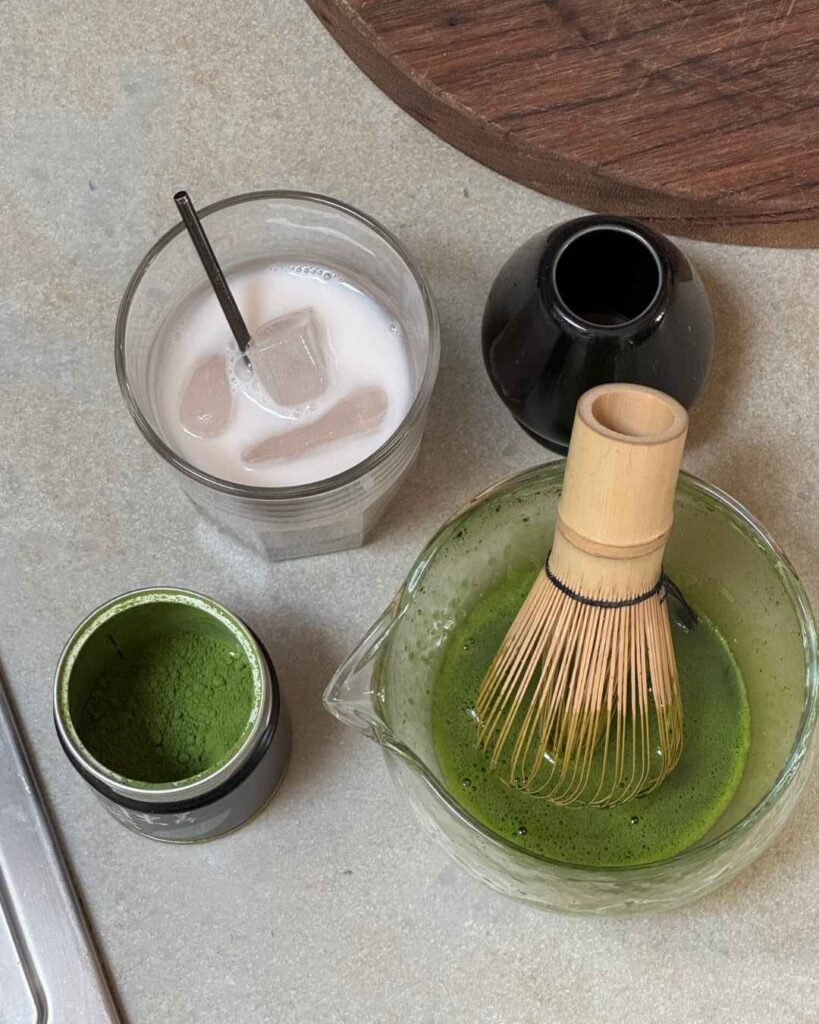
The flavor of matcha is extremely sensitive to its quality. Understanding what does good matcha taste like means differentiating between the two primary grades: ceremonial and culinary. Good matcha offers a rich, balanced, and complex experience, while poor-quality powder is often one-dimensional and unpleasant.
Ceremonial Grade vs. Culinary Grade
Ceremonial-grade matcha is the highest quality available. It is grown from the youngest, finest tea leaves and is specifically intended to be drunk plain, whisked only with hot water. What does high quality matcha taste like? It tastes smooth, vibrant, and incredibly fresh.
- Good Matcha Flavor Profile: It features a pronounced, comforting umami richness. The taste is distinctly sweet and creamy, minimizing the inherent bitterness. You will notice strong vegetal notes, but they are clean and invigorating, not overwhelmingly grassy or stale. The finish is long and satisfying.
- Bad Matcha Flavor Profile: Lower-quality or culinary-grade matcha is often made from older leaves. It is intended for baking or lattes, where its flavor will be masked by other ingredients. Poor matcha often tastes overtly bitter and acidic. It may have a dull, chalky texture, or in the worst cases, a fishy or stale flavor. These inferior tastes are a result of poor production, oxidation, or improper storage.
The Importance of Color and Aroma
You can often determine the quality before the first sip. The color and the smell are critical indicators.
- Color Quality: Good matcha is an intense, vibrant, almost neon green. This bright hue signals high chlorophyll content and freshness. Bad matcha tends to look dull, yellow, or even brownish-green. This dullness indicates oxidation and a diminished flavor profile.
- Smell Profile: What does matcha smell like? High-quality matcha has a fresh, appealing aroma. The matcha smell is typically grassy, fresh, and lightly sweet. It should smell clean, reminiscent of spring or fresh hay. If the powder smells dusty, stale, or fishy, the tea is likely old or of low quality.
Choosing ceremonial grade ensures the best experience. If you are drinking matcha for the first time, starting with a high-quality powder is essential. This gives you the best chance to appreciate its nuanced and complex character.
Does Matcha Taste Like Grass?
Many newcomers ask, “Does matcha taste like grass?” It is a common and understandable comparison. The short answer is yes, there is definitely a grassy undertone, but it should be a pleasant, fresh grassiness, not like chewing on a lawn.
Why the Grassy Flavor Exists
The strong, vegetal flavor that prompts this comparison is directly linked to the preparation of the leaves. As explained, the shade-growing process drastically increases the production of chlorophyll. Chlorophyll is the pigment responsible for the vibrant green color.
It is also the chemical component that provides that fresh, potent, and green flavor. This taste profile is also enhanced by the high levels of amino acids, particularly L-theanine. These compounds work together to create the complex taste we experience.
Not All Grassy Flavors Are Equal
It is crucial to clarify what kind of grassy flavor you should expect. High-quality matcha provides a clean, fresh vegetal flavor. This flavor is often compared to a delicate blend of spring-cut spinach, steamed young peas, or the subtle flavor of nori (seaweed). The vegetal taste should be sweet and uplifting.
If your matcha tastes overwhelmingly bitter, excessively pungent, or vaguely fishy, it does not mean the tea is supposed to taste like that. This indicates low quality, poor storage, or incorrect preparation.
Fresh, ceremonial-grade matcha should never taste harshly bitter or stale. The subtle grassiness is a sign of freshness and chlorophyll richness, which are positive attributes.
Therefore, while matcha has vegetal notes, the comparison to “grass” must be qualified: it is a high-end, fresh, delicate type of grassiness. Does matcha taste like sweet? The best versions always balance this vegetal note with a subtle, natural sweetness.
What Does Matcha Taste Like Compared to Other Drinks?
To help contextualize the unique flavor of matcha, it is useful to compare it to more familiar beverages. What is matcha flavor similar to? The complexity of matcha makes it hard to compare directly, but certain elements resemble other popular drinks.
Matcha vs. Green Tea
Although both come from the same plant, their flavors diverge significantly.
- Green Tea: Regular green tea is steeped. It typically offers a lighter, cleaner, and sometimes slightly smoky or astringent flavor.
- Matcha: Matcha is much more intense and full-bodied. Because you consume the whole leaf, it provides greater richness. Its flavor is marked by that powerful umami and vegetal savoriness, which are largely absent in standard green tea. Does matcha taste like green tea? No, it tastes like a much bolder, creamier, and more complex version of green tea.
Matcha vs. Coffee
This is one of the most common comparisons, especially since matcha is often used as a coffee substitute. Does matcha taste like coffee? Absolutely not.
- Coffee: The dominant flavors in coffee are often roasted, bitter, acidic, and sometimes nutty or chocolatey.
- Matcha: Matcha is primarily vegetal, umami-rich, and subtly sweet. It entirely lacks the roasted, dark, or acidic bitterness found in coffee. The only similarity is that both provide a caffeine-based energy boost, but their flavors and textures are worlds apart.
Matcha vs. Herbal Teas
Herbal teas, like mint or chamomile, are generally lighter and focus on specific aromatic profiles (floral, fruity, spicy). Matcha’s flavor is deeper and more structural. It has a bitterness that is part of its composition (catechins) and a distinct texture (smooth, foamy) that most herbal infusions lack.
In terms of intensity, matcha is much closer to a powerful broth or a rich green vegetable purée than to a gentle floral tea. Its sweetness is also more inherent and natural than what might be found in a heavily sweetened herbal blend.
What Does Matcha Latte Taste Like?
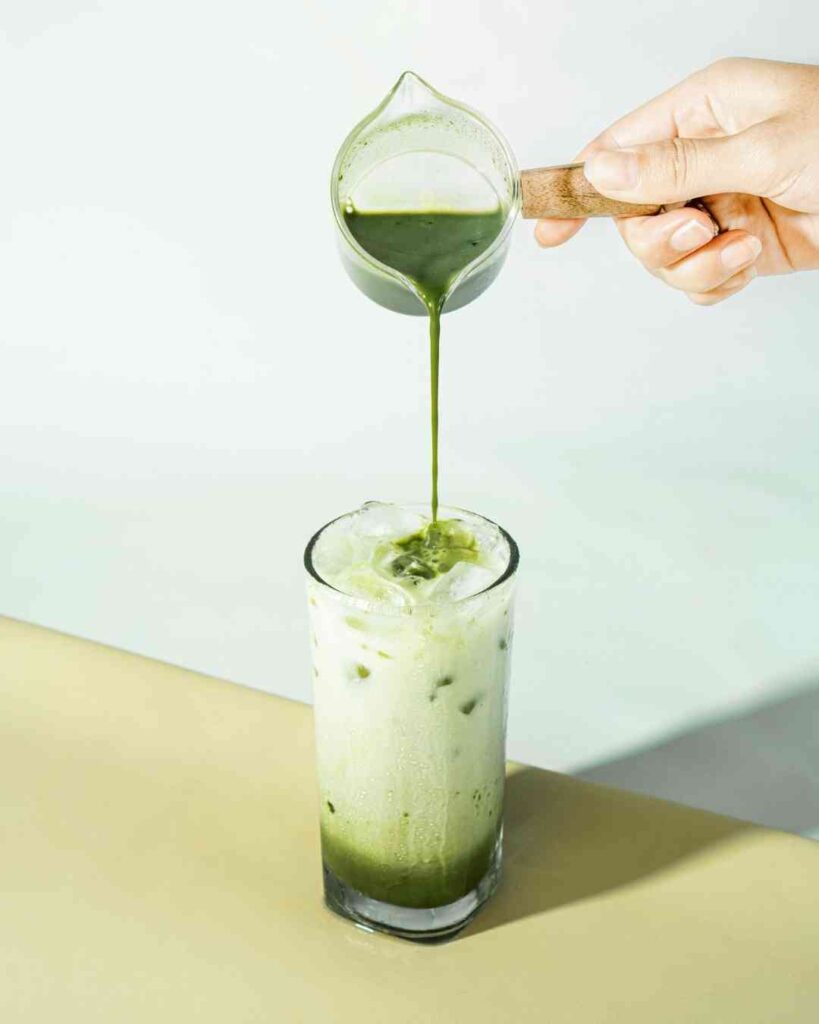
The most popular way people consume this vibrant green tea powder is in a latte. A matcha latte is simply matcha tea mixed with milk (dairy or non-dairy) and usually a sweetener.
The addition of milk completely transforms the flavor profile of the plain whisked tea. What does a matcha latte taste like? The taste is vastly different from a traditional, water-only preparation.
The Matcha Latte Flavor Profile
When mixed with milk, the flavor of the matcha becomes:
- Creamy: Milk instantly introduces a velvety, rich texture and body, masking the naturally thinner texture of pure matcha.
- Sweeter: The addition of milk, especially sweetened varieties like oat milk, and often added syrups or honey, softens the tea’s inherent bitterness and elevates its sweetness.
- Softer Umami: The powerful, savory umami note present in pure matcha is significantly mellowed by the milk fat. It becomes a background layer rather than the dominant flavor.
- Less Grassy: The intense vegetal or grassy notes are substantially reduced. The milk essentially rounds off the sharp edges of the tea, making it much more palatable for those who find the pure flavor too strong.
Does matcha latte taste sweet? Generally, yes. While pure, high-quality matcha has natural sweetness, virtually every café and most homemade matcha latte taste sweet because they include some form of added sugar, whether it is simple syrup, honey, or vanilla flavoring.
Hot Matcha Latte vs. Iced Matcha Latte
The temperature influences the flavor:
- Hot Matcha Latte: The heat tends to accentuate the grassy, earthy notes slightly more, and the creamy mouthfeel is heightened.
- Iced Matcha Latte: The cold temperature dulls the perception of bitterness and sweetness, making the overall drink taste smoother and often more refreshing.
The Role of Milk
The choice of milk also significantly changes the resulting flavor and texture:
| Milk Type | Flavor Contribution | Texture |
| Dairy Milk (Whole/2%) | Rich, classic creaminess; slightly neutralizes the matcha. | Thick, very smooth, rich mouthfeel. |
| Oat Milk | Adds significant natural sweetness and a subtle grain/nut flavor. | Exceptionally creamy, often mimicking the richness of dairy milk. |
| Almond Milk | Very subtle nutty notes; allow the matcha flavor to come through more. | Thinner, lighter body. |
For many, the latte format is the entry point to appreciating matcha. It softens the flavor, transforming it into a comforting, dessert-like beverage. What does matcha latte taste like? It tastes like a very creamy, slightly sweet, green, and subtly savory milk drink.
What Does Starbucks Matcha Taste Like?
Starbucks is arguably the most common place where people first try matcha. This ubiquity makes understanding the Starbucks matcha taste essential for anyone exploring the drink. The flavor of a Starbucks matcha beverage is highly predictable: it is distinctly sweet, creamy, and dessert-like.
Why Starbucks Matcha is Sweeter
The main reason for this particular flavor profile is that Starbucks does not use pure matcha powder. Their standard green tea powder, used for all their lattes and other matcha drinks, is a pre-sweetened blend. This means the powder itself already contains sugar.
- Starbucks Green Tea Powder Ingredients: The blend includes sugar (dextrose) and ground Japanese Green Tea.
This important distinction means that the matcha taste Starbucks offers is inherently sweeter and has a more subdued, less complex green tea flavor compared to an unsweetened, high-quality matcha preparation from a specialty café. The intense umami and vegetal qualities of ceremonial-grade matcha are often lost in this blended, sweetened product.
Popular Starbucks Matcha Versions
The flavor profile remains consistent across their menu, but texture and temperature change the experience:
- Hot Matcha Latte: Very sweet, warm, creamy, and comforting. The sweetness is the most dominant flavor.
- Iced Matcha Latte: Refreshingly sweet, smooth, and easy to drink. It’s often compared to green-flavored milk or an earthy milkshake.
- Matcha Frappuccino: This is purely a dessert drink. The matcha flavor is significantly diluted by ice, milk, and the Frappuccino base syrup. It tastes primarily like a sweet, iced, green-flavored treat.
If you try the Starbucks version first, be aware that you are experiencing the sweetest, most accessible version of matcha, which is designed to appeal to the mass market. It is not necessarily indicative of what does high quality matcha taste like.
What Does Dunkin’ Matcha Latte Taste Like?
Dunkin’ (formerly Dunkin’ Donuts) also offers matcha beverages, providing another widely accessible version. The Dunkin matcha latte taste offers a slightly different experience compared to Starbucks.
Flavor Profile and Texture
Dunkin’s matcha drinks are also made with a sweetened matcha powder blend, meaning sweetness is a dominant factor.
- Grassy: Dunkin’s version often retains a slightly more noticeable grassy flavor compared to Starbucks, which fully leans into the sweet, creamy notes.
- Sweeter Than Most Cafés: Like Starbucks, Dunkin’s drink is sweetened. If you order the dunkin iced matcha latte taste, it will likely be quite sweet, though the particular sweetness profile might feel less artificial than the Starbucks version to some palates.
- Slightly Thinner Texture: Depending on the milk used, the texture can sometimes feel a bit thinner than the richer, heavier consistency of a Starbucks latte.
Comparison to Starbucks
The primary difference often comes down to the quality and formulation of the sweetened powder. Dunkin’s flavor profile tends to highlight the vegetal notes more, while Starbucks focuses on creaminess and extreme sweetness.
Both, however, are high in sugar and serve as an approachable, commercial introduction to the flavor of matcha. If you want a slight hint of the traditional green tea flavor while still enjoying a sweet, convenient drink, Dunkin’s version might be the better commercial option.
What Do Other Matcha Variations Taste Like?
Matcha’s versatility allows it to be incorporated into numerous drinks and foods, creating a wide spectrum of flavors. Each variation uses the fundamental earthy, umami base of the tea but blends it with different ingredients to achieve a unique taste.
a. What Does Iced Matcha Taste Like?
When prepared with water and served over ice (a simple iced tea, not a latte), the low temperature fundamentally alters the perception of flavor.
- Iced = Smoother and Less Bitter: The coldness tends to soften the natural catechins in the matcha. This reduction in perceived astringency means the iced matcha taste is often smoother and less bitter than a hot preparation.
- Aromatics are Subdued: The intense, fresh-cut grass aroma that defines hot matcha is less potent when chilled.
- Refreshing Quality: The coldness accentuates the refreshing, clean vegetal notes, making it an excellent warm-weather drink. If a sweetener is added, the sweetness becomes very prominent and enjoyable.
b. What Does Matcha Boba Taste Like?
Matcha boba (or matcha bubble tea) combines the earthy green tea with creamy milk and chewy tapioca pearls. What does matcha boba taste like?
- Flavor Combo: The drink is typically rich, sweet, and creamy, providing a comforting counterbalance to the green tea’s earthiness.
- Earthy with Sweetness: The overall profile is dominated by the sweet milk base, while the matcha offers a sophisticated, savory, and slightly vegetal undercurrent.
- Texture Contrast: The signature element is the chewy, bouncy texture of the boba pearls. This texture is a stark, playful contrast to the smooth, cold liquid. The boba itself is often sweetened with brown sugar, adding another layer of deep, molasses-like sweetness to the earthy beverage.
c. What Does Matcha Ice Cream Taste Like?
Matcha is a hugely popular flavor in frozen desserts, especially in Asian and fusion cuisine. What does matcha ice cream taste like?
- Sweet, Earthy, and Creamy: It perfectly marries the sweetness and richness of ice cream with the savory depth of the tea. The flavor is instantly recognizable as green tea, but it is dramatically intensified.
- Bitter Counterpoint: The slight inherent bitterness of the matcha cuts through the high fat and sugar content of the ice cream. This contrast is what makes it so appealing. It’s not sickeningly sweet; the bitterness cleanses the palate after each creamy spoonful.
- Intensity: High-quality matcha ice cream will have a potent, satisfying green tea flavor. Cheaper versions may taste overly sweet with a faint, artificial green flavor.
d. What Does Strawberry Matcha Taste Like?
Strawberry matcha is a colorful and popular pairing, particularly in viral trends and specialty cafés. What does strawberry matcha taste like?
- Flavor Combination: This drink combines three main elements: the sweet, slightly tart flavor of strawberry syrup (or purée), the earthy and savory taste of the matcha, and the creamy richness of milk.
- A Balanced Trio: The sweet berry acts as a bright, fruity counterpoint to the deep, grounding earthiness of the matcha. The milk acts as a creamy mediator, binding the two disparate flavors together. The resulting drink is sweet, complex, slightly fruity, and highly aesthetic.
e. What Does Lavender Matcha Taste Like?
Adding floral syrups, like lavender, is a sophisticated way to enhance the complexity of a matcha latte. What does lavender matcha taste like?
- Floral and Earthy: The key characteristic is the fusion of the intense, aromatic floral notes of lavender with the deep, vegetal earthiness of the tea.
- Calming and Aromatic: Lavender adds a sense of calm and a highly aromatic quality. The floral sweetness complements the slight natural sweetness of the matcha while softening the grassy notes. The flavor is delicate, soothing, and unique, making it a favorite for those seeking an elevated café experience.
f. What Does Matcha Powder Alone Taste Like?
It is rarely consumed this way, but understanding the raw state provides insight into the final drink. What does matcha powder taste like?
- Dry, Vegetal, Slightly Bitter: Taking a pinch of the dry powder reveals an intensely vegetal, almost metallic taste. It is profoundly drying to the mouth, and the bitterness is much more concentrated than when it is dispersed in liquid. It smells fresh and grassy, but the taste is very strong and is meant to be whisked for proper dilution and aeration.
Why Do People Like Matcha?
Matcha’s popularity stems from a perfect storm of appealing factors that go beyond just flavor. Why do people like matcha? The reasons are multifaceted, ranging from physical benefits to its culinary versatility.
1. Unique and Complex Flavor
As detailed, the taste itself is a major draw. It offers a complexity (umami, sweetness, bitterness, grassiness) that many people find intriguing and satisfying, offering a sophisticated alternative to simple sweet or fruity drinks.
2. Powerful Health Benefits
Matcha is a nutrient powerhouse. Consumers are increasingly drawn to its high concentration of antioxidants, especially EGCG (epigallocatechin gallate). These compounds are linked to everything from enhanced metabolism to anti-aging properties. Since you consume the whole leaf, the benefits are maximized.
3. Focus Without the Jitters
For many, this is the main reason for switching from coffee. Matcha contains L-theanine, which slows the absorption of caffeine. This results in a “cleaner” energy boost—a state of focused, calm alertness rather than the sharp peak and crash often associated with traditional coffee.
4. Versatility in Recipes
Matcha is not limited to drinks. Its potent color and flavor make it exceptional for cooking. From matcha recipes for baked goods like cookies and cakes to savory dishes and vibrant cocktails, its versatility means it can be enjoyed in countless forms. This flexibility keeps the interest in matcha high among home cooks and professional chefs alike.
Why Is Gen Z Obsessed With Matcha?
The generational shift towards matcha is undeniable. It is one of the most visible trends in modern café culture, largely driven by younger consumers. Why is Gen Z obsessed with matcha? The reasons are deeply rooted in social media, wellness culture, and aesthetics.
- Aesthetic Drinks: Matcha is inherently visual. Its vibrant, uniform green color makes for stunning, highly shareable photos and videos. Drinks layered with strawberry purée, cold foam, or beautiful latté art are perfectly suited for platforms like TikTok and Instagram, driving the visual appeal and desirability.
- TikTok Trends: The “Matcha Girl” aesthetic is a recognized, aspirational lifestyle trend on social media. Viral videos detailing preparation methods, favorite café locations, and different matcha recipes constantly keep the drink in the cultural spotlight.
- “Healthy Latte” Culture: Gen Z is heavily invested in wellness and conscious consumption. Matcha fits perfectly into this ethos. It provides a daily ritual and a dose of caffeine while being perceived as much healthier and cleaner than traditional sugar-laden coffee drinks or highly processed energy drinks.
- Clean Energy and Focus: The desire for sustained energy without the anxiety or crash is paramount for students and young professionals. As mentioned, matcha’s unique caffeine/L-theanine combination provides the clean energy boost that aligns perfectly with productivity goals.
- Café Culture and Social Currency: Visiting specialty coffee shops and sharing the experience is a form of social currency. Ordering a matcha latte is often seen as a sophisticated, health-conscious choice that signals cultural awareness and good taste.
Does Matcha Taste Good?
Ultimately, the question, “Does matcha taste good?” is subjective, but a definitive answer can be provided based on the factors that influence its quality and flavor. Yes, matcha tastes very good—if you have good-quality powder and prepare it correctly.
The Dependence on Quality and Preparation
If you try poor-quality, bitter, or stale culinary-grade matcha, the answer will likely be no. However, when trying fresh, vibrant, ceremonial-grade matcha, you encounter a profoundly enjoyable, balanced, and complex beverage.
- Quality: Ceremonial grade guarantees the best flavor balance of umami, sweetness, and minimal bitterness.
- Grade: As a newcomer, stick to lattes or specialty drinks first, and then try pure matcha once your palate adjusts.
Tips to Make It Taste Better
If your first experience was disappointing, here are three tips to ensure matcha tastes good:
- Water Temperature: Use hot water, but not boiling (around 17°F or 77 °C). Boiling water burns the delicate leaves and releases excessive bitterness.
- Whisking Technique: Use a bamboo whisk (chasen) to rapidly whisk the tea in a W or M pattern until a fine, uniform foam appears. Proper whisking makes the drink smooth and creamy, preventing a chalky texture.
- Choose Ceremonial Grade: Invest in a small tin of high-quality powder, especially if you plan to drink it plain. The difference is stark and well worth the price.
Matcha Recipes to Try
Matcha is incredibly versatile. Here are a few simple matcha recipes to start experimenting with, moving beyond the basic cup of tea.
| Recipe | Key Ingredients | Quick Instructions |
| Simple Hot Matcha Latte | Matcha, hot water, milk (dairy or non-dairy), sweetener (optional) | Whisk 1 tsp matcha with 2 oz hot water. Steam 6-8 oz milk. Pour whisked matcha into the milk. Sweeten to taste. |
| Classic Iced Matcha | Matcha, cold water, ice | Whisk 1 tsp matcha with a splash of cold water. Fill a glass with ice and 8 oz cold water. Pour whisked matcha over the ice. |
| Matcha Smoothie | Matcha, banana, spinach, milk, protein powder (optional) | Blend 1 tsp matcha with 1 frozen banana, a handful of spinach, 8 oz milk, and ice until smooth. |
| Strawberry Matcha Latte | Matcha, milk, strawberry purée/syrup, ice | Layer: strawberry purée at the bottom, followed by ice and milk. Gently pour whisked matcha (mixed with a small amount of water) over the top for a layered effect. |
| Matcha Overnight Oats | Oats, chia seeds, milk, yogurt, maple syrup, matcha | Mix 1/2 cup rolled oats, 1 tbsp chia seeds, 1 tsp matcha, 1/2 cup milk, 1/4 cup yogurt, and 1 tbsp maple syrup. Stir well and refrigerate overnight. |
| Matcha Ice Cream (Quick) | Vanilla ice cream, matcha powder | Soften vanilla ice cream slightly. Fold in 1-2 tsp of matcha powder thoroughly. Refreeze until firm. |
Final Verdict: What Does Matcha Taste Like?
So, after a deep dive into its origins and variations, we can offer a clear summary. What does matcha taste like?
Matcha, in its truest form, is a complex, layered beverage that tastes:
- Earthy and Vegetal: With notes reminiscent of fresh spinach or high-quality sea vegetables.
- Umami-Rich: Providing a deep, savory, and satisfying broth-like quality due to L-theanine.
- Subtly Sweet: Featuring a delicate, natural sweetness that counteracts the bitterness.
- Mildly Bitter: A slight astringency is present, but it should be mellow and quick to dissipate.
When prepared as a latte (the most common way), the milk and sugar transform it into a creamy, sweet, and comforting drink where the earthy notes are softened.
The flavor is a sophisticated alternative to coffee, offering depth that other teas often lack. The final verdict is that matcha tastes good—in fact, it tastes great—but you must invest in quality powder and be open to its unique, savory-sweet profile.
We encourage readers to move beyond the commercial, pre-sweetened versions and experiment with different ceremonial grades, water temperatures, and milk types. Finding the perfect matcha is a journey that starts with the first vibrant, earthy, and energizing sip.
References
- Matcha Preparation & Flavor Profile (Umami/Bitterness):
- https://nioteas.com/blogs/matcha/ceremonial-matcha-preparation (Details on water temp, whisking, umami, and bitterness.)
- https://www.pekoetea.co.uk/blogs/blog/ceremonial-matcha-how-to-guide (Focus on ceremonial grade, $W$-shape whisking, and flavor components.)
- https://tucsontea.com/blogs/tea-tips/the-art-of-preparing-ceremonial-matcha-a-traditional-approach (The art of whisking, chasen use, and water temperature critical for flavor.)
- Health Benefits & Caffeine (L-Theanine):
- https://downshiftology.com/recipes/health-benefits-matcha-green-tea/ (Comparison of matcha vs. green tea and general benefits.)
- https://ikimatcha.com/blogs/art-of-whisking-matcha (Mentions L-theanine and the mindful preparation process.)
- Commercial Matcha Composition (Starbucks/Sweetness):
- https://www.birdandblendtea.com/blogs/tea-academy/how-to-make-matcha-in-5-easy-steps (Discusses adding sweeteners and using milk frothers, reflecting commercial preparations.)
- Matcha Whisking Technique (Visual/Practical):
- https://www.youtube.com/watch?v=KlsDdXHTZvA (Video tutorial on whisk preparation and technique, showing the M/W motion.)