



Freezing broccoli is highly recommended for long-term storage (up to 12 months), and it’s best to blanch it first.
- Best Method: Blanch the florets in boiling water for 2–3 minutes, immediately chill in an ice bath, dry completely, flash-freeze on a tray, and then store in an airtight, labeled container.
- Why Blanch? Blanching deactivates enzymes that cause loss of color, texture, and the strong, bitter flavors that develop when broccoli is frozen raw.
- Raw Freezing: Freezing raw broccoli is possible, but only recommended for short-term use (under 3–4 months) in items like smoothies, as the quality quickly degrades.
- To Prevent Mushiness: Always cook frozen broccoli straight from the freezer (do not thaw beforehand).
In the world of healthy eating and conscientious cooking, few vegetables offer the versatility and nutritional punch of broccoli. A staple in nearly every kitchen, this cruciferous powerhouse is packed with vitamins C and K, fiber, and potent antioxidants.
However, like any fresh produce, its lifespan is frustratingly short. You bring home a vibrant green crown, and just a few days later, you spot that dreaded yellow tinge. This is where the art of preservation becomes an essential kitchen skill.
Preserving broccoli is critical for several important reasons. First and foremost, it allows you to reduce food waste, saving perfectly good produce from the bin. For those who prioritize meal prep, freezing broccoli in bulk ensures you always have ready-to-use, nutritious ingredients on hand.

Furthermore, buying broccoli when it’s in season or on sale is an excellent budget strategy, and freezing allows you to lock in those savings and peak flavor.
So, can you freeze broccoli? The quick and definitive answer is yes. Whether you are dealing with whole crowns, delicate florets, or even specialty varieties like broccolini or broccoli rabe, freezing is a highly effective preservation method.
And you have options: you can freeze broccoli raw or cooked, though the preparation method greatly influences the final quality. Even if you’re wondering, does broccoli freeze well without blanching? We’ll cover the pros and cons of that approach.
This comprehensive guide will walk you through everything you need to know, from identifying a bad head of broccoli to mastering the blanching technique, and detailing the best way to freeze broccoli—whether it’s raw, blanched, cooked, or destined for your morning smoothie.
HOW TO TELL IF BROCCOLI IS BAD
Before you embark on any preservation project, you must first confirm the quality of your raw material. Using fresh, vibrant produce is the key to ensuring excellent results after freezing.
If you start with a broccoli crown that is already on its last legs, freezing will only preserve its poor quality, leading to disappointing texture and flavor when thawed. Knowing how to tell if broccoli is bad is your first line of defense against kitchen disappointment and weird freezer flavors.
The quality of fresh broccoli degrades due to natural enzymatic processes and dehydration. These changes manifest in clear visual and olfactory cues.
| Sign of Spoilage | Description | When to Toss vs. Still Usable |
| Yellowing Florets | The vibrant green color fades to yellow, signaling chlorophyll loss. | Toss: If a large portion is yellow and smells off. Usable: A few small yellow spots can be trimmed off if the rest is firm. |
| Limp or Rubbery Stems | The stems lose their rigidity and snap. | Toss: If the entire head is limp and flexible. Usable: Slightly soft but otherwise fine for soups or blending. |
| Mold Spots (White, Black, or Grey) | Fuzzy or dusty patches on the florets or stem. | Toss immediately: Mold is a health risk and spreads quickly. |
| Slimy Texture | A sticky, wet, or slick coating on the florets and cut stems. | Toss Immediately: Indicates bacterial overgrowth. |
| Strong Sulfur Smell | An unpleasant, pungent odor often described as rotten cabbage or overpowering gas. | Toss Immediately: The smell indicates advanced decomposition. |
A common question is: Why does my broccoli taste weird after freezing? Often, this “weird” taste—often bitter or overly sulfuric—is linked to the accelerated enzymatic action that occurs when low-quality or improperly prepared broccoli (i.e., skipping blanching) is frozen.
If your broccoli has already lost its crispness or started to yellow, these enzymes are already active, and freezing them won’t stop the resulting flavor changes. Always look for a deep green color, firm stems, and an earthy, fresh smell before storing or freezing.
HOW LONG BROCCOLI LASTS
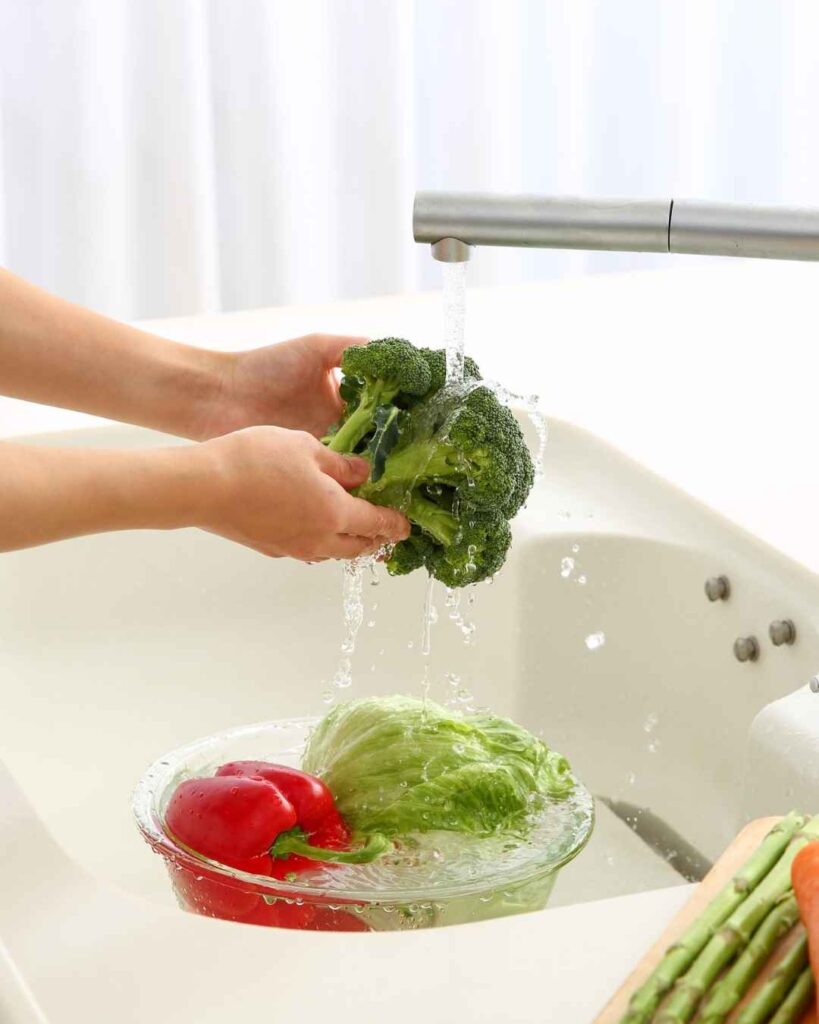
Understanding the shelf life of broccoli in its various states—fresh, cooked, and frozen—is fundamental to minimizing food waste and maximizing flavor. How you store it dramatically impacts its longevity.
How long does fresh broccoli last in the fridge?
Fresh, unwashed broccoli typically lasts 3–5 days in the refrigerator. With proper storage—such as wrapping the head loosely in a damp paper towel or placing it in an open-plastic bag in the crisper drawer—you can sometimes extend this to up to 7 days. The key is high humidity without excessive moisture directly on the florets, which can promote mold.
How long does cooked broccoli last?
Cooked broccoli has a shorter lifespan than its raw counterpart. Once steamed, boiled, or roasted, it should be stored in an airtight container in the refrigerator and consumed within 3–4 days.
After this window, the risk of bacterial growth increases, and the texture will begin to degrade significantly, becoming mushy. This window is important for anyone planning future meals and answering the common question: how long does cooked broccoli last.
How long broccoli lasts in the freezer
When properly prepared (ideally blanched) and stored in an airtight freezer bag or container, frozen broccoli can retain its quality for 10–12 months. Freezing doesn’t stop spoilage entirely, but it significantly slows down the enzymatic processes and microbial activity that cause food to degrade.
While it remains safe to eat indefinitely if kept at a constant 0°F (-18°C), quality will noticeably decline past the 12-month mark.
Here is a quick shelf-life chart for reference:
| Broccoli State | Storage Location | Average Shelf Life |
| Fresh (Unwashed) | Refrigerator (Crisper) | 3–7 Days |
| Cooked | Refrigerator (Airtight) | 3–4 Days |
| Frozen (Properly Stored/Blanched) | Freezer (0°F/-18°C) | 10–12 Months |
| Raw/Unblanched Frozen | Freezer (0°F/-18°C) | 3–4 Months (Quality Degradation is Rapid) |
Knowing how long does broccoli last in the fridge guides you in determining when it’s time to transition it from refrigeration to the freezer to lock in its freshness.
CAN YOU FREEZE BROCCOLI?
A crystal-clear, resounding yes, you can freeze broccoli. It is one of the most freezer-friendly vegetables, provided you follow the right preparation steps. Freezing allows you to pause the aging process, making it an indispensable technique for preserving large harvests or sale-priced produce.
The key to successful freezing lies in understanding the differences between freezing broccoli raw vs. blanched vs. cooked.
- Blanched Broccoli: This is the gold standard for long-term storage. Blanching (a brief boil followed by an immediate ice bath) deactivates the enzymes that cause flavor, color, and texture degradation. It is the best way to ensure the maximum flavor retention and a pleasing, bright-green color for up to a year.
- Raw Broccoli: Can you freeze raw broccoli? Yes, can I freeze raw broccoli? Yes, you certainly can. However, freezing broccoli raw comes with a significant trade-off. While it saves time upfront, the enzymes remain active.
This means the broccoli will lose its bright color faster, develop a tougher texture, and often acquire a bitter or strong, stale flavor within a few months. This is why when people ask does broccoli freeze well without blanching, the answer is usually “no, not for long-term quality.”
- Cooked Broccoli: You can I freeze cooked broccoli (e.g., steamed or roasted)? Yes, and this is a great strategy for meal prepping. However, the texture of cooked broccoli will be softer upon thawing and reheating compared to frozen-then-cooked blanched broccoli.
For the best conditions for flavor retention and overall quality, blanched broccoli is always the recommended path. While freezing broccoli raw is possible for quick use within 1–3 months, blanching is the only method that truly stops the deterioration process for true long-term storage.
HOW TO FREEZE BROCCOLI (RAW, BLANCHED, COOKED)—FULL GUIDE
This is the most critical section of the guide, detailing the different methodologies for preserving your broccoli to ensure maximum quality and longevity.
A. How to Freeze Fresh Broccoli (Overview)
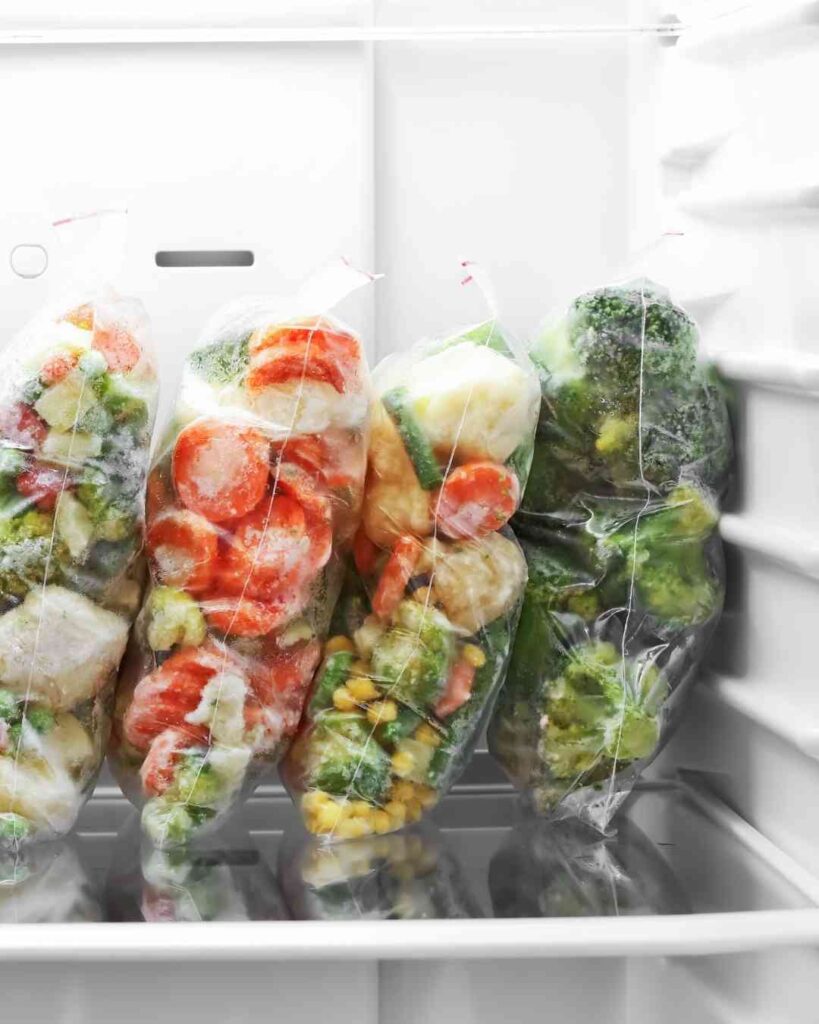
The following steps outline the best way to freeze fresh broccoli and is the recommended approach for most people.
- Wash Thoroughly: Rinse the broccoli crowns or florets under cold running water. You can also soak them briefly in a bowl of water with a splash of vinegar or salt to dislodge any small insects or debris.
- Cut & Trim: Break the crown down into uniformly sized florets. Uniformity is crucial for ensuring the florets blanch and freeze evenly. Aim for pieces no larger than one to two inches. Peel the thick, outer skin off the stems and chop the tender, inner part—it freezes great!
- Optional Blanching (Highly Recommended): Follow the steps in Section V.B. If you choose to skip this step, jump straight to drying.
- Dry Completely: This is a non-negotiable step. Use a clean kitchen towel or a salad spinner to remove as much surface moisture as possible. Excess water leads to ice crystals and freezer burn.
- Flash-Freeze: Spread the dried florets in a single layer on a parchment-lined baking sheet. Place the sheet in the freezer for 1–2 hours. This flash-freezing step prevents the pieces from clumping together, allowing you to easily portion them later.
- Bag & Label: Transfer the hard, frozen florets into airtight freezer bags, containers, or vacuum-sealed bags. Remove as much air as possible (or use a vacuum sealer). Label clearly with the contents and the date.
This is the proven process for how to freeze fresh broccoli that locks in the most flavor and nutrients.
B. Should You Blanch Broccoli Before Freezing?
The short answer is yes, blanching is highly recommended for any broccoli you plan to store for longer than three months.
Blanching is a process that involves briefly scalding the vegetable in boiling water and then plunging it immediately into an ice-cold water bath. Its purpose is threefold:
- Deactivate Enzymes: The heat stops the natural enzyme action that causes loss of color, flavor, and nutrients. This is the single most important reason to blanch.
- Brighten Color: It sets the vibrant green color, making the frozen broccoli visually appealing.
- Cleanse: It helps cleanse the surface of microorganisms and dirt.
How to blanch broccoli for freezing
- Prepare Water: Bring a large pot of water to a rolling boil. Simultaneously, prepare a large bowl of ice water (the ice bath).
- Boil: Drop the uniform florets into the boiling water. The blanching time for standard broccoli florets is 2–3 minutes. Start timing immediately after the water returns to a boil.
- Chill: Immediately scoop the broccoli out of the boiling water with a slotted spoon and plunge it straight into the ice bath. This stops the cooking process instantly. Let it sit for the same amount of time it boiled.
- Dry: Drain the broccoli and pat it completely dry using a towel or a salad spinner.
Do you have to blanch broccoli before freeze drying?
For freeze-drying, blanching is generally optional, as the intense dehydration process also helps preserve the food. However, many commercial producers and home users still blanch broccoli for freeze-drying because it improves the quality, flavor, and texture of the rehydrated product. It’s a quality improvement step, not a requirement for safety.
C. How to Freeze Raw Broccoli (No Blanching)
For those looking to save a few minutes or who don’t have the time for the full blanching procedure, knowing how to freeze broccoli without blanching is an option.
1. Freezing broccoli raw (The Process)
- Wash, Cut, Dry Well: Follow the same washing and cutting procedures as above. Ensure the florets are exceptionally dry to minimize ice crystal formation.
- Flash-Freeze: Spread the dry raw florets in a single layer on a baking sheet and flash-freeze for at least 2 hours.
- Store: Transfer to an airtight, labeled container, pressing out as much air as possible.
2. Downsides to Freezing Raw Broccoli
You should be aware of the compromises involved with freezing broccoli raw:
- Texture Softens Faster: Without blanching to set the structure, the cell walls break down more readily during freezing and thawing. The result is often a significantly softer, mushier texture when cooked.
- Stronger/Weirder Taste After Thawing: The un-deactivated enzymes continue to work slowly in the freezer. This results in the development of off-flavors, often described as bitter, metallic, or simply “stale.” This is the primary reason does broccoli freeze well without blanching is often answered negatively for long-term storage.
Therefore, while you can you freeze raw broccoli, this method is only recommended if you plan to use the broccoli within 3–4 months and usually only for blending into things like soups or smoothies, where texture and strong flavor are less of a concern.
For a quick question like how to freeze fresh broccoli without blanching, the process is simple, but the quality lifespan is short.
D. How to Freeze Broccoli Florets
This is the most common and efficient way to freeze broccoli.
- Trim to Uniform Size: Ensure all florets are roughly the same size (1–2 inches) to guarantee even blanching and freezing.
- Blanch or Keep Raw: Follow the blanching steps (V.B) for the best results, or skip it if using quickly.
- Freeze on a Tray: This is the flash-freezing step. Spreading the florets on a parchment-lined tray and freezing them solid before bagging ensures they remain separate, allowing you to easily scoop handfuls for stir-fries or steaming without having to chip away at a solid block.
E. How to Freeze Broccoli Crowns
If you’ve bought whole crowns and want to save them without breaking them down entirely, you can.
- Break Crowns into Big Chunks: Rather than individual florets, break the crown into chunks that are easy to handle.
- Blanch 3 Minutes: Blanch the larger chunks for a slightly longer time—about 3 minutes—to ensure the heat penetrates deep enough to deactivate the enzymes.
- Freeze Flat: Dry them thoroughly and freeze them flat on a tray. Once frozen, store them in large bags or containers.
F. How to Freeze Cooked Broccoli
If you have leftovers or are preparing a large batch for future meals, the question can I freeze cooked broccoli is easy to answer.
- Cool Completely: Allow the cooked broccoli (steamed, roasted, etc.) to cool down to room temperature quickly. Do not leave it out for more than two hours.
- Freeze in Portion-Sized Bags: Place the cooled broccoli into containers or freezer bags that match the size of your future meals. This prevents you from having to thaw more than you need.
- Store: Label and freeze immediately.
Be aware that cooked broccoli will have a much softer, more waterlogged texture when thawed and reheated. It is best suited for pureed soups, casseroles, or baked dishes.
G. How to Freeze Broccoli for Smoothies
This is one of the best ways to freeze broccoli raw. Since the texture is less important and the flavors are masked by other ingredients, the downsides of skipping blanching are minimized.
- Freeze Raw Florets: Wash and cut raw florets into small, easy-to-blend pieces.
- Optional: Steam 1 Minute: If you find the raw frozen broccoli too bitter, lightly steaming it for just one minute (not a full blanch) can help reduce the bitterness without fully cooking it. Dry thoroughly.
- Flash Freeze & Bag: Flash freeze the small pieces and store them in bags, scooping a handful directly into your blender when making a smoothie.
H. How to Freeze Broccoli and Cauliflower Together
How to freeze fresh broccoli and cauliflower together requires one key consideration: different blanching times.
- Cut Same Size: Cut both vegetables into uniform florets.
- Blanch Each Veggie Separately: Cauliflower requires slightly longer blanching time (about 3–4 minutes) than broccoli (2–3 minutes). Blanching them together will result in overcooked broccoli or under-blanched cauliflower.
- Freeze Mixed if Desired: After blanching, chilling, and drying both vegetables, you can mix them and flash-freeze them together before bagging. Label as a “Broccoli/Cauliflower Blend.”
I. How to Freeze Broccolini & Broccoli Rabe
These specialty cruciferous greens require slightly different treatment:
- How to Freeze Broccolini: Blanch the long, thin stems for 2 minutes. You can freeze them whole or chopped. Dry thoroughly.
- How to Freeze Broccoli Rabe: This variety is more delicate and bitter. Blanch for only 1 minute to preserve its structure. It is vital to dry this thoroughly before freezing, as it tends to hold onto water.
WHY BROCCOLI CAN TASTE WEIRD AFTER FREEZING
The most common complaint from those new to freezing vegetables is that the broccoli develops a “weird,” strong, or bitter flavor upon thawing and cooking.
This often leads to the question, Why does my broccoli taste weird after freezing? The answer almost always boils down to one or a combination of three factors: enzyme action, freezer burn, or age.
- Skipping Blanching (Enzyme Action): This is the single biggest culprit. Broccoli contains natural enzymes that, even at freezing temperatures, continue to break down the vegetable’s structure and flavor compounds.
Blanching deactivates these enzymes. If you skip this step, the breakdown continues, leading to the development of those strong, off-putting, sulfurous flavors that people dislike.
- Freezer Burn: This occurs when air comes into contact with the frozen food, causing dehydration. The exposed parts of the broccoli develop a leathery texture and a very bland, yet unpleasant, flavor due to the loss of moisture and volatile compounds. This is usually caused by poor packaging.
- Too Long in the Freezer: Even properly blanched broccoli will eventually see a decline in quality. If left in the freezer past the recommended 12-month mark, the flavor loss and potential for off-flavors naturally increase as the cell structure slowly degrades.
To avoid this “weird taste,” always commit to proper blanching for long-term storage and use high-quality, airtight packaging to prevent air exposure and subsequent freezer burn.
HOW TO FREEZE BROCCOLI PROPERLY (BEST PRACTICES)
Freezing broccoli is simple, but doing it correctly ensures you maintain its texture and nutritional integrity for months. Following these best practices for how to freeze broccoli properly is non-negotiable for top-quality results.
- Master the Dry-Out: After blanching and chilling, the broccoli must be completely dry before it goes into the freezer. Use a salad spinner and then pat the florets with a clean kitchen towel. Any residual water will turn into damaging ice crystals, leading to freezer burn and a mushy texture.
- Flash-Freeze First: Always spread the florets in a single layer on a baking sheet and pre-freeze them for 1–2 hours. This prevents the florets from clumping into a single mass, making it easy to grab exactly the portion you need without thawing the entire bag.
- Use Airtight Freezer Bags/Containers: The enemy of frozen food is oxygen, which causes freezer burn. For the best way to freeze broccoli, use heavy-duty, zip-top freezer bags or rigid, freezer-safe containers.
- Remove All Air: If using a bag, press out every last bit of air before sealing. If you freeze frequently, investing in a vacuum sealer is highly recommended, as it offers the best protection against freezer burn.
- Label with Date: Always use a permanent marker to label the package with the contents and the date. Following the First-In, First-Out (FIFO) rule ensures you use the oldest food first, keeping the quality high and preventing food from being forgotten past its prime.
- Maintain Consistent Temperature: Store the broccoli at a constant 0°F (-18°C). Fluctuations in temperature lead to thaw-refreeze cycles, which quickly degrade the texture of the vegetable.
FREQUENTLY ASKED QUESTIONS
Here are the most common questions regarding the preservation and freezing of broccoli.
Can I freeze raw broccoli?
Yes, you can freeze raw broccoli, but it is only recommended for short-term storage (under 3–4 months) and for uses where texture is not critical, like blending into smoothies or soups. The quality, color, and flavor will degrade much faster than if it were blanched.
Is blanching necessary?
Blanching is not strictly necessary for safety, but it is highly recommended for quality. It deactivates the enzymes that cause loss of color, flavor, and texture. If you plan to store the broccoli for more than a few months, blanching is the key to achieving a year of fresh flavor.
Does broccoli freeze well without blanching?
It freezes poorly without blanching for long-term storage. While you can freeze broccoli raw, the texture will be mushy, and the flavor will likely become strong and bitter after a few months. Freezing broccoli raw is a compromise on quality.
Can I freeze cooked broccoli?
Yes, you can freeze cooked broccoli (e.g., steamed, roasted, or boiled). This is ideal for pre-portioned meal prep. However, the texture will be significantly softer and potentially mushy upon thawing and reheating. It is best used in recipes like casseroles or pureed soups.
Freeze broccoli raw or cooked—what’s better?
Neither. The best way is to freeze it blanched. Blanching stops the deterioration process while leaving the broccoli mostly raw, setting it up for perfect cooking later. Freezing it raw causes quality loss; freezing it fully cooked ruins the texture for most applications.
What is the best way to freeze fresh broccoli?
The best way to freeze fresh broccoli is to blanch it for 2–3 minutes, immediately chill it in an ice bath, dry it completely, flash-freeze it on a tray, and then transfer it to an airtight, labeled container. This process ensures maximum flavor retention and up to 12 months of high-quality storage.
Why does frozen broccoli get mushy?
Frozen broccoli gets mushy for three main reasons:
- Skipping Blanching: The cell walls were not properly set, and enzyme action broke them down.
- Too Much Surface Water: Residual water on the florets turns into large ice crystals that puncture the cell walls.
- Improper Thawing: Thawing the broccoli before cooking causes it to collapse. Always cook frozen broccoli straight from the freezer.
TROUBLESHOOTING & STORAGE TIPS
Even with the best intentions, freezing broccoli can sometimes go awry. Use these tips to ensure your frozen broccoli is top-notch every time.
- Prevent Freezer Burn: The #1 way to prevent freezer burn is to remove all air from your freezer bags. Use a straw to suck out the remaining air before sealing, or invest in a vacuum sealer. Double-bagging can also add an extra layer of protection against temperature fluctuations.
- Avoid Soggy Broccoli: Never thaw your frozen broccoli before you cook it. Place the frozen florets directly into boiling water, steam them, or add them to your stir-fry or soup. Thawing it beforehand allows the ice crystals to melt outside the cell structure, turning the broccoli into a watery mess.
- Keep Pieces Uniform: When cutting florets, keep them the same size. This guarantees even blanching, ensuring no piece is overcooked (mushy) or under-blanched (quick to spoil).
- Use the Right Cook Time: Remember that your frozen, blanched broccoli is partially cooked. It will require less time than fresh broccoli. Test a piece 1–2 minutes before the usual fresh cooking time to prevent overcooking and mushiness.
- Storage Location: Keep frozen broccoli far away from the freezer door, where temperature fluctuations are most severe. The back of the freezer is the coldest, most consistent spot for long-term preservation.
CONCLUSION
Freezing broccoli is a highly effective, simple, and essential technique for any home cook focused on reducing waste and improving meal prep efficiency. It is the perfect answer to the question, Can you freeze broccoli?
While you can freeze broccoli raw for a quick fix, the secret to high-quality, year-long storage lies in a simple, crucial step: blanching. Blanching deactivates the enzymes that cause flavor and color deterioration, allowing you to store your favorite vegetables for up to 12 months.
By following the simple steps—blanching for 2–3 minutes, drying thoroughly, flash-freezing, and properly labeling and sealing—you ensure your broccoli maintains its vibrant color and satisfying texture.
Whether you are wondering does broccoli freeze well without blanching (it doesn’t, for long) or what is the best way to freeze fresh broccoli, this guide provides all the answers you need to master this preservation method. Start freezing today to lock in freshness and say goodbye to food waste!
References
- National Center for Home Food Preservation (NCHFP): Provides science-based recommendations, particularly regarding blanching times and methods.
- USDA Food Safety and Inspection Service: Information on safe storage times and temperature requirements for frozen foods.
- University Extension Services (e.g., Penn State, Purdue, etc.): Offers detailed, research-backed guides on vegetable preservation.
- Reputable Culinary/Food Science Sites: Articles detailing the science behind blanching and enzyme deactivation.
General Food Storage Guidelines: Resources providing shelf life tables for fresh and cooked produce.