



Few fruits are as ubiquitous, convenient, and universally loved as the banana. Yet, when you start researching the fruit’s role in health, a surprising confusion emerges: is the banana an acidic food that should be avoided by sensitive stomachs, or is it a hero of the alkaline diet?
This dual identity stems from a critical misunderstanding of food chemistry. On one hand, bananas possess a quantifiable pH that makes them mildly acidic. On the other hand, their chemical profile transforms dramatically during digestion, making them one of the most beloved and recommended foods for soothing conditions like heartburn and acid reflux.
This ultimate guide cuts through the confusion, offering a science-based deep dive into the true pH of bananas, their metabolic effect on the body, their role in digestion, and their impact on sensitive populations, including babies and acid reflux sufferers. We’ll answer the fundamental question: are bananas a friend or foe to your digestive and dental health?
Are Bananas Acidic? Quick Answer + Banana pH Levels
The short answer is: Yes, bananas are technically acidic, but only mildly so, and they are generally considered stomach-friendly.
Banana pH Range
When measured in a lab, the pH of a standard, ripe banana falls into a specific range:
- Banana pH Range: 4.5 to 5.2 (USDA/Food Science data)
Any substance with a pH below 7.0 is considered acidic. Therefore, bananas are correctly classified as a mildly acidic fruit.
Banana Acidity Chart: Comparison
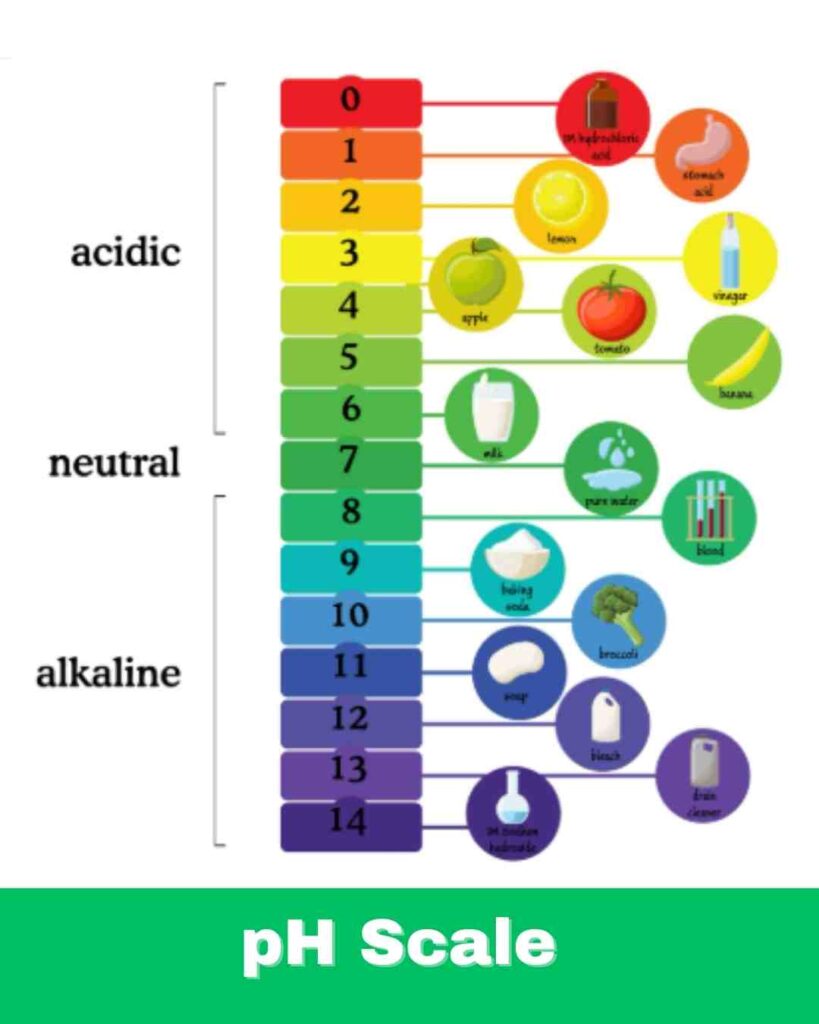
To understand how acidic are bananas, it helps to compare them to other common fruits. Bananas are significantly less acidic than high-acid fruits.
| Common Fruit | Approximate pH Range | Acidity Classification |
| Banana | 4.5 – 5.2 | Mildly Acidic (Low-Acid) |
| Apples | 3.3 – 4.0 | Moderately Acidic |
| Oranges | 3.0 – 4.0 | Highly Acidic |
| Lemons | 2.0 – 2.6 | Extremely Acidic |
| Pears | 3.8 – 4.5 | Mildly/Moderately Acidic |
As this chart shows, while are bananas acidic fruit is technically true, they are a low-acid fruit compared to popular citrus items.
This is why most people find that are bananas acidic for stomach is irrelevant—the fruit’s mild acidity is often neutralized by its other beneficial properties during digestion.
Ripe vs. Unripe Banana Acidity Difference
The ripeness of the banana is the single most important factor influencing its pH and effect on your stomach.
- Unripe (Green) Bananas: Contain higher concentrations of tannins and starches, resulting in a slightly lower pH (more acidic). They are also harder to digest.
- Ripe (Yellow) Bananas: The starches convert to simple sugars, and the organic acids (malic and citric) begin to break down, resulting in a higher pH (less acidic) and a much smoother texture.
Are Bananas Acidic, Basic, or Neutral? (Understanding pH & Digestion)
The confusion around are bananas acidic or basic stems from mixing up the technical term for pH with the common experience of digestion.
Defining pH
The pH scale runs from 0 (most acidic) to 14 (most basic or alkaline).
- Acidic: pH less than 7.0 (e.g., vinegar, gastric acid, coffee)
- Neutral: pH of 7.0 (e.g., pure water)
- Basic/Alkaline: pH greater than 7.0 (e.g., baking soda, soap, milk of magnesia)
Since bananas are between pH 4.5 and 5.2, they are unequivocally acidic. They are absolutely not neutral or basic in their raw, measured state.
The Role of Gastric Acid
The minor acidity of a banana is overwhelmed the second it enters your stomach. Your stomach acid (gastric acid) is extremely strong, with a pH ranging from 1.5 to 3.5.

A banana with a pH of 5.0 does not stand a chance against the stomach’s environment. The stomach’s role is to maintain this strong acid level for digestion. Eating a banana does not significantly change the overall acidity of the stomach, and it definitely does not raise stomach acidity in most healthy individuals.
Are Bananas Acidic or Alkaline? (Metabolic Effect Explained)
This is the most critical distinction in the entire debate and answers why are bananas acidic or alkaline forming is the right question to ask for health purposes.
There are two distinct types of pH to consider when discussing food:
- Intrinsic pH: The measured pH of the food itself (as covered above: acidic).
- Metabolic Ash pH: The residue left in the body after the food is digested, metabolized, and its nutrients are used.
The Alkaline-Forming Reality
The term “alkaline-forming” comes from the Pragmatic Randomized Control (PRAL) score or the Ash Residue Hypothesis.
- When the nutrients in bananas—specifically potassium and magnesium—are metabolized, they leave behind an alkaline residue or “ash.”
- These alkaline minerals help neutralize the body’s acidity, specifically in the blood and urine.
- Therefore, while the banana is a mildly acidic fruit, it is considered a highly alkaline-forming food that contributes to the body’s overall alkaline mineral reserve.
This metabolic process explains why bananas are included in alkaline food charts and why millions of people use them to counteract acidic symptoms.
Why Ripe Bananas Become More Alkaline-Forming
As bananas ripen, the starch converts to sugar, but more importantly, the Potassium (K+) content becomes more bioavailable. Since potassium is the primary alkaline mineral component, the fruit’s alkaline-forming potential increases as it softens and sweetens.
Why Are Bananas Acidic? (Natural Fruit Chemistry)
The slight acidity in bananas, which places their pH in the 4.5–5.2 range, is a result of naturally occurring organic acids essential for the plant’s structure, flavor, and ripening process.
The main culprits behind why are bananas acidic fruit are:
- Malic Acid: A common organic acid found in many fruits, most notably apples. It contributes a tart, fruity flavor.
- Citric Acid: Although found in much lower concentrations than in citrus fruits, it contributes to the overall acidity.
- Oxalic Acid: Found in trace amounts, this acid plays a minor role in flavor and chemistry.
Banana Ripening and Acid Reduction
As the banana matures on the tree, a natural process of enzymatic breakdown occurs:
- Starch to Sugar: Enzymes convert complex starches into simple sugars (glucose, fructose, sucrose).
- Acid Breakdown: Simultaneously, the organic acids (malic and citric) are broken down and utilized in the ripening process.
This dual action of starch conversion and acid reduction is why a ripe banana tastes much sweeter and less tangy than a green one and why its pH measurement slightly increases (becomes less acidic).
Are Ripe Bananas Acidic or Alkaline?
For anyone concerned about digestion, the answer to are ripe bananas acidic is that they are the ideal form to consume.
- Ripe Bananas = Less Acidic: The pH of a ripe, yellow banana will be at the upper end of the range (closer to pH 5.2), making them the least acidic form of the fruit.
- Overripe Bananas: Bananas that are soft and heavily speckled are even milder. The acids are almost completely metabolized, the sugars are maximized, and the texture is highly digestible.
Conclusion for Reflux Sufferers: Always choose a ripe, soft, yellow banana over a firm, greenish-yellow one. The high concentration of simple sugars, soft texture, and minimized acid content make it easier on the esophagus and stomach, providing a soothing effect.
Do Bananas Cause Heartburn or Acid Reflux?
This is where individual experience often overrides scientific classification. The vast majority of people do not experience heartburn from bananas; in fact, they often use them for relief.
The Soothing Effect
In clinical settings and among acid reflux sufferers (GERD), bananas are often recommended because they:
- Coat the Stomach Lining: Bananas contain natural mucilage (a thick, gluey substance) and soluble fiber that can form a protective barrier over the inflamed esophageal lining, providing immediate relief.
- Act as a Natural Antacid: Their alkaline-forming minerals, primarily potassium, help buffer or counteract acidic gastric contents, potentially raising the pH level of the stomach contents that reflux back into the esophagus.
When Bananas May Trigger Reflux (The 10% Exception)
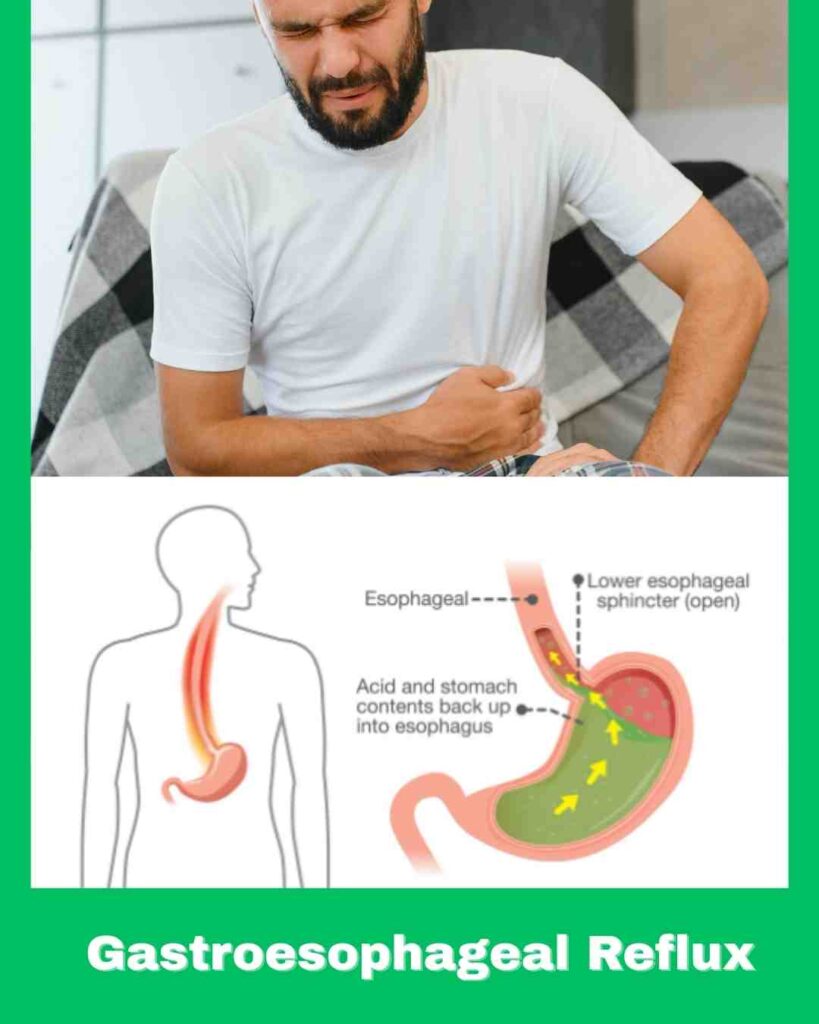
While bananas cause acid reflux in rare cases, there are specific situations where they may cause discomfort:
- Eating Green, Unripe Bananas: As noted, unripe bananas are more acidic and higher in resistant starch, making them harder to digest. This can lead to gas, bloating, and increased pressure on the Lower Esophageal Sphincter (LES), potentially leading to reflux.
- FODMAP Sensitivity: Bananas contain FODMAPs (Fermentable Oligo-, Di-, Mono-saccharides and Polyols). In some highly sensitive individuals, these carbohydrates ferment quickly in the gut, causing gas and bloating that can increase abdominal pressure and trigger reflux.
- Portion Size/Empty Stomach: Eating a very large portion, or eating it on a completely empty stomach, may cause an uncomfortable feeling of heaviness or gas in some people.
For this reason, some people ask does banana cause acidity in empty stomach, and while they don’t cause acidity, it can cause the symptoms of reflux.
For most, it is okay to eat banana if you are acidic—the benefit usually outweighs the mild acidity.

Are Bananas Good for Acidic Stomach & GERD?
Yes, bananas are generally considered excellent for acidic stomach conditions and GERD. They are a staple of bland, low-acid, and alkaline-forming diets intended to manage these symptoms.
How Bananas Reduce Stomach Acid (Symptomatically)
Bananas don’t chemically stop the production of stomach acid (that’s the job of drugs like proton pump inhibitors), but they help mitigate the symptoms in three key ways:
- The Alkaline Buffer: The metabolized potassium acts as a systemic alkaline buffer, counteracting the acidic reflux event itself.
- Fiber and Motility: The soluble fiber in bananas aids in gut motility and can absorb excess water and acid, smoothing out the digestive process.
- Mucilage Soothe: The sticky mucilage coats and protects the esophageal and gastric mucosa, physically soothing the burning sensation. This answers the question: do bananas reduce stomach acid? They reduce the symptoms and damage caused by the acid.
This mechanism is why the answer to Is banana good or bad for acidity? is almost universally positive.
Best Time to Eat Bananas for Acid Reflux
Timing can be as important as the food itself when managing reflux symptoms.
- Morning or Mid-Meal: The best time to eat bananas for acid reflux is either in the morning (combined with a soothing, non-acidic food like oatmeal) or as a mid-day snack.
- Post-Meal Buffer: Eating a half or whole banana about 30 minutes after a meal that may have been slightly spicy or acidic can help buffer the stomach contents as the digestive process peaks.
- Avoid Immediately Before Bed: Never eat a full meal or heavy snack, including a banana, right before lying down. Give your stomach at least 2–3 hours to empty to prevent nocturnal reflux.
Pairing for Prevention
To maximize the soothing effect, combine the banana with other non-acidic, easy-to-digest foods:
- Oatmeal: A fantastic non-acidic, high-fiber base.
- Yogurt (Plain, Low-Fat): Provides protein and probiotics, but ensure it’s not a high-sugar, acidic fruit flavor.
- Almonds: A small handful of almonds before or after the banana can help neutralize acid.
What Kind of Banana Is Good for Acid Reflux?
The degree of ripeness is critical for efficacy in treating an acidic stomach.
- Ripe Yellow Bananas: These are the gold standard. They are soft, sweet, easy to digest, and are at their peak alkaline-forming potential. They should be soft to the touch and a uniform yellow color.
- Soft, Speckled Bananas: If the banana has a few brown specks, it’s even better. This indicates maximum starch-to-sugar conversion and minimal acidity.
- Avoid Green, Unripe Bananas: Avoid these completely if you are prone to reflux or digestive upset. They contain a high concentration of resistant starch, which can cause fermentation, gas, and stomach discomfort, potentially triggering a reflux event.
Banana pH vs Other Fruits (Comparison Chart)
Understanding where bananas sit on the fruit pH spectrum validates their use in low-acid diets.
| Fruit | Approximate pH Range | Acidity Level & Notes |
| Banana | 4.5 – 5.2 | Low-Acid/Mildly Acidic. It has the highest pH among popular fruits. |
| Mango | 3.4 – 4.8 | Moderately Acidic. Lower pH than bananas. |
| Pineapple | 3.3 – 4.0 | Highly Acidic. Significant pH difference. |
| Blueberries | 3.1 – 3.7 | Highly Acidic. |
| Apples | 3.3 – 4.0 | Moderately Acidic. Are bananas or apples more acidic? Apples are considerably more acidic. |
| Watermelon | 5.2 – 5.8 | Near Neutral/Lowest Acid. Which fruit is the least acidic? Watermelon is often cited as one of the least acidic common fruits, slightly less acidic than bananas. |
The takeaway is that bananas are near the bottom of the acidity list for commonly consumed fruits, making them a “safer” choice for sensitive stomachs.
Are Bananas Acidic for Babies?
Bananas are one of the most popular and recommended first foods for infants, prized for their soft texture, nutrient density, and convenience. Generally, bananas are safe and well-tolerated by babies.
The Mild Acidity and Baby Digestion
The mild acidity of a ripe banana (pH 4.5–5.2) is usually not a problem for a baby’s developing digestive system. While their stomach pH is naturally higher than an adult’s, the alkaline-forming nature of the banana often provides a buffering effect.
- Nutrient Powerhouse: Bananas offer essential nutrients for growing babies, including potassium, Vitamin C, Vitamin B6, and a blend of easily digestible natural sugars.
- Easy to Swallow: Their smooth, mashed consistency requires minimal chewing and is gentle on the esophagus.
Rare Cases: Gas and Constipation
While the issue of whether are bananas acidic for babies is usually resolved with a “no,” parents should watch for other digestive issues linked to the fruit:
- Constipation: In some babies, the pectin and high starch content (especially in less ripe bananas) can slow down gut motility, leading to temporary constipation.
- Gas and Bloating: The fiber and fermentable sugars (FODMAPs) can sometimes cause fermentation in the baby’s large intestine, leading to uncomfortable gas. This is often an issue of ripeness and portion size, not acidity.
Tips for Serving Bananas Safely to Babies
- Prioritize Ripe Bananas: Always choose a very soft, speckled banana. This maximizes digestibility and minimizes the resistant starch and acid content.
- Start Small: Introduce bananas in small amounts and wait several days before introducing a new food to monitor for any reactions.
- Mix it Up: Combine mashed banana with baby rice cereal, breast milk, or plain yogurt to diversify nutrients and further reduce the chance of constipation.
- Avoid Immediately Before Bed: Like adults, feeding babies a large quantity right before lying down can sometimes increase the risk of spit-up or reflux symptoms.
Are Bananas Acidic for Teeth? (Dental Health)
The acidity of foods is a major factor in dental health, as low pH can lead to the erosion of tooth enamel. So, are bananas acidic for teeth?
While bananas are technically acidic (pH 4.5–5.2), the primary dental concern is not their pH, but their sugar content and sticky consistency.
Banana pH vs. Enamel Erosion
- The Threshold: Enamel erosion typically begins when the mouth’s pH drops below the critical level of 5.5.
- Bananas are Borderline: A pH of 4.5–5.2 places the banana in the range where it can contribute to erosion, but it is far less destructive than highly acidic fruits like lemons (pH 2.0) or even orange juice (pH 3.5).
- The Risk Factor: The real risk lies in the high simple sugar content of a ripe banana. Oral bacteria rapidly metabolize these sugars, producing metabolic acids (like lactic acid) that further lower the pH around the teeth, accelerating demineralization.
Best Oral Hygiene After Eating Bananas
To mitigate the combined sugar and acid risk:
- Don’t Brush Immediately: Brushing right after eating acidic food can physically damage softened enamel.
- Rinse Vigorously: The best immediate action is to rinse your mouth thoroughly with plain water to wash away residual sugars and acids.
Wait 30 Minutes: Wait at least 30 minutes to one hour before brushing your teeth to allow saliva to naturally re-harden the enamel.
Are Banana Peels Acidic? (Gardening & pH Use)
Banana peels are often used in gardening as natural fertilizer, leading many to wonder about their pH impact on soil.
- Banana Peel pH: The pH of fresh banana peels is slightly higher than the fruit, typically ranging from pH 5.2 to 5.9. This makes them even milder than the fruit itself.
- Nutrient Value: Peels are rich in potassium, phosphorus, calcium, and magnesium—all alkaline-forming minerals that benefit plants.
Use in Soil and Compost
- Minimal Acidity Impact: Because they are so mild (approaching neutral 7.0), banana peels will not strongly acidify soil. When added to compost or buried near plants, the long process of decomposition neutralizes any minor intrinsic acidity.
- Fertilizer Benefit: Gardeners use peels primarily to add potassium to the soil, which helps with flower and fruit production. The overall effect on garden soil pH is negligible or slightly alkaline-forming, not acidic.
Are Bananas Acidic Enough for Baking Soda? (Baking Chemistry)
The chemical reaction that makes banana bread rise is a perfect illustration of how the pH of bananas is used.
The Leavening Reaction
In baking, chemical leaveners require a pH- reaction:
- Baking Soda (NaHCO3): This is a base (pH ~ 8.0). It requires an acid (like buttermilk, vinegar, or brown sugar) to activate, producing carbon dioxide (CO2) gas, which causes rising.
- Baking Powder: This contains both the base (baking soda) and a dry acid (usually cream of tartar or an aluminum salt), meaning it only needs liquid to activate.
Are bananas acidic enough for baking soda? Yes.
Ripe bananas, with a pH of 4.5–5.2, are perfectly adequate to provide the necessary acid to activate baking soda.
Why Banana Bread Rises
The combination of the banana’s natural citric and malic acid with the baking soda in the batter ensures reliable leavening. A typical banana bread recipe relies on this acid-base reaction, often with the help of buttermilk or yogurt for extra lift.
The ripeness level of the banana is crucial—using overripe bananas (which are the mildest) guarantees a stronger, sweeter flavor and sufficient acidity for the reaction.
Foods That Neutralize Stomach Acid
If you are suffering from acute acid reflux or GERD, combining bananas with other alkaline-promoting and soothing foods can provide powerful relief.
Foods that are good for acidic stomachs are often high in fiber, low in fat, and have an alkaline-forming metabolic effect.
- Bananas: As established, they coat and buffer.
- Oatmeal: This is a fantastic source of soluble fiber, which absorbs acid in the stomach and provides a feeling of fullness without triggering reflux. It is naturally non-acidic.
- Ginger: Known for its anti-inflammatory and anti-nausea properties. Ginger is highly alkaline-forming and can help soothe the esophagus.
- Papaya: Contains the enzyme papain, which aids in protein digestion. Papaya is a low-acid fruit that can help prevent the feeling of fullness and pressure that leads to reflux.
- Almonds: Contain calcium, which is known to help buffer the acidity of the stomach. They are a healthy source of fat and are also alkaline-forming.
- Vegetable Broth: Simple, clear broths (especially potato, cabbage, or carrot) are highly alkaline and provide hydration without acid triggers.
Final Verdict: Are Bananas Acidic or Alkaline?
The banana’s reputation as a digestive aid is well-earned, but understanding its chemistry is key.
- Intrinsic pH: Bananas are technically a mildly acidic fruit with a pH range of 4.5–5.2.
- Metabolic Effect: Once digested, they are a potent alkaline-forming food due to their high mineral content (especially potassium), which helps neutralize systemic acidity.
- Digestive Comfort: Their low intrinsic acidity, high soluble fiber, and mucilage content make them a soothing, recommended food for managing acid reflux and GERD symptoms in the vast majority of people.
Key Takeaway: For health purposes, focus on the metabolic effect. Ripe bananas are your friend in the fight against acidity.
FAQs
Are bananas acidic or alkaline forming?
Bananas are mildly acidic in their measured state (pH 4.5–5.2), but they are classified as alkaline-forming because their minerals (potassium and magnesium) create an alkaline residue after being metabolized by the body.
Do bananas cause acidity in an empty stomach?
Bananas do not chemically cause the stomach to become more acidic. However, in some individuals, eating any food on an empty stomach can trigger digestive activity and subsequent reflux symptoms. To avoid discomfort, pair the banana with a buffer like oatmeal or yogurt.
Are bananas bad for acid reflux?
No, for most people, bananas are highly beneficial for acid reflux. They contain natural antacid properties due to their alkaline-forming minerals and soluble fiber that coats and soothes the esophagus, helping to relieve heartburn symptoms.
Are green bananas more acidic than ripe bananas?
Yes, green bananas are more acidic and contain more resistant starch than ripe bananas. This makes them harder to digest and potentially more likely to trigger discomfort, which is why ripe, speckled bananas are recommended for reflux sufferers.
Are bananas acidic enough to activate baking soda?
Yes, the naturally occurring citric and malic acids in bananas provide sufficient acidity (pH 4.5–5.2) to activate baking soda, which is why bananas are a staple ingredient in recipes requiring leavening agents like baking soda.
Are bananas good for babies with reflux?
Yes, ripe bananas are generally a safe and good first food for babies, including those with reflux. Their soft texture and low acidity make them easily digestible, and they provide essential nutrients like potassium and B vitamins.
References and Citations
- U.S. Department of Agriculture (USDA) – FoodData Central: (For pH and nutrient composition data)
- Cleveland Clinic – Acid Reflux Diet: (For general guidance on foods that soothe/trigger reflux)
- Harvard Health Publishing – Which foods are acidic and which are alkaline?: (To explain the difference between intrinsic pH and metabolic ash)
- Mayo Clinic – Heartburn: Lifestyle and home remedies: (To support the use of bananas and other soothing foods)
- American Dental Association (ADA) – Diet and Dental Health: (For information on pH and enamel erosion)
Pediatrics – Gastroesophageal Reflux in Infants: (General guidance on infant digestion and food introduction)