In the world of plant-based protein, tofu often gets all the attention. But sitting quietly next to it in the refrigerated aisle is its nuttier, heartier, and arguably healthier cousin: tempeh.
If you have ever picked up a block of this bumpy, beige food and asked, “What is tempeh?” or “Is tempeh healthy?”, you are not alone. While it has been a staple in Indonesian cuisine for centuries, it is only recently gaining global recognition as a superfood powerhouse.
This ultimate guide will cover everything you need to know. We will dive deep into what tempeh is made of, the science behind its gut-health benefits, how it compares to tofu, and—most importantly—how to cook it so it actually tastes delicious.
What Exactly Is Tempeh?

What is Tempeh Made Of?
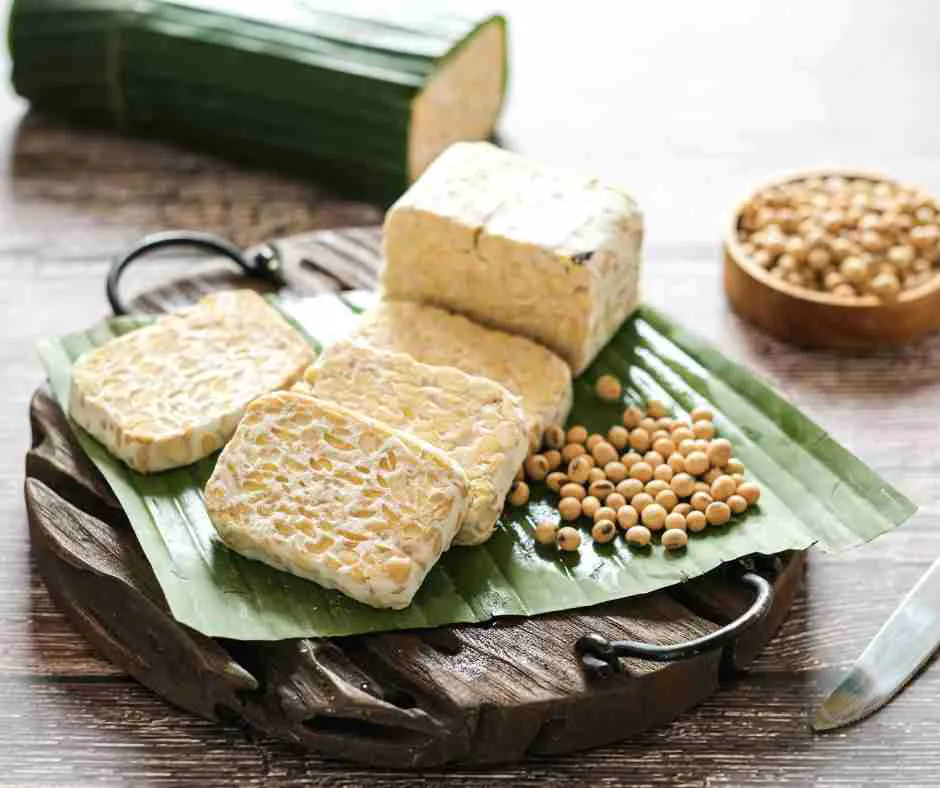
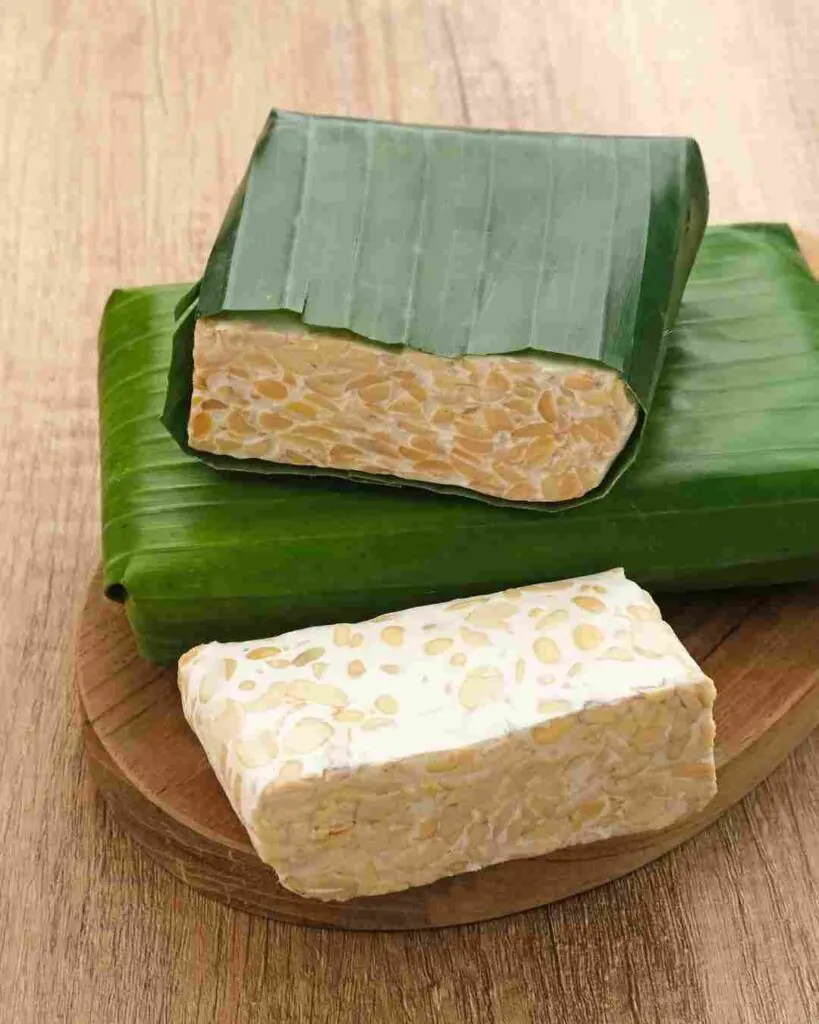
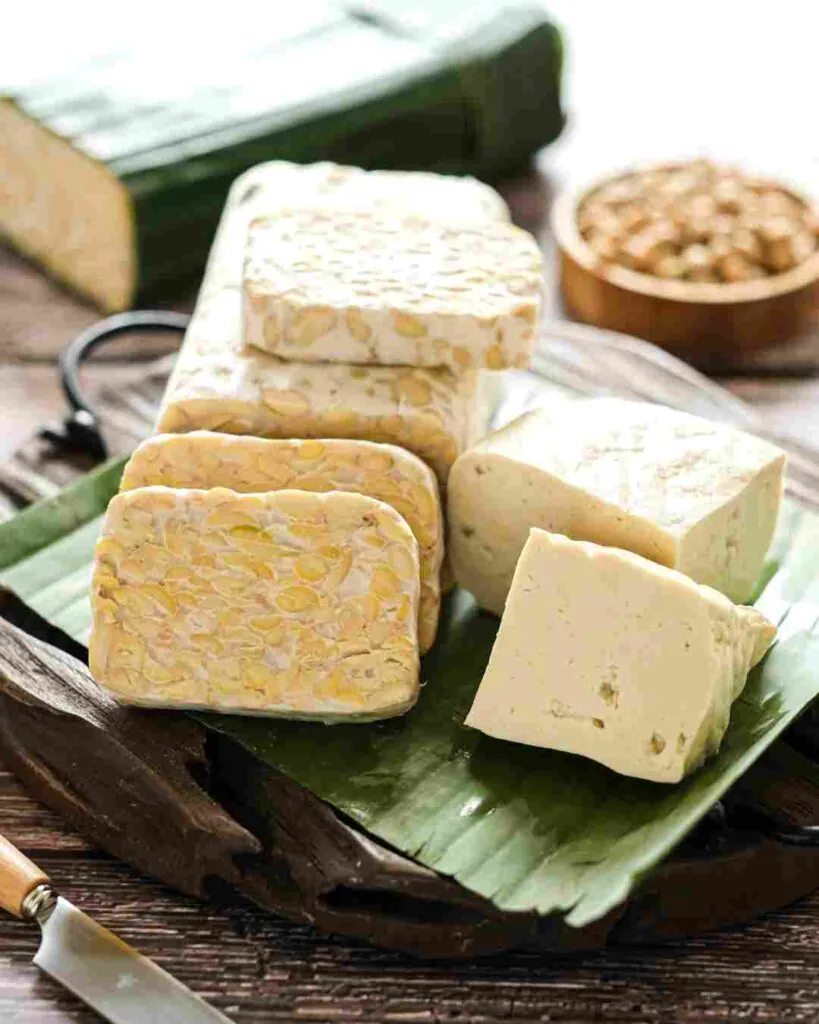
Tempeh (pronounced tem-pay) is a traditional Indonesian food made from fermented soybeans. Unlike tofu, which is made from coagulated soy milk (similar to cheese), tempeh is made from the whole soybean.
To answer “what is tempeh made of,” specifically, the process involves three main steps:
- Soybeans: Whole beans are soaked, hulled, and cooked.
- Starter Culture: A fermentation starter containing the fungus Rhizopus oligosporus is added to the beans.
- Fermentation: The mixture is packed and left to ferment for 24 to 48 hours.
During fermentation, the white mold (mycelium) binds the soybeans together into a firm, solid cake. This process doesn’t just change the texture; it fundamentally alters the nutritional profile, making the nutrients more accessible to your body.
What Does Tempeh Taste Like?
If you are used to the mild, almost non-existent flavor of tofu, tempeh will be a surprise.
- Flavor: It has a strong, earthy, nutty, and savory flavor often described as “umami.” Some people detect notes of mushroom or yeast.
- Texture: It is firm, chewy, and chunky. Because it uses the whole bean, it has a “meaty” bite that holds up well in sandwiches and stir-fries.
Is Tempeh a Highly Processed Food?
A common concern today is the rise of ultra-processed fake meats. Is tempeh a highly processed food? No.
Tempeh is considered a minimally processed whole food. It generally contains three basic ingredients: beans, water, and culture. There are no isolates, fillers, or artificial binders. It is one of the “cleanest” protein sources you can buy.
Is Tempeh Gluten-Free?
Generally, yes. Traditional tempeh is made purely from soybeans. However, some store-bought brands add grains like barley, wheat, or rice to the mixture to create different textures. Always check the label if you have Celiac disease or a severe gluten intolerance.
Nutritional Breakdown: Is Tempeh Good for You?
The short answer is yes. But to truly understand why it is good for you, we need to look at the numbers. Tempeh is nutrient-dense, boasting high levels of protein, fiber, vitamins, and minerals.
Protein Powerhouse: Is Tempeh High in Protein?
Tempeh is one of the best plant-based sources of protein available. A standard 3-ounce (85g) serving contains approximately 15 to 20 grams of protein.
Because it is a soy product, it is a complete protein, meaning it contains all nine essential amino acids your body needs for muscle repair and immune function. This makes it an excellent choice for athletes and bodybuilders.
Is Tempeh High in Probiotics? (The Gut Health Connection)
Is tempeh good for gut health? This is one of its biggest selling points. The fermentation process breaks down the phytic acid in soybeans, which makes the starches easier to digest and the minerals easier to absorb.
- Prebiotics vs. Probiotics: While raw tempeh is full of live bacteria, you generally cook tempeh before eating it (more on that later), which kills the live cultures. However, tempeh remains rich in prebiotics—the fiber that feeds the good bacteria already in your gut.
- Paraprobiotics: Recent research suggests that even heat-killed probiotics (paraprobiotics) in fermented foods can still stimulate an immune response and support gut health.
So, is tempeh easy to digest? For most people, yes, much easier than whole soybeans or textured vegetable protein (TVP) because the fermentation has “pre-digested” some of the complex carbohydrates that typically cause gas and bloating.
Is Tempeh Healthy for Cholesterol?
Yes. Soy protein contains isoflavones, which have been linked to reduced levels of LDL (bad) cholesterol. Additionally, tempeh is cholesterol-free (since it’s plant-based) and usually low in saturated fat. Replacing red meat with tempeh a few times a week can be a heart-healthy move.
Is Tempeh Good for Weight Loss?
Is tempeh good for weight loss? Absolutely.
- Satiety: The combination of high protein (approx. 18g per cup) and high fiber (approx. 7-10g per cup) keeps you fuller for longer than refined carbohydrates or low-fiber proteins.
- Metabolism: Digesting protein has a higher thermic effect than fats or carbs, meaning your body burns more calories digesting it.
Gender-Specific Benefits
Is Tempeh Healthy for Men?
A common myth persists that soy lowers testosterone or increases estrogen in men due to phytoestrogens. Is tempeh healthy for men?
Current clinical research indicates that soy intake does not negatively affect testosterone levels or male fertility. In fact, the high protein content supports muscle maintenance, and the soy isoflavones may offer protection against prostate cancer.
Is Tempeh Good for Women?
Yes, particularly for aging gracefully.
- Bone Health: Tempeh is a decent source of Calcium and Manganese, essential for bone density.
- Menopause: The isoflavones in soy can mimic weak estrogen in the body, which may help reduce the severity of hot flashes and other menopausal symptoms for some women.
Tofu vs. Tempeh – Which is Healthier?
The battle of the soy giants: Which is healthier, tofu or tempeh?
| Feature | Tofu | Tempeh |
| Production | Coagulated soy milk (like cheese) | Fermented whole beans |
| Processing | More processed | Less processed (Whole food) |
| Protein (per 100g) | ~8g – 12g | ~19g – 20g |
| Fiber | Low (<1g) | High (Benefits digestion) |
| Texture | Soft, silky, or firm | Chewy, nutty, firm |
| Digestion | Easy | Very easy (due to fermentation) |
The Verdict: While both are healthy, tempeh wins on nutrient density. It has more protein, significantly more fiber, and retains the benefits of the whole bean. However, tofu is lower in calories, making it a lighter option.
Potential Risks and Downsides
No food is perfect. Let’s look at the pros and cons of tempeh and address the question: Is there a downside to tempeh?
Tempeh Health Risks: Thyroid and Cancer
- Thyroid: There is a concern that soy acts as a “goitrogen,” potentially interfering with thyroid function. For people with a healthy thyroid, this is rarely an issue. However, those with hypothyroidism should consult their doctor and ensure they are getting enough iodine.
- Cancer: Search queries like “tempeh health risks cancer” often stem from confusion about phytoestrogens. The American Cancer Society notes that soy foods are generally safe and may even lower the risk of breast cancer.
Allergies and Intolerances
- Soy Allergy: If you are allergic to soy, you cannot eat traditional tempeh. (Look for chickpea or black bean tempeh alternatives!).
- Histamines: Fermented foods are high in histamines. People with histamine intolerance may experience headaches or skin flushing.
Quick Reference: Pros and Cons of Tempeh
| Pros | Cons |
| High Protein (19g/100g) | Strong, earthy flavor (acquired taste) |
| High Fiber (Prebiotic) | It can be bitter if not prepared correctly |
| Minimally processed | Soy allergen |
| Rich in vitamins (B vitamins, Iron) | Shorter shelf life than dried beans |
| Probiotic potential (gut health) |
Is Tempeh Low FODMAP?
Yes, it is generally considered low FODMAP in standard serving sizes. The fermentation process reduces the galacto-oligosaccharides (GOS) found in soy, making it tolerable for many people with IBS.
Daily Consumption & Safety Questions
Is it Okay to Eat Tempeh Every Day?
Can you eat tempeh every day? Yes. For the average healthy person, one to two servings of soy foods a day is considered safe and beneficial. The “everything in moderation” rule applies—variety in your protein sources is always best for a diverse gut microbiome.
Can You Eat Tempeh Raw?
This is a critical safety question. Can you eat tempeh raw? Technically, pasteurized store-bought tempeh is “ready to eat,” but it is strongly recommended to cook it.
Why? Tempeh is a fermented food grown in warm, moist conditions—ideal for bacteria. While the starter culture is good, harmful bacteria could theoretically grow during improper handling. Cooking it ensures safety. Furthermore, raw tempeh tastes bitter and earthy; cooking it improves the flavor drastically.
How to Cook and Prepare Tempeh
If you have tried tempeh before and hated it, you probably prepared it wrong. Tempeh has a natural bitterness that needs to be tamed. Here is how to use tempeh like a pro.
The Secret Step: How to Steam Tempeh
Before you fry, bake, or grill it, you should steam it.
How to steam tempeh:
- Cut the block into cubes or slices.
- Place in a steamer basket (or simmer in a little water in a pan) for 10 minutes.
- Remove and pat dry.
Why? Steaming opens up the “pores” of the tempeh so it can absorb marinade, and it removes the bitter, yeast-like aftertaste.
How to Make Tempeh Bacon
One of the most popular searches is “what is tempeh bacon?” It is simply thinly sliced tempeh marinated in smoky, salty, and sweet ingredients to mimic bacon.
Quick Recipe:
- Slice tempeh into thin strips.
- Mix marinade: Soy sauce (or tamari), maple syrup, liquid smoke, smoked paprika, and a dash of oil.
- Marinate the strips for 20 minutes (or overnight).
- Pan-fry on medium-high heat until crispy and dark brown.
Other Best Ways to Eat Tempeh
- Crumbled: Use a cheese grater or your hands to crumble it. Sauté with taco spices for a vegan taco meat or Bolognese sauce.
- Stir-Fried: Cube it, fry it until golden, and toss it into a vegetable stir-fry with teriyaki sauce.
- Baked/Air Fried: Toss cubes in cornstarch and spices, then air fry at 400°F (200°C) for 15 minutes for a crispy snack.
Buying, Storing, and DIY
Where to Buy Tempeh
You can find tempeh in almost any major grocery store. Where to buy tempeh? Look in the produce section, usually in a refrigerated cooler next to the tofu and bagged salad greens.
Can You Freeze Tempeh?
Yes! Can you freeze tempeh?
Tempeh freezes beautifully. If you don’t plan to eat it before the expiration date:
- Keep it in its original vacuum-sealed packaging.
- Freeze for up to 3 months.
- Thaw in the fridge overnight before steaming and cooking.
How to Make Tempeh (DIY)
For the adventurous, learning how to make tempeh is rewarding.
- Soak & Hull: Soak dry soybeans overnight. Rub them vigorously to remove the outer skins (hulls).
- Cook: Boil the beans until tender but not mushy. Dry them thoroughly (moisture is the enemy).
- Inoculate: Sprinkle with tempeh starter and vinegar.
- Incubate: Pack into perforated plastic bags and keep at a warm temperature (85-90°F) for 24-48 hours until a solid white cake forms.
FAQs
Is Tempeh Healthy Reddit Review?
If you search “Is tempeh healthy Reddit”, you will find thousands of anecdotes. The consensus in the r/PlantBasedDiet and r/Nutrition communities is overwhelmingly positive.
Users report improved digestion, better satiety compared to tofu, and successful muscle gain on vegan diets using tempeh as a staple.
Is tempeh easy to digest?
Generally, yes. Because tempeh is fermented, the enzymes produced by the Rhizopus mold break down the complex carbohydrates and proteins in the soybeans. This makes it much easier to digest than whole soybeans or even some other legumes. However, because it is very high in fiber, introduce it slowly if your body isn’t used to a high-fiber diet to avoid temporary bloating.
Is tempeh high in probiotics?
Raw tempeh is rich in probiotics (live beneficial bacteria). However, because tempeh should be cooked for safety, the heat kills the live active cultures. The good news is that even cooked tempeh acts as a powerful prebiotic (food for your gut bacteria) and contains probiotics (inactive cells that still trigger immune benefits).
Is tempeh low FODMAP?
Yes, tempeh is considered low FODMAP in a serving size of roughly 100g (about 3.5 oz). The fermentation process reduces the amount of galacto-oligosaccharides (GOS), which are the fermentable carbohydrates that trigger IBS symptoms in many people. It is generally safer for sensitive stomachs than silken tofu or whole beans.
What is tempeh bacon?
Tempeh bacon is a popular vegan alternative to pork bacon. It is made by slicing tempeh into thin strips and marinating it in a mixture of soy sauce (or tamari), maple syrup, liquid smoke, and smoked paprika.
When fried or baked until crisp, it mimics the salty, smoky, savory profile of traditional bacon without the saturated fat or cholesterol.
Can dogs eat tempeh?
Yes, in moderation. Dogs can eat plain, cooked tempeh as a protein boost. However, never feed your dog tempeh that has been marinated in garlic, onions, or high-sodium sauces, as these ingredients can be toxic to pets. Always start with a small amount to see how their stomach reacts.
Is tempeh healthy for men?
Yes. There is a persistent myth that the phytoestrogens in soy lower testosterone, but extensive clinical studies show this is false. Soy consumption does not raise estrogen levels in men or impact fertility. The high protein content makes it excellent for muscle retention and heart health.
Is tempeh good for weight loss?
Yes. Tempeh is highly conducive to weight loss because it scores high on the “satiety index.” The combination of high protein (approx. 20g per serving) and dietary fiber keeps you feeling full for hours, reducing the likelihood of snacking. It is a nutrient-dense food, meaning you get a lot of vitamins and minerals for the calorie count.
Can you freeze tempeh?
Absolutely. Tempeh freezes very well. Keep it in its original vacuum-sealed packaging, or wrap it tightly in foil or freezer paper. It can be stored in the freezer for up to 3 months. To use it, simply thaw it in the refrigerator overnight or steam it directly from frozen (though steaming takes a bit longer).
Is tempeh gluten-free?
Usually, but not always. Traditional tempeh is made only from soybeans and vinegar. However, many commercial brands add grains like barley, wheat berries, or oats to improve the texture.
Always check the ingredient label if you have Celiac disease or gluten sensitivity to ensure it is 100% soy or made with gluten-free grains (like rice).
Is tempeh a highly processed food?
No. Tempeh falls under the category of “minimally processed.” Unlike protein isolates or mock meats that are reconstructed in a lab, tempeh is simply whole beans bound together by a natural fermentation process. It is a “whole food” protein source.
Can you eat tempeh raw?
It is not recommended. While some people do eat it raw, especially fresh artisan tempeh, store-bought tempeh is safest when cooked. Cooking eliminates any potentially harmful bacteria that may have developed during transport or storage and significantly improves the bitter flavor.
What are the main tempeh health risks?
For the general population, risks are very low. The main risks apply to those with specific conditions:
- Soy Allergy: It is dangerous for anyone allergic to soy.
- MAOIs: Because it is fermented, tempeh contains tyramine. People taking Monoamine Oxidase Inhibitors (MAOIs) for depression may need to limit fermented foods to avoid blood pressure spikes.
- Thyroid Issues: People with compromised thyroid function should ensure they have adequate iodine intake if consuming large amounts of soy.
Which is healthier, tofu or tempeh?
It depends on your goals, but tempeh is generally more nutrient-dense. It has roughly double the protein and fiber of tofu because it uses the whole bean. However, tofu is lower in calories and fat, making it a lighter option. Both are excellent choices for a healthy diet.
Is tempeh good for women?
Yes. The isoflavones in tempeh can support bone health (crucial as women age) and may help alleviate menopausal symptoms like hot flashes. The high iron content is also beneficial for women of childbearing age.
Key Takeaways
- Tempeh is a fermented, whole-soy superfood.
- It is higher in protein and fiber than tofu.
- It promotes gut health, heart health, and weight management.
- Always steam it before marinating to remove bitterness.
- It is versatile: Use it as “bacon,” in stir-fries, or crumbled into sauces.
Conclusion
Whether you are a long-time vegan or just trying to cut down on red meat, tempeh is one of the most nutritious foods you can add to your diet. It is affordable, sustainable, and when cooked right, absolutely delicious.
Next time you are at the store, skip the processed fake meats and grab a block of tempeh. Your gut (and your taste buds) will thank you.
References
1. Nutritional Data & Composition
- USDA FoodData Central: For the official breakdown of protein, fiber, and vitamin content in tempeh.
- Healthline: For the direct nutritional comparison between Tofu and Tempeh.
2. Health Benefits (Heart, Gut, and Hormones)
- WebMD: Overview of benefits for cholesterol, bone health, and inflammation.
- BBC Good Food: Specifics on phytoestrogens, menopause, and women’s health.
- Mayo Clinic: Clarification on soy, thyroid function, and medication interactions.
3. Dietary Restrictions (FODMAP & Gluten)
- Monash University (The creators of the Low FODMAP diet): Confirming tempeh’s low FODMAP status and serving size recommendations.
4. Safety & Preparation (Raw Consumption & Pets)
- Tempeh Goodness / Tempea: Guidance on why raw tempeh should be cooked (killing bacteria and improving flavor).
- TrustedHousesitters: Veterinary advice on feeding soy products to dogs.
5. Cancer & Soy Myths
- American Cancer Society: Information regarding soy foods and cancer risk reduction.