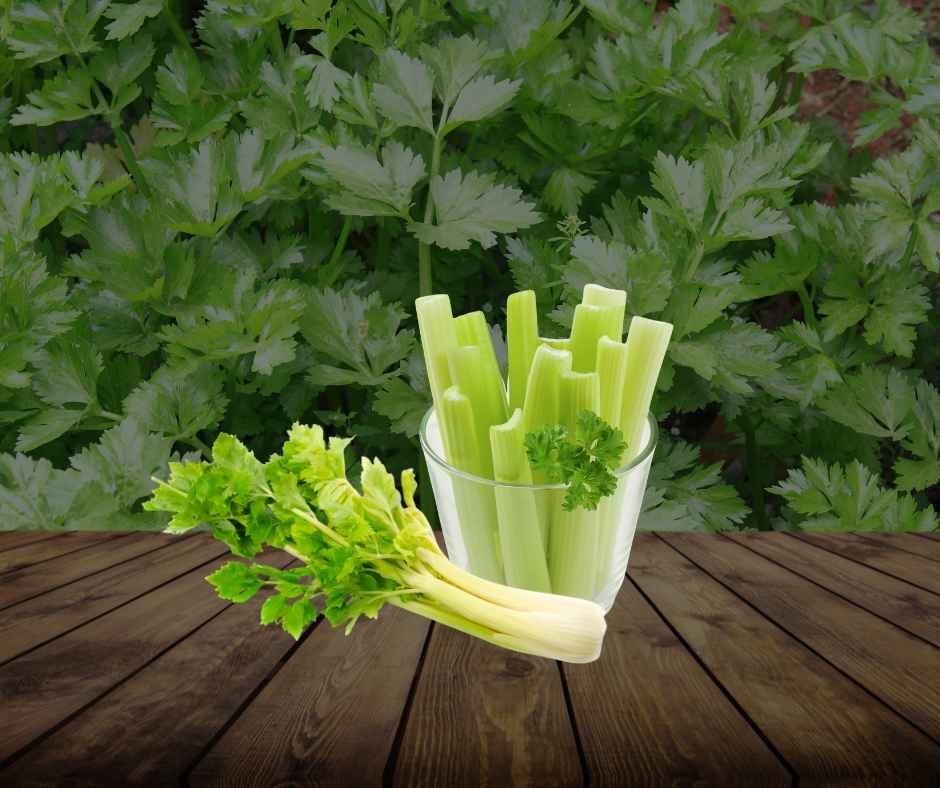
We have all been there: You buy a large, vibrant bunch of celery for a single recipe—perhaps a pot of chicken noodle soup or a Thanksgiving stuffing—and you use exactly three stalks. The rest goes back into the crisper drawer, where it sits, forgotten, until you discover it two weeks later, limp, rubbery, and sad.
This is a common kitchen tragedy, but it begs the question: Can you freeze celery to save it from the trash bin?
The short answer is yes, absolutely. Freezing celery is one of the most effective ways to reduce food waste and ensure you always have a “mirepoix” base ready for your next culinary creation.
However, freezing celery isn’t as straightforward as freezing berries or peas. Because of its high water content, celery undergoes significant changes in the freezer that you need to understand before you toss a whole stalk in a Ziploc bag.
If you are wondering what’s the best way to preserve celery or is celery still good if it’s frozen, you have come to the right place. This comprehensive guide will walk you through everything you need to know about freezing this crunchy vegetable—from the science of why it loses its crunch to detailed methods for freezing it raw, blanched, chopped, or even juiced. Whether you are prepping for smoothies, soups, or stews, we will help you lock in flavor and minimize waste.
Can You Freeze Celery? (The Quick Answer)
If you are looking for a quick “yes or no” before you start chopping:
Yes, you can freeze celery. You can freeze it raw, blanched, chopped, or whole. You can even freeze celery leaves and juice.
However, there is a major catch regarding texture. Can you freeze fresh celery and expect it to come out crunchy like a fresh stick you’d dip in ranch dressing? No.
Can you freeze uncooked celery, or can you freeze raw celery? Yes, but once thawed, the celery will lose its crisp snap. The freezing process changes the structure of the vegetable, making it soft and somewhat mushy upon thawing.
Best Uses for Frozen Celery:
- Hot Dishes: Soups, stews, casseroles, and sauces.
- Flavor Bases: Mirepoix (celery, onions, carrots) for roasting or sautéing.
- Blending: Green smoothies and juices.
- Stock: Vegetable or chicken stock.
Do Not Use Frozen Celery For:
- Ants on a log.
- Salads (like Waldorf salad).
- Crudité platters.
- Garnishes requiring a crunch.
What Happens to Celery When Frozen?

To understand how to best preserve this vegetable, we must answer: Is celery still good if it’s frozen?
It is “good” in terms of safety, flavor, and nutrition, but the physical structure changes dramatically. Here is the science behind the celery freeze warning regarding texture loss.
Texture Loss Explained
Celery is composed of roughly 95% water. When you freeze water, it expands and forms sharp, jagged ice crystals. Fresh celery relies on the pressure of water within its strong cell walls (turgor pressure) to maintain that signature snap.
When freezing celery, those expanding ice crystals puncture the rigid cell walls. Once the celery is thawed, the ice melts, the water leaks out of the ruptured cells, and the structural integrity collapses. The result is a stalk that bends easily and has a softer, slightly rubbery texture.
Flavor Retention
While the texture suffers, the flavor is surprisingly resilient. Frozen celery retains its grassy, peppery, and slightly bitter aromatic profile. In fact, for cooked dishes where the celery would be softened by heat anyway (like in a soup), you likely won’t be able to tell the difference between fresh and frozen.
When Frozen Celery Should Not Be Used
Because of the cellular damage described above, you must manage your expectations. If your recipe relies on the crunch of the celery (raw dishes), frozen celery will be a disappointment. Always reserve frozen stocks for applications where heat or blending is involved.
How Long Does Celery Last? (Fridge vs Freezer)
Understanding the lifespan of your produce is key to meal planning. How long can celery last in the fridge compared to the freezer?
Celery is surprisingly hardy in the refrigerator if stored correctly (wrapped in foil helps!), but the freezer is the king of long-term storage.
Comparison Table: Celery Shelf Life
| Storage Method | State of Celery | Shelf Life | Quality Notes |
| Refrigerator | Whole Head (Raw) | 2–4 Weeks | Remains crisp if kept in high humidity or foil. |
| Refrigerator | Cut/Chopped (Raw) | 1–2 Weeks | Store in water to maintain crunch; change water daily. |
| Refrigerator | Cooked | 3–4 Days | Texture is already soft; safety is the main concern. |
| Freezer | Blanched | 12–18 Months | Best flavor and color retention; slows enzyme decay. |
| Freezer | Unblanched (Raw) | 2–8 Months | faster loss of color and flavor; texture degrades faster. |
| Freezer | Cooked Dish | 3–6 Months | Depends on other ingredients in the dish. |
How long can you freeze celery?
If you take the time to blanch it (boil briefly, then cool), celery can last comfortably over a year. If you skip blanching, try to use it within 2 to 3 months for the best flavor profile.
How to Freeze Celery (Step-by-Step Guide)
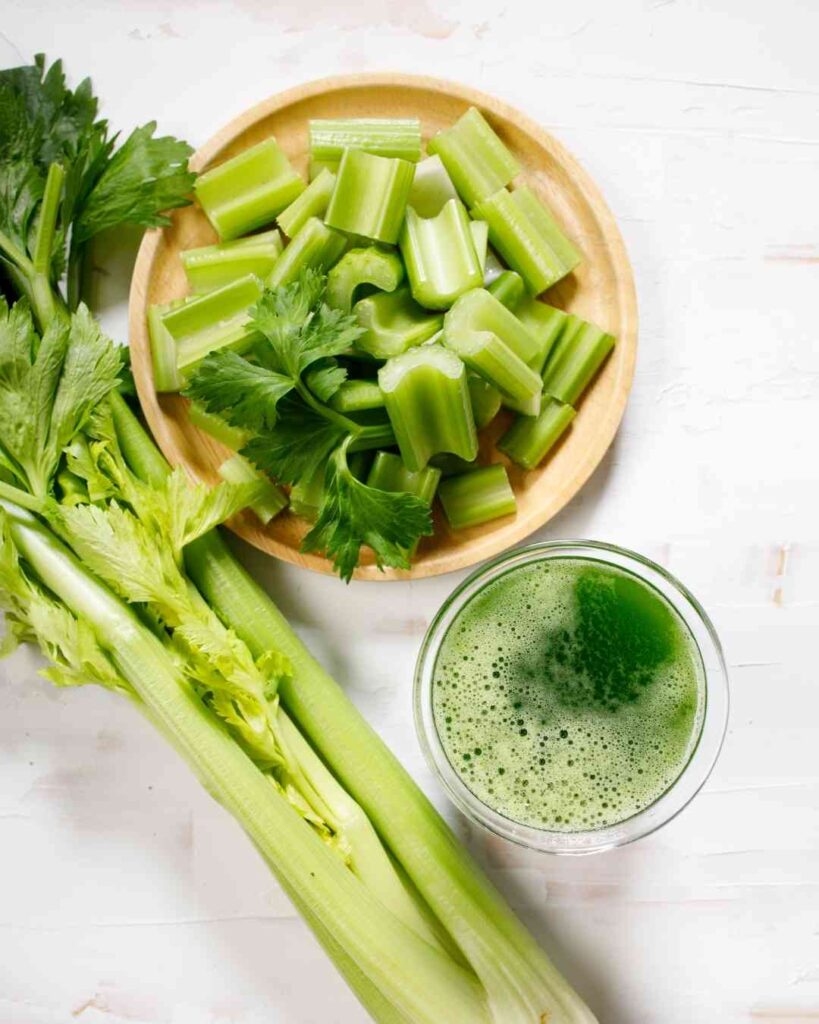
If you want the highest quality result—celery that stays bright green and retains the most flavor—follow this “Gold Standard” method. These 6 steps cover how to freeze celery using the blanching technique.
Step 1: Selection and Cleaning
Start with crisp, firm celery. If the celery is already limp, freezing won’t fix it. Separate the stalks and wash them thoroughly under cold running water to remove dirt and potential pesticide residue.
- Tip: Scrub the base of the stalks where dirt tends to hide.
Step 2: Trimming and Cutting
Trim off the white base and the very top tips. You can save the leaves (see section 8.3) or discard them.
Cut the celery according to how you plan to use it:
- Diced: Perfect for soups and mirepoix.
- Slices/Half-Moons: Great for stir-fries.
- Sticks: Good for tossing into roasting pans or stocks.
Step 3: Blanching (The Secret Weapon)
Freezing celery how to freeze celery effectively, often comes down to this step. Blanching stops the enzymatic action that causes vegetables to lose flavor, color, and texture over time.
- Bring a large pot of water to a rolling boil.
- Prepare a large bowl of ice water nearby.
- Drop the chopped celery into the boiling water for exactly 3 minutes.
- Immediately remove the celery and plunge it into the ice water for 3 minutes to stop the cooking process.
Step 4: Dry Thoroughly
Drain the celery well. Spread it out on a kitchen towel or paper towels and pat dry. Excess moisture causes freezer burn and clumps the pieces together.
Step 5: Flash Freezing
Spread the dried celery pieces in a single layer on a baking sheet lined with parchment paper. Place the sheet in the freezer for 1–2 hours until the pieces are solid. This prevents them from freezing into a giant brick.
Step 6: Packaging & Labeling
Transfer the frozen celery into airtight freezer bags or containers. Squeeze out as much air as possible (or use a vacuum sealer).
Label with the date. Trust us, you won’t remember when you froze it six months from now.
Freezing Celery Without Blanching (Detailed Guide)
Not everyone has the time or patience for blanching. You might be asking, can you freeze celery without blanching? Or specifically, how can you freeze celery raw without losing its quality?
The answer is yes, you can skip the blanching step. This is often called the “Lazy Method,” but it is perfectly acceptable if you plan to use the celery relatively soon.
The Process
- Wash and Dry: Clean the stalks and dry them completely. Water is the enemy here.
- Chop: Cut into your desired shapes.
- Flash Freeze: (Optional but recommended) Freeze on a baking sheet for an hour.
- Bag it: Place directly into freezer bags and remove air.
Pros & Cons of Freezing Celery Without Blanching
- Pros: It is incredibly fast and requires less equipment. It preserves the raw nutrients slightly better initially since they aren’t exposed to boiling water.
- Cons: Enzymes are still active. Over time (past the 2-month mark), unblanched celery may turn brownish or yellowish and develop a slightly bitter or oxidized flavor.
- Storage Time Limits: Aim to use unblanched celery within 8 weeks for optimal taste, though it remains safe to eat for much longer.
Best Uses: Use unblanched frozen celery in smoothies or highly spiced soups where subtle flavor changes won’t be noticed.
Can You Freeze Celery Raw or Uncooked?

We touched on this, but let’s dive deeper into can you freeze celery raw and can you freeze celery uncooked versus cooked or blanched versions.
Raw vs. Blanched Comparison
When you freeze celery raw, you are freezing the enzymatic activity in a suspended state, but not stopping it entirely.
- Color: Raw frozen celery will fade faster than blanched celery.
- Texture: Both raw and blanched celery will be soft upon thawing, but raw celery tends to release more water and become slightly stringier.
Cooking Recommendations for Raw-Frozen Celery
Because raw-frozen celery hasn’t been partially cooked by blanching, it may release a significant amount of liquid when you toss it into a hot pan.
- Sautéing: If you add raw-frozen celery to a skillet with oil, be prepared for splattering as the ice melts. Cook it until the excess water evaporates before adding other ingredients.
- Soups: You can drop it directly into boiling broth.
Verdict: Can you freeze raw celery? Yes, it is the most convenient method for the busy home cook, provided you rotate your freezer stock frequently.
Freezing Different Forms of Celery (Major Keyword Cluster)
Celery comes in many shapes and sizes, and you can freeze almost every part of the plant.
Can You Freeze Celery Stalks & Sticks?
Can you freeze celery stalks whole? Technically, yes, but it is impractical. Whole stalks take up valuable freezer space and are difficult to chop once frozen (they become brittle and shatter).
Can you freeze celery sticks? Yes. This is a good shape if you plan to use them for stock or roast them alongside a chicken. However, do not freeze sticks expecting to snack on them later. They will be limp.
Can You Freeze Chopped or Diced Celery?
Can you freeze chopped celery, or can you freeze diced celery?
This is the best way to freeze celery. Small, uniform pieces freeze quickly and thaw evenly in the pan.
- Can i freeze diced celery? Yes. Diced celery is the backbone of most savory cooking. Having a bag of pre-diced celery allows you to start a soup or Bolognese sauce without getting out the cutting board.
- Can i freeze celery chopped? Absolutely. Whether a rough chop for stews or a fine dice for stuffing, this form is the most versatile.
Can You Freeze Celery Leaves, Tops & Greens?
Many people throw the tops away, but can you freeze celery leaves and can you freeze celery tops?
Yes! Celery leaves are flavor bombs. They taste like a concentrated version of the stalk with notes of parsley (a close relative).
- How to freeze: Wash and dry the leaves thoroughly. You can freeze them whole in a bag or chop them up and freeze them in an ice cube tray with a little olive oil or water (like an herb puck).
- Uses: Throw frozen leaves into stocks, or crumble them into soups for a finish similar to parsley.
Can You Freeze Celery Root?
Celeriac, or celery root, is different from the green stalks, but can you freeze celery root?
Yes. Celery root should be peeled and cubed. Because the flesh is dense (like a potato), it freezes better if it is blanched for 3–4 minutes first. It is excellent for mashed root vegetable dishes or creamy soups.
Can You Freeze Cooked Celery?
Can you freeze cooked celery?
Yes. If you have leftover roasted vegetables or sautéed celery, you can freeze it.
Can I freeze cooked celery effectively? The texture will be very soft upon thawing. It is best to puree cooked frozen celery into sauces or soups rather than eating it as a side dish.
Can You Freeze Celery Juice?
Can you freeze celery juice?
Yes, and this is a huge trend for health enthusiasts.
- Method: Juice your celery, then pour it into mason jars (leave 1 inch of headspace for expansion) or freeze in ice cube trays for smoothie boosters.
- Quality: The nutrients remain largely intact, though some separation may occur upon thawing. Just give it a good shake.
Freezing Celery for Specific Uses
Knowing how to freeze celery is one thing; knowing how to use it is another.
Can You Freeze Celery for Cooking?
Can you freeze celery for cooking?
This is the primary reason to freeze it. Frozen celery is indistinguishable from fresh celery once it has been sautéed or boiled for 10+ minutes. It is ideal for casseroles, pot pies, and pasta sauces.
Can You Freeze Celery for Soup?
Can you freeze celery for soup, or can you freeze celery for soups?
Yes, this is the #1 use case. Because soup involves liquid and heat, the water loss from the frozen celery doesn’t matter. The celery will rehydrate slightly in the broth and release its flavor perfectly.
- Tip: You don’t even need to thaw it. Dump the frozen chunks straight into the pot.
Can You Freeze Celery for Stuffing?
Can you freeze celery for stuffing?
Yes. Thanksgiving prep can be done weeks in advance. Diced celery freezes beautifully for stuffing. When you sauté the onions and celery in butter for the stuffing base, the frozen celery will soften just like fresh celery would.
Can You Freeze Celery for Smoothies?
Can you freeze celery for smoothies?
Yes. In a high-speed blender, the texture of the celery doesn’t matter—only the fiber and nutrient content.
- Tip: Pre-portion raw celery into “smoothie bags” with spinach, apple, and cucumber so you can just dump and blend in the morning.
Freezing Celery with Other Vegetables
Efficiency in the kitchen often means freezing “kits” rather than individual ingredients.
Can You Freeze Celery and Carrots?
Can you freeze carrots and celery together?
Yes. Since they have similar densities and cooking times, they are perfect freezer companions.
Can you freeze celery and carrots for soups? Absolutely.
Can you freeze fresh carrots and celery, or can you freeze raw carrots and celery without blanching? Yes, but blanching is recommended for carrots as they can become rubbery and dry if frozen raw for too long. If you blanch them together, boil for 3 minutes.
Can You Freeze Celery and Onions?
Can you freeze onions and celery?
Yes. Can you freeze celery and onions as a pre-mixed base? This is a fantastic meal-prep hack. You can dice onions and celery, mix them raw, and freeze them in portions. When you are ready to cook, toss the frozen mix into a hot oiled pan.
The onions will release water, so they won’t caramelize as well as fresh onions, but they will sweat down perfectly for savory bases.
Can You Freeze Prepared Dishes with Celery?
Sometimes you aren’t freezing the ingredient, but the final meal.
Can you freeze cream of celery soup?
Generally, yes, but be careful with dairy. If your cream of celery soup contains heavy cream or milk, the emulsion might break (separate) when frozen and reheated, looking grainy.
- Fix: Freeze the soup base (vegetables and stock) before adding the cream. Add the dairy when you reheat it. If the soup is thickened with a roux (flour and butter) or potatoes, it usually freezes quite well.
4 Best Ways to Preserve Celery (All Methods Compared)
We have discussed freezing extensively, but what’s the best way to preserve celery overall?
1. Freezing (Best for Cooking)
- Pros: Keeps for months, easy to portion.
- Cons: Texture loss (no crunch).
2. Refrigeration (Best for Snacking)
- Pros: Maintains the crunch.
- Cons: Short shelf life (2-4 weeks max).
- Tip: Wrapping celery tightly in aluminum foil allows the ripening hormone (ethylene) to escape, keeping it crisp much longer than plastic bags.
3. Dehydration (Best for Seasoning)
- Pros: Shelf stable for years; great for homemade celery salt.
- Cons: Requires a dehydrator; total change in texture (dry flakes).
4. Store-Bought Frozen Celery
Can you buy frozen celery?
Surprisingly, it is rare to find bags of just frozen celery in the supermarket freezer aisle. You will usually find it in “mirepoix” blends (with onions and peppers or carrots). This is because the texture degradation makes it a hard sell as a standalone product. DIY freezing is your best option.
3 Common Mistakes & Celery Freeze Warnings
To ensure your celery doesn’t end up in the bin despite your best efforts, heed these celery freeze warning signs and tips.
1. Freezer Burn
If your celery looks white, shriveled, or covered in ice crystals, it has freezer burn. This happens when air gets into the bag.
- Solution: Use vacuum seal bags or the “water displacement method” (submerging the Ziploc in water to push air out before sealing).
2. The “Mush” Factor
Do not try to use frozen celery in a stir-fry that requires a quick flash-fry for crunch. It will just leak water and steam the other vegetables. Only use it in stir-fries where softer veggies are acceptable.
3. Overlong Storage
While safe indefinitely at 0°F, the celery flavor degrades. If your celery has been in the freezer for 2 years, it might taste like “freezer air” or plastic. It’s better to compost it.
FAQs
Can you freeze uncooked celery?
Yes. Wash it, chop it, dry it, and freeze it. It works best for cooked dishes later.
Is celery still good if it’s frozen?
Yes, it retains its vitamins, minerals, and fiber. The flavor remains intact, but the crisp texture is lost.
Can you freeze celery without blanching?
Yes. It is faster but has a shorter shelf life (about 2–3 months) before the quality starts to dip.
How long can celery last in the fridge?
If wrapped in aluminum foil, it can last up to 4 weeks. If submerged in water (cut stalks), it lasts about 1–2 weeks.
Can you buy frozen celery?
Usually only as part of a mixed vegetable blend (like mirepoix or soup mix), not typically as a standalone bag.
Final Tips & Storage Best Practices
Freezing celery is a smart, budget-friendly kitchen habit. It saves money, reduces food waste, and speeds up your weeknight cooking.
To recap the Golden Rules:
- Know your goal: If you want it for snacking, keep it in the fridge. If you want it for soup, freeze it.
- Dry it well: Moisture is the enemy of quality freezing.
- Label everything: Write “Raw” or “Blanched” and the date on the bag.
How long can you freeze celery? Aim to use your stash within 12 months for the best experience. Next time you see a sale on celery or have leftover stalks from a holiday feast, don’t hesitate—chop it, bag it, and freeze it!
References & Further Reading
For verified data on food safety, blanching times, and storage science, check these trusted sources:
- National Center for Home Food Preservation (NCHFP): Provides the specific 3-minute blanching time for celery and guidelines for freezing vegetables.
- University of Minnesota Extension: Explains the science of enzyme activity and best practices for blanching to preserve color and nutrients.
- FoodSafety.gov (U.S. Department of Health & Human Services): Offers charts on cold food storage limits for quality and safety.
- Michigan State University Extension: Detailed instructions on freezing vegetables, including celery.