



Broccoli is an extraordinary vegetable. It belongs to the Brassica oleracea species, which includes cabbage, cauliflower, and kale. For decades, nutrition experts have championed broccoli as a non-negotiable component of a healthy diet. Broccoli is one of the most nutrient-dense foods available.
Its florets and stalks are packed with essential vitamins and minerals. The vegetable offers significant amounts of fiber and protein, especially when compared to most other vegetables. Even a small serving delivers a potent cocktail of health-promoting compounds.
Many people wonder about the exact nutritional profile of this cruciferous powerhouse. We will fully explore the fundamental macronutrients within broccoli. This guide provides a quick overview of its calories, carbs, and protein content.
Understanding the broccoli nutrition facts is the first step toward incorporating it effectively into your meal plan. Later, we will present detailed tables, scientific comparisons, and evidence-based references for every claim.
This comprehensive resource will build your authority on why and how broccoli is good for you. Read on to unlock the secrets behind broccoli’s incredible health benefits.
Broccoli Nutrition Overview
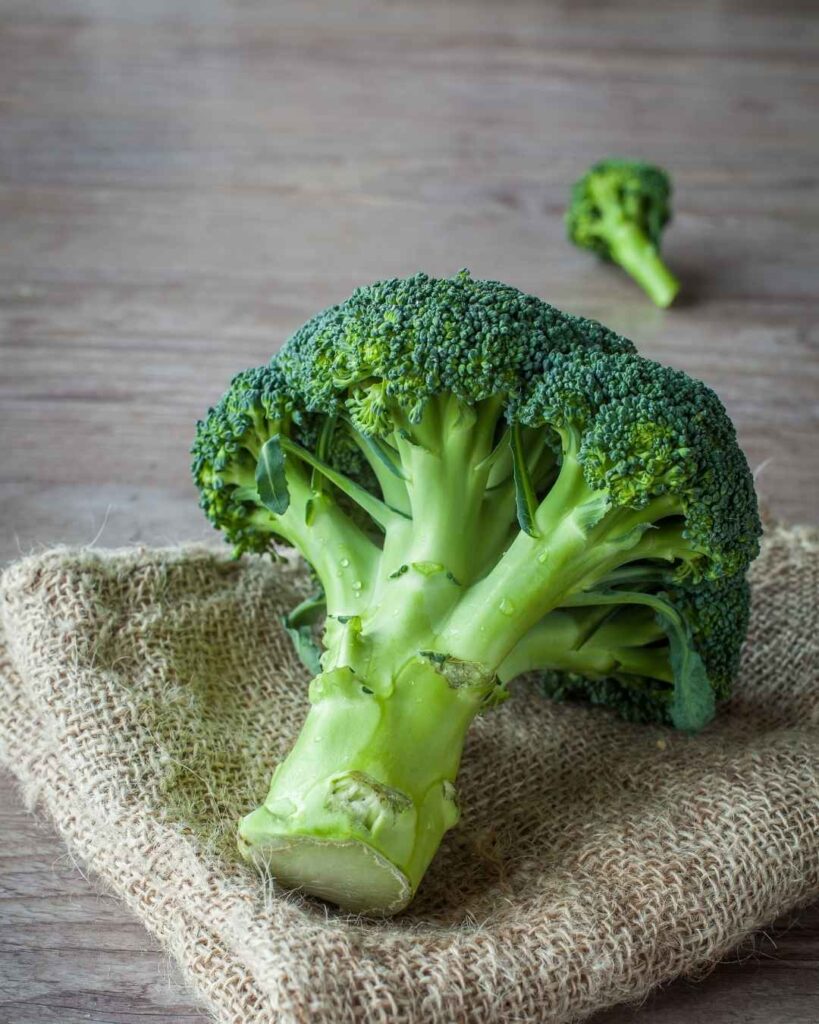
Broccoli possesses a highly favorable macronutrient profile. It is very low in calories, but it provides substantial dietary bulk and nutrients. This vegetable is primarily composed of water, fiber, and complex carbohydrates. The primary keywords, broccoli nutrition, accurately describe a powerhouse of micronutrients.
One cup of raw broccoli delivers meaningful amounts of several vitamins and minerals that are critical for daily bodily functions. It offers a surprising amount of plant-based protein for a vegetable, making it a valuable addition to vegetarian and vegan diets.
The method of preparation significantly impacts the final nutritional value. Raw broccoli nutrition differs slightly from cooked broccoli nutrition, mainly due to water loss and minor changes in heat-sensitive vitamins, which we will analyze in detail later.
When reviewing broccoli nutrition facts, pay close attention to the serving size—the difference between 1 cup and 100g is subtle but important for accurate tracking.
The tables below summarize the key macronutrients and select micronutrients for comparison.
Table 2.1: Broccoli Macronutrients Comparison (1-Cup Servings)
| Nutrient | 1 Cup Raw Broccoli (Chopped) | 1 Cup Cooked Broccoli (Chopped) |
| Calories | 31 kcal | 55 kcal |
| Total Carbs | 6g | 11.2g |
| Dietary Fiber | 2.4g | 5.2g |
| Net Carbs | 3.6g | 6.0g |
| Protein | 2.6g | 3.7g |
| Total Fat | 0.3g | 0.6g |
Source: USDA FoodData Central. Note: Cooked refers to boiled, drained, and without salt.
Table 2.2: Select Vitamins & Minerals in 100g Raw Broccoli
| Nutrient | Amount (per 100g) | % Daily Value (DV) |
| Vitamin C | 89.2 mg | 99% |
| Vitamin K | 101.6 \mug | 85% |
| Folate (B9) | 63 \mug | 16% |
| Potassium | 316 mg | 7% |
| Iron | 0.73 mg | 4% |
| Calcium | 47 mg | 4% |
Calories in Broccoli
The most attractive feature of broccoli is its low energy density. This means it provides a large volume of food for very few calories. People managing their weight or counting energy intake often rely on this property.
Broccoli calories are remarkably low. A typical serving adds minimal calories to any meal, whether it is breakfast, lunch, or dinner.
The caloric content is mainly derived from its carbohydrates and protein. Fat contributes a negligible amount of calories. Understanding the differences in preparation is vital for precise calorie tracking.
When broccoli is boiled or steamed, its water content decreases. This causes the remaining nutrients to become more concentrated. Therefore, one cup of cooked broccoli has more mass—and thus more calories, carbs, and protein—than one cup of raw broccoli.
Conversely, a 100g serving of raw broccoli is slightly lower in calories than 100g of cooked broccoli because the cooking process removes water, concentrating the nutrients per unit of weight.
However, adding fats during preparation dramatically changes the final calorie count. Roasting broccoli with olive oil or topping it with cheese sauce can multiply the broccoli calories. Steamed or raw broccoli remains the lowest-calorie option.
A medium stalk of raw broccoli about 15 cm long contains about 45 calories. This provides a substantial, satiating food item for minimal caloric cost. People can eat a lot of broccoli without consuming many calories. This is why broccoli is good for you for weight control.
Table 3.1: Calories in Broccoli by Preparation and Serving Size
| Preparation Method | Per 100g | Per 1 Cup (Chopped) | Per Medium Stalk (≈15 cm) |
| Raw Broccoli | 34 kcal | 31 kcal | 45 kcal |
| Cooked/Boiled | 35 kcal | 55 kcal | 60 kcal |
| Steamed (No Fat) | 33 kcal | 50 kcal | 55 kcal |
| Roasted (with Oil) | Approx 100-150 kcal | approx 150-200 kcal | approx 180-250 kcal |
Carbs in Broccoli
Broccoli is an excellent source of carbohydrates, but they are not the typical simple carbs found in processed foods. The carbohydrates in broccoli are predominantly complex carbohydrates and dietary fiber.
This composition explains why broccoli has such a moderate impact on blood sugar levels. Many people ask, Is broccoli a carb? The answer is definitely yes, but it is a nutrient-dense and high-fiber source of carbohydrates.
Breakdown: Total Carbs, Net Carbs, and Fiber
When you look at the total carbs in broccoli, they appear relatively low. One cup of raw, chopped broccoli contains approximately 6 grams of total carbohydrates.
This number includes both the digestible carbohydrates (sugars and starch) and the non-digestible part, which is fiber. This is a crucial distinction for tracking specific diets.
Dietary fiber makes up a large proportion of broccoli’s carbohydrate content. With about 2.4 grams of fiber per raw cup, broccoli provides a substantial boost toward the recommended daily intake of 25-38 grams.
We separate fiber when calculating the net carbs. Net carbs represent the portion of carbohydrates that your body can digest and convert into glucose (sugar). You calculate net carbs by subtracting the grams of dietary fiber from the total grams of carbohydrates.
Net Carbs = Total Carbs – Dietary Fiber
For one cup of raw broccoli: 6.0 g Total Carbs – 2.4 g Fiber = 3.6 g Net Carbs.
This calculation demonstrates why broccoli is extremely popular in low-carb and ketogenic circles. Broccoli’s high fiber-to-carb ratio minimizes its glycemic impact.
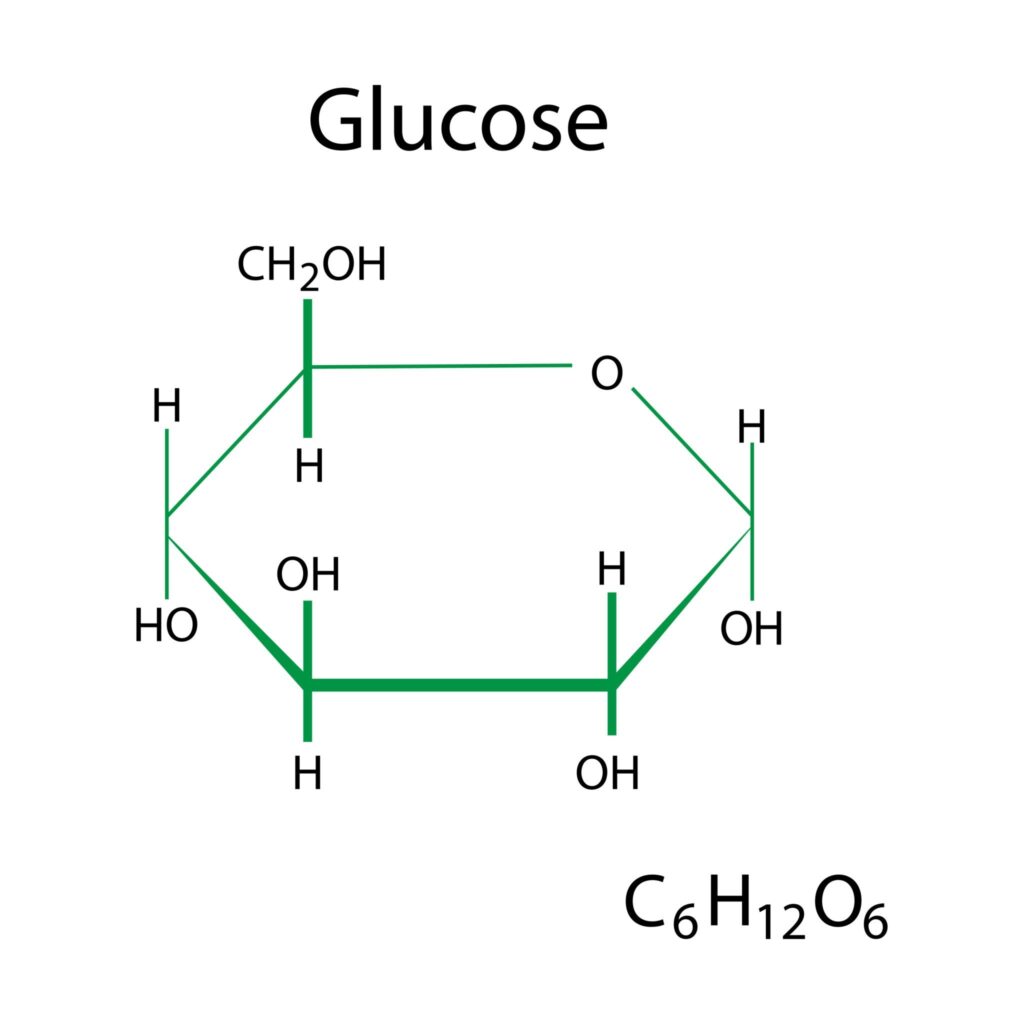
Glycemic Load and Blood Sugar
Broccoli has a very low Glycemic Index (GI) and an even lower Glycemic Load (GL). The GI measures how quickly a food raises blood sugar, while the GL measures the amount of impact based on a typical serving size.
Because broccoli is high in fiber and low in easily digestible starches and sugars, its GL is exceptionally low (typically 1 or 2 per serving).
This low GL is one of the key health benefits of broccoli. It helps prevent sharp spikes in insulin and blood sugar, making it an ideal food choice for individuals with diabetes or those managing insulin resistance.
The fiber acts as a buffer, slowing down the digestion and absorption of other nutrients. This helps maintain steady energy levels throughout the day. The vast majority of its carbohydrates are tied up in complex structures that the body struggles to break down, which contributes to its satiating effect.
Is Broccoli Keto?
Absolutely. Broccoli is keto-friendly and is considered a staple vegetable on the ketogenic diet. The goal of the keto diet is to keep daily net carbohydrate intake very low (typically under 50 grams.
Since one full cup of raw broccoli contains less than 4 grams of net carbs, it easily fits into this restricted-carbohydrate allowance.
Keto dieters prize broccoli because it provides essential micronutrients and fiber that are often lacking in diets focused heavily on meat and fats.
Its low net carb count allows individuals to consume a generous volume of food, contributing to feelings of fullness without kicking the body out of ketosis.
It is important to remember that preparations like roasting with oil or butter slightly increase the calories but do not affect the net carb count unless sugary marinades are added.
Table 4.1: Carbohydrate Breakdown
| Nutrient | 1 Cup Raw Broccoli (Chopped) | 1 Cup Cooked Broccoli (Chopped) |
| Total Carbs | 6.0g | 11.2 g |
| Dietary Fiber | 2.4g | 5.2 g |
| Net Carbs | 3.6 g | 6.0 g |
| Sugar | 1.5 g | 2.4 g |
| Glycemic Load (Estimated) | 1 | 2 |
Protein in Broccoli
While broccoli is not classified as a high-protein food like meat, eggs, or legumes, it contains a respectable amount of protein, especially when compared to other non-starchy vegetables.
Is broccoli a good protein source?
It is an excellent source of protein and contributes meaningfully to a person’s overall daily protein intake, particularly for those following a plant-based diet.
Protein Content Per Serving
The concentration of broccoli protein is quite surprising relative to its low caloric content.
- A single cup of raw broccoli offers approximately 2.6 grams of protein.
- A single cup of cooked broccoli offers approximately 3.7 grams of protein.
The increase in protein per cup when cooked is due to the loss of water during the boiling or steaming process, as previously noted. When viewed on a per-calorie basis, broccoli’s protein density shines.
Approximately 20% of the calories in raw broccoli come directly from protein. This percentage is significantly higher than that of many other common vegetables.
The Quality of Broccoli Protein
Protein is essential for building and repairing tissues, producing enzymes, and maintaining muscle mass. Proteins are made up of amino acids. There are nine essential amino acids that the body cannot synthesize itself and must obtain from the diet.
Plant-based proteins are often criticized for being “incomplete,” meaning they may be low in one or more essential amino acids.
However, broccoli contains all nine essential amino acids. It may be slightly limited in the amino acid methionine. Broccoli is considered a highly valuable source of plant protein.
When eaten as part of a varied diet that includes other plant foods (like grains, nuts, and beans), any minor deficiencies are easily compensated for.
Incorporating broccoli helps diverse amino acid profiles throughout the day, supporting optimal body function. This is yet another reason why broccoli is good for you.
Table 5.1: Protein in Broccoli
| Serving Size | Protein Content | Caloric Percentage from Protein |
| 100g Raw Broccoli | 2.82 g | approx 33% |
| 1 Cup Raw Broccoli | 2.6 g | approx 33% |
| 1 Cup Cooked Broccoli | 3.7 g | approx 27% |
Note: The percentage difference is due to the overall increase in carbs/calories when comparing raw to cooked cups.
Fiber in Broccoli
Dietary fiber is one of the most celebrated components of broccoli nutrition. Fiber is a type of carbohydrate that the human body cannot digest, and it passes through the digestive tract largely intact.
This indigestible nature is precisely what makes fiber so beneficial for overall health. A single cup of cooked broccoli provides over 5 grams of broccoli fiber, contributing significantly to your daily target.
Soluble vs. Insoluble Fiber
Fiber is generally categorized into two main types, and broccoli contains both:
- Insoluble Fiber: This type of fiber does not dissolve in water. It adds bulk to the stool and helps food pass more quickly through the stomach and intestines.
This action prevents constipation and promotes regularity. Insoluble fiber is often referred to as “nature’s broom.”
- Soluble Fiber: This type of fiber dissolves in water, forming a gel-like material. Soluble fiber has important effects on blood chemistry. It helps lower LDL (“bad”) cholesterol and regulates blood sugar levels by slowing the absorption of glucose.
Broccoli has a mix of both, giving it a powerful dual action for digestive and cardiovascular health.
Benefits for Digestion and Gut Health
The impact of broccoli fiber on the gut microbiome is profound. The fiber acts as a prebiotic, which means it is the food source for the trillions of beneficial bacteria living in your large intestine.
- Promotes Regularity: The insoluble fiber content efficiently tackles constipation and reduces the risk of hemorrhoids.
Does broccoli make you poop? Yes, its fiber content is a natural laxative, promoting smooth and predictable bowel movements.
- Feeds Good Bacteria: When gut bacteria ferment the soluble fiber in broccoli, they produce beneficial compounds known as short-chain fatty acids (SCFAs), particularly butyrate.
SCFAs are the primary source of energy for the cells lining the colon, reducing inflammation and potentially lowering the risk of colorectal cancer.
- Increases Satiety: High-fiber foods like broccoli fill the stomach quickly and take longer to chew and digest. This leads to a greater feeling of fullness (satiety), which is essential for managing appetite and weight control.
Because of its significant fiber contribution, including broccoli daily is a simple, effective strategy to enhance both digestive regularity and overall gut health.
Potassium & Other Minerals
Beyond its impressive profile of macronutrients and fiber, broccoli is a nutritional powerhouse of essential minerals. These minerals are crucial for everything from nerve signaling to bone health and fluid balance.
While it is often highlighted for its vitamins, broccoli’s potassium content is particularly noteworthy, especially for cardiovascular health.
Potassium: The Star Mineral
Potassium is an electrolyte that plays a pivotal role in maintaining fluid balance, nerve signals, and muscle contractions. The average Western diet often contains too much sodium and too little potassium.
This imbalance can contribute to high blood pressure (hypertension). Broccoli potassium helps to counteract the effects of sodium.
- A 100g serving of raw broccoli contains approximately 316 mg of potassium, which is about 7% of the Daily Value (DV).
Regular consumption of potassium-rich foods like broccoli supports healthy blood pressure by encouraging the kidneys to excrete excess sodium. This is a significant factor in the heart health benefits of broccoli.
Other Vital Minerals
Broccoli provides several other minerals necessary for optimal physiological function.
- Calcium: Essential for bone structure and density. While not as concentrated as in dairy, the calcium in broccoli is highly bioavailable (easily absorbed) due to its low oxalate content compared to other greens like spinach.
- Magnesium: Involved in over 300 enzyme systems. It is vital for nerve and muscle function, blood glucose control, and energy production.
- Iron: Necessary for the creation of hemoglobin, the protein in red blood cells that transports oxygen throughout the body.
The iron found in broccoli is non-heme iron, which is best absorbed when consumed with Vitamin C (which broccoli also provides abundantly).
These mineral contributions underscore the fact that is broccoli good for you is an undeniable truth.
Table 7.1: Key Minerals in 100g Raw Broccoli
| Mineral | Amount (per 100g) | % Daily Value (DV) | Function Highlights |
| Potassium | 316 mg | 7% | Fluid balance, nerve signaling, and blood pressure regulation. |
| Calcium | 47 mg | 4% | Bone health, muscle function, and hormone secretion. |
| Magnesium | 21 mg | 5% | Enzyme reactions, muscle/nerve function, energy metabolism. |
| Iron | 0.73 mg | 4% | Oxygen transport (hemoglobin), cellular respiration. |
| Manganese | 0.21 mg | 9% | Metabolism, antioxidant defense, and bone formation. |
Vitamins in Broccoli
The vitamin profile of broccoli is truly spectacular. It stands out as one of the best whole-food sources for several critical vitamins, delivering high percentages of the Daily Value (DV) in a single serving. These broccoli vitamins work synergistically to support immune function, blood clotting, and cellular health.
Vitamin C: The Immune Booster
Broccoli is an outstanding source of Vitamin C (Ascorbic Acid).
- A 100g serving of raw broccoli provides almost 100% of the DV for Vitamin C.
Vitamin C is a powerful water-soluble antioxidant. It protects the body’s cells from damage caused by free radicals. Furthermore, it is essential for the synthesis of collagen, which is necessary for healthy skin, tendons, ligaments, and blood vessels. High levels of Vitamin C directly contribute to a robust immune system.
Vitamin K: For Bones and Blood
Broccoli is particularly rich in Vitamin K1 (Phylloquinone).
- One cup of raw broccoli provides about 85% of the DV for Vitamin K.
Vitamin K is perhaps best known for its critical role in blood clotting. Without Vitamin K, the body cannot produce the proteins needed for coagulation.
Additionally, a lesser-known but equally important function of Vitamin K is its involvement in bone metabolism. It helps regulate calcium and aids in the mineralization of bone tissue.
Folate (Vitamin B9): Cell Growth and Repair
Folate (or folic acid, the synthetic form) is an essential B vitamin. It is necessary for cell division and DNA synthesis, which makes it particularly important during periods of rapid growth, such as pregnancy and infancy.
- Broccoli is a good source of folate, with 100g providing about 16% of the DV.
Adequate folate intake is crucial for preventing certain birth defects, particularly neural tube defects. It also works with Vitamin B12 to produce healthy red blood cells.
Other Notable Vitamins
Broccoli also supplies meaningful amounts of:
- Vitamin A (Beta-Carotene): A precursor to Vitamin A, essential for vision, immune function, and cell growth.
- Vitamin E: Another potent fat-soluble antioxidant that protects cell membranes.
- B-Vitamins (B1, B2, B3, B5, B6): These vitamins play key roles in energy metabolism, helping the body convert food into fuel.
The sheer volume and variety of vitamins confirm its status as a top-tier superfood.
Health Benefits of Broccoli
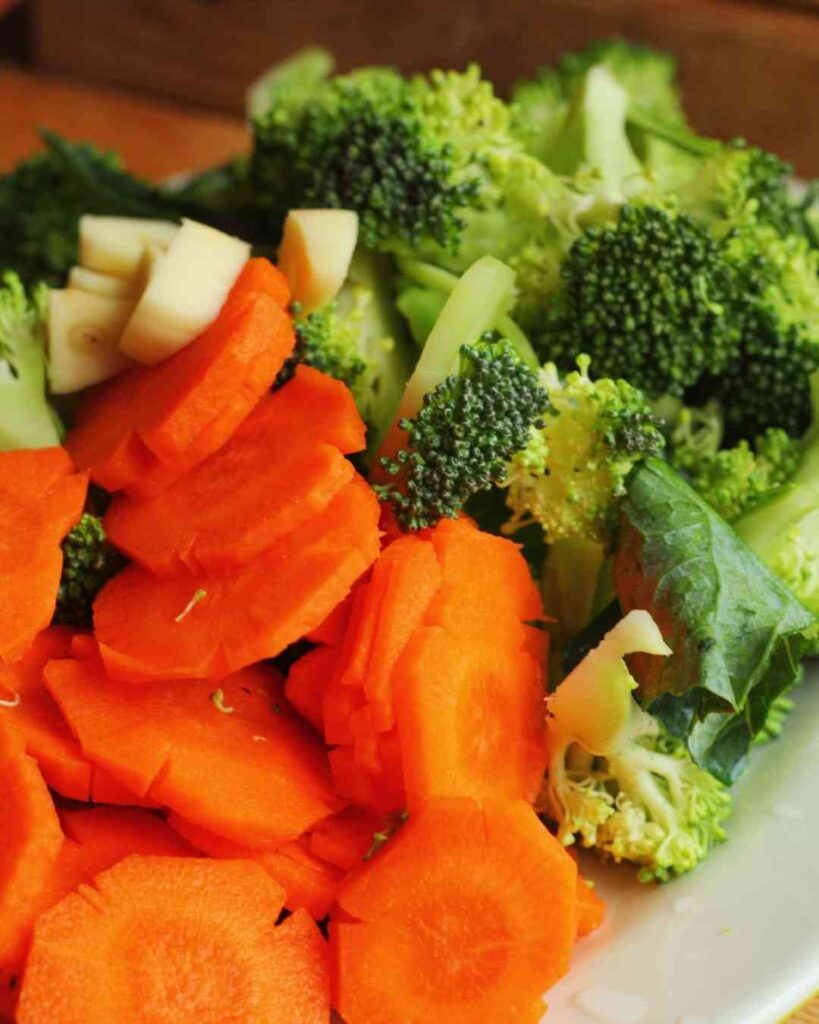
The impressive nutritional composition of broccoli translates directly into numerous, science-backed health benefits of broccoli. The following benefits are primarily attributed to its unique mixture of fiber, vitamins, and specialized phytochemicals, making the argument for is broccoli good for you overwhelming.
Antioxidants and Anti-Inflammatory Power
Broccoli is packed with potent antioxidants and anti-inflammatory compounds. The most researched are:
- Sulforaphane: This is arguably the most famous compound in broccoli. Sulforaphane is a glucosinolate compound that is released when broccoli is chewed or chopped.
It is a powerful antioxidant that activates detoxification enzymes in the liver, helping the body flush out potential carcinogens and reducing oxidative stress.
- Lutein and Zeaxanthin: These are carotenoids that accumulate in the retina of the eye. They are known for protecting the eyes from harmful blue light and reducing the risk of cataracts and age-related macular degeneration (AMD).
- Kaempferol: A potent flavonoid that exhibits anti-inflammatory and anti-cancer properties.
Chronic inflammation is a root cause of many diseases, including heart disease and certain cancers. The compounds in broccoli help to naturally regulate inflammatory responses in the body.
Heart Health and Cholesterol Regulation
Regularly consuming broccoli supports a healthy cardiovascular system through multiple mechanisms:
- Cholesterol Reduction: The soluble fiber in broccoli binds to bile acids in the digestive tract. The body must then pull cholesterol from the blood to create new bile acids, resulting in lower total and LDL cholesterol levels.
- Blood Pressure Control: As noted, its high potassium and low sodium content help maintain healthy blood pressure levels.
- Blood Vessel Function: Studies suggest that sulforaphane may help protect the delicate lining of the blood vessels (the endothelium) from oxidative damage, improving overall blood flow.
Anti-Cancer Research Overview
Broccoli, as a cruciferous vegetable, has been extensively studied for its potential role in cancer prevention. The evidence is compelling, largely centered on the effects of sulforaphane and indole-3-carbinol (I3C).
These compounds have been shown in laboratory and animal studies to:
- Induce Apoptosis: Trigger programmed cell death in certain cancer cells.
- Inhibit Histone Deacetylases (HDACs): Enzymes that play a role in the development of cancer. By inhibiting them, broccoli compounds may help halt cancer cell progression.
- Modulate Estrogen Metabolism: I3C can help balance estrogen levels, which may be beneficial in preventing hormone-sensitive cancers like breast and prostate cancer.
While more research is always ongoing, numerous epidemiological studies link a high intake of cruciferous vegetables to a lower risk of cancers of the lung, colon, breast, bladder, and prostate.
Digestive Support and Immune Function
The benefits for digestion directly bolster immune health. A healthy gut lining acts as a barrier against pathogens, and the SCFAs produced from fiber fermentation enhance immune cell function.
Furthermore, the massive dose of Vitamin C provided by broccoli is crucial for strengthening the body’s defenses against infection and illness.
Raw vs Cooked: Which is Healthier?
The debate over raw vs cooked broccoli nutrition is complex. Both forms are incredibly healthy, but the preparation method slightly alters the availability and concentration of specific nutrients. Understanding these differences allows you to choose the best preparation method for your personal health goals.
Raw Broccoli Nutrients
Eating raw broccoli maximizes the intake of certain heat-sensitive vitamins and enzymes.
- Vitamin C: Raw broccoli retains the highest amount of Vitamin C, as this vitamin is easily degraded by heat.
- Myrosinase Enzyme: This enzyme is necessary to convert the glucoraphanin in broccoli into the powerful anti-cancer compound, sulforaphane. The myrosinase enzyme is destroyed by high heat. Therefore, consuming raw broccoli maximizes the potential production of sulforaphane.
Cooked Broccoli Differences
Cooking, particularly boiling, can lead to the leaching of water-soluble vitamins and minerals into the cooking water, reducing their final concentration in the vegetable. However, cooking offers other benefits:
- Increased Bioavailability of Carotenoids: Light cooking, such as steaming, can slightly increase the body’s ability to absorb fat-soluble compounds like lutein and Vitamin A (beta-carotene) by softening the tough cell walls.
- Increased Fiber and Protein per Cup: As detailed earlier, cooking removes water, concentrating the nutrients per unit of volume. A cup of cooked broccoli has significantly more fiber and protein than a cup of raw broccoli.
- Improved Digestion: Some individuals find that cooked broccoli is easier to digest, leading to less gas and bloating.
Steaming vs. Boiling: Best Methods
Research consistently shows that steaming is the best cooking method for nutrient retention in broccoli.
- Steaming: Exposes the broccoli to minimal water and heat for a short period. This method best preserves the heat-sensitive vitamins (like Vitamin C) and the essential myrosinase enzyme. A quick 3-4 minute steam is ideal.
- Boiling: Can cause 20-50% of water-soluble vitamins and minerals to leach out into the water, which is often discarded.
The most nutrient-retentive strategy is to consume a mix: eat some broccoli raw (e.g., in salads) and lightly steam the rest to maximize the benefits of both forms.
Broccoli & Digestion
While broccoli is celebrated for its incredible fiber content and gut-health benefits, it can sometimes cause uncomfortable digestive symptoms, particularly gas and bloating. Understanding the compounds responsible can help minimize these side effects.
Why Broccoli Causes Gas and Bloating
The primary culprits behind digestive discomfort from broccoli are its fiber content and a specific type of sugar called raffinose.
- Raffinose: Broccoli belongs to a group of vegetables known as cruciferous vegetables, which are high in raffinose, a trisaccharide (a sugar molecule composed of three simpler sugars). Humans lack the enzyme (alpha-galactosidase) required to break down raffinose in the small intestine.
- Fermentation: The undigested raffinose travels to the large intestine. There, the resident gut bacteria ferment it, producing byproducts like methane, hydrogen, and carbon dioxide. This gas is what causes bloating, flatulence, and discomfort.
- High Fiber: Although beneficial, the high volume of fiber, particularly when a person rapidly increases their fiber intake, can also contribute to gas production and changes in bowel habits.
Is Broccoli Low FODMAP?
For individuals with Irritable Bowel Syndrome (IBS), the FODMAP (Fermentable Oligosaccharides, Disaccharides, Monosaccharides, and Polyols) diet is often used to manage symptoms.
- Broccoli florets are generally considered low FODMAP in small serving sizes (e.g., 3/4 cup or less).
- Broccoli stalks are typically higher in FODMAPs (specifically fructans) and may trigger symptoms in sensitive individuals.
Tips for better digestion: Introduce broccoli gradually, chew thoroughly, and consider lightly steaming it, as cooking can partially break down the raffinose and make it easier to digest. Does broccoli make you gassy? Yes, but it is a temporary side effect of a healthy fermentation process.
FAQs
Is frozen broccoli as healthy as fresh broccoli?
Yes, frozen broccoli is generally just as healthy, and sometimes even more nutritious, than fresh broccoli. Commercial freezing processes involve blanching (briefly boiling) and then flash-freezing the vegetable almost immediately after harvest.
This process locks in most of the vitamins and antioxidants. Fresh broccoli often loses nutrients gradually during transport and storage, whereas frozen broccoli retains its peak nutritional value.
What part of the broccoli has the most nutrients?
The florets (the crown) generally contain a higher concentration of the beneficial antioxidant compounds, like sulforaphane, Vitamin C, and beta-carotene. However, the stalks are also incredibly nutritious.
The stalk has a higher amount of fiber and provides significant levels of calcium. It is recommended to eat both the florets and the stalks to maximize the total broccoli nutrition intake.
Can eating too much broccoli be bad for you?
For most healthy people, eating too much broccoli is not harmful. The most common side effects are temporary gastrointestinal discomfort (gas/bloating) due to the high fiber and raffinose content. However, two specific groups should be mindful:
- People on Blood Thinners (Anticoagulants): Broccoli is very high in Vitamin K, which promotes blood clotting. Consuming excessively large, inconsistent amounts can interfere with medications like Warfarin. These individuals should maintain a consistent daily intake of Vitamin K.
- People with Thyroid Issues (Hypothyroidism): Cruciferous vegetables contain goitrogens, compounds that can interfere with iodine absorption. However, you would need to eat massive amounts of raw broccoli daily for this to be a concern, and cooking largely deactivates the goitrogens.
What is the healthiest way to eat broccoli?
The healthiest way to eat broccoli is to lightly steam or eat it raw, then stir-fry or roast it with minimal healthy fat (like olive oil).
Light steaming (3–4 minutes) is the best method because it softens the vegetable, making it easier to digest, while preserving the heat-sensitive Vitamin C and the enzyme required to form sulforaphane. Avoid over-boiling, which leaches nutrients.
Is broccoli a superfood?
Based on its nutrient density, antioxidant capacity, and wide-ranging health benefits, broccoli is unequivocally considered a superfood.
It delivers an exceptional concentration of vitamins (C, K, Folate), minerals (Potassium, Iron), fiber, and unique anti-cancer compounds (sulforaphane) for a minimal caloric cost. It meets all the criteria for a nutrient-rich food that promotes long-term health.
References (with URLs)
- U.S. Department of Agriculture (USDA) FoodData Central. (2024). Broccoli, raw; Broccoli, cooked, boiled, drained, without salt. Available from: https://fdc.nal.usda.gov/food-search?query=broccoli
- Fahey, J. W., Zhang, Y., & Talalay, P. (1997). Broccoli sprouts: an exceptionally rich source of inducers of enzymes that protect against chemical carcinogens. Proceedings of the National Academy of Sciences, 94(19), 10367-10372. DOI: 10.1073/pnas.94.19.10367. https://www.pnas.org/doi/10.1073/pnas.94.19.10367
- National Institutes of Health (NIH) Office of Dietary Supplements. (2024). Vitamin C Fact Sheet for Health Professionals. Available from: https://ods.od.nih.gov/factsheets/VitaminC-HealthProfessional/
- National Institutes of Health (NIH) Office of Dietary Supplements. (2024). Vitamin K Fact Sheet for Health Professionals. Available from: https://ods.od.nih.gov/factsheets/VitaminK-HealthProfessional/
- Lin, T. N., Chen, M. J., Lin, Y. F., Liu, C. M., & Chen, H. H. (2020). Potential mechanism of sulforaphane against colorectal cancer. International Journal of Molecular Sciences, 21(9), 3073. DOI: 10.3390/ijms21093073. https://www.mdpi.com/1422-0067/21/9/3073
- Mayo Clinic. (2024). High-fiber foods. Available from: https://www.mayoclinic.org/healthy-lifestyle/nutrition-and-healthy-eating/in-depth/high-fiber-foods/art-20050948
- World Cancer Research Fund / American Institute for Cancer Research. (2018). Diet, Nutrition, Physical Activity and Cancer: a Global Perspective (Continuous Update Project Expert Report). Available from: https://www.wcrf.org/diet-cancer/
- Vanduchova, A., Koukalova, D., & Humpolicek, P. (2019). The effect of cooking on the chemical composition of broccoli. Czech Journal of Food Sciences, 37(5), 329-335 https://doi.org/10.17221/204/2019-CJFS
- Podsedek, A. (2007). Natural antioxidants and antioxidant capacity of Brassica vegetables: A review. LWT-Food Science and Technology, 40(1), 1-15. https://doi.org/10.1016/j.lwt.2005.07.023
- Olsen, H., & Grimmer, S. (2015). Bioaccessibility of carotenoids from raw and cooked broccoli (Brassica oleracea L. var. italica) determined by an in vitro digestion method. Food & Nutrition Research, 59(1), 27151, https://doi.org/10.3402/fnr.v59.27151
- Barrett, J. S., & Gibson, P. R. (2012). Fermentable carbohydrate restriction reduces luminal gas content in patients with irritable bowel syndrome. Alimentary Pharmacology & Therapeutics, 35(7), 834-843. https://doi.org/10.1111/j.1365-2036.2012.05062.x