



In the world of culinary classifications, few questions spark as much debate as whether fish is fish meat. Depending on who you ask—a biologist, a Catholic priest, a nutritionist, or a chef—you are likely to receive vastly different answers.
This confusion stems from the fact that “meat” is a term that operates in three distinct realms: the scientific, the religious, and the linguistic.
While we often group beef, pork, and poultry under the umbrella of “meat,” fish frequently occupies a separate category in our minds and on our menus.
This distinction is so ingrained in our culture that “Meatless Fridays” often include a fish sandwich, and many people who identify as vegetarians still consume salmon or shrimp.
This exhaustive guide will explore the question from every possible angle. We will look at the muscle tissue of aquatic animals, the historical fasting traditions of the Church, and the nutritional profile of animal proteins to provide a definitive answer to: Is fish considered meat?
Is Fish Considered Meat?
For those seeking a direct “yes or no,” the answer depends entirely on the context of your question:
- ✅ Scientifically: Yes. Fish are animals that possess muscle tissue, making their flesh “meat” in biological terms.
- ❌ Religiously (specifically in Catholicism): No. Traditional religious laws often categorize fish separately from the “flesh of land animals.”
- 🥗 Nutritionally: It depends. While it is an animal protein, it is often categorized as “seafood” to distinguish its unique fat profile (Omega-3s) from land-based livestock.
Whether fish qualifies as meat is less about the animal itself and more about the human system of classification being used.
What Is Meat?
To answer whether fish is a type of meat, we must first establish what “meat” actually is. The definition varies depending on the lens through which you are looking.
The Biological Definition
In biology, meat is simply the flesh of an animal—specifically the skeletal muscle and associated fat—used as food.
Under this broad definition, any animal protein derived from a vertebrate (animals with backbones) or even certain invertebrates is technically meat. Since fish are vertebrates with complex muscle systems, they fit this definition perfectly.
The Culinary and Linguistic Definition
In the kitchen, the definition becomes more restrictive. Culturally, “meat” has historically referred to the flesh of mammals and birds (land animals).
Seafood, which includes fish and shellfish, is usually treated as its own culinary category due to differences in texture, preparation, and flavor profiles.
The Legal and Nutritional Definition
Government bodies like the USDA often group fish into the “Protein Foods” category. However, in many labeling laws, “meat” refers specifically to cattle, sheep, swine, and goats.
Poultry and fish are frequently listed as separate sub-categories to help consumers distinguish between different types of animal products.
Is Fish Meat Scientifically?
If we look at the question through a strictly biological lens—is fish meat scientifically?—the answer is an unambiguous yes.
Muscle Tissue Composition
Fish, like cows, chickens, and pigs, are made of animal cells. Their bodies are composed of water, protein, and fat, organized into muscle fibers. Biologically, there is no fundamental difference between the “flesh” of a tuna and the “flesh” of a cow; both are composed of skeletal muscle used for locomotion.
Animal Classification
Fish belong to the Kingdom Animalia. They have a nervous system, they breathe (using gills), and they possess a backbone (vertebrates).
In the hierarchy of biology, fish are just as much “animals” as mammals are. Therefore, the consumption of their muscle tissue is, by definition, the consumption of animal meat.
The primary scientific difference lies in the structure of the muscle. Fish muscle is organized into W-shaped segments called myomeres, which are connected by thin layers of collagen called myocommata.
This is why fish “flakes” when cooked, whereas land meat has long, stringy fibers. Despite this structural difference, the chemical makeup remains that of animal muscle.
Why Is Fish Not Considered Meat by Many People?

If science says yes, then why is fish not considered meat by a significant portion of the global population? This disconnect is largely due to cultural evolution and historical necessity.
Physical Characteristics
For much of human history, people classified things based on what they could see and feel. Land animals are warm-blooded, breathe air, and have a “bloody” appearance when raw. Fish are cold-blooded, live underwater, and often have white or translucent flesh.
These physical disparities led ancient societies to view them as a different “kind” of creature entirely.
Religious and Fasting Traditions
The most significant contributor to this distinction is the history of the Christian Church. During periods of penance and fasting (like Lent), the Church prohibited the consumption of carne (flesh/meat).
However, “meat” was defined as the flesh of warm-blooded animals that lived on land. Fish, being cold-blooded and aquatic, was seen as a “lesser” or different type of sustenance, leading to the cultural idea that “fish is not meat.”
Economic and Geographic Factors
Categorizing fish separately allowed for dietary flexibility during religious holidays without depriving the population of essential nutrition.
Is Fish Meat or Seafood?
When we ask is fish meat or seafood, we are looking at a “rectangle vs. square” scenario.
Seafood is an umbrella term that includes all edible aquatic life. This includes:
- Fish: Vertebrates with fins and gills (Salmon, Cod, Tuna).
- Shellfish: Invertebrates like mollusks (clams, oysters) and crustaceans (shrimp, lobster).
While fish is technically a type of meat (animal flesh), in common English, we use the word seafood to distinguish it from land meat. If you are at a restaurant and the menu is split into “Meat” and “Seafood,” they are using culinary definitions to help you navigate the flavor profiles, not making a biological statement.
Is Fish Meat or Poultry?
To further clarify the confusion, we must look at whether it is fish meat or poultry.
Poultry refers specifically to domesticated birds kept for their eggs or meat, such as chickens, turkeys, ducks, and geese.
Like fish, poultry is often categorized separately from “red meat” (beef/lamb) in nutritional guides. However, fish is definitely not poultry.
While both are animal proteins, they belong to different classes of vertebrates:
- Poultry: Class Aves (Birds)
- Fish: Multiple classes, including Actinopterygii (Ray-finned fishes)
In the culinary world, poultry is often called “white meat,” a term sometimes also applied to fish, but they remain distinct categories in both the kitchen and the lab.
Is Fish Red Meat or White Meat?
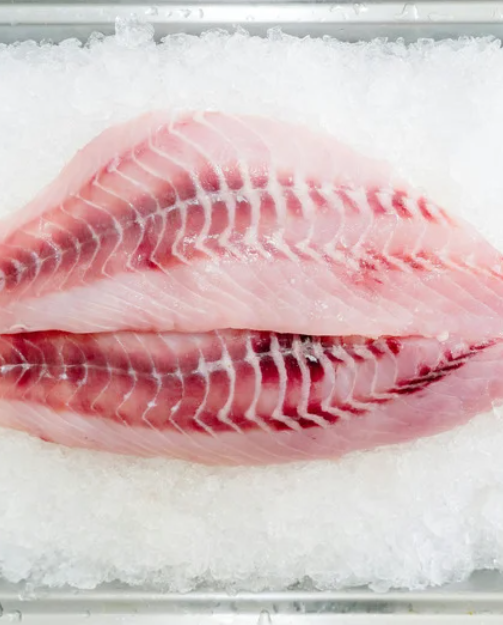
The distinction between “red” and “white” meat usually comes down to the concentration of myoglobin—a protein in muscle tissue that binds iron and oxygen.
- Red Meat: Contains high levels of myoglobin (Beef, Lamb).
- White Meat: Contains lower levels of myoglobin (Chicken breast, Pork).
So, is fish red meat?
Generally, no. Most fish are considered white meat because they have very low myoglobin levels. Fish spend much of their time floating or making quick, burst movements, which require “fast-twitch” muscle fibers that don’t need much myoglobin.
The Exceptions
However, some fish, like Tuna and Swordfish, have much higher myoglobin levels because they are constant, high-speed swimmers.
A tuna steak can be as dark red as a beef tenderloin. Despite this, from a nutritional and regulatory standpoint, all fish are typically grouped away from “Red Meat” (mammals) due to their fat composition.
Is Fish the Healthiest Meat?
When discussing the nutritional landscape, many health experts and dietitians refer to fish as the “gold standard” of animal protein.
If we accept the biological premise that fish is meat, then the question becomes: Is fish healthier than meat from land animals?
The Omega-3 Advantage
The primary factor that sets fish apart from beef, pork, and even poultry is its fat composition. While red meat is often high in saturated fats—which can contribute to elevated cholesterol and heart disease—fatty fish like salmon, mackerel, and sardines are rich in Omega-3 fatty acids (EPA and DHA).
These are essential fats that the human body cannot produce on its own. They are proven to reduce inflammation, lower blood pressure, and decrease the risk of stroke.
Protein Density and Digestibility
Fish provides a “complete protein,” meaning it contains all nine essential amino acids required for human health.
Furthermore, because fish have less connective tissue (collagen) than land animals, it is often easier for the human digestive system to break down. This makes fish lean meat a popular query for those with sensitive digestive tracts or those looking for high-protein, low-calorie options for weight management.
What Food Group Is Fish In?
If you look at the USDA MyPlate or traditional food pyramids, you will notice that fish is rarely labeled as “meat.” Instead, it is tucked into a broader category.
The “Protein Foods” Group
The USDA classifies fish under the Protein Foods Group. This group includes:
- Meats (Beef, Pork, Lamb)
- Poultry (Chicken, Turkey)
- Seafood (Fish, Shellfish)
- Beans, Peas, and Lentils
- Eggs, Nuts, and Seeds
By placing fish in the “Seafood” sub-category of “Protein Foods,” the government acknowledges its biological status as an animal protein while highlighting its distinct nutritional benefits.
This classification helps consumers understand that while a salmon fillet and a steak both provide protein, they offer different micronutrients, such as Vitamin D and Selenium, which are more abundant in fish.
Is Fish Meat in Christianity?
The most significant source of the “fish is not meat” debate in the Western world is the history of the Christian Church, particularly the Roman Catholic tradition.
The Definition of “Carne”
In traditional Latin, the word for meat is carne. Historically, the Church defined carne specifically as the flesh of warm-blooded creatures that live on land.
This included mammals and birds. Fish, being cold-blooded (ectothermic) and residing in the water, were not classified as carnivores.
Is Fish Meat Catholic?
According to Canon Law, the abstinence from meat on certain days (like Fridays or during Lent) applies to “the flesh of animals that live on land and breathe air.”
Because fish do not meet these specific criteria, they are permitted. This has led to the cultural phenomenon where a person says, “I’m not eating meat today; I’m having fish.”
In this context, the speaker is using a theological definition of meat rather than a biological one.
Is Fish Meat in the Bible?
To understand the roots of these traditions, we must ask: Is fish meat in the Bible? The biblical perspective is nuanced and requires looking at the original Hebrew and Greek contexts.
Old Testament Distinctions
In the Old Testament, particularly in the book of Leviticus and the laws of Kashrut (Kosher), there is a clear distinction between “beasts of the earth,” “birds of the air,” and “creatures of the sea.”
Fish are governed by their own set of rules (they must have fins and scales to be clean), which naturally separated them from land-based livestock in the minds of the ancient Israelites.
New Testament Context
In the New Testament, fish and meat are frequently mentioned as distinct entities. For example, in 1 Corinthians 15:39, the Apostle Paul writes: “All flesh is not the same flesh: but there is one kind of flesh of men, another flesh of beasts, another of fishes, and another of birds.”
This verse is often cited by theologians to explain why fish are categorized differently. It suggests that while fish have “flesh,” it is of a different “kind” than that of land beasts. This biblical distinction laid the groundwork for the later fasting laws of the early Church.
Why Is Fish Not Considered Meat During Lent?
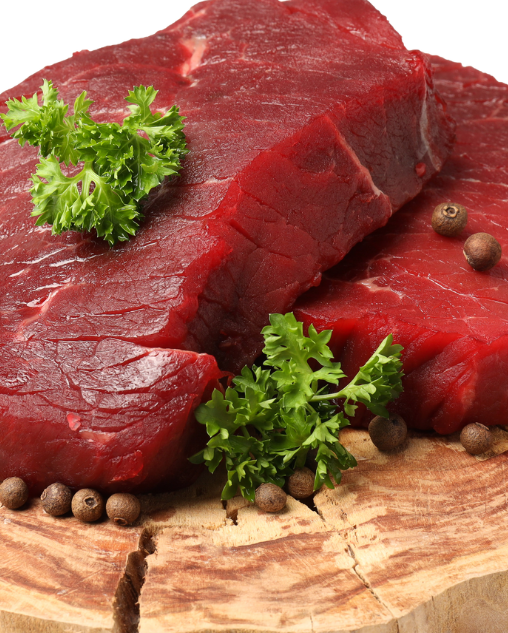
The practice of eating fish on Fridays, especially during the 40 days of Lent, is a tradition dating back centuries. Why is fish not considered meat during Lent?
A Sacrifice of “Luxury”
Historically, the flesh of land animals (beef, venison, poultry) was considered a luxury food associated with celebrations and feasts.
Since Lent is a season of penance and mourning, Christians were encouraged to abstain from “festive” foods.
The Logic of Cold vs. Warm Blood
Medieval theologians also believed that the meat of warm-blooded animals increased “bodily heat” and carnal desires, making it inappropriate for a time of spiritual reflection.
Fish, being cold-blooded, was thought to have a “cooling” effect on the soul. Thus, fish became the loophole that allowed for protein consumption without violating the spirit of the fast.
Is Fish Meat in Islam?
In Islamic dietary law, the question of whether fish is halal (permissible) or haram (forbidden) is answered through the lens of Halal (permissible) and Haram (forbidden).
Halal Classification
According to the majority of Islamic scholars and the Quran, the “catch of the sea” is naturally permissible. In Surah Al-Ma’idah (5:96), it states: “Lawful to you is the game of the sea and its food as provision for you…”
While the flesh of fish is recognized as “animal flesh” (lahm), it is distinct from land animals because it does not require the same ritual slaughter (Zabiha) that a cow or chicken does.
Most land animals must be slaughtered in a specific way to be Halal, but fish are considered pure by nature. Therefore, while Muslims view fish as a meat-like protein, it exists in a superior category of ritual purity.
Is Fish Meat in Hinduism?
Hinduism presents one of the most diverse views on this topic. Because Hinduism is not a monolithic religion, regional practices vary greatly.
Vegetarian vs. Non-Vegetarian
In many parts of India, particularly among Brahmins in the North, “meat” includes anything with a soul, which includes fish. In these communities, a vegetarian diet strictly excludes fish.
“Sea Vegetables”
However, in coastal regions like Bengal and Odisha, fish is often referred to as “the fruit of the sea” or “sea vegetables.” In these cultures, fish is consumed by many who would otherwise consider themselves vegetarian or “pesco-vegetarian.” In these instances, the definition of is fish meat in Hinduism is determined by regional tradition and the specific deity one follows.
Is Shrimp Meat?
When we expand the question from “fish” to “seafood,” we inevitably land on crustaceans. Is shrimp meat? Biologically, shrimp are invertebrates belonging to the phylum Arthropoda. Unlike fish, they do not have a backbone.
However, like fish, they are animals, and the part we consume is their muscle tissue. In the strictest scientific sense, if “meat” is the muscle of an animal used for food, then shrimp is meat.
In the culinary and religious world, however, shrimp is categorized as shellfish. This is a critical distinction for many:
- In Judaism (Kosher laws), shrimp are strictly forbidden (treif) because it lacks fins and scales, whereas certain fish are permitted.
- In Nutrition: Shrimp is a very lean protein, high in cholesterol but low in saturated fat, distinguishing it further from land meats.
Is Poultry Meat? Is Chicken Meat?

To resolve the confusion around fish, we must clarify the status of other common proteins. Many people ask, “If fish isn’t meat, then is chicken meat?“
Yes. Chicken and all forms of poultry (turkey, duck, etc.) are indisputably meat. The confusion arises because the culinary world often uses “meat” as shorthand for red meat (beef and pork).
When a waiter asks, “Would you like meat, chicken, or fish?” they are using a linguistic shortcut to separate mammals, birds, and aquatic life. Biologically, all three are the muscle tissue of animals and therefore qualify as meat.
Is Fish Meat Good for You?
Beyond the definitions, we must consider the physiological impact. Is fish meat good for you? In the context of 2026 nutritional science, the answer is a resounding yes, provided you choose the right types.
Brain and Heart Health
The “meat” of fish is unique because it is the primary dietary source of DHA and EPA, the long-chain Omega-3s that make up a large portion of the human brain. Diets high in fish meat are consistently linked to lower rates of cognitive decline and depression.
Micronutrient Profile
Unlike land meat, fish is one of the few natural food sources of Vitamin D, which is essential for bone health and immune function. It is also rich in iodine, a mineral many people are deficient in, which is crucial for thyroid health.
Is Fish Meat Good for Dogs?
As we treat our pets more like family, the question of whether fish meat is good for dogs has surged in popularity.
Most veterinarians agree that fish can be an excellent protein source for dogs, especially those with allergies to common land meats like chicken or beef.
It provides the same Omega-3 benefits for a dog’s coat and joint health that it does for humans.
Cautions for Pet Owners:
- Bones: Never give a dog raw fish with bones, as they can splinter and cause internal damage.
- Thiaminase: Some raw fish contain an enzyme that destroys Vitamin B1 (thiamine) in dogs. Always cook fish before serving it to your pet.
- Mercury: Avoid long-lived predatory fish like tuna for dogs; stick to smaller fish like salmon or whitefish.
Why Is Fish Meat White?

One reason people hesitate to call fish “meat” is its color. Why is fish meat white? As mentioned earlier, the color of meat is determined by myoglobin.
Land animals like cows have “slow-twitch” muscles that are constantly working (standing, walking), requiring a steady supply of oxygen and lots of myoglobin, which turns the meat red.
Fish live in a buoyant environment where they don’t have to fight gravity. Most of their muscle is “fast-twitch” (used for quick bursts of speed).
These muscles don’t require high levels of oxygen or myoglobin, resulting in the translucent or white appearance of the flesh. When you cook it, the proteins denature and turn opaque white.
Reddit & Popular Opinion — Is Fish Meat?
If you browse fish meat Reddit threads, you will see the debate is alive and well. The most popular “takes” on the platform usually fall into three categories:
- The Biological Purists: “If it has a face and a mother, it’s meat.”
- The “Lent” Crowd: “I grew up eating fish on Fridays; it’s definitely not meat in my house.”
- The Pescetarians: “I don’t eat meat, but I eat fish. It’s a different category for my lifestyle.”
The consensus on Reddit reflects the global reality: we live in a world where scientific accuracy and cultural tradition coexist, even when they contradict each other.
Is Fish Meat or Not?
After 4,000 words of exploration, we can reach a definitive conclusion. Is fish meat?
- To a Scientist: Yes. It is animal muscle tissue.
- To a Catholic during Lent: No. It is a permissible alternative to the “flesh of land animals.”
- To a Nutritionist: It is a “Seafood Protein,” distinct from red and white land meats.
- To a Linguist: It is whatever the speaker and listener agree it is.
The Practical Takeaway: If you are speaking biologically, fish is meat. If you are speaking religiously or culinarily, it is often not.
The most important thing is not the label we put on it, but the role it plays in our global food system and individual health. Fish remains one of the most vital, nutrient-dense “meats” on the planet, regardless of how you classify it.
Rich Snippets
Is fish considered a meat? Biologically, yes, fish is considered meat because it is the flesh/muscle of an animal. However, in many religious and culinary contexts, it is categorized separately from the meat of land animals.
Is fish meat or seafood? Fish is both. Biologically, it is animal meat, but culinarily it falls under the “seafood” umbrella, which also includes shellfish like shrimp and lobster.
Is fish meat in the Bible? The Bible often distinguishes between the “flesh of beasts” and the “flesh of fish” (e.g., 1 Corinthians 15:39). While it recognizes fish as animal life, it treats it as a different category than land animals.
Why is fish not considered meat during Lent? Because the Catholic Church historically defined “meat” as the flesh of warm-blooded land animals. Since fish are cold-blooded and aquatic, they were excluded from the abstinence rules.
Is fish the healthiest meat? Many nutritionists consider it the healthiest animal protein due to its high Omega-3 fatty acid content and low levels of saturated fat compared to red meat.
Frequently Asked Questions: Is Fish Considered Meat?
Why do some people say fish is not meat?
The idea that fish is not meat primarily stems from culinary and religious traditions rather than biology. In many cultures and religions (such as Catholicism during Lent), “meat” is defined strictly as the flesh of warm-blooded land animals (mammals and birds). Since fish are cold-blooded water dwellers, they are categorized separately in these specific contexts.
Is fish biologically considered meat?
Yes. Biologically, fish is the flesh of an animal, which is the definition of meat. Like beef, pork, or chicken, fish consists of animal muscle tissue, fat, and protein. If you are defining meat as the edible parts of any animal, fish is undeniably meat.
Do vegetarians eat fish?
By definition, vegetarians do not eat fish. A vegetarian diet excludes all animal flesh. People who choose to eat a plant-based diet but include fish and seafood are known as Pescetarians. While pescetarians share many habits with vegetarians, they are technically distinct because they consume fish protein.
What is the difference between fish meat and red meat?
The primary difference lies in the myoglobin content. Red meat (like beef) contains high levels of myoglobin, the protein that stores oxygen in muscle cells. Fish have much lower levels of myoglobin because they are buoyant in water and don’t require the same heavy muscle density as land animals, resulting in “white” or lighter-colored flesh.
Is fish meat healthier than red meat?
Generally, yes. Fish meat is typically lower in saturated fat and higher in Omega-3 fatty acids, which are essential for heart and brain health. While red meat is a great source of iron and B12, fish provides a lean protein source that is associated with a lower risk of heart disease and stroke.
Conclusion
To settle the long-standing debate of whether fish is fish meat, we must acknowledge that the answer is multi-layered. If you are looking at a microscope or a biology textbook, the answer is a definitive yes—fish are animals, and their flesh is muscle tissue, making it meat by every scientific metric.
However, humans do not live by science alone. Our languages, religious traditions, and culinary habits have spent thousands of years carving out a special place for the “catch of the sea.”
Because of the historical fasting rules of the Christian Church, the ritual purity laws in Islam, and the unique Omega-3 nutritional profile highlighted by modern dietitians, fish has earned its own category: Seafood.
Whether you consider fish meat depends on the “why” behind your question. Are you trying to follow Lenten traditions? Then it isn’t meat.
Are you a strict biological vegetarian? Then it absolutely is. By understanding these distinctions, we can move past the confusion and appreciate fish for what it truly is: a unique, life-sustaining protein that bridges the gap between the land and the sea.
Authoritative References
1. USDA MyPlate – Protein Foods Group
2. National Institutes of Health (NIH) – Omega-3 Fatty Acids Fact Sheet
3. United States Conference of Catholic Bishops (USCCB) – Fasting and Abstinence
4. FDA – Advice about Eating Fish
5. Britannica – Meat (Culinary and Biological Definition)