



In the world of nutrition and fitness, the chicken breast is often hailed as the “gold standard” of lean protein.
Whether you are a bodybuilder looking to pack on muscle, a marathon runner fueling for recovery, or someone simply trying to lose weight while maintaining lean mass, the chicken breast is likely a staple in your refrigerator.
However, a common point of confusion for many patients and athletes I work with is the specific math behind the macros.
How much protein is in a chicken breast? Is it 30 grams? 50 grams? Does the answer change if it is grilled versus fried, or if it weighs 4 ounces versus 8 ounces?
On average, a standard cooked chicken breast (approx. 172g) contains about 54 grams of protein. However, because chicken breasts vary widely in size—from small, organic cuts to massive, conventional grocery store portions—the answer depends entirely on the weight and preparation.
In this clinical guide, we will break down the protein content of chicken breast by every conceivable measurement: ounces, grams, pounds, and cooking methods.
As a physician, I will also provide insights into how this protein affects your muscle synthesis and overall metabolic health.
Quick Reference Table: Chicken Breast Protein at a Glance
| Serving Size | Weight (Grams) | Protein Content (Approx.) |
| 1 Ounce (Cooked) | 28g | 9g |
| 4 Ounce (Cooked) | 113g | 35-36g |
| 6 Ounce (Cooked) | 170g | 52-54g |
| 8 Ounce (Cooked) | 227g | 70-72g |
| 1 Pound (Cooked) | 454g | 140-144g |
| 100 Grams (Cooked) | 100g | 31-32g |
Protein in Chicken Breast by Weight
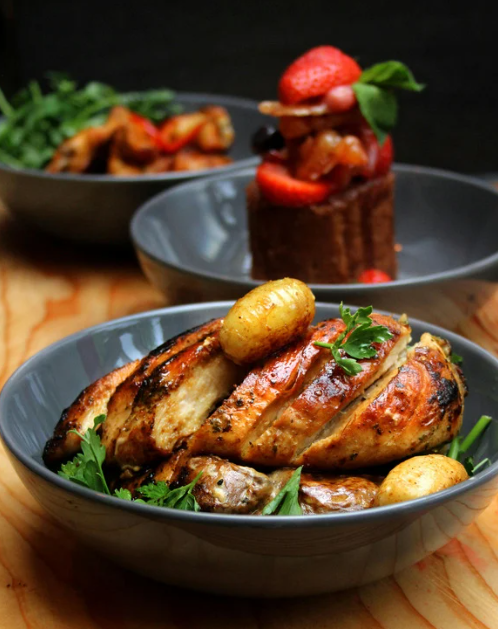
When you are tracking your macros, the most accurate way to determine your intake is by weight rather than “per piece.” Chicken breasts are biological products; they don’t come in a uniform size. Using a digital kitchen scale is the “doctor’s secret” to reaching your fitness goals.
How much protein is in a chicken breast per ounce?
When patients ask, “How much protein is in a chicken breast per ounce?“ the standard clinical value for cooked, skinless, boneless chicken breast is roughly 8.5 to 9 grams of protein.
If the chicken is raw, that number drops to about 6 to 7 grams per ounce. Why the difference? Cooking evaporates water, concentrating the protein. If you weigh your chicken after cooking, use the 9g multiplier.
Protein in a 4-oz chicken breast
The 4-ounce serving is the standard “deck of cards” size recommended by many dietitians. How much protein is in a 4-oz chicken breast? You can expect approximately 35 to 36 grams of protein.
This is an ideal dose for a single meal, as research in the Journal of the International Society of Sports Nutrition suggests that 30–40g of high-quality protein is optimal for maximal muscle protein synthesis in most adults.
Protein in a 5 oz Chicken Breast
Stepping up slightly, how much protein is in a 5-oz chicken breast? At this weight, you are consuming roughly 43 to 45 grams of protein. This is an excellent portion for those with higher caloric needs or those following an intermittent fasting protocol where fewer, larger meals are consumed.
Protein in a 6 oz Chicken Breast
How much protein is in a chicken breast 6 oz? A 6-ounce cooked breast provides roughly 52 to 54 grams of protein. In many modern restaurants, a “large” chicken breast salad or entree will typically feature a 6-ounce cut.
This serving provides a significant portion of the Daily Value (DV) for protein for the average sedentary adult in a single sitting.
Protein in an 8 oz Chicken Breast
How much protein is in 8 oz grilled chicken breast? This is a substantial serving, often referred to as a “half-pound” chicken breast. An 8-ounce cooked portion contains a massive 70 to 72 grams of protein.
While this is highly effective for heavy lifters, keep in mind that the body’s ability to utilize this much protein at once for muscle building has a “ceiling,” though the excess is simply used for energy or other bodily repairs.
Protein in Chicken Breast by Grams
For those using the metric system or following European labeling (UK/EU), calculating by 100g increments is common.
Protein in 100g Chicken Breast
How much protein is in a chicken breast 100g? For cooked chicken breast, 100g yields 31 grams of protein. If you are looking at raw chicken breast (100g), the protein count is approximately 23 grams.
This 31% protein-to-weight ratio makes chicken breast one of the most protein-dense foods on the planet, second only to some specialized protein powders and dried meats.
Protein in 200g Chicken Breast
If you are eating a larger portion, the protein in 200g of chicken breast totals approximately 62 grams. This is a common “meal prep” size for athletes in a bulking phase.
Protein in 250g Chicken Breast
How much protein is in a chicken breast 250g? This large serving provides roughly 77 to 80 grams of protein. Consumption of this much protein in one meal is typically seen in high-performance strength athletes or those on a “One Meal a Day” (OMAD) protocol.
Protein in Chicken Breast by Pound (1 lb)
In meal-prepping circles, we often talk about “cooking up a pound of chicken.”
How much protein is in a chicken breast 1lb?
If you consume 1 pound of cooked chicken breast, you are ingesting a staggering 140 to 144 grams of protein. If you are weighing the chicken raw, how much protein is in a pound of chicken breast? A raw pound of chicken breast contains about 100 to 105 grams of protein.
It is vital to remember that a pound of raw chicken will weigh about 12 ounces after cooking due to water loss. To hit your protein targets, always clarify if your recipe’s “1 lb” refers to the weight before or after it hits the grill.
Protein by Chicken Breast Size: Small, Large, and Whole
If you don’t have a scale, you can estimate based on the size of the piece.
- Small Chicken Breast: Often found in organic or “air-chilled” packs. A small chicken breast (approx. 4-5 oz) contains 35-43g of protein.
- Large Chicken Breast: Common in conventional grocery stores. A large chicken breast can weigh 8-10 oz, providing 70-90g of protein.
- Half a Chicken Breast: Most “single” pieces sold in stores are actually half of a whole chicken breast. How much protein is in half a chicken breast? Usually 30-50g, depending on the weight.
- Whole Chicken Breast: A whole breast (both sides) can contain over 100g of protein.
Cooked vs. Raw: The Impact of Heat on Protein Density
One of the most frequent errors in nutritional tracking is failing to account for the physical changes that occur during the culinary process. As a physician, I advise patients to be precise here, as the variance can lead to a 25% discrepancy in your daily tally.
Cooked Chicken Breast
When you apply heat to poultry, the muscle fibers contract and expel water. This process increases the protein density per gram. How much protein is in a chicken breast cooked? As we established, it is approximately 31-32% protein by weight.
Grilled Chicken Breast
Grilling is a favorite for fitness enthusiasts because it allows fat to drip away while searing the exterior. How much protein is in a grilled chicken breast? Since grilling is a “dry heat” method, it results in significant moisture loss.
A 6-ounce raw piece will often shrink to 4.5 ounces on the grill, but it will still contain the original 45 grams of protein. If you measure it after it leaves the grates, use the 9 grams per ounce rule.
Fried Chicken Breast
This is where the health profile shifts. How much protein is in a fried chicken breast? While the meat itself maintains its nitrogen-rich profile, the addition of flour, breading, and oil increases the weight and caloric density.
A fried breast may weigh more due to the coating, but the protein remains roughly the same as its grilled counterpart—you are simply adding 200–300 extra calories from fats and carbohydrates.
Bone-In vs. Boneless: Accounting for Waste
When you purchase a “Split Chicken Breast” with the ribs and skin attached, your weight calculations must change.
How much protein is in a chicken breast with bone? To find the answer, you must weigh the “yield.
“On average, bone and cartilage account for about 20-25% of the total weight of the cut. If you buy an 8-ounce bone-in breast, you are likely only consuming 6 ounces of actual meat. Therefore, instead of 72 grams of protein, you are getting closer to 54 grams. Always subtract the weight of the discarded bones from your final log.
Specialized Cuts: Tenderloins and Cutlets
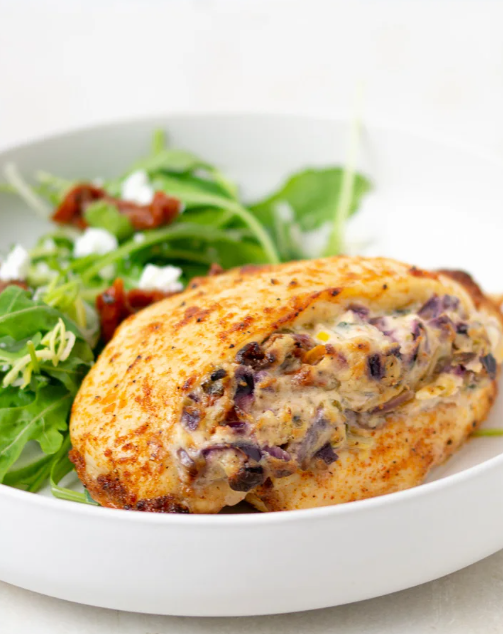
Not every piece of poultry is a “whole breast.” Manufacturers often segment the meat for convenience.
Chicken Breast Tenderloin
The tenderloin is the small, succulent strip of muscle located tucked under the main breast. How much protein is in a chicken breast tenderloin? An average tenderloin weighs about 1.5 to 2 ounces.
This provides roughly 13 to 18 grams of protein per piece. These are excellent for controlled snacking or adding to salads.
Chicken Breast Cutlet
A cutlet is a breast that has been sliced thinly and often pounded flat. How much protein is in a chicken breast cutlet? Because they are thin, they cook rapidly and lose moisture quickly.
A standard 4-ounce cutlet will provide the traditional 35 grams of protein, but it may feel like a larger portion because of its increased surface area.
Calories and Protein: The Efficiency Ratio
As a public health specialist, I look at the “Protein-to-Calorie Ratio.” Chicken breast is prized because it offers the highest protein return for the lowest caloric “cost.”
- Calories in a Chicken Breast: A 4-ounce cooked, skinless portion contains approximately 185 to 200 calories.
- Protein Contribution: Since 36 grams of protein equals 144 calories ($36 \times 4$), nearly 75-80% of the calories in a chicken breast come directly from protein.
This efficiency makes it the ultimate tool for weight loss. It triggers the “thermic effect of food” (TEF), meaning your body burns more energy digesting chicken than it does digesting fats or sugars.
UK vs. US: Navigating Global Measurement Standards
How much protein is in a chicken breast UK? In the United Kingdom, the NHS and local retailers typically use “raw weight” for labeling. A standard UK chicken breast is often listed at 125g to 150g (raw).
This translates to roughly 29g to 35g of protein. In the US, the USDA often provides data for “cooked” portions. Always verify if your nutritional app is pulling from the McCance and Widdowson’s (UK) or the USDA (US) database to ensure your grams are accurate.
Chicken Breast vs. Other Poultry Cuts
Is the breast always the best choice? Let’s look at the data.
Chicken Thigh
How much protein is in a chicken thigh? A 4-ounce cooked thigh contains about 28 grams of protein. While lower than the breast, it contains more “myoglobin” (dark meat), which provides more iron and zinc. However, it also has double the fat content.
Chicken Leg (Drumstick)
How much protein is in a chicken leg? An average drumstick (meat only) provides about 12 to 14 grams of protein. You would need to eat three drumsticks to match the protein in one medium breast.
Chicken vs. Other Sources: The Egg Comparison
A frequent question in my clinic is: “Which protein is better, egg or chicken?”
While eggs have a higher “Biological Value” (meaning the body absorbs the amino acids more efficiently), they are not as “lean.
” One large egg has 6 grams of protein and 5 grams of fat. To get the 36 grams of protein found in a 4-ounce chicken breast, you would need to eat 6 eggs, which would also come with 30 grams of fat and 420 calories. For pure lean mass,
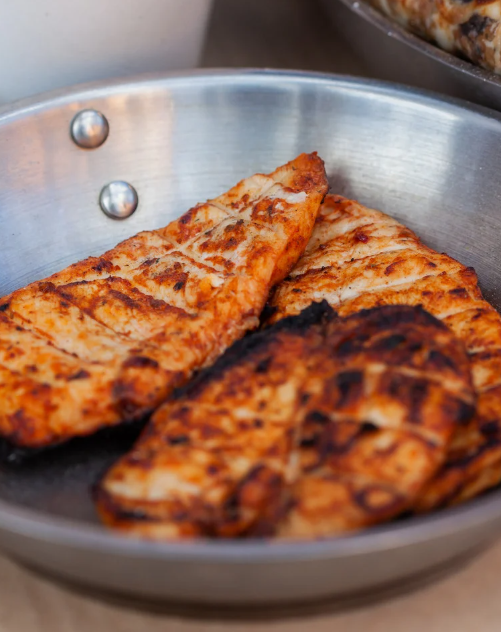
The Science of Hypertrophy: Chicken Breast and Muscle Synthesis
From a clinical standpoint, the importance of this poultry cut goes beyond simple arithmetic. The reason the fitness community is obsessed with the grams of protein in a chicken breast is due to its amino acid profile. Chicken is a “complete” protein, meaning it contains all nine essential amino acids.
Most importantly, it is rich in Leucine. Leucine is the “anabolic trigger” that signals the mTOR pathway in your cells to begin muscle protein synthesis.
A standard 6-ounce serving provides enough Leucine to fully optimize this process after a resistance training session.
Practical Fitness & Diet: Your Questions Answered
Is 2 chicken breasts enough protein?
For the average adult, two chicken breasts are a massive amount of nutrition. If the pieces are large (8 oz each), you are looking at nearly 140 grams of protein. For a sedentary person, this might exceed their total daily requirement in a single meal.
However, for a 200-lb athlete, this represents about 70% of their daily target.
Is chicken breast good for weight loss?
Absolutely. High-protein diets are clinically proven to increase satiety. When you eat a single chicken breast, your body releases hormones like cholecystokinin (CCK) and glucagon-like peptide-1 (GLP-1), which tell your brain you are full.
This helps prevent the mindless snacking that often derails weight loss goals.
Is chicken breast good for muscle gain?
It is arguably the most efficient tool for “lean bulking.” Because it lacks the saturated fats found in ribeye steak or pork, you can hit your high protein targets without a massive caloric surplus. This allows for “muscle gain” without the unwanted “fat gain.”
Advanced Nutritional Profiling: Beyond the Macronutrient
To provide the most sophisticated understanding of this poultry staple, we must look beyond simple mass. While the total count of amino acids is vital, the micronutrient density and the bioavailability of the tissue are what truly support long-term metabolic function.
As a medical professional, I often explain that this meat functions as a natural “multivitamin” for the musculoskeletal system.
It is rich in Selenium, a powerful antioxidant that protects cells from oxidative stress during intense exercise, and Vitamin B6 (Pyridoxine), which is a co-enzyme required for the metabolism of the very nitrogen-heavy compounds we are discussing.
Specific Yields and Bio-Efficiency
When calculating your intake, precision in the “state” of the food is paramount. Below is an expanded look at the yields based on different culinary scenarios.
The Impact of Brining and Sodium
Many commercial producers “plump” their poultry with a saline solution. When you see a label that says “contains up to 15% chicken broth,” the weight of the meat is artificially inflated.
- The Clinical Result: A 6-ounce piece of “plumped” poultry may only contain 5 ounces of actual muscle fiber. This reduces your expected intake from 54 grams down to approximately 45 grams.
- Advice: Always look for labels that state “no added water or sodium” to ensure you are getting the full density you paid for.
The Thermal Shrinkage Factor
A common point of frustration for meal preppers is the “disappearing” meat.
- Low and Slow Cooking: Results in a higher moisture retention. A piece cooked at 325°F might retain more weight than one blasted at 450℉
- Nutrition Tip: Regardless of the final weight, the nitrogen content (the building block of nutrients) stays the same. If you start with 100g of raw tissue, the count of nutrients remains constant whether you cook it into a juicy cut or a dry one.
Global Varieties
While the primary question focuses on standard cuts, global agricultural practices can create slight variations in density.
Pasture-Raised vs. Caged
In a study of avian biology, birds that are allowed to move and forage develop more connective tissue and slightly denser muscle fibers.
- Density: Pasture-raised poultry often has a slightly lower fat-to-mass ratio.
- Bio-Markers: These birds show higher levels of Vitamin E and Omega-3 fatty acids, though the primary nitrogenous count remains nearly identical to conventional options.
The Cutlet vs. The Fillet: A Surface Area Study
A cutlet (pounded thin) has a higher surface-area-to-volume ratio.
- Effect: It undergoes more Maillard reaction (browning). While this adds flavor, excessive charring can create heterocyclic amines.
- Safety Tip: To maintain the highest quality of the tissue, avoid charring the exterior to a black crust, which can denature some of the sensitive amino acid chains on the surface.
The Satiety Mechanism
Why is this specific meat more effective for fat loss than a shake? It comes down to mastication and gastric emptying.
- Mastication: The physical act of chewing solid muscle fiber sends signals to the hypothalamus to lower hunger.
- Digestion Speed: Solid poultry takes 2–4 hours to fully exit the stomach, providing a “slow-drip” release of amino acids into the bloodstream. This is superior for maintaining a “Positive Nitrogen Balance” throughout the day compared to liquid sources.
| Goal | Measurement Strategy | Optimal Daily Intake |
| Maximal Muscle Gain | Weigh Raw (to ensure caloric total) | 1.2g per lb of body weight |
| Lean Weight Loss | Weigh Cooked (for immediate portioning) | 1.0g per lb of body weight |
| General Wellness | Estimate by Size (Deck of Cards) | 0.8g per lb of body weight |
Quick Reference for Daily Planning
How many grams of protein in a chicken breast should I eat per day?
Most clinical guidelines recommend 0.8g to1g of protein per pound of body weight for active individuals. If you weigh 150 lbs, eating two 6-ounce portions of chicken breast would put you at 108g, leaving only 42g to be gathered from other meals.
Is there a difference in protein between organic and conventional chicken?
While organic chicken may have a better fatty acid profile (more Omega-3s) and fewer antibiotics, the protein content per ounce remains virtually identical.
Can you eat too much chicken breast?
While the protein is healthy, variety is key. Over-reliance on a single source can lead to micronutrient gaps. Ensure you are also consuming fish for healthy fats and plants for fiber.
The Final Word
To ensure you never miss your targets, keep these “Golden Rules” in mind:
- The Raw vs. Cooked Gap: Raw chicken loses about 25% of its weight during cooking. 1 lb raw = 12 oz cooked.
- The “Oz” Rule: 1 cooked ounce = 9 grams of protein.
- The “100g” Rule: 100g of cooked meat = 31 grams of protein.
Conclusion
Determining how much protein is in a chicken breast is the foundation of successful nutritional planning. Whether you are measuring in ounces, grams, or pounds, the data remains consistent: this lean cut of poultry is an unrivaled source of high-quality amino acids.
By understanding that a 4 oz portion provides 36g of protein and a large 8 oz portion provides 72g, you can precisely tailor your meals to your specific metabolic needs.
As your MD partner in health, I encourage you to use these values to move away from “guesstimating” and toward a data-driven approach to your fitness. When you master your macros, you master your results.
Authoritative References
1. USDA FoodData Central: Chicken Breast, Broilers or Fryers, Meat Only
2. National Health Service (NHS): Meat in Your Diet
3. International Society of Sports Nutrition (ISSN): Position Stand on Protein and
4. Harvard T.H. Chan School of Public Health: The Nutrition Source — Protein
5. British Nutrition Foundation: Protein and Amino Acids

, size, and cooking method in this complete nutritional guide.)