



As a physician specializing in public health, I often see patients who underestimate the risks of foodborne illness from common pantry staples. We all love leftovers, but one of the most frequent questions in meal-prep circles is: How Long Does Pasta Last in the Fridge?
Whether you have a bowl of plain spaghetti or a creamy chicken alfredo, understanding the biological “clock” of your food is essential for your safety.
Generally, cooked pasta lasts in the fridge for 3 to 5 days. However, this isn’t a hard-and-fast rule. The presence of sauces, proteins like shrimp or chicken, and even the type of container you use can significantly shift that timeline.
In this guide, we will break down the science of pasta spoilage, from the “danger zone” of room temperature to the specific shelf life of various sauces.
If you have ever wondered, “How long does pasta last in the fridge, Reddit style?” (where some users claim a week is fine while others are more cautious), this article provides the clinical evidence you need to keep your family safe.
Quick Storage Reference: Pasta Life in the Fridge
| Pasta Type | Storage Duration (at 40°F or below) |
| Plain Cooked Pasta | 3–5 Days |
| Pasta with Tomato Sauce | 3–4 Days |
| Pasta with Meat or Dairy (Alfredo) | 2–3 Days |
| Fresh/Homemade Pasta (Uncooked) | 1–2 Days |
| Pasta Salad (Vinegar-based) | 3–5 Days |
| Pasta Salad (Mayonnaise/Protein) | 2–3 Days |
How Long Does Cooked Pasta Last in the Fridge?
Dairy and Cream Sauces
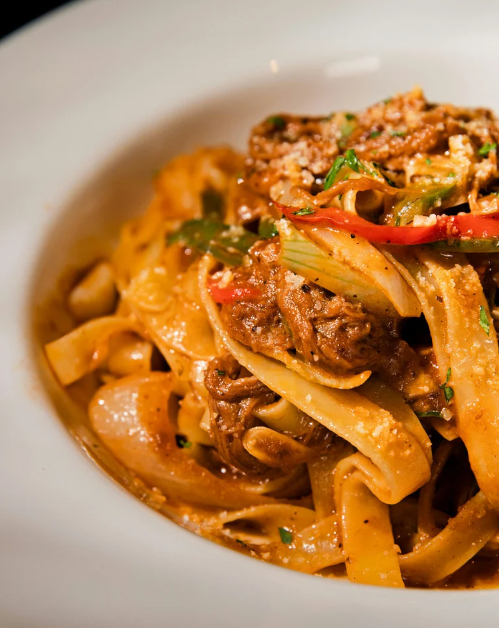
When we talk about how long cooked pasta lasts in the fridge, we are looking at the window before bacteria like Bacillus cereus or mold begin to colonize the starch. Pasta is a high-moisture carbohydrate, which makes it a perfect breeding ground for microbes if not handled correctly.
The 3–5 Day Rule
Most public health guidelines, including those from the USDA, suggest that cooked pasta lasts for a maximum of five days. By day three, the quality begins to degrade. The starch starts to crystallize, a process called retrogradation, which makes the noodles feel tough or rubbery.
Why Storage Varies
Several factors influence how long pasta lasts in the fridge after cooking:
Temperature: Your fridge must be at or below 40°F (4°C).
- Contamination: Did you use a clean fork to scoop out your portion, or did you eat directly from the container?
- Cooling Time: Did the pasta sit on the counter for two hours before going into the fridge? Bacteria thrive in the “Danger Zone” 40℉ to 140℉.
How Long Does Plain Cooked Pasta Last in the Fridge?
If you are wondering how long plain pasta lasts in the fridge, you are in the safest category. Without the added moisture or sugars from a sauce, plain noodles stay stable for the full 5-day window.
To maximize this, toss the noodles in a small amount of olive oil. This prevents them from sticking and creates a slight barrier against moisture loss.
How Long Does Pasta Last in the Fridge Uncovered?
Leaving food open is a clinical “no-go.” If you ask how long pasta lasts in the fridge uncovered, the answer is barely 24 hours.
Not only does it dry out and become unpalatable, but it also becomes a magnet for cross-contamination from other raw foods in your fridge. Always use an airtight container to maintain humidity and block odors.
How Long Does Pasta Last in the Fridge With Sauce?
The timeline changes significantly once you add a sauce. How long does pasta last in the fridge with sauce depend largely on the pH level and the ingredients of that sauce.
Tomato-Based Sauces
Acidic sauces, like a classic marinara, act as a mild preservative. How long does pasta with sauce last in the fridge if it’s tomato-based? Usually 3 to 4 days.
The acidity helps slow down some bacterial growth, but the moisture eventually leads to a soggy texture.
Dairy and Cream Sauces
This is where you must be careful. How long does Alfredo pasta last in the fridge? Because dairy is highly perishable and prone to bacterial spoilage, I recommend a limit of 2 to 3 days.
Cream-based sauces also tend to “split” or become oily when reheated after a few days.
Pesto and Oil Sauces
How long does pesto pasta last in the fridge? Pesto contains fresh basil and garlic, which can oxidize.
While the oil helps preserve the noodles, the fresh herbs will begin to turn bitter and dark after 2 to 3 days.
Seafood and Protein
If you have shrimp pasta, the seafood dictates the safety. Seafood is highly sensitive. How long does shrimp pasta last in the fridge? No more than 2 days. In my clinical practice, seafood-based leftovers are the most common culprits for mild food poisoning if kept too long.
How Long Does Pasta Sauce Last in the Fridge?
Sometimes you have leftover sauce but no noodles. How long does pasta sauce last in the fridge on its own?
Homemade vs. Store-Bought
How long does homemade pasta sauce last in the fridge? Since it lacks the preservatives found in jarred versions, it usually stays fresh for 3 to 4 days.
If you used fresh meat in your sauce (like a Bolognese), stick to the 3-day limit.
Jarred sauce that has been opened can often last 5 to 7 days, as it has been acidified and pasteurized during the canning process.
However, always check for “fuzz” or mold around the rim of the jar.
How Long Does Pasta Salad Last in the Fridge?
Pasta salad is a meal-prep favorite, but it carries unique risks because it is often eaten cold. How long does pasta salad last in the fridge depends on the dressing.
Italian Pasta Salad
How long does Italian pasta salad last in the fridge? Vinegar-based dressings are quite stable. These salads can often last 4 to 5 days.
The acidity of the vinegar provides a protective environment for the vegetables and noodles.
Protein-Rich Salads
How long does tuna pasta salad last in the fridge? Because tuna and mayonnaise are highly susceptible to spoilage, these should be consumed within 2 to 3 days. The same applies to
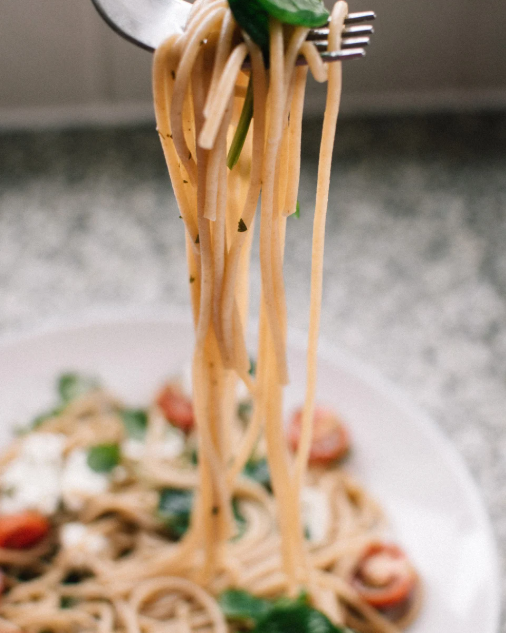
How Long Does Spaghetti Last in the Fridge?
People often ask specifically about how long spaghetti lasts compared to other shapes. Because spaghetti is thin, it has a high surface-area-to-volume ratio. This means it dries out faster than a thick noodle like rigatoni.
How long does spaghetti last in the fridge? It follows the standard 3 to 5-day rule for plain noodles.
If it is “Spaghetti and Meatballs,” the 3-day rule for meat applies. If the noodles feel “slimy” to the touch, that is a sign of bacterial biofilm—toss them out.
Fresh vs. Homemade: A Different Clock
When we step away from dried pasta box varieties and move into fresh or homemade pasta, the storage timeline accelerates.
As a physician, I emphasize this to my patients: “fresh” ingredients mean active biological enzymes and higher moisture, which are magnets for spoilage.
How Long Does Fresh Pasta Last in the Fridge?
Fresh, store-bought pasta—the kind you find in the refrigerated section in sealed plastic—is usually pasteurized or semi-cooked to extend its life. In its original sealed packaging, it can last until the “use-by” date.
Once opened, however, you have a 2 to 3-day window. After that, the dough begins to oxidize, often turning a dull gray or greenish-gray color.
How Long Does Homemade Pasta Last in the Fridge?
If you are making it yourself, the clock is even shorter. Homemade pasta typically only lasts 24 hours in the refrigerator.
I recommend eating it within 18 hours for the best texture. Beyond one day, the eggs in the dough may start to weep moisture, making the noodles mushy or excessively sticky.
Clinical Tip: If you aren’t cooking your homemade pasta within 18 hours, freeze it immediately. Dust the nests with flour and place them in an airtight bag; they will stay perfect for up to a month.
How Long Does Pasta Dough Last in the Fridge?
If you’ve made the dough but haven’t cut it yet, you have a bit more flexibility. Fresh pasta dough can stay in the fridge for about 2 days, provided it is wrapped tightly in plastic wrap to prevent a dry “skin” from forming.
If the dough develops black specks (oxidation), it’s still safe to eat but may look unappealing. If it smells sour, discard it immediately.
Deep Dive: The Science of Pasta Spoilage and Advanced Safety
To truly understand how long pasta lasts in the fridge, we must look at the microscopic level. As a public health specialist, I find that most kitchen errors happen because we can’t see the bacteria.
Pasta is unique because it is a “starchy” food. These foods carry specific risks that differ from meats or vegetables.
The Danger of Bacillus cereus
Many people have heard of Salmonella, but few know about Bacillus cereus. This bacterium is often found in soil and can contaminate grain crops like wheat.
When you boil pasta, you kill most active bacteria, but Bacillus cereus produces heat-resistant spores.
If cooked pasta sits at room temperature for too long, these spores “wake up” and multiply. They produce toxins that are not destroyed by reheating.
This is why the 2-hour rule is a clinical necessity, not just a suggestion. If your pasta has sat out on the counter all night, reheating it to 165°F will not make it safe.
How Long Does Pasta Last in the Fridge? (Advanced Breakdown)
Storage by Flour Type
Not all noodles are created equal. The protein and fiber content in different flours can change the rate of decay.
- Whole Wheat Pasta: Because it contains the germ and bran, it has more natural oils. These oils can go rancid over time. While it still follows the 3–5 day safety rule, it may develop a bitter taste by day four.
- Gluten-Free Flour Blends: Pastas made from rice or corn flour often lack the “structural integrity” of wheat. By day three, these noodles may start to dissolve or become “mushy” in the fridge, even if they are still safe to eat.
- Lentil and Pea Pasta: These are high in protein. High-protein environments are attractive to bacteria. I recommend a tighter 3-day window for these varieties to ensure maximum safety.
The Impact of “Add-Ins”
When determining how long pasta lasts in the fridge with sauce, you must consider the “wetness” of the dish.
- Vegetable-Heavy Pasta: If you’ve added mushrooms, zucchini, or spinach, the shelf life drops. Vegetables release water as they sit. This extra moisture speeds up the growth of mold. I suggest eating vegetable-based pasta within 3 days.
- Baked Pasta (Lasagna/Ziti): These dishes are dense. Because they take a long time to cool down in the center, they are at a higher risk for bacterial growth during the cooling process. Always slice lasagna into smaller squares before refrigerating to help the heat escape quickly.
Reheating Safety: Best Practices for Health
Properly reheating your pasta is the final step in your safety protocol. You want to kill any bacteria that may have grown while also preserving the nutritional quality.
1. The Microwave Method (Quickest)
Place your pasta in a glass bowl and add a splash of water or extra sauce. This creates steam, which ensures the center of the pasta reaches the required 165°F (74°C). Cover with a vented lid to trap the heat.
2. The Stovetop Method (Best for Quality)
For pasta with sauce, reheat it in a pan over medium heat. Add a little broth or water to loosen the sauce. This is the best way to ensure even heating, which is clinically safer than the “cold spots” often left by microwaves.
3. The Oven Method (Best for Baked Pasta
Cover your dish with foil to prevent drying. Heat at 350℉ 177℃ until the center is bubbling. Use a food thermometer to check that it has reached the safety threshold.
What Reddit and Popular Opinion Get Right (and Wrong)
If you search how long does pasta last in the fridge reddit, you will see a wide range of advice.
- The Myth of the “One Week Rule”: Some users claim they eat pasta after 7 or 10 days. From a medical standpoint, this is “survivorship bias.” Just because they didn’t get sick doesn’t mean the food was safe. Pathogen levels increase exponentially after day five.
- The “Smell Test” Fallacy: Many users say, “If it smells fine, eat it.” This is dangerous. Pathogenic bacteria like Listeria do not always produce a foul odor or change the look of the food.
Alternative Pastas: Chickpea and Gluten-Free
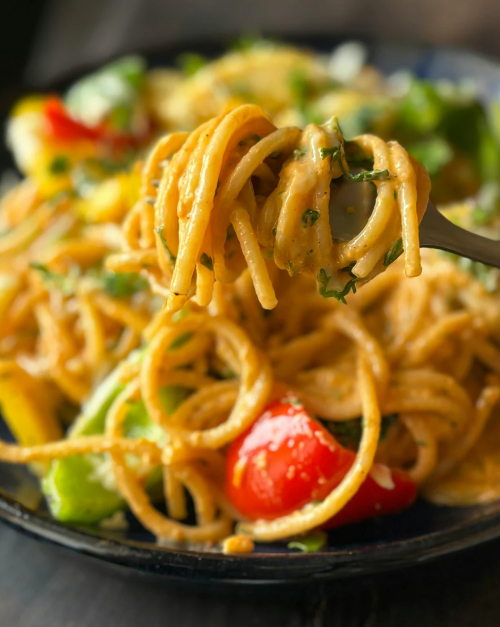
Many of my health-conscious patients use chickpea pasta (like Banza) or other lentil-based alternatives. Does the “3 to 5-day” rule still apply?
How Long Does Chickpea Pasta Last in the Fridge?
Generally, yes. Cooked chickpea pasta lasts 3 to 5 days in the fridge. However, there is a texture catch. Pulse-based pastas (chickpea, lentil, pea) tend to dry out and become “gritty” or crumbly much faster than wheat pasta.
From a safety perspective, they are stable, but from a culinary perspective, they are best eaten within 2 days.
Pasta Storage Safety: How to Spot Spoilage
Knowing how to tell if cooked pasta has gone bad is a vital skill for preventing food poisoning.
Pathogens like Staphylococcus aureus or Bacillus cereus (the cause of “Fried Rice Syndrome”) aren’t always visible, but the following signs are a “hard stop” for consumption.
The Three Senses Test
- Sight (The Mold & Color Check): Look for white, green, or black fuzzy spots. Also, look for a “slimy” sheen. If the pasta looks unusually shiny or “gooey,” bacteria have formed a biofilm.
- Touch (The Slime Check): If you touch the pasta and it feels slippery, sticky, or leaves a residue on your fingers, it has gone bad. It should feel firm or slightly tender, not “mucus-like.”
- Smell (The Odor Check): Fresh pasta has a neutral, wheaty smell. Spoiled pasta will smell sour, “off,” or slightly like vinegar/yeast.
Can I Eat 7-Day-Old Leftovers?
I am often asked: “Can I eat 7-day-old pasta?” or “My pasta has been in the fridge for 7 days, is it safe?”
As a doctor, my answer is no. While some “Reddit” anecdotes claim it’s fine, the risk of a high bacterial load is significant by day seven.
“How long does pasta last in the fridge? Most cooked varieties follow a strict 3–5 day safety window. This MD-reviewed guide explores critical spoilage signs, refrigeration limits for various sauces, and essential storage protocols for pasta salad to prevent foodborne illness.”
Factors That Accelerate Spoilage
Beyond the basic timeline, certain environmental factors in your kitchen can “fast-forward” the spoilage of your pasta.
1. Fridge Loading & Airflow
If you “crowd” your fridge with too many meal-prep containers, cold air cannot circulate. This creates “warm spots.” If your pasta container is stuck in a warm corner, it may only last 2 days instead of 5.
- Pro Tip: Keep your leftovers on the middle shelf, away from the door, where the temperature is most consistent.
2. The “Double-Dip” Contamination
If you eat a few bites of pasta directly from the storage container and then put it back in the fridge, you have introduced salivary enzymes and oral bacteria (like Streptococcus) into the food.
This significantly speeds up the breakdown of the noodles. Always portion out what you plan to eat onto a separate plate.
3. Condensation (The “Rain” Effect)
If you put a lid on a container while the pasta is still steaming, water will condense on the lid and drip back onto the noodles. This extra surface moisture is where mold starts to grow first.
- The Clinical Solution: Let the pasta cool in an open container for about 20 minutes (but no longer than 2 hours) before sealing it.
Detailed Storage: Specialized Noodle Types
As we’ve moved into a world of “alternative” starches, the 3–5 day rule has some nuances.
Zucchini Noodles (Zoodles) and Spaghetti Squash
How long do vegetable noodles last in the fridge? Because these are vegetables with extremely high water content, they begin to “weep” liquid immediately.
- Shelf Life: 2 days max. * Safety Sign: If the liquid at the bottom of the container looks cloudy or milky, bacterial fermentation has begun.
Stuffed Pastas (Ravioli and Tortellini)
How long does cooked ravioli last in the fridge? These are “complex” foods. You have the dough, the cheese/meat filling, and the sauce. Because the filling is protected by the dough, it can sometimes hide spoilage.
- Shelf Life: 3 days. * Safety Tip: Always cut one open and smell the filling specifically. If the cheese smells “tangy” or the meat smells “metallic,” discard the entire batch.
Advanced Reheating for Nutrient Retention
From a nutritional standpoint, reheating pasta can actually be a benefit. When you cook, cool, and then reheat pasta, it increases the amount of resistant starch.
The Health Benefits of “Second-Day” Pasta
Resistant starch acts more like fiber. It resists digestion in the small intestine and ferments in the large intestine, feeding your “good” gut bacteria. This results in a lower blood sugar spike compared to freshly cooked pasta.
- Doctor’s Recommendation: For patients with Type 2 Diabetes, eating 2-day-old pasta that has been reheated is actually clinically “healthier” than eating it fresh.
Reheating & Food Safety FAQs
Can you reheat 4-day-old pasta?
Yes, as long as it has been stored in an airtight container at 40℉ or below. To ensure safety, the internal temperature should reach 165°F (74°C).
This kills most active bacteria, though it won’t destroy toxins already produced by certain bacteria if the pasta sat out too long before being refrigerated.
How long does cooked pasta last at room temperature?
This is the most critical safety window. Per USDA guidelines, cooked pasta should never sit out for more than 2 hours. If your kitchen is over 90℉, that time drops to 1 hour. Bacteria can double every 20 minutes in the “Danger Zone.”
Meal Prep & Storage Best Practices
If you want to meal prep pasta for 5 days, you need a strategy to keep it fresh until Friday.
- Under-cook it: Cook your pasta “al dente” (firm to the bite). It will soften as it sits in the fridge and again when you reheat it.
- The Oil Barrier: If storing plain, toss with a teaspoon of olive oil.
- Airtight is King: Use glass containers with snap-on silicone lids. They prevent the pasta from absorbing “fridge smells” and keep the moisture in.
- Cool Quickly: Don’t put a piping hot pot in the fridge, but don’t let it sit on the counter all night. Portion it into shallow containers to help it cool faster, then refrigerate within 2 hours.
Quick Reference Pasta Storage Chart
| Pasta Type | Fridge Life | Freezer Life |
| Plain (Dried-style) | 3–5 Days | 1–2 Months |
| With Tomato Sauce | 3–4 Days | 2–3 Months |
| With Cream/Meat | 2–3 Days | 1 Month (may separate) |
| Fresh (Store-bought) | 2–3 Days (Opened) | 1 Month |
| Homemade (Fresh) | 1 Day | 1 Month |
| Pasta Salad | 3–5 Days | Not Recommended |
Conclusion
So, how long does pasta last in the fridge? For most varieties, the 3 to 5-day window is your golden rule.
However, your safety depends on the “company” the pasta keeps. Creamy alfredo, seafood linguine, and homemade dough all require a much stricter 2-day limit.
By following the 2-hour rule for cooling and using airtight containers, you can significantly reduce the risk of foodborne illness while enjoying your meal-prepped favorites.
Remember, your senses are your best defense: if it smells off, looks slimy, or has hit that 7-day mark, it’s time to say goodbye.
Authoritative References
1. USDA Food Safety and Inspection Service: Source: United States Department of
2. FDA: Refrigerator & Freezer Storage Chart
3. Centers for Disease Control and Prevention (CDC): Preventing Food Poisoning
4. Mayo Clinic: Food Safety: How long can leftovers last?
5. FoodSafety.gov: Food Storage Charts