Soy milk has become a popular plant-based beverage in the United States. Many people choose it as an alternative to dairy milk due to its nutritional benefits and versatility. However, for those monitoring their caffeine intake, it’s essential to know exactly what soy milk contains. So, does soy milk contain caffeine? Let’s explore this in detail to provide clarity for caffeine-conscious individuals.
What Is Soy Milk?
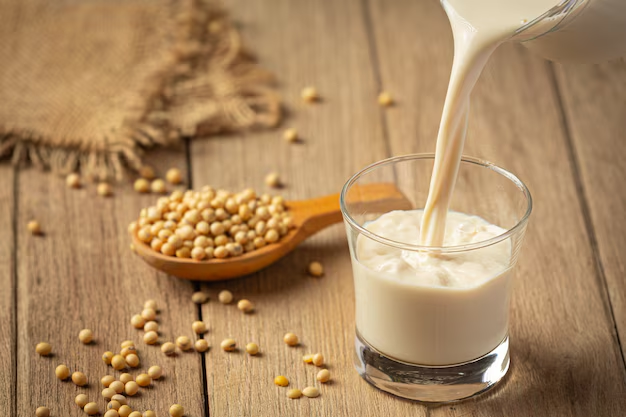
Soy milk is a beverage made by soaking, grinding, and boiling soybeans with water. This process creates a smooth, creamy liquid that resembles traditional milk in texture and appearance.
Soy milk is an excellent dairy-free alternative, particularly for people who are lactose intolerant, allergic to dairy, or following a vegan diet. It offers well-rounded health benefits. It’s rich in high-quality plant protein, healthy fats, and essential vitamins and minerals.
For instance, soy milk typically contains:
Protein: About 7-9 grams per cup, comparable to cow’s milk.
Calcium: Fortified varieties provide as much calcium as dairy milk.
Vitamin D and B12: Often added to fortified soy milk for added nutritional benefits.
Low Saturated Fat: It contains unsaturated fats, beneficial for heart health.
This nutrient-dense profile makes soy milk a favorite among health-conscious individuals. But its caffeine content (or lack thereof) remains an important question.
Does Soy Milk Naturally Contain Caffeine?
The simple answer is no—plain soy milk does not naturally contain caffeine. Unlike coffee or tea, soybeans themselves are caffeine-free. During the production process, no caffeine is added to plain soy milk.
This makes it a safe choice for those avoiding caffeine, such as pregnant women, sensitive individuals, or anyone aiming to reduce their caffeine intake.
However, this changes when flavors like chocolate or coffee are added to soy milk. These flavored versions often introduce small amounts of caffeine, which we’ll discuss next.
Flavored Soy Milk Varieties
Some flavored varieties can contain caffeine due to added ingredients. Let’s examine these varieties.
Chocolate Soy Milk
It contains small amounts of caffeine, introduced by the cocoa used in flavoring. Cocoa naturally contains caffeine, which contributes to the caffeine levels in chocolate drinks.
For example, a 244-gram serving (approximately one cup) of chocolate soy milk contains about 4.88 mg of caffeine. While this amount is relatively low compared to coffee or tea, it may still be relevant for those highly sensitive to caffeine.
It’s worth noting that this level is similar to the caffeine content in dark chocolate or other cocoa-based products. If you enjoy chocolate flavor but need to monitor your caffeine intake, keeping this in mind can help you make informed choices.
Coffee-Flavored Soy Milk
Coffee-flavored soy milk is designed to cater to coffee enthusiasts who prefer plant-based beverages. However, as the name suggests, these products contain significantly more caffeine.
They can have caffeine levels comparable to a cup of coffee. For example, some products contain about 32 mg of caffeine per serving, depending on the brand and preparation method.
This amount is less than that of a standard brewed coffee, which typically contains around 95 mg of caffeine per cup. Nevertheless, it’s a considerable jump compared to plain or chocolate soy milk. If you’re choosing this variety, be sure to check the label to know the exact caffeine content.
Comparison With Other Beverages
Standard Coffee
When it comes to caffeine, coffee is undoubtedly one of the most potent beverages. An 8-ounce cup of standard brewed coffee contains anywhere from 95 to 200 mg of caffeine, depending on factors such as the coffee bean variety, brewing method, and serving size.
This makes coffee a favorite for people seeking a quick energy boost. However, the high caffeine levels can cause jitteriness, sleep disturbances, or an increased heart rate in some individuals. For those looking to limit their caffeine intake, coffee might not always be the best choice.
Decaffeinated Coffee
Decaffeinated coffee offers a lower-caffeine alternative for coffee enthusiasts. Despite its name, it still contains a small amount of caffeine. On average, an 8-ounce cup of decaffeinated coffee contains around 2 to 12 mg of caffeine.
This level is considerably lower than standard coffee but still higher than plain soy milk, which is completely caffeine-free. Decaffeinated coffee can be a great option for people who love the taste of coffee but want to reduce their caffeine intake.
Implications for Soy Milk Consumers
Flavored options like chocolate and coffee-flavored soy milk have caffeine levels significantly lower than regular coffee. For example:
Chocolate soy milk: ~4.88 mg of caffeine per cup.
Coffee-flavored soy milk: ~32 mg of caffeine per cup.
When compared to standard coffee or even decaffeinated coffee, these beverages are far milder in terms of caffeine. This makes flavored soy milk a suitable alternative for individuals who want a hint of caffeine without the strong effects associated with traditional coffee.
Caffeine affects people differently. While some individuals tolerate it well, others are more sensitive to its effects, experiencing restlessness, headaches, or increased anxiety even with small amounts.
If you’re sensitive to caffeine, it’s crucial to check the labels of flavored soy milk products. This ensures you’re aware of any caffeine content before consumption. Opting for plain soy milk is a safe bet, as it’s naturally caffeine-free.
Interactions with Medications
Soy milk’s components, particularly isoflavones, can interact with certain medications. Isoflavones, which mimic estrogen, may influence how some drugs are metabolized. Additionally, caffeine itself can interact with medications like antibiotics, antidepressants, and blood thinners.
Individuals on specific medications should consult their healthcare provider to determine whether consuming soy milk is safe. For instance, combining soy milk with coffee-flavored varieties might slightly alter caffeine metabolism in sensitive individuals.
Conclusion
Soy milk is a versatile and nutritious alternative to dairy milk. Plain soy milk stands out as a caffeine-free option, making it suitable for individuals of all ages and health conditions. However, flavored varieties like chocolate or coffee-flavored soy milk introduce varying amounts of caffeine.
Compared to beverages like coffee or even decaffeinated coffee, it contains significantly less caffeine. For those monitoring their caffeine intake, understanding product labels is essential. This ensures informed decisions about the beverages they consume.
Frequently Asked Questions
Is there caffeine in vanilla-flavored soy milk?
Generally, it does not contain caffeine. However, it’s always advisable to check the product label to confirm.
Can I drink chocolate soy milk before bedtime?
Due to its low caffeine content (around 4.88 mg per cup), chocolate soy milk is suitable for most people before bedtime. However, those who are highly sensitive to caffeine should exercise caution.
How does the caffeine content in soy milk compare to almond milk?
Plain almond milk, like soy milk, is naturally caffeine-free. However, flavored versions, such as chocolate or coffee almond milk, may contain small amounts of caffeine.
Kombucha has gained a lot of popularity as a trendy health drink. But one question often comes up: does kombucha have alcohol? This fizzy, fermented beverage is known for its potential health benefits, including gut health support and detoxification. However, its fermentation process can lead to the formation of alcohol.
For some people, such as children, pregnant women, or individuals avoiding alcohol, this might raise concerns. So, how much alcohol is in kombucha, and is it safe for everyone to consume? Let’s take a closer look at it.
What Is Kombucha?
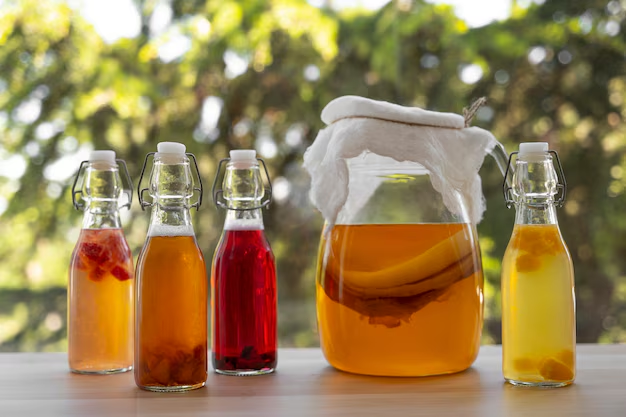
Kombucha is a fermented tea beverage made from sweetened tea and a symbiotic culture of bacteria and yeast, commonly known as a SCOBY. This ancient drink has been consumed for centuries, originally in China, where it was called the “Tea of Immortality.” Kombucha is loved for its tangy flavor, natural effervescence, and potential health benefits.
How Kombucha Is Made (Fermentation Process Overview)
The process of making kombucha involves mixing tea, sugar, and a SCOBY. During fermentation, the bacteria and yeast in the SCOBY break down the sugar, creating acids, carbonation, and a small amount of alcohol. This process usually takes 7 to 14 days and results in a slightly sweet, sour, and fizzy beverage.
Kombucha’s Popularity in the US
In recent years, kombucha has become a favorite in health food stores and cafes across the US. It’s marketed as a probiotic-rich alternative to sugary sodas and energy drinks. Many people consume it for its claimed ability to support digestion, boost energy, and improve immunity. However, as it became mainstream, questions about its alcohol content also emerged.
Does Kombucha Contain Alcohol?
Yes, it does contain alcohol, but usually in very small amounts. Alcohol forms naturally during the fermentation process when yeast converts sugar into ethanol and carbon dioxide. This is similar to how beer or wine is made, but its alcohol levels are much lower.
How Alcohol Forms During Fermentation
The sugar added at the start of the process is crucial for fermentation. The yeast in the SCOBY eats the sugar and produces alcohol as a byproduct. The bacteria in the SCOBY then consume the alcohol and convert it into acetic acid, which gives the drink its tangy flavor. However, not all alcohol is converted, leaving trace amounts behind.
Most commercially available kombucha contains less than 0.5% alcohol by volume (ABV). This level is low enough for it to be classified as a non-alcoholic beverage in the US. However, depending on storage conditions and the fermentation process, alcohol levels can sometimes exceed this limit.
Is Kombucha Considered Alcohol-Free?
Technically, it is not completely alcohol-free. Even though the alcohol content is minimal, it is present. For most people, this trace amount is negligible and doesn’t cause any effects. However, it’s something to consider if you’re avoiding alcohol entirely.
Kombucha Alcohol Levels: A Detailed Look
Commercial kombucha typically contains 0.2% to 0.5% ABV. Homemade kombucha, on the other hand, can have higher levels, sometimes exceeding 1% ABV.
Store-Bought Kombucha Alcohol Percentage
Brands like GT’s Kombucha and Health-Ade ensure their products stay below the 0.5% ABV threshold to comply with non-alcoholic beverage regulations. To maintain this, they often stop the fermentation process early or pasteurize the product. Always check the label for alcohol content when buying kombucha.
Homemade Kombucha and Higher Alcohol Levels
Homemade kombucha is harder to control. Without strict monitoring of fermentation time and temperature, alcohol levels can rise significantly. If left to ferment for too long, it can develop a stronger alcoholic taste and higher ABV. This is why it’s important to follow a recipe and keep an eye on fermentation when making kombucha at home.
Regulations for Kombucha Alcohol Content in the US
In the US, kombucha with more than 0.5% ABV is classified as an alcoholic beverage and must follow alcohol laws. This means stricter labeling, taxes, and distribution rules. To avoid this, most commercial brands ensure their products stay below the legal limit. However, improperly stored kombucha can sometimes ferment further, increasing its alcohol content.
Can Everyone Drink Kombucha?
While kombucha is generally considered safe for most people, there are a few groups who need to be cautious.
Is Kombucha Safe for Kids?
For children, the trace alcohol in kombucha is usually not harmful. However, it’s best to offer kombucha in moderation or choose brands specifically designed for kids. Some parents prefer to dilute kombucha with water to reduce its potency and acidity.
Can You Drink Kombucha While Pregnant?
Pregnant women should consult their healthcare provider before drinking kombucha. While the alcohol content is low, it’s still present. Kombucha also contains caffeine and live bacteria, which may not be suitable for all pregnancies.
Is Kombucha Safe for People Avoiding Alcohol?
For those avoiding alcohol, even small amounts in kombucha can be concerning. People recovering from alcohol addiction, for example, might want to steer clear. In such cases, look for pasteurized kombucha or alcohol-free alternatives.
How to Choose the Right Kombucha
Selecting the right kombucha can feel tricky, especially if you’re concerned about its alcohol content. Whether you’re avoiding alcohol for health, personal, or legal reasons, it’s important to make informed choices.
Non-Alcoholic Kombucha Options
Many brands produce kombucha that adheres to the non-alcoholic classification (less than 0.5% ABV). Pasteurized options or versions specifically labeled “alcohol-free” are great options for those sensitive to alcohol or recovering from addiction.
What to Look for on Labels (Alcohol Percentage Disclosure)
Always check the label when buying kombucha. Look for a clear indication of alcohol content. Labels will often state “contains less than 0.5% ABV” for non-alcoholic options. If you’re buying from a local brewer, ask about the fermentation process and alcohol percentage.
Does Kombucha Make You Drunk?
Drinking this drink may seem harmless, but you might wonder if its alcohol can build up in your body. Let’s explore this.
Can the Alcohol Content Accumulate in the Body?
For most people, the trace alcohol in kombucha (less than 0.5% ABV) is metabolized quickly and doesn’t accumulate. However, drinking large quantities in one sitting might slightly increase blood alcohol levels, though it’s unlikely to cause intoxication.
Situations Where Kombucha Might Affect You
Certain factors, such as low body weight, alcohol sensitivity, or consuming kombucha on an empty stomach, might heighten its effects. In rare cases, some people may experience mild dizziness or light-headedness after drinking several bottles in quick succession.
Kombucha Fermentation Process and Alcohol
Understanding how kombucha is made can shed light on why it contains alcohol and how levels vary.
The Science Behind Fermentation
Kombucha’s alcohol forms during fermentation, where yeast converts sugar into ethanol and carbon dioxide. This is a natural process similar to brewing beer or wine, though kombucha’s alcohol levels remain much lower due to bacterial activity.
How Long Fermentation Affects Alcohol Levels
The longer kombucha ferments, the higher its alcohol content becomes. Over-fermentation can lead to stronger alcohol levels, especially in homemade kombucha. Commercial brands control this process by pasteurizing or halting fermentation early.
FAQs
Is kombucha alcohol-free?
No, kombucha isn’t completely alcohol-free. It typically contains less than 0.5% alcohol by volume, which classifies it as non-alcoholic in many countries. However, alcohol-sensitive individuals should still be cautious.
How much alcohol is in kombucha?
Most store-bought kombuchas contain 0.2% to 0.5% ABV. Homemade kombucha may have higher alcohol content, ranging from 1% to 3%, depending on the fermentation duration and conditions.
Can kombucha cause a positive alcohol test?
It’s rare, but drinking large quantities of kombucha right before a test might cause a false positive. This depends on the test’s sensitivity and how much kombucha was consumed in a short time.
Does kombucha have the same alcohol as beer?
No, kombucha’s alcohol content is significantly lower than beer, which typically contains 4% to 6% ABV. Kombucha’s levels are closer to those of non-alcoholic beers (less than 0.5% ABV).
Conclusion
Kombucha does contain alcohol, but the levels are usually too low to cause concern for most people. However, those avoiding alcohol entirely or with sensitivities should opt for pasteurized or alcohol-free options.
When consuming kombucha, always check the label, be mindful of portions, and avoid over-fermenting homemade brews.
By understanding kombucha’s fermentation process and alcohol content, you can enjoy this popular drink safely and responsibly. Remember, moderation is key!
Honey has been used for centuries as a natural sweetener and a versatile ingredient in countless recipes. Its golden hue and sweet taste make it a pantry favorite. But for individuals with gluten sensitivities or celiac disease, every food choice requires scrutiny. This leads to an important question: does honey contain gluten?
Understanding the gluten content of honey is crucial for those who need to avoid even trace amounts. In this article, we’ll explore what gluten is, whether honey is naturally gluten-free, and all related details about it.
What Is Gluten?
Gluten is a type of protein found in certain grains. It acts as a binding agent, giving baked goods their structure and elasticity. But for some individuals, gluten can cause significant health problems.
Definition of Gluten Gluten is a mixture of proteins, primarily gliadin and glutenin, found in wheat and related grains like barley and rye. It is what gives dough its elasticity and helps bread rise.
Common Sources of Gluten in the Diet Foods like bread, pasta, cereals, and baked goods often contain gluten. It can also be hidden in sauces, soups, and processed foods. For people with gluten-related disorders, consuming even small amounts can trigger symptoms ranging from digestive discomfort to severe autoimmune reactions.
Is Honey Naturally Gluten-Free?
The good news is that pure, unadulterated honey is naturally gluten-free. This makes it a safe choice for most people with gluten sensitivities or celiac disease.
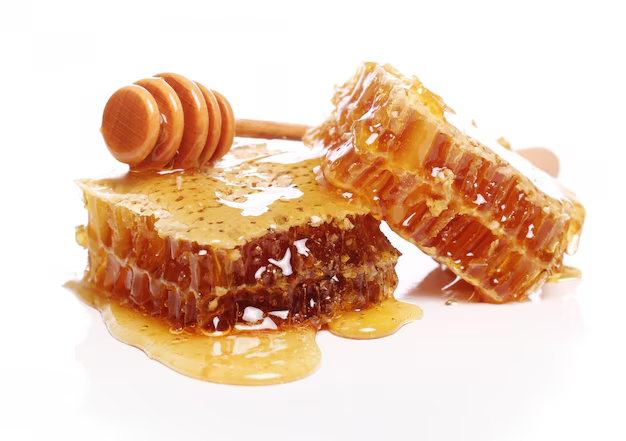
Honey is produced by bees from the nectar of flowers. This process doesn’t involve any gluten-containing grains. The end product, pure honey, is free from gluten by nature.
However, not all honey products in stores are pure. Some may contain additives or undergo processing that introduces gluten.
Potential Sources of Gluten Contamination in Honey
Contamination can occur during processing or from added ingredients. Let’s look at the most common risks.
Cross-Contamination During Processing
Honey may be processed in facilities that also handle gluten-containing products. This creates a risk of cross-contamination, which can be harmful for those with gluten sensitivities.
How Cross-Contamination Happens Shared equipment is a primary cause. For instance, a facility might use the same machinery to process honey and wheat-based syrups. Even trace amounts of gluten from previous batches can cause contamination.
What to Look For To avoid this risk, choose honey labeled as “gluten-free.” This indicates that the product has been tested and is safe for those avoiding gluten.
Added Ingredients
Flavored or blended honey products can sometimes include gluten-containing additives. These may not be immediately obvious from the packaging.
Examples of Additives Some honey blends may contain malt extract (derived from barley), flavorings, or thickeners. Always check the ingredient list for these potential sources of gluten.
Why It Matters For individuals with severe gluten sensitivity, even trace amounts of gluten can trigger symptoms. Reading labels carefully can help avoid accidental exposure.
How to Ensure Your Honey Is Gluten-Free
When following a gluten-free diet, selecting safe products is crucial. While honey is naturally gluten-free, taking steps to ensure that it is free from contamination is vital. Let’s have a look at these steps.
Reading Labels
One of the simplest ways to ensure your honey is gluten-free is by reading the label carefully.
Look for Gluten-Free Certification Certified gluten-free products are tested to meet strict standards. These certifications offer reassurance that the honey hasn’t come into contact with gluten during production.
Check for Added Ingredients Be cautious of flavored or processed honey products. Look for ingredients like malt extract or thickeners, which may contain gluten. A clear and simple ingredient list is a good sign.
Choosing Certified Gluten-Free Brands
Some brands take extra steps to guarantee their purity.
Why Certification Matters Certified gluten-free honey undergoes stringent checks to ensure it is safe for consumption, making it a better choice for those with celiac disease or high gluten sensitivity.
Purchasing Raw or Unprocessed Honey
It is often a safer choice for avoiding gluten contamination.
What Is Raw Honey? Raw honey is unprocessed and unfiltered, meaning it comes straight from the hive without additives or exposure to shared equipment.
Why Choose Raw? Since it skips the processing phase, raw honey is less likely to come into contact with gluten-containing ingredients or machinery. It’s also rich in nutrients and enzymes that may be lost during processing.
If you’re looking for sweeteners beyond honey, several gluten-free options are available. These alternatives can add variety to your meals and recipes.
Maple Syrup
Maple syrup is a natural sweetener derived from the sap of maple trees.
Gluten-Free by Nature Pure maple syrup is gluten-free and doesn’t involve grains in its production process.
Usage Tips Drizzle it over pancakes, oatmeal, or use it as a sugar substitute in baking. Always check the label to ensure no flavorings or additives are included.
Agave Nectar
Agave nectar is another great option for those avoiding gluten.
What Is Agave Nectar? This sweetener comes from the agave plant and is naturally gluten-free.
Why It’s PopularAgave nectar has a low glycemic index, making it a preferred choice for people managing their blood sugar levels. Use it in teas, smoothies, or as a topping for desserts.
Gluten-Free Recipes Featuring Honey
Honey’s natural sweetness complements various dishes and snacks.
Snack Ideas Spread honey on gluten-free bread or crackers for a quick snack. Mix it into plain yogurt or drizzle it over fresh fruit.
Recipes to Try Consider making honey-glazed salmon, honey muffins, or a honey-lemon salad dressing. These dishes are safe and flavorful options.
Nutrient-Rich Honey contains antioxidants, vitamins, and minerals that can support overall health. For gluten-sensitive individuals, it’s a natural and safe source of energy.
Digestive Health It has been known to soothe the digestive system, which can be especially helpful for those with gluten-related disorders. Its antibacterial properties may also promote gut health.
Conclusion
Pure honey is a naturally gluten-free sweetener that can be safely enjoyed by individuals with gluten sensitivities or celiac disease. By taking precautions, such as choosing certified gluten-free brands, reading labels, and opting for raw honey, you can minimize the risk of contamination. Honey is not only safe but also offers a range of health benefits. Pair it with other gluten-free foods to create delicious and wholesome meals.
FAQs
1. Is all honey gluten-free?
Yes, pure honey is naturally gluten-free. However, contamination can occur during processing or if additives are included. Always check labels and choose certified gluten-free products when in doubt.
2. Can flavored honey contain gluten?
Yes, flavored or blended honey may contain gluten. Ingredients like malt extract or artificial flavorings could be added during production. Always read the ingredient list to ensure the product is safe.
3. What should I look for on the label when buying gluten-free honey?
Look for a “gluten-free” certification on the packaging. This guarantees the honey has been tested and meets strict standards for gluten-free products. Avoid products with vague ingredient lists or potential gluten-containing additives.
4. Is raw honey safer for a gluten-free diet?
Raw honey is often safer because it is unprocessed and less likely to be contaminated. It also retains more nutrients and enzymes compared to processed honey.
5. Are there sweeteners other than honey that are gluten-free?
Yes, there are many gluten-free sweeteners, including maple syrup, agave nectar, and stevia. These options can add variety to your diet while remaining safe for gluten-sensitive individuals.
In the modern era, as consumers become increasingly health-conscious and meticulous about ingredient sourcing, a fundamental question often arises: Does honey contain caffeine?
This curiosity is understandable. Honey is frequently utilized as a natural energy booster—a quick source of fuel for athletes or a mid-afternoon pick-me-up.
The Sweet Question and the Stimulant Paradox
For millennia, honey has been a cherished substance, valued not only for its rich, complex sweetness but also for its profound medicinal and preservative qualities. It is a staple in pantries worldwide, utilized in everything from baking and beverages to natural remedies for coughs and wounds.
Caffeine, the world’s most widely consumed psychoactive substance, is also synonymous with energy and alertness. The association between honey’s energetic properties and caffeine’s stimulating effect creates an intuitive but fundamentally incorrect link in many people’s minds.
The short and definitive answer, which forms the core of this expansive analysis, is a resounding no. Pure, natural honey is entirely caffeine-free.
However, to truly understand why this answer is definitive and to appreciate the unique nutritional profile of honey, we must embark on a detailed exploration. This article will not only dispel the myth of caffeinated honey but will also dissect the chemical nature of both honey and caffeine.
It examines the intricate biological process of honey production, compares honey’s energy mechanisms to those of stimulants, and addresses the fascinating exceptions and adulterations that can confuse the issue.
By the end of this journey, the distinction between a sugar-based energy source (honey) and a central nervous system stimulant (caffeine) will be crystal clear, providing a comprehensive view of honey’s role in a healthy diet.
The Chemistry of Disparity – Honey vs. Caffeine
To understand why honey and caffeine are mutually exclusive compounds, we must first examine their chemical and molecular structures. They belong to entirely different classes of biochemicals and are produced through completely dissimilar biological processes.
The Molecular Makeup of Pure Honey
Honey is a concentrated sugar solution, but its composition is far more complex and nuanced than simple table sugar (sucrose). It is a highly specialized biological product created through the collective effort of honey bees (primarily Apis mellifera) processing floral nectar.
The typical composition of mature, pure honey is as follows:
Carbohydrates (Approximately 80-85%): The vast majority of honey consists of simple sugars.
Fructose (38-45%): The predominant sugar, responsible for honey’s high degree of sweetness and its ability to remain liquid for longer periods. Fructose is metabolized primarily in the liver.
Glucose (30-35%): The second major sugar, which is responsible for crystallization (granulation) over time. Glucose is absorbed directly into the bloodstream, providing immediate energy to the cells.
Maltose, Sucrose, and other Oligosaccharides (2-10%): Present in smaller, varying amounts.
Water (Approximately 15-20%): The low water content is critical; it is what prevents bacterial and fungal growth, making honey virtually immortal as a food source.
Enzymes and Proteins (Trace Amounts): These are vital biological catalysts introduced by the bees. Invertase (or glucosidase) is the most important, as it breaks down the complex sugar sucrose (found in nectar) into the simple sugars fructose and glucose—the very definition of honey production. Other enzymes like diastase and glucose oxidase contribute to its unique properties, including its mild acidity and antibacterial capabilities.
Vitamins and Minerals (Trace Amounts): While not a significant source, honey contains tiny quantities of B vitamins (like niacin and riboflavin), Vitamin C, and essential minerals such as potassium, calcium, magnesium, and iron.
Phytonutrients and Antioxidants (Trace Amounts): These compounds, primarily flavonoids and phenolic acids, are derived from the nectar and pollen and give honey its anti-inflammatory and antioxidant properties. The darker the honey, the higher the concentration of these beneficial compounds.
Crucially, none of these compounds—the sugars, the water, the enzymes, or the trace micronutrients—are related to caffeine. Honey is chemically and biologically optimized for sugar delivery and preservation, not for neurological stimulation.
The Molecular Makeup of Caffeine
Caffeine, conversely, is a naturally occurring plant alkaloid, belonging to the methylxanthine class of compounds. Its chemical formula is C₈H₁₀N₄O₂.
Caffeine is synthesized by certain plants—most famously the coffee plant (Coffea species), the tea bush (Camellia sinensis), and the cacao plant (Theobroma cacao)—as a natural pesticide. It is concentrated in the seeds, leaves, and fruits to deter insects and small animals from consuming the plant material.
Chemical Structure: Caffeine is structurally similar to adenosine, a neurotransmitter that promotes relaxation and drowsiness in the central nervous system.
Mechanism of Action: When consumed, caffeine acts as an adenosine receptor antagonist. It binds to adenosine receptors in the brain, blocking adenosine from connecting and initiating its natural inhibitory processes. This blockade increases the release of stimulating neurotransmitters like dopamine and norepinephrine, leading to heightened alertness, reduced fatigue, and increased focus. This is the physiological definition of a “stimulant.”
The sophisticated chemical synthesis required to produce the methylxanthine structure is an ability possessed only by a select group of plants. Bees, and the process of converting nectar into honey, do not involve any biochemical pathway capable of synthesizing or concentrating this complex alkaloid.
The Honey-Caffeine Disconnect
The fundamental disparity lies in the purpose and origin:
Feature
Honey
Caffeine
Chemical Class
Complex sugar solution (Monosaccharides)
Methylxanthine alkaloid
Biological Source
Secreted nectar processed by bees
Synthesized by plants (e.g., coffee, tea) as a pesticide
Primary Function
Energy storage, food preservation
Central Nervous System (CNS) stimulant
Physiological Effect
Steady glucose/fructose absorption for fuel
Blocks adenosine receptors for alertness
Therefore, based purely on chemical composition, the concept of caffeine naturally existing in honey is biochemically impossible.
The Bee’s Journey – From Floral Nectar to Caffeine-Free Honey
The meticulous process by which bees transform simple nectar into complex honey is the ultimate confirmation of its caffeine-free nature. This biological marvel involves multiple steps of collection, chemical alteration, and dehydration.
The Apicultural Process: A Manufacturing Masterpiece
Nectar Collection: Worker bees fly to flowers and collect nectar, which is a watery solution primarily composed of sucrose (disaccharide) and water. The bee stores this nectar in its honey stomach (or crop).
Enzymatic Transformation: While flying back to the hive, the bee introduces enzymes—most notably invertase—from its salivary glands into the nectar. This enzymatic activity begins to break down the complex sucrose into the simpler monosaccharides, glucose and fructose.
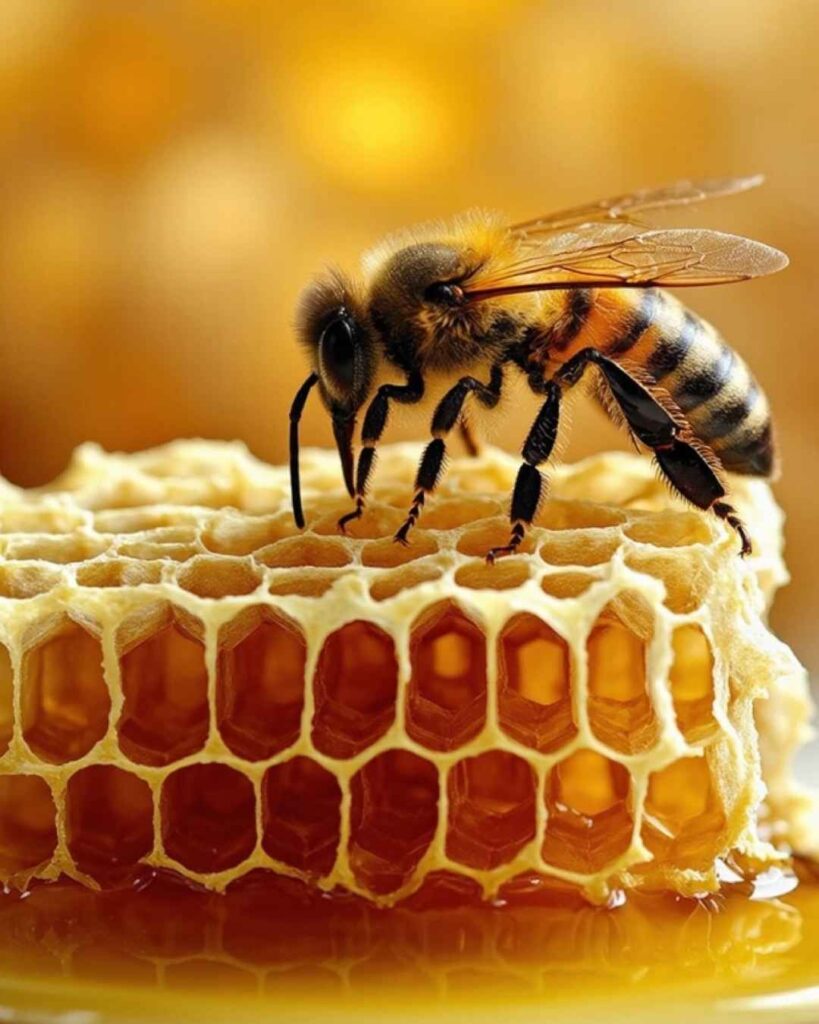
Regurgitation and Fanning: Upon arrival, the bee deposits the partially processed nectar into a honeycomb cell. The substance is still very watery. House bees then take over, repeatedly moving the liquid, adding more enzymes, and most importantly, actively fanning the cells with their wings. This fanning reduces the water content from the initial 60-80% in nectar down to the final, low level of 18% or less. This dehydration process concentrates the sugars and stops yeast fermentation.
Capping: Once the moisture content is optimal for preservation, the bees cap the cell with beeswax. The substance inside is now mature, stable, and caffeine-free honey.
The Filter Hypothesis: Even if a trace amount of caffeine were present in a unique floral nectar (a highly debated and mostly negligible possibility), the combined actions of enzymatic breakdown, high sugar concentration, and dehydration act as a thorough biological “filter.”
The final concentrated product is overwhelmingly dominated by the simple sugars, making any minuscule organic compound not essential to the structure chemically irrelevant.
Floral Sources and Varietal Honey
The concept that honey might contain caffeine often stems from the reasonable assumption that the properties of the source material (nectar) are transferred to the final product.
While flavor, color, aroma, and antioxidant profiles are entirely dependent on the floral source, the inclusion of complex organic compounds like caffeine is not.
Honey varietals, which number in the hundreds, are classified by the plant the nectar was collected. Each offers a unique signature:
Clover Honey: Light in color, mild flavor. Common in North America.
Buckwheat Honey: Dark, robust, and molasses-like flavor. High in antioxidants.
Manuka Honey: Produced in New Zealand from the Leptospermum scoparium flower. Known for its high antibacterial properties (related to the compound methylglyoxal—MGO), not caffeine.
Orange Blossom Honey: Light and fresh with a distinct citrus scent.
Despite these dramatic differences in flavor and therapeutic properties, all pure, raw, and unadulterated honey varietals share the same fundamental characteristic: they are caffeine-free.
Can Bees Collect Nectar from Caffeinated Plants?
This is the most common theoretical path for caffeine contamination. Bees do forage on plants that are naturally high in caffeine, such as certain citrus flowers (grapefruit and lemon), and even coffee blossoms.
Scientific Finding: Research has confirmed that caffeine can be present in the nectar of certain plants. For example, some citrus species have evolved to include trace amounts of caffeine in their nectar.
This small dose of caffeine is theorized to act as a memory enhancer for the bees, encouraging them to return repeatedly to those specific flowers, thereby increasing pollination success for the plant.
The Result in Honey: While the nectar contains caffeine, the final honey does not contain physiologically relevant amounts. The dilution, enzymatic processing, and overall concentration of sugars during the honey-making process reduce the amount to undetectable or trace levels that are completely inert.
Furthermore, the volume of nectar needed to create a commercially viable amount of honey, combined with the relative rarity of bees foraging exclusively on caffeinated flowers, ensures that standard honey remains a caffeine-free product.
The Curious Case of Toxin-Containing Honey (Grayanotoxins)
If caffeine is not the concern, what about other psychoactive substances in honey? There is one famous exception where honey can have a dramatic effect on the human body, leading to confusion with stimulants or depressants: Mad Honey (Deli Bal).
Mad Honey is produced when bees forage on the nectar of certain species of Rhododendron and Azalea. This nectar contains grayanotoxins, which are highly poisonous neurotoxins.
Effects: In small doses, grayanotoxins can cause dizziness, light-headedness, and mild euphoria, leading to the honey’s historic use as a recreational and therapeutic agent. In larger doses, they cause serious symptoms, including low blood pressure, irregular heart rhythms, nausea, vomiting, and loss of consciousness.
The Distinction: This toxic honey contains a naturally occurring neurotoxin that affects sodium channels in the cell membrane—it is a poison, not a stimulant like caffeine. The effects are profound, but the chemical origin is entirely separate from methylxanthines.
This example serves as a vital reminder: the source flower can impart powerful biological compounds to honey, but caffeine is not one of them. The unique chemistry of grayanotoxins allows them to survive the honey-making process, while caffeine’s structure and low concentration in nectar do not allow it to translate into a measurable presence in the final product.
Honey as a Natural Energy Source – The Carbohydrate Engine
The persistence of the question “Does honey contain caffeine?” is directly related to honey’s reputation as a powerful and fast-acting energy booster. If it contains no caffeine, how does it provide such a noticeable lift? The answer lies in the masterful efficiency of its carbohydrate profile.
Honey vs. Caffeine: Two Paths to Energy
It is critical to distinguish between two completely different concepts of “energy”:
Caloric Energy (Honey): This refers to the biochemical fuel (calories/kilojoules) required to power cellular processes, muscle movement, and brain function. Honey provides energy by delivering readily available carbohydrates.
Neurological Energy (Caffeine): This refers to the perceived feeling of alertness and vitality, achieved by chemically manipulating the central nervous system. Caffeine does not provide caloric energy; it merely overrides the natural signals of fatigue.
Honey’s energy is real fuel; caffeine’s energy is a borrowed state of alertness.
Metabolism and Glycemic Response
The structure of honey, split almost evenly between fructose and glucose, is optimized for both rapid and sustained energy release.
Glucose: The Immediate Boost
Glucose is the body’s preferred and most accessible source of energy. When consumed, glucose is quickly absorbed from the small intestine directly into the bloodstream.
This surge in blood sugar triggers an insulin response, which directs the glucose to the cells, primarily the muscles and the brain, where it is used immediately for fuel. This rapid absorption is why a spoonful of honey can provide an almost instantaneous feeling of revitalization.
Fructose: The Sustained Fuel
Fructose must follow a different metabolic route. It is transported to the liver, where it is processed (primarily converted into glucose and stored as glycogen) before being released into the bloodstream. This hepatic processing is slower than the direct absorption of glucose.
The synergistic effect of the two sugars is honey’s secret weapon:
The Glucose component provides the rapid spike and immediate energy.
The Fructose component provides a delayed, sustained release of glucose into the blood, helping to prevent the rapid “crash” that often follows the consumption of pure glucose or highly refined sugars (like dextrose).
Glycemic Index (GI) and Load (GL)
While honey is a sugar, it is not metabolized in the same way as refined white sugar (sucrose, which is 50% glucose and 50% fructose linked together).
GI: The Glycemic Index is a ranking of how quickly a food raises blood glucose levels. Honey’s GI typically ranges from 58 to 75, depending on the floral source (which affects the glucose-fructose ratio). This is generally considered moderate compared to refined sugar (GI 65) or pure glucose (GI 100).
GL: The Glycemic Load accounts for both the GI and the amount of carbohydrate consumed. Because of its complex composition and the presence of trace elements, honey can elicit a slightly better-managed blood sugar response than chemically similar but nutrient-depleted sweeteners.
The slower hepatic processing of fructose ensures that the energy boost from honey is metabolically gentler and more prolonged than the sharp peak and trough characteristic of a pure glucose spike.
Honey in Sports Nutrition and Endurance
The unique combination of glucose and fructose has positioned honey as a staple in natural sports nutrition, directly replacing artificial energy gels and electrolyte solutions.
Endurance Fueling
For endurance athletes—marathon runners, cyclists, and long-distance swimmers—maintaining a steady supply of muscle glycogen is paramount.
Studies have shown that honey performs comparably to commercial sports gels containing sucrose, offering an easily digestible, natural source of rapidly metabolized carbohydrates.
Pre-Workout: Consuming a small amount of honey (e.g., 10-20g) provides an immediate, usable energy reserve.
During Workout: Honey provides a dual-action carbohydrate fuel—the glucose for immediate cellular work and the fructose for replenishing liver glycogen, which, in turn, helps maintain stable blood sugar and prevents bonking (hypoglycemia).
Post-Workout Recovery: Honey is highly effective at speeding up the replenishment of depleted glycogen stores in both the liver and muscle tissue, facilitating quicker recovery than many synthetic options.
Electrolytes and Hydration
While honey itself is not a significant source of major electrolytes (like sodium or chloride), its trace potassium and magnesium content, combined with its simple sugar structure, makes it an ideal component for homemade electrolyte drinks when mixed with water and a pinch of salt. It provides the necessary osmotic pressure to facilitate rapid water absorption in the intestines.
This superior performance as a natural, readily absorbed fuel source is the real reason honey is associated with “energy,” and it has absolutely nothing to do with caffeine. It is a prime example of an ancient food perfectly suited for modern performance needs.
Broader Context, Health Benefits, and Quality Concerns
The final part of this analysis expands beyond the caffeine question to address the broader context of honey consumption, focusing on its health advantages, potential quality control issues, and its role in a modern, health-conscious lifestyle.
Beyond Energy: The Antioxidant and Therapeutic Power
Honey’s value extends far beyond its caloric content. The trace elements derived from the flowers impart a remarkable suite of bioactive compounds that have been leveraged in traditional medicine for centuries.
Antioxidant Richness
The most significant non-sugar components of honey are its antioxidants, primarily flavonoids (like chrysin, galangin, and apigenin) and phenolic acids.
Free Radical Scavenging: These compounds combat oxidative stress by neutralizing free radicals—unstable molecules that damage cell membranes and DNA. Oxidative stress is implicated in chronic diseases such as heart disease, cancer, and neurodegenerative disorders.
Anti-Inflammatory Action: By reducing oxidative damage, honey exerts a measurable anti-inflammatory effect on the body, which contributes to its use in treating digestive issues and common ailments. Darker honeys (like Buckwheat or Manuka) are known to have a significantly higher antioxidant capacity compared to lighter varieties (like Clover).
Antimicrobial and Healing Properties
Honey possesses natural antimicrobial properties due to several factors:
Low Water Activity: The extremely low moisture content naturally inhibits the growth of bacteria and microorganisms (a principle known as osmosis).
High Acidity: Honey has a pH typically ranging from 3.2 to 4.5, an environment inhospitable to most pathogens.
Hydrogen Peroxide: The enzyme glucose oxidase converts glucose into gluconic acid, and in the process, creates small amounts of hydrogen peroxide. This is a mild, natural antiseptic, which is the mechanism behind honey’s ancient use as a wound dressing.
The therapeutic use of honey, particularly high-grade medicinal Manuka honey, for treating burns, ulcers, and antibiotic-resistant infections is an area of significant modern clinical research, affirming its status as a functional food.
Raw Honey vs. Processed Honey: A Nutritional Divide
In the context of health and purity, the distinction between raw and processed honey is crucial, especially for consumers concerned about added substances.
Raw Honey: Extracted directly from the hive, strained to remove hive debris, but remains unheated and unpasteurized. It retains all its natural enzymes (like diastase and invertase), pollen particles, propolis fragments, and full antioxidant potential. Raw honey is typically cloudy and may crystallize quickly. This is the gold standard for purity and medicinal benefits and is unequivocally caffeine-free.
Processed Honey: Heated (pasteurized) and extensively filtered. Heating is done to prevent crystallization and simplify bottling, but it unfortunately destroys some heat-sensitive enzymes and reduces the total antioxidant content. Extensive filtering removes pollen, making the honey appear clearer but also diminishing its nutritional value and making its floral origin difficult to trace. While processed honey does not inherently contain caffeine, its reduced enzyme activity and loss of phytonutrients make it a less healthy option than its raw counterpart.
The Problem of Adulteration and Commercial Misconceptions
The only scenario where a consumer might encounter “caffeinated honey” is through adulteration or manufacturing processes—a human intervention, not a natural phenomenon.
Syrups and Additives
Due to the high demand and cost of pure honey, commercial adulteration is a rampant global problem. Unscrupulous producers may cut (dilute) honey with cheaper, external syrups, often using sophisticated methods to evade detection:
High Fructose Corn Syrup (HFCS)
Rice Syrup (especially C4-sugar detection)
Beet Sugar Syrup
While these syrups do not contain caffeine, the intent is to mislead the consumer about the product’s purity. A hypothetical product is marketed as “Honey Energy Booster” or “Caffeine-Infused Honey”.
By definition, it is an adulterated, processed food product where caffeine or caffeine-containing extracts (like guarana or green tea extract) were deliberately added to the honey base.
In this specific case, the caffeine would come from the external additive, not the honey itself. Pure honey remains the innocent, caffeine-free base.
Consumer Due Diligence
For consumers seeking natural, caffeine-free honey, the best practices are:
Look for “Raw” and “Unfiltered”: These labels significantly reduce the likelihood of heat processing and adulteration.
Check the Ingredients: Pure honey should have a single ingredient: “Honey.”
Source Locally: Purchasing from local beekeepers provides traceability and confidence in the product’s origin and purity.
Conclusion: Honey – The Wholesome Sweetness
The curiosity surrounding the potential for caffeine in honey serves as a useful touchstone for understanding the complexities of natural foods.
As demonstrated, the query is definitively answered by examining the fundamental biochemical difference between the two compounds and the rigorous, sugar-concentrating process of apiculture.
Honey is a natural solution of simple sugars, water, enzymes, and phytonutrients, chemically incapable of synthesizing caffeine.
It delivers energy via readily metabolized glucose and slowly processed fructose, fueling the body in a steady, wholesome manner without the neurological side effects associated with stimulants.
It is an ancient superfood that offers far more than just sweetness—it provides antibacterial, antioxidant, and anti-inflammatory benefits that place it squarely in the category of functional, healthy eating.
For those navigating the modern diet, seeking energy without the jitters, or simply desiring a clean, natural sweetener, the choice is clear. Honey remains a pure, unadulterated product of nature, offering a steady stream of life’s essential fuel, entirely free of caffeine.
Ranch dressing is a household staple in the U.S., widely loved for its creamy texture and tangy flavor. It is a go-to choice for salads, dips, and even as a pizza topping. But for those keeping an eye on their carbohydrate intake, the question arises: does ranch dressing have carbs? This article explores the nutritional profile of ranch dressing, factors affecting its carbohydrate content, and whether it aligns with low-carb diets like keto.
Nutritional Profile of Ranch Dressing
Understanding the nutritional breakdown of ranch dressing is essential for anyone looking to incorporate it into a healthy lifestyle. Let’s dive into its key components.
Macronutrient Breakdown
A standard serving size of ranch dressing is typically 2 tablespoons. Here’s what you can expect in terms of macronutrients:
Calories: Around 120–150 calories per serving.
Fats: A significant contributor to the calorie count, ranch dressing contains 12–14 grams of fat, predominantly from oils and buttermilk.
Proteins: Minimal, usually 1 gram or less per serving.
Carbohydrates: The carb content varies but is generally between 1 and 3 grams per serving.
While fats dominate the nutritional profile, carbohydrates are still a factor to consider, especially for those on strict low-carb diets.
Carbohydrate Content
The carb content in ranch dressing is relatively low, but it can vary significantly based on the brand and type.
Regular Ranch: Usually contains 2–3 grams of carbs per 2 tablespoons.
Light or Fat-Free Ranch: These options may have more carbs, ranging from 3 to 5 grams per serving, due to added sugars or thickeners.
Specialty Keto Ranch: Some brands specifically target low-carb consumers with formulations containing 1 gram of carbs or less.
Factors Influencing Carb Content in Ranch Dressing
The carbohydrate content in ranch dressing is influenced by several factors, ranging from its ingredients to the manufacturing process. Here’s a closer look.
Ingredients Analysis
The ingredients in ranch dressing play a crucial role in its carb content. Common culprits for added carbohydrates include:
Sugar: Often added to enhance flavor, sugar can increase the carb count.
Buttermilk: While buttermilk adds creaminess, it also contains natural sugars (lactose).
Thickeners and Stabilizers: Ingredients like modified cornstarch or xanthan gum may also contribute trace amounts of carbs.
Hidden Valley Ranch: Approximately 2 grams of carbs per serving.
Kraft Ranch Dressing: Slightly higher at 3 grams per serving.
Marzetti Ranch Dressing: Can range from 2 to 5 grams depending on the variety.
These differences highlight the importance of reading labels when choosing a brand.
Homemade vs. Store-Bought
Homemade ranch dressing often has fewer carbs than store-bought versions because you control the ingredients. By using full-fat mayonnaise, sour cream, and herbs without added sugar, you can create a keto-friendly version with virtually zero carbs.
Is Ranch Dressing Suitable for Low-Carb Diets?
Many low-carb diet enthusiasts wonder whether they can continue enjoying ranch dressing. The answer depends on the specific diet and the type of ranch dressing used.
Keto and Low-Carb Diet Considerations
Ranch dressing is often keto-friendly, thanks to its high fat and low carb content. However, it’s essential to avoid light or fat-free versions, as these may contain added sugars or starches.
Keto-Friendly Options: Look for brands that advertise low-carb or no-sugar-added products.
Portion Control: Even with low-carb dressings, portion sizes matter to stay within daily carb limits.
Recommended Brands for Low-Carb Diets
Several brands cater to keto and low-carb dieters with specially formulated ranch dressings. Popular options include:
Primal Kitchen Ranch: Made with avocado oil, this dressing has 1 gram of carbs per serving.
Tessemae’s Organic Ranch: Offers a clean ingredient list and zero carbs per serving.
Bolthouse Farms Ranch: A lower-calorie option with around 1–2 grams of carbs per serving.
Tips for Choosing Low-Carb Ranch Dressing
Selecting the right ranch dressing for a low-carb lifestyle requires a bit of diligence. Here are some practical tips to guide your choices.
Reading Nutrition Labels
Nutrition labels are your best friend when evaluating ranch dressing. Here’s what to look for:
Carbohydrate Content: Focus on the total carbohydrate count per serving. A low-carb dressing should ideally contain 1–2 grams or less per serving.
Hidden Sugars: Check the ingredient list for added sugars, syrups, or starches like maltodextrin.
Serving Size: Verify the serving size to ensure the listed carbs align with your actual consumption.
DIY Low-Carb Ranch Dressing Recipes
Making your own ranch dressing is an excellent way to control the carb content. Here’s a simple recipe:
Ingredients:
1 cup of mayonnaise (preferably avocado oil-based for added health benefits).
1/2 cup of sour cream.
1 tablespoon of apple cider vinegar.
1 teaspoon each of garlic powder, onion powder, and dill.
Salt and pepper to taste.
Instructions:
Combine all ingredients in a bowl and mix until smooth.
Adjust seasonings as needed.
Refrigerate for at least 30 minutes to allow the flavors to meld.
Homemade ranch dressing typically contains less than 1 gram of carbs per serving and eliminates unnecessary additives.
Ranch dressing is versatile and delicious, but it’s essential to understand its impact on your health, especially regarding blood sugar and chronic conditions like diabetes.
Impact on Blood Sugar Levels
The carb content in ranch dressing, while low, can affect blood sugar if consumed in large amounts. Here’s why:
Added Sugars: Some commercial ranch dressings include sugars that can cause slight spikes in blood glucose.
Low-Carb Options: These have minimal impact on blood sugar due to reduced carbohydrate content.
Monitoring portion sizes is key to preventing unexpected changes in blood sugar levels.
Considerations for Individuals with Diabetes
For those managing diabetes, ranch dressing can be a part of a balanced diet with a few precautions:
Choose Wisely: Opt for dressings with no added sugars or high-fructose corn syrup.
Pair with Low-Glycemic Foods: Use ranch dressing on non-starchy vegetables to keep your meals low on the glycemic index.
Homemade Alternatives: Create your own low-carb version to ensure better control over ingredients.
Conclusion
Ranch dressing can fit into a low-carb diet when chosen carefully. By understanding its nutritional profile, identifying factors that affect carb content, and exploring low-carb options, you can enjoy this beloved dressing without compromising your dietary goals. Whether store-bought or homemade, ranch dressing can add flavor and richness to your meals while keeping your carb intake in check.
Frequently Asked Questions
Does ranch dressing contain sugar?
Yes, many commercial ranch dressings include added sugars to enhance flavor. However, low-carb or keto-friendly brands often have minimal or no sugar, making them better for those on restricted diets.
Are there dairy-free, low-carb ranch dressing options?
Absolutely! Many brands now offer dairy-free ranch dressings made with plant-based ingredients like coconut or almond milk, providing a low-carb and allergen-friendly alternative for various dietary needs.
How can I reduce the carb content in homemade ranch dressing?
To minimize carbs, use full-fat mayonnaise and sour cream as a base, avoid sweeteners, and stick to low-carb seasonings. This ensures a creamy, flavorful dressing with less than 1 gram of carbs per serving.
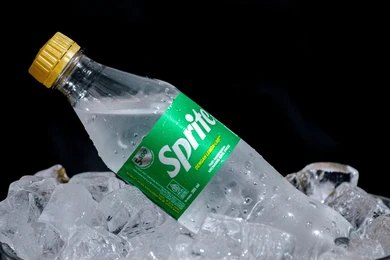
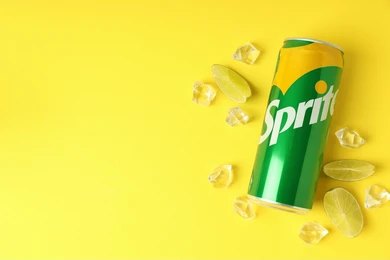
Sprite, the beloved lemon-lime soda, has been a refreshing beverage choice for decades. Known for its crisp, citrusy flavor, it appeals to people of all ages. However, with growing awareness about diet and health, many consumers are increasingly scrutinizing the ingredients in their favorite drinks. One common question is, does Sprite contain aspartame?
Understanding what’s in your soda is essential, especially if you are health-conscious or have specific dietary restrictions. In this article, we’ll break down Sprite’s ingredients, its various versions, and the health implications of aspartame.
Does Sprite Contain Aspartame?
Aspartame is a widely used artificial sweetener known for its low-calorie content. It is commonly found in sugar-free and diet sodas, as it provides sweetness without adding sugar or calories. However, for those who wonder if regular Sprite contains aspartame, the answer is straightforward.
Regular Sprite and Aspartame
In the United States, regular Sprite does not contain aspartame. The Coca-Cola Company, which produces Sprite, uses high-fructose corn syrup or sugar as sweeteners for the classic version of this soda. This is an important distinction, as not all sodas are free from artificial sweeteners.
While regular Sprite remains aspartame-free, it’s crucial to examine its other variants, as some do incorporate artificial sweeteners, including aspartame. Let’s dive deeper into those.
Sprite Variants and Their Sweeteners
As the demand for sugar-free beverages has surged, the Coca-Cola Company has introduced multiple Sprite variants to cater to different consumer needs. These include low-calorie and sugar-free options.
Sprite Zero Sugar
Sprite Zero Sugar is the most popular sugar-free alternative to regular Sprite. It retains the iconic lemon-lime flavor but skips the sugar. However, Sprite Zero Sugar in the U.S. does contain aspartame, which is blended with another sweetener, acesulfame potassium (Ace-K). This combination enhances the sweetness while keeping the drink calorie-free.
Why Does Sprite Zero Sugar Use Aspartame?
Aspartame is 200 times sweeter than sugar, meaning only a small amount is needed to achieve the desired taste. This allows Sprite Zero Sugar to maintain its flavor profile without adding calories, making it a popular choice for people watching their sugar intake.
Other Sprite Variants
Globally, there are other Sprite variants that may have different formulations depending on regional preferences and regulations. For instance, in some countries, Sprite Lite or similar versions may use alternative sweeteners. Always check the label to confirm the ingredients if you are concerned about artificial sweeteners.
Health Considerations of Aspartame
Artificial sweeteners like aspartame are among the most scrutinized food additives. Understanding their safety and health implications is essential for making informed dietary choices.
Safety of Aspartame Consumption
Aspartame has been extensively studied and is approved for use by major health organizations, including the U.S. Food and Drug Administration (FDA), the European Food Safety Authority (EFSA), and the World Health Organization (WHO). These agencies confirm that aspartame is safe for general consumption when consumed within the acceptable daily intake (ADI) limits.
What is the Acceptable Daily Intake for Aspartame?
The ADI for aspartame is set at 50 milligrams per kilogram of body weight in the U.S. This amount is far higher than what an average person would consume, even if they regularly drink diet sodas.
Phenylketonuria (PKU) and Aspartame
One specific group that must avoid aspartame is individuals with Phenylketonuria (PKU). PKU is a rare genetic disorder that affects the body’s ability to metabolize phenylalanine, an amino acid present in aspartame. For these individuals, consuming aspartame can lead to severe health issues, including brain damage. As a result, products containing aspartame carry a warning label to inform consumers with PKU.
General Public Concerns
Despite its approval by health authorities, aspartame has faced public scrutiny due to concerns about its potential side effects. Some people worry that aspartame could be linked to headaches, digestive issues, or even more severe conditions like cancer. However, extensive scientific research has not found conclusive evidence to support these claims. The consensus among experts is that aspartame is safe for the vast majority of people when consumed in moderation.
Aspartame is a low-calorie artificial sweetener used in many diet and sugar-free products. It’s known for its sweetness, which is about 200 times stronger than sugar. This makes it a common choice in beverages marketed as calorie-free or low-calorie options.
Regular Sprite and Aspartame
For those who enjoy regular Sprite in the U.S., there’s good news: regular Sprite does not contain aspartame. The Coca-Cola Company sweetens this version with sugar or high-fructose corn syrup instead of artificial sweeteners. This makes regular Sprite a better option for those who wish to avoid aspartame but are less concerned about calorie content.
However, other Sprite variants use aspartame to maintain sweetness while cutting out sugar. Let’s explore these alternatives.
Sprite Variants and Their Sweeteners
Over the years, Sprite has introduced several versions of the soda to cater to various dietary preferences and restrictions. Some variants contain artificial sweeteners, including aspartame.
Sprite Zero Sugar
Sprite Zero Sugar is the sugar-free alternative to regular Sprite. It offers the same lemon-lime flavor but without added sugar. To achieve this, the Coca-Cola Company uses a combination of aspartame and acesulfame potassium (Ace-K) as sweeteners.
Why Choose Sprite Zero Sugar?
Sprite Zero Sugar is marketed toward individuals who are trying to reduce their calorie or sugar intake. For diabetics or those on low-sugar diets, it provides a soda option without causing significant blood sugar spikes. However, its use of artificial sweeteners like aspartame has raised concerns among some consumers, despite widespread safety approvals.
Other Sprite Variants
Beyond Sprite Zero Sugar, there are other international Sprite options with different formulations. For instance, some regions offer Sprite Lite or similar products, which may use aspartame, sucralose, or stevia. Always read ingredient labels to confirm which sweeteners are used in your local Sprite variant.
Health Considerations of Aspartame
Artificial sweeteners like aspartame are among the most researched food additives, yet they continue to be a topic of debate. Here’s a look at their safety and health implications.
Safety of Aspartame Consumption
Numerous global health authorities, including the FDA and WHO, have deemed aspartame safe for human consumption when used within recommended limits. The Acceptable Daily Intake (ADI) for aspartame is 50 milligrams per kilogram of body weight in the U.S., a threshold unlikely to be exceeded through normal consumption.
Is Aspartame Safe for Everyone?
Yes, for most people. However, individuals with certain medical conditions, such as PKU, must avoid aspartame due to its phenylalanine content.
Phenylketonuria (PKU) and Aspartame
Phenylketonuria (PKU) is a rare genetic disorder that prevents the proper metabolism of phenylalanine, an amino acid found in aspartame. For those with PKU, consuming aspartame can lead to severe complications, including neurological issues. To ensure safety, all products containing aspartame include a warning label for individuals with PKU.
General Public Concerns
Despite regulatory approvals, some consumers worry about aspartame’s potential side effects, including headaches, digestive discomfort, and even cancer. However, extensive scientific studies have found no conclusive evidence linking aspartame to these issues. Experts agree that moderate consumption of aspartame is safe for the general public.
Comparing Sweeteners in Soft Drinks
Sweeteners can be broadly categorized into natural and artificial options, each with its own benefits and drawbacks.
Artificial Sweeteners vs. Sugar
Artificial sweeteners like aspartame and natural sugar differ significantly in their health impacts. Sugar is a natural sweetener that provides calories and energy. However, excessive sugar consumption is linked to obesity, diabetes, and other metabolic disorders.
On the other hand, artificial sweeteners like aspartame are calorie-free and do not affect blood sugar levels. This makes them a popular choice for people managing weight or diabetes. However, concerns about their long-term effects continue to be studied.
Which is Better for You?
The answer depends on your health goals. If you’re reducing calorie intake, artificial sweeteners might be the better choice. If you’re looking for more natural options, sugar or plant-based sweeteners like stevia might be preferable.
Other Common Artificial Sweeteners
Apart from aspartame, many diet sodas use other artificial sweeteners, including:
Sucralose: Commonly used in diet drinks, sucralose is about 600 times sweeter than sugar.
Saccharin: One of the oldest artificial sweeteners, saccharin is calorie-free but has a slightly bitter aftertaste.
Stevia: A plant-derived sweetener that is increasingly popular for its natural origin and low calorie count.
Each sweetener has unique properties, so it’s worth checking ingredient labels to find the one that suits your preferences.
Making Informed Beverage Choices
Choosing the right beverage can feel overwhelming, but a few simple steps can make the process easier.
Reading Ingredient Labels
Understanding what’s in your drink is the first step. Always check the ingredient label to see whether it contains sugar, aspartame, or other artificial sweeteners. Look for terms like “phenylalanine” if you’re avoiding aspartame.
Considering Health Goals
Your health goals should guide your choice. Are you trying to reduce calorie intake? Opt for sugar-free options but stay mindful of artificial sweeteners. If you prefer natural ingredients, choose beverages with sugar or stevia instead.
Conclusion
Sprite and its variants offer a variety of choices to suit different dietary needs. While regular Sprite does not contain aspartame, Sprite Zero Sugar uses this sweetener to maintain its flavor without adding calories. Aspartame is safe for the majority of people, but understanding its role and limitations is key to making informed decisions. By reading ingredient labels and considering your health goals, you can enjoy your favorite beverages while staying mindful of your dietary preferences.
Frequently Asked Questions
1. Does Diet Sprite Contain Aspartame?
Yes, Diet Sprite is marketed as Sprite Zero Sugar in the U.S. It contains a blend of aspartame and acesulfame potassium to provide sweetness without sugar or calories.
2. Are There Sprite Options Without Aspartame?
Yes, regular Sprite does not contain aspartame. Additionally, some international variants may use alternative sweeteners like stevia, so check the label for specific formulations.
3. How Does Aspartame Affect Blood Sugar Levels?
Aspartame does not affect blood sugar levels, making it a suitable option for people managing diabetes. However, it’s always best to consult a healthcare provider for personalized advice.
4. What Are the Health Risks of Aspartame?
For most people, aspartame is safe when consumed in moderation. However, individuals with PKU must avoid it due to their inability to process phenylalanine.
5. Can I Avoid Artificial Sweeteners Altogether?
Yes, by choosing beverages sweetened with natural sugars or alternatives like stevia, you can avoid artificial sweeteners entirely. Always read ingredient labels to confirm.
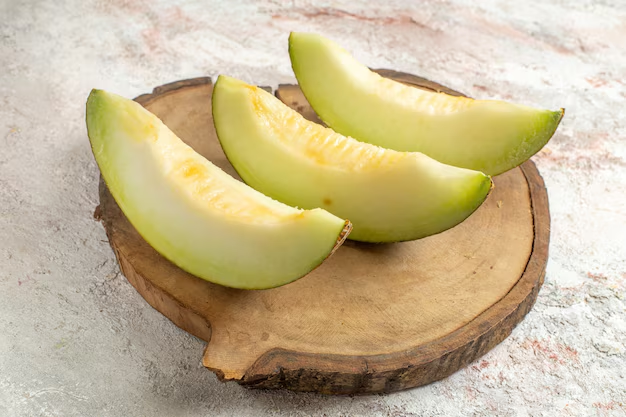
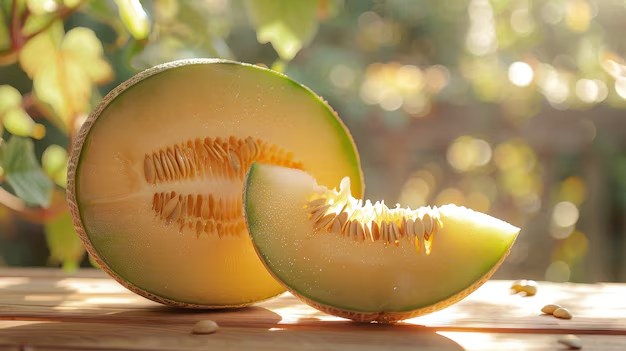
Honeydew melon, a juicy and refreshing fruit, is loved by many for its subtle sweetness and hydrating qualities. But for those watching their sugar intake, it’s natural to ask: Does honeydew have sugar? Understanding the sugar content in honeydew is essential, particularly for individuals managing conditions like diabetes or following low-sugar diets.
In this article, we’ll delve into the nutritional profile of honeydew melon, explore its sugar content, and discuss its impact on blood sugar levels. Let’s uncover whether this summer favorite is as health-friendly as it seems.
Nutritional Profile of Honeydew Melon
Honeydew melon is more than just a sweet treat. It’s a nutrient-dense fruit with a well-rounded nutritional profile. Here’s what you need to know:
Macronutrients
Carbohydrates: Honeydew melon contains approximately 11 grams of carbohydrates per 100-gram serving. Most of these come from natural sugars, contributing to its mild sweetness.
Proteins: While not a protein powerhouse, honeydew offers about 0.8 grams of protein per 100 grams.
Fats: It’s virtually fat-free, with less than 0.1 grams of fat per serving.
Vitamins and Minerals
Honeydew is packed with essential vitamins and minerals, making it a great addition to any diet:
Vitamin C: A 100-gram serving provides around 30% of the daily recommended intake, boosting immunity and skin health.
Potassium: Honeydew is rich in potassium, which supports heart health and regulates blood pressure.
Vitamin B6: Helps with brain function and energy metabolism.
Magnesium: Plays a role in muscle and nerve function.
This combination of nutrients makes honeydew not only delicious but also a source of vital health benefits.
Sugar Content in Honeydew Melon
Honeydew melon does contain sugar, but it’s natural and accompanied by fiber, which slows its absorption into the bloodstream. Let’s break it down:
How Much Sugar is in Honeydew Melon?
A 100-gram serving of honeydew melon has about 8 grams of sugar. This amount is moderate compared to other fruits:
Bananas: About 12 grams of sugar per 100 grams.
Apples: Around 10 grams of sugar per 100 grams.
Strawberries: Only about 4.9 grams of sugar per 100 grams.
So, while honeydew isn’t the lowest in sugar, it’s not as sugary as some other fruits.
Natural Sugars vs. Added Sugars
It’s important to note that the sugars in honeydew are natural. These sugars come with additional nutrients and water content that help balance their effects on the body. Unlike added sugars found in processed foods, the sugar in honeydew is far less likely to cause a spike in blood sugar levels.
Glycemic Index and Glycemic Load of Honeydew Melon
The glycemic index (GI) and glycemic load (GL) are essential tools for understanding how foods affect blood sugar levels.
What is Glycemic Index (GI)?
The GI ranks foods on a scale of 0 to 100 based on how quickly they raise blood sugar.
Low GI: 55 or less
Medium GI: 56-69
High GI: 70 or above
Honeydew Melon’s GI and GL
Honeydew melon has a moderate glycemic index of around 65, meaning it raises blood sugar levels at a moderate pace. However, the glycemic load, which considers portion size, is relatively low when consuming a typical serving.
What Does This Mean for Blood Sugar Levels?
Because of its moderate GI and low GL, honeydew melon can be included in a balanced diet, even for people with diabetes. Eating it with a source of protein or healthy fat, such as nuts or yogurt, can further slow its impact on blood sugar levels.
Wrap honeydew slices in prosciutto for a savory-sweet appetizer.
Add diced honeydew to cottage cheese for a protein-packed snack.
Conclusion
Honeydew melon is a sweet, hydrating fruit packed with nutrients like vitamin C, potassium, and dietary fiber. While it does contain natural sugars, its moderate glycemic index and low glycemic load make it suitable for most diets, including those for diabetics. Enjoying honeydew in moderation as part of a balanced diet can provide numerous health benefits. So, go ahead and savor this delicious fruit, but remember to balance it with other nutritious foods.
FAQs
1. Does honeydew melon have a lot of sugar?
Honeydew melon has about 8 grams of natural sugar per 100 grams, which is moderate compared to other fruits. It’s not excessively sugary but should be eaten in appropriate portions.
2. Can diabetics eat honeydew melon?
Yes, diabetics can enjoy honeydew melon in moderation. Pairing it with protein or healthy fats can help minimize blood sugar spikes. Stick to a serving size of 1 cup.
3. How can I tell if a honeydew melon is ripe?
A ripe honeydew has a creamy yellow or pale green color, feels heavy for its size, and produces a hollow sound when tapped. It may also have a slightly sweet aroma.
4. Is honeydew melon good for weight loss?
Yes, honeydew melon is low in calories and high in water and fiber, making it a great choice for weight loss. It keeps you hydrated and helps you feel full.
5. What are some creative ways to eat honeydew melon?
Try honeydew in salads, smoothies, or as a frozen dessert. Pair it with yogurt or cottage cheese for a balanced snack. You can also wrap slices in prosciutto for a unique flavor combination.
Caramel is a beloved confectionary flavor found in desserts, snacks, and beverages. Its rich, sweet taste has made it a staple in coffeehouses and candy aisles worldwide. However, a common question arises: Does caramel contain caffeine? To answer this, we’ll explore what caramel is, its natural composition, and whether caffeine can be present in it.
What Is Caramel?
Definition and Composition
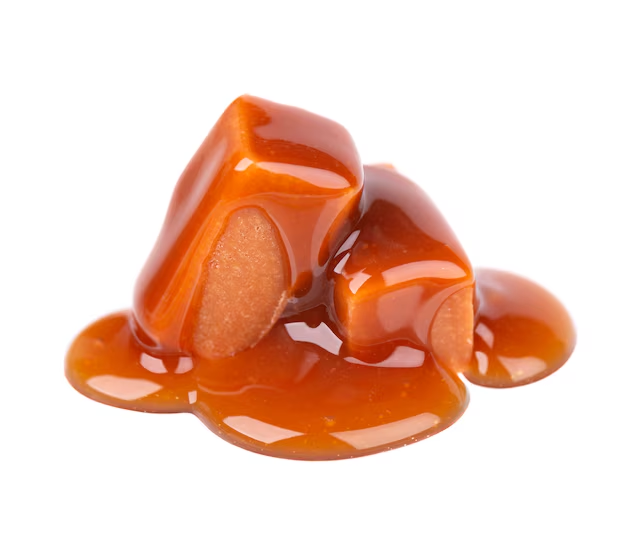
Caramel is a confectionery product made by heating sugar. The process involves melting sugar until it reaches a golden-brown color and releases a rich, sweet aroma. Basic caramel recipes include sugar, water, and sometimes milk, cream, or butter to enhance flavor and texture. The result is a versatile ingredient used in sauces, candies, and desserts.
Traditional Caramel vs. Caramel Flavoring
Traditional caramel is homemade or crafted in small batches using natural ingredients. In contrast, commercially produced caramel flavoring is often a synthetic product designed to mimic the taste of real caramel. These flavorings may include additional ingredients like preservatives, artificial colors, and sometimes caffeine, depending on the product.
Does Caramel Naturally Contain Caffeine?
Natural Composition
Traditional caramel, made from sugar and water, does not naturally contain caffeine. Caffeine is not a byproduct of heating sugar or the caramelization process. Therefore, homemade caramel is inherently caffeine-free.
Common Additives
However, some caramel-flavored products may include additives or flavorings that introduce caffeine. For example, caramel syrups used in beverages might be formulated with caffeine to enhance their appeal in coffee-based drinks or energy products. It’s essential to check the product label to confirm whether caffeine is present.
Caramel in Coffee and Energy Products
Caramel-Flavored Coffees
Caramel is a popular flavoring in coffee beverages. While it itself doesn’t contain caffeine, the coffee it’s mixed with does. For instance, a caramel macchiato or latte will have caffeine because of the espresso or brewed coffee used as the base.
In these beverages, caramel simply adds sweetness and flavor. The caffeine content comes from the coffee.
Energy Drinks and Snacks
Caramel is also found in energy drinks and snacks, often as a flavor enhancer. Many of these products are marketed as providing an energy boost, which usually comes from added caffeine. While its favor itself remains caffeine-free, these items often include caffeine as a deliberate ingredient.
Reading Labels: Identifying Caffeine Content
Understanding Ingredient Lists
When choosing caramel-flavored products, always read the ingredient list. Look for keywords like “caffeine,” “coffee extract,” or “guarana,” which indicate the presence of caffeine. If the product includes these terms, it likely contains caffeine.
Regulations on Caffeine Labeling in the U.S.
In the U.S., the Food and Drug Administration (FDA) requires manufacturers to disclose caffeine on the label if it is added to a product. This helps consumers make informed choices, especially if they are sensitive to caffeine. However, caffeine content might not always be listed in milligrams, so it’s important to be cautious with products marketed as energy boosters.
Health Considerations
While caffeine is safe for most people in moderate amounts, individuals sensitive to caffeine or with specific health conditions should be cautious. Caramel-flavored products can vary in their caffeine content, depending on their formulation.
Caffeine Sensitivity
Caffeine-sensitive individuals may experience symptoms like jitteriness, headaches, or sleep disturbances even at low doses. For these individuals, it’s essential to avoid products with hidden caffeine.
Adults: The FDA suggests up to 400 mg of caffeine per day, roughly equivalent to 4-5 cups of coffee.
Children: The American Academy of Pediatrics advises against caffeine consumption in children under 12. For teens, caffeine intake should be limited to less than 100 mg per day.
Popular Caramel Products and Their Caffeine Content
Caramel is used in a range of products, from candies to beverages. While traditional one is caffeine-free, some caramel-flavored items may include caffeine as an additive. Let’s examine popular caramel product.
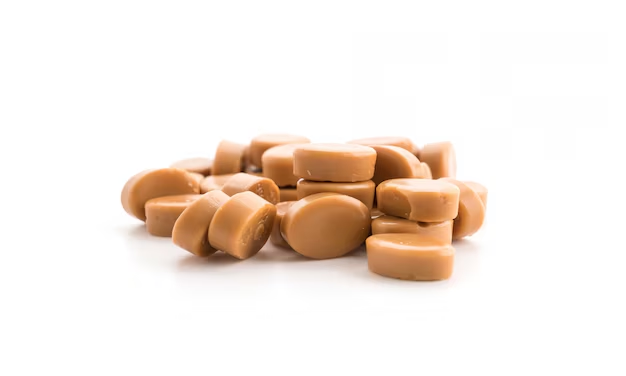
Caramel Candies
Most caramel candies, like soft caramels are caffeine-free. Popular brands focus on natural caramel flavors without introducing stimulants. Examples include:
Werther’s Original Caramels: Caffeine-free.
Kraft Caramel Squares: Caffeine-free.
These candies are safe for caffeine-sensitive individuals and children.
Caramel-Flavored Beverages
Caramel-flavored drinks are often made with coffee or tea bases, which naturally contain caffeine. For instance:
Caramel Macchiato (Starbucks): Contains 150 mg of caffeine in a 16-ounce serving due to the espresso base.
Caramel Frappuccino (Starbucks): Includes approximately 95 mg of caffeine in the same size.
FAQs
1. Does caramel itself contain caffeine?
No, caramel itself does not contain caffeine. It is made by heating sugar and does not naturally include caffeine as an ingredient.
2. Why do some caramel-flavored products have caffeine?
Some caramel-flavored products, like coffee beverages or energy drinks, include caffeine as an additive. The caffeine usually comes from the coffee or is intentionally added to boost energy.
3. Can caffeine-sensitive individuals consume caramel?
Yes, caffeine-sensitive individuals can consume traditional caramel made from sugar, water, and butter. However, they should check labels on caramel-flavored products to ensure no caffeine has been added.
4. Are caramel-flavored syrups caffeine-free?
Most of these syrups are caffeine-free unless they are specifically designed for coffee or energy drinks, where caffeine may be an added ingredient. Always read the label to confirm.
5. How can I tell if a caramel product contains caffeine?
Check the product’s ingredient list for terms like “caffeine” or “coffee extract.” In the U.S., the FDA requires caffeine to be listed if it is an added ingredient.
Conclusion
Traditional caramel is caffeine-free, making it a safe option for most people. However, caramel-flavored products like coffee drinks or energy snacks may contain caffeine due to their formulation. Always read ingredient lists carefully, especially if you are caffeine-sensitive or monitoring your intake. By being aware of labeling practices and health considerations, you can enjoy caramel products while making informed choices.
White chocolate has gained immense popularity in the U.S. thanks to its smooth, creamy texture and rich, sweet flavor. Loved by dessert enthusiasts and casual snackers alike, it’s a staple in many confections. However, for individuals who are caffeine-sensitive or simply curious about its ingredients, the question often arises: does white chocolate contain caffeine? This article delves into the composition of white chocolate and its caffeine content, providing a comprehensive guide for those seeking clarity.
What Is White Chocolate?
Definition and Composition
White chocolate is a type of chocolate that stands apart from its darker counterparts. Unlike milk or dark chocolate, white chocolate is made from cocoa butter, sugar, and milk solids. It lacks the cocoa solids that define traditional chocolate flavors.
Explanation of White Chocolate Ingredients
The primary ingredients of white chocolate include:
Cocoa Butter: A pale yellow fat extracted from cocoa beans, giving white chocolate its smooth texture.
Sugar: Adds sweetness and enhances flavor.
Milk Solids: Contribute to its creamy consistency and rich taste.
How White Chocolate Differs from Milk and Dark Chocolate
The absence of cocoa solids is the main distinguishing factor between white chocolate and other types of chocolate. Cocoa solids contain most of the flavor compounds, antioxidants, and caffeine. Without them, white chocolate offers a milder flavor and lacks the bitterness characteristic of dark chocolate.
Does White Chocolate Contain Caffeine?
Understanding Caffeine in Chocolate
Caffeine in chocolate primarily comes from cocoa solids, which are the non-fat part of the cocoa bean. Dark chocolate, which has the highest cocoa content, contains the most caffeine, while milk chocolate has significantly less.
Caffeine Content in White Chocolate
White chocolate, by definition, does not contain cocoa solids. This absence means it lacks caffeine, making it a suitable choice for individuals who are sensitive to stimulants.
Milk Chocolate: Contains about 5-6 milligrams of caffeine per ounce.
White Chocolate: Contains no caffeine, thanks to its unique composition.
Implications for Caffeine-Sensitive Individuals
For those avoiding caffeine due to health reasons or personal preference, white chocolate is a safe alternative. It offers a chocolate-like experience without the stimulant effects.
How White Chocolate is Made
White chocolate begins with cocoa butter, which is blended with sugar, milk solids, and flavorings like vanilla. The mixture is carefully heated, tempered, and molded into bars or other shapes. Unlike dark and milk chocolate, which require the addition of cocoa solids, white chocolate’s recipe relies solely on cocoa butter for its chocolate essence.
This manufacturing process results in a product that is creamy, smooth, and melt-in-your-mouth delicious. The absence of cocoa solids also gives white chocolate its signature ivory color.
Health Implications of Consuming White Chocolate
Nutritional Profile
White chocolate is calorie-dense, providing energy in the form of fats and sugars. Here’s a breakdown per 1-ounce serving:
Calories: Approximately 150.
Fat: 9 grams (mostly from cocoa butter).
Sugar: Around 17 grams.
Protein: Minimal, about 1 gram.
Benefits and Drawbacks
Potential Benefits
Mood Enhancement: Eating white chocolate can stimulate the release of endorphins, improving mood.
Source of Antioxidants: While it lacks the antioxidants found in cocoa solids, cocoa butter contains small amounts of beneficial compounds.
High Fat Content: Most fats in white chocolate are saturated, which should be consumed in moderation to maintain heart health.
Caffeine Myths in White Chocolate
Many people believe that all chocolate contains caffeine, but this isn’t entirely accurate—especially when it comes to white chocolate. The caffeine in chocolate comes from the cocoa solids, which are absent in white chocolate. As a result, white chocolate contains little to no caffeine, making it a suitable choice for those who are sensitive to stimulants.
For context, a standard serving of dark chocolate contains about 20-30 mg of caffeine, while milk chocolate has roughly 5-10 mg. White chocolate, on the other hand, has less than 1 mg per serving, if any at all. This makes it a great option for kids or adults looking to avoid caffeine without sacrificing a sweet treat.
Who Should Choose White Chocolate?
Caffeine-Sensitive Individuals
If you’re sensitive to caffeine or need to cut back for health reasons, white chocolate can be a delightful alternative. Unlike its dark or milk counterparts, white chocolate won’t give you the jitters or interfere with your sleep schedule.
Flavor Preferences
White chocolate’s milder, sweeter profile appeals to a different kind of palate. If you’re not a fan of the bitterness of dark chocolate or the subtle cocoa notes in milk chocolate, white chocolate might be your go-to option. It pairs beautifully with fruits, nuts, and desserts, making it a versatile ingredient in both sweet and savory recipes.
Myths vs. Facts About White Chocolate
Myth 1: White chocolate isn’t real chocolate.
Fact: White chocolate is made from cocoa butter, which comes from the cocoa bean.
Myth 2: White chocolate contains caffeine.
Fact: Unlike dark and milk chocolate, white chocolate has little to no caffeine.
Myth 3: White chocolate has no health benefits.
Fact: While not a superfood, white chocolate contains trace nutrients like calcium.
The Global Love for White Chocolate
White chocolate has carved out a niche in the global confectionery market. In Europe, it’s often paired with berries and cream, while in Japan, matcha-flavored white chocolate is a beloved treat. In the United States, white chocolate is a popular choice for baking, particularly in cookies and cheesecakes.
Conclusion
White chocolate may not have the bold flavor of dark chocolate, but it offers a unique sweetness that many people enjoy. Its lack of cocoa solids and caffeine makes it a suitable option for those with specific dietary needs or flavor preferences. While it’s best enjoyed in moderation, white chocolate deserves its place in the chocolate family.
FAQs
1. What exactly is white chocolate made of?
White chocolate is made from cocoa butter, sugar, milk solids, and flavorings. Unlike dark or milk chocolate, it does not contain cocoa solids, which gives it its creamy texture and pale color.
2. Does white chocolate have caffeine?
No, white chocolate has little to no caffeine because it lacks cocoa solids, the source of caffeine in chocolate.
3. Is white chocolate healthier than dark chocolate?
Not necessarily. White chocolate is higher in sugar and fat and lacks the antioxidants found in dark chocolate. It’s best enjoyed as an occasional treat.
4. Can people with chocolate allergies eat white chocolate?
It depends on the nature of the allergy. If the allergy is to cocoa solids, white chocolate might be safe. However, if the allergy includes cocoa butter, it should be avoided.
5. Why does white chocolate taste different from other chocolates?
The absence of cocoa solids gives white chocolate its milder, sweeter flavor and creamy texture. It’s less robust than dark or milk chocolate, appealing to those who prefer a subtler taste.
Ketchup is one of the most beloved condiments in the United States, often found on burgers, fries, and more. But does ketchup contain carbs, and how does its nutritional profile affect your diet? Understanding the carbohydrate content of ketchup is essential, especially for those on specific meal plans like low-carb or ketogenic diets. This article explores the carb content in ketchup, its ingredients, and how it fits into various diets. Let’s dive into the details.
Nutritional Profile of Ketchup
Ketchup might seem like a simple condiment, but its nutritional composition is worth examining. Its sweetness and tang come from ingredients that contribute to its carb count. Let’s break it down.
Carbohydrate Content
A standard serving of ketchup is 1 tablespoon, which contains approximately 4 grams of carbohydrates. Most of these carbs come from sugars—both natural and added. Compared to other condiments, ketchup is relatively higher in carbs:
Mustard has less than 1 gram of carbs per serving.
Mayonnaise typically contains no carbs unless sweetened varieties are used.
The high carb content in ketchup is due to its blend of tomatoes and added sweeteners, making it less carb-friendly than alternatives like mustard.
Other Nutrients
Beyond carbs, ketchup contains other essential nutrients to consider:
Calories: Each tablespoon has about 15–20 calories, making it a low-calorie condiment.
Sugar: Ketchup contains approximately 3.2 grams of sugar per tablespoon, contributing to its characteristic sweetness.
Sodium: One tablespoon of ketchup includes about 136 mg of sodium, which is 6% of the recommended daily intake.
The primary sources of carbs in ketchup come from its ingredients. Let’s look at the main contributors.
Tomatoes
Tomatoes are the base ingredient of ketchup. They naturally contain sugars, which contribute to the carb content. Although fresh tomatoes are relatively low in carbs, their sugars become more concentrated when processed into ketchup. For example, the cooking and reduction process during ketchup production increases the sugar concentration.
Added Sugars
Many commercial ketchup brands include added sugars to enhance flavor. These may include:
High-fructose corn syrup (HFCS).
Cane sugar.
Corn syrup solids.
These sweeteners significantly increase the carb content. In fact, added sugars often account for a large portion of the 4 grams of carbs per tablespoon. Choosing a ketchup with no added sugars can help reduce the carb load.
For individuals following a low-carb or ketogenic diet, ketchup’s carb content is an important consideration. Can it still be part of your meals? Let’s find out.
Is Ketchup Keto-Friendly?
The ketogenic diet typically limits daily carb intake to 20–50 grams of net carbs. With 4 grams of carbs per tablespoon, regular ketchup can quickly add up. Using just 2 tablespoons could account for nearly 20% of your daily carb limit on a keto diet.
While small amounts of ketchup might not kick you out of ketosis, frequent use could hinder your progress. Reading labels is crucial to ensure your ketchup choice aligns with your diet.
Low-Carb Alternatives
Thankfully, there are options for ketchup lovers on low-carb diets.
Sugar-Free Ketchup
Many brands now offer sugar-free or reduced-sugar versions of ketchup. These contain artificial sweeteners or natural alternatives like stevia, reducing the carb content to 1–2 grams per tablespoon.
Homemade Ketchup
Making ketchup at home is another great option. A simple recipe might include:
Homemade ketchup can reduce carbs significantly while allowing you to customize the flavor to your liking.
Health Considerations
Ketchup’s high sugar and sodium levels can impact dietary goals, especially for those managing sugar or salt intake. Understanding these aspects can help you make better choices.
Sugar Intake
Ketchup is a sneaky source of sugar. A single tablespoon contains approximately 3.2 grams of sugar. For reference, the American Heart Association recommends:
No more than 25 grams of sugar per day for women.
No more than 36 grams of sugar per day for men.
Using just 3 tablespoons of ketchup could account for nearly 40% of the daily sugar limit for women. Excessive sugar intake can contribute to:
For individuals with diabetes or those watching their sugar intake, regular ketchup may not be the best choice. Sugar-free options or homemade recipes with natural sweeteners can help reduce this impact.
Sodium Levels
Ketchup is also relatively high in sodium, with about 136 milligrams per tablespoon. While this may seem small, ketchup is rarely consumed in isolation. Large servings can quickly add up, especially when paired with salty foods like fries or burgers.
The American Heart Association suggests limiting sodium intake to 2,300 mg per day, with an ideal limit of 1,500 mg for most adults.
Excessive sodium consumption can lead to:
High blood pressure.
Increased risk of heart disease and stroke.
For those monitoring sodium intake, low-sodium ketchup or homemade versions can be healthier alternatives.
Tips for Incorporating Ketchup into a Balanced Diet
Ketchup can still be part of a healthy diet if consumed mindfully. The key is moderation and making informed choices.
Portion Control
One of the simplest ways to enjoy ketchup without overdoing carbs, sugar, or sodium is by controlling portion sizes. Stick to 1–2 tablespoons per serving, and avoid adding ketchup to every meal. Using a measuring spoon can help you stay within limits, especially if you’re on a specific diet.
Practical Tips for Portion Control:
Serve ketchup in a small dish to avoid over-pouring.
Use ketchup as a light drizzle or dip rather than slathering it over your food.
Reading Labels
When shopping for ketchup, carefully read the nutrition labels to identify low-carb, low-sugar, or low-sodium options. In the U.S., many brands now offer healthier alternatives. Look for these keywords:
No Added Sugar: These ketchups often use natural sweeteners like stevia.
Low Sodium: Ideal for individuals watching their salt intake.
Organic Options: These versions often skip artificial additives and high-fructose corn syrup.
Key Nutritional Targets for Healthier Ketchup:
Carbs: Look for options with 2 grams or less per tablespoon.
Sodium: Choose ketchups with 100 mg or less per tablespoon.
Sugar: Opt for sugar-free or reduced-sugar varieties.
FAQs
1. Is ketchup high in sugar?
Yes, regular ketchup contains about 3.2 grams of sugar per tablespoon. Most of this comes from added sugars, making it a significant source of sugar for a condiment.
2. Can ketchup fit into a low-carb diet?
Regular ketchup may not be ideal for a low-carb diet due to its 4 grams of carbs per tablespoon, most of which are sugars. However, low-carb or sugar-free ketchups with 1–2 grams of carbs per serving can be a better option.
3. Are there low-sodium ketchups available?
Yes, several brands offer low-sodium ketchup. These options often contain less than 100 mg of sodium per tablespoon, making them suitable for those on a low-salt diet.
4. How can I make homemade low-carb ketchup?
To make low-carb ketchup at home, you’ll need:
Tomato paste or fresh tomatoes.
Apple cider vinegar.
Garlic and onion powder.
Natural sweeteners like stevia or erythritol. Combine the ingredients, simmer them, and blend for a smooth texture. Homemade ketchup can significantly reduce sugar and sodium content.
5. What is the healthiest way to consume ketchup?
The healthiest way to enjoy ketchup is to:
Stick to small portions (1–2 tablespoons).
Choose sugar-free or low-sodium varieties.
Pair it with whole, nutrient-dense foods instead of processed options like fries.
Conclusion
Ketchup is a flavorful addition to many meals, but it’s important to understand its nutritional profile. While it’s low in calories, ketchup is higher in sugar and sodium than many people realize. For those managing dietary concerns, small portions and healthier ketchup alternatives can make a big difference. By reading labels and making informed choices, you can enjoy ketchup without compromising your health goals.