Dark chocolate is a favorite indulgence for many, often touted as a treat that blends decadence with health benefits. Unlike regular chocolate, it’s less sugary and packed with nutrients that might surprise you. But the question remains: Is dark chocolate good for you?
The answer lies in its unique composition. It is rich in antioxidants, minerals, and even compounds that can uplift your mood. However, like any food, moderation is key. In this article, we’ll dive into the nutritional value of chocolate and explore how it can influence various aspects of your health. By the end, you’ll know whether this delicious treat deserves a spot in your daily diet.
Nutritional Profile
Dark chocolate is more than just a sweet indulgence; it’s a nutrient-packed powerhouse.
1. Macronutrients and Micronutrients
It contains a balanced blend of fats, carbs, and proteins. Its 100-gram bar of 70-85% offers:
Calories: Around 600
Fat: 43 grams (majorly heart-healthy fats like oleic acid)
Carbohydrates: 46 grams (with about 11 grams of fiber)
Protein: 8 grams
Micronutrient-wise, it is a treasure trove. It’s packed with magnesium, copper, manganese, and iron. These minerals play roles in energy production, bone health, and blood production.
2. Antioxidants and Flavonoids
One of dark chocolate’s most celebrated components is its antioxidants, particularly flavonoids. These compounds help combat oxidative stress, reduce inflammation, and promote cell repair. Antioxidants also contribute to dark chocolate’s potential to protect against chronic diseases like heart disease and cancer.
In short, it combines indulgence with nutrients, offering a balance of pleasure and health benefits.
Health Benefits of Dark Chocolate
Dark chocolate isn’t just delicious—it’s beneficial for your body and mind. Let’s explore how.
1. Cardiovascular Health
It is excellent for your heart. The flavonoids it contains can lower blood pressure and improve blood flow by relaxing the arteries. Studies show that regular consumption of moderate amounts may reduce the risk of heart disease by improving cholesterol levels and decreasing bad LDL cholesterol.
2. Brain Health
Dark chocolate is known to enhance brain function. It improves blood flow to the brain, which can boost cognitive functions such as memory and focus. Its caffeine and theobromine content also provide mild stimulation, making it easier to stay alert.
Research suggests that regular consumption may even delay neurodegenerative diseases like Alzheimer’s.
3. Skin Health
Believe it or not, it can be great for your skin. Flavonoids improve skin hydration and protect against harmful UV rays. They also enhance skin density and elasticity, reducing the appearance of wrinkles over time. However, continuous dark chocolate consumption can reverse these skin benefits.
4. Liver and Other Organs
Dark chocolate’s antioxidants extend their benefits to your liver. It can help reduce inflammation and oxidative stress, which are crucial for liver health. Additionally, it promotes overall organ health by improving blood circulation and reducing stress markers.
Specific Scenarios: Is Dark Chocolate Good for You?
Dark chocolate’s benefits vary depending on when and how you consume it. Here’s what you need to know:
1. On Your Period
It can be a lifesaver during menstruation. It’s rich in magnesium, which helps relax muscles and alleviate cramps. Plus, its mood-enhancing properties can combat PMS-related mood swings.
2. Before Bed
Consuming it before bed can be a mixed bag. While it’s rich in magnesium, which promotes relaxation, it also contains caffeine. This caffeine content, albeit low, might interfere with sleep for sensitive individuals.
Is it good for you before bed? If you’re not caffeine-sensitive, a small piece can be calming, but avoid large amounts.
3. When Pregnant
Pregnant women can enjoy dark chocolate in moderation. It improves blood flow and can lower the risk of pregnancy-related hypertension. However, too much caffeine from the chocolate might be harmful, so balance is essential.
Let’s find out the relationship between weight management and dark chocolate.
1. Satiety and Cravings
Dark chocolate can help curb cravings and increase feelings of fullness. Its fiber content and rich flavor make it a satisfying snack that keeps you from overindulging in unhealthy foods.
2. Is Dark Chocolate Good for Weight Loss?
Yes, it can support weight management when used as a mindful treat. It regulates hunger hormones like ghrelin, reducing the likelihood of overeating. However, portion control is vital to avoid excess calorie intake.
How to Choose Healthy Dark Chocolate?
You should keep these considerations in mind when looking for healthy dark chocolate.
1. Cocoa Percentage
The higher the cocoa percentage, the healthier the chocolate. Aim for at least 70% cocoa to ensure a low sugar content and maximum flavonoids. Chocolates with 85% or more cocoa are even better for health benefits.
2. Compare Brands
Dove: Offers smoother textures but lower cocoa percentages, making it less ideal for health benefits.
Bournville: Known for its high cocoa content and minimal sugar, making it a good choice.
Hershey’s: Often has added sugars and lower cocoa percentages, so choose wisely from their darker options.
When selecting a brand, check labels for minimal added sugar and simple ingredient lists.
Dark Chocolate vs. Milk Chocolate
Here is the comparison between dark and milk chocolate.
1. Why is dark chocolate healthier?
It contains more cocoa, less sugar, and higher amounts of antioxidants compared to milk chocolate. These qualities make it a better choice for heart, brain, and overall health.
2. Is Milk Chocolate Good for You?
It lacks nutrient density. Its high sugar and fat content outweigh the minimal cocoa benefits, making it less healthy overall.
Potential Side Effects
Eating too much dark chocolate can lead to the following:
1. Weight Gain
Dark chocolate is calorie-dense due to its high fat and sugar content. Consuming large amounts can lead to a calorie surplus, resulting in weight gain. Moderation is essential; a small portion of high cocoa chocolate provides health benefits without excessive calories.
2. Caffeine Sensitivity
This chocolate contains caffeine and theobromine, which can affect sensitive individuals. Consuming too much may lead to jitteriness, increased heart rate, or difficulty sleeping, especially if eaten close to bedtime. Choose smaller portions or lower-caffeine options if you’re prone to these effects.
3. Digestive Issues
Overindulging may upset the stomach or cause bloating due to its fat content and the presence of caffeine and sugar. Individuals with sensitive digestion or pre-existing gastrointestinal conditions should consume it in moderation to avoid discomfort.
Moderation is the key to enjoying dark chocolate without drawbacks.
FAQs
1. Is dark chocolate good for daily consumption?
Yes, it can be consumed daily if eaten in moderation. Opt for small portions (1-2 ounces) of dark chocolate with at least 70% cocoa to enjoy its antioxidants, flavonoids, and magnesium benefits. Overindulgence may add excess calories and sugar, potentially outweighing its health advantages.
2. What percentage of cocoa is ideal for health?
For maximum health benefits, choose dark chocolate with at least 70% cocoa. Higher cocoa content ensures greater flavonoids and lower sugar levels. Aim for 85-90% cocoa if you prefer lower sweetness and maximum antioxidants. Avoid chocolates with excessive added sugars or artificial ingredients.
3. Can dark chocolate improve mood during periods?
Yes, it can enhance mood during periods due to its magnesium and serotonin-boosting properties. Magnesium helps ease cramps, while serotonin improves mood. Choose high cocoa varieties for the best results, but avoid overeating to prevent extra calorie intake, which may contribute to bloating.
4. Are all brands of dark chocolate equally healthy?
No, not all brands are equally healthy. Prioritize brands with high cocoa content (70% or more), minimal sugar, and no artificial additives. Brands like Dove, Bournville, and Hershey’s vary in ingredients and nutritional value, so check labels for the healthiest option.
5. Does dark chocolate help with weight loss?
Dark chocolate may assist with weight loss by reducing cravings and promoting satiety. Its flavonoids support insulin sensitivity and metabolism. However, moderation is key; excess consumption adds calories and fats, counteracting weight-loss efforts. Combine dark chocolate with a balanced diet and regular exercise for optimal results.
Conclusion
Dark chocolate can be a delicious and nutritious addition to your diet. Its benefits span heart health, brain function, skincare, and even weight management. However, the key lies in choosing and consuming high-cocoa-content varieties in moderation.
For the best results, opt for chocolates with at least 70% cocoa, avoid overindulging, and pair them with a balanced diet. When enjoyed responsibly, dark chocolate proves that health and indulgence can go hand in hand.
Lemon juice has gained immense popularity among those pursuing weight loss goals. Known for its refreshing taste and low-calorie profile, it’s a staple in many diet plans. Rich in vitamin C, it boosts immunity and helps maintain hydration, which is essential for overall health and weight management. But the question remains: is lemon juice good for weight loss? Let’s explore its benefits, uses, and scientific backing in this detailed guide.
Lemon juice is often celebrated for its potential to enhance metabolism. The citric acid in lemons stimulates the production of digestive enzymes, helping break down food more efficiently. This process supports better nutrient absorption and reduces bloating.
Moreover, lemons are rich in polyphenols and plant-based compounds that may promote fat breakdown. These properties make lemon juice a great addition to any weight loss journey.
2. Hydration and Appetite Control
Staying hydrated is critical for weight loss. Lemon juice mixed with water not only keeps you refreshed but also encourages frequent water intake. Proper hydration can prevent overeating by curbing hunger signals often confused with thirst.
Additionally, lemon juice contains pectin, a type of fiber that promotes satiety. While the fiber content is minimal in juice, incorporating lemon pulp can maximize its benefits.
Scientific Evidence on Lemon Juice and Weight Loss
Though not a magic potion, lemon juice may support weight loss when combined with a healthy diet and exercise. A 2014 study found that polyphenols in citrus fruits could help reduce fat accumulation. Another research highlights the role of hydration in improving metabolism and reducing calorie intake. These findings underline the potential of lemon juice in aiding weight loss, though individual results may vary.
Best Ways to Use Lemon Juice for Weight Loss
There are several ways that lemon water can be used to lose weight.
Is Lemon Juice and Water Good for Weight Loss?
Yes, combining lemon juice with water is an excellent way to stay hydrated and promote weight loss. The dilution reduces acidity, making it easier on the stomach. Drinking a glass of lemon water before meals can prevent overeating and support digestion.
How to Prepare:
Squeeze the juice of half a lemon into a glass of lukewarm or cold water.
Add a teaspoon of honey for a touch of sweetness (optional).
Is Hot Water With Lemon for Weight Loss Effective?
Warm lemon water is another popular method for reaping lemon juice benefits. It is believed to stimulate digestion more effectively, especially when consumed first thing in the morning. Warm water helps flush out toxins and primes the digestive system for the day.
Why It Works:
Warm water soothes the stomach.
Lemon juice enhances enzymatic activity, aiding in fat breakdown.
Juice Combinations for Weight Loss
Let’s find out which juice combinations are suitable for weight loss.
Is Carrot and Lemon Juice Good for Weight Loss?
Carrots are high in fiber and low in calories, complementing lemon juice’s metabolism-boosting properties. Together, they create a nutrient-rich drink that supports fat loss.
Is Lemon and Mint Juice Good for Weight Loss?
Lemon and mint juice is a refreshing combination. Mint aids digestion, while lemon enhances hydration and satiety.
Is Ginger and Lemon Juice Good for Weight Loss?
Yes, ginger and lemon juice is a powerful mix. Ginger has thermogenic properties that can increase calorie burning. Adding lemon juice boosts its fat-burning potential.
Is Apple Cider Vinegar and Lemon Juice Good for Weight Loss?
This combination is popular for its ability to regulate blood sugar levels and promote fat breakdown. However, it should be consumed in moderation to avoid stomach irritation.
How to Make Lemon Water for Weight Loss?
Lemon water is an easy, refreshing, and effective addition to your weight loss journey. Here’s how you can prepare it step by step, with some variations to keep things interesting.
Classic Lemon Water Recipe
Take a fresh lemon and wash it thoroughly.
Slice the lemon in half and squeeze the juice of one half into a glass of water.
Add about 8 ounces of lukewarm, cold, or warm water, depending on your preference.
Stir well and drink immediately.
Pro Tips:
Use filtered or mineral water for better taste.
Drink it first thing in the morning to kickstart your metabolism.
Variations for Flavor Enhancements
Mint Lemon Water: Add a few fresh mint leaves for a cooling effect.
Ginger Lemon Water: Grate a small piece of ginger into your lemon water for added thermogenic benefits.
Cucumber Lemon Water: Slice a few pieces of cucumber and let them infuse in the water for extra hydration.
Honey Lemon Water: Add a teaspoon of honey for natural sweetness.
Spiced Lemon Water: Sprinkle a pinch of cayenne pepper or turmeric for an additional health boost.
Reducing belly fat requires a combination of diet, exercise, and good hydration. While lemon water isn’t a magic solution, here are some targeted recipes to support your efforts.
It’s a common misconception that lemon juice can directly burn fat. Let’s break down the science.
Understanding Fat Metabolism
Fat loss occurs when you consume fewer calories than you burn. Lemon juice, by itself, doesn’t melt fat. However, it supports weight loss in other ways:
Boosting Hydration: Proper hydration aids metabolism.
Curbing Cravings: Lemon water can reduce unnecessary snacking by making you feel full.
Why Lemon Alone Isn’t a Fat-Burning Miracle?
Lemon juice contains no fat-burning compounds. Instead, its benefits lie in helping you stay hydrated, improving digestion, and encouraging healthier habits.
So, while lemon water is an excellent ally, achieving fat loss requires a combination of diet, exercise, and consistency.
FAQs
Is Lemon Juice Good for Weight Loss in the Morning?
Drinking lemon juice in the morning kickstarts your metabolism. It replenishes hydration after hours of fasting during sleep. Adding a pinch of turmeric or ginger can enhance its detoxifying effects.
Is Bottled Lemon Juice Good for Weight Loss?
Bottled lemon juice may lack the nutrients and freshness of freshly squeezed juice. Preservatives and added sugars in some brands can diminish its health benefits.
Is Fresh Lemon Juice Good for Weight Loss?
Fresh lemon juice is ideal for weight loss. It retains its natural vitamin C and antioxidants, which are crucial for boosting metabolism and overall health.
How much lemon water should I drink daily?
Drinking 1-2 glasses of lemon water daily is sufficient. Overconsumption may cause acidity or enamel erosion, so moderation is key for maximizing benefits without adverse effects.
Can I add sugar to lemon water?
Adding sugar to lemon water increases calories and reduces its health benefits. For a healthier, low-calorie alternative, opt for natural sweeteners like honey or stevia.
Conclusion
Lemon juice is a versatile and refreshing addition to a weight-loss diet. Its low-calorie nature, ability to boost hydration, and potential to aid digestion make it a popular choice for those aiming to shed extra pounds. While it isn’t a standalone solution, incorporating lemon juice with a balanced diet and active lifestyle can amplify your weight-loss efforts. Experiment with different combinations and methods to find what works best for your body.
Gut health is essential for overall well-being. It affects digestion, immunity, mood, and even skin health. But how do we keep our gut healthy? The answer often lies in what we eat.
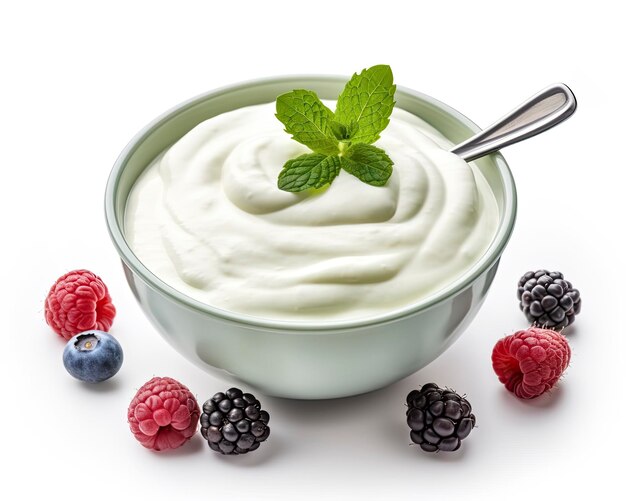
Yogurt is a staple food in many diets and is praised for its potential to improve gut health. Loaded with probiotics and other nutrients, yogurt has become a go-to choice for many seeking a balanced gut. But is yogurt good for gut health, and why? This article dives into the science and benefits behind yogurt’s role in supporting your digestive system.
How Does Yogurt Impact Gut Health?
Probiotics are beneficial bacteria found in fermented foods like yogurt. They work to balance the gut microbiome, a diverse ecosystem of bacteria in your digestive tract. When this balance is maintained, it supports smooth digestion and prevents issues like bloating or constipation.
How Does Yogurt Aid Digestion?
The live cultures in yogurt, such as Lactobacillus and Bifidobacterium, help break down lactose. This makes yogurt easier to digest, even for people with mild lactose intolerance. These probiotics also play a key role in strengthening the gut lining, reducing inflammation, and promoting regular bowel movements.
Supporting a Healthy Gut Microbiome
A healthy gut microbiome is linked to better nutrient absorption and a stronger immune system. Yogurt, rich in probiotics and protein, nourishes the good bacteria in your gut, allowing them to thrive and outnumber harmful bacteria. This creates a robust foundation for overall digestive health.
Greek Yogurt vs. Plain Yogurt For Gut Health
Is Greek yogurt good for gut health? Yes, it is. Greek yogurt is strained, making it thicker and higher in protein. It usually contains probiotics, which support gut health, but check the label to ensure it includes live active cultures.
Plain yogurt, on the other hand, is often less processed and retains natural sugars. It is also an excellent option for gut health, especially when unsweetened.
Yogurts Like Coconut and Probiotic Yogurt For Gut Health
Coconut yogurt is a dairy-free alternative. While it can contain probiotics, always read the label to confirm. Probiotic yogurt, specifically designed to boost gut health, often includes strains like Lactobacillus acidophilus. These strains are proven to enhance gut health by aiding digestion and restoring microbiome balance.
The Role of Probiotic Strains
Not all probiotics are the same. Strains like Lactobacillus bulgaricus and Streptococcus thermophilus, commonly found in yogurt, are effective in improving gut health. They survive the digestive process and populate the gut, providing long-term benefits.
Noosa yogurt is creamy and flavorful but may not always prioritize gut health. While it contains live cultures, its high sugar content can offset the benefits of probiotics. It’s best consumed occasionally or in moderation.
Is Activia Yogurt Good for Gut Health?
Activia is a standout choice for gut health. It contains Bifidobacterium animalis DN-173 010, a unique strain clinically shown to improve digestion and reduce bloating. Activia’s focus on probiotics makes it a top pick.
Is Chobani Yogurt Good for Gut Health?
Chobani offers both Greek and plant-based yogurts. Most varieties are rich in probiotics and low in sugar, making them a gut-friendly option. They’re also high in protein, which adds to their overall health benefits.
Is Yoplait Yogurt Good for Gut Health?
Yoplait is widely available and often marketed as a healthy snack. While it contains live cultures, many varieties are high in sugar and artificial flavors. Opt for their plain or low-sugar options to maximize gut health benefits.
Is yogurt good for weight loss? Absolutely. Greek yogurt, in particular, is an excellent choice for those looking to shed pounds. Its high protein content keeps you full for longer, reducing cravings and overeating. Pair it with fruits or nuts for a balanced, low-calorie snack.
Other Health Benefits
Beyond gut health, yogurt offers a wealth of nutrients. It’s a rich source of calcium, which supports strong bones. The probiotics also contribute to improved immunity, while its high protein content helps build muscle. Yogurt’s versatility makes it a nutritious addition to smoothies, dips, and even savory dishes.
Special Considerations for Different Yogurt Types
There are some considerations that everyone should keep in mind when consuming different types of yogurt.
Plain Yogurt: Nutritional Benefits and Gut-Health Impact
Plain yogurt is a classic choice for gut health. It’s minimally processed and usually contains no added sugars, making it a nutritious and gut-friendly option. The probiotics in plain yogurt help balance the gut microbiome, supporting digestion and overall health. Additionally, its calcium and protein content contributes to strong bones and muscles. When choosing plain yogurt, look for varieties labeled with live active cultures to ensure you’re getting the probiotics your gut needs.
Coconut Yogurt: A Dairy-Free Alternative for Gut Health
For those who are lactose-intolerant or prefer plant-based options, coconut yogurt can be an excellent alternative. It is made from coconut milk and often contains added probiotics. However, it’s important to check labels for added sugars or artificial ingredients. While coconut yogurt provides probiotics, it is lower in protein compared to dairy yogurt. Nonetheless, its healthy fats from coconut milk offer anti-inflammatory benefits, making it a great option for gut health.
Frozen Yogurt: Does Freezing Impact Probiotics?
Frozen yogurt is a popular dessert, but does it still support gut health? Freezing can reduce the number of live probiotics, especially during long storage periods. However, some frozen yogurt brands are designed to retain active cultures. Always look for labels that mention live and active cultures to ensure you’re getting the gut-health benefits. Frozen yogurt can be a healthier dessert option compared to ice cream, but it should be consumed in moderation due to added sugars.
Unique Benefits of Yogurt
There are some unique yogurt benefits, as mentioned below.
For Females: Hormone Regulation and Bone Health
Yogurt is particularly beneficial for women’s health. It is rich in calcium and vitamin D, which support bone density, especially during menopause. The probiotics in yogurt can also aid in hormone regulation by reducing gut inflammation. This, in turn, contributes to improved menstrual health and a balanced hormonal cycle. Furthermore, yogurt’s high protein content helps maintain muscle mass, which is essential for long-term health.
Sexual Health: Yogurt’s Role in Reproductive Health
Yogurt has surprising benefits for sexual health. The probiotics in yogurt promote a balanced vaginal microbiome, reducing the risk of infections like yeast infections and bacterial vaginosis. Additionally, the high levels of zinc and calcium in yogurt are linked to improved fertility and reproductive health. These nutrients play a role in hormone production and overall sexual wellness, making yogurt a valuable addition to the diet.
Top 10 Benefits of Yogurt
The yogurt benefits are as follows:
Improves Gut Health: Probiotics in yogurt maintain a healthy gut microbiome.
Boosts Immunity: Probiotics enhance the immune response, reducing the risk of infections.
Supports Bone Health: Calcium and vitamin D strengthen bones and prevent osteoporosis.
Aids Digestion: Yogurt helps prevent bloating and constipation.
Promotes Weight Loss: Its high protein content keeps you full longer.
Balances Hormones: Yogurt supports hormonal health in the body.
Lowers Cholesterol: Yogurt can improve heart health by reducing LDL cholesterol levels.
Improves Mood: A healthy gut influences better mental health and reduced stress.
Supports Muscle Growth: Protein in yogurt helps repair and build muscles.
How to Choose the Best Yogurt for Gut Health?
You must keep these considerations in mind when looking for the best yogurt for gut health.
Look for Active Probiotics
The key to gut health is selecting a yogurt with live active cultures. Strains like Lactobacillus acidophilus and Bifidobacterium are particularly effective in supporting gut balance.
Is natural yogurt good for you? Absolutely. Natural or organic yogurt is free from additives, artificial flavors, and hormones, making it a healthier choice.
Check the Labels
Always read the nutritional information. Look for live and active cultures and ensure the yogurt is rich in protein, low in sugar, and free from artificial additives.
FAQs
1. Is plain yogurt better than flavored yogurt?
Yes, plain yogurt is better than flavored yogurt for gut health because it typically has fewer added sugars and artificial ingredients. It provides probiotics, protein, and calcium without unnecessary additives, making it a healthier option. You can add natural sweeteners like fruits or honey for flavor without compromising its benefits.
2. Can vegans benefit from yogurt?
Yes, vegans can benefit from plant-based yogurts made from almond, coconut, or soy milk. These often contain probiotics similar to dairy-based yogurts. Check for added live cultures and minimal sugar content to ensure maximum health benefits, particularly for gut health and overall digestion.
3. Does eating yogurt every day improve gut health?
Eating yogurt daily can improve gut health if it contains live and active probiotics. Regular consumption supports a balanced gut microbiome, aids digestion, and boosts immunity. Choose yogurts with minimal sugar and additives for the best results. Consistency is key to experiencing long-term benefits.
4. Are low-fat yogurts good for gut health?
Low-fat yogurts can be good for gut health if they contain active probiotics. However, some low-fat options add sugar to enhance flavor, which may counteract benefits. Choose low-fat yogurts with no added sugars or artificial sweeteners for a gut-friendly and healthy choice.
5. What’s the best time to eat yogurt?
The best time to eat yogurt is in the morning or as a snack. Eating it on an empty stomach can help probiotics reach the gut more effectively. It’s also a great pre- or post-workout snack due to its protein content and digestion-friendly properties.
Conclusion
Yogurt is undeniably a powerhouse food for gut health and overall well-being. From its rich probiotic content to its versatility in meals, yogurt offers numerous benefits. Incorporating it into your diet can improve digestion, strengthen immunity, and even support weight management. Whether you choose plain, Greek, or coconut yogurt, prioritize products with active probiotics and minimal processing. With its wide-ranging health benefits, yogurt is an easy and delicious way to promote a healthier you.
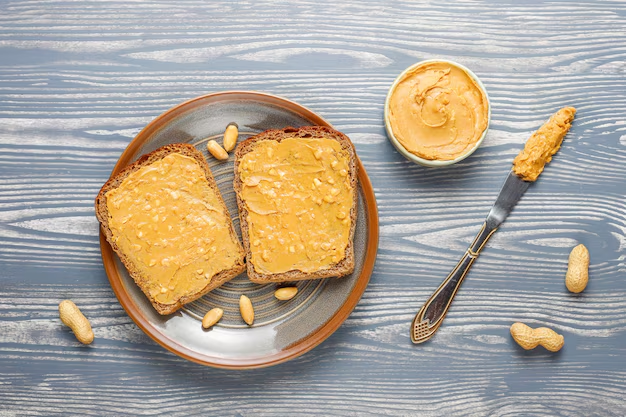
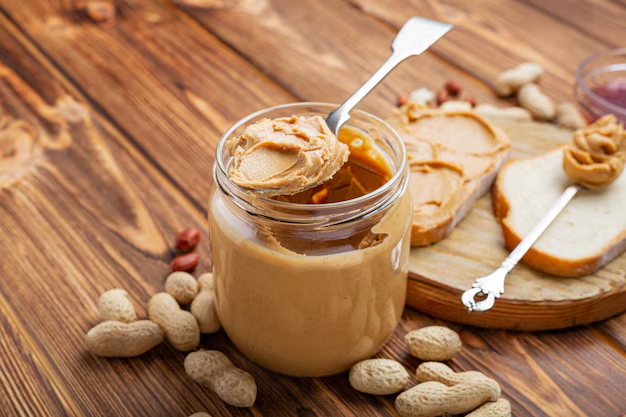
Peanut butter is one of the most popular and versatile foods worldwide. It’s creamy, delicious, and loaded with nutrients. But if you’re watching your carbohydrate intake, you might wonder, is peanut butter low in carbs? This article delves into its nutritional profile, explores its compatibility with low-carb and keto diets, and examines specific use cases. Let’s find out whether this pantry staple can fit into your health goals.
Nutritional Overview of Peanut Butter
Peanut butter is not just a tasty treat; it’s packed with macronutrients like carbs, fats, and proteins. Understanding its nutritional makeup is crucial for determining its role in your diet.
Carbohydrates in Peanut Butter
Peanut butter contains a moderate amount of carbohydrates. On average, one tablespoon (about 16 grams) of peanut butter has roughly 3–4 grams of carbs. This makes it relatively low-carb compared to other spreads like jelly or chocolate spreads.
But are peanuts themselves carbohydrates or protein? The answer lies in their composition. Peanuts, the base ingredient of peanut butter, are a legume. They contain primarily fats and proteins with a small portion of carbs. About 100 grams of peanuts contain 16 grams of carbs, which is why they are classified as a low-carb food.
Fats and Proteins in Peanut Butter
Peanut butter is rich in healthy fats. These include monounsaturated and polyunsaturated fats, which are heart-healthy and provide sustained energy. One tablespoon contains about 8 grams of fat.
In terms of protein, peanut butter is a great source. A single tablespoon delivers approximately 4 grams of protein, making it an excellent option for building and repairing muscles. These factors combined make peanut butter a nutrient-dense choice for many diets.
Peanut Butter and Low-Carb Diets
Low-carb diets focus on limiting carbohydrates while increasing fats and proteins. Let’s see if peanut butter fits into this framework.
Is Peanut Butter Good for Low-Carb Diets?
Yes, peanut butter can be a great addition to low-carb diets. Its low carbohydrate content and high fat profile align well with these dietary principles. However, moderation is key. Overeating peanut butter can still contribute to carb intake, especially if the brand contains added sugars.
Is Peanut Butter Low in Carbs and Sugar?
Most natural peanut butter are low in both carbs and sugar. Look for varieties with no added sugar, as some commercial brands sneak in sweeteners. For example, one tablespoon of natural peanut butter may contain 2–3 grams of carbs and less than 1 gram of sugar. In contrast, sweetened versions may have double the carbs.
Is Peanut Butter Carb-Friendly?
Peanut butter is considered carb-friendly, but not all products are created equal. Always read the label to avoid hidden carbs from added ingredients. The simpler the ingredient list, the better.
Keto Diet and Peanut Butter
The ketogenic diet requires a very low intake of carbs, typically under 50 grams per day. Can peanut butter fit within these strict guidelines? Let’s dive in.
How to Eat Peanut Butter on Keto?
Peanut butter can be enjoyed on keto in moderation. Stick to unsweetened, natural peanut butter, as it typically has fewer carbs. Pair it with keto-friendly foods like celery, cucumber slices, or almond flour crackers. Another option is to use it in keto recipes like fat bombs or smoothies.
Why No Peanuts on Keto?
You might have heard that peanuts are not ideal for keto. This is because peanuts are technically legumes, not nuts. Legumes are higher in carbs compared to true nuts like almonds or walnuts. However, in small amounts, peanuts and peanut butter can still fit into a keto plan without disrupting ketosis.
Is Skippy Peanut Butter Keto?
Skippy peanut butter is a popular brand, but most varieties contain added sugars and hydrogenated oils. This makes them less suitable for keto. If you’re following a ketogenic diet, avoid Skippy and similar brands. Opt for natural alternatives instead.
Best Peanut Butter for Keto
The best peanut butter for keto should be unsweetened, with minimal ingredients. Brands like Crazy Richard’s, Smucker’s Natural, and 365 by Whole Foods are excellent choices. They typically contain just peanuts and a pinch of salt, keeping the carb count as low as possible.
Yes, peanut butter is beneficial during early pregnancy. It provides essential nutrients like protein, healthy fats, and folate, which support fetal development. Folate is particularly crucial as it helps prevent neural tube defects.
Peanut butter is also an excellent source of vitamin E, magnesium, and potassium, all of which are important for a healthy pregnancy. Additionally, its high caloric density can help combat fatigue, a common symptom in early pregnancy.
Cautions
While peanut butter is generally safe, some individuals might have a peanut allergy. Pregnant women should also avoid peanut butters with added sugars or hydrogenated oils, as these can negatively impact health.
Can We Eat Peanut Butter in a Diet?
Absolutely! Peanut butter fits well into many diets, whether for weight loss, muscle building, or general health.
Weight Management: The protein and healthy fats in peanut butter promote satiety, reducing overall calorie intake.
Energy Boost: Peanut butter’s calorie density makes it a quick energy source for workouts or long days.
Heart Health: Monounsaturated fats in peanut butter support cardiovascular health.
Tips for Incorporating Peanut Butter
Use it as a topping for oatmeal or smoothies.
Spread it on apple slices for a balanced snack.
Add it to sauces or dressings for a creamy texture.
Choosing the Right Peanut Butter
Peanut butter is a favorite among health enthusiasts and food lovers alike. It’s creamy, delicious, and packed with nutrients. But when you’re on a low-carb diet, finding the right peanut butter can feel tricky. This guide will help you navigate your options, focusing on the lowest-carb peanut butter choices.
The carb content in peanut butter varies widely depending on the brand and ingredients. Peanut butter made with just peanuts and a little salt is typically the best choice. These products have fewer carbs than those with added sugars, oils, and flavorings.
Here’s what to look for when shopping for peanut butter:
Ingredients: Stick to peanut butter made with 100% peanuts or peanuts and salt. Avoid added sugar and oils.
Net Carbs: Check the label for net carbs, which is calculated as total carbs minus fiber. Aim for peanut butter with 3g net carbs or less per serving.
Serving Size: A typical serving is 2 tablespoons, so compare carb counts based on this standard.
Some popular low-carb peanut butter brands include:
Smucker’s Natural Peanut Butter (2g net carbs per serving)
Crazy Richard’s Peanut Butter (2g net carbs per serving)
Teddie All Natural Peanut Butter (3g net carbs per serving)
These brands offer minimal processing and no added sugars, making them ideal for low-carb diets.
Comparing Popular Brands for Carb and Sugar Content
Choosing the right brand makes a big difference. Always read labels carefully. A small difference in sugar content can quickly add up.
Peanut Butter and Calories
Peanut butter is high in calories, which might surprise some people. A typical serving of 2 tablespoons contains around 190–210 calories. Most of these come from healthy fats and protein. But why is peanut butter so calorie-dense?
Fat Content: Peanuts are naturally rich in fats, contributing to the high calorie count.
Concentrated Nutrition: The processing of peanuts into peanut butter doesn’t dilute its calorie content. It remains as nutrient-packed as whole peanuts.
Balancing Calories on a Low-Carb Diet
Calories matter, even on a low-carb diet. Peanut butter can fit into your meal plan, but portion control is key. Here’s how to keep it balanced:
Use Measuring Spoons: Stick to the recommended serving size of 2 tablespoons.
Pair with Low-Carb Foods: Combine peanut butter with celery sticks, cucumber slices, or a small apple for a balanced snack.
Limit Daily Intake: Aim for 1–2 servings per day to avoid overloading on calories.
By managing your portions, you can enjoy peanut butter without compromising your calorie goals.
Low-Carb Nuts as Alternatives
If you’re looking for variety, low-carb nuts are excellent alternatives to peanut butter. They provide healthy fats, protein, and fewer carbs.
Comparison of Nuts and Peanut Butter
Food
Net Carbs (per 1 Oz)
Calories
Description
Almond Butter
3 g
190
Smooth, mild flavor, fewer carbs than peanut butter
Walnut Butter
2 g
200
High in omega-3 fats
Pecans
1 g
200
Excellent for very low-carb diets
Peanuts
4 g
160
Slightly higher in carbs but affordable
Alternating between peanut butter and other low-carb nuts can keep your diet interesting. Almond butter, for instance, is a fantastic choice for those who want a lighter flavor and fewer carbs.
FAQs
1. Is peanut butter good for a low-carb diet?
Yes, peanut butter can be good for a low-carb diet, especially natural peanut butter. It’s low in carbs and high in healthy fats, making it a great choice in moderation. Watch out for added sugars in processed varieties, as they can increase carbohydrate content.
2. How many carbs are in natural peanut butter?
Natural peanut butter typically contains about 4-7 grams of carbs per 2-tablespoon serving, with 2-3 grams being dietary fiber. Always check the label, as some brands vary slightly depending on added ingredients or the processing method.
3. Can I eat peanut butter every day?
Yes, you can eat peanut butter daily if consumed in moderation. Stick to 1-2 tablespoons to avoid excessive calorie intake. It provides protein, healthy fats, and essential nutrients. Balance it with other foods to meet your dietary goals.
4. What are the best low-carb alternatives to peanut butter?
Low-carb alternatives include almond butter, macadamia nut butter, sunflower seed butter, and tahini. These options are similarly nutrient-dense but may offer lower carbs or different flavor profiles, catering to various dietary preferences.
5. How do I pick the healthiest peanut butter?
Choose natural peanut butter with only peanuts and salt as ingredients. Avoid added sugars, hydrogenated oils, or unnecessary additives. Opt for organic or minimally processed options when possible for better nutritional quality.
If you’re seeking variety, low-carb nuts like almonds and walnuts are fantastic alternatives. They provide similar nutritional benefits with unique flavors. By making mindful choices, you can enjoy peanut butter while staying on track with your health goals.
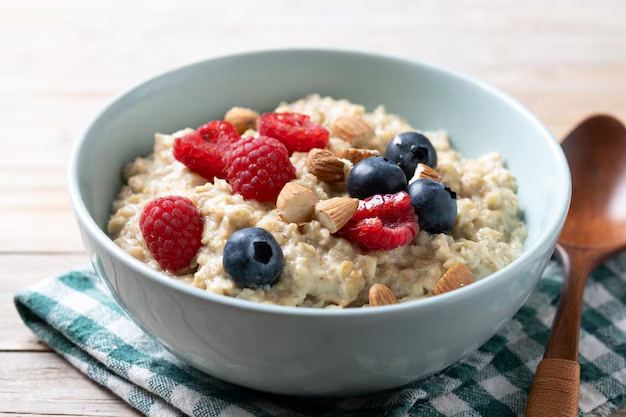
Oatmeal is celebrated as a fiber-rich breakfast staple, perfect for starting the day on a healthy note. But is oatmeal high in fiber, and what makes it so beneficial? Dietary fiber plays a vital role in maintaining digestive health, controlling blood sugar levels, and reducing cholesterol. A balanced diet with adequate fiber improves overall well-being and supports heart health.
This article explores the fiber content of oatmeal, delving into the differences between various types and cooking methods. We’ll also discuss its health benefits and how it compares to other foods in terms of fiber. If you’re curious about optimizing your fiber intake, this guide is tailored for you.
What Makes Oatmeal High in Fiber?
Oatmeal is a powerhouse breakfast for dietary fiber, with approximately 4 grams of fiber per cup of cooked oats. The primary types of fiber in oatmeal are soluble fiber and insoluble fiber, each offering unique health benefits:
Soluble fiber (like beta-glucan): Dissolves in water, forming a gel-like substance that helps lower cholesterol and stabilize blood sugar.
Insoluble fiber: Promotes bowel health by adding bulk to stool, preventing constipation.
Types of Oatmeal and Fiber Content
The fiber content in oatmeal can vary depending on its type. Here’s a quick breakdown:
Steel-cut oats: Packed with fiber due to minimal processing, offering the highest amount.
Old-fashioned oats: Retain a significant portion of fiber while being easier to prepare than steel-cut oats.
Instant oats: Still contain fiber but slightly less due to extensive processing.
Does Cooking Affect Fiber?
Cooking methods can impact oatmeal’s fiber content. While the raw fiber content remains the same, the volume of oatmeal may increase when cooked, slightly diluting the fiber concentration. For example, 1/2 cup of dry oats becomes about 1 cup of cooked oatmeal but still contains roughly the same total fiber.
Let’s find out the fiber content in different types of oatmeal.
1. Is Steel-Cut Oatmeal High in Fiber?
Yes, steel-cut oatmeal is one of the highest in fiber. With its coarse texture and minimal processing, it offers around 5 grams of fiber per 1/4 cup (dry). Its slow digestion supports prolonged fullness, making it ideal for those seeking sustained energy and digestive health benefits.
2. Is Instant Oatmeal High in Fiber?
Instant oatmeal contains less fiber compared to steel-cut or old-fashioned oats, with about 3 grams per serving. The fine processing to achieve quick cooking reduces some fiber. However, it’s still a nutritious option when fortified with additional fiber.
Tip: Choose plain instant oatmeal instead of flavored options to avoid added sugars.
3. Is Old-Fashioned Oatmeal High in Fiber?
Old-fashioned oatmeal is another excellent source of fiber, containing about 4 grams per serving. The rolled texture retains a substantial amount of fiber while being more versatile than steel-cut oats.
4. Is Quick Oatmeal High in Fiber?
Quick oats, similar to instant oatmeal, provide around 3–4 grams of fiber per serving. They undergo more processing than old-fashioned oats, but their convenience and nutritional value make them a good option for busy mornings.
5. Is Baby Oatmeal High in Fiber?
Baby oatmeal is finely ground for easier digestion but still retains fiber. It typically contains 2–3 grams per serving, making it suitable for introducing dietary fiber to infants.
Caution: Consult a pediatrician before adding fiber-rich foods to a baby’s diet.
6. Is Cooked Oatmeal High in Fiber?
Cooked oatmeal is rich in fiber, with 4 grams per 1 cup. While cooking may change the texture and volume, the fiber content remains constant, offering the same benefits for digestion and heart health.
7. Is Gluten-Free Oatmeal High in Fiber?
Yes, gluten-free oatmeal contains the same fiber as regular oatmeal. It’s an excellent option for individuals with gluten sensitivities or celiac disease, providing about 4 grams of fiber per serving.
Note: Ensure the gluten-free label to avoid cross-contamination during processing.
8. Is Plain Oatmeal High in Fiber?
Plain oatmeal, free from added flavors or sugar, offers the most pure fiber content. A serving of plain oatmeal contains 4 grams of fiber and is a great base for healthy toppings like fruits and nuts.
10 Health Benefits of Oatmeal
Oatmeal is more than just a comforting breakfast; it’s a powerhouse of nutrients with numerous health benefits. Whether you enjoy it in the morning, at night, or with milk, oats are a versatile food that can enhance your well-being. This article explores the top health benefits of oatmeal, its nutritional value, and important considerations.
1. Aids in Weight Loss
Oatmeal is rich in soluble fiber, particularly beta-glucan, which helps you feel full longer. This reduces the urge to snack between meals. The slow digestion of oats also stabilizes blood sugar levels, minimizing sudden hunger pangs.
2. Lowers Cholesterol Levels
Beta-glucan in oats binds to cholesterol in the gut, reducing its absorption. This mechanism lowers bad cholesterol (LDL) without affecting good cholesterol (HDL), promoting heart health.
3. Supports Heart Health
The combination of fiber, antioxidants, and healthy fats in oatmeal works to protect your heart. Oats help reduce inflammation, which is a key factor in cardiovascular diseases.
4. Improves Digestive Health
Oatmeal is an excellent source of dietary fiber, which promotes regular bowel movements and prevents constipation. The prebiotic effect of oats nourishes beneficial gut bacteria, enhancing gut health.
5. Boosts Energy Levels
Oats provide complex carbohydrates, which release energy slowly. This makes oatmeal a great option for sustained energy throughout the day or before a workout.
6. Stabilizes Blood Sugar
Oats have a low glycemic index, which means they cause a gradual rise in blood sugar. This is especially beneficial for people with diabetes or those looking to manage their blood sugar levels.
7. Enhances Immune Function
Beta-glucan not only benefits your cholesterol levels but also strengthens your immune system. It enhances the activity of white blood cells, helping your body fight infections.
8. Promotes Skin Health
Oatmeal’s anti-inflammatory properties can soothe itchy, irritated skin. It is often used in skincare products to treat conditions like eczema and acne.
9. Reduces Stress
Oats contain magnesium, which helps regulate the nervous system. A warm bowl of oatmeal can act as a comfort food, reducing stress and improving mood.
10. Helps Reduce Risk of Cancer
The antioxidants and fiber in oats are linked to a reduced risk of certain cancers, such as colorectal cancer. Their anti-inflammatory properties play a role in cancer prevention.
Benefits of Eating Oatmeal at Night
Eating oatmeal at night can be a healthy option, especially if you’re looking for a light, satisfying meal. Here are some specific benefits:
Better Sleep: Oats are rich in melatonin and magnesium, which help promote relaxation and improve sleep quality.
Keeps You Full: Eating oatmeal at night curbs midnight cravings and keeps you satiated till morning.
Supports Recovery: For athletes, oats consumed at night can help replenish energy stores and aid muscle recovery.
Benefits of Oats with Milk
Pairing oats with milk creates a nutrient-dense meal. Here’s why:
Calcium and Vitamin D: Milk adds calcium and vitamin D, strengthening bones and teeth.
Complete Protein: Combining oats and milk provides a complete protein source, essential for muscle repair and growth.
Creamy Texture: Milk enhances the taste and creaminess of oatmeal, making it more enjoyable to eat.
Oatmeal’s Role in Weight Loss, Cholesterol Reduction, and Heart Health
Here are the details about oatmeal’s role in weight loss, cholesterol reduction, and heart health.
Oatmeal is a low-calorie, nutrient-dense food. Its high fiber content suppresses appetite and supports weight management. Additionally, oats are free of added sugars and unhealthy fats, making them a guilt-free choice.
Cholesterol Reduction
Beta-glucan in oats absorbs cholesterol and bile acids, which are then excreted from the body. This natural process helps reduce the risk of cardiovascular diseases.
Heart Health
The antioxidants in oats, such as avenanthramides, protect blood vessels from damage and improve blood flow. Regular consumption of oatmeal lowers blood pressure, further reducing the risk of heart disease.
Disadvantages and Considerations
While oatmeal is generally healthy, there are a few points to consider:
Overeating: Consuming large portions can lead to excess calorie intake, which may hinder weight loss goals.
Instant Oatmeal: Pre-packaged instant oats often contain added sugars and artificial flavors. Opt for plain oats for maximum benefits.
Oats are nutrient-rich and provide a variety of essential macronutrients and micronutrients. Here’s a breakdown of their nutritional profile:
Nutrients
Amount (per 100g)
Calories
389 kcal
Protein
16.9 g
Carbohydrates
66.5 g
Dietary Fibers
10.6 g
Fat
6.9 g
Calcium
54 mg
Irom
4.7 mg
Magnesium
177 mg
Zinc
3.1 mg
Special Focus on Fiber
The high fiber content in oats aids digestion, regulates blood sugar, and lowers cholesterol. Steel-cut and rolled oats offer more fiber than instant varieties, making them the healthier choice.
Yes, you can eat oatmeal daily. It’s a nutrient-dense food rich in fiber, vitamins, and minerals. Regular consumption supports digestion, lowers cholesterol, and promotes heart health. Choose plain, unsweetened oatmeal to avoid added sugars, and pair it with healthy toppings like fruits or nuts for balanced nutrition.
2. What’s the healthiest type of oatmeal?
Steel-cut oats are the healthiest type due to minimal processing retaining more fiber and nutrients. They have a lower glycemic index, providing sustained energy and improved blood sugar control. Old-fashioned oats are also nutritious, but instant oatmeal often contains added sugars and fewer health benefits.
3. Is oatmeal good for people with diabetes?
Yes, oatmeal is beneficial for people with diabetes. It contains soluble fiber, which slows digestion, stabilizing blood sugar levels. Choose unsweetened varieties and pair oatmeal with protein or healthy fats to further prevent blood sugar spikes. Avoid flavored or instant oats with added sugars.
4. Can oatmeal help in muscle building?
Oatmeal supports muscle building by providing complex carbohydrates for energy and protein for muscle repair. It’s rich in nutrients like magnesium and iron, which are vital for muscle function. Pair oatmeal with protein-rich toppings like nuts, seeds, or Greek yogurt to maximize its benefits for muscle growth.
Conclusion
Oatmeal is a versatile and nutrient-packed food that can benefit your health in many ways. From improving digestion to reducing cholesterol and supporting heart health, oats are a simple yet powerful addition to your diet. For the best results, choose minimally processed oats and watch your portion sizes. By including oatmeal in your daily routine, you can take a significant step toward a healthier lifestyle.
While providing 5–8 grams of high-quality, complete plant-based protein per 100 grams, hummus is more accurately described as a balanced food, rich in both healthy unsaturated fats and crucial dietary fiber. Its powerful combination of protein and fiber makes it an excellent choice for satiety and weight loss, offering a much healthier alternative to many conventional spreads.
Hummus is a beloved, versatile dip made from chickpeas, tahini, olive oil, lemon juice, and spices. Praised globally for its creamy texture and health advantages, it is often considered a potential source of protein.
Its widespread popularity is fueled not only by its delicious versatility—serving as a dip, spread, or condiment—but also by its impressive nutritional profile. As modern diets increasingly focus on plant-based and high-protein options, a pivotal question emerges: Is hummus high in protein?
The answer is more nuanced than a simple yes or no. While hummus is undeniably a healthy, nutrient-dense food, understanding its place in a balanced diet requires a deep dive into its macronutrient composition, especially when compared to other popular spreads, and how it performs in specific scenarios like weight management.
This comprehensive guide will meticulously explore the protein content of hummus, weigh its benefits against its potential drawbacks, and address every query from “is hummus high in protein for weight loss” to “protein in 2 tbsp hummus.
1. The Core Nutritional Profile of Hummus
To determine if hummus qualifies as a high-protein food, we must first dissect its fundamental composition. Hummus is a powerhouse of blended ingredients, each contributing significantly to its overall nutritional identity.
1.1 The Macronutrient Breakdown: Protein, Fat, and Carbs
A standard 100-gram (approx. 3.5 oz) serving of classic hummus provides a balanced mix of macronutrients. However, the exact numbers can fluctuate based on the recipe (e.g., more or less tahini, added oils, or different chickpea ratios).
This table immediately brings us to a crucial realization: Hummus is not a protein isolate; it is a balanced whole food.
1.2 Is Hummus High in Protein, Fat, or Carbs?
This is one of the most frequently asked questions about this popular dip.
Is Hummus High in Fat? On a per-calorie basis, fat often contributes the largest percentage of calories in hummus due to the inclusion of olive oil and tahini. For instance, a 100g serving containing 12g of fat (at 9 calories per gram) has 108 calories from fat. While this might sound high, the crucial distinction is that these are primarily unsaturated fats—monounsaturated and polyunsaturated fatty acids that are considered heart-healthy. Therefore, while is hummus high in fat is technically true in quantity, the quality of that fat is excellent.
Is Hummus High in Carbs? Hummus has a moderate carb content, typically higher than its protein or fat content by weight. The good news is that these carbohydrates are predominantly complex carbohydrates and are naturally paired with a significant amount of dietary fiber. This pairing results in a low Glycemic Index (GI), meaning the carbs are digested slowly, providing sustained energy without sharp blood sugar spikes.
Is Hummus High in Protein? Compared to true protein-powerhouses like chicken breast or whey powder, is hummus high in protein is debatable. Compared to other popular dips or spreads (like mayonnaise, cream cheese, or many salad dressings), yes, its protein and fiber content stand out. The correct classification is that hummus is a good source of plant-based protein, contributing valuable grams to your daily total, but it should not be relied upon as your primary protein source in a meal.
1.3 A Closer Look at Protein Content
Let’s break down the protein content into common serving sizes to make it practical for daily eating:
100g Hummus Protein: As noted, 5–8 grams.
Protein in 2 tbsp Hummus (30g): A standard serving size, often providing 1.5 to 2.5 grams of protein.
1/2 cup Hummus Protein (120g): Provides roughly 6 to 10 grams of protein.
While 2.5 grams per two tablespoons is modest, when paired with high-protein sides (like grilled chicken, whole-grain pita, or even high-protein hummus brands), it becomes a significant contributor to a high-protein meal.
1.4 Is Hummus a Complete Protein?
Protein quality is just as important as quantity. A “complete protein” contains all nine essential amino acids that the body cannot produce on its own.
Chickpeas are a good source of protein but are slightly low in the essential amino acid methionine.
Tahini (sesame seeds) is also a plant protein source and is low in the essential amino acid lysine.
Crucially, when you combine chickpeas and tahini—the two core ingredients of traditional hummus—their amino acid profiles complement each other. The methionine missing in the chickpeas is provided by the tahini, and vice versa. Therefore, a classic hummus recipe is considered a complete protein, making it exceptionally valuable for vegetarians and vegans.
2. Hummus and Weight Management—A Friend to the Scale
The discussion of protein and fat content in hummus naturally leads to its role in weight management. Many people seeking to shed pounds or maintain a healthy weight often look for snacks and spreads that promote satiety without excessive calories. The question becomes: Is hummus ok for losing weight? And more specifically, is hummus high in protein for weight loss?
The answer is overwhelmingly positive, provided portion control is practiced. Hummus is not merely “okay” for losing weight; it can be a highly strategic component of a calorie-controlled diet due to the synergistic power of its macronutrients.
2.1 The Triple-Threat Mechanism for Satiety
The secret to why hummus supports weight loss lies in its unique combination of the three macronutrients that most effectively contribute to feeling full, or satiety:
1. Protein (The Muscle Builder)
Protein requires more energy for the body to digest and metabolize (a phenomenon called the thermic effect of food) compared to fat or carbs. This factor, combined with the protein’s well-documented ability to suppress hunger hormones (like ghrelin), means that even the moderate protein content in hummus helps you feel satisfied.
Is Hummus High in Protein for Weight Loss? While not extremely high on its own, it’s high enough, especially when paired with low-calorie, high-volume foods like raw vegetables, to significantly boost the overall satiety of a snack, preventing the quick return of hunger that leads to overeating. Using hummus as a dip is a clever way to increase protein intake slightly while also consuming fewer calories overall compared to snacking on chips or baked goods.
2. Fiber (The Gut Filler)
Hummus is rich in dietary fiber, primarily from chickpeas. Is hummus high in fiber? Absolutely. A standard 100g serving can provide 6 to 8 grams of fiber, significantly contributing to the daily recommended intake of 25–38 grams.
Impact on Weight Loss: Fiber is indigestible, meaning it adds bulk to food without adding calories. This bulk physically fills the stomach, sending signals of fullness to the brain. Furthermore, fiber slows down the rate at which food leaves the stomach, prolonging the feeling of satiety. This dual action is why the combination of is hummus high in protein and fiber is such a powerful tool for curbing appetite and reducing overall caloric intake.
3. Healthy Fats (The Long-Term Satisfier)
The healthy unsaturated fats from olive oil and tahini are slower to digest than carbohydrates. This slower digestion process contributes to sustained energy release and long-lasting satiety.
The Trade-off: While fats are crucial for health and satiety, they are also calorie-dense (9 calories per gram). This is why the question Is hummus high in calories is relevant. A single 2-tablespoon serving can be around 70-80 calories. For weight loss, the key is to ensure the added satiety benefit outweighs the calorie contribution, which it generally does when used as a dip for veggies instead of a high-calorie spread.
2.2 Navigating Potential Pitfalls: Calories and Portion Control
While hummus is a fantastic weight-loss tool, it is not calorie-free, and this is where many diets run into trouble.
Moderately. Due to the fat content, over-dipping can quickly add up. A half-cup serving is over 160 calories.
Stick strictly to the standard serving size of 2 tablespoons (approx. 70-80 calories).
Is Hummus High in Carbs?
Moderate. The carbs are complex and fiber-rich, which is good.
The primary risk comes from what you dip with the hummus (e.g., high-carb, high-fat pita chips).
Is Hummus High in Fat?
Yes, by weight. But it’s the good, unsaturated fat.
Choose a high protein low fat hummus recipe (often by reducing or omitting the added olive oil) if you are severely limiting fat intake.
The Bottom Line for Weight Loss: Hummus is a valuable asset because its fiber and protein content help manage hunger, reducing the likelihood of reaching for far less nutritious, calorie-dense foods later on. The key to making hummus healthy for weight loss is consistent portion control and pairing it with low-calorie, nutrient-dense carriers like sliced bell peppers, carrots, cucumbers, or celery.
2.3 Hummus vs. Popular Alternatives: The Protein Comparison
Understanding the nutritional value of hummus is best achieved by comparing it to other common spreads and dips. This comparison directly addresses questions like Which has more protein, peanut butter or hummus? and Which has more protein, avocado or hummus?
If your goal is to maximize pure protein intake, choose peanut butter. However, for a high-satiety, lower-calorie, and lower-fat spread, hummus is the superior choice, especially for weight loss. The trade-off is clear: Peanut butter has more protein, but hummus is far lower in fat and calories.
Fat content is comparable, though avocado fat is usually higher in monounsaturated fats.
Fiber
6–8 grams
7 grams
Fiber content is very similar, making both great for digestion.
If you need a protein boost, hummus has more protein than avocado. Both are excellent sources of healthy fats and fiber, but hummus offers a better overall macronutrient balance for building lean tissue while staying full.
Beyond Protein: Comprehensive Health Benefits and The Pros and Cons of Hummus
Hummus’s appeal extends far beyond its protein and fiber content. It is a true nutrient-dense food, providing a range of vitamins, minerals, and compounds that support overall health, including cardiovascular function, blood sugar control, and digestive health. To fully assess this food, we must address the question, “What are the pros and cons of hummus?“
3.1 Micronutrients and Specialized Health Benefits
The blend of chickpeas, tahini, and olive oil creates a powerful nutritional synergy that delivers several key micronutrients and health advantages.
1. Supports Heart Health
Both tahini (made from sesame seeds) and olive oil are rich sources of healthy unsaturated fats. Olive oil, in particular, is high in monounsaturated fats (like oleic acid), which are well-known for their ability to:
Lower levels of LDL (“bad”) cholesterol.
Reduce inflammation throughout the body.
Improve blood vessel function.
The overall fat profile of hummus, especially when using high-quality extra virgin olive oil, makes it a staple in heart-healthy diets like the Mediterranean diet.
2. Blood Sugar Management
Is hummus good for diabetics? Yes, it is an excellent choice. As established, the high fiber content slows the absorption of glucose into the bloodstream, preventing rapid spikes in blood sugar.
Additionally, the combination of fat, protein, and complex carbohydrates results in a very low Glycemic Index (GI) score. Foods with a low GI help maintain steady energy levels, making hummus a perfect, sustained-energy snack for individuals managing type 2 diabetes or seeking stable blood sugar throughout the day.
3. Rich Source of Iron and Other Minerals
Hummus is an impressive source of certain essential minerals that are often a concern for those following plant-based diets.
Is Hummus High in Iron? While the iron content can vary, hummus is considered a good source, particularly from the chickpeas. A 100g serving can provide 2.5–3.5 mg of iron. However, iron from plant sources (non-heme iron) is less readily absorbed than animal sources. To maximize absorption, the lemon juice in hummus is critical, as Vitamin C significantly boosts the body’s ability to take in the iron.
Other Key Minerals: Hummus provides substantial amounts of Folate (crucial for DNA synthesis and cell division), Magnesium (essential for muscle, nerve, and bone health), and Zinc (important for immune function). Tahini specifically contributes minerals like copper and selenium.
4. Gut and Digestive Health
We’ve established is hummus high in fiber, and this fiber is predominantly soluble fiber. Soluble fiber:
Feeds the beneficial bacteria in the gut (acting as a prebiotic).
A healthy gut microbiome is linked to improved immunity, better mental health, and reduced inflammation.
It also aids in regularity, preventing constipation.
3.2 Pros and Cons of Hummus: A Balanced View
To provide a complete picture, it is essential to summarize the advantages and potential drawbacks of incorporating hummus into your regular diet.
Category
The Pros of Hummus (Benefits)
The Cons of Hummus (Drawbacks)
Nutritional
Excellent source of plant-based protein, high in fiber, rich in iron, folate, and magnesium. Complete protein source.
Is hummus high in fat (by content)? Yes. High-fat content can lead to excessive calorie intake if portions are ignored.
Diet & Health
Low GI (great for blood sugar control). Supports heart health with healthy unsaturated fats. Promotes satiety for weight management.
Is hummus high in carbs? Yes, relative to protein/fat, but mostly complex carbs. The carbs in accompanying pita or chips can be detrimental.
Preparation & Safety
Highly versatile and easy to make at home (allowing control over ingredients).
Allergy Risk: Contains tahini (sesame seeds), a common and serious allergen.
Commercial Concerns
Easily accessible in stores, with many specialty flavors available.
Is hummus bad for you (store-bought)? Some commercial brands contain excessive sodium, unnecessary oils, or preservatives, negating some health benefits.
3.3 Addressing The Online Dialogue: Is Hummus High in Protein Reddit?
Online communities, particularly platforms like Reddit, frequently discuss the protein content of popular foods. The prevailing consensus on threads addressing “is hummus high in protein reddit” often aligns with the nutritional data presented here:
The general community sentiment is that hummus is not a primary protein source like chicken or cottage cheese, but it is an excellent quality, complete, secondary protein source when paired with low-calorie vegetables. Its true strength lies in the synergy of protein and fiber for satiety, rather than raw protein volume.
3.4 Hummus Protein Content Chart: A Practical Guide
When assessing a food, comparison by protein density is helpful. Here is a simple comparison chart of various common foods, allowing you to gauge where hummus fits:
Food Item
Serving Size
Protein (Grams)
Protein Density (Approx. per 100g)
Chicken Breast (Cooked)
3 oz (85g)
26 g
31 g
Cottage Cheese (2%)
1/2 cup (113g)
14 g
12 g
Black Beans (Cooked)
1/2 cup (85g)
8 g
9 g
Hummus (Classic)
1/2 cup (120g)
6–10 g
5–8 g
Hard-Boiled Egg
1 large (50g)
6 g
12 g
Avocado
1/2 medium (100g)
2 g
2 g
This chart visually confirms that while hummus is not among the highest protein foods, its density (5–8g per 100g) is respectable for a plant-based spread and significantly higher than low-protein snacks like chips or many vegetable dips.
Making Hummus a High-Protein Powerhouse and Conclusion
To truly leverage hummus as a strategic part of a health-focused diet, especially one emphasizing muscle building or satiety, it often requires customization. This final section explores ways to boost the protein content, highlights top commercial options, and provides the final verdict on the nutritional standing of this ancient dip.
4.1 Customizing Hummus: The High Protein Recipe
If the standard protein content of 5–8 grams per 100g isn’t meeting your needs, you can easily modify your recipe to create a high protein hummus recipe that is often also a high protein low fat hummus option.
High-Protein, Low-Fat Hummus Strategy
The goal is to increase the chickpea and tahini ratio while reducing the volume of calorie-dense olive oil.
Increase Tahini (Protein & Fat Boost): Tahini (sesame seeds) provides protein, healthy fats, and makes the hummus creamy. Increasing the tahini slightly adds a protein punch.
Add Protein Powder (Ultimate Boost): This is the most effective way to create a highest protein hummus. A small, flavorless scoop of pea protein, hemp protein, or unflavored collagen can be blended directly into the recipe. This method can instantly double the protein content without significantly altering the texture or taste.
Example: Adding 1 scoop (20g protein) of unflavored pea protein to a batch that yields 400g of hummus can raise the protein density from ~6g/100g to ~11g/100g.
Use Greek Yogurt (Creaminess & Protein): For those who are not vegan/dairy-free, replacing half of the olive oil and some of the water with plain, non-fat Greek yogurt (which is significantly higher in protein than traditional yogurt) adds incredible creaminess and a substantial protein boost while simultaneously reducing the total fat and calorie count, resulting in a true high protein low fat hummus.
4.2 Top High Protein Hummus Brands
While homemade is best for ultimate control, the convenience of store-bought hummus is undeniable. The modern market has responded to demand, offering options that specifically target higher protein and lower fat content.
When looking for the highest protein hummus brands, always check the nutritional label, particularly the protein-to-calorie ratio. Look for products that specifically market the use of added legumes or protein sources.
Edamame/Lentil Blends: Some brands blend chickpeas with other higher-protein legumes like edamame (soybeans) or lentils. These products often have 1 to 2 grams more protein per serving than classic chickpea-only varieties.
Protein-Fortified: A few specialty brands are now fortifying their hummus with added pea or whey protein isolates, achieving a much higher protein concentration suitable for athletes or those on strict macronutrient diets.
4.3 Special Considerations
Is Hummus High in Protein for Dogs?
While chickpeas are generally safe for dogs in small amounts, classic hummus should never be fed to dogs. The primary reasons are:
Garlic and Onions: These are common ingredients in hummus and are toxic to dogs.
High Fat Content: The olive oil and tahini can be too rich, potentially leading to gastrointestinal upset or pancreatitis in sensitive dogs.
If a pet owner wishes to share, they must use a plain, chickpea-only puree without any seasonings or oil.
Is Hummus Bad for You?
In the context of the vast majority of unhealthy processed snacks, absolutely not. Is hummus bad for you is a misconception driven by three potential factors:
Overconsumption: As a calorie-dense food, eating too much can lead to weight gain.
Sodium: Store-bought brands can be high in sodium. Always choose low-sodium options or make it at home to control salt.
Pairing: Pairing hummus with refined white bread, high-fat pita chips, or other poor choices negates the health benefits of the dip itself.
Hummus is a good, high-quality, complete plant-based protein source that is uniquely complemented by a high volume of dietary fiber and heart-healthy unsaturated fats.
While it does not compare to meat or dairy in sheer protein mass, its combination of:
Protein (5–8g/100g)
Fiber (6–8g/100g)
Low Glycemic Index
…makes it an unparalleled tool for managing hunger, stabilizing blood sugar, and supporting long-term satiety.
Whether you are aiming for weight loss (is hummus high in protein for weight loss), managing blood sugar, or simply seeking a delicious, nutrient-dense snack, hummus proves to be a versatile and indispensable addition to your diet. The key to maximizing its benefits is mindfulness: control your portions, choose quality ingredients, and pair it with fresh, whole foods.
Ginger ale has long been a go-to remedy for stomach discomfort. It has been praised for easing nausea, gas, and other digestive issues for generations. But does it truly live up to its reputation? This article explores whether ginger ale is good for your stomach and separates myths from facts. By understanding its components, types, and alternatives, you’ll be better equipped to decide whether ginger ale is the right choice for digestive relief.
What Makes Ginger Ale Popular for Stomach Issues?
Ginger ale owes its popularity as a stomach-soothing drink to two main factors: ginger and carbonation.
The Role of Ginger in Digestive Health
Ginger is a well-known natural remedy for digestion. It contains compounds like gingerol and shogaol, which can reduce inflammation and improve gut motility. These properties make ginger beneficial for conditions like acidity, gas, and nausea. In fact, studies show ginger can alleviate morning sickness and post-surgery nausea, making it a versatile choice for gut health.
How Does Carbonation Contribute?
Carbonation in ginger ale offers another layer of relief. The bubbles can stimulate burping, which helps release trapped gas in the stomach. For some people, this can lead to quick relief from bloating. However, this effect depends on personal tolerance to carbonated drinks, as excessive gas from carbonation may worsen symptoms for certain individuals.
Is Drinking Ginger Ale Good for Your Stomach?
Combining ginger’s natural benefits with the soothing effect of carbonation explains why ginger ale is commonly used for upset stomachs. But the big question remains: is ginger ale soda good for your stomach? The answer lies in the quality and quantity of ginger in the drink, as well as individual reactions to sugar and carbonation.
Myths vs. Facts: Does Ginger Ale Really Help?
While ginger ale has a reputation for soothing upset stomachs, its actual effectiveness can vary. Let’s dive into the myths versus facts surrounding this popular remedy.
How Much Ginger Is in Commercial Ginger Ales?
Most store-bought ginger ales, like Schweppes or Canada Dry, contain minimal real ginger. In fact, the ginger flavor often comes from artificial or highly diluted extracts. These low concentrations of ginger may not provide enough of the active compounds needed for therapeutic benefits.
The Role of Sugar and Carbonation
Commercial ginger ales are often high in sugar. For example, a can of Schweppes ginger ale contains about 33 grams of sugar. While sugar can provide a quick energy boost, it may irritate sensitive stomachs or worsen issues like diarrhea. Diet ginger ale, which uses artificial sweeteners, might not fare much better as certain sweeteners can cause bloating or gas.
Carbonation, while helpful for some, can also be a double-edged sword. For those with acid reflux, the carbonated gas can exacerbate symptoms rather than relieve them. So, while flat ginger ale might be easier on the stomach, it loses the burping effect of carbonation.
Is Ginger Ale Good for Nausea?
When it comes to nausea, the effectiveness of ginger ale heavily depends on its ginger content. Homemade or specialty ginger ales with higher concentrations of real ginger might help more. However, commercial varieties with little real ginger and high sugar levels may not be as effective.
Is Ginger Ale Good for Your Upset Stomach?
Ginger ale may help mildly upset stomachs due to its soothing ingredients. But for significant relief, choosing a ginger ale with real ginger or opting for a natural ginger infusion might be more beneficial.
Different Types of Ginger Ale and Their Effects
The type of ginger ale you choose matters. Let’s examine the differences and variations among popular brands.
1. Schweppes and Vernors
Schweppes and Vernors are widely available commercial brands. While they offer ginger flavor, the actual ginger content is minimal. Schweppes is lightly carbonated, making it less likely to cause gas build-up. On the other hand, Vernors is sweeter and more carbonated, which might not suit sensitive stomachs.
2. Reed’s Ginger Ale
Reed’s is a standout option for those seeking more authentic ginger content. It uses fresh ginger root, making it a stronger choice for therapeutic purposes. If you’re wondering, is Reed’s ginger ale good for your stomach? The answer is yes, especially if you want the benefits of real ginger.
3. Cranberry Ginger Ale
Cranberry ginger ale offers a fruity twist. Cranberries are rich in antioxidants and have mild anti-inflammatory properties. However, this variation often contains added sugars, which could counteract its potential benefits. If you’re considering whether cranberry ginger ale is good for your stomach, its benefits largely depend on the brand and sugar levels.
What’s the Best Ginger Ale for an Upset Stomach?
For digestive relief, opt for brands like Reed’s or homemade versions with fresh ginger. These contain higher levels of real ginger, providing the therapeutic benefits you’re looking for.
Comparing Remedies: Ginger Ale vs. Other Drinks
Ginger ale isn’t the only option for stomach relief. Here’s how it compares to other remedies.
Coke vs. Ginger Ale
Some people swear by Coke for upset stomachs. Coke’s acidity can help break down food, but its high sugar content and lack of therapeutic ingredients like ginger make it less effective than ginger ale.
Herbal Teas
Herbal teas like chamomile or peppermint offer excellent alternatives. These teas soothe the stomach without the added sugar or carbonation found in ginger ale. Peppermint, in particular, can relax the stomach muscles and ease bloating.
Plain Water and Electrolyte Drinks
For those with diarrhea or dehydration, plain water or electrolyte drinks like Pedialyte may be more effective. These replenish lost fluids without the risk of gas or sugar irritation.
What Is the Best Drink for an Upset Stomach?
It depends on your symptoms. If nausea is the main issue, real ginger ale or ginger tea is ideal. For dehydration, stick to water or electrolyte solutions.
Who Should Avoid Ginger Ale?
While ginger ale can offer stomach relief for some, it’s not suitable for everyone. Certain groups may experience adverse effects or need to exercise caution when consuming this drink.
Diabetics and Sugar-Sensitive Individuals
Most commercial ginger ales contain high levels of sugar, with some brands packing over 30 grams per serving. For patients suffering from diabetes, this spike in sugar can lead to increased blood sugar levels, posing health risks. Even diet ginger ale, which uses artificial sweeteners, might cause bloating or digestive discomfort for sensitive individuals. If you’re wondering, Can ginger upset your stomach?—the answer lies in these additives rather than the ginger itself.
People with Acid Reflux
Carbonation in ginger ale can exacerbate symptoms of acid reflux. The bubbles may increase stomach pressure, pushing acid back into the esophagus. For those prone to heartburn or GERD, ginger ale is often more irritating than soothing. Additionally, sugary varieties can make acid reflux worse.
Empty Stomach Concerns
Some people experience stomach irritation from drinking ginger ale on an empty stomach. While fresh ginger tea is generally safe, carbonated drinks can sometimes lead to bloating or mild nausea. So if you’re asking, Can I drink ginger on an empty stomach? Stick to fresh ginger or teas rather than soda-based drinks.
Tips for Using Ginger Effectively for Stomach Issues
For those who want the benefits of ginger without the drawbacks of commercial ginger ale, there are alternative ways to incorporate ginger into your diet.
Opt for Natural Alternatives
Fresh ginger tea is an excellent substitute for ginger ale. Simply steep fresh ginger slices in hot water for 10 minutes and add honey for sweetness. This eliminates added sugars and carbonation, providing a more concentrated dose of gingerol—the active compound in ginger.
Ginger chews or capsules are also effective, particularly for motion sickness or nausea. These products offer controlled dosages and fewer additives compared to ginger ale.
Baking soda and water: Mix half a teaspoon of baking soda in a glass of water to neutralize stomach acid quickly.
Peppermint tea: It relaxes stomach muscles and reduces bloating naturally.
Smaller meals: Eating smaller portions and avoiding heavy, fatty foods can prevent gas and acidity.
If you’re curious about the fastest way to neutralize stomach acid, a combination of these tips and a calming herbal tea can provide quick relief.
FAQs
Is diet ginger ale good for your stomach?
Diet ginger ale may soothe mild stomach discomfort due to carbonation and ginger flavoring. However, it often lacks real ginger, which provides therapeutic benefits. Artificial sweeteners may also irritate sensitive stomachs. Fresh ginger or ginger tea is generally a better alternative for effective relief.
What is the best ginger ale for an upset stomach?
Ginger ales with real ginger, like Reed’s or Vernors, are often considered the best for an upset stomach. They provide natural ginger compounds that aid digestion and reduce nausea. However, always check the label to ensure authentic ginger content rather than artificial flavoring.
Can ginger ale replace ginger tea?
Ginger ale cannot fully replace ginger tea. Most commercial ginger ales contain minimal real ginger and added sugars, reducing their therapeutic benefits. Ginger tea, made with fresh or powdered ginger, offers concentrated gingerol, which effectively soothes digestive issues and reduces nausea, making it a superior choice.
Is flat ginger ale better for stomach issues?
Flat ginger ale may be gentler on the stomach compared to carbonated versions, as it avoids bloating caused by gas. However, like regular ginger ale, its benefits are limited without real ginger. Fresh ginger or tea remains a more effective remedy for stomach issues.
Conclusion
Ginger ale has its place as a potential remedy for mild stomach issues, but it’s not a one-size-fits-all solution. While it can help with bloating and nausea, its high sugar content, carbonation, and minimal ginger levels make it less effective than natural alternatives like fresh ginger tea. For those sensitive to sugar or prone to acid reflux, ginger ale might cause more harm than good.
So, Is there any benefit to drinking ginger ale? Yes, but primarily when it’s made with real ginger and consumed in moderation. As for Whether ginger ale is good for weight loss, the answer is no—its sugar content outweighs any negligible calorie-burning benefits.
Cranberry juice is a popular beverage known for its tangy flavor and potential health benefits. It is made from cranberries, small, bright red berries native to North America. It is available in various forms, including pure, unsweetened varieties, low-sugar diet options, and blends with other fruits. Each type serves different taste preferences and health goals.
The juice contains nutrients like vitamin C, antioxidants, and natural plant compounds. These make it a common choice for those looking to improve their health. Many people wonder, “is cranberry juice good for you?” The answer is yes when consumed in moderation. From supporting urinary tract health to improving skin and heart health, it offers a variety of benefits, which we’ll explore in detail.
Is Cranberry Juice Good for You?
Cranberry juice is not just a refreshing drink; it also supports your health in many ways. Its high content of vitamin C boosts your immune system, helping to protect against illnesses. It’s also loaded with antioxidants like polyphenols and flavonoids, which fight oxidative stress in the body.
One of its most famous benefits is its role in urinary tract health. Cranberries contain compounds called proanthocyanidins that prevent harmful bacteria from sticking to the walls of the urinary tract. This may help reduce the risk of urinary tract infections (UTIs).
However, myths surround this juice. Some believe it can cure UTIs or act as a detox drink, but neither claim is entirely accurate. While it may lower the risk of infections, it cannot treat them once they occur. And although it aids general health, it’s not a magical detoxifier. To enjoy its benefits, opt for unsweetened or low-sugar versions to avoid added calories.
Health Benefits
Cranberry juice offers multiple health benefits, as mentioned below:
A. Benefits for Males
It is particularly beneficial for men’s health. It supports urinary tract health, reducing the likelihood of infections. This is helpful for men prone to urinary issues or those with prostate concerns. Studies suggest that cranberries may also help reduce inflammation in the prostate, potentially lowering the risk of prostate enlargement or benign prostatic hyperplasia (BPH).
Cranberry juice also promotes heart health, which is vital for men as they age. Its antioxidants help lower bad cholesterol (LDL) and increase good cholesterol (HDL). This may reduce the risk of heart disease, a leading cause of death among men. Additionally, drinking it may improve blood vessel function and reduce blood pressure.
B. Benefits for Females
Women commonly use this juice to prevent urinary tract infections (UTIs). Its active compounds stop bacteria like E. coli from adhering to the urinary tract, making it a natural way to reduce UTI recurrence.
Cranberry juice also benefits skin health. Its high vitamin C content promotes collagen production, leading to firmer, healthier skin. Antioxidants in cranberries protect the skin from environmental damage, helping to reduce wrinkles and fine lines. Furthermore, it may help balance hormones, offering relief for women experiencing menopause or hormonal fluctuations.
Cranberry Supplements: Capsules vs. Tablets
For those who want the benefits of cranberries without drinking juice, supplements are a great alternative. Cranberry capsules and tablets are made from concentrated cranberry extract. Both forms are convenient and sugar-free.
Capsules
Capsules are easy to swallow and contain fewer additives. They provide a concentrated dose of cranberry’s active compounds, making them effective for urinary health. Capsules are also absorbed quickly, ensuring faster results.
Tablets
Tablets are often combined with other ingredients, like vitamin C or probiotics, for added benefits. However, they may be harder to digest or absorb compared to capsules.
Both forms are effective, but capsules may be slightly better for those looking for pure cranberry benefits. Tablets, on the other hand, can provide a multi-nutrient approach to health.
Is Cranberry Juice Good for You During Pregnancy?
Pregnant women often wonder whether cranberry juice is safe. The good news is that this juice can be beneficial during pregnancy when consumed in moderation. It helps prevent urinary tract infections, which are more common in pregnant women due to hormonal changes.
The juice is also rich in vitamin C, supporting the immune system of both the mother and the baby. Its mild diuretic properties can reduce bloating and water retention, which are common during pregnancy. However, pregnant women should choose unsweetened juice to avoid excessive sugar, which may contribute to weight gain or gestational diabetes.
It’s always wise to consult with a healthcare provider before adding this juice or supplements to your pregnancy diet.
Other Cranberry Juice Benefits
Let’s find out its further benefits
For Skin Health
Cranberry juice is a natural ally for healthy skin. Its antioxidants neutralize free radicals, which cause skin aging. Regular consumption may help reduce wrinkles, fine lines, and other signs of aging.
This juice also fights acne. Its anti-inflammatory properties calm irritated skin, while its natural acids help exfoliate and clear pores. Vitamin C in it boosts collagen production, improving skin elasticity and hydration. Drinking a glass of unsweetened juice daily can be beneficial for glowing skin.
For Heart Health
Cranberry juice has numerous cardiovascular benefits. Its polyphenols improve blood vessel elasticity, reducing the risk of high blood pressure. These antioxidants also lower LDL cholesterol levels while raising HDL cholesterol, promoting a healthier heart.
Studies suggest that this juice can reduce the risk of atherosclerosis, a condition where arteries narrow due to plaque buildup. Lowering inflammation and improving blood flow support overall heart function. Adding it to your diet can help protect your heart in the long run.
For Your Liver
This juice can support liver health. Its antioxidants help reduce oxidative stress, which can damage liver cells. These compounds also assist the liver in detoxifying harmful substances. While this juice is not a cure for liver conditions, it can complement a liver-friendly diet.
For Kidneys and Bladder
Cranberry juice is excellent for urinary tract health, including the kidneys and bladder. It prevents bacteria from sticking to the urinary tract, reducing the risk of infections. By lowering the chance of infection, it also indirectly supports kidney function. Additionally, its mild diuretic effect promotes the elimination of waste and toxins, keeping the kidneys and bladder healthy.
Different Types of Cranberry Juice: What’s Best for You?
Cranberry juice comes in various forms, and each type offers unique benefits depending on your health goals. Understanding the differences can help you make the best choice for your needs.
Is Diet Cranberry Juice Good for You?
It is a low-calorie option that uses artificial sweeteners instead of sugar. This makes it a good choice for those watching their calorie intake or managing diabetes. However, it’s essential to consider the type of artificial sweeteners used. Some, like aspartame, may not suit everyone.
The lower sugar content in diet cranberry juice reduces the risk of blood sugar spikes. But if you prefer natural options, you might find it less appealing. Always check the ingredient label for added chemicals or preservatives.
Is Pure Cranberry Juice Good for You?
Pure cranberry juice, made from 100% cranberries, is one of the healthiest options. It contains no added sugars, preservatives, or artificial flavors. The high concentration of antioxidants and vitamins makes it excellent for boosting immunity, supporting heart health, and preventing urinary tract infections (UTIs).
However, its tart taste may not be for everyone. Diluting it with water or mixing it with other natural juices can make it more palatable without compromising its health benefits.
Is Unsweetened Cranberry Juice Good for You?
It is the healthiest choice overall. It is free from added sugars, making it ideal for maintaining stable blood sugar levels and avoiding unnecessary calories. The lack of added ingredients ensures you’re consuming only the nutrients found in cranberries, such as vitamin C, potassium, and antioxidants.
For those focused on weight management or reducing sugar intake, unsweetened cranberry juice is the best option. Its natural tartness might take some getting used to, but its health benefits are worth it.
Is Zero Sugar Cranberry Juice Good for You?
Zero sugar cranberry juice is often made with artificial sweeteners to mimic the sweetness of regular juice. While it’s a good alternative for people avoiding sugar, the presence of artificial additives may be a concern for some.
Zero sugar options are lower in calories and sugar. However, reading the label is crucial to understand the type of sweeteners and their potential health effects.
Is White Cranberry Juice Good for You?
White cranberry juice is made from less-ripe cranberries, giving it a milder, sweeter flavor compared to traditional red cranberry juice. While it’s still rich in vitamins and antioxidants, its nutritional content is slightly lower due to the earlier harvesting of the berries.
White cranberry juice is a good option for those who dislike the tartness of red cranberry juice but still want some of the health benefits. However, it’s important to choose unsweetened versions to avoid excess sugar.
Flavored Cranberry Juices: Are They Healthy?
Flavored cranberry juices combine cranberries with other fruits for enhanced taste and added health benefits. However, not all flavored juices are created equal. The key is to choose those with no added sugars or artificial flavors.
Is Grape Cranberry Juice Good for You?
Grape cranberry juice offers a mix of antioxidants from both fruits. Grapes are rich in resveratrol, a compound that supports heart health and reduces inflammation. Combined with cranberry’s UTI prevention properties, this blend is both flavorful and nutritious.
Apple cranberry juice is a balanced blend of tart and sweet flavors. Apples add fiber and pectin, which support digestion and lower cholesterol. Cranberries contribute their antioxidants and UTI prevention properties.
This juice blend is a family-friendly option with multiple health benefits. Again, choose unsweetened varieties for the best results.
What Happens If You Drink Cranberry Juice Every Day?
Drinking this juice daily can have several long-term benefits. It boosts immunity, supports urinary tract health, and provides a steady dose of antioxidants. Daily consumption may also improve heart health by lowering LDL cholesterol and enhancing blood flow.
However, there are potential risks if consumed in excess. Over-drinking it, especially sweetened varieties, can lead to high sugar intake, weight gain, or digestive issues. For people prone to kidney stones, excessive consumption may increase the risk due to its oxalate content.
Recommendations for Daily Consumption
Stick to 8–16 ounces of unsweetened or pure cranberry juice per day.
It may support weight loss by reducing water retention and providing antioxidants, but it’s not a miracle solution. Choose low-calorie options.
Can children drink cranberry juice?
Yes, but opt for unsweetened or diluted versions to avoid excess sugar.
Are cranberry juice blends as healthy as pure cranberry juice?
Some blends, like apple-cranberry or grape-cranberry, are nutritious but check the labels for added sugars or artificial flavors.
Conclusion
Cranberry juice is a powerhouse of nutrients that can support your health in various ways. From urinary tract health and skin vitality to heart protection and organ support, it offers numerous benefits.
Unsweetened or pure varieties of this juice are the healthiest options when choosing a cranberry juice. They provide maximum antioxidants without added sugars. Flavored juices and diet options can be good choices but always check for artificial additives and sweeteners.
Apple juice is a popular beverage known for its refreshing taste and potential health benefits. Beyond its pleasant flavor, many people wonder: Is apple juice good for your heart? This question has drawn attention from researchers, nutritionists, and health enthusiasts alike. Let’s explore apple juice’s nutritional profile and its role in promoting heart health.
Nutritional Benefits of Apple Juice
Apple juice is more than just a sweet drink; it’s packed with essential nutrients. These include vitamins, minerals, and antioxidants that contribute to overall health.
Key Nutrients in Apple Juice
Vitamin C: Apple juice is rich in vitamin C, a powerful antioxidant. This nutrient helps reduce oxidative stress in the body, which can protect your heart from damage caused by free radicals.
Phytonutrients: Apple juice contains phytonutrients like flavonoids and polyphenols. These compounds are known for their anti-inflammatory and antioxidant properties, which are beneficial for heart health.
Apple Juice vs. Whole Apples
While whole apples provide fiber, apple juice delivers concentrated nutrients that are quickly absorbed. This makes it a convenient option for boosting your intake of heart-friendly compounds. However, moderation is key due to its natural sugar content.
Oxidative stress occurs when there’s an imbalance between free radicals and antioxidants in your body. This can damage cells, including those in the heart and blood vessels. Apple juice, rich in antioxidants like flavonoids and polyphenols, helps neutralize free radicals. This protects the heart from oxidative damage and promotes overall cardiovascular health.
2. Supports Healthy Blood Pressure
For individuals wondering, is apple good in high blood pressure? the answer is promising. The potassium content in apple juice plays a pivotal role in managing blood pressure levels. Potassium acts as a natural vasodilator, helping blood vessels relax and improving blood flow. This reduces strain on the heart and decreases the risk of hypertension.
Comparison with Other Heart-Friendly Juices
You might ask, what juice is best for your heart? While apple juice is beneficial, other juices like pomegranate, orange, and beetroot juice also offer heart-healthy properties. For instance:
Pomegranate juice: High in antioxidants, it fights inflammation and lowers cholesterol.
Orange juice: Provides vitamin C and folate, which support heart function.
Beetroot juice: Contains nitrates that improve blood flow and reduce blood pressure.
Each juice has unique benefits, but apple juice stands out for its balance of nutrients and pleasant taste.
Apple Juice and Specific Conditions
Apple juice’s nutrient profile makes it a great choice for managing specific heart-related conditions.
Blood Pressure and Palpitations
Potassium, a star nutrient in apple juice, is vital for maintaining stable blood pressure levels. High blood pressure is a leading risk factor for heart disease, and consuming potassium-rich foods and drinks can help mitigate this risk.
Additionally, people often ask, is apple juice good for your heart palpitations? Potassium also supports normal heart rhythms, making apple juice a helpful addition for those experiencing irregular heartbeats or palpitations.
Heart Rate and Heart Attack Prevention
Antioxidants in apple juice can play a role in stabilizing heart rate. Free radicals and oxidative stress can disrupt the heart’s rhythm, but apple juice’s antioxidants help combat these issues. This improves overall heart rhythm and function.
Furthermore, these antioxidants reduce cholesterol buildup in arteries, lowering the risk of heart attacks. So, when people inquire, is apple juice good for your heart rate or heart attack prevention? the science suggests it’s a heart-healthy choice.
Other Health Benefits of Apple Juice
Apple juice is not only good for heart health but also offers various other health benefits. From supporting weight management to potentially aiding in platelet production, apple juice is a versatile drink.
1. Weight Loss Support
Apple juice can be a helpful addition to a weight-loss plan when consumed in moderation. It provides a refreshing option for maintaining a low-calorie meal plan.
Low-Calorie Content
An 8-ounce (240 mL) serving of apple juice typically contains around 100-120 calories. Compared to sugary sodas or calorie-dense snacks, it’s a lighter choice. Plus, its natural sugars provide a quick energy boost without excessive calories. For those asking, is apple juice good for weight loss? The answer lies in its ability to replace higher-calorie beverages while still satisfying sweet cravings.
Role in Satiety
Apple juice contains water and simple carbohydrates, which can create a feeling of fullness. While it lacks the fiber found in whole apples, its natural hydration properties can help reduce the urge to overeat. To maximize its weight-loss benefits, pair apple juice with fiber-rich foods like oats or nuts to stay fuller for longer.
2. Platelet Count
Some research suggests that apple juice might positively impact platelet levels, although more studies are needed to confirm this. Platelets are essential for blood clotting and overall health.
How does Apple Juice Affect Platelets?
Apple juice is rich in antioxidants, particularly flavonoids and polyphenols, which may promote healthy blood function. For those wondering, is apple juice good to increase platelets? anecdotal evidence suggests it may support platelet production by reducing oxidative stress and inflammation. However, it is not a substitute for medical treatments in conditions like thrombocytopenia.
Incorporating Apple Juice for Blood Health
While not a proven remedy, drinking fresh, natural apple juice can contribute to overall wellness and complement other strategies to maintain healthy platelet levels. Pair it with iron-rich foods like spinach for added benefits.
Apple Juice vs. Other Fruit Juices for Heart Patients
Benefits: High in antioxidants like punicalagins and anthocyanins, pomegranate juice reduces arterial inflammation and improves cholesterol levels.
Best for: Lowering bad cholesterol and reducing plaque buildup.
2. Orange Juice
Benefits: Loaded with vitamin C and potassium, orange juice supports healthy blood pressure and boosts immunity.
Best for: Reducing blood pressure and fighting oxidative stress.
3. Grape Juice
Benefits: Contain resveratrol and flavonoids, which improve blood vessel health and promote better circulation.
Best for: Supporting healthy arteries and improving blood flow.
4. Apple Juice
Benefits: Balanced in antioxidants, potassium, and phytonutrients, apple juice is great for managing blood pressure and reducing oxidative stress.
Best for: General heart health and regulating blood pressure.
So, which juice is good for heart patients? Each has unique strengths, but apple juice stands out for its accessibility and overall nutrient profile.
How to Incorporate Apple Juice Into Your Diet?
Adding apple juice to your daily routine is easy and rewarding. By choosing the right type and using creative recipes, you can enjoy its health benefits while keeping your diet balanced.
Choosing the Healthiest Apple Juice
Look for 100% pure apple juice with no added sugars or preservatives.
Freshly squeezed or cold-pressed apple juice retains the most nutrients.
Ideas for a Heart-Healthy Lifestyle
Morning Booster: Start your day with a glass of apple juice paired with a handful of almonds for a balanced breakfast.
Smoothie Base: Use apple juice as a base for smoothies with spinach, kale, or berries for an antioxidant-rich drink.
Salad Dressing: Combine apple juice with olive oil and vinegar for a sweet and tangy salad dressing.
Dessert Substitute: Freeze apple juice into popsicles for a heart-healthy dessert alternative.
By incorporating apple juice thoughtfully, you can enhance its health benefits without overloading it with sugar.
FAQs
Does apple juice have vitamin C?
Yes, apple juice contains vitamin C, though in smaller amounts compared to citrus fruits. It helps support the immune system, promote skin health, and acts as an antioxidant. However, to get a significant dose of vitamin C, you may need to consume other sources like oranges or berries.
Is apple juice good for your stomach?
Apple juice can be gentle on the stomach and aid digestion due to its fiber content, especially when consumed in moderation. It may also help relieve constipation. However, consuming too much juice may lead to bloating or upset stomach due to its natural sugar content and acidity.
What happens if we drink apple juice daily?
Drinking apple juice daily in moderation can provide antioxidants, vitamins, and hydration, supporting heart and digestive health. However, excessive consumption may lead to weight gain due to its sugar content. It’s important to balance apple juice with whole fruits for optimal health benefits.
Conclusion
So, is apple juice good for your heart? The answer is a resounding yes—when consumed in moderation, apple juice offers a variety of nutrients and health benefits that support heart health. From reducing oxidative stress to improving blood pressure and cholesterol levels, apple juice provides valuable antioxidants, vitamins, and minerals that can protect the heart.
However, it’s essential to incorporate apple juice into a balanced diet that includes other heart-healthy foods and drinks. As with any food or beverage, moderation is key to enjoying its benefits while avoiding potential side effects.
Green tea has long been praised as a natural remedy for improving health and aiding weight loss. Its popularity stems from its ability to support fat burning and metabolism, making it a common choice for those on a weight loss journey. But is green tea good for weight loss, and how can you use it effectively? This article explores the nutritional profile of green tea, its weight-loss benefits, the best times to drink it, and which varieties are most effective.
Calories: Green tea is calorie-free, making it ideal for losing weight.
Catechins: These antioxidants, particularly epigallocatechin gallate (EGCG), enhance fat oxidation and boost metabolism.
Caffeine: Though mild compared to coffee, green tea’s caffeine content works with catechins to burn calories.
Polyphenols and Antioxidants: These compounds reduce inflammation and protect cells from damage.
Together, these nutrients make green tea a potent ally for reducing weight.
How Does Green Tea Support Weight Loss?
Green tea’s weight loss benefits are well-documented, with its effects rooted in its ability to enhance metabolism and fat burning.
1. Boosting Metabolism
Green tea helps increase your metabolic rate, allowing your body to burn more calories at rest. EGCG plays a significant role here by targeting fat cells and breaking them down for energy.
2. Fat Oxidation
Green tea increases the body’s ability to use stored fat for fuel. Studies suggest that green tea can enhance fat oxidation during exercise, making workouts more effective.
3. Catechins and Caffeine Synergy
Catechins work with caffeine to enhance thermogenesis—the process of heat production in the body. This results in burning more calories, even during light activity.
4. Consistency is Key
For weight reduction, green tea isn’t a quick fix. Drinking it regularly over weeks or months is essential for noticeable results. Consuming 2–3 cups daily can help achieve a sustained calorie deficit.
While it alone won’t lead to significant weight loss, it can amplify the results of a healthy diet and exercise plan.
Yes, drinking green tea in the morning is highly effective. Its caffeine content provides a gentle energy boost, kickstarting your metabolism for the day. Pairing green tea with breakfast helps your body utilize calories more efficiently.
Is Green Tea Good for Weight Loss at Night?
Drinking green tea at night can be beneficial, but caution is needed. Its mild caffeine content may disrupt sleep in sensitive individuals. However, the catechins can support overnight fat burning. Decaf green tea is a better option for nighttime consumption.
Other Optimal Times
Before Exercise: Drinking green tea 30 minutes before a workout can enhance fat burning during exercise.
Between Meals: Sipping green tea between meals can reduce cravings and improve digestion.
Avoid drinking green tea on an empty stomach, as it may cause discomfort for some people.
Popular Green Tea Varieties for Weight Loss
Not all green teas are created equal. Here’s a look at how its different types impact the shedding of extra pounds.
1. Is Lipton Green Tea Good for Weight Loss?
Lipton green tea is a convenient and affordable option for losing weight. It contains catechins and antioxidants, making it effective for boosting metabolism. Opt for unsweetened varieties to avoid added calories.
2. Is Matcha Green Tea Good for Weight Loss?
Matcha green tea is one of the most potent options for weight reduction. Unlike regular green tea, matcha uses whole tea leaves, providing higher concentrations of EGCG and antioxidants. Its vibrant green powder can be consumed as a tea or added to smoothies for maximum fat-burning benefits.
3. Is Decaf Green Tea Good for Weight Loss?
Decaf green tea is a great choice for those sensitive to caffeine. While it contains fewer catechins, it still offers antioxidants and some weight loss benefits. Decaf varieties are especially useful for nighttime consumption.
4. Is Iced Green Tea Good for Weight Loss?
Iced green tea can support weight reduction as long as it’s unsweetened. Many commercial iced green teas contain added sugars, which negate their benefits. Brew your own iced green tea at home for a refreshing, calorie-free option.
5. Is Jasmine Green Tea Good for Weight Loss?
Jasmine green tea combines green tea with jasmine flowers, adding a floral aroma and flavor. It retains all the weight-reducing benefits of green tea while providing a calming effect. Choose unsweetened jasmine green tea for the best results.
6. Is Lemon Green Tea Good for Weight Loss?
Lemon green tea is an excellent choice for weight loss. Lemon enhances the antioxidant properties of green tea and aids digestion. The added vitamin C also supports fat metabolism. Ensure the tea is unsweetened to keep it calorie-free.
Yes, it can aid in losing weight for women with PCOS (Polycystic Ovary Syndrome). Its antioxidants, particularly catechins like EGCG, help improve insulin sensitivity and reduce inflammation. This can regulate weight and combat PCOS-related weight gain. Drinking 2–3 cups a day, paired with a healthy diet and exercise, can yield noticeable results.
When to Drink Green Tea to Reduce Belly Fat?
For targeting belly fat, drink green tea:
Morning: Kickstart your metabolism.
Before Workouts: Boost fat oxidation during exercise.
Diabetes: Green tea can help stabilize blood sugar levels, aiding weight management.
Stress Eating: Its calming effect helps control stress-related snacking.
Active Lifestyles: Drinking green tea before physical activities enhances fat burning.
Commercial Brands and Green Tea for Weight Loss
Not all green teas are equal. Quality and added ingredients greatly influence their effectiveness for weight loss.
Is Tetley Green Tea Good for Weight Loss?
Tetley green tea is a popular choice due to its affordability and availability. It’s effective for weight loss if consumed without added sugar. Its mild flavor and antioxidant content make it a solid everyday option.
Is Arizona Green Tea Good for Weight Loss?
Arizona green tea is not ideal for weight reduction. It often contains added sugars and artificial flavorings, which negate its benefits. For a healthier alternative, choose unsweetened bottled or freshly brewed green tea.
Quality vs. Sugar Content
High-quality green tea with minimal processing retains more catechins and antioxidants. Always check labels for sugar and calorie content. Unsweetened options are best for weight loss.
Does Green Tea Help You Lose Weight Without Exercise?
Green tea alone won’t magically shed pounds. It enhances fat burning and metabolism but works best when combined with:
A balanced diet low in processed foods.
Regular exercise, even light activities like walking.
While it’s a helpful aid, relying solely on green tea without lifestyle changes limits its effectiveness.
Green Tea vs. Other Weight Loss Aids
Here’s a comparison between green tea and other weight-reducing aids.
Green Tea
Black Tea
Herbal Tea
Supplements
Contains less caffeine and more catechins. It supports weight loss and is more effective.
Contains more caffeine but fewer catechins. It supports weight loss but isn’t as effective as green tea
Often caffeine-free, herbal teas can aid digestion but lack the metabolism-boosting properties of green tea.
Supplements often contain green tea extracts; they may include additives or higher caffeine levels that can cause side effects
1 Cup of Green Tea Burns How Many Calories?
A single cup of green tea burns approximately 70–100 calories daily when consumed regularly. Its thermogenic effect contributes to a calorie deficit over time.
Lesser-Known Benefits of Green Tea
Improves brain function with L-theanine.
Protects the skin from aging due to its antioxidants.
Honey in green tea can add a touch of sweetness, but it also adds calories. While honey has some health benefits, such as antioxidants, it doesn’t significantly contribute to weight loss. To reduce weight, it’s best to enjoy the tea without added sugar or honey.
Is ginger in green tea good for losing weight?
Ginger in green tea may aid in losing weight by improving digestion and increasing metabolism. It has anti-inflammatory properties and can reduce appetite. When combined with green tea, it may help burn fat, but results will vary depending on diet and lifestyle factors.
Does green tea with lemon help you lose weight?
Green tea with lemon can help with weight reduction due to the combined effects of its antioxidants and lemon’s vitamin C. The acidity of lemon may also enhance digestion. While it may support fat burning, it works best as part of a balanced diet and exercise routine.
Conclusion
Green tea is a powerful tool for weight loss and overall health. Its ability to boost metabolism, enhance fat oxidation, and support tailored health goals makes it invaluable. However, moderation is essential—2–3 cups a day is ideal. Choose high-quality, unsweetened varieties and pair them with a balanced diet and active lifestyle for the best results.