
Home Blog Page 17

Is Avocado Good For Weight Loss?

Avocados are a favorite superfood loved by many for their creamy texture and impressive health benefits. Packed with essential nutrients, they have become a staple in healthy eating and weight loss diets. Their popularity is not just a passing trend; avocados offer a unique blend of healthy fats, fiber, and vitamins that make them ideal for people looking to shed extra pounds. But is avocados really good for weight loss? Let’s dive deeper into their nutritional profile and their role in managing weight.

Nutritional Composition of Avocado

Avocados are rich in monounsaturated fatty acids (MUFA), which are known as “good fats.” These fats not only provide energy but also support heart health by reducing bad cholesterol levels. 

MUFAs also play a role in reducing inflammation, which is often linked to obesity. Unlike trans fats or saturated fats, MUFAs can help regulate body fat distribution, making them a weight-loss-friendly choice.

Fiber Content and Its Role in Satiety

One medium avocado contains about 10 grams of dietary fiber, making it an excellent source for promoting satiety. Fiber slows digestion, which helps you feel full longer. 

This reduces the chances of overeating and keeps your calorie intake in check. Soluble fiber in avocados also supports gut health by feeding good bacteria, which plays an important role in metabolism.

Vitamins and Minerals: A Nutrient Powerhouse

Avocados are loaded with vitamins and minerals that contribute to overall health. They are a good source of:

  • Vitamin K, which supports bone health.
  • Vitamin E, a powerful antioxidant that fights inflammation.
  • Potassium, which helps regulate fluid balance and muscle contractions.

These nutrients not only enhance general well-being but also support a healthy metabolism, which is key to weight management.

Why Are Avocados Good for Weight Loss?
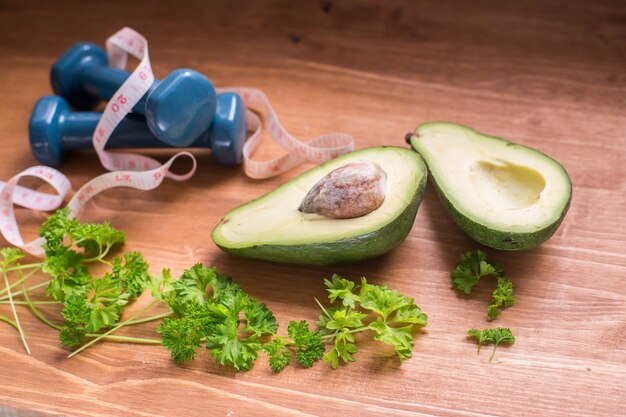
avocado with dumbbells and measuring tape placed on the floor, depicting the use of avocado in weight loss.

Avocados combine healthy fats and fiber, which are crucial for controlling appetite. Their unique nutritional profile helps manage hunger without causing spikes in blood sugar levels. This makes them an ideal choice for those aiming to lose weight.

Role of Fiber and Healthy Fats in Appetite Control

Fiber and healthy fats work together to regulate appetite and reduce cravings. The fats in avocados signal your brain that you are full, while the fiber prolongs this feeling. This duo minimizes the need for frequent snacking, making it easier to stick to a calorie-controlled diet.

Will Avocado Help You Lose Weight?

Yes, avocados can support weight loss when consumed in moderation. Their ability to curb hunger, provide steady energy, and supply vital nutrients makes them a valuable addition to a weight-loss plan. However, portion size matters because avocados are calorie-dense..

Avocado Fat Loss Tips

  • Use avocado as a spread instead of butter or mayo.
  • Add diced avocado to salads for a satisfying, nutrient-rich topping.
  • Blend avocado into smoothies for a creamy texture without added sugar.

To Read: Creamy Avocado, Cilantro, & Pistachio Pesto

How Many Calories in an Avocado Toast?

Avocado toast is a popular meal, but its calorie count can vary based on the portion sizes and ingredients. On average, a slice of avocado toast with whole-grain bread and half an avocado contains approximately 200–250 calories. 

Adding toppings like eggs, cheese, or spreads can increase the calorie count. For those watching their weight, opting for whole-grain bread and limiting extras is a good way to keep the meal both healthy and calorie-controlled.

Benefits of Avocado Toast for Breakfast Weight Loss

Avocado toast is an excellent choice for breakfast when aiming for weight loss. It provides a balanced combination of fiber, healthy fats, and complex carbohydrates, which help maintain steady energy levels. Fiber from the bread and avocado promotes satiety, reducing mid-morning cravings. 

The healthy fats in avocado also stabilize blood sugar levels, preventing energy crashes and overeating later in the day. When paired with nutrient-dense toppings like tomatoes or microgreens, avocado toast becomes a powerhouse breakfast for those managing their weight.

Is Avocado Toast with Egg Good for Weight Loss?

Adding an egg to your avocado toast enhances its nutritional profile without adding too many calories. Eggs are high in protein, which boosts metabolism and promotes muscle maintenance during weight loss. 

Protein also helps you stay fuller longer, making it easier to resist snacking. Together, the avocado and egg create a nutrient-dense meal that satisfies hunger while supporting your weight loss goals. To keep it weight-loss-friendly, cook the egg using minimal oil or opt for a poached or boiled egg.

Does Avocado Toast Make You Fat?

Avocado toast, when eaten in moderation, is unlikely to make you gain weight. However, it is calorie-dense, so portion control is essential. Overloading your toast with avocados or high-calorie toppings like cheese or butter can lead to excess calorie intake, potentially causing weight gain. T

o enjoy avocado toast without worrying about weight gain, stick to one slice and choose whole-grain bread with simple, healthy toppings.

Best Time to Eat Avocado for Weight Loss

The best time to eat avocado for weight loss is in the morning or early afternoon. Consuming avocado as part of breakfast or lunch provides long-lasting energy and keeps you full throughout the day. It’s also a great addition to pre-workout meals, as it supplies healthy fats and keeps you fueled for physical activity.

How to Eat Avocado for Weight Loss?
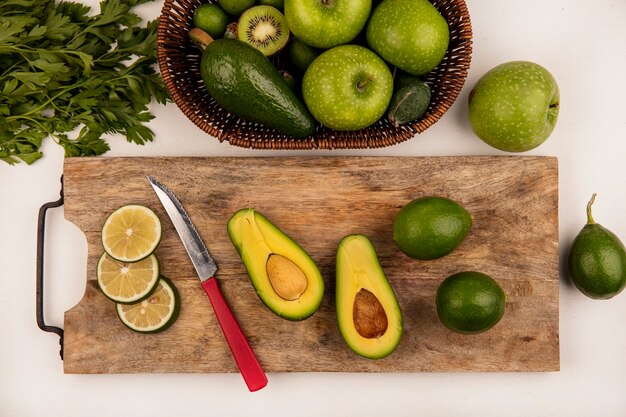
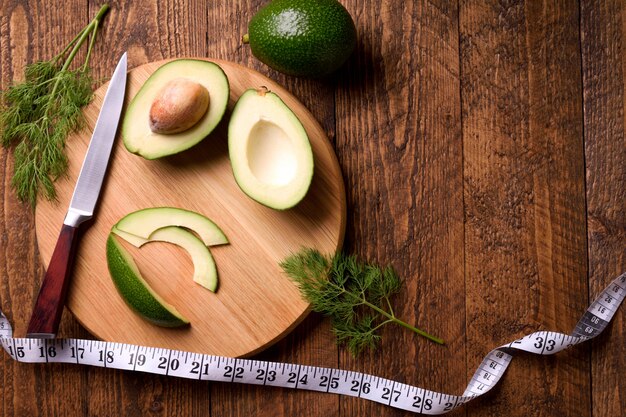
avocados placed on a cutting board with knife and some pieces of lemon.

Here are some simple ways to include avocado in your weight-loss diet:

  • As a spread: Replace butter or mayonnaise with mashed avocado on toast or sandwiches.
  • In smoothies: Add a quarter of an avocado to your morning smoothie for a creamy texture without added sugars.
  • In salads: Dice avocados and mix them into salads for an extra dose of nutrients.
  • As a snack: Pair avocado slices with cucumber or whole-grain crackers for a quick, filling snack.
  • In meals: Use avocado as a topping for soups, tacos, or scrambled eggs for added flavor and nutrition.

Keep portion sizes in mind to avoid consuming excess calories.

Avocado Benefits Beyond Weight Loss

Avocados are not only great for weight management but also offer numerous health benefits:

  • Skin health: Rich in antioxidants like vitamin E, avocados help combat free radicals, promoting radiant and youthful skin.
  • Heart health: The monounsaturated fats in avocados help reduce bad cholesterol levels, supporting cardiovascular health.
  • Eye health: They contain lutein and zeaxanthin, which are essential for maintaining good vision and preventing age-related eye conditions.
  • Improved digestion: Avocados are high in fiber, which supports regular bowel movements and a healthy gut.
  • Hormonal balance: The healthy fats in avocados are important for hormone production and regulation, particularly for women.

Including avocados in your diet can provide benefits that extend beyond weight loss, making them a truly versatile superfood.

FAQs

Do avocados burn belly fat?

Avocados don’t directly burn belly fat but help reduce overall fat by promoting satiety. They are rich in healthy fats and fiber, supporting better appetite control and weight management.

Can I eat avocado every day for weight loss?

Yes, eating avocado daily in moderation supports weight loss. Its fiber and healthy fats enhance fullness, but monitor portion sizes to avoid excess calorie intake.

Is an avocado high in calories?

Yes, avocados are calorie-dense due to their fat content. One medium avocado contains about 240 calories, so moderation is key for weight management.

Conclusion

Avocados are a fantastic addition to any weight-loss plan. They are packed with healthy fats, fiber, and essential nutrients that help control appetite, boost metabolism, and improve overall health. From avocado toast for breakfast to versatile snack ideas, they can fit into various meals throughout the day. However, portion control is key to reaping their benefits without overloading on calories. Beyond weight management, avocados offer a range of benefits for skin, heart, and digestion.
Is Pasta Bad for Weight Loss? A Detailed Guide

When it comes to weight loss, pasta often finds itself on the “do not eat” list. People fear it because of its high carbohydrate content. But is pasta bad for weight loss? The answer depends on how it’s eaten. Pasta can be part of a healthy diet when consumed in the right way. 

Portion control, ingredient choices, and preparation methods play crucial roles in determining its impact. In this article, we’ll debunk myths about pasta, discuss smart strategies for including it in your diet, and help you make informed choices without compromising your weight-loss goals.

Is Pasta Bad for Weight Loss?

Many people believe eating pasta automatically leads to weight gain. But this is a misconception. Let’s break it down.

Misconceptions About Pasta

The main weight concern with pasta is its carbohydrate content. Carbs are often unfairly blamed for weight gain. However, your body needs carbohydrates for energy. It’s not carbs but overconsumption of calories that causes weight issues.

Another misconception is that all pasta is the same. White, refined pasta has a higher glycemic index, which may cause quick spikes in blood sugar. But other options, like whole-grain or legume-based pasta, are healthier.

Importance of Portion Size

A standard serving of cooked pasta is about one cup. This contains approximately 200 calories. Many people, however, eat larger portions without realizing it. Eating three cups instead of one can add up to 600 calories or more. Proper portion control can prevent unnecessary calorie intake and make pasta a weight-loss-friendly choice.

Preparation Methods Matter

Pasta itself isn’t unhealthy. What you pair it with makes a difference. Creamy, cheese-laden sauces and processed meats can turn a low-calorie dish into a calorie bomb. Opt for tomato-based sauces or simple olive oil with herbs to keep your meal light and nutritious.

Can I Eat Pasta While Losing Weight?

Yes, you can eat pasta and still lose weight. The key is making informed choices.

Control Your Portions

Stick to recommended serving sizes. Measure your pasta before cooking to avoid overeating. Combine it with nutrient-dense foods to increase volume without adding extra calories.

Choose Healthy Ingredients

Instead of regular pasta, try whole-grain or alternative varieties made from lentils, chickpeas, or quinoa. These options are higher in fiber and protein, which can keep you fuller for longer.

Balance Your Plate

Combine pasta with vegetables, lean proteins, and healthy fats. Add roasted vegetables or a fresh salad to your pasta dish. Proteins like grilled chicken, shrimp, or tofu complement pasta and make meals more satisfying.

How to Eat Pasta for Weight Loss?

It’s all about the right strategy. Here are practical tips for enjoying pasta while keeping your weight-loss goals on track.

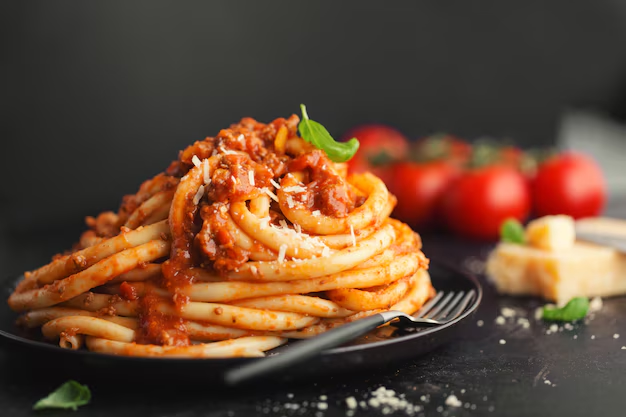
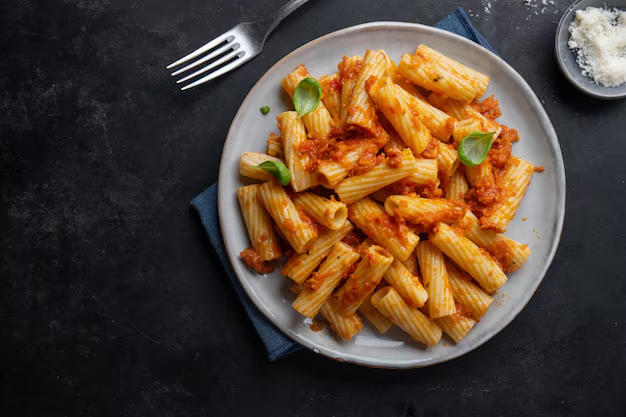
pasta with tomato sauce in a plate.

1. Opt for Whole-Grain or Low-Carb Pasta

Whole-grain pasta contains more fiber than white pasta. Fiber slows digestion and promotes a feeling of fullness. If you’re on a low-carb diet, look for pasta alternatives made from vegetables, such as zucchini noodles or spaghetti squash.

2. Add More Vegetables

Vegetables are low in calories and high in nutrients. Add spinach, broccoli, bell peppers, or mushrooms to your pasta. They add volume to your meal and help you eat less pasta overall.

3. Incorporate Lean Proteins

Proteins are essential for building and repairing tissues. Adding grilled chicken, turkey, or plant-based proteins like lentils to your pasta can make it a balanced meal. Protein also increases satiety, helping you feel full for longer.

4. Mind the Sauces

Choose light sauces made from tomatoes, olive oil, or herbs. Avoid heavy cream-based sauces, which are loaded with calories and unhealthy fats. A simple drizzle of olive oil with garlic and chili flakes can be just as flavorful.

Is Whole Wheat Pasta Bad for Weight Loss?

Whole wheat pasta is a better option for weight loss compared to refined pasta. Here’s why:

High Fiber Content

Whole wheat pasta is rich in fiber. Fiber slows digestion and keeps blood sugar levels stable. This helps in preventing cravings and overeating.

Promotes Satiety

Fiber adds bulk to your meals, making you feel fuller with fewer calories. This can reduce overall calorie consumption.

Low Glycemic Index

Whole wheat pasta has a lower glycemic index than white pasta. This means it causes a slower, steadier rise in blood sugar, which is beneficial for managing weight and preventing spikes in hunger.

Is Pasta Good for a Weight Loss Diet?

Pasta can be a part of a healthy diet when eaten in moderation. Here’s how to make it work:

1. Practice Moderation

Portion control is essential. Eating small portions of pasta as part of a balanced meal can provide energy without excessive calorie intake.

2. Balance with Other Foods

Pair pasta with vegetables, proteins, and healthy fats. This creates a balanced meal that supports your nutritional needs.

3. Avoid Over-Processed Additions

Stick to fresh, whole foods. Avoid processed meats like bacon or sausage and choose lean, unprocessed options instead.

4. Stay Active

Eating pasta doesn’t mean you’ll gain weight if you’re active. Exercise helps balance calorie intake and supports weight loss.

Healthy Pasta Options for Weight Loss

If you’re watching your weight, switching from traditional pasta to healthier alternatives can make a big difference.

1. Whole-grain pasta

Whole-grain pasta contains more fiber than regular white pasta. Fiber helps you feel fuller for longer, reducing the chances of overeating. It’s also more nutrient-dense, providing B vitamins, iron, and magnesium.

2. Chickpea and Lentil Pasta

Legume-based pasta, like chickpea or lentil pasta, are rich in protein and fibre. These nutrients support satiety and help maintain stable blood sugar levels, which is essential for weight management.

3. Low-Carb Pasta Options

For those following low-carb diets, there are innovative options like shirataki noodles or zucchini pasta. These alternatives are significantly lower in carbs and calories while still satisfying pasta cravings.

To Relate: Cappelletti Pasta Recipe

Best Pasta for Weight Loss

Finding the best pasta for weight loss depends on your dietary preferences and goals.

1. Zucchini Noodles

Zucchini noodles, or “zoodles,” are a fantastic low-calorie alternative. They are made from spiralized zucchini and are packed with vitamins and minerals.

2. Shirataki Noodles

Shirataki noodles, made from konjac yam, are extremely low in calories and carbs. They’re a great choice for those looking to cut down on calories without sacrificing volume.

3. High-Protein Pasta

Pastas made with pea or chickpea flour have higher protein content. This can support muscle maintenance and promote fullness.

Is Gluten-Free Pasta Bad for Weight Loss?

Gluten-free pasta can be beneficial if you choose the right type.

Nutritious Gluten-Free Options

Look for gluten-free pastas made from whole grains like quinoa or brown rice. These options provide fiber, vitamins, and minerals, unlike refined gluten-free varieties.

Beware of Processed Versions

Some gluten-free pastas are heavily processed and lack nutritional value. Always check the ingredient list for added sugars or artificial ingredients.

Pasta Alternatives for Weight Loss

Pasta alternatives offer a great way to enjoy your favorite dishes while keeping calories low.

1. Spiralized Vegetables

Spiralized veggies, such as zucchini, sweet potatoes, or carrots, are low-calorie and nutrient-rich substitutes for pasta.

2. Spaghetti Squash

This vegetable transforms into spaghetti-like strands when cooked. It’s an excellent low-calorie, high-fiber alternative.

3. Konjac Noodles

Also known as shirataki noodles, these are virtually calorie-free and absorb flavors well. They are great for soups, stir-fries, or pasta dishes.

Is White Pasta Bad for Weight Loss?

White pasta isn’t the best choice for weight loss due to its nutritional shortcomings.

High Glycemic Index

White pasta is made from refined flour, which has a high glycemic index. This means it can cause quick spikes in blood sugar, leading to increased hunger and cravings.

Lower Nutritional Value

Refined pasta lacks the fiber and nutrients found in whole-grain options. This can leave you feeling less satisfied and more likely to overeat.

Is Pasta Bad for Weight Loss at Night?

Eating pasta at night isn’t inherently bad, but there are considerations to keep in mind.

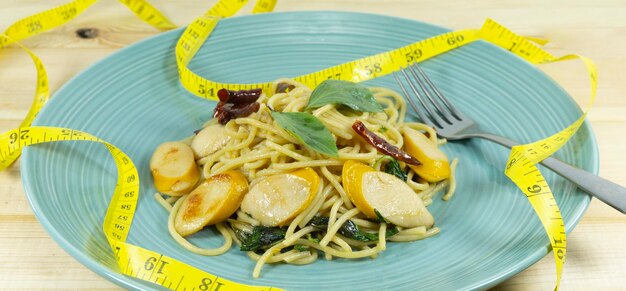
pasta in a blue plate with measuring tape, indicating the impact of pasta on weight loss.

Portion Control

Stick to one serving size if you’re eating pasta in the evening. Overeating late at night can lead to unused calories being stored as fat.

Light Additions

Pair your pasta with light, low-calorie ingredients like steamed vegetables and lean proteins. Avoid heavy sauces and cheeses.

Activity Level

Your activity level during the day matters. If you’ve been active, your body is better equipped to use the carbs from pasta as energy rather than storing them.

How Much Pasta Can I Eat on a Diet?

Controlling how much pasta you eat is crucial for weight loss.

Stick to the Serving Size

A single serving of cooked pasta is about ½ cup to 1 cup, depending on your calorie needs. Measure your portions to avoid overeating.

Pair with Nutrient-Dense Sides

Add bulk to your plate with low-calorie, nutrient-dense sides like leafy greens or grilled vegetables. This keeps your meal satisfying without excessive calories.

Avoid Seconds

Resist the temptation to go back for more. Eating slowly and savoring your meal can help you feel full on smaller portions.

To Read: Is Fast Food Bad for Weight Loss? Healthy Alternatives

Is Pasta High in Carbs for Weight Loss?

Pasta is carb-dense, but that doesn’t mean it’s off-limits for weight loss.

Carb Content in Pasta

One cup of cooked pasta contains roughly 37-43 grams of carbohydrates. While this is significant, it can fit into a balanced diet when eaten in moderation.

Balance Your Meal

Combine pasta with lean proteins and non-starchy vegetables. This reduces the overall carb load and makes the meal more balanced.

Is Whole-Grain Pasta Better for Weight Loss?

Whole-grain pasta is an excellent choice for weight management.

Higher Fiber Content

Whole-grain pasta is rich in dietary fiber. Fiber slows digestion, keeping you fuller for longer and reducing hunger.

Nutrient-Dense

It provides essential nutrients like B vitamins and magnesium, which are often stripped from refined pasta. This makes whole-grain pasta a healthier and more satisfying option.

FAQs 

1. Can pasta fit into a calorie deficit?

Yes, pasta can fit into a calorie deficit if consumed in controlled portions. Pair it with low-calorie, nutrient-rich ingredients like vegetables and lean proteins to keep meals satisfying and within your calorie limits.

2. Is cold pasta better for weight loss?

Cold pasta has resistant starch, which may help reduce hunger and improve digestion. This quality could support weight loss, especially when combined with healthy toppings like olive oil, lean proteins, and vegetables.

3. Is pasta bad for losing belly fat?

Pasta alone isn’t bad for belly fat. Excess calorie intake contributes to fat storage. Choose whole-grain or low-calorie pasta options and maintain a calorie deficit to support belly fat reduction.

4. Is pasta healthy or junk?

Pasta is not junk food if it’s made from whole grains or legumes and paired with healthy ingredients. Refined white pasta, however, lacks nutrients and may not be as beneficial for a balanced diet.

5. Is pasta fattening?

Pasta itself isn’t inherently fattening. Overeating or pairing it with calorie-dense sauces and toppings can lead to weight gain. Focus on portion sizes and nutrient-dense toppings for a healthier meal.

Conclusion

So, is pasta bad for weight loss? The answer is no—as long as you make smart choices. Opt for whole-grain or alternative pastas, watch your portions, and balance your meal with vegetables and proteins. By avoiding calorie-dense sauces and controlling your servings, pasta can be part of a healthy, weight-loss-friendly diet. Remember, moderation and mindful eating are key. With the right approach, you can enjoy your favorite dishes while staying on track with your goals.

Is Bread Bad for Diabetes? A Detailed Guide for Diabetics

Bread is a staple food in many diets, but it often raises concerns for those managing diabetes. Many people wonder, “Is bread bad for diabetes?” The answer isn’t simple. Bread can impact blood sugar levels, but the type of bread you choose plays a critical role. Understanding how bread affects your body and selecting healthier options can make it a manageable part of a diabetic diet.

Is Bread Bad for Diabetes?

Bread, a staple in many diets, can be a concern for people with diabetes due to its carbohydrate content and potential impact on blood sugar levels. However, whether bread is “bad” for diabetes depends on several factors, including the type of bread, portion sizes, and individual blood sugar response.

When you consume bread, your body breaks it down into glucose (sugar), which enters your bloodstream. High-carb breads, especially those made from refined white flour, can cause a rapid spike in blood sugar. This is particularly important for people with diabetes, who need to monitor their blood sugar levels carefully.

Does Bread Spike Blood Sugar Level For Diabetics?

Bread contains carbohydrates, which are broken down into glucose, raising blood sugar levels. For people with diabetes, this spike can be significant, depending on the type of bread and portion size.

Highly processed breads, like white bread, are made from refined flour, which causes rapid blood sugar spikes. On the other hand, whole-grain or high-fiber breads have a slower effect on glucose levels because the fiber slows digestion and absorption.

Choosing bread with a low glycemic index (GI) is essential to avoid large blood sugar fluctuations. GI measures how quickly a food raises blood sugar. Lower-GI bread options are better for diabetes management.

Types of Bread for Diabetics

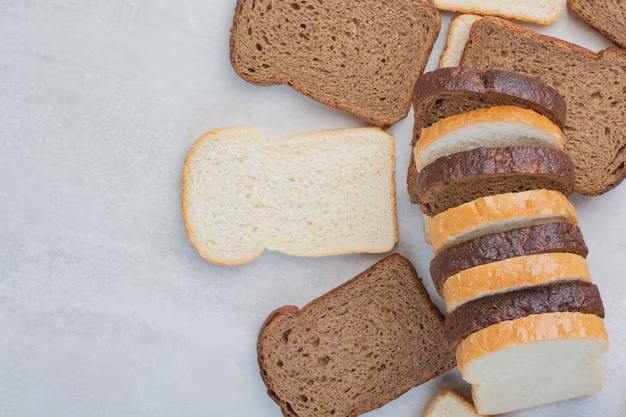
white and brown bread arranged in a column alternatively.

Not all bread is created equal. Some types are better suited for a diabetic diet due to their nutritional profile.

1. Is Whole Wheat Bread Good for Diabetes?

Whole wheat bread is a better option than white bread for diabetics. It is made from whole grains, which retain the bran and germ, offering more fiber and nutrients. This fiber content slows down digestion, reducing blood sugar spikes.

However, it’s important to check labels. Some “whole wheat” breads contain added sugars, which can counteract the benefits.

2. Is Sourdough Bread Good for Diabetics?

Sourdough bread can be a good choice for diabetics. The fermentation process used to make sourdough reduces its glycemic index. This means it raises blood sugar levels more slowly than other types of bread. Additionally, sourdough contains probiotics, which may benefit gut health.

3. Is Rye Bread Good for Diabetes?

Rye bread, particularly whole-grain rye, is another excellent choice for diabetics. Rye has a dense texture and is high in fiber, which helps control blood sugar. Research suggests rye bread has a lower glycemic index than wheat bread, making it a diabetes-friendly option.

4. Is Multigrain Bread Good for Diabetics?

Multigrain bread can be good for diabetics, but it depends on the grains and ingredients used. Look for multigrain breads that list whole grains as the first ingredient and avoid those with added sugars or refined flours. High-fiber multigrain bread is a good choice for stabilizing blood sugar levels.

Best Bread for Diabetics

The best bread for diabetics is one that is:

  • Made from whole grains.
  • High in fiber (at least 3 grams per slice).
  • Low in added sugars.
  • Low on the glycemic index.

Examples include 100% whole wheat bread, whole-grain rye bread, and sprouted grain bread.

Alternatives and Recommendations

If you’re looking for better options, here are some alternatives and tips to make bread work in a diabetic diet.

Low-Carb Bread for Diabetics

Low-carb bread is specially designed for people watching their carbohydrate intake. These breads use ingredients like almond flour, coconut flour, or flaxseeds instead of traditional grains. They have minimal impact on blood sugar levels.

Bread Alternatives for Diabetes

If you’re looking to reduce or avoid bread, consider these alternatives:

  • Lettuce Wraps: Use large lettuce leaves to replace bread in sandwiches.
  • Cauliflower Bread: Made from cauliflower and eggs, this is a low-carb, gluten-free alternative.
  • Portobello Mushrooms: Use as buns for burgers or sandwiches.
  • Sweet Potato Slices: Roast slices of sweet potato to use as a base for toppings.

How to Choose Bread for Diabetes?

When selecting bread, read labels carefully. Here’s what to look for:

  • Whole Grains: Ensure whole grains are the primary ingredient.
  • Fiber Content: Aim for at least 3–5 grams of fiber per serving.
  • Added Sugars: Avoid breads with added sugars or sweeteners.
  • Low Glycemic Index: Choose breads with a GI of 55 or lower.

Diabetic-Friendly Bread Brands

Several brands cater to diabetics by offering low-GI and high-fiber options. Here are a few popular ones:

  • Ezekiel 4:9 Sprouted Grain Bread: Made from sprouted grains, rich in nutrients and fiber.
  • Dave’s Killer Bread (21 Whole Grains and Seeds): Packed with fiber and whole grains.
  • Nature’s Own Sugar-Free Bread: A low-sugar option ideal for diabetics.
  • Alvarado Street Bakery Sprouted Wheat Bread: A wholesome choice with a low glycemic index.

To Read: Pumpkin Recipes For Diabetics

Nutritional Considerations

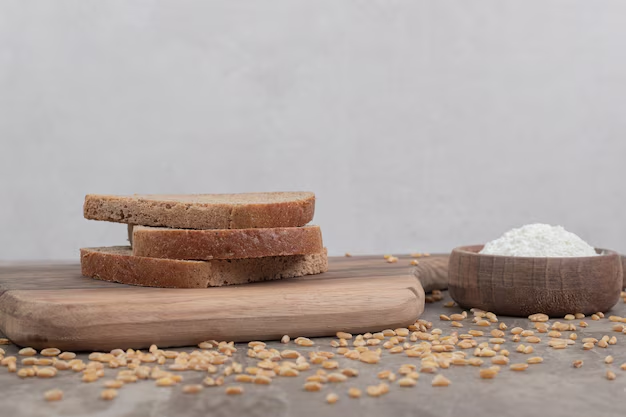
bread slices places on a wooden board with flour in a small wooden bowl.

Here are some bread nutrient considerations that diabetics should keep in mind before consuming bread.

Carbs in Bread for Diabetics

Carbohydrates in bread are a primary concern for diabetics. Most bread contains 12–20 grams of carbs per slice. For comparison:

  • White bread: Around 15 grams of carbs per slice.
  • Whole-grain bread: Slightly higher at 17 grams but with added fiber to slow sugar absorption.
  • Low-carb bread: Often 5–10 grams per slice, making it a better choice for diabetics.

Carbs raise blood sugar, so controlling intake is essential for maintaining stable glucose levels.

Glycemic Index of Bread for Diabetes

The glycemic index (GI) measures how quickly a food raises blood sugar:

  • High-GI breads: White bread and refined options with a GI of 70 or more cause rapid spikes.
  • Medium-GI breads: Whole wheat and rye bread have a GI between 55 and 69.
  • Low-GI breads: Sprouted grain and sourdough breads, with a GI under 55, are slower to digest and better for blood sugar control.

Knowing a bread’s GI can help diabetics make informed dietary choices.

How Much Bread Can a Diabetic Eat?

Portion size matters. Most diabetics can safely consume 1–2 slices of bread per meal, depending on their daily carb allowance. Pairing bread with protein, healthy fats, or fiber-rich foods can further stabilize blood sugar levels.

Is Bread Bad for Type 2 Diabetes?

For type 2 diabetics, bread isn’t inherently bad but must be chosen wisely. Refined breads with added sugars can worsen insulin resistance, while whole-grain options may support better glucose management.

Does Bread Cause Insulin Resistance?

Regular consumption of refined carbs, like white bread, can contribute to insulin resistance over time. Insulin resistance makes it harder for the body to use insulin effectively, leading to elevated blood sugar levels. Whole-grain and low-carb breads are better for avoiding this risk.

Effects of Bread on Blood Sugar

The type of bread, serving size, and what it’s paired with affect blood sugar responses. Bread made from refined flour causes rapid spikes, while fiber-rich and low-GI breads have a gentler effect on glucose levels.

Is Toast Bad for Diabetes?

Toast isn’t inherently worse than regular bread. However, the toppings you choose matter. Avoid butter or sugary spreads. Instead, opt for avocado, almond butter, or sugar-free jam to keep it diabetes-friendly.

Is Ezekiel Bread Good for Diabetics?

Ezekiel bread, made from sprouted whole grains, is an excellent choice for diabetics. It’s high in fiber and protein, with a low glycemic index. Its nutrient density and slow-digesting carbs make it a heart-healthy and diabetes-friendly option.

Managing Diabetes with Low-Carb Bread

Low-carb breads are designed to minimize blood sugar impact. They often use almond or coconut flour, flaxseeds, or psyllium husk. These alternatives are lower in carbs and higher in fiber, helping diabetics maintain better glucose control.

FAQs

Is bread bad for gestational diabetes?

Moderation is key. Whole-grain, low-GI bread is better for managing gestational diabetes. Always monitor blood sugar levels after consumption.

How does bread affect A1C levels?

Frequent consumption of high-carb or high-GI bread can raise blood sugar and A1C levels. Opt for low-GI options like whole-grain or sourdough bread.

Is gluten-free bread good for diabetics?

Gluten-free bread isn’t automatically better for diabetes. Choose options with low carbs and a low glycemic index, and monitor your blood sugar.

Conclusion

Is bread bad for diabetes? The answer depends on the type, portion size, and how it fits into an overall diet. While refined white bread can spike blood sugar and worsen insulin resistance, whole-grain, low-carb, or sprouted grain breads can be part of a balanced diabetic meal plan. Choosing low-GI options, practicing portion control, and pairing bread with nutrient-dense foods are essential strategies. Consult a healthcare provider for personalized advice on incorporating bread into your diabetic diet.

Is Cheese Bad for Cholesterol? A Detailed Guide to the Facts

Cholesterol is a hot topic in discussions about diet and heart health. Cheese, a beloved food worldwide, often finds itself in the spotlight of this debate. Is cheese bad for cholesterol?

The answer isn’t straightforward. While cheese provides essential nutrients like calcium and protein, it also contains saturated fats, which may impact cholesterol levels. This article explores the nuances of cheese’s effects on cholesterol, helping you make informed dietary choices.

What is Cholesterol and How Does Food Impact It?

Cholesterol is a fatty substance in your body that serves essential functions, such as building cell membranes and producing hormones. However, not all cholesterol is created equal.

LDL vs. HDL Cholesterol

  • LDL (Low-Density Lipoprotein): Known as “bad” cholesterol, LDL contributes to plaque buildup in arteries. High levels increase the risk of heart disease and stroke.
  • HDL (High-Density Lipoprotein): Dubbed “good” cholesterol, HDL helps remove excess cholesterol from the bloodstream, reducing heart disease risk.

Role of Saturated Fats in Cholesterol Levels

Saturated fats, commonly found in animal products, influence cholesterol levels by raising LDL cholesterol. Diets high in saturated fats are linked to higher risks of cardiovascular issues. Cheese, being a source of saturated fats, often comes under scrutiny in this context.

Does Cheese Raise Cholesterol Levels?

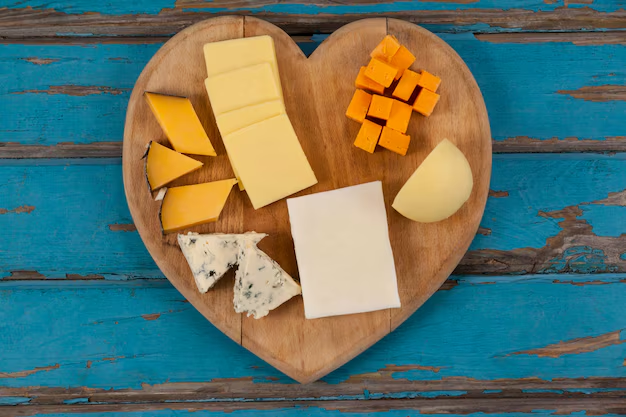
a piece of cheese.

Does cheese raise cholesterol levels? This question sparks much debate. Cheese contains varying amounts of saturated fats, which can elevate LDL cholesterol. However, the effects aren’t uniform across all types of cheese or individuals.

What Studies Show

  • A 2018 study published in the American Journal of Clinical Nutrition found that moderate cheese consumption didn’t significantly raise LDL levels in healthy individuals.
  • Other research suggests that cheese may have a neutral or even positive impact on cholesterol, possibly due to its calcium and protein content, which may offset the effects of saturated fat.

How Does Cheese Affect LDL Cholesterol?

The way cheese affects LDL cholesterol depends on factors like its type, portion size, and individual metabolism. Hard cheeses, such as cheddar, often have higher fat content compared to fresh options like ricotta or mozzarella.

Low-Cholesterol Cheese Options

Choosing the right cheese can make a big difference if you’re concerned about cholesterol. Low-cholesterol cheese options are available for those looking to reduce dietary cholesterol without giving up this dairy delight.

Which Cheeses Are Lowest in Cholesterol?

  1. Mozzarella (Part-Skim): Lower in fat and cholesterol, making it a versatile choice for many dishes.
  2. Cottage Cheese: A protein-rich option with minimal fat and cholesterol.
  3. Ricotta: Another low-fat cheese perfect for spreads or desserts.
  4. Feta (Reduced Fat): Provides a tangy flavor with less saturated fat.

Plant-Based Alternatives

Vegan cheeses, made from nuts, seeds, or soy, are naturally cholesterol-free. They’re an excellent alternative for those looking to eliminate animal-based fats from their diet entirely.

High-Cholesterol Foods to Avoid

While cheese is often blamed for raising cholesterol, it’s not the only culprit. Many other foods are rich in saturated fats and dietary cholesterol, posing greater risks.

Foods to Watch Out For

  1. Red and Processed Meats: Sausages, bacon, and fatty cuts of beef are high in both cholesterol and saturated fats.
  2. Fried Foods: Cooking in oils high in trans fats significantly raises cholesterol levels.
  3. Baked Goods: Pastries, cookies, and cakes often contain butter or margarine, contributing to unhealthy fat intake.
  4. Full-Fat Dairy Products: Whole milk and cream have higher cholesterol levels compared to their skim or low-fat counterparts.

Cheese vs. Other High-Cholesterol Foods

When compared to items like butter or red meat, most cheeses fall in the middle range of cholesterol content. For instance:

  • 1 ounce of cheddar cheese contains around 30 mg of cholesterol.
  • The same amount of butter can contain over 70 mg.

While moderation is key, understanding these comparisons helps contextualize cheese’s place in your diet.

How Does Cheese Affect LDL Cholesterol?

Cheese is a source of saturated fats, which can increase LDL (“bad”) cholesterol levels. However, the impact varies by type of cheese. For instance:

  • Cheddar and Parmesan: High in saturated fats and best consumed in small amounts.
  • Mozzarella and Ricotta: Lower in saturated fats, making them a better choice for cholesterol-conscious individuals.

Saturated Fats and Their Role

Saturated fats raise LDL cholesterol, which can lead to plaque buildup in arteries. While cheese contributes to this, the extent of the impact depends on the type of cheese, portion size, and your overall diet.

Saturated Fat in Cheese and Cholesterol

Cheese comes in many varieties, each with its own saturated fat content. Let’s look at how some popular options stack up:

Saturated Fat Content in Popular Cheeses

  1. Cheddar (1 oz): ~6 grams of saturated fat.
  2. Parmesan (1 oz): ~5 grams of saturated fat.
  3. Mozzarella (Part-Skim, 1 oz): ~3 grams of saturated fat.
  4. Cottage Cheese (1/2 cup): ~1 gram of saturated fat.

Low-Fat vs. Full-Fat Options

Switching to low-fat or reduced-fat cheese significantly reduces saturated fat intake. For example:

  • Full-fat cheddar: Contains up to 9 grams of fat per ounce.
  • Reduced-fat cheddar: Drops to about 4 grams of fat per ounce.

Choosing lower-fat cheeses can help manage cholesterol levels without sacrificing taste.

To Read: Is Fast Food Bad for Cholesterol? Healthier Alternatives

Different Cheese Types for Cholesterol Impact

Cheese comes in many forms, each with unique nutritional characteristics. Here’s how various types affect cholesterol differently:

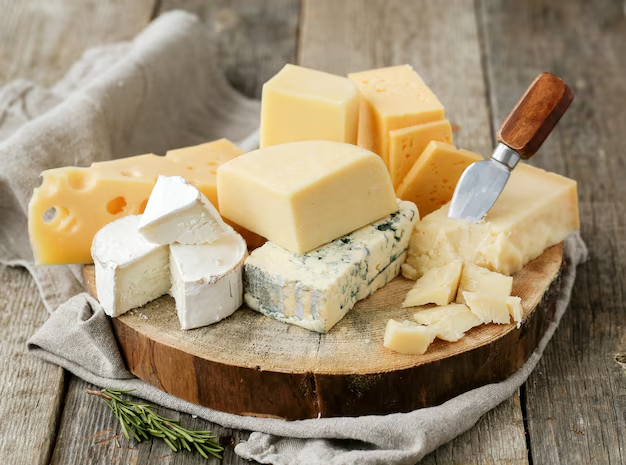
cheese placed on a wooden circular board.
  1. Mozzarella: A lower-fat option, especially when part-skim, suitable for heart-healthy diets.
  2. Cheddar: High in fat and calories, making it less ideal for those monitoring cholesterol.
  3. Goat Cheese: Contains medium-chain fatty acids, which are easier to digest and may have less impact on LDL levels.
  4. Cream Cheese: High in saturated fats and should be consumed sparingly.
  5. Parmesan: Though high in fat, its intense flavor allows for smaller portions.
  6. Cottage Cheese: Low in fat and cholesterol, ideal for weight management.
  7. Processed Cheese: Often contains added fats and sodium, which can harm heart health.

Is Vegan Cheese Better for Cholesterol?

Vegan cheeses, made from nuts, soy, or coconut oil, are cholesterol-free since they don’t contain animal products. However, they vary in nutritional quality.

Nutritional Profile

  • Pros: Vegan cheeses are free of cholesterol and animal-based saturated fats.
  • Cons: Some brands use processed oils or additives, which may not be heart-healthy.

Choose minimally processed vegan cheeses with healthy fats for the best results.

Cheese vs. Butter Cholesterol Impact

Cheese often gets compared to butter when discussing cholesterol. Let’s break it down:

  • Cheese: Contains protein and calcium along with fats, making it a more nutrient-dense choice.
  • Butter: Almost entirely fat, with high levels of saturated fats and cholesterol.

If you’re deciding between the two, cheese is the better option for a balanced diet.

Tips for Incorporating Cheese into a Low-Cholesterol Diet

Enjoying cheese doesn’t mean compromising heart health. Follow these tips for smarter choices:

  1. Choose Low-Fat Cheeses: Opt for part-skim mozzarella, cottage cheese, or reduced-fat cheddar.
  2. Mind the Portion Size: Stick to 1–2 ounces per serving.
  3. Pair with Heart-Healthy Foods: Add cheese to salads, whole-grain bread, or vegetable dishes.
  4. Limit Processed Cheeses: Avoid high-sodium, processed varieties.
  5. Try Plant-Based Options: Vegan cheeses offer cholesterol-free alternatives.

FAQs

Does cheese raise cholesterol levels?

Yes, certain cheeses high in saturated fat can raise LDL cholesterol levels. However, moderation and choosing lower-fat cheeses can mitigate this effect and allow cheese to be part of a balanced diet.

What are low-cholesterol cheese options?

Mozzarella, cottage cheese, ricotta, and some plant-based cheeses are lower in cholesterol. Choosing low-fat or reduced-fat versions further reduces cholesterol intake while preserving the taste and versatility of cheese.

Which cheeses are highest in cholesterol?

Cream cheese, cheddar, and processed cheeses are often high in saturated fat and cholesterol. These types should be consumed in moderation, especially by those managing their cholesterol levels or following heart-healthy diets.

Can cheese fit into a heart-healthy diet?

Yes, cheese can fit into a heart-healthy diet if consumed in moderation. Opt for low-fat versions and pair them with whole grains, vegetables, or fruits for balanced meals that support cardiovascular health.

Is vegan cheese better for cholesterol?

Vegan cheese is typically lower in saturated fat and cholesterol-free, making it a better option for individuals looking to manage their cholesterol levels. However, some varieties may be highly processed and should be consumed mindfully.

Conclusion

Is cheese bad for cholesterol? The answer depends on how much and what type of cheese you consume. While some cheeses are high in saturated fats and may raise LDL cholesterol, others are lower in fat and can fit into a heart-healthy diet. Moderation is key. Pair cheese with nutritious foods like vegetables and whole grains, and consult a healthcare provider for personalized advice. With informed choices, cheese can still have a place on your plate.

Is Fried Food Bad for Heart Health?

0

Maintaining a healthy heart is crucial for overall well-being. What you eat plays a significant role in keeping your heart healthy. Fried food, known for its crispiness and rich flavors, is a popular indulgence. But is fried food bad for heart health? Studies and experts have linked fried food consumption to increased risks of cardiovascular problems. This article explores how fried food impacts the heart and offers alternatives for healthier eating.

How Does Fried Food Affect Your Heart?

Fried food can significantly affect your heart in many ways. Understanding these impacts is key to making better dietary decisions.

Effects of Fried Food on Cholesterol

Fried foods often contain trans fats and saturated fats, both of which negatively influence cholesterol levels.

  • Trans Fats: These artificial fats raise “bad” LDL cholesterol while lowering “good” HDL cholesterol. Elevated LDL levels can lead to clogged arteries and restricted blood flow.
  • Saturated Fats: Common in fried items, saturated fats also contribute to high cholesterol, increasing the risk of heart disease.

High cholesterol levels from fried food can lead to long-term cardiovascular damage, making it crucial to limit these fats in your diet.

Fried Food and Cardiovascular Risk

Scientific studies have consistently shown a link between consumption of fried food and heart disease.

  • A large meta-analysis found that each additional serving of fried food increases the risk of heart failure by 12%.
  • Regular consumption can lead to chronic inflammation, a known contributor to heart disease.

These findings emphasize the importance of moderating fried food intake to lower cardiovascular risks.

Why is Fast Food Bad For the Heart?

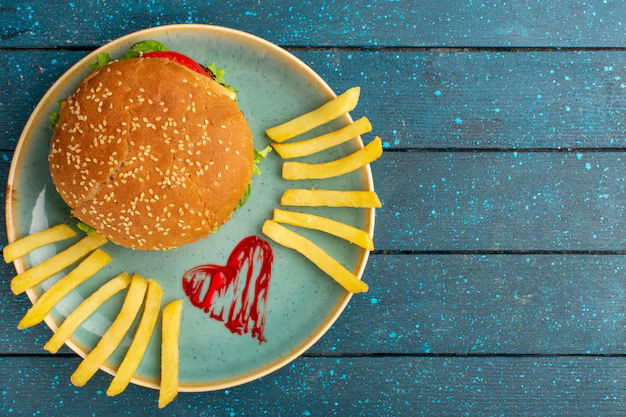
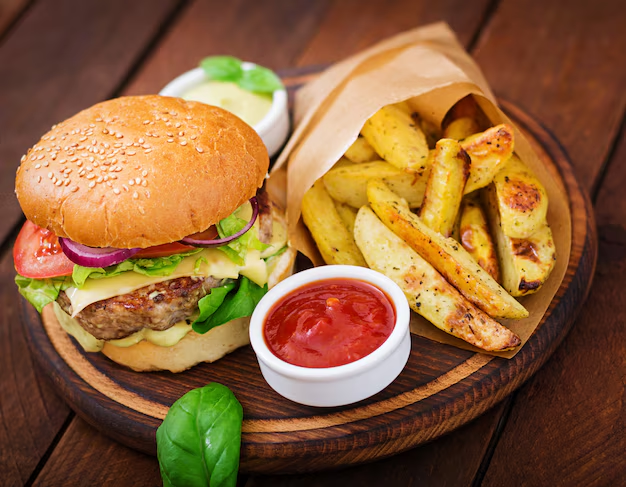
burger and potato fries with ketchup in a blue plate, depicting impact of fast food on heart

The way fried food affects your heart depends largely on its cooking method and ingredients.

Is Deep Frying Unhealthy?

Deep frying is one of the least healthy cooking methods. Here’s why:

  • Caloric Impact: Foods absorb oil during frying, drastically increasing calorie content.
  • Nutrient Loss: High heat destroys beneficial nutrients in foods, leaving behind empty calories.

Compared to baking or steaming, deep frying introduces more fat and calories, making it an unhealthy choice.

Impact of Fried Food on Arteries

Eating fried food regularly can cause plaque buildup in your arteries. This condition, known as atherosclerosis, restricts blood flow and increases the risk of heart attacks and strokes.

  • How It Happens: Trans fats and saturated fats contribute to the formation of arterial plaques.
  • Long-Term Effect: Blocked arteries force the heart to work harder, leading to high blood pressure and heart disease.

This is the main reason making fast food is bad for the heart.

How Does Fried Food Affect Blood Pressure?

The sodium content in fried foods is another concern. Excessive sodium can:

  • Causes water retention, leading to increased blood pressure.
  • Strain the blood vessels and heart, raising the risk of hypertension.

High blood pressure is a silent killer and a leading cause of heart-related deaths globally.

The Role of Ingredients in Fried Food

The ingredients used in fried food contribute significantly to its health risks.

Trans Fats in Fried Food

Trans fats are formed during the hydrogenation of oils, a process often used in frying.

  • These fats are linked to increased LDL cholesterol and lower HDL cholesterol.
  • They are banned in many countries but still found in some fast-food chains and packaged snacks.

Avoiding trans fats is essential for maintaining heart health.

Frying Oils and Their Health Effects

The type of oil used for frying can influence how healthy or unhealthy fried food is.

  • Vegetable Oils: Commonly used but may release harmful compounds when heated at high temperatures.
  • Palm Oil: Rich in saturated fats, making it less heart-friendly.
  • Healthier Options: Oils like olive or avocado oil are better alternatives, as they contain heart-healthy monounsaturated fats.

Choosing the right oil can make a slight difference, but avoiding frying altogether is best for heart health.

Shifting to a Heart-Healthy Diet

heart-healthy diet.

Transitioning to healthier eating habits can protect your heart without sacrificing flavor.

Healthy Alternatives to Fried Food

Instead of frying, try these methods:

  • Air Frying: Uses minimal oil while achieving a crispy texture.
  • Baking: Retains nutrients and adds no extra fat.
  • Steaming: Preserves nutrients and requires no oil.

These methods offer healthier ways to prepare your favorite dishes.

Saturated Fat and Heart Health

Saturated fats, often found in fried foods, contribute to arterial clogging and increased heart disease risk.

  • Reducing saturated fat intake can improve cholesterol levels.
  • Opt for foods rich in unsaturated fats, like nuts and seeds, to support heart health.

Is Grilled Food Healthier than Fried?

Grilling is a better cooking method than frying.

  • Preserve Nutrients: Grilling retains more vitamins and minerals in food.
  • Lower Fat Content: Excess fat drips off during grilling, reducing overall fat content.

Incorporating grilled food into your diet can help reduce your heart disease risk.

To Read: Is Fast Food Bad for Weight Loss? Healthy Alternatives

Diet and Lifestyle Considerations

Adopting a heart-healthy lifestyle involves making informed choices about your diet and daily habits. Let’s delve into how processed foods, dietary changes, and lifestyle adjustments can protect your heart from the risks associated with fried foods.

Processed Food and Heart Problems

Processed fried foods, such as chips and fast-food items, often contain high levels of trans fats, sodium, and preservatives.

  • These ingredients contribute to high blood pressure, elevated cholesterol, and weight gain.
  • Over time, consuming processed fried foods increases the risk of heart disease, type 2 diabetes, and obesity.

Switching to fresh, whole foods can significantly reduce these health risks.

Low-Fat Diet for Heart Health

A low-fat diet is one of the best ways to protect your heart. Reducing unhealthy fats, particularly trans and saturated fats, can improve cholesterol levels and lower cardiovascular risks.

  • Focus on lean proteins, whole grains, and plenty of fruits and vegetables.
  • Replace fried snacks with options like baked chips or air-popped popcorn to satisfy cravings without compromising heart health.

Maintaining a low-fat diet doesn’t mean sacrificing flavor; it’s about finding nutritious substitutions.

Signs of Heart Disease from Poor Diet

A diet high in fried and processed foods often manifests as early signs of heart problems. Watch out for:

  • Chest pain or discomfort.
  • Shortness of breath during physical activity.
  • Persistent fatigue or irregular heartbeat.

If these symptoms appear, consult a healthcare provider immediately. Early intervention can prevent serious complications like heart attacks or strokes.

Reducing Fried Food Intake for Health

Cutting back on fried food doesn’t have to mean giving up your favorite dishes. Here’s how you can do it:

  • Substitute Cooking Methods: Use baking, grilling, or air frying instead of deep frying.
  • Opt for Healthier Coatings: Swap batter for lighter coatings like breadcrumbs or herbs.
  • Control Portions: Enjoy smaller servings to satisfy cravings without overindulging.

These practical tips can help you reduce fried food consumption while still enjoying flavorful meals.

To Read: 100+ Best Foods That Burn Belly Fat Fast

FAQs

1. What is the most unhealthy food for your heart?

Deep-fried foods like doughnuts and fried chicken are among the unhealthiest for your heart due to their high trans fat and sodium content. These increase cholesterol and hypertension risks.

2. Is fried rice bad for your heart?

Fried rice can be unhealthy for your heart if it contains excessive oil, sodium, and fried meats. Opt for vegetable-based or low-oil versions to reduce the risk.

3. Is it OK to eat fried rice every day?

Eating fried rice daily is not recommended. The high oil and sodium content can contribute to long-term health issues like heart disease and high blood pressure.

4. Can heart patients eat fried foods?

Heart patients should avoid fried foods as much as possible. Fried foods increase cholesterol and blood pressure, worsening existing heart conditions and complicating recovery.

5. Can a weak heart become strong again?

Yes, with a healthy lifestyle, a weak heart can improve. Regular exercise, a balanced diet, and avoiding fried and processed foods can strengthen heart function over time.

Conclusion

To answer the question, is fried food bad for heart health? The evidence is clear—fried food poses significant risks to your heart. Its high content of trans fats, saturated fats, and sodium can lead to elevated cholesterol, hypertension, and arterial blockages. By limiting fried food, incorporating low-fat options, and making healthier lifestyle choices, you can protect your heart and improve your overall health. Small changes in your daily habits can make a big difference for your heart in the long run.

Is Fast Food Bad for Cholesterol? Healthier Alternatives

Cholesterol is a vital substance your body needs to function properly. However, not all cholesterol is the same. LDL is the bad cholesterol that can build up in your arteries, leading to health problems. Frequent consumption of fast food can lead to elevated LDL cholesterol, putting your heart health at risk. So, is fast food bad for cholesterol? Let’s explore the effects of fast food on cholesterol and ways to manage its impact.

Effects of Fast Food on Cholesterol Levels

Fast food is often loaded with saturated fats and trans fats. These harmful fats contribute significantly to increasing LDL cholesterol.

Saturated Fats: A Major Culprit

Saturated fats, found in items like cheeseburgers and pizzas, raise your LDL levels. When consumed excessively, these fats interfere with the liver’s ability to regulate cholesterol. This can lead to a dangerous buildup in your bloodstream.

Trans Fats: The Silent Threat

Trans fats, used in fried and processed fast foods, are even worse. They not only increase LDL cholesterol but also decrease HDL cholesterol. This double whammy heightens the risk of clogged arteries.

Frequent Fast Food Consumption

Eating fast food regularly magnifies these effects. Over time, cholesterol levels can spike, leading to severe health issues. Studies show that a diet rich in fast food significantly raises the risk of heart-related problems.

Fast Food and Heart Disease Risks

High cholesterol is one of the leading causes of heart disease. Fast food consumption plays a direct role in this chain of events.

Plaque Buildup in Arteries

Excess LDL cholesterol gets deposited in your artery walls. This creates plaques that narrow the arteries, reducing blood flow to the heart and other organs.

Scientific Evidence

Numerous studies confirm the link between fast food and cardiovascular issues. Research published in the Journal of the American Heart Association found that people who frequently eat fast food have a higher risk of heart disease due to elevated cholesterol levels.

A Cycle of Poor Health

High cholesterol from fast food doesn’t just affect the heart. It can lead to obesity and diabetes, further worsening heart health. Addressing these risks is essential to avoid long-term damage.

Saturated Fats and Trans Fats in Fast Food

The fats in fast food come from specific ingredients and cooking methods. Understanding these sources can help you make better choices.

Fried Foods: A Hidden Danger

French fries, fried chicken, and onion rings are loaded with both saturated and trans fats. The oils used in frying are often hydrogenated, making them particularly harmful.

Processed Ingredients

Fast food items like pastries, cookies, and pizza crusts often contain trans fats. These fats improve shelf life but harm your health.

Impact on Cholesterol

The combination of saturated and trans fats directly affects your lipid profile. Even one meal high in these fats can spike cholesterol levels temporarily. Over time, the cumulative effect is dangerous.

Impact of Fried Foods on Cholesterol

an illustration consisting of potato fries depicting the effect of fast food on fat and cholesterol level.

Fried foods are a staple in fast food menus but are some of the worst offenders when it comes to cholesterol.

Examples of Cholesterol-Heavy Foods

  • French Fries: Often fried in oil that’s reused multiple times, leading to an increase in trans fats.
  • Fried Chicken: Coated and deep-fried, adding layers of unhealthy fats.
  • Onion Rings: A batter-fried item that’s deceptively high in fat content.

How Frying Increases Risk

When foods are deep-fried, they absorb a significant amount of oil. This boosts their calorie count and fat content, making them particularly bad for cholesterol.

To Read: Is Fast Food Bad for Weight Loss? Healthy Alternatives

Lowering Cholesterol After Fast Food

If you’ve indulged in fast food, don’t worry—there are steps you can take to minimize the damage.

Hydrate and Exercise

Drink plenty of water to flush out excess sodium. Light exercise, like walking, can help manage cholesterol spikes.

Foods That Help

Incorporate these cholesterol-lowering foods into your next meal:

  • Oats: Rich in soluble fiber, they help reduce LDL cholesterol.
  • Nuts: Walnuts and almonds are excellent for boosting HDL cholesterol.
  • Fruits and Vegetables: Apples, berries, and leafy greens are full of antioxidants and fiber.

Limit Future Intake

Practice mindful eating. Opt for grilled options instead of fried and choose smaller portion sizes. By making healthier choices, you can enjoy occasional fast food without compromising your health.

Cholesterol-Friendly Meal Options and Fast Food Alternatives

Making smarter choices at fast food chains can help minimize cholesterol impact. Additionally, creating homemade versions of your favorite fast foods can be a game-changer for your health.

Healthier Swaps at Popular Fast Food Chains

  • McDonald’s: Opt for a grilled chicken sandwich instead of a cheeseburger. Choose apple slices over fries.
  • Burger King: Go for the Impossible Whopper, a plant-based option, and skip the mayo to cut unhealthy fats.
  • Subway: Build a sandwich with whole-grain bread, turkey, and extra veggies while avoiding high-fat dressings like ranch.
  • Starbucks: Swap a croissant or muffin for oatmeal with nuts and fruit toppings.

Homemade Fast Food Alternatives

  • Air-Fried Chicken Strips: Use lean chicken breast coated in whole-grain breadcrumbs. Air fry for a crispy texture without added oils.
  • Veggie Burgers: Make patties from lentils, black beans, and oats for a heart-healthy twist. Serve on whole-grain buns with avocado.
  • Baked Sweet Potato Fries: These are rich in fiber and much healthier than traditional fries. Season with spices for flavor.

Making these simple swaps ensures you still enjoy the taste of fast food while keeping your cholesterol in check.

Diet for Managing High Cholesterol

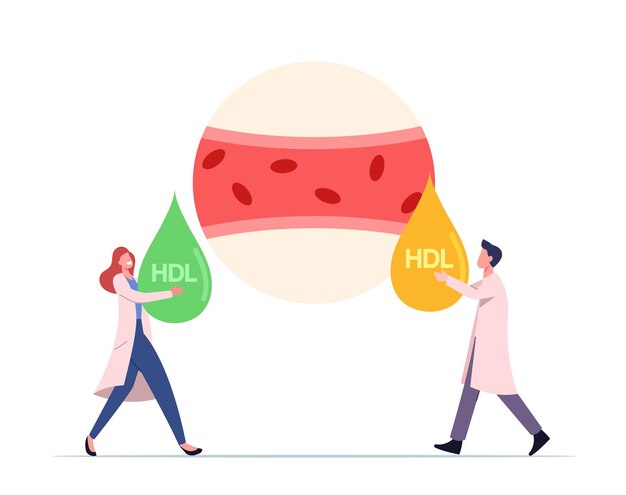
HDL and LDL illustration.

A cholesterol-friendly diet can lower LDL levels while boosting HDL, supporting overall heart health.

Sample Cholesterol-Friendly Meal Plan

  • Breakfast: Oatmeal topped with fresh berries, chia seeds, and a drizzle of honey. Pair it with green tea.
  • Lunch: Grilled salmon salad with leafy greens, cherry tomatoes, cucumbers, and a lemon vinaigrette.
  • Snack: A handful of walnuts or almonds.
  • Dinner: Quinoa with sautéed spinach, roasted sweet potatoes, and a lean protein like turkey or tofu.
  • Dessert: Fresh fruit or a piece of dark chocolate.

Key Foods to Include

  • Oats and Barley: Rich in soluble fiber that absorbs LDL cholesterol.
  • Fatty Fish: Salmon, mackerel, and sardines provide omega-3 fatty acids that improve HDL levels.
  • Nuts: Walnuts and almonds help reduce bad cholesterol.
  • Vegetables: Leafy greens like spinach and kale actively lower cholesterol levels.

By sticking to this plan, you can actively combat the effects of cholesterol-heavy fast food.

Exercise to Combat Fast Food Cholesterol Effects

Exercise is a powerful tool for managing cholesterol. It helps improve HDL levels and burns off excess fats from fast food.

How Exercise Helps

  • Boosts HDL cholesterol, which removes LDL from your arteries.
  • Improves overall heart health and circulation.
  • Helps maintain a healthy weight, reducing cholesterol risk factors.

Quick Workouts Post-Fast Food Meals

  • Brisk Walking: A 30-minute walk can improve digestion and reduce LDL buildup.
  • High-Intensity Interval Training (HIIT): A 20-minute HIIT session burns calories and boosts cardiovascular health.
  • Yoga: Low-impact poses like Sun Salutations or twists improve circulation and detoxification.

Consistency is key. A combination of aerobic and strength-training exercises works best for long-term cholesterol management.

What Are the Worst Foods for High Cholesterol?

Certain fast foods are notorious for their negative impact on cholesterol levels.

Top Offenders on Fast Food Menus

  1. Fried Chicken: Packed with saturated and trans fats due to deep-frying in unhealthy oils.
  2. Cheeseburgers: Loaded with saturated fats from cheese and fatty meat.
  3. Milkshakes: High in cholesterol due to whole milk, cream, and added sugars.
  4. Pastries: Doughnuts, croissants, and muffins are high in trans fats and sugar.
  5. French Fries: A staple side dish with high-fat content due to deep frying.

Avoiding these foods, or at least limiting their consumption, is crucial to keeping your cholesterol levels under control.

FAQs

1. Can I eat fast food if I have high cholesterol?

Yes, but limit your intake. Opt for healthier menu items like grilled chicken and avoid fried or processed foods.

2. What fast food is cholesterol-friendly?

Fast-food chains offer better options for salads with lean protein, whole-grain wraps, and oatmeal. Avoid high-fat dressings and sauces.

3. Is KFC high in cholesterol?

Yes, KFC’s fried chicken is high in cholesterol due to its deep-frying process and batter. Grilled chicken is a better alternative.

4. Is McDonald’s high in cholesterol?

Many McDonald’s items, like cheeseburgers and fries, are high in cholesterol. Opt for their salads or grilled chicken sandwiches for a healthier choice.

5. Do potatoes raise cholesterol?

Potatoes themselves don’t raise cholesterol, but frying them in unhealthy oils does. Opt for baked or boiled potatoes instead.

Conclusion

So, is fast food bad for cholesterol? The evidence speaks for itself. Fast food is high in saturated and trans fats, contributing to increased LDL cholesterol and serious heart health risks. While occasional indulgence is fine, making healthier choices and adopting a cholesterol-friendly diet can counteract the negative effects. Combine these dietary changes with regular exercise to protect your heart and overall well-being.

Is Fast Food Bad for Weight Loss? Healthy Alternatives

0

Fast food has become a global phenomenon. Its convenience and taste make it irresistible for many. However, for those aiming to lose weight, the role of fast food sparks debates. Is fast food bad for weight loss? This question arises as fast food is often high in calories, sugar, and unhealthy fats. 

While it’s tempting to blame fast food entirely, enjoying it occasionally and with the right choices might not sabotage weight loss goals. This article explores the impact of fast food on weight loss, strategies for moderation, and healthier alternatives. Let’s dive into an evidence-based analysis of this popular dilemma.

Why Is Fast Food Bad for Weight Loss?

Here are some potent reasons that make fast food bad for weight loss.

High Calories, Low Nutrient Density

Fast food is notorious for being calorie-dense. A single meal often contains over 1,000 calories, nearly half the daily caloric requirement for an average adult. For instance, a burger with fries and soda can easily exceed this limit. 

These meals lack essential nutrients like vitamins, fiber, and lean protein, which are vital for a balanced diet. Consuming more calories than your body needs results in fat accumulation, hindering weight loss.

Excess Sugar and Carbohydrates

Fast food is often loaded with refined sugars and simple carbohydrates. These components cause a rapid spike in blood sugar levels. This triggers the release of insulin, a hormone that promotes fat storage. 

Over time, constant sugar spikes can lead to insulin resistance, making it harder to lose weight. For example, sugary sodas and desserts are particularly harmful due to their empty calorie content.

Saturated Fats and Metabolism

Most fast food items are cooked using unhealthy oils rich in saturated fats. Consuming excess saturated fat slows down your metabolism. It also increases the risk of obesity-related conditions like heart disease and diabetes

Trans fats, commonly found in fried items, further impair your body’s ability to burn fat effectively. This makes it even more challenging to achieve weight loss goals.

Can You Eat Fast Food and Still Lose Weight?

When targeting weight loss, you must consider the considerations mentioned below before eating fast food.

Portion Control

Yes, you can eat fast food and still lose weight, but portion control is crucial. Instead of supersizing your meal, opt for smaller portions. For example, order a small burger or share fries with a friend. Controlling portion sizes helps reduce calorie intake while allowing you to enjoy your favorite foods.

Low-Calorie Options

Many fast food chains now offer low-calorie options. Salads, grilled chicken, or veggie wraps are better choices than fried items. Check for meals under 500 calories, and avoid adding high-calorie dressings or sides.

Avoid High-Fat and Sugary Items

Steer clear of creamy sauces, fried items, and sugary drinks. Opt for water or unsweetened tea instead of soda. This simple switch can save hundreds of calories.

How Often Can You Eat Fast Food on a Diet?

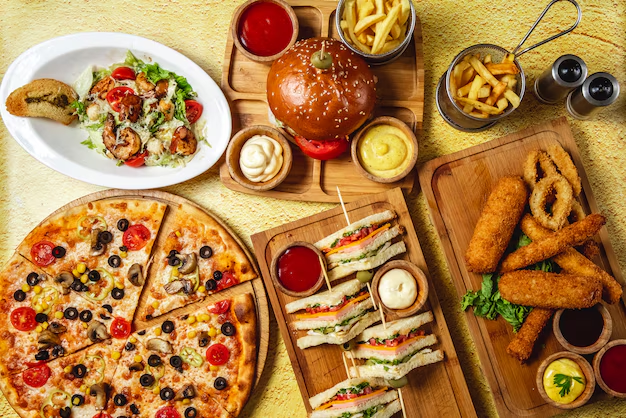
top view of fast-food consist of mozzarella-sticks-club-sandwich-hamburger-mushroom-pizza-caesar-shrimp-salad-french-fries-ketchup-mayo-cheese-sauces-

Eating fast food occasionally—once a week or less—is unlikely to derail your progress. Consistency is key when it comes to weight loss. Balancing fast food indulgence with nutrient-rich meals throughout the week ensures you stay on track.

Comparing Fast Food and Healthy Alternatives

Let’s compare fast food with healthy alternatives.

Nutritional Profiles

Fast food generally lacks balance. It’s high in calories, unhealthy fats, and sugars, but low in fiber and protein. In contrast, healthy alternatives like whole grains, lean protein, and fresh vegetables offer a better balance of macronutrients and support weight loss. 

For instance, a homemade quinoa bowl with grilled chicken and veggies is more filling and nutritious than a fast food burger.

NutrientFast Food (Burger Meal)Healthy Alternative (Grilled Chicken Salad)
Calories1,200+~400
Protein25g35g
Fiber3g8g
Saturated FatsHighLow

Healthier Options While Eating Out

Many fast-food chains now include healthier items on their menus. Opt for grilled chicken sandwiches, salad bowls, or yogurt parfaits instead of fried chicken or burgers. These options are lower in calories and provide more nutrients.

The Role of Meal Prep

Meal prep is an excellent alternative to fast food. Preparing your meals in advance ensures you control ingredients and portion sizes. You can include plenty of vegetables, lean proteins, and whole grains, which are essential for weight loss. Pre-packed meals also save time and money, making it easier to avoid the temptation of fast food.

To Read: Is McDonald’s Breakfast Healthy?

Low-Calorie Options at Fast Food Restaurants

Eating fast food doesn’t mean sacrificing your health. Most chains now offer lighter options under 500 calories. Look for meals that prioritize grilled proteins, fresh vegetables, and whole grains. For example:

  • Grilled Chicken Sandwiches: Opt for grilled instead of fried. Pair it with a side salad instead of fries.
  • Salads with Lean Proteins: Many chains offer salads topped with grilled chicken, shrimp, or even plant-based proteins.
  • Veggie-Focused Bowls: Burrito bowls and Mediterranean-inspired dishes often come packed with veggies and lean proteins.

Pay close attention to the nutrition facts displayed in menus or online. Chains like Chipotle, Panera, and Subway make it easy to customize meals to meet your calorie needs.

What Is the Healthiest Fast Food for Weight Loss?

Sticking to your weight loss plan at a fast-food restaurant can be easier than you think. Some great low-calorie options include:

  • McDonald’s: Try the Egg McMuffin or a six-piece Chicken McNugget with apple slices.
  • Chick-fil-A: Go for the Grilled Chicken Sandwich or Grilled Nuggets with a fruit cup.
  • Taco Bell: The Power Bowl (chicken or steak) is a customizable, nutrient-packed choice.
  • Starbucks: Pair an Egg White & Roasted Red Pepper Sous Vide Egg Bite with a tall black coffee.

These meals are not only low in calories but also provide a good balance of protein, fiber, and essential nutrients.

Tips for Avoiding High-Calorie Add-Ons

The hidden calorie traps in fast food lie in the extras. Here’s how to avoid them:

  1. Skip the Fries: A medium order of fries can add 300–400 calories. Swap them for a side salad or apple slices.
  2. Watch Out for Beverages: Sugary drinks like sodas and milkshakes are packed with empty calories. Opt for water, unsweetened iced tea, or a zero-calorie soda.
  3. Say No to Super-Sizing: Larger portions might seem like a deal, but they come with unnecessary calories and sodium.

Choosing smaller portions or skipping add-ons entirely can make a huge difference in keeping your meal light and nutritious.

How Does Fast Food Affect Metabolism and Cravings?

Fast food often contains trans fats, refined sugars, and processed carbohydrates. These ingredients can:

  • Slow Your Metabolism: Processed carbs cause blood sugar spikes and crashes, which may reduce your energy expenditure over time.
  • Increase Fat Storage: Trans fats, found in fried and processed items, are linked to increased belly fat and reduced calorie-burning efficiency.

Sticking to whole, nutrient-dense options can help your metabolism stay more active.

Understanding Fast Food Cravings

Fast food is engineered to be addictive. High levels of sugar, fat, and salt activate your brain’s reward system, leading to frequent cravings. Additives like MSG can enhance these effects, making it harder to stop after one meal.

To combat cravings, try eating smaller meals throughout the day to keep your blood sugar stable. When your body is nourished with whole foods, cravings naturally decrease.

Managing Cravings for Fast Food During Weight Loss

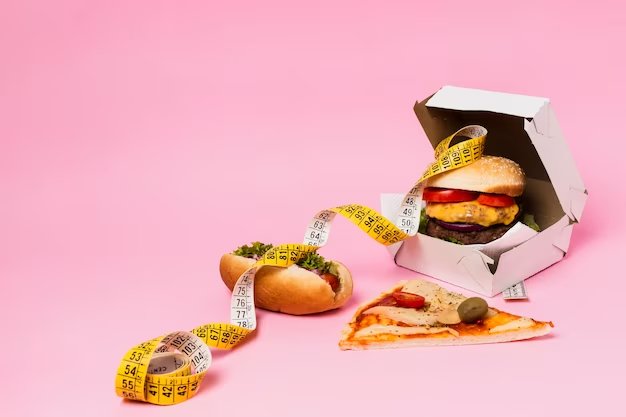
a burger box with a measuring tape depicting the person's weight variation due to fast food ingestion.

Curbing fast food cravings doesn’t mean depriving yourself. Here are some practical tips:

  1. Stay Hydrated: Thirst is often mistaken for hunger. Drinking water before meals can reduce the urge to overeat.
  2. Snack Smart: Keep nutrient-dense snacks on hand, like nuts, fruit, or yogurt, to prevent impulse purchases.
  3. Plan Ahead: Know what healthier options are available at your go-to fast-food chains so you can order confidently.

Balancing indulgence with healthier choices will help you stay on track without feeling deprived.

Breaking the Fast Food Habit and Avoiding It for Weight Loss

Reducing fast food consumption comes with a host of health benefits:

  • Improved Digestion: Processed foods can lead to bloating and discomfort, while fresh foods support gut health.
  • Increased Energy: Whole foods provide sustained energy, unlike the sugar crashes associated with fast food.
  • Weight Management: Avoiding high-calorie, low-nutrient meals makes it easier to maintain a healthy weight.

Breaking the habit isn’t about eliminating fast food completely but making it an occasional treat rather than a daily staple.

Strategies for Avoiding Fast Food

Building healthier habits is easier with actionable steps:

  1. Meal Prep: Prepare meals and snacks in advance so you’re less tempted by convenience food.
  2. Mindful Eating: Recognize emotional triggers for fast food cravings and address them with healthier alternatives.
  3. Have a Backup Plan: If you must eat out, research menus beforehand to identify the healthiest options.

Small changes can lead to a big impact over time.

The Role of Accountability in Weight Loss Success

Sticking to healthy eating is easier with support. Consider these strategies:

  • Partner Up: Share your goals with a friend or family member who can encourage you.
  • Track Your Progress: Use apps or journals to monitor meals and identify patterns.
  • Join Communities: Online forums, weight loss groups, or local fitness classes can provide motivation and accountability.

FAQs

1. Is it okay to eat KFC once a month?

Yes, eating KFC once a month is unlikely to affect weight loss if balanced with a healthy diet. Opt for grilled chicken and avoid high-calorie sides to minimize the impact.

2. Is junk food once a week ok?

Consuming junk food once a week in moderation can fit into a weight loss plan. Balance it with nutritious meals and avoid overeating during the week to maintain progress.

3. Is McDonald’s bad for weight loss?

McDonald’s can hinder weight loss if meals are calorie-dense and nutrient-poor. Opt for smaller portions, salads, or grilled options to minimize its impact on your diet.

4. Can you eat fast food and stay in shape?

Yes, staying in shape while eating fast food is possible by choosing healthier menu options, watching portion sizes, and incorporating regular physical activity into your lifestyle.

5. Is Subway good or bad for weight loss?

Subway can support weight loss if you select whole-grain bread, lean protein, and plenty of veggies while avoiding high-calorie sauces and processed meats.

6. Is Taco Bell healthy for weight loss?

Taco Bell can offer low-calorie options for weight loss, such as the Fresco menu. Avoid fried items, creamy sauces, and sugary beverages to keep meals diet-friendly.

Conclusion

So, is fast food bad for weight loss? The answer lies in how you approach it. While fast food is often high in calories, unhealthy fats, and sugar, enjoying it in moderation with smart choices can fit into a weight loss plan. Opting for low-calorie options, avoiding oversized portions, and balancing your diet with nutrient-rich meals can minimize its impact.

However, breaking the fast food habit entirely provides numerous benefits, including improved metabolism, better digestion, and fewer cravings. The key to success is moderation, mindful eating, and making healthier choices consistently.

Is Butter Bad for Cholesterol? Exploring the Facts and Alternatives

Butter has been a staple in kitchens worldwide for centuries. Its creamy texture and rich flavor make it a favorite in baking, cooking, and spreading. But is butter bad for cholesterol? The question arises due to butter’s high saturated fat content, which has been linked to elevated cholesterol levels and potential heart health risks.

In this article, we’ll explore how butter impacts cholesterol and cardiovascular health. We’ll also dive into alternatives, including margarine and grass-fed butter, to help you make informed dietary choices.

Is Butter Bad For Cholesterol And Heart?

Butter’s relationship with heart health primarily revolves around its saturated fat content. Saturated fats can contribute to increased levels of low-density lipoprotein (LDL), often called “bad cholesterol.” High LDL cholesterol levels are linked to an increased risk of cardiovascular diseases (CVD), including heart attacks and strokes.

Saturated Fat and Cholesterol

Health organizations like the American Heart Association (AHA) caution against excessive consumption of saturated fats. 

Studies reveal that diets high in saturated fats are associated with plaque buildup in arteries, leading to atherosclerosis—a key contributor to heart disease. Butter, being nearly 63% saturated fat, plays a significant role in this equation.

However, it’s not just about eliminating butter entirely. Portion size and dietary balance are equally important. Butter can be part of a healthy diet if consumed in moderation alongside heart-friendly foods like fruits, vegetables, and whole grains.

Saturated Fat in Butter

Butter contains about 7 grams of saturated fat per tablespoon. This accounts for more than a third of the recommended daily limit of saturated fat for a 2,000-calorie diet. According to the AHA, saturated fat intake should not exceed 5-6% of daily calories, or about 13 grams for most adults.

How Do Saturated Fats Affect LDL Cholesterol?

Saturated fats increase LDL cholesterol levels by stimulating the liver to produce more cholesterol. This added LDL cholesterol can deposit in blood vessel walls, forming plaques that narrow or block arteries. While not all saturated fats are equally harmful, those in butter are particularly potent in raising LDL levels.

For individuals at risk of heart disease, reducing saturated fat intake is crucial. Swapping butter for healthier fats like those in olive oil, avocado, or nuts can help lower LDL cholesterol while providing essential nutrients.

To Read: Is Peanut Butter Low in Carbs? A Comprehensive Guide

Impact of Butter on LDL Levels

Research consistently shows that butter consumption raises LDL cholesterol levels. However, the extent of the increase depends on portion size and overall dietary patterns. 

For instance, consuming small amounts of butter in a diet rich in fiber, lean protein, and healthy fats may have a minimal impact on cholesterol.

Portion Size Matters

One tablespoon of butter may not seem significant, but habitual overuse can quickly lead to excessive saturated fat intake. Instead of spreading butter generously on toast or using it liberally in recipes, consider measuring portions and combining butter with other flavorful ingredients like herbs or spices.

Dietary Context

The impact of butter on LDL levels also depends on what it replaces in your diet. If butter replaces trans-fat-laden margarine or processed oils, its effect might be less harmful. 

However, substituting butter for heart-healthy oils like olive or canola oil is a better choice for reducing LDL cholesterol and improving heart health.

Is Margarine Better Than Butter for Cholesterol?

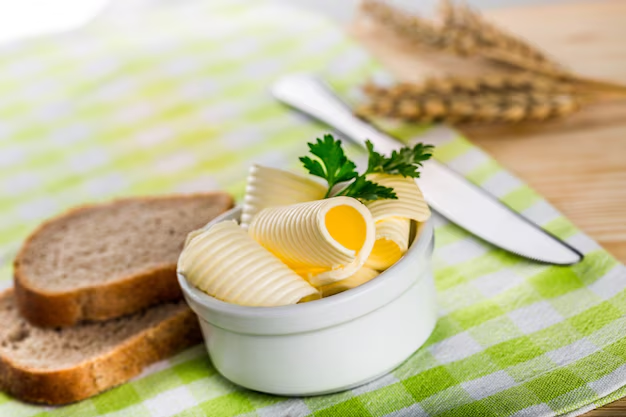
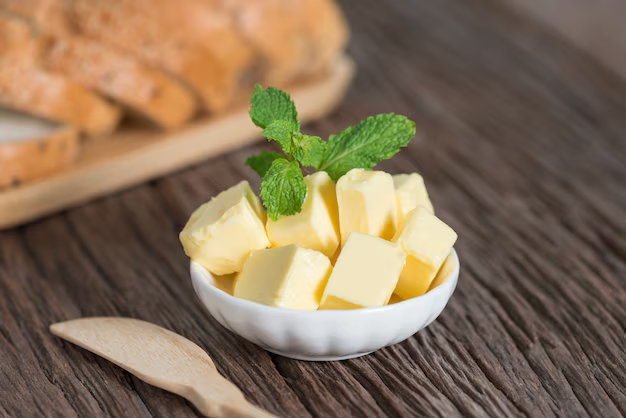
butter slices with a parsely leave in a bowl.

The butter-versus-margarine debate has been ongoing for decades. Margarine was initially introduced as a heart-healthy alternative, but early versions contained trans fats—now known to be more harmful than saturated fats.

Trans Fats and Cholesterol

Trans fats, commonly found in partially hydrogenated oils, raise LDL cholesterol while lowering high-density lipoprotein (HDL), the “good” cholesterol. This dual effect significantly increases the risk of heart disease. Thankfully, trans-fat-free margarines are now widely available in the U.S.

Saturated Fats in Margarine

Modern margarine products often contain less saturated fat than butter, making them a better choice for cholesterol management. However, it’s important to read labels carefully, as some margarines still contain high levels of saturated fats or palm oil, which can also impact cholesterol levels negatively.

Grass-fed butter and Cholesterol

Grass-fed butter is often marketed as a healthier option due to its higher levels of omega-3 fatty acids and conjugated linoleic acid (CLA). Omega-3s are known for their anti-inflammatory properties and potential heart health benefits.

Nutritional Profile

Grass-fed butter contains more beneficial nutrients than conventional butter. It has a better omega-3 to omega-6 ratio and is richer in fat-soluble vitamins like A, D, and K2.

Is Grass-Fed Butter Heart-Healthy?

Despite its improved nutrient profile, grass-fed butter still contains significant amounts of saturated fat. While the omega-3s and CLA may offset some of the negative effects, grass-fed butter can still raise LDL cholesterol if consumed in large quantities.

Expert Opinions

Nutrition experts recommend treating grass-fed butter as a healthier alternative but not a heart-health miracle. Moderation remains key, and pairing grass-fed butter with a balanced diet rich in vegetables, whole grains, and lean proteins can help manage cholesterol levels effectively.

Healthy Fats vs. Saturated Fats

When it comes to dietary fats, not all are created equal. Saturated fats, like those found in butter, are known to increase LDL cholesterol, which can raise the risk of heart disease. In contrast, unsaturated fats—found in foods like olive oil, nuts, seeds, and fatty fish—are considered heart-healthy and can improve cholesterol profiles.

  • Saturated Fats: Found in animal products like butter, cheese, and red meat. They raise LDL cholesterol, which can contribute to artery-clogging plaques.
  • Unsaturated Fats: Include monounsaturated and polyunsaturated fats. These are found in foods like avocados, nuts, seeds, and fish. They help lower LDL cholesterol and may increase HDL (“good”) cholesterol.

Why Choose Healthy Fats?

Replacing saturated fats with unsaturated fats can significantly reduce the risk of heart disease. For example, using olive oil instead of butter for cooking provides similar richness while promoting better heart health. Adding nuts or seeds to your meals is another simple way to boost healthy fat intake.

To Read: Is Peanut Butter Good for You?: 5 Potential Health Benefits

Butter Alternatives for Cholesterol

If you’re looking to lower cholesterol, there are several butter alternatives that are both nutritious and delicious. These options allow you to maintain flavor in your meals without the risks associated with saturated fats.

Heart-Healthy Alternatives

  1. Olive Oil: A versatile option for cooking and drizzling, olive oil is rich in monounsaturated fats that help reduce LDL cholesterol.
  2. Avocado Oil: Great for high-heat cooking, it’s loaded with healthy fats and a mild flavor.
  3. Plant-Based Spreads: Products made from vegetable oils, often fortified with heart-friendly plant sterols, are excellent for replacing butter.

Pros and Cons of Plant-Based Butter Substitutes

  • Pros: Lower in saturated fats, often fortified with cholesterol-lowering ingredients, and better for heart health.
  • Cons: Some contain additives or palm oil, which may not be as beneficial. Always check labels for trans fats or unnecessary ingredients.

Switching to these alternatives doesn’t mean you have to sacrifice taste or texture. Experiment with these options to find the best fit for your dietary needs.

Cholesterol Levels and Dietary Fats

butter placed on a wooden board.

Your cholesterol levels are influenced by both the type and quantity of fats you consume. While some fats are essential for the body, others can lead to health complications when consumed in excess.

Understanding the Relationship

  • Excessive saturated fats from foods like butter can increase LDL cholesterol.
  • Unsaturated fats, on the other hand, can help reduce LDL levels and maintain healthy cholesterol balance.

The Importance of Moderation

Moderation is key. Instead of avoiding fats entirely, focus on incorporating a variety of healthy fats while limiting saturated fats. Balance is crucial—pair fat sources with nutrient-dense foods like vegetables, legumes, and whole grains for optimal health.

Butter Consumption Moderation

You don’t have to eliminate butter entirely from your diet to maintain healthy cholesterol levels. Instead, aim for mindful consumption and small adjustments to your eating habits.

Practical Tips for Limiting Butter

  1. Measure Portions: Stick to 1 teaspoon or less per serving.
  2. Pair with Healthier Foods: Combine butter with whole grains or steamed vegetables to add flavor without overindulging.
  3. Use as a Flavor Enhancer: Rather than relying on butter for cooking, use it sparingly to finish a dish, adding richness without overloading on saturated fat.
  4. Try Cooking Alternatives: Experiment with olive oil, avocado oil, or low-fat yogurt in recipes to cut back on butter usage.

By making these small changes, you can still enjoy the taste of butter while prioritizing heart health.

To Read: 100+ Best Foods That Burn Belly Fat Fast

FAQs

Is butter or oil worse for cholesterol?

Butter contains more saturated fats than most oils, which can raise LDL cholesterol. However, oils like coconut oil are also high in saturated fats. Opt for heart-healthy oils like olive oil for better cholesterol management.

Can I eat butter if I have high cholesterol?

If you have high cholesterol, butter should be consumed sparingly. Choose healthier fat sources like olive oil or avocado and monitor your overall saturated fat intake to support heart health.

Is it okay to eat butter every day?

Daily butter consumption is fine in small amounts for individuals with normal cholesterol levels. However, for those with high cholesterol or heart concerns, it’s best to limit butter and focus on healthier fat sources.

Is butter healthy or junk?

Butter isn’t inherently junk but is calorie-dense and high in saturated fats. When used in moderation and balanced with healthy fats, it can be part of a healthy diet.

Conclusion

So, is butter bad for cholesterol? The answer lies in how it’s consumed. While butter is high in saturated fat and can raise LDL cholesterol, its impact depends on portion sizes and overall dietary balance. Moderation is crucial. By limiting butter intake and replacing it with heart-healthy alternatives like olive oil or avocado oil, you can maintain flavor in your meals without compromising your cholesterol levels.

Is Olive Oil Good for Cooking? Benefits, Types, and Uses

Is olive oil good for cooking? This question often comes up among health-conscious cooks and culinary enthusiasts.

Olive oil, with its rich flavor and nutritional profile, has been a staple in kitchens worldwide for centuries. It’s praised not only for its versatility in cooking but also for its numerous health benefits

From sautéing vegetables to baking desserts, olive oil is a go-to ingredient for adding a touch of sophistication and wellness to meals. But what makes it so special?

Let’s explore why olive oil is a favorite for cooking and uncover its secrets for culinary success.

What Makes Olive Oil a Good Option for Cooking?

One of the primary reasons olive oil is favored for cooking is its impressive nutritional profile. Rich in monounsaturated fats, olive oil supports heart health by reducing bad cholesterol levels.

It also contains powerful antioxidants like vitamin E and polyphenols, which combat oxidative stress and inflammation in the body.

Olive oil is also a source of healthy energy. Unlike saturated fats found in butter or margarine, it provides a healthier alternative for daily cooking needs.

Regular use of olive oil in meals has been linked to improved cardiovascular health, weight management, and even better skin.

Why Use Olive Oil for Cooking?

  • Flavor and Aroma: Olive oil enhances dishes with its subtle nutty flavor and aroma, making it perfect for everything from pasta to grilled vegetables.
  • Versatility: Whether you’re frying, sautéing, or baking, olive oil adapts to various cooking methods.
  • Health Benefits: Regular use reduces inflammation, supports digestion, and may lower the risk of chronic diseases like diabetes and heart disease.

Incorporating olive oil into your cooking routine isn’t just about flavor—it’s a lifestyle choice rooted in health and wellness.

Types of Olive Oil and Their Uses

Not all olive oils are created equal. Each type has distinct qualities that make it suitable for specific culinary purposes. Let’s break them down:

  1. Extra Virgin Olive Oil (EVOO)
  2. Virgin Olive Oil
    • Best Use: Light sautéing and roasting.
    • Flavor Profile: Milder than EVOO but still flavorful.
  3. Light Olive Oil
    • Best Use: Frying and baking.
    • Flavor Profile: Neutral, ideal for dishes that don’t require strong flavors.
  4. Refined Olive Oil
    • Best Use: High-heat cooking like deep frying.
    • Flavor Profile: Minimal taste, suitable for industrial cooking purposes.

Best Olive Oil for Cooking

For everyday cooking, light or refined olive oil often works best due to its heat stability. EVOO is ideal for finishing dishes or preparing cold items, while virgin olive oil strikes a balance between flavor and functionality.

Read: Are Olives Healthy? Is it ok to eat olives every day?

Cooking Methods with Olive Oil

olive oil in a jug with olives.

Can you fry it with olive oil? Absolutely! Olive oil can be used for frying, especially light or refined versions. Unlike the myth that olive oil is unsafe for frying, studies show it remains stable at moderate frying temperatures.

Why choose olive oil for frying?

  • Adds a rich flavor to fried foods.
  • Contains heat-stable antioxidants that prevent harmful compounds from forming.

Baking with Olive Oil

Is olive oil good for baking? Yes, and it’s an excellent substitute for butter or other fats in recipes. It gives baked goods a moist texture and enhances their nutritional value. Try using it in cakes, muffins, or even cookies for a healthier twist.

Sautéing with Olive Oil

Sautéing with olive oil brings out the natural flavors of vegetables and proteins. Its quick heating properties make it perfect for achieving a golden-brown crust without overcooking.

Olive Oil Smoke Point and Heat Stability

The smoke point is the temperature at which an oil starts to break down, releasing smoke and harmful compounds. Different olive oils have varying smoke points:

  • Extra Virgin Olive Oil: ~375°F (190°C)
  • Virgin Olive Oil: ~420°F (215°C)
  • Light/Refined Olive Oil: ~465°F (240°C)

Does Olive Oil Lose Nutrients When Heated?

While heating olive oil can reduce some antioxidants, it retains its monounsaturated fats and general health benefits. Refined olive oils are especially stable at high temperatures, making them ideal for frying or roasting.

To Read: Grapefruit Olive Oil Loaf Snack Cake

Cooking with Olive Oil vs. Butter

When it comes to cooking, fats, olive oil, and butter are two of the most common choices. But how do they compare in terms of health and flavor?

  • Health Profile: Olive oil, especially extra virgin, is rich in monounsaturated fats and antioxidants, which support heart health. Butter, on the other hand, contains saturated fats that can raise cholesterol levels when consumed in excess. This makes olive oil a healthier choice for everyday cooking.
  • Flavor Impact: Butter has a rich, creamy flavor, which works well in baked goods and sauces. Olive oil offers a lighter, nutty taste, complementing Mediterranean and vegetable-based dishes.
  • Versatility: Olive oil adapts to a variety of cooking methods—frying, roasting, and even baking. Butter is best suited for recipes where its creamy texture and flavor are essential.

Choosing between olive oil and butter often depends on the recipe. For health-conscious cooks, however, olive oil takes the lead as the better choice.

Calorie Content and Healthy Usage Tips

olive oil in a cup with olives and leaves scattered around it.

Let’s learn more about the calorie content of olive oil and its usage.

Olive Oil Calories in Cooking

Like all oils, olive oil is calorie-dense. One tablespoon contains about 120 calories. While it’s healthier than many other fats, portion control is essential to avoid unnecessary calorie intake.

How to Cook with Olive Oil Healthily?

To get the most out of olive oil without overdoing calories, follow these tips:

  1. Use a Spray Bottle: This helps control how much oil you’re using, especially when roasting or grilling.
  2. Measure Instead of Pouring: Avoid eyeballing quantities; use a spoon to measure your oil for precise portions.
  3. Combine with Other Liquids: Mixing olive oil with lemon juice or vinegar for marinades and dressings can reduce calorie density.

By using olive oil thoughtfully, you can enjoy its benefits without compromising your calorie goals.

Is Olive Oil Suitable for All Recipes?

Olive oil works beautifully in many dishes, but understanding its strengths ensures optimal use:

  • Cold Dishes: Extra virgin olive oil is perfect for salads, drizzles, and dips, retaining its raw nutrients and flavor.
  • Medium-Heat Cooking: Use virgin or extra virgin olive oil for sautéing, light frying, or roasting.
  • Light olive oil for Cooking: Refined or light olive oil excels in high-heat methods like deep frying or baking.

Best Temperature to Cook with Olive Oil

For the best results, keep cooking temperatures below 400°F (204°C) for extra virgin varieties. Refined olive oil can handle temperatures up to 465°F (240°C) without breaking down, making it ideal for frying or baking.

While olive oil is versatile, some recipes (like traditional puff pastries) may still benefit from butter or shortening for specific textures.

Is Olive Oil Bad for Frying?

A common misconception is that olive oil isn’t suitable for frying. In truth, light or refined olive oil has a high smoke point and is stable for frying at moderate temperatures. However, extra virgin olive oil is less ideal for prolonged high-heat frying due to its lower smoke point.

Potential Drawbacks

Misusing olive oil can lead to nutrient loss or undesirable flavors:

  • Overheating: This can cause the oil to smoke, producing harmful compounds.
  • Storage Issues: Olive oil should be kept in a cool, dark place to maintain its quality.

To maximize its benefits, pair the right olive oil type with the appropriate cooking method.

To Read: Blood Orange Olive Oil Loaf Cake with Yogurt Sauce

FAQs

Can I use olive oil for deep frying?

Yes, olive oil can be used for deep frying. Its smoke point is high enough for frying, especially refined olive oils. Extra virgin olive oil is less ideal due to its lower smoke point.

Is extra virgin olive oil safe for high-heat cooking?

Extra virgin olive oil is safe for moderate heat cooking, like sautéing, but not ideal for high-heat methods like deep frying. High heat can degrade its flavor and nutrients.

How should I store olive oil to maintain its quality?

Olive oil should be stored in a cool, dark place away from heat, light, and air. To preserve its freshness and prevent oxidation, use an airtight, dark glass or stainless-steel container.

Can I replace butter with olive oil in baking?

Yes, you can replace butter with olive oil in baking. Use ¾ cup of olive oil for every cup of butter. It adds moisture and a subtle flavor but may slightly alter the texture.

What’s the difference between light and extra virgin olive oil?

Light olive oil is more refined and neutral in flavor, with a higher smoke point. Extra virgin olive oil is unrefined, rich in flavor, and packed with nutrients, making it ideal for salads and low-heat cooking.

Conclusion

So, is olive oil good for cooking? Absolutely! It’s a versatile, health-enhancing option that suits a variety of culinary methods.

From its rich nutritional profile to its adaptability in frying, baking, and sautéing, olive oil remains a cornerstone of healthy, flavorful cooking.

Choosing the right type, whether extra virgin, virgin, or light, ensures you reap the maximum benefits while enhancing your meals.

Is Coconut Water Good for Hydration? A Detailed Guide

Coconut water has gained immense popularity as a natural and refreshing hydration drink. Known for its light taste and nutritional benefits, it is often marketed as a healthier alternative to sugary sports drinks. But the question arises: Is coconut water good for hydration?

Packed with natural electrolytes like potassium, sodium, and magnesium, coconut water provides the perfect balance to replenish fluids. Its low-calorie nature makes it appealing to those seeking hydration without added sugars or artificial ingredients. Whether consumed after exercise, during pregnancy or while recovering from illness, coconut water stands out as a versatile beverage. This article dives into the science behind its hydration benefits and explores its effectiveness across various scenarios.

What Makes Coconut Water Good for Hydration?

Here are some details about coconut water that make it good for hydration.

Natural Composition of Coconut Water

Coconut water is nature’s electrolyte drink. Its unique composition makes it a perfect hydrating option for people of all ages.

  • Electrolytes: Coconut water contains potassium, magnesium, calcium, and sodium, which help maintain fluid balance in the body. These are crucial for muscle function and nerve signaling.
  • Low-Calorie Content: With only 45 calories per cup, it’s a guilt-free way to stay hydrated.
  • Natural Sugars: The mild sweetness of coconut water comes from natural sugars, providing quick energy without the sugar spike of processed drinks.

Is Coconut Water Good for Hydration and Electrolytes?

Yes, it is an excellent source of hydration due to its balanced electrolyte content. Electrolytes play a vital role in maintaining the body’s fluid levels, especially during exercise or dehydration. Coconut water is often compared to sports drinks, but it lacks artificial additives, making it a healthier choice.

Is Drinking Coconut Water Good for Hydration?

Absolutely. Drinking coconut water helps restore hydration after intense physical activity, during hot weather, or after a mild illness. Its composition closely mimics the body’s natural fluids, making it easily absorbable.

Is Coconut Water Good for Hydration When Sick?

Yes, it is an excellent hydrating option when you’re sick. It replenishes lost electrolytes caused by diarrhea, vomiting, or fever. Unlike plain water, its electrolyte content helps maintain energy and balance in the body.

Is Coconut Water Good for Hydration During Pregnancy?

Coconut water is particularly beneficial during pregnancy. It helps maintain amniotic fluid levels and prevents dehydration. The potassium content can also alleviate pregnancy-related cramps. Since it is low in calories and free from artificial ingredients, it’s a safe and healthy option for expecting mothers.

To Read: Is Watermelon Good for Hydration? 

Comparing Coconut Water Brands for Hydration

coconut cocktail

Let’s compare different brands of coconut water for hydration.

Is Bai Coconut Water Good for Hydration?

Bai Coconut Water blends coconut water with natural flavors and antioxidants. But, the added ingredients might not suit those looking for pure coconut water. It’s a good option for casual drinkers but less ideal for post-exercise recovery.

Is Vita Coconut Water Good for Hydration?

Vita Coconut Water is one of the most popular brands for staying hydrated. It retains the natural electrolytes and flavors of fresh coconut water. It’s a reliable choice for both daily hydration and recovery from dehydration.

Is Pressed Coconut Water Good for Hydration?

Pressed coconut water is made by blending coconut water with coconut pulp. This gives it a creamier taste and a higher nutrient density. It’s a flavorful alternative to plain coconut water, offering the same hydrating benefits with added richness.

Is Organic Coconut Water Good for Hydration?

Organic coconut water is free from pesticides and artificial additives, making it a healthier option. It retains all the natural electrolytes and nutrients while minimizing exposure to harmful chemicals. If you’re seeking clean hydration, organic options are ideal.

Is Pure Coconut Water Good for Hydration?

Pure coconut water, without additives or sweeteners, is the best choice for hydration. It provides the full benefits of natural electrolytes without the risk of added sugars or preservatives. Its simplicity and purity make it suitable for people with dietary restrictions or allergies.

Coconut Water Benefits Beyond Hydration

coconut with a coconut water bottle.

Coconut water is widely known for its hydration benefits, but its impact goes beyond quenching thirst. This nutrient-rich beverage offers numerous advantages for overall health and wellness.

Coconut Water Benefits for Skin

Coconut water’s hydration properties make it a natural ally for healthy skin. Its high water content helps maintain skin elasticity and reduces dryness, while its antioxidants combat free radicals that can cause premature aging. Regular consumption may lead to a natural glow and smoother skin texture.

Is Coconut Water Good for Kidneys?

Coconut water can be beneficial for kidney health when consumed in moderation. Its potassium content supports electrolyte balance, reducing the risk of kidney stones. However, individuals with kidney conditions that limit potassium intake should consult a doctor before consuming coconut water regularly.

General Health Advantages

Coconut water is a drink that comes with no added sugars, making it a healthier alternative to sugary sodas or juices. It can be added easily in low-calorie meal plan. Its refreshing taste makes it an ideal option for staying hydrated while enjoying a natural treat.

Side Effects of Coconut Water

While coconut water offers many benefits, there are potential drawbacks to consider:

High Potassium Content

Coconut water is naturally high in potassium, which is essential for heart and muscle function. However, excessive consumption can lead to hyperkalemia—a condition caused by elevated potassium levels in the blood. This can be harmful to individuals with kidney disease or those on potassium-restricted diets.

Risks of Overconsumption

  • Digestive Issues: Drinking too much coconut water may cause bloating or stomach upset in some individuals.
  • Caloric Intake: While low in calories, overconsumption can add up and impact weight management goals.
  • Blood Pressure Concerns: Its potassium content can lower blood pressure, which may not be suitable for individuals with certain medical conditions.

Moderation is key to enjoying the benefits without adverse effects.

What Happens if You Drink Coconut Water Every Day?

Drinking coconut water daily can offer long-term benefits, but it’s important to balance it with overall dietary needs.

Long-Term Benefits

  • Improved Hydration: Coconut water replenishes lost electrolytes, making it an excellent choice for those with an active lifestyle.
  • Heart Health Support: Potassium helps regulate blood pressure and supports cardiovascular health.
  • Skin Enhancement: Daily hydration and antioxidants from this water can improve skin clarity and elasticity.

Possible Side Effects

  • Potassium Overload: Daily consumption in excessive amounts can lead to high potassium levels.
  • Blood Sugar Levels: Although it contains natural sugars, diabetics should monitor their intake to avoid spikes in blood sugar.
  • Dependency for Hydration: Over-reliance on coconut water might reduce the intake of other essential fluids, like plain water.

Consuming coconut water as part of a balanced diet ensures you reap the benefits without encountering side effects.

FAQs

1. Is Coconut Water as Good as ORS?

Coconut water provides natural electrolytes like potassium and magnesium, aiding hydration. However, it lacks the precise sodium-glucose ratio of Oral Rehydration Solutions (ORS), which are medically formulated for severe dehydration and electrolyte imbalances.

2. Who Should Not Drink Coconut Water?

Individuals with chronic kidney disease, those on potassium-restricted diets, or those allergic to coconuts should avoid it. Excessive consumption may cause hyperkalemia (high potassium levels), which can affect heart health or worsen certain medical conditions.

3. What is the Best Time to Drink Coconut Water?

Coconut water is ideal after exercise, during illness, or on hot days to rehydrate and replenish lost electrolytes. It can also be consumed in the morning for an energizing start or anytime as a refreshing drink.

Conclusion

So, is coconut water good for hydration? Absolutely! Its natural electrolyte content and low-calorie profile make it one of the best beverages for maintaining hydration. Whether you’re recovering from illness, staying active, or just seeking a refreshing drink, coconut water is versatile and beneficial.

Its uses extend beyond hydration, offering advantages for skin health, kidney function, and general wellness. However, it’s crucial to consume it in moderation to avoid potential side effects. Whether pure, organic, or from trusted brands, coconut water is a fantastic addition to a healthy lifestyle.