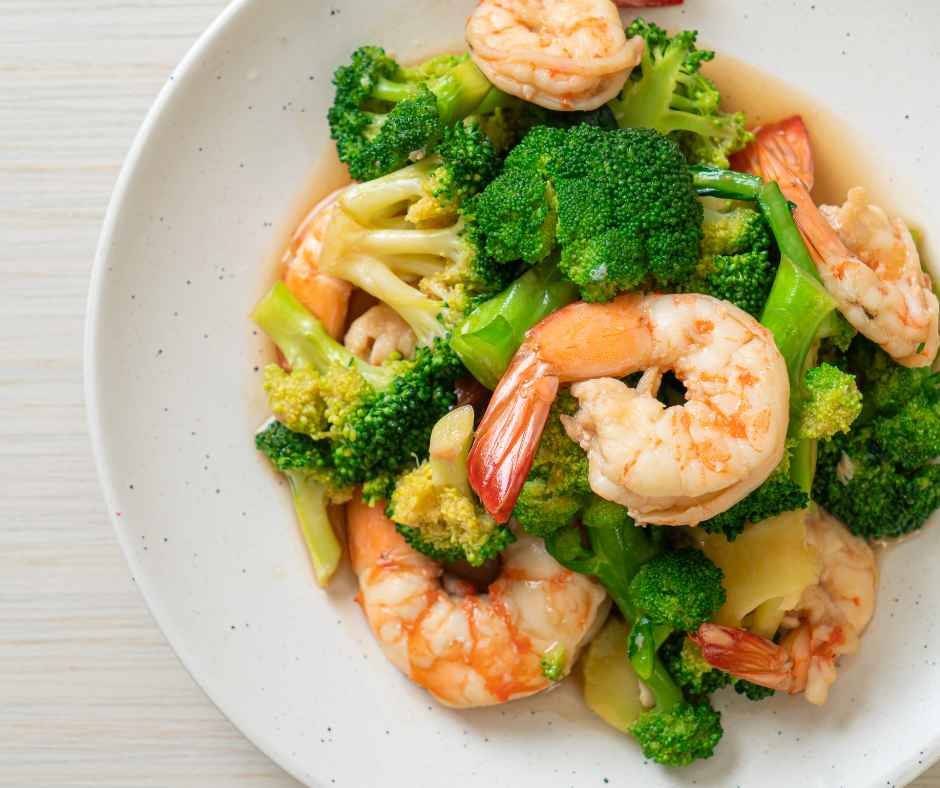
Is broccoli healthy? The simple answer is a resounding yes. Broccoli is widely celebrated by nutritionists and dietitians worldwide, securing its position as one of the healthiest vegetables available.
This vibrant green cruciferous powerhouse is more than just a side dish; it is a nutrient-dense food that offers profound health benefits spanning from immune support to chronic disease prevention.
How healthy is broccoli, and what specific compounds earn it this esteemed title? The vegetable is packed with essential vitamins, including C and K, and boasts a unique collection of potent antioxidants.
These components work synergistically to support various bodily functions. However, like all foods, broccoli is not without its potential drawbacks, such as digestive issues for some individuals.
This ultimate guide will dissect the question, “Is broccoli healthy for you?” by exploring the detailed nutritional profile, its proven advantages for men and women. Its role in weight loss and specific diets like keto, and crucially, how to prepare the broccoli vegetable to maximize its therapeutic properties.
We will also address potential risks and common misconceptions, ensuring you have a complete, evidence-based understanding of this exceptional food.
What Makes Broccoli Healthy?
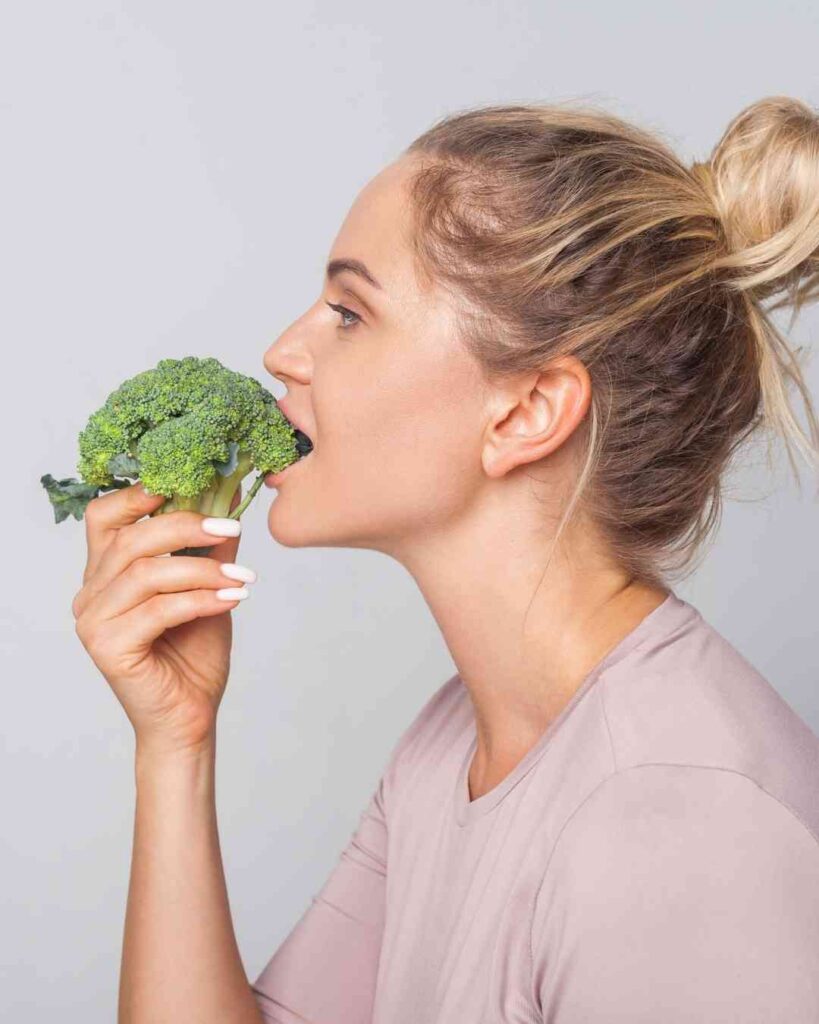
The foundational reason for asking, “Why is broccoli healthy?” lies within its extraordinary nutrient density; the ratio of beneficial nutrients to its minimal caloric content is impressive. Broccoli is a treasure trove of vitamins, minerals, and unique bioactive compounds, establishing it as an undisputed healthy food.
Overview of Nutrient Profile
A single cup of cooked broccoli provides a remarkable amount of key nutrients. It is an excellent source of Vitamin C, which is critical for immune function, collagen production, and acts as a powerful antioxidant.
Furthermore, broccoli contains high levels of Vitamin K1, which is indispensable for blood clotting and bone health and plays a direct role in regulating calcium levels.
The vegetable also contributes to the daily intake of Vitamin A (as beta-carotene), several B vitamins (especially folate), and essential minerals like potassium and iron.
The most recognized component is fiber. The high fiber content—both soluble and insoluble—is fundamental for digestive health. It promotes regular bowel movements and supports a robust gut microbiome.
Nutritional Science Perspective: The Antioxidant Powerhouse
Beyond the well-known vitamins, the nutritional science behind how healthy is broccoli centers on its phytochemicals, specifically glucosinolates. When broccoli is chopped, chewed, or digested, the enzyme myrosinase converts these glucosinolates into various sulfur-containing compounds, sulforaphane.
Sulforaphane is a potent antioxidant. It is widely investigated for its ability to activate the body’s detoxification enzymes. This compound is a key reason why broccoli is highlighted in discussions of broccoli benefits and side effects.
It helps neutralize harmful free radicals and reduce oxidative stress, which underlies chronic diseases. This robust nutritional makeup definitively answers the question: broccoli is exceptionally healthy due to a perfect blend of macro and micronutrients, along with unique, highly active antioxidant compounds.
Health Benefits of Broccoli
The broad spectrum of nutrients in broccoli translates into numerous targeted health advantages, benefiting both general wellness and specific populations. Analyzing these benefits helps us fully understand the comprehensive answer to “Is broccoli healthy?” Here are 5 health benefits of broccoli:
1. Broccoli Benefits for Men
Broccoli offers several specific advantages to male health, extending beyond general nutrition. This addresses the frequent search for broccoli benefits for male health.
- Heart and Prostate Health: Like many green vegetables, broccoli is rich in fiber and antioxidants, which support cardiovascular health by helping to manage cholesterol levels and blood pressure.
Crucially for male health, studies have investigated the link between cruciferous vegetable intake and prostate health, suggesting that sulforaphane content may play a protective role by promoting cellular integrity within the prostate gland.
- Hormone Support: Indole-3-carbinol (I3C), found in broccoli, is often cited in discussions about broccoli benefits for men. I3C may help maintain healthy testosterone levels by supporting estrogen metabolism.
While this does not directly boost testosterone, maintaining a proper balance of circulating hormones is vital for overall vitality and metabolic function.
- Muscle Recovery and Energy: The B vitamins, Vitamin C, and iron in broccoli contribute to energy production and muscle repair. Muscle recovery is a complex process, and adequate micronutrient status, especially of Vitamin C, is essential for collagen synthesis, which forms the structural basis of muscle tissue.
2. Broccoli Benefits for Women

The unique nutritional profile of broccoli makes it particularly beneficial during various stages of a woman’s life, confirming whether is broccoli healthy for women?
- Bone Health: Broccoli is an excellent source of Vitamin K and provides a meaningful amount of calcium and magnesium. Vitamin K is essential because it helps the body utilize calcium effectively.
It activates osteocalcin, a protein that integrates calcium into the bone matrix. This makes it crucial for maintaining bone mineral density and mitigating the risk of osteoporosis, especially after menopause.
- Hormone Balancing and Metabolism: Similar to its role in men, the I3C content supports healthy estrogen metabolism. For women, this balance is key for managing conditions like premenstrual syndrome (PMS) and supporting overall metabolic health.
- Folate for Pregnancy: Broccoli is a fantastic natural source of folate (Vitamin B). Folate is essential for cell division and the production of genetic material (DNA and RNA).
Therefore, it is one of the most critical nutrients for preventing neural tube defects during early pregnancy. This makes it an invaluable food for women who are pregnant or planning to become pregnant.
3. Weight Loss & Digestion
When considering “is broccoli healthy for weight loss,” the vegetable offers a potent combination of characteristics that support a healthy diet.
- Low-Calorie and High-Volume: Broccoli is an incredibly low-calorie food, meaning you can consume a large quantity—a high volume—to feel full without consuming many calories. This caloric efficiency is the cornerstone of successful, sustainable weight management.
- Satiety and Digestion: The high concentration of dietary fiber is the primary mechanism for promoting feelings of fullness (satiety).
Fiber adds bulk to the stool and slows down the rate at which food leaves the stomach, helping to regulate appetite and prevent overeating. Furthermore, this fiber feeds beneficial gut bacteria, contributing to better overall digestion and a healthier gut microbiome.
- Hydration: Due to its high water content, broccoli contributes modestly to your daily fluid intake. It supports cellular function and hydration, which are often overlooked in weight loss diets. Therefore, the answer to “Is broccoli good or bad for weight loss?” is resounding yes.
4. Immune Support & Anti-inflammatory Benefits
Broccoli is a genuine ally to the body’s defense mechanisms.
- Vitamin C for Immunity: A single serving of broccoli can provide a substantial portion of the recommended daily intake of Vitamin C. This vitamin is a powerful antioxidant and is crucial for the function of various immune cells, helping the body mount a robust defense against pathogens.
- Antioxidant Action: Sulforaphane plays a critical role in mitigating inflammation. Chronic, low-grade inflammation is a root cause of many health issues. By modulating the body’s inflammatory response, the compounds in broccoli promote overall wellness and immune resilience.
5. Broccoli and Chronic Disease Prevention
The rich blend of nutrients and antioxidants positions broccoli as an important food in a diet focused on long-term disease prevention.
- Heart Health: The fiber, potassium, and antioxidants in broccoli work together to support a healthy heart. Fiber helps bind to cholesterol in the digestive system, promoting its excretion, while potassium is key for regulating blood pressure by balancing the effects of sodium.
- Brain Health: Research suggests that the anti-inflammatory and antioxidant effects of sulforaphane may cross the blood-brain barrier.
This unique capability is being studied for its potential neuroprotective effects, which could benefit cognitive function and long-term brain health by reducing oxidative damage to neural tissue.
- Anti-Cancer Research: It is vital to avoid making direct medical claims. However, numerous studies have explored the potential role of glucosinolate breakdown products (like sulforaphane and I3C) in supporting healthy cellular function and programmed cell death (apoptosis) in various cell lines.
These compounds are believed to influence detoxification pathways and enzyme activity, making this an area of ongoing nutritional science research into disease prevention.
Is Broccoli Good or Bad for You?
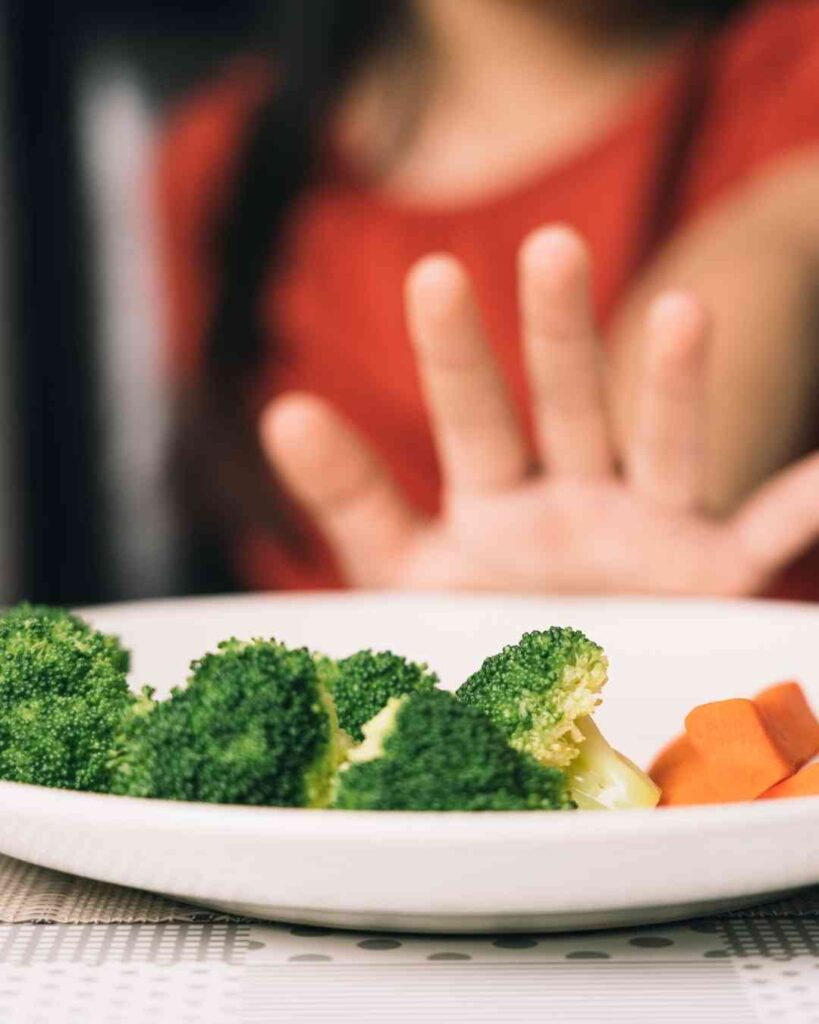
Understanding the complete nutritional picture requires a balanced assessment of both the benefits and the potential drawbacks. The question, “Is broccoli bad for you?” rarely yields a simple “yes,” but rather highlights that moderation and individual tolerance are key.
Pros: Why Broccoli Is Unquestionably Good
Broccoli is an outstanding dietary addition for nearly everyone; its pros and cons of broccoli heavily favor the former.
- Nutrient-Rich: It provides essential vitamins and minerals in a highly bioavailable form; this means the body can easily absorb and utilize them. This concentration of nutrients is difficult to match in many other common vegetables.
- Supports Weight Loss: As discussed, its high fiber and water content promote prolonged feelings of satiety, which naturally aids in reducing overall caloric intake without feelings of deprivation.
- Gut-Friendly Fiber: The fiber acts as a prebiotic, feeding the beneficial bacteria in your colon. A diverse and healthy gut flora is linked to improved mood, better immunity, and efficient nutrient absorption.
- Keto-Friendly: Its very low net carbohydrate count makes it an ideal staple for ketogenic and low-carb diets. Broccoli provides essential bulk and nutrients that are often lacking in highly restrictive keto menus.
Cons: Disadvantages and Side Effects
While the risks are minimal for most people, some individuals may experience adverse effects, particularly when consuming large amounts. These potential broccoli benefits and side effects must be considered.
- Gas and Bloating: The most common drawback is related to its high fiber and the presence of raffinose, a complex sugar. Because humans lack the enzyme to fully digest raffinose, it is fermented by bacteria in the large intestine, leading to gas production, which can cause discomfort, bloating, or flatulence.
- Thyroid Considerations: Broccoli belongs to the cruciferous family, which contains compounds called goitrogens. In extremely high quantities, particularly when consumed raw by individuals with pre-existing, severe iodine deficiencies, goitrogens could theoretically interfere with iodine uptake by the thyroid gland.
However, for the vast majority of people with adequate iodine intake, the health benefits of broccoli far outweigh this theoretical risk. Cooking broccoli largely deactivates these goitrogenic compounds, making it even safer for daily consumption.
- Food Sensitivities: Although rare, some individuals may have a specific allergy or heightened sensitivity to cruciferous vegetables. Symptoms might include hives, digestive upset, or, in rare cases, a more serious allergic reaction.
If you notice consistent adverse reactions, consult a healthcare provider. Ultimately, the disadvantages of eating broccoli are minor and manageable for most consumers.
Is Broccoli Good for Specific Conditions?
The impact of broccoli can vary depending on an individual’s specific health status or dietary goals. Analyzing its role in certain conditions provides tailored advice.
1. Is Broccoli Healthy for Kidneys?
For individuals with healthy, normal kidney function, the answer is a clear yes; broccoli is a highly beneficial component of a balanced diet. Its antioxidant profile aids general detoxification and reduces systemic oxidative stress, supporting overall health.
However, the situation changes when considering individuals with advanced Chronic Kidney Disease (CKD) or those on dialysis. Broccoli is moderately high in potassium, a mineral that healthy kidneys regulate efficiently. When kidney function is severely impaired, potassium levels can build up in the blood, leading to a condition called hyperkalemia, which can affect heart rhythm.
- Recommendation: Patients with CKD requiring a low-potassium diet should moderate their intake. Steaming or boiling broccoli can reduce the potassium content, and a renal dietitian should always provide personalized guidance on how much is broccoli healthy for kidneys in their specific case.
2. Is Broccoli Good for Gastritis?
Gastritis is characterized by the inflammation of the stomach lining. In general, cooked vegetables like broccoli are considered a safe and beneficial part of a diet for managing this condition.
- Why it helps: The fiber in cooked broccoli can aid in the slow, regular emptying of the stomach, which can be less irritating than highly processed or fatty foods.
Additionally, the anti-inflammatory properties of sulforaphane may help soothe the stomach lining over time.
- The Caveat: Raw broccoli is considerably harder to digest due to its fibrous structure and gas-producing compounds. For someone with acute or chronic gastritis, eating raw broccoli may exacerbate symptoms like pain, gas, or fullness.
Cooking the vegetable until tender is the recommended preparation method for individuals prone to stomach irritation.
3. Is Broccoli Keto/Ketogenic?
Broccoli is an excellent choice for a low-carbohydrate diet, making the answer to “is broccoli keto” unequivocally positive. The fundamental principle of a ketogenic diet is minimizing carbohydrate intake to induce a metabolic state called ketosis.
- Nutritional Fit: A cup of raw broccoli contains only about 6 grams of total carbohydrates, with approximately 2.5 grams coming from fiber. This leaves a very low net carb count (Total Carbs – Fiber), making it easy to fit into the typical 20–50 gram daily carb limit for keto.
- Best Keto-Friendly Preparations: To optimize the nutritional value and fit for the keto diet, prepare broccoli with healthy fats. Roasting or sautéing it in olive oil, coconut oil, or butter increases the fat content necessary for ketosis and enhances nutrient absorption.
Adding cheese or cream sauces should be done carefully, as they can add calories and sometimes hidden carbs, but is broccoli ketogenic when prepared simply and with fat?
Special Scenarios
Beyond standard nutritional advice, broccoli consumption raises a few common, practical questions about preparation, appearance, and origin.
1. Is It Healthy to Eat Broccoli When It’s Yellow?
When fresh, broccoli has a deep, vibrant green color; however, as it ages, the florets may begin to turn yellow.
- What Yellowing Means: The yellowing is a sign that the chlorophyll, the pigment responsible for the green color, is breaking down. This process indicates the vegetable is past its peak freshness.
- Nutrient Reduction: While not immediately dangerous, yellowing often correlates with a reduction in nutrient content, particularly Vitamin C, which is highly sensitive to light, heat, and time.
- Safety: Is it healthy to eat broccoli when is yellow? Yes, if it is only slightly yellow and otherwise firm, it is safe to consume.
However, if the yellowing is widespread, accompanied by a slimy texture, mold, or a strong, foul odor, it should be discarded due to potential spoilage. Consume broccoli as soon as possible after purchase for maximum flavor and nutrition.
2. Is Broccoli Cheddar Soup Healthy?
This beloved, creamy soup presents a nutritional dilemma because the answer largely depends on the ingredients used in the recipe.
- The Healthy Base: The broccoli itself is an incredibly healthy foundation, providing fiber, vitamins, and minerals.
- The Calorie Trap: Commercial or restaurant-style broccoli cheddar soup is healthy only if the base is light. Unfortunately, many popular versions are made with large amounts of heavy cream, butter, processed cheese, and thickeners, which drastically increase the saturated fat and calorie content. A single serving can sometimes contain more calories and fat than a main entree.
- Making it Healthier: To enjoy this soup guilt-free, make it at home. Use a base of vegetable or chicken broth, thicken it with a small amount of low-fat milk, use sharp cheddar for maximum flavor with less cheese, and blend a portion of the cooked broccoli into the soup for natural thickness and increased nutrients.
3. Is Broccoli Man-Made?
This is a common misconception, particularly concerning modern agriculture. Broccoli is man made in the sense that it did not evolve naturally in its current form in the wild.
- Selective Breeding: Broccoli is a human-cultivated crop derived from its ancestor, the wild cabbage (Brassica oleracea). It is not a genetically modified organism (GMO) or a result of modern laboratory science.
Instead, it is the result of centuries of selective breeding, where ancient farmers deliberately cross-pollinated wild cabbage plants that exhibited desirable characteristics, such as thick, edible flower heads.
- Cruciferous Kinship: This explains why broccoli is closely related to other Brassica vegetables like cabbage, cauliflower, kale, and Brussels sprouts.
They all descend from the same wild ancestor but were selectively bred for different parts (leaves for kale, buds for Brussels sprouts, flower heads for broccoli/cauliflower).
How to Eat Broccoli (Cooking Tips)

The way you prepare broccoli significantly impacts its flavor, texture, and, most importantly, its nutritional retention. Understanding how to eat broccoli involves maximizing the preservation and absorption of its beneficial compounds.
Best Ways to Eat It: Maximizing Nutrients
The key nutritional component, sulforaphane, is activated by the enzyme myrosinase. This enzyme is easily deactivated by high heat; therefore, rapid, low-water cooking methods are often preferred.
- Steaming: Steaming is arguably the gold standard for preserving nutrients. It exposes the broccoli to heat for a shorter time than boiling, which minimizes the leaching of water-soluble vitamins such as Vitamin C and folate. Light steaming, until the broccoli is bright green and still slightly crisp, is best.
- Stir-Frying: This rapid cooking method utilizes high heat but for a very short time, locking in flavor and many vitamins. Cutting the florets into uniform, smaller pieces ensures they cook quickly and evenly.
- Roasting: Roasting with dry heat can enhance the flavor profile, giving the broccoli a pleasant, slightly caramelized edge. While it can reduce some heat-sensitive vitamins, the retained fiber and minerals still make roasted broccoli a very healthy and delicious choice. High-heat roasting should be brief to avoid over-charring.
Raw vs. Cooked: The Myrosinase Advantage
Both raw and cooked broccoli offer distinct nutritional benefits. Raw broccoli preserves 100% of the heat-sensitive Vitamin C and retains the myrosinase enzyme fully, potentially maximizing sulforaphane creation upon chewing. However, cooked broccoli is often easier to digest and can allow for greater absorption of certain fat-soluble antioxidants. For optimal benefit, incorporating both raw (in salads or dips) and lightly cooked methods is recommended.
Pairings to Increase Absorption
Specific food pairings can enhance the body’s ability to absorb broccoli’s nutrients:
- Olive Oil (Healthy Fats): Vitamins A and K are fat-soluble; consequently, cooking or dressing broccoli with a healthy fat like olive oil significantly increases the absorption rate of these essential vitamins.
- Lemon (Vitamin C Helper): Adding a squeeze of lemon juice not only brightens the flavor but also provides additional Vitamin C. Vitamin C is known to enhance the absorption of non-heme iron, which is the type of iron found in plant foods like broccoli.
How Much Broccoli Should You Eat Per Day?
There is no definitive upper limit, but a good starting guideline for general health benefits is to consume 1 cup of cooked or raw broccoli per day. Incorporating this amount regularly provides a substantial daily dose of Vitamin C, Vitamin K, and fiber.
For those asking, “Is it good to eat broccoli every day?” The answer is yes, daily consumption is highly beneficial, provided you tolerate the fiber well.
Comparison Section
Understanding where broccoli stands among its peers helps solidify its reputation as a leading superfood.
1. Is Broccoli Healthier Than Cauliflower?
Broccoli and cauliflower are botanical cousins, sharing many structural characteristics, yet their nutritional profiles differ significantly.
- Nutrient Differences: Broccoli generally contains much higher levels of Vitamin C and significantly more Vitamin A (as beta-carotene), which is almost non-existent in white cauliflower. Broccoli also contains higher concentrations of Vitamin K. Cauliflower tends to have slightly more Vitamin B6 and pantothenic acid.
- Weight Loss & Digestion: Both are low in calories and high in fiber, making them excellent for weight loss. Cauliflower, however, often serves as a low-carb substitute for rice or potatoes due to its neutral flavor, offering greater versatility in diet recipes.
- Immunity: Broccoli’s superior Vitamin C and robust sulforaphane content likely give it an edge over cauliflower in terms of direct immune support and anti-inflammatory power. While cauliflower is certainly healthy, broccoli generally wins in raw nutrient density.
2. Are Carrots Healthy Compared to Broccoli?
Comparing carrots and broccoli highlights the importance of dietary diversity; each offers a unique specialty.
- Vitamin A vs. Vitamin C: Carrots are the unrivaled champion of Vitamin A (beta-carotene), which is essential for vision, skin health, and cell growth. Broccoli is a powerhouse for Vitamin C and Vitamin K.
- Fiber and Sugar: Broccoli contains more fiber and substantially less natural sugar than carrots. A cup of raw carrots contains about twice the sugar of a cup of raw broccoli, making broccoli a better choice for very strict low-carb or blood sugar-conscious diets. Both are incredibly nutrient-dense, showing that is carrots healthy is answered with a strong yes, but they serve different micronutrient needs.
3. What Is the #1 Healthiest Vegetable?
Identifying the absolute #1 healthiest vegetable is subjective and largely depends on the specific nutrient you prioritize. Many nutritionists debate between a few key contenders:
- Contenders: Spinach (for iron and Vitamin A), Kale (for calcium and Vitamin K), and Broccoli.
- Broccoli’s Edge: Broccoli excels due to its unique combination of sulforaphane, high Vitamin C, and robust fiber content. It provides powerful antioxidants that fight inflammation and support detoxification pathways, making it consistently ranked at the very top.
While different vegetables offer unique benefits, broccoli’s well-rounded, protective profile makes it one of the most essential and nutrient-dense vegetables one can consume regularly.
Broccoli Price, Buying Guide & Storage
Making informed choices at the grocery store ensures you get the most nutritional value and longevity from your purchase.
Price and Seasonality
The broccoli price can fluctuate throughout the year. It is generally most abundant and therefore cheapest when in season, typically in cooler months.
Buying frozen broccoli is an excellent, often more affordable option; frozen vegetables are flash-frozen at peak freshness, preserving their nutrient content effectively.
How to Pick Fresh Broccoli
When selecting the broccoli vegetable, look for key indicators of freshness:
- Color: The florets should be a uniform deep green, possibly with a slight purple tinge, but never yellow.
- Firmness: The stem should be substantial and tough, not rubbery or soft.
- Compactness: The floret heads should be tightly packed together; loose or separating florets indicate age.
How to Store It to Keep Nutrients Longer
Broccoli continues to lose nutrients after harvest, particularly Vitamin C, if not stored properly. The best way to store it is in the refrigerator’s crisper drawer. Do not wash the broccoli until just before you plan to use it; excess moisture encourages spoilage.
Placing the stem end in a container of water, similar to flowers, and covering the heads loosely can help extend freshness for up to a week.
Side Effects, Risks & When to Avoid Broccoli
While broccoli is overwhelmingly beneficial, understanding its potential side effects ensures safe and comfortable consumption, underscoring the need to address the question, “Is broccoli bad for you,” with nuance.
Common Side Effects
The most frequently encountered broccoli disadvantages are digestive in nature:
- Gas and Bloating: As detailed earlier, sulfur compounds and complex sugar raffinose cause significant intestinal gas in some people. This side effect is typically mild and often diminishes as the digestive system adjusts to a high-fiber diet. Individuals new to high-fiber diets should introduce broccoli gradually.
- High-Fiber Concerns: While fiber is beneficial, consuming excessive amounts of fiber too quickly can lead to temporary constipation or even intestinal blockages in rare cases, especially if water intake is insufficient. Always ensure you drink plenty of fluids when increasing your consumption of fibrous foods.
Specific Risks and Considerations
In specific, limited circumstances, caution is advised:
- Thyroid Considerations (Goitrogens): Individuals with severe, untreated hypothyroidism coupled with an iodine deficiency should moderate their intake of raw cruciferous vegetables or consume them cooked. However, for the vast majority of people with normal thyroid function and adequate iodine intake, the benefits of broccoli far outweigh the minute risk posed by goitrogens.
- Medication Interactions: Broccoli is very high in Vitamin K, which plays a central role in blood clotting. Patients taking blood-thinning medications, such as Warfarin, must maintain a consistent intake of Vitamin K-rich foods to avoid interfering with the medication’s effectiveness. They should consult their doctor or a dietitian regarding their dietary intake consistency.
- Allergies (Rare): True allergies to broccoli are infrequent but possible, particularly in individuals who are sensitive to other members of the Brassica family.
Conclusion
In summary, the detailed analysis consistently confirms that broccoli is healthy and stands as one of the most nutrient-dense foods available in the modern diet.
Packed with powerful antioxidants like sulforaphane, essential vitamins (C and K), and abundant fiber, this vegetable offers profound support for the immune system, cardiovascular health, and digestive function.
While minor side effects like gas and bloating can occur, these are generally manageable and do not diminish the overall protective health benefits. For specific diets, such as the ketogenic approach, and for managing specific health goals, broccoli provides essential bulk and critical micronutrients.
The final takeaway is clear: encouraging regular, balanced consumption of this versatile, nutrient-dense food is a simple and effective step toward long-term wellness.
References and Further Reading
- USDA FoodData Central (Nutrient Data)
- National Institutes of Health (NIH) – Office of Dietary Supplements
- National Cancer Institute (NCI) – Cruciferous Vegetables and Cancer Prevention
- Harvard T.H. Chan School of Public Health – The Nutrition Source
- American Heart Association (AHA)
- Academy of Nutrition and Dietetics (AND)