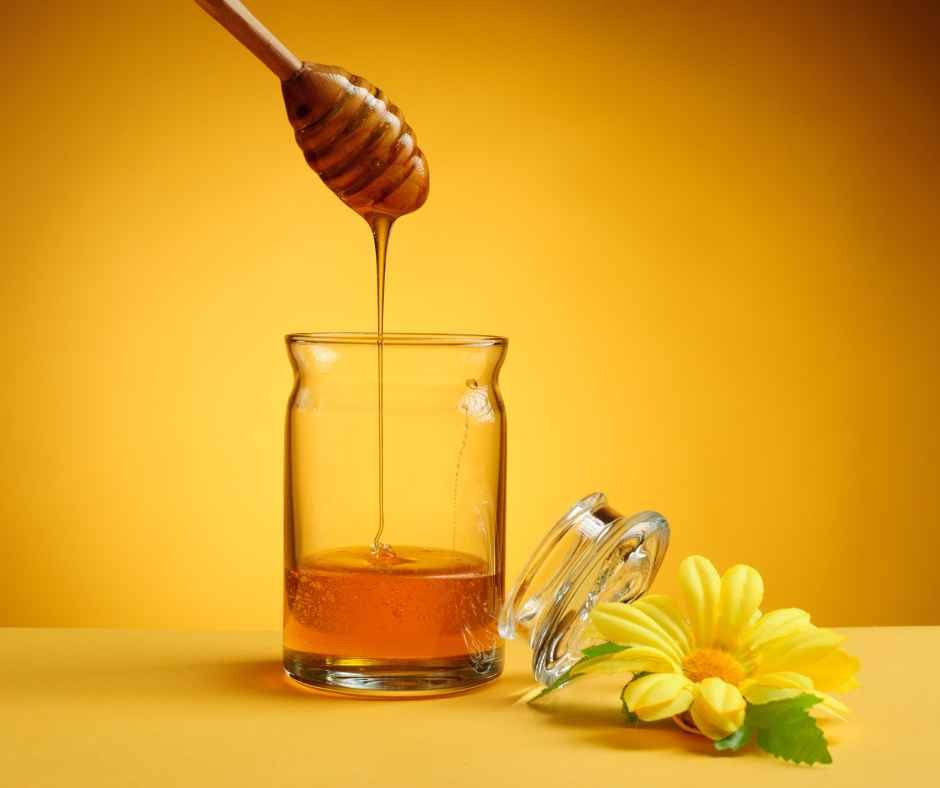
In the modern era, as consumers become increasingly health-conscious and meticulous about ingredient sourcing, a fundamental question often arises: Does honey contain caffeine?
This curiosity is understandable. Honey is frequently utilized as a natural energy booster—a quick source of fuel for athletes or a mid-afternoon pick-me-up.
The Sweet Question and the Stimulant Paradox
For millennia, honey has been a cherished substance, valued not only for its rich, complex sweetness but also for its profound medicinal and preservative qualities. It is a staple in pantries worldwide, utilized in everything from baking and beverages to natural remedies for coughs and wounds.
Caffeine, the world’s most widely consumed psychoactive substance, is also synonymous with energy and alertness. The association between honey’s energetic properties and caffeine’s stimulating effect creates an intuitive but fundamentally incorrect link in many people’s minds.
The short and definitive answer, which forms the core of this expansive analysis, is a resounding no. Pure, natural honey is entirely caffeine-free.
However, to truly understand why this answer is definitive and to appreciate the unique nutritional profile of honey, we must embark on a detailed exploration. This article will not only dispel the myth of caffeinated honey but will also dissect the chemical nature of both honey and caffeine.
It examines the intricate biological process of honey production, compares honey’s energy mechanisms to those of stimulants, and addresses the fascinating exceptions and adulterations that can confuse the issue.
By the end of this journey, the distinction between a sugar-based energy source (honey) and a central nervous system stimulant (caffeine) will be crystal clear, providing a comprehensive view of honey’s role in a healthy diet.
The Chemistry of Disparity – Honey vs. Caffeine
To understand why honey and caffeine are mutually exclusive compounds, we must first examine their chemical and molecular structures. They belong to entirely different classes of biochemicals and are produced through completely dissimilar biological processes.
The Molecular Makeup of Pure Honey
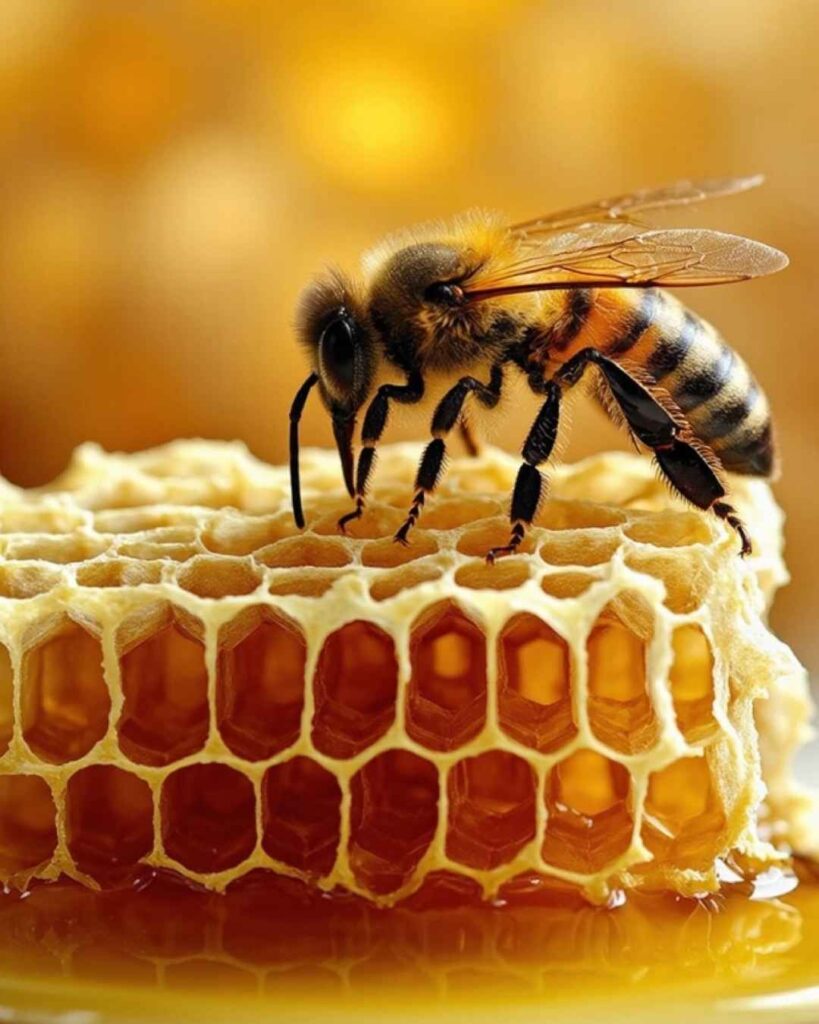
Honey is a concentrated sugar solution, but its composition is far more complex and nuanced than simple table sugar (sucrose). It is a highly specialized biological product created through the collective effort of honey bees (primarily Apis mellifera) processing floral nectar.
The typical composition of mature, pure honey is as follows:
- Carbohydrates (Approximately 80-85%): The vast majority of honey consists of simple sugars.
- Fructose (38-45%): The predominant sugar, responsible for honey’s high degree of sweetness and its ability to remain liquid for longer periods. Fructose is metabolized primarily in the liver.
- Glucose (30-35%): The second major sugar, which is responsible for crystallization (granulation) over time. Glucose is absorbed directly into the bloodstream, providing immediate energy to the cells.
- Maltose, Sucrose, and other Oligosaccharides (2-10%): Present in smaller, varying amounts.
- Water (Approximately 15-20%): The low water content is critical; it is what prevents bacterial and fungal growth, making honey virtually immortal as a food source.
- Enzymes and Proteins (Trace Amounts): These are vital biological catalysts introduced by the bees. Invertase (or glucosidase) is the most important, as it breaks down the complex sugar sucrose (found in nectar) into the simple sugars fructose and glucose—the very definition of honey production. Other enzymes like diastase and glucose oxidase contribute to its unique properties, including its mild acidity and antibacterial capabilities.
- Vitamins and Minerals (Trace Amounts): While not a significant source, honey contains tiny quantities of B vitamins (like niacin and riboflavin), Vitamin C, and essential minerals such as potassium, calcium, magnesium, and iron.
- Phytonutrients and Antioxidants (Trace Amounts): These compounds, primarily flavonoids and phenolic acids, are derived from the nectar and pollen and give honey its anti-inflammatory and antioxidant properties. The darker the honey, the higher the concentration of these beneficial compounds.
Crucially, none of these compounds—the sugars, the water, the enzymes, or the trace micronutrients—are related to caffeine. Honey is chemically and biologically optimized for sugar delivery and preservation, not for neurological stimulation.
The Molecular Makeup of Caffeine
Caffeine, conversely, is a naturally occurring plant alkaloid, belonging to the methylxanthine class of compounds. Its chemical formula is C₈H₁₀N₄O₂.
Caffeine is synthesized by certain plants—most famously the coffee plant (Coffea species), the tea bush (Camellia sinensis), and the cacao plant (Theobroma cacao)—as a natural pesticide. It is concentrated in the seeds, leaves, and fruits to deter insects and small animals from consuming the plant material.
- Chemical Structure: Caffeine is structurally similar to adenosine, a neurotransmitter that promotes relaxation and drowsiness in the central nervous system.
- Mechanism of Action: When consumed, caffeine acts as an adenosine receptor antagonist. It binds to adenosine receptors in the brain, blocking adenosine from connecting and initiating its natural inhibitory processes. This blockade increases the release of stimulating neurotransmitters like dopamine and norepinephrine, leading to heightened alertness, reduced fatigue, and increased focus. This is the physiological definition of a “stimulant.”
The sophisticated chemical synthesis required to produce the methylxanthine structure is an ability possessed only by a select group of plants. Bees, and the process of converting nectar into honey, do not involve any biochemical pathway capable of synthesizing or concentrating this complex alkaloid.
The Honey-Caffeine Disconnect
The fundamental disparity lies in the purpose and origin:
| Feature | Honey | Caffeine |
| Chemical Class | Complex sugar solution (Monosaccharides) | Methylxanthine alkaloid |
| Biological Source | Secreted nectar processed by bees | Synthesized by plants (e.g., coffee, tea) as a pesticide |
| Primary Function | Energy storage, food preservation | Central Nervous System (CNS) stimulant |
| Physiological Effect | Steady glucose/fructose absorption for fuel | Blocks adenosine receptors for alertness |
Therefore, based purely on chemical composition, the concept of caffeine naturally existing in honey is biochemically impossible.
The Bee’s Journey – From Floral Nectar to Caffeine-Free Honey
The meticulous process by which bees transform simple nectar into complex honey is the ultimate confirmation of its caffeine-free nature. This biological marvel involves multiple steps of collection, chemical alteration, and dehydration.
The Apicultural Process: A Manufacturing Masterpiece
- Nectar Collection: Worker bees fly to flowers and collect nectar, which is a watery solution primarily composed of sucrose (disaccharide) and water. The bee stores this nectar in its honey stomach (or crop).
- Enzymatic Transformation: While flying back to the hive, the bee introduces enzymes—most notably invertase—from its salivary glands into the nectar. This enzymatic activity begins to break down the complex sucrose into the simpler monosaccharides, glucose and fructose.
- Regurgitation and Fanning: Upon arrival, the bee deposits the partially processed nectar into a honeycomb cell. The substance is still very watery. House bees then take over, repeatedly moving the liquid, adding more enzymes, and most importantly, actively fanning the cells with their wings. This fanning reduces the water content from the initial 60-80% in nectar down to the final, low level of 18% or less. This dehydration process concentrates the sugars and stops yeast fermentation.
- Capping: Once the moisture content is optimal for preservation, the bees cap the cell with beeswax. The substance inside is now mature, stable, and caffeine-free honey.
The Filter Hypothesis: Even if a trace amount of caffeine were present in a unique floral nectar (a highly debated and mostly negligible possibility), the combined actions of enzymatic breakdown, high sugar concentration, and dehydration act as a thorough biological “filter.”
The final concentrated product is overwhelmingly dominated by the simple sugars, making any minuscule organic compound not essential to the structure chemically irrelevant.
Floral Sources and Varietal Honey
The concept that honey might contain caffeine often stems from the reasonable assumption that the properties of the source material (nectar) are transferred to the final product.
While flavor, color, aroma, and antioxidant profiles are entirely dependent on the floral source, the inclusion of complex organic compounds like caffeine is not.
Honey varietals, which number in the hundreds, are classified by the plant the nectar was collected. Each offers a unique signature:
- Clover Honey: Light in color, mild flavor. Common in North America.
- Buckwheat Honey: Dark, robust, and molasses-like flavor. High in antioxidants.
- Manuka Honey: Produced in New Zealand from the Leptospermum scoparium flower. Known for its high antibacterial properties (related to the compound methylglyoxal—MGO), not caffeine.
- Orange Blossom Honey: Light and fresh with a distinct citrus scent.
Despite these dramatic differences in flavor and therapeutic properties, all pure, raw, and unadulterated honey varietals share the same fundamental characteristic: they are caffeine-free.
Can Bees Collect Nectar from Caffeinated Plants?
This is the most common theoretical path for caffeine contamination. Bees do forage on plants that are naturally high in caffeine, such as certain citrus flowers (grapefruit and lemon), and even coffee blossoms.
Scientific Finding: Research has confirmed that caffeine can be present in the nectar of certain plants. For example, some citrus species have evolved to include trace amounts of caffeine in their nectar.
This small dose of caffeine is theorized to act as a memory enhancer for the bees, encouraging them to return repeatedly to those specific flowers, thereby increasing pollination success for the plant.
The Result in Honey: While the nectar contains caffeine, the final honey does not contain physiologically relevant amounts. The dilution, enzymatic processing, and overall concentration of sugars during the honey-making process reduce the amount to undetectable or trace levels that are completely inert.
Furthermore, the volume of nectar needed to create a commercially viable amount of honey, combined with the relative rarity of bees foraging exclusively on caffeinated flowers, ensures that standard honey remains a caffeine-free product.
The Curious Case of Toxin-Containing Honey (Grayanotoxins)
If caffeine is not the concern, what about other psychoactive substances in honey? There is one famous exception where honey can have a dramatic effect on the human body, leading to confusion with stimulants or depressants: Mad Honey (Deli Bal).
Mad Honey is produced when bees forage on the nectar of certain species of Rhododendron and Azalea. This nectar contains grayanotoxins, which are highly poisonous neurotoxins.
- Effects: In small doses, grayanotoxins can cause dizziness, light-headedness, and mild euphoria, leading to the honey’s historic use as a recreational and therapeutic agent. In larger doses, they cause serious symptoms, including low blood pressure, irregular heart rhythms, nausea, vomiting, and loss of consciousness.
- The Distinction: This toxic honey contains a naturally occurring neurotoxin that affects sodium channels in the cell membrane—it is a poison, not a stimulant like caffeine. The effects are profound, but the chemical origin is entirely separate from methylxanthines.
This example serves as a vital reminder: the source flower can impart powerful biological compounds to honey, but caffeine is not one of them. The unique chemistry of grayanotoxins allows them to survive the honey-making process, while caffeine’s structure and low concentration in nectar do not allow it to translate into a measurable presence in the final product.
Honey as a Natural Energy Source – The Carbohydrate Engine
The persistence of the question “Does honey contain caffeine?” is directly related to honey’s reputation as a powerful and fast-acting energy booster. If it contains no caffeine, how does it provide such a noticeable lift? The answer lies in the masterful efficiency of its carbohydrate profile.
Honey vs. Caffeine: Two Paths to Energy
It is critical to distinguish between two completely different concepts of “energy”:
- Caloric Energy (Honey): This refers to the biochemical fuel (calories/kilojoules) required to power cellular processes, muscle movement, and brain function. Honey provides energy by delivering readily available carbohydrates.
- Neurological Energy (Caffeine): This refers to the perceived feeling of alertness and vitality, achieved by chemically manipulating the central nervous system. Caffeine does not provide caloric energy; it merely overrides the natural signals of fatigue.
Honey’s energy is real fuel; caffeine’s energy is a borrowed state of alertness.
Metabolism and Glycemic Response
The structure of honey, split almost evenly between fructose and glucose, is optimized for both rapid and sustained energy release.
Glucose: The Immediate Boost
Glucose is the body’s preferred and most accessible source of energy. When consumed, glucose is quickly absorbed from the small intestine directly into the bloodstream.
This surge in blood sugar triggers an insulin response, which directs the glucose to the cells, primarily the muscles and the brain, where it is used immediately for fuel. This rapid absorption is why a spoonful of honey can provide an almost instantaneous feeling of revitalization.
Fructose: The Sustained Fuel
Fructose must follow a different metabolic route. It is transported to the liver, where it is processed (primarily converted into glucose and stored as glycogen) before being released into the bloodstream. This hepatic processing is slower than the direct absorption of glucose.
The synergistic effect of the two sugars is honey’s secret weapon:
- The Glucose component provides the rapid spike and immediate energy.
- The Fructose component provides a delayed, sustained release of glucose into the blood, helping to prevent the rapid “crash” that often follows the consumption of pure glucose or highly refined sugars (like dextrose).
Glycemic Index (GI) and Load (GL)
While honey is a sugar, it is not metabolized in the same way as refined white sugar (sucrose, which is 50% glucose and 50% fructose linked together).
- GI: The Glycemic Index is a ranking of how quickly a food raises blood glucose levels. Honey’s GI typically ranges from 58 to 75, depending on the floral source (which affects the glucose-fructose ratio). This is generally considered moderate compared to refined sugar (GI 65) or pure glucose (GI 100).
- GL: The Glycemic Load accounts for both the GI and the amount of carbohydrate consumed. Because of its complex composition and the presence of trace elements, honey can elicit a slightly better-managed blood sugar response than chemically similar but nutrient-depleted sweeteners.
The slower hepatic processing of fructose ensures that the energy boost from honey is metabolically gentler and more prolonged than the sharp peak and trough characteristic of a pure glucose spike.
Honey in Sports Nutrition and Endurance
The unique combination of glucose and fructose has positioned honey as a staple in natural sports nutrition, directly replacing artificial energy gels and electrolyte solutions.
Endurance Fueling
For endurance athletes—marathon runners, cyclists, and long-distance swimmers—maintaining a steady supply of muscle glycogen is paramount.
Studies have shown that honey performs comparably to commercial sports gels containing sucrose, offering an easily digestible, natural source of rapidly metabolized carbohydrates.
- Pre-Workout: Consuming a small amount of honey (e.g., 10-20g) provides an immediate, usable energy reserve.
- During Workout: Honey provides a dual-action carbohydrate fuel—the glucose for immediate cellular work and the fructose for replenishing liver glycogen, which, in turn, helps maintain stable blood sugar and prevents bonking (hypoglycemia).
- Post-Workout Recovery: Honey is highly effective at speeding up the replenishment of depleted glycogen stores in both the liver and muscle tissue, facilitating quicker recovery than many synthetic options.
Electrolytes and Hydration
While honey itself is not a significant source of major electrolytes (like sodium or chloride), its trace potassium and magnesium content, combined with its simple sugar structure, makes it an ideal component for homemade electrolyte drinks when mixed with water and a pinch of salt. It provides the necessary osmotic pressure to facilitate rapid water absorption in the intestines.
This superior performance as a natural, readily absorbed fuel source is the real reason honey is associated with “energy,” and it has absolutely nothing to do with caffeine. It is a prime example of an ancient food perfectly suited for modern performance needs.
Broader Context, Health Benefits, and Quality Concerns
The final part of this analysis expands beyond the caffeine question to address the broader context of honey consumption, focusing on its health advantages, potential quality control issues, and its role in a modern, health-conscious lifestyle.
Beyond Energy: The Antioxidant and Therapeutic Power
Honey’s value extends far beyond its caloric content. The trace elements derived from the flowers impart a remarkable suite of bioactive compounds that have been leveraged in traditional medicine for centuries.
Antioxidant Richness
The most significant non-sugar components of honey are its antioxidants, primarily flavonoids (like chrysin, galangin, and apigenin) and phenolic acids.
- Free Radical Scavenging: These compounds combat oxidative stress by neutralizing free radicals—unstable molecules that damage cell membranes and DNA. Oxidative stress is implicated in chronic diseases such as heart disease, cancer, and neurodegenerative disorders.
- Anti-Inflammatory Action: By reducing oxidative damage, honey exerts a measurable anti-inflammatory effect on the body, which contributes to its use in treating digestive issues and common ailments. Darker honeys (like Buckwheat or Manuka) are known to have a significantly higher antioxidant capacity compared to lighter varieties (like Clover).
Antimicrobial and Healing Properties
Honey possesses natural antimicrobial properties due to several factors:
- Low Water Activity: The extremely low moisture content naturally inhibits the growth of bacteria and microorganisms (a principle known as osmosis).
- High Acidity: Honey has a pH typically ranging from 3.2 to 4.5, an environment inhospitable to most pathogens.
- Hydrogen Peroxide: The enzyme glucose oxidase converts glucose into gluconic acid, and in the process, creates small amounts of hydrogen peroxide. This is a mild, natural antiseptic, which is the mechanism behind honey’s ancient use as a wound dressing.
The therapeutic use of honey, particularly high-grade medicinal Manuka honey, for treating burns, ulcers, and antibiotic-resistant infections is an area of significant modern clinical research, affirming its status as a functional food.
Raw Honey vs. Processed Honey: A Nutritional Divide
In the context of health and purity, the distinction between raw and processed honey is crucial, especially for consumers concerned about added substances.
- Raw Honey: Extracted directly from the hive, strained to remove hive debris, but remains unheated and unpasteurized. It retains all its natural enzymes (like diastase and invertase), pollen particles, propolis fragments, and full antioxidant potential. Raw honey is typically cloudy and may crystallize quickly. This is the gold standard for purity and medicinal benefits and is unequivocally caffeine-free.
- Processed Honey: Heated (pasteurized) and extensively filtered. Heating is done to prevent crystallization and simplify bottling, but it unfortunately destroys some heat-sensitive enzymes and reduces the total antioxidant content. Extensive filtering removes pollen, making the honey appear clearer but also diminishing its nutritional value and making its floral origin difficult to trace. While processed honey does not inherently contain caffeine, its reduced enzyme activity and loss of phytonutrients make it a less healthy option than its raw counterpart.
The Problem of Adulteration and Commercial Misconceptions
The only scenario where a consumer might encounter “caffeinated honey” is through adulteration or manufacturing processes—a human intervention, not a natural phenomenon.
Syrups and Additives
Due to the high demand and cost of pure honey, commercial adulteration is a rampant global problem. Unscrupulous producers may cut (dilute) honey with cheaper, external syrups, often using sophisticated methods to evade detection:
- High Fructose Corn Syrup (HFCS)
- Rice Syrup (especially C4-sugar detection)
- Beet Sugar Syrup
While these syrups do not contain caffeine, the intent is to mislead the consumer about the product’s purity. A hypothetical product is marketed as “Honey Energy Booster” or “Caffeine-Infused Honey”.
By definition, it is an adulterated, processed food product where caffeine or caffeine-containing extracts (like guarana or green tea extract) were deliberately added to the honey base.
In this specific case, the caffeine would come from the external additive, not the honey itself. Pure honey remains the innocent, caffeine-free base.
Consumer Due Diligence
For consumers seeking natural, caffeine-free honey, the best practices are:
- Look for “Raw” and “Unfiltered”: These labels significantly reduce the likelihood of heat processing and adulteration.
- Check the Ingredients: Pure honey should have a single ingredient: “Honey.”
- Source Locally: Purchasing from local beekeepers provides traceability and confidence in the product’s origin and purity.
Conclusion: Honey – The Wholesome Sweetness
The curiosity surrounding the potential for caffeine in honey serves as a useful touchstone for understanding the complexities of natural foods.
As demonstrated, the query is definitively answered by examining the fundamental biochemical difference between the two compounds and the rigorous, sugar-concentrating process of apiculture.
Honey is a natural solution of simple sugars, water, enzymes, and phytonutrients, chemically incapable of synthesizing caffeine.
It delivers energy via readily metabolized glucose and slowly processed fructose, fueling the body in a steady, wholesome manner without the neurological side effects associated with stimulants.
It is an ancient superfood that offers far more than just sweetness—it provides antibacterial, antioxidant, and anti-inflammatory benefits that place it squarely in the category of functional, healthy eating.
For those navigating the modern diet, seeking energy without the jitters, or simply desiring a clean, natural sweetener, the choice is clear. Honey remains a pure, unadulterated product of nature, offering a steady stream of life’s essential fuel, entirely free of caffeine.
Reference
I. Honey Composition and General Properties
- David Publishing: An Overview of Honey: Its Composition, Nutritional and Functional Properties
- Evergreen State College: Honey Composition and Properties
- PMC – NIH: Honey: A Single foodstuff comprises many drugs
II. Caffeine Chemistry and Mechanism of Action
- NCBI: Pharmacology of Caffeine (from the book Caffeine for the Sustainment of Mental Task Performance)
- Echemi: Caffeine Structure & Effects: What You Should Know
III. Floral Nectar, Trace Caffeine, and Toxins (Part II)
- ResearchGate: Screening of Coffea spp. honey by different methodologies: Theobromine and caffeine as chemical markers
- HowStuffWorks: ‘Mad Honey’ Comes From Bees That Gather This Specific Nectar
- PMC – PubMed Central: Grayanotoxin Poisoning: ‘Mad Honey Disease’ and Beyond
IV. Honey in Sports and Energy Metabolism (Part III)
- Atlantis Press: Effect of Honey on Measurable Sport
- PMC – NIH: Effects of Post-Exercise Honey Drink Ingestion on Blood Glucose and Subsequent Running Performance in the Heat
- FI-Admin: Comparison of glycaemic index of honey and sports energy products
V. Adulteration and Quality Control (Part IV)
- PMC – NIH: The Toxic Impact of Honey Adulteration: A Review
- Slideshare: Adulteration of honey