



Have you ever wondered why some people stay lean without effort while others struggle despite strict diets?
Recent health news has been buzzing about the fat switch discovery, a term describing a breakthrough in how we understand human metabolism.
For decades, we believed weight management was a simple math problem of calories in versus calories out.
However, this fat switch viral health discovery suggests that our biology is far more complex than a calculator.
Researchers are calling this a new weight loss breakthrough because it focuses on a biological “toggle” in our cells.
This switch determines if your body is in “storage mode” or “burning mode.” When this switch is stuck in the wrong position, weight gain becomes almost inevitable, regardless of your willpower.
The fat switch health news isn’t just about fitting into smaller clothes. It represents a shift in public health. By understanding the fat switch discovery, we can better address the global obesity epidemic.
However, we must separate the real science from the internet hype. This article explores the clinical reality of this metabolic toggle and what it means for your health journey.
What Is the Fat Switch?
If you are asking, “what is the fat switch?” you aren’t alone. Simply put, the fat switch discovery explained for beginners is the study of metabolic signaling. Our bodies are designed to survive periods of famine. To do this, we have a biological mechanism that decides when to store fat for later.
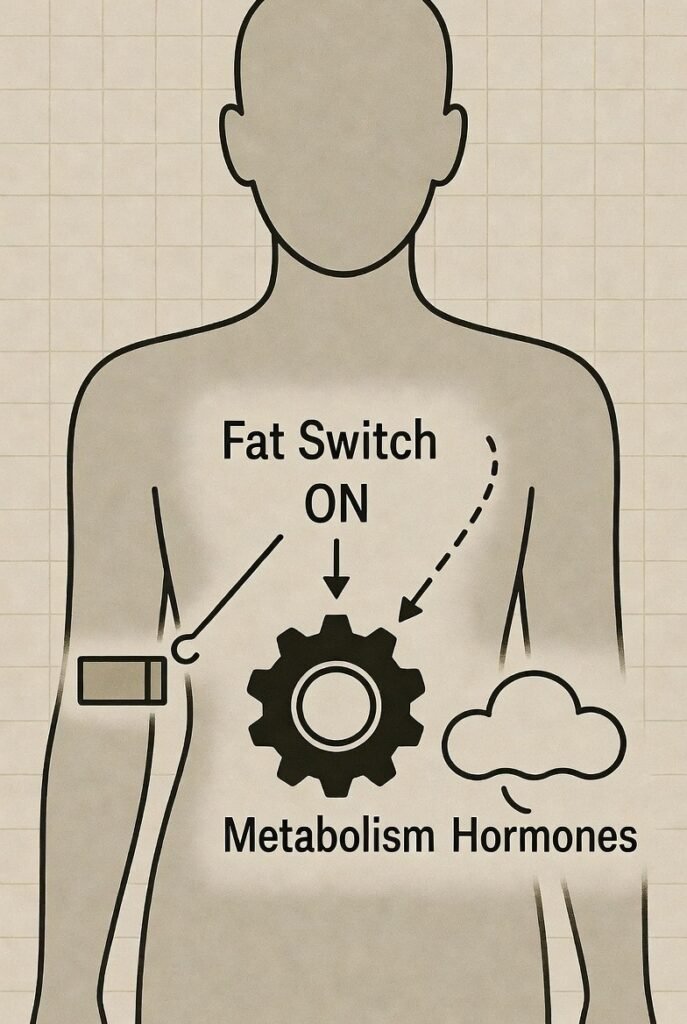
In the past, this was a survival advantage. Today, in a world of constant food, that switch often stays “on.”
The fat switch discovery highlights that our bodies aren’t broken; they are just responding to modern signals. Fat switch metabolism explained simply means looking at how your cells sense energy.
When you eat, your body releases hormones like insulin. This signals the “switch” to store energy. Conversely, when you fast or exercise, the switch should flip to “burn.” Why do traditional calorie models fall short?
Because they ignore these signals. Understanding what is the fat switch discovery helps us realize that weight loss isn’t about eating less; it is about signaling better. It is about moving from “storage mode” back to “burning mode” naturally.
How Obesity Was Understood Before This Discovery
Before we understood the fat switch science vs myth, the medical community viewed obesity through a very narrow lens.
Many asked, “how was obesity discovered?” as if it were a single event. In reality, it was long seen as a personal failing of discipline.
Doctors used to focus almost exclusively on the “Energy Balance Model.” If you were overweight, the advice was simple: move more and eat less. However, we now utilize the 4 M’s of obesity to understand the condition:
- Metabolic: Hormones and genetics (where the fat switch lives).
- Mechanical: Physical impact on joints and breathing.
- Mental: Psychology, stress, and eating behaviors.
- Monetary: Access to healthy food and healthcare.
This shift is crucial. We now view obesity as a complex metabolic disease. The old “willpower” model is outdated.
The fat switch discovery provides the missing link in this history. It explains why two people can eat the same meal but have different metabolic outcomes. It moves the conversation from “shame” to “science.”
The Science Behind the Fat Switch (Core Authority Section)
The fat switch science breakthrough is rooted in rigorous research. Specifically, a fat switch research study published in journals like Nature
Metabolism has looked at how the protein AMPK and the enzyme fructose kinase act as sensors. Scientists discover fat switch triggers when certain nutrients, like uric acid or high fructose, enter the system.
In these studies, researchers found that specific pathways can bypass the body’s normal “fullness” signals.
For example, animal models showed that even without excess calories, activating certain pathways led to rapid fat accumulation. This new metabolism discovery fat switch suggests that certain triggers “trick” the body into thinking it is starving.
| Study Type | Key Finding | Clinical Relevance |
| Human Observation | High uric acid correlates with “switch” activation. | Risk factor for metabolic syndrome. |
| Animal Models | Knocking out specific “switch” genes prevents obesity. | Potential for future drug targets. |
| Meta-Analysis | Metabolic flexibility is the best predictor of long-term health. | Focus on “flipping the switch” via lifestyle. |
While a fat switch study health update is exciting, we must remain cautious. Most research is currently in the “proof of concept” stage.
However, the evidence clearly shows that our metabolism is a controlled system, not a random one.
How the Fat Switch Works Inside the Body
Understanding how the fat switch works requires zooming in to the cellular level, where metabolism is regulated moment by moment.
The fat switch in the body is not controlled by a single hormone or enzyme, but by an interconnected fat switch metabolic pathway that determines whether cells burn energy or store it.
One pathway increasingly discussed in research is the polyol pathway, which becomes highly active under conditions of excess sugar intake—especially fructose.

At its core, this is a fat switch cellular metabolism issue. When large amounts of rapidly absorbed carbohydrates enter the bloodstream, cells interpret this as an environmental signal.
Evolutionarily, this signal resembles a time of abundance followed by scarcity. The body responds by shifting into energy-conservation mode.
When the fat switch is flipped into storage mode, several biological changes occur simultaneously.
How the Fat Switch Alters Mitochondrial Function and Gene Expression
Mitochondrial Function
The fat switch mitochondrial function is altered. Instead of efficiently producing ATP (the body’s usable energy), mitochondria reduce fat oxidation and generate signals that promote fat storage.
This reduces metabolic flexibility and makes it harder for the body to switch back into fat-burning mode later.
Gene Expression
The fat switch gene expression profile changes at the DNA level. Genes associated with adipogenesis—the creation and expansion of fat cells—are up regulated, while genes responsible for fat oxidation are down regulated.
This does not change your DNA itself, but it changes how your genes are expressed, a process known as epigenetic regulation.
Energy Sensing and Metabolic Rate
The body’s internal energy sensors detect what they interpret as a need to conserve fuel. As a result, overall metabolic rate is lowered. Fewer calories are burned at rest, and the body becomes increasingly efficient at storing excess energy as fat.
This fat switch mechanism is most commonly triggered by high-glycemic diets, particularly frequent exposure to high-fructose corn syrup and refined sugars. These compounds activate pathways that signal the body to prepare for “winter,” even when food remains abundant. Over time, repeated activation traps cells in a protective, storage-dominant state.
This explains why some people struggle to flip the fat switch back to burning fat. Their metabolism isn’t broken—it’s responding exactly as it was designed to, based on the signals it receives.
Reversing this process requires changing those signals at the cellular level, not simply eating fewer calories.
Hormones, Inflammation & Metabolic Health
The fat switch hormone discovery revolves around more than just insulin. While fat switch insulin resistance is a major factor, other players are involved. For instance, the fat switch cortisol connection explains why stress causes belly fat. High cortisol levels act as a “lock” on the fat switch, keeping it in the storage position.
Furthermore, fat switch leptin resistance occurs when your brain stops hearing the “I’m full” signal. This creates a vicious cycle.
You eat more because you feel hungry, which further engages the fat switch hormonal balance toward storage.
We must also consider the fat switch inflammation link. Chronic, low-grade inflammation acts like “rust” in the metabolic machine.
It prevents the fat switch thyroid health signals from reaching the cells effectively. When you are inflamed, your metabolism slows down to prioritize immune function, making fat loss nearly impossible.
Fat Switch and Chronic Disease Prevention
Activating the correct side of the fat switch plays a critical role in the fat switch prevention of metabolic disease. When the body remains in fat-storage mode for prolonged periods, it creates a cascade of metabolic dysfunction.
This state is now recognized as fat switch metabolic syndrome, a cluster of interrelated conditions that includes abdominal obesity, elevated blood pressure, abnormal cholesterol levels, and impaired glucose regulation. Together, these factors dramatically increase the risk of cardiovascular disease and early mortality.
At the center of this dysfunction is insulin signaling. There is a direct and well-documented fat switch type 2 diabetes connection. When the fat switch is chronically locked in storage mode, cells become less responsive to insulin.
Metabolic Flexibility, Aging, and Long-Term Disease Prevention
Glucose is no longer efficiently transported into muscle and liver cells for energy. Instead, it remains in the bloodstream or is converted into fat. Over time, this leads to persistent hyperglycemia and worsening insulin resistance—two defining features of type 2 diabetes.
Improving fat switch blood sugar control is often the first measurable sign that metabolic health is being restored.
When the switch begins to favor fat burning over fat storage, insulin sensitivity improves.
Blood glucose levels stabilize, post-meal sugar spikes decrease, and the pancreas is relieved from constantly producing excess insulin.
This shift not only reduces diabetes risk but also lowers systemic inflammation, which is a key driver of many chronic diseases.
The fat switch also plays a powerful role in aging metabolism. As we age, hormonal changes, muscle loss, chronic stress, and reduced physical activity all make the switch less responsive.
This metabolic slowdown is why many people experience gradual weight gain, reduced energy, and difficulty maintaining muscle mass—commonly referred to as “middle-age spread.” Importantly, this is not an inevitable consequence of aging, but rather a reflection of declining metabolic flexibility.
By focusing on restoring metabolic flexibility—the body’s ability to efficiently switch between burning carbohydrates and fats—we can influence longevity and disease risk.
Supporting the fat switch through proper nutrition, movement, stress management, and sleep helps preserve insulin sensitivity, protect mitochondrial function, and maintain a higher resting metabolic rate. Over time, this approach allows the fat switch to remain responsive well into older age, reducing the likelihood of chronic metabolic disease and supporting healthier aging overall.
Fat Switch for Weight Loss: What the Evidence Shows
Many people ask why traditional dieting feels like an uphill battle. The answer lies in the fat switch weight loss mechanics. In a standard calorie deficit, your body often fights back by slowing your metabolism. However, the fat switch fat burning process is different. It focuses on chemical signaling rather than just the volume of food.
When you engage the fat switch fat burning mode, you are telling your body that energy is abundant. This prevents the “starvation response.”
Clinical evidence shows that fat switch vs calorie deficit outcomes vary significantly. While a deficit might help you lose weight, it often results in muscle loss. Conversely, flipping the switch targets fat switch stubborn belly fat by improving insulin sensitivity.
This fat switch fat loss breakthrough is about quality over quantity. Research suggests that when the switch is in “burn” mode, the body accesses stored adipose tissue more readily. Consequently, you feel more energetic while losing inches.
Have you noticed how some people lose weight but look “tired”? That is usually a caloric drain. When you use fat switch weight loss science, you aim for a vibrant, energized transformation.
How to Activate the Fat Switch Naturally (Actionable Section)
You might wonder, “can you activate the fat switch naturally?” The answer is a resounding yes. Learning how to turn on the fat switch involves changing the environmental signals you send to your cells. First, you must reduce the “storage” triggers. High-fructose corn syrup and processed seed oils often keep the switch locked.
To activate fat switch naturally, follow these core pillars:
Light Exposure: Morning sunlight helps regulate circadian rhythms. This impacts fat switch metabolic flexibility.
Temperature Stress: Cold showers or saunas can “nudge” the switch.
Sleep Hygiene: Deep sleep lowers cortisol, which is a major switch blocker.
Many patients ask, “how long does it take to activate the fat switch?” Generally, you will see cellular changes within 14 to 21 days.
However, consistency is key. Is the fat switch real? Yes, but it requires a holistic approach. You cannot simply “biohack” a poor lifestyle. Therefore, start with small, sustainable changes to your daily routine.
Diet Strategies That Support the Fat Switch
The fat switch diet isn’t a one-size-fits-all meal plan. Instead, it focuses on foods that activate the fat switch while avoiding those that stall it. There is a strong fat switch keto connection because ketones are efficient fuel sources. When you limit glucose, your body has no choice but to flip the switch to fat-burning.
Similarly, a fat switch low carb diet or fat switch intermittent fasting works by keeping insulin levels low. Fat switch and fasting is perhaps the most potent tool we have. By giving your digestive system a break, you allow the fat switch gut health markers to reset. This improves the microbiome, which sends signals to the brain to stay in “burn” mode.
Your fat switch nutrition strategy should include:
- High-Quality Proteins: These have a high thermic effect.
- Fibrous Vegetables: These support fat switch healthy eating by slowing sugar absorption.
- Healthy Fats: Avocado and olive oil provide satiety without spiking insulin.
Exercise, Bio-hacking & Performance
When we look at fat switch exercise science, not all movement is equal. While steady-state cardio has its place, fat switch HIIT workouts are superior for metabolic signaling. High-intensity intervals create an “afterburn” effect, keeping the switch active for hours after the gym.
Additionally, fat switch strength training is vital. Muscle tissue is metabolically expensive. By building lean mass, you increase your resting metabolic rate.
This is the essence of fat switch athletic performance. You aren’t just burning calories during the workout; you are changing your fat switch energy regulation for the entire day.
For those interested in fat switch bio-hacking, focusing on fat switch metabolic flexibility is the goal. This means your body can switch between burning carbs and burning fat seamlessly. Are you able to skip a meal without feeling “hungry”?
If so, your fat switch endurance metabolism is likely working well. If not, resistance training is your best friend to regain that balance.
Supplements & Metabolic Support
Many consumers ask, “can supplements activate the fat switch?” It is important to be honest here. No pill can replace a solid foundation of sleep and nutrition.
However, certain fat switch supplements can provide a “shove” in the right direction. We call these natural fat switch activators.
Evidence-based ingredients include:
- Berberine: Often cited in fat switch metabolism supplements for its ability to mimic exercise at a cellular level.
- Omega-3s: These act as fat switch anti-inflammatory nutrients.
- Probiotics: Specifically strains like Lactobacillus gasseri support fat switch probiotics goals.
- Adaptogens: Ashwagandha helps by lowering the cortisol that blocks the switch.
When looking for fat switch wellness products, avoid those making “instant” claims. Instead, look for fat switch green super foods that focus on micro-nutrient density. These support the fat switch cellular metabolism without adding toxic loads to the liver. Always check for third-party testing to ensure safety and purity.
Fat Switch: Myth, Reality & Safety
It is crucial to distinguish fat switch science vs myth. A common myth is that you can “reset” your metabolism in 24 hours. In reality, the body requires time to adjust gene expression. You might ask, “is the fat switch backed by science?” Yes, but it is not a literal mechanical switch. It is a series of chemical reactions.
Regarding safety, many wonder, “is the fat switch safe?” Activating your natural fat-burning pathways through diet and exercise is safe for most people. However, extreme fasting or unverified supplements can be risky.
So, does the fat switch help weight loss? Yes, but only when used as part of a balanced lifestyle. Those with underlying conditions like type 1 diabetes or kidney disease should always consult a doctor before making drastic changes.
The Future of Weight Loss & Personalized Nutrition
The fat switch future of weight loss is moving toward customization. We are entering an era of fat switch personalized nutrition. Soon, AI-driven tools may analyze your blood markers to tell you exactly how to flip your switch. This matches the fat switch modern lifestyle, where we need efficient, data-driven solutions.
Moreover, fat switch recovery optimization will likely become a pillar of athletic training. By mastering fat switch energy optimization, we can reduce the global burden of metabolic disease. The long-term impact on public health could be massive as we move away from “one size fits all” advice.
Conclusion & Key Takeaways
The latest fat switch discovery marks a turning point in our fight against obesity. This fat switch breakthrough for obesity proves that our bodies are responsive systems, not static machines. While the fat switch global health news is exciting, remember that the basics still matter.
Ultimately, flipping the switch is about sending the right signals through food, movement, and stress management. It is a journey of responsible optimism. By respecting your biology, you can unlock a healthier, more vibrant version of yourself.
Frequently Asked Questions (FAQ)
Can I flip the fat switch without exercise?
Diet is the primary driver, but exercise makes the “switch” much more responsive and durable.
Are there specific fruits that trigger the “storage” switch?
Large amounts of isolated fructose (like high-fructose corn syrup) are the main culprits, rather than whole fruits in moderation.
Is the fat switch discovery a permanent fix?
No, it is a dynamic process. You must maintain healthy habits to keep the switch in the “burn” position.
Does caffeine help activate the switch?
A: Yes, caffeine can increase fat oxidation, but too much can spike cortisol and have the opposite effect.
Final Verdict
The “Fat Switch” Discovery is a scientifically valid concept that explains the “how” behind metabolic flexibility. It is not a miracle cure, but it is a powerful framework for understanding weight loss. If you focus on lowering inflammation and balancing hormones, you can successfully navigate this metabolic toggle.
Highly Recommended for those looking to move beyond calorie counting and into evidence-based metabolic health.
References
1. The Fructose Survival Hypothesis (Primary “Fat Switch” Research)
2. Uric Acid and the Inhibition of Fat Burning (Mechanism of Action)
3. Evolutionary Perspectives on Metabolic Storage (The “Thrifty” Logic)
4. Clinical Applications of Metabolic Shifting (Ketosis and Insulin)
5. Fructose Metabolism and Hypertension (The Disease Link)