



In the world of dietary supplements, few products are as universally recommended as fish oil. Revered for its ability to support heart health, brain function, and joint mobility, it has become a staple in medicine cabinets globally.
However, as its popularity has grown, so has a persistent concern among patients and healthcare providers: Is fish oil a blood thinner?
This question often arises when patients are preparing for surgery, managing a bleeding disorder, or already taking prescription anticoagulants.
The fear is that the very fats that protect the heart might also prevent the blood from clotting when it needs to most.
This confusion is compounded by conflicting advice found on internet forums and even varying opinions among different medical specialists.
In this comprehensive 2026 guide, we will dive deep into the hematological effects of Omega-3 fatty acids. We will clarify the scientific distinction between “thinning the blood” and “reducing platelet aggregation,” examine the latest clinical studies on bleeding risk, and provide clear parameters on safe dosages.
Whether you are a dedicated athlete, a heart-health enthusiast, or someone preparing for an upcoming medical procedure, this article will help you navigate the safety profile of fish oil with confidence.
Is Fish Oil Considered a Blood Thinner?
The short answer to this is that fish oil is considered a blood thinner, which requires a bit of medical nuance.
- ❌ Fish oil is NOT a true “blood thinner” (anticoagulant): It does not work like prescription drugs such as Warfarin or Eliquis, which interfere with blood clotting factors.
- ✅ It has mild “anti-platelet” effects: The Omega-3s in fish oil make platelets (the cells that form clots) slightly less “sticky,” similar to a very low dose of aspirin.
- ⚠️ High doses may increase bleeding risk: While standard doses are safe for most, taking more than $3,000mg$ of EPA/DHA daily may increase the risk of bruising or nosebleeds, especially in sensitive individuals.
In most healthy adults, fish oil does not cause significant bleeding issues, but its interaction with other medications is why it has earned the “blood thinner” label in common parlance.
What Does “Blood Thinner” Actually Mean?
To understand if fish oil thins blood, we first need to define what a blood thinner actually is. In the medical community, “blood thinner” is a layman’s term that covers two distinct classes of medications.
Anticoagulants
These are drugs like Warfarin (Coumadin), Heparin, and newer agents like Apixaban (Eliquis). They work by interfering with the chemical “clotting factors” in your blood. These are powerful medications used to prevent strokes and deep vein thrombosis (DVT). Fish oil is not an anticoagulant.
Antiplatelet Agents
These medications, like Aspirin or Plavix, target the platelets—the tiny cells that rush to the site of an injury to plug a hole. These drugs prevent platelets from sticking together. Fish oil fits into this category, though it is much weaker than most prescription antiplatelet drugs.
Where Fish Oil Fits
Fish oil is considered a natural antiplatelet agent. It doesn’t actually “thin” the consistency of the blood (it doesn’t make it more watery); rather, it changes the behavior of the cells within the blood to make them less likely to form an unwanted clot in an artery.
Why Is Fish Oil Considered a Blood Thinner?
The reason why fish oil is a blood thinner in the eyes of many clinicians comes down to the biochemistry of Omega-3 fatty acids, specifically EPA (Eicosapentaenoic acid) and DHA (Docosahexaenoic acid).
The Arachidonic Acid Connection
In a typical diet high in Omega-6 fats, the body produces a substance called Thromboxane A2. This is a potent “stickiness” signal that tells platelets to clump together. When you consume high amounts of fish oil, the EPA competes with Omega-6 fats.
Instead of Thromboxane A2, the body produces Thromboxane A3, which is much weaker at signaling platelets to clump.
Reduced Clot Formation
By shifting the chemical balance toward Thromboxane A3, fish oil effectively raises the “threshold” required for a clot to form.
This is one of the primary reasons it is so good for heart health—it helps prevent the tiny clots that can lead to heart attacks.
Anti-inflammatory Role
Inflammation and clotting are closely linked. Because fish oil reduces systemic inflammation, it also reduces the activation of the vascular system’s “alarm bells” that normally trigger clotting. This secondary effect further reinforces the perception that omega 3 a blood thinner.
Is Omega-3 Fish Oil a Blood Thinner Scientifically?
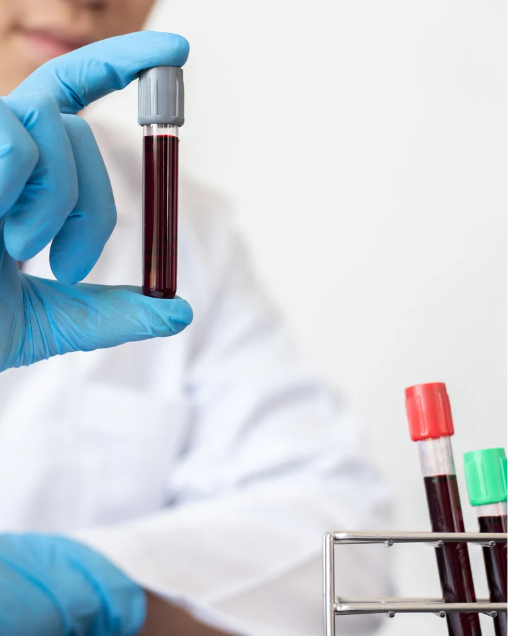
When we ask is omega 3 fish oil is a blood thinner from a clinical perspective, we have to look at the data from human trials.
The Dose Makes the Poison (or the Medicine)
Most clinical studies show that at standard “supplemental” doses—typically defined as 1,000 mg to 2,000mg of combined EPA/DHA—there is no measurable increase in clinically significant bleeding.
A large meta-analysis of over 50 studies found that while fish oil did reduce platelet aggregation, it did not increase the risk of bleeding during or after surgery.
Clinical vs. Supplement Doses
The “blood-thinning” effect becomes more apparent at “therapeutic” doses. In studies where participants took 4,000mg (4 grams) or more of pure Omega-3s daily, researchers did note a slight increase in bleeding time (the time it takes for a small prick to stop bleeding).
However, even at these high levels, the bleeding remained within the “normal” physiological range for most people.
What the Science Says
Scientifically, fish oil is a modulator of platelet function. It is an important distinction because, unlike medical blood thinners, fish oil rarely causes spontaneous internal bleeding.
It simply makes the blood’s natural “clotting response” slightly more deliberate and less aggressive.
Does Fish Oil Thin Blood Like Aspirin?
A common comparison is made between a daily fish oil pill and a “baby” aspirin (81 mg). Does fish oil thin blood like aspirin?
While they both target platelets, they do so through different pathways. Aspirin permanently “turns off” an enzyme called COX-1 inside the platelet for the entire life of that cell (about 7–10 days).
Fish oil, on the other hand, just changes the “ingredients” available to the cell, making the signaling weaker.
In terms of potency:
- Aspirin is significantly more powerful at preventing clots and carries a higher risk of stomach bleeding.
- Fish oil is much milder and has the added benefit of being anti-inflammatory and triglyceride-lowering, which aspirin is not.
Most cardiologists agree that fish oil is not a substitute for aspirin if you have been prescribed aspirin for a specific heart condition, but they can sometimes be used together under medical supervision.
Does Fish Oil Increase Bleeding Risk?
While standard use is generally safe, it is important to be aware of the signs that your Omega-3 levels might be affecting your blood’s ability to clot. So, does fish oil increase bleeding risk in the real world?
Minor Bleeding Signs
In some people, particularly those taking high doses or those who are naturally “easy bleeders,” fish oil can cause:
- Nosebleeds: Especially in dry climates, where the nasal membranes are already taxed.
- Bruising: You might notice small “unexplained” bruises on your shins or arms.
- Gingival Bleeding: Your gums might bleed slightly more than usual when flossing.
Surgery Concerns
This is the area of greatest medical caution. Many surgeons will ask you to stop taking fish oil 7 to 10 days before a scheduled procedure.
While the risk of a major hemorrhage is low, surgeons prefer a “clean” field of operation where the blood clots quickly and predictably.
How Long Does Fish Oil Thin Blood?
If you are planning a medical procedure or have noticed increased bruising, you likely want to know the “on” and “off” ramp for these effects. How long does fish oil take to thin blood once you start or stop taking it?
Onset Time: When Does It Start?
Unlike a shot of heparin, which works instantly, fish oil is a structural fat. It must be digested, absorbed, and then integrated into the membranes of your blood cells.
Most studies suggest that it takes 3 to 7 days of consistent daily supplementation before a measurable change in platelet “stickiness” can be detected in lab tests.
Duration After Stopping: The 7-Day Rule
Because fish oil affects the life cycle of platelets, the effect persists for as long as those specific platelets are circulating in your body.
Platelets generally live for about 7 to 10 days. This is why the medical standard for stopping fish oil before surgery is almost always one week. By the seven-day mark, your body has produced an entirely new “generation” of platelets that haven’t been influenced by the high Omega-3 intake.
Does Fish Oil Thin Your Blood, according to Mayo Clinic?
Does fish oil thin your blood is the benchmark for many healthcare providers. The Mayo Clinic classifies fish oil as “Generally Safe” but includes it on their list of supplements that can have an anticoagulant effect.
Their consensus states that while fish oil is beneficial for heart health, taking more than 3 grams (3,000mg) a day may increase the risk of bleeding. They specifically advise patients to disclose their fish oil use if they are taking medications like:
- Warfarin (Coumadin)
- Clopidogrel (Plavix)
- Aspirin
The Mayo Clinic’s stance reinforces the idea that fish oil is a “modest” blood thinner—safe on its own for most, but a potential complication when combined with other factors.
Who Should Avoid Taking Fish Oil?
This is the most critical section for anyone managing existing health conditions. When asking who should avoid taking fish oil, we are looking for individuals for whom even a “mild” antiplatelet effect could be dangerous.
People on Prescription Anticoagulants
If you are taking “heavy” blood thinners like Eliquis, Xarelto, or Warfarin, you should never start fish oil without an explicit green light from your cardiologist. The concern is “synergy”—the fish oil can make the medication work too well, potentially leading to internal bleeding or a hemorrhagic stroke.
Individuals with Bleeding Disorders
Those with conditions such as Hemophilia or von Willebrand disease already have a compromised ability to form clots. For these individuals, any supplement that further inhibits platelets is generally discouraged.
Upcoming Surgery or Dental Work
Whether it is a major heart surgery or a simple tooth extraction, you should stop taking fish oil. A “mild” bleeder can turn into a complicated recovery if the blood doesn’t clot properly in the hours following the procedure.
How Much Fish Oil Should I Take Daily?
To balance the heart benefits with the potential risks, you need to know the “sweet spot” for dosing. How much fish oil should I take daily to stay safe?
General Health & Wellness
For the average adult looking for general health support, the American Heart Association (AHA) and other global health bodies suggest a dose of 500 mg to 1,000 mg of combined EPA/DHA. At this level, the blood-thinning effect is virtually non-existent for most people.
Therapeutic Heart Health
For those with high triglycerides or existing heart disease, doctors may recommend 2,000mg to 4,000mg. Once you cross the 3,000mg threshold, you are in the “therapeutic zone” where you should be monitoring for bruising or nosebleeds.
The Upper Safety Limit
The FDA has stated that consuming up to 3,000mg per day of EPA and DHA is “Generally Recognized as Safe” (GRAS). However, the European Food Safety Authority (EFSA) suggests that even up to 5,000 mg per day does not raise safety concerns for the general population.
How Many 1000mg Fish Oil Pills Should I Take a Day?

There is a major difference between the weight of a pill and the amount of Omega-3 inside it. When people ask how many 1000 mg fish oil pills they should take a day, they are often misreading the label.
- Total Fish Oil: A pill might say “1,000mg Fish Oil.” This is just the weight of the oil.
- EPA/DHA Content: Inside that 1,000mg of oil, there might only be 300mg of actual Omega-3s.
If your goal is a safe 1,000 mg dose of Omega-3, you might actually need three or four standard pills. Conversely, if you buy a “Triple Strength” pill, one capsule might be enough. Always calculate your dose based on the sum of EPA and DHA, not the total weight of oil.
Does Fish Oil Thin Blood Immediately or Over Time?
Confusion often arises when people take a pill and expect an immediate effect. Does fish oil thin blood immediately?
As we discussed in the onset section, the answer is no. If you have an injury today and take a fish oil pill, it will not affect your bleeding at that moment. The “blood-thinning” property of fish oil is a chronic effect, not an acute one.
It requires several days of saturation before your platelets carry enough Omega-3 in their membranes to change their “stickiness.”
Is Fish Oil Good for You Despite Blood-Thinning Effects?
It is easy to get caught up in the “bleeding risk” and forget why people take these supplements in the first place. Is fish oil good for you even if it makes your blood slightly less likely to clot?
For the vast majority of people, the “blood-thinning” effect is actually a major benefit, not a side effect. Most cardiovascular events—like heart attacks and many strokes—are caused by blood clotting too much in the wrong place (like a narrowed artery).
By making the blood slightly less prone to clotting, fish oil acts as a natural protective shield for the cardiovascular system. Unless you are at a high risk for bleeding, this effect is one of the primary reasons to take the supplement.
Which Vitamin Acts as a Blood Thinner?
When exploring the antiplatelet world, fish oil isn’t the only player. Many readers ask, which vitamin acts as a blood thinner? There are several natural substances that share these properties, often leading to a cumulative effect if taken together.
Vitamin E: The Primary Anticoagulant Vitamin
Vitamin E is the most well-known vitamin with blood-thinning properties. It works differently from fish oil; while fish oil affects platelets, Vitamin E can interfere with the vitamin K-dependent clotting factors. Taking high doses of Vitamin E (above 400 IU) alongside fish oil can significantly amplify bleeding risks.
Garlic and Ginger
Beyond vitamins, culinary herbs like garlic and ginger contain compounds (like allicin) that have measurable antiplatelet effects.
In high supplemental doses, these can mimic the action of fish oil. If your diet is extremely high in these herbs and you are also taking 3,000mg of fish oil, your “bleeding time” may be notably extended.
Do Cardiologists Recommend Fish Oil?
The medical community’s stance has evolved significantly over the last few years. Do cardiologists recommend fish oil? In 2026, the answer is usually based on the specific patient profile.
The “Vascepa” Shift
Many cardiologists have moved away from recommending generic over-the-counter fish oil for high-risk patients. Instead, they often prescribe icosapent ethyl (Vascepa), which is a highly purified form of EPA.
Clinical trials like the REDUCE-IT study showed that this specific form significantly reduced cardiovascular events without the same level of LDL-raising concerns associated with DHA.
When it is recommended
A cardiologist is most likely to recommend fish oil if:
- Your triglycerides are above 150 mg/dL.
- You have a history of heart failure (Omega-3s can improve the heart’s pumping efficiency).
- You have chronic inflammation (high CRP levels) despite having normal cholesterol.
Reddit & Real-World Experiences — Is Fish Oil a Blood Thinner?
If you search is fish oil a blood thinner reddit, you will encounter a wide spectrum of anecdotal evidence. On subreddits like r/Supplements or r/Biohackers, users often share their personal “lab results.”
- The “Easy Bruiser” Anecdotes: A common thread among Reddit users is the discovery of small, painless bruises on their legs after starting a high-dose regimen. This serves as a real-world reminder that the antiplatelet effect is not just theoretical.
- The “Surgery Recovery” Threads: You will find many users who ignored the “stop 7 days before” rule and reported no issues, alongside others who reported “excessive oozing” after dental work.
- The Consensus: The Reddit community generally views fish oil as a “safe but noticeable” modulator of blood health. The collective advice usually mirrors the medical one: start low, monitor your body’s response, and always tell your surgeon.
Best Fish Oil Supplements (2026 Buying Guide)
Because the “blood-thinning” effect is tied to the concentration of EPA and DHA, choosing the right supplement is critical. When looking for the best fish oil supplements 2026, prioritize these three factors:
1. Purity and Third-Party Testing
Since you are consuming concentrated fish fat, you must ensure the product is free of heavy metals like mercury and lead. Look for the IFOS (International Fish Oil Standards) 5-star rating or the USP (United States Pharmacopeia) seal.
2. EPA and DHA Concentration
Avoid “bargain” bottles that require you to take six pills to get a therapeutic dose. Look for “Triple Strength” or “Concentrated” formulas where a single 1,000 mg capsule provides at least 700 mg to 800 mg of combined EPA/DHA.
3. The Triglyceride Form
Fish oil comes in two main chemical forms: Ethyl Esters (EE) and Re-esterified Triglycerides (rTG). The rTG form is up to 70% more absorbable than the EE form.
Using an rTG oil allows you to take a lower dose for the same blood-health benefits, potentially reducing the risk of GI side effects.
Fish Oil Side Effects to Watch For
Beyond the antiplatelet effects, there are other fish oil side effects that can impact your daily life.
- Gastrointestinal Upset: The most common complaint is “fishy burps.” This can be mitigated by taking the supplement with a large meal or using enteric-coated capsules that dissolve in the small intestine rather than the stomach.
- Acid Reflux: High doses of oil can relax the lower esophageal sphincter, leading to heartburn.
- Vitamin A Toxicity: This is only a risk with Cod Liver Oil, which is naturally high in Vitamin A. Standard fish oil (from the body of the fish) does not contain Vitamin A.
Is Fish Oil Safe If You’re Worried About Bleeding?

We return to the original question: Is fish oil a blood thinner? Fish oil is a mild natural antiplatelet agent. For the general population, this effect is a benefit—it protects the heart by making the blood less prone to unwanted clots. However, it is not a “true” blood thinner in the pharmaceutical sense.
The Safety Summary:
- For Healthy Adults: It is entirely safe at doses up to 3,000mg per day.
- For Those on Blood Thinners: It is a “yellow light” situation. Consult your doctor to ensure the cumulative effect doesn’t lead to a high bleeding risk.
- For Surgery Patients: It is a “red light” situation. Stop use 7–10 days prior to any invasive procedure.
By respecting the potency of Omega-3 and treating them as the biologically active compounds they are, you can enjoy the vast array of fish oil benefits without compromising your safety.
Frequently Asked Questions
Is fish oil a natural blood thinner?
Yes, fish oil is considered a natural anticoagulant. The Omega-3 fatty acids (EPA and DHA) found in fish oil inhibit platelet aggregation—the process where blood cells stick together to form clots.
While it is much milder than prescription medications, it does effectively reduce the “stickiness” of your blood, which can improve circulation and heart health.
Should I stop taking fish oil before surgery?
Most surgeons and medical professionals recommend that you stop taking fish oil supplements at least 7 to 14 days before a scheduled surgery.
Because fish oil thins the blood, it can increase the risk of excessive bleeding during and after the procedure. Always inform your surgeon of all supplements you are taking during your pre-operative consultation.
Does fish oil interact with blood-thinning medications?
Yes, fish oil can have a “stacking” effect if taken with prescription blood thinners like Warfarin (Coumadin), Aspirin, or Clopidogrel (Plavix).
Taking both simultaneously can significantly increase your risk of bruising and internal bleeding. If you are on blood-thinning medication, you must consult your doctor before starting a fish oil regimen.
Conclusion
To finalize our investigation into the question, is fish oil a blood thinner? The answer is one of moderate caution rather than alarm.
While fish oil is not a pharmaceutical-grade anticoagulant like Warfarin or Eliquis, it undeniably possesses antiplatelet properties that can influence how your body responds to injury and inflammation.
For the vast majority of people, this “thinning” effect is actually a key part of why fish oil is so beneficial—it helps prevent the dangerous arterial clots that lead to heart attacks and strokes.
However, the “blood-thinning” nature of Omega-3 means they must be treated with respect, particularly as you approach higher therapeutic doses.
If you are preparing for surgery, managing a bleeding disorder, or are already prescribed blood-thinning medications, fish oil moves from a general supplement to a clinical variable that requires professional oversight.
By sticking to a daily dose of 1,000 mg to 2,000 mg of high-quality, third-party-tested EPA and DHA, most healthy adults can enjoy the cognitive, cardiovascular, and joint-health benefits of fish oil without significant risk.
As with any potent nutritional tool, the goal is to find the “Goldilocks zone”—where your blood is fluid enough to protect your heart, but resilient enough to heal when called upon.
Authoritative References
1. Mayo Clinic – Fish Oil (Omega-3 Fatty Acids)
2. National Institutes of Health (NIH) – Omega-3 Fatty Acids for Professionals
3. American Heart Association (AHA) – Fish and Omega-3 Fatty Acids
4. Cleveland Clinic – Should You Stop Supplements Before Surgery?
5. Harvard Health – The Truth About Fish Oil and Bleeding