



Digestive discomfort is a universal experience, but few issues are as frustrating and physically taxing as constipation. When the digestive system slows down, the immediate search for a natural remedy often leads to the kitchen pantry.
One of the most common questions asked of pediatricians and nutritionists alike is: Does apple juice help with constipation?
The short answer is yes. Apple juice has been a staple home remedy for generations, recognised for its gentle yet effective ability to move the bowels.
However, the efficacy of this remedy depends on more than just drinking a glass of juice; it involves a specific biological mechanism involving sugars and water retention.
Whether you are looking for relief for an infant, a toddler, or yourself, understanding how apple juice relieves constipation is key to using it safely and effectively.
In this comprehensive 2026 guide, we will explore the science behind why apple juice is good for constipation, the appropriate dosages for different age groups, and how it compares to other famous “poop-inducing” drinks like prune or pear juice.
How Constipation Works & Why Juice Can Help
To understand why apple juice helps with constipation, we must first understand what happens inside the colon when things go wrong.
Constipation occurs when waste moves too slowly through the digestive tract. The longer the stool remains in the colon, the more water the body reabsorbs from it, leaving the waste hard, dry, and difficult to pass.
The Role of Dehydration
One of the primary drivers of constipation is dehydration. Without adequate fluid, the “lubrication” required for smooth bowel movements vanishes.
While water is the gold standard for hydration, certain juices offer an additional biological “nudge” that water alone cannot provide.
The Osmotic Effect
Certain fruit juices contain specific carbohydrates that the body does not fully absorb. These sugars remain in the intestines and draw water into the gut through a process called osmosis.
This extra water softens the stool and creates pressure against the intestinal walls, stimulating a bowel movement.
While many people look for drinks to help poop immediately, natural juices usually work within a few hours by utilizing this osmotic pressure to restart the digestive rhythm.
How Apple Juice Helps With Constipation (Core Mechanism)
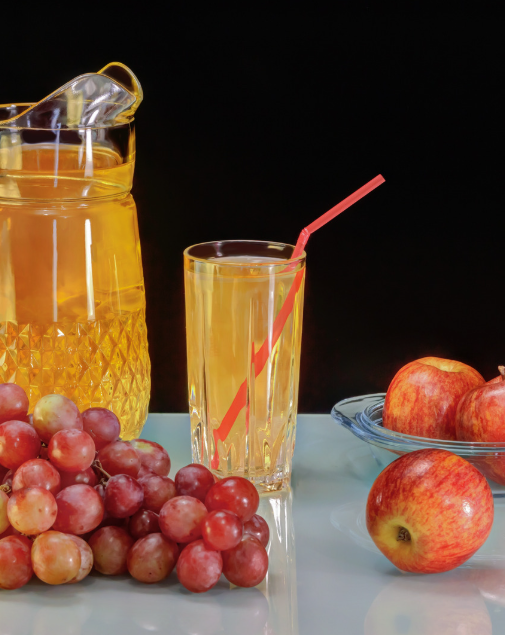
Many people wonder how apple juice helps with constipation specifically, as opposed to orange or grape juice. The secret lies in a unique combination of fructose and a sugar alcohol called sorbitol.
Sorbitol: The Natural Laxative
Sorbitol in apple juice is the “secret weapon.” Sorbitol is a sugar alcohol that is found naturally in many fruits. Because the human body does not digest sorbitol efficiently, it travels mostly intact to the large intestine.
Once there, it acts as a humectant, pulling water from the surrounding tissues into the colon. This softens the fecal matter, making it significantly easier to pass without straining.
Fructose and Water Retention
In addition to sorbitol, apples are high in fructose. Like sorbitol, high amounts of fructose can be difficult for some people to absorb quickly.
This unabsorbed sugar adds to the osmotic pull, ensuring that the stool remains hydrated throughout its journey.
Why Apple Juice Over Water?
While water is essential, it is often absorbed by the small intestine before it ever reaches the “problem area” of the lower colon.
Sorbitol and fructose act as vehicles, ensuring that the water stays within the digestive tract all the way to the finish line.
This is the primary reason why apple juice will relieve constipation more effectively than a standard glass of water in many cases.
Does Drinking Apple Juice Help With Constipation in Adults?
While frequently discussed in the context of pediatrics, does apple juice help with constipation in adults? The answer is a definitive yes, though the dosage and expectations differ from those of children.
Adult Digestion and Apple Juice
An adult’s digestive system is more robust, meaning it often requires a higher concentration of sorbitol to trigger a movement.
For adults, drinking apple juice on an empty stomach in the morning is often the most effective strategy. This takes advantage of the “gastrocolic reflex”—the body’s natural urge to move the bowels shortly after the first meal or drink of the day.
When Apple Juice Works vs. When It Doesn’t
Apple juice is best for “mild” or occasional constipation. If the constipation is caused by a chronic lack of fiber or a sedentary lifestyle, juice provides a temporary fix but does not solve the underlying issue.
Furthermore, if you are experiencing severe pain or haven’t had a movement in over a week, juice may cause uncomfortable bloating without solving the blockage.
Important Contraindications: IBS and Diabetes
- IBS-D / SIBO: For those with Irritable Bowel Syndrome (specifically the diarrhea-prone type) or Small Intestinal Bacterial Overgrowth, the high fructose and sorbitol in apple juice can cause extreme gas, cramping, and painful bloating.
- Diabetes: Because apple juice lacks fiber, the sugars hit the bloodstream quickly. Adults with diabetes should consult their doctor before using juice as a laxative to avoid dangerous blood sugar spikes.
How Much Apple Juice for Constipation (Adults & Kids)
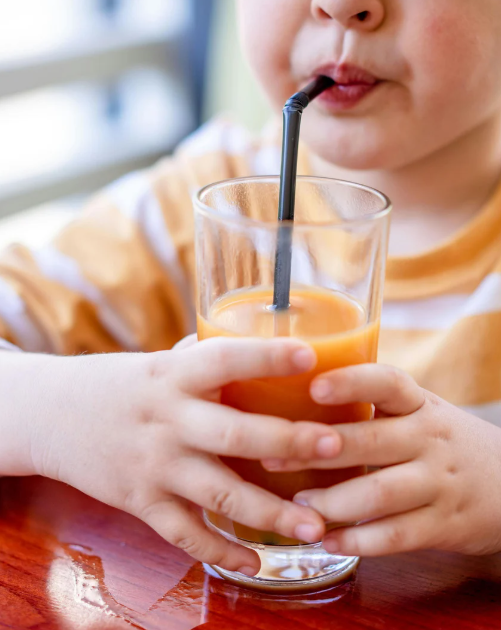
A common mistake is assuming that more juice equals faster results. However, overconsumption can lead to “tummy aches” and diarrhea.
Finding the right balance is essential when determining how much apple juice to consume for constipation.
Safe Serving Sizes
- Adults: 8 to 16 ounces of 100% apple juice daily is usually sufficient to stimulate movement.
- Toddlers (1–3 years): 4 to 6 ounces of juice is the standard recommendation.
- Babies (6–12 months): Only 2 to 4 ounces of diluted juice (more on this in the baby section).
Signs It’s Working vs. Overdoing It
How long does it take for apple juice to help with constipation? Typically, you should see results within 6 to 12 hours.
If you begin to experience loud stomach “gurgling,” excessive gas, or liquid stools, it is a sign that you have consumed too much sorbitol. The goal is a soft, formed stool, not an urgent, watery emergency.
Does Warm Apple Juice Help With Constipation?
If you are looking for a way to “supercharge” this remedy, temperature matters. Does warm apple juice help with constipation more than cold juice?
Gut Stimulation
Warm liquids have a vasodilating effect, meaning they help relax the muscles in the digestive tract and increase blood flow to the gut.
Drinking warm juice (similar to the temperature of tea) can stimulate the “peristalsis,” or the wave-like muscle contractions that move waste forward.
When to Use Warm Juice
Warm apple juice is particularly effective first thing in the morning or for babies and toddlers who may find the warmth soothing.
It combines the chemical power of sorbitol with the physical stimulation of heat, making it a powerful “double-threat” for a sluggish system.
Does Apple Juice Help With Constipation in Babies?
Pediatricians often recommend apple juice for infants who have started solid foods, but there are strict safety guidelines to follow.
Is apple juice good for constipation in babies? Yes, but it must be handled with precision.
Age Guidelines: When to Start
According to the American Academy of Pediatrics (AAP), you should generally avoid giving juice to infants under 6 months of age unless specifically directed by a doctor.
Before 6 months, a baby’s digestive system is designed exclusively for breast milk or formula. Once a baby transitions to solids (around the 6-month mark), their stool consistency changes, and constipation becomes more common.
This is the stage where apple juice for constipation baby becomes a viable tool.
The Importance of Dilution
You should never give a baby full-strength store-bought juice. The high sugar concentration can be a shock to their system. The standard “rescue” recipe is a 1:1 ratio: 1 ounce of 100% apple juice mixed with 1 ounce of water. This ensures the baby stays hydrated while receiving a gentle dose of sorbitol.
Best Juice for Constipation Baby
While apple juice is the most common, pear juice is often considered even better for infants because it contains slightly more sorbitol and is generally milder on the stomach.
However, apple juice is usually more accessible and highly effective. Ensure the juice is “100% juice” and contains no added sugars or artificial sweeteners.
Safety Warnings and Signs to See a Doctor
If your baby is under 4 months old and appears constipated, do not give juice. Instead, contact your pediatrician. Additionally, stop using juice and seek medical advice if you notice:
- Blood in the stool.
- Extreme irritability or signs of abdominal pain.
- Vomiting alongside constipation.
- A firm, distended belly that feels hard to the touch.
How Long Does Apple Juice Take to Relieve Constipation in Babies?
Parents are often anxious for results, leading to the question: How long does apple juice take to relieve constipation in babies? Typical Response Time: In most cases, you can expect a bowel movement within 4 to 12 hours after the baby consumes the diluted juice.
Because the baby’s colon is much shorter than an adult’s, the osmotic effect of the sorbitol tends to work relatively quickly.
What’s Normal vs. Concerning
It is normal for the resulting stool to be much softer or even slightly “mushy.” However, if the baby has more than two watery, diarrhea-like movements, you should stop the juice immediately to prevent dehydration.
If there is no movement within 24 hours of the juice “dose,” it is a sign that the constipation may be more severe and requires a different medical intervention, such as a glycerin suppository or a change in formula.
Does Apple Juice Help With Constipation in Toddlers?
As children grow, their diet becomes more varied, leading to new digestive challenges. Does apple juice help with constipation in toddlers? It does, but by this age, the strategy shifts toward long-term dietary habits.
Toddler Digestive Challenges
Toddlers (ages 1–3) often experience constipation due to “picky eating” or a heavy reliance on cow’s milk and processed snacks, both of which can slow down the gut.
At this age, a toddler may also begin “withholding” stool because they had a painful movement in the past. This creates a cycle where the stool gets harder, and the child becomes more afraid to go.
Juice vs. Whole Fruit
While apple juice helps with constipation in the short term for toddlers, pediatricians prefer that toddlers eat the whole apple (with the skin) whenever possible.
The juice provides the sorbitol, but the whole fruit provides the insoluble fiber necessary to sweep the digestive tract like a broom. If your toddler refuses the fruit, 4 to 6 ounces of apple juice can serve as a “reset” for their system.
Behavioral and Dietary Tips
For toddlers, try “Apple Juice Plus.” This involves giving the juice followed by a high-fiber snack like oatmeal or berries.
The juice provides the moisture, and the fiber provides the bulk, working together to make the passing of stool painless.
Apple Juice vs. Other Juices for Constipation
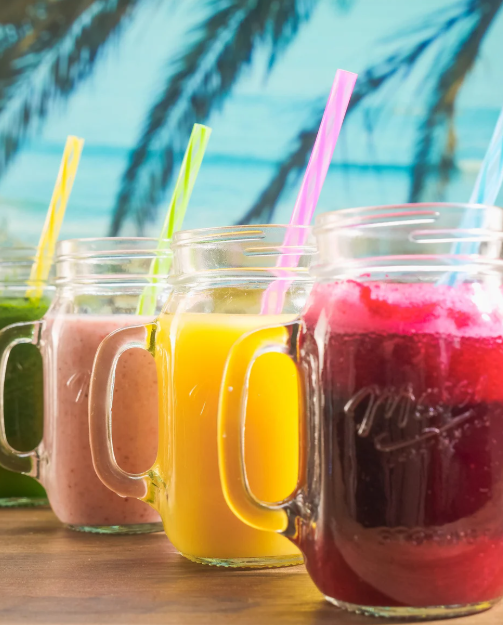
While we are focusing on apples, it is important to know if apple juice is truly the best juice for constipation or if other options work faster.
Apple Juice vs. Prune Juice
Prune juice is the “heavyweight champion” of natural laxatives. It contains significantly more sorbitol than apple juice and also contains phenolic compounds that further stimulate the gut.
- The Verdict: If you need “emergency” relief, prune juice works faster. If you want a “gentle” push that won’t cause immediate cramping, apple juice is the better choice.
Apple Juice vs. Pear Juice
Pear juice is the “middle ground.” It has more sorbitol than apple juice but is less aggressive than prune juice.
- The Verdict: Pear juice is often the best choice for babies with sensitive stomachs, while apple juice is the best “all-rounder” for adults and older children.
Which Works Fastest?
In a head-to-head race, prune juice is the winner for speed. However, many people (especially children) find the taste of prune juice off-putting.
Does apple prune juice help with constipation? Yes, many brands offer a “Cran-Apple” or “Apple-Prune” blend that masks the strong taste of prunes while still providing a more potent laxative effect than plain apple juice.
Apples, Applesauce & Fiber: Do They Help Constipation?
There is a common misconception that applesauce is good for constipation. In reality, it can sometimes do the opposite.
The Applesauce Trap
Does applesauce help with constipation? Not usually. In fact, applesauce is part of the “BRAT” diet (Bananas, Rice, Applesauce, Toast) used to stop diarrhea.
This is because applesauce is made of peeled apples, meaning the insoluble fiber is gone, leaving behind pectin. Pectin is a soluble fiber that binds the stool together, making it firmer.
Fiber vs. Juice
If you are constipated, you need insoluble fiber (found in the apple skin) and sorbitol (found in the juice).
- Whole Apple: Best for prevention.
- Apple Juice: Best for active relief of hard stools.
- Applesauce: Best for when you have an upset stomach or diarrhea.
Apple Juice for Constipation During Pregnancy
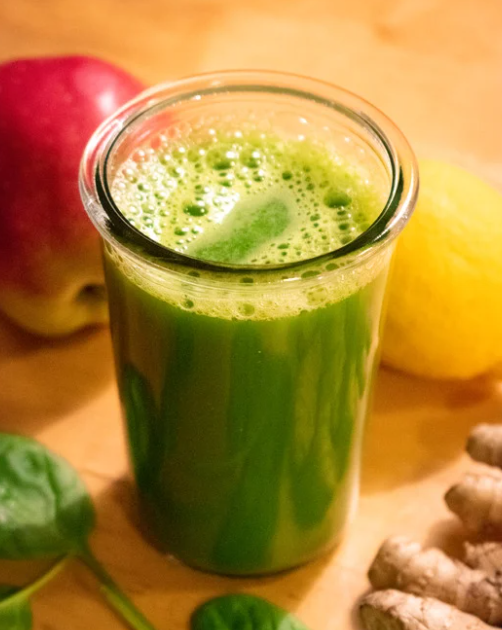
Pregnancy brings about a host of physiological changes, and unfortunately, digestive slowdown is one of the most common. Many women find themselves asking, does apple juice help with constipation in pregnancy, especially when they want to avoid over-the-counter stimulant laxatives.
The Role of Hormonal Constipation
During pregnancy, the body produces higher levels of progesterone. This hormone relaxes the smooth muscles of the body, including the walls of the intestinal tract.
While this is necessary to allow the body to expand, it slows down “peristalsis”—the wave-like contractions that move food through the gut. Additionally, iron supplements found in prenatal vitamins are notorious for causing hard, dry stools.
Safe Juice Intake for Expectant Mothers
Apple juice is a safe, natural, and gentle way to address this issue. Because it is an osmotic laxative (drawing water into the bowel) rather than a stimulant laxative (forcing the muscles to contract), it is generally considered safer for pregnancy.
- Dosage: 1 cup (8 oz) of 100% apple juice per day is usually sufficient.
How Quickly Can Apple Juice Work?
When you are in discomfort, you want to know what makes you poop instantly. While apple juice is effective, it is important to manage expectations regarding the timeline.
Typical Timeline: Hours vs. Days
How long does it take for apple juice to help with constipation?
- For Babies: Results often appear within 3 to 6 hours.
- For Adults: It generally takes 6 to 12 hours.
- For Severe Cases: If the stool is significantly impacted, it may take up to 24 hours of consistent hydration and juice intake to see a result.
Factors Affecting Speed
The speed of relief depends on your current level of hydration and what else is in your stomach. Drinking juice on an empty stomach will always produce faster results than drinking it after a heavy, protein-rich meal.
If you are looking for drinks to help poop immediately, apple juice is fast, but it is not instantaneous like a medical suppository.
How to Quickly Get Rid of Constipation (Beyond Apple Juice)
While apple juice is a fantastic tool, it works best when part of a broader “rapid relief” strategy. If you want to know how to quickly get rid of constipation, consider these synergistic steps:
1. The “Water Chaser.”
After drinking your glass of apple juice, drink a full glass of plain, room-temperature water. The sorbitol in the juice needs that extra water to pull into the colon. Without it, the juice may cause gas without moving the stool.
2. Physical Movement
Movement is a natural trigger for the bowels. A 15-minute brisk walk after drinking apple juice can help mechanically move waste through the colon. For babies, “bicycle legs” (gently moving their legs in a cycling motion) can achieve a similar effect.
3. High-Fiber “Sweep.”
Once the apple juice has softened the stool, you need bulk to push it out. Foods like chia seeds, raspberries, or beans provide the insoluble fiber needed to complete the process.
4. When to Seek Medical Care
If apple juice and increased water intake do not work after 48 hours, or if you experience fever, vomiting, or severe abdominal cramping, it is time to consult a healthcare professional.
Should You Use Apple Juice for Constipation?
So, will apple juice relieve constipation? For the vast majority of people—from infants to adults—it is an effective, low-risk, and delicious solution.
Is apple juice good for constipation in the long term? While it is an excellent “emergency” fix, it should not be relied upon as a permanent crutch.
True digestive health comes from a diet rich in whole-fruit fiber, consistent hydration, and physical activity.
However, for those moments when the system stalls, a glass of 100% apple juice is a time-tested remedy that leverages the natural chemistry of the apple to provide gentle, reliable relief.
Frequently Asked Questions (FAQ)
Should you drink apple juice if you’re constipated?
Yes. Apple juice is one of the most widely recommended natural remedies for mild constipation due to its natural sorbitol and fructose content.
Does apple juice help with constipation?
Yes, by acting as an osmotic laxative. It draws water into the large intestine, which softens hard stools and makes them easier to pass.
What is the best juice for constipation?
Prune juice may be the most powerful option, but apple juice is frequently the practical winner; its mild flavor and gentle action make it a versatile, family-friendly solution that is safe for both toddlers and expectant mothers.
How much apple juice for constipation?
Adults should aim for 8–16 oz. Toddlers should have 4–6 oz. For babies over 6 months, 2–4 oz of diluted juice (1:1 with water) is the standard recommendation.
How to help toddler constipation?
Combine a small glass of apple juice with physical activity and high-fiber foods. Avoid excessive dairy intake, which can worsen the “clogging” effect in young children.
Conclusion
When addressing the question, does apple juice help with constipation, the evidence points toward a clear, science-backed “yes.”
By leveraging the natural osmotic power of sorbitol and fructose, apple juice serves as a gentle, non-invasive way to hydrate the colon and soften stools.
Its versatility makes it a unique remedy—safe enough for babies over six months (when diluted), effective for the hormonal shifts of pregnancy, and a reliable quick-fix for adults facing occasional irregularity.
However, the most important takeaway is that apple juice is a functional tool, not a total cure. For lasting relief and to prevent future episodes of constipation, it should be used in conjunction with:
- Whole Fruits: Shifting from juice to whole apples to benefit from insoluble fiber.
- Consistent Hydration: Ensuring water is your primary source of fluids.
- Active Lifestyle: Using physical movement to stimulate natural gut contractions.
Will apple juice relieve constipation every single time? For mild to moderate cases, it is often all you need.
By following the age-specific dosages and timing strategies outlined in this guide, you can confidently use this orchard-fresh remedy to restore your family’s digestive comfort.
Authoritative References
1. Mayo Clinic – Pediatric Constipation Care – Mayo Foundation for Medical Education and Research
2. American Academy of Pediatrics (AAP) – Fruit Juice and Your Child’s Diet
3. NIDDK – Treatment for Constipation in Adults
4. Cleveland Clinic – Managing Pregnancy-Related Constipation
5. NHS (National Health Service) – Constipation in Children