
Home Blog Page 7

Is Cornmeal Gluten Free? A Comprehensive Guide

Cornmeal is a staple in many households, known for its versatility and earthy flavor. But if you’re navigating a gluten-free lifestyle, you might wonder, is cornmeal gluten free? For those with celiac disease or gluten sensitivity, this is a crucial question. Gluten-free diets are increasingly common in the U.S., making it vital to understand which foods fit into this dietary framework. Let’s dive into the world of cornmeal, gluten, and how to make safe food choices.

What Is Cornmeal?

Cornmeal is a coarse flour made from dried corn. It is a popular ingredient in recipes like cornbread, muffins, and polenta. Its texture and mildly sweet taste make it a favorite for savory and sweet dishes alike. But what sets it apart is its naturally gluten-free composition.

Importance of Gluten-Free Diets in the U.S.

Gluten-free diets have gained traction as more people recognize gluten-related health issues. Many individuals adopt this diet for medical reasons, such as celiac disease or gluten sensitivity, while others opt for it to improve digestion or general health.

Understanding Gluten and Gluten Sensitivity

What Is Gluten?

Gluten is a group of proteins found in wheat, barley, and rye. It gives dough elasticity and helps it rise. While harmless to most people, gluten can cause severe issues for individuals with gluten intolerance.

Celiac Disease and Gluten Intolerance: An Overview

Celiac disease is an autoimmune disorder where the ingestion of gluten damages the small intestine. Gluten intolerance, on the other hand, can cause discomfort without causing lasting damage. Symptoms often include bloating, fatigue, and abdominal pain.

Prevalence of Gluten-Related Disorders in the U.S.

An estimated 1% of the U.S. population has celiac disease, while many more suffer from non-celiac gluten sensitivity. With growing awareness, the demand for gluten-free foods has skyrocketed.

Is Cornmeal Naturally Gluten-Free?

Cornmeal, by its nature, is gluten-free. However, its safety for those avoiding gluten depends on several factors, including its composition and processing methods.

Composition of Cornmeal

Cornmeal is made entirely from corn, a grain that does not contain gluten. This makes it a suitable choice for individuals on a gluten-free diet.

Comparison with Other Gluten-Containing Grains

Unlike wheat, barley, or rye, corn does not produce gluten proteins. However, cross-contamination during processing can pose risks, as we’ll explore further.

Related to Read: Is Couscous Gluten Free? A Complete Guide

Cross-Contamination Risks

How Cross-Contamination Occurs in Cornmeal Production

Cross-contamination can happen when cornmeal is processed in facilities that also handle gluten-containing grains. Shared equipment or storage spaces can lead to trace amounts of gluten in otherwise gluten-free cornmeal.

Steps to Ensure Cornmeal Is Truly Gluten-Free

To minimize risks, manufacturers may process cornmeal in dedicated gluten-free facilities. They may also conduct rigorous testing to ensure no traces of gluten are present.

Choosing Safe Cornmeal Products

Reading Labels: What to Look For

When buying cornmeal, check the label for “gluten-free” certifications. Look for phrases like “processed in a gluten-free facility” or symbols indicating the product has been tested.

Certified Gluten-Free Brands Available in the U.S.

Several brands, such as Bob’s Red Mill and Arrowhead Mills, offer certified gluten-free cornmeal. These brands prioritize safe production practices, making them reliable choices for those with gluten sensitivities.

Tips for Purchasing Cornmeal in the U.S. Markets

When shopping, opt for packaged cornmeal over bulk bins to reduce the risk of cross-contamination. Additionally, familiarize yourself with trusted gluten-free certifications like the Gluten-Free Certification Organization (GFCO) logo.

Popular Gluten-Free Recipes Using Cornmeal

Cornmeal’s naturally gluten-free nature makes it a favorite in the kitchen. Its coarse texture adds a rustic charm to many recipes. Here are a few beloved gluten-free dishes featuring cornmeal:
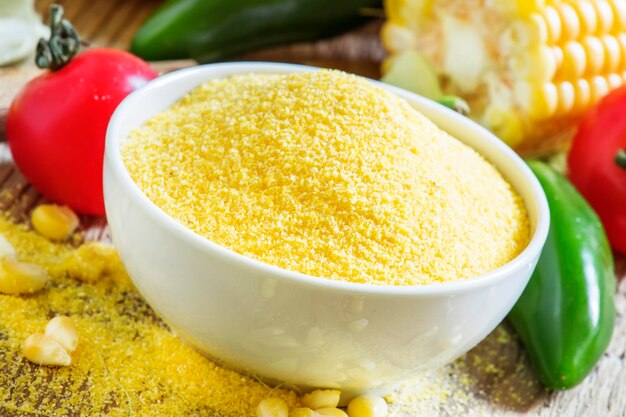
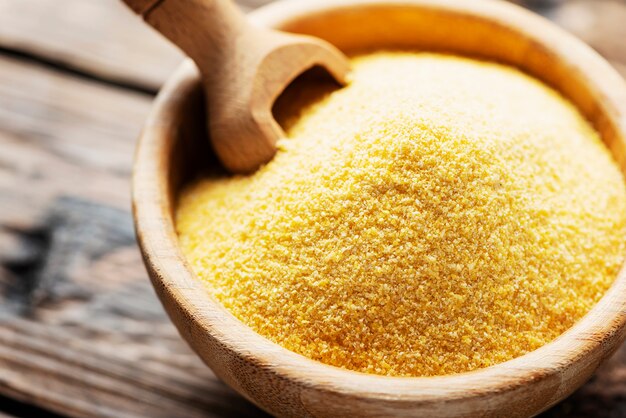
a bowl of cornmeal
  • Cornbread: A classic American favorite, cornbread is perfect as a side dish or snack.
  • Polenta: A creamy, Italian-inspired dish made from cooked cornmeal, often served with sauces or grilled vegetables.
  • Cornmeal Pancakes: Fluffy, golden pancakes with a slight crunch—ideal for breakfast or brunch.
  • Fried Green Tomatoes: A Southern specialty where cornmeal is used as a crispy coating for fried tomatoes.
  • Gluten-Free Muffins: Cornmeal adds texture and flavor to muffins, making them hearty and satisfying.

These recipes showcase cornmeal’s flexibility and its ability to elevate gluten-free meals.

Related to Read: Blueberry Cornmeal Pancakes for One

Substituting Cornmeal for Gluten-Containing Ingredients

Cornmeal can be an excellent substitute for gluten-containing flours in many recipes. However, some adjustments are needed to achieve the best results.

  • In Baking: Cornmeal works well in combination with other gluten-free flours. Add xanthan gum or guar gum to improve the structure.
  • As a Coating: Replace breadcrumbs or wheat flour with cornmeal for a crunchy crust on fried foods.
  • In Breading: Combine cornmeal with seasonings to bread chicken, fish, or vegetables.
  • For Thickening: Cornmeal can serve as a thickener in soups and stews.

Cornmeal’s slightly coarse texture gives dishes a unique character. Keep in mind that it may alter the texture and flavor slightly compared to wheat-based ingredients.

Nutritional Benefits of Cornmeal

Cornmeal isn’t just a tasty addition to your meals—it’s also packed with nutrients.

Health Benefits of Including Cornmeal in Your Diet

Cornmeal provides several health benefits:

  • Rich in Complex Carbohydrates: Provides sustained energy.
  • High in Fiber: Promotes healthy digestion.
  • Low in Fat: A heart-healthy ingredient.
  • Contains Essential Vitamins: Including B vitamins, iron, and magnesium.
  • Gluten-Free: Safe for those with gluten sensitivities or celiac disease.

Incorporating cornmeal into your diet can support your overall well-being.

Nutritional Comparison: Cornmeal vs. Wheat Flour

Cornmeal and wheat flour differ significantly in their nutritional profiles.

NutrientCornmeal (per 100g)Wheat Flour (per 100g)
Calories370 kcal364 kcal
Protein7.1 g10.3 g
Carbohydrates79.4 g76.3 g
Fiber3.9 g2.7 g
Gluten Content0%~12%

Cornmeal is lower in protein but higher in fiber, making it a great choice for digestive health while ensuring it’s gluten-free.

Frequently Asked Questions

Is Cornmeal the Same as Corn Flour?

No, cornmeal and corn flour are different. Cornmeal is coarsely ground, while corn flour is finely milled. The texture varies significantly, which affects how they’re used in recipes.

Can I Use Cornmeal in Place of Wheat Flour?

Yes, but with adjustments. Cornmeal can replace wheat flour in certain recipes, but it lacks gluten, so it may not provide the same elasticity. Combine it with other gluten-free flours for better results in baking.

Are Cornmeal and Polenta Gluten-Free?

Yes, both cornmeal and polenta are naturally gluten-free. However, always check labels to ensure they haven’t been contaminated during processing.

Conclusion

Cornmeal is a naturally gluten-free, versatile ingredient that brings texture and flavor to countless recipes. From comforting cornbread to crispy coatings for fried foods, it’s a valuable staple for anyone on a gluten-free diet. Additionally, its nutritional profile makes it a healthy addition to your meals.

Embracing cornmeal in your cooking can open up a world of possibilities while ensuring you stay gluten-free.


Does Exercise Lower Blood Sugar? A Comprehensive Guide 

0

Managing blood sugar is crucial for maintaining good health, especially for individuals with diabetes. Exercise has been shown to play a vital role in regulating blood sugar levels and improving overall well-being. In this article, we’ll explore the science behind how exercise lowers blood sugar, the best types of exercises for this purpose, and tips for incorporating them into your daily routine. Let’s dive into the details!

Understanding Blood Sugar Levels

Blood sugar, or glucose, is the body’s primary energy source. It’s vital for cellular function, but maintaining it within normal ranges is essential for good health.

What Is Blood Sugar and Why Does It Matter?

Blood sugar refers to the glucose present in your bloodstream. Your body derives glucose from the food you eat, and it’s used to fuel various bodily functions.

Normal vs. Elevated Blood Sugar Levels

  • Normal Levels: Fasting blood sugar between 70-99 mg/dL.
  • High Levels (Hyperglycemia): Fasting blood sugar above 125 mg/dL.

Consequences of High Blood Sugar

Elevated blood sugar can lead to:

  • Fatigue.
  • Increased thirst and urination.
  • Long-term complications like nerve damage, kidney issues, and heart disease.

The Role of Exercise in Blood Sugar Regulation

Exercise is a cornerstone in blood sugar management, offering immediate and long-term benefits for glucose control.

How Does Physical Activity Improve Insulin Sensitivity?

Regular exercise enhances the body’s ability to use insulin effectively. Insulin helps cells absorb glucose from the bloodstream, keeping levels stable.

Mechanisms by Which Exercise Lowers Blood Glucose

  • Glucose Uptake: Muscles use glucose during physical activity, reducing blood sugar levels.
  • Insulin Independence: Muscles can absorb glucose without insulin during exercise, an advantage for those with insulin resistance.

Duration of Exercise Effects

The benefits of exercise can last hours or even days, depending on the intensity and type of workout. This means consistent physical activity can significantly impact long-term glucose management.

Types of Beneficial Exercise

Different types of exercise target blood sugar management in unique ways. Here’s a breakdown:

a man exercising in his home

Aerobic Exercises

  • Examples: Walking, jogging, swimming, cycling.
  • Benefits: Improves cardiovascular health and enhances glucose uptake during activity.

Resistance Training

  • Examples: Weightlifting, resistance bands, bodyweight exercises.
  • Benefits: Builds muscle mass, which improves insulin sensitivity and helps regulate blood sugar.

High-Intensity Interval Training (HIIT)

Combining Different Modalities

A mix of aerobic and resistance exercises offers the best results for managing blood sugar. For instance, pairing a brisk walk with light weightlifting can maximize benefits.

Recommended Exercise Guidelines for Blood Sugar Management

Following structured guidelines ensures you reap the full benefits of exercise while staying safe.

Frequency and Duration

  • Frequency: Aim for at least 150 minutes of moderate-intensity aerobic exercise weekly.
  • Duration: Sessions of 30-60 minutes are ideal, but even short bouts of activity can be effective.

Intensity Levels

  • Moderate-intensity workouts, like brisk walking or cycling, are suitable for most people.
  • For those accustomed to exercise, incorporating higher-intensity intervals can boost results.

Safety Precautions

  • Always warm up and cool down to prevent injuries.
  • Stay hydrated and listen to your body.
  • Consult a healthcare provider before starting a new exercise regimen, especially if you have diabetes or other chronic conditions.

Timing of Exercise and Its Impact on Blood Sugar Levels

When you exercise can influence its effect on blood sugar levels. Here’s what you need to know:

Post-Meal vs. Pre-Meal Workouts

  • Post-Meal Exercise: Helps lower blood sugar spikes after eating. A brisk 10-15 minute walk after meals is highly effective.
  • Pre-Meal Exercise: Can help stabilize blood sugar levels before eating but may require caution to avoid hypoglycemia.

Morning vs. Evening Workouts

  • Morning exercise helps kickstart metabolism but may require adjustments for fasting blood sugar levels.
  • Evening workouts can improve overnight glucose levels, but timing should not disrupt sleep.

Research on Optimal Timing

Studies suggest that exercising within two hours after meals offers the most significant benefit for blood sugar control.

Monitoring Blood Sugar Levels During Exercise

Monitoring blood sugar is essential to ensure safe and effective workouts.

a woman checking her sugar level

Check Blood Sugar Regularly

  • Before Exercise: Ensures levels are stable enough to work out.
  • During Exercise: Detects any sudden drops or spikes.
  • After Exercise: Helps evaluate the effect of the activity.

Recognizing Signs of Hypoglycemia and Hyperglycemia

  • Hypoglycemia (Low Blood Sugar): Symptoms include dizziness, sweating, and shakiness. Carry a fast-acting sugar source, like glucose tablets, if needed.
  • Hyperglycemia (High Blood Sugar): Symptoms include fatigue and increased thirst. Avoid strenuous exercise if levels are very high.

Adjusting Exercise Plans

Based on your readings, adjust the intensity or duration of your workouts to maintain safe glucose levels.

Additional Lifestyle Factors Influencing Blood Sugar

While exercise is a key factor in blood sugar management, other lifestyle aspects play a crucial role. Let’s explore how diet, hydration, and stress management complement your fitness routine.

Role of Diet and Nutrition in Conjunction with Exercise

The food you eat directly impacts your blood sugar levels. Pairing a healthy diet with exercise can amplify glucose management.

  • Balanced Diet: Focus on whole grains, lean proteins, healthy fats, and plenty of vegetables. These provide sustained energy and prevent blood sugar spikes.
  • Carbohydrate Management: Monitor carbohydrate intake to avoid sudden sugar level increases. Pair carbs with proteins or fats for better control.
  • Pre-Exercise Snacks: A light snack before exercise, like a banana or a handful of nuts, can stabilize blood sugar and prevent hypoglycemia during workouts.

Importance of Hydration

Water is often overlooked but is essential for blood sugar regulation.

  • How Hydration Helps: Staying hydrated supports kidney function, helping to flush out excess glucose through urine.
  • Tips for Staying Hydrated: Drink water consistently throughout the day and increase intake during and after exercise to replace fluids lost through sweat.

Related to Read: Does Gatorade Hydrate You? Exploring Its Effectiveness

Stress Management and Its Effect on Blood Sugar Levels

Stress can wreak havoc on blood sugar levels due to the release of stress hormones like cortisol.

  • Effects of Stress: Prolonged stress can cause blood sugar spikes, making management more challenging.
  • Stress-Reducing Activities: Incorporate mindfulness practices such as meditation, yoga, or deep breathing into your daily routine to counteract stress’s effects on glucose levels.

Debunking Myths Related to Exercise-Induced Blood Sugar Spikes

Some believe that exercise can always lead to dangerous blood sugar spikes. However:

  • Temporary increases in blood sugar during intense exercise are normal and short-lived.
  • Long-term benefits of exercise outweigh these temporary fluctuations.

Clarifying Misconceptions About Types of Exercise Suitable for Blood Sugar Control

  • Myth: Only intense workouts help control blood sugar.
  • Fact: Moderate activities like walking or yoga can be just as effective, especially for beginners.
  • Myth: Strength training is less beneficial than cardio.
  • Fact: Resistance exercises improve insulin sensitivity and are crucial for blood sugar management.

Personalizing Your Exercise Plan for Optimal Blood Sugar Control

Your fitness plan should fit your unique needs, preferences, and health conditions. Here’s how to customize it.

Tailoring Exercise Routines to Individual Health Conditions

  • Consider factors like age, weight, and medical history.
  • Individuals with joint issues might focus on low-impact activities like swimming or cycling.

Setting Realistic Goals and Tracking Progress

  • Start small: Aiming for 10 minutes of activity daily can be a great beginning.
  • Track progress with fitness apps or journals to stay motivated.

Seeking Professional Guidance

  • Work with a fitness coach for exercise strategies tailored to your goals.
  • Consult a healthcare provider, especially if you’re managing conditions like diabetes, to ensure safety.

Conclusion

Exercise is a powerful tool for lowering blood sugar levels and improving overall health. By engaging in regular physical activity, eating a balanced diet, staying hydrated, and managing stress, you can take control of your blood sugar levels. However, always consult a healthcare provider before making significant changes to your routine. Take that first step today—your future self will thank you!

FAQs

1. How does exercise lower blood sugar levels?

Exercise lowers blood sugar by increasing insulin sensitivity and promoting glucose uptake by muscles. During physical activity, muscles use glucose for energy, which naturally reduces blood sugar levels.

2. What types of exercises are best for managing blood sugar?

A combination of aerobic exercises, like walking or swimming, and resistance training, such as weightlifting, works best. High-Intensity Interval Training (HIIT) can also be effective for those seeking a more challenging option.

3. Is it safe for people with diabetes to exercise?

Yes, but safety precautions are essential. Check blood sugar levels before and after workouts, and keep a fast-acting sugar source handy to manage potential hypoglycemia. Always consult with your healthcare provider before starting a new exercise program.

4. Can I exercise if my blood sugar is high?

Exercise can help lower high blood sugar, but it’s important to avoid intense workouts if blood sugar levels exceed 250 mg/dL with ketones present. Check with your healthcare provider for specific recommendations.

5. How long does it take for exercise to lower blood sugar?

The effects of exercise on blood sugar levels can begin within minutes and last for hours. Regular physical activity can lead to long-term improvements in glucose control.

Is Tapioca Healthy? A Detailed Insight

Tapioca, derived from the root of the cassava plant, is a common ingredient in many U.S. diets. From the chewy pearls in bubble tea to the creamy base of puddings, tapioca has carved a niche in modern cuisine. But amidst its popularity, one question lingers: is tapioca healthy? Let’s explore its nutritional profile, benefits, and potential risks to determine its place in a balanced diet.

What Is Tapioca?

Tapioca is a starchy product extracted from the cassava root, a tropical plant native to South America. It has become a versatile staple in kitchens worldwide due to its neutral flavor and thickening properties.

Forms of Tapioca

  • Pearls: Found in bubble tea and desserts, these small balls provide a chewy texture.
  • Flour: Used as a gluten-free alternative in baking and cooking.
  • Flakes: Primarily used in thickening soups and stews.

Common Uses in American Cuisine

Tapioca is widely utilized in:

  • Desserts: Tapioca pudding and custards.
  • Drinks: Bubble tea and smoothies.
  • Baking: Gluten-free bread, cookies, and pie fillings.

Nutritional Profile of Tapioca

Tapioca is energy-dense, primarily consisting of carbohydrates, with minimal amounts of protein, fat, and fiber. Its simplicity makes it a popular choice for specific dietary needs.

Macronutrient Breakdown

  • Calories: A 100-gram serving of dry tapioca pearls provides approximately 358 calories.
  • Carbohydrates: It is predominantly carbohydrates, offering around 88 grams per 100 grams.
  • Protein and Fat: Negligible amounts, making it low in these macronutrients.

Vitamins and Minerals

Tapioca contains trace amounts of:

  • Iron: Supports oxygen transport in the blood.
  • Calcium: Promotes bone health.
  • B Vitamins: Aid energy metabolism, albeit in small quantities.

Comparison with Other Starches

  • Rice: Higher in protein and fiber compared to tapioca.
  • Potatoes: Provide more vitamins, such as Vitamin C, and minerals.
  • Cornstarch: Similar in calorie content but lacks tapioca’s chewy texture.

Health Benefits of Tapioca

Despite its lack of significant nutrients, tapioca has some noteworthy health benefits, especially for specific populations and dietary requirements.

Gluten-Free Option

For individuals with celiac disease or gluten sensitivity, tapioca serves as a safe and versatile alternative to wheat-based products.

Low in Sodium and Cholesterol

Tapioca contains no sodium or cholesterol, making it a heart-friendly choice when consumed in moderation.

Potential Digestive Benefits

Resistant starch in tapioca may promote gut health by:

  • Acting as food for beneficial gut bacteria.
  • Improving digestion and preventing constipation.

Related to Read: Tapioca Starch vs Flour: What’s the Difference

Potential Health Risks and Considerations

While tapioca can be a valuable addition to some diets, it is not without its downsides. Overconsumption or improper preparation can pose risks.

High Carbohydrate Content

  • Tapioca’s high carbohydrate load can lead to rapid blood sugar spikes.
  • Individuals with diabetes or insulin resistance should consume it cautiously.

Lack of Nutritional Density

  • Low protein, fiber, and other essential nutrients make tapioca a poor choice as a standalone staple.
  • It is often paired with nutrient-dense foods to balance its shortcomings.

Risks of Improper Preparation

Cassava, the source of tapioca, contains natural toxins (cyanogenic glycosides). Improper preparation of raw cassava can lead to cyanide poisoning. However, commercially processed tapioca is generally safe.

Tapioca in Popular U.S. Dishes

Tapioca’s neutral flavor and unique texture make it a favorite ingredient in many U.S. cuisines. However, its health impact varies depending on the dish and preparation.

hand drawn concept of tapioca

Tapioca Pudding

Tapioca pudding is a classic dessert made with tapioca pearls, milk, sugar, and flavorings like vanilla. It’s creamy, sweet, and satisfying.

  • Nutritional Considerations: While it’s low in fat, tapioca pudding is high in sugar and carbohydrates. Adding fresh fruits or reducing sugar can make it a healthier option.

Bubble Tea (Boba)

Bubble tea, originating in Taiwan, has gained massive popularity in the U.S. The tapioca pearls (boba) provide a chewy texture, but they are calorie-dense.

  • Health Implications: A single serving of bubble tea can contain over 300 calories, primarily from tapioca pearls and sweetened tea. Regular consumption may contribute to weight gain and elevated blood sugar levels.

Tapioca Flour in Gluten-Free Baking

Tapioca flour is a gluten-free alternative widely used in baking bread, cakes, and cookies.

  • Benefits: It provides structure and elasticity to gluten-free recipes.
  • Limitations: It lacks protein and fiber, so pairing it with nutrient-rich flours like almond or coconut flour is advisable.

Comparing Tapioca to Other Starches

Tapioca is often compared to other starches like potatoes, rice, and corn for its nutritional value and versatility.

Nutritional Comparison

  • Tapioca vs. Potatoes: Potatoes contain more vitamins (e.g., Vitamin C) and fiber.
  • Tapioca vs. Rice: Rice has a higher protein content, especially brown rice.
  • Tapioca vs. Corn: Corn is richer in fiber, antioxidants, and essential nutrients.

Suitability for Dietary Needs

  • Low in Allergens: Tapioca is suitable for those with gluten, nut, or grain allergies.
  • Dietary Flexibility: While suitable for celiac patients, its high carb content limits its suitability for low-carb diets.

Incorporating Tapioca into a Balanced Diet

To maximize its benefits and minimize risks, it’s essential to consume tapioca wisely.

Tips for Moderation and Portion Control

  • Serving Size: Limit servings to 1/4 to 1/2 cup per meal.
  • Caloric Awareness: Be mindful of high-calorie additions like sugar in bubble tea or puddings.

Combining with Nutrient-Dense Foods

  • Pair tapioca with:
    • Proteins: Add eggs or lean meat.
    • Vegetables: Incorporate fiber-rich vegetables in soups thickened with tapioca.
    • Healthy Fats: Use coconut milk or nuts for added nutrition.

Considerations for Specific Health Conditions

Frequently Asked Questions

Is Tapioca Good for Weight Loss?

Tapioca is calorie-dense and low in fiber, making it less ideal for weight loss. However, small portions paired with low-calorie foods can fit into a balanced diet.

Can Tapioca Cause Digestive Issues?

Commercially processed tapioca is generally safe. However, resistant starch in tapioca can cause bloating in sensitive individuals.

Is Tapioca Safe for Children and Pregnant Women?

Yes, tapioca is safe when cooked properly. Pregnant women and children should consume it as part of a balanced diet, avoiding raw cassava due to its natural toxins.

Conclusion

Tapioca is a versatile and gluten-free ingredient that can fit into various diets. While it offers benefits like being low in sodium and gluten-free, its high carbohydrate content and lack of essential nutrients require mindful consumption. Moderation and proper preparation are key to enjoying tapioca safely. For personalized dietary advice, consult with a healthcare professional.

Is Tofu High in Protein? Exploring Its Role in a Balanced Diet

Tofu has become a staple for those seeking nutritious and plant-based protein options. Known for its versatility and health benefits, tofu serves as a vital component of many diets. Protein, a crucial macronutrient, is essential for muscle repair, immunity, and overall health. This article will explore tofu’s protein content, nutritional value, and how it compares to other protein sources to determine if tofu is truly a high-protein food.

Understanding Tofu

Tofu’s origins and its nutritional versatility make it a standout plant-based food. Let’s dive deeper into what tofu is and why it has gained popularity worldwide.

What Is Tofu?

Tofu, also known as bean curd, originates from East Asia and has been consumed for centuries. Made from soybeans, it is created through a process of coagulating soy milk and pressing the curds into solid blocks.

Types of Tofu:

  • Silken Tofu: Creamy and smooth, ideal for soups and desserts.
  • Soft Tofu: Slightly firmer than silken, suitable for recipes requiring delicate textures.
  • Firm Tofu: Holds its shape well, perfect for frying or grilling.
  • Extra-Firm Tofu: The sturdiest type, used for dishes needing dense texture.

Tofu’s adaptability makes it a great addition to various cuisines, from stir-fries to smoothies.

Nutritional Profile of Tofu

Tofu is nutrient-dense, offering a balance of macronutrients and essential vitamins and minerals.

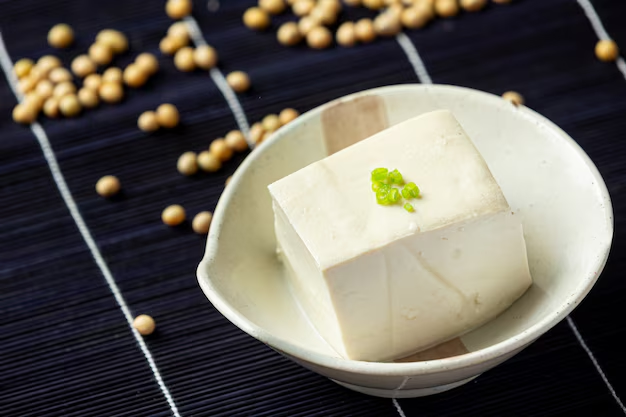
tofu in a white bowl.

Macronutrients:

  • Protein: High protein content, making it an excellent meat alternative.
  • Fats: Contains healthy unsaturated fats, particularly omega-3 fatty acids.
  • Carbohydrates: Low in carbs, making it suitable for low-carb diets.

Micronutrients:

  • Calcium: Supports bone health.
  • Iron: Important for red blood cell production.
  • Magnesium: Aids in muscle function and energy production.
  • B Vitamins: Essential for metabolic processes.

Protein Content in Tofu

Tofu is frequently touted as a protein powerhouse. But how much protein does it actually provide, and is it enough for your dietary needs?

How Much Protein Does Tofu Contain?

The protein content of tofu depends on the type and serving size. Here’s a breakdown:

  • Per 100g:
    • Silken tofu: ~5g of protein.
    • Firm tofu: ~10g of protein.
    • Extra-firm tofu: ~12g of protein.
  • Per Cup (150g):
    • Silken tofu: ~7.5g.
    • Firm tofu: ~15g.
    • Extra-firm tofu: ~18g.

Comparison Between Tofu Types:

  • Firm and extra-firm tofu have higher protein concentrations due to their lower water content.
  • Silken tofu, though softer, is still a good source of protein for lighter meals or smoothies.

Is Tofu a Complete Protein?

A complete protein contains all nine essential amino acids that the body cannot produce on its own.

Amino Acid Profile of Tofu:

  • Tofu is a complete protein.
  • It provides all essential amino acids, though it is slightly lower in methionine compared to animal proteins.

Despite this, tofu’s protein quality is sufficient to meet dietary needs, especially when combined with other foods like grains or legumes.

Related to Read: Does Cottage Cheese Have Protein?

Comparing Tofu to Other Protein Sources

To truly understand tofu’s value, let’s compare it to both animal-based and plant-based proteins.

Tofu vs. Animal-Based Proteins

Animal proteins like chicken, beef, and dairy are often considered the gold standard. Here’s how tofu measures up:

Protein Content Comparison (Per 100g):

  • Chicken breast: ~31g protein.
  • Beef: ~26g protein.
  • Tofu (firm): ~10g protein.

Health Benefits of Tofu:

  • Lower Saturated Fat: Unlike meat, tofu is low in unhealthy fats.
  • Heart Health: Rich in isoflavones, which can reduce cholesterol levels.
  • Sustainability: Producing tofu has a smaller environmental footprint than raising livestock.

Tofu vs. Other Plant-Based Proteins

Tofu is one of many plant-based protein options. Let’s compare it with some common alternatives:

Protein Content Comparison:

  • Lentils: ~9g protein per 100g.
  • Chickpeas: ~8g protein per 100g.
  • Almonds: ~6g protein per 100g.
  • Firm Tofu: ~10g protein per 100g.

Advantages of Tofu Over Other Plant Proteins:

  • Complete Protein: Unlike most legumes and nuts, tofu contains all essential amino acids.
  • Versatility: Can be used in savory and sweet dishes.
  • Low Calorie Density: Provides protein without excessive calories, making it suitable for weight management.

Health Benefits of Including Tofu in Your Diet

Tofu is not just a versatile ingredient; it is a nutritional powerhouse that provides numerous health benefits. From improving heart health to supporting weight management, tofu is an excellent addition to any diet. In this section, we’ll delve into the specific ways tofu can improve your overall well-being.

Cardiovascular Health

Maintaining heart health is a priority for many, and tofu can play a pivotal role in achieving this goal.

Impact on Cholesterol Levels

Tofu is rich in isoflavones, plant-based compounds that have been shown to reduce LDL (bad) cholesterol levels. By replacing animal-based proteins like red meat with tofu, you can help decrease cholesterol and lower the risk of heart disease.

Heart Health Benefits

Tofu is low in saturated fats and free of dietary cholesterol. This makes it an excellent choice for those looking to maintain healthy arteries and improve circulation. Regular tofu consumption has been linked to reduced blood pressure and improved heart function.

Bone Health

Strong bones require a steady intake of essential nutrients, and tofu offers just that.

Calcium Content and Bone Density

Many tofu varieties, especially calcium-set tofu, are high in calcium—a vital mineral for bone strength. This makes tofu a great option for those who are lactose intolerant or looking for non-dairy sources of calcium.

Isoflavones and Bone Health

Isoflavones in tofu also contribute to maintaining bone density, especially in postmenopausal women at risk for osteoporosis. Incorporating tofu into your diet can help reduce the likelihood of bone fractures and other bone-related issues.

Weight Management

Tofu’s nutrient profile makes it a valuable food for weight loss and management.

Low-Calorie, High-Protein Benefits

Tofu is low in calories but high in protein, making it a filling option that can help curb hunger without excessive calorie intake. Protein is known to boost metabolism and aid in fat loss, which makes tofu an ideal food for weight management.

Versatility for Weight Loss Diets

From salads to stir-fries, tofu can easily be incorporated into meals, helping to reduce the consumption of calorie-dense foods. It’s a perfect choice for those looking to shed a few pounds while maintaining energy levels.

How to Incorporate Tofu into Your Meals

Making tofu a regular part of your diet is easier than you might think. With its versatility, tofu can fit seamlessly into meals for any time of the day.

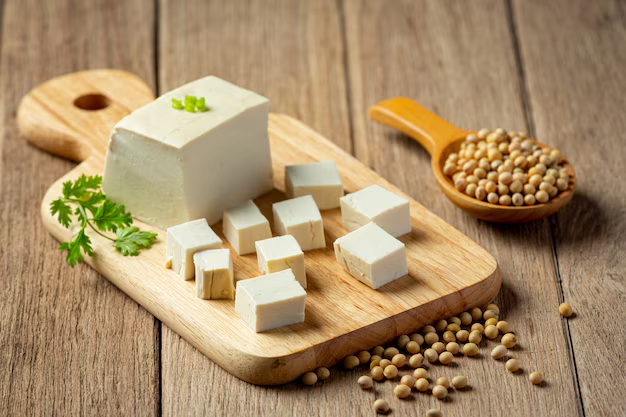
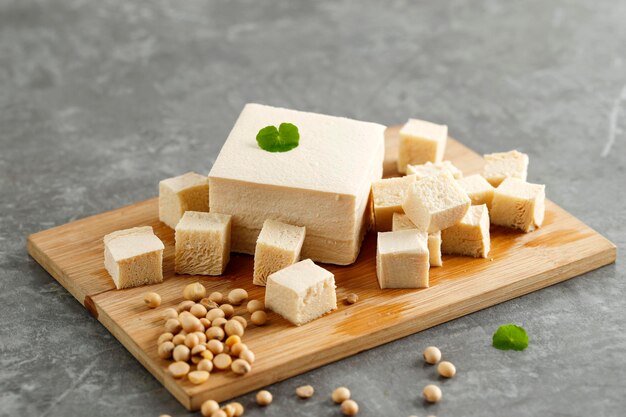
tofu placed on the wooden board.

Cooking Methods

Cooking tofu is simple, and different methods bring out unique flavors and textures:

  • Baking: Creates a firm texture, ideal for salads and grain bowls.
  • Grilling: Adds a smoky flavor and charred texture, perfect for sandwiches or skewers.
  • Stir-Frying: Absorbs flavors from sauces and spices, making it a great addition to Asian-inspired dishes.
  • Blending: Silken tofu can be blended into smoothies, soups, or desserts for added creaminess.

Recipe Ideas

Tofu can be used in a variety of dishes for every meal:

  • Breakfast: Scrambled tofu with vegetables and spices as a protein-rich alternative to eggs.
  • Lunch: Grilled tofu wraps with hummus and fresh greens.
  • Dinner: Stir-fried tofu with broccoli and teriyaki sauce over brown rice.
  • Snacks: Baked tofu nuggets served with a tangy dipping sauce.

Tips for Enhancing Flavor and Texture

  • Marinating Techniques: Marinate tofu for at least 30 minutes to infuse it with flavors like soy sauce, garlic, and ginger.
  • Pressing Tofu: Press out excess water to improve texture and help it absorb marinades better.
  • Pairing: Combine tofu with bold flavors like chili, garlic, or curry spices to elevate its taste.

Considerations and Potential Concerns

While tofu is a highly beneficial food, it’s important to be aware of certain factors when consuming it.

Allergies and Sensitivities

Some individuals may have soy allergies, which can cause reactions ranging from mild to severe. If you’re allergic to soy, consult a healthcare provider before adding tofu to your diet.

Genetically Modified Organisms (GMOs)

Soy is one of the most commonly genetically modified crops. To ensure the tofu you consume is free of GMOs, opt for products labeled organic or non-GMO certified.

Environmental Impact

Tofu production is significantly more sustainable than animal farming. It requires fewer resources like water and land, making it an eco-friendly choice. Supporting tofu consumption over meat can reduce your carbon footprint.

Conclusion

Tofu is a nutrient-rich, high-protein food that offers numerous health benefits, from improving heart health to aiding in weight management. Its versatility and adaptability make it easy to include in a balanced diet. Whether you’re looking to boost your protein intake or try new plant-based recipes, tofu is a fantastic choice. Making informed dietary decisions will not only improve your health but also contribute to a more sustainable world.

Frequently Asked Questions (FAQs)

1. Is tofu a good source of protein for vegetarians and vegans?

Yes, tofu is an excellent source of plant-based protein and provides all nine essential amino acids.

2. How does tofu’s protein content compare to meat?

While tofu has less protein per serving than meat, it offers additional benefits like being low in saturated fats and cholesterol-free.

3. Can I eat tofu every day?

Yes, tofu can be safely eaten daily as part of a balanced diet. However, moderation is key, especially for those with thyroid concerns.

4. What are the best ways to cook tofu to retain its protein content?

Grilling, baking, or stir-frying are great methods to preserve tofu’s protein content while enhancing its flavor.

5. Are there any health risks associated with eating tofu?

For most people, tofu is safe to eat. However, those with soy allergies or thyroid issues should consult a doctor before incorporating tofu into their diet.

Is Greek Yogurt Lactose-Free? A Comprehensive Guide

Greek yogurt has gained immense popularity in the U.S., thanks to its rich, creamy texture and high protein content. However, for individuals with lactose intolerance, dairy products can pose challenges. Lactose intolerance affects a significant portion of the population, causing discomfort and digestive issues. This article explores whether Greek yogurt is a suitable option for those with lactose intolerance by examining its lactose content, digestibility, and available alternatives.

Understanding Lactose in Dairy Products

Lactose is a natural sugar found in milk and most dairy products. It consists of two simpler sugars: glucose and galactose. To digest lactose, our body needs an enzyme called lactase.

What is Lactose Intolerance?

Lactose intolerance occurs when the body doesn’t produce enough lactase. Without sufficient lactase, lactose remains undigested in the gut, leading to symptoms like:

  • Bloating
  • Diarrhea
  • Gas
  • Stomach cramps

It’s essential to understand the lactose content in different dairy products to manage these symptoms effectively.

Is Greek Yogurt Lactose-Free?

Greek yogurt isn’t entirely lactose-free but contains significantly less lactose than regular yogurt.

Lactose Content in Greek Yogurt

Greek yogurt contains less than 1 gram of lactose per ounce, compared to the 4-5 grams per ounce found in regular yogurt. This is because Greek yogurt undergoes a straining process that removes much of the whey, where lactose is concentrated. The result? A thicker, creamier yogurt with lower lactose content.

Comparison With Regular Yogurt

Regular yogurt retains more whey, increasing its lactose content. Greek yogurt’s additional straining process reduces this lactose, making it a better choice for individuals who are sensitive to lactose.

Can Lactose Intolerant Individuals Consume Greek Yogurt?

The answer is yes—but with some caveats. Let’s dive into why many lactose-intolerant individuals tolerate Greek yogurt better.

Why is Greek Yogurt Easier to Digest?

Greek yogurt contains live and active cultures, such as probiotics. These beneficial bacteria help break down lactose, easing the digestive process. Additionally, the lower lactose content means there’s less to digest in the first place.

Tolerance Levels Vary

Each person’s tolerance to lactose is different. While some may eat Greek yogurt without issues, others might experience mild discomfort. It’s essential to listen to your body and adjust your intake accordingly.

Consultation is Key

For individuals with severe lactose intolerance or other digestive conditions, consulting a healthcare provider before introducing Greek yogurt is recommended. They can offer tailored advice based on your health needs.

Lactose-Free Greek Yogurt Options

For those who want to completely avoid lactose, several lactose-free Greek yogurt options are available in the market.

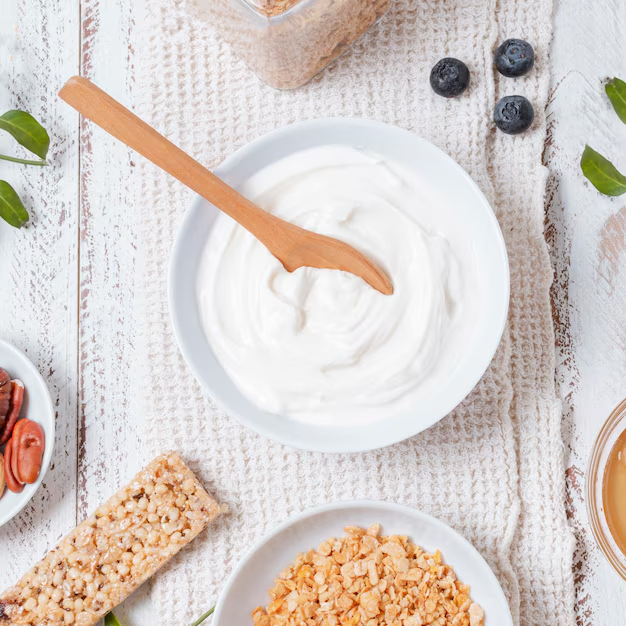
yogurt bowl with strawberry slices.

Top Lactose-Free Greek Yogurt Brands

1. FAGE BestSelf Plain

This reduced-fat Greek yogurt is entirely lactose-free. It offers the same creamy texture and high protein content as regular Greek yogurt, making it a popular choice.

2. Green Valley Creamery

Green Valley Creamery provides a variety of lactose-free plain yogurt options. Their products are organic and suitable for those with lactose sensitivity.

Tips for Selecting Lactose-Free Yogurt Products

  • Read Labels: Always check the packaging for “lactose-free” or “low-lactose” labels.
  • Check Ingredients: Avoid products with added sugars or artificial additives.
  • Go for Live Cultures: Opt for yogurts with active probiotics to aid digestion.
  • Choose Plain Yogurt: Flavored options often contain additional sugars, which may not sit well with sensitive stomachs.

Related to Read: Is Yogurt Good for Acid Reflux? A Complete Guide 

Nutritional Benefits of Greek Yogurt

Greek yogurt is not just a tasty treat; it’s also packed with nutrients that benefit your overall health.

High Protein Content and Its Benefits

Greek yogurt provides an impressive 16 grams of protein per serving (approximately 6 ounces). This high protein content supports:

  • Muscle Maintenance: Protein helps repair and maintain muscle tissue, making Greek yogurt an excellent post-workout snack.
  • Satiety: High-protein foods keep you feeling full longer, aiding in weight management.
  • Metabolism Support: Protein has a thermic effect, meaning it takes more energy to digest compared to carbs and fats, boosting metabolism.

Presence of Probiotics and Their Role in Gut Health

Greek yogurt contains live and active cultures, often referred to as probiotics. These beneficial bacteria:

Comparison of Nutrient Profiles Between Regular and Greek Yogurt

Greek yogurt differs from regular yogurt in several key ways:

NutrientGreek Yogurt (per 6 oz)Regular Yogurt (per 6 oz)
Protein16 g6 g
Sugar5-7 g12-15 g
Fat0-4 g0-2 g
CalciumSlightly LowerHigher

Greek yogurt is lower in sugar and higher in protein due to its straining process, making it a more nutrient-dense choice.

Alternatives to Greek Yogurt for Lactose Intolerant Individuals

For those who need to avoid lactose altogether, there are plenty of plant-based yogurt options available.

Plant-Based Yogurt Alternatives

Non-dairy yogurts are made from plant-based ingredients like almond, soy, or coconut. Popular options include:

  • Almond Yogurt: Light and creamy, with a subtle nutty flavor.
  • Soy Yogurt: Rich in protein, similar to dairy-based options.
  • Coconut Yogurt: Creamy and flavorful, ideal for those seeking a tropical twist.

Nutritional Differences Between Dairy and Non-Dairy Yogurts

Plant-based yogurts often differ in nutritional content:

  • Protein: Soy-based yogurts tend to have higher protein levels compared to almond or coconut varieties.
  • Calcium: Some non-dairy yogurts are fortified with calcium and vitamin D to mimic the benefits of dairy.
  • Sugar: Be cautious—flavored plant-based yogurts can be high in added sugars.

When choosing a plant-based yogurt, prioritize those labeled “unsweetened” and check for fortifications to ensure you’re meeting your nutritional needs.

Related to Read: The Gut-Liver Connection: How a Healthy Gut Microbiome Promotes Weight Loss and Liver Health

Incorporating Greek Yogurt into a Lactose-Free Diet

Even if you’re lactose intolerant, Greek yogurt can often be included in your diet with some mindful adjustments.

Suggestions for Using Greek Yogurt in Recipes

Greek yogurt is versatile and can be used in a variety of dishes:

  • Smoothies: Blend it with lactose-free milk and fruits for a protein-rich drink.
  • Salad Dressings: Mix it with herbs, lemon juice, and olive oil for a creamy, low-lactose dressing.
  • Desserts: Use it as a base for parfaits or as a substitute for cream in recipes.

Tips for Monitoring Lactose Intake and Recognizing Personal Tolerance Levels

To safely incorporate Greek yogurt into your diet:

  • Start with small servings and gradually increase the amount based on your tolerance.
  • Keep a food diary to track symptoms and identify triggers.
  • Pair yogurt with other foods, like fruits or granola, to aid digestion.

Conclusion

Greek yogurt offers numerous health benefits, from high protein content to probiotic support for gut health. While it contains some lactose, its reduced levels and digestibility make it a suitable option for many with lactose intolerance. Plant-based yogurts provide a nutritious and delicious solution for those needing alternatives. Whether you choose Greek yogurt or an alternative, consulting a healthcare provider can help you make the best choices for your dietary needs.

FAQs

1. Is Greek yogurt suitable for people with severe lactose intolerance?

Greek yogurt contains less lactose than regular yogurt, but it’s not entirely lactose-free. For those with severe lactose intolerance, lactose-free Greek yogurt brands like FAGE BestSelf or Green Valley Creamery are better options.

2. Can Greek yogurt help with digestion?

Yes, Greek yogurt contains probiotics—live cultures that support gut health and improve digestion. They help balance gut bacteria, which can reduce bloating and other digestive issues.

3. What’s the difference between lactose-free yogurt and regular yogurt?

Lactose-free yogurt has been treated to remove or break down lactose, making it easier to digest. Regular yogurt, including Greek yogurt, may still contain small amounts of lactose.

4. Are plant-based yogurts healthier than Greek yogurt?

Plant-based yogurts are an excellent alternative for those avoiding lactose, but their nutritional value depends on the base (e.g., almond, soy, or coconut). Greek yogurt often has more protein and fewer added sugars, while plant-based yogurts are typically free of cholesterol.

5. How can I ensure I’m choosing the healthiest yogurt?

Look for plain, unsweetened varieties with minimal ingredients. Check for live cultures, high protein content, and calcium fortification to maximize the health benefits.

Does Oat Milk Contain Caffeine? Everything You Need to Know

0

Oat milk has quickly become a popular alternative to dairy milk, known for its creamy texture and versatility. But if you’re trying to cut down on caffeine, you might be wondering: does oat milk contain caffeine? This article breaks down the facts, explains how oat milk is made, and explores its role in coffee-based beverages. Let’s dive into the details and debunk common myths about oat milk and caffeine.

Understanding Oat Milk

Oat milk isn’t just a passing trend. It’s a staple for many health-conscious individuals and coffee lovers alike.

Definition and Popularity in the U.S. Market

Oat milk is a plant-based milk alternative made from whole oats and water. Its rich and creamy texture has made it a favorite for coffee drinks, smoothies, and baking. In the U.S., oat milk’s popularity skyrocketed due to its eco-friendly production process and its appeal to people with lactose intolerance or dietary restrictions.

Nutritional Benefits and Common Uses

Oat milk is packed with nutrients like fiber, vitamins B2 and B12, and minerals such as calcium. It’s cholesterol-free and often fortified with essential nutrients, making it a healthy choice for many. People commonly use oat milk in:

  • Lattes and cappuccinos
  • Smoothies and shakes
  • Soups and sauces as a dairy replacement

Does Oat Milk Naturally Contain Caffeine?

To answer this question, we need to look at oats and the production process of oat milk.

Natural Composition of Oats

Oats are entirely caffeine-free. Unlike coffee beans or tea leaves, oats do not naturally contain caffeine or other stimulants. They are known for their ability to provide sustained energy due to their high fiber and carbohydrate content, not because of caffeine.

Production Process of Oat Milk

The production process of oat milk involves blending oats with water and straining the mixture to remove solids. This simple process does not introduce caffeine into the product. Therefore, standard oat milk is a caffeine-free beverage, making it suitable for people looking to avoid stimulants.

Oat Milk in Coffee-Based Beverages

While it itself doesn’t contain caffeine, it often pairs with coffee, a well-known source of this stimulant.

Oat Milk Lattes and Caffeine Content

When it is added to coffee, it does not alter the caffeine content of the beverage. The amount of caffeine depends entirely on the coffee used. For example:

  • A standard 8 oz latte with espresso and oat milk will have approximately 63 mg of caffeine per shot of espresso.
  • Specialty lattes prepared with it, such as those flavored with vanilla or caramel, maintain the same caffeine content as regular coffee-based drinks.

Popular oat milk coffee beverages include oat milk cappuccinos, flat whites, and cold brews.

Ready-to-Drink Oat Milk Coffee Products

Many brands now offer ready-to-drink oat milk coffee beverages that combine the creaminess of oat milk with the energizing effects of coffee. These products typically state their caffeine content on the label. Here are some popular examples:

  1. Rise Brewing Co. Oat Milk Nitro Cold Brew Latte
    • Caffeine Content: 80 mg per 7 oz serving
    • Known for its smooth texture and natural sweetness.
  2. La Colombe Oatmilk Draft Latte
    • Caffeine Content: 120 mg per 9 oz can
    • A creamy and indulgent option with a strong coffee flavor.
  3. Pop & Bottle Oat Milk Lattes
    • Caffeine Content: 80 mg per 8 oz can
    • Available in various flavors like mocha and vanilla, catering to a wide range of tastes.

These beverages are convenient options for people who love the combination of milk and caffeine on the go.

Factors Influencing Caffeine Perception

Some people claim that adding oat milk to their coffee changes how they perceive caffeine’s effects. Is there any truth to these anecdotes? Let’s explore personal experiences and scientific perspectives on this matter.

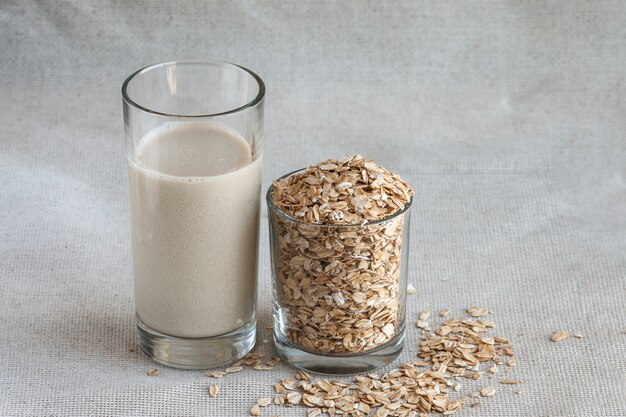
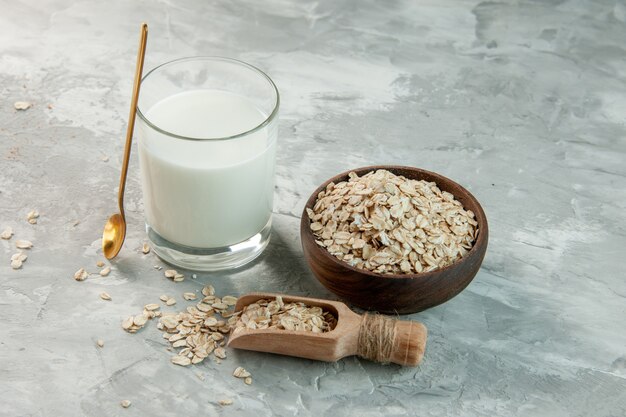
soy milk in a glass with soy seeds in a wooden bowl

Personal Anecdotes and Experiences

People who drink oat milk coffee often report feeling more energized or experiencing a smoother energy boost compared to coffee with dairy milk. These claims may be influenced by several factors:

  • Nutritional Composition: Oat milk contains natural sugars, which could provide a mild energy lift, making caffeine’s effects feel more balanced.
  • Digestibility: The light and easy-to-digest nature of oat milk may reduce the bloating some people associate with dairy, allowing caffeine to take effect more quickly.

However, it’s important to note that these perceptions vary widely. What feels like a “better” caffeine experience for one person might not hold true for another.

Related to Read: Is Oatmeal High in Fiber? Types, Benefits & Disadvantages

Scientific Perspective

From a scientific standpoint, there’s little evidence suggesting that oat milk directly alters caffeine metabolism. Caffeine absorption depends on factors like:

  • The individual’s metabolic rate
  • The amount of caffeine consumed
  • The overall composition of the beverage

While oat milk’s natural sugars might enhance the taste and texture of coffee, they do not chemically interact with caffeine. Research has not identified any compounds in oat milk that influence caffeine’s absorption or effectiveness.

Choosing Oat Milk Products Based on Caffeine Content

Whether you’re trying to manage your caffeine intake or find a product that suits your dietary needs, it’s crucial to pay attention to labels and ingredients.

Reading Labels and Nutritional Information

When shopping for oat milk or its beverages, the first step is to check the packaging for caffeine information. Here’s how you can ensure you’re making an informed choice:

  • Look for “caffeine content” on the label. Many ready-to-drink beverages specify how much caffeine is in each serving.
  • Be mindful of product types. Plain oat milk won’t have caffeine, but drinks like lattes and cold brews will.
  • Familiarize yourself with brand differences. For example:
    • Rise Brewing Co. Oat Milk Nitro Cold Brew Latte: 80 mg caffeine per 7 oz
    • La Colombe Oatmilk Draft Latte: 120 mg caffeine per 9 oz

Considering Dietary Preferences and Sensitivities

If prefer a caffeine-free lifestyle, there are plenty of oat milk options available. Here’s what to keep in mind:

  • Opt for plain, unsweetened oat milk. These products are caffeine-free and ideal for recipes or non-coffee drinks.
  • Avoid flavored or pre-made coffee beverages unless you’re okay with the added caffeine.
  • Look for caffeine-free labels if you’re unsure. Some brands explicitly state this to cater to caffeine-sensitive individuals.

Related to Read: Does Coconut Milk Contain Caffeine?

Conclusion

To wrap it up, plain oat milk does not naturally contain caffeine. However, its use in coffee-based drinks and ready-to-drink beverages can introduce caffeine into your diet. To make informed choices:

  • Read product labels carefully.
  • Consider your caffeine sensitivity and dietary preferences.
  • Know that this milk itself is a caffeine-free option, making it suitable for everyone, from children to adults avoiding caffeine.

FAQs

1. Does oat milk naturally have caffeine?

No, oat milk does not naturally contain caffeine. It is made from oats and water, which are both caffeine-free. However, caffeine can be introduced when oat milk is used in coffee drinks or flavored beverages. Always check the label if you’re unsure.

2. Is oat milk a good choice for people avoiding caffeine?

Yes, plain oat milk is an excellent choice for those avoiding caffeine. It’s naturally caffeine-free and can be used in a variety of recipes, from smoothies to baking. If you’re purchasing pre-made beverages, make sure to check for any added caffeine, especially in coffee-based products.

3. How much caffeine is in oat milk coffee drinks?

The caffeine content in oat milk coffee drinks depends on the coffee used. For example, a latte with one shot of espresso has around 63 mg of caffeine, regardless of whether it’s made with oat milk or dairy. Ready-to-drink products often list their caffeine content on the label, which can range from 80 mg to 120 mg per serving.

4. Why do some people feel more energized with oat milk coffee?

This perception could be due to the natural sugars in oat milk, which provide a mild energy boost. Additionally, oat milk’s creamy texture and easy digestibility may make caffeine’s effects feel smoother. However, this is a subjective experience, and scientific evidence does not confirm any direct interaction between oat milk and caffeine.

Does Coconut Milk Contain Caffeine?

Coconut milk is a popular ingredient with a rich, creamy texture that adds flavor to dishes and beverages. If you’re wondering, does coconut milk contain caffeine, you’re not alone. This question often arises due to its frequent use in coffee and tea alternatives. In this article, we’ll uncover the nutritional properties of coconut milk, compare it to other plant-based milks, and confirm its caffeine content.

What Is Coconut Milk?

Coconut milk is a versatile plant-based liquid extracted from the grated flesh of mature coconuts. It is not to be confused with coconut water, which is the clear liquid inside a coconut. Coconut milk has a creamy texture and distinct flavor, making it a favorite ingredient in many recipes.

Common Uses of Coconut Milk

Coconut milk is a staple in several cuisines, especially Southeast Asian, Indian, and Caribbean cooking. It is used in soups, curries, smoothies, and desserts. Additionally, it has become a go-to alternative for dairy milk in lattes and plant-based recipes.

Purpose of This Article

This article aims to clarify whether coconut milk contains caffeine, explore its nutritional profile, and compare it to other plant-based milk options.

Nutritional Profile of Coconut Milk

Coconut milk offers a unique blend of nutrients, making it both delicious and beneficial for health. Below, we examine its macronutrients, vitamins, and minerals while confirming its caffeine-free status.

Macronutrients in Coconut Milk

Coconut milk is calorie-dense due to its high fat content. Here’s a breakdown of its macronutrients:

  • Fats: Coconut milk is rich in saturated fats, particularly medium-chain triglycerides (MCTs). These fats are easily digested and can provide quick energy.
  • Proteins: It contains a small amount of protein, making it less protein-rich compared to other plant-based milks.
  • Carbohydrates: The carbohydrate content in coconut milk is minimal, with most of it coming from natural sugars.

Vitamins and Minerals in Coconut Milk

Coconut milk is a good source of essential nutrients. Key vitamins and minerals include:

  • Vitamin C: An antioxidant that supports the immune system.
  • Iron: Helps in oxygen transport and prevents anemia.
  • Magnesium and Potassium: Promote heart health and proper muscle function.

Absence of Caffeine

Coconut milk is naturally caffeine-free. Unlike coffee, tea, or certain plant-based beverages, pure coconut milk does not contain caffeine. Whether consumed plain or in recipes, coconut milk delivers its benefits without the stimulating effects of caffeine.

Nutrition Value Table

Here’s a quick glance at the nutritional value of 1 cup (240 ml) of unsweetened coconut milk:

NutrientAmount
Calories45-60
Total Fat4-5g
Saturated Fat3-4g
Protein0.5-1g
Carbohydrates1-2g
Vitamin C3-4% DV
Iron10% DV

Related to Read: Does Coconut Water Contain Caffeine?

Comparing Coconut Milk to Other Plant-Based Milks

Plant-based milks are a favorite among those seeking dairy-free alternatives. Let’s see how coconut milk stacks up against other popular options.

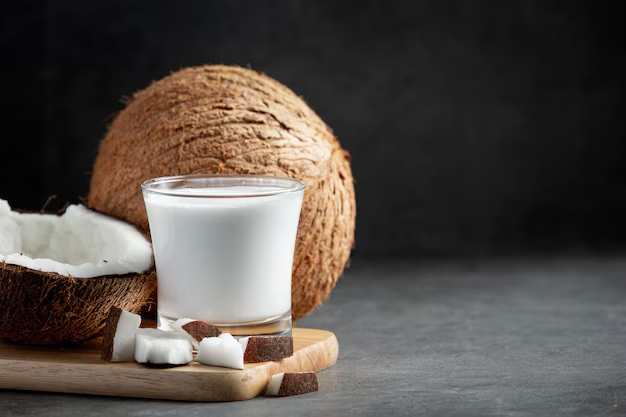
a glass of coconut milk with a coconut at its back

Almond Milk

Almond milk is light, nutty, and low in calories. Here’s how it compares:

  • Nutritional Highlights: Almond milk is low in fat and contains Vitamin E, an antioxidant.
  • Uses: It’s often used in baking, smoothies, and as a coffee creamer.
  • Caffeine Content: Like coconut milk, almond milk is naturally caffeine-free.

Soy Milk

Soy milk is a protein-packed alternative that is especially popular among vegans and vegetarians.

  • Nutritional Highlights: Soy milk offers about 7g of protein per cup, along with calcium and vitamin D.
  • Uses: It works well in savory dishes, lattes, and baked goods.
  • Caffeine Content: Soy milk is also caffeine-free.

Oat Milk

Oat milk has gained popularity for its creamy texture and mild flavor.

  • Nutritional Highlights: It contains more carbohydrates than other plant-based milks and is often fortified with vitamins.
  • Uses: Great for frothy coffee drinks, cereal, and soups.
  • Caffeine Content: Like other plant-based options, oat milk contains no caffeine.

Caffeine Content in Plant-Based Milks

One key similarity among most plant-based milks is their lack of caffeine. Unless infused with coffee or tea, almond, soy, oat, and coconut milk are naturally free of caffeine. This makes them ideal for individuals seeking non-caffeinated beverages or those who prefer to control their caffeine intake.

Coconut milk is a rich and flavorful ingredient with a completely caffeine-free profile. Its creamy texture, nutritional benefits, and versatility make it a beloved choice among plant-based milks. By comparing it to other non-dairy alternatives, it’s clear that coconut milk stands out for its unique composition while sharing the common trait of being naturally caffeine-free.

Coconut Milk in Coffee and Tea Beverages

Coconut milk is a creamy, dairy-free alternative that works well in a variety of coffee and tea drinks. While the milk itself is naturally caffeine-free, its combination with caffeinated beverages like coffee and tea can alter its overall profile. Let’s explore how coconut milk pairs with these beverages and how it fits into the world of ready-to-drink options.

Coconut Milk Lattes

Coconut milk lattes are a popular choice among coffee enthusiasts seeking a dairy-free option with a rich, creamy texture. These drinks blend the natural sweetness of coconut milk with the bold flavors of coffee.

Caffeine Content in Coconut Milk Lattes

The caffeine content in a coconut milk latte comes entirely from the coffee used, as coconut milk itself contains no caffeine. A standard cup of coffee has around 95 mg of caffeine, and this remains unchanged when coconut milk is added.

Flavor and Texture Benefits

Coconut milk enhances the latte experience by adding a velvety texture and a mild coconut flavor. It pairs especially well with espresso-based drinks like cappuccinos and macchiatos.

Coconut Milk Teas

Coconut milk teas, such as chai or matcha lattes, are another popular way to enjoy this plant-based milk. The unique flavor of coconut milk blends beautifully with the spices in chai or the earthy notes of matcha.

Caffeine Content in Coconut Milk Teas

The caffeine in coconut milk tea comes from the type of tea used. For example:

  • Chai Tea: Contains about 40-70 mg of caffeine per cup.
  • Matcha Tea: Provides roughly 25-70 mg of caffeine per serving.

Adding coconut milk doesn’t change these levels but enhances the drink’s richness and flavor.

Decaf Options

For those avoiding caffeine, decaffeinated chai or herbal teas can be used with coconut milk. This allows you to enjoy the creamy texture without the stimulating effects of caffeine.

Ready-to-Drink Coconut Coffee Beverages

Pre-packaged beverages combining coconut milk and coffee have become increasingly popular. These drinks offer convenience and a delightful mix of flavors but come with varying levels of caffeine.

Examples of Ready-to-Drink Products

  • Coconut Milk Cold Brew: Often contains 150-200 mg of caffeine per bottle, depending on the amount of coffee used.
  • Coconut Milk Iced Coffee: Typically has 50-120 mg of caffeine, depending on the brand and serving size.

Reading the Labels

It’s essential to check product labels for caffeine content and added ingredients. Some beverages may include sweeteners or additives that could affect your health goals.

Health Considerations

While coconut milk is a nutritious and versatile ingredient, there are some considerations to keep in mind, especially when combined with caffeinated drinks.

coconut milk splashing out of the coconut with a green background.

Benefits of Caffeine-Free Beverages

For individuals looking to reduce their caffeine intake, coconut milk is an excellent base for caffeine-free beverages. Benefits include:

Nutritional Benefits of Coconut Milk

Coconut milk offers healthy fats and essential nutrients. These include:

  • Medium-Chain Triglycerides (MCTs): These fats may boost metabolism and energy levels.
  • Iron and Magnesium: Essential for muscle and nerve function.
  • Natural Sweetness: Coconut milk can reduce the need for added sugar in beverages.

Potential Concerns

While coconut milk has many health benefits, it’s also calorie-dense and high in saturated fats. Overconsumption can lead to:

  • Increased calorie intake, contributing to weight gain.
  • Elevated cholesterol levels in individuals sensitive to saturated fats.

Balancing your intake and choosing unsweetened coconut milk can help mitigate these concerns.

Related to Read: Is Coconut Water Good for Hydration? A Detailed Guide

Conclusion

Coconut milk is a versatile and caffeine-free ingredient that enhances coffee, tea, and ready-to-drink beverages. Its creamy texture and nutritional benefits make it a favorite among dairy-free alternatives.

Practical Takeaways

  • Pure coconut milk does not contain caffeine.
  • The caffeine content in coconut milk beverages depends entirely on added ingredients like coffee or tea.
  • Always check labels on pre-packaged drinks to understand their full nutritional and caffeine profiles.

Coconut milk is a fantastic addition to your pantry, whether you enjoy it in a latte, tea, or as a cooking ingredient.

FAQs

1. Is Coconut Water Caffeine-Free?

Yes, coconut water, like coconut milk, is naturally caffeine-free. It’s a hydrating and refreshing drink rich in electrolytes.

2. Do Flavored Coconut Milks Contain Caffeine?

Some flavored coconut milks may contain caffeine if they include ingredients like coffee or chocolate. Always read the label to confirm.

3. Can I Use Coconut Milk in Decaffeinated Coffee?

Absolutely! Coconut milk pairs beautifully with decaf coffee, providing creaminess and flavor without caffeine.

4. What Is the Best Coconut Milk for Coffee?

Unsweetened, full-fat coconut milk works best for a creamy texture and balanced flavor in coffee.

5. Does Coconut Milk Work Well in Herbal Teas?

Yes, coconut milk complements herbal teas wonderfully, especially varieties like chamomile or rooibos, for a soothing and caffeine-free experience.

Is Couscous Gluten Free? A Complete Guide

Couscous is a beloved staple in many cuisines, celebrated for its versatility and ease of preparation. From savory stews to fresh salads, this North African dish has found a home on tables worldwide. However, for those with gluten sensitivities or celiac disease, understanding couscous’s gluten content is essential. Let’s explore whether couscous is gluten-free and uncover some alternatives for those who need to avoid gluten.

What Is Couscous?

Couscous is a versatile dish with a rich cultural history. Its tiny granules and quick preparation make it a favorite in various cuisines.

Definition and Origin

Couscous originated in North Africa, where it remains a cornerstone of traditional meals. It is made by rolling semolina wheat into tiny granules. Historically, couscous symbolized abundance and was often served at gatherings and celebrations.

Types of Couscous

There are three main varieties of couscous, each with unique characteristics:

  • Moroccan Couscous: The smallest and quickest to cook, often steamed and served with rich sauces.
  • Pearl Couscous: Larger and chewier, resembling small pearls. It is ideal for salads and soups.
  • Lebanese Couscous: The largest type, requiring longer cooking and often paired with hearty dishes.

Understanding Gluten and Gluten Sensitivity

To determine if couscous is gluten-free, it’s crucial to understand gluten and its impact on health.

What Is Gluten?

Gluten is a protein found in grains like wheat, barley, and rye. It gives dough elasticity and helps baked goods maintain their shape.

Gluten-Related Disorders

Gluten can trigger various health issues:

  • Celiac Disease: An autoimmune disorder where gluten damages the small intestine lining.
  • Non-Celiac Gluten Sensitivity: Causes symptoms like bloating and fatigue but lacks the intestinal damage of celiac disease.
  • Wheat Allergy: An allergic reaction to proteins in wheat, including gluten.

Importance of a Gluten-Free Diet

For individuals with gluten-related disorders, avoiding gluten is non-negotiable. A gluten-free diet helps alleviate symptoms, prevent complications, and improve overall health.

Is Couscous Gluten-Free?

The gluten content in couscous depends on its ingredients and preparation method.

Traditional Couscous Ingredients

Traditional couscous is made from semolina, a type of wheat flour. This makes it inherently gluten-containing.

Gluten Content in Traditional Couscous

Because it’s made from wheat, traditional couscous is unsuitable for gluten-free diets. Consuming it can lead to adverse reactions for those with gluten sensitivities or celiac disease.

Gluten-Free Alternatives to Traditional Couscous

Thankfully, there are many alternatives to traditional couscous, ensuring everyone can enjoy similar dishes without gluten.

Gluten-Free Grains and Seeds

Several naturally gluten-free grains and seeds can replace couscous:

  • Quinoa: Known for its nutty flavor and high protein content, quinoa is a versatile alternative.
  • Millet: Light and fluffy, millet is excellent for both savory and sweet dishes.
  • Rice: A universally available grain, perfect for dishes requiring a neutral base.

Related to Read: Is Quinoa Good for Weight Loss? Unraveling the Nutritional Benefits

Commercial Gluten-Free Couscous Products

For convenience, manufacturers offer gluten-free couscous made from ingredients like:

  • Corn: Light and slightly sweet.
  • Rice: Neutral in flavor and versatile.
  • Cassava: Derived from a root vegetable, ideal for a grain-free diet.

These products are widely available in health food stores and online.

How to Prepare Gluten-Free Couscous at Home

Making gluten-free couscous at home is simple. Here’s how:

  1. Choose Your Base: Select gluten-free grains like quinoa or millet.
  2. Cook the Grains: Follow package instructions, typically boiling in water or broth.
  3. Season and Serve: Mix the cooked grains with olive oil, herbs, or vegetables for added flavor.

Nutritional Comparison

Understanding the nutritional differences between traditional couscous and its gluten-free alternatives is vital for making informed choices.

couscous in a plate.

Traditional Couscous vs. Gluten-Free Alternatives

Traditional couscous and gluten-free grains differ in calorie, protein, fiber, and nutrient content. Here’s a quick comparison:

NutrientTraditional Couscous (per 1 cup)Quinoa (per 1 cup)Millet (per 1 cup)Rice (per 1 cup)
Calories176222207205
Protein6 g8 g6 g4 g
Fiber2 g5 g2 g<1 g
Key NutrientsSelenium, ironMagnesium, ironPhosphorus, B vitaminsB vitamins, manganese

Traditional Couscous: High in selenium but contains gluten.

  • Quinoa: High in protein and fiber, making it a nutrient-dense option.
  • Millet: A good source of essential vitamins and minerals.
  • Rice: Versatile but lower in fiber compared to other alternatives.

Related to Read: Does Soy Sauce Contain Gluten?

Health Benefits and Considerations

Each option offers unique health benefits and considerations:

  • Traditional Couscous: Provides essential nutrients like selenium but is unsuitable for gluten-sensitive individuals.
  • Gluten-Free Options: Quinoa and millet are rich in fiber and protein, promoting better digestion and sustained energy. Rice is an excellent low-fiber choice for sensitive stomachs.

Cooking and Recipe Ideas

Culinary creativity thrives with gluten-free alternatives to couscous. Let’s dive into recipe ideas and tips to elevate flavors.

Gluten-Free Couscous Recipes

Here are some easy gluten-free recipes to try:

  1. Quinoa Tabbouleh Salad
    Ingredients: Cooked quinoa, parsley, mint, diced tomatoes, cucumber, olive oil, and lemon juice.
    Method: Mix ingredients and chill before serving.
  2. Millet Pilaf with Vegetables
    Ingredients: Cooked millet, sautéed onions, carrots, peas, and spices like turmeric and cumin.
    Method: Toss millet with vegetables and serve warm.
  3. Rice Couscous with Roasted Chickpeas
    Ingredients: Cooked rice, roasted chickpeas, and a tahini-lemon dressing.
    Method: Combine all ingredients for a hearty main or side dish.

Tips for Flavor Enhancement

Boost the flavor of gluten-free dishes with these tips:

  • Use fresh herbs like parsley, cilantro, and basil.
  • Add spices such as cumin, paprika, or sumac for depth.
  • Incorporate tangy dressings made with lemon juice, olive oil, and garlic.
  • Include roasted nuts or seeds for added crunch.

Related to Read: Does Hummus Contain Gluten?: A Complete Guide

Dining Out and Gluten Cross-Contamination

Eating out with gluten sensitivities requires extra care. Here’s how to navigate the dining experience safely.

Communicating Dietary Needs

Be upfront about your gluten sensitivity. When placing an order:

  • Clearly state your needs: “I have a gluten intolerance and need my meal to be gluten-free.”
  • Ask questions about preparation methods and ingredients.

Identifying Safe Menu Options

Look for naturally gluten-free dishes like:

  • Grilled proteins with steamed vegetables.
  • Salads with gluten-free dressings (double-check for croutons).
  • Dishes featuring quinoa, millet, or rice.

Avoiding Cross-Contamination

Prevent cross-contamination by:

  • Confirming that separate utensils and cookware are used.
  • Asking if the kitchen staff is trained in handling gluten-free orders.
  • Avoiding fried items unless prepared in a dedicated fryer.

Frequently Asked Questions (FAQs)

Is couscous considered pasta?

Yes, couscous is often classified as a type of pasta. While it may look different from traditional pasta, it is made from semolina wheat flour mixed with water. The mixture is then rolled into tiny granules and steamed. Its texture and preparation methods set it apart from standard pasta, but the base ingredients are the same.

Can individuals with celiac disease eat couscous?

No, individuals with celiac disease cannot eat traditional couscous. Since couscous is made from wheat, it contains gluten, which can cause severe reactions in people with celiac disease. For a safe alternative, gluten-free options like quinoa, millet, or rice couscous can be used instead.

What are some other gluten-free side dish options?

Aside from gluten-free couscous, there are plenty of side dish options, such as:

  • Quinoa: A protein-rich grain with a nutty flavor.
  • Polenta: Made from cornmeal, it’s versatile and works well as a creamy or firm side.
  • Buckwheat: Despite its name, it is gluten-free and perfect for salads or porridge.
  • Spiralized Vegetables: Zucchini or carrots can be spiralized for a pasta-like side.
  • Cauliflower Rice: A low-carb, gluten-free alternative that mimics the texture of couscous.

Conclusion

Couscous is a versatile dish, but traditional versions contain gluten, making them unsuitable for gluten-sensitive individuals. Luckily, there are many gluten-free alternatives like quinoa, millet, and rice that provide similar textures and flavors. These options are not only safe but also offer diverse nutritional benefits.

Exploring these alternatives ensures you can enjoy the essence of couscous without compromising your health. Whether cooking at home or dining out, a little care and creativity can lead to delicious and satisfying meals.

Does Almond Milk Contain Caffeine?

Almond milk has become a go-to option for people seeking a plant-based milk alternative. But a common question arises: does almond milk contain caffeine? Almond milk is made from ground almonds blended with water and is celebrated for its creamy texture and nutty flavor.

Why do so many people choose almond milk? For starters, it’s lactose-free, making it a perfect choice for those with lactose intolerance. It’s also ideal for vegans and others aiming for a healthier lifestyle. Packed with essential nutrients like vitamin E, almond milk is a versatile and tasty addition to many diets.

Understanding Caffeine Content in Beverages

To better understand let’s first explore caffeine itself and where it’s commonly found.

What Is Caffeine?

Caffeine is a natural stimulant that affects the central nervous system. It boosts alertness, energy, and focus. Found naturally in over 60 plants, caffeine plays a significant role in many of our favorite drinks.

Common Sources of Caffeine

Caffeine is most commonly found in:

  • Coffee: The most popular caffeine source globally.
  • Tea: Green, black, and oolong teas are all rich in caffeine.
  • Energy Drinks: Loaded with caffeine to keep you energized.
  • Sodas: Some soft drinks, especially cola, also contain caffeine.
  • Chocolate: Cocoa naturally contains small amounts of caffeine.

These are just a few sources, but does almond milk fall into this category? Let’s find out.

Does Almond Milk Contain Caffeine?

The answer depends on the type of almond milk you consume.

Plain Almond Milk

Plain almond milk—whether unsweetened or unflavored—does not naturally contain caffeine. This is because almonds are totally healthy and caffeine-free. If you’re drinking plain almond milk, you won’t have to worry about it interfering with your sleep or giving you an unexpected energy boost.

Flavored Almond Milk Varieties

However, the story changes with flavored varieties, particularly chocolate almond milk. Chocolate-flavored almond milk contains cocoa, which has a small amount of caffeine. While the caffeine level is low compared to coffee or tea, it’s worth noting if you’re sensitive to stimulants.

Almond Milk in Coffee and Tea Beverages

Almond milk is often used as a dairy-free alternative in coffee and tea beverages. Let’s explore how this combination impacts caffeine levels.

Almond Milk Lattes and Cappuccinos

Almond milk itself remains caffeine-free, but when used to prepare lattes or cappuccinos, the beverage will contain caffeine from the coffee. For instance, a latte made with this milk will have as much caffeine as one made with regular milk, depending on the amount of espresso used.

Popular Almond Milk Coffee Drinks

Coffee chains offer a variety of almond milk-based beverages. One example is Starbucks’ Honey Almondmilk Flat White, which contains around 150 mg of caffeine per serving. Drinks like these highlight how almond milk pairs beautifully with caffeinated ingredients without altering their caffeine content.

Caffeine Content in Almond Milk-Based Products

Pre-packaged almond milk products with added coffee or tea often contain caffeine. These convenient options are popular for busy individuals.

Ready-to-Drink Almond Milk Coffees

Many brands now offer ready-to-drink coffee and almond milk combinations. For instance:

  • Califia Farms Coffee with Almondmilk: Their Salted Caramel Cold Brew Coffee with Almondmilk contains less than 50 mg of caffeine per serving. While lower in caffeine than a typical cup of coffee, it’s still enough to provide a mild energy boost.

Almond Milk Teas

Almond milk is a common addition to tea-based drinks, like chai lattes and matcha lattes. These beverages contain caffeine derived from the tea itself. For example, a matcha latte made with this milk will have caffeine levels similar to regular matcha, which is about 70 mg per cup.

Related to Read: Is Almond Butter Good for Weight Loss?

Comparing Caffeine Levels With Other Milk Alternatives

Plant-based milk alternatives have gained immense popularity as healthier, dairy-free substitutes. While almond milk remains a favorite, let’s compare its caffeine profile with other popular options.

Soy Milk

Soy milk is naturally caffeine-free. This makes it an excellent base for coffee and tea beverages without adding any extra caffeine. Popular in lattes and cappuccinos, soy milk’s creamy texture complements caffeinated drinks. However, when soy milk is paired with coffee or cocoa-based drinks, the caffeine content will depend on the additional ingredients.

Oat Milk

Oat milk is another caffeine-free option when consumed plain. Its slightly sweet and creamy consistency has made it a rising star in coffee shops. Whether you order an oat milk latte or cappuccino, the caffeine content will come from the coffee, not the oat milk itself.

Health Considerations

Choosing the right milk alternative often depends on health priorities. Almond milk stands out for several reasons as mentioned below.

Benefits of Choosing Almond Milk

Almond milk offers multiple health benefits:

  • Dairy-Free: Perfect for those who are lactose intolerant or allergic to dairy.
  • Low in Calories: Unsweetened almond milk contains fewer calories than cow’s milk or most other milk alternatives.
  • Rich in Vitamin E: Almond milk is packed with antioxidants, which support skin health and the immune system.
  • Versatile: It’s a great option for smoothies, baking, and pairing with coffee or tea.

Monitoring Caffeine Intake

Caffeine is a stimulant, and excessive intake can lead to restlessness, anxiety, or sleep disturbances. If you love almond milk-based coffee or tea drinks, keep an eye on the caffeine content. Opt for smaller sizes or decaffeinated versions if you’re caffeine-sensitive.

FAQs

1. Does almond milk have more caffeine than oat milk?

No, both of them are naturally caffeine-free. However, the caffeine content in these beverages comes from added ingredients like coffee or tea. For example, an almond milk latte and an oat milk latte will have similar caffeine levels based on the coffee used, not the milk.

2. Is almond milk a good choice for people with caffeine sensitivity?

Yes, it is ideal for those sensitive to caffeine since it contains none. However, flavored varieties may have small amounts of caffeine from cocoa. Additionally, almond milk in coffee or tea drinks will carry caffeine from those beverages, so choose accordingly.

3. Are almond milk-based coffee drinks healthier than regular milk options?

Almond milk-based coffee drinks are often lower in calories and fat than those made with whole milk. They are also dairy-free, making them suitable for vegans or people with lactose intolerance. However, watch out for added sugars in flavored almond milk or prepackaged almond milk coffees.

4. What’s the best almond milk option for caffeine-free drinks?

Choose unsweetened and unflavored almond milk for a caffeine-free experience. If you want a drink like hot chocolate, opt for a cocoa-free version or use almond milk with decaffeinated ingredients to enjoy the creamy texture without the stimulant effects.

Conclusion

So, does almond milk contain caffeine? The simple answer is no—plain almond milk is naturally caffeine-free. However, flavored varieties can contain caffeine from added ingredients. Understanding these differences allows you to enjoy almond milk in a way that fits your caffeine preferences and lifestyle.

If you’re looking for a caffeine-free option, stick to plain almond milk. For those who enjoy the occasional caffeine kick, almond milk coffees and teas provide a delicious and creamy alternative to traditional dairy drinks.

Is Almond Butter Good for Weight Loss?

Almond butter has become a staple in many households across the United States. Known for its creamy texture and rich taste, it is often marketed as a healthy alternative to traditional spreads. But can almond butter help with weight loss? Let’s explore how this popular nut butter fits into a weight-loss-friendly diet.

Nutritional Profile of Almond Butter

Almond butter is packed with essential nutrients mainly because of the almonds that make it a powerhouse of energy and health. To understand its role in weight loss, let’s take a closer look at its macronutrient and micronutrient content.

Macronutrient Composition

Almond butter is a nutrient-dense food with a balanced profile of healthy fats, protein, and fiber.

  • Healthy Fats: Almond butter is rich in monounsaturated fats, the same kind found in olive oil. These fats support heart health and can help regulate cholesterol levels. For weight loss, monounsaturated fats are particularly beneficial as they boost metabolism and enhance fat burning.
  • Protein: Each serving of almond butter contains about 6-7 grams of protein. Protein is a vital nutrient for weight loss as it helps maintain muscle mass while encouraging fat loss. Additionally, it takes longer to digest, keeping you fuller for a longer time.
  • Fiber: Almond butter is also a good source of dietary fiber, with around 3-4 grams per serving. Fiber promotes digestive health, regulates blood sugar levels, and helps control hunger.

Micronutrient Content

Beyond macronutrients, almond butter is loaded with vitamins and minerals that offer numerous health benefits.

  • Vitamin E: Almond butter provides a significant dose of vitamin E, an antioxidant that supports skin health and protects cells from damage.
  • Magnesium: This mineral plays a key role in over 300 biochemical processes in the body, including energy production and muscle function. Magnesium also helps regulate blood sugar levels, which is essential for maintaining a healthy weight.
  • Calcium: Almond butter contains calcium, which supports strong bones and teeth. It’s a great addition for individuals who might not consume enough dairy.

Almond Butter and Weight Loss: What Does the Science Say?

When it comes to weight loss, almond butter’s nutritional composition makes it a promising option. Let’s dive into the science behind its benefits.

Satiety and Appetite Control

Almond butter is a satisfying snack due to its high protein and fiber content.

  • Protein: Protein is known for its ability to curb hunger hormones like ghrelin. This makes it easier to manage cravings and prevent overeating.
  • Fiber: Fiber slows down digestion, keeping you full for longer. A single serving of almond butter can reduce the need for frequent snacking, helping to maintain a calorie deficit.

Metabolic Effects

The monounsaturated fats in almond butter have been shown to positively influence metabolism.

  • Fat Burning: Monounsaturated fats stimulate the body to burn stored fat as energy. This can aid in reducing overall body fat when combined with a calorie-controlled diet.
  • Insulin Sensitivity: Improved insulin sensitivity from these healthy fats helps stabilize blood sugar levels. This prevents spikes and crashes that often lead to overeating.

Caloric Density Considerations

While almond butter is nutritious, it’s calorie-dense, with approximately 190 calories per two tablespoons.

  • Portion Control: Eating almond butter in moderation is key. Consuming it in large quantities can lead to calorie surplus, which might hinder weight loss progress.
  • Balancing Calories: Pair almond butter with low-calorie, high-fiber foods like apple slices or celery sticks for a balanced snack.

Related to Read: Is Almond Milk Good for Lactose Intolerance? A Detailed Guide

Comparing Almond Butter to Other Nut Butters

Not all nut butters are created equal. Here’s how almond butter stacks up against its popular counterparts.

Almond Butter vs. Peanut Butter

Both almond and peanut butter are nutrient-rich, but they have notable differences.

  • Nutritional Differences: Almond butter typically has more vitamin E and magnesium compared to peanut butter. However, peanut butter may contain more protein per serving.
  • Weight Loss Implications: Almond butter’s monounsaturated fats and lower saturated fat content give it an edge for weight loss. However, both can be beneficial if consumed in moderation.

Almond Butter vs. Cashew Butter

Cashew butter is another creamy, delicious alternative, but how does it compare?

  • Nutritional Pros and Cons: Cashew butter has a sweeter taste and slightly fewer calories than almond butter. However, it contains less protein and fiber, which are essential for appetite control.
  • Weight Loss Benefits: Almond butter is generally a better option for weight loss due to its higher protein, fiber, and healthy fat content.

Related to Read: Are Cashews Healthy?

Incorporating Almond Butter into a Weight Loss Diet

Almond butter is not just a tasty treat—it can also play a role in a weight loss diet when used wisely. From portion sizes to pairing ideas, this guide will show you how to make the most of almond butter in your journey toward a healthier lifestyle.

almond butter in a glass jar with bread slices.

Healthy Serving Suggestions

To enjoy the benefits of almond butter without overdoing the calories, portion control is essential.

  • Portion Sizes: Stick to one to two tablespoons per serving. This provides the right balance of nutrients without adding excessive calories.
  • Frequency of Consumption: Include almond butter in your diet three to five times a week. Its nutrient-dense profile supports weight loss when consumed in moderation.
  • Tips for Success: Measure your servings with a spoon to avoid accidentally overloading your plate. Spread it thinly on your snacks or meals to maximize flavor while keeping portions in check.

Recipe Ideas

Almond butter is versatile and can be added to a variety of dishes. Here are some simple and delicious ways to incorporate it into your diet:

  • Smoothies: Blend one tablespoon of almond butter with almond milk, frozen bananas, and spinach for a creamy, protein-packed green smoothie.
  • Snacks: Spread almond butter on apple slices, whole-grain crackers, or rice cakes for a satisfying snack.
  • Breakfast: Use almond butter as a topping for oatmeal or mix it into Greek yogurt with a sprinkle of granola.
  • Desserts: Create almond butter energy balls by mixing it with oats, honey, and dark chocolate chips. Refrigerate for a guilt-free treat.

Pairing with Other Foods

Combining almond butter with nutrient-rich foods can enhance its weight-loss benefits.

  • Fruits: Pair almond butter with fruits like bananas, strawberries, or pears for a fiber-filled, naturally sweet snack.
  • Vegetables: Use almond butter as a dip for celery sticks or carrot sticks. This is a low-calorie, nutrient-dense option for snacking.
  • Whole Grains: Spread almond butter on whole-grain toast or pair it with quinoa bowls to create balanced meals packed with protein and fiber.

Potential Drawbacks and Considerations

While almond butter is a healthy option, there are some factors to keep in mind when adding it to your diet.

Caloric Content

Almond butter is calorie-dense, which means even small servings pack a lot of energy.

  • Calorie Awareness: Each tablespoon contains about 95 calories. Overeating almond butter can lead to a calorie surplus, hindering weight loss efforts.
  • Moderation Tips: Balance almond butter with low-calorie foods like leafy greens or fruits to keep your overall intake in check.

Allergies and Sensitivities

For some individuals, almond butter may not be suitable due to allergies or intolerances.

  • Nut Allergies: If you’re allergic to tree nuts, almond butter is off-limits. Substitute with seed-based spreads like sunflower seed butter for similar benefits.
  • Cross-Reactivity: Those with sensitivities to other nuts may also react to almonds. Always consult with a healthcare provider if unsure.

Added Ingredients

Not all almond butter is created equal. Check the label to ensure you’re choosing the healthiest option.

  • Avoid Sugars and Oils: Many commercial almond butters include added sugars, hydrogenated oils, or preservatives. Opt for brands that list “almonds” as the only ingredient.
  • Organic Options: Organic almond butter often contains fewer additives and is a better choice for health-conscious consumers.

Expert Opinions

When it comes to weight loss, many experts vouch for the benefits of almond butter. Here’s what the research and professionals say.

Nutritionist Insights

Dietitians emphasize almond butter’s role in promoting satiety and providing essential nutrients.

  • Balanced Approach: “Almond butter is a great source of healthy fats and protein, making it a smart addition to any weight-loss plan—when consumed in moderation,” says a registered dietitian from the Academy of Nutrition and Dietetics.
  • Practical Advice: Experts recommend pairing almond butter with high-fiber foods to amplify its satiating effects.

Scientific Studies

Research also supports almond butter as a beneficial component of weight-loss diets.

  • Satiety Studies: Studies show that almond consumption increases satiety and reduces calorie intake in subsequent meals.
  • Fat-Burning Effects: Monounsaturated fats, like those found in almond butter, have been linked to improved fat metabolism and reduced visceral fat in clinical trials.

Frequently Asked Questions (FAQs)

Is almond butter fattening?

No, almond butter is not fattening when consumed in moderation. Its healthy fats can even aid in weight loss.

How much almond butter should I eat daily for weight loss?

One to two tablespoons per day is a good starting point for weight loss.

Can I substitute almond butter for peanut butter in my diet?

Yes, almond butter is an excellent alternative to peanut butter, especially for those looking for a higher vitamin E and magnesium content.

What are the best times to consume almond butter for weight management?

Morning or mid-afternoon are ideal times to enjoy almond butter. It provides lasting energy and keeps hunger at bay.

Are there low-calorie almond butter brands available?

Yes, many brands offer almond butter made solely from almonds, which naturally keeps calories lower by avoiding added sugars and oils.

Conclusion

Almond butter is a nutrient-packed food that can support weight loss when consumed wisely. Its combination of healthy fats, protein, and fiber promotes satiety, boosts metabolism, and offers essential vitamins and minerals. However, its high-calorie content means portion control is crucial. Always choose natural almond butter without added sugars or oils for the best results.

For personalized advice, consult with a healthcare provider or dietitian to ensure almond butter fits into your specific dietary needs and weight-loss goals.