
Home Blog Page 16

Does Kombucha Have Caffeine? A Detailed Guide

0

Kombucha, a fizzy and flavorful fermented tea, has become a staple for health enthusiasts. Praised for its probiotic benefits, this drink is celebrated for aiding digestion and promoting gut health. But one question lingers: does kombucha have caffeine? If so, how much? This article explores the caffeine content of kombucha and its implications for caffeine-sensitive individuals.

What Is Kombucha?

Kombucha is a fermented beverage made by combining tea, sugar, and a SCOBY (Symbiotic Culture of Bacteria and Yeast). The fermentation process transforms the sugary tea into a tangy, slightly sweet drink packed with live probiotics. Its unique taste and potential health benefits have contributed to its rise in popularity.

Reputation as a Health Beverage

Known for its rich probiotic content, kombucha is often associated with improved digestion and better gut health. Many also tout its potential for boosting energy, supporting the immune system, and even aiding weight loss. Its natural ingredients make it a preferred alternative to sugary sodas.

Does Kombucha Have Caffeine?

The caffeine in kombucha comes from the tea used in brewing, typically black or green tea. Both of these teas naturally contain caffeine. During fermentation, some of the caffeine is metabolized by the SCOBY, but a portion remains in the final product.

Is Kombucha High in Caffeine?

Kombucha is relatively low in caffeine compared to other caffeinated drinks. Here’s a quick comparison:

  • Coffee (8 oz): 95-200 mg
  • Black Tea (8 oz): 40-70 mg
  • Kombucha (8 oz): 10-25 mg

With its lower caffeine content, kombucha is a gentler option for those seeking an energy boost without the jitters.

Suitability for Caffeine-Sensitive Individuals

If you’re sensitive to caffeine, kombucha may still be a viable choice. The amount is significantly lower than coffee or traditional tea, making it less likely to cause side effects like anxiety or disrupted sleep. However, it’s wise to consume it in moderation and monitor your body’s response.

How Much Caffeine Is in Kombucha?

a woman pouring kombucha in a glass.

On average, an 8-ounce serving of kombucha contains between 10 and 25 milligrams of caffeine. The exact amount depends on:

  • Type of Tea: Black tea kombucha tends to have higher caffeine levels compared to green tea varieties.
  • Brewing Time: Longer brewing times might slightly reduce caffeine as fermentation progresses.
  • Brand and Recipe: Commercial kombucha brands often have consistent caffeine levels, while homemade kombucha can vary widely.

Kombucha vs. Coffee: A Caffeine Comparison

When comparing caffeine levels, kombucha is the clear winner for those looking to reduce their intake. An 8-ounce serving of kombucha typically contains 10-25 mg of caffeine. In contrast, coffee boasts 95-200 mg per 8-ounce cup, a significant difference that impacts how the body responds.

Coffee delivers a quick, potent energy boost due to its higher caffeine concentration. However, it often leads to energy crashes, jitteriness, or anxiety in those sensitive to caffeine. Kombucha provides a much gentler lift, thanks to its lower caffeine content and probiotic composition, which supports sustained energy without the unpleasant side effects.

Why Is Kombucha a Better Low-Caffeine Option?

For individuals aiming to limit their caffeine consumption, kombucha offers a balanced solution. The beverage provides enough caffeine to feel slightly energized but avoids overstimulation. Additionally, the probiotics in kombucha may aid digestion and contribute to overall well-being, making it a popular choice for those seeking a holistic alternative to coffee.

Does Health-Ade Kombucha Have Caffeine?

Health-Ade Kombucha is a leading commercial brand known for its commitment to quality and health. Their kombucha typically contains 5-15 mg of caffeine per 8-ounce serving. The exact amount depends on the flavor and the tea used in brewing.

Popular Flavors and Their Caffeine Levels

Health-Ade offers a wide variety of flavors, such as:

  • Pink Lady Apple: One of their bestsellers, with moderate caffeine content.
  • Pomegranate: A tangy option with similar caffeine levels to their other offerings.
  • Jalapeño-Kiwi-Cucumber: A unique flavor that aligns with their standard caffeine range.

For those concerned about caffeine, Health-Ade Kombucha provides detailed nutritional information on their labels, making it easier to choose the right product for your preferences.

Does Synergy Kombucha Have Caffeine?

Synergy Kombucha, produced by GT’s Living Foods, is another favorite among kombucha enthusiasts. Their caffeine content ranges between 8-14 mg per 8-ounce serving, depending on the flavor and ingredients.

Diverse Product Range

Synergy Kombucha offers a rich variety of flavors, including:

  • Trilogy: A fruity blend that aligns with their standard caffeine content.
  • Gingerade: Known for its bold, zesty flavor and moderate caffeine levels.
  • Mystic Mango: A tropical twist with similar caffeine profiles.

Caffeine-Free Options

For those avoiding caffeine entirely, Synergy also provides caffeine-free varieties, such as their “Pure Love” line, made with herbal teas instead of traditional tea bases.

Factors That Influence Caffeine Levels in Kombucha

Caffeine levels in kombucha are influenced by several factors, each playing a critical role in determining how much caffeine is left in the final product. Below, we dive deeper into these factors and their impact:

1. Tea Selection

The type of tea used as the base for brewing kombucha significantly affects its caffeine content.

Traditional Teas (Black and Green):

Most kombucha recipes use black or green tea, both of which naturally contain caffeine. Black tea typically has more caffeine, ranging from 40-70 mg per 8-ounce serving. Green tea contains less, usually around 20-45 mg per 8-ounce serving. Since kombucha inherits its caffeine from the tea, black tea-based kombucha tends to have slightly more caffeine than green tea-based varieties.

Decaffeinated Teas:

For those looking to minimize caffeine, decaffeinated black or green teas are an excellent option. These teas undergo a decaffeination process that removes most of the caffeine, leaving only trace amounts. As a result, kombucha brewed with decaffeinated tea will have minimal to no caffeine.

Herbal Teas:

Herbal teas like chamomile or rooibos, which are naturally caffeine-free, can also be used to create kombucha. However, brewing kombucha with herbal teas requires care, as the SCOBY thrives on nutrients found in traditional teas. Supplementing with green or black tea occasionally ensures the SCOBY remains healthy.

2. Brewing Time

The fermentation period influences the caffeine content in kombucha due to the activity of the SCOBY (Symbiotic Culture of Bacteria and Yeast).

Shorter Fermentation Periods:

If the kombucha is brewed for a shorter time (around 7-10 days), the caffeine content remains closer to that of the original tea. This is because the SCOBY has less time to metabolize the tea compounds, including caffeine.

Extended Fermentation Periods:

With longer fermentation times (14-21 days or more), the SCOBY has more opportunity to consume caffeine as it feeds on the tea and sugar. While the reduction in caffeine is not drastic, it can make a noticeable difference. This is why longer-fermented kombucha often has a slightly lower caffeine level than batches brewed for shorter periods.

Flavor and Caffeine Trade-Off:

Extended fermentation reduces caffeine but also affects flavor. Over-fermented kombucha may taste sour or overly tangy, so finding a balance between flavor and caffeine reduction is key.

3. Commercial vs. Homemade

The source of kombucha—whether it’s homemade or commercially produced—impacts its caffeine predictability.

  • Commercial Kombucha:

Store-bought kombucha brands often list the caffeine content on their packaging. These products are typically made with consistent recipes and brewing times, ensuring predictable caffeine levels. Most commercial kombuchas contain 10-25 mg of caffeine per 8-ounce serving, depending on the tea used and the brand’s brewing process.

  • Homemade Kombucha:

Brewing kombucha at home offers flexibility but less predictability. Home brewers control factors like tea type, fermentation length, and recipe adjustments, all of which influence caffeine levels. For example:

  • Using decaffeinated or herbal teas can significantly lower caffeine in homemade kombucha.
  • Extended fermentation times may reduce caffeine but also risk altering the taste or alcohol content.
    Since caffeine levels in homemade kombucha are not standardized, it’s challenging to determine the exact amount without lab testing.

Kombucha Health Benefits

Kombucha, often called the “elixir of life,” is more than just a tasty drink. Its unique combination of fermentation, tea, and probiotics makes it a powerhouse of potential health benefits. Let’s explore why kombucha is so widely celebrated in the health and wellness community.

hands making kombucha

Supports Gut Health

Kombucha is rich in probiotics, which are live bacteria and yeasts beneficial for gut health.

  • Improves Digestion:
    The probiotics in kombucha help balance the gut microbiome, promoting smoother digestion and reducing issues like bloating, gas, and constipation.
  • Maintains Gut Flora:
    A healthy gut microbiome is essential for nutrient absorption, immune function, and overall well-being. Kombucha’s probiotics replenish and maintain this balance.

For individuals with gut issues, kombucha acts as a natural remedy, improving gut health over time.

Boosts Immune System

The probiotics in kombucha don’t just aid the gut—they also enhance immune function.

  • Gut-Immune Connection:
    A significant portion of the immune system resides in the gut. By improving gut health, kombucha indirectly supports immunity.
  • Antibacterial Properties:
    Kombucha contains acetic acid, which has natural antimicrobial properties. It can help fight harmful bacteria in the digestive system and elsewhere in the body.

This makes kombucha an excellent addition to your diet, especially during cold and flu season.

Provides Antioxidants

Antioxidants are compounds that protect the body from oxidative stress, a major contributor to aging and chronic diseases.

  • Source of Polyphenols:
    Kombucha inherits polyphenols, powerful antioxidants, from the tea used in its brewing process. Green tea-based kombucha, in particular, is rich in these compounds.
  • Fights Free Radicals:
    Antioxidants in kombucha help neutralize free radicals, reducing inflammation and protecting cells from damage.

This property makes kombucha a natural ally in promoting skin health, slowing aging, and preventing diseases.

Increases Energy

While kombucha’s caffeine content is relatively low, it still provides a mild energy boost.

  • Caffeine and B-Vitamins:
    The fermentation process generates B-vitamins, particularly B1 (thiamine), B6, and B12. These vitamins support energy metabolism and can improve focus and stamina.
  • Gentle Energy Lift:
    Kombucha’s combination of caffeine, B-vitamins, and natural sugars delivers a sustained, jitter-free energy boost, making it a perfect alternative to coffee or energy drinks.

For people looking to feel refreshed and energized naturally, kombucha is an ideal choice.

Aids Detoxification

Kombucha supports the body’s natural detox processes, primarily through the liver.

  • Glucuronic Acid Production:
    Kombucha may contain glucuronic acid, a compound that binds to toxins in the liver and helps eliminate them from the body.
  • Clears Harmful Substances:
    Drinking kombucha regularly can assist in flushing out harmful substances, reducing the toxin load on the liver.

Detox benefits are particularly appealing to those following wellness or cleansing regimens.

Reduces Inflammation

Chronic inflammation is linked to many health problems, including arthritis, heart disease, and diabetes.

  • Anti-Inflammatory Effects:
    Kombucha’s antioxidants help reduce inflammation in the body by targeting the underlying oxidative stress.
  • Improves Joint Health:
    The glucosamines in kombucha may increase hyaluronic acid production, which helps maintain joint lubrication and reduce arthritis symptoms.

Drinking kombucha can be a simple step toward managing inflammation and maintaining joint health.

Supports Weight Management

Kombucha can aid in weight management through several mechanisms.

  • Reduces Sugar Cravings:
    Its tangy-sweet flavor satisfies sweet cravings, making it easier to avoid sugary snacks.
  • Low-Calorie Beverage:
    With only 30-50 calories per serving, kombucha is a healthier alternative to soda or sugary drinks.
  • Improves Metabolism:
    Kombucha’s probiotics and B-vitamins support efficient digestion and energy use, contributing to weight control.

While it’s not a miracle weight-loss drink, kombucha fits well into a balanced diet for maintaining a healthy weight.

Enhances Mental Clarity and Mood

Kombucha’s effects go beyond physical health—it also supports mental well-being.

  • Improves Focus:
    The low caffeine content and B-vitamins help improve concentration without the jitters associated with coffee.
  • Mood Booster:
    Gut health is closely linked to mental health, often referred to as the gut-brain axis. Kombucha’s probiotics may help reduce stress, anxiety, and depressive symptoms.

For those dealing with brain fog or low mood, kombucha can offer a natural pick-me-up.

Kombucha and Wellness Trends

In an era of health-conscious living, kombucha aligns with trends emphasizing natural, low-calorie, and functional beverages. Its ability to offer mild energy without overwhelming the body makes it a go-to drink for yoga enthusiasts, fitness lovers, and anyone pursuing a balanced lifestyle.

To Read: Is Kombucha Acidic? Is It Good For Acid Reflux?

FAQs

Does kombucha naturally have caffeine?

Yes, kombucha naturally contains caffeine because it is brewed using tea, which is a natural source of caffeine.

Is kombucha high in caffeine compared to soda?

No, kombucha typically has less caffeine than most sodas, with around 10-25 mg per serving compared to 30-50 mg in soda.

How much caffeine is in Health-Ade Kombucha?

Health-Ade Kombucha contains approximately 5-15 mg of caffeine per 8 oz serving, depending on the flavor and brewing process.

Does kombucha have more caffeine than green tea?

No, kombucha generally has less caffeine than green tea due to the fermentation process, which reduces caffeine content.

Conclusion

So, does kombucha have caffeine? Yes, it does, but in much lower amounts compared to coffee or traditional tea. With 10-25 mg per 8-ounce serving, kombucha provides a mild caffeine kick while offering a host of health benefits, from probiotics to antioxidants. Whether you’re a caffeine-sensitive individual or simply seeking a healthier alternative to energy drinks, kombucha is a great choice to support your wellness journey.

Can Constipation Cause Back Pain? 

0

The question, “Can constipation cause back pain?” is more common than you might think. Constipation is a digestive issue that affects millions worldwide, but its impact can extend beyond the gut. One surprising and often misunderstood connection is the relationship between constipation and back pain. This pain can manifest in various parts of the back, often confusing those affected. Understanding this link can help address underlying issues effectively.

Constipation-related back pain arises due to several mechanisms, including pressure on nerves, bloating, and inflammation. Symptoms can range from mild discomfort to severe, localized pain. In this article, we’ll explore how constipation can lead to back pain, diving into the causes, types, and preventive strategies to manage these symptoms.

What Is Constipation?

Constipation occurs when bowel movements become infrequent or difficult to pass. Medically, it’s defined as having fewer than three bowel movements per week. The condition can lead to hard, dry stools that are painful to expel.

Common symptoms of constipation include:

  • Straining during bowel movements.
  • A sense of incomplete evacuation.
  • Abdominal bloating and discomfort.

These symptoms can sometimes escalate, triggering discomfort in areas beyond the digestive tract, including the back.

How Common Is Constipation?

Constipation is a prevalent condition, affecting about 16% of adults globally. In older populations, particularly those over 60, the prevalence can rise to over 33%. Factors contributing to constipation include poor dietary habits, low fluid intake, sedentary lifestyles, and certain medications. Its widespread occurrence underscores the importance of understanding its potential effects on the body.

How Does Constipation Causes Back Pain?

Constipation can indirectly cause back pain through various mechanisms:

  1. Nerve Compression: When stool builds up in the colon, it can create pressure on surrounding nerves. This pressure can radiate to the back, leading to discomfort or sharp pain.
  2. Bloating and Gas: Accumulated gas from delayed digestion can exert pressure on the abdominal cavity. This pressure may affect the spine, leading to postural changes or nerve irritation.
  3. Inflammation: Chronic constipation may lead to localized inflammation, affecting muscles and tissues in the back.

To Read: Is Turmeric Good for Inflammation?

Can Constipation Cause Upper Back Pain?

Upper back pain due to constipation is less common but can occur. When bloating and gas push upwards, they can affect the diaphragm and surrounding areas. This pressure can occasionally extend to the upper back, particularly in severe cases of gastrointestinal distress.

Can Constipation Cause Lower Back Pain?

Lower back pain is a more frequent symptom associated with constipation. The build-up of stool and gas in the intestines can exert direct pressure on the lower spine. This pressure can strain surrounding muscles and tissues, leading to dull, aching pain or sharp, localized discomfort.

Can Constipation and Gas Cause Back Pain?

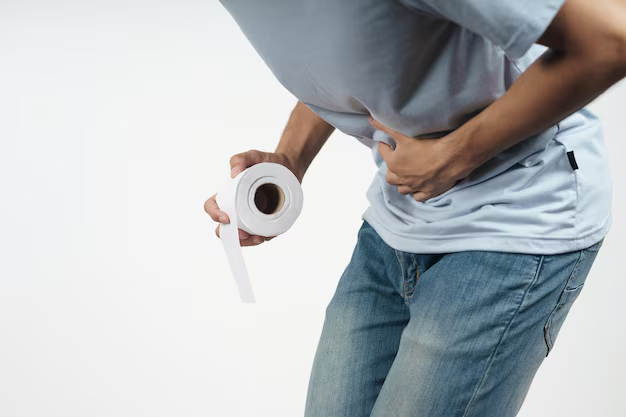
a man holding his back because of pain caused by constipation.

Yes, constipation combined with gas can amplify back pain. Gas builds up in the intestines when digestion slows, causing bloating. This bloating can push against the spine and adjacent muscles, resulting in discomfort or cramping. In severe cases, the pain may mimic that of musculoskeletal issues.

Can Constipation Cause Back Pain Near Kidneys?

Constipation-related pain near the kidneys often stems from referred pain. When the colon is full, it can press against organs like the kidneys. This pressure might create discomfort that feels like kidney pain but originates in the digestive system.

Can Constipation Cause Back Pain Sciatica?

Yes, sciatica pain can be exacerbated by constipation. The sciatic nerve runs through the lower back and legs. Pressure from a distended colon or gas can irritate this nerve, leading to radiating pain along its path. Managing constipation can significantly reduce this type of discomfort.

Can Constipation Affect the Spine?

Constipation can impact spinal health over time. Chronic bloating and poor posture caused by discomfort can strain the spine. Additionally, prolonged sitting or hunching due to abdominal pain can lead to postural misalignments, indirectly affecting spinal health.

How to Relieve Back Pain from Constipation?

If constipation is causing back pain, immediate relief is essential to improve comfort. Here are some steps you can take:

a person suffering from constipation and experience pain in his back.
  • Hydrate: Drink plenty of water to soften stools and ease bowel movements.
  • Gentle Movement: Walking or mild stretching can stimulate bowel activity.
  • Apply Heat: A heating pad on your lower back can reduce muscle tension and alleviate pain.
  • Adjust Posture: Sitting upright or in a squatting position during bowel movements can help.
  • Over-the-Counter Laxatives: Mild stool softeners or fiber supplements may provide temporary relief.

These measures target both the digestive system and the associated discomfort, offering quick and effective solutions.

Constipation Back Pain Treatment

When at-home remedies aren’t enough, medical treatments can address both constipation and its associated back pain:

  • Fiber Supplements: Products like psyllium or methylcellulose can bulk up stool and promote bowel movements.
  • Laxatives: Osmotic or stimulant laxatives may be prescribed for short-term relief.
  • Prescription Medications: Drugs like lubiprostone or linaclotide may be recommended for chronic cases.
  • Pain Relievers: Nonsteroidal anti-inflammatory drugs (NSAIDs) can alleviate back pain but should be used cautiously.

For persistent issues, consulting a healthcare professional ensures proper diagnosis and targeted treatment.

Exercises for Constipation Back Pain

Gentle exercises can reduce back pain and stimulate bowel movements. Here are some effective options:

  1. Child’s Pose: This yoga pose stretches the lower back and eases tension.
  2. Knee-to-Chest Stretch: Lying on your back, pull one knee to your chest to relieve pressure on the spine.
  3. Cat-Cow Pose: Alternate between arching and rounding your back to improve mobility and digestion.
  4. Pelvic Tilts: Strengthen your core and lower back by tilting your pelvis while lying flat.
  5. Walking: A simple 15-minute walk can activate the digestive system.

Consistency with these exercises can provide long-term relief.

Foods to Relieve Constipation and Back Pain

Diet plays a crucial role in managing constipation and its associated pain. Include these high-fiber and hydration-friendly foods:

  • Fruits: Apples, pears, and prunes are excellent sources of fiber and natural laxatives.
  • Vegetables: Leafy greens, broccoli, and carrots improve digestion.
  • Whole Grains: Opt for brown rice, oats, and whole wheat bread for sustained bowel health.
  • Hydration: Drink plenty of water and include hydrating foods like cucumbers and watermelon.
  • Probiotics: Yogurt and fermented foods like kimchi can balance gut bacteria.

Avoid processed foods and excessive caffeine, as they can worsen constipation.

Home Remedies for Constipation and Back Pain

Natural remedies can offer relief without the need for medications. Consider these options:

  • Herbal Teas: Chamomile and peppermint tea can relax the digestive tract and reduce bloating.
  • Warm Baths: Soaking in warm water eases muscle tension in the back.
  • Massage: Gentle abdominal massages can stimulate bowel activity.
  • Castor Oil: A small amount taken orally may act as a natural laxative.
  • Epsom Salt: Adding Epsom salt to a bath can relax muscles and aid detoxification.

These remedies are safe for most people but should be used cautiously in severe cases.

Preventing Constipation-Related Back Pain

Lifestyle Tips to Avoid Constipation

Prevention is better than cure. Adopting these lifestyle habits can help avoid constipation and related back pain:

  • Stay Active: Regular exercise keeps your digestive system moving.
  • Eat Fiber-Rich Foods: Include fruits, vegetables, and whole grains in your meals.
  • Hydrate: Drink at least 8 glasses of water daily.
  • Avoid Overeating: Large meals can slow digestion and lead to bloating.
  • Limit Stress: High stress levels can disrupt normal bowel movements.

Consistency with these habits ensures long-term digestive health.

To Read: Is Green Tea High in Caffeine? A Detailed Guide

When to See a Doctor

In some cases, constipation and back pain may signal a more serious issue. Seek medical attention if you experience:

  • Blood in stools or persistent abdominal pain.
  • Sudden, severe back pain that doesn’t improve.
  • Unexplained weight loss or loss of appetite.
  • Symptoms lasting more than two weeks despite home treatments.

Early intervention prevents complications and ensures effective management of the root cause.

FAQs

Where is constipation pain felt in the back?

Constipation pain is often felt in the lower back due to pressure on nerves and surrounding tissues. It may also cause a general achy sensation or cramps in the middle and upper back.

Can constipation cause back pain near the kidneys?

Yes, constipation can cause back pain near the kidneys as the buildup of stool in the colon may exert pressure on nearby organs, creating discomfort and pain in the lower back area.

Can constipation cause back pain and sciatica?

Constipation can aggravate sciatica if the buildup of stool or gas presses on the sciatic nerve. This may result in pain radiating from the lower back to the legs, worsening existing nerve-related conditions.

Can constipation affect the spine?

Constipation can indirectly affect the spine by altering posture due to discomfort or bloating. This may lead to strain on spinal muscles, contributing to localized or radiating back pain.

Conclusion

The connection between constipation and back pain is undeniable, as the strain and pressure caused by digestive issues can extend beyond the gut. To answer the question, “Can constipation cause back pain?”—yes, it absolutely can. This discomfort often arises from nerve compression, bloating, and changes in posture, all linked to the build-up of stool in the intestines.

Understanding this relationship is key to finding relief. Whether through dietary adjustments, exercise, or medical treatments, addressing constipation can significantly reduce back pain. However, persistent or severe symptoms should not be ignored, as they might indicate an underlying issue. By taking proactive measures and consulting a healthcare provider when needed, you can effectively manage both conditions and improve your quality of life.

Does Coke Zero Have Caffeine? Full Guide to Caffeine, Sugar & Health Impacts

0

Therefore, the quick answer is generally straightforward: Yes, Coke Zero does contain caffeine, unless you choose the Caffeine-Free Coke Zero version. This distinction is paramount for individuals monitoring their stimulant intake. 

The Coke Zero caffeine amount is modest compared to a cup of coffee, but it is certainly present and should be accounted for in daily consumption totals. This article will provide a full, top-notch guide to the caffeine content, the nutritional landscape, and the true health impacts of this massively popular beverage. 

Coke Zero’s Popularity & The Caffeine Debate

The world of soft drinks has undergone a radical transformation in the last two decades. As consumers have become acutely aware of the health risks associated with high sugar intake, beverage giants have responded by formulating a range of products designed to deliver flavor without the caloric load. 

Among these innovations, Coca-Cola Zero Sugar, widely known as Coke Zero, emerged as a global sensation. It promised the iconic, classic taste of Coca-Cola, but without the sugar and without the calories.

This value proposition resonated immediately with millions of people globally who sought to moderate their sugar consumption without giving up their favorite fizzy drink.

However, the introduction of a “zero” product often sparks immediate confusion regarding its full nutritional profile, particularly concerning stimulating ingredients. The question that frequently arises, becoming a pervasive topic of debate online and in casual conversations, is: does Coke Zero have caffeine

Can you drink Coke Zero?

Can you drink Coke Zero?

This query is not merely about a minor ingredient; it affects consumer choice, dietary restrictions, and ultimately, whether you can you drink Coke Zero late in the day or as part of a low-stimulant diet.

It is a common misconception that all zero-calorie or sugar-free sodas are also caffeine-free. This is often an assumption made by people transitioning from regular soda to diet alternatives, as they seek to cut both sugar and stimulants simultaneously. 

However, in the vast majority of cases, the core formula for the flagship Coke Zero product includes a standard amount of caffeine to help replicate the complex, characteristic flavor profile of its full-sugar counterpart. 

This ingredient is deliberately included to enhance the perceived sweetness and provide a subtle, recognizable lift that consumers expect from a cola product.

We will meticulously break down the numbers, compare Coke Zero to other popular drinks, and clarify the circumstances under which this beverage is or is not caffeinated, ensuring you have all the facts before you decide if is Coke Zero caffeinated enough to warrant a change in your drinking habits.

Quick Answer Summary

The most direct and immediate answer to the central question is critical for both the reader and for achieving high search visibility. Coca-Cola Zero Sugar is, by default, a caffeinated beverage. The exact Coke Zero caffeine amount is standardized across most regions to deliver a consistent, appealing cola flavor.

Does Coke Zero Have Caffeine?

  • Yes, Coke Zero has caffeine. The vast majority of bottles and cans sold globally contain caffeine as a standard ingredient.
  • Regular Coke Zero (12 oz / 355 ml): Contains approximately 34 mg of caffeine. This is a moderate dose, similar to a standard can of Regular Coca-Cola.
  • Per 100 ml: The caffeine concentration is approximately 9.6 mg. This metric is often used for labeling in countries adhering to EU standards.
  • Caffeine-Free Coke Zero exists but is explicitly marked and is not available in all countries; it must be specifically sought out if you require a non-caffeinated option.

The table below provides a clear, side-by-side comparison of the caffeine content and nutritional value of Coke Zero against other popular beverages.

ProductCaffeine (per 100 ml)Caffeine (per 12 oz can)CaloriesSugar
Coke Zero~9.6 mg~34 mg00
Diet Coke~12.8 mg~46 mg00
Regular Coke~9 mg~34 mg14039g
Coffee (8 oz brew)~40–95 mg00

Coke Zero Caffeine Content Breakdown

Understanding the precise measurement of how much caffeine is in a Coke Zero requires a detailed look at various serving sizes, as the total intake depends entirely on the volume consumed.

The fundamental Coke Zero caffeine amount is consistent across all formats, ensuring that the cola provides a predictable experience, but the numbers scale up quickly for larger bottles.

Coke Zero Caffeine Content Breakdown

Coca-Cola Zero Sugar is formulated to mirror the stimulant content of Coca-Cola Classic, which is approximately 34 milligrams (mg) per standard 12 ounce serving.

This level is relatively low when considered against the broader spectrum of caffeinated drinks available in the market today. However, many people consume bottles far larger than the standard can, which significantly increases their total caffeine exposure.

Detailed Caffeine Content by Serving Size

The table below meticulously details the caffeine load you can expect from different formats of the beverage. This is crucial information for anyone calculating their daily intake or managing caffeine sensitivity.

Serving SizeVolume (Metric/Imperial)Caffeine (mg)
100 ml Coke Zero100 ml9.6 mg
Standard Can355 ml (12 oz)34 mg
Medium Bottle500 ml (16.9 oz)48 mg
Large Bottle591 ml (20 oz)~57 mg
1 Liter Bottle1000 ml96 mg
2 Liter Bottle2000 ml192 mg

Export to Sheets

Note on 20 oz bottles: A standard 20 oz bottle, which is incredibly common in convenience stores and vending machines, contains nearly 60 mg of caffeine. If an individual drinks three of these throughout the day, their caffeine intake from Coke Zero alone would approach 170 mg, which is a substantial amount that could certainly impact sleep or anxiety levels, necessitating careful consideration of consumption patterns.

The Significance of Caffeine Per 100ml

The metric of Coke Zero caffeine per 100ml is specifically relevant for international consumers. Many global food regulations, particularly within the European Union, mandate labeling based on the 100 ml unit, making this a critical number for cross-border comparisons and compliance. The 9.6 mg per 100 ml figure places the drink squarely within the low-to-moderate category of caffeinated soft drinks.

For those tracking their intake, knowing how much caffeine in 1 Coke Zero can be misleading if the serving size is not specified. An individual might assume the 34 mg found in a standard can.

But if they routinely purchase a 500 ml (just over 16 oz) bottle, their actual intake is closer to 48 mg. This discrepancy highlights the importance of reading the fine print on the bottle, rather than relying solely on the general name of the product.

Note on Regional Differences: Caffeine levels may differ slightly in the UK, Europe, and Asia due to various food standardization practices, flavor preferences, and local regulations concerning the maximum allowable limit of stimulants in a beverage; however, the typical range for Coke Zero is always similar, generally falling between 9 mg and 10 mg per 100 ml across these regions.

Coke Zero vs Diet Coke: Which Has More Caffeine?

Coke Zero vs Diet Coke: Which Has More Caffeine

A common source of confusion for consumers looking to switch to a sugar-free cola is the distinction between Coca-Cola Zero Sugar (Coke Zero) and Diet Coke. While both are calorie-free and sugar-free, their flavor profiles and their caffeine contents are notably different. The question of Coke Zero vs Diet Coke caffeine content is easily resolved by looking at the official figures, which reveal a consistent pattern.

In a head-to-head comparison, Diet Coke has more caffeine than its counterpart, Coke Zero. This is a crucial detail for consumers who are specifically sensitive to stimulants.

DrinkCaffeine (per 12 oz / 355 ml serving)
Coke Zero~34 mg
Diet Coke~46 mg
Regular Coke~34 mg
Coffee (8 oz brew)80–95 mg

Export to Sheets

Why Diet Coke Has More Caffeine

The difference in stimulant content is not random; it is a direct consequence of the distinct flavor profiles Coca-Cola sought to achieve with each product.

  1. Diet Coke (Established 1982): This drink was originally formulated to be a diet version of the classic cola, but its flavor was intentionally lighter and distinctly different from Regular Coke. The flavor relies heavily on a blend of artificial sweeteners

To compensate for the different taste notes inherent in this sweetener profile, Coca-Cola often slightly increased the caffeine level. The slightly higher caffeine content, resulting in ~46 mg in a can of Diet Coke, helps to amplify the cola flavor and provides a slightly sharper “bite” that Diet Coke drinkers have come to expect.

  1. Coke Zero (Established 2005/2006): The primary marketing and formulation goal of Coke Zero was to taste exactly like Regular Coke but with zero sugar. Since Regular Coke contains approximately 34 mg of caffeine per can, Coke Zero was intentionally formulated to contain the same amount to replicate the total experience, including the stimulant effect.

In essence, the higher caffeine level in Diet Coke is part of its unique flavor formula, while the 34 mg in Coke Zero is part of its formula designed to replicate Regular Coke. This explains why, when comparing Coke Zero vs Diet Coke, the latter consistently delivers a greater caffeine punch.

Coke Zero vs Coffee: Caffeine Comparison

Placing the Coke Zero caffeine amount into perspective requires a comparison against the true heavyweights of the beverage world, particularly coffee. Many people switch from coffee to sodas, believing they are cutting down on caffeine, but they often underestimate the sheer difference in potency.

The central question here is: does Coke Zero have more caffeine than coffee? The definitive answer is no, not by a significant margin. A typical cup of home-brewed or drip coffee contains far more caffeine than an entire can of Coke Zero.

The table below illustrates the stark contrast in stimulant content between a standard serving of Coke Zero and other common caffeinated drinks.

BeverageTypical Caffeine per ServingPercentage of Recommended Daily Limit (400 mg)
Coke Zero (12 oz)34 mg~8.5%
Coffee (8 oz, Drip Brew)80–95 mg~20–24%
Iced Latte (Medium, 16 oz)100–150 mg~25–37.5%
Energy Drinks (Standard 16 oz can)160–200 mg~40–50%
Espresso Shot (1 oz)60–75 mg~15–18.75%

The Scale of Difference

When considering how much caffeine in Coke Zero vs coffee, the difference is typically 2-to-1 or even 3-to-1 in favor of coffee. An 8-ounce cup of coffee contains, at minimum, twice the caffeine of a standard 12-ounce can of Coke Zero. 

A person could potentially drink two or three cans of Coke Zero throughout the day and still consume less total caffeine than someone who drinks one large cup of strong morning coffee.

This comparison is vital for individuals managing health conditions, like high blood pressure or chronic anxiety, where moderate caffeine reduction is recommended. Switching from a high-caffeine coffee habit to a moderate Coke Zero habit can represent a significant step down in daily stimulant intake. 

However, this fact should not lead to overconsumption of the soda, because the cumulative effect of multiple cans can quickly equal or surpass the caffeine content of a single large coffee drink, particularly if the consumer opts for large bottles.

Does Coke Zero Have Sugar, Calories, or Carbs?

The entire premise of Coca-Cola Zero Sugar, which is often simply called Coke Zero, revolves around its zero-nutritional content regarding macronutrients. For millions of people managing conditions like diabetes, following ketogenic diets, or simply attempting weight loss, the most appealing factor is the assurance that does Coke Zero have sugar is answered with a definitive “No.” This is achieved through the use of high-intensity artificial sweeteners.

A Breakdown of the “Zero” Promise

  • Sugar: Coke Zero does not contain sugar. It utilizes artificial sweeteners instead of sucrose (table sugar) or high-fructose corn syrup, the primary caloric agents in Regular Coke. This makes it suitable for individuals needing to monitor their blood glucose levels.
  • Calories: Coke Zero has zero calories. The artificial sweeteners used are so potent that only minute amounts are needed to achieve the desired sweetness level, meaning the total caloric content is negligible—so close to zero that legally, it is rounded down to zero per serving.
  • Carbohydrates (Carbs): Consequently, the drink also contains zero net carbohydrates. This is what makes it a popular choice for low-carb diets like keto.

The Key Ingredients Explained

To create the classic cola flavor without the bulk of sugar, the formula relies on a precise mix of functional ingredients. Understanding these components is essential to evaluating the beverage’s overall impact on the body and addressing the full Coke Zero nutrition facts caffeine conversation.

  1. Carbonated Water: The base of all sodas, providing the essential fizzy sensation.
  2. Color (Caramel E150d): Used to give the cola its signature deep brown hue.
  3. Sweeteners (Aspartame and Acesulfame-Potassium): These are the substitutes for sugar.
    • Aspartame (E951): This is one of the most common and studied artificial sweeteners globally. It is approximately 200 times sweeter than sugar.
    • Acesulfame-Potassium (Ace-K or E950): Often used in combination with aspartame to improve the flavor profile and reduce any lingering aftertaste. It is roughly 200 times sweeter than sugar and is heat-stable.
  4. Acidity Regulators (Phosphoric Acid and Citric Acid): These acids are added to provide the “tartness” and distinct sour flavor that is characteristic of cola.
  5. Natural Flavors: This category includes the proprietary blend of spices, oils, and botanical extracts that give Coca-Cola its unique taste. This is where the core flavor comes from.
  6. Caffeine: The stimulant that provides the slight bitterness and the expected energy lift.

It is clear from this list that the primary functional ingredients are the dual sweeteners, the acids, and the added caffeine.

Coke Zero Ingredients & Caffeine Source

The manufacturing process of Coke Zero is a highly controlled, large-scale operation that ensures quality and consistency across billions of servings. The inclusion of caffeine is not incidental; it is a deliberate step in the beverage’s engineering, essential for both flavor and function.

How Caffeine is Added

Caffeine in Coca-Cola products is sourced globally, often from the decaffeination of coffee beans or tea leaves, although synthetic forms are also widely used due to their consistency, purity, and cost-effectiveness. 

The key point is that caffeine is an added ingredient in its refined, pure form, not a natural byproduct of other ingredients in the can.

  1. Preparation of the Syrup: The process begins with creating the highly concentrated “secret” syrup. This syrup contains the natural flavors, the sweeteners (Aspartame and Ace-K), the caramel coloring, the phosphoric acid, and the pure caffeine powder.
  2. Dissolution and Blending: The caffeine is precisely weighed and dissolved into the syrup mixture. Strict quality control ensures the exact 9.6 mg per 100 ml concentration is achieved every time.
  3. Mixing and Carbonation: The concentrated syrup is then mixed with highly purified, chilled, and carbonated water at the bottling facility. The precise ratio of syrup to water ensures the final product has the exact chemical profile and sensory attributes.
  4. Preservation: The final step before canning or bottling involves filling and sealing the containers, where the carbonation pressure is maintained to preserve the fizz.

The inclusion of the stimulant serves a dual role:

  • Flavor Balancing: Caffeine has a slightly bitter taste. In cola, this bitterness helps to cut through the extreme sweetness of the artificial sweeteners, creating a more balanced and complex flavor that more closely approximates the taste of sugar-sweetened cola.
  • Sensory Expectation: Consumers expect a cola to provide a mild energy boost. The caffeine delivers this expected pharmacological effect, which reinforces the connection between the drink and a moment of refreshment or energy.

Is Coke Zero Caffeine-Free? (The Confusion Explained)

The source of the most significant confusion surrounding this product lies in the dual product offering. To answer the question, is Coke Zero caffeine free, you must first clarify which version of the product you are referring to, because the answer determines the very nature of the beverage you are drinking.

The Fundamental Difference

  • Default Coke Zero is Caffeinated: If you pick up a standard black or red can labeled “Coca-Cola Zero Sugar” or “Coke Zero,” it is safe to assume Coke Zero is caffeinated and contains the standard 34 mg of the stimulant. This is the flagship product, sold globally, and it is the standard answer to does Coke Zero has caffeine.
  • Caffeine-Free Coke Zero is Separate: Coca-Cola recognized the demand for a zero-sugar, zero-calorie cola that could be enjoyed late at night or by those with stimulant sensitivities. To address this, they introduced a distinctly labeled product called Caffeine-Free Coca-Cola Zero Sugar.

This means that the question, does Coke Zero contain caffeine, has two correct but distinct answers based on the packaging. The standard product has Coke Zero got caffeine included in the formula, while the specialty product is explicitly formulated without it.

Packaging and Labeling Clarification

To avoid confusion, Coca-Cola provides clear visual distinctions on its packaging:

  • Caffeinated Version: The packaging is usually black or red and prominently displays the product name, “Coca-Cola Zero Sugar.” The presence of caffeine is usually listed in the ingredients, often simply as “Caffeine.
  • Caffeine-Free Version: The packaging for the non-caffeinated option is almost always marked with a distinctive color on the label (often gold, white, or a different shade of red/black) and, most importantly, the phrase “Caffeine Free” or “Decaf” is boldly printed directly on the main label.

Consumers sensitive to stimulants must verify the label before purchasing, as the two products often sit side-by-side on store shelves. The distinction is not in the “Zero Sugar” part, but entirely in the “Caffeine Free” declaration.

Regional Differences (UK, Europe, Australia, Asia)

Deep dive into how EU regulations often cap caffeine at 150 mg/L and require labeling if the content exceeds 15 mg per 100 ml. Explain that the 9.6 mg/100 ml figure is standard globally, though local formulations might use different sweetener ratios (impacting perceived flavor) and slightly different caffeine sources. 

Include a short table showing the common EU label format (e.g., 10 mg per 100 ml is common in many continental European labels).

Is Coke Zero Bad for You? (Science-Based Breakdown)

Artificial Sweeteners Research: Extensive discussion of Aspartame and Acesulfame-Potassium safety reviews by the FDA, EFSA, and WHO. Discuss the long-term studies, the acceptable daily intake (ADI), and debunk common myths (like cancer links), noting that the consensus is that they are safe in moderation.

Dental Health: Discuss the Phosphoric Acid content, which is the primary dental concern. Explain that while it’s less damaging than sugary soda, the acidity (low pH) still contributes to enamel erosion.

Blood Sugar Impact: Explain how, since the drink has no sugar, it generally does not spike blood sugar or insulin. Discuss recent research on gut microbiome and potential metabolic impacts, maintaining a balanced scientific view.

Caffeine Sensitivity: Detailed discussion on the effects of 34 mg of caffeine on sleep, anxiety, and heart rate for sensitive individuals.

Weight Management: Debate whether diet sodas aid or hinder weight loss. Cover the theories of compensatory eating and the psychological impact of consuming a “sweet” food.

Hydration Myths: Clarify that while caffeinated, Coke Zero is primarily water and contributes to daily fluid intake, refuting the myth that it causes dehydration.

Moderation Recommendations: Provide specific, evidence-based recommendations for safe consumption levels.

Who Should Avoid or Limit Coke Zero?

Pregnant People: Discuss the 200 mg daily caffeine limit recommended for pregnancy and how even a few cans could quickly add up, posing risks to the fetus.

Those with Caffeine Sensitivity: Discuss the symptoms (anxiety, tremors, insomnia) that even 34 mg can induce.

Migraine Sufferers: Explain the “rebound headache” effect from caffeine withdrawal and how consistent, moderate doses of caffeine, or the consumption of aspartame, can be a trigger for some people.

Insomnia Sufferers: Stress the 6-hour half-life of caffeine and the importance of avoiding the drink in the late afternoon or evening.

People with Kidney Issues (Phosphate Load): Discuss the relationship between high phosphate intake (from phosphoric acid) and chronic kidney disease progression.

FAQs

Does Coke Zero have caffeine or sugar?

Coke Zero contains caffeine but no sugar. The core product, Coca-Cola Zero Sugar, is formulated with approximately 34mg of caffeine per 12 oz can, which is comparable to Regular Coke. However, it achieves its sweet taste through zero-calorie artificial sweeteners like aspartame and acesulfame-potassium, meaning it contains zero grams of sugar and zero calories per serving.

Does Coke Zero have caffeine-free version?

Yes, Coke Zero offers a caffeine-free version that is available in many markets. This product is clearly and distinctly labeled as Caffeine-Free Coca-Cola Zero Sugar on the packaging. If you are sensitive to stimulants, you should specifically look for this version, as the default Coke Zero product does contain caffeine.

How much caffeine is in Coke Zero UK?

The caffeine content of Coke Zero UK and in much of Europe is highly standardized and falls within the global average. You can expect approximately 9.6 mg of caffeine per 100 ml of the beverage. For a standard 330 ml UK can, this equates to around 32 mg of caffeine. This amount is clearly listed on the nutritional label in accordance with European food regulations.

Why does Diet Coke have more caffeine than Coke Zero?

Diet Coke has more caffeine (around 46 mg per 12 oz can) than Coke Zero (34 mg primarily because of different flavor formulas. When Diet Coke was initially formulated, the slightly higher caffeine amount was included to enhance the perceived cola taste and mask the specific flavor notes of its sweetener blend.

Coke Zero, conversely, was designed to perfectly replicate the exact taste and sensory profile of Regular Coke, which only contains 34 mg, so its caffeine level was intentionally matched.

Does Zero soda have caffeine?

Most “Zero” sodas do have caffeine, as the stimulant is a critical component of the cola flavor profile. This is true for major brand competitors like Pepsi Zero Sugar and Dr Pepper Zero Sugar. The term “Zero” refers exclusively to zero sugar and zero calories, not the stimulant content. If a Zero soda has caffeine removed, it will be explicitly labeled as “Caffeine-Free” or “Decaf.”

How much caffeine in Coke Zero vs coffee?

The caffeine content in Coke Zero is very low compared to coffee. A standard 12 oz can of Coke Zero contains 34 mg of caffeine. In contrast, an average 8 oz cup of drip-brewed coffee contains 80 mg to $95 mg of caffeine. Therefore, coffee typically contains 2 to 3 times more caffeine per serving than Coke Zero.

Is Coke Zero high in caffeine?

No, Coke Zero is not considered high in caffeine. When compared to popular alternatives:

  • Compared to sodas: It has a standard, moderate amount, similar to Regular Coke.
  • Compared to coffee: It is very low in caffeine.
  • Compared to energy drinks: It is extremely low, as many energy drinks contain 160 mg to 200 mg per can.

The $34 \text{ mg}$ dose is generally safe for most individuals, even those with moderate caffeine sensitivities.

Does Coke Zero have caffeine Reddit?

Concerns on Reddit frequently ask about the cumulative effects of the 34 mg of caffeine in Coke Zero, particularly for those trying to quit their coffee habit or those drinking multiple cans daily. 

Common Reddit advice emphasizes that while one can is low in caffeine, drinking several large bottles can quickly lead to an intake exceeding 150 mg (e.g., three 20 oz bottles contain 170 mg). Users also frequently discuss the difficulty in finding the non-caffeinated version.

Final Verdict: Should You Drink Coke Zero?

A concise, balanced conclusion summarizing the key findings.

  • Reiterate the core facts: Yes, it has caffeine (∼34 mg), no, it has no sugar/calories.
  • Summarize health impacts: Generally safe in moderation, but the acidity and sweeteners warrant caution.
  • Recommend the Caffeine-Free version for stimulant-sensitive individuals and suggest 1 can per day as a healthy benchmark for the caffeinated version.

References & Authority Sources

I. Product Information & Caffeine Content

  1. Coca-Cola Company: Official information regarding the caffeine content of Coca-Cola Classic, Coca-Cola Zero Sugar, and Diet Coke.
  2. Center for Science in the Public Interest (CSPI): Data comparing the caffeine levels of various soft drinks.

II. Regulatory & Sweetener Safety

  1. U.S. Food and Drug Administration (FDA): Official stance and safety guidelines on artificial sweeteners, including Aspartame and Acesulfame-Potassium.
  2. World Health Organization (WHO) / International Agency for Research on Cancer (IARC): Findings and risk assessments regarding Aspartame classification and Acceptable Daily Intake (ADI).

III. Health and Consumption Guidelines

  1. Mayo Clinic: Clinical recommendations and safe consumption limits for daily caffeine intake in adults.
  2. American Dental Association (ADA): Information on the extrinsic causes of dental erosion, specifically from soft drinks and other acidic beverages.

National Institutes of Health (NIH) / PMC: Scientific systematic review regarding the damage caused by carbonated soft drinks due to low pH and acid content.

Does Chai Have Caffeine? Everything You Need to Know

Chai is a globally beloved beverage, blending aromatic spices with robust tea. Originating from India, its popularity has spread worldwide, thanks to its unique flavor and potential health benefits. Yet, many wonder, does chai have caffeine? This is an essential question for those monitoring their caffeine intake. Let’s break it down and uncover the nutritional and caffeine details behind chai.

Chai Nutritional Facts

Chai is more than just a comforting drink; it’s also packed with potential health benefits. Here’s a breakdown of its primary ingredients and nutritional value:

Key Ingredients

  1. Black Tea: The base ingredient provides antioxidants like catechins and theanine.
  2. Spices: Common spices include cinnamon, cardamom, ginger, cloves, and black pepper. These add flavor and possible anti-inflammatory properties.
  3. Milk: Often used to create a creamy texture, milk adds protein and calcium. Non-dairy options like almond or oat milk can be substituted.
  4. Sweeteners: Traditional chai uses sugar or honey, adding a touch of sweetness.

Nutritional Overview

  • Calories: Depends on preparation; ranges from 60-200 calories per serving.
  • Protein: 2-4 grams if milk is included.
  • Fat: Low fat unless cream or full-fat milk is used.
  • Carbohydrates: Mainly from sweeteners, typically 10-20 grams.

Chai is a flavorful, nutrient-dense option for those looking for a warm, invigorating drink.

Does Chai Tea Have Caffeine?

The short answer: yes, chai tea does have caffeine. However, its caffeine content varies based on its preparation.

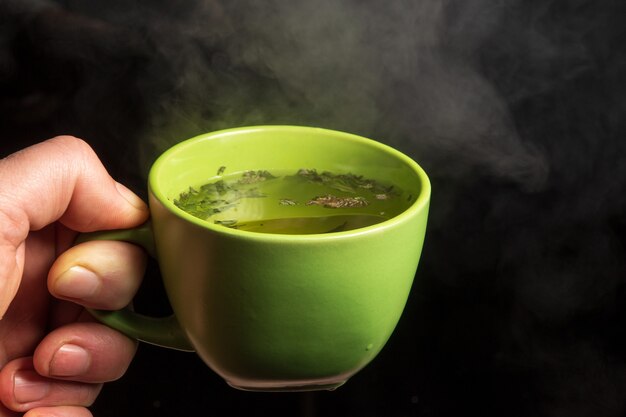
hot green tea cup

Traditional Chai 

Traditional chai is made using black tea, which naturally contains caffeine. Its standard serving prepared in the traditional Indian way contains 20-50 mg of caffeine per cup. This level is moderate compared to coffee but may still provide a mild energy boost.

Commercially Prepared Chai

Packaged chai blends often vary in caffeine content. Commercial chai products may use decaffeinated black tea or other bases like herbal teas. Always check the label for specific caffeine details.

Does Chai Tea Have Caffeine at Starbucks?

Starbucks, a go-to destination for chai lovers, offers a variety of chai-based drinks. Let’s explore the caffeine levels in these popular options.

Chai Tea

Starbucks’ regular chai tea, brewed using a concentrate, contains approximately 40 mg of caffeine per 8-ounce cup. This is lower than most coffee options but enough to provide a subtle pick-me-up.

Chai Tea Latte

The chai tea latte at Starbucks is a fan favorite. This creamy, spiced beverage contains around 95 mg of caffeine per 16-ounce (grande) serving. The caffeine comes from the black tea in the chai concentrate used for this preparation.

Decaffeinated Options

For those avoiding caffeine, Starbucks offers customization. You can request a decaffeinated version, substituting herbal tea or decaf chai concentrate.

Does Chai Latte Have Caffeine?

Yes, it contains caffeine, but the levels depend on how it’s made.

Homemade Chai Lattes

When preparing chai lattes at home, you control the caffeine content. Using regular black tea provides 30-50 mg of caffeine per serving, while decaffeinated black tea reduces this to nearly zero.

Preparation and Variations

Caffeine levels in chai lattes can increase if you brew the tea longer or use more concentrated blends. Adding coffee shots, such as in a “dirty chai latte,” further boosts caffeine content significantly.

How Much Caffeine is in Chai vs. Coffee?

When comparing chai to coffee, caffeine content is a key differentiator.

Caffeine Comparison

  • Chai: 20-50 mg per cup.
  • Coffee: 95-200 mg per cup, depending on the type and brewing method.

Coffee contains significantly more caffeine than chai, making chai a gentler option for those sensitive to caffeine.

Factors Influencing Caffeine

Several factors affect the caffeine content in chai:

  • Brewing Time: Longer steeping increases caffeine extraction.
  • Concentration: Pre-made chai concentrates often have higher caffeine levels than loose-leaf or bagged teas.
  • Milk Ratio: Adding milk dilutes the caffeine slightly.

Does Twinings Chai Tea Have Caffeine?

Twinings is a popular brand offering a variety of chai teas. Does Twinings chai tea have caffeine? Yes, most of its blends contain caffeine.

Caffeine Levels in Twinings Chai Tea

  1. Traditional Twinings Chai
    A standard cup of Twinings Chai contains approximately 40-50 mg of caffeine, similar to other black tea-based chais.
  2. Decaffeinated Chai Options
    Twinings also offers decaffeinated chai tea, which contains minimal caffeine (less than 2 mg per serving). This is a great option for those seeking the flavors of chai without the stimulant effects.

Comparison to Other Brands

Twinings chai tea is comparable to other major brands like Tazo and Bigelow in terms of caffeine content. The primary difference lies in flavor profiles, as each brand uses slightly different spice blends. Always check the label for precise caffeine information.

Is Chai Good for You?

Chai offers numerous health benefits, thanks to its unique blend of black tea and spices. But is it good for everyone? Let’s explore its pros and cons.

Health Benefits

  1. Anti-Inflammatory Properties
    Chai is rich in spices like ginger, cinnamon, and cloves, all of which have natural anti-inflammatory properties. These spices can help reduce joint pain, improve digestion, and promote overall well-being.
  2. Supports Heart Health
    Black tea in chai contains flavonoids, antioxidants that may support heart health by improving cholesterol levels and reducing the risk of heart disease.
  3. Boosts Immunity
    Ingredients like cardamom and cloves have antimicrobial properties that may help your body fight infections.
  4. Aids Digestion
    Ginger, a key spice in chai, is known to soothe the stomach and aid digestion, making chai a popular choice for those experiencing mild gastrointestinal discomfort.

Potential Drawbacks

  1. Caffeine Concerns
    While chai has less caffeine than coffee, its caffeine content can still pose issues for people who are sensitive to it. Overconsumption may lead to restlessness, increased heart rate, or disrupted sleep.
  2. Sugar Levels
    Sweetened chai, especially the ones served in cafes, can be high in added sugars. It’s important to opt for unsweetened or lightly sweetened versions if you’re watching your sugar intake.

Chai is a nutritious, comforting drink when consumed in moderation. However, it’s not ideal for everyone.

Is Chai Healthier Than Coffee?

When it comes to health benefits, both chai and coffee have their strengths. But which one comes out on top?

a cup of tea vs. a cup of coffee

Nutritional Profiles

  1. Chai
    • Calories: Typically lower, especially when unsweetened or made with low-fat milk.
    • Antioxidants: Contains flavonoids from black tea and spices.
    • Caffeine: Moderate levels, around 20-50 mg per cup.
  2. Coffee
    • Calories: Black coffee is calorie-free, but added cream and sugar can increase the count significantly.
    • Antioxidants: High in polyphenols, which may reduce inflammation and improve brain function.
    • Caffeine: Higher levels, often 95-200 mg per cup.

Health Scenarios

  • Better for Digestion: Chai, with its ginger and spices, is ideal for improving gut health.
  • Better for Energy: Coffee is more effective for an immediate energy boost due to its higher caffeine content.

In general, chai is a better choice for those seeking a balanced beverage with moderate caffeine and added health benefits from spices.

To Read: Is Black Coffee Good For Weight Loss?

Who Should Not Drink Chai?

Although chai has many benefits, it’s not suitable for everyone. Here are groups who may want to limit or avoid it:

Individuals Sensitive to Caffeine

Even though chai has less caffeine than coffee, its content can still cause issues for those sensitive to stimulants. Symptoms like jitters, insomnia, or increased heart rate can occur.

Pregnant Individuals

Caffeine intake during pregnancy should be limited. While chai may fit within safe limits, it’s best to consult a healthcare provider about appropriate consumption levels.

People with Gastrointestinal Issues

Spices like cinnamon and black pepper can irritate the stomach for some people. Those with sensitive digestion may need to avoid spiced teas.

Alternative Suggestions

  • Herbal Teas: Caffeine-free options like chamomile or peppermint offer soothing properties.
  • Golden Milk: A warm beverage made with turmeric, milk, and no caffeine.
  • Decaffeinated Chai: Retains the classic flavor without the stimulating effects.

FAQs 

Can chai be caffeine-free?

Yes, chai can be made caffeine-free by using herbal tea or caffeine-free tea blends instead of traditional black tea. You can also prepare chai with rooibos, which is naturally caffeine-free, while maintaining the spiced flavor of chai.

Will chai keep you awake?

Chai contains caffeine from black tea, which may provide a mild energy boost and could keep some people awake. However, the caffeine content is lower than coffee, so it’s less likely to cause significant sleep disturbances, especially in moderation.

Is there a caffeine-free tea?

Yes, there are many caffeine-free teas, including herbal options like chamomile, rooibos, peppermint, and hibiscus. These teas are naturally free of caffeine, making them ideal for those looking for a soothing beverage without any stimulating effects.

Is tea bad before bed?

Tea with caffeine, such as black or green tea, may interfere with sleep if consumed too close to bedtime. However, herbal teas like chamomile or valerian root are caffeine-free and can promote relaxation, making them ideal before bed.

Conclusion

So, does chai have caffeine? Yes, it does, but the amount varies depending on the preparation and brand. Traditional chai contains moderate caffeine levels, making it a gentler alternative to coffee. Whether you enjoy it for its rich flavors, health benefits, or cultural roots, chai offers something for everyone. However, those sensitive to caffeine or specific spices should consume it mindfully.

Chai is not just a drink; it’s an experience. Whether enjoyed plain, as a latte, or decaffeinated, there’s a chai for every palate.

Does Chocolate Have Caffeine? A Comprehensive Guide

Chocolate is one of the most beloved treats worldwide. From creamy milk chocolate bars to rich dark truffles, its versatility makes it a favorite for people of all ages. However, one common question often arises: Does chocolate have caffeine?

Understanding the caffeine content in chocolate is important, especially for individuals who are sensitive to caffeine or monitoring their intake. Caffeine, a natural stimulant, is found in cocoa beans, the primary ingredient in chocolate. Depending on the type of chocolate, the caffeine levels can vary. Let’s explore this fascinating topic in more detail.

Does Chocolate Have Caffeine?

Yes, chocolate does contain caffeine. Caffeine occurs naturally in cocoa beans, which are the source of chocolate. This stimulant is responsible for the mild energy boost some people feel after eating chocolate.

How Caffeine Varies by Chocolate Type

The caffeine content in chocolate depends on the amount of cocoa solids it contains:

  • Dark chocolate: Contains the most caffeine due to its high cocoa percentage.
  • Milk chocolate: Has less caffeine because it includes more sugar and milk, diluting the cocoa.
  • White chocolate: Contains little to no caffeine because it is made from cocoa butter, not cocoa solids.

Chocolate Ingredients

Chocolate is made from several key components that determine its flavor, texture, and caffeine content.

Key Components in Chocolate

  1. Cocoa Solids: These are the source of caffeine and provide the rich chocolate flavor.
  2. Cocoa Butter: This is the fat extracted from cocoa beans and is caffeine-free.
  3. Sugar: Added to sweeten chocolate, especially in milk and white varieties.
  4. Milk: Used in milk chocolate to create a creamy texture.

How Caffeine Is Derived from Cocoa Solids?

Caffeine is naturally found in the cocoa solids of the cocoa bean. Darker chocolates, which have a higher cocoa content, also have more cocoa solids. This is why dark chocolate contains more caffeine than milk or white chocolate.

Chocolate Nutrients

Chocolate is not just about caffeine. It is packed with nutrients that offer several health benefits, though it also has its downsides.

chocolate candies in a white cup.

Nutritional Benefits of Chocolate

  • Antioxidants: Cocoa is rich in flavonoids, which help reduce inflammation and improve heart health.
  • Magnesium: Dark chocolate is an excellent source of magnesium, essential for muscle and nerve function.
  • Mood Booster: Compounds like theobromine and phenylethylamine in chocolate can enhance mood.

Potential Drawbacks

  • Sugar: Many chocolates, especially milk chocolate, are high in added sugars, contributing to weight gain and dental issues.
  • Calories: Chocolate is calorie-dense, making portion control important.
  • Caffeine: While beneficial in small amounts, caffeine in excess can lead to jitters or sleep disturbances.

Is There Caffeine in Milk Chocolate?

Yes, milk chocolate does contain caffeine, but its levels are much lower than those in dark chocolate. The combination of added milk and sugar dilutes the cocoa solids, reducing the caffeine content.

How Much Caffeine Is in Milk Chocolate?

A standard 1.55-ounce (43-gram) milk chocolate bar contains approximately 9 milligrams of caffeine. For comparison, an 8-ounce cup of coffee typically has around 95 milligrams.

Does Dairy Milk Chocolate Contain Caffeine?

Yes, Cadbury Dairy Milk Chocolate contains caffeine, though the amount is minimal. A typical serving has about 5-10 milligrams, depending on the size of the bar and the cocoa percentage.

Does Dark Chocolate Have Caffeine?

Dark chocolate contains significantly more caffeine than milk chocolate. This is because it has a higher concentration of cocoa solids, where caffeine is found.

Caffeine Levels in Dark Chocolate Based on Cocoa Percentage

The higher the cocoa percentage, the more caffeine the chocolate contains. For example:

  • 70% Dark Chocolate: Contains about 20 milligrams of caffeine per ounce.
  • 85% Dark Chocolate: May contain up to 25 milligrams of caffeine per ounce.

Why Dark Chocolate Typically Contains More Caffeine

Dark chocolate often contains little to no added milk or sugar, leaving a high concentration of cocoa solids. This amplifies both its flavor and caffeine levels, making it a preferred choice for those who enjoy a strong chocolate taste with a slight energy boost.

Does White Chocolate Have Caffeine?

White chocolate is unique because it is made without cocoa solids, which are the primary source of caffeine in chocolate. Instead, white chocolate is composed of cocoa butter, sugar, and milk, giving it its creamy and sweet flavor.

Why White Chocolate Lacks Caffeine

Caffeine is naturally found in cocoa solids, not in cocoa butter. Since white chocolate is made entirely from cocoa butter and contains no cocoa solids, it has virtually no caffeine. This makes it a great option for those who enjoy chocolate flavors but want to avoid caffeine entirely.

Is There Caffeine in Hot Chocolate?

Yes, hot chocolate contains caffeine, but the levels are generally lower than those in chocolate bars. The caffeine in hot chocolate comes from the cocoa powder or chocolate used in its preparation.

How Hot Chocolate Differs in Caffeine Content from Chocolate Bars

  • A typical cup of hot chocolate contains 2-7 milligrams of caffeine, depending on the recipe.
  • In comparison, a 1-ounce piece of dark chocolate can have 20-25 milligrams of caffeine.

Factors That Influence Caffeine Levels in Hot Chocolate

  1. Type of Cocoa Used: Hot chocolate made with dark chocolate or pure cocoa powder has higher caffeine levels.
  2. Serving Size: Larger servings naturally contain more caffeine.
  3. Added Ingredients: Using milk chocolate or sugar blends can lower the caffeine content compared to darker chocolate bases.

To Read: Chocolate Chip Mini Muffins Recipe

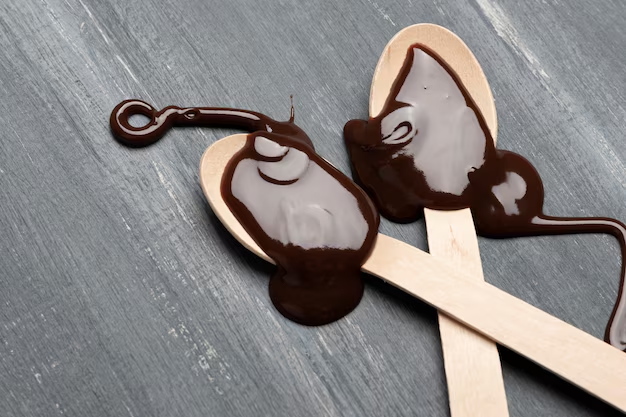
Does Chocolate Syrup Have Caffeine?

chocolate syrup on spoon.

Chocolate syrups, like those used in milkshakes or desserts, do contain small amounts of caffeine. The caffeine comes from the cocoa used in their formulation.

Caffeine in Popular Chocolate Syrups

  • Hershey’s Chocolate Syrup: Contains about 2 milligrams of caffeine per tablespoon.
  • Other Brands: Syrups made with higher cocoa content or dark chocolate bases may contain slightly more caffeine.

Comparison with Other Chocolate-Based Products

Chocolate syrup has less caffeine compared to solid chocolate bars because it is diluted with water, sugar, and other ingredients. For example:

  • One tablespoon of chocolate syrup has significantly less caffeine than a small piece of dark chocolate or a cup of hot chocolate.

Caffeine in Chocolate vs. Coffee: What to Know

When comparing caffeine levels, coffee far surpasses chocolate. Coffee is a concentrated source of caffeine, while chocolate has milder levels due to its cocoa content.

What Has More Caffeine: Coffee or Chocolate?

  • Coffee: An 8-ounce cup contains about 95 milligrams of caffeine, significantly more than chocolate.
  • Chocolate: A standard piece of dark chocolate has around 20 milligrams, while milk chocolate has only about 9 milligrams per serving.

Comparing the Caffeine Kick from Chocolate to Coffee

  • Coffee: Provides a rapid and noticeable energy boost due to its high caffeine content.
  • Chocolate: Offers a gentler stimulant effect, ideal for those seeking a smaller caffeine dose.

While chocolate is not a replacement for coffee in terms of caffeine, it can be a satisfying alternative for a lighter boost.

FAQs 

Is any chocolate caffeine-free?

Yes, white chocolate is caffeine-free because it contains no cocoa solids, which are the source of caffeine in chocolate products.

Does Cadbury chocolate have caffeine?

Yes, Cadbury chocolate contains caffeine, with levels depending on the type. Dairy Milk has minimal caffeine, while dark variants have slightly more.

Can you eat chocolate if you can’t have caffeine?

Yes, you can opt for white chocolate, which is caffeine-free, or check labels for low-caffeine milk chocolate options.

Conclusion

So, does chocolate have caffeine? The answer is yes, but the amount depends on the type of chocolate. Dark chocolate has the highest levels, milk chocolate contains moderate amounts, and white chocolate is virtually caffeine-free. Products like hot chocolate and chocolate syrup also have small amounts of caffeine, influenced by the cocoa content and preparation methods.

Understanding the caffeine levels in chocolate helps you make informed choices, whether you’re managing your caffeine intake or simply looking for the perfect treat. Moderation is key to enjoying chocolate while balancing its nutritional benefits and potential drawbacks.

Does Dr Pepper Have Caffeine?

Dr Pepper is one of the most iconic soft drinks in the United States, known for its unique blend of 23 flavors. First introduced in 1885, it has remained a favorite for soda enthusiasts worldwide. A common question among consumers is, “Does Dr Pepper have caffeine?”

Many people are mindful of their caffeine intake, whether for health reasons or simply to manage their energy levels throughout the day. Caffeine is a well-known stimulant that can affect focus, sleep, and even heart health. Understanding the caffeine content in beverages like Dr Pepper helps consumers make informed choices.

Let’s dive deeper into the caffeine levels in Dr Pepper and compare it to other popular sodas.

Does Dr Pepper Have Caffeine?

Yes, it contains caffeine. This is because caffeine enhances the flavor profile of many soft drinks and provides a mild stimulant effect. However, its caffeine content varies compared to other sodas, making it a popular option for those looking for a moderate caffeine boost.

How Does Dr Pepper’s Caffeine Compare to Other Sodas?

Dr Pepper’s caffeine levels are moderate compared to beverages like Coca-Cola, Mountain Dew, and Pepsi. For example:

  • A 12-ounce can of Dr Pepper contains 41 milligrams of caffeine.
  • Coca-Cola contains slightly less at 34 milligrams per 12 ounces.
  • Mountain Dew has a higher caffeine concentration at 54 milligrams per 12 ounces.

These differences may influence your choice depending on how much caffeine you want in your drink.

How Much Caffeine Is in Dr Pepper?

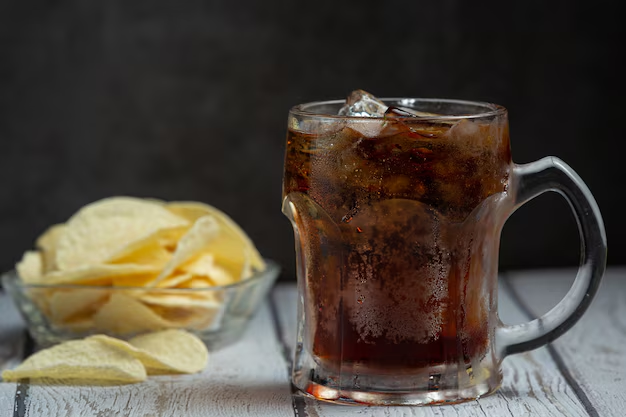
dr. pepper drink in a glass mug with chips in a bowl.

The caffeine content in Dr Pepper is measured at 41 milligrams per 12-ounce serving. This level is considered moderate and ideal for individuals who want a subtle energy lift without the jittery effects of highly caffeinated drinks like energy drinks or coffee.

Here’s a quick comparison chart of caffeine levels in popular sodas:

BeverageCaffeine (mg per 12 oz)
Dr Pepper41
Coca-Cola34
Pepsi38
Mountain Dew54
Sprite (caffeine-free)0

Factors That Influence Caffeine Levels in Sodas

  1. Recipe Variations: The formulation of each soda brand determines caffeine levels.
  2. Serving Size: Larger servings naturally contain more caffeine.
  3. Flavor Additives: Additional ingredients like chocolate or specific spices may alter the caffeine concentration.

Does Dr Pepper Have Caffeine vs. Coke?

Dr Pepper contains slightly more caffeine than Coke. A 12-ounce can of Coca-Cola has 34 milligrams of caffeine, while Dr Pepper offers 41 milligrams. While the difference might seem minimal, it can be significant for those monitoring their intake closely.

Analysis of Caffeine in Other Popular Sodas

Dr Pepper also compares well with other sodas like Pepsi and Mountain Dew. For instance:

  • Pepsi has 38 milligrams per 12 ounces, falling just below Dr Pepper.
  • Mountain Dew is on the higher end, with 54 milligrams per 12 ounces, making it more suitable for those seeking a stronger caffeine hit.

On the other hand, caffeine-free sodas like Sprite or 7UP are good alternatives for those avoiding caffeine entirely.

Does Dr Pepper Zero Have Caffeine?

Yes, it contains caffeine. It is formulated to mimic the original Dr Pepper flavor without sugar, making it an excellent option for diet-conscious consumers who still want a caffeine boost.

Do Diet Dr Pepper and Cherry Dr Pepper Have Caffeine?

  • Diet Dr Pepper: This version contains caffeine levels similar to the regular Dr Pepper, at about 41 milligrams per 12 ounces.
  • Cherry Dr Pepper: It also has caffeine, aligning closely with the original at approximately 41 milligrams per 12 ounces. The added cherry flavor doesn’t significantly alter the caffeine content.

Does Dr Pepper Cream Soda Zero Have Caffeine?

It does have caffeine but at slightly lower levels compared to the original flavor. It combines the signature 23 flavors with a creamy twist, offering a caffeine-free option for those who prefer less stimulation.

Exploring Caffeine-Free Dr Pepper Options

Not all Dr Pepper beverages contain caffeine. For those who love the its signature taste but prefer to avoid caffeine, there are specific variants available.

List of Caffeine-Free Dr Pepper Variants

  • Caffeine-Free Dr Pepper: This option delivers the classic 23-flavor profile without the stimulant.
  • Caffeine-Free Diet Dr Pepper: A diet-friendly option that retains the original flavor minus sugar and caffeine.

Caffeine-Free Dr Pepper vs. Regular Dr Pepper

The primary difference between these versions lies in their caffeine content. While regular Dr Pepper has 41 milligrams of caffeine per 12 ounces, the caffeine-free variants maintain the same taste but cater to those seeking less stimulation. This makes them a better choice for late-night drinks or for individuals sensitive to caffeine.

Dr Pepper and Sugar Content

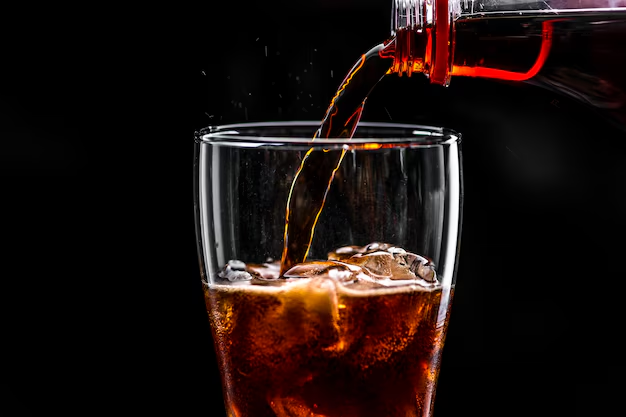
dr pepper drink pouring into a glass.

Sodas are often criticized for their sugar content, and Dr Pepper is no exception. Sugar levels, combined with caffeine, influence both the taste and energy-boosting effects of the drink.

Overview of Sugar Levels in Dr Pepper Flavors

  • Regular Dr Pepper contains about 40 grams of sugar per 12-ounce can.
  • Diet Dr Pepper and Dr Pepper Zero offer sugar-free alternatives for those managing caloric intake.
  • Flavored variants, like Cherry Dr Pepper, may have slightly higher sugar content due to added flavoring.

How Sugar and Caffeine Work Together in Sodas

Caffeine and sugar complement each other, providing a quick energy burst. However, consuming these in excess can lead to energy crashes, weight gain, and other health issues. Opting for lower-sugar options like Dr Pepper Zero helps mitigate some of these risks.

Does Dr Pepper Affect Sleep?

Caffeine can disrupt sleep patterns if consumed too close to bedtime. Caffeine stimulates the central nervous system, making it harder to fall asleep and reducing sleep quality.

How Caffeine in Dr Pepper Can Disrupt Sleep Patterns

  • Consuming Dr Pepper late in the day can lead to restlessness and insomnia.
  • Caffeine blocks adenosine, a chemical that promotes sleepiness, resulting in delayed sleep onset.

Tips for Enjoying Dr Pepper Without Compromising Sleep

  1. Limit Afternoon Consumption: Avoid drinking caffeinated beverages after 3 PM.
  2. Opt for Caffeine-Free Variants: Choose caffeine-free Dr Pepper during evening hours.
  3. Monitor Total Intake: Balance soda consumption with plenty of water to stay hydrated and reduce caffeine’s impact

Best Caffeine-free sodas to Try

If you’re looking to cut caffeine completely, there are numerous alternatives to Dr Pepper that still satisfy your soda cravings.

Top Caffeine-Free Alternatives

  • Caffeine-Free Coca-Cola: Classic Coke taste without the caffeine.
  • Sprite: A refreshing, citrus-flavored soda that’s naturally caffeine-free.
  • 7UP: Another citrus soda perfect for those avoiding caffeine.
  • Root Beer: Most root beers, such as A&W, are caffeine-free.
  • Ginger Ale: Options like Canada Dry offer a sweet and spicy twist without caffeine.

Healthier Options for Soda Lovers

For a healthier twist, try sparkling water with natural fruit flavors. Brands like LaCroix and Spindrift offer refreshing beverages without added sugars or caffeine.

Is Dr Pepper Bad for You?

While Dr Pepper is a popular soda, it’s essential to understand its health implications when consumed in excess.

Health Impact of Dr Pepper’s Ingredients

  • Caffeine: Overconsumption can cause jitteriness, increased heart rate, and insomnia.
  • Sugar: High sugar levels contribute to weight gain, tooth decay, and diabetes.
  • Artificial Sweeteners: Diet options use sweeteners like aspartame, which some people prefer to limit.

Comparing Dr Pepper to Other Sodas in Terms of Health Risks

Dr Pepper falls in line with most sodas in terms of sugar and caffeine content. However, choosing lower-sugar options, such as Diet Dr Pepper, can reduce health risks. Moderation remains the key to enjoying any soda without compromising your well-being.

Health Effects of Dr Pepper

Caffeine has both benefits and drawbacks depending on how much you consume.

Benefits of Caffeine Consumption

  • Increased Alertness: Caffeine enhances focus and reduces fatigue.
  • Improved Mood: Moderate doses can boost serotonin levels, improving your mood.
  • Potential Health Perks: Studies suggest caffeine may lower the risk of Parkinson’s and Alzheimer’s diseases.

Drawbacks of Caffeine Consumption

  • Dependency: Over time, your body may rely on caffeine for energy.
  • Insomnia: High caffeine intake can interfere with sleep cycles.
  • Heart Health Concerns: Excessive consumption may increase heart rate and blood pressure.

To Read: Is Ginger Ale Good for Your Stomach?

FAQs

How does Dr Pepper’s caffeine compare to coffee?

Dr Pepper contains 41 mg of caffeine per 12-ounce can, much less than coffee, which averages 95 mg per 8-ounce cup. It’s a milder option for those seeking a smaller caffeine boost without the intensity of coffee.

Is there a caffeine-free version of Dr Pepper?

Yes, there are caffeine-free options like Caffeine-Free Dr Pepper and Caffeine-Free Diet Dr Pepper. These variants maintain the same signature taste without caffeine, making them suitable for those avoiding stimulants or looking for a nighttime drink.

What’s the healthiest way to enjoy Dr Pepper?

The healthiest way to enjoy Dr Pepper is by choosing Diet Dr Pepper or Caffeine-Free Dr Pepper to reduce sugar or caffeine intake. Drink it in moderation, alongside a balanced diet, to avoid excessive calories or stimulants.

Conclusion

Dr Pepper is a beloved soda with a moderate caffeine content of 41 milligrams per 12-ounce serving. However, caffeine levels are lower than some other sodas like Mountain Dew, making it a balanced choice for moderate caffeine seekers.

To enjoy Dr Pepper responsibly:

  • Monitor your daily caffeine and sugar intake.
  • Choose caffeine-free or diet varieties when needed.
  • Avoid consuming caffeinated sodas close to bedtime.

With these tips, you can enjoy Dr Pepper while maintaining a balanced and healthy lifestyle.

Does Chai Tea Have Caffeine? Everything You Need to Know

Chai tea is a globally beloved beverage, blending aromatic spices with robust tea. Originating from India, its popularity has spread worldwide, thanks to its unique flavor and potential health benefits. Yet, many wonder, does chai tea have caffeine? This is an essential question for those monitoring their caffeine intake. Let’s break it down and uncover the nutritional and caffeine details behind chai tea.

Chai Tea Nutritional Facts

Chai tea is more than just a comforting drink; it’s also packed with potential health benefits. Here’s a breakdown of its primary ingredients and nutritional value:

Key Ingredients

  1. Black Tea: The base ingredient provides antioxidants like catechins and theanine.
  2. Spices: Common spices include cinnamon, cardamom, ginger, cloves, and black pepper. These add flavor and possible anti-inflammatory properties.
  3. Milk: Often used to create a creamy texture, milk adds protein and calcium. Non-dairy options like almond or oat milk can be substituted.
  4. Sweeteners: Traditional chai uses sugar or honey, adding a touch of sweetness.

Nutritional Overview

  • Calories: Depends on preparation; ranges from 60-200 calories per serving.
  • Protein: 2-4 grams if milk is included.
  • Fat: Low fat unless cream or full-fat milk is used.
  • Carbohydrates: Mainly from sweeteners, typically 10-20 grams.

Chai tea is a flavorful, nutrient-dense option for those looking for a warm, invigorating drink.

Does Chai Tea Have Caffeine?

The short answer: yes, chai tea does have caffeine. However, its caffeine content varies based on its preparation.

Traditional Chai Tea

Traditional chai tea is made using black tea, which naturally contains caffeine. A standard serving prepared in the traditional Indian way contains 20-50 mg of caffeine per cup. This level is moderate compared to coffee but may still provide a mild energy boost.

Commercially Prepared Chai

Packaged tea blends or ready-made chai often vary in caffeine content. Commercial chai products may use decaffeinated black tea or other bases like herbal teas. Always check the label for specific caffeine details.

Does Chai Tea Have Caffeine at Starbucks?

Starbucks, a go-to destination for chai lovers, offers a variety of chai-based drinks. Let’s explore the caffeine levels in these popular options.

Chai Tea

Starbucks’ regular chai tea, brewed using a concentrate, contains approximately 40 mg of caffeine per 8-ounce cup. This is lower than most coffee options but enough to provide a subtle pick-me-up.

Chai Tea Latte

The chai tea latte at Starbucks is a fan favorite. This creamy, spiced beverage contains around 95 mg of caffeine per 16-ounce (grande) serving. The caffeine comes from the black tea in the chai concentrate used for this preparation.

Decaffeinated Options

For those avoiding caffeine, Starbucks offers customization. You can request a decaffeinated version, substituting herbal tea or decaf chai concentrate.

Does Chai Tea Latte Have Caffeine?

Yes, it contains caffeine, but the levels depend on how it’s made.

Homemade Chai Lattes

When preparing chai lattes at home, you control the caffeine content. Using regular black tea provides 30-50 mg of caffeine per serving, while decaffeinated black tea reduces this to nearly zero.

Preparation and Variations

Caffeine levels in chai lattes can increase if you brew the tea longer or use more concentrated blends. Adding coffee shots, such as in a “dirty chai latte,” further boosts caffeine content significantly.

To Read: Is Tea Good for Your Heart? Different Teas Effects

How Much Caffeine is in Chai Tea vs. Coffee?

When comparing chai tea to coffee, caffeine content is a key differentiator.

a cup of coffee vs. a cup of tea

Caffeine Comparison

  • Chai Tea: 20-50 mg per cup.
  • Coffee: 95-200 mg per cup, depending on the type and brewing method.

Coffee contains significantly more caffeine than chai tea.

Factors Influencing Caffeine

Several factors affect the caffeine content in chai tea:

  • Brewing Time: Longer steeping increases caffeine extraction.
  • Concentration: Pre-made chai concentrates often have higher caffeine levels than loose-leaf or bagged teas.
  • Milk Ratio: Adding milk dilutes the caffeine slightly.

Does Twinings Chai Tea Have Caffeine?

Twinings is a popular brand offering a variety of chai teas. Most of its blends contain caffeine.

Caffeine Levels in Twinings Chai Tea

  1. Traditional Twinings Chai
    A standard cup of Twinings Chai contains approximately 40-50 mg of caffeine, similar to other black tea-based chais.
  2. Decaffeinated Chai Options
    Twinings also offers decaffeinated chai tea, which contains minimal caffeine (less than 2 mg per serving). This is a great option for those seeking the flavors of chai without the stimulant effects.

Comparison to Other Brands

Twinings chai tea is comparable to other major brands like Tazo and Bigelow in terms of caffeine content. The primary difference lies in flavor profiles, as each brand uses slightly different spice blends. Always check the label for precise caffeine information.

Is Chai Tea Good for You?

Chai tea offers numerous health benefits, thanks to its unique blend of black tea and spices. But is it good for everyone? Let’s explore its pros and cons.

Health Benefits

  1. Anti-Inflammatory Properties
    Chai tea is rich in spices like ginger, cinnamon, and cloves, all of which have natural anti-inflammatory properties. These spices can help reduce joint pain, improve digestion, and promote overall well-being.
  2. Supports Heart Health
    Black tea in chai contains flavonoids, antioxidants that may support heart health by improving cholesterol levels and reducing the risk of heart disease.
  3. Boosts Immunity
    Ingredients like cardamom and cloves have antimicrobial properties that may help your body fight infections.
  4. Aids Digestion
    Ginger, a key spice in chai, is known to soothe the stomach and aid digestion, making chai a popular choice for those experiencing mild gastrointestinal discomfort.

Potential Drawbacks

  1. Caffeine Concerns
    While chai tea has less caffeine than coffee, its caffeine content can still pose issues for people who are sensitive to it. Overconsumption may lead to restlessness, increased heart rate, or disrupted sleep.
  2. Sugar Levels
    Sweetened chai, especially the ones served in cafes, can be high in added sugars. It’s important to opt for unsweetened or lightly sweetened versions if you’re watching your sugar intake.

Chai tea is a nutritious, comforting drink when consumed in moderation. However, it’s not ideal for everyone.

Is Chai Healthier Than Coffee?

When it comes to health benefits, both chai tea and coffee have their strengths. But which one comes out on top?

Nutritional Profiles

  1. Chai Tea
    • Calories: Typically lower, especially when unsweetened or made with low-fat milk.
    • Antioxidants: Contains flavonoids from black tea and spices.
    • Caffeine: Moderate levels, around 20-50 mg per cup.
  2. Coffee
    • Calories: Black coffee is calorie-free, but added cream and sugar can increase the count significantly.
    • Antioxidants: High in polyphenols, which may reduce inflammation and improve brain function.
    • Caffeine: Higher levels, often 95-200 mg per cup.

Health Scenarios

  • Better for Digestion: Chai tea, with its ginger and spices, is ideal for improving gut health.
  • Better for Energy: Coffee is more effective for an immediate energy boost due to its higher caffeine content.

In general, chai tea is a better choice for those seeking a balanced beverage with moderate caffeine and added health benefits from spices.

To Read: Is Black Coffee Good For Weight Loss?

Who Should Not Drink Chai Tea?

Although chai tea has many benefits, it’s not suitable for everyone. Here are groups who may want to limit or avoid it:

brown splashes coming out of the tea cup.

Individuals Sensitive to Caffeine

Even though chai tea has less caffeine than coffee, its content can still cause issues for those sensitive to stimulants. Symptoms like jitters, insomnia, or increased heart rate can occur

Pregnant Individuals

Caffeine intake during pregnancy should be limited. While chai tea may fit within safe limits, it’s best to consult a healthcare provider about appropriate consumption levels.

People with Gastrointestinal Issues

Spices like cinnamon and black pepper can irritate the stomach for some people. Those with sensitive digestion may need to avoid spiced teas.

Alternative Suggestions

  • Herbal Teas: Caffeine-free options like chamomile or peppermint offer soothing properties.
  • Golden Milk: A warm beverage made with turmeric, milk, and no caffeine.
  • Decaffeinated Chai: Retains the classic flavor without the stimulating effects.

To Read: Is Green Tea Good for Weight Loss?: A Detailed Guide

FAQs 

Is chai tea high in caffeine?

Chai tea contains moderate caffeine levels, generally lower than coffee but higher than herbal teas. The caffeine amount depends on the type and preparation, making it a good option for those seeking a gentle energy boost.

Will chai tea keep me awake?

Chai tea’s caffeine content may help you stay awake by boosting alertness. However, it contains less caffeine than coffee, providing a milder effect. Its blend of spices can also provide a comforting, relaxing sensation.

Can you drink chai tea while pregnant?

Pregnant individuals can consume chai tea in moderation. Its caffeine content is relatively low, but it’s essential to stay within recommended daily caffeine limits. Consult a healthcare provider for personalized advice based on your pregnancy.

Conclusion

So, does chai tea have caffeine? Yes, it does, but the amount varies depending on the preparation and brand. Traditional chai tea contains moderate caffeine levels, making it a gentler alternative to coffee. Whether you enjoy it for its rich flavors, health benefits, or cultural roots, chai tea offers something for everyone. However, those sensitive to caffeine or specific spices should consume it mindfully.

Chai tea is not just a drink; it’s an experience. Whether enjoyed plain, as a latte, or decaffeinated, there’s a chai for every palate.

Does Sprite Have Caffeine? A Complete Guide

0

Sprite is one of the most popular soft drinks worldwide. Its crisp lemon-lime flavor and refreshing fizz make it a favorite for many. But does Sprite have caffeine? This question arises frequently, especially among those monitoring their caffeine intake.

Caffeine content is a critical concern in beverages. Some people aim to limit caffeine due to health reasons or personal preferences. Sprite’s reputation as a light and clean soda makes it a curious case. In this article, we’ll dive into Sprite’s caffeine status and what makes it unique.

Sprite Nutritional Content

Sprite’s light, fizzy nature makes it seem like a guilt-free drink, but what’s in it? Here’s a breakdown of its typical nutritional profile (based on a 12-ounce can):

NutrientAmount
Calories140 kcal
Total Fat0 g
Sodium65 mg
Total Carbohydrates38 g
Sugars38 g
Protein0 g
Caffeine0 mg

Key Highlights:

  • High Sugar Content: A single can contains 38 grams of sugar, equivalent to about 9 teaspoons. This contributes to its sweet taste but can raise health concerns.
  • Zero Fats and Proteins: Sprite is free from fats and proteins, making it purely a carbohydrate-based beverage.
  • No Caffeine: Sprite is caffeine-free, appealing to those avoiding stimulants.
  • Low Sodium: With only 65 mg of sodium, Sprite is not excessively salty compared to other sodas.

Does Sprite Have Caffeine?

sprite can with lemon and ice cubes.

The short answer is no—Sprite does not have caffeine. Unlike other carbonated beverages, it is marketed as a caffeine-free beverage. This has been a consistent part of its branding since its inception.

Sprite’s caffeine-free nature appeals to a broad audience. It’s an excellent option for those who want to avoid caffeine but still enjoy a fizzy drink. This attribute has made it a go-to choice for parents, health-conscious consumers, and anyone seeking a caffeine-free alternative.

Is Sprite Healthy?

While Sprite doesn’t contain caffeine or fat, its high sugar content can be a problem. Drinking sugary beverages frequently has been linked to several health concerns, including:

  • Weight Gain: Sugary sodas contribute to increased calorie intake, leading to weight gain if not balanced with physical activity.
  • Dental Issues: Sugar and acidity in Sprite can harm teeth, leading to cavities and enamel erosion.
  • Blood Sugar Spikes: For people with diabetes or insulin sensitivity, Sprite can cause rapid increases in blood sugar levels.
  • Empty Calories: Sprite offers little to no nutritional value aside from energy from sugars.

Does Sprite Soda Have Caffeine?

Sprite soda is entirely free of caffeine. This is true for all its variations across markets globally. The drink is crafted with a simple recipe that focuses on its signature lemon-lime flavor.

Key ingredients in Sprite include carbonated water, citric acid, natural flavors, and high fructose corn syrup (or sugar, depending on the region). These ingredients create Sprite’s refreshing taste without the need for added stimulants.

The absence of caffeine doesn’t impact Sprite’s flavor profile. Its tangy, slightly sweet taste is naturally energizing, making it a satisfying choice for many.

To Read: Is Lemonade Healthy? Find Out the Pros and Cons!

Does Sprite Zero Have Caffeine?

Sprite Zero is the sugar-free version of Sprite, designed for health-conscious individuals. But does it contain caffeine? No, Sprite Zero is also caffeine-free.

Sprite Zero has a similar ingredient list to regular Sprite. The primary difference is the use of artificial sweeteners, like aspartame or acesulfame potassium, instead of sugar. This makes it a low-calorie alternative without altering the caffeine-free promise.

Health-conscious consumers often opt for Sprite Zero for its balance of flavor and nutritional profile. It’s a refreshing option for those watching their sugar intake but still seeking a bubbly, caffeine-free drink.

Does McDonald’s Sprite Have Caffeine?

Many people swear that Sprite from McDonald’s tastes better. This has led to questions about whether McDonald’s Sprite differs from standard Sprite, particularly in caffeine content. The answer? McDonald’s Sprite is still caffeine-free.

What sets McDonald’s Sprite apart is its unique fountain system. The fast-food chain uses a special filtration process and chilled lines to serve beverages. This results in a more pronounced, fizzy, and flavorful experience.

Despite the difference in taste, the recipe for McDonald’s Sprite remains unchanged. It shares the same caffeine-free composition as bottled or canned Sprite.

Does Regular Sprite Have Caffeine?

Regular Sprite, the original lemon-lime soda, has been caffeine-free since it was introduced in 1961. Its formula was designed to provide a refreshing alternative to heavier, cola-based drinks.

The absence of caffeine in regular Sprite aligns with its light and clean image. This has helped establish its position as a family-friendly beverage. Parents often choose Sprite for their children due to its lack of caffeine and simpler ingredient list compared to other sodas.

Sprite’s lemon-lime flavor also makes it a versatile mixer in cocktails and mocktails. Whether enjoyed on its own or as part of a recipe, it remains a caffeine-free staple.

Does Diet Sprite Have Caffeine?

Diet Sprite, though less common than Sprite Zero, also adheres to the brand’s caffeine-free promise. Like its counterparts, Diet Sprite offers the same lemon-lime flavor without the sugar or stimulants.

Diet sodas often contain caffeine to appeal to those seeking an energy boost. However, Sprite’s identity as a caffeine-free option is maintained across all its versions. This distinguishes it from other brands and solidifies its appeal to those avoiding caffeine.

Does Strawberry Sprite Have Caffeine?

Strawberry Sprite is one of the exciting limited-edition flavors offered by Sprite. But does it contain caffeine? The answer is no—Strawberry Sprite is also caffeine-free.

Like the original version, Strawberry Sprite maintains the brand’s tradition of providing refreshing, caffeine-free beverages. Its unique flavor comes from natural and artificial strawberry flavoring added to the classic lemon-lime base.

Limited-edition flavors like Strawberry Sprite are popular among soda enthusiasts for their novelty. While the availability of these variations may be limited, their caffeine-free status remains consistent with Sprite’s branding. This makes Strawberry Sprite an enjoyable option for those seeking new flavors without caffeine.

Does Cherry Sprite Have Caffeine?

Cherry Sprite is another delightful twist on the classic Sprite formula. Just like the original, Cherry Sprite is entirely caffeine-free.

This version combines the crispness of lemon-lime with the sweetness of cherry flavor. It provides a unique taste experience without introducing stimulants. The absence of caffeine aligns Cherry Sprite with the rest of the Sprite family, offering a consistent choice for caffeine-conscious consumers.

Though Cherry Sprite is less widely available than the regular variant, it remains a favorite among fans of fruit-flavored sodas. Its caffeine-free nature ensures it can be enjoyed by a broad audience, including those avoiding caffeine.

Does Cranberry Sprite Have Caffeine?

Cranberry Sprite is a seasonal favorite, often available during the holidays. Like all Sprite variations, Cranberry Sprite is also free from caffeine.

This flavor combines the tartness of cranberries with Sprite’s signature lemon-lime taste. The result is a festive and refreshing soda perfect for special occasions. Despite its distinct flavor, the beverage adheres to Sprite’s caffeine-free promise.

Consumers often choose Cranberry Sprite for its unique flavor profile and limited availability. Its popularity during the holiday season further highlights its appeal as a caffeine-free treat.

To Read: Is Sparkling Ice Good for You? Know these 9 Truths before Drink

Are All Sprite Flavors Caffeine-Free?

Yes, all Sprite flavors are caffeine-free. Whether it’s the original Sprite, Sprite Zero, or limited-edition variations like Strawberry, Cherry, or Cranberry Sprite, the brand maintains its commitment to being free of caffeine.

Sprite’s caffeine-free stance is a defining feature. It appeals to those who enjoy sodas but wish to avoid stimulants. This consistent approach across all variations strengthens Sprite’s reputation as a family-friendly and health-conscious choice.

If you’re exploring different flavors of Sprite, you can rest assured that none of them contain caffeine. This makes it a reliable option for individuals of all ages and dietary preferences.

Does 7-Up Have Caffeine?

7-up bottle with a glass filled with 7-up drink, ice cubes and lemon slices.

Sprite and 7-Up are often compared due to their similar lemon-lime profiles. Like Sprite, 7-Up is also caffeine-free. Both beverages cater to the same audience seeking fizzy, flavorful sodas without stimulants.

Despite their shared caffeine-free status, the two drinks differ slightly in taste and branding. Sprite has a sweeter and more citrus-forward flavor, while 7-Up offers a cleaner, subtler profile.

Choosing between the two comes down to personal preference. However, their caffeine-free nature makes both excellent alternatives to cola-based sodas.

Benefits of Caffeine-Free Sodas

Why do some people prefer caffeine-free sodas? The answer lies in their health benefits and broader appeal. Here’s why beverages like Sprite stand out:

  • No Jitters or Insomnia: Caffeine-free sodas don’t cause the common side effects associated with caffeine, such as restlessness or sleep disturbances.
  • Kid-Friendly: Parents often prefer caffeine-free drinks like Sprite for their children, as they pose no risk of over-stimulation.
  • Hydration Without Stimulants: While not as hydrating as water, caffeine-free sodas offer a refreshing option without added stimulants.
  • Inclusive Choice: These beverages cater to people who avoid caffeine due to medical conditions, pregnancy, or personal preference.

Sprite’s commitment to being caffeine-free enhances its reputation as a safe and inclusive soda.

Healthier Alternatives to Sprite

If you love Sprite but want a healthier choice, several options can satisfy your craving for a fizzy, refreshing drink without the drawbacks.

Homemade Lemon-Lime Soda

Make your own Sprite-inspired drink using natural ingredients.

  • Mix sparkling water with freshly squeezed lemon and lime juice.
  • Sweeten lightly with honey, stevia, or agave syrup if needed.
    This option is free from artificial additives and allows you to control the sugar content.

Sparkling Water with Natural Flavors

Flavored sparkling water brands like LaCroix or Bubly offer a soda-like experience without the added sugar or calories. These beverages come in various flavors, including lemon and lime.

Kombucha

Kombucha is a fermented tea that’s naturally fizzy and low in sugar (depending on the brand). It provides probiotics, which can support gut health, making it a healthier alternative to soda.

Infused Water

If you want something more hydrating, try infusing water with slices of lemon, lime, mint, or even berries. It’s refreshing, naturally sweet, and caffeine-free.

Low-Calorie or Sugar-Free Sodas

For those who prefer ready-made drinks, options like Sprite Zero or other sugar-free sodas can be a good substitute. However, watch out for artificial sweeteners if you’re sensitive to them.

FAQs

Which drinks don’t have caffeine?

Many lemon-lime sodas like Sprite and 7-Up, root beers, and certain fruit-flavored beverages are caffeine-free. Always check the label for assurance of no caffeine content.

What soda has no caffeine?

Sprite, 7-Up, and Fanta are among the popular sodas without caffeine. They are perfect for those who want a refreshing drink without the stimulating effects of caffeine.

Will Sprite keep me awake?

Sprite does not contain caffeine and is unlikely to keep you awake. However, its sugar content may provide a short-term energy boost.

Conclusion

Sprite is a standout in the soda industry for its commitment to being completely caffeine-free. From the original Sprite to popular variations like Sprite Zero, Strawberry Sprite, and Cranberry Sprite, every version adheres to this promise.

Whether you’re enjoying a refreshing drink at home or grabbing a soda from McDonald’s, Sprite guarantees a caffeine-free experience. Its light, lemon-lime flavor and consistent quality make it a trusted choice for all ages.

So, does Sprite have caffeine? No, it doesn’t. Sprite remains a refreshing, bubbly soda that’s perfect for anyone avoiding caffeine.

Is Green Tea High in Caffeine? Your Updated & Expanded Guide

The direct answer is yes, does green tea have caffeine in it naturally. It is an inherent component of the tea leaf itself. The subsequent, more important question is: How much caffeine does it contain? This guide will address the stimulant content and clear up the lingering uncertainties. 

However, a question often confuses newcomers and seasoned drinkers alike: Does green tea have caffeine or not? This common confusion stems from green tea’s reputation as a calming, healthy drink

Many people believe a beverage so often associated with meditation and longevity must be devoid of stimulants. Green tea does contain a natural stimulant. 

Unraveling the Green Tea Caffeine Mystery

Green tea, derived from the Camellia sinensis plant, stands as one of the most consumed beverages globally. Its history stretches back thousands of years, primarily originating in China. Today, millions drink it daily for its distinct flavor and renowned health benefits. It is a fundamental part of many wellness and cultural practices.

We will detail everything about whether has green tea got caffeine and whether it contributes any calories, addressing the query, does green tea have caffeine or sugar. (Spoiler: Plain green tea is virtually sugar-free.)

What Is Considered Green Tea?

Before diving into the caffeine content, it is essential to understand what green tea is and how it differs from other teas.

Green tea is unique because of its minimal processing. All true teas—green, black, white, and oolong—come from the same Camellia sinensis plant. The key differentiator is the level of oxidation they undergo. Black tea is fully oxidized, giving it a dark color and robust flavor. 

What is considered green tea is tea that has been withered and quickly heated, often by pan-firing or steaming, to prevent oxidation. This rapid heating preserves the green color and the leaf’s natural chemical compounds, including a high concentration of antioxidants and, critically, caffeine.

The category of green tea is vast, including:

  • Loose-Leaf Varieties: Such as Sencha, Gyokuro, and Gunpowder. These are higher quality and often offer the full range of nutrients.
  • Bagged Tea: Convenient but typically uses lower-quality “fannings” (dust and small pieces), which can sometimes release caffeine more quickly.
  • Matcha: A powdered green tea where you consume the entire leaf. This makes it an incredibly concentrated source of nutrients and caffeine.
  • Organic Green Tea: This term refers to the cultivation methods, ensuring the tea is grown without synthetic pesticides or fertilizers. Does organic green tea have caffeine

Yes, its caffeine content is determined by the specific variety and growing conditions, not the organic status. The benefits of organic green tea often include a cleaner flavor profile and reduced exposure to chemicals.

  • Decaffeinated Green Tea: Tea that has undergone a process to remove most of the caffeine.

Does Green Tea Have Caffeine? The Simple Answer

The truth is straightforward. Does green tea have caffeine? Absolutely, it does. Green tea leaves contain caffeine as a natural defense mechanism against insects. The plant uses this compound to protect itself. Consequently, any drink brewed from these leaves will contain some level of the stimulant.

Green tea contains less caffeine than coffee, yet it provides a noticeable boost. The typical amount caffeine in green tea can range widely. Most standard 8-ounce (240 mL) cups fall between 20 and 45 milligrams (mg). This range contrasts sharply with the average 95–200 mg found in a similar-sized cup of coffee.

The exact does green tea have caffeine content is not fixed; it is highly variable. Several factors influence precisely how much caffeine in green tea you consume:

  • Processing: Teas like Matcha or certain shaded Japanese teas (Gyokuro) are intentionally grown or processed to increase amino acid and caffeine concentration.
  • Steeping Time: A longer steeping time allows more caffeine to dissolve into the water. Steeping for five minutes will yield more caffeine than steeping for two minutes.
  • Water Temperature: Hotter water extracts caffeine more quickly and completely.
  • Tea Variety/Leaf Position: Young tea leaves and buds, often used in higher-quality teas, generally contain higher levels of caffeine than older leaves.

Therefore, when asking does green tea have caffeine or not, remember the answer is a definitive yes, but the quantity is highly manageable compared to other popular drinks.

a cup of green tea placed on a wooden floor.

Green Tea Caffeine Chart (Detailed Breakdown)

Understanding the precise amount caffeine in green tea requires a look at specific varieties and preparations. This detailed chart clarifies the stimulant content of various popular green tea types and brands. The figures are estimates for an 8-ounce serving (unless noted otherwise).

Green Tea Type / ProductEstimated Caffeine (mg) per 8 ozNotes
Loose-leaf Green Tea (Average)25–45 mgHigher quality tends to have more.
Sencha (Japanese)30–50 mgA very common, moderate-caffeine variety.
Matcha (1 tsp powder)60–80 mgYou consume the entire leaf, making it highly potent.
Gyokuro (Shaded)40–60 mgShading increases the caffeine and L-theanine.
Jasmine Green Tea20–35 mgOften lower as it’s a scented green tea blend.
Organic Green Tea (Standard)20–40 mgSimilar to standard green tea, the cultivation method does not dictate caffeine.
Bagged Green Tea (e.g., Lipton)20–30 mgOften lower, as bags contain fannings, which may exhaust caffeine faster.
Starbucks Iced Green Tea (Grande/16 oz)~25 mgWatered down and less concentrated than home-brewed.
Starbucks Matcha Latte (Grande/16 oz)~80 mgSignificantly higher due to the use of powdered Matcha.

This chart illustrates a key point: caffeine green tea vs regular brewed tea varies dramatically based on your choice. A cup of Matcha contains three times the caffeine of a typical bagged green tea.

Green Tea vs Coffee: Caffeine Comparison

When people transition from coffee to tea, the first question they ask is, does green tea have caffeine vs coffee. The stimulant difference is substantial, impacting both the immediate effect and the sustained energy level.

A standard 8-ounce cup of coffee contains approximately 95 mg to 200 mg of caffeine. In contrast, the typical green tea cup contains 20 mg to 45 mg. This means a single cup of coffee can have up to ten times the caffeine of a lighter cup of green tea.

The Role of L-Theanine

The difference between the two is more complex than a simple milligram count. The unique chemical profile of green tea changes how the body processes its caffeine. This is due to an amino acid called L-theanine.

  • Coffee Effect: High, rapid dose of caffeine leads to a quick spike in energy, often followed by the infamous “crash” and sometimes jitters.
  • Green Tea Effect: L-theanine works synergistically with caffeine. This compound promotes alpha brain waves, which are associated with a state of relaxed alertness and focus. The L-theanine slows the absorption of caffeine, preventing the rapid spike and crash.

Therefore, while answering does green tea have caffeine compared to coffee reveals much lower levels, the key takeaway is that green tea offers a smoother, more sustained energy boost and enhanced focus without the anxiety often linked to high-dose caffeine. 

The comparison of green tea caffeine vs coffee is less about the quantity and more about the quality of the energy provided.

BeverageAverage Caffeine (8 oz)Energy EffectKey Additive
Coffee (Drip)95–200 mgRapid spike, potential crash/jittersNone
Green Tea (Brewed)20–45 mgSmooth, sustained alertnessL-Theanine

Green Tea vs Black Tea: Caffeine Comparison

The second most common comparison is between the two most popular Camellia sinensis beverages. Does green tea have caffeine vs black tea?

Black tea undergoes complete oxidation. This process, which turns the leaves dark and gives the tea its rich, malty flavor, also influences the concentration and extraction of caffeine. Generally, black tea contains significantly more caffeine than green tea, although less than coffee.

  • Black Tea Caffeine: An 8-ounce cup typically contains 40 mg to 70 mg of caffeine.
  • Green Tea Caffeine: As noted, this is usually 20 mg to 45 mg.

This difference explains why many choose black tea (like English Breakfast or Assam) as their morning “wake-up” beverage. It offers a stronger dose of caffeine. 

However, the exact reason why does black tea have caffeine in higher amounts isn’t solely oxidation. The variety of the tea plant (e.g., Camellia sinensis var. assamica, often used for black tea, tends to be higher in caffeine) and the degree of processing also play crucial roles.

The bottom line is that the answer to green tea vs black caffeine is that black tea usually wins the caffeine contest. Both are generally lower than coffee, but black tea provides an intermediate boost between green tea and a standard espresso.

To Read: Is Tea Good for Your Heart? Different Teas Effects

Brand-Specific Caffeine Levels

green tea cup on parrot-colored background.

Many consumers rely on popular, readily available brands for their daily cup. Since preparation methods are standardized for these products, their caffeine levels are more consistent than those of specialty loose-leaf teas. Knowing the specifics of brands like Lipton and Starbucks is crucial for managing daily intake.

Major Grocery Store Brands

  • Does Lipton green tea have caffeine? Yes. Lipton’s regular bagged green tea typically falls on the lower end, averaging 20 mg to 30 mg per 8-ounce serving. This makes it a great option for evening consumption or for those with high caffeine sensitivity.
  • Does Tetley green tea have caffeine? Tetley’s range is similar to Lipton, usually between 25 mg and 35 mg. The benefits of Tetley green tea are primarily convenience and a consistent, mild flavor, making it a reliable source for a small energy lift.
  • Does Bigelow green tea have caffeine? Bigelow is a very popular brand, and its standard green tea bags contain approximately 25 mg to 40 mg of caffeine.

Starbucks Green Tea Drinks

Starbucks often modifies its drinks with high concentrations of sugar and flavorings. However, the caffeine levels are surprisingly low in most ready-to-drink options compared to its coffee lineup.

  • Does green tea have caffeine Starbucks beverages in high amounts? Not usually.
    • Iced Green Tea (Grande/16 oz): This is made by steeping Tazo or Teavana green tea. Due to dilution with ice and water, the caffeine content is low, typically around 25 mg.
    • Matcha Green Tea Latte (Grande/16 oz): This uses concentrated Matcha powder blended with milk and sweetener. Since Matcha is powdered, it has a high caffeine concentration, ranging from 70 mg to 80 mg. This is the highest-caffeine green tea option at Starbucks.
    • Green Tea Lemonade: This is the iced tea mixed with lemonade. The caffeine content is identical to the plain Iced Green Tea, around 25 mg.

The brand-specific data confirms that your chosen preparation method and specific product determine your caffeine intake.

Does Green Tea Help You Sleep?

The question does green tea help you sleep seems contradictory. If it contains caffeine, an acknowledged stimulant, how can it promote rest? The answer lies again in the compound L-theanine.

Green tea is not a sedative like chamomile or valerian root. Its caffeine content means that if consumed close to bedtime, it can interfere with sleep for sensitive individuals. However, the presence of L-theanine gives it unique calming properties:

  1. Reduced Anxiety: L-theanine crosses the blood-brain barrier and has been shown to increase the brain’s output of calming alpha waves. This effect leads to a state of relaxed focus, reducing stress and anxiety without causing drowsiness.
  2. Modulated Caffeine Effect: It takes the sharp edge off the caffeine. This means the tea can calm the nerves and promote a feeling of well-being, which is conducive to preparing the mind for sleep, but it is not an inducement to sleep itself.

For those looking to drink green tea in the evening, it is wise to switch to decaf green tea for nighttime. Decaffeinated varieties retain the L-theanine and antioxidant benefits without the sleep-disrupting dose of caffeine. 

Consuming regular green tea, especially a high-caffeine one like Matcha, within 4–6 hours of bedtime is generally not recommended.

Health Benefits of Green Tea

The popularity of this beverage is not just about its mild energy boost; it is driven by a plethora of documented health advantages. The most frequently asked question is, how is green tea beneficial to overall health?

The benefits of green tea are largely attributed to its exceptionally high concentration of polyphenols, particularly catechins. The most powerful catechin is Epigallocatechin gallate (EGCG).

Core Health Advantages

  • Powerful Antioxidant Properties: EGCG is a potent antioxidant. Antioxidants fight harmful free radicals in the body. They protect cells from damage and thus help combat aging and various chronic diseases.
  • Heart Health: Green tea is strongly associated with improved cardiovascular function. It helps lower LDL (bad) cholesterol levels and triglycerides. Research indicates that it also improves the function of the lining of blood vessels, which can reduce the risk of heart disease.
  • Weight Management and Metabolism: Green tea is often featured in weight loss supplements. It can increase energy expenditure and boost fat burning, primarily due to the synergistic effect of caffeine and EGCG. This boost to metabolism & energy helps the body efficiently use fat as fuel.
  • Brain Function and Longevity: The combination of L-theanine and caffeine enhances brain function, improving mood, vigilance, reaction time, and memory. 

Furthermore, the antioxidant properties of green tea are linked to a reduced risk of neurodegenerative diseases like Alzheimer’s and Parkinson’s, contributing to overall longevity.

  • Type 2 Diabetes Risk: Some studies show that green tea can improve insulin sensitivity and lower blood sugar levels.

Green tea offers a wide array of support for major body systems. However, consuming it in moderation is essential to balance the green tea benefits and side effects.

Side Effects of Green Tea

Despite its immense health profile, green tea is not without potential drawbacks, especially when consumed in excessive amounts or by sensitive individuals. Understanding the green tea benefits and side effects is key to responsible consumption.

Caffeine-Related Side Effects

The caffeine in green tea, while lower than coffee, is still a psychoactive substance.

  • Caffeine Sensitivity: Individuals highly sensitive to caffeine may experience jitters, nervousness, or a rapid heart rate, even from a mild dose of green tea.
  • Insomnia: Drinking regular green tea too late in the day can cause insomnia and disrupt the natural sleep cycle.
  • Stomach Irritation: Consuming large quantities of green tea on an empty stomach can increase stomach acid, potentially leading to nausea, stomach ache, or heartburn.

Other Concerns

  • Interaction with Medications: Green tea can interact with certain medications. High consumption may affect blood-thinning medications (anticoagulants) or certain heart and blood pressure drugs. Always consult a healthcare provider if you are taking prescription medication.
  • Iron Absorption: The tannins and catechins in green tea can interfere with the absorption of non-heme iron (iron from plant sources). Drinking tea between meals, rather than with them, can mitigate this effect.

Moderation—usually defined as 3–5 cups per day—is the key to maximizing the benefits while minimizing the side effects.

Caffeine-Free and Decaf Options

For those who enjoy the flavor and benefits of green tea but need to strictly limit or eliminate caffeine, two options are available: caffeine-free and decaffeinated.

Decaffeinated Green Tea

This is green tea that has undergone a process to remove most of the caffeine. The question, does green tea have caffeine or not when decaffeinated, is answered with a “very little.”

  • How it Works: The decaffeination process (often using carbon dioxide or ethyl acetate) removes the caffeine compounds from the leaves.
  • Decaf Green Tea Caffeine Content: Decaffeinated tea is not truly 100% caffeine-free. US regulations require that decaf tea have less than 2.5% of its original caffeine content. 

This usually translates to a remaining 2 mg to 5 mg per cup. This trace amount is negligible for most people, but still technically present.

Caffeine-Free Options

A truly caffeine-free beverage has zero caffeine. These are herbal tisanes, not true teas from the Camellia sinensis plant. Examples include:

If you require absolutely no caffeine, opt for an herbal infusion. If a trace amount is acceptable, decaffeinated green tea allows you to retain the EGCG and L-theanine benefits.

How to Reduce Caffeine in Green Tea

For those who drink regular green tea but want to lower the stimulant content without buying decaf, there are simple, effective brewing modifications.

  1. Shorter Steeping Times: This is the most effective method. A quick steep of 30–60 seconds will extract a significant amount of the flavor and some antioxidants while minimizing the caffeine. The first few seconds of steeping extract much of the quickly dissolving caffeine.
  2. Cooler Water Temperature: Caffeine dissolves more readily in extremely hot water. Using water that is 160°F–170°F (70°C–77°C) instead of boiling water will extract a lower percentage of the total caffeine in the leaves.
  3. The “Caffeine Wash” Technique: Steep the tea leaves for about 30 seconds, then immediately discard that water. The first infusion removes a significant portion (some estimate 10–20%) of the total caffeine.

Then, re-steep the leaves with fresh hot water. This new cup will be lower in caffeine but still high in flavor and L-theanine.

  1. Choosing Steamed Teas: Japanese green teas like Sencha or Gyokuro are steamed in processing, which tends to deactivate some of the enzymes that produce caffeine, potentially leading to a lower final extraction than pan-fired Chinese varieties.

Most Common Questions (FAQ Section)

Does green tea have caffeine naturally?

Yes, absolutely. Caffeine is a compound that is produced naturally within the Camellia sinensis plant. It is an inherent part of the leaves, not an added ingredient.

Is caffeine in green tea healthier than coffee?

Many experts believe the caffeine in green tea is “healthier” due to the presence of L-theanine. While the caffeine provides energy, L-theanine promotes alpha brain waves, which induce a state of calm focus. 

This synergistic effect leads to sustained energy and less anxiety or “jitters” compared to the high-dose, L-theanine-free caffeine rush from coffee.

Which green tea has the least caffeine?

Generally, the green tea with the least caffeine will be:

  1. Decaffeinated Green Tea (2–5 mg per cup).
  2. Bagged Green Tea that has been briefly steeped.
  3. Bancha or Hojicha (a roasted green tea) varieties, which often use older, larger leaves with naturally less caffeine.

Does organic green tea have caffeine?

Yes. The term “organic” refers only to the cultivation method (no synthetic pesticides or fertilizers). The organic status does not affect the presence of caffeine, which is part of the plant’s natural biology.

Does green tea contain sugar naturally?

No. Pure, unsweetened green tea (whether loose-leaf, bagged, or unsweetened matcha) is virtually sugar-free and contains negligible calories. 

Sugar is only present if it is added later, such as in sweetened iced teas, bottled green teas, or commercially prepared lattes.

Is green tea caffeine content enough to keep you awake?

For most people, the 20–45 mg of caffeine in a standard cup of green tea is mild. However, if you are highly sensitive to caffeine or drink a strong cup (like matcha) close to bedtime, it certainly can interfere with the onset and quality of sleep. It is best to avoid consuming regular green tea 4–6 hours before you plan to sleep.

Does green tea have caffeine Bigelow?

Yes, as a standard popular brand, does green tea have caffeine bigelow products? Yes. Bigelow’s regular green tea bags typically contain an estimated 25 mg to 40 mg of caffeine per 8-ounce serving, placing it firmly in the average green tea range.

Does green tea have caffeine Reddit debates?

Yes, the topic is frequently debated on Reddit, with discussions centering on whether the L-theanine effect truly cancels out the caffeine jitters, which varieties have the best “clean energy” effect. 

And how much caffeine is in specific brands like Starbucks or specific loose-leaf types. The consensus generally aligns with the scientific data: green tea contains caffeine, but the L-theanine significantly alters the experience.

Final Summary

Green tea is not a caffeine-free beverage. Does green tea have caffeine? Yes. It contains a natural, moderate dose, typically ranging from 20 mg to 45 mg per cup. This is significantly less than coffee (95–200 mg) and often less than black tea (40–70 mg). 

The true magic of green tea lies not in its low quantity of caffeine, but in the presence of the amino acid L-theanine, which creates a focused, calm energy unlike any other caffeinated drink.

📜 Green Tea References (List of URLs)

Caffeine & L-Theanine Studies (Synergistic Effects)

Caffeine Content Comparison (Green, Black, Coffee, Brands)

Health Benefits, Side Effects & Research

Is Orange Juice High in Sugar? Exploring Its Nutritional Content

Orange juice is a staple in many diets around the world. It’s often seen as a quick, refreshing, and nutrient-packed beverage. But for those mindful of sugar intake, questions arise about its sweetness. Is orange juice high in sugar? Does it offer health benefits despite its sugar content? 

Understanding these factors is key to making informed dietary choices. Let’s dive into its sugar content, nutritional profile, and how it compares to other sugary beverages.

Is Orange Juice High in Sugar?

Yes, orange juice has a relatively high sugar content compared to other beverages. However, this sugar is paired with vitamins, antioxidants, and minerals. The sugar content can be a concern for people with diabetes or those monitoring calorie intake. For them, it’s essential to consume orange juice in moderation.

How Much Sugar Is in Orange Juice?

A standard 8-ounce (240 ml) glass of orange juice contains about 21-24 grams of sugar. This amount can vary based on the brand and whether it’s freshly squeezed or processed.

While this might seem high, it’s important to note that most of this sugar is naturally occurring. Unlike added sugars in sodas or candies, the sugar in orange juice comes directly from the fruit.

Orange Juice Nutrition

Orange juice is not just about sugar; it’s packed with essential nutrients. A single serving contains:

  • Vitamin C: A potent antioxidant that boosts the immune system.
  • Potassium: Helps regulate blood pressure.
  • Folate: Crucial for cell growth and development.

Orange Juice Calories

The caloric content of orange juice depends on its preparation. An 8-ounce serving typically contains around 110-120 calories, most of which come from natural sugars.

Calories in 1 Glass of Orange Juice Without Sugar

If you opt for unsweetened orange juice, the calorie count remains nearly the same as most commercial juices don’t add sugar. The difference lies in avoiding extra additives while preserving the fruit’s natural flavors and nutrients.

Is Natural Sugar in Orange Juice Bad for You?

Natural sugar in orange juice, primarily fructose, is less harmful than added sugars. Fructose in whole fruit is accompanied by fiber, which slows absorption. However, in juice form, the absence of fiber can cause a quicker spike in blood sugar levels.

orange juice in glass bottle with orange slices placed on a wooden board.

Orange Juice Fructose

Fructose, the main sugar in orange juice, is naturally occurring. It gives orange juice its sweetness. While fructose from whole fruits is processed slowly, liquid fructose in juice can be quickly metabolized, leading to concerns about excessive intake.

Sugar in Orange Juice vs. Soda

A glass of orange juice and a can of soda have nearly identical sugar content. However, orange juice offers nutritional value, unlike soda, which is devoid of vitamins and minerals. The natural sugars in juice are far healthier than the high-fructose corn syrup found in most sodas.

Sugar in Orange Juice vs. Coke

When comparing orange juice to Coca-Cola, the sugar content is comparable, but their health impacts differ. Coca-Cola contains added sugars and no nutrients, while orange juice provides vitamins and antioxidants. Still, the high sugar content in both beverages underscores the need for moderation.

Is Fresh-Squeezed Orange Juice Bad for You?

Fresh-squeezed orange juice is not bad for you when consumed in moderation. In fact, it often contains fewer preservatives and additives compared to packaged options. The freshness ensures you get maximum nutrients like Vitamin C and potassium. 

However, like all juices, fresh-squeezed varieties still contain natural sugars and lack the fiber found in whole oranges. Overconsumption can lead to spikes in blood sugar levels.

Does Fresh-Squeezed Juice Have Fewer Sugars Than Packaged Options?

Fresh-squeezed juice typically contains the same amount of natural sugar as packaged juice made from 100% oranges. However, packaged juice often includes added sugars or concentrates, which increase the overall sugar content. To avoid extra sugar, check the label for “no added sugar” or opt for fresh-squeezed juice.

Orange Juice in Diet and Weight Loss

Orange juice can be part of a balanced diet but should be consumed mindfully. It provides essential vitamins and minerals, making it a healthier choice than sugary drinks. However, the natural sugars and lack of fiber may not keep you as full as whole fruits, potentially leading to overeating.

Is Orange Juice Good for Weight Loss?

Orange juice can be part of a weight-loss plan if consumed in moderation. Its low-fat content and natural sweetness make it an appealing option. But beware of its calorie density—calories from liquids can add up quickly. To maximize benefits, pair orange juice with fiber-rich foods or substitute it with whole oranges to keep you fuller for longer.

What Vitamin Is in Orange Juice?

homemade orange curd in heart shaped glass bowl, with juicy oranges placed aside.

Orange juice is most famous for its high Vitamin C content. A single glass can provide over 100% of your daily Vitamin C requirement. This nutrient boosts immunity, helps with wound healing, and improves skin health. Additionally, orange juice also contains folate, potassium, and small amounts of calcium and magnesium.

Benefits of Orange Juice

  1. Boosts Immunity: Thanks to its Vitamin C and antioxidants, orange juice strengthens the immune system.
  2. Heart Health: Potassium helps regulate blood pressure and supports cardiovascular health.
  3. Skin Health: Antioxidants in orange juice can promote glowing, healthy skin.
  4. Supports Digestion: The natural acidity of orange juice may aid digestion when consumed with meals.
  5. Hydration: Orange juice is hydrating, providing a refreshing way to stay hydrated while enjoying its nutrients.

Who Should Avoid Orange Juice?

While orange juice is packed with nutrients, it isn’t suitable for everyone. Here are groups of people who should avoid or limit their intake:

People with Diabetes or Pre-Diabetes

Orange juice has a high natural sugar content and a high glycemic index. This means it can cause a rapid spike in blood sugar levels. People with diabetes or pre-diabetes should consume it cautiously and pair it with protein or fiber to slow sugar absorption.

Those with Acid Reflux or GERD

Orange juice is highly acidic, which can aggravate symptoms of acid reflux or gastroesophageal reflux disease (GERD). Drinking it can cause heartburn, discomfort, or regurgitation in sensitive individuals.

Individuals with Irritable Bowel Syndrome (IBS)

For some people with IBS, the fructose in orange juice can trigger digestive discomfort, bloating, or diarrhea. Whole oranges might be a better option as they provide fiber that helps balance sugar absorption.

People Watching Their Calorie Intake

Orange juice is calorie-dense for a beverage, with around 110-120 calories per glass. For those on a calorie-restricted diet, these liquid calories can add up quickly and may not provide the satiety of whole fruits.

Infants and Young Children

For infants under 12 months, orange juice isn’t recommended because it’s too acidic for their developing digestive systems. Even older children should consume it sparingly to avoid overexposure to sugar.

Individuals on Certain Medications

Orange juice can interact with some medications, including certain statins, antihistamines, and chemotherapy drugs. These interactions may reduce the medication’s effectiveness or cause side effects. Consult a healthcare provider if you’re unsure.

People with Tooth Enamel Sensitivity

The acidity in orange juice can weaken tooth enamel over time, leading to sensitivity and increased risk of cavities. Drinking it through a straw and rinsing your mouth afterward can help reduce these effects.

FAQs

  1. Does drinking orange juice raise your blood sugar?
    Yes, orange juice can raise blood sugar due to its natural sugars and quick absorption rate. It’s best consumed with fiber or protein to moderate blood sugar spikes.
  2. Which juice is lowest in sugar?
    Vegetable juices, such as cucumber or celery juice, are typically lowest in sugar. Among fruit juices, diluted options or lemon juice contain minimal natural sugars.
  3. Does 100% orange juice have added sugar?
    No, 100% orange juice doesn’t have added sugars but contains natural sugars from oranges. It’s essential to check labels to ensure no added sweeteners.
  4. Is the sugar in orange juice bad for you?
    The natural sugar in orange juice isn’t inherently bad but can impact blood sugar levels if consumed in excess. Moderation is key for balanced health.

Conclusion

So, is orange juice high in sugar? The answer is yes, but this sugar is naturally occurring and comes with a host of nutritional benefits. While its sugar content is comparable to sodas, orange juice also delivers essential vitamins and antioxidants, making it a healthier choice. 

However, moderation is key, especially for those managing blood sugar or calorie intake. For maximum benefits, choose fresh-squeezed or no-added-sugar varieties and balance it with whole fruits for fiber. Enjoy orange juice as part of a balanced diet, and you’ll reap its benefits without overloading on sugar