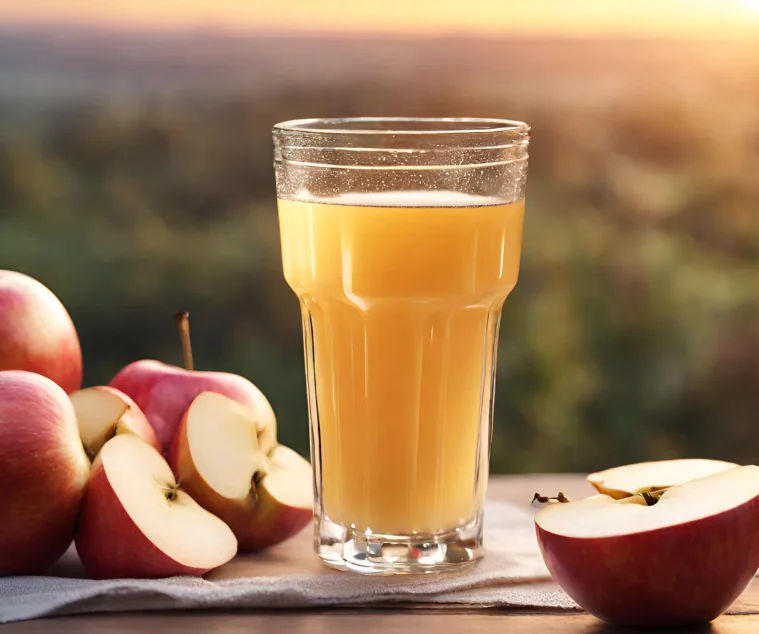
When it comes to refreshing beverages, few drinks are as globally beloved as apple juice. From lunchboxes to brunch tables, it is a staple of the modern diet. But a lingering question remains for the health-conscious consumer: Is apple juice good for you?
While it is derived from one of the most nutritious fruits on the planet, the process of juicing changes its chemical and nutritional makeup significantly.
The answer isn’t a simple yes or no; rather, it depends on the type of juice you choose, how much you drink, and your specific health goals.
Is apple juice healthy? In moderation, yes. It provides essential hydration, a concentrated dose of plant compounds, and quick energy. However, because it lacks the fiber found in whole apples, it can also lead to sugar spikes if consumed in excess.
This ultimate guide will break down the nutritional profile, health benefits, and potential risks to determine how good apple juice is for you in 2026.
Nutritional Profile of Apple Juice
To understand is 100% apple juice is healthy, we must look at what remains after the apple is pressed. When you juice an apple, you extract the liquid and many of the vitamins, but you leave behind the skin and pulp.
Essential Vitamins and Minerals
A standard cup (240ml) of 100% apple juice typically contains:
- Calories: 110–120
- Carbohydrates: 28g
- Sugars: 24g (mostly fructose and glucose)
- Vitamin C: Often fortified to provide 100% of the Daily Value
- Potassium: Approximately 5% of the Daily Value
The Sugar and Fiber Trade-off
One of the most common concerns is: Is apple juice too high in sugar? A single glass of juice contains the sugar of about two to three whole apples, but without the dietary fiber.
Fiber is crucial because it slows the absorption of sugar into the bloodstream. Without it, even apple juice with no sugar added can cause a rapid rise in blood glucose and insulin levels.
For most healthy adults, this is manageable in small amounts, but it is a vital distinction for those monitoring their metabolic health.
What Are the Benefits of Apple Juice?
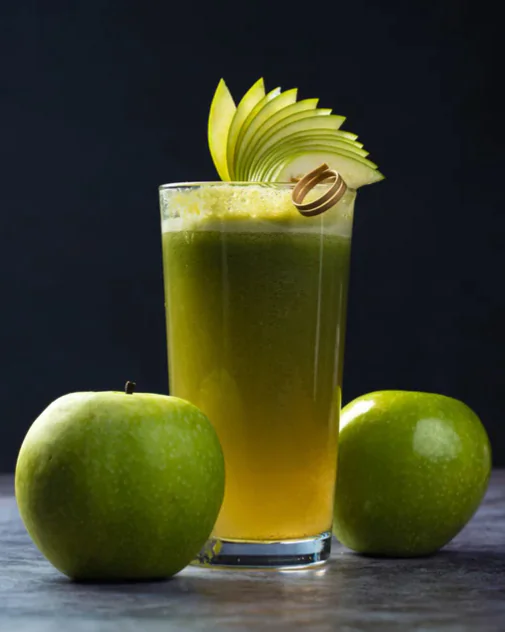
Many people wonder why apple juice is good for you beyond just the taste. When consumed correctly, this golden liquid offers several biological advantages.
High Concentration of Antioxidants and Polyphenols
Apples are rich in plant compounds, particularly polyphenols. Most of these are found in the juice, especially in “cloudy” varieties. These antioxidants help protect your cells from oxidative stress and inflammation, which are linked to chronic diseases.
Superior Hydration and Electrolytes
How is apple juice good for you when you are active? It is about 88% water and contains potassium, an electrolyte that helps maintain fluid balance.
In fact, many pediatricians recommend diluted apple juice as a more palatable alternative to medical electrolyte solutions for mild dehydration.
Support for Heart Health
The phytonutrients in apple juice may prevent “bad” LDL cholesterol from oxidizing. Oxidized cholesterol can build up in the arteries, so drinking moderate amounts of apple juice may support overall cardiovascular function and blood flow.
Apple Juice Benefits Female Health
There is specific evidence regarding apple juice’s benefits for female health, particularly concerning bone density.
Some studies suggest that the flavonoids in apples can help protect bone mass, which is especially important for women as they age and face higher risks of osteoporosis.
Is Apple Juice Good for You When You’re Sick?

One of the most frequent searches is whether apple juice is good for you when you’re sick. During a cold or the flu, hydration is the number one priority.
Hydration During Cold and Flu
If you have a sore throat, cold, or the flu, apple juice is often easier to drink than plain water because of its flavor and mild acidity. It provides a quick source of glucose, which can help if your appetite is low.
Recovery After Throwing Up
Is apple juice good for you after throwing up? Yes, but with a major caveat: it must be diluted. Full-strength juice is high in sugar, which can actually draw water into the gut and worsen diarrhea or stomach upset.
Mixing half apple juice with half water is a gold-standard home remedy for rehydrating when throwing up or recovering from a stomach bug.
Is Apple Juice Good for Your Stomach & Digestion?
The relationship between apple juice and the digestive system is a dual-edged sword.
Natural Support for Constipation
If you are wondering if apple juice is good for constipation, the answer lies in its sorbitol content. Sorbitol is a sugar alcohol that acts as a natural, mild laxative by drawing water into the large intestine, making stools easier to pass.
Benefits of Apple Juice on an Empty Stomach
Drinking a small glass of apple juice on an empty stomach in the morning can “wake up” the digestive tract and stimulate bowel movements.
However, for those with sensitive stomachs, the natural malic acid in apples might cause slight acidity if consumed without food.
Potential for Bloating
Conversely, for some, apple juice may worsen bloating or gas. This is usually due to fructose malabsorption, where the body struggles to break down the high amount of fruit sugar quickly.
Is Apple Juice Good for You During Pregnancy & Periods?
For women, nutritional needs shift significantly during different biological cycles. Understanding whether apple juice is good for you while pregnant or during menstruation requires looking at both the hydration and the glycemic impact.
Pregnancy-Safe Nutrition and Hydration
Most health experts agree that apple juice is good for you when pregnant, provided it is pasteurized. Raw or “cold-pressed” juices from farmers’ markets can carry bacteria like E.
coli or Listeria, which pose a risk to the fetus. 100% pasteurized apple juice provides:
- Hydration: Essential for maintaining amniotic fluid levels.
- Iron Absorption: Apple juice is often fortified with Vitamin C, which helps your body absorb iron from prenatal vitamins and plant-based foods.
- Energy: The natural sugars provide a quick boost during the fatigue-heavy first and third trimesters.
Managing Menstrual Bloating and Energy
Many women ask whether apple juice is good for you on your period. During menstruation, some women experience dips in blood sugar and energy. A small glass of apple juice can provide an immediate energy lift.
However, because it contains sorbitol and fructose, drinking too much might exacerbate period-related bloating or diarrhea. Moderation is key here; sticking to a 4-ounce serving is usually best.
Is Apple Juice Good for Your Kidneys, Skin & Weight?
Beyond general wellness, apple juice is often discussed in the context of specific organ health and aesthetic goals.
Kidney-Friendly Hydration
Is apple juice good for your kidneys? Unlike many other fruit juices, apple juice is relatively low in potassium and phosphorus.
For individuals with chronic kidney disease (CKD) who need to monitor their mineral intake, apple juice is often a safer choice than orange or prune juice. It provides necessary fluids without overtaxing the kidneys’ filtration system.
Antioxidants and Skin Health
When people ask if apple juice is good for your skin, they are usually referring to its antioxidant content. The Vitamin C and polyphenols in apple juice help combat oxidative stress caused by UV rays and pollution.
While drinking the juice provides some hydration to skin cells, applying apple juice topically (as a toner) is a popular folk remedy for brightening the complexion, though scientific evidence for this is limited compared to consumption.
Weight Loss Myths vs. Reality
If you are wondering if apple juice is good for weight loss, the answer is nuanced. On one hand, apple juice is not a “fat-burning” drink.
Because it lacks fiber, it is not as satiating as a whole apple, which may lead you to consume more calories later. However, substituting a high-calorie soda with a diluted apple juice can reduce overall calorie intake.
For weight management, it is always better to eat the whole fruit to benefit from the fiber that keeps you full.
Is It Healthy to Drink Apple Juice Every Day?

The frequency of consumption is where many people run into trouble. Is apple juice good for you every day?
Recommended Serving Sizes
For an average adult, drinking apple juice daily is acceptable as long as it is limited to one small glass (4 to 6 ounces). For children, the American Academy of Pediatrics (AAP) suggests even stricter limits:
- Ages 1–3: No more than 4 ounces daily.
- Ages 4–6: 4 to 6 ounces daily.
- Ages 7–18: 8 ounces daily.
Best Times to Drink Apple Juice
The best time to drink it is during a meal. The fiber, protein, and fats in your food will slow down the digestion of the fruit sugars, preventing a sharp insulin spike. Drinking it late at night may interfere with blood sugar regulation during sleep.
Best Types of Apple Juice: What Apple Juice Is Good for You?
Not all juices are created equal. When navigating the grocery aisle, knowing what apple juice is good for you can save you from hidden additives.
100% Juice vs. Apple “Drinks.”
Always look for labels that say “100% Apple Juice.” Products labeled as “apple cocktails,” “apple drinks,” or “apple-flavored beverages” usually contain added high-fructose corn syrup, artificial colors, and very little actual fruit.
Is Mott’s Apple Juice Good for You?
Is Mott’s apple juice good for you? Mott’s is a popular brand that offers a “100% Juice” variety. Factual analysis shows it is a standard, pasteurized juice that provides Vitamin C without added cane sugar.
However, like all processed juices, it is high in natural fruit sugar and lacks fiber. It is a fine choice for occasional consumption, but “Cloudy” or unfiltered juices often contain more polyphenols.
Pasteurized vs. Cold-Pressed
- Pasteurized: Heated to kill bacteria. Due to its mild profile and high safety margin, this option is the gold standard for sensitive populations, including pediatric, geriatric, and prenatal cases.
- Cold-Pressed/Cider: Often contains more nutrients because it isn’t heated, but it has a shorter shelf life and carries a higher risk of bacterial contamination.
Apple Juice vs. Other Popular Juices
To determine which is the healthiest juice to drink, we must compare apple juice to its competitors.
| Juice Type | Key Benefit | Sugar Content | Best For |
| Apple Juice | Hydration & Sorbitol | High | Digestion & Kidneys |
| Orange Juice | Vitamin C & Folate | Moderate | Immune Support |
| Cranberry Apple | Urinary Tract Health | High | UTIs |
| Grape Juice | Resveratrol | Very High | Heart Health |
Is orange juice good for you compared to apples? OJ typically has more Vitamin C and potassium but can be more acidic, which might irritate those with GERD. Is cranberry apple juice good for you? This blend is excellent for those prone to urinary tract infections, but be wary of “Cran-Apple” blends that add significant amounts of white sugar to mask the tartness of the cranberries.
Apple Juice Recipe: Healthiest Way to Make It at Home

If you want to ensure your drink is as nutritious as possible, making it yourself is the best option. Is fresh apple juice good for you? Absolutely. Fresh juice hasn’t been subjected to high-heat pasteurization, which can sometimes degrade heat-sensitive antioxidants.
The Blender Method (High-Fiber Version)
To retain some of the fiber that store-bought juices lose, use a high-powered blender instead of a traditional centrifugal juicer.
- Core and Slice: Use organic apples (like Gala or Honeycrisp) and leave the skin on, as that is where the majority of the polyphenols reside.
- Blend: Add the apples to a blender with a half-cup of water and a squeeze of lemon juice (to prevent browning).
- Strain Lightly: Instead of using a fine mesh cloth, use a coarse strainer. This allows some of the “apple solids” to remain in the liquid, lowering the overall glycemic index.
Storage Tips
Because fresh juice is not pasteurized, it oxidizes quickly. Store it in an airtight glass jar and consume it within 24 to 48 hours for maximum nutrient density.
Apple Cider Vinegar, Lemon & Apple Juice: Are They Healthy Together?
A rising health trend involves mixing apple cider vinegar (ACV) and lemon with apple juice. Many wonder: is apple cider vinegar and lemon juice good for you when mixed with a fruit base?
This combination is often touted as a “detox” drink. While your liver and kidneys handle detoxification, this mixture does have specific benefits:
- Blood Sugar Regulation: ACV contains acetic acid, which has been shown to improve insulin sensitivity and may blunt the sugar spike from the apple juice.
- Digestive Fire: The acidity from the lemon and ACV can help stimulate stomach acid, aiding in the breakdown of heavy meals.
- Flavor Balance: The tartness of the vinegar cuts through the intense sweetness of the juice, making it a more refreshing, complex beverage.
Apple Juice vs. Other Popular Juices
Before concluding, let’s look at how apple juice stacks up against other popular “healthy” juices in terms of specific health goals.
- For Immunity: Orange juice wins due to higher Vitamin C.
- For Dehydration: Apple juice wins because it is easier on the stomach when diluted.
- For Urinary Health: Cranberry juice (unsweetened) is the clear winner.
- For Low-Mineral Diets: Apple juice is the best option for those monitoring kidney health.
Should You Drink Apple Juice?

So, is apple juice good for you? After analyzing the nutritional data, medical safety standards, and various health benefits, the verdict is clear: Apple juice is a healthy addition to a balanced diet when consumed mindfully.
Why is apple juice good for you? It offers a potent combination of hydration, heart-healthy polyphenols, and digestive support.
This option is an ideal clinical choice for prenatal hydration, pediatric recovery post-illness, and as a renal-friendly beverage for those prioritizing kidney health.
To get the most out of your juice:
- Limit intake to 4–8 ounces per day.
- Always choose 100% juice with no added sweeteners.
- Dilute with water to reduce sugar concentration, especially for children.
- Treat it as a supplement to, not a replacement for, whole apples.
By following these best practices, you can enjoy the crisp, sweet taste of apple juice while supporting your long-term health goals.
Frequently Asked Questions (FAQ)
Is apple juice healthy?
Yes, in moderation. It is an excellent source of hydration and antioxidants. However, because it is high in sugar and low in fiber, it should not replace whole fruits in your daily diet.
Is apple juice too high in sugar?
For people with diabetes or those on a ketogenic diet, yes. A 240ml serving contains roughly 24g of sugar, which is comparable to some sodas. Always opt for 100% apple juice with no sugar added to avoid “hidden” calories.
Is apple juice good for your kidneys?
Yes. Apple juice is a “kidney-friendly” choice because it is lower in potassium and phosphorus compared to other fruit juices like orange or pomegranate juice.
Is apple juice good for you in the morning?
Drinking apple juice in the morning can provide a quick energy boost and help with bowel movements. However, it is best to drink it alongside a breakfast containing fiber and protein to prevent a mid-morning energy crash.
Is apple juice good for your stomach?
It can be helpful for mild constipation due to its sorbitol content. However, for those with IBS or fructose malabsorption, it may cause gas and bloating.
Conclusion
After exploring every angle of the question, Is Apple Juice Good for you, the answer ultimately settles on balance.
Apple juice is a functional, nutrient-dense beverage that offers far more than just sweet flavor; it is a source of essential hydration, heart-protective polyphenols, and a gentle aid for digestive regularity.
From supporting kidney-friendly hydration to providing a safe, energy-boosting drink during pregnancy, it earns its place in a well-rounded diet.
However, the key to unlocking the health benefits of apple juice lies in moderation and quality. To ensure you are getting the most out of every glass:
- Prioritize 100% apple juice to avoid the metabolic damage of added high-fructose corn syrups.
- Limit consumption to the recommended 4–8 ounce servings to keep daily sugar intake in check.
- Whenever possible, dilute your juice with water to lower the glycemic load while maintaining hydration.
While it can never fully replace the fiber-rich benefits of a whole apple, apple juice serves as an excellent supplemental source of plant-based antioxidants.
Whether you are drinking it to soothe a stomach ache, stay hydrated during a cold, or simply enjoy a crisp morning refreshment, following these expert-backed guidelines ensures that your choice is both delicious and health-conscious.
Authoritative References
1. National Institutes of Health (NIH) – Office of Dietary Supplements
2. American Academy of Pediatrics (AAP): Where We Stand: Fruit Juice for Children
3. Harvard T.H. Chan School of Public Health: The Nutrition Source – Apples
4. Academy of Nutrition and Dietetics (EatRight.org)