In an era of endless scrolling and overnight “health influencer’s,” the landscape of weight loss diets has never been more crowded or confusing.
From ultra-low-carb protocols to ancient plant-based wisdom, consumers are bombarded with conflicting messages about what to eat to shed pounds. One week, fat is the enemy; the next, it’s the primary fuel source.
The reality is that there is no “magic bullet” in the world of nutrition. While a list of weight loss diets can be thousands of items long, the biological principles governing fat loss remain constant.
To navigate this noise, one must distinguish between weight loss diets that work long-term and fleeting trends that offer nothing but temporary water weight loss and metabolic frustration.
This guide serves as an authoritative breakdown of the various types of diets for weight loss, evaluating them through the lens of medical science, sustainability, and safety.
Whether you are looking for the best diets for weight loss to improve your health or the fastest weight loss diets for a specific event, we will explore what the evidence actually says about the food on your plate.
What Are Weight Loss Diets and How Do They Work?
To understand how successful weight-loss diets really work, we have to move past the marketing and look at thermodynamics.
Every diet, regardless of whether it’s named or anonymous, operates on the principle of a calorie deficit. This means you must consume fewer calories than your body burns for energy.
The Calorie Deficit Explained
When your body requires energy to function (basal metabolic rate) and move (active thermogenesis) but cannot find enough energy in your current food intake, it turns to stored energy.
This stored energy is primarily body fat. Successful weight loss diets to lose weight simply provide different “rules” or “structures” to help a person achieve this deficit without feeling overwhelmed by hunger.
Metabolism Basics
While the deficit is the engine, metabolism is the efficiency of that engine. Factors like muscle mass, age, and hormonal health dictate your metabolic rate.
Some diets for weight loss focus on preserving muscle through high protein intake, which keeps the metabolism “hotter” even as total weight drops.
Adherence Over Perfection
The most critical realization in nutrition science is that adherence is the primary predictor of weight loss success.
A diet can be biologically perfect on paper, but if you cannot stick to it for more than ten days, it is a failure. The best types of diets for weight loss are the ones that fit your lifestyle, budget, and taste buds.
What Is the Most Effective Diet to Lose Weight?
If you are looking for a singular answer to “What is the most effective diet to lose weight?”, you might be disappointed to learn that science has found no clear winner.
In major clinical trials comparing different effective diets for weight loss, the results almost always show that participants lose weight on any diet they actually follow.
The Myth of the “Best” Diet
Effectiveness is a combination of sustainability and the calorie deficit. For some, a high-fat Keto diet is effective because it suppresses their appetite.
For others, a high-carb, low-fat plant-based diet is effective because they enjoy the volume of food they can eat.
The most effective diets for weight loss share three common traits:
- They prioritize protein to protect muscle and increase fullness.
- They limit highly processed foods and added sugars.
- They include fiber-rich vegetables and whole foods.
Best Weight Loss Diets (Science-Backed)
When doctors and nutritionists discuss the best weight loss diets, they look for longevity, heart health, and nutritional completeness. The following are the most medically approved diets in 2026.
Mediterranean Diet
Consistently ranked as one of the best diets for weight loss and overall health, the Mediterranean diet isn’t a strict “regime” but a pattern of eating.
It emphasizes healthy fats (olive oil), lean proteins (fish and poultry), and an abundance of fruits, vegetables, and legumes.
It is effective for weight loss because it is naturally high in fiber and low in processed junk, making it incredibly sustainable for decades, not just weeks.
DASH Diet
Originally designed to combat hypertension, the Dietary Approaches to Stop Hypertension (DASH) is frequently cited by medical professionals as a top-tier weight loss tool. It focuses on reducing sodium while increasing intake of magnesium, calcium, and potassium.
By shifting the focus to whole grains and lean proteins, weight loss becomes a natural byproduct of improved cardiovascular health.
Plant-Based Diet
A plant-based approach (which can range from vegan to “flexitarian”) focuses on whole plant foods while minimizing or excluding animal products.
These are excellent, healthy weight loss diets because plant foods are generally “low-energy-dense.” This means you can eat a large volume of food for a relatively low number of calories, which is a powerful psychological tool against hunger.
Popular & Named Weight Loss Diets Explained
While the medical community prefers patterns, the general public often gravitates toward popular weight loss diets with specific names and sets of rules.
Understanding how named diets work for weight loss helps you see the underlying mechanism of each.

Keto Diet (Ketogenic)
The Keto diet involves drastically reducing carbohydrate intake (usually to under 50 grams per day) and replacing it with fat. This puts the body into a metabolic state called ketosis, where it becomes incredibly efficient at burning fat for energy.
- Pros: Rapid initial weight loss (water weight) and high satiety.
- Cons: Can be difficult to maintain and may lead to “Keto flu” or nutrient deficiencies if not carefully planned.
Atkins Diet
A precursor to the modern Keto movement, the Atkins diet is a multi-phase high-protein, low-carb plan. It starts with a very restrictive phase to jumpstart weight loss and gradually reintroduces “healthy” carbs.
It remains one of the most popular weight loss diets because it allows for high consumption of meats and fats that are often restricted elsewhere.
Intermittent Fasting (IF)
Unlike other types of diets for weight loss, IF focuses on when you eat rather than what you eat. Common patterns include 16/8 (fasting for 16 hours, eating during an 8-hour window).
It works by naturally reducing the total time you have to consume calories, making a deficit easier to achieve without counting every morsel.
Paleo Diet
The Paleo diet mimics the eating patterns of our hunter-gatherer ancestors. This means no grains, no legumes, and no dairy
. By focusing on whole meats, nuts, and berries, it eliminates almost all ultra-processed foods, which is why it often leads to significant weight loss results.
Fast & Rapid Weight Loss Diets – Do They Work?
There is a constant demand for fast weight loss diets and rapid weight loss diets. People often want to know how I drop 20 pounds fast, or if a 10 kg weight loss in 7 days is realistic.
Water Weight vs. Fat Loss
The “magic” behind quick weight loss diets that promise massive results in a week is usually the loss of glycogen and associated water. For every gram of carbohydrate stored in your muscles, your body holds about three grams of water.
When you go on a rapid weight loss diet, you deplete these stores and “whoosh” away several pounds of water—not fat.
Health Risks of Rapid Loss
Best quick weight loss diets often involve extreme caloric restriction (under 800 calories). This can lead to:
- Gallstones.
- Electrolyte imbalances.
- Muscle wasting.
- The “yo-yo” effect (regaining all the weight plus more).
When Rapid Loss is Medically Supervised
In cases of extreme obesity or upcoming surgery, a doctor may prescribe a Very Low-Calorie Diet (VLCD).
These are the best diets for fast weight loss that should be considered safe, as they are supplemented with specific vitamins and monitored by professionals.
Weight Loss Diets for Women
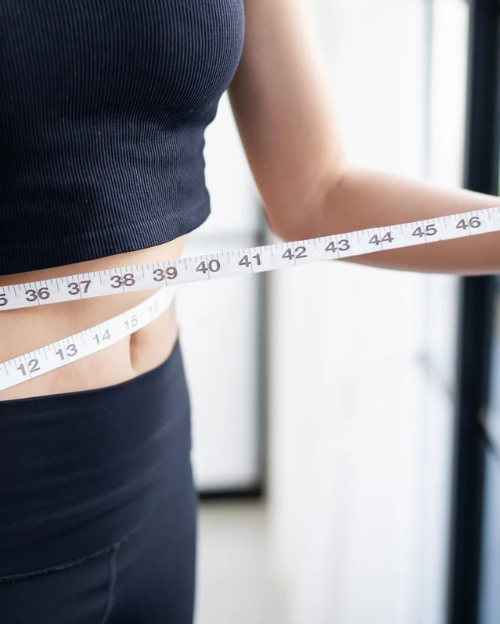
When examining weight loss diets for women, it is essential to consider the unique hormonal landscape that influences metabolism and fat storage.
Women typically have a higher body fat percentage than men by biological design, and their caloric needs can fluctuate based on their menstrual cycle, pregnancy, or menopause.
Hormones and Metabolism
Hormones like estrogen and progesterone play a significant role in how women’s bodies utilize insulin and store energy. Many weight loss diets for women fail because they are modeled after male physiology.
For instance, extreme caloric restriction can sometimes trigger a stress response in the female body, increasing cortisol levels which may actually lead to stubborn abdominal fat retention.
Sustainable Calorie Targets
For most women, a sustainable approach involves a modest deficit. Dropping below 1,200 calories per day is often counterproductive as it can lead to nutrient deficiencies and a slowed metabolic rate.
The best weight loss diets for women are those that focus on iron-rich leafy greens, calcium for bone health, and sufficient protein to maintain lean muscle mass during the fat-loss process.
Weight Loss Diets for Men
On the other side of the spectrum, weight loss diets for men often allow for a higher total caloric intake due to typically higher levels of lean muscle mass and a larger physical frame.
Higher Calorie Needs
Because men generally have a higher basal metabolic rate (BMR), they can often achieve a significant deficit while still consuming 2,000 or more calories. This makes men’s weight loss diets feel less restrictive.
However, the challenge for men is often “portion distortion,” where high-calorie density foods are consumed in large quantities.
Muscle Preservation and Protein Emphasis
The best weight loss diets for men emphasize muscle preservation. When men lose weight, they are at risk of losing significant muscle tissue along with fat.
To counter this, a high-protein approach—aiming for roughly 0.7 to 1 gram of protein per pound of body weight—is recommended. This keeps the metabolism high and ensures that the weight lost is predominantly body fat.
Diabetic Weight Loss Diets
For those living with Type 1 or Type 2 diabetes, choosing a diet is not just about aesthetics—it’s about medical safety. Diabetic weight loss diets must prioritize blood sugar stability above all else.
Blood Sugar Stability and Low-Glycemic Foods
The goal is to avoid the “rollercoaster” of glucose spikes and crashes. Diets like the Mediterranean or DASH models are often adapted for diabetics because they emphasize low-glycemic index (GI) foods.
These foods are digested slowly, providing a steady stream of energy rather than a sudden burst of sugar.
Doctor Supervision Disclaimer
It is vital that any diabetic individual consults with an endocrinologist or a registered dietitian before starting a new weight loss protocol.
Changes in diet can significantly alter medication requirements, and a “DIY” approach to a diabetic weight loss diet can lead to dangerous hypoglycemic episodes.
Low-Carb & High-Protein Diets Explained (In Depth)
In the last decade, low-carbohydrate diets have been very popular, largely due to the success of the Keto and Paleo movements.
But how do low-carb diets cause weight loss exactly, and why are they so effective for some?
What Happens in the Body Without Carbohydrates?
When you significantly reduce carbs, your body’s primary source of fuel (glucose) becomes scarce. To compensate, the body burns through its glycogen stores (stored glucose in the muscles and liver).
Once these are depleted, the body shifts to burning fat for fuel.
This metabolic flexibility is a hallmark of successful weight loss. Additionally, low-carb diets lower insulin levels, a hormone that is known as the “fat-storage hormone.”
Why do high-protein diets cause weight loss?
High-protein diets are effective for three primary reasons:
- Satiety: Protein is the most filling macronutrient. It triggers the release of fullness hormones like cholecystokinin (CCK).
- Thermic Effect of Food (TEF): Your body burns significantly more calories digesting protein than it does digesting fats or carbohydrates.
- Muscle Retention: By providing the body with amino acids, you prevent the breakdown of muscle tissue, keeping your BMR elevated.
Are High-Protein, High-Fat Diets Healthy?
The healthiness of these diets depends on the quality of the fats and proteins. A diet of processed bacon and butter is vastly different from a diet of wild-caught salmon, avocado, and grass-fed beef.
When executed with whole, unprocessed foods, high-protein/high-fat diets can improve blood markers and lead to significant health gains.
Fad Diets – Why They Often Fail
Despite the plethora of weight loss diets that work, the market is still flooded with “fad diets.” Understanding why fad diets are an unhealthy weight-loss strategy is crucial for long-term health.
The Unhealthy Strategy of Fad Diets
Most fad diets rely on extreme restriction or “pseudo-science.” They often eliminate entire food groups without a nutritional basis (e.g., the “Grapefruit Diet” or the “Cabbage Soup Diet”).
The primary reason why fad diets are an unhealthy weight loss strategy is that they do not teach behavior change. Once the “challenge” is over, the individual returns to their old habits and the weight returns instantly.
How Advertisers Mislead Consumers
A common technique advertisers use to mislead consumers is the use of unrealistic testimonials and cherry-picked data.
They often showcase “before and after” photos that were taken years apart or involve surgical interventions, attributing the results solely to a pill or a 7-day tea “detox.”
These marketing tactics prey on the desire for a “quick weight loss diet” rather than the reality of a sustainable lifestyle change.
Liquid Diets & Extreme Plans

Liquid diets involve replacing most or all solid meals with shakes or juices. While many people ask, “do liquid diets work for weight loss?”, the answer is complicated.
Short-Term Use and Risks
In the short term, yes, they work because they create a massive calorie deficit. However, they are often deficient in fiber and essential fatty acids.
Long-term use without medical supervision can lead to hair loss, weakened immune function, and digestive issues.
Medical-Only Scenarios
Liquid diets are primarily used in clinical settings, such as preparing for bariatric surgery or treating severe digestive disorders.
For the average person looking to lose 15 pounds, a liquid diet is rarely the most effective or healthiest choice.
Easy & Free Weight Loss Diet Options
Many people assume that losing weight requires expensive gym memberships or high-priced meal delivery services.
However, some of the most successful weight loss diets free of cost are simply based on structured habits and whole foods. You don’t need to pay for a “named” program to see results.
What are some good easy diets for weight loss?
The “easiest” diet is often the Volumetrics Diet. This isn’t a paid plan but a strategy: you prioritize foods with low energy density. This means filling half your plate with non-starchy vegetables (broccoli, spinach, peppers).
Because these foods are mostly water and fiber, you can eat a massive volume for very few calories. It is an easy weight loss diet because it focuses on what you can eat rather than just what you must avoid.
The “One-Ingredient” Method
Another free weight loss diet strategy is to only eat foods that have no ingredient label—or a label with only one item.
Examples include eggs, chicken, potatoes, apples, and almonds. By default, this eliminates the ultra-processed “hyper-palatable” foods that lead to overeating, making it one of the most effective weight loss diets for beginners.
Top 10 Diets for Weight Loss (2025-2026 Update)
Based on clinical success rates and long-term sustainability, here are the top 10 diets for weight loss currently leading the field:
- The Mediterranean Diet: The gold standard for heart health and steady, sustainable fat loss.
- The DASH Diet: Best for those with high blood pressure who need to shed pounds.
- The Flexitarian Diet: A plant-heavy approach that allows for occasional meat, making it highly realistic.
- Intermittent Fasting (16/8): Best for busy professionals who prefer skipping breakfast to save calories.
- The Ketogenic (Keto) Diet: Ideal for those with insulin resistance who prefer savory, high-fat foods.
- The Paleo Diet: Best for athletes looking for “clean” fuel without grains or dairy.
- The Volumetrics Diet: Best for “volume eaters” who hate the feeling of a small plate.
- The Mayo Clinic Diet: A medically backed program that focuses on habit stacking rather than just calorie counting.
- The WW (Weight Watchers) Program: Highly effective for those who need community support and a points-based system.
- The Whole30: Best as a “reset” to identify food sensitivities, though difficult to maintain long-term.
Practical Tools & Plans: Your 7-Day Roadmap
To move from theory to practice, you need a weight loss diet chart or a structured plan. Below is a foundational 7-day diet plan for weight loss that balances proteins, fats, and fibers.
The 30/30/30 Rule for Weight Loss
A popular strategy in 2026 is the 30/30/30 rule: Consume 30 grams of protein within 30 minutes of waking up, followed by 30 minutes of low-intensity steady-state exercise (like a brisk walk). This jumpstarts the metabolism and stabilizes blood sugar for the day.
7-Day Sample Weight Loss Diet Chart
| Day | Breakfast | Lunch | Dinner |
| 1 | Scrambled eggs with spinach | Grilled chicken salad | Baked salmon with asparagus |
| 2 | Greek yogurt with berries | Turkey and avocado wrap | Lean beef stir-fry with peppers |
| 3 | Protein smoothie (whey/greens) | Quinoa and black bean bowl | Lemon herb roasted chicken |
| 4 | Overnight oats with chia seeds | Tuna salad in lettuce cups | Zucchini noodles with turkey bolognese |
| 5 | Omelet with mushrooms | Mediterranean chickpea salad | Grilled shrimp and broccoli |
| 6 | Cottage cheese and sliced peach | Roasted vegetable and tofu bowl | Pork tenderloin with green beans |
| 7 | Poached eggs on whole-grain toast | Leftover chicken and veg soup | Cod with roasted cauliflower |
Which diet food is best for weight loss?
If you had to pick one “superstar” food, eggs often take the crown. They are inexpensive, high in protein, and contain choline, which is vital for fat metabolism.
Other top weight loss diet recipes should centre around cruciferous vegetables (cauliflower/kale) and lean poultry.
Weight Loss Diets for Dogs
While we’ve focused on human nutrition, pet owners often seek similar weight-loss strategies for their dogs to ensure their furry companions remain active and healthy.”
It is vital to remember that human “fad diets” like Keto or intermittent fasting can be dangerous for canines.
- Consult a Vet: Never put a dog on a calorie-restricted diet without professional guidance.
- Prescription Kibble: Vets often recommend high-fiber, low-fat prescription diets.
- No Table Scraps: The most effective “diet” for a dog is simply the elimination of human food and consistent exercise.
About Weight Loss Diets
What diets are good for weight loss?
Medically, the Mediterranean, DASH, and high-protein/low-carb diets have the most evidence for both efficacy and safety.
Can I eat chicken and still lose weight?
Absolutely. Chicken breast is a cornerstone of almost every list of weight loss diets because it is incredibly lean and high in protein, which helps preserve muscle during a deficit.
How do I know if a diet is a “fad”?
If a diet promises “10 kg in 7 days,” requires you to buy expensive supplements, or eliminates entire categories of healthy foods (like fruit or legumes) without a medical reason, it is likely a fad.
What Diet Should You Choose?
In the end, what are the best diets for weight loss? The answer is that you don’t want to “quit” after three weeks. Weight loss is a marathon, not a sprint.
The most effective diets for weight loss are those that are personalized. “If you enjoy carbohydrates, forcing yourself into strict Keto can create a sense of deprivation that eventually leads to overeating.”
If you hate cooking, a complex Mediterranean plan might fail. Choose a path that emphasizes protein, fiber, and whole foods, but allows for enough flexibility to enjoy a meal with your family.
Before starting any intensive weight loss diets, consult with a healthcare provider to ensure the plan aligns with your blood markers and physical needs.
True health isn’t found in a number on a scale, but in the sustainable habits you build every day.
Frequently Asked Questions About Weight Loss Diets
Which diet is most effective for sustainable weight loss?
The most effective diet is the one you can stick to long-term. While Keto or Intermittent Fasting often show rapid initial results, the Mediterranean Diet is consistently ranked as the most sustainable and healthiest by medical experts.
It focuses on whole foods, healthy fats, and lean proteins, which prevents the “yo-yo” effect common in more restrictive fad diets.
How many calories should I eat daily to lose weight?
To lose weight, you generally need to create a calorie deficit. A safe goal is to aim for 500 calories below your Total Daily Energy Expenditure (TDEE). For most women, this is roughly 1,200–1,500 calories, and for most men, 1,500–1,800 calories. However, you should never drop below 1,200 calories without medical supervision to avoid metabolic damage and nutrient deficiencies.
Is Intermittent Fasting better than small, frequent meals?
Research shows that both methods can be equally effective for weight loss, as the total calorie intake at the end of the day is what matters most.
Intermittent Fasting (like the 16:8 method) helps some people manage hunger and reduce nighttime snacking, while small frequent meals can help others maintain steady blood sugar levels. Choose the method that best fits your lifestyle and hunger patterns.
Conclusion
Navigating the world of weight loss diets can feel like an overwhelming task, but the core message from nutritional science is clear: the most successful diet is the one you can stick to long-term.
Whether you choose the heart-healthy Mediterranean pattern, the metabolic shift of a low-carb protocol, or the structured window of intermittent fasting, the goal remains the same—creating a sustainable lifestyle that supports a healthy weight without sacrificing your well-being.
To find your best fit, remember these three foundational pillars:
- Prioritize Satiety: Focus on high-protein and high-fiber foods that keep you full and preserve your lean muscle mass.
- Avoid the “Quick Fix” Trap: Be wary of fast weight loss diets that promise impossible results. True fat loss is a gradual process of metabolic adaptation, not a seven-day “detox.”
- Personalization is Key: A diet that works for your neighbor might not work for your biology or your schedule. Listen to your body’s hunger cues and consult with a medical professional to tailor a plan to your specific health markers.
Ultimately, the “best” diet isn’t found in a glossy magazine or a viral video; it’s the one that empowers you to feel energetic, healthy, and in control of your choices.
By focusing on whole, nutrient-dense foods and consistent habits, you can move past the cycle of fad dieting and achieve a level of health that lasts a lifetime.
References
1. Harvard T.H. Chan School of Public Health: Diet Reviews
2. Mayo Clinic: Choosing a Sustainable Weight-Loss Diet
3. National Institutes of Health (NIH): Choosing a Safe and Successful Weight-Loss Program
4. The Lancet Public Health: Carbohydrate Intake and Mortality
5. American Diabetes Association (ADA): Standards of Medical Care in Diabetes—Nutrition