Do you ever feel confused in the grocery aisle? You see a bag of golden egg noodles next to a box of classic pasta. Both look similar, but are they the same?
Many people wonder about egg noodles vs pasta when planning healthy meals. Some think noodles are lighter. Others believe pasta is the gold standard for energy. The truth lies in the ingredients and your specific health goals.
In this guide, we will compare egg noodles vs pasta in detail. We will examine calories, carbohydrates, and protein. We will also see how they perform in your favorite soups. Is there a big difference between pasta and egg noodles?
Yes, specifically in the fat and protein content. Are egg noodles healthier than pasta for you? It depends on whether you want more protein or less cholesterol.
Let’s dive into the science of these pantry staples.
Quick Comparison: Egg Noodles vs Pasta
| Nutrient (1 Cup Cooked) | Egg Noodles | White Pasta (Enriched) |
| Calories | 221 kcal | 220 kcal |
| Total Carbs | 40g | 43g |
| Protein | 7g | 8g |
| Total Fat | 3.3g | 1.3g |
| Cholesterol | 46mg | 0mg |
What Are Egg Noodles vs Pasta?
To understand the difference between pasta and egg noodles, we must look at the dough. Both are technically “pastas” by a broad definition. However, their recipes create very different nutritional profiles.
What Are Egg Noodles?
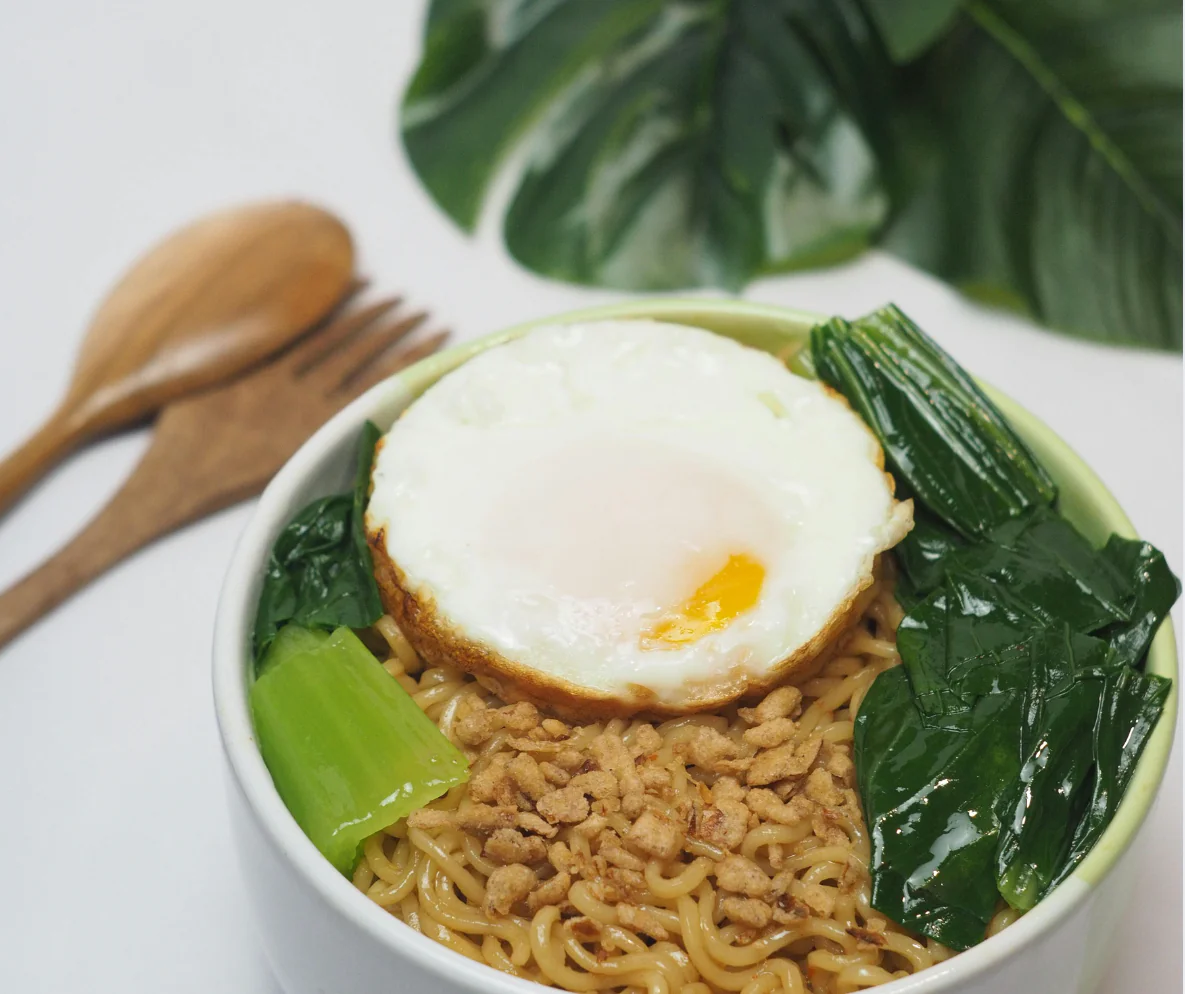
Standard egg noodles consist of wheat flour and eggs. In the United States, federal standards are very specific. To be called an “egg noodle,” the dough must contain at least 5.5% egg solids by weight.
Most brands use whole eggs or just egg yolks.
This addition of eggs gives them a rich, savory flavor. It also creates a bright yellow color. You will often find them in flat, twisted shapes.
They are staples in comfort foods like chicken noodle soup or beef stroganoff.
What Is Pasta?
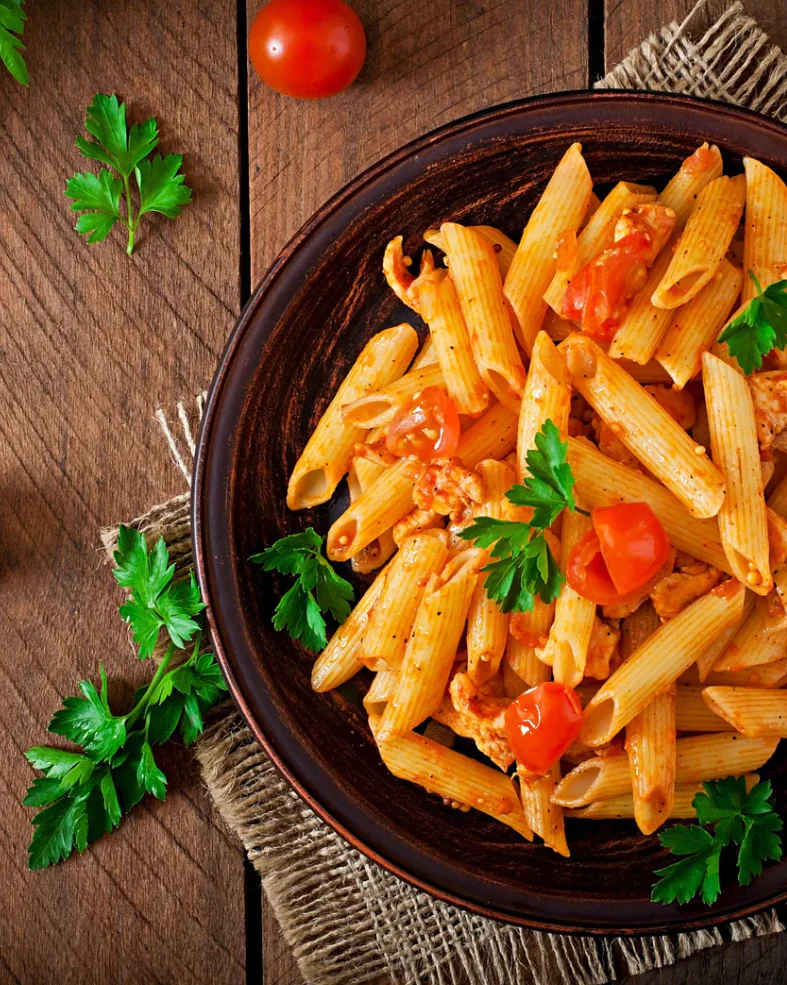
Classic Italian-style pasta is usually simpler. It is made from durum wheat semolina and water. Semolina is a coarse flour high in gluten.
This helps the pasta keep its firm “al dente” shape. Most dry pastas you buy in boxes are egg-free.
This makes them naturally low in fat and cholesterol-free. However, “fresh” pasta found in the refrigerated section often does include eggs.
For this comparison, we are focusing on the dry, shelf-stable versions most Americans use.
Egg Noodles vs Pasta Nutrition
When we talk about egg noodles vs pasta nutrition, the margins are slim but significant. Both provide a similar amount of energy. However, the source of those calories varies.
Calories in Egg Noodles vs Pasta
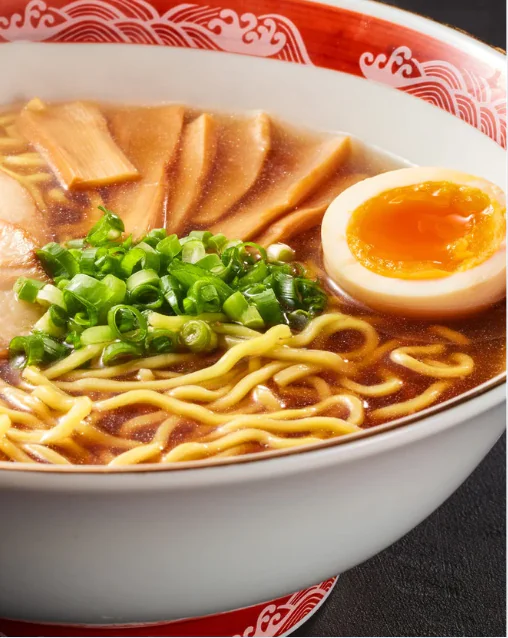
Many dieters ask about egg noodles vs pasta calories. On average, one cup of cooked egg noodles has about 221 calories.
One cup of cooked spaghetti or penne has about 220 calories. As you can see, the calorie count is almost identical. You will not save many calories by switching from one to the other.
Carbs in Egg Noodles vs Pasta
Are you watching your sugar levels? Then you likely care about egg noodles vs pasta carbs. Standard pasta is slightly higher in carbohydrates. It contains about 43 grams per cup. Egg noodles vs pasta comparisons show noodles have about 40 grams.
This small difference comes from the eggs. The fats and proteins in the eggs displace some of the flour.
Are egg noodles good or bad carbs? Most are “refined” carbs. This means the fiber has been removed.
They can cause a quicker rise in blood sugar than whole grains. However, the fat in the eggs may slightly slow digestion. This might give them a minor edge in satiety over plain white pasta.
Protein in Egg Noodles vs Pasta
Protein is where things get interesting. You might assume eggs mean more protein. In reality, egg noodles vs pasta protein levels are very close.
A cup of egg noodles offers 7 grams of protein. Standard durum wheat pasta offers about 8 grams.
How is this possible? Durum wheat is naturally high in protein. While egg noodles have egg protein, they often use standard wheat flour.
This results in a similar total. However, eggs provide “complete” protein. They contain all the essential amino acids your body needs.
Fat, Cholesterol, and Micronutrients
This is the biggest difference between pasta and egg noodles. Regular pasta has almost no fat. It also has zero cholesterol.
Egg noodles have about 3 grams of fat per cup. They also contain roughly 46 milligrams of cholesterol. This is because of the egg yolks.
On the plus side, egg yolks provide choline. Choline is vital for brain health and metabolism. Egg noodles also often have more Vitamin A than plain pasta. Both are usually enriched with B vitamins and iron in the US.
Nutritional Value of Egg Noodles vs Pasta
The nutritional value of egg noodles vs pasta involves more than just macros. We must look at the density of vitamins.
| Nutrient | Egg Noodles (1 Cup) | Pasta (1 Cup) |
| Iron | 10% DV | 10% DV |
| Folate | 25% DV | 25% DV |
| Vitamin A | 1% DV | 0% DV |
| Selenium | 45% DV | 50% DV |
The Role of “No Yolk” Varieties
Are you worried about heart health? You might see no yolk egg noodles vs pasta on the shelf. These noodles use only egg whites.
This removes the cholesterol and fat. They end up looking and tasting more like regular pasta. They are a great middle ground for heart patients.
Taste, Texture, and Cooking Performance
Why choose one over the other? Often, it comes down to the egg noodles vs pasta taste.
Egg Noodles vs Pasta Flavor
Egg noodles have a “richer” feel. They taste slightly buttery and savory. This is why they pair so well with cream sauces.
Standard pasta has a more neutral, nutty flavor. It acts like a blank canvas. It allows the acidity of tomato sauce to shine.
Cooking Time and Versatility
The egg noodles vs pasta cooking time is a major factor for busy parents. Egg noodles are often thinner and softer. They cook in about 5 to 8 minutes.
Standard dried pasta takes longer. You usually need 8 to 12 minutes for a perfect al dente bite.
Be careful when boiling egg noodles. They can become mushy very quickly. Pasta is more forgiving. The high gluten in semolina keeps it firm. This makes pasta better for heavy, chunky sauces.
Egg Noodles vs Pasta in Soup
If you are making a broth, you need the right starch. Egg noodles vs pasta in soup is a classic debate.
Structural Integrity
Egg noodles are the kings of the soup pot. They are flexible and hold onto broth well. They feel “at home” in a light chicken soup. However, they can absorb a lot of liquid. If your soup sits in the fridge, the noodles will swell.
Broth Absorption
Standard pasta, like ditalini or orzo, stays firmer. It does not “leak” starch into the broth as much as egg noodles do. If you like a clear broth, choose a small pasta. If you want a hearty, thickened feel, go with egg noodles.
Are Egg Noodles Healthier Than Pasta?
As a physician, I get asked this often: are egg noodles healthier than pasta? There is no “yes” or “no” answer. It depends on your unique health profile. Let’s look at the evidence-based breakdown.
Weight Management and Satiety
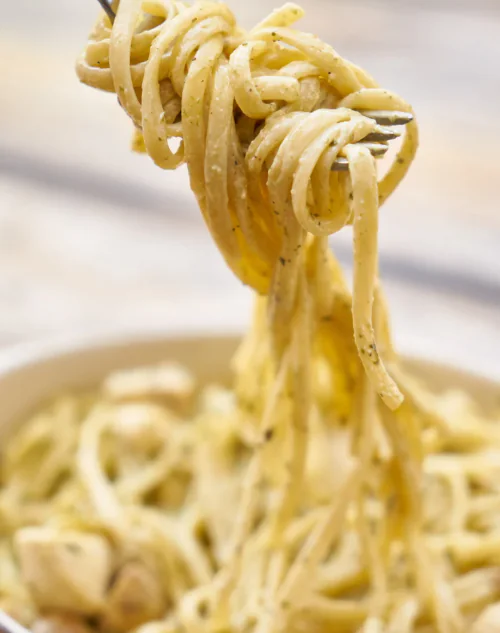
When comparing egg noodles vs pasta calories, the difference is negligible. However, satiety—how full you feel—matters for weight loss. Egg noodles contain slightly more fat and protein. These two macros can slow down gastric emptying. This means you might feel full for a little longer.
On the other hand, if you are counting every calorie, pasta is “cleaner.” It lacks the saturated fat found in egg yolks.
For those on a strict heart-healthy diet, are egg noodles better for you than pasta? Likely not, due to the cholesterol.
Blood Sugar and Diabetes
Areegg noodles good or bad carbs for diabetics? Both are refined starches. They have a medium-to-high glycemic index. However, the protein in egg noodles can slightly lower the glycemic load.
If you are managing blood sugar, choose whole-wheat pasta instead. It has more fiber, which is the best way to prevent insulin spikes.
Who Should Choose Which?
To help you decide, I have created a clinical decision matrix. This is based on common health goals I see in my practice.
| Goal | Best Choice | Why? |
|---|---|---|
| Muscle Building | Egg Noodles | Slightly higher “complete” protein quality. |
| Heart Health | Standard Pasta | Zero cholesterol and lower saturated fat. |
| Quick Digestion | White Pasta | Very low fat, easy on the stomach before a workout. |
| Brain Health | Egg Noodles | Contains Choline from egg yolks. |
| Vegan/Plant-Based | Standard Pasta | Traditional dry pasta is 100% plant-based. |
What Is the Healthiest Noodle?
If you want the ultimate “superfood” noodle, you may need to look beyond white flour. While we focus on egg noodles vs pasta, other options exist.
- Whole Wheat Pasta: This is the gold standard for fiber. It has double the fiber of egg noodles.
- Chickpea Pasta: This is a protein powerhouse. It often has 11–14 grams of protein per serving.
- Shirataki Noodles: These are almost zero-calorie. They are great for extreme weight loss but lack nutrients.
If you stick to the basics, “No Yolk” egg noodles are a fantastic compromise. They give you the texture of a noodle without the heart-health risks of egg yolks.
Doctor-Recommended Store-Bought Brands
As a physician, I advise patients to look for “Enriched” and “Whole Grain” labels. Enrichment replaces B vitamins and iron lost during processing, while whole grains provide the fiber necessary for metabolic health.
Below is a comparison of top-rated, US store-bought brands for egg noodles vs pasta based on their nutritional density, ingredient quality, and glycemic impact.
| Brand & Product | Type | Key Nutritional Benefit | Best For |
| No Yolk (Broad) | Egg Noodle | Cholesterol-Free: Uses egg whites only. Low fat (0.5g). | Heart health & low-fat diets. |
| Manischewitz | Egg Noodle | Traditional Quality: High protein (8g) and enriched with folic acid. | Soups and traditional casseroles. |
| Barilla Protein+ | Pasta | High Protein: Uses lentils/chickpeas to reach 10g protein per serving. | Muscle recovery & satiety. |
| De Cecco (Semolina) | Pasta | Low Glycemic Index: Slow-dried, high-quality durum wheat. | Stable energy & blood sugar. |
| Jovial (Brown Rice) | Pasta | Gluten-Free: Excellent fiber source and easy on digestion. | Celiac disease or gluten sensitivity. |
| Explore Cuisine (Edamame) | Noodle | Fiber Powerhouse: Massive 13g fiber and 24g protein. | Weight loss & high-fiber goals. |
What to Look for on the Nutrition Label
When you are in the pasta aisle, use these three clinical rules to pick the best bag:
- Fiber Content: Look for at least 3g of fiber per serving. If you choose egg noodles, you may need to add extra vegetables to your meal to meet this fiber goal.
- Ingredient Simplicity: The best pastas have two ingredients: Durum Wheat Semolina and Water (plus added vitamins). Avoid brands with added thickeners or gums.
- Sodium Levels: Most dry noodles are naturally low in sodium (0mg–15mg). Avoid “instant” or pre-seasoned noodle packets, which can contain over 800mg of sodium.
The “MD Verdict” on Brand Choice
If you have high cholesterol, I strongly recommend the No Yolk brand. It provides the exact texture of an egg noodle without the dietary cholesterol that can impact your lipid panel.
If you are a diabetic, my top recommendation is Barilla Protein+ or De Cecco cooked al dente, as the higher protein and firm texture lead to a much slower blood sugar rise.
What the Science Says: The Verdict
Research published in The Journal of Nutrition highlights that the nutritional value of egg noodles vs pasta can be enhanced by what you add to them.
While egg noodles offer more micronutrients like Choline and Folate, pasta’s lower glycemic response makes it a better everyday staple for metabolic health.
Final Summary: Making Your Choice
- Choose Egg Noodles if: You need a boost in Vitamin A or Choline. They are also superior for those who struggle with “complete” protein intake, as eggs provide all essential amino acids. Use them in soups and traditional casseroles for the best experience.
- Choose Pasta if: You are managing diabetes, high cholesterol, or heart disease. Its lower glycemic index and zero-cholesterol profile make it a safer, more versatile “base” for a healthy Mediterranean diet.
- The “Doctor’s Secret”: Neither is a “superfood” on its own. To make any noodle healthy, follow the 50/50 Rule: fill half your bowl with non-starchy vegetables (like broccoli or peppers) and the other half with your favorite noodle. This turns a simple carb into a balanced, physician-approved meal.
Frequently Asked Questions (FAQs)
Are egg noodles better for you than pasta?
Not necessarily. They have more cholesterol and fat. However, they offer slightly more vitamins, like Vitamin A and Choline.
Are egg noodles the same as pasta?
No. Egg noodles must contain at least 5.5% egg solids. Standard dry pasta is usually just wheat and water.
Can I use pasta instead of egg noodles in soup?
Yes, but use a small shape like rotini or orzo. Be aware that the texture will be firmer and less “silky.”
Are egg noodles good or bad carbs?
They are considered “refined” carbs. They are fine in moderation but lack the fiber found in whole grains.
Final Verdict: Which Should You Choose?
In the battle of egg noodles vs pasta, there is no clear loser. Both provide the energy your body needs to function.
Choose egg noodles if you are making a soup, a casserole, or a dish with a cream-based sauce. They offer a richer flavor and a bit of high-quality egg protein. They are also a great choice for kids who need the extra nutrients found in egg yolks.
Choose standard pasta if you are watching your cholesterol or following a vegan diet. It is a versatile, low-fat staple that works perfectly with tomato and oil-based sauces.
My Clinical Advice: The “healthiest” choice is the one you eat with plenty of vegetables. Whether you choose noodles or pasta, fill half your bowl with greens. This lowers the glycemic impact and boosts your fiber intake.
Conclusion
In the battle of egg noodles vs pasta, your choice should align with your health goals. Egg noodles offer a richer flavor and unique micronutrients, while pasta provides a heart-healthy, low-GI foundation. Both can have a place in a balanced diet.
By understanding the difference between pasta and egg noodles, you are no longer just guessing in the grocery aisle.
You are making a choice backed by nutritional science and clinical evidence. Whether it’s a bowl of comforting chicken noodle soup or a vibrant pasta primavera, enjoy your meal knowing exactly how it fuels your body.
Authoritative References
1. USDA FoodData Central: Enriched Egg Noodles (Cooked)
2. USDA FoodData Central: Enriched Spaghetti (Cooked)
3. NIH Office of Dietary Supplements: Choline Fact Sheet for Health Professionals
4. Glycemic Index Research: Glycemic Response to Different Pasta Types
5. American Heart Association: Cooking for Lower Cholesterol