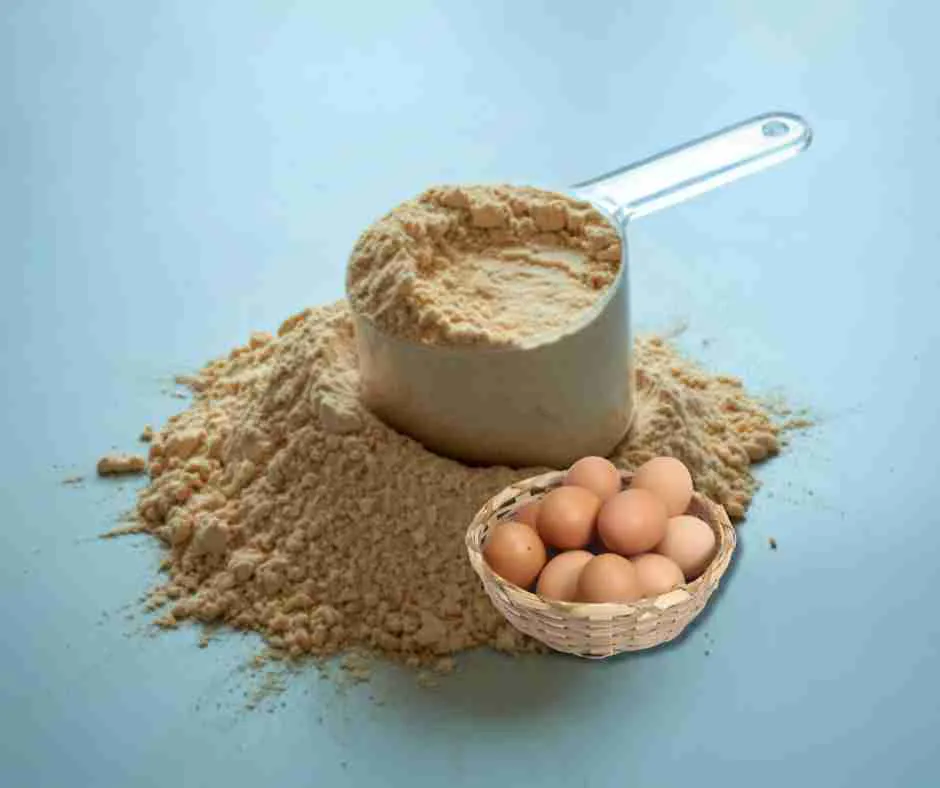
In the world of sports nutrition, whey has long worn the crown. But as dietary needs shift and more people seek dairy-free, highly bioavailable alternatives, a new challenger—or rather, an old classic—is reclaiming the spotlight. Egg protein powder is surging in popularity, offering a complete amino acid profile, moderate digestion speed, and zero lactose.
Whether you are an athlete looking to break a plateau, someone navigating a dairy sensitivity, or a home cook wanting to boost the protein content of your pancakes, egg protein is a versatile powerhouse.
But is there a protein powder made from eggs that actually tastes good? And how does it stack up against the gold standard of whey?
This comprehensive guide covers everything from the science of egg white protein powder to a detailed egg protein vs whey comparison, complete with recipes and a buying guide for the best egg protein powder on the market.
What Is Egg Protein Powder?
Egg protein powder is a supplement made by isolating the protein from eggs—typically just the whites, though whole egg versions exist—and dehydrating them into a fine, shelf-stable powder.
Historically, before whey protein became cheap and abundant due to the cheese industry, bodybuilders in the “Golden Era” (think Arnold Schwarzenegger) relied heavily on eggs.
Today, technology has allowed us to turn this whole food into a convenient, mixable powder that retains the nutritional density of the original egg without the hassle of cracking shells or separating yolks.
How It Is Made
The process usually begins with raw eggs that are broken and separated.
- Pasteurization: The liquid (whites or whole egg) is flash-pasteurized to kill bacteria like Salmonella. This is a crucial step that makes the powder safe to eat raw in smoothies.
- Dehydration: The liquid is spray-dried, removing the water content and leaving behind pure protein crystals.
- Processing: It may be instantized (to help it mix in water) or flavored.
Whole Egg Protein Powder vs. Egg White Protein Powder
- Whole Egg Protein Powder: Includes the yolk. This version is calorie-dense and rich in healthy fats, choline, and vitamins A, D, E, and K. It is excellent for “hard gainers” or those on keto diets.
- White Egg Protein Powder (Egg White Protein): The most common form. It removes the yolk, leaving arguably the purest form of protein available. It is virtually fat-free, cholesterol-free, and carbohydrate-free.
What Is Egg White Protein Powder?
When you search for what is egg white protein powder, you are essentially looking at “dried albumen.” Albumen is the clear liquid in the egg, acting as a protective shock absorber for the yolk.
Is Egg White Powder the Same as Egg White Protein?
Technically, yes, but with a caveat regarding quality.
- Egg White Powder: Often found in the baking aisle (meringue powder). It may contain cornstarch, sugar, or stabilizers to help it whip up for baking.
- Egg White Protein Powder: Designed for nutrition. It usually undergoes finer filtration to remove sodium and naturally occurring salts, resulting in a higher protein-by-weight ratio (often 80% protein or higher).
If you are buying for muscle building, always check the label to ensure “Egg Whites” is the first and only primary ingredient, rather than “Sugar” or “Cornstarch.”
Egg Protein Powder Benefits
Is egg protein powder good for you? Absolutely. It is considered one of the highest-quality proteins available to humans. Here is why it deserves a place in your pantry.
1. High Biological Value (BV)
Biological Value measures how efficiently the body uses a protein source. Eggs have a BV of 100, which serves as the benchmark for all other foods. While whey isolate can technically score higher (104) due to processing, egg protein is the “perfect” whole-food protein. It contains all nine essential amino acids in the exact ratios humans need.
2. Muscle Building & Recovery
Egg protein powder benefits include a high concentration of Leucine, the primary amino acid responsible for triggering muscle protein synthesis (MPS). While whey gives a rapid spike in amino acids, egg protein digests at a “moderate” pace.
This keeps amino acids flowing into your bloodstream for 2–3 hours, making it ideal for muscle preservation.
3. Digestibility & Allergies
For the millions of people who cannot tolerate dairy, egg white protein powder is a lifesaver. It is naturally free of:
- Lactose
- Dairy
- Soy (usually)
- Gluten
This makes it the best egg protein powder choice for Paleo dieters and those with IBS who find whey causes bloating.
4. Weight Management
Because it is almost pure protein with zero fat and negligible carbs, it is highly satiating. Protein has a high thermic effect, meaning your body burns more calories digesting it than it does fats or carbs.
Top 5 Egg Protein Powder Brands Comparison
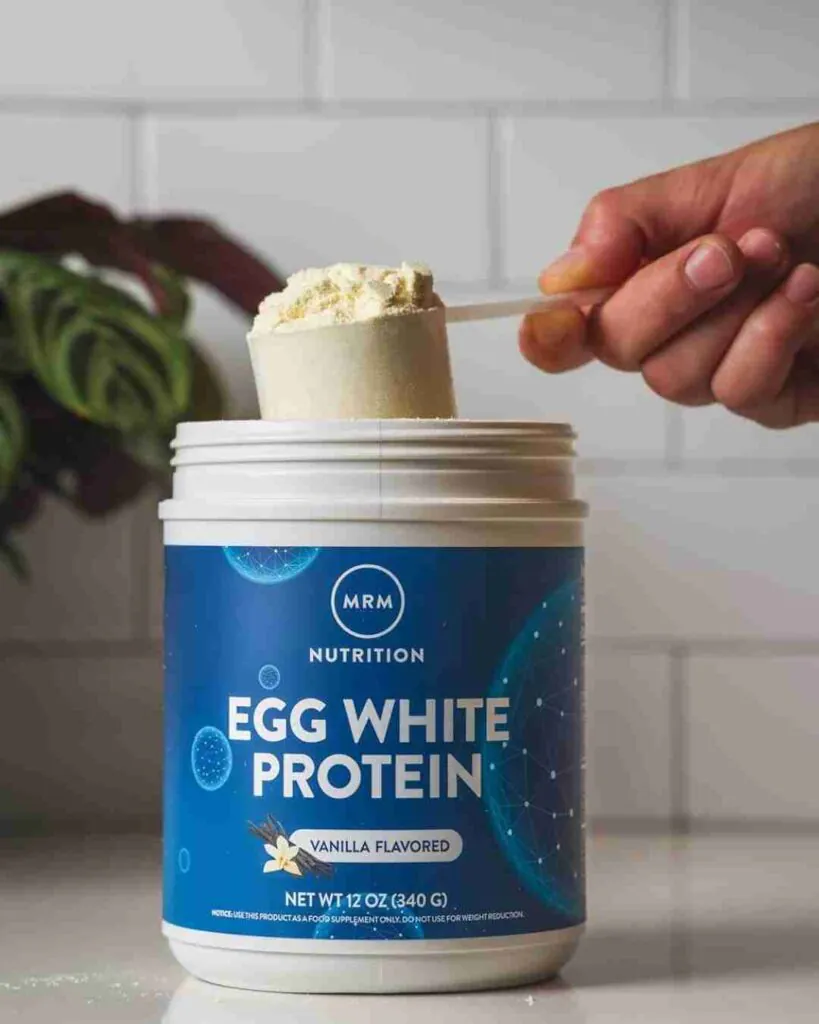
Here is the comparison chart of the top 5 egg protein powder brands. I have broken them down by price efficiency, protein content, and flavor variety to help you decide which one fits your goals.
| Brand | Best For… | Approx. Price | Servings (per tub) | Price Per Serving | Protein (g) | Flavors |
| Naked Egg | Purity (Cleanest Label) | ~$67.00 (3 lbs) | 44 | ~$1.52 | 25g | Unflavored (Main), Choc, Van |
| Jay Robb | Taste (Best Flavoring) | ~$55.00 (1.5 lbs) | 21 | ~$2.62 | 24g | Choc, Vanilla, Strawberry, Unflavored |
| Gaspari Proven Egg | Muscle (Bodybuilding) | ~$60.00 (2 lbs) | 28 | ~$2.14 | 25g | Salted Caramel, PB Cup, Choc, Banana Nut |
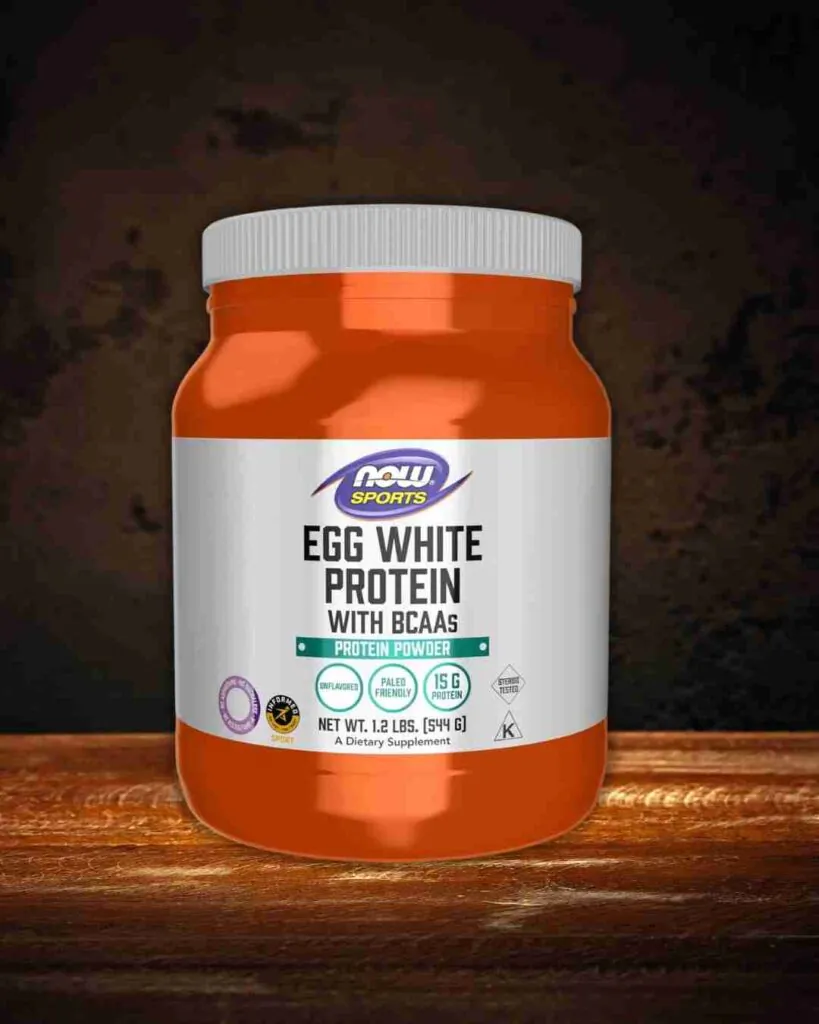
| NOW Sports | Value (Budget Friendly) | ~$33.00 (1.2 lbs) | 27 | ~$1.22 | 16g* | Unflavored, Vanilla Creme |
| Legion Egg+ | Science (Natural/Safe) | ~$50.00 (2 lbs) | 30 | ~$1.67 | 22g | Dutch Chocolate, French Vanilla |
*Note on NOW Sports: The serving size is smaller (20g scoop vs. the standard 30-33g scoop of others), which is why the protein count is 16g. If you use a larger scoop, the value is still excellent.
Quick Buying Recommendations
- If you hate the “eggy” taste: Go with Jay Robb or Gaspari Proven Egg. They are heavily flavored (naturally) and mask the sodium/egg flavor the best.
- If you want to bake/cook: Buy Naked Egg or NOW Sports (Unflavored). They are pure egg whites and act just like flour/eggs in pancakes and muffins.
- If you are on a strict budget: NOW Sports is the most affordable entry point.
If you want dessert flavors: Gaspari offers unique options like Salted Caramel and Banana Nut Bread that are rare in the egg protein market.
Is Egg White Protein Powder Good for You?
Specifically regarding the white-only version, is egg white protein powder good for you?
Yes, particularly if you are watching your cholesterol or caloric intake.
- Amino Acid Profile: It is a “complete” protein. Unlike plant sources (pea or rice) which often need to be blended to get a full profile, egg white stands alone.
- Low Fat & Carb: A typical scoop of egg white isolate has ~24g of protein, 0g fat, and <2g carbs.
- Sulfur Content: Egg whites are high in sulfur-containing amino acids (Methionine and Cysteine), which are crucial for hormone production and joint health.
Who Should Avoid It?
Obviously, anyone with an egg allergy. Also, egg whites naturally contain high sodium compared to other proteins. If you are on a strictly sodium-restricted diet, look for brands that filter out excess sodium.
Egg Protein Powder vs Whey Protein
This is the most common debate: Is egg protein better than whey protein?
The answer depends on your goal. There is no single “winner,” but there is a “better choice” for your specific situation.
Comparison Table
| Feature | Whey Protein (Isolate) | Egg White Protein |
| Source | Milk (Cheese byproduct) | Egg Whites |
| Digestion Speed | Very Fast (30–60 mins) | Moderate (2–3 hours) |
| Lactose Content | Low to None (in Isolate) | Zero (Naturally) |
| Taste | Milky, creamy, neutral | Salty, distinct “egg” note |
| Texture | Smooth, thin | Thicker, can be foamy |
| Bioavailability | Very High (104 BV) | High (100 BV) |
| Best Time to Use | Immediately Post-Workout | Between meals or Meal Replacement |
| Price | Moderate | Moderate to High |
Detailed Breakdown
- Is egg protein powder better than whey for allergies? Yes. If dairy gives you gas or acne, egg is superior.
- Which is better whey or egg white protein powder for muscle growth? Whey causes a faster spike in anabolic hormones, making it marginally better immediately after a workout. However, egg protein suppresses appetite better and provides sustained amino acid release.
- Texture: Whey mixes like milk. Egg white protein can foam up significantly when shaken. (Pro tip: Stir it or shake gently to avoid drinking a cup of foam).
Verdict: Use Whey for post-workout speed. Use Egg for dairy-free needs, baking, and keeping full between meals.
Milk and Egg Protein Powder – What’s the Difference?
You might see “Milk and Egg” blends on the shelf. Milk and egg protein powder were the old-school bodybuilder’s secret weapon before pure whey took over.
- The Concept: By blending milk proteins (Casein + Whey) with Egg protein, you get a “time-release” effect.
- Whey: Absorbs instantly.
- Egg: Absorbs in 2–3 hours.
- Casein: Absorbs in 4–6 hours.
- Who is it for? This is excellent for meal replacement shakes or nighttime recovery drinks, ensuring your muscles are fed all night. However, it is not suitable for those with lactose intolerance.
Whole Egg Protein Powder vs Egg White Protein Powder
Most powders are egg white, but whole egg protein powder is gaining traction, especially in the Keto community.
Just Egg White Protein Powder
- Best For: Cutting, weight loss, “clean” eating.
- Profile: Pure protein. No fat.
Whole Egg Protein Powder
- Best For: Keto, bulking, meal replacement.
- Profile: Contains the yolk, which adds calories (~140 cal per scoop vs ~110), healthy fats, and micronutrients.
- Taste: Richer and creamier than egg white powder.
If you are struggling to hit your calorie goals or need healthy fats for hormone regulation, choose Whole Egg. If you just want protein, stick to White.
Best Egg Protein Powder Brands (Buying Guide)
When searching for the best egg protein powder, you want to avoid fillers, excessive sodium, and “chicken feed” quality eggs. Here are the top contenders based on purity, taste, and reputation.
1. Naked Egg (Best Clean Label)
Naked egg protein powder is the gold standard for purists.
- Why it wins: It has two ingredients: Egg Whites and Sunflower Lecithin (for mixing). No gums, no sweeteners.
- Sourcing: Non-GMO eggs from US farms.
- Taste: It tastes like eggs. It is best used in smoothies with fruit or savory dishes.
2. Jay Robb Egg White Protein (Best Taste)
Jay Robb egg white protein is famous for its flavor.
- Why it wins: They use Stevia and natural flavors to mask the salty egg taste effectively. It comes in flavors like Chocolate, Vanilla, and Strawberry.
- Texture: Mixes surprisingly well with less foam than competitors.
3. NOW Sports Egg White Protein (Best Value)
NOW egg white protein powder offers a budget-friendly bulk option.
- Why it wins: Unflavored, high protein content, and trusted testing. It is great for baking.
4. Proven Egg (Best for Bodybuilders)
Proven egg protein powder by Gaspari Nutrition.
- Why it wins: Created by bodybuilding legend Rich Gaspari. It is formulated specifically for muscle growth, often adding enzymes for digestion and coming in dessert-like flavors like Salted Caramel.
5. Legion Athletics (Best Sourcing)
Egg protein powder Legion serves the science-based community.
- Why it wins: Sourced from cage-free farms in Ireland (where animal welfare standards are strict). It is cleaner than most standard American egg powders.
6. Designer Egg (Heritage Brand)
Designer egg protein powder (often under Designer Whey labels or sub-lines) has been around for decades, offering consistent quality and good mixability.
Organic, Bulk & Specialty Egg Protein Powders
Organic Egg Protein Powder
If you are concerned about antibiotics or pesticides in chicken feed, look for organic egg protein powder. Brands like Judee’s or Source Organic offer this. Expect to pay a 30–40% premium.
Flavored vs. Unflavored
- Egg Protein Powder Vanilla / Chocolate: These contain sweeteners (Stevia, Monk Fruit, or Sucralose). They are best for drinking straight with water or almond milk.
- Egg Protein Powder Unflavored: Best for savory recipes (adding to soup) or baking, as it won’t clash with other ingredients.
Egg Protein Powder Market Overview
The egg protein powder market is currently exploding. Why?
- Lactose Intolerance Awareness: More people are realizing dairy causes their bloating.
- Paleo & Whole30: These diets forbid dairy but celebrate eggs.
- Sustainability: While plant protein is growing, many find the texture of pea/rice protein gritty. Egg offers the smooth texture of animal protein without the dairy issues.
Market reports suggest the global egg protein market is projected to grow significantly as “clean label” demands rise. Consumers want ingredients they can pronounce, and “Egg Whites” is about as simple as it gets.
Egg Protein Powder for Specific Groups
Egg Protein Powder for Women
Egg protein powder for women is often marketed for its lean profile. Because it causes less bloating than whey, it helps maintain a flatter stomach.
It is also excellent for hair, skin, and nails due to the high sulfur amino acid content and biotin (if the yolk is included, or if the whites are processed effectively—note: raw egg whites contain avidin, which blocks biotin, but pasteurized powder neutralizes this issue).
Egg Protein Powder for Cats
Pet owners often ask about egg protein powder for cats.
- Can they eat it? Yes, cats are obligate carnivores and thrive on protein. Plain egg white powder is safe.
- The Danger: NEVER feed your cat flavored protein powder (Chocolate, Vanilla).
- Xylitol: Often found in sugar-free powders (like some versions of Jay Robb or generic brands), Xylitol is deadly toxic to dogs and cats.
- Sugar/Cocoa: Cats cannot process these well.
- Verdict: Only buy 100% pure, unflavored egg white powder. Sprinkle a tiny amount on their food to boost protein, but consult your vet first.
How to Use Egg Protein Powder
The biggest complaint with egg protein is clumping and foaming. Here is how to use egg protein powder correctly.
How to Mix Egg Protein Powder (Drinking)
- Liquid First: Pour your water or almond milk into the shaker first.
- Add Powder: Dump the scoop on top.
- Shake Gently or Swirl: Do not shake it violently like whey. Egg whites create foam (meringue). If you shake it hard, you will have a bottle full of foam that is hard to drink. Swirling or using a blender on low speed is best.
- Wait: Let it sit for 60 seconds to hydrate.
Cooking vs Raw Mixing
You can stir unflavored powder into hot soup (tempering it first so it doesn’t curdle) or oatmeal. It adds creaminess and protein without altering the flavor much.
Egg Protein Powder Recipes
Egg powder behaves differently than whey in baking—it actually helps structure (like real eggs), whereas whey often dries things out.
1. Egg Protein Powder Pancakes (Keto Friendly)
Ingredients:
- 1 scoop Egg protein powder vanilla
- 1 whole egg
- 2 tbsp almond flour
- 1/4 tsp baking powder
- Splash of almond milk
Directions:
Mix all ingredients. The batter will be thick. Cook in a greased skillet over medium heat. These fluff up beautifully because the egg powder acts like flour and egg.
2. Banana Egg Protein Powder Pancakes
Ingredients:
- 1 ripe banana (mashed)
- 2 scoops Unflavored egg white protein powder
- 1 tsp cinnamon
Directions:
Mash the banana into a puree. Stir in the protein powder. It will form a batter. Cook like regular pancakes. This is a famous 3-ingredient Paleo breakfast.
How to Make Egg Protein Powder at Home
For the DIY enthusiasts asking how to make egg protein powder or how to make your own egg white protein powder:
Warning: Raw eggs carry Salmonella. You generally cannot just dry raw egg whites in a low-heat dehydrator safely. You must use pasteurized liquid egg whites (from a carton) to ensure safety.
Method:
- Buy Pasteurized Whites: Buy a carton of liquid egg whites.
- Dehydrate: Pour thin layers onto fruit leather trays in a food dehydrator.
- Dry: Run at 135°F (57°C) for roughly 12–16 hours until brittle and glass-like.
- Blend: Grind the dried sheets in a high-powered blender or coffee grinder until it become a fine powder.
Note: This process is time-consuming and often yields a powder that doesn’t mix as well as commercial spray-dried versions. It is usually better to buy it.
Where to Buy Egg Protein Powder
Knowing where to buy egg protein powder can save you money.
Online vs Local Stores
- Amazon/Bodybuilding.com: Best for variety. You can find Naked, Jay Robb, and NOW easily.
- Walmart/Target: Often carry generic brands or Six Star. Selection is limited.
- Whole Foods/Sprouts: Great for finding high-quality organic brands like Tera’s Whey (often have egg versions) or Jay Robb.
- Trader Joe’s: sometimes carries their own brand of egg white protein, which is very affordable.
Check the Label:
When looking at where can i buy egg white protein powder, flip the tub over. If the first ingredient is “Egg White Hydrolysate” or “Egg White Isolate,” you are good. If it says “Protein Blend” and egg is listed last, it’s mostly cheap fillers.
FAQs – People Also Ask (PAA)
Is there a protein powder made from eggs?
Yes. It is called Egg White Protein Powder (or occasionally Whole Egg Powder). It is made by dehydrating pasteurized eggs into a fine powder.
What is the best egg protein powder?
For purity, Naked Egg is widely considered the best due to its lack of additives. For taste, Jay Robb is the market leader.
Is egg protein better than whey protein?
Not necessarily “better,” but different. Egg protein is better for people with dairy allergies and for sustained digestion. Whey is better for immediate post-workout absorption and is generally cheaper.
Is egg protein powder good for you?
Yes. It has a Biological Value of 100, is complete in amino acids, contains no fat or sugar (in isolate form), and is highly digestible for most people.
Final Verdict – Should You Choose Egg Protein Powder?
Egg protein powder is the unsung hero of the supplement world. It offers the high-quality, complete protein of animal sources without the digestive issues of dairy.
You should choose Egg Protein if:
- You are lactose intolerant or sensitive to dairy.
- You follow a Paleo or Whole30 diet.
- You want a protein that keeps you full longer than whey.
- You bake often and want a protein powder that doesn’t dry out your muffins.
Stick to Whey if:
- You have no issues with dairy.
- You are on a tight budget (Whey is cheaper).
- You want the fastest possible absorption after a workout.
Ultimately, the “best” protein is the one you will actually drink. For many, the clean, light, and savory-compatible nature of egg white protein makes it a staple worth investing in.
Scientific & Nutritional References
- Biological Value & Digestibility: ResearchGate: Confirmed that egg protein has a PDCAAS (Protein Digestibility Corrected Amino Acid Score) of 1.00, putting it on par with whey and casein for protein quality. Digestibility and net protein utilisation of whey or egg white protein (ResearchGate)
- Muscle Protein Synthesis (Egg vs. Whey): PubMed / PMC: Studies indicate that while whey protein triggers a faster spike in leucine (better for immediate post-workout), egg protein offers a sustained release of amino acids, maintaining elevated blood amino acid levels for a longer duration (2–3 hours). Effects of protein type on postprandial markers of skeletal muscle anabolism (PMC)
- Nutritional Profile (Egg Whites): Healthline: Verification of calorie, protein, and fat content in egg whites vs. whole eggs (e.g., ~3.6g protein per white, 0g fat). Egg Whites Nutrition: High in Protein, Low in Everything Else
- Pet Safety (Cats & Dogs): Veterinary nutrition resources confirm that plain, cooked/pasteurized egg white powder is safe for cats and dogs as a protein supplement. Note: Caution regarding Xylitol in flavored versions is a standard veterinary warning. The Benefits of Using Pure Whole Egg Powder in Pet Food (Taj Agro)
- Biotin Absorption (Avidin): Raw egg whites contain avidin, which blocks biotin. However, the pasteurization and spray-drying process used to create protein powders neutralizes avidin, making the powder safe to consume without risk of biotin deficiency. Health Functions of Egg Protein (NIH)