



Gluten-free cereal options are breakfast cereals that are made without gluten-containing ingredients and, crucially, are processed to minimize or eliminate the risk of cross-contamination from wheat, barley, or rye. Gluten, derived from the Latin word for “glue,” is a general term for the proteins found in these grains.
It is responsible for the elastic texture of dough, but for those with Celiac Disease, consuming even trace amounts can trigger a severe autoimmune response that damages the small intestine. For individuals with NCGS, it can cause digestive and systemic symptoms.
So, what cereal does not have gluten? The modern market offers an incredible variety of safe and delicious answers, from puffed rice and corn flakes to robust granolas and high-protein clusters.
This ultimate guide will define what cereal is gluten free, explain the differences between certified and non-certified products, provide a complete list of gluten free cereal brands, and help you choose the healthiest gluten free cereal options for your family.
What Is Gluten-Free Cereal?
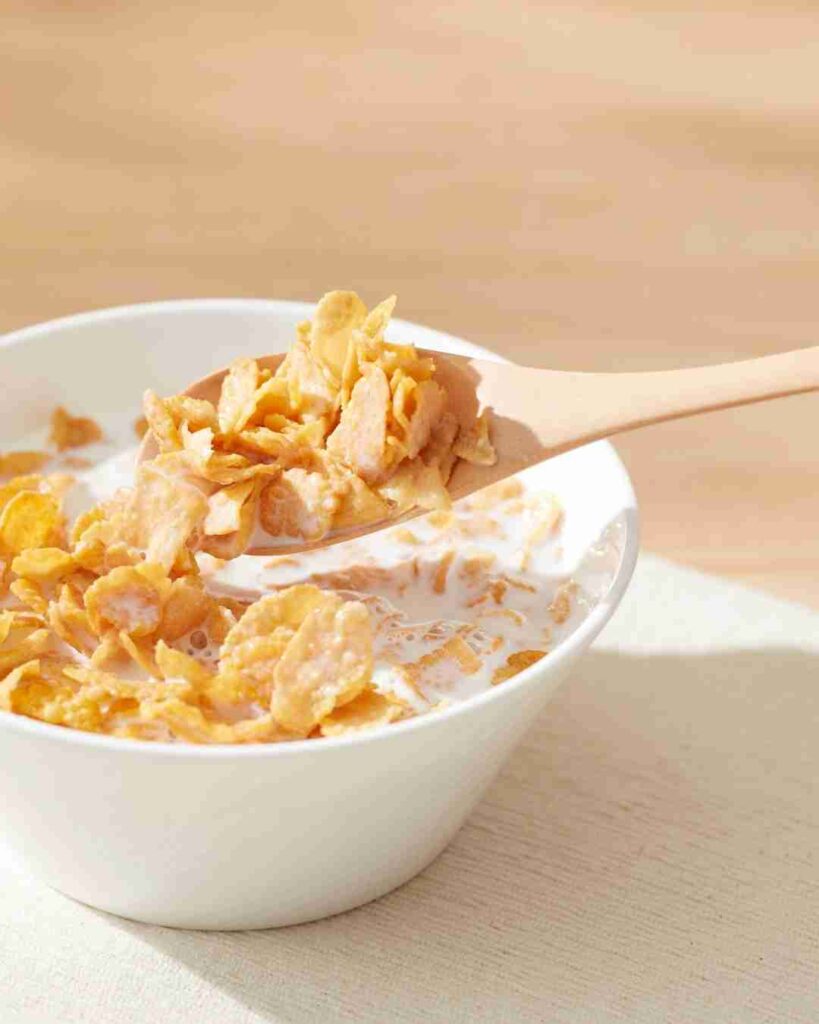
A warm bowl of cereal is a timeless, easy breakfast. For those managing Celiac Disease or non-Celiac Gluten Sensitivity (NCGS), however, this simple pleasure often requires scrutiny. The gluten free cereal, represents more than just a diet restriction—it signifies a search for a safe, convenient, and enjoyable morning meal.
Gluten-Free Cereal Grains Explained
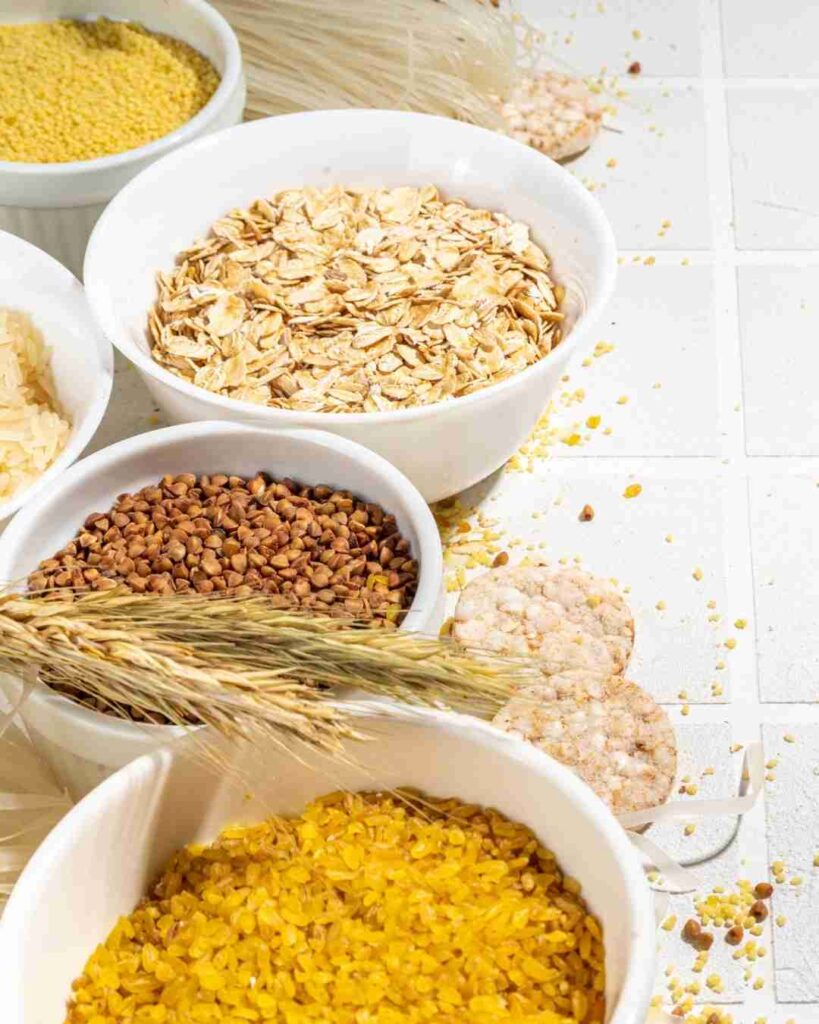
Not all grains contain gluten. Understanding the base ingredients is the first step in identifying safe breakfast options. The world of gluten-free cereal grains is diverse, offering a range of flavors and textures, from light and airy to dense and chewy.
Naturally Gluten-Free Grains: The Safe Starting Line
The following grains are naturally free from gluten and form the backbone of safe cereal products:
- Rice (White and Brown): Easily the most common base. Yes, is rice cereal gluten free? The base ingredient is, but the final product is only safe if cross-contamination is avoided (a major issue for brands like Rice Krispies, discussed later).
- Corn: Used to make corn flour, corn grits, and puffed corn-based cereals like corn flakes and popular kids’ options.
- Quinoa: A protein-rich pseudo-cereal often used in granolas and hot cereals for added texture and nutrition.
- Buckwheat: Despite its name, it’s not related to wheat; it’s a fruit seed. It provides a hearty, nutty flavor perfect for flakes and puffs.
- Millet: A small, round grain that is a great source of fiber and frequently used in whole-grain GF blends.
- Sorghum: A naturally sweet and versatile grain, increasingly popular in whole-grain GF cereals and flours.
The Risk of Cross-Contamination
While a grain like oats is naturally gluten-free, it is almost always grown, harvested, and processed in shared facilities with wheat, leading to a high risk of cross-contamination. For safe consumption, oats (and other naturally GF grains) must be “Purity Protocol” or “certified gluten-free” to ensure their final gluten content is less than 20 parts per million (ppm).
Certified vs Non-Certified Gluten-Free Cereals
For many, especially those with Celiac Disease, simply reading the ingredient list isn’t enough. This is where certification becomes critical.
What “Certified Gluten-Free” Means
A certified gluten free cereal has voluntarily undergone an auditing process by a third-party organization, such as the Gluten-Free Certification Organization (GFCO) or an equivalent program.
- FDA Standard: The U.S. Food and Drug Administration (FDA) requires that any product labeled “gluten-free” contain less than 20 ppm of gluten. This is a legally enforceable standard for all manufacturers.
- GFCO Standard: The GFCO seal is a higher standard, requiring products to test at 10 ppm or less. This extra layer of assurance is why many sensitive consumers prefer the GFCO stamp.
Why Certification Matters
The certified seal provides assurance that the product has been subjected to rigorous testing and that the manufacturing facility has protocols in place to prevent cross-contact. For a person with Celiac Disease, choosing certified products is often the safest choice.
Fortified Cereals and Nutrient Considerations
Cereals are frequently fortified gluten free cereal products, meaning they have added vitamins (like B vitamins and Folic Acid) and minerals (like Iron). Since many GF grains are lower in certain nutrients than wheat, fortified GF cereals can play an important role in a balanced diet, helping to prevent common nutrient deficiencies associated with the GF lifestyle.
Complete Gluten-Free Cereal List
The market is now rich with safe, delicious, and genuinely high-quality options. This gluten free cereal list covers the top brands and categories to help you navigate the aisles.
Popular Gluten-Free Cereal Brands
Many major manufacturers and specialty brands now offer extensive GF lines. The primary criterion for inclusion here is clear GF labeling and availability.
- Nature’s Path Gluten-Free Cereal: A leader in the organic and GF space. Popular lines include the Mesa Sunrise Flakes, Rice Puffs, Corn Flakes, and a wide variety of granolas. They often use ancient grains like quinoa and millet.
- General Mills Gluten-Free Cereal: General Mills has become a powerhouse in the GF market, primarily through its certified gluten-free oat lines, including wide varieties of Cheerios gluten free cereal (Original, Honey Nut, Frosted, etc.). Note: Always look for the “Gluten Free” mark. They also offer GF Chex (Rice, Corn, Honey Nut).
- Kellogg’s Gluten-Free Cereal: While many of their flagship cereals are not gluten-free, Kellogg’s offers a certified GF version of Rice Krispies in the U.S. and a dedicated GF line of corn flakes and granolas in various markets.
- Kashi Gluten-Free Cereal: Kashi offers several GF options, often focusing on high fiber and whole grains, such as their certified GF Chewy Nut Butter Bars and specific GF-labeled cold cereals. Note: Always check the label, as many Kashi products contain wheat or barley.
- Magic Spoon: A popular, specialty brand focused on very high protein gluten free cereal options that are also low-carb/keto-friendly. These are often sweetened with alternatives like allulose.
Organic & Natural Options
For those prioritizing environmental sustainability and non-GMO ingredients, organic options abound.
- Organic Gluten Free Cereal: Brands like Nature’s Path, One Degree Organic Foods, and Cascadian Farm offer lines that are both GF and certified organic. These often rely on simple, whole-food ingredients.
- Gluten Free Granola: Granola is one of the most popular GF categories. When choosing, look for GF-certified oats and clean binders (honey, maple syrup) instead of wheat-based flours. Purely Elizabeth is a widely available, highly-regarded GF granola brand.
Kid-Friendly Gluten-Free Cereals
It can be challenging to find fun, brightly flavored cereals that are also safe.
- Cheerios (GF Varieties): As mentioned, the clearly-labeled “Gluten Free” boxes of Original, Honey Nut, and other varieties are a reliable, kid-friendly choice.
- Pops (GF Varieties): Brands like Barbara’s and Nature’s Path make simple puffed corn or rice cereals that appeal to kids. Post’s Pebbles line (Fruity and Cocoa) is also naturally GF (rice-based), but it is vital to check the label for the GF certification.
Brand-Specific: Is This Cereal Gluten-Free?
Navigating specific brands can be confusing due to manufacturing changes, different rules in various countries, and the ubiquitous issue of cross-contamination. Here is a definitive, brand-by-brand guide.
Is Rice Krispies Cereal Gluten Free?
Short Answer: Depends on the box.
Explanation: Traditional Rice Krispies (Kellogg’s) are NOT gluten-free because they contain Malt Syrup, a flavoring derived from barley, which is a gluten grain.
Are any Rice Krispies gluten-free? Yes. In the United States, Kellogg’s produces a separate product clearly labeled “Kellogg’s Gluten Free Rice Krispies Cereal.” This version is made with brown rice and is certified gluten-free. Always check the label; if it is the traditional box, assume it contains gluten. Where to buy gluten free rice krispies cereal? Major retailers like Walmart, Target, and Kroger often carry the GF version.
Is Honeycomb Cereal Gluten Free?
Short Answer: No.
Explanation: Honeycomb cereal (Post) is a wheat-based cereal and therefore contains gluten. There is currently no widely available gluten-free version of Honeycomb cereal.
Is Crispix Cereal Gluten Free?
Short Answer: No.
Explanation: Crispix cereal (Kellogg’s) contains both rice and corn, but it also contains malt flavoring (derived from barley), which makes it unsafe for a gluten-free diet.
Is Trix Cereal Gluten Free / Are Trix Cereal Gluten Free?
Short Answer: No.
Explanation: Trix cereal (General Mills) contains whole grain corn and is primarily corn-based, but its final ingredient list does not meet the FDA’s gluten-free standard and contains non-GF additives.
Is Kix Cereal Gluten Free?
Short Answer: No.
Explanation: While Kix (General Mills) is primarily cornmeal, it is not labeled as gluten-free and is subject to cross-contamination risk, making it unsafe for a strict GF diet.
Is Special K Cereal Gluten Free?
Short Answer: No, with one potential exception.
Explanation: Traditional Special K is a blend of rice and whole grain wheat. In the UK and some other markets, Kellogg’s has released a limited “Special K Gluten Free” product, but the standard US Special K is not GF.
Is Kashi Cereal Gluten Free?
Short Answer: Depends on the specific product.
Explanation: Many Kashi products, such as Kashi Go Lean, contain oats that are not certified GF and/or barley. However, Kashi clearly labels its certified gluten-free options, such as the Whole Wheat Biscuits Made with Quinoa, Chia, and Buckwheat, in some markets. Always look for the clear “Gluten-Free” label.
Is Kroger Crispy Rice Cereal Gluten Free?
Short Answer: No.
Explanation: Like traditional Kellogg’s Rice Krispies, most store-brand crispy rice cereals, including the Kroger brand, contain malt flavoring (barley), which means they contain gluten.
Is Captain Crunch Cereal Gluten Free?
Short Answer: No.
Explanation: Cap’n Crunch (Quaker) is oat-based and also contains corn ingredients, but it is not certified gluten-free and is not safe for a GF diet due to cross-contamination and non-GF additives.
Is Reese’s Puffs Cereal Gluten Free?
Short Answer: No.
Explanation: Reese’s Puffs (General Mills) is not labeled as gluten-free and is not safe for those on a GF diet.
Are Pops Cereal Gluten Free?
Short Answer: No (Quaker’s Corn Pops) / Yes (GF-Certified alternatives).
Explanation: Quaker’s Corn Pops are not certified gluten-free and are unsafe. However, corn and rice pops from certified GF brands like Nature’s Path (e.g., Panda Puffs, Koala Crisps) or Erewhon are safe alternatives.
Is Magic Spoon Cereal Gluten Free?
Short Answer: Yes.
Explanation: Magic Spoon is a dedicated, specialized brand whose entire product line is certified gluten-free, focusing on high-protein, low-carb formulas.
Best & Healthiest Gluten-Free Cereals
Selecting the best gluten free cereal goes beyond safety; it involves balancing nutritional value with taste. Here are the top choices across key categories:
Which is the Best Gluten Free Cereal?

| Category | Recommended Cereal (Example) | Key Feature |
| Best Overall | General Mills GF Honey Nut Cheerios | Great taste, wide availability, and Certified GF. |
| Best Low Sugar | Erewhon Corn Flakes or Nature’s Path Mesa Sunrise Flakes | Minimal added sugar, made from simple grains. |
| Best for Kids | Nature’s Path Koala Crisps or Cascadian Farm GF Fruitful O’s | Fun flavors/shapes with organic ingredients and clear GF labeling. |
| Best for Adults | One Degree Organic Foods Sprouted Brown Rice Crisps | Simple, clean ingredients, high in fiber potential, easy to customize. |
| Best Tasting | Magic Spoon Cocoa/Peanut Butter | Excellent taste replication of classic cereals in a high-protein, low-carb format. |
High Fiber & High Protein Gluten-Free Cereals
For many consumers, a GF diet can be lower in fiber than a traditional one, making high fiber gluten free cereal a top priority. Protein helps with satiety and blood sugar control, making gluten free protein cereal ideal for a sustained energy release.
Fiber & Protein Sources
- Fiber Benefits: Dietary fiber aids in digestion, helps stabilize blood sugar, and promotes heart health. GF sources include whole grain brown rice, corn, certified GF oats, nuts, and seeds (chia, flax).
- Protein Sources: Gluten itself is a protein, so GF products often replace it with sources like pea protein (common in Magic Spoon and similar brands), milk protein isolate, or whole nuts and seeds (almonds, walnuts).
| Cereal (Example) | Fiber per Serving | Protein per Serving | Key Advantage |
| Magic Spoon (Cocoa) | <1g | 13g | Excellent for keto/low-carb. |
| Nature’s Path GF Selections Granola | 5g | 7g | High in fiber and clean, organic ingredients. |
| Kashi GF Bars/Cereals (Select) | 6g+ | 5g+ | Good whole-grain source of both. |
Gluten-Free Cereal Bars & On-the-Go Options
Cereal bars offer the convenience and flavor of cereal in a portable format. When looking for gluten free cereal bars, the rules remain the same: check for certification. Leading brands that offer GF bars include: Nature’s Path, KIND (wide varieties are GF, but check the label), Lärabar, and Bobo’s Oat Bars (ensure they use GF certified oats). These are excellent for school lunches, hiking, or a quick office snack.
Where to Buy Gluten-Free Cereal
Availability has exploded in the last decade, making it easier than ever to source these products, whether you shop at big-box stores or specialty retailers.
Retailers Breakdown
- Gluten Free Cereal Walmart: Walmart is an excellent source for widely distributed brands like General Mills GF Cheerios and Chex, Nature’s Path, and Kellogg’s GF Rice Krispies. Look in both the regular cereal aisle and the dedicated “Free From” section.
- Gluten-Free Cereal Whole Foods: Whole Foods offers the largest selection of premium, organic, and specialty brands, including niche granolas, certified GF oats, and options like Magic Spoon. They often have bulk GF options for grains and flour.
- Trader Joe’s Gluten Free Cereal: Trader Joe’s consistently offers private-label GF products, including trader joe’s gluten free cereal options like GF Granola, GF Crispy Rice Cereal, and GF Oats, all clearly marked.
- Tesco Gluten Free Cereal & Gluten Free Cereal ASDA: In the UK, these major retailers have robust “Free From” sections. Look for brands like Nestlé GoFree (GF corn flakes, cocoa rice), Sainsbury’s/Tesco own-brand GF products, and specialty imports.
- Gluten Free Cereal Canada: Canadian retailers (Loblaws, Sobeys, Metro) carry US/global brands (General Mills, Nature’s Path) and unique Canadian products, often under the “PC Free From” or “Compliments” labels.
Online Bulk Buying Tips
For consistency and savings, consider a bulk buy gluten free cereal strategy through online retailers like Amazon, Thrive Market, or direct from the manufacturer (e.g., Magic Spoon). Subscriptions can often save you 10-15%.
Top 10 Gluten-Free Cereals
This list represents a balance of safety, availability, taste, and nutrition. This section is optimized for the top 10 gluten free cereals featured snippet.
- General Mills Gluten Free Cheerios (Original): Safe, ubiquitous, and low-sugar.
- Kellogg’s Gluten Free Rice Krispies: The essential GF version of a classic.
- Nature’s Path Mesa Sunrise Flakes: Organic, lower in sugar, excellent texture.
- General Mills Gluten Free Chex (Rice or Corn): Highly versatile for snacks and cooking.
- Magic Spoon (Cocoa/Fruity): High protein, low-carb, excellent for a specialty diet.
- Purely Elizabeth Granola: Top-tier certified GF granola with clean ingredients.
- Barbara’s Organic Corn Flakes: Simple, clean, and reliably GF.
- Cascadian Farm GF Fruitful O’s: Great GF alternative to traditional fruit rings.
- Nature’s Path Koala Crisps: A low-fat, rice-based chocolate cereal for kids.
- Bob’s Red Mill Gluten-Free Oatmeal: Best for a healthy, high-fiber hot cereal option.
Kellogg’s & General Mills Gluten-Free Breakdown
Navigating the biggest cereal makers requires a focused look, as many of their most popular items are not GF, leading to confusion.
Which Kellogg’s Cereals Are Gluten-Free?
- Kellogg’s Gluten Free Cereal: The primary safe option is the dedicated Kellogg’s Gluten Free Rice Krispies. Standard Rice Krispies, Corn Flakes, Frosted Flakes, Special K, and Crispix all contain malt flavoring (barley) or wheat and are not safe.
General Mills Gluten Free Cereal
General Mills is a GF champion due to its sorting technology for oats:
- Certified GF Options: Most Cheerios varieties (Original, Honey Nut, Multi-Grain), Chex varieties (Rice, Corn, Honey Nut, Chocolate), and the full line of their dedicated GF products. Always check the box for the clear “Gluten Free” flag.
- Not GF Options: Trix, Kix, Lucky Charms, and most other classic, brightly colored, heavily flavored options are not certified GF.
Community Opinions & Reddit Insights
The gluten free cereal Reddit community is often a hive of honest, specific feedback.
- Common Recommendations: The most frequent recommendations center on General Mills GF Chex for cooking/snacking and Magic Spoon for taste. Nature’s Path is consistently praised for being organic and reliable.
- Taste vs Nutrition Debates: The community often debates the trade-off between the high protein/low sugar of brands like Magic Spoon (often higher cost) and the convenience/lower cost of mainstream options like GF Cheerios (often lower protein).
FAQs
What cereal does not have gluten?
Many cereals do not contain gluten, including all certified gluten-free (GF) products. Look for cereals based on naturally GF grains like rice, corn, quinoa, and buckwheat, such as General Mills GF Chex or GF Cheerios, and most lines from dedicated brands like Nature’s Path.
Which is the best gluten free cereal?
The best gluten-free cereal depends on your priority. For all-around safety and taste, General Mills’ GF Honey Nut Cheerios is highly rated. For the healthiest, low-sugar option, look to Nature’s Path Mesa Sunrise Flakes. For high protein/low carb, Magic Spoon is the market leader.
Are any Rice Krispies gluten-free?
Yes. The traditional, red-box Rice Krispies contain barley malt and are not GF. However, Kellogg’s makes a separate, clearly labeled product, Kellogg’s Gluten Free Rice Krispies Cereal, which is made from brown rice and is safe for a GF diet.
Is rice cereal gluten free?
The rice grain itself is naturally gluten-free. However, many rice cereals, including most store-brand and traditional Rice Krispies, contain malt flavoring (derived from barley), which contains gluten. You must buy a product that is explicitly labeled and certified as “gluten-free” to ensure it is safe.
Is Cheerios gluten free?
Yes. General Mills has implemented a special sorting process for its oats, and several varieties of Cheerios (Original, Honey Nut, Multi-Grain, Frosted) are clearly labeled and certified as gluten free. Always look for the green “Gluten Free” banner on the box.
Conclusion & Buying Tips
The days of limited gluten free cereal options are long gone. Today, the market provides safe, nutritious, and delicious alternatives for every taste and diet.
To select the healthy gluten free cereal that’s right for you, follow these tips:
- Prioritize Certification: For Celiac Disease, always look for the GFCO 10 ppm or equivalent third-party certification seal.
- Watch the Malt: Be highly suspicious of any puffed rice or corn cereal that isn’t certified GF, as it likely contains malt flavoring (barley).
- Read the Labels: Look for whole, naturally GF grains like brown rice, quinoa, and certified GF oats. Compare the fiber, sugar, and protein content to choose the best gluten free cereal for your health goals.
Embrace the variety, enjoy your breakfast, and know that you can find a safe, satisfying bowl of cereal in almost any store.
References
- U.S. Food and Drug Administration (FDA) Gluten-Free Labeling Rule: U.S. Food and Drug Administration. “Gluten-Free Labeling of Foods.”
- Gluten-Free Certification Organization (GFCO) Standards: Gluten-Free Certification Organization (GFCO). Requirements for Certification (10 ppm standard).
- Kellogg’s Gluten-Free Rice Krispies vs. Traditional Rice Krispies (Malt Content): Kellogg’s Official Website. Ingredients for Traditional Rice Krispies (Barley Malt Extract) and Gluten-Free Rice Krispies (Brown Rice).
- Nature’s Path Organic & Gluten-Free Cereals: Nature’s Path Official Website. Gluten-Free Collection.
Magic Spoon Cereal (High Protein, Keto-Friendly, GF Status): Magic Spoon Official Website. Product ingredients and nutritional claims (0g sugar, high protein, certified GF).