
Home Blog Page 4

Are Carrots Healthy? Unveiling Their Remarkable Benefits

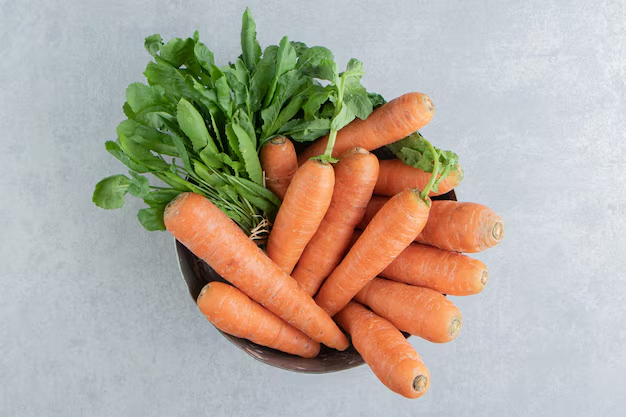
Carrots are a favorite vegetable worldwide, loved for their crunchiness, versatility, and natural sweetness. But are carrots healthy? Absolutely! Packed with essential nutrients and antioxidants, carrots provide a variety of health benefits. From boosting vision to supporting digestion, their nutritional profile is as impressive as their taste. Let’s dive into what makes carrots a nutritional powerhouse.

Nutritional Profile of Carrots

Carrots are a treasure trove of essential nutrients. They’re not just a colorful addition to your plate but a rich source of macronutrients, vitamins, and antioxidants.

Macronutrients in Carrots

Carrots are low in calories, with a single medium carrot containing just about 25 calories. They are predominantly composed of water (88%) and carbohydrates (9.6%), with minimal fat and protein.

NutrientAmount (per 100g)
Calories41 kcal
Protein0.9 g
Carbs9.6 g
Fat0.2 g

Vitamins and Minerals

Carrots are loaded with vitamins and minerals vital for overall health. They’re an excellent source of Vitamin A, derived from beta-carotene, and a good source of Vitamin K, Vitamin C, potassium, and biotin.

  • Vitamin A: Promotes eye and skin health.
  • Vitamin K: Supports bone metabolism.
  • Potassium: Helps regulate blood pressure.

Antioxidant Properties

Carrots contain powerful antioxidants like beta-carotene, lutein, and anthocyanins. These compounds protect cells from damage, reduce inflammation, and support overall well-being.

Are Carrots Good for Weight Loss?

If you’re aiming to shed a few pounds, carrots are your best friend. Their low-calorie count and high fiber content make them an ideal snack for weight management.

Low-Calorie Benefits

Carrots are incredibly low in calories, making them a guilt-free option for dieters. A single serving can satisfy your hunger without adding to your calorie count.

Role of Fiber in Weight Management

Fiber slows digestion, keeping you fuller for longer. Carrots provide both soluble and insoluble fiber, which helps in reducing cravings and promoting satiety.

Healthy Snacking Options

Snack on raw carrot sticks with hummus, roast them for a crunchy treat, or toss them in a salad. They’re versatile, delicious, and incredibly satisfying.

Related to Read: Delicious and Nutritious Carrot Rice Recipe

Are Carrots Good for Your Eyes?

Carrots and eye health are often mentioned in the same breath, and for a good reason.
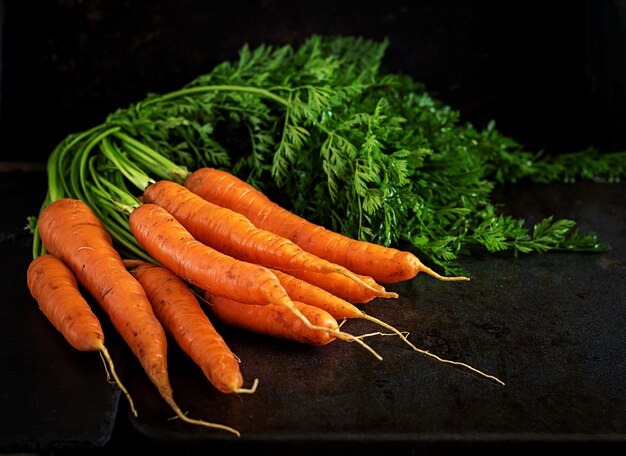
carrots with black background

Beta-Carotene and Vision Health

Carrots are rich in beta-carotene, which your body converts into Vitamin A. This vitamin is crucial for maintaining healthy eyes and preventing conditions like dry eyes and blurred vision.

Prevention of Night Blindness

Night blindness, or the inability to see in low light, is often caused by a deficiency in Vitamin A. Regular consumption of carrots can help prevent this condition.

Do Carrots Help with Digestion?

Carrots are a boon for gut health, thanks to their impressive fiber content.

Fiber Content and Gut Health

Carrots provide around 2.8 grams of fiber per 100 grams. This dietary fiber feeds the beneficial bacteria in your gut, promoting a healthy microbiome.

Role in Preventing Constipation

The fiber in carrots adds bulk to stools and supports smooth bowel movements, effectively preventing constipation.

Are Carrots Good for Skin Health?

Your skin reflects what you eat, and carrots can work wonders in maintaining its glow and youthfulness.

Vitamin A and Skin Benefits

Vitamin A in carrots stimulates skin cell regeneration, helping to repair damaged skin and maintain its elasticity.

Antioxidants and Their Anti-Aging Effects

Antioxidants in carrots combat free radicals, reducing wrinkles and slowing down signs of aging. They also protect the skin from environmental stressors.

Can Carrots Support Immune Health?

A strong immune system is vital for warding off illnesses, and carrots play a significant role in strengthening it.

Vitamin C and Immune Function

Carrots are a good source of Vitamin C, which boosts the production of white blood cells and enhances immune defense.

How Antioxidants Fight Inflammation

Antioxidants in carrots reduce chronic inflammation, which is linked to various diseases. This keeps your immune system functioning at its peak.

Are Carrots Beneficial for Heart Health?

Heart health is one of the most critical aspects of overall well-being, and carrots contribute to it in multiple ways.

Role of Potassium in Controlling Blood Pressure

Potassium in carrots helps balance sodium levels in the body, preventing hypertension and reducing the risk of heart disease.

Fiber’s Impact on Cholesterol Levels

Dietary fiber binds with bile acids, aiding in their excretion and lowering LDL (bad cholesterol) levels, thus supporting cardiovascular health.

Do Carrots Help with Diabetes? 

Carrots are a popular and nutritious vegetable often debated for their effects on diabetes. Their natural sweetness might raise questions, but carrots can fit well into a diabetic-friendly diet. Let’s dive into how carrots affect blood sugar levels, their nutritional profile, and more.

Carrots’ Glycemic Index

The glycemic index (GI) measures how quickly a food raises blood sugar levels. Foods with a low GI are considered better for diabetes management.

  • Carrots’ GI: Carrots have a low GI of around 39 when raw. This means they cause a slow and steady rise in blood sugar, making them a safe choice for diabetics. Cooked carrots have a slightly higher GI (49–51), but they remain a good option when consumed in moderation.

Managing Blood Sugar Levels

Carrots contain natural sugars, but their high fiber content offsets any potential spikes in blood glucose.

  • Soluble Fiber: This slows the digestion of carbohydrates and helps maintain stable blood sugar levels.
  • Low-Calorie Option: With only about 25 calories per medium carrot, they are a guilt-free addition to meals.
  • Rich in Nutrients: Carrots provide vitamins and antioxidants that may improve insulin sensitivity and reduce inflammation.

Are Raw or Cooked Carrots Healthier?

The debate between raw and cooked carrots often comes down to nutrient availability and personal preference.

Nutritional Differences

  • Raw Carrots: They retain their full fiber content and have a slightly lower GI, which is advantageous for blood sugar control.
  • Cooked Carrots: Cooking enhances the bioavailability of beta-carotene, making it easier for the body to absorb this vital nutrient.

Best Cooking Methods for Preserving Nutrients

To get the most out of your cooked carrots, try these methods:

  • Steaming: Retains the maximum nutrients compared to boiling or frying.
  • Roasting: Adds flavor while preserving most vitamins and minerals.
  • Light Boiling: Keep the cooking time short to minimize nutrient loss.

How Many Carrots Should You Eat Daily?

Moderation is key to enjoying carrots’ benefits without any downsides.

Recommended Serving Sizes

Signs of Overconsumption

  • Overeating carrots can lead to carotenemia, a harmless condition where the skin turns yellowish-orange due to excess beta-carotene.
  • In rare cases, consuming large amounts can disrupt blood sugar levels or cause digestive discomfort.

Different Types of Carrots

Carrots come in a variety of colors, each with unique nutritional benefits.

Orange Carrots

Rich in beta-carotene, they are excellent for eye and skin health.

Purple Carrots

These contain anthocyanins, powerful antioxidants that support heart and brain health.

Yellow Carrots

A good source of lutein, which is beneficial for eye health.

White Carrots

These are milder in flavor and are a low-allergen option for sensitive individuals.

Incorporating Carrots Into Your Diet

Carrots are versatile and can be included in meals and snacks in various creative ways.

carrot chops on a wooden board

Easy Carrot Recipes

  • Carrot Soup: Blend cooked carrots with ginger and garlic for a creamy soup.
  • Carrot Salad: Grate carrots and mix with lemon juice, olive oil, and parsley.
  • Carrot Smoothie: Blend raw carrots with orange juice and a dash of cinnamon.

Creative Ways to Enjoy Carrots

  • Snack on raw carrot sticks with hummus or guacamole.
  • Add shredded carrots to muffins or pancakes for a touch of sweetness.
  • Roast carrots with a sprinkle of honey and herbs for a caramelized treat.

Potential Downsides of Eating Carrots

While carrots are highly nutritious, there are a few potential drawbacks to consider.

Allergies and Sensitivities

Some people may experience mild allergic reactions, such as an itchy throat or swelling, due to carrot proteins similar to those in pollen.

Risks of Excessive Beta-Carotene Intake

Consuming too much beta-carotene can lead to carotenemia. While this is not harmful, it can be a cosmetic concern for some. Stick to moderate consumption for optimal benefits.

Conclusion

Carrots are undeniably a healthful addition to any diet, offering a wealth of benefits from improved eye health to stable blood sugar levels. Whether eaten raw or cooked, they are a diabetic-friendly vegetable that provides essential nutrients, antioxidants, and fiber. Remember, balance is key—enjoy carrots in moderation to reap their rewards.

FAQs

1. Are carrots good for weight loss?

Yes, carrots are excellent for weight loss. They are low in calories, high in fiber, and incredibly filling. Their natural sweetness can also help curb sugar cravings, making them a great snack for dieters.

2. Can you eat carrots every day?

Absolutely! Eating 1–2 medium-sized carrots daily provides essential vitamins and minerals. However, avoid excessive intake to prevent carotenemia, a harmless skin discoloration caused by too much beta-carotene.

3. Do carrots help with diabetes management?

Yes, carrots can help manage diabetes. Their low glycemic index and high fiber content support stable blood sugar levels. They also provide antioxidants that may improve insulin sensitivity.

4. Are cooked carrots as healthy as raw ones?

Both forms are healthy but offer different benefits. Raw carrots retain more fiber, while cooked carrots make beta-carotene more bioavailable. Choose the form that fits your dietary needs and preferences.

5. What are the side effects of eating too many carrots?

Overeating carrots can lead to carotenemia, turning your skin yellow-orange. While harmless, excessive carrot intake can also cause minor digestive issues or interfere with nutrient absorption. Stick to moderate portions for the best results.
Are Radishes Healthy? Exploring its Benefits

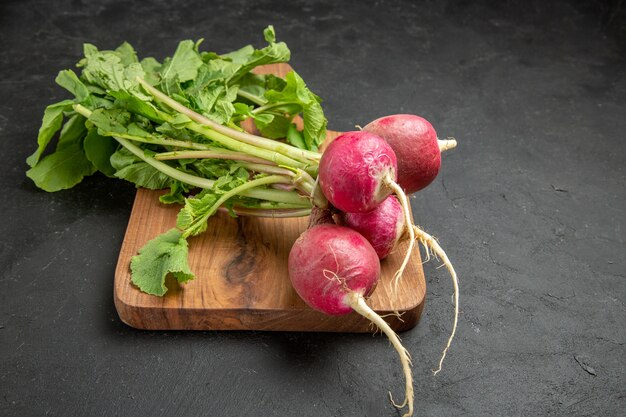
Radishes are a beloved cruciferous vegetable known for their crisp texture and peppery flavor. They have gained popularity worldwide, not only for their taste but also for their versatility in culinary dishes.

But are radishes healthy, and should they be a regular part of your diet? The answer is a resounding yes! Packed with nutrients, radishes are a low-calorie, nutrient-dense food that offers a range of health benefits. Let’s take a deeper dive into what makes this humble vegetable so special.

What Are Radishes?

Radishes are small, root vegetables with a crisp texture and a slightly spicy flavor. They are a staple in many cuisines and have a long history of cultivation, dating back thousands of years.

Origin and Varieties

Radishes are thought to have originated in Southeast Asia, with evidence of their cultivation found in ancient Egyptian and Greek civilizations. Over time, they have evolved into various types, each offering unique flavors and textures.

Common Types of Radishes

  1. Red Radishes: The most common variety, known for their vibrant color and sharp taste.
  2. Daikon Radishes: Popular in Asian cuisine, they are long and milder in flavor.
  3. Watermelon Radishes: These are visually striking, with a green outer layer and pink interior.
  4. Black Radishes: Known for their earthy, intense flavor and thicker skin.

Seasonal Availability and Cultural Significance

Radishes thrive in cool seasons, making them widely available in spring and fall. They hold cultural significance in many countries. For instance, radishes are a key ingredient in Mexican dishes and are celebrated during the “Night of the Radishes” festival in Oaxaca.

Nutritional Profile of Radishes

Radishes are not only delicious but also packed with nutrients. A single one-cup serving (approximately 116 grams) provides a range of essential vitamins and minerals.

Key Nutrients in Radishes

  • Calories: 19
  • Carbohydrates: 4 grams
  • Fiber: 2 grams
  • Vitamin C: 19% of the Daily Value (DV)
  • Other Nutrients: Includes potassium, folate, and small amounts of B vitamins.

Why Radishes Are Beneficial

Radishes are an excellent example of a low-calorie, nutrient-dense food. These types of foods are particularly beneficial because they provide essential nutrients without adding excessive calories to your diet. Their high fiber content also promotes satiety, making them ideal for weight management.

Health Benefits of Radishes

Radishes are more than just a crunchy and colorful addition to your plate. They are packed with nutrients and offer a variety of health benefits, ranging from improving digestion to supporting your immune system. Here’s a closer look at how radishes can enhance your health.

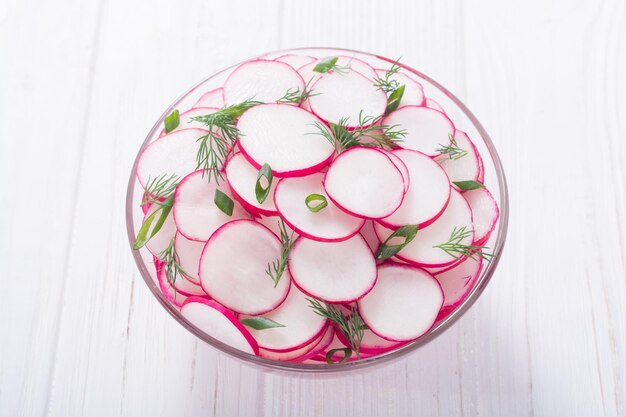
round slices of radish in a bowl

Rich in Antioxidants

Radishes are a rich source of antioxidants, including vitamin C, anthocyanins, and isothiocyanates.

Supports Digestive Health

The dietary fiber in radishes is vital for maintaining a healthy digestive system.

  • Promotes Regularity: A single cup of radishes contains about 2 grams of fiber, which aids in regular bowel movements and prevents constipation.
  • Stimulates Digestion: Radishes contain natural compounds that stimulate bile production, improving fat digestion and overall gut function.
  • Supports Gut Microbiome: Fiber acts as a prebiotic, feeding beneficial gut bacteria and promoting a healthy microbiome.

Boosts Immune Function

Vitamin C is one of the standout nutrients in radishes, providing nearly 19% of the recommended daily intake per cup.

  • Strengthens Immunity: Vitamin C boosts the production of white blood cells, which play a crucial role in fighting infections.
  • Speeds Up Recovery: It also aids in wound healing and tissue repair, helping you recover faster from illnesses or injuries.

Helps Maintain a Healthy Weight

Radishes are a low-calorie food with high water and fiber content, making them ideal for weight management.

  • Low-Calorie Snack: With just 19 calories per cup, radishes provide essential nutrients without adding to your caloric intake.
  • Promotes Satiety: Their fiber and water content keep you feeling full longer, reducing the likelihood of overeating.

May Lower Blood Pressure

Radishes contain potassium, an essential mineral that helps regulate blood pressure.

Potential Antifungal Properties

Radishes may help combat fungal infections thanks to a protein they contain called RsAFP2.

  • Effective Against Candida: Studies suggest that this compound can inhibit the growth of Candida albicans, a common fungus responsible for infections in humans.
  • Natural Remedy: While more research is needed, radishes may offer a natural alternative for managing fungal infections.

Supports Skin Health

The antioxidants, vitamins, and water content in radishes are excellent for your skin.

  • Prevents Skin Damage: Vitamin C supports collagen production, helping to keep your skin firm and youthful.
  • Hydrates the Skin: Radishes are about 95% water, which helps keep your skin hydrated and glowing.

Helps Detoxify the Body

Radishes are natural detoxifiers that can help cleanse your liver and kidneys.

  • Promotes Liver Health: Radishes increase bile production, supporting the liver in detoxifying the body.
  • Flushes Out Toxins: Their diuretic properties help remove toxins through urine, promoting kidney health.

May Reduce Cancer Risk

Radishes contain glucosinolates, sulfur-containing compounds that have been linked to cancer prevention.

  • Protective Compounds: When consumed, glucosinolates break down into bioactive compounds that may inhibit cancer cell growth.
  • Supports Overall Health: Combined with their antioxidant properties, radishes can play a role in reducing cancer risk.

How to Incorporate Radishes Into Your Diet

Radishes are a versatile vegetable that can be enjoyed in many ways, both raw and cooked. Whether you’re looking to add crunch to your meals or experiment with new flavors, there’s a radish recipe for you. Let’s explore some creative and easy ways to include them in your daily diet.

Raw Uses

Raw radishes retain their crispness and signature peppery flavor, making them an excellent addition to fresh dishes.

  • Salads: Slice radishes thinly and toss them into leafy greens. Their crunch adds texture, while their slight heat balances sweeter vegetables like carrots or fruits like apples.
  • Sandwiches and Tacos: Add radish slices for a refreshing bite. They pair beautifully with creamy spreads, deli meats, and spicy fillings, enhancing both flavor and texture.
  • Snacks: Eat them whole with a sprinkle of salt or dip them in hummus for a healthy, low-calorie snack.

Cooked Dishes

Cooking radishes softens their sharp taste and brings out a subtle sweetness.

  • Roasted Radishes: Toss halved radishes with olive oil, salt, and pepper, then roast them in the oven until tender. They make a fantastic side dish, much like roasted potatoes.
  • Sautéed Radishes: Sauté them with garlic and butter for a quick, flavorful addition to meals. This preparation pairs well with proteins like fish or chicken.
  • Soups and Stir-Fries: Add radishes to soups or stir-fries for a unique twist. Their mild flavor blends seamlessly into broths and savory dishes.

Pickled Radishes

Pickling is an excellent way to preserve radishes while enhancing their tangy flavor.

  • Quick Pickles: Soak radish slices in a mixture of vinegar, water, sugar, and salt. After a few hours, you’ll have a bright, zesty topping for sandwiches, tacos, or rice bowls.
  • Traditional Pickling: For a more intense flavor, pickle radishes with spices like dill, mustard seeds, or red chili flakes. They store well in the fridge for weeks.

Radish Greens

Many people discard radish leaves, but they are highly nutritious and edible.

  • Salads: Use young radish greens as a peppery addition to mixed salads.
  • Sautéed Greens: Cook the leaves with garlic and olive oil, much like spinach. This preparation makes a delicious and healthy side dish.
  • Soups and Pesto: Blend radish greens into pesto or add them to soups for an extra dose of vitamins.

Considerations and Potential Side Effects

While radishes offer numerous health benefits, they may not be suitable for everyone in large quantities. It’s essential to understand potential risks and practice moderation.

Thyroid Health

Radishes contain compounds called goitrogens, which may interfere with thyroid hormone production when consumed in excess.

  • Effects: These compounds can inhibit iodine uptake, which is crucial for thyroid function.
  • Advice: Individuals with thyroid conditions, such as hypothyroidism, should consume radishes in moderation and consult with their healthcare provider if unsure. Cooking radishes can help reduce their goitrogenic effects.

Gallstones

Radishes stimulate bile production, which aids digestion. However, this can be problematic for individuals with gallstones.

  • Impact: Excess bile stimulation may cause discomfort or exacerbate symptoms in people with gallstones.
  • Caution: If you have gallstones, it’s best to introduce radishes slowly into your diet and monitor how your body responds.

Conclusion

Radishes are a nutritional powerhouse packed with antioxidants, fiber, and vitamin C. Their versatility in both raw and cooked forms makes them a delightful addition to any meal. From boosting digestive health to supporting the immune system, radishes offer a range of health benefits when consumed as part of a balanced diet.

However, moderation is key. Be mindful of their effects on thyroid health and bile production, particularly if you have underlying health conditions. With proper preparation and portion control, radishes can be a delicious and healthful way to enhance your meals.

FAQs

1. Can radishes help with weight loss?

Yes, radishes are low in calories and high in fiber, making them an excellent choice for weight management. Their high water content also helps keep you full.

2. Are radish greens safe to eat?

Absolutely! Radish greens are edible and packed with nutrients. They can be used in salads, soups, or sautéed dishes.

3. Do radishes have any side effects?

While generally safe, excessive consumption may affect thyroid health or cause digestive discomfort in some individuals. Always eat them in moderation.

4. How long do radishes stay fresh?

When stored properly in the refrigerator, radishes can stay fresh for up to two weeks. Remove the greens for better storage life.

5. Are pickled radishes as healthy as fresh ones?

Pickled radishes retain many of their nutrients but may have added salt or sugar. Enjoy them in moderation for a tangy, nutrient-rich option.

Are Black Beans Healthy? A Comprehensive Guide 

Black beans are a staple in cuisines worldwide. Their rich, earthy flavor and versatility make them a favorite in soups, salads, and main dishes. But beyond their culinary appeal, are black beans healthy? Absolutely! These legumes are nutritional powerhouses packed with essential nutrients and health benefits. Let’s dive into the details.

Nutritional Profile of Black Beans

Black beans are highly nutritious, offering a balance of macronutrients and micronutrients. They provide energy and support overall health.

Macronutrients

Black beans are an excellent source of macronutrients, which are essential for energy and bodily functions.

  • Protein:
    A cup of black beans contains about 15 grams of protein. This makes them an excellent plant-based protein source, especially for vegetarians and vegans. Proteins are vital for muscle repair, immune support, and enzyme production.
  • Carbohydrates:
    Black beans provide complex carbohydrates, offering a steady energy release. Unlike refined carbs, their high fiber content prevents blood sugar spikes. This makes them ideal for managing diabetes and improving satiety.
  • Fiber:
    A standout feature of black beans is their fiber content—approximately 15 grams per cup. Fiber promotes digestive health, reduces cholesterol, and helps maintain a healthy weight.

Micronutrients

Black beans are loaded with essential vitamins and minerals.

  • Iron:
    They are a good source of non-heme iron, which supports red blood cell production. Pairing black beans with vitamin C-rich foods enhances iron absorption.
  • Magnesium:
    Magnesium in black beans aids in muscle function, nerve health, and bone development. One cup provides nearly 30% of the daily recommended intake.
  • Folate:
    Folate, a crucial B-vitamin, supports DNA synthesis and cell growth. It’s especially beneficial for pregnant women to prevent neural tube defects in babies.
  • Antioxidants:
    The dark color of black beans comes from anthocyanins, powerful antioxidants that combat oxidative stress and inflammation.

Health Benefits of Black Beans

Black beans are a versatile and nutritious food that can be included in various meals. Packed with essential nutrients, they offer a wide range of health benefits that make them a staple in healthy diets worldwide. Let’s explore the many reasons why black beans are a superfood.

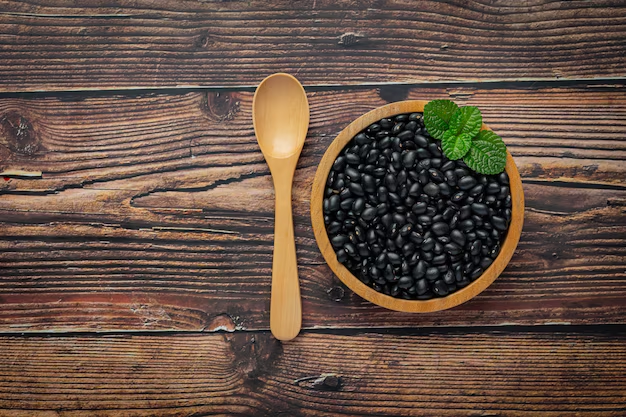
black beans in a wooden bowl

Rich in Nutrients

Black beans are a powerhouse of vitamins and minerals essential for overall health.

  • Protein: Provides the building blocks for muscle repair and immune function.
  • Fiber: Promotes digestive health, reduces cholesterol, and helps control blood sugar levels.
  • Iron: Supports oxygen transport in the blood, preventing anemia.
  • Magnesium: Aids in nerve function, muscle health, and energy production.
  • Folate: Essential for cell growth and DNA synthesis, particularly important during pregnancy.

Supports Heart Health

The high fiber, potassium, and magnesium content in black beans contribute to cardiovascular health.

  • Lowers Cholesterol: Fiber reduces LDL (bad cholesterol) levels, lowering the risk of heart disease.
  • Regulates Blood Pressure: Magnesium and potassium help relax blood vessels, reducing hypertension.
  • Antioxidants: Anthocyanins in black beans combat oxidative stress, which can damage heart tissue.

Promotes Digestive Health

Black beans are rich in dietary fiber, which plays a crucial role in maintaining a healthy digestive system.

  • Improves Regularity: Insoluble fiber promotes bowel movements, preventing constipation.
  • Gut Health: Fiber feeds beneficial gut bacteria, enhancing microbiome balance and immunity.

Helps with Weight Management

Black beans are low in fat but high in protein and fiber, making them filling and ideal for weight management.

  • Satiety: Fiber and protein promote a feeling of fullness, reducing overeating.
  • Steady Energy: Complex carbohydrates in black beans prevent blood sugar spikes, keeping hunger at bay longer.

Regulates Blood Sugar

Black beans have a low glycemic index and are high in fiber, which can help manage blood sugar levels.

  • Slower Digestion: Fiber slows the absorption of sugar, preventing spikes.
  • Ideal for Diabetics: The combination of low GI and high protein supports blood sugar control.

Boosts Bone Health

Black beans are rich in minerals like calcium, magnesium, and phosphorus, which are crucial for maintaining strong bones and teeth.

  • Bone Density: Magnesium supports bone mineralization.
  • Prevents Osteoporosis: Adequate mineral intake reduces the risk of age-related bone disorders.

Provides Antioxidant Protection

The dark color of black beans comes from anthocyanins, powerful antioxidants.

  • Fights Free Radicals: Protects cells from oxidative damage.
  • Reduces Inflammation: Anthocyanins combat chronic inflammation, a risk factor for many diseases.
  • Anti-Aging Benefits: Antioxidants improve skin health and slow signs of aging.

Supports Muscle and Tissue Health

Black beans are an excellent source of plant-based protein.

  • Muscle Repair: Protein helps rebuild tissues after exercise or injury.
  • Energy Boost: Iron supports oxygen delivery to muscles, improving stamina.

Enhances Brain Health

The folate and magnesium content in black beans benefits the brain.

Affordable and Accessible Superfood

Black beans are not only nutritious but also economical and widely available. This makes them an easy addition to diets around the world, ensuring people can access essential nutrients without breaking the bank.

Related to Read: Black Bean & Taquitos Mango Recipe

Potential Concerns and Considerations

While black beans are healthy, they may pose minor challenges for some individuals. Proper preparation can address these concerns.

Digestive Issues

Black beans contain compounds called oligosaccharides, which can cause gas and bloating. These sugars are not easily digestible, leading to discomfort for some.

  • To reduce these effects, soak black beans overnight before cooking. This helps break down oligosaccharides.
  • Adding spices like cumin or ginger to dishes can further aid digestion.

Preparation Methods

Preparation plays a key role in maximizing the benefits of black beans. Improper cooking can lead to issues like undercooked beans, which are hard to digest.

  • Always rinse and sort through dried beans to remove debris.
  • Cook black beans thoroughly, as this neutralizes anti-nutrients like phytic acid, which can hinder mineral absorption.

Incorporating Black Beans into Your Diet

Adding black beans to your meals is easy and rewarding. Here are some tips to get started.

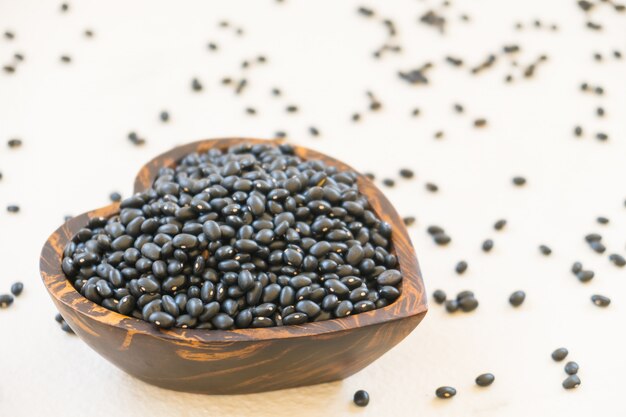
black beans in a wooden heart shaped bowl

Cooking Tips

Cooking black beans is simple with a few essential steps:

  • Soaking:
    Soak black beans overnight or for at least 8 hours. This softens them and reduces cooking time. For quick preparation, try the “quick soak” method—boil the beans for 2 minutes, remove from heat, and let them sit for an hour.
  • Cooking:
    After soaking, rinse the beans and simmer them in fresh water for 1-2 hours until tender. Add salt toward the end to avoid toughening the skin.
  • Canned Beans:
    If you’re short on time, canned black beans are a great alternative. Rinse them well to remove excess sodium.

Recipe Ideas

Black beans shine in a variety of dishes, from traditional recipes to creative fusions. Here are some ideas:

  • Black Bean Soup:
    A hearty, comforting dish made with onions, garlic, tomatoes, and spices. Garnish with cilantro and lime for added flavor.
  • Black Bean Salad:
    Combine black beans with corn, bell peppers, red onions, and a tangy lime dressing for a refreshing side dish.
  • Burritos or Tacos:
    Use black beans as a filling in burritos or tacos. Add rice, avocado, salsa, and your favorite toppings for a satisfying meal.
  • Black Bean Burgers:
    Blend black beans with breadcrumbs, spices, and an egg substitute to make plant-based patties. Grill or bake them for a delicious burger alternative.

Comparing Black Beans to Other Legumes

Black beans stand out among legumes, but how do they compare to others?

Nutritional Differences

  • Kidney Beans:
    Kidney beans have slightly more calories and less fiber than black beans. They are also a good source of iron but lack the anthocyanins found in black beans.
  • Chickpeas:
    Chickpeas are higher in calories and carbohydrates but lower in protein compared to black beans. They are an excellent source of folate and manganese.
  • Lentils:
    Lentils cook faster than black beans and are rich in protein and iron. However, black beans have more antioxidants.

Health Benefits

  • Heart Health:
    Black beans are especially rich in anthocyanins, which protect against heart disease.
  • Digestive Health:
    Their fiber content outshines many legumes, making them excellent for gut health.
  • Weight Management:
    Compared to others, black beans provide lasting satiety due to their protein and fiber content.

Frequently Asked Questions

Are Canned Black Beans Healthy?

Yes, canned black beans are nutritious and convenient. However, they may contain added sodium. Opt for low-sodium varieties and rinse them thoroughly to reduce salt content.

How Much Black Beans Should I Eat?

A healthy serving size is about ½ to 1 cup per meal. Incorporating them 3-4 times a week can provide consistent health benefits.

Conclusion

Black beans are a nutritional powerhouse, offering an excellent balance of protein, fiber, and essential vitamins and minerals. They are versatile, affordable, and beneficial for heart health, digestion, and weight management. When prepared properly, they are easy to digest and a joy to eat. Whether you prefer them in soups, salads, or tacos, black beans are a delicious way to enhance your diet.

Airlines Reservation Desk

Is Ramen Healthy? A Detailed Look into Its Health Impact

Ramen is a beloved dish worldwide, especially in the United States. From traditional Japanese bowls to convenient instant noodles, ramen offers diverse flavors and textures. But with its growing popularity comes a significant question: Is ramen healthy? While it’s undeniably delicious, its nutritional value and potential health concerns spark debate. Let’s dive into what ramen is, its nutritional profile, and the health implications of frequent consumption.

What Is Ramen?

Ramen is a noodle-based dish originating from Japan. It is a comforting meal with a rich broth, noodles, and toppings. Over time, it has evolved into different styles to suit global tastes.

Traditional Japanese Ramen vs. Instant Noodles

  • Traditional Ramen: Made with fresh ingredients, including hand-pulled noodles, meat or vegetable broth, and toppings like boiled eggs, seaweed, and vegetables.
  • Instant Ramen: A quick, packaged option made with pre-fried noodles and seasoning packets. While convenient, it often contains preservatives and additives.

Nutritional Profile of Ramen

Ramen’s nutritional value depends on the type consumed. Traditional ramen is more balanced, while instant noodles are often less healthy.

Calorie Content

  • Traditional Ramen: Contains around 500–700 calories per serving, depending on the broth and toppings.
  • Instant Ramen: A single package can range from 350–500 calories, primarily from noodles and oil.

Macronutrients

  • Carbohydrates: Both traditional and instant ramen are high in carbs, primarily from wheat-based noodles.
  • Proteins: Traditional ramen includes protein from eggs, meat, or tofu. Instant ramen often lacks sufficient protein unless extra ingredients are added.
  • Fats: Instant ramen is higher in unhealthy fats due to fried noodles and oil-based flavorings.

Micronutrients

  • Traditional ramen contains essential vitamins and minerals from fresh toppings and broth.
  • Instant ramen lacks significant micronutrients unless fortified.

Sodium Levels

One of the biggest concerns with ramen is its sodium content.

  • Traditional Ramen: Contains 1,000–1,800 mg of sodium per serving.
  • Instant Ramen: Packs a staggering 1,500–2,200 mg per package, contributing to excessive daily intake.

Health Concerns Associated with Ramen Consumption

Despite its popularity, ramen has some potential health risks, particularly when consumed regularly.

ramen in a black round bowl

High Sodium Intake

Instant ramen’s high sodium content can lead to health problems such as:

  • Hypertension: Elevated sodium raises blood pressure.
  • Cardiovascular Diseases: Increased risk of heart attacks and strokes.
Sodium Content ComparisonTraditional RamenInstant Ramen
Average Serving1,000–1,800 mg1,500–2,200 mg
Recommended Daily Limit2,300 mgOften exceeded
  • Saturated Fats and Preservatives
  • Many instant ramen products contain saturated fats, which can:
    • Harm liver health.
    • Lead to weight gain and high cholesterol.
  • Preservatives like TBHQ (tertiary butylhydroquinone) may cause long-term health effects if consumed in excess.

Low Nutritional Value

  • Instant ramen offers minimal essential nutrients such as vitamins, minerals, and fiber.
  • Overreliance on instant noodles may result in nutrient deficiencies.

Metabolic Syndrome Risk

  • Studies have linked frequent ramen consumption to metabolic syndrome, particularly in women. This includes:

Balancing Ramen in Your Diet

While ramen has its drawbacks, moderation and smart choices can make it part of a healthy diet.

  • Opt for Traditional Ramen: Choose freshly prepared bowls with a variety of vegetables and lean proteins.
  • Limit Instant Ramen Consumption: If you must have instant noodles, consider:
    • Adding vegetables like spinach or broccoli.
    • Including a boiled egg or tofu for protein.
    • Reducing the seasoning packet to cut sodium.

Related to Read: Rice Noodles vs Egg Noodles: Nutritional Differences, Calories, and Health Benefits

Can Ramen Be Part of a Healthy Diet?

Ramen, a flavorful and satisfying dish, has gained global popularity for its convenience and versatility. However, many people wonder whether ramen can fit into a healthy diet. The answer lies in moderation, ingredient choices, and preparation methods. Let’s explore how you can enjoy ramen while maintaining a balanced and nutritious diet.

Moderation and Portion Control

Practice Portion Control

  • Stick to a single serving size.
  • Pair ramen with nutrient-dense side dishes like salads or steamed vegetables to avoid overeating.

Choosing Healthier Options

Not all ramen is created equal. Making smarter choices at the grocery store can significantly impact its nutritional value.

Low-Sodium or Whole Grain Varieties

  • Many brands offer low-sodium versions of instant ramen. These options help reduce salt intake.
  • Opt for whole-grain noodles for added fiber, which promotes better digestion and satiety.

Homemade Ramen Recipes

  • Preparing ramen from scratch allows complete control over the ingredients.
  • Use fresh vegetables, lean proteins, and homemade broth to create a nutrient-packed bowl.

Tips to Make Your Ramen Healthier

Enhancing the nutritional content of ramen is simple with a few modifications.

top half view of ramen in a black bowl

Add Vegetables

Incorporate fresh or frozen vegetables like:

  • Carrots, broccoli, and spinach: Rich in vitamins and minerals.
  • Mushrooms: Provide antioxidants and a meaty texture.
  • Corn and green onions: Add flavor and visual appeal.

Include Lean Proteins

Boost the protein content by adding lean food:

  • Chicken: A lean source of protein to keep you full.
  • Tofu: Perfect for a vegetarian option with essential amino acids.
  • Eggs: A quick and easy way to add protein and healthy fats.

Use Low-Sodium Broth

  • Replace the seasoning packet with a homemade or store-bought low-sodium broth.
  • Flavor with natural ingredients like garlic, ginger, or soy sauce.

Limit Consumption of Broth

  • The broth often contains most of the sodium. Avoid drinking it entirely or consume it sparingly.

Alternatives to Instant Ramen

For those looking to avoid instant ramen entirely, consider these healthier substitutes.

Soba or Udon Noodles

  • These traditional Japanese noodles often have a better nutritional profile.
  • Soba noodles, made from buckwheat, are high in fiber and protein.
  • Udon noodles are soft and can be paired with fresh, light broths.

Zucchini Noodles (Zoodles)

  • A low-carb alternative, perfect for those watching their caloric intake.
  • Pair with a flavorful broth and lean proteins for a wholesome meal.

Shirataki Noodles

  • These calorie-free noodles are made from konjac yam.
  • Ideal for individuals managing their weight or following a ketogenic diet.

Conclusion

Ramen can absolutely be part of a healthy diet when consumed thoughtfully. The key is moderation, making healthier ingredient choices, and preparing it with fresh, nutrient-dense additions. By choosing traditional or homemade options and incorporating vegetables, proteins, and low-sodium broth, ramen can transform from a convenient snack to a balanced meal.

Remember, your health journey is about informed choices and balance. Enjoy ramen responsibly and creatively!

FAQs

1. Is traditional ramen healthier than instant ramen?

Yes, traditional ramen is typically healthier. It uses fresh ingredients, such as broth made from scratch, hand-pulled noodles, and nutritious toppings like vegetables and eggs. Instant ramen, on the other hand, often contains high sodium, unhealthy fats, and preservatives.

2. Can I eat instant ramen every day?

It’s not recommended to eat instant ramen daily due to its high sodium and low nutritional value. Frequent consumption can increase the risk of hypertension, cardiovascular issues, and nutrient deficiencies. Aim for occasional indulgence while balancing your diet with healthier meals.

3. How can I make instant ramen more nutritious?

You can enhance the nutritional profile of instant ramen by:

  • Adding vegetables like spinach, carrots, or broccoli.
  • Including lean proteins like boiled eggs, grilled chicken, or tofu.
  • Using only half of the seasoning packet or replacing it with low-sodium broth.

4. Are there low-carb ramen options?

Yes, there are low-carb alternatives like zucchini noodles (zoodles) or shirataki noodles. These options are great for those managing their weight or following low-carb diets while still enjoying a ramen-like experience.

5. What are the risks of eating too much ramen?

Consuming excessive amounts of ramen, especially instant noodles, can lead to:

  • High sodium intake, increasing the risk of hypertension.
  • Weight gain due to unhealthy fats and calories.
  • Nutrient deficiencies, as instant ramen lacks essential vitamins and minerals.

Airlines Reservation Desk

Is Peanut Oil Healthy? Exploring Its Benefits and Risks

Peanut oil has become a popular choice for cooking, especially in the United States. Its rich flavor and high smoke point make it ideal for frying and other culinary uses. But when it comes to health, opinions are divided. Some praise its nutritional value, while others question its potential risks.

In this article, we’ll dive deep into what makes peanut oil unique. From its nutritional profile and health benefits to its potential drawbacks, we’ll help you determine if peanut oil deserves a spot in your kitchen.

What Is Peanut Oil?

Peanut oil is a type of vegetable oil derived from peanuts. Its mild flavor and versatility make it a staple in kitchens worldwide.

How Is Peanut Oil Processed?

Peanut oil is extracted by pressing peanuts, either mechanically or chemically. Depending on the method, the oil may undergo refining to remove impurities.

Types of Peanut Oil

  • Refined Peanut Oil: Often used for frying due to its neutral taste and high smoke point.
  • Cold-Pressed Peanut Oil: Made without heat, retaining more nutrients and a natural peanut flavor.
  • Gourmet Peanut Oil: Known for its bold taste, it is often used as a finishing oil.

The type of peanut oil you choose impacts its flavor, nutritional value, and health benefits.

Nutritional Profile of Peanut Oil

Peanut oil is calorie-dense and rich in fats, with a mix of beneficial and less-desirable nutrients.

Macronutrient Breakdown

  • Fats: 14 grams per tablespoon, mostly monounsaturated and polyunsaturated fats.
  • Calories: Approximately 120 calories per tablespoon.

Micronutrients

  • Vitamin E: A powerful antioxidant that protects cells from damage.
  • Phytosterols: Plant-based compounds that may help lower cholesterol.

Comparison with Other Oils

Oil TypeCalories (per tbsp)Monounsaturated FatsSmoke Point
Peanut Oil1206.2 g450°F (refined)
Olive Oil1199.8 g375°F (extra virgin)
Canola Oil1248.9 g400°F

Peanut oil holds its own in terms of versatility and nutritional value, especially for high-heat cooking.

Related to Read: Is Peanut Butter Healthy?

Health Benefits of Peanut Oil

Peanut oil is a versatile cooking oil known for its rich flavor and nutritional value. Its unique composition makes it a popular choice for both culinary uses and potential health benefits. Below are some of the key health benefits of peanut oil:

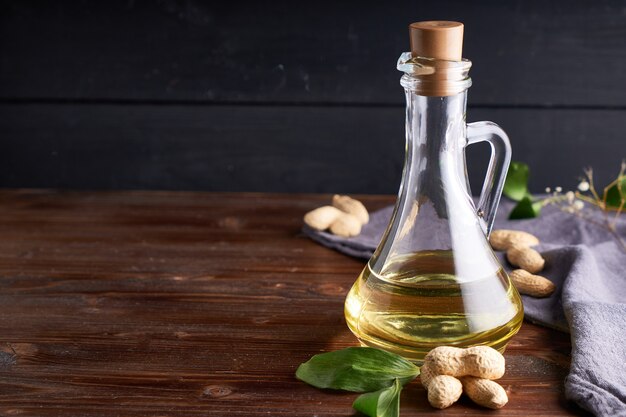
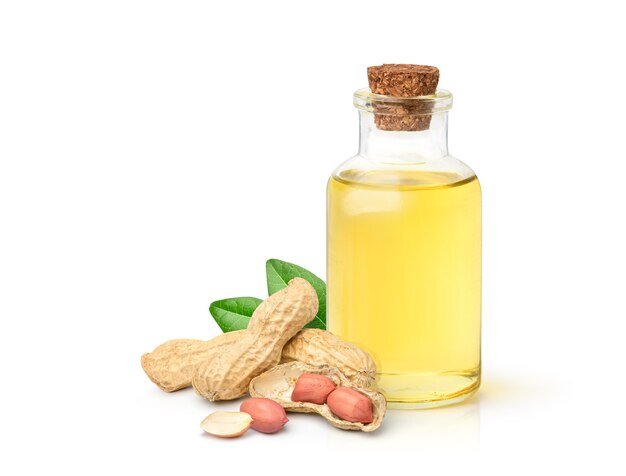
peanut oil in a glass jug.

Rich in Heart-Healthy Monounsaturated Fats

Peanut oil contains a significant amount of monounsaturated fats, particularly oleic acid. These fats are known to:

  • Lower bad cholesterol (LDL): Helps reduce the risk of plaque buildup in arteries.
  • Boost good cholesterol (HDL): Promotes better heart health.
  • Reduce the risk of heart disease: By improving cholesterol levels, monounsaturated fats support cardiovascular well-being.

High in Vitamin E

Vitamin E is a potent antioxidant present in peanut oil. It plays a crucial role in:

  • Protecting cells from oxidative stress: Prevents damage caused by free radicals, which can lead to chronic diseases like cancer and heart disease.
  • Promoting skin health: Helps maintain skin elasticity and protects against aging and UV damage.
  • Boosting immune function: Enhances the body’s ability to fight infections.

Good for Cooking at High Temperatures

Peanut oil’s high smoke point (about 450°F for refined oil) makes it ideal for frying and other high-heat cooking methods. This means it doesn’t break down into harmful compounds when exposed to high temperatures, retaining its nutritional value and flavor.

Contains Phytosterols

Phytosterols are plant-based compounds in peanut oil that have cholesterol-lowering properties. They work by:

  • Blocking cholesterol absorption: Compete with cholesterol in the digestive system, leading to lower overall cholesterol levels.
  • Supporting heart health: May reduce the risk of cardiovascular diseases.

Anti-Inflammatory Properties

While peanut oil is rich in omega-6 fatty acids, its monounsaturated fats and antioxidants can help counteract inflammation when consumed in moderation. This balance can reduce the risk of conditions such as arthritis and metabolic syndrome.

Promotes Brain Health

The healthy fats and antioxidants in peanut oil are beneficial for brain health. These nutrients support:

  • Cognitive function: Monounsaturated fats are essential for brain structure and performance.
  • Reducing oxidative stress: Vitamin E and antioxidants protect the brain from degenerative diseases like Alzheimer’s.

Suitable for Skin and Hair Care

Beyond cooking, peanut oil can be applied topically for its moisturizing and nourishing properties. It can:

  • Hydrate dry skin: Keeps the skin smooth and supple.
  • Promote hair growth: The nutrients in peanut oil strengthen hair and prevent split ends.
  • Soothe skin conditions: Its anti-inflammatory properties can help with conditions like eczema and psoriasis.

May Support Weight Management

When used in moderation, the monounsaturated fats in peanut oil can contribute to healthy weight management by:

  • Promoting satiety: Healthy fats help you feel full longer, reducing overall calorie intake.
  • Supporting metabolic health: A balanced intake of good fats can aid in energy regulation.

Related to Read: 100+ Best Foods That Burn Belly Fat Fast

Boosts Energy Levels

Peanut oil is calorie-dense, providing quick energy. Its healthy fats can fuel the body efficiently, making it a good choice for active individuals.

Versatile for Different Diets

Peanut oil is naturally free of cholesterol, trans fats, and carbohydrates, making it suitable for:

Potential Risks and Side Effects of Peanut Oil

While peanut oil has its benefits, it also comes with potential risks.

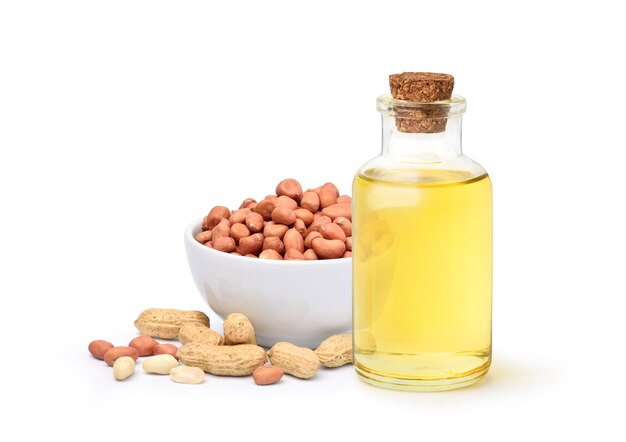
peanut oil with peanuts and leaves.

Omega-6 Fatty Acids and Inflammation

Peanut oil is high in omega-6 fatty acids. Consuming too much omega-6 relative to omega-3 can promote inflammation, increasing the risk of chronic conditions like arthritis and heart disease. Balancing omega-6 and omega-3 intake is crucial.

Allergy Concerns

Peanuts are a common allergen, and peanut oil may pose risks for individuals with peanut allergies. Refined peanut oil is typically safe as it lacks allergenic proteins, but cold-pressed or unrefined oil can cause reactions. Always check the label and consult with a healthcare provider if you have allergies.

Processed vs. Cold-Pressed Peanut Oil

Refined peanut oil undergoes chemical processing, which may strip it of some nutrients but reduces allergens. Cold-pressed oil, while more nutritious, retains more allergens and has a lower smoke point. Choosing the right type depends on your health needs and cooking methods.

Peanut Oil vs Other Cooking Oils

Peanut oil is often compared to other popular cooking oils, each offering unique benefits and drawbacks. Let’s examine how peanut oil stacks up against olive oil, canola oil, and coconut oil.

Peanut Oil vs Olive Oil

These oils differ in nutritional profiles and best uses in the kitchen.

  • Nutritional Comparison:
    Peanut oil is higher in polyunsaturated fats, while olive oil boasts more monounsaturated fats, particularly oleic acid. Olive oil also contains more antioxidants, such as polyphenols, making it better for heart health and inflammation reduction.
  • Best Uses:
    Olive oil, particularly extra virgin, is best for low-heat cooking or as a dressing due to its lower smoke point. In contrast, peanut oil’s high smoke point makes it ideal for frying and sautéing.

Peanut Oil vs Canola Oil

Both oils are versatile, but they vary in flavor and health benefits.

  • Health Benefits:
    Canola oil contains a better omega-3 to omega-6 ratio than peanut oil, making it a slightly healthier option for reducing inflammation. However, peanut oil has more antioxidants, including vitamin E.
  • Taste and Cooking Applications:
    Peanut oil offers a mild, nutty flavor, while canola oil is nearly tasteless. Both are suitable for high-heat cooking, but peanut oil is often favored for its unique taste.

Peanut Oil vs Coconut Oil

Coconut oil is vastly different from peanut oil in composition and health implications.

  • Fat Content:
    Coconut oil is predominantly saturated fat, which raises LDL (bad cholesterol) and HDL (good cholesterol). Peanut oil is lower in saturated fat, focusing more on heart-friendly monounsaturated fats.
  • Health Implications:
    While coconut oil is often marketed as healthy, its high saturated fat content can be problematic if overconsumed. Peanut oil offers a better balance of fats for heart health.

How to Use Peanut Oil in Your Diet

Peanut oil’s versatility makes it easy to incorporate into your cooking. Here’s how you can use it effectively while ensuring you choose the healthiest options.

Incorporating Peanut Oil into Cooking

  • Frying: Use refined peanut oil for deep frying due to its high smoke point.
  • Sautéing: Opt for peanut oil to enhance the flavor of stir-fries and Asian-inspired dishes.
  • Salads and Marinades: Cold-pressed peanut oil works well in salad dressings or drizzled over roasted vegetables.

Tips for Choosing Healthy Peanut Oil

  • Look for cold-pressed or organic peanut oil, as these retain more nutrients and are free from chemicals.
  • Avoid heavily processed oils that may contain additives or lose nutritional value during refining.
  • Choose oils with transparent sourcing and certifications, ensuring quality and safety.

Related to Read: Is Sunflower Oil Healthy?: A Comprehensive Look

FAQs

Is Peanut Oil Healthy for Frying?

Yes, peanut oil is an excellent choice for frying. Its high smoke point (around 450°F for refined oil) prevents the formation of harmful compounds, making it stable for high-heat cooking.

Is Peanut Oil Good for Cholesterol?

Peanut oil can benefit cholesterol levels when consumed in moderation. Its monounsaturated fats help lower LDL (bad cholesterol) while supporting HDL (good cholesterol), promoting better heart health.

Can Peanut Oil Be Part of a Heart-Healthy Diet?

Yes, peanut oil can be part of a heart-healthy diet. Use it alongside other oils rich in omega-3s, like flaxseed or canola oil, to balance your fat intake. Moderation is key to reaping its benefits without increasing inflammation.

Does Peanut Oil Cause Inflammation?

Peanut oil contains omega-6 fatty acids, which can contribute to inflammation when consumed excessively. To reduce the risk, pair it with foods rich in omega-3s, such as fatty fish or walnuts.

Conclusion

Peanut oil offers several health benefits, including heart-healthy fats, antioxidants, and suitability for high-heat cooking. However, its high omega-6 content and allergy risks should not be ignored.

To use peanut oil wisely, choose unrefined, organic varieties and balance it with other healthier oils. Incorporate it into your diet in moderation and avoid overconsumption. Always consult a healthcare provider if you have specific health concerns or dietary restrictions.

Airlines Reservation Desk

Is Sesame Oil Healthy? Exploring Its Nutritional and Health Benefits

Sesame oil is a popular ingredient in kitchens and medicine cabinets worldwide. Known for its nutty flavor and aromatic profile, it has been a staple in culinary traditions and traditional medicine for centuries. But is sesame oil healthy?

This versatile oil is derived from sesame seeds and is rich in nutrients that promote health. While it boasts numerous health benefits, it’s essential to consider its composition and usage to maximize its advantages. Let’s delve into the nutritional profile and health benefits of sesame oil to understand its role in a balanced diet.

Nutritional Profile of Sesame Oil

Sesame oil is packed with essential nutrients that support overall health. It is a source of healthy fats, vitamins, and trace minerals.

Macronutrient Composition

Sesame oil is primarily composed of fats, making it a calorie-dense ingredient. Here’s a breakdown of its macronutrient composition:

  • Fats:
    • Saturated fats: Approximately 14% of the total fat content.
    • Monounsaturated fats: Around 40%, contributing to heart health.
    • Polyunsaturated fats: About 42%, beneficial for reducing inflammation.
  • Calories:
    • One tablespoon of sesame oil contains around 120 calories.

These healthy fats play a key role in energy production and maintaining cell structure.

Vitamins and Minerals

Sesame oil also contains a variety of vitamins and minerals that enhance its nutritional value:

  • Vitamin E:
    A potent antioxidant that helps combat oxidative stress and promotes skin health.
  • Trace Minerals:
    Small amounts of zinc, magnesium, and copper, which support immunity, bone health, and enzymatic functions.
NutrientFunctionSource in Sesame Oil
Vitamin EAntioxidant, skin healthSesame seed oil
MagnesiumSupports muscle and nerve functionTrace amounts in sesame oil
CopperBoosts immune functionPresent in small quantities

Health Benefits of Sesame Oil

Sesame oil offers a range of health benefits that make it more than just a cooking ingredient. Its unique composition supports various aspects of physical health.

Heart Health

Sesame oil is heart-friendly due to its high levels of unsaturated fats.

  • The monounsaturated and polyunsaturated fats help reduce bad cholesterol (LDL) levels while boosting good cholesterol (HDL).
  • Sesamol, an antioxidant found in sesame oil, protects the heart by reducing oxidative stress and inflammation.

Studies show that regular consumption of sesame oil may lower the risk of cardiovascular diseases. Adding a small amount to your meals can go a long way in protecting your heart.

Blood Sugar Regulation

Sesame oil may help manage blood sugar levels, especially in individuals with diabetes.

  • Its antioxidants improve insulin sensitivity, allowing the body to regulate blood sugar more effectively.
  • Sesame oil has shown promise in studies involving diabetic patients, reducing fasting blood sugar levels and improving overall glycemic control.

Including sesame oil in a balanced diet can benefit those looking to stabilize their blood sugar levels.

Anti-Inflammatory Properties

Inflammation is the root cause of many chronic conditions, such as arthritis and heart disease. Sesame oil has powerful anti-inflammatory properties:

  • It contains sesamin and sesamol, compounds known to reduce inflammatory markers in the body.
  • Regular use of sesame oil can help ease joint pain and swelling, making it beneficial for individuals with arthritis.

Whether applied topically or consumed, sesame oil offers significant relief from inflammation-related discomfort.

Antioxidant Effects

Sesame oil is rich in antioxidants, which neutralize harmful free radicals in the body.

  • Sesamol and sesaminol, the primary antioxidants, prevent oxidative damage to cells and tissues.
  • These compounds support overall health and reduce the risk of chronic diseases, such as cancer and neurodegenerative disorders.

By incorporating sesame oil into your diet, you can enhance your body’s defense against oxidative stress.

Related to Read: Is Sunflower Oil Healthy?: A Comprehensive Look

Potential Risks and Considerations

While sesame oil has many health benefits, it’s important to be aware of potential risks and considerations. This ensures safe and effective use in your diet and lifestyle.

sesame oil in a glass bottle

Allergic Reactions

Sesame allergies are becoming increasingly common, particularly in the U.S.

  • Sesame is recognized as a major allergen in many countries. Symptoms of a sesame allergy may include hives, swelling, difficulty breathing, or anaphylaxis in severe cases.
  • According to WebMD, approximately 0.2% of the U.S. population is affected by sesame allergies.

If you suspect a sesame allergy, avoid sesame oil and consult an allergist for proper evaluation and guidance.

Caloric Density

Sesame oil is calorie-dense due to its fat content.

  • One tablespoon contains about 120 calories, which can quickly add up if used in large quantities.
  • Overuse may lead to unintended weight gain, especially if you’re not monitoring your overall caloric intake.

For those aiming to manage their weight, moderation is key when incorporating sesame oil into meals.

Interaction with Medications

Sesame oil may interact with certain medications.

  • It has been shown to lower blood pressure, which could amplify the effects of blood pressure medications, potentially causing hypotension.
  • Similarly, it can influence blood sugar levels, potentially interfering with diabetes medications.

If you are on medication for blood pressure or diabetes, consult your doctor before adding sesame oil to your diet.

Comparing Sesame Oil with Other Cooking Oils

Sesame oil is often compared to other popular cooking oils. Each oil has unique properties and benefits, making them suitable for different uses.

Smoke Point and Cooking Suitability

The smoke point of an oil determines how it performs at high temperatures.

Oil TypeSmoke Point (°F)Best Uses
Sesame Oil350–410Sautéing, stir-frying, dressings
Olive Oil375–405Low-heat cooking, dressings
Coconut Oil350Baking, light sautéing
Canola Oil400–450High-heat frying and grilling

Sesame oil has a moderate smoke point, making it ideal for stir-frying and light sautéing. Toasted sesame oil, however, is best used as a finishing oil due to its lower smoke point.

Nutritional Differences

The fatty acid composition of oils affects their health benefits.

Oil TypeMain Fatty AcidsHealth Implications
Sesame OilMonounsaturated, polyunsaturatedHeart health, reduced inflammation
Olive OilMonounsaturatedCardiovascular benefits, antioxidant-rich
Coconut OilSaturatedControversial; may increase LDL cholesterol
Canola OilMonounsaturatedNeutral flavor, high omega-3 content

Sesame oil is particularly rich in antioxidants like sesamol, giving it an edge in promoting overall health.

Incorporating Sesame Oil into Your Diet

Adding sesame oil to your meals is an easy way to enhance both flavor and nutrition.

Culinary Uses

Sesame oil’s nutty flavor makes it a versatile addition to many dishes:

  • Dressings and Marinades: Use sesame oil to create flavorful salad dressings or marinades for meats and tofu.
  • Stir-Fries: Add a drizzle to stir-fried vegetables or noodles for a rich, nutty aroma.
  • Sautéing: Light sesame oil works well for sautéing proteins and vegetables.
  • Finishing Oil: Toasted sesame oil is best drizzled over soups, rice, or roasted vegetables as a finishing touch.

Experiment with sesame oil in your recipes to discover its culinary versatility.

Recommended Intake

For optimal health benefits, sesame oil should be consumed in moderation.

  • Recommended Daily Intake: 1 to 2 tablespoons per day, depending on your calorie needs and overall diet.
  • Avoid overusing it to prevent excess calorie consumption.

Incorporating sesame oil into your meals gradually helps your body adjust to its rich, flavorful profile.

Related to Read: Is Avocado Oil Healthy? A Comprehensive Guide to Its Benefits

Conclusion

Sesame oil is a powerhouse of nutrients and health benefits, offering a unique combination of healthy fats, antioxidants, and vitamins. It supports heart health, regulates blood sugar, reduces inflammation, and protects against oxidative stress.

However, it’s important to be mindful of its potential risks, such as allergic reactions, caloric density, and interactions with medications. As with any dietary change, consult with a healthcare provider to ensure sesame oil aligns with your health needs.

When used appropriately, sesame oil can elevate your dishes while promoting a healthier lifestyle.

Frequently Asked Questions (FAQs)

Is sesame oil good for heart health?

Yes, sesame oil is excellent for heart health. Its high content of monounsaturated and polyunsaturated fats helps lower bad cholesterol (LDL) and raise good cholesterol (HDL). The antioxidants in sesame oil also protect against oxidative stress, reducing the risk of heart disease.

Can sesame oil help in managing blood sugar levels?

Yes, sesame oil can aid in blood sugar regulation. It improves insulin sensitivity and stabilizes blood glucose levels, making it a beneficial choice for individuals with diabetes or those at risk of developing it.

What are the potential side effects of consuming sesame oil?

The most common side effect is an allergic reaction, which can range from mild symptoms like hives to severe anaphylaxis. Additionally, overconsumption can lead to weight gain due to its high calorie content. Sesame oil may also interact with medications for blood pressure or diabetes.

How does sesame oil compare to olive oil in terms of health benefits?

Both sesame oil and olive oil are heart-healthy options. Olive oil has slightly more monounsaturated fats, while sesame oil offers additional antioxidants like sesamol and sesamin. Sesame oil has a nutty flavor, whereas olive oil is milder, making them suited for different dishes.

What is the recommended daily intake of sesame oil?

It’s recommended to consume 1 to 2 tablespoons of sesame oil per day as part of a balanced diet. This amount allows you to enjoy its health benefits without consuming excessive calories.

Airlines Reservation Desk

Is Lamb Healthy? Exploring Its Nutritional Value and Health Impacts

Lamb is a widely enjoyed red meat, cherished for its rich flavor and inclusion in numerous global cuisines. From Mediterranean dishes to Middle Eastern staples, lamb often takes center stage. However, as with any dietary choice, questions arise about its health implications.

Is lamb healthy? While lamb is packed with essential nutrients, it also contains fats and cholesterol that may impact health if consumed in excess. This article delves into lamb’s nutritional profile, its health benefits, potential risks, and how it compares to other meats

Nutritional Profile of Lamb

Lamb boasts an impressive nutritional profile, making it a valuable source of various macronutrients, vitamins, and minerals. Here’s a breakdown:

Macronutrients in Lamb

Lamb is a dense source of energy and provides key macronutrients.

  • Protein Content and Its Benefits
    Lamb is a rich source of high-quality protein, essential for muscle growth and tissue repair. A 100-gram serving provides approximately 25 grams of protein, covering a significant portion of daily needs.
  • Fat Content: Saturated and Unsaturated Fats
    Lamb contains fats that vary depending on the cut. It includes both saturated fats, which can raise cholesterol, and unsaturated fats, which are beneficial for heart health. Moderation is key when consuming lamb to balance these effects.

Vitamins and Minerals

Lamb is packed with essential nutrients that support overall health.

  • B Vitamins: Particularly B12, which is vital for nerve function and red blood cell production.
  • Iron: Helps prevent anemia by promoting healthy oxygen transport in the blood.
  • Zinc: Supports immune function and wound healing.
  • Selenium: Acts as an antioxidant, protecting cells from damage.

Caloric Content

A 100-gram serving of lamb contains roughly 250 calories. While nutrient-dense, it’s important to keep portion sizes in check to avoid excess calorie intake.

Health Benefits of Consuming Lamb

Lamb is more than just a flavorful red meat—it’s a powerhouse of nutrients that can benefit your overall health when consumed in moderation. Its high protein content, essential vitamins, and healthy fats contribute to various aspects of well-being. Let’s explore these benefits in detail.

High-Quality Protein Source

Lamb is an excellent source of complete protein, meaning it provides all nine essential amino acids that the body cannot produce on its own.

  • Supports Muscle Growth and Repair: The protein in lamb is crucial for building and repairing muscle tissue, making it especially beneficial for athletes, older adults, and those recovering from injuries.
  • Boosts Metabolism: Protein has a high thermic effect, meaning the body burns more calories digesting it. This can aid in weight management.
  • Promotes Satiety: Eating protein-rich foods like lamb can keep you full longer, helping to reduce overall calorie intake.

Rich in Essential Nutrients

Lamb is packed with essential vitamins and minerals that support overall health.

  • Iron: Lamb contains heme iron, the most bioavailable form of iron, which is readily absorbed by the body. This helps prevent anemia and promotes healthy red blood cells.
  • Zinc: Crucial for immune function, wound healing, and cell division. Lamb is one of the richest sources of dietary zinc.
  • B Vitamins: Lamb is particularly high in vitamin B12, essential for nerve health and DNA production. Other B vitamins, like B6 and niacin, help with energy metabolism.
  • Selenium: This trace mineral acts as a powerful antioxidant, protecting cells from damage and supporting thyroid health.

Presence of Healthy Fats

While lamb contains saturated fat, it also provides healthy fats that offer significant benefits when consumed in balance.

  • Omega-3 Fatty Acids: Grass-fed lamb is a notable source of omega-3 fatty acids, which are known for their anti-inflammatory properties. Omega-3s can help reduce the risk of heart disease, improve brain health, and support joint function.
  • Conjugated Linoleic Acid (CLA): Lamb contains CLA, a unique fatty acid linked to improved body composition and reduced inflammation. Some studies suggest CLA may even have cancer-fighting properties.

Supports Bone and Joint Health

The combination of protein, zinc, and phosphorus in lamb supports strong bones and healthy joints.

  • Phosphorus: Essential for bone formation and maintenance, phosphorus in lamb works alongside calcium to maintain bone density.
  • Collagen Production: Lamb contains amino acids that contribute to collagen synthesis, which is vital for maintaining healthy cartilage and connective tissue.

Boosts Immunity

Zinc, iron, and selenium in lamb play vital roles in strengthening the immune system.

  • Zinc: Helps white blood cells fight infections more effectively.
  • Iron: Ensures oxygen delivery to immune cells, enabling them to function optimally.
  • Selenium: Protects the body from oxidative stress, which can weaken immune response over time.

Promotes Energy Production

The B vitamins found in lamb, particularly B12 and niacin, are essential for energy metabolism.

  • Vitamin B12: Helps convert food into energy and supports the health of nerve cells.
  • Niacin: Also known as vitamin B3, niacin aids in converting carbohydrates, proteins, and fats into usable energy.

Related to Read: Are Lamb Chops Healthy? [Nutrition Facts and Health Effects]

Potential Health Risks Associated with Lamb

While lamb is nutritious, excessive consumption or certain cooking methods may pose risks.

cooked lamb in a white plate

Saturated Fat and Cholesterol Levels

Lamb contains saturated fat, which can raise LDL (bad) cholesterol levels. High intake may contribute to heart disease if not balanced with other healthy fats and fiber-rich foods.

Association with Chronic Diseases

Research suggests that excessive red meat consumption, including lamb, may be linked to chronic illnesses like heart disease, colorectal cancer, and type 2 diabetes. Moderation and mindful preparation methods are crucial.

Considerations for Specific Populations

Certain individuals need to be cautious with lamb. For example:

  • People with high cholesterol or heart disease risk should limit fatty cuts.
  • Individuals with gout may need to avoid lamb due to its purine content, which can trigger flare-ups.

Comparing Lamb to Other Meats

How does lamb fare when compared to other popular meats? Let’s explore.

Lamb vs. Beef

  • Fat Content: Lamb typically contains more saturated fat than lean beef cuts. However, grass-fed lamb may have healthier fat profiles.
  • Nutrient Profiles: Both are rich in protein, but lamb edges out with higher levels of omega-3s and iron.

Lamb vs. Pork

  • Health Benefits: Pork can be leaner, depending on the cut, but lamb generally has a richer nutrient profile.
  • Potential Risks: Both meats contain saturated fat, but lamb provides more iron and B vitamins, making it a better choice for individuals with anemia.

Lamb vs. Poultry

  • Nutritional Value: Poultry, like chicken or turkey, is leaner and has less saturated fat compared to lamb.
  • Health Benefits: While poultry is often considered heart-healthy, lamb offers higher levels of certain nutrients like iron and zinc.

Related to Read: 100+ Best Foods That Burn Belly Fat Fast

Recommendations for Healthy Lamb Consumption

To enjoy lamb without compromising health, it’s essential to make smart choices. From selecting the right cuts to using healthy cooking methods, here’s how to include lamb in your diet responsibly.

Choosing Lean Cuts

Not all lamb cuts are created equal. Leaner cuts provide the nutritional benefits of lamb while reducing fat intake.

  • Best Choices: Cuts like loin, shank, and leg are lower in fat compared to ribs or shoulder.
  • Fat Trimming: Removing visible fat before cooking further reduces unhealthy fat content.
  • Grass-Fed Lamb: Opting for grass-fed lamb offers more omega-3 fatty acids and fewer overall fats than grain-fed options.

Cooking Methods to Reduce Fat

How lamb is prepared plays a significant role in its healthfulness. Avoid frying or using heavy sauces, which can add unnecessary fats and calories.

  • Healthier Options:
    • Grilling: Allows excess fat to drip away during cooking.
    • Baking or Roasting: Maintains flavor without adding extra oils.
    • Steaming or Braising: Retains nutrients while requiring minimal added fats.
  • Spices Over Salt: Use herbs like rosemary, garlic, or cumin for flavor instead of high-sodium seasonings.

Portion Control and Frequency

Moderation is key when it comes to red meat.

  • Portion Size: A serving of lamb should be about the size of your palm (3-4 ounces).
  • Frequency: Consuming lamb 1-2 times per week is sufficient to enjoy its benefits without overloading on saturated fats or cholesterol.

Incorporating Lamb into a Balanced Diet

Pairing lamb with nutrient-dense foods and incorporating it into dietary patterns like the Mediterranean diet can amplify its health benefits.

Pairing with Vegetables and Whole Grains

Creating balanced meals with lamb ensures a variety of nutrients.

  • Vegetable Pairings:
    • Leafy greens like spinach and kale complement lamb’s iron content.
    • Root vegetables such as carrots and beets add fiber and antioxidants.
  • Whole Grains: Quinoa, brown rice, or bulgur are excellent sides to provide energy and fiber.
  • Avoid Overindulgence: Pair lamb with lighter sides to maintain a balanced calorie intake.

Mediterranean Diet and Lamb

Lamb is a staple in the Mediterranean diet, a pattern renowned for its heart-health benefits.

  • Why It Works: The Mediterranean diet emphasizes lean proteins, healthy fats, vegetables, and whole grains. Lamb’s rich nutrient profile fits well when consumed in moderation.
  • Popular Dishes: Greek souvlaki or Moroccan lamb stew often feature lamb alongside vegetables, legumes, and olive oil, creating a balanced and nutrient-rich meal.

Related to Read: Is Quinoa Good for Weight Loss? Unraveling the Nutritional Benefits

Conclusion

Lamb can be a delicious and nutritious addition to your diet, provided it is consumed thoughtfully. It’s a powerhouse of protein, iron, and essential vitamins, but also a source of saturated fats that require moderation.

Choosing lean cuts, adopting healthy cooking methods, and pairing lamb with nutrient-dense sides like vegetables and whole grains can maximize its benefits while minimizing risks. By incorporating lamb into heart-healthy dietary patterns like the Mediterranean diet, you can enjoy its unique flavor and nutrition without guilt.

Remember, a balanced approach is the key to enjoying lamb as part of a healthy and varied diet.

Frequently Asked Questions (FAQs)

Is lamb healthier than beef?

Lamb typically has higher omega-3 levels and more iron than beef. However, lean beef cuts often contain less saturated fat than lamb.

Can lamb be part of a weight loss diet?

Yes, lean lamb cuts can be included in a weight loss diet when paired with low-calorie vegetables and whole grains. Portion control is essential.

How does lamb consumption affect cholesterol levels?

Fatty lamb cuts can raise LDL (bad) cholesterol. Opt for lean cuts and avoid overconsumption to maintain heart health.

What are the best cooking methods for healthy lamb dishes?

Grilling, baking, and steaming are the healthiest ways to cook lamb, as they reduce fat content while preserving nutrients.

Are there any populations that should avoid eating lamb?

People with high cholesterol, heart disease, or gout may need to limit or avoid lamb due to its saturated fat and purine content. Consulting a healthcare provider is recommended.

Airlines Reservation Desk

Is Salmon Healthy? Exploring Its Nutritional Benefits and Risks

Salmon is often touted as a superfood due to its impressive nutritional profile and numerous health benefits. Rich in essential nutrients, salmon supports heart health, brain function, and more. However, some concerns, such as mercury content and environmental impact, require attention. This article explores whether salmon is healthy by examining its nutritional profile, health benefits, and potential risks.

Nutritional Profile of Salmon

Salmon is a nutrient-dense food that provides an array of essential macronutrients, vitamins, and minerals. Its unique composition makes it a standout in the world of seafood.

Macronutrients: High in Protein and Healthy Fats

Salmon is an excellent source of high-quality protein, which is essential for muscle repair and overall body function. A typical 100-gram serving contains about 20–25 grams of protein.

The fat content in salmon is equally remarkable. Unlike harmful saturated fats, salmon is rich in omega-3 fatty acids. These healthy fats, particularly EPA and DHA, are known for their role in heart and brain health. Omega-3s also provide energy and support cell membrane integrity.

Vitamins and Minerals in Salmon

Salmon is a powerhouse of essential vitamins and minerals. It’s particularly rich in:

  • Vitamin B12: Supports red blood cell formation and nervous system health.
  • Vitamin D: Vital for bone health and immune function.
  • Selenium: Acts as an antioxidant and supports thyroid function.

The combination of these nutrients contributes to salmon’s status as a nutritional all-star.

Health Benefits of Consuming Salmon

Regular consumption of salmon has been linked to several health benefits. Its nutrient composition addresses many aspects of physical and mental well-being.

Heart Health

Salmon is a heart-friendly food, thanks to its omega-3 fatty acids. These fats help reduce bad cholesterol (LDL) levels and increase good cholesterol (HDL). Omega-3s also lower triglyceride levels and prevent plaque buildup in arteries. As a result, regular salmon consumption can reduce the risk of heart disease, strokes, and high blood pressure.

Brain Function

Your brain thrives on omega-3 fatty acids, especially DHA. This nutrient is critical for cognitive development and maintaining mental sharpness. Studies suggest that eating salmon can improve memory, concentration, and overall brain health. It may also reduce the risk of neurodegenerative diseases like Alzheimer’s.

Anti-Inflammatory Properties

Chronic inflammation is a root cause of many diseases, including arthritis and diabetes. The omega-3s in salmon have anti-inflammatory properties that help mitigate inflammation at the cellular level. This makes salmon an excellent food choice for people with autoimmune or inflammatory conditions.

Bone Health

Vitamin D in salmon plays a pivotal role in calcium absorption, which strengthens bones. A diet rich in salmon can help prevent osteoporosis and reduce the risk of fractures, especially in older adults.

Related to Read: Salmon Caesar Salad

Potential Risks and Considerations

While salmon has an impressive list of benefits, it’s not without its downsides. Understanding potential risks can help you make informed dietary choices.

cooked salmon in a flat plate

Mercury Levels

Like other fish, salmon can contain trace amounts of mercury. However, wild salmon generally has lower mercury levels than larger predatory fish like swordfish or tuna. Consuming salmon in moderation minimizes the risk of mercury exposure.

Farmed vs. Wild Salmon

Not all salmon is created equal. Wild salmon is leaner, with higher concentrations of omega-3s and fewer contaminants. Farmed salmon, on the other hand, may contain higher levels of pollutants and antibiotics due to farming practices. That said, farmed salmon is more widely available and often more affordable.

Sustainability and Environmental Impact

The farming of salmon raises environmental concerns. Overfishing and poorly managed fish farms can disrupt ecosystems and harm marine life. Opting for sustainably sourced salmon, certified by organizations like the MSC (Marine Stewardship Council), can reduce these negative impacts.

Comparing Salmon to Other Fish: Nutritional Benefits and Practical Tips

Salmon is celebrated for its health benefits, but how does it stack up against other popular fish? This article delves into a comparison of omega-3 content, mercury levels, and practical ways to include salmon in your diet. Whether you’re a seafood enthusiast or exploring new protein options, this guide will help you make informed dietary choices.

Omega-3 Content: Salmon vs. Other Fish

Omega-3 fatty acids are vital for heart, brain, and overall health. Let’s compare salmon to other nutrient-rich fish.

  • Mackerel: Mackerel has slightly higher omega-3 levels than salmon, with around 4,580 mg per serving compared to salmon’s 2,260 mg. It’s an excellent alternative for those prioritizing omega-3 intake.
  • Sardines: These small fish pack a punch with about 2,500 mg of omega-3s per serving, rivaling salmon. Sardines are also rich in calcium due to their edible bones.
  • Tuna: Tuna, particularly albacore, offers about 2,500 mg of omega-3s per serving. However, its higher mercury content may make salmon a safer choice for regular consumption.

Salmon strikes a balance with high omega-3 content and lower risks, making it an excellent choice for frequent consumption.

Mercury Levels: Salmon Compared to Other Fish

Mercury levels in fish are a significant concern for many consumers. Here’s how salmon measures up:

  • Low-Mercury Fish: Salmon, sardines, and mackerel are considered low in mercury. This makes them safe for regular consumption, even for children and pregnant women.
  • High-Mercury Fish: Swordfish, king mackerel, and shark are at the top of the mercury spectrum. These should be avoided or consumed sparingly, especially by vulnerable groups.

When comparing salmon to other fish, its low mercury levels combined with high nutritional value make it one of the safest seafood choices.

Incorporating Salmon into a Balanced Diet

Salmon isn’t just nutritious—it’s versatile and easy to include in your meals. Here’s how to enjoy it while maintaining a balanced diet.

Recommended Servings

For optimal health benefits, experts recommend consuming salmon twice a week. This amounts to about 8–12 ounces weekly, depending on your caloric needs and dietary goals.

Healthy Preparation Methods

Cooking methods can significantly affect the nutrient content of salmon. Choose techniques that preserve its natural goodness:

  • Grilling: Grilling salmon enhances its flavor while keeping it lean. Use minimal oil to avoid unnecessary calories.
  • Baking: Baking at a moderate temperature retains omega-3s and vitamins. Add herbs and lemon for extra flavor.
  • Steaming: Steaming is one of the healthiest ways to prepare salmon. It locks in nutrients without adding extra fat.

Avoid frying, as it can introduce unhealthy trans fats and diminish the benefits of omega-3s.

Recipe Ideas

Need inspiration? Try these easy and healthy salmon recipes:

  1. Herb-Crusted Baked Salmon: A flavorful, low-calorie dish perfect for dinner.
  2. Salmon Salad Bowl: Combine grilled salmon with quinoa, spinach, and avocado for a nutrient-packed meal.
  3. Salmon Stir-Fry: A quick and balanced option loaded with colorful vegetables.

Conclusion

Salmon stands out among fish for its high omega-3 content, low mercury levels, and incredible versatility. Regular consumption can improve heart health, boost brain function, and reduce inflammation. While other fish like mackerel and sardines also offer health benefits, salmon’s balanced profile makes it a top choice.

However, it’s essential to source salmon responsibly, opting for wild or sustainably farmed varieties. Cooking methods also matter—grilling, baking, and steaming retain its nutrients best. As with any dietary change, consult with a healthcare provider to tailor salmon intake to your unique needs.

FAQs

  1. How does salmon compare to tuna nutritionally?

Salmon has more omega-3 fatty acids and lower mercury levels than tuna. While both are nutritious, salmon is a safer choice for regular consumption.

  1. What’s the healthiest way to prepare salmon?

Grilling, baking, or steaming are the healthiest methods. These preserve nutrients without adding excess fats or calories.

  1. Can pregnant women eat salmon?

Yes, but they should stick to 8–12 ounces of low-mercury fish, including salmon, weekly. It’s rich in omega-3s, which support fetal brain development.

  1. Is canned salmon as nutritious as fresh salmon?

Yes, canned salmon retains most nutrients, including omega-3s. Opt for varieties packed in water instead of oil to reduce calorie intake.

  1. What’s the difference between wild and farmed salmon?

Wild salmon is leaner, with more omega-3s and fewer contaminants. Farmed salmon may have higher fat content and more pollutants, so choose sustainably farmed options when possible.

Are Oats Healthy? Exploring Their Nutritional Power and Benefits

Oats have long been a favorite breakfast choice for many people around the world. They are not only versatile and delicious but also packed with nutrients that make them a star in the health food world. As more people prioritize wellness and heart health, oats have gained significant attention for their potential benefits.

In the United States, where dietary trends emphasize high-fiber and heart-healthy foods, oats perfectly fit the bill. This article explores the nutritional profile of oats and their benefits for the heart, weight management, blood sugar control, and even skincare. Let’s dive into what makes oats a health powerhouse.

Nutritional Profile of Oats

Oats are a nutritional goldmine. They are loaded with key nutrients that make them a staple in healthy eating plans.

What Are the Nutrition Facts of Oats?

Oats are rich in essential nutrients that contribute to overall health. Here are some highlights:

  • Fiber: Oats are a great source of beta-glucan, a soluble fiber that helps lower cholesterol levels and improves gut health.
  • Protein: A single serving of oats contains about 5 grams of protein, which supports muscle repair and growth.
  • Vitamins: Oats provide several B vitamins, including thiamine and folate, which are essential for energy production and brain function.
  • Minerals: Oats are high in magnesium, iron, and zinc, all of which play crucial roles in maintaining health.

In terms of calories, one cup of cooked oats has about 150 calories, with a balanced macronutrient breakdown of carbohydrates, protein, and a small amount of healthy fat.

Are Oats Healthy Carbs?

Absolutely! Oats are considered complex carbohydrates, which means they are digested slowly and provide a steady release of energy.

Unlike simple carbohydrates that cause blood sugar spikes, oats help maintain stable glucose levels. Compared to other carb sources like white bread or sugary cereals, oats are a healthier choice. Their fiber content also adds to their slow-digesting nature, making them perfect for sustained energy throughout the day.

Related to Read: Are Honey Bunches of Oats Healthy?

Health Benefits of Oats

From heart health to skin care, oats offer many health benefits.

Are Oats Healthy for Your Heart?

Yes, oats are exceptionally heart-healthy. The secret lies in their beta-glucan content. This soluble fiber helps reduce LDL (bad) cholesterol by forming a gel in the gut that binds cholesterol and prevents its absorption.

The FDA has even approved health claims linking oats to reduced cholesterol and improved heart health. Eating oats regularly can lower your risk of heart disease, especially when paired with a balanced diet and active lifestyle.

Are Oats Healthy for Weight Loss?

If you’re looking to manage your weight, oats can be your best friend. Their high fiber content promotes a feeling of fullness, which helps reduce overall calorie intake.

Beta-glucan in oats slows digestion, making you feel satisfied for longer periods. Additionally, oats are low in calories and packed with nutrients, making them a perfect choice for those trying to lose weight.

So, can oats help you lose weight? Absolutely! Add them to your breakfast routine, and you’ll notice a difference in your appetite and energy levels.

Are Oats Healthy for Diabetics?

For people with diabetes, managing blood sugar levels is crucial. Oats have a low glycemic index, which means they cause a slower rise in blood sugar compared to high-GI foods.

Research shows that oats can improve insulin sensitivity and help manage type 2 diabetes. Their beta-glucan content helps control glucose absorption, keeping blood sugar levels stable after meals. Incorporating oats into your diet can be a smart step toward better diabetes management.

Oatmeal Benefits for Skin

Oats are not just good for your diet—they’re also amazing for your skin! Colloidal oatmeal, made by grinding oats into a fine powder, is commonly used in skincare products.

Here’s why oats are great for your skin:

  • Anti-inflammatory properties: Oats soothe irritated skin and reduce redness.
  • Moisturizing benefits: Oatmeal helps retain moisture, making it ideal for dry skin.
  • Eczema relief: Studies show that oatmeal can alleviate symptoms of eczema and other skin conditions.

From oatmeal baths to face masks, oats are a natural remedy for glowing, healthy skin.

Types of Oats and Their Benefits

Oats come in several forms, each with unique characteristics and benefits. Understanding the differences can help you choose the best option for your diet.

oatmeal on a wooden spoon

What Are the Different Types of Oats?

Oats are processed into various types depending on how they’re prepared for consumption. Here’s a comparison of the most common types:

  1. Steel-Cut Oats: These are whole oat groats cut into small pieces. They have a chewy texture and take longer to cook, usually 20–30 minutes.
  2. Rolled Oats: Also known as old-fashioned oats, these are steamed and flattened into flakes. They cook faster than steel-cut oats and have a soft texture.
  3. Quick Oats: These are similar to rolled oats but are cut smaller and rolled thinner. They cook in just 1–2 minutes, making them a convenient option.
  4. Instant Oats: These are pre-cooked, dried, and packaged for quick preparation. While convenient, they often contain added sugars or flavorings.

Are Steel-Cut Oats Healthy vs. Are Rolled Oats Healthy?

Both steel-cut and rolled oats are nutritious, but their processing affects their benefits slightly.

  • Steel-Cut Oats: These are the least processed, retaining most of the oat groat’s original structure. They have a lower glycemic index, making them ideal for blood sugar control. The chewy texture can also promote slower eating and increased satiety.
  • Rolled Oats: These are slightly more processed but still retain significant fiber and nutrients. They cook faster than steel-cut oats, making them more convenient without sacrificing much nutritional value.

If you prefer a heartier texture and have time to cook, steel-cut oats are excellent. For quick and versatile preparation, rolled oats are a fantastic choice.

Related to Read: Gingerbread ‘Nog Steel Cut Oats

Common Questions About Oats

Oats raise many questions about their health impacts, especially regarding daily consumption and specific concerns.

Is Eating Oats Daily Healthy?

Yes, eating oats daily is not only safe but highly beneficial for most people. They provide consistent fiber intake, support heart health, and offer sustained energy.

Daily oat consumption can lower cholesterol, improve digestion, and help regulate blood sugar levels. However, balance is key. Pair oats with a variety of other foods to ensure a well-rounded diet.

Is Oatmeal Fattening or Healthy?

Oatmeal itself is healthy and low in calories. The myth of oatmeal being fattening stems from added ingredients like sugar, syrups, or excessive toppings.

When prepared with healthy additions like fruits, nuts, or a drizzle of honey, oatmeal becomes a nutrient-dense meal that supports weight management rather than weight gain.

Are Oats Healthy for Cholesterol?

Oats are one of the best foods for lowering cholesterol. Beta-glucan, a type of soluble fiber found in oats, helps reduce LDL cholesterol by binding it in the digestive system and removing it from the body.

Studies show that eating as little as 3 grams of beta-glucan daily—equivalent to one bowl of oatmeal—can significantly improve cholesterol levels over time.

Potential Concerns and Myths About Oats

Despite their many benefits, oats aren’t without potential concerns. Understanding these can help you make informed dietary choices.

uncooked oats in a small bowl with a glass of milk.

Are Oats Safe for Everyone?

Most people can enjoy oats safely, but there are exceptions:

  • Gluten Contamination: Oats are naturally gluten-free but are often processed in facilities that handle wheat. For those with celiac disease or gluten sensitivity, look for certified gluten-free oats.
  • Digestive Issues: Some individuals may experience bloating or gas due to the fiber content. Gradually increasing oat intake can help the digestive system adjust.

Are Oats Healthy for a Low-Carb Diet?

For strict low-carb or keto diets, oats may not fit due to their carbohydrate content. However, they are a healthy choice for moderate low-carb plans.

If you’re following a low-carb diet, consider limiting portion sizes or opting for oat-based recipes that balance carbs with fats and proteins.

FAQs 

Is oatmeal better cooked or raw?

Both forms are nutritious. Cooked oatmeal is easier to digest, while raw oats (like in overnight oats) retain more texture.

How much oatmeal should you eat daily?

One serving (about ½ cup dry oats) is ideal for most people. It provides balanced nutrition without excessive calories.

Can oats help lower blood sugar?

Yes, the fiber in oats helps stabilize blood sugar levels, making them beneficial for diabetics.

Are flavored instant oats healthy?

Flavored instant oats can contain added sugars and artificial ingredients. Opt for plain varieties and add your own toppings.

What are the side effects of eating too much oatmeal?

Overconsumption may lead to bloating or reduced nutrient absorption due to excess fiber. Stick to moderate portions.

Conclusion

Oats are undeniably one of the healthiest foods you can include in your diet. Their rich nutritional profile and proven health benefits make them a great addition to meals.

Whether you enjoy steel-cut oats for a hearty breakfast or rolled oats in a quick recipe, they’re versatile and nutritious. Oats support heart health, aid weight management, stabilize blood sugar, and even improve skin health.

Incorporating oats into a balanced diet is a simple way to boost overall well-being. For personalized advice, consult a healthcare professional to tailor your oat consumption to your unique health needs.

Is Turmeric Healthy? A Comprehensive Look at Its Benefits

Turmeric, a golden spice commonly used in cooking, has long been revered for its medicinal properties. Derived from the Curcuma longa plant, turmeric is a staple in traditional medicine systems like Ayurveda and Traditional Chinese Medicine. Its vibrant color and earthy flavor make it a favorite in kitchens worldwide. But beyond its culinary appeal lies an important question: is turmeric healthy?

This article explores the health benefits of turmeric, focusing on its active compound, curcumin. Let’s dive into what makes turmeric more than just a spice.

What Is Turmeric?

Turmeric is a bright yellow-orange spice harvested from the roots of the Curcuma longa plant. It’s been used for centuries in cooking and medicine across Asia. The distinctive hue of turmeric comes from curcumin, its primary bioactive compound.

Curcumin is known for its potent anti-inflammatory and antioxidant properties, making it the subject of numerous scientific studies. While turmeric contains other beneficial compounds, curcumin is the star that brings many of the spice’s health benefits to light.

Health Benefits of Turmeric

1. Anti-Inflammatory Properties

Chronic inflammation is a root cause of many diseases, including arthritis, heart disease, and diabetes. Turmeric shines in this area due to curcumin’s ability to reduce inflammation.

By including turmeric in your diet, you can address underlying inflammation that contributes to chronic illnesses.

2. Antioxidant Effects

Oxidative stress, caused by free radicals, is a major factor in aging and many diseases. Curcumin is a powerful antioxidant that neutralizes free radicals and boosts the body’s own antioxidant enzymes.

  • How It Helps: Antioxidants prevent cellular damage by scavenging harmful free radicals.
  • Research Findings: A study published in Oxidative Medicine and Cellular Longevity highlighted curcumin’s role in reducing oxidative damage, protecting against chronic diseases.

Including turmeric in your diet is a proactive step toward protecting your cells and tissues from damage.

3. Arthritis Relief

For individuals with arthritis, turmeric can provide significant relief. Curcumin reduces joint pain and stiffness associated with both osteoarthritis and rheumatoid arthritis.

  • How It Compares to Medication: Some studies suggest curcumin is as effective as ibuprofen in relieving arthritis symptoms.
  • Clinical Evidence: Research in Annals of Rheumatic Diseases found that curcumin supplements improved joint health and reduced swelling in arthritis patients.

Adding turmeric to your meals or taking curcumin supplements can be a natural way to manage arthritis symptoms.

4. Heart Health

Heart disease is the leading cause of death globally, but turmeric may help reduce risk factors.

  • Impact on Cholesterol: Curcumin helps lower LDL (bad cholesterol) levels and increases HDL (good cholesterol).
  • Effect on Blood Pressure: Studies have shown curcumin improves the function of the endothelium, the lining of blood vessels, leading to better regulation of blood pressure.

Incorporating turmeric into your diet supports cardiovascular health by addressing multiple risk factors.

5. Digestive Health

Turmeric is not just good for your taste buds; it’s also great for your gut. It can alleviate digestive issues, such as bloating, gas, and indigestion.

  • Role in Digestion: Curcumin stimulates bile production, aiding in fat digestion.
  • Treatment for Disorders: Research shows turmeric can help manage conditions like irritable bowel syndrome (IBS) and ulcerative colitis.

Whether as a spice in meals or a supplement, turmeric can soothe your stomach and promote gut health.

6. Skin Health

Turmeric has been a beauty secret for centuries, thanks to its anti-inflammatory and antimicrobial properties.

  • Promotes Clear Skin: It reduces acne by calming inflammation and killing acne-causing bacteria.
  • Treats Skin Conditions: Turmeric is effective against eczema, psoriasis, and other skin conditions.

A turmeric-based face mask or topical cream can work wonders for glowing, healthy skin.

7. Brain Health

Your brain also benefits from turmeric. Curcumin has shown promise in improving cognitive function and protecting against neurodegenerative diseases.

  • Fights Neurodegeneration: Studies suggest curcumin helps prevent Alzheimer’s disease by reducing amyloid plaques in the brain.
  • Improves Mood: Curcumin boosts serotonin and dopamine, chemicals responsible for happiness and emotional well-being.

Regular turmeric consumption supports mental sharpness and emotional health.

8. Weight Loss

Struggling to shed extra pounds? Turmeric may help.

  • Boosts Metabolism: Curcumin accelerates fat-burning processes in the body.
  • Reduces Fat Tissue Growth: Studies show it limits the development of new fat cells.

Adding turmeric to your meals or as a supplement can complement a healthy diet and exercise routine for weight management.

Turmeric in Different Forms

turmeric powder in a wooden spoon.

Culinary Uses

Turmeric is a staple in many kitchens around the world, adding a golden hue and robust flavor to dishes.

  • Incorporation in Cooking: Turmeric is a key ingredient in spice blends like curry powder and is used in soups, stews, and marinades. Its slightly bitter and peppery flavor complements both savory and sweet recipes.
  • Popular Dishes: Turmeric is featured in dishes like Indian dal, golden milk, and turmeric rice. It’s also becoming popular in smoothies and baked goods for its health benefits and vibrant color.

Using turmeric in your meals is an easy and delicious way to enjoy its health-boosting properties.

Turmeric Supplements

For those who want concentrated doses of turmeric, supplements are a convenient option.

  • Forms of Supplements: Turmeric is available in capsules, powders, and liquid extracts. Some supplements also combine turmeric with black pepper to enhance curcumin absorption.
  • Choosing Quality Products: Look for supplements with standardized curcumin content and third-party testing to ensure purity and potency.

Supplements can be particularly beneficial for people looking to manage chronic inflammation or specific health concerns.

Turmeric Tea

Turmeric tea is a soothing and healthful beverage enjoyed by many cultures.

  • Benefits: Drinking turmeric tea can aid digestion, reduce inflammation, and promote relaxation. The warm beverage is also a comforting way to consume turmeric regularly.
  • Preparation and Variations: A basic turmeric tea recipe includes turmeric powder, hot water, lemon, and honey. Variations include adding ginger, cinnamon, or milk for a richer flavor.

Enjoying a cup of turmeric tea is an excellent way to incorporate the spice into your daily routine.

Recommended Dosage and Consumption

Understanding how much turmeric to consume is crucial to reaping its benefits safely.

  • Daily Intake Guidelines: A general recommendation is 500–2,000 mg of turmeric or 80–500 mg of curcumin per day. However, individual needs vary based on health conditions and age.
  • Enhancing Absorption: Combining turmeric with black pepper or healthy fats improves curcumin’s bioavailability, allowing your body to absorb it more effectively.

Always consult a healthcare provider to determine the right dosage for your needs.

Potential Side Effects and Precautions

While turmeric is generally safe, excessive intake or certain conditions may cause issues.

  • Adverse Effects: High doses of turmeric may lead to gastrointestinal discomfort, nausea, or diarrhea.
  • Medication Interactions: Turmeric can interfere with blood-thinning medications, diabetes drugs, and some chemotherapy treatments.
  • Special Populations: Pregnant or breastfeeding individuals should use turmeric with caution, as high doses may pose risks.

Being mindful of these factors ensures you can use turmeric safely and effectively.

Scientific Evidence and Research

\Scientific studies validate many of the health claims surrounding turmeric while also highlighting areas for further exploration.

  • Key Findings: Research supports turmeric’s role in reducing inflammation, improving heart health, and alleviating joint pain. For instance, studies have shown curcumin’s efficacy in managing arthritis symptoms and boosting antioxidant levels.
  • Bioavailability Challenges: Curcumin’s low natural absorption rate is a limitation, but combining it with black pepper (piperine) or lipids significantly enhances its bioavailability.
  • Future Research Needs: More studies are needed to understand turmeric’s long-term effects and potential in treating neurodegenerative and chronic diseases.

The body of evidence makes turmeric a promising addition to health routines when used appropriately.

Conclusion

Turmeric is a versatile and beneficial spice with a wide range of applications. From its use in cooking and teas to concentrated supplements, there are many ways to enjoy its health benefits. While its anti-inflammatory and antioxidant properties make it a popular choice for wellness, understanding the proper dosage and precautions is essential.

Before making significant dietary changes or starting supplements, consult a healthcare professional to ensure safety and efficacy.

FAQs

1. Is it safe to take turmeric every day?

Yes, it’s generally safe to consume turmeric daily in moderate amounts. Regular consumption can provide health benefits, especially for reducing inflammation and oxidative stress. However, high doses of curcumin supplements may cause side effects, so it’s important to stick to recommended guidelines.

2. Can turmeric help with joint pain?

Absolutely! Turmeric is effective in alleviating joint pain, particularly in conditions like arthritis. Studies have shown that curcumin can reduce pain, stiffness, and swelling. Many people find it to be a natural alternative to non-steroidal anti-inflammatory drugs (NSAIDs).

3. What are the side effects of turmeric supplements?

Turmeric supplements are safe for most people, but potential side effects include nausea, bloating, and diarrhea when taken in high doses. They may also interact with medications like blood thinners or diabetes drugs. Always consult a doctor before starting supplements.

4. How much turmeric should I take for inflammation?

For reducing inflammation, studies suggest taking 500–1,000 mg of curcumin per day, divided into two doses. Combining it with black pepper enhances absorption. Always follow the dosage instructions provided by your supplement brand.

5. Does turmeric interact with medications?

Yes, turmeric can interact with certain medications, including blood thinners, antidiabetic drugs, and some chemotherapy agents. If you’re on medication, talk to your doctor before adding turmeric to your routine.