They look almost identical on the dessert table. Both are orange, both are spiced, and both sit in a flaky crust. But ask any family that serves them, and you’ll hear strong opinions. So in the pumpkin pie vs sweet potato pie debate, which one is better for you, and how are they really different?
This guide gives you a side-by-side nutrition comparison based on USDA data, plus the differences in taste, texture, and history. You’ll also learn which pie has more vitamin A, sugar, and calories, and how to make either one lighter for the holidays.
Key Takeaways
- The pies are close in calories. Per 100 grams, sweet potato pie has about 269 calories and pumpkin pie about 243.
- Pumpkin pie has less sugar and saturated fat. It has about 19 grams of sugar per 100 grams versus about 25 grams for sweet potato pie.
- Pumpkin pie has more vitamin A. It provides more than twice the vitamin A of sweet potato pie per 100 grams.
- Sweet potato pie has a bit more protein, potassium, and calcium.
- The vegetables differ more than the pies. Canned pumpkin has about one-third the calories and more fiber than mashed sweet potato.
- Sweet potato pie has deep roots in Southern and African American food traditions.
Pumpkin Pie vs Sweet Potato Pie: What’s the Difference?
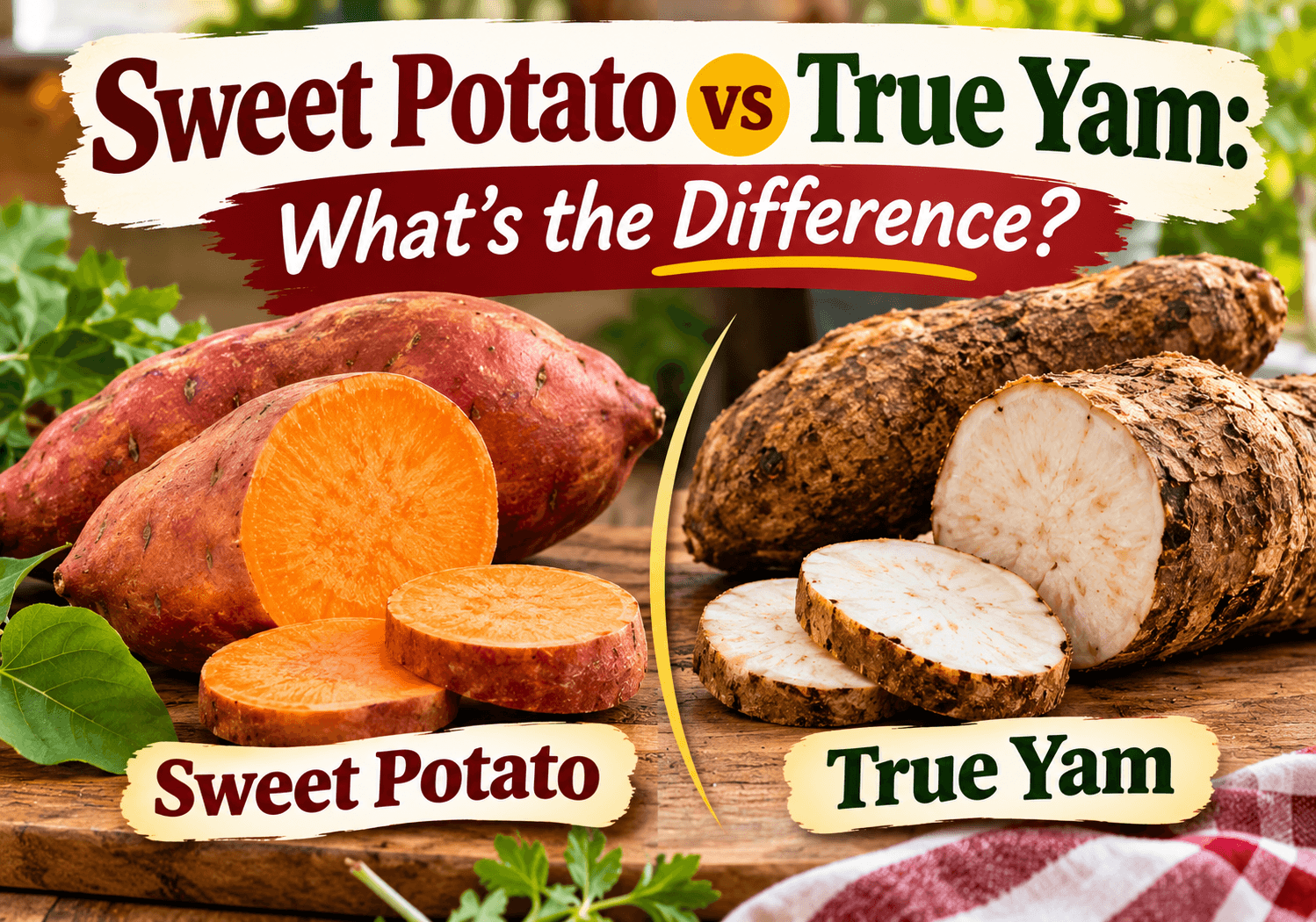
Both pies are custard pies. The fillings use a vegetable purée, eggs, milk or evaporated milk, sugar, and warm spices. The main difference is the star ingredient: pumpkin, a winter squash, or sweet potato, a root vegetable.
That one swap changes the flavor, texture, and nutrition. Sweet potatoes are naturally sweeter and starchier than pumpkin. Pumpkin is more watery and earthy, so recipes often rely more on spices for flavor.
The spice blend also tends to differ. Pumpkin pie usually leans on cinnamon, ginger, nutmeg, and cloves. Sweet potato pie often uses less spice, with more vanilla, butter, and sometimes citrus.
Pumpkin Pie vs Sweet Potato Pie Taste and Texture
When people compare pumpkin pie vs sweet potato pie, taste is usually the first thing they mention. Pumpkin pie tastes earthy and spice-forward, a bit like spiced squash. Sweet potato pie tastes sweeter and richer, with caramel-like notes from the roasted or boiled potatoes.
Texture is different too. Pumpkin pie is silky and smooth. Sweet potato pie is often denser and a little fluffier, especially when made from fresh potatoes. Some bakers whip the filling for a lighter, mousse-like feel.
So does sweet potato pie taste the same as pumpkin pie? Not quite. They’re similar enough to be cousins, but most people can tell them apart in one bite.
The History of Sweet Potato Pie and Pumpkin Pie
Food history helps explain why some families serve one pie and not the other. The pumpkin pie vs sweet potato pie choice is often about tradition as much as taste.
Sweet Potato Pie in Southern and African American Tradition
Sweet potato pie has deep roots in African American cooking in the South. According to the Smithsonian Center for Folklife and Cultural Heritage, its history goes back to enslaved Africans who cooked in Southern plantation kitchens. Yams were a staple food in West Africa, and sweet potatoes were the closest substitute available in the American South.
During the Great Migration, Black families moving north took sweet potato pie with them and kept serving it at celebrations. Today, the Smithsonian describes it as an important staple of African American cuisine. It’s a common centerpiece at holiday meals, including the Kwanzaa feast.
Pumpkin Pie as the Classic Thanksgiving Dessert
Pumpkin pie became the best-known Thanksgiving dessert in much of the United States. Today, many families serve both pies side by side. Whichever pie you grew up with, the pumpkin pie vs sweet potato pie question has no wrong answer when it comes to tradition.
Pumpkin Pie vs Sweet Potato Pie: Nutrition Facts Compared
Here’s how 100 grams of pumpkin pie compares with 100 grams of sweet potato pie, based on USDA data. Pumpkin pie values come from USDA FoodData Central (commercially prepared). Sweet potato pie values come from the USDA’s Food and Nutrient Database for Dietary Studies (food code 53360000).
| Nutrient (per 100 g) | Pumpkin Pie | Sweet Potato Pie | Lighter or Better |
| Calories | 243 | 269 | Pumpkin |
| Total fat | 9.8 g | 9.8 g | Tie |
| Saturated fat | 2.0 g | 4.1 g | Pumpkin |
| Cholesterol | 26 mg | 47 mg | Pumpkin |
| Carbohydrates | 34.8 g | 41.1 g | Pumpkin |
| Sugars | 18.9 g | 25.2 g | Pumpkin |
| Fiber | 1.8 g | 1.3 g | About equal |
| Protein | 3.9 g | 5.0 g | Sweet potato |
| Sodium | 239 mg | 269 mg | Pumpkin |
| Potassium | 167 mg | 242 mg | Sweet potato |
| Calcium | 64 mg | 90 mg | Sweet potato |
| Vitamin A | 448 mcg RAE (50% DV) | 189 mcg RAE (21% DV) | Pumpkin |
Values are rounded. The two pies come from different USDA databases, and homemade pies vary a lot with the recipe.
What the Numbers Show
The pumpkin pie vs sweet potato pie nutrition gap is small. Pumpkin pie has about 10% fewer calories, a quarter less sugar, and half the saturated fat. It also has more than twice the vitamin A.
Sweet potato pie has a little more protein, potassium, and calcium. For most people, though, the two pies are close enough that portion size matters more than which one you pick.

Pumpkin Pie vs Sweet Potato Pie: Calories, Sugar, and Carbs
Here’s how the two pies compare on the numbers people check most.
Calories
Calories are close in the pumpkin pie vs sweet potato pie comparison. Per 100 grams, pumpkin pie has about 243 calories and sweet potato pie about 269. That’s a difference of about 26 calories.
Slice size makes a bigger difference than the type of pie. A typical slice of store-bought pumpkin pie (1/6 of an 8-inch pie) has about 229 calories. A large bakery slice of either pie can easily have more.
Holiday calories can add up. An NIH study found that adults gained about 0.8 pound between Thanksgiving and New Year’s, and most didn’t lose it afterward. Watching portion sizes helps.
Sugar and Carbs
Sweet potatoes are naturally sweeter and starchier than pumpkin. That’s one reason sweet potato pie has more carbs, about 41 grams per 100 grams versus 35 grams for pumpkin pie. It also has more sugar, about 25 grams versus 19 grams.
The 2025–2030 Dietary Guidelines for Americans take a strict line on added sugar. According to Harvard’s summary of the new guidelines, no single meal should contain more than 10 grams of added sugar. Neither pie meets that goal, but you can get much closer with a lighter homemade recipe.
Pumpkin vs Sweet Potato: Comparing the Vegetables
Before the sugar, crust, and cream go in, how do the two main ingredients compare? Here’s 1 cup of canned pumpkin versus 1 cup of canned mashed sweet potato, based on USDA-derived data from University Hospitals.
| Nutrient (per 1 cup, canned) | Pumpkin | Sweet Potato (mashed) |
| Calories | 83 | 258 |
| Carbohydrates | 19.8 g | 59.1 g |
| Fiber | 7.1 g | 4.3 g |
| Sugars | 8.1 g | 13.9 g |
| Protein | 2.7 g | 5.1 g |
| Potassium | 505 mg | 536 mg |
| Beta-carotene | 17,003 mcg | 13,308 mcg |
| Vitamin C | 10.3 mg | 13.3 mg |
Sources: University Hospitals nutrition facts for canned pumpkin and canned mashed sweet potato.
So, What Is Better: Pumpkin or Sweet Potato?
As vegetables, both are excellent, and this is where the pumpkin pie vs sweet potato pie story really starts. Canned pumpkin has about one-third the calories of mashed sweet potato, plus more fiber and beta-carotene. Sweet potato has more protein, a bit more vitamin C, and similar potassium.
Both are top sources of vitamin A. The NIH reports that one whole baked sweet potato provides 1,403 mcg of vitamin A, or 156% of the Daily Value. Learn more about whether sweet potatoes are healthy and if canned pumpkin is healthy.
Health Benefits: Pumpkin Pie vs Sweet Potato Pie
Both pies are still desserts, but each one offers some real nutrition. Here’s what each brings to the pumpkin pie vs sweet potato pie comparison.
Pumpkin Pie Benefits
Vitamin A. The NIH lists commercially prepared pumpkin pie among top food sources of vitamin A, with 488 mcg per piece, or 54% of the Daily Value. Vitamin A supports normal vision, the immune system, and cell growth. Learn about pumpkin and vitamin A.
Lower calories and sugar. Pumpkin is low in calories, so the filling stays lighter than many other pies. That’s why pumpkin pie also beats richer desserts. See our comparison of pumpkin pie vs pecan pie.
Fiber from pumpkin. Canned pumpkin has about 7 grams of fiber per cup. Mayo Clinic notes that high-fiber foods tend to be more filling than low-fiber foods. Learn whether pumpkin has fiber and if pumpkin is healthy.
Sweet Potato Pie Benefits
Potassium and calcium. Per 100 grams, sweet potato pie has about 242 mg of potassium and 90 mg of calcium, more than pumpkin pie, based on USDA data.
A bit more protein. Sweet potato pie has about 5 grams of protein per 100 grams, compared with about 4 grams for pumpkin pie.
Beta-carotene. Sweet potatoes are rich in beta-carotene, which the body turns into vitamin A. Sweet potato pie still provides about 21% of the Daily Value for vitamin A per 100 grams.
It can be made lighter. A Mayo Clinic recipe for a lighter sweet potato pie uses squash, tofu, egg whites, and honey. It has 197 calories and just 6 grams of added sugar per serving.
Pumpkin Pie vs Sweet Potato Pie: Which Is Healthier?
So, what is better for you, pumpkin pie or sweet potato pie? Based on USDA data, pumpkin pie has a slight edge. It has fewer calories, less sugar, half the saturated fat, and more than twice the vitamin A.
Sweet potato pie isn’t far behind, though. It offers a little more protein, potassium, and calcium. The recipe and portion size matter far more than the vegetable itself. A homemade sweet potato pie with less sugar can easily be lighter than a rich store-bought pumpkin pie.
In the pumpkin pie vs sweet potato pie debate, choose the pie you love most and enjoy one modest slice. For a full holiday plan, see our healthy Thanksgiving menu.
Who Should Choose Pumpkin Pie vs Sweet Potato Pie?
When it comes to pumpkin pie vs sweet potato pie, your best choice depends on your health goals.
Pumpkin pie may be the better choice if you:
- Want slightly fewer calories and less sugar.
- Are watching your saturated fat or cholesterol.
- Want the most vitamin A per bite.
Sweet potato pie may be the better choice if you:
- Prefer a sweeter, richer flavor and plan to cut back on added sugar.
- Want a bit more protein, potassium, and calcium.
- Are keeping a family or cultural tradition alive.
Pumpkin Pie vs Sweet Potato Pie for Diabetes
For people with diabetes, pumpkin pie has slightly fewer carbs per 100 grams, about 35 grams versus 41 grams. The CDC suggests planning your carb choices in advance during holiday meals. If you want dessert, cut back on other carbs like rolls or potatoes.
The CDC also notes that you can enjoy your favorite holiday treats in moderation. For lower-sugar ideas, see our pumpkin recipes for diabetics.
Risks and Who Should Be Cautious
Both pies are treats, so a few cautions apply whichever side of the pumpkin pie vs sweet potato pie question you choose.
Food allergies. Both pies usually contain eggs, milk, and wheat. The FDA lists all three among the nine major food allergens. If you have celiac disease, check whether pumpkin pie is gluten-free before serving.
Food safety. Both are custard pies made with eggs and milk. University of Illinois Extension advises that pumpkin, custard, and cream pies should not be out of the refrigerator for more than two hours. Pumpkin pie can be kept up to four days in the fridge. Treat sweet potato pie the same way.
Added sugar and toppings. Whipped cream, marshmallows, and extra sugar can quickly double the sweetness of either pie. Keep toppings small.
How Much Pie Should You Eat?
Portion size matters more than the pumpkin pie vs sweet potato pie choice itself. One standard slice is a reasonable portion for most adults. If you want to try both pies, cut two thin slices instead of two full ones.
- Cut smaller slices. Slicing a pie into 8 or 10 pieces instead of 6 lowers calories per slice.
- Wait before seconds. The CDC says it takes at least 20 minutes for your brain to realize you’re full.
- Take a slice home. Ask your host if you can save a treat for later.
How Pie Fits a Healthy Lifestyle
One slice of pie won’t make or break your health. What matters most is your overall eating pattern across the year. The pumpkin pie vs sweet potato pie choice is just one small part of that picture.
Enjoy dessert as part of a balanced holiday meal, with plenty of vegetables and lean protein. Take a walk after dinner and get back to your usual routine the next day. Food is also about family and culture, so enjoy the traditions that matter to you.
How to Make Pumpkin Pie or Sweet Potato Pie Healthier
Whichever side of the pumpkin pie vs sweet potato pie debate you’re on, these easy tweaks can make your pie lighter.
- Cut the sugar by a quarter. Sweet potatoes are naturally sweet, so sweet potato pie can often handle the biggest cut.
- Use low-fat evaporated milk. It keeps the filling creamy with less fat. Try our sweet potato pie recipe.
- Lean on spices. More cinnamon, ginger, and nutmeg add flavor without sugar. Make your own pumpkin pie spice.
- Try a crustless pie. Bake the filling in ramekins to skip the refined crust.
- Use egg whites. Swap some whole eggs for egg whites to cut saturated fat and cholesterol.
- Go light on whipped cream. A small dollop is plenty.
For more seasonal baking ideas, browse our pumpkin recipe roundup.
Pumpkin Pie vs Sweet Potato Pie: Myths vs Facts
| Myth | Fact |
| Sweet potato pie and pumpkin pie are basically the same. | They differ in flavor, texture, and nutrition. Pumpkin pie has more than twice the vitamin A per 100 grams. |
| Sweet potato pie is much higher in calories. | The difference is only about 26 calories per 100 grams, based on USDA data. |
| Sweet potatoes are healthier than pumpkin. | Canned pumpkin has fewer calories and more fiber than mashed sweet potato. |
| A healthy sweet potato pie isn’t possible. | Mayo Clinic’s lighter recipe has 197 calories and 6 grams of added sugar per serving. |
| Custard pies are fine left out overnight. | They shouldn’t sit out more than two hours. |
Frequently Asked Questions
What is better for you, pumpkin pie or sweet potato pie?
Pumpkin pie has a slight edge. Per 100 grams, it has fewer calories, less sugar, half the saturated fat, and more than twice the vitamin A of sweet potato pie. Sweet potato pie has a bit more protein, potassium, and calcium. Recipe and portion size matter more than which pie you choose.
Does sweet potato pie taste the same as pumpkin pie?
No, but they’re similar. Pumpkin pie tastes earthy and spice-forward, with a silky texture. Sweet potato pie is naturally sweeter and richer, with caramel-like notes and a denser, sometimes fluffier texture. Many people can tell them apart in one bite, though both use similar warm spices.
Why is sweet potato pie a tradition in African American families?
Sweet potato pie has roots in Southern kitchens, where enslaved Africans used sweet potatoes in place of the yams common in West Africa. During the Great Migration, families carried the pie north. The Smithsonian describes it as an important staple of African American cuisine, often served at holidays and celebrations.
What is better, pumpkin or sweet potato?
Both are nutritious vegetables. Canned pumpkin has about one-third the calories of mashed sweet potato, plus more fiber and beta-carotene. Sweet potato has more protein and a bit more vitamin C. Both are excellent sources of vitamin A, so including either one in your diet is a healthy choice.
Which pie has more calories, pumpkin or sweet potato?
Sweet potato pie has slightly more calories, about 269 per 100 grams compared with about 243 for pumpkin pie, based on USDA data. That’s a small difference. Slice size, toppings, and the amount of sugar in the recipe usually affect calories more than the choice of vegetable.
Is sweet potato pie good for people with diabetes?
It can fit in moderation. Sweet potato pie has slightly more carbs and sugar than pumpkin pie, so a smaller slice is wise. The CDC suggests planning carb choices ahead and cutting back on other carbs if you want dessert. A lighter homemade recipe with less sugar can also help.
Conclusion: Pumpkin Pie vs Sweet Potato Pie, the Final Verdict
In the pumpkin pie vs sweet potato pie comparison, pumpkin pie is slightly healthier, with fewer calories, less sugar, less saturated fat, and more vitamin A. Sweet potato pie offers a bit more protein, potassium, and calcium, along with a rich history in Southern and African American cooking.
The difference between the two is small. Pick the pie you love, enjoy a modest slice, and try a lighter recipe if you bake at home. That’s the healthiest way to enjoy either one.
Medical disclaimer: This article is for general information only and is not a substitute for professional medical advice, diagnosis, or treatment. If you have diabetes, food allergies, heart disease, or another health condition, talk with your doctor or a registered dietitian about how holiday desserts fit your eating plan.
3. References
- USDA Agricultural Research Service. Pie, pumpkin, commercially prepared (FDC ID 172787). FoodData Central, SR Legacy. https://fdc.nal.usda.gov/fdc-app.html#/food-details/172787/nutrients
- USDA Food and Nutrient Database for Dietary Studies (FNDDS). Pie, sweet potato (food code 53360000), via NutritionValue.org. https://www.nutritionvalue.org/Pie%2C_sweet_potato_53360000_nutritional_value.html [VERIFY]
- University Hospitals Health & Wellness Library. Nutrition Facts: Pie, pumpkin, commercially prepared, 1 piece (1/6 of 8″ pie). https://www.uhhospitals.org/health-information/health-and-wellness-library/nutrition-facts/article/nutritionfacts-v1/pie-pumpkin-commercially-prepared-1-piece-16-of-8-pie
- University Hospitals Health & Wellness Library. Nutrition Facts: Pumpkin, canned, without salt, 1 cup. https://www.uhhospitals.org/health-information/health-and-wellness-library/article/nutritionfacts-v1/pumpkin-canned-without-salt-1-cup
- University Hospitals Health & Wellness Library. Nutrition Facts: Sweet potato, canned, mashed, 1 cup. https://uhhospitals.org/health-information/health-and-wellness-library/article/nutritionfacts-v1/sweet-potato-canned-mashed-1-cup
- NIH Office of Dietary Supplements. Vitamin A and Carotenoids: Fact Sheet for Health Professionals. https://ods.od.nih.gov/factsheets/VitaminA-HealthProfessional/
- Gilmore L. Foodways for the Holidays: Kwanzaa Sweet Potato Pie. Smithsonian Center for Folklife and Cultural Heritage. https://folklife.si.edu/magazine/foodways-holidays-kwanzaa-sweet-potato-pie
- Mayo Clinic. Sweet potato pie (healthy recipe). https://www.mayoclinic.org/healthy-lifestyle/recipes/sweet-potato-pie/rcp-20166405
- Mayo Clinic. Dietary fiber: Essential for a healthy diet. https://www.mayoclinic.org/healthy-lifestyle/nutrition-and-healthy-eating/in-depth/fiber/art-20043983
- Harvard T.H. Chan School of Public Health, The Nutrition Source. Dietary Guidelines for Americans 2025–2030 (summary). January 9, 2026. https://nutritionsource.hsph.harvard.edu/2026/01/09/dietary-guidelines-for-americans-2025-2030/
- National Institute of Child Health and Human Development (NIH). Holiday Weight Gain Slight, But May Last a Lifetime. March 22, 2000. https://www.nichd.nih.gov/newsroom/releases/holidayweightgain
- Centers for Disease Control and Prevention. Healthy Eating and the Holidays (Diabetes). 2024. https://www.cdc.gov/diabetes/healthy-eating/5-healthy-eating-tips-holidays.html
- U.S. Food and Drug Administration. Food Allergies. https://www.fda.gov/food/nutrition-food-labeling-and-critical-foods/food-allergies
- Peterson L. Do I need to refrigerate the pie? University of Illinois Extension. November 22, 2019. https://extension.illinois.edu/news-releases/do-i-need-refrigerate-pie