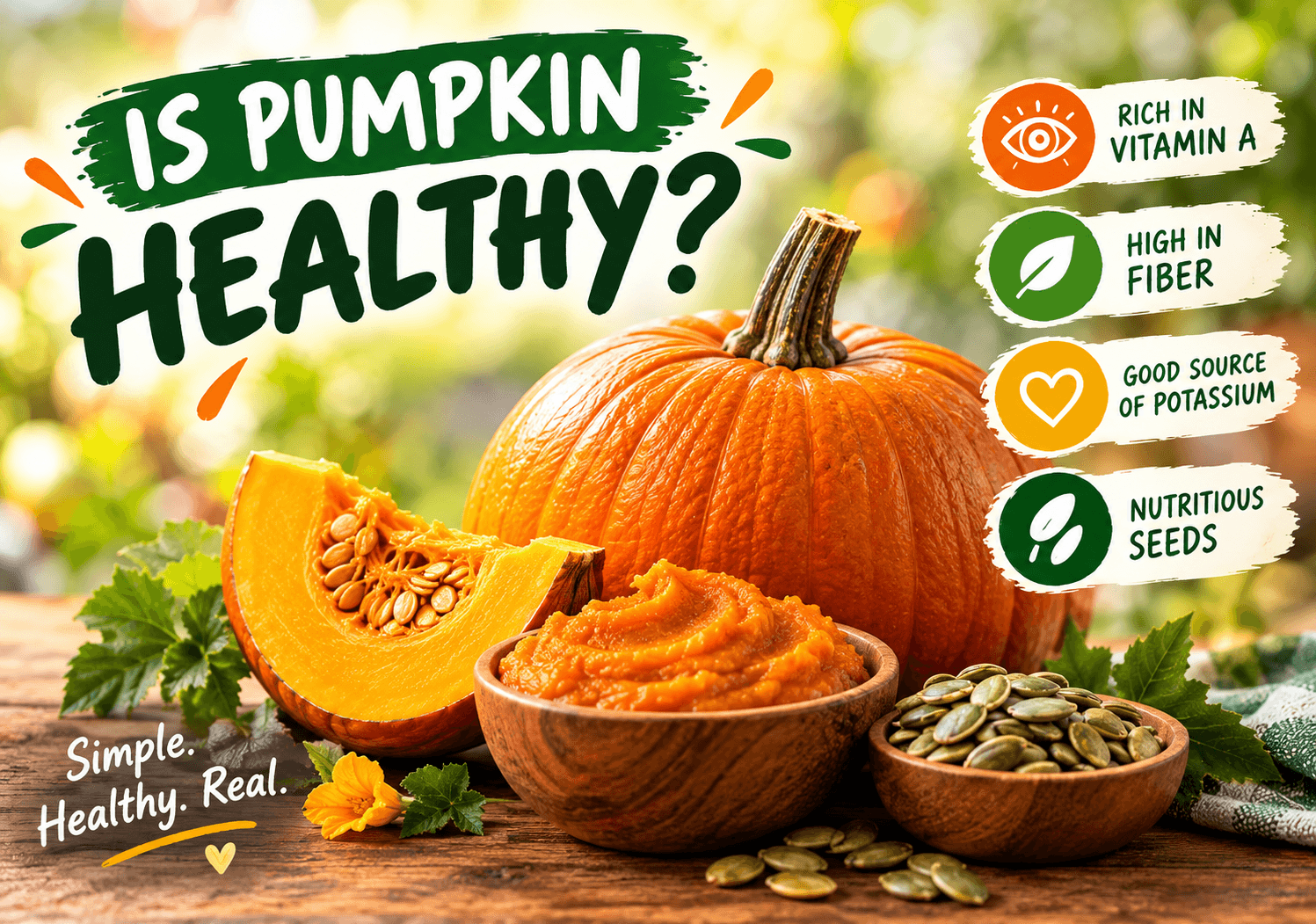
Pumpkin shows up everywhere in the fall: lattes, muffins, pies and candles. That makes it easy to forget that pumpkin itself is a vegetable, and a very nutritious one. So, is pumpkin healthy? Yes. Plain pumpkin is low in calories, high in vitamin A and a good source of fiber and potassium. Whether it’s healthy on your plate, though, depends on how it’s prepared.
This guide covers what’s in pumpkin, what the research says about its benefits, how fresh and canned compare, who should be careful, and the best ways to eat it so you get the nutrition without the added sugar.
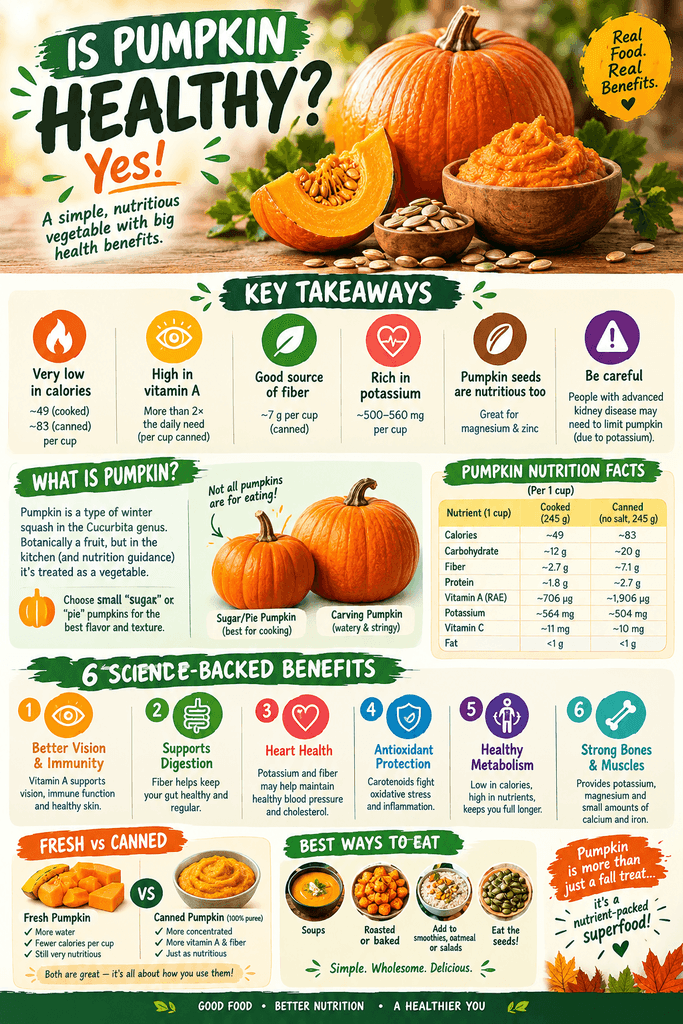
Key Takeaways
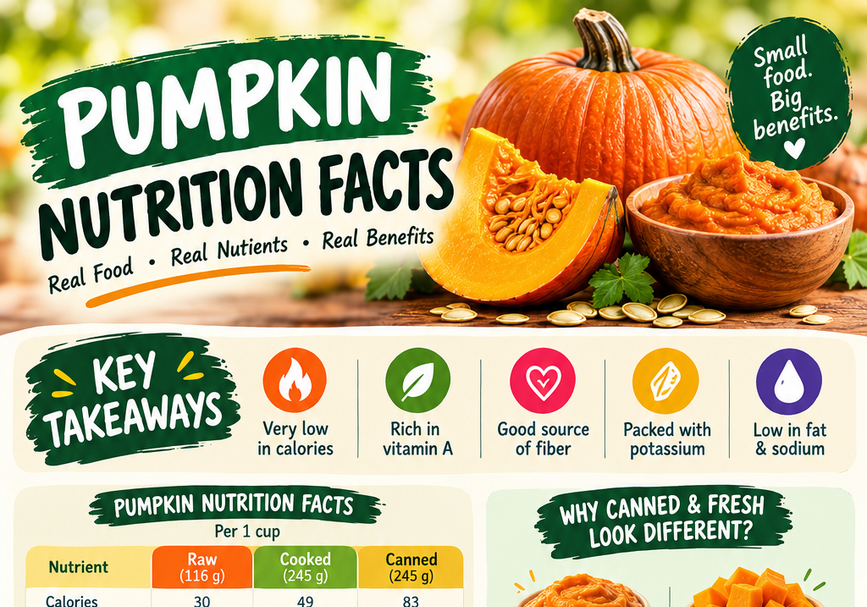
- Plain pumpkin is very low in calories: about 49 per cup cooked and 83 per cup canned.
- One cup of canned pumpkin provides more than twice the vitamin A most adults need in a day, mostly from beta-carotene.
- Canned pumpkin puree (100% pumpkin) is just as nutritious as fresh, and its fiber and vitamin A are more concentrated.
- Pumpkin pie filling, pumpkin spice drinks and baked goods often add a lot of sugar. The health benefits come from the pumpkin itself.
- Pumpkin seeds are nutritious too, especially for magnesium and zinc.
- People with advanced kidney disease may need to limit pumpkin because of its potassium.
What Is Pumpkin?
Pumpkin is a type of winter squash in the Cucurbita genus, alongside butternut, acorn and Hubbard squash. Botanically, pumpkin is a fruit because it grows from a flower and contains seeds. In the kitchen and in nutrition guidance, it’s treated as a vegetable. The USDA’s MyPlate places pumpkin in the “red and orange vegetables” group.
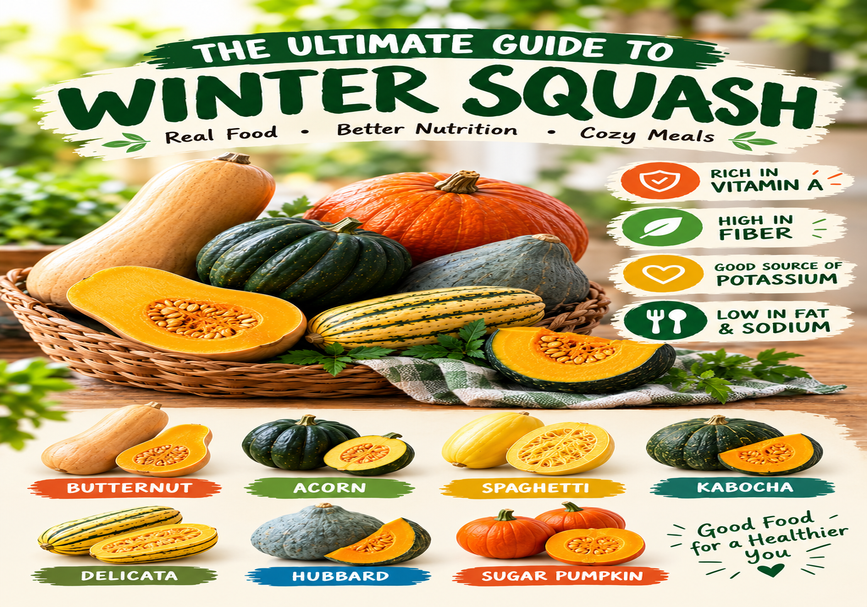
Not every pumpkin is meant for eating. Large carving pumpkins are bred for size and have watery, stringy flesh. For cooking, choose small “sugar” or “pie” pumpkins, which are sweeter and smoother. Many canned pumpkin brands also use varieties closer to butternut squash. For a tour of pumpkin’s relatives and how to cook each one, see our winter squash guide.
Pumpkin Nutrition Facts
Here’s what one cup of plain pumpkin provides, according to USDA FoodData Central records for cooked pumpkin and canned pumpkin without salt:
| Nutrient (1 cup) | Cooked, boiled, mashed (245 g) | Canned, no salt (245 g) |
| Calories | ~49 | ~83 |
| Carbohydrate | ~12 g | ~20 g |
| Fiber | ~2.7 g | ~7.1 g |
| Protein | ~1.8 g | ~2.7 g |
| Vitamin A (RAE) | ~706 µg | ~1,906 µg |
| Potassium | ~564 mg | ~504 mg |
| Vitamin C | ~11 mg | ~10 mg |
| Fat | <1 g | <1 g |
Canned pumpkin looks more nutritious per cup because it’s denser. Fresh boiled pumpkin holds more water, so a cup contains less pumpkin. Per gram of actual pumpkin, they’re quite similar.
The standout is vitamin A. Pumpkin gets its orange color from carotenoids, mainly beta-carotene and alpha-carotene, which the body converts into vitamin A. USDA data lists over 2,000 micrograms each of beta-carotene and alpha-carotene in just 100 grams of cooked pumpkin.
Is Pumpkin Healthy? 6 Science-Backed Benefits
Most benefits of pumpkin come from its nutrients and from the broader research on vegetable-rich diets. Here’s what the evidence supports.
1. Rich in Vitamin A for Vision and Immunity
According to the NIH Office of Dietary Supplements, vitamin A is essential for normal vision, especially seeing in low light. It’s also needed for immune function and for keeping the skin and the linings of the lungs and gut healthy. Adults need 700 micrograms RAE a day (women) or 900 (men). One cup of canned pumpkin supplies more than double that.
Because your body converts beta-carotene to vitamin A only as needed, getting it from food like pumpkin doesn’t carry the toxicity risk of high-dose vitamin A supplements.
2. A Good Source of Fiber
A cup of canned pumpkin provides about 7 grams of fiber, roughly a quarter of what many adults need each day. The Harvard T.H. Chan School of Public Health notes that fiber helps regulate how the body uses sugar, supports digestion and is linked with lower risk of heart disease and type 2 diabetes. According to Mayo Clinic, fiber also helps keep bowel movements regular and helps you feel full.
3. Supports Healthy Blood Pressure Through Potassium
Pumpkin provides 500–560 milligrams of potassium per cup. The Office of Dietary Supplements potassium fact sheet explains that potassium helps balance sodium’s effect on blood pressure, and that higher potassium intake is associated with lower blood pressure and stroke risk. Many adults don’t meet the recommended 2,600 mg (women) or 3,400 mg (men) a day.
4. Low in Calories, High in Volume
At about 49 calories per cup cooked, pumpkin is one of the lowest-calorie starchy vegetables. That makes it useful for adding bulk, creaminess and nutrients to meals without many calories. Stirring pumpkin puree into oatmeal, chili or pasta sauce can make a meal more filling for very little extra energy.
5. Provides Vitamin C and Other Antioxidants
Pumpkin adds some vitamin C, which the body needs to make collagen, support immune function and absorb iron from plant foods, according to the Office of Dietary Supplements. Together with its carotenoids, this gives pumpkin antioxidant nutrients that help protect cells from damage.
6. Part of a Vegetable-Rich Diet Linked to Longer Life
The strongest evidence is for vegetables as a group rather than pumpkin alone. A large 2017 meta-analysis in the International Journal of Epidemiology found that higher fruit and vegetable intake was associated with lower risk of heart disease, cancer and early death. The benefit kept increasing up to about 800 grams a day. Pumpkin is an easy, versatile way to move toward that.
Is Canned Pumpkin Healthy?
Yes. Plain canned pumpkin is one of the most convenient healthy foods in the store. It’s simply cooked, pureed pumpkin, with nothing else added in most brands.
As the USDA table above shows, canned pumpkin is more concentrated than fresh boiled pumpkin, so a cup gives you more fiber and vitamin A. It’s also available year-round and costs little.
The key is reading the label. Look for “100% pumpkin” or “pure pumpkin” as the only ingredient. Avoid confusing it with pumpkin pie filling (or “pumpkin pie mix”), which comes pre-sweetened and spiced and has much more sugar.
Prefer to make your own? Our step-by-step guide shows how to make pumpkin puree from a sugar pumpkin.
A safety note on homemade puree: University of Missouri Extension advises that you should not home-can mashed or pureed pumpkin, because the puree is too dense for heat to reliably reach the center of the jar. Freeze homemade puree instead. Only cubed pumpkin can be pressure-canned safely.
Are Pumpkin Seeds Healthy Too?
The seeds you scoop out are worth keeping. Pumpkin seeds (pepitas when hulled) are rich in minerals. According to the Office of Dietary Supplements, one ounce of roasted pumpkin seeds provides about 156 mg of magnesium, over a third of the daily need for many adults. Pumpkin seeds are also a good plant source of zinc, which supports immune function and wound healing.
They’re also calorie-dense, so a small handful is a serving. Our full breakdown on whether pumpkin seeds are healthy covers roasting, portions and benefits.
Who Benefits Most From Eating Pumpkin?
- People who rarely eat orange vegetables. Pumpkin is mild and blends invisibly into many dishes.
- Anyone trying to eat more fiber. Canned pumpkin is an easy fiber boost for breakfast and baking.
- People watching calories. Pumpkin adds volume and creaminess for few calories.
- Plant-based eaters. Pumpkin provides provitamin A carotenoids for people who don’t eat animal sources of vitamin A.
- People managing blood sugar. Plain pumpkin is moderate in carbohydrate and provides fiber. Portions still matter, especially in baked goods. These pumpkin recipes for diabetics pair pumpkin with protein and fat.
Risks and Who Should Be Cautious
Pumpkin is safe for nearly everyone, but keep these points in mind.
Added Sugar in Pumpkin Products
The biggest “risk” with pumpkin is what gets added to it. Pumpkin spice drinks, pumpkin bread, muffins and pie often contain far more sugar and fat than pumpkin. Enjoy them as treats, check nutrition labels, and remember that the benefits described here come from plain pumpkin.
Kidney Disease and Potassium
If you have chronic kidney disease, your kidneys may not remove extra potassium well. The National Institute of Diabetes and Digestive and Kidney Diseases advises that people with CKD may need to limit high-potassium foods. Ask your doctor or renal dietitian how much pumpkin fits your plan.
Orange-Tinted Skin (Carotenemia)
Eating large amounts of carotene-rich foods like pumpkin, carrots and sweet potatoes every day can turn the skin slightly yellow-orange. An NCBI StatPearls review describes this condition, carotenemia, as harmless. It fades when intake goes down. Unlike jaundice, it doesn’t yellow the whites of the eyes.
Beta-Carotene Supplements Aren’t the Same
Beta-carotene from food is considered safe. But the Office of Dietary Supplements notes that high-dose beta-carotene supplements have been linked to higher lung cancer risk in smokers and former smokers. Food sources like pumpkin are the better choice.
Bitter Pumpkin
Like other squashes, pumpkin can rarely contain high levels of bitter compounds called cucurbitacins, which can cause stomach upset. If a pumpkin tastes unusually bitter, don’t eat it. Throw it away.
How Much Pumpkin Should You Eat?
There’s no official “pumpkin dose.” A typical serving is ½ to 1 cup of cooked pumpkin or puree. Pumpkin counts toward your daily vegetable target: MyPlate recommends about 2–4 cups of vegetables a day for adults, depending on age, sex and activity. Eating pumpkin a few times a week, or even daily in moderate amounts, fits easily into a balanced diet for most people.
Best Ways to Eat Pumpkin (and Get the Most From It)
Add a Little Fat
Carotenoids are fat-soluble. A study in the American Journal of Clinical Nutrition found that people absorbed significantly more carotenoids from vegetables eaten with full-fat dressing than with fat-free or reduced-fat versions. Roasting pumpkin in olive oil, or pairing it with nuts, seeds, yogurt or cheese, helps you absorb more of its beta-carotene.
Roast It
Cut a sugar pumpkin into wedges or cubes, toss with oil and salt, and roast at 400–425°F (200–220°C) for 25–40 minutes, until tender and browned. The skin of small pumpkins softens enough to eat.
Blend It Into Soups
Pumpkin makes creamy soups without heavy cream. Try this pumpkin sweet potato bisque.
Stir It Into Breakfast
Mix ¼ to ½ cup of canned pumpkin into oatmeal, yogurt or smoothies with cinnamon. These overnight pumpkin spice oats are an easy make-ahead option.
Use It in Savory Dinners
Pumpkin adds body and nutrients to chili, curries and pasta sauces. Try this pumpkin sweet potato black bean chili, or use pumpkin in place of some of the cream in this light pumpkin Alfredo sauce.
Bake Smarter
In muffins and quick breads, pumpkin puree can replace some of the oil or butter and add moisture. Cut the sugar a little, since pumpkin and spices add natural sweetness and flavor. For more ideas, browse our pumpkin recipe roundup.
Pumpkin vs. Other Orange Vegetables
How does pumpkin compare with its orange-fleshed cousins?
- Butternut squash has a similar nutrient profile, with plenty of vitamin A and fiber, and a sweeter, smoother texture. See is butternut squash healthy.
- Sweet potatoes are higher in calories and carbohydrate per cup but also rich in beta-carotene and fiber. Learn more in are sweet potatoes healthy.
- Carrots are another beta-carotene powerhouse and are great raw. Read are carrots healthy.
All four are nutritious. Rotating among them gives you variety in flavor, texture and nutrients.
Pumpkin Myths vs. Facts
Myth: Pumpkin spice means pumpkin.
Fact: “Pumpkin spice” is a blend of cinnamon, nutmeg, ginger and cloves. Many pumpkin spice products contain little or no actual pumpkin.
Myth: Fresh pumpkin is always healthier than canned.
Fact: Plain canned pumpkin is as nutritious as fresh and is more concentrated in fiber and vitamin A per cup.
Myth: Pumpkin is high in sugar.
Fact: Plain pumpkin is naturally low in sugar. The sugar in pumpkin desserts and drinks is added.
Myth: Pumpkin pie is a healthy way to eat your vegetables.
Fact: Pumpkin pie does contain pumpkin, but it also brings sugar, refined flour and fat. Enjoy it as a dessert, not as a vegetable serving.
Myth: You can’t eat pumpkin skin.
Fact: The skin of small sugar pumpkins softens when roasted and is edible. Large carving pumpkins have tough skin that’s best removed.
How Pumpkin Fits a Healthy Lifestyle
Pumpkin is healthy in the way most vegetables are: it adds nutrients, fiber and volume for few calories. It’s best eaten regularly as part of a varied diet, not as a one-season trend. Keep a few cans of 100% pumpkin in the pantry and you can add a serving of vegetables to breakfast, lunch or dinner any time of year. Pair it with protein, whole grains and a little healthy fat for balanced, satisfying meals.
Frequently Asked Questions
Is pumpkin healthy to eat every day?
For most people, yes. A half-cup to one-cup serving of plain pumpkin a day adds vitamin A, fiber and potassium with few calories. Very high daily intakes may tint the skin orange, which is harmless. People with kidney disease should ask their doctor because of pumpkin’s potassium content.
Is canned pumpkin as healthy as fresh pumpkin?
Plain canned pumpkin is just as healthy as fresh and often more convenient. Because it’s denser, a cup of canned pumpkin has more fiber and vitamin A than a cup of boiled fresh pumpkin. Choose cans labeled “100% pumpkin,” not pumpkin pie filling, which is sweetened and spiced.
Is pumpkin good for weight loss?
Pumpkin can support weight management because it’s low in calories and high in water and fiber, which help you feel full. A cup of cooked pumpkin has about 49 calories. Its benefits disappear in sugary pumpkin treats, so focus on plain pumpkin in soups, oatmeal and savory dishes.
Is pumpkin good for people with diabetes?
Plain pumpkin can fit a diabetes-friendly eating plan. It contains carbohydrate but also fiber, which slows how quickly sugar enters the bloodstream. Watch portions and avoid sweetened pumpkin products. Pairing pumpkin with protein and healthy fats helps keep blood sugar steadier.
Is pumpkin a fruit or a vegetable?
Botanically, pumpkin is a fruit because it develops from a flower and contains seeds. In cooking and nutrition, it’s treated as a vegetable. The USDA counts pumpkin in the red and orange vegetables group, so it counts toward your daily vegetable servings.
Can you eat raw pumpkin?
Raw pumpkin is safe to eat in small amounts, for example grated into salads, but it’s hard and fibrous. Cooking makes it softer, sweeter and easier to digest. Cooking with a little fat may also help your body absorb more of pumpkin’s carotenoids.
Conclusion
So, is pumpkin healthy? Plain pumpkin certainly is. It’s low in calories, rich in beta-carotene and vitamin A, and a good source of fiber and potassium, and plain canned pumpkin is just as nutritious as fresh. The catch is the extras: pumpkin pie filling, lattes and baked goods often add more sugar than benefit. Eat pumpkin roasted, blended into soups, stirred into oatmeal or simmered into chili, add a little healthy fat, and save the pumpkin treats for occasional enjoyment.
Medical disclaimer: This article is for general educational purposes only and is not a substitute for professional medical advice, diagnosis or treatment. If you have a health condition such as diabetes or kidney disease, talk with your doctor or a registered dietitian before making significant changes to your diet.
(3) References
- U.S. Department of Agriculture. “Pumpkin, cooked, boiled, drained, without salt” (FDC ID 168449). FoodData Central, SR Legacy. https://fdc.nal.usda.gov/fdc-app.html#/food-details/168449/nutrients
- U.S. Department of Agriculture. “Pumpkin, canned, without salt” (FDC ID 168450). FoodData Central, SR Legacy. https://fdc.nal.usda.gov/fdc-app.html#/food-details/168450/nutrients
- U.S. Department of Agriculture. “Vegetables.” MyPlate. https://www.myplate.gov/eat-healthy/vegetables
- NIH Office of Dietary Supplements. “Vitamin A and Carotenoids: Fact Sheet for Health Professionals.” https://ods.od.nih.gov/factsheets/VitaminA-HealthProfessional/
- NIH Office of Dietary Supplements. “Potassium: Fact Sheet for Health Professionals.” https://ods.od.nih.gov/factsheets/Potassium-HealthProfessional/
- NIH Office of Dietary Supplements. “Vitamin C: Fact Sheet for Health Professionals.” https://ods.od.nih.gov/factsheets/VitaminC-HealthProfessional/
- NIH Office of Dietary Supplements. “Magnesium: Fact Sheet for Health Professionals.” https://ods.od.nih.gov/factsheets/Magnesium-HealthProfessional/
- NIH Office of Dietary Supplements. “Zinc: Fact Sheet for Health Professionals.” https://ods.od.nih.gov/factsheets/Zinc-HealthProfessional/
- Harvard T.H. Chan School of Public Health. “Fiber.” The Nutrition Source. https://nutritionsource.hsph.harvard.edu/carbohydrates/fiber/
- Mayo Clinic Staff. “Dietary fiber: Essential for a healthy diet.” Mayo Clinic. https://www.mayoclinic.org/healthy-lifestyle/nutrition-and-healthy-eating/in-depth/fiber/art-20043983
- Aune D, et al. “Fruit and vegetable intake and the risk of cardiovascular disease, total cancer and all-cause mortality—a systematic review and dose-response meta-analysis of prospective studies.” International Journal of Epidemiology. 2017. https://pubmed.ncbi.nlm.nih.gov/28338764/
- Brown MJ, et al. “Carotenoid bioavailability is higher from salads ingested with full-fat than with fat-reduced salad dressings.” American Journal of Clinical Nutrition. 2004. https://pubmed.ncbi.nlm.nih.gov/15277161/
- Al Nasser Y, Jamal Z, Albugeaey M. “Carotenemia.” StatPearls, NCBI Bookshelf. https://www.ncbi.nlm.nih.gov/books/NBK534878/
- National Institute of Diabetes and Digestive and Kidney Diseases. “Eating Right for Chronic Kidney Disease.” https://www.niddk.nih.gov/health-information/kidney-disease/chronic-kidney-disease-ckd/eating-nutrition
- University of Missouri Extension. “Preserving winter squash.” https://extension.missouri.edu/news/preserving-winter-squash