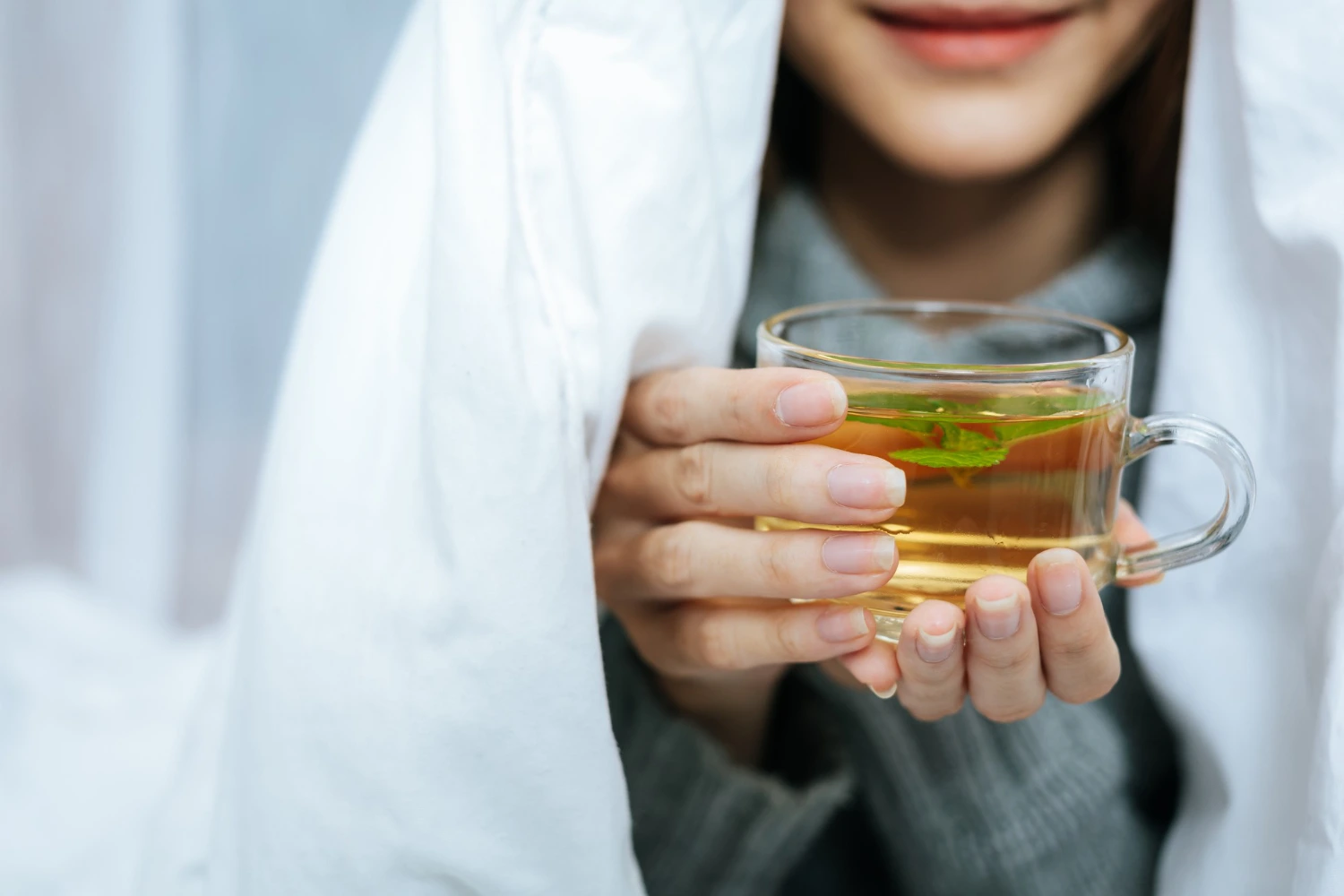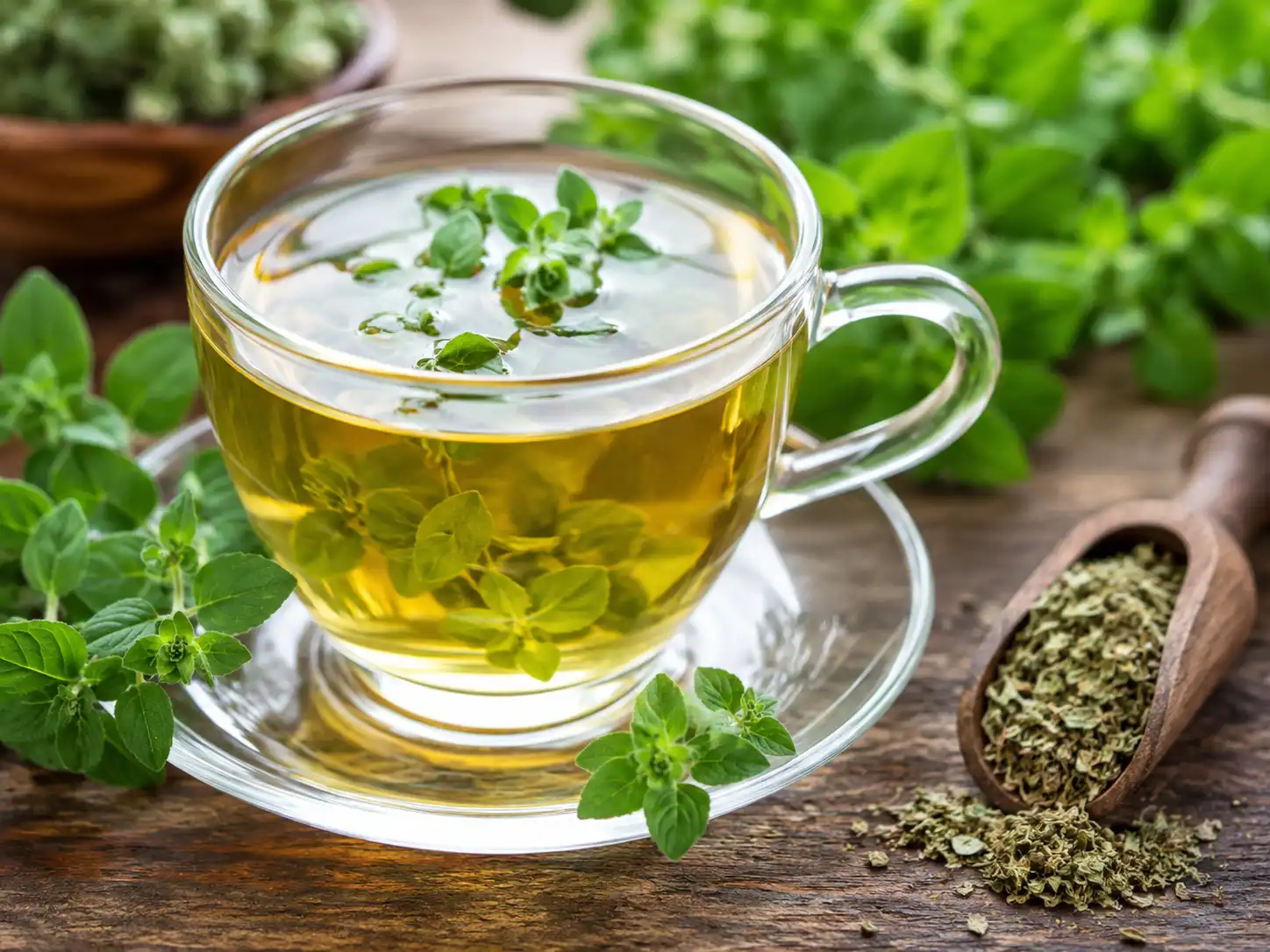
Making oregano tea is incredibly simple and soothing. Bring one to two cups of water to a rolling boil. Remove from heat and stir in two teaspoons of dried oregano or a handful of fresh leaves. Cover and steep for five to ten minutes. Strain the liquid into a mug, add a squeeze of lemon or honey, and enjoy!
How to make oregano tea starts with steeping fresh or dried oregano leaves in hot water for 5-10 minutes. This simple herbal infusion delivers antioxidant compounds like carvacrol and thymol that support respiratory wellness and digestive comfort.
In the world of herbal remedies, few plants command as much respect as oregano (Origanum vulgare). While most people recognize this aromatic herb as a Mediterranean kitchen staple, its history as a therapeutic beverage spans centuries.
From ancient Greek hillsides to modern holistic kitchens, oregano tea has served as a gentle ally against seasonal discomfort. The National Center for Biotechnology Information confirms oregano contains bioactive compounds with documented antimicrobial properties.
Learning how to make oregano tea introduces you to home-brewed wellness without complex equipment. Whether managing occasional coughs or seeking a comforting, savory drink, this herb offers potent phytonutrients.
For antioxidant-rich inspiration, explore our guide on the benefits of cloves to enhance herbal beverages with complementary plant compounds.
What Is Oregano Tea and What Does It Do to Your Body?
Oregano tea is an herbal infusion made by steeping fresh or dried leaves of the oregano plant in hot water. Unlike true teas like black or green varieties, it is naturally caffeine-free. The flavor profile carries robust, slightly bitter, and spicy notes that many find comforting. The USDA FoodData Central confirms oregano is rich in vitamin K, manganese, and antioxidant compounds supporting overall wellness.
When you consume oregano tea, you ingest a complex profile of phytochemicals. The primary active compounds, carvacrol and thymol, act as natural defenders within the body. These volatile oils contribute to the herb’s traditional reputation for respiratory support.
Antioxidant Power: Oregano ranks exceptionally high in antioxidant capacity. These compounds help neutralize free radicals that contribute to cellular stress. Reduced oxidative stress may support overall inflammatory balance.
Antimicrobial Action: Laboratory research indicates these compounds may inhibit the growth of certain bacteria and fungi. This property explains traditional use at the first signs of throat discomfort.
Digestive and Respiratory Support: The tea acts as a mild antispasmodic. It may help relax smooth muscles in the gut and bronchial tubes. This action can aid digestion and ease cough-related chest tightness. Research from Healthline confirms oregano’s volatile oils may support immune function when consumed as part of balanced wellness routines.
Why Is Learning How to Make Oregano Tea Important for Wellness?
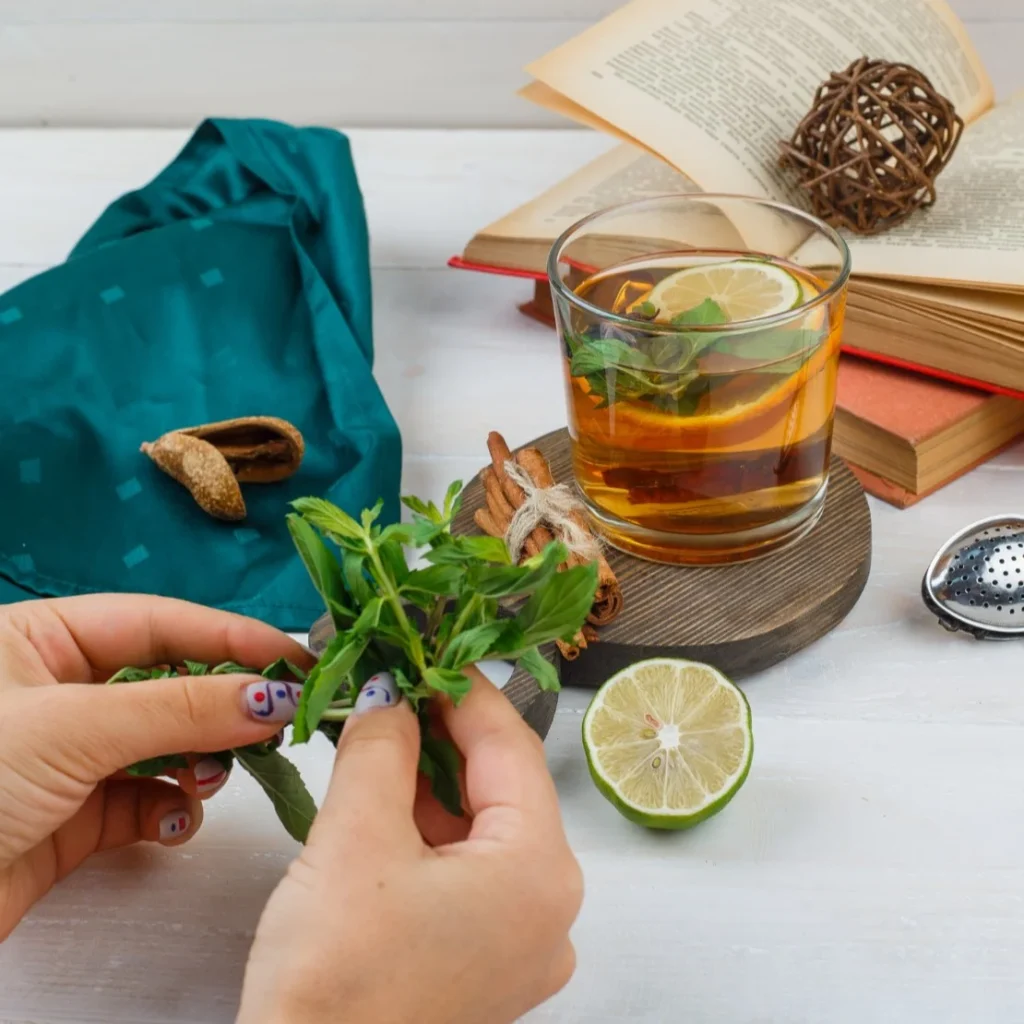
Understanding proper preparation preserves the delicate volatile oils responsible for oregano’s therapeutic properties. Many people unknowingly destroy these compounds by using boiling water or skipping the covering step during steeping. The Academy of Nutrition and Dietetics emphasizes proper preparation techniques to maximize nutrient retention in herbal infusions.
As a clinical nutrition consultant, I, Christina Ross, have interviewed numerous patients incorporating oregano tea into seasonal wellness routines. One client, Maria, shared how learning proper steeping techniques transformed her experience. She previously used boiling water directly on dried leaves, resulting in bitter, less effective tea.
After adjusting her method, she noticed improved throat comfort during seasonal changes. This real-world feedback underscores why technique matters as much as ingredient quality.
Proper preparation also ensures safety. Over-steeping or excessive consumption may cause digestive upset in sensitive individuals. The Mayo Clinic emphasizes that herbal remedies should complement, not replace, professional medical guidance.
How to Make Oregano Tea: Step-by-Step Methods
The beauty of this remedy lies in its simplicity. You do not need expensive equipment. High-quality herbs and attention to temperature and timing yield the best results. For balanced meal inspiration during non-tea times, explore our chicken and broccoli recipe to complement herbal wellness with nutrient-dense whole foods.
Preparing Oregano Tea From Fresh Leaves
If you have access to fresh oregano, this method delivers the brightest flavor profile. Fresh leaves contain optimal levels of volatile oils when properly handled. The American Heart Association notes fresh herbs provide peak phytonutrient content with correct preparation.
Harvest and wash several sprigs under cool running water. Gently pat dry with a clean towel. Next, bruise the leaves between your fingers. This crucial step breaks cellular walls, releasing essential oils into your infusion. Use approximately three to five sprigs per eight-ounce cup.
Place bruised leaves in a mug or tea infuser. Heat filtered water to 190°F (90°C), then pour over leaves. Cover immediately with a saucer to trap steam and volatile compounds. Steep for 8-10 minutes for optimal extraction. Strain and enjoy warm. For air fryer enthusiasts seeking quick meal prep, explore our PowerXL air fryer recipes for beginners.
Using Dried Oregano for Quick Infusions
Most pantries contain dried oregano, making this method highly accessible. Ensure your dried herb retains its aromatic potency. If the scent has faded, the medicinal compounds have likely diminished. The FDA provides guidance on the safe storage and handling of dried herbs for optimal quality.
Use one level teaspoon of dried oregano per eight ounces of water. Place herbs in a fine-mesh infuser to prevent leaf particles in your beverage. Heat water to 190°F (90°C), then pour over the infuser. Cover and steep for 5-7 minutes.
Longer steeping increases potency but may intensify bitterness. Understanding whether olive oil is good for cooking helps you select fats that enhance flavor without overwhelming delicate herbal profiles.
Cuban Oregano Tea Preparation Method
Cuban oregano (Coleus amboinicus) belongs to the mint family, not true oregano. However, Caribbean and Asian traditions use it for similar wellness purposes. Research from ScienceDirect confirms Coleus amboinicus contains comparable bioactive compounds to Mediterranean varieties.
This herb features thick, fuzzy, succulent leaves with intense flavor. Use one large leaf per mug, washed and chopped into small pieces. Because of its dense structure, steeping for 12-15 minutes is covered. One leaf often suffices for a large serving due to concentrated potency.
Traditionally used for respiratory support, it remains a staple in tropical home remedy practices. For those managing blood sugar, see our guides on pumpkin recipes for diabetics and whether black beans are good for diabetics.
Oregano Tea Benefits for Respiratory and Digestive Health
One enduring legacy of oregano tea involves its reputation as a gentle respiratory supporter. Modern wellness approaches recognize their role alongside conventional care strategies. The CDC emphasizes that supportive home remedies can complement conventional care for respiratory symptoms.
Mucus Management: Oregano tea may help thin thick respiratory secretions. This action supports productive coughing to clear airways. The warming liquid also soothes irritated throat tissues.
Inflammation Modulation: Antioxidants like rosmarinic acid may help calm inflamed bronchial passages. This effect can ease that tight-chest sensation during seasonal changes.
Antispasmodic Properties: Carvacrol may help relax tracheal muscles. This mild effect benefits those experiencing irritant-triggered coughing fits. For antioxidant-rich inspiration, explore our guide on the benefits of cloves to enhance herbal wellness routines.
Beyond respiratory support, this tea influences digestive wellness. Its mild antispasmodic action may ease occasional stomach discomfort. Drinking a small cup of water 20 minutes before meals may prime digestive enzymes. The American Diabetes Association notes that immune support strategies benefit overall metabolic health.
Oregano Tea Side Effects and Safety Guidelines
Because oregano tea concentrates potent plant compounds, respectful consumption matters. Understanding potential side effects prevents adverse reactions. FoodSafety.gov provides guidance on the safe consumption of herbal products.
Digestive Sensitivity: The spicy nature of oregano may cause heartburn in some individuals. Consuming tea with food rather than on an empty stomach often prevents this.
Allergic Considerations: Those allergic to Lamiaceae family plants (mint, sage, basil, lavender) may react to oregano. Discontinue use if rash, itching, or swelling occurs.
Medication Interactions: Oregano contains vitamin K and may influence blood clotting pathways. Individuals taking anticoagulants like warfarin should consult healthcare providers before regular consumption. provides comprehensive information on herb-drug interactions and safety considerations.
Pregnancy Guidance: Culinary amounts of oregano are generally recognized as safe. However, therapeutic tea consumption warrants professional consultation during pregnancy. The American College of Obstetricians and Gynecologists provides guidance on herbal safety during pregnancy.
Frequently Asked Questions
Fresh versus dried oregano for tea preparation?
Fresh oregano delivers brighter flavor and optimal volatile oil content for immediate respiratory comfort. Dried oregano offers convenient year-round access with concentrated medicinal compounds. Both methods work effectively when prepared with proper water temperature and steeping time. Choose fresh when available for peak aroma, or rely on quality dried herbs for consistent wellness support.
Daily consumption recommendations for oregano tea?
Most adults tolerate one to two cups of oregano tea daily without issues. During seasonal wellness support, three cups spaced throughout the day may provide benefits. Listen to your body’s response and reduce frequency if digestive discomfort occurs. Always consult healthcare providers before making herbal teas a daily ritual, especially with pre-existing health conditions or medication use.
Pregnancy considerations for herbal tea drinkers?
Culinary oregano amounts in food are generally safe during pregnancy. However, therapeutic tea consumption requires professional medical consultation. Some herbalists advise limiting concentrated oregano preparations during pregnancy due to potential uterine stimulation. Always discuss herbal wellness plans with your obstetric care provider before incorporating new remedies.
Medication interaction concerns with oregano?
Oregano may interact with blood thinners, diabetes medications, and lithium due to its bioactive compounds. The vitamin K content influences clotting pathways, while other compounds may affect drug metabolism. If you take prescription medications, consult your physician before regularly consuming therapeutic amounts of oregano tea to ensure safe integration with your treatment plan.
Storage guidelines for homemade herbal infusions?
Freshly brewed oregano tea maintains optimal potency for 24-48 hours when refrigerated in an airtight container. For longer storage, freeze individual portions in ice cube trays for up to three months. Thaw frozen portions in the refrigerator before reheating gently. FoodSafety.gov emphasizes that proper storage prevents microbial growth in herbal preparations.
Conclusion
How to make oregano tea represents a foundational skill for anyone exploring natural wellness approaches. This humble kitchen herb transcends its culinary role, offering complex bioactive compounds that support respiratory comfort and digestive balance.
Whether using fresh garden leaves, pantry-dried herbs, or succulent Cuban varieties, proper preparation preserves the essential oils responsible for their traditional benefits. Avoid boiling water, cover during steeping, and respect dosage guidelines to maximize wellness potential.
Remember that natural remedies work best as complementary supports within a balanced health approach. When prepared mindfully, oregano tea remains one of the most accessible, affordable, and time-honored herbal infusions available today.
For more balanced meal inspiration during non-tea times, explore our chicken and broccoli recipe to complement your herbal wellness routine with nutrient-dense whole foods.
Authoritative References
- National Center for Biotechnology Information. (2023). Origanum vulgare phytochemical profile and antimicrobial properties. https://www.ncbi.nlm.nih.gov/
- USDA FoodData Central—Oregano Nutritional Profile: https://fdc.nal.usda.gov/
- Mayo Clinic—Nutrition and Healthy Eating: https://www.mayoclinic.org/healthy-lifestyle/nutrition-and-healthy-eating
- Harvard T.H. Chan School of Public Health—Types of Fat: https://nutritionsource.hsph.harvard.edu/what-should-you-eat/fats-and-cholesterol/types-of-fat/
- Academy of Nutrition and Dietetics—Holiday Food Safety: https://www.eatright.org/food/cultural-cuisines-and-traditions/holidays-and-celebrations/10-holiday-home-food-safety-tips
- American Heart Association—Healthy Eating: https://www.heart.org/en/healthy-living/healthy-eating
- Cleveland Clinic—Wellness Recipes: https://my.clevelandclinic.org/departments/wellness/patient-resources/recipes
- World Health Organization—Healthy Diet Fact Sheet: https://www.who.int/news-room/fact-sheets/detail/healthy-diet
- American Diabetes Association—Understanding Carbs: https://diabetes.org/food-nutrition/understanding-carbs/get-to-know-carbs
- FoodSafety.gov — Cold Food Storage Charts: https://www.foodsafety.gov/food-safety-charts/cold-food-storage-charts