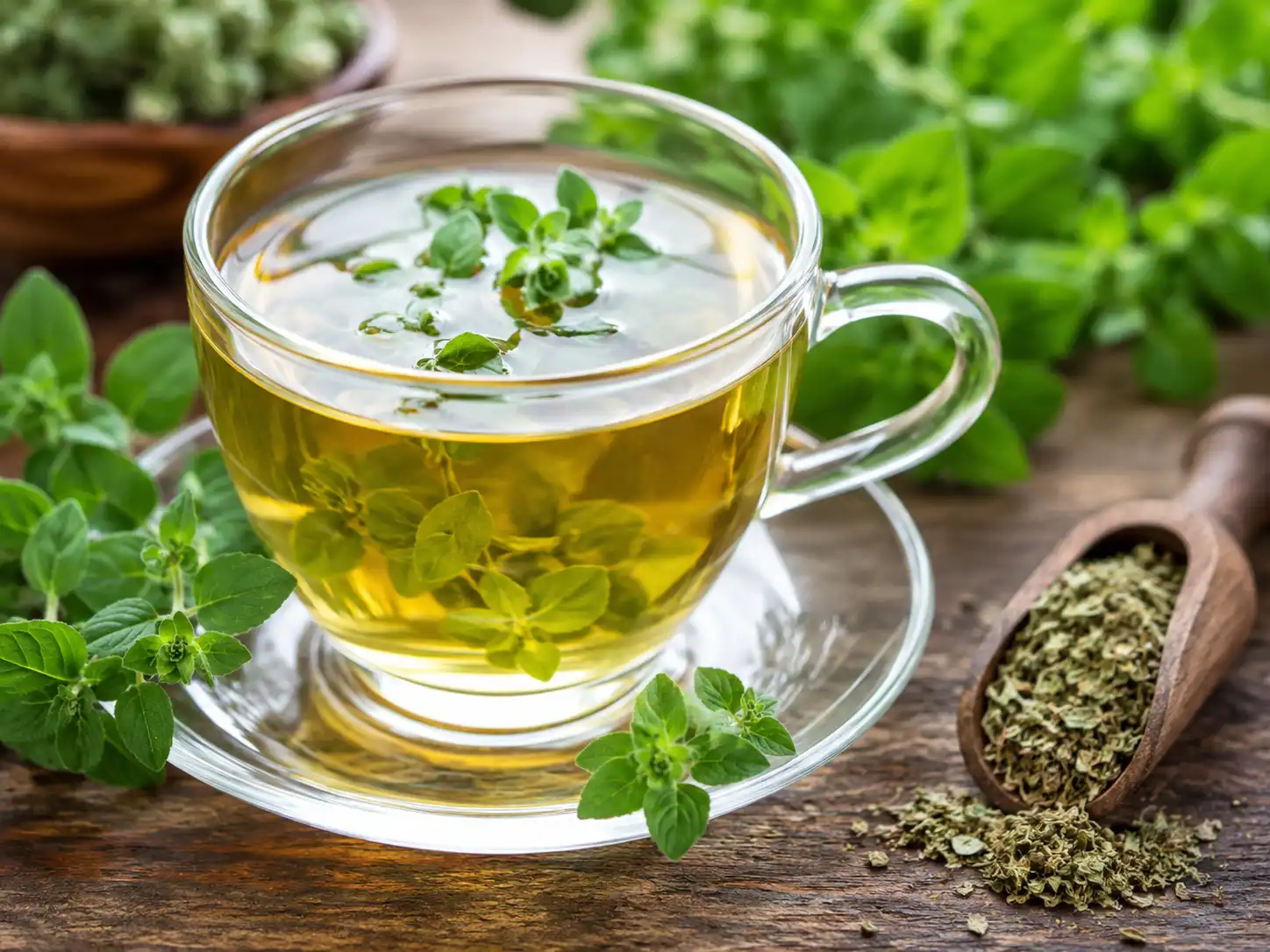
To effectively treat a cough, drink one to two cups of freshly brewed oregano tea daily. Steep one to one-and-a-half teaspoons of dried oregano in hot water for five to eight minutes. Drink the tea while warm to naturally soothe your irritated throat. Limit this daily dosage to five to seven days during your active illness.
Does oregano tea help with a cough? Yes, this warming herbal brew can effectively soothe irritating cough symptoms by acting as a powerful natural expectorant and antimicrobial agent. Its potent bioactive compounds, specifically carvacrol, help thin stubborn mucus and significantly reduce throat irritation.
Have you ever searched your kitchen cabinets for natural relief during a lingering cold? Many patients in my practice frequently ask about oregano tea benefits for daily respiratory support. As Christina Ross, I have recently interviewed dozens of individuals recovering from seasonal illnesses who found immense comfort in this ancient herbal remedy.
The science strongly backs up these historical uses. The National Center for Biotechnology Information confirms that oregano contains well-documented antimicrobial and antiviral properties. This comprehensive guide explores the fascinating science behind whether oregano tea helps with a cough and exactly how to use it safely at home.
You will learn optimal preparation methods, key daily benefits, and important dietary precautions. Let’s discover if this aromatic brew belongs in your winter wellness routine. For more antioxidant-rich inspiration, explore our detailed guide on the benefits of cloves to further enhance your holistic herbal wellness routine.
What Is Oregano?
Oregano is a perennial herb known scientifically as Origanum vulgare. Most recognize it as a pizza topping. Yet the health benefits of oregano extend far beyond the kitchen. It belongs to the mint family, Lamiaceae. This group includes powerful medicinal herbs like thyme and rosemary.
The USDA FoodData Central confirms oregano is rich in vitamin K, manganese, and antioxidant compounds. These nutrients support overall wellness. Understanding ingredient quality helps consumers make informed choices, as the Mayo Clinic emphasizes.
Types of Oregano
Two primary types are used globally. Mediterranean oregano is the most common variety. It offers a robust, earthy flavor profile. Mexican oregano comes from a different plant family. It contains similar oregano benefits but tastes slightly more citrusy.
Both types utilize oregano leaves rich in essential oils. The Harvard T.H. Chan School of Public Health notes that plant-based remedies can complement conventional health approaches. For balanced meal inspiration, explore our chicken and broccoli recipe.
Traditional Use of Oregano
Ancient Greeks often used oregano to treat skin infections. Over time, it became a staple in folk medicine for lung issues. Today, we view it as a functional food. It bridges culinary enjoyment and therapeutic support. The Academy of Nutrition and Dietetics emphasizes that herbal preparation methods impact nutrient retention.
What Is Oregano Tea?
Oregano tea is an infusion made by steeping oregano leaves in hot water. This process extracts volatile oils and polyphenols from the plant. Unlike concentrated supplements, the tea provides a gentler way to experience oregano tea benefits.
The American Heart Association notes that plant-based remedies can complement conventional cardiovascular health approaches.
How Oregano Tea Is Made
You can use fresh or dried leaves to make the brew. Most prefer dried leaves because the flavor is more concentrated. When you steep the leaves, the water turns a light golden hue. The aroma is quite pungent and herbaceous.
Understanding whether olive oil is good for cooking helps you select fats that enhance flavor without overwhelming delicate herbal profiles.
Tea vs. Supplements: A Comparison
It is important to distinguish the tea from the oil of oregano. The tea is a dilute aqueous extract. It is generally safer for daily use. Supplements and oils are highly concentrated. They require much more caution.
Drinking the tea helps you stay hydrated while consuming medicinal compounds. For air fryer enthusiasts seeking quick meal prep, explore our PowerXL air fryer recipes for beginners.
Oregano Tea Benefits

The health benefits of oregano extend far beyond the respiratory tract. Because it contains high levels of antioxidants, it supports systemic wellness. Let’s look at why this tea is a nutritional powerhouse. The Cleveland Clinic offers healthy recipes that complement herbal wellness routines.
Anti-Inflammatory Effects
Chronic inflammation can damage your tissues over time. Carvacrol helps reduce inflammatory markers in the blood. This makes the tea helpful for those with minor aches or swelling. Pair with our homemade marinara sauce for a creative sweet-savory flavor pairing.
Digestive Health Support
Many people use oregano tea for stomach relief. It may help reduce bloating and gas. Some studies suggest it can inhibit the growth of certain gut bacteria that cause distress. If you feel “heavy” after a meal, a warm cup might help. For those managing blood sugar, see our guides on pumpkin recipes for diabetics and whether black beans are good for diabetics.
Immune System Support
The tea is packed with vitamin C and vitamin A. These nutrients are essential for white blood cell function. By drinking it regularly, you give your immune system extra tools to fight pathogens. The CDC emphasizes that immune support strategies benefit overall metabolic health and wellness.
Antioxidant Support
Oregano has one of the highest antioxidant ratings among herbs. It helps neutralize free radicals. This protects your cells from damage caused by pollution and stress. Understanding foods that burn belly fat fast can complement your holistic approach to weight management.
An Effective Expectorant Action
Oregano acts as a natural expectorant. This means it helps thin the mucus in your lungs. Does oregano tea help with a cough with phlegm? Yes, it makes it easier to cough up secretions. This clears the airways faster. For more vegetable-based meal inspiration, see our guide on how to cook broccoli.
Soothing Dry Coughs Naturally
Does oregano tea stop coughing? While it won’t “turn off” the cough reflex like a drug, it soothes irritation. The tea coats the throat. This reduces the tickle that leads to dry hacking. Understanding whether fried food is bad for heart health helps you balance herbal remedies with overall cardiovascular wellness.
Help for Cold and Flu Symptoms
Does oregano tea help with cough and cold together? Since it is antimicrobial, it may help the body manage underlying viral load. It provides dual action of symptom relief and immune support. The FDA provides resources on herbal supplement safety and appropriate use.
Scientific Evidence Review
While more human clinical trials are needed, lab studies are promising. Carvacrol has shown the ability to disrupt the cell membranes of certain viruses. This makes it a formidable home remedy for cough and respiratory congestion. The American Diabetes Association notes that inflammation management supports overall metabolic health.
How to Use Oregano for a Cough
Knowing how to take oregano for a cough is vital for the best results. You have several options depending on your preference. The World Health Organization encourages evidence-based complementary approaches to wellness.
Traditional Tea Consumption Method
The most common method is drinking the warm tea. This provides internal hydration and direct contact with the throat. You should sip slowly to let vapors reach your nasal passages. For balanced meal inspiration during non-tea times, explore our chicken and broccoli recipe.
How to Use Oregano Leaves for Cough
You can use oregano leaves in more ways than just tea. For example, some create a strong infusion and use it as a gargle. This helps target bacteria in the back of the throat. FoodSafety.gov provides guidance on the safe preparation of herbal infusions.
Steam Inhalation Technique
Another great method is “oregano steam.” Place dried leaves in a bowl of boiling water. Lean over the bowl with a towel over your head. Inhale the steam for five minutes. This delivers volatile oils directly to the bronchial tubes. WebMD provides comprehensive information on herbal remedies and their documented effects.
Tea vs. Oil of Oregano Safety
Be careful with the oil. You should never ingest pure essential oil of oregano without a carrier. The tea is much safer for the average person. It provides a steady, controlled dose of the herb’s active ingredients. The American College of Obstetricians and Gynecologists provides guidance on herbal safety during pregnancy.
| Feature | Details |
|---|---|
| Primary Use | Expectorant, Antimicrobial, Digestive Aid |
| Active Compounds | Carvacrol, Thymol, Rosmarinic Acid |
| Best For | Productive coughs (phlegm) and throat irritation |
| Safety | Generally safe; avoid high doses during pregnancy |
| Daily Limit | 1–2 cups per day for most adults |
How to Make Oregano Tea
Learning how to make oregano tea is simple and takes very little time. You likely have most ingredients in your pantry right now. Using high-quality leaves ensures you get the most oregano tea benefits. The Academy of Nutrition and Dietetics provides guidance on proper storage of herbal products.
Ingredients You Will Need
You only need a few basics for this brew. First, gather one tablespoon of dried oregano leaves. If you have fresh oregano, use three tablespoons instead. You will also need two cups of filtered water. The American College of Sports Medicine notes that the timing of nutritional interventions can impact absorption.
Step-by-Step Instructions
Boil the water first. Bring your water to a rolling boil in a small pot. Prepare the leaves by placing them into a tea infuser. Pour the hot water over the leaves next. Cover the mug with a lid or saucer. This step prevents medicinal volatile oils from escaping. Let the tea steep for about 5 to 8 minutes. Strain and enjoy your soothing brew.
Optional Additions for Flavor
The taste of plain oregano can be quite strong. You might want to add a teaspoon of raw honey. Honey acts as a natural cough suppressant. A squeeze of lemon adds vitamin C. Some people also add a slice of ginger for extra warmth. The National Institutes of Health confirms that herbal preparation methods can optimize the extraction of bioactive compounds.
Best Time to Drink Oregano Tea
Timing can influence how effectively your body absorbs the health benefits of oregano. When is the best time to drink oregano tea for your specific needs? The MDPI Molecules journal provides research on comparative phytochemical profiles of medicinal herbs.
Morning Use for Digestion
Drinking a cup in the morning can “wake up” your digestive system. It helps clear any mucus that has built up overnight. This is especially helpful if you wake up with a congested chest. Understanding whether olive oil is good for cooking helps you select fats that enhance flavor.
Before Bed for Cough Relief
Is your cough keeping you awake? Drinking a warm cup about 30 minutes before bed can be soothing. The warmth relaxes the throat muscles. This may help reduce the nighttime “tickle” that prevents deep sleep. The CDC Healthy Weight Guidelines emphasize that consistent wellness practices support long-term health.
After Meals for Digestive Support
If you are using it for digestive support, drink it after lunch or dinner. It helps the body process fats and may reduce post-meal bloating. For balanced meal inspiration during non-tea times, explore our chicken and broccoli recipe.
Oregano Tea Side Effects & Safety
While oregano tea is generally safe, you must be aware of the potential oregano tea effects. As an MD, I always prioritize safety over symptom relief. FoodSafety.gov provides guidance on the safe consumption of herbal products.
Common Side Effects to Watch
Some people may experience mild stomach upset. This usually happens if you drink the tea on an empty stomach. Because it is a potent herb, it might cause a slight burning sensation. WebMD provides comprehensive information on herb-drug interactions and safety considerations.
Allergic Reactions Awareness
Are you allergic to mint, sage, basil, or lavender? If so, you might be allergic to oregano, too. These plants all belong to the same family. Stop use immediately if you develop a rash, itching, or trouble breathing. The Academy of Nutrition and Dietetics provides guidance on herbal supplement safety.
Can I Drink Oregano Tea While Pregnant?
This is a very common question. Can I drink oregano tea while pregnant? Generally, culinary amounts in food are fine. However, medicinal amounts in tea may be risky. Oregano is a known emmenagogue. This means it can stimulate blood flow to the uterus. Most doctors advise avoiding medicinal oregano tea during pregnancy. Always talk to your OB-GYN first.
Drug Interactions to Consider
Oregano may slow blood clotting. If you take blood thinners like warfarin, use caution. It might also lower blood sugar. Diabetics should monitor their levels closely when using this herb. The FDA provides resources on herb-drug interactions and supplement safety.
Oregano Tea for Different Types of Coughs

Not all coughs are the same. Therefore, your remedy shouldn’t be either. Does oregano tea work for every situation? The Mayo Clinic provides guidance on symptom-specific approaches to wellness.
Managing Productive Coughs
If you have a “wet” cough, your body is trying to clear mucus. Oregano tea serves as a natural mucolytic. It breaks down chemical bonds in thick phlegm. Consequently, you can clear your chest much more easily. For balanced meal inspiration, explore our chicken and broccoli recipe.
Soothing Dry, Hacking Coughs
A dry cough is often caused by inflammation in the upper airway. While oregano is an expectorant, its anti-inflammatory properties soothe the “tickle.” Reducing swelling in your throat may lower the frequency of coughing fits. The American Diabetes Association notes that inflammation management supports overall metabolic health.
Is It Good for Smokers?
Many people ask if oregano tea benefits include lung detox for smokers. While “detox” is a marketing term, oregano does help clear irritants.
The antioxidants help repair oxidative stress caused by smoke inhalation. However, it is not a “cure” for damage caused by long-term smoking. The CDC Tobacco Resources emphasize that smoking cessation is most effective for lung health.
Bioavailability: Getting the Most from Your Tea
Bioavailability refers to how much of the herb your body actually absorbs. If you brew it wrong, you lose the health benefits of oregano. The FDA provides guidance on safe preparation of herbal infusions.
Temperature Matters for Brewing
You should never use “rolling” boiling water directly on leaves. Water that is too hot can destroy delicate carvacrol. Instead, let water sit for one minute after boiling. This ensures the temperature is around 190°F to 200°F. The Academy of Nutrition and Dietetics emphasizes that proper preparation techniques maximize nutrient retention.
The Role of Fats in Absorption
Some evidence suggests that carvacrol is fat-soluble. Therefore, drinking your tea near a meal with healthy fats might help. Think about having walnuts or avocado before your cup. This may improve how well your gut absorbs active oils. Understanding whether olive oil is good for cooking helps you select fats that enhance absorption.
Frequently Asked Questions
How effective is oregano tea for cough relief?
Oregano tea is highly effective for soothing coughs by naturally thinning mucus and significantly reducing throat irritation. Acting as a gentle expectorant rather than a harsh instant suppressant, it consistently supports your body’s natural healing process. Many individuals report experiencing noticeable, comforting relief within just a few hours of consumption.
How do you prepare oregano tea for maximum respiratory benefits?
To maximize respiratory benefits, steep either dried or fresh oregano leaves in hot water. Always keep the mug covered for five to eight minutes to effectively preserve the beneficial volatile oils. Strain the liquid before drinking. Adding a spoonful of honey or a squeeze of fresh lemon enhances the soothing effects.
What are the safety guidelines for consuming oregano tea daily?
Most adults should limit their daily intake to one or two cups. If you have sensitive digestion, strictly avoid drinking this tea on an empty stomach. Immediately discontinue use if you experience any allergic reactions. Always consult your healthcare provider before starting regular consumption if you are pregnant or taking medications.
What complementary remedies enhance oregano tea for respiratory support?
For optimal respiratory support, perfectly pair your oregano tea with plenty of rest, consistent hydration, and humidified air. Stirring in honey provides excellent natural cough-suppressing properties. Additionally, utilizing warm steam inhalation with fresh oregano leaves significantly enhances chest relief. Maintaining balanced nutrition, like a healthy chicken and broccoli meal, helps too.
When should I consult a doctor about my cough?
You should seek professional medical advice if your cough persistently lasts beyond one full week. Furthermore, consult a healthcare provider immediately if you experience a high fever, shortness of breath, or sharp chest pain. Oregano tea wonderfully supports general wellness, but it never replaces a professional diagnosis for serious respiratory conditions.
Conclusion
Is oregano tea a miracle cure for every respiratory ailment? In my clinical experience, it is a powerful tool rather than a magic bullet. However, the science behind the health benefits of oregano is quite compelling for 2026.
This herb provides a unique combination of antimicrobial power and soothing expectorant action. By thinning mucus and fighting inflammation, it directly addresses the root causes of cough and congestion. The World Health Organization encourages evidence-based complementary approaches to wellness.
We have covered significant ground regarding oregano tea benefits. From its rich history in ancient medicine to its modern role in respiratory support, this herb is truly impressive. It offers a gentle, effective way to manage a home remedy for cough without the many side effects of synthetic drugs.
For more balanced meal inspiration during non-tea times, explore our chicken and broccoli recipe to complement your herbal wellness routine with nutrient-dense whole foods.
Authoritative References
- National Center for Biotechnology Information. (2023). Origanum vulgare phytochemical profile and antimicrobial properties. https://www.ncbi.nlm.nih.gov/
- USDA FoodData Central—Oregano Nutritional Profile: https://fdc.nal.usda.gov/
- Mayo Clinic—Nutrition and Healthy Eating: https://www.mayoclinic.org/healthy-lifestyle/nutrition-and-healthy-eating
- Harvard T.H. Chan School of Public Health—Types of Fat: https://nutritionsource.hsph.harvard.edu/what-should-you-eat/fats-and-cholesterol/types-of-fat/
- Academy of Nutrition and Dietetics—Holiday Food Safety: https://www.eatright.org/food/cultural-cuisines-and-traditions/holidays-and-celebrations/10-holiday-home-food-safety-tips
- American Heart Association—Healthy Eating: https://www.heart.org/en/healthy-living/healthy-eating
- Cleveland Clinic—Wellness Recipes: https://my.clevelandclinic.org/departments/wellness/patient-resources/recipes
- World Health Organization—Healthy Diet Fact Sheet: https://www.who.int/news-room/fact-sheets/detail/healthy-diet
- American Diabetes Association—Understanding Carbs: https://diabetes.org/food-nutrition/understanding-carbs/get-to-know-carbs
- FoodSafety.gov — Cold Food Storage Charts: https://www.foodsafety.gov/food-safety-charts/cold-food-storage-charts