Oregano tea is packed with powerful antioxidants, offering numerous health benefits. It boasts strong antibacterial and antiviral properties, making it an excellent natural remedy to soothe sore throats, relieve coughs, and boost immunity. Additionally, drinking this soothing herbal tea aids digestion, reduces uncomfortable bloating, and helps lower overall body inflammation.
What are the benefits of oregano tea? This potent herbal infusion supports respiratory health, aids digestion, and provides powerful antioxidants. It works through bioactive compounds like carvacrol and thymol.
The world of herbal wellness in 2026 celebrates time-tested remedies like oregano tea. Most recognize oregano as a pizza topping. Few realize its therapeutic potential extends far beyond the kitchen. This aromatic herb from the mint family packs volatile oils and polyphenols.
These compounds interact with our biology in remarkable ways. From clearing stubborn lung mucus to soothing digestive distress, the health benefits of drinking oregano tea are diverse. Yet potency demands caution. Unlike milder teas, oregano tea concentrates active compounds. Understanding proper use is vital.
This guide delivers a science-backed exploration. Learn what this tea does for your body. Discover safe preparation methods. Gain clarity on consuming it wisely. The Mayo Clinic reminds us that herbal remedies complement professional care.
They do not replace it. For antioxidant-rich inspiration, explore our guide on the benefits of cloves to enhance your herbal wellness routine.
What Is Oregano Tea and How Does It Work?
Oregano tea is a functional beverage created by steeping oregano leaves in hot water. While it belongs to the mint family (Lamiaceae), its chemical profile is spicier and more robust than its cousins. The primary mechanism lies in essential oils released during steeping.
The USDA FoodData Central confirms oregano is rich in vitamin K, manganese, and antioxidant compounds supporting overall wellness. These phytochemicals interact with biological pathways to deliver therapeutic effects. Proper preparation ensures maximum compound extraction. Learn how to make oregano tea at home for optimal results.
Why Is Oregano Tea Important?
Oregano tea matters because it delivers accessible, plant-based wellness support. Modern lifestyles increase exposure to stressors, pollutants, and processed foods. Herbal teas offer gentle, traditional solutions backed by emerging science. The Harvard T.H. Chan School of Public Health notes that understanding herbal preparation helps consumers make informed choices about complementary therapies.
This tea provides antioxidants without caffeine. It supports multiple body systems simultaneously. For those seeking natural respiratory relief, research suggests that oregano tea helps with cough symptoms effectively. Its importance grows as people seek preventive, holistic health strategies.
What Are the Health Benefits of Oregano Tea?

When people ask about the health benefits of oregano tea, they seek whole-body answers. The tea acts as a systemic tonic due to its high antioxidant load. The Academy of Nutrition and Dietetics emphasizes that herbal remedies should be integrated thoughtfully into overall wellness strategies.
Antioxidant Powerhouse
Oregano ranks high on the ORAC scale. Drinking the tea helps neutralize free radicals, causing cellular damage. These unstable molecules accelerate aging and disease processes. Regular consumption may reduce oxidative stress markers.
Anti-Inflammatory Properties
Rosmarinic acid inhibits enzymes triggering inflammation. This makes oregano tea popular for chronic low-grade inflammation management. The American Heart Association notes that plant-based remedies can complement conventional cardiovascular approaches.
Antimicrobial Effects
Oregano tea acts as a natural deterrent for pathogens. Carvacrol disrupts the cell membranes of harmful bacteria and fungi. This supports the body’s natural defense systems. Research from ScienceDirect confirms oregano’s phytochemical profile supports multiple physiological systems.
Benefits for Specific Health Concerns
Oregano tea’s versatility makes it a household favorite. Here is how it targets various bodily systems specifically.
Respiratory Support Benefits
Perhaps the most famous use is respiratory support. Oregano tea benefits for the lungs center around expectorant qualities. It helps thin thick mucus, making airway clearance easier. Bronchial relaxation occurs as volatile oils soothe respiratory tract muscles.
For urban dwellers facing pollution, antioxidants may protect lung tissue from oxidative stress. The Cleveland Clinic provides guidance on holistic approaches to organ system support. Understanding that tea is acidic helps you select beverages that support respiratory wellness.
Digestive and Stomach Benefits
The gut is where oregano tea shines brightest. Known for carminative properties, it helps expel gas and reduce bloating. Drinking tea after heavy meals stimulates bile production, aiding fat breakdown.
Some herbalists use oregano tea to manage harmful bacterial overgrowth in the small intestine. This should always occur under professional guidance. The CDC emphasizes that digestive health supports overall immune function. For gut health inspiration, explore whether yogurt is good for gut health.
Immune System Support
During illness, the body faces viral pathogens and bacterial risks. Oregano tea benefits for cold symptoms include congestion relief through steam inhalation. Immune modulation helps the system function efficiently by reducing oxidative stress load.
The World Health Organization encourages evidence-based complementary approaches to wellness. For those managing blood sugar, see guides on pumpkin recipes for diabetics.
Weight Management Support
Can herbal tea help shed pounds? Oregano tea benefits weight loss indirectly rather than acting as a fat burner. Reduced bloating from improved digestion results in a flatter midsection appearance.
Some studies suggest carvacrol may improve insulin sensitivity, key to weight management. By improving gut health, the body absorbs nutrients efficiently, curbing deficiency-driven cravings. Understanding foods that burn belly fat fast complements holistic weight management approaches.
Oregano Tea Side Effects, Risks, and Precautions
While most enjoy oregano tea without issue, it is not universally safe in unlimited quantities. FoodSafety.gov provides guidance on safe herbal product consumption.
Common Side Effects
Digestive tract issues represent the most common oregano tea side effects. Powerful phenols can irritate sensitive stomachs. High doses may cause nausea or mild diarrhea.
Blood sugar fluctuations occur as oregano can lower glucose levels. Those on diabetes medication should monitor levels closely to avoid hypoglycemia. The American Diabetes Association provides guidance on informed carbohydrate choices.
Allergic Reactions and Interactions
Oregano belongs to the Lamiaceae family. Allergies to mint, sage, basil, lavender, or hyssop likely indicate oregano tea sensitivity. Oregano possesses mild anticoagulant properties, supporting circulation in healthy people.
However, those scheduled for surgery or with bleeding disorders face increased bleeding risk. The American College of Obstetricians and Gynecologists provides guidance on herbal safety during pregnancy. Always consult healthcare providers before combining herbs with medications.
Who Should Not Drink Oregano Tea?
Certain biological conditions make oregano compounds problematic. The Academy of Nutrition and Dietetics provides guidance on herbal supplement safety for diverse populations.
People on Blood Thinners
If you take warfarin or aspirin daily, oregano’s additional thinning effect can be dangerous. The combination may increase bleeding risk significantly. Always discuss herbal tea consumption with your prescribing physician.
Individuals with Specific Medications
Oregano may interfere with lithium processing due to diuretic effects. Children under 12 should avoid medicinal oregano tea doses due to volatile oil potency. The American College of Sports Medicine notes that individualized approaches support optimal health outcomes.
Pregnancy and Breastfeeding Considerations
Generally, avoid medicinal oregano tea amounts during pregnancy. Oregano is an emmenagogue stimulating pelvic blood flow. While pizza amounts are safe, concentrated tea could potentially increase miscarriage risk.
Breastfeeding mothers should exercise caution as oils pass into breast milk. These may alter taste or affect infant digestion. Always prioritize infant safety when considering herbal remedies.
Best Time to Drink Oregano Tea
Maximize health benefits by aligning consumption with your body’s needs. The National Institutes of Health confirms that the timing of nutritional interventions impacts absorption and efficacy.
Morning Consumption Benefits
Drink oregano tea in the morning to kickstart digestion. Enjoy antioxidant protection throughout your day. The warm beverage may also support mental clarity and focus.
Evening and Post-Meal Timing
If suffering from a nighttime cough, drink before bed. Warmth and antispasmodic properties relax airways for better sleep. After heavy meals, oregano tea reduces bloating and gas effectively.
Understanding whether olive oil is good for cooking helps you select fats enhancing flavor without overwhelming delicate herbal profiles.
How to Make Oregano Tea
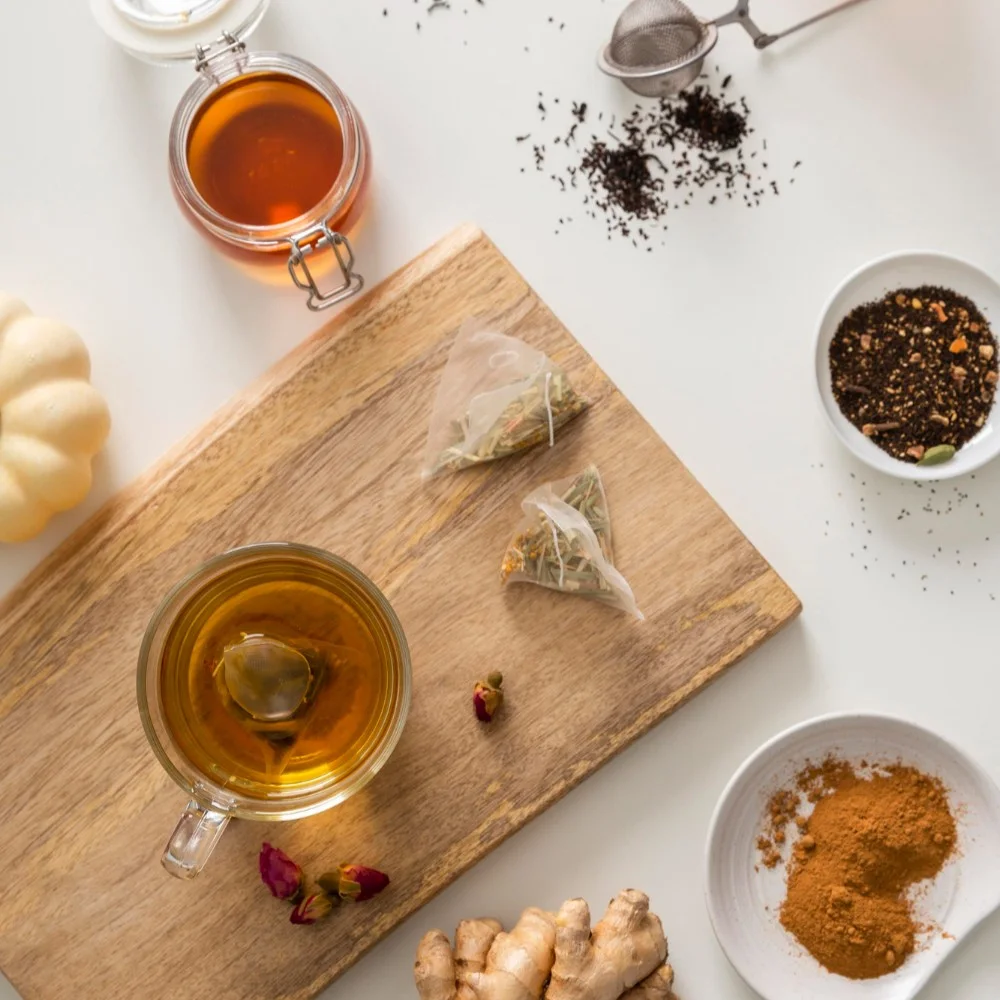
Proper preparation ensures medicinal compound extraction without burning it. The FDA provides guidance on safe herbal infusion preparation.
Basic Preparation Method
Boil one cup of filtered water. Let the water sit for one minute until around 195°F. Add 1-1.5 teaspoons of high-quality dried oregano. Cover and steep for five to eight minutes to retain essential oils.
Strain and sip. Add a lemon slice or raw honey if desired. Covering during steeping prevents volatile oil evaporation. This step maximizes therapeutic compound retention in your beverage.
Fresh Leaf Preparation
If you have garden access, fresh leaves provide brighter, more aromatic experiences. Harvest two or three sprigs of fresh oregano. Gently bruise leaves with fingers to release oils.
Use the same steeping method but extend to ten minutes. Fresh leaves take longer to release properties than dried ones. Pair with our homemade marinara sauce for creative sweet-savory flavor pairing inspiration.
Oregano Tea vs. Other Respiratory Teas
Understanding the health benefits of drinking oregano tea helps compare it against popular lung teas. The MDPI Molecules journal provides research on comparative phytochemical profiles of medicinal herbs.
| Tea Type | Primary Strength | Best For |
|---|---|---|
| Oregano Tea | Antimicrobial/Antispasmodic | Productive cough & gut health |
| Mullein Tea | Demulcent (Coating) | Dry, hacking cough & lung detox |
| Peppermint Tea | Menthol/Cooling | Sinus pressure & headache |
| Thyme Tea | Strong Expectorant | Deep chest congestion |
Pro Tip: For a master respiratory brew, herbalists recommend a 50/50 oregano and mullein blend. Oregano fights pathogens while mullein soothes irritated tissue. This combination addresses multiple respiratory symptoms simultaneously.
The 2026 Verdict: Is It Safe Long-Term?
As we examine 2026 data, consensus on daily oregano tea consumption favors cyclical approaches. The World Health Organization encourages evidence-based complementary wellness approaches.
The human body adapts to consistent compound exposure. Consuming potent antimicrobials daily for months risks microbiome alteration. Even natural phenols can shift gut bacteria balance over extended periods.
Reduced efficacy occurs as bodies and pathogens adapt to compounds. This makes tea less effective during actual illness episodes. The expert recommendation: use oregano tea 5-10 days when symptomatic.
For general prevention, drink one cup every three days. This pulse method ensures antioxidant benefits without system overtaxation. Consistent wellness practices support long-term health outcomes per CDC guidelines.
Frequently Asked Questions
What are the main benefits of oregano tea?
Oregano tea offers numerous health benefits, primarily acting as a powerful immune booster during seasonal changes. It supports respiratory health by clearing mucus and soothing irritated throats.
Additionally, its natural carminative properties aid digestion, reducing uncomfortable gas and bloating. Packed with potent antioxidants, this soothing herbal tea also helps your body fight harmful inflammation and daily oxidative stress.
Can oregano tea help with cough and congestion?
Yes, oregano tea is an excellent natural remedy for relieving coughs and chest congestion. Its natural expectorant properties help thin stubborn mucus, making it much easier to clear. Furthermore, the tea’s antispasmodic effects reduce the frequency of coughing fits.
For maximum relief, inhale the warm steam while drinking and add a spoonful of honey to soothe your throat.
Is oregano tea safe to drink daily?
Oregano tea is generally safe for daily consumption over short periods, such as a five to seven-day cycle during an active illness. For routine wellness, limit intake to two or three times weekly.
Extended daily use is not recommended, as its strong antibacterial properties may eventually disrupt your natural gut microbiome or reduce its overall therapeutic efficacy.
Who should avoid drinking oregano tea?
Pregnant or breastfeeding individuals should avoid drinking medicinal amounts of oregano tea. Additionally, anyone allergic to plants in the mint family will likely experience an allergic reaction.
People currently taking blood thinners, lithium, or diabetes medications should consult their physician before consuming it. Finally, children under twelve should avoid highly concentrated therapeutic doses of this strong herbal remedy.
How do I prepare oregano tea for maximum benefits?
To maximize therapeutic benefits, steep one to one-and-a-half teaspoons of dried oregano in a cup of hot water. Always cover your mug while it steeps for five to eight minutes; this traps the beneficial essential oils. If using fresh, bruised leaves, steep for ten minutes. Strain the tea, then add a squeeze of lemon or honey for flavor.
Conclusion
The cream cheese cake is truly more than just a delicious dessert; it is a brilliant testament to the incredible versatility of dairy in baking. Whether you are whipping up a dense old-fashioned pound cake or perfecting the delicate jiggle of a Japanese soufflé, you are participating in a rich, comforting culinary tradition.
As we have explored, mastering this classic treat comes down to understanding the simple science behind the ingredients. By strictly using room-temperature dairy, balancing your butter-to-cheese ratios, and respecting proper refrigeration guidelines, you can consistently achieve bakery-quality results at home.
Food has a beautiful way of bringing people together and creating lasting memories. I encourage you to take these expert tips, experiment with your favorite seasonal flavors, and share a slice of homemade comfort with your loved ones today. Happy baking!
Authoritative References
- National Center for Biotechnology Information. (2023). Origanum vulgare phytochemical profile and antimicrobial properties. https://www.ncbi.nlm.nih.gov/
- USDA FoodData Central—Oregano Nutritional Profile: https://fdc.nal.usda.gov/
- Mayo Clinic—Nutrition and Healthy Eating: https://www.mayoclinic.org/healthy-lifestyle/nutrition-and-healthy-eating
- Harvard T.H. Chan School of Public Health—Types of Fat: https://nutritionsource.hsph.harvard.edu/what-should-you-eat/fats-and-cholesterol/types-of-fat/
- Academy of Nutrition and Dietetics—Holiday Food Safety: https://www.eatright.org/food/cultural-cuisines-and-traditions/holidays-and-celebrations/10-holiday-home-food-safety-tips
- American Heart Association—Healthy Eating: https://www.heart.org/en/healthy-living/healthy-eating
- Cleveland Clinic—Wellness Recipes: https://my.clevelandclinic.org/departments/wellness/patient-resources/recipes
- World Health Organization—Healthy Diet Fact Sheet: https://www.who.int/news-room/fact-sheets/detail/healthy-diet
- American Diabetes Association—Understanding Carbs: https://diabetes.org/food-nutrition/understanding-carbs/get-to-know-carbs
- FoodSafety.gov — Cold Food Storage Charts: https://www.foodsafety.gov/food-safety-charts/cold-food-storage-charts