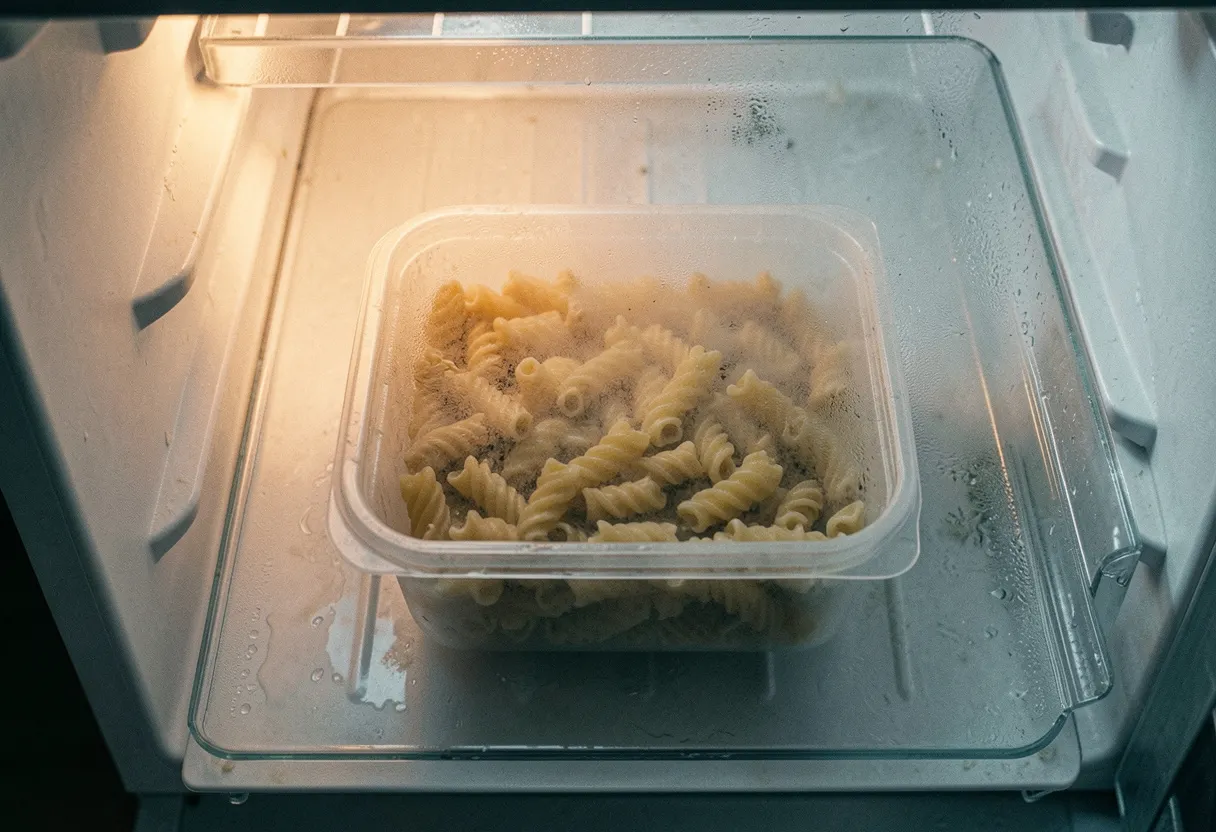
Cooked pasta generally lasts 3 to 5 days in the fridge when stored in an airtight container at 40°F or below. That window shrinks significantly depending on what is mixed in — cream sauces, seafood, and fresh homemade dough all follow stricter timelines that most people overlook.
Every week in my public health practice, I see the same pattern. A patient comes in with stomach cramps, nausea, and fatigue — and when we trace it back, the culprit is almost always something from the fridge that stayed just a little too long. Pasta is one of the most common offenders, and it surprises people every time. How long does pasta last in the fridge? Most assume it is fine for a week. Clinically, that assumption carries real risk.
The problem is not just time. It is the invisible biology happening inside that container while you sleep. Bacteria do not announce themselves with a bad smell or a fuzzy spot. Some of the most dangerous foodborne pathogens leave cooked pasta looking and smelling completely normal.
This guide will walk you through the science of pasta spoilage, safe storage timelines for every major type, how sauces and proteins change everything, and the reheating steps that protect you and your family. Whether you meal prep on Sundays or simply hate wasting leftovers — this is what you need to know.
Quick Pasta Storage Reference
Before diving into the details, here is a clinical snapshot of how long each pasta type stays safe at 40°F or below.
| Pasta Type | Fridge Life | Freezer Life |
|---|---|---|
| Plain Cooked Pasta | 3–5 Days | 1–2 Months |
| Pasta with Tomato Sauce | 3–4 Days | 2–3 Months |
| Pasta with Cream or Meat Sauce | 2–3 Days | 1 Month |
| Fresh Store-Bought Pasta (Opened) | 2–3 Days | 1 Month |
| Homemade Fresh Pasta | 1 Day | 1 Month |
| Pasta Salad (Vinegar-Based) | 4–5 Days | Not Recommended |
| Pasta Salad (Mayo or Protein-Based) | 2–3 Days | Not Recommended |
| Shrimp or Seafood Pasta | 2 Days | 1 Month |
Keep these numbers in mind as we break down each category in detail below.
How Long Cooked Pasta Lasts in the Fridge
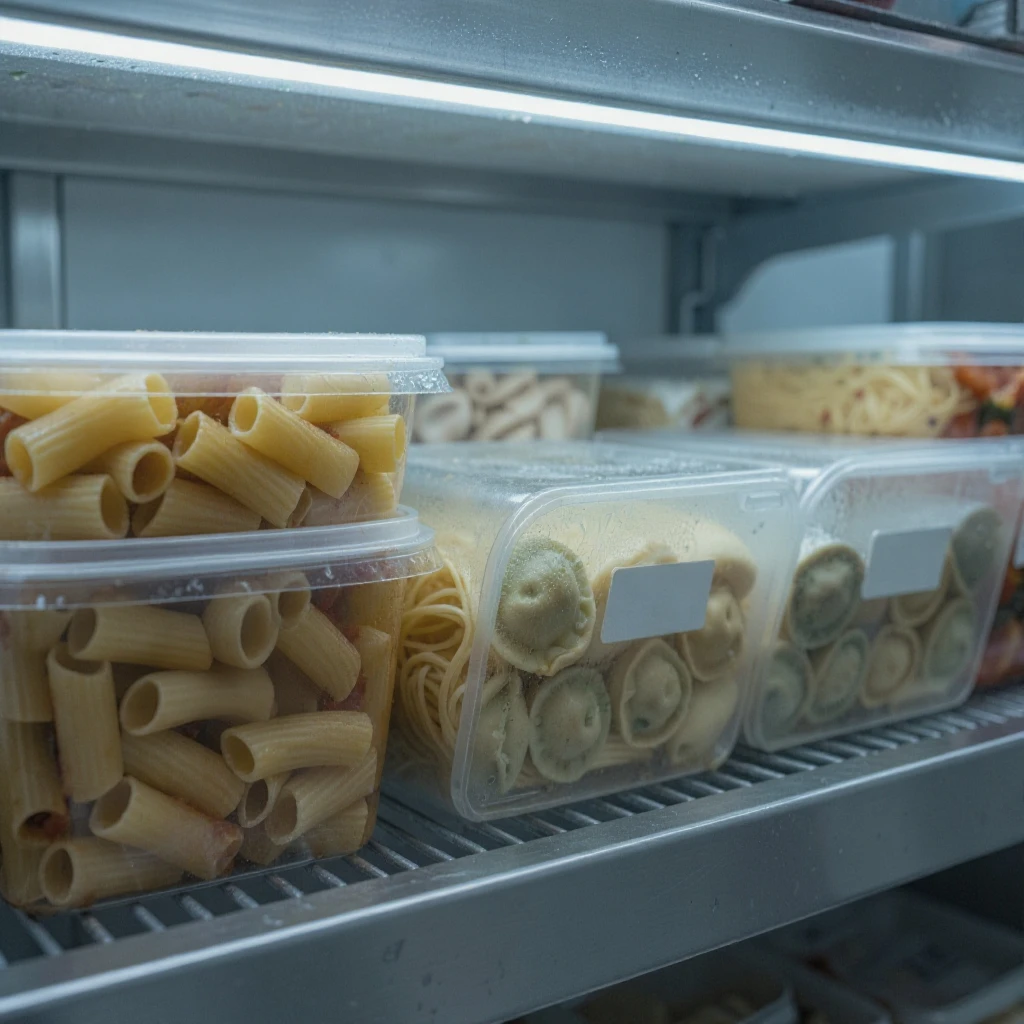
Cooked pasta is a high-moisture carbohydrate — and that combination of starch and water is exactly what bacteria love. The moment pasta cools after cooking, a biological clock starts ticking. Understanding that clock is the foundation of safe storage.
The 3 to 5 Day Rule for Plain Pasta
Plain cooked pasta — no sauce, no protein, just noodles — stays safe in a sealed container for up to five days. By day three, the quality starts to decline. The starch begins a process called retrogradation, which makes the noodles feel rubbery and dry. They remain safe, but the texture suffers noticeably.
To extend the life of plain pasta, toss the noodles lightly in a small amount of olive oil before refrigerating. This creates a thin barrier against moisture loss and prevents clumping. If you enjoy experimenting with light pumpkin alfredo sauce or other homemade pasta sauces, storing noodles and sauce separately gives you the most flexibility and the longest combined shelf life.
Why Storage Duration Varies
Several factors determine how long cooked pasta actually lasts — not just how many days have passed. The temperature of your refrigerator matters enormously. It should sit at or below 40°F at all times, per USDA food safety guidelines. Even a fridge running at 43°F can cut your safe window in half.
Cross-contamination plays a bigger role than most people realize. Scooping pasta from the storage container with a utensil you just ate with introduces saliva — along with enzymes and oral bacteria — directly into the leftovers. Always portion onto a separate plate before eating.
Cooling time before refrigeration is another critical variable. The CDC’s food safety guidance recommends that cooked food never sit at room temperature for more than two hours. In a kitchen warmer than 90°F, that window drops to one hour.
How Long Pasta Lasts in the Fridge With Sauce
The type of sauce on your pasta changes everything about its shelf life. This is where I see the most confusion — and unfortunately the most foodborne illness — in my practice as a physician.
Tomato-Based Sauces
Tomato sauce is naturally acidic, which gives it mild antimicrobial properties. A classic marinara slows certain types of bacterial growth, giving tomato-based pasta a shelf life of 3 to 4 days. The added moisture from the sauce accelerates textural breakdown, so the noodles grow increasingly soft and waterlogged over time.
If you make your own sauce at home — like a homemade marinara — the absence of commercial preservatives means you should aim to use leftovers within three days rather than stretching to four.
Cream and Dairy-Based Sauces
This category requires the most caution. Dairy is highly perishable. Alfredo, bechamel, and other cream-based sauces create an ideal environment for bacterial growth, particularly between days two and three. The recommended safe window is 2 to 3 days — not five.
Cream sauces also tend to separate and turn oily or grainy when reheated after more than two days. If your pasta looks like it is sweating inside the container, the sauce has already begun to break down.
Pesto and Oil-Based Sauces
Pesto contains fresh basil, garlic, and oil — all of which behave differently in the fridge. The oil helps preserve the noodles, but the fresh herbs oxidize quickly. They turn bitter and darken to a dull gray-green within 2 to 3 days. Pesto pasta stays safe within that window, but the flavor drops off sharply after day two.
Seafood and Protein-Based Sauces
If there is shrimp, clams, crab, or any other seafood in your pasta, the shelf life drops to 2 days without exception. Seafood proteins break down rapidly, and pathogenic bacteria multiply quickly in that environment.
The same logic applies to pasta containing ground meat or chicken. The USDA’s food safety recommendations point to a 3-day maximum for all meat-based dishes.
How Long Pasta Salad Lasts in the Fridge
Pasta salad carries unique risks because people typically eat it cold — meaning it never gets the protective heat of reheating. The dressing type determines how long it stays safe.
Vinegar-Based Pasta Salads
An Italian dressing or vinaigrette creates an acidic environment that inhibits bacterial growth. Pasta salads dressed with vinegar-based dressings can last 4 to 5 days in an airtight container. The acidity acts as a gentle preservative for both the vegetables and the noodles.
Mayo and Protein-Based Pasta Salads
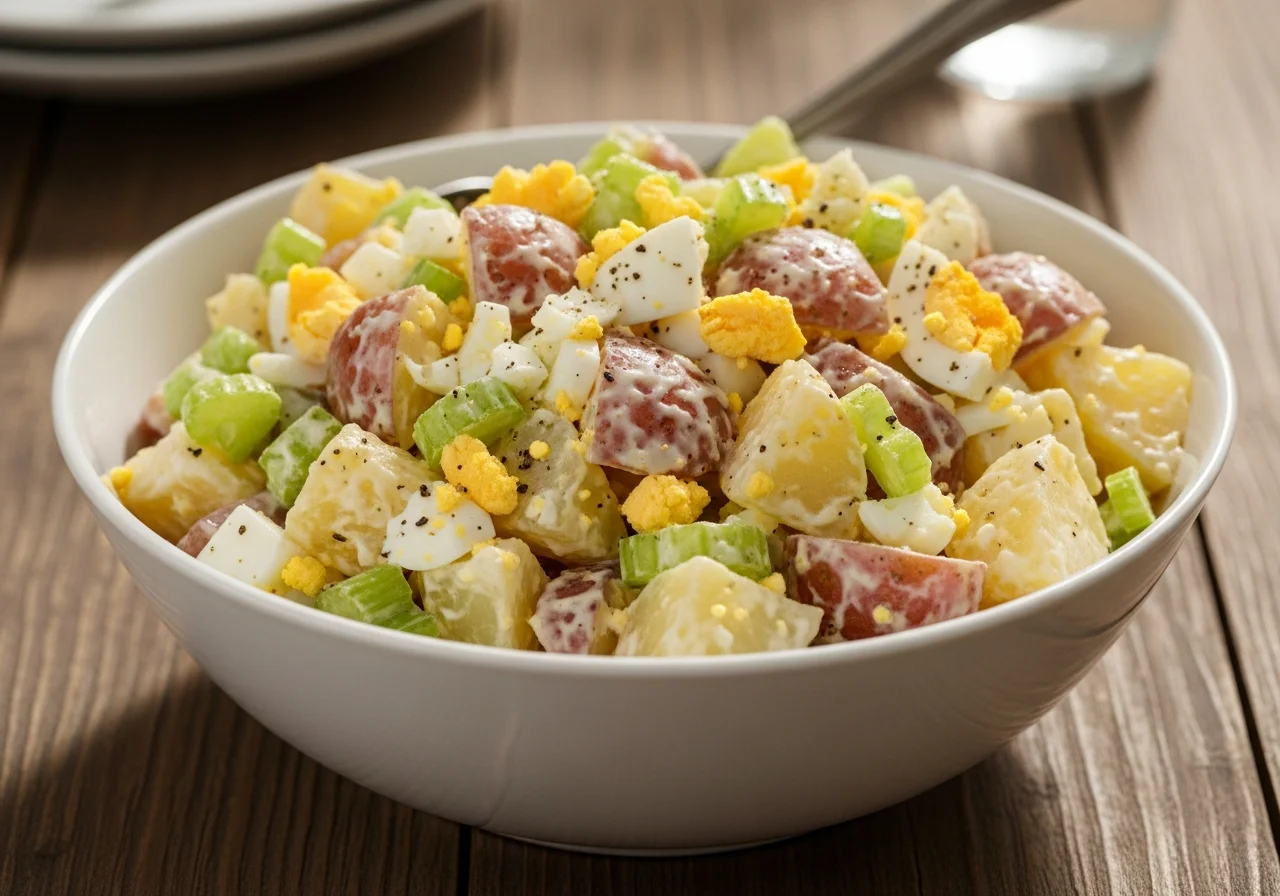
Mayonnaise-based pasta salads — including tuna, chicken, or egg versions — need consumption within 2 to 3 days. Mayonnaise is an emulsion that breaks down and harbors bacteria, and added proteins accelerate that process considerably.
According to FoodSafety.gov’s cold food storage chart, egg-based salads follow a 3 to 5 day window. When you add mayonnaise and fish together, erring toward 2 days is the safer clinical call.
Fresh and Homemade Pasta Storage
Fresh pasta and homemade pasta follow a completely different timeline from dried pasta. As Christina Ross, a physician specializing in public health, I emphasize this point to patients who have recently started making pasta at home — the rules change significantly when you move from a box to a board.
Store-Bought Fresh Pasta
Fresh pasta from the refrigerated grocery section is typically semi-cooked or pasteurized. In its original sealed packaging, it lasts until the printed use-by date. Once opened, you have a 2 to 3 day window before the dough begins to oxidize. A dull grayish color often signals this has started.
Homemade Pasta
Homemade pasta made with fresh eggs has the shortest refrigerator life of all. The eggs introduce moisture and biological activity that accelerates breakdown. Homemade fresh pasta lasts only 24 hours in the refrigerator — and for the best texture, cooking it within 18 hours is ideal.
Beyond that point, the eggs begin to weep moisture into the dough, making noodles mushy or excessively sticky. If you are not cooking your homemade pasta within 18 hours, dust the nests lightly with flour and freeze them in an airtight bag. They keep well for up to a month.
Pasta Dough Before Cutting
Uncut pasta dough can stay in the fridge for about 2 days when wrapped tightly in plastic wrap. This prevents a dry skin from forming on the surface. Small black specks from oxidation are still safe to cook but may look unappealing. A sour smell, however, means it should go straight into the trash.
The Science Behind Pasta Spoilage
Last spring, a patient named Margaret came into my office describing what she called a “24-hour bug” — nausea, vomiting, and stomach cramps that appeared about two hours after dinner. When we talked through what she had eaten, she mentioned reheated pasta sitting in her fridge for six days. She had checked it visually and it looked fine. It smelled fine too. That is exactly the point — it often does.
The bacterium most commonly responsible for pasta-related foodborne illness is Bacillus cereus. Most people have heard of Salmonella, but far fewer know about this one. Bacillus cereus naturally occurs in soil and can contaminate grain crops like wheat. Boiling pasta kills most active bacteria — however, B. cereus produces heat-resistant spores that survive cooking entirely.
If cooked pasta sits at room temperature too long, those spores activate and multiply rapidly. They produce toxins that reheating cannot destroy — because the danger isn’t the bacteria themselves, but the pre-formed toxins they leave behind. As the FDA’s Bad Bug Book explains, once those toxins are present in food, cooking to standard safe temperatures will not neutralize them. This makes the 2-hour cooling rule a clinical necessity — not just a suggestion.
Listeria monocytogenes presents a separate concern. It thrives in cold environments and grows slowly even at refrigerator temperatures. The CDC’s dedicated Listeria resource explains why consuming refrigerated leftovers within recommended windows — rather than testing the limits — remains the safest approach for all households.
How Pasta Shape and Flour Type Affect Storage
Not all pasta ages the same way. Shape, thickness, and flour composition all influence how quickly leftovers deteriorate.
The Impact of Pasta Shape
Spaghetti and other thin noodles have a high surface area relative to their volume. This causes them to dry out faster than thick shapes like rigatoni or penne. Stuffed pasta like ravioli and tortellini present a different challenge — the filling is hidden behind the dough, which can mask interior spoilage. Always cut one open and smell the filling specifically if you are approaching the end of the safe window.
Whole Wheat and Alternative Flour Pasta
Whole wheat pasta contains the bran and germ of the wheat berry, giving it more natural oils than refined white pasta. Those oils can turn rancid over time, creating a bitter taste by day four — even within the technically safe storage window.
Gluten-free pasta made from rice or corn flour tends to lose structural integrity faster than wheat-based varieties. By day three, these noodles may become mushy even if they remain safe to eat. Chickpea and lentil-based pastas are high in protein, creating an environment more attractive to bacteria — a tighter 3-day window is advisable for these varieties. If you want to explore how different noodle types compare, our guide on egg noodles vs pasta breaks down the key nutritional and storage differences.
How to Tell When Pasta Has Gone Bad
Knowing the warning signs is just as important as knowing the timeline. Some signs are visible. Others require a closer look.
Visual Signs of Spoilage
Look for white, green, or black fuzzy spots — these signal mold growth. Also watch for an unusual shiny or gooey sheen across the noodles. A slippery or coated surface means bacteria have formed a biofilm — a thin layer of microbial activity on the food’s surface.
Stuffed pasta showing discoloration around the edges of the dough or inside the filling should go straight in the trash without tasting.
Texture and Smell
Fresh cooked pasta feels firm or slightly tender to the touch. If pasta feels slippery, slimy, or leaves a residue on your fingers, it has gone bad regardless of how many days it has been stored.
Smell is a useful but unreliable indicator. Fresh pasta has a neutral, faintly wheaty aroma. Spoiled pasta often smells sour, yeasty, or faintly vinegary. That said, Listeria and certain strains of B. cereus produce no detectable odor at dangerous levels — so a neutral smell after day five is not a green light.
The Danger of Leaving Pasta Out Overnight
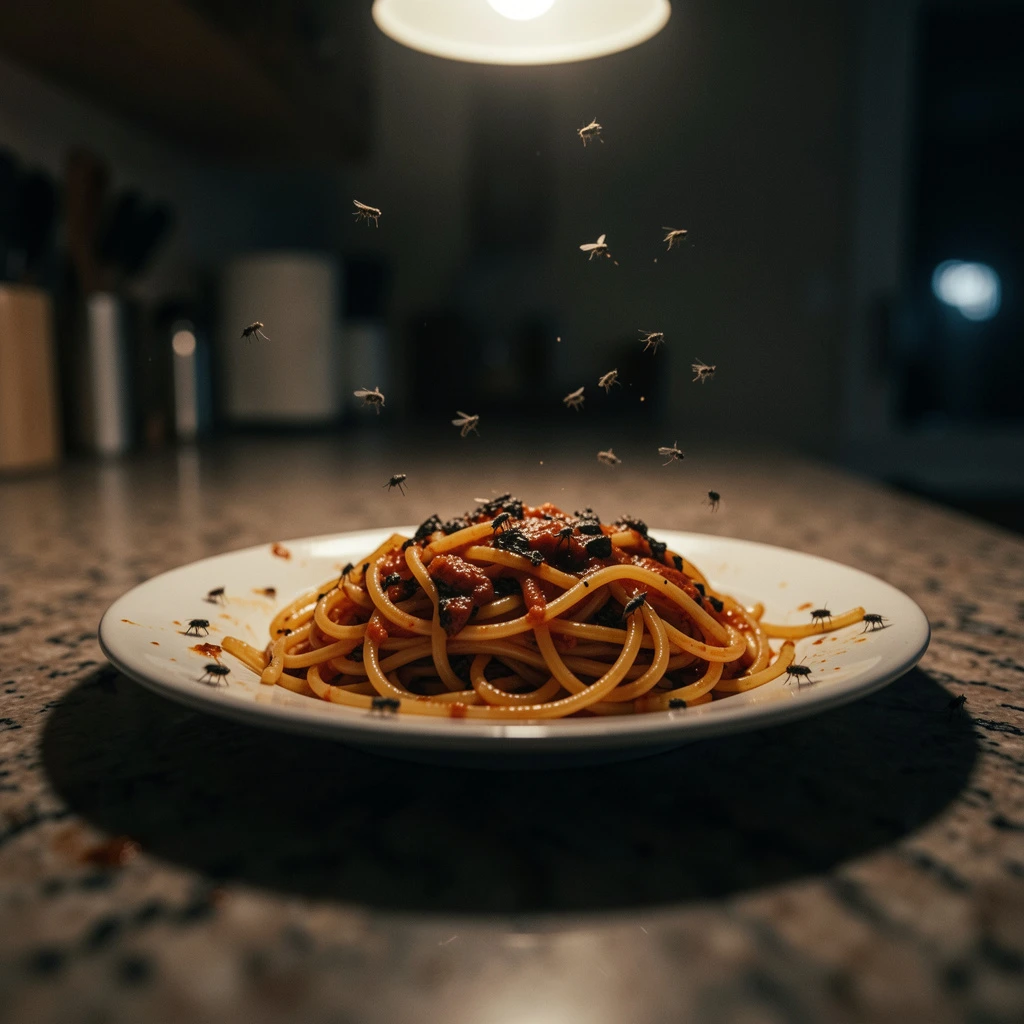
This is one of the most common — and most preventable — mistakes I see in practice. The USDA defines the “danger zone” as temperatures between 40°F and 140°F. Bacteria can double every 20 minutes within that range.
Pasta left on the counter overnight sits in the danger zone for 8 to 10 hours — far beyond the 2-hour maximum. According to Mayo Clinic’s food safety guidance, reheating food left out overnight does not make it safe. Toxins produced by bacteria during that time survive heat entirely. If pasta sat out all night, the right call is to discard it.
Reheating Pasta Safely
Proper reheating is the final step in protecting yourself from foodborne illness. The target internal temperature for reheated cooked pasta is 165°F, measured at the center of the dish.
The Microwave Method
Place pasta in a glass or ceramic bowl and add a splash of water or extra sauce before covering with a vented lid. The added liquid creates steam, distributing heat more evenly and preventing cold spots. Stir halfway through and confirm the center has reached 165°F with a food thermometer before eating.
The Stovetop Method
For pasta with sauce, the stovetop delivers the most reliable results from both a safety and quality standpoint. Heat pasta in a pan over medium heat, adding a small amount of broth or water to loosen the sauce and prevent scorching. This method produces even, consistent heating throughout — something microwaves often fail to achieve with dense pasta dishes.
The Oven Method for Baked Pasta
Cover baked pasta dishes like lasagna or ziti tightly with foil to prevent the top from drying out. Heat at 350°F until the center actively bubbles and a food thermometer confirms at least 165°F. For dense layered dishes, this can take 20 to 30 minutes depending on portion size. Slicing into individual portions before reheating dramatically speeds up the process.
The Health Benefits of Reheated Pasta
Here is something genuinely interesting that I share with patients managing blood sugar — reheated pasta is metabolically different from freshly cooked pasta. When you cook, cool, and then reheat pasta, the starch undergoes a structural change that increases its resistant starch content.
Resistant starch behaves more like dietary fiber than a simple carbohydrate. It resists digestion in the small intestine and ferments in the large intestine, feeding beneficial gut bacteria and producing a smaller blood sugar spike. According to NIH research on resistant starch, this effect is well documented and clinically meaningful for patients with metabolic concerns.
If you have wondered whether pasta is bad for weight loss, this resistant starch effect is part of a more nuanced answer than most people expect.
Meal Prep Tips for Storing Pasta All Week
If you meal prep pasta on Sundays, a few simple strategies keep it tasting fresh and staying safe through the week. Cook your pasta al dente — slightly firm to the bite. It continues to soften as it sits in the fridge and again when you reheat it. Fully cooked pasta stored for five days becomes unpleasantly mushy by the end of the week.
Store noodles and sauce in separate containers whenever possible. This prevents the sauce from continuing to soften the noodles overnight. Use glass containers with airtight snap lids — they block refrigerator odors and maintain better moisture balance than plastic.
Never seal a container while the pasta still steams. The steam condenses on the lid and drips back onto the noodles, creating the surface moisture where mold typically starts. Let pasta cool in an open container for 15 to 20 minutes — but never longer than 2 hours — before sealing and refrigerating.
A turkey bolognese stored separately from the noodles gives you a reliable 3-day window with excellent flavor throughout. A creamy cauliflower baked macaroni is best consumed within 2 to 3 days given its dairy content. For lighter weekly options, a massaged kale salad with beans and quinoa alongside plain pasta adds fiber and protein to your rotation. And if you enjoy exploring pasta recipe variations, our classic Italian pastina recipe is a simple, satisfying option that stores well for up to four days.
Frequently Asked Questions
How Long Does Cooked Pasta Last in the Fridge?
Cooked pasta lasts 3 to 5 days in the fridge in an airtight container at 40°F or below. Plain pasta stays closest to 5 days. Pasta with cream, meat, or seafood should be eaten within 2 to 3 days. Check for sliminess, off smells, or visible mold before eating any refrigerated leftovers, regardless of how many days have passed.
Can You Eat Pasta That Has Been in the Fridge for 7 Days?
No. Seven-day-old pasta carries significant risk of harmful bacterial growth, even when it looks and smells fine. Pathogens like Bacillus cereus and Listeria produce no visible or odor-based warning signs at dangerous levels. The safe window for cooked pasta is 3 to 5 days. Beyond day five, the risk of foodborne illness rises substantially and is not worth taking.
How Long Does Pasta Sauce Last in the Fridge on Its Own?
Homemade pasta sauce lasts 3 to 4 days in the fridge. Meat-based sauces like Bolognese should be used within 3 days. Opened store-bought jarred sauce lasts 5 to 7 days due to acidification and pasteurization during canning. Always check the jar rim for mold and smell the sauce before using it, even within the safe recommended window.
Is It Safe to Reheat Pasta More Than Once?
Reheating pasta more than once is not recommended. Each cooling and reheating cycle creates additional opportunities for bacterial growth, particularly if the pasta does not reach 165°F consistently each time. Portion out only what you plan to eat before reheating. Store the remainder untouched in the fridge to minimize repeat temperature cycling and reduce spoilage risk.
How Long Does Pasta Last in the Fridge Uncovered?
Pasta left uncovered in the fridge lasts barely 24 hours before it becomes unsafe and unpalatable. It dries out rapidly, absorbs refrigerator odors, and becomes vulnerable to cross-contamination from nearby foods. Surface conditions that favor mold growth develop quickly without a lid. Always use an airtight container to maintain both safety and quality throughout the full storage period.
Conclusion
Pasta is one of the great meal-prep staples — versatile, satisfying, and easy to make in large batches. However, as I remind my patients regularly, convenience only works in your favor when the basics of food safety are in place.
The 3 to 5 day rule is your baseline, but it is not a one-size-fits-all answer. Cream sauces, seafood, fresh eggs, and protein-rich add-ins all move the clock forward significantly. Knowing the difference between a 5-day plain pasta and a 2-day shrimp linguine is not just a culinary detail — it is a genuine health consideration.
Cool your pasta promptly, seal it properly, reheat it to temperature, and trust the timeline over the smell test. The most dangerous foodborne pathogens do not always announce themselves before causing harm.
How long does pasta last in the fridge? The answer depends on what is in your container — but with the guidance above, you now have the clinical clarity to make that call confidently every time. When in doubt, reach out to your healthcare provider or registered dietitian for personalized food safety guidance.
References
- USDA Food Safety and Inspection Service — Steps to Keep Food Safe — https://www.fsis.usda.gov/food-safety/safe-food-handling-and-preparation/food-safety-basics/steps-keep-food-safe
- USDA Food Safety and Inspection Service — Leftovers and Food Safety — https://www.fsis.usda.gov/food-safety/safe-food-handling-and-preparation/food-safety-basics/leftovers-and-food-safety
- Centers for Disease Control and Prevention — Food Safety — https://www.cdc.gov/food-safety/
- Centers for Disease Control and Prevention — Listeria — https://www.cdc.gov/listeria/about/index.html
- FDA — Foodborne Pathogenic Microorganisms — https://www.fda.gov/food/foodborne-pathogens/bad-bug-book-second-edition
- FoodSafety.gov — Cold Food Storage Charts — https://www.foodsafety.gov/food-safety-charts/cold-food-storage-charts
- Mayo Clinic — Food Safety: How Long Can You Keep Leftovers? — https://www.mayoclinic.org/healthy-lifestyle/nutrition-and-healthy-eating/expert-answers/food-safety/faq-20058500
- Harvard T.H. Chan School of Public Health — Carbohydrates and Blood Sugar — https://www.hsph.harvard.edu/nutritionsource/carbohydrates/carbohydrates-and-blood-sugar/
- USDA FoodKeeper App — Storage Recommendations for Cooked Pasta — https://www.foodsafety.gov/keep-food-safe/foodkeeper-app
- NIH National Library of Medicine — Resistant Starch and Its Impact on Human Health — https://www.ncbi.nlm.nih.gov/pmc/articles/PMC3823506/