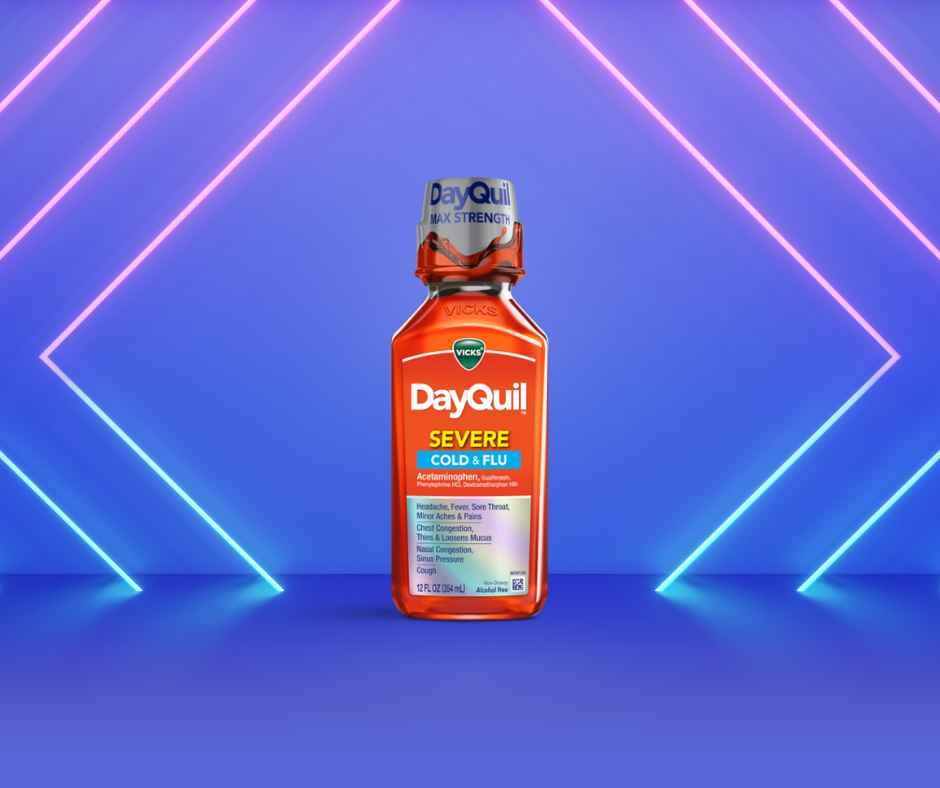
DayQuil is a household name for daytime cold relief. It promises to clear your symptoms without knocking you out. This popular medicine is explicitly marketed as a non-drowsy formula. Many users, however, report feeling surprisingly lethargic after taking it.
The question, “Does DayQuil Make You Sleepy?” remains a pervasive concern, sparking countless discussions on platforms like Reddit. People want to know the truth. They need to manage their cold symptoms while remaining alert enough for work or daily tasks.
This article will meticulously explore the science behind the medicine. We will investigate the common ingredients and potential individual sensitivities. We will examine why some people feel wide awake, while others succumb to unexpected drowsiness.
We will look at whether it makes you sleepy or awake. Ultimately, this comprehensive guide aims to settle the debate. We will provide a definitive answer on the effects of DayQuil on your alertness.
What Is DayQuil & How It Works
DayQuil is an over-the-counter (OTC) medication. It is specifically formulated to combat common cold and flu symptoms during the day.
The medicine does not cure the cold itself. Instead, it temporarily relieves bothersome symptoms. This relief helps you feel significantly better and function normally.
The effectiveness of DayQuil stems from a combination of active ingredients. Each ingredient serves a distinct therapeutic purpose. The standard DayQuil formulation typically includes three primary components:
- Acetaminophen (Pain Reliever/Fever Reducer): This compound is a common analgesic and antipyretic. It blocks chemical messengers in the brain. These messengers signal pain and high temperature. Acetaminophen is generally not associated with sedation.
- Dextromethorphan HBr (Cough Suppressant): Often abbreviated as DXM, this ingredient controls the cough reflex. It works by reducing activity in the part of the brain that triggers coughing. High doses of DXM can cause confusion or lethargy.
- Phenylephrine HCl (Nasal Decongestant): This substance is a vasoconstrictor. It shrinks swollen blood vessels in the nasal passages. This action reduces congestion and pressure. Phenylephrine has stimulant-like properties. It is intended to counteract any potential drowsiness.
DayQuil is used to treat nasal congestion, cough, minor aches, headache, sore throat, and fever. The combination of these ingredients aims to provide robust symptom relief. The formula is designed to achieve this without the sedative effects. The goal is a formula that works well.
DayQuil Variations
Vicks offers different DayQuil product variations. These variations address specific symptom profiles.
- DayQuil Cold & Flu: This is the standard, basic formula.
- DayQuil Severe: This variation often contains a higher dose of one or more ingredients. It may also include Guaifenesin (expectorant). The stronger formulation carries an increased potential for side effects.
- DayQuil Pills vs. Liquid: The active ingredients are generally the same. Liquid formulas may be absorbed faster. They often contain sugars or artificial sweeteners. This can contribute to a sugar crash and subsequent fatigue.
Does DayQuil Make You Sleepy? The Short Answer
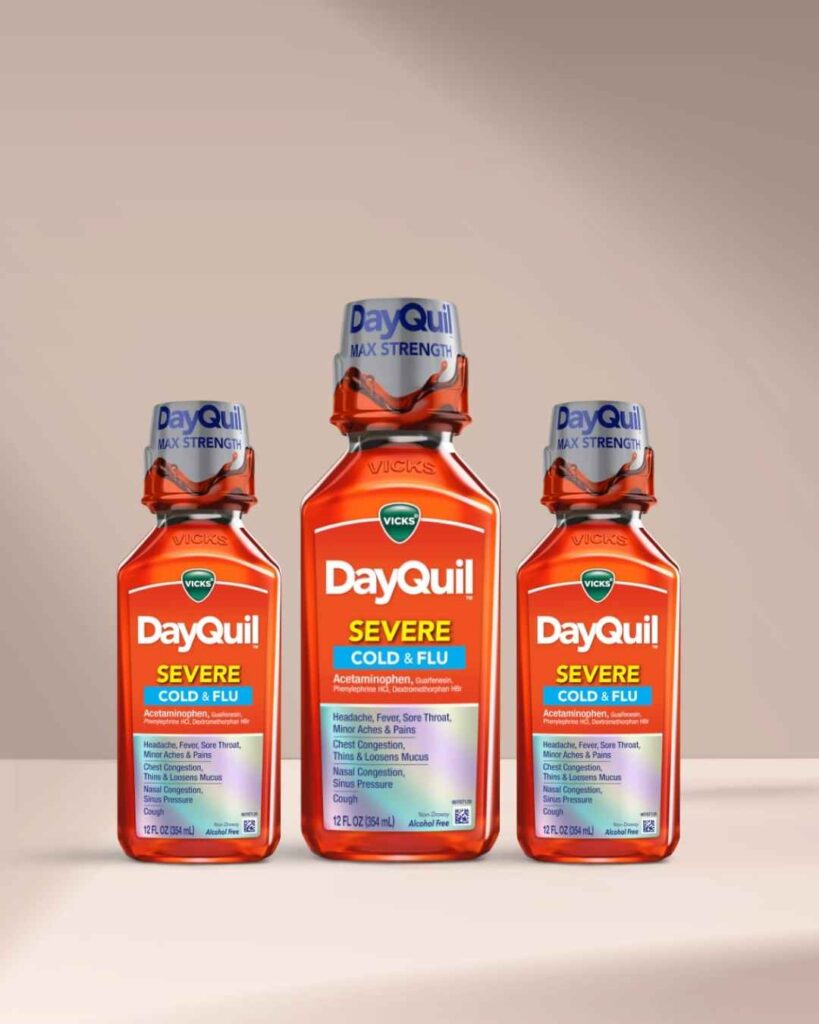
DayQuil is definitely marketed as a non-drowsy cold medicine. The inclusion of Phenylephrine reinforces this label. This ingredient is known for its mild, stimulant-like qualities. Therefore, the official, intended answer is no, DayQuil should not make you sleepy.
However, the real-world experience for many people is different. A significant minority of users—estimates suggest between 15% and 30%—report some degree of drowsiness.
They mention feeling groggy or lethargic after a dose. Does taking DayQuil make you drowsy? For this group, the answer is a qualified yes.
It is important to understand this phenomenon. The feeling of sleepiness is not considered a normal side effect of the medication. It is a possible, though uncommon, side effect. This drowsiness is generally mild and temporary. It is usually not a cause for serious alarm.
Common Causes of Reported Drowsiness
- Individual Sensitivity: Some people are naturally more sensitive to Dextromethorphan’s effects.
- Dehydration: Cold symptoms cause fluid loss. Dehydration causes fatigue.
- Underlying Illness: The fatigue from the cold or flu itself is often misattributed to the medication.
- Drug Interactions: Taking DayQuil alongside other sedating substances can enhance sleepiness.
The feeling of tiredness after DayQuil is not the intended outcome. You should not plan to take DayQuil as a sleep aid. The possibility of drowsiness is a real concern for a noticeable portion of the population.
Why Does DayQuil Make Some People Sleepy?
When people ask, “Why does DayQuil make me sleepy?” they are seeking a scientific explanation. Several factors, both pharmacological and physiological, contribute to this side effect. Understanding these mechanisms is key to using the medication safely.
The Overlap of Illness and Medication Fatigue
The most common reason for feeling tired is the cold or flu infection itself. Fighting a viral infection requires immense energy from your body. The body releases cytokines. These signaling molecules often trigger a profound sense of fatigue.
This natural exhaustion is frequently mistaken for a medication side effect. Will DayQuil make you sleepy? It may be the cold.
The Role of Dextromethorphan (DXM)
DXM is primarily a cough suppressant. It is generally not considered a sedative. Nevertheless, DXM interacts with various receptors in the central nervous system. At therapeutic doses, it has a low potential for causing sleepiness.
- Science-Based Explanation for Mild Sedation: DXM is a non-competitive antagonist of the N-methyl-D-aspartate (NMDA) receptor. It also acts as a sigma-1 receptor agonist. This complex interaction can, in certain individuals, produce mild effects.
These effects include lightheadedness, dizziness, or a feeling of being “heavy.” These sensations can easily be interpreted as drowsiness. This is an example of why can DayQuil make you sleepy.
Phenylephrine’s Paradoxical Effect
Phenylephrine is a mild stimulant. It is a key ingredient to keep DayQuil “non-drowsy.” For a small number of people, stimulant effects can lead to a subsequent “crash.” Others may experience a slight drop in blood pressure as the decongestant effect wears off.
This drop can temporarily cause lightheadedness or fatigue. This explains why does Vicks DayQuil make you sleepy for some people.
Dehydration and Metabolic Factors
Illness often leads to dehydration. This is due to a fever and a runny nose. Dehydration is a significant cause of fatigue and sluggishness. DayQuil is a diuretic for some people. This can contribute to fluid loss.
Also, individual metabolism plays a role. The body metabolizes DXM using the CYP2D6 enzyme. Some individuals are “poor metabolizers.” They process the drug slowly.
This results in higher and longer-lasting concentrations of DXM in the system. Consequently, they are more likely to experience side effects, including drowsiness.
Other Contributors to Drowsiness
- Sugar Content: Liquid DayQuil formulas contain significant amounts of sugar. This leads to a temporary energy spike. A subsequent sharp sugar crash can result in sudden, severe tiredness.
- Empty Stomach: Taking any strong medication on an empty stomach can increase the intensity of side effects. This includes feelings of weakness or sleepiness.
- Drug-Drug Interactions: Combining DayQuil with other medications or alcohol is dangerous. It can intensify the sedating effects of both substances.
The feeling that does Vicks make you sleepy or why does Vicks cause drowsiness stems from one or a combination of these factors. The medicine’s ingredients, the severity of the illness, and personal body chemistry all intersect.

Why Does DayQuil Make Me Sleepier Than NyQuil?
This is one of the more puzzling experiences for users. NyQuil is famously known for its sleep-inducing properties. It is a dedicated nighttime formula.
For a small population, DayQuil seems to cause more pronounced drowsiness. This happens even though NyQuil is designed to promote sleep. Why does DayQuil make me sleepier than NyQuil?
The core of the difference lies in the active ingredients.
- The Sedating Antihistamine: NyQuil contains an antihistamine, typically doxylamine succinate or diphenhydramine. These are potent sedatives. They cross the blood-brain barrier easily. They block histamine receptors.
This action is the primary reason NyQuil causes powerful, reliable drowsiness. DayQuil deliberately excludes this ingredient.
- Paradoxical Reactions: Some individuals experience a rare, paradoxical reaction. This means the intended non-drowsy formulation of DayQuil causes the opposite effect.
This is similar to how some children become hyperactive on sedating cough medicines. Their unique biological pathways may intensify the subtle sedative qualities of Dextromethorphan.
- The Burden of Illness: People generally take NyQuil when they are already ready for bed. The sleepiness is reinforced by the natural sleep cycle.
DayQuil is taken during the day. The user is actively fighting both the side effects of the drug and the full fatigue of the illness. The feeling of exhaustion can feel more jarring and intense during the day than at night.
- The DXM Effect: The concentration of Dextromethorphan in DayQuil might be higher than in some NyQuil formulations. For an individual sensitive to DXM, this could translate to a more noticeable “heavy” or groggy feeling.
In essence, while NyQuil is chemically engineered to induce sleep, DayQuil’s unexpected drowsiness for some is a result of ingredient sensitivity and metabolic factors.
Does DayQuil Make You Awake Instead?
For every person asking if DayQuil causes sleepiness, another is wondering the opposite: does DayQuil keep you awake? This opposing experience is also very common. It is entirely consistent with the drug’s formulation.
The Stimulant-Like Decongestant
The key to DayQuil’s energizing effect is Phenylephrine. This decongestant stimulates adrenergic receptors. This action mimics the effects of mild stimulants. It causes blood vessels to constrict, reducing swelling.
- Why DayQuil Can Feel Energizing: When your congestion and headache are gone, the body experiences significant relief. The mild stimulation from Phenylephrine combined with the relief from symptoms can create a noticeable boost in energy and alertness. Will DayQuil help me wake up? For many, the answer is yes, simply because it clears the physical obstacles to alertness.
On forums like Reddit, users often share experiences of feeling “wired” or “too keyed up” to rest. The feeling is not a genuine energy boost.
It is a feeling of heightened awareness or restlessness that makes sleep difficult. The medicine is effectively doing its job: treating symptoms without the sedating antihistamine.
DayQuil Reddit Experiences
Online forums like Reddit are rich with anecdotal evidence about DayQuil’s effects. The discussions often highlight the polarizing nature of the medicine. The collective experience proves there is no single, universal reaction.
Summarizing the Online Discourse
- The Knock-Out: Many posts detail the unexpected drowsiness. Phrases like “DayQuil knocks me out” or “it makes me instantly groggy” are frequent. These users likely represent the subset with DXM sensitivity or paradoxical reactions. They may mistakenly think does DayQuil make you sleepy too.
- The Wired Effect: On the other side, users are surprised by their inability to relax. They describe feeling “wired” or “jittery.” These reports support the stimulant-like effects of Phenylephrine. They are asking will DayQuil keep you awake Reddit.
- The Grogginess: A middle ground exists where users report a feeling of general malaise. They feel neither energized nor deeply sleepy. Instead, they feel “grogginess” or “brain fog.” This is often the body fighting off the illness while processing the medication.
- The Push-Through: A significant number of users affirm the medication’s intended purpose. They report that DayQuil “helps me push through my workday.” It provides sufficient symptom relief without impairing focus.
These opposing experiences confirm that DayQuil’s effect is highly individualized. What works as a non-drowsy aid for one person can be an accidental sedative for another.
DayQuil Formulas Compared: Which Ones Cause Sleepiness?
Not all DayQuil products are identical. The difference in ingredients and dosage can significantly alter the risk of side effects, including drowsiness. Understanding these distinctions is crucial for selecting the right product.
Formula Breakdown
| Formula | Active Ingredients | Key Difference | Sleepiness Potential |
| DayQuil Cold & Flu (Standard) | Acetaminophen, Dextromethorphan, Phenylephrine | The baseline, balanced formula. | Low to Moderate |
| DayQuil Severe | Acetaminophen, Dextromethorphan, Phenylephrine, Guaifenesin | Includes an expectorant and often higher doses of active ingredients. | Moderate (Higher doses increase side effect risk) |
| DayQuil Cough | Dextromethorphan (Cough Suppressant) | Focuses heavily on cough relief; often excludes the decongestant/fever reducer. | Moderate to High (DXM is the only active ingredient; if sensitive, sleepiness is more likely) |
| DayQuil LiquiCaps (Pills) | Same as standard Cold & Flu | Pill form is generally absorbed more slowly than liquid. | Low (Less potential for a sugar crash compared to liquid) |
Does DayQuil Severe make you sleepy? Because the “Severe” formula contains more active drug per dose, the potential for a side effect—like the DXM-induced grogginess—is statistically higher. People with high sensitivity should proceed with caution.
Does DayQuil Cold and Flu make you sleepy? This standard version has the lowest overall risk. It has a balanced combination of ingredients. Does DayQuil pills make you sleepy? Whether you take pills or liquid, the active ingredients are the same.
However, the liquid form can lead to a more rapid onset of both effects and side effects, including the sugar-crash fatigue. Pills are generally viewed as slightly less likely to cause sudden drowsiness.

Does DayQuil Help You Sleep or Put You to Sleep?
DayQuil’s primary purpose is daytime symptom relief. It is not, under any circumstances, a sleep aid.
The feeling of drowsiness experienced by some users is a side effect. It is not a reliable or consistent therapeutic effect. Does DayQuil make you sleep? No. It does not contain the potent sedatives found in sleep medicines.
- Risk of Using DayQuil as a Sleep Aid:
- Inconsistent Effect: You cannot rely on it to make you sleep. You may end up feeling weird instead.
- Overdosing: Taking DayQuil to induce sleep may lead to taking higher-than-recommended doses. This can cause liver damage from excessive Acetaminophen or neurological side effects from too much DXM.
- Restful Sleep: Even if DayQuil makes you drowsy, it may not facilitate restful or quality sleep. It does not replicate the natural process of falling asleep.
If your primary goal is to sleep and recover, you should switch to NyQuil or another dedicated nighttime formula. Will DayQuil help me sleep? It may allow you to sleep by relieving symptoms, but it won’t force you to sleep.
Can I Take DayQuil at Night?
The short answer is: You can take DayQuil at night, but you should not use it as a substitute for a nighttime medicine.
Pros & Cons of Nighttime DayQuil
| Pros | Cons |
| Symptom Relief: It will still treat pain, fever, and cough. | Wakefulness: Phenylephrine can keep you awake. |
| Non-Sedating: If you need to be alert at night (e.g., caring for a child). | Dosing Risk: There is a risk of confusion with daytime/nighttime dosing. |
| No Antihistamine: Avoids the potential “hangover” effect of sedating antihistamines. | Unnecessary Struggle: You may struggle to fall asleep and get poor rest. |
Can DayQuil make you sleepy at night? If you are one of the people who experience the grogginess side effect, it might. However, this is not a reliable outcome.
Key Nighttime Considerations
- Do Not Combine with NyQuil: Never take DayQuil and NyQuil at the same time or too close together. They share common ingredients like Acetaminophen and DXM. This significantly increases the risk of overdose.
- Nighttime Alternatives: If sleep is the priority, use NyQuil or a similar product containing a dedicated sedating antihistamine.
- Timing: If you must take DayQuil at night, take it at least 4 hours before you plan to go to sleep. This gives the stimulating effects of Phenylephrine time to wear off.
How Long Does DayQuil Last?
Understanding the pharmacokinetics of DayQuil is essential for safe and effective use. This involves three key time frames: onset, duration, and clearance.
Onset of Action (How long does it take for DayQuil to work?)
- Average: 20 to 30 minutes
- Liquids: Generally, liquid formulations are absorbed more quickly by the stomach. They often take effect closer to the 20-minute mark.
- Pills/Capsules: These take slightly longer for the capsule to dissolve. Onset may be closer to the 30-minute mark.
- Symptom relief is usually felt within half an hour.
Duration of Action (How many hours does DayQuil last?)
- Average: 4 to 6 hours
- The recommended dosing interval for DayQuil is every 4 hours. This is because the effectiveness of the pain reliever and decongestant begins to wane after this period.
- You should not take more than the recommended dosage within 24 hours.
System Clearance (How long does DayQuil stay in your system?)
- Total Clearance: 24 to 48 hours
- The half-life of DayQuil’s primary ingredients varies. Acetaminophen has a relatively short half-life. Dextromethorphan’s half-life can be longer.
- Most active ingredients will be metabolized and excreted by the kidneys and liver within 24 hours. Full clearance, meaning the trace elements are entirely gone, can take up to 48 hours. This is an important consideration for drug testing or interaction risk.
How Long Do DayQuil Side Effects Last?
Fortunately, the side effects of DayQuil are usually mild and temporary. They are directly tied to the concentration of the drug in your bloodstream.
- Drowsiness/Irritability: If experienced, these usually last for the duration of the drug’s action, 4 to 6 hours. They will typically resolve as the medication is metabolized. If you feel drowsy, avoid driving or operating heavy machinery.
- Dry Mouth: This is a common side effect of many cold medications. It can persist for a few hours. Staying hydrated helps alleviate this.
- Upset Stomach/Nausea: This is also dose-dependent. It can last a few hours after the dose. Taking the medication with food can reduce this.
When to Seek Medical Help
Most side effects are manageable. However, you should stop taking DayQuil and consult a healthcare professional immediately if you experience:
- Severe dizziness or confusion
- Rapid or pounding heartbeat
- Hives, rash, or signs of an allergic reaction
- Persistent nausea or vomiting
- Inability to urinate
Does DayQuil Interact With Other Medications?
DayQuil’s ingredients can interact with a wide range of prescription and over-the-counter medications. These interactions can increase the risk of side effects, including profound sleepiness.
Increased Risk of Sleepiness
Combining DayQuil with any of the following can dangerously increase sedation:
- Alcohol: Alcohol is a central nervous system depressant. Combining it with DayQuil amplifies the sedating effects of both. It also severely stresses the liver. Never mix DayQuil and alcohol.
- Antihistamines (e.g., Diphenhydramine, Benadryl): Even non-drowsy antihistamines can contribute to sedation when combined with DXM. Sedating antihistamines will almost certainly cause strong drowsiness.
- Sleep Aids: OTC and prescription sleep medications (e.g., Z-drugs, melatonin) will have their sedating effects magnified.
Other Serious Interactions
- Antidepressants (SSRIs, MAOIs): DayQuil’s Dextromethorphan (DXM) has a low risk of causing Serotonin Syndrome when combined with MAOIs (Monoamine Oxidase Inhibitors) or certain SSRIs (Selective Serotonin Reuptake Inhibitors).
This is a serious, potentially fatal condition. Avoid DayQuil if you are on an MAOI. Consult your doctor about SSRIs.
- Anxiety Medications (Benzodiazepines): The risk of profound CNS depression and severe drowsiness is high.
Always consult your pharmacist or doctor before taking DayQuil if you are on any other medications.
Does Vicks VapoRub Make You Sleepy?
Vicks VapoRub is an entirely different product. It is a topical mentholated cream. It is applied externally to the chest, throat, and back.
- Active Ingredients: Menthol, Camphor, and Eucalyptus oil. These are aromatic compounds, not systemic drugs.
- Mechanism: When inhaled, the vapors of menthol and eucalyptus create a cooling sensation. They interact with receptors in the nasal passages. This sensation gives the feeling of opening up the airways.
- Drowsiness: Vicks VapoRub does not contain any ingredients that cause medical drowsiness. Why does Vicks make you sleepy? It doesn’t.
- Improved Sleep: Does Vicks help you sleep? It can help you sleep because it opens your airways. This allows for easier, less-congested breathing. Better breathing leads to improved sleep quality, not drug-induced sleepiness.
Does DayQuil Make You Feel Better?
Yes, DayQuil is highly effective at making you feel better. This is its primary and intended purpose.
- Symptom Relief: It successfully treats the core symptoms that make you miserable: fever, aches, pain, cough, and nasal congestion.
- Quality of Life: By temporarily eliminating these symptoms, DayQuil dramatically improves your quality of life. It allows you to focus, work, and complete daily tasks.
- Not a Cure: It is critical to remember that DayQuil is not a cure. It does not kill the virus. It only provides symptomatic relief. The illness is still present. This temporary relief is enough to help you feel better and carry on.
Who Should Avoid DayQuil?
DayQuil is safe for most healthy adults. However, certain medical conditions and demographics require caution or complete avoidance.
High-Risk Groups
- Children: DayQuil is not recommended for children under the age of 4. Always use children-specific formulas and follow pediatric dosing guidelines.
- Pregnancy/Breastfeeding: Consult a doctor. Acetaminophen is generally considered safe. However, the decongestant (Phenylephrine) is often avoided, especially in the first trimester.
- Heart Disease/Hypertension (High Blood Pressure): Phenylephrine is a vasoconstrictor. This raises blood pressure. It can be dangerous for people with high blood pressure or other heart conditions.
- Thyroid Conditions (Hyperthyroidism): People with an overactive thyroid can be sensitive to stimulants. Phenylephrine may worsen symptoms like palpitations or anxiety.
- Those on Antidepressants (MAOIs): As discussed, the risk of Serotonin Syndrome is too high. DayQuil must be avoided.
- Glaucoma: The decongestant can exacerbate certain types of glaucoma.
- Diabetes: The sugar content in the liquid formula is a concern for blood sugar control.
Always disclose your full medical history to a healthcare provider or pharmacist before taking DayQuil.
Safe DayQuil Tips
Using DayQuil correctly minimizes the risk of side effects, including unexpected drowsiness.
- Stay Hydrated: Drink plenty of water. This combats the dehydration that contributes to fatigue.
- Avoid Stimulants and Depressants: Do not mix DayQuil with alcohol, excessive coffee, energy drinks, or other sedating medicines.
- Don’t Double Dose: Follow the 4-hour interval strictly. Never exceed the maximum dose in a 24-hour period. Never mix DayQuil with NyQuil at the same time.
- Take with Food: If you experience an upset stomach or lightheadedness, take your dose with a light meal.
- Know Your Reaction: The first time you take DayQuil, do not drive or operate heavy machinery until you know how your body reacts.
Alternatives to DayQuil
If DayQuil makes you too sleepy or too wired, or if you have a medical condition that prohibits its use, alternatives are available.
- NyQuil (Nighttime): The best option for recovery and sleep. It contains a sedating antihistamine.
- Single-Ingredient Relief: Take Acetaminophen for pain/fever and a dedicated cough medicine (without DXM) or a different decongestant (like pseudoephedrine) for targeted relief.
- Natural Remedies:
- Hot Steam/Humidifier: Excellent for congestion.
- Honey/Herbal Tea: Soothes a sore throat and cough.
- Saline Nasal Spray: Effectively clears nasal passages without systemic drug effects.
- Single-Agent Decongestant (e.g., Sudafed): This provides strong decongestant action without the cough suppressant. Use caution due to stimulant effects.
DayQuil Sleep Aid Reviews
As established, DayQuil is not a sleep aid. Searching for DayQuil sleep aid reviews online will yield results from people who mistakenly or deliberately used it for this purpose.
- User Misuse: Many reviews will be negative. They will describe a restless night or poor-quality sleep.
- The Paradoxical User: A small number of reviews will praise it. These users are the rare population that experiences the strong sedative side effect.
- The Recommendation: The vast majority of healthcare professionals and reliable sources will advise against this use. Do not use DayQuil as a sleep medicine. It does not contain the correct ingredients. It puts you at risk of accidental overdose from the other active components, particularly Acetaminophen.
Final Verdict
DayQuil is explicitly formulated and marketed as a non-drowsy daytime cold and flu medication. Its core ingredients are intended to relieve symptoms while maintaining alertness.
Does DayQuil Make You Sleepy?
- The Intended Answer: No, it should not.
- The Real-World Reality: Yes, for a noticeable minority of people, drowsiness can and does occur. This is usually due to:
- The overwhelming fatigue of the cold or flu.
- An individual’s unique metabolic sensitivity to Dextromethorphan (DXM).
- A sugar crash from the liquid formula.
If you feel mild, temporary drowsiness, it is usually just a side effect of the drug or your illness. If you experience severe, debilitating, or prolonged sleepiness, or if you feel sleepier than on NyQuil, this indicates a strong personal sensitivity. In this case, you should switch to a single-ingredient medication.
Use DayQuil to manage daytime symptoms. Switch to NyQuil for nighttime rest and recovery. Always consult your doctor or pharmacist if you have concerns about drowsiness or potential drug interactions.
References
1. Dextromethorphan (DXM) and Sedation/Interactions
- Dextromethorphan Toxicity – StatPearls – NCBI Bookshelf
- Dextromethorphan: MedlinePlus Drug Information
- Dextromethorphan – StatPearls – NCBI Bookshelf – NIH
- Serotonin syndrome – Symptoms & causes – Mayo Clinic
2. Phenylephrine (Decongestant) and Stimulant Effects
- Phenylephrine – StatPearls – NCBI Bookshelf – NIH
- What is the mechanism of Phenylephrine Hydrochloride? – Patsnap Synapse
3. Acetaminophen and Pharmacokinetics
- Acetaminophen Toxicity: What Pharmacists Need to Know – U.S. Pharmacist
- Acetaminophen Toxicity – StatPearls – NCBI Bookshelf
4. DayQuil Product Details and Comparisons
VICKS DAYQUIL SEVERE COLD AND FLU… capsule, liquid-filled – DailyMed (NIH)
Vicks DayQuil Cold and Flu… liquid – DailyMed (NIH)